

Malise Ruthven is een auteur wiens werken zich verdiepen in de complexiteit van de islam en bredere religieuze landschappen. Zijn schrijfstijl onderzoekt hoe geloof wordt gevormd en gemanifesteerd in diverse culturen en binnen het moderne tijdperk. Ruthven, een voormalig scenarioschrijver voor de BBC, schrijft nu fulltime en brengt een diepe betrokkenheid bij vergelijkende religie en cultuurgeschiedenis in zijn verkenningen.
In this authoritative book, Malise Ruthven provides an analysis of the events
of September 11 in America. He discusses the role of the global market and
examines the tangled web of grievances that formed the substance of the
bombers' complaints.
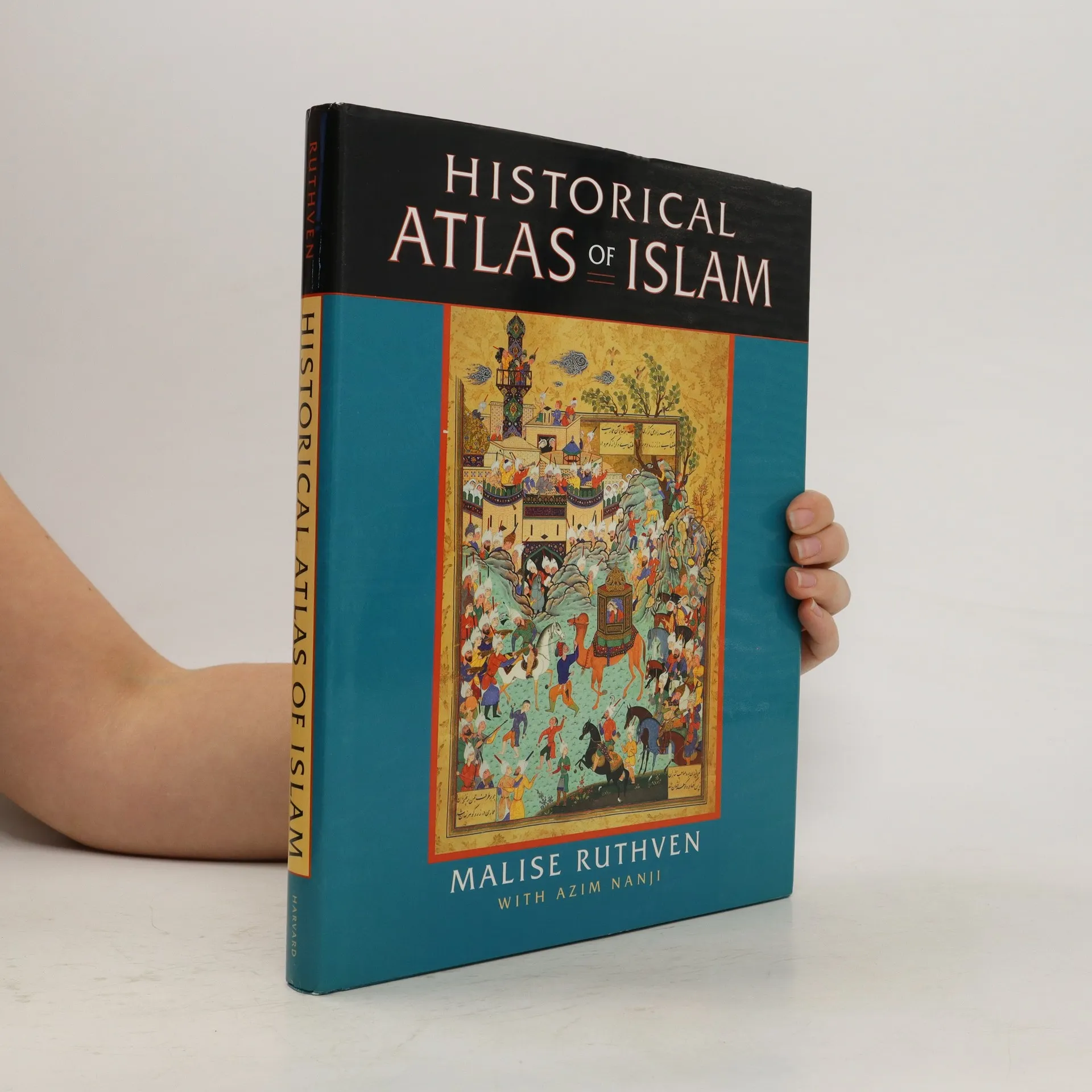
Chronicles the history of Islam from the birth of Mohammed to the independence of former Soviet Muslim States, covering a wide variety of themes, including philosophy, arts, and architecture.
In a work of profound and lasting importance, Albert Hourani tells the definitive history of the Arab peoples from the seventh century, when the new religion of Islam began to spread from the Arabian Peninsula westwards, to the present day. "A History of the Arab Peoples" is a masterly distillation of a lifetime of scholarship and a unique insight into a perpetually troubled region. For this edition, Malise Ruthven continues the history to include such recent events as the crisis in Iraq, the civil war in Algeria and the aftermath of September 11th.
Islam features widely in the news, often in its most militant forms, but few people in the non-Muslim world really understand its nature. Malise Ruthven's Very Short Introduction, offers essential insights into the big issues, provides fresh perspectives on contemporary questions, and guides us through the complex debates.
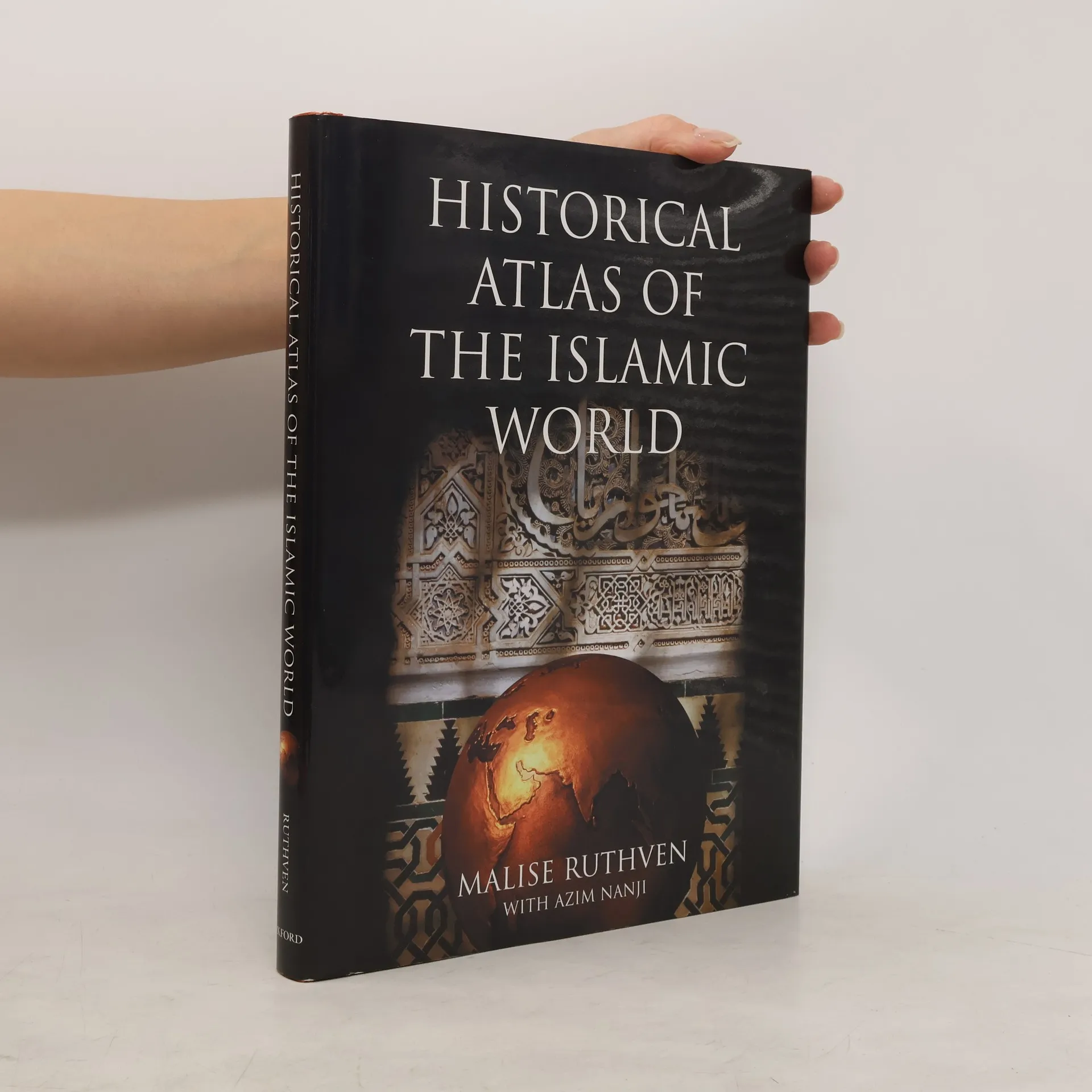
There is significant interest in the Islamic world today, especially following the September 2001 attacks and subsequent wars in Afghanistan and Iraq. Many in the West view 'Islamic Fundamentalism' as a major threat to global peace. While not all scholars agree on a 'Clash of Civilizations' between Islam and the West, the distinct evolution of these cultures is widely acknowledged. A comprehensive understanding of contemporary Islam necessitates a historical perspective. Malise Ruthven, a noted author and commentator on Islam, offers this perspective in a thoroughly researched and well-written format. The Historical Atlas of the Islamic World is concise, accessible, and authoritative, covering the period from pre-Islamic late antiquity to the present, including recent emigration patterns and the independence of post-Soviet Muslim states in Central Asia. The atlas features maps designed to illustrate shifting frontiers and population densities, alongside historical maps of changing boundaries, trade routes, and the rise and fall of dynasties and religious sects. Accompanying essays explore various themes across Muslim-majority regions, addressing topics such as Shari'a, philosophy, architecture, trade, family life, and the impact of European domination and Islamic political movements.
The book provides an in-depth analysis of Saudi Arabia's complex socio-political landscape, juxtaposing its modernizing efforts against a backdrop of repression and conflict. It examines the implications of Jamal Khashoggi's murder, highlighting the intensified suppression of dissent amidst ongoing wars and geopolitical tensions. Author Malise Ruthven traces the historical roots of the House of Saud's power, revealing its manipulation of Wahhabism and collaboration with Western interests. The narrative also scrutinizes Crown Prince MBS's dual role in promoting liberalization while enforcing autocracy.
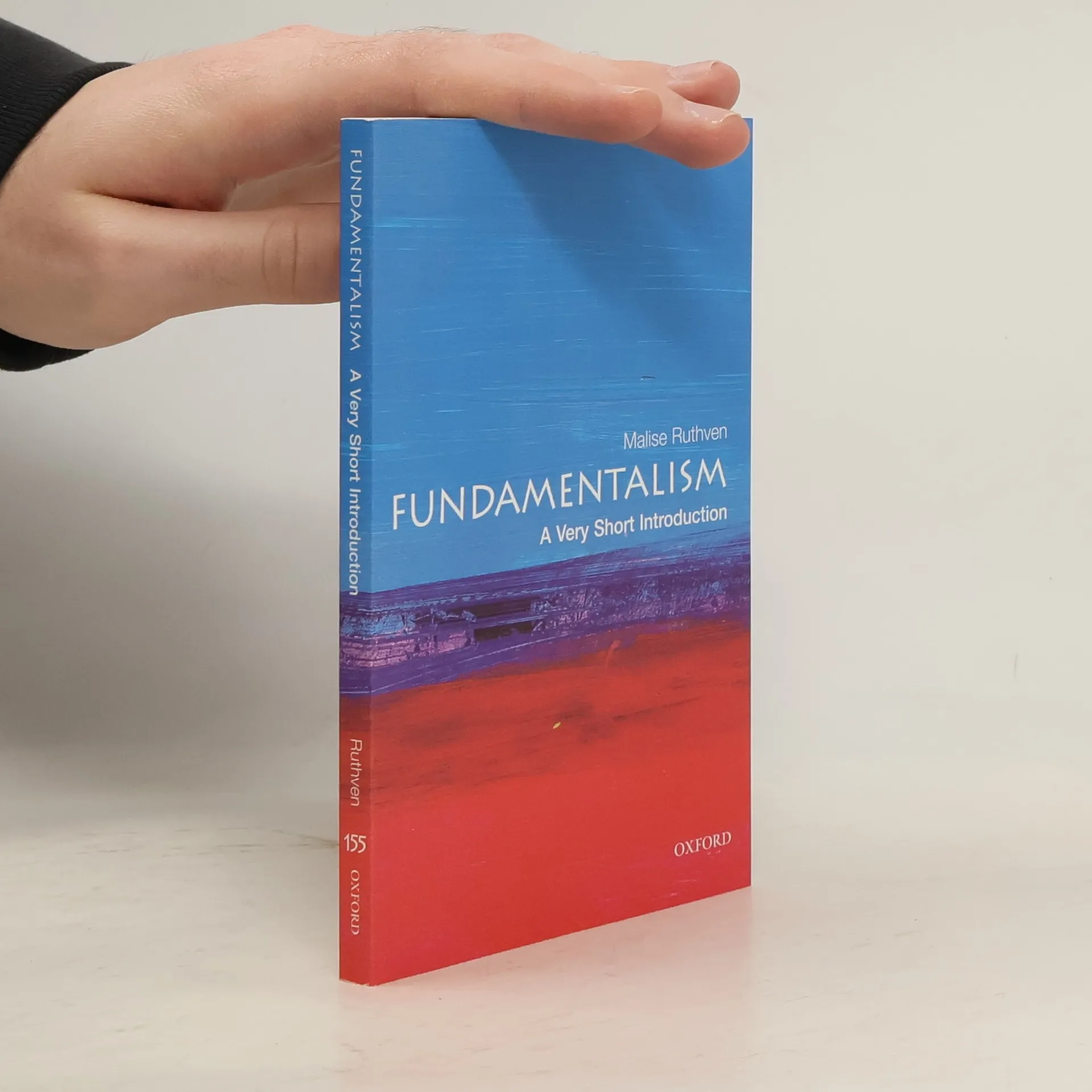
Since the end of the Cold War, fundamentalism has been seen as the major threat to world peace, a conclusion that was burned into our consciousness on September 11th and that is reinforced almost every day in the Middle East. But what exactly is fundamentalism? Here is the first book to explore the real nature of secular and religious fundamentalism worldwide, highlighting the many different forms fundamentalism can take. Examining Christian, Islamic, Jewish, Buddhist, and Hindu sects, Malise Ruthven offers a sweeping look at this phenomenon, examining its historical, social, religious, political and ideological backgrounds and providing a critical view of the burgeoning literature on this highly diverse set of movements. Fundamentalism, he concludes, is a problematic term that defies easy definitions. Coined by American Protestant evangelicals in the 1920s, the word's meaning has expanded to include radical conservatives and ideological purists in many spheres of activity, not all of them religious. Fundamentalism embraces Islamic radicals in the Muslim world as well as the militant Israeli settlers who oppose them. It has been used to describe Sikh, Hindu and even Buddhist nationalists who seek to justify their political agendas by reference to divine edicts or religious tradition. Ruthven agrees that there are some "family resemblances" between different fundamentalist movements, especially over concerns of national identity and gender, but he ultimately questions its usefulness as a term. One of the world's leading commentators on Islam, Malise Ruthven writes with a clarity and directness that never fails to engage the reader. In this superb volume, he guides us through what is clearly a complex topic, but one that is vitally important in the modern world.
Der Islam ist nicht nur eine der bedeutendsten Religionen der Menschheit, er steht heute auch im Zentrum des politischen Weltinteresses. Beiden Aspekten versucht die konzise, übersichtlich gegliederte Darstellung gerecht zu werden. Eine elementare Einführung, die Verständnis für eine uns immer noch fremde Welt weckt und fördert.