Fred Hoyle Boeken
Sir Fred Hoyle behoorde tot de meest vooraanstaande, creatieve en controversiële wetenschappers van de twintigste eeuw. Naast zijn werk in de theoretische astronomie was hij een fervent bergbeklimmer, een enthousiaste schaker en een sciencefictionauteur. Hij was een belangrijke wetenschapsvoorlichter en bedacht de term 'Big Bang'. Zijn bijdragen blijven de wetenschappelijke discussie inspireren en uitdagen.


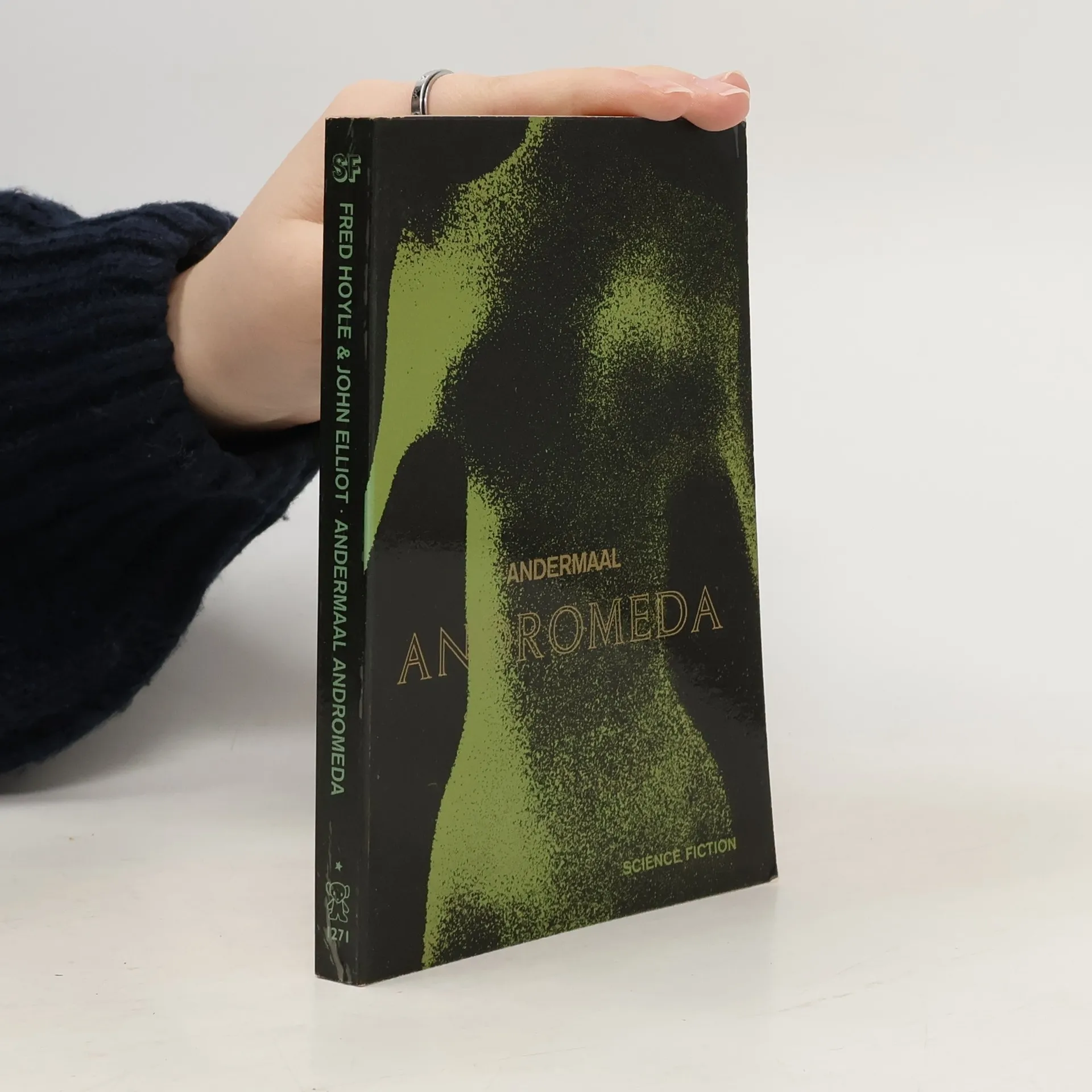
Andermaal Andromeda
- 192bladzijden
- 7 uur lezen
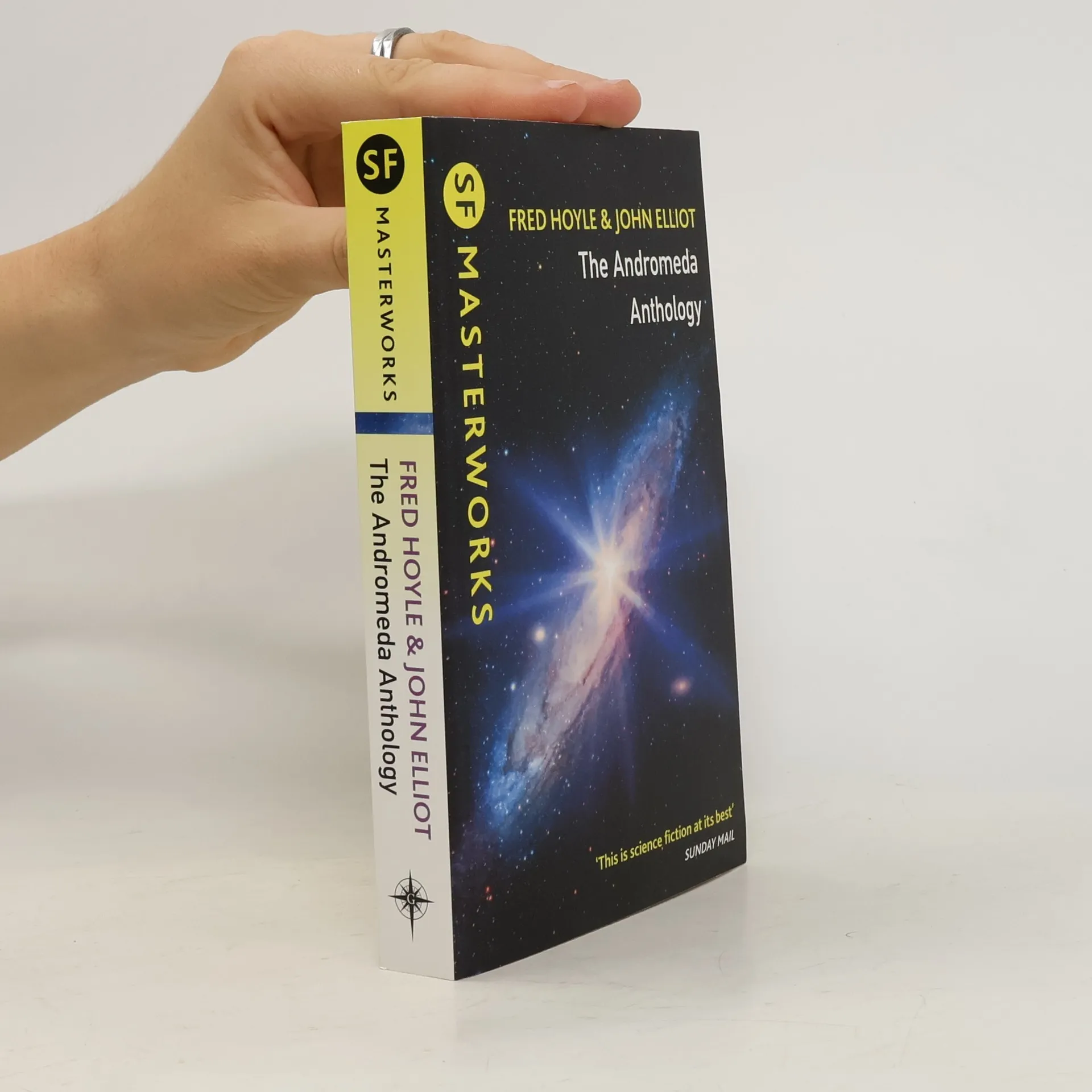
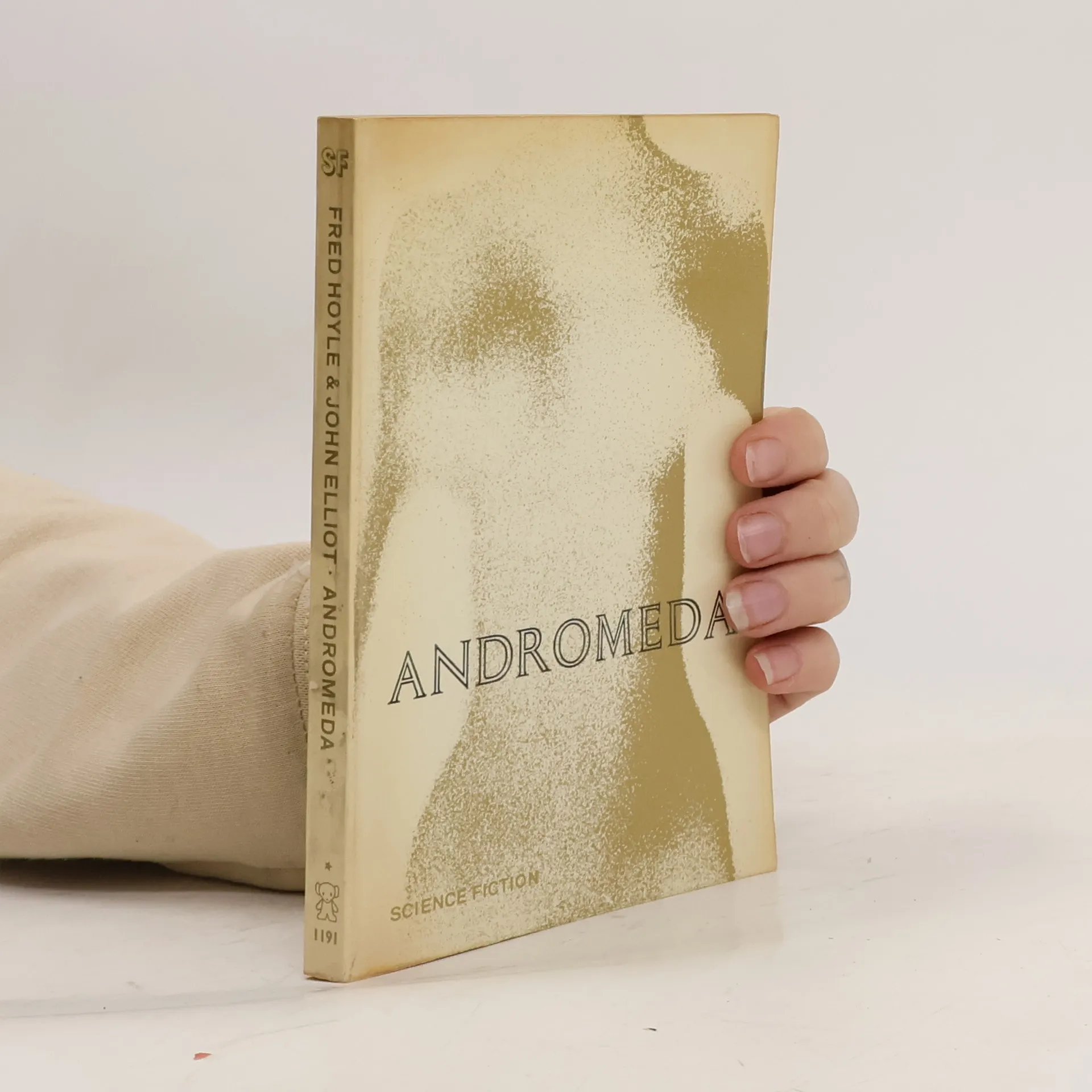
The Andromeda Breakthrough was a 1962 sequel to the popular BBC TV science fiction serial A for Andromeda again written by Fred Hoyle and John Elliot. Kidnapped by Intel, John Fleming (Peter Halliday) the hero of the first serial, and Andromeda the artificially constructed human (this time played by Susan Hampshire as Julie Christie was unavailable--main reason for the film's failure) are brought to Azaran, a small Middle Eastern country, where a duplicate of the machine he designed has been built by Intel. After many dangers he finds both the reason for the original message having been sent and the means to bring the machine under human control. The complete TV serial survives in the BBC archives and was released, alongside the surviving material from A for Andromeda and various extra features, as part of The Andromeda Anthology DVD set in 2006. Souvenir Press published a book titled more simply Andromeda Breakthrough in 1964. Corgi issued a paperback edition in 1966.
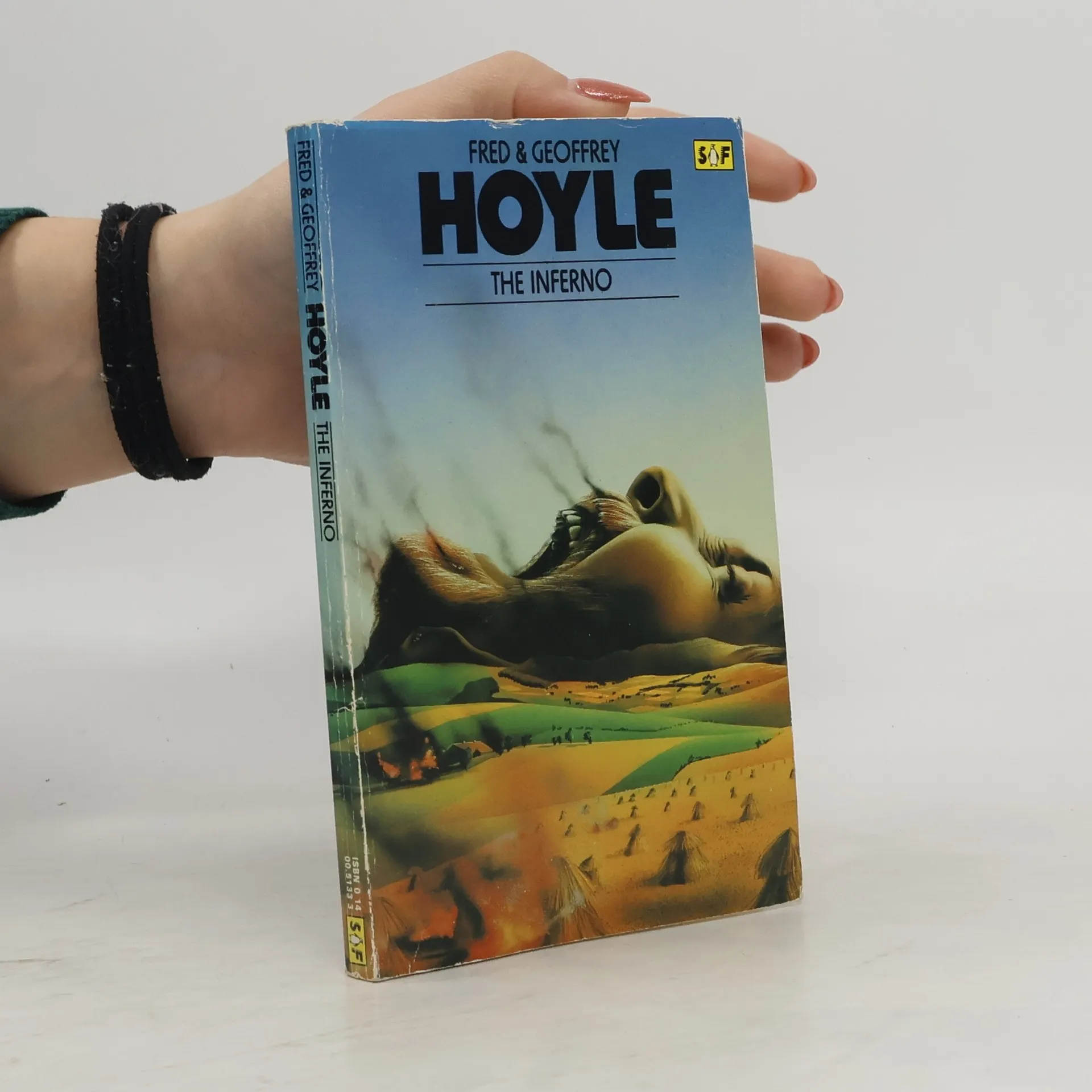
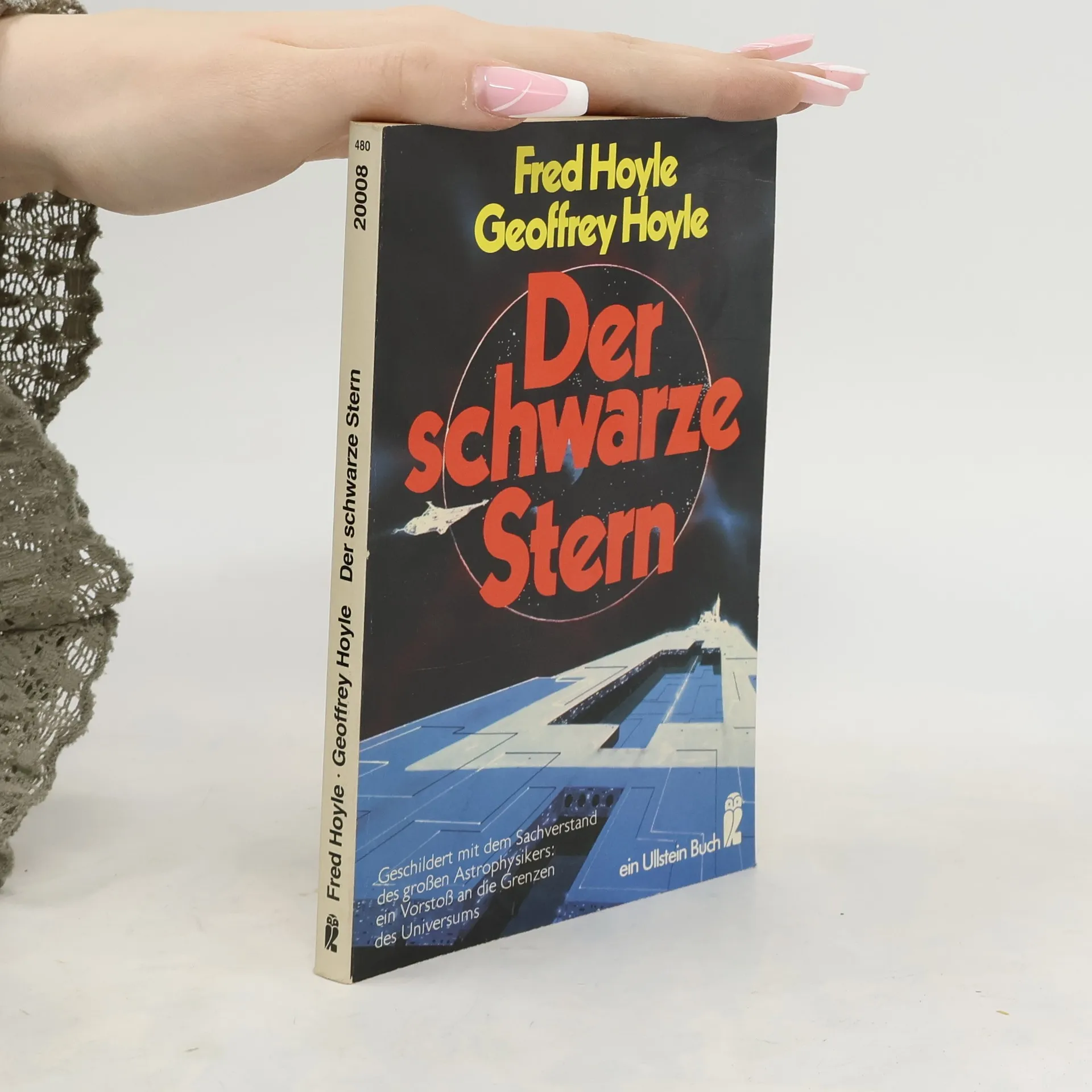
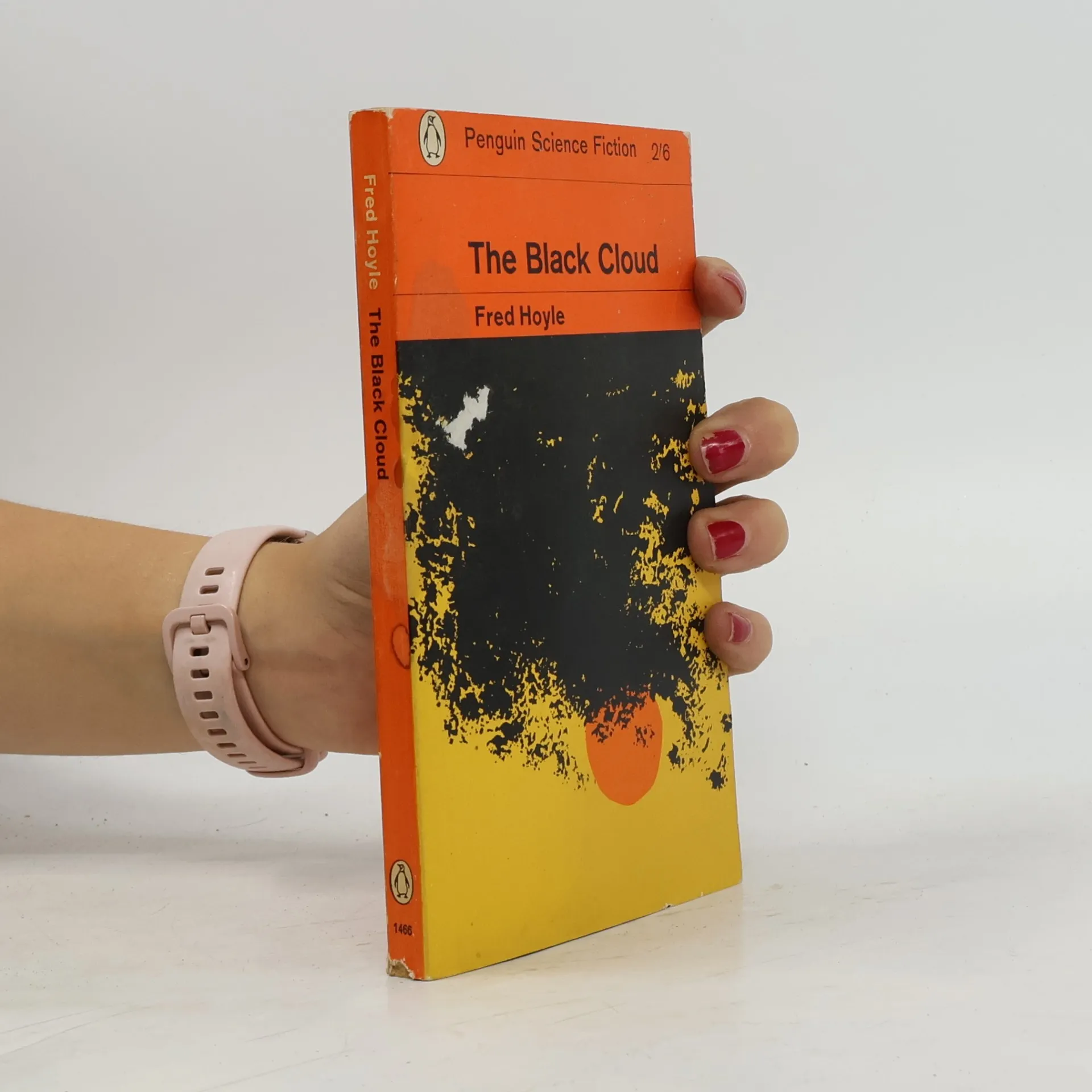
A huge black cloud heading for the Earth will block the sun and wipe out life on Earth. Scientists assemble to stop the cloud, but are forced to rethink humankind's place in the universe.
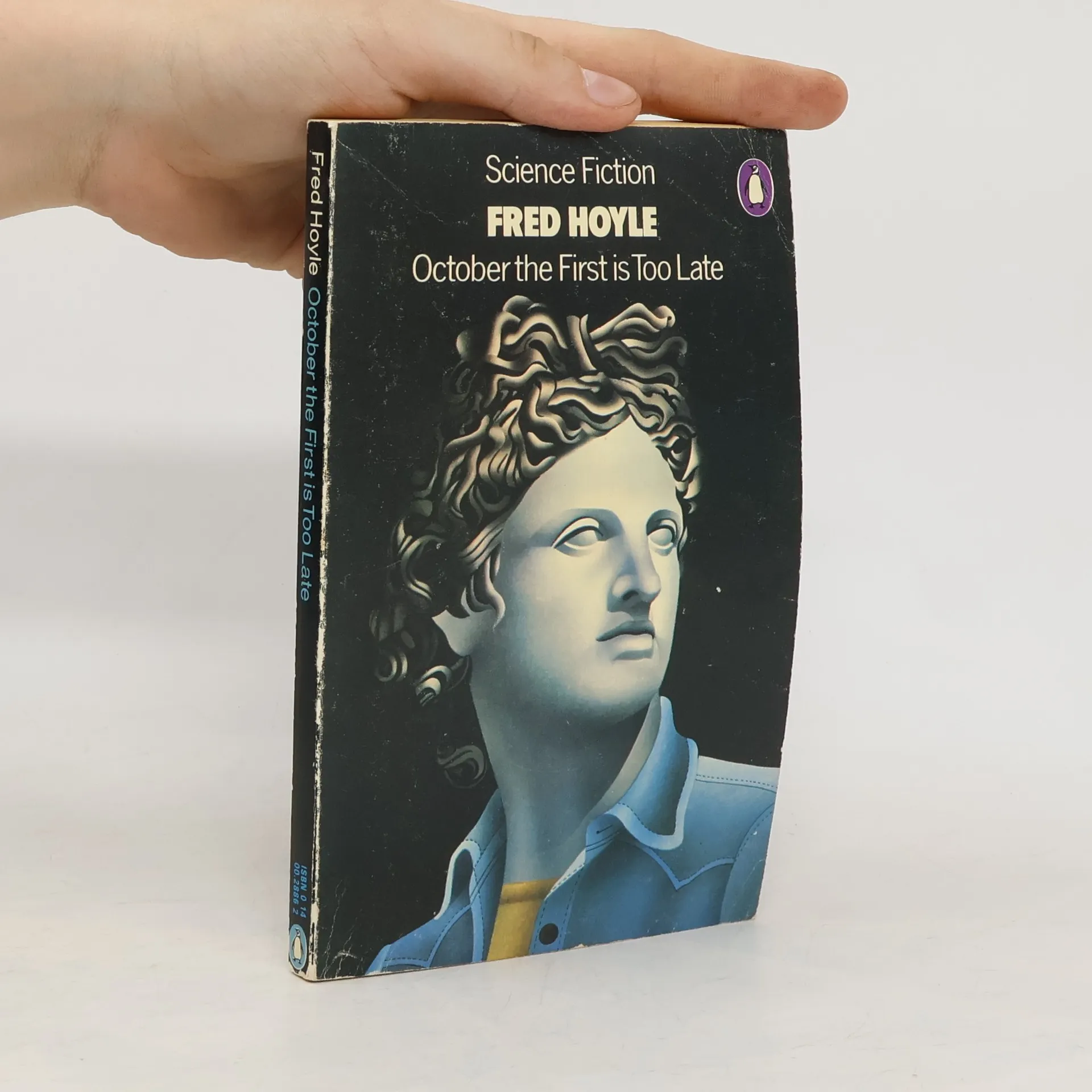
Alien spirits unknowingly brought back from a mission to an far away planet have begun to slip into the bodies of earthlings. Could this be the beginning of the end of the human race, and the beginning of another?
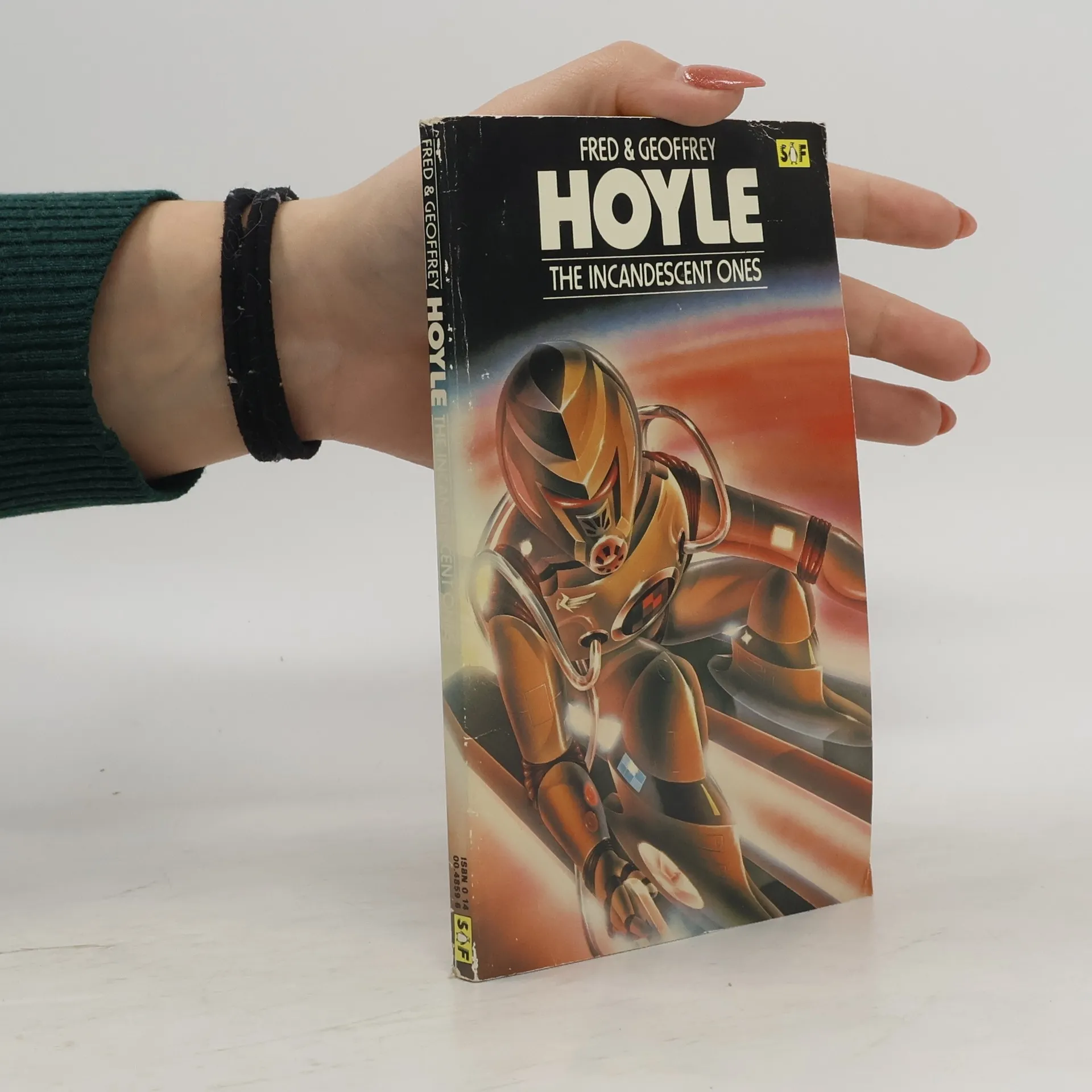
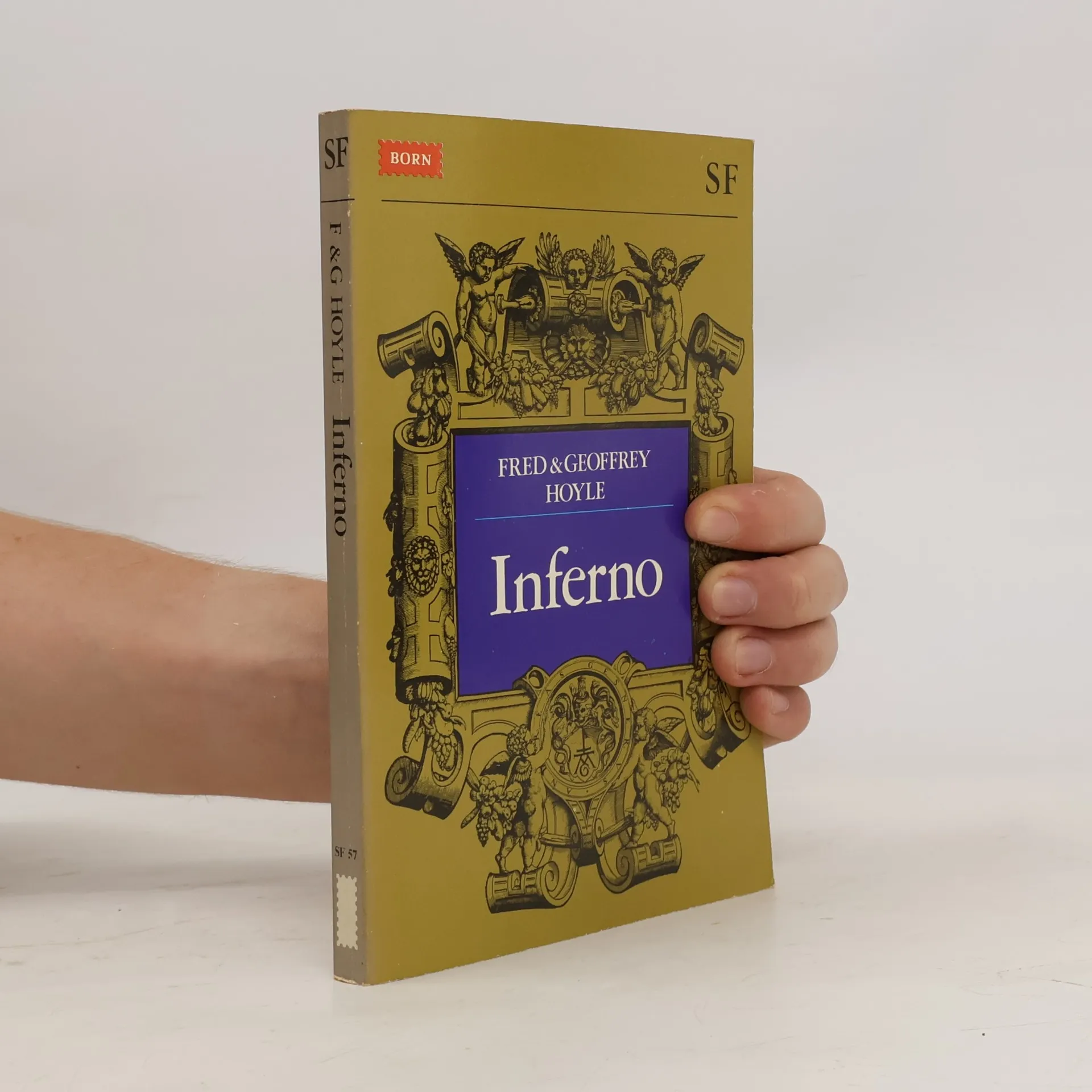
Fast-paced novel written with wry humour by the father-son team, set in London and Scotland, in Australia and the University of Virginia, Charlottesville, about facing imminent natural catastrophe, from a quasar in the sky.
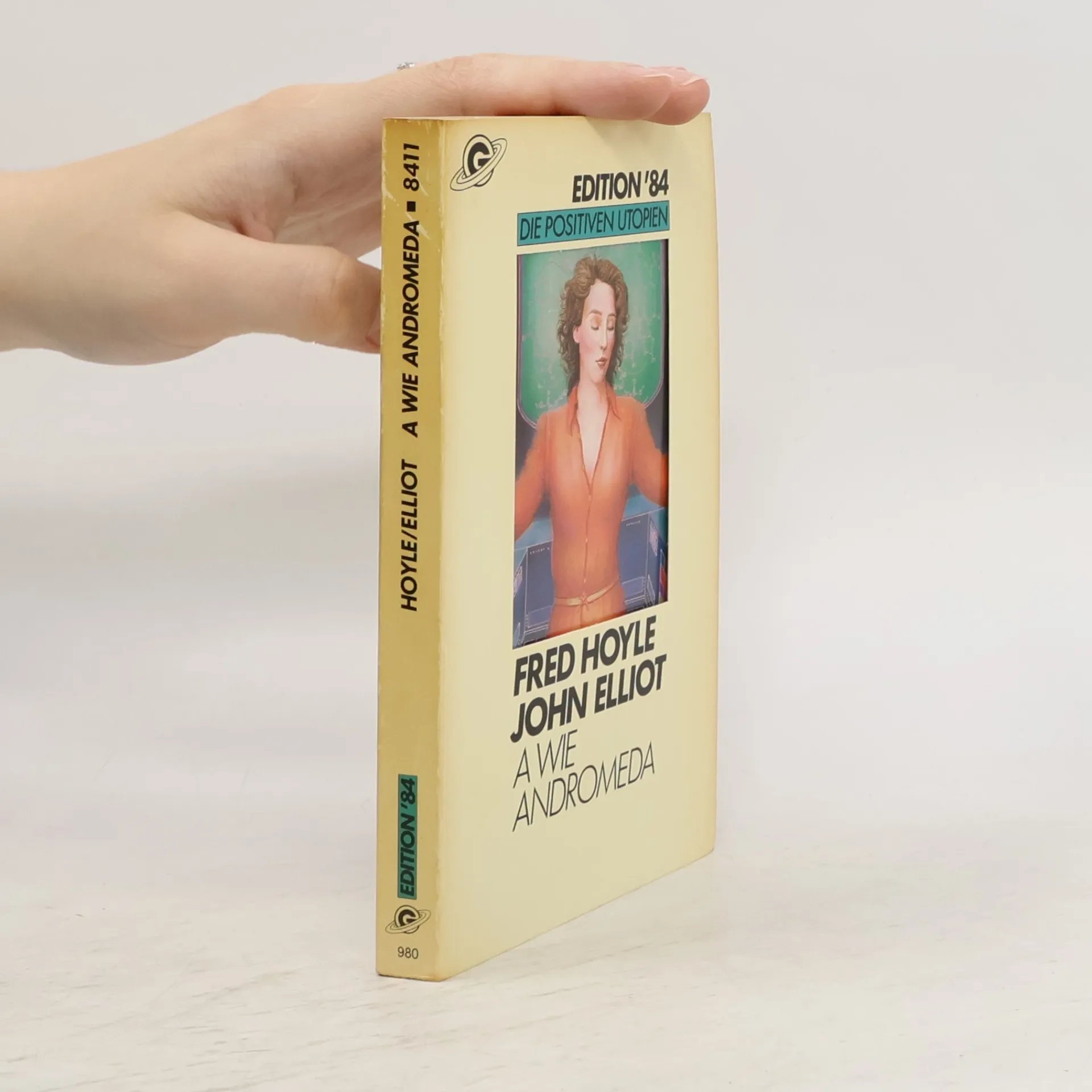
A for Andromeda
- 176bladzijden
- 7 uur lezen
A new radio telescope picks up from the constellation of Andromeda a complex series of signals which prove to be a programme for a giant computer. After the computer is built it begins to relay information from Andromeda. Scientists find themselves possessing knowledge previously unknown to mankind, knowledge that could threaten the security of human life itself.
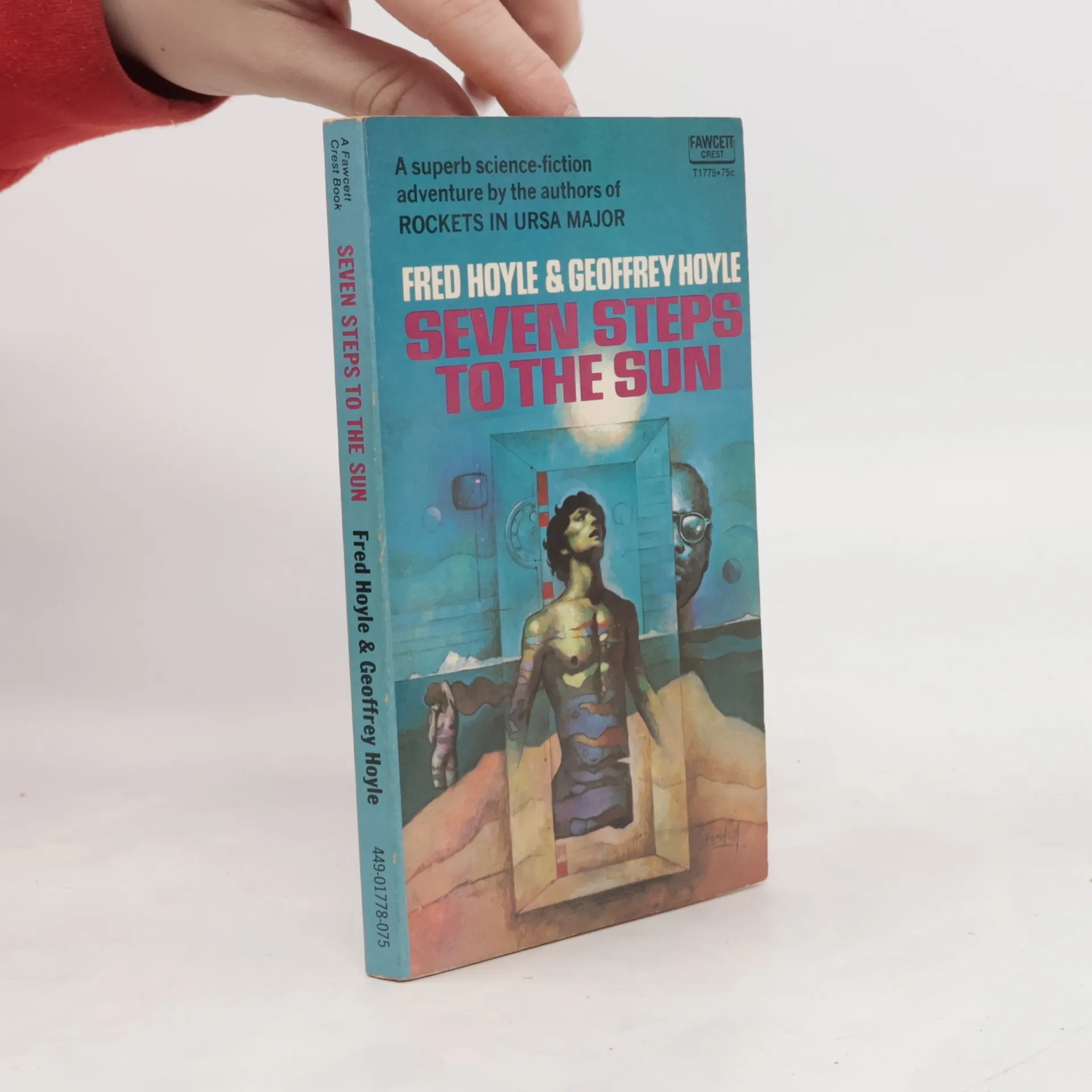
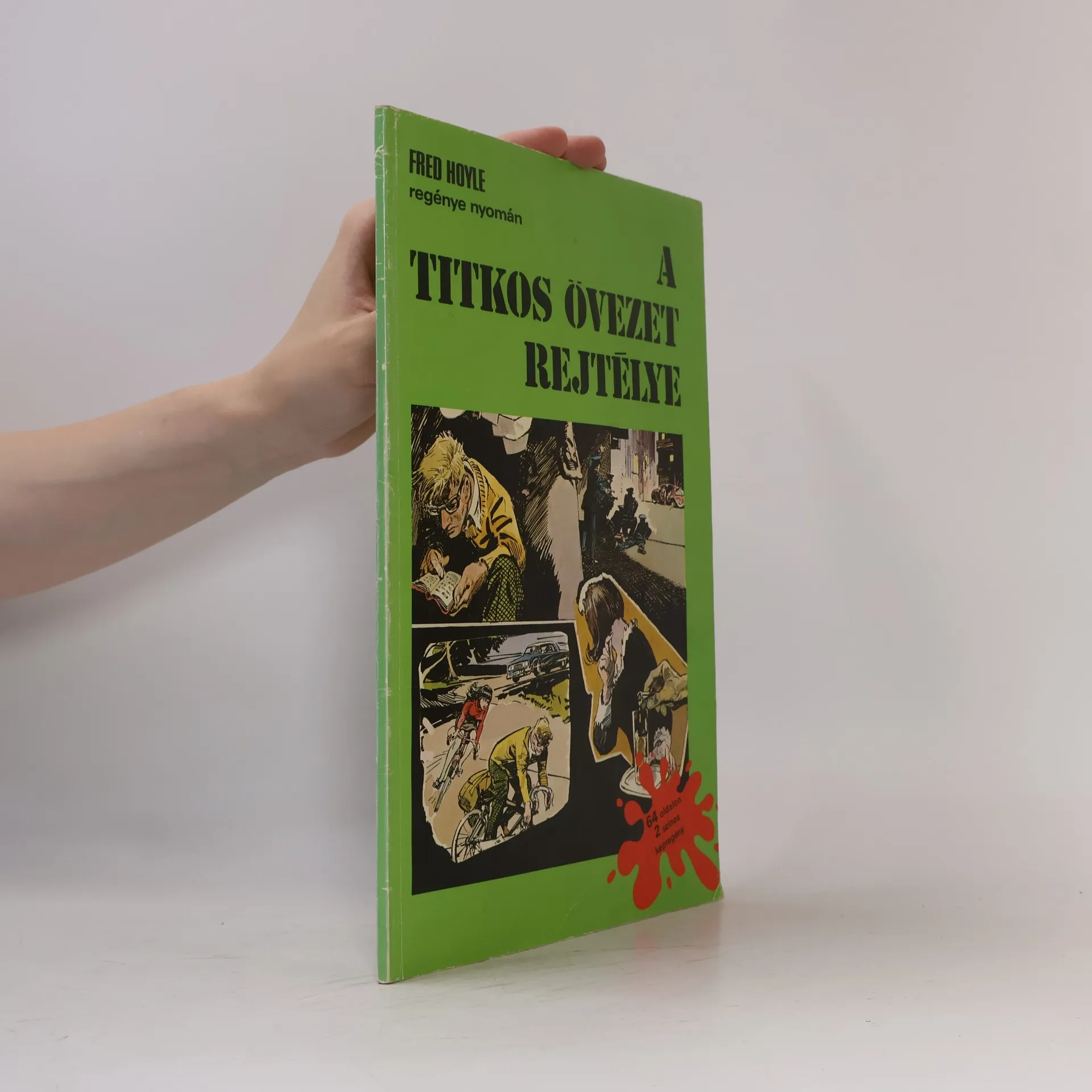
Young Peter, a student of Byzantine Art at Moscow University, receives, through a cryptic sentence in a lecture, a message to buy two books of his choice at a specific hour in the University bookshop. When he opens the package, a third book has been included. It is this third book which sends Peter on a series of adventures leading to the unravelling of a mysterious power source guiding the destinies of planet Earth. His quest is also intimately linked with his father's baffling disappearance. Once again the Hoyles have succeeded in combininig an enjoyable piece of story-telling with scientific speculation of lasting interest.
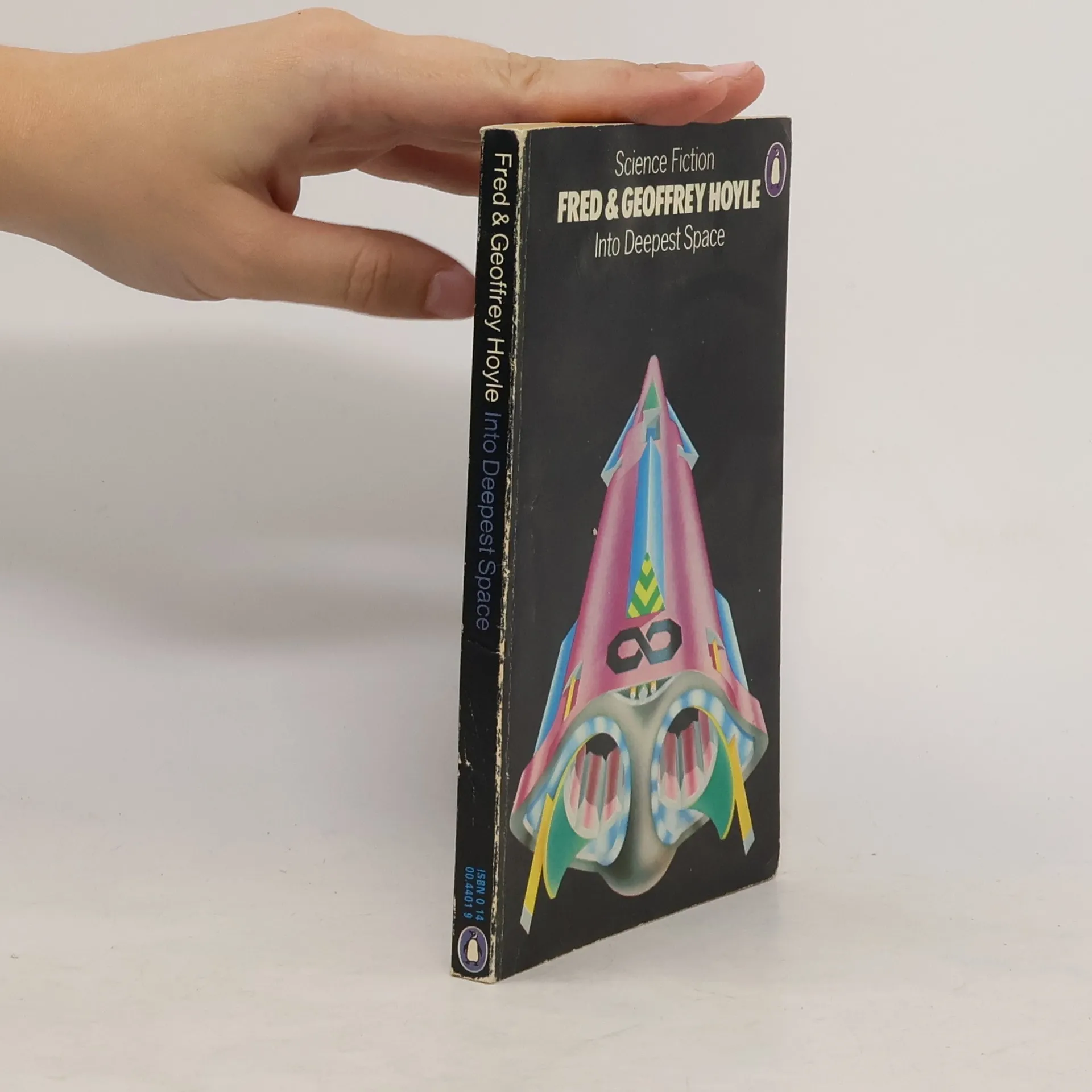
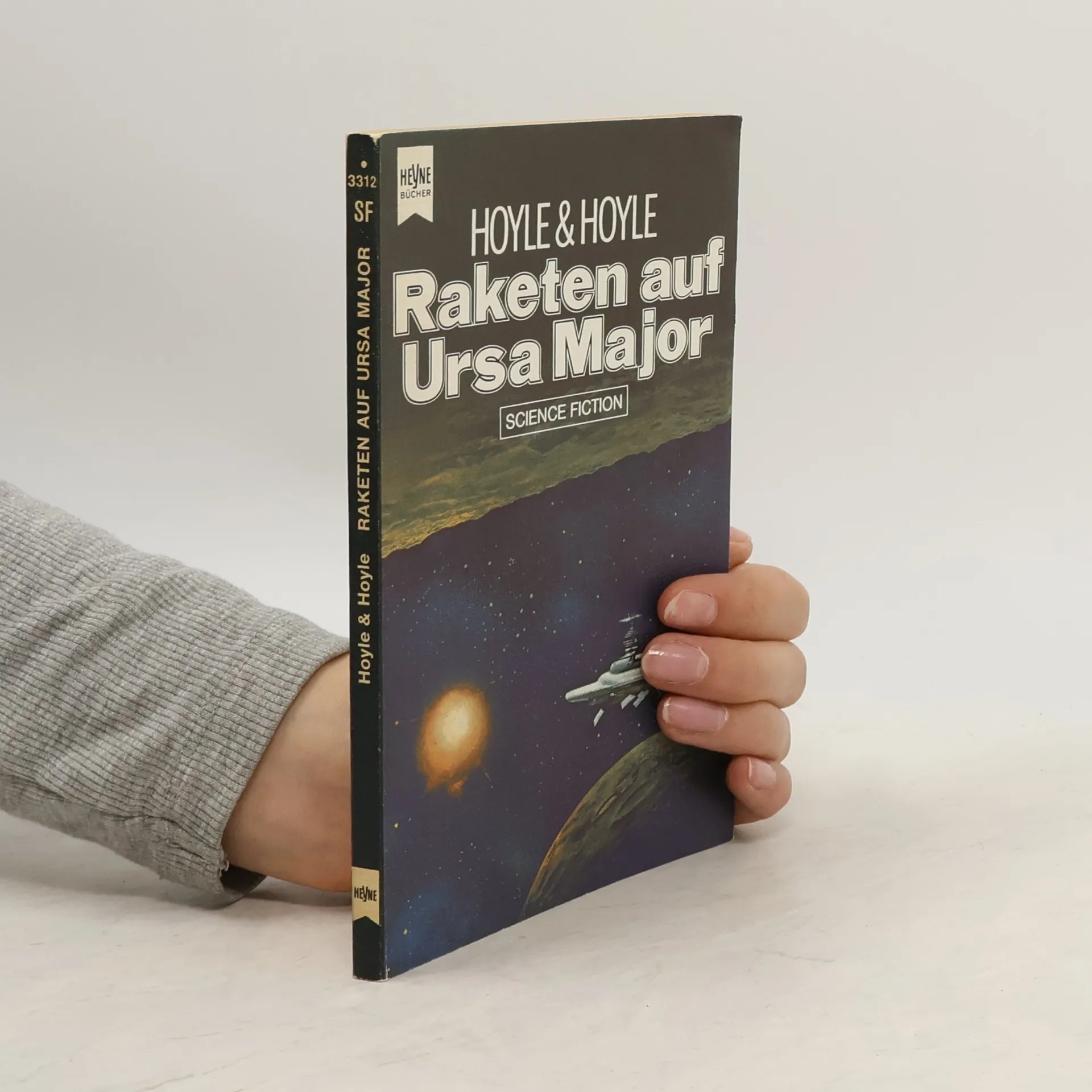
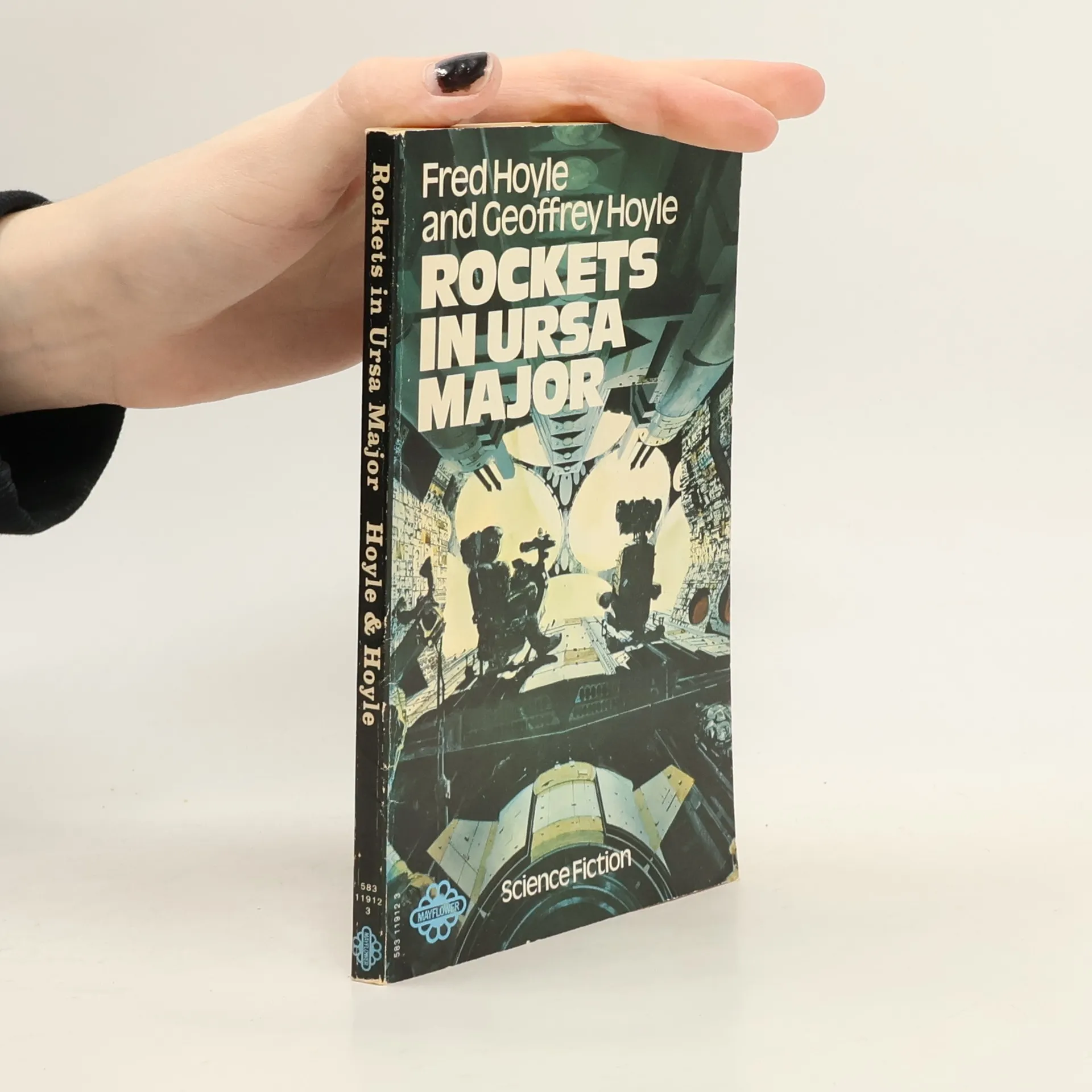
From a great distance the Yela’s recorded message crackled through the micro-earpiece – “For the time being you have won. But I am not defeated so easily” –That had been three years ago, after Dick Warboys had repulsed the invading Yela by firing a lithium bomb into the sun. but now that threat seems impending as scientists detect the rapid approach of a vast engulfing cloud of hydrogen. Warboys and his allies therefore set out in hot pursuit of the Yela into deepest space from Ursa Majoris, to save the Earth.
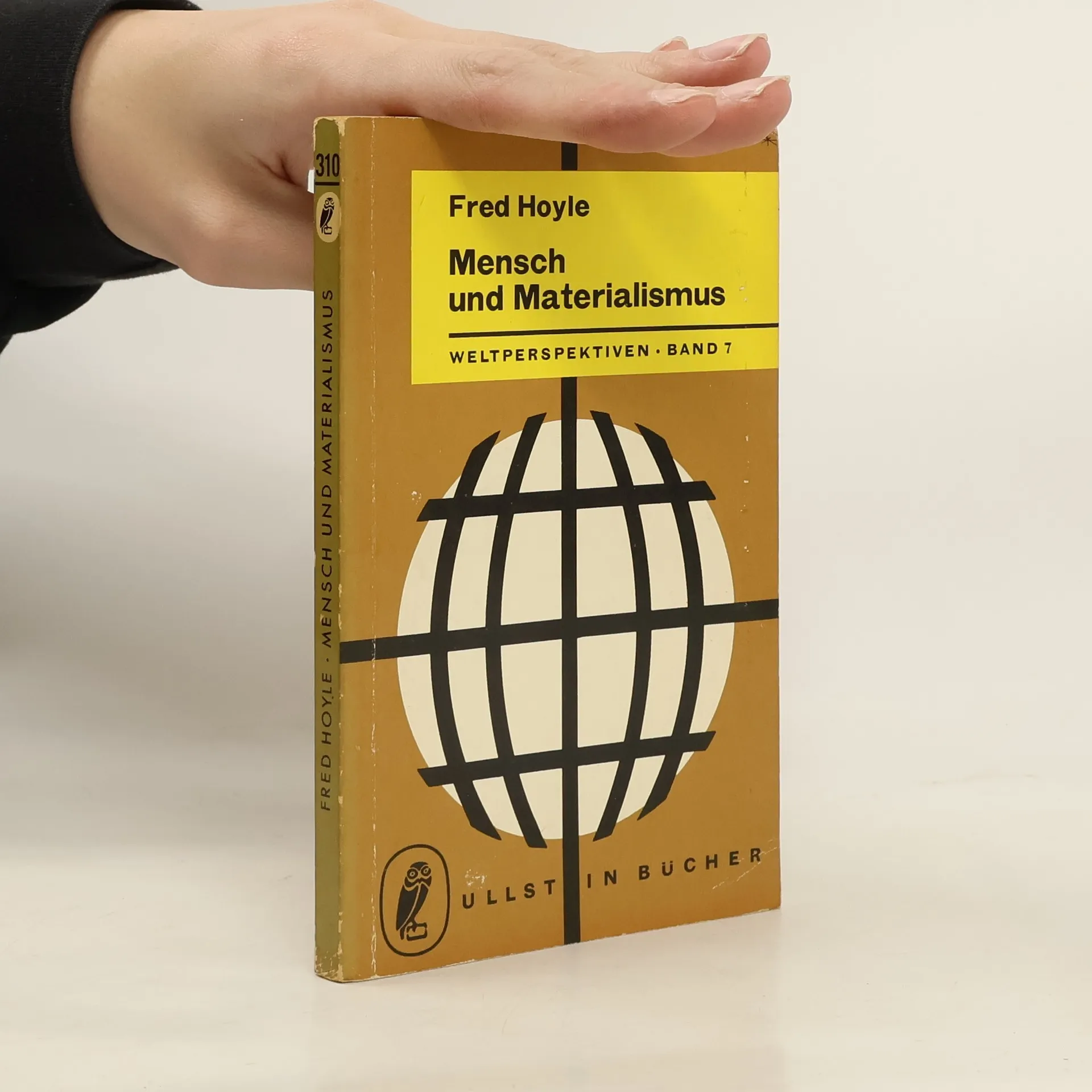
Man and Materialism
- 174bladzijden
- 7 uur lezen
Offering a deep intellectual exploration, this 1957 publication examines the historical trends shaping humanity's future. It challenges readers to engage with complex ideas and encourages a critical understanding of the forces influencing societal development. The book serves as a thought-provoking resource for those interested in the interplay between history and the potential trajectories of human civilization.