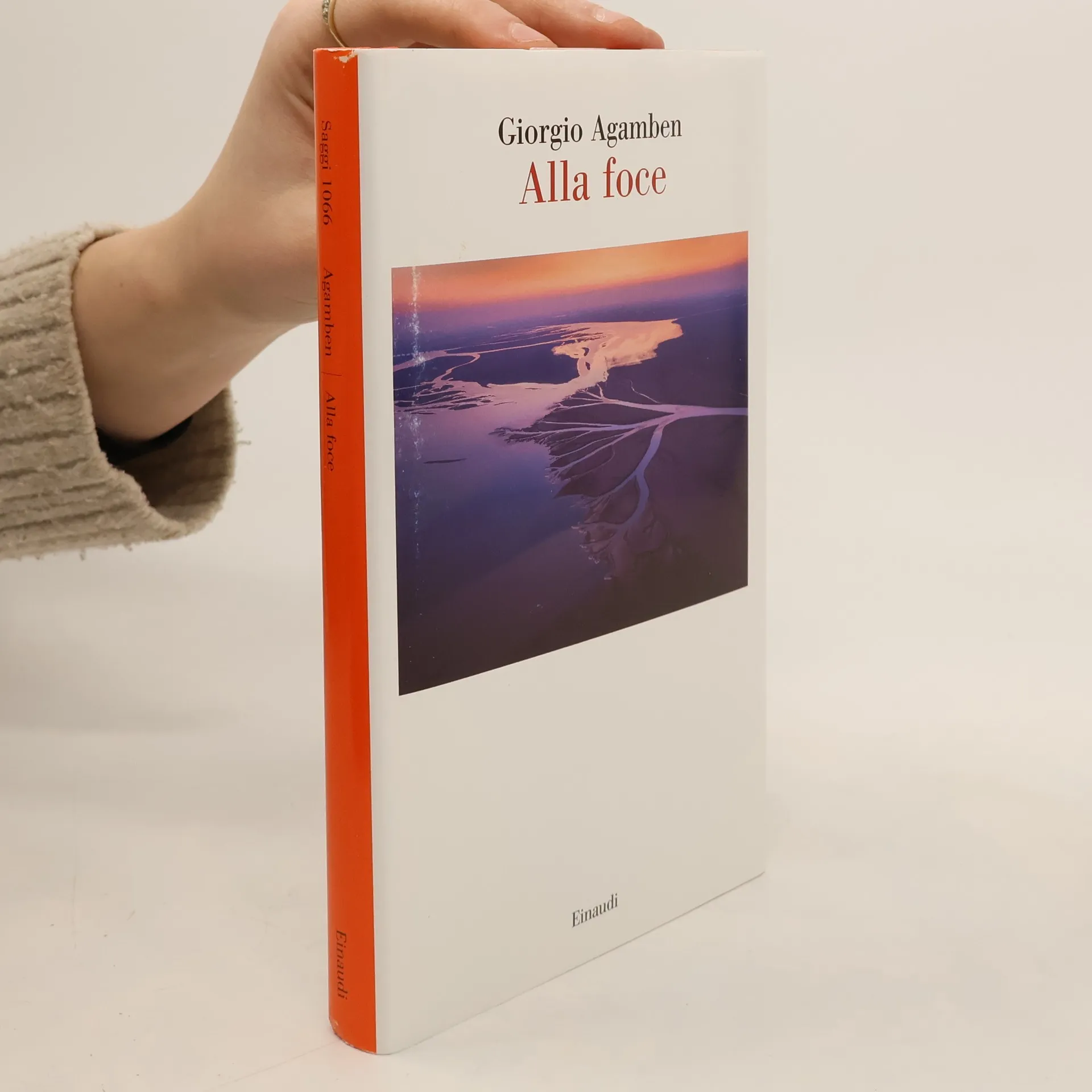
Giorgio Agamben is een vooraanstaande stem in de hedendaagse continentale filosofie, bekend om zijn diepgaande verkenningen van soevereiniteit, recht en de aard van het menselijk leven. Zijn werk onderzoekt kritisch de ingewikkelde relatie tussen politieke macht en bestaan, waarbij hij vaak put uit historische en literaire bronnen om blijvende filosofische vragen te belichten. Agambens onderscheidende stijl combineert rigoureuze theoretische analyse met een diepe betrokkenheid bij de implicaties van zijn denken voor de moderne wereld. Zijn invloedrijke ideeën blijven de kritische discussie binnen diverse disciplines vormgeven.
Through a unique approach, the book offers an autobiographical insight into the life of philosopher Giorgio Agamben, revealing his identity through the influences of notable figures like Martin Heidegger and Walter Benjamin. Instead of a traditional narrative, it intertwines images, photographs, and objects from his creative spaces, creating a self-portrait that reflects his encounters and passions. This blend of visual and textual elements forms a distinctive auto-heterography, showcasing how others have shaped his thought and writing.
Offers Agamben's genealogy of power in terms of political, philosophical and
legal thought. This book investigates the genealogy of the strife between the
Polis and its population with particular regard to the Greek concept of stasis
and the strife with the commonwealth of Hobbes' Leviathan.
A richly illustrated analysis from one of Europe's greatest living philosophers. In Pinocchio, Giorgio Agamben turns his keen philosopher's eye on the famous nineteenth-century novel by Carlo Collodi. To Agamben, Pinocchio's adventures are a kind of initiation into life itself. Like us, the mischievous puppet is caught between two worlds. He is faced with the alternatives of submitting to authority or of carrying on, stubbornly indulging his way of being. From Agamben's virtuoso interpretation of this classic story, we learn that we can harbor the mystery of existence only if we are not aware of it, only if we manage to cohabit with an area of non-knowledge, immemorial and very near. Richly illustrated with images from three early editions of Collodi's novel, this new volume will delight enthusiasts of both literature and philosophy.
Exploring the oath's pivotal role in political and religious history, this book delves into its strategic significance at the crossroads of law, religion, and politics. Agamben conducts an archaeological analysis of Greek and Roman texts, revealing the oath as a foundational event in human development. He argues that the oath serves as both a 'sacrament of power' and a 'sacrament of language,' highlighting how humanity's ability to speak intertwines with the commitments made through oaths, shaping individual and collective identity.
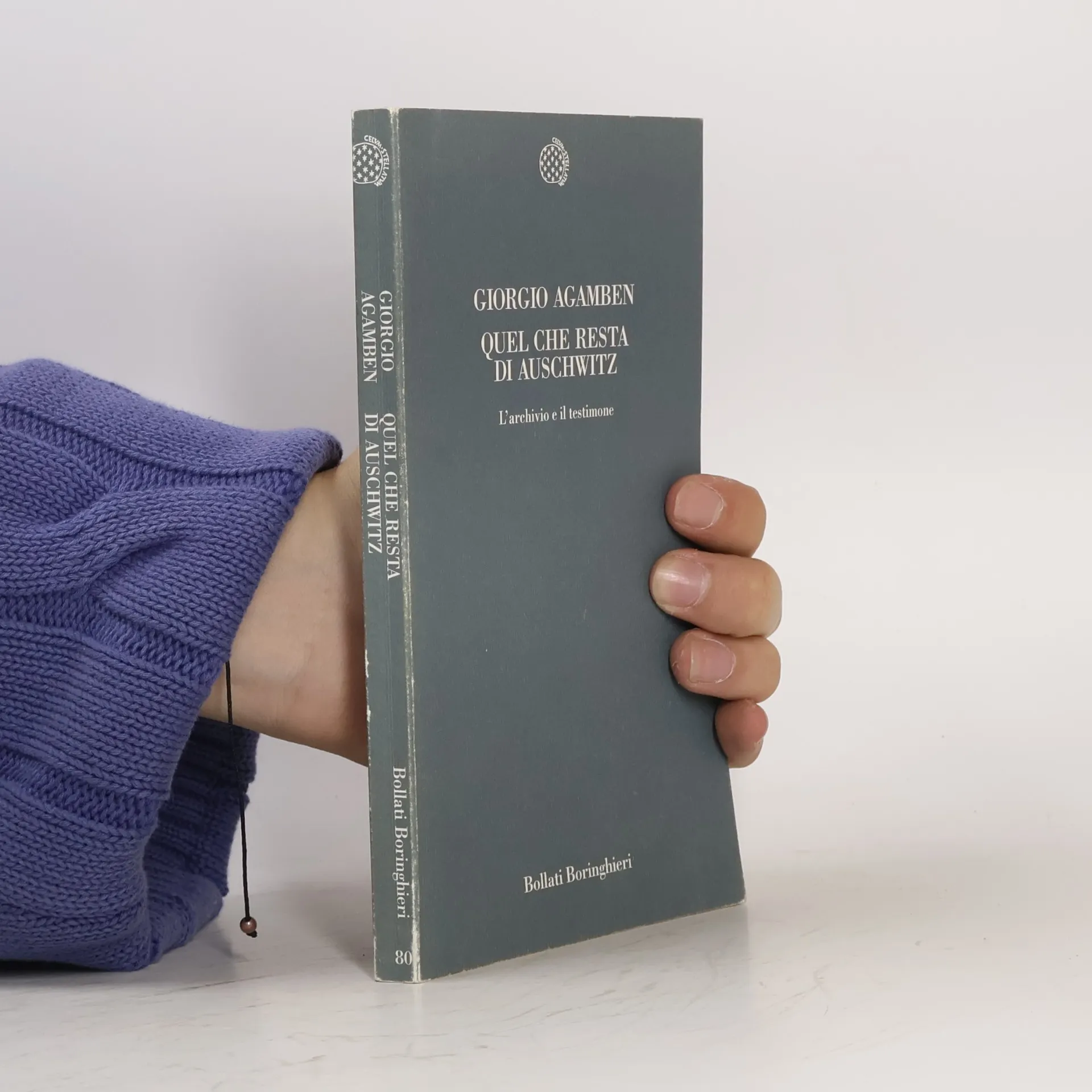
In this book the Italian philosopher Giorgio Agamben looks closely at the literature of the survivors of Auschwitz, probing the philosophical and ethical questions raised by their testimony
Giorgio Agamben tackles our crisis-ridden world in a series of powerful philosophical essays. "Which house is burning?" asks Giorgio Agamben. "The country where you live, or Europe, or the whole world? Perhaps the houses, the cities have already burnt down--who knows how long ago?--in a single immense blaze that we pretended not to see." In this collection of four luminous, lyrical essays, Agamben brings his characteristic combination of philosophical acuity and poetic intensity to bear on a world in crisis. Whether surveying the burning house of our culture in the title essay, the architecture of pure exteriority in "Door and Threshold," the language of prophecy in "Lessons in the Darkness," or the word of the witness in "Testimony and Truth," Agamben's insights throw a revealing light on questions both timeless and topical. Written in dark times over the past year, and rich with the urgency of our moment, the essays in this volume also seek to show how what appears to be an impasse can, with care and attention, become the door leading to a way out.
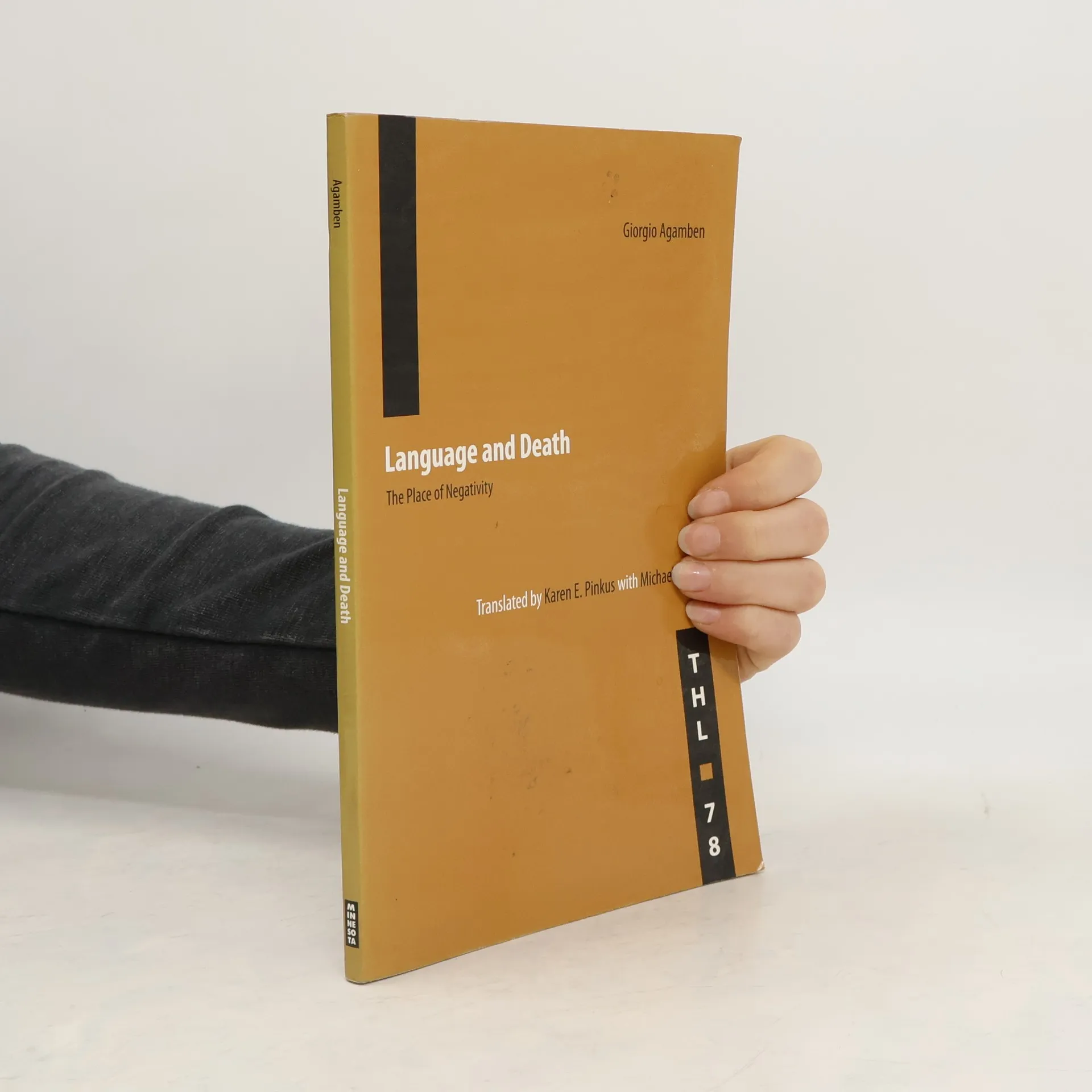
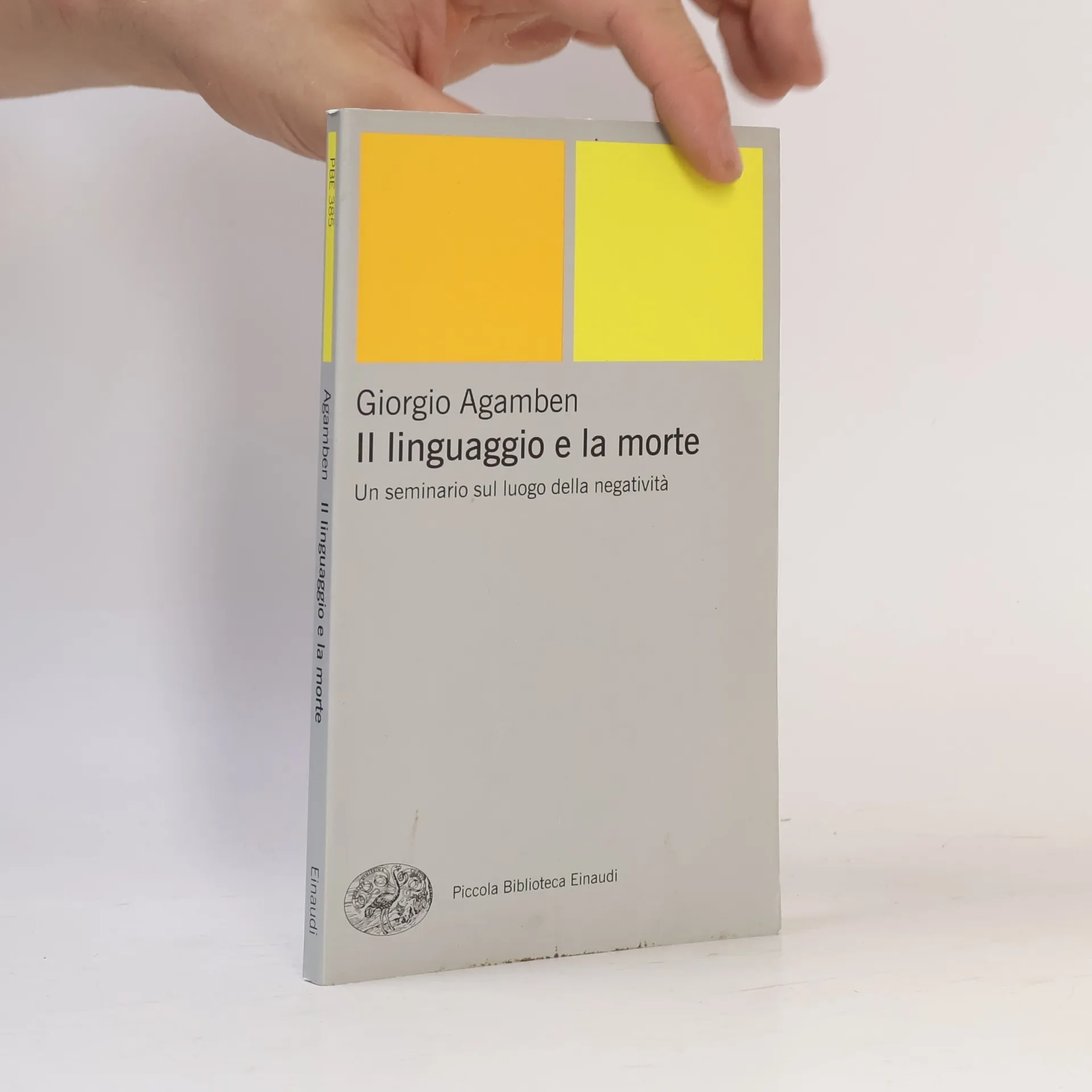
A formidable and influential work, Language and Death sheds a highly original light on issues central to Continental philosophy, literary theory, deconstruction, hermeneutics, and speech-act theory. Focusing especially on the incompatible philosophical systems of Hegel and Heidegger within the space of negativity, Giorgio Agamben offers a rigorous reading of numerous philosophical and poetic works to examine how these issues have been traditionally explored. Agamben argues that the human being is not just “speaking” and “mortal” but irreducibly “social” and “ethical.” Giorgio Agamben teaches philosophy at the Collège International de Philosophie in Paris and at the University of Macerata in Italy. He is the author of Means without End (2000), Stanzas (1993), and The Coming Community (1993), all published by the University of Minnesota Press. Karen E. Pinkus is professor of French and Italian at the University of Southern California. Michael Hardt is professor of literature and romance studies at Duke University.
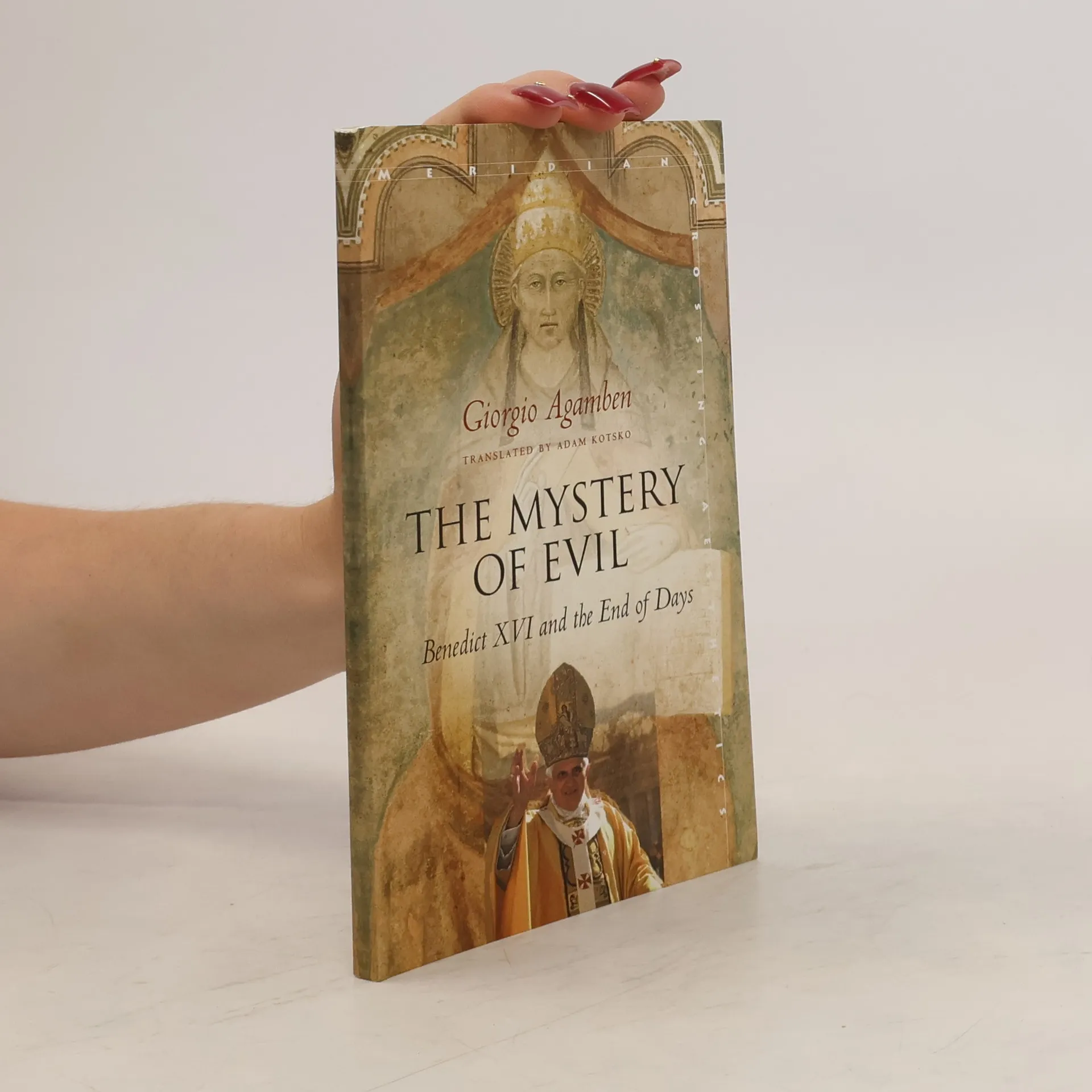
Taking Benedict XVI's abdication as his point of departure, Italian
philosopher Giorgio Agamben offers some reflections on the unresolved
dialectics of political theology and the continued relevance of eschatological
thinking.
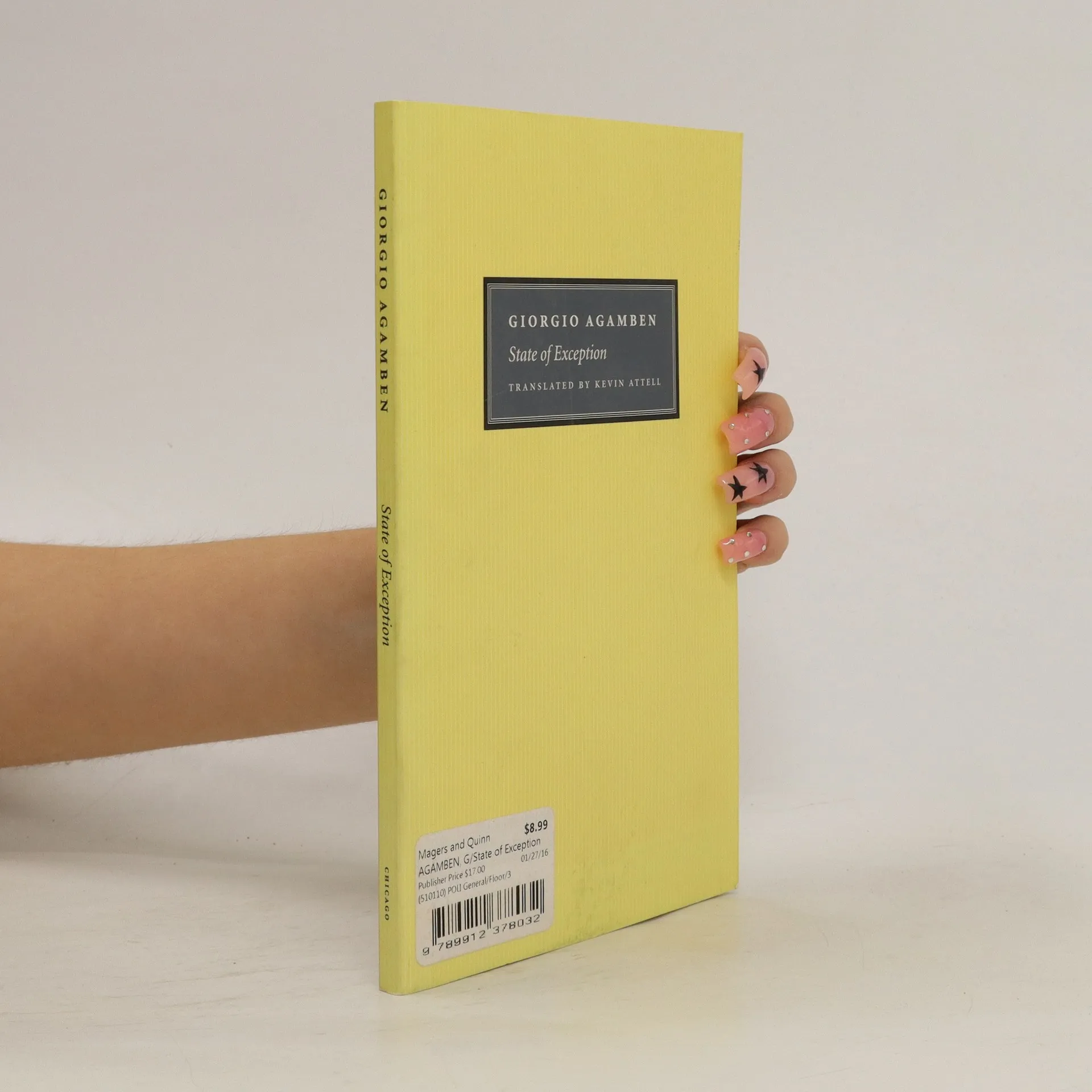
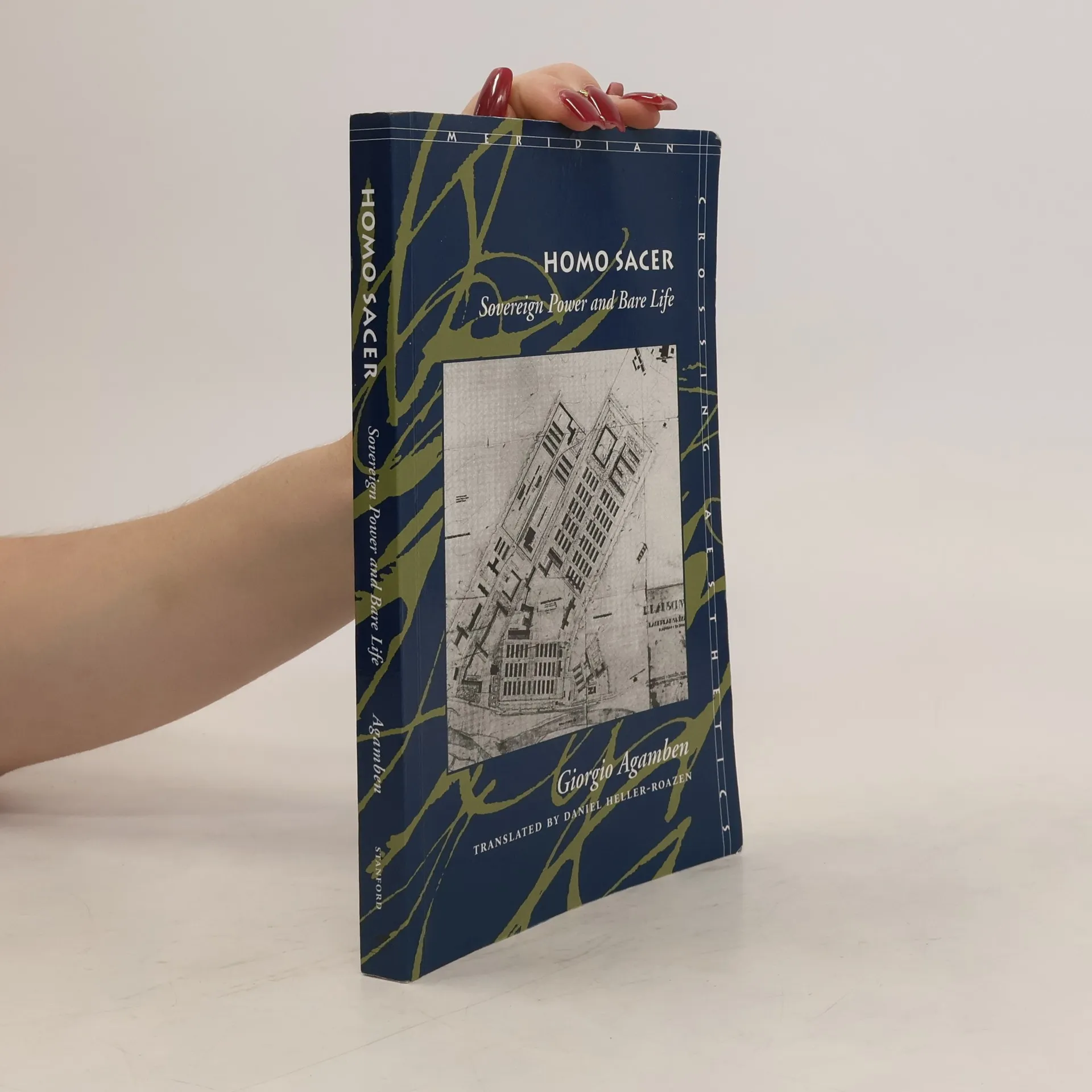
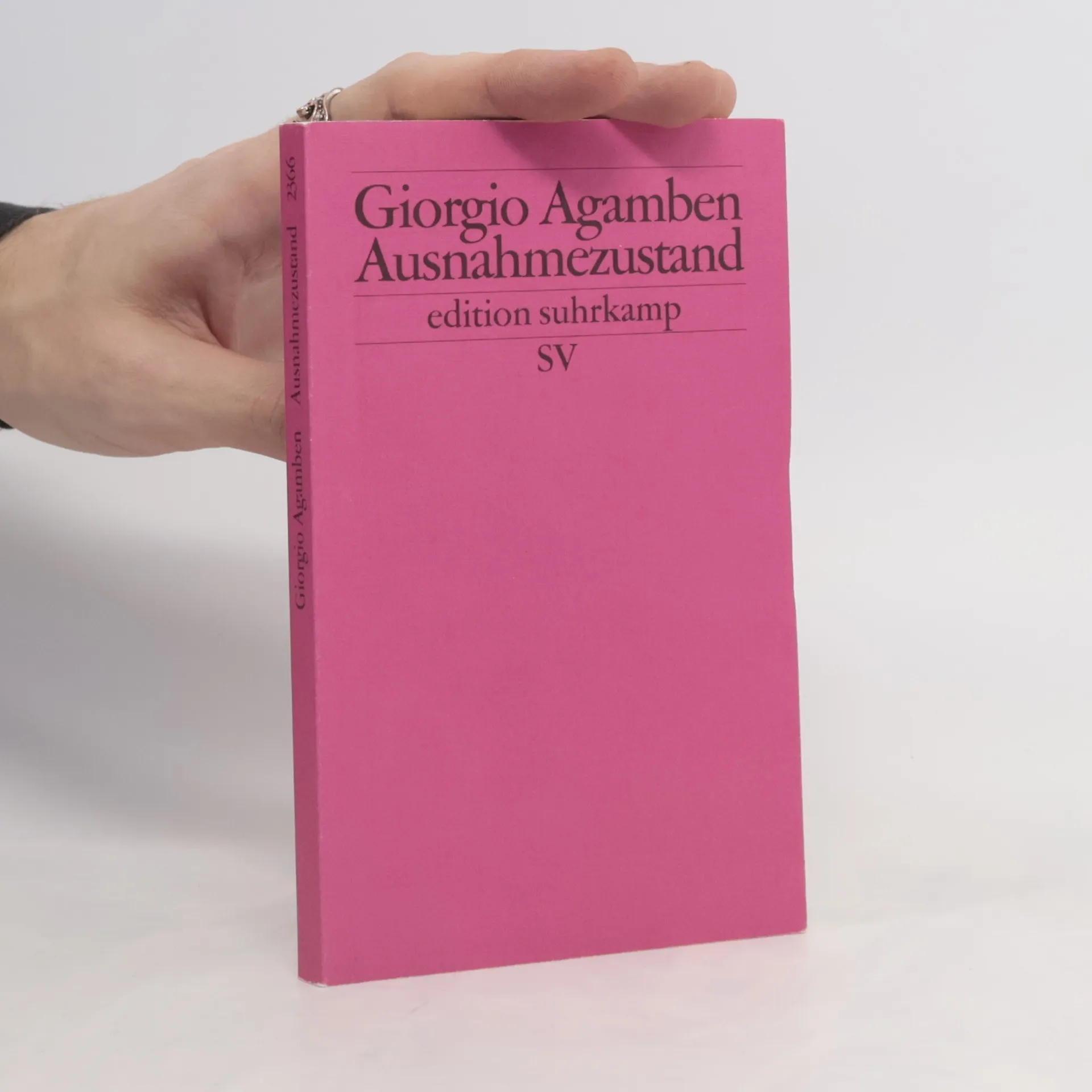
Two months after the 9/11 attacks, the Bush administration authorized the indefinite detention of noncitizens suspected of terrorism and their trials by military commission, viewing the situation as a state of emergency. In this context, distinguished Italian philosopher Giorgio Agamben explores the concept of "state of exception," a powerful strategy that can transform democracies into totalitarian regimes. This work serves as a sequel to Agamben's Homo Sacer: Sovereign Power and Bare Life and is the first to theorize the state of exception within a historical and philosophical framework. Agamben critiques legal scholars and policymakers in Europe and the U.S. for dismissing the need for such a theory, arguing that what was intended as a temporary measure has become a normative model of governance throughout the twentieth century. He examines the state of exception's history across various national contexts in Western Europe and the U.S., engaging with the ideas of Carl Schmitt, Derrida, Benjamin, and Arendt. Ultimately, Agamben presents original insights on the future of democracy and highlights the complex relationship between law and violence.
One of Italy's most original philosophers aims to connect the problem of pure
possibility, potentiality, and power with the problem of political and social
ethics in a context where the latter has lost its previous religious,
metaphysical, and cultural grounding.
An engaging collection of late-life reflections and quick thoughts, a book unlike any other Agamben book. What can the senses of an attentive philosopher see, hear, and learn that can, in turn, teach us about living better lives? Perhaps it's less a matter of asking what and more a matter of asking how. These latest reflections from Italy's foremost philosopher form a sort of travelogue that chronicles Giorgio Agamben's profound interior journey. Here, with unprecedented immediacy, Agamben shares his final remarks, late-life observations, and reflections about his life that flashed before his eyes. What did he see in that brief flash? What did he stay faithful to? What remains of all those places, friends, and teachers?
"In Renaissance palaces, the studiolo was a small room to which the prince withdrew to meditate or read, surrounded by paintings he particularly loved. This book is a kind of studiolo for its author, Giorgio Agamben, as he turns his philosophical lens on the world of Western art. Studiolo is a fascinating take on a selection of artworks created over millennia; some are easily identifiable, others rarer. Though they were produced over an arc of time stretching from 5000 BCE to the present, only now have they achieved their true legibility. Agamben contends that we must understand that the images bequeathed by the past are really addressed to us, here and now; otherwise, our historical awareness is broken. Notwithstanding the attention to details and the critical precautions that characterize the author's method--they provoke us with a force, even a violence, that we cannot escape. When we understand why Dostoevsky feared losing his faith before Holbein's Body of the Dead Christ, when Chardin's Still Life with Hare is suddenly revealed to our gaze as a crucifixion or Twombly's sculpture shows that beauty must ultimately fall, the artwork is torn from its museological context and restored to its almost prehistoric emergence. These artworks are beautifully reproduced in color throughout Agamben's short but significant addition to his scholarly oeuvre in English translation."--dust jacket
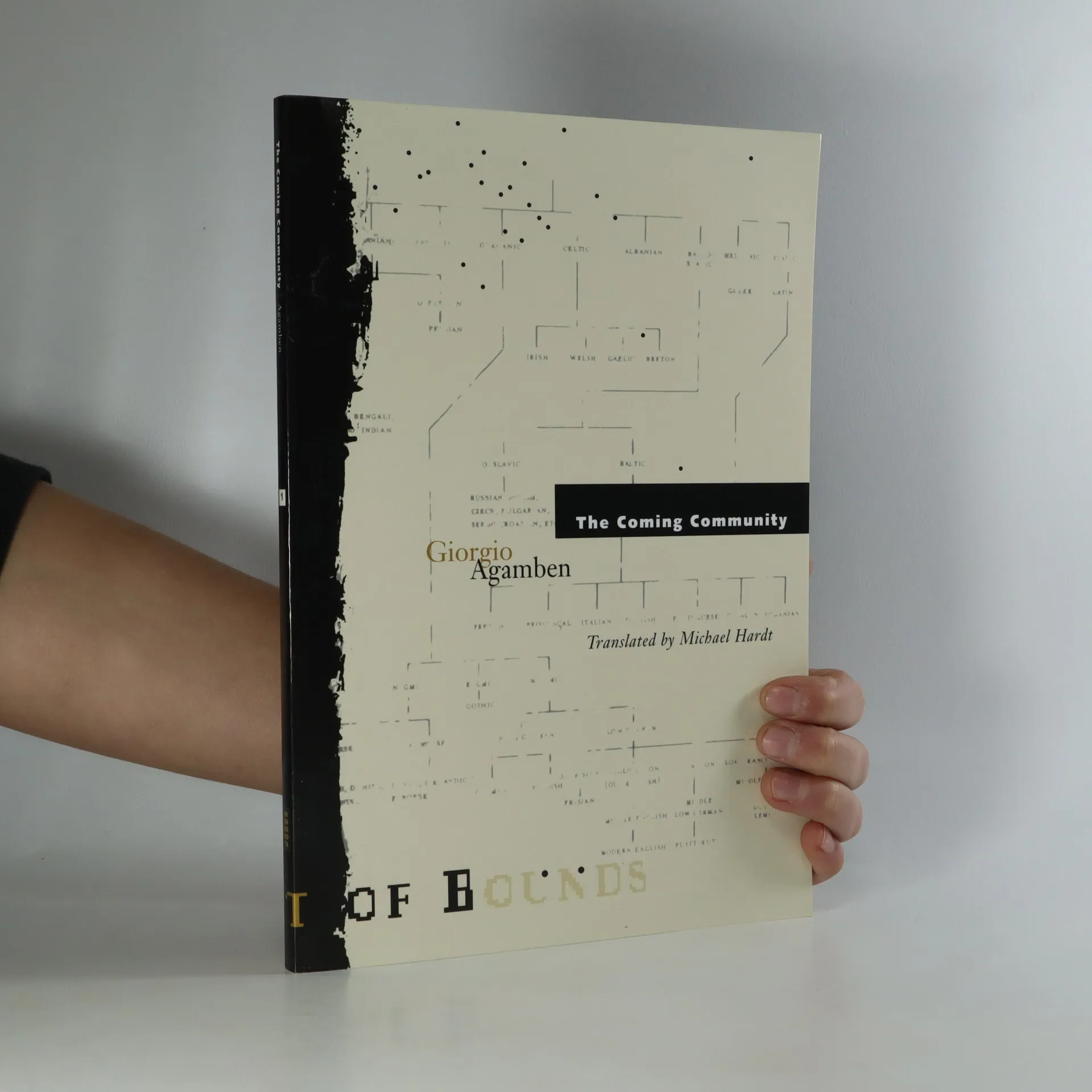
Giorgio Agamben is a prominent thinker in contemporary Italy, and "The Coming Community" is a significant addition to his philosophical contributions. The text poses critical questions about the formation of a human community that does not adhere to specific identities, such as nationality or religion. Agamben investigates how a community can consist of singularities that reject conventional criteria for belonging. He draws from a diverse array of sources, including St. Thomas' analysis of halos, a French commercial, Talmudic warnings about paradise, and the collective power demonstrated during Tiananmen Square. Through this exploration, he identifies a new form of singular subjectivity that is emerging in today's world. Agamben's work develops the concept of community and its social implications, offering a philosophical foundation for ethics that transcends traditional notions of subjectivity, ideology, and morality. His inquiry serves as a contemporary response to influential thinkers like Heidegger, Wittgenstein, and Plato, while also engaging with various historical and philosophical traditions. This volume initiates a series aimed at fostering transdisciplinary dialogue, challenging established boundaries across disciplines, nations, genders, races, and technologies. Agamben teaches philosophy in Paris and Italy and has authored several notable works in cultural and literary theory.
Giorgio Agamben tackles our crisis-ridden world in a series of powerful philosophical essays. "Which house is burning?" asks Giorgio Agamben. "The country where you live, or Europe, or the whole world? Perhaps the houses, the cities have already burnt down--who knows how long ago?--in a single immense blaze that we pretended not to see." In this collection of four luminous, lyrical essays, Agamben brings his characteristic combination of philosophical acuity and poetic intensity to bear on a world in crisis. Whether surveying the burning house of our culture in the title essay, the architecture of pure exteriority in "Door and Threshold," the language of prophecy in "Lessons in the Darkness," or the word of the witness in "Testimony and Truth," Agamben's insights throw a revealing light on questions both timeless and topical. Written in dark times over the past year, and rich with the urgency of our moment, the essays in this volume also seek to show how what appears to be an impasse can, with care and attention, become the door leading to a way out.
What is at stake in that form of inquiry which the Western philosophical tradition has called first philosophy or metaphysics? Is this an abstract, now outmoded branch of philosophy, or does it address a problem that is still of great interest – namely, the unity of Western knowledge? In fact, metaphysics is ‘first’ only in relation to the other two sciences that Aristotle called theoretical: physics and mathematics. It is the strategic sense of this ‘primacy’ that needs to be examined because what is at issue here is nothing less than the relationship of domination or subservience, conflict or harmony, between philosophy and science. The hypothesis of this book is that philosophy’s attempt to use metaphysics as a way of securing its primacy among the sciences has resulted instead in its subservience: philosophy, once handmaiden to theology (ancilla theologiae), has now become more or less consciously handmaiden to the sciences (ancilla scientiarum). So it is all the more urgent to explore the nature and limits of this primacy and subservience, as this book does through an archaeological investigation of metaphysics. This important re-reading of the Western philosophical tradition by a leading thinker will be of interest to students and scholars in philosophy, critical theory and the humanities more generally, and to anyone interested in contemporary philosophy and European thought.
Exploring the historical undervaluation of taste as a means of pleasure, Giorgio Agamben delves into its significance in contemporary society. He traces the philosophical roots of aesthetics, challenging the notion that taste is inferior to theoretical knowledge. By examining Western art and aesthetic practices, Agamben offers insights that resonate across various disciplines, appealing to enthusiasts of philosophy, sociology, literary criticism, and art theory. This work invites readers to reconsider the value of taste in understanding culture and experience.
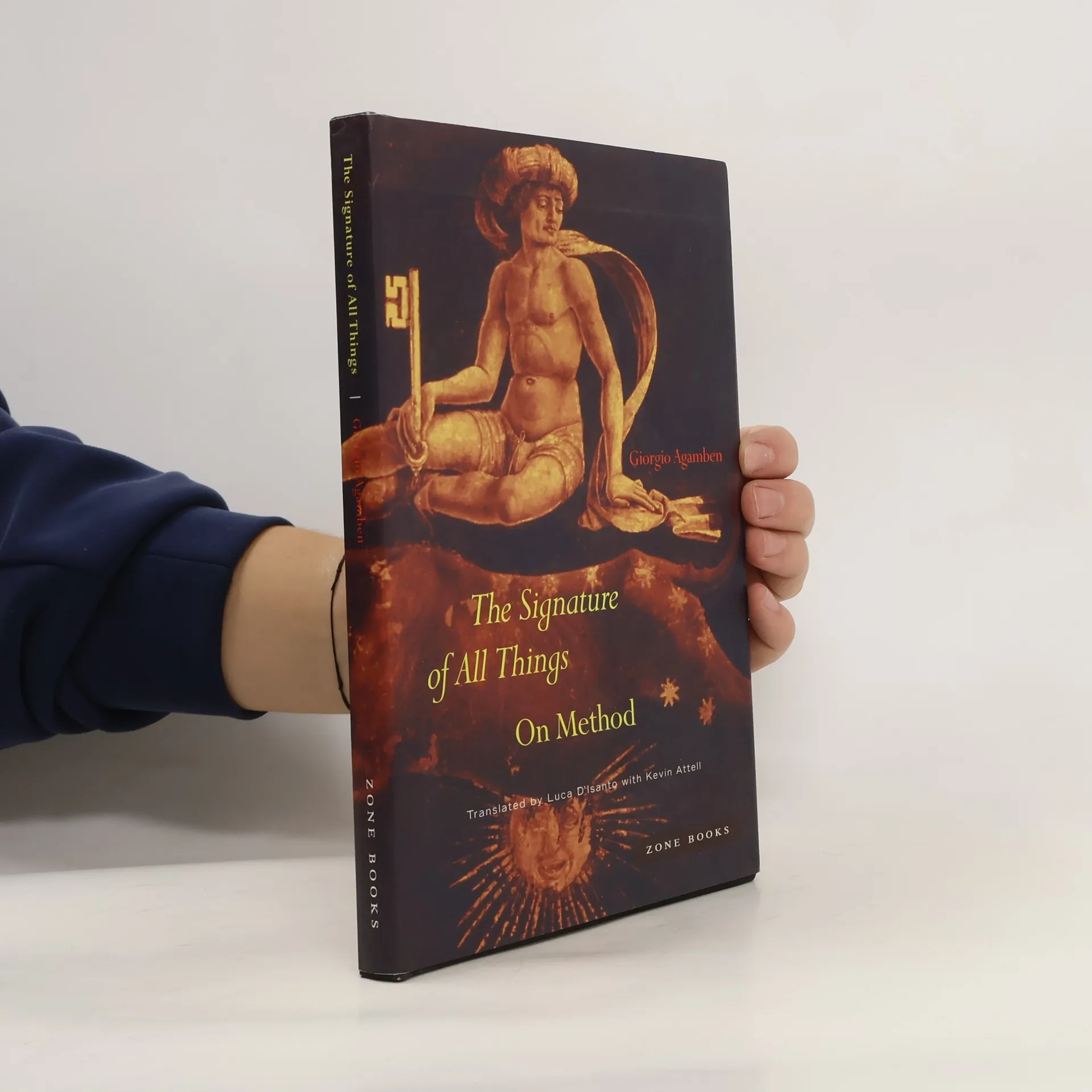
The Signature of All Things is Giorgio Agamben's sustained reflection on method. To reflect on method implies for Agamben an archaeological vigilance: a persistent form of thinking in order to expose, examine, and elaborate what is obscure, unanalyzed, even unsaid, in an author's thought. To be archaeologically vigilant, then, is to return to, even invent, a method attuned to a "world supported by a thick weave of resemblances and sympathies, analogies and correspondences." Collecting a wide range of authors and topics in a slim but richly argued volume, Agamben enacts the search to create a science of signatures that exceeds the attempts of semiology and hermeneutics to determine the pure and unmarked signs that signify univocally, neutrally, and eternally. Three conceptual figures organize Agamben's argument and the advent of his new method: the paradigm, the signature, and archaeology. Each chapter is devoted to an investigation of one of these concepts and Agamben carefully constructs its genealogy transhistorically and from an interdisciplinary perspective. And at each moment of the text, Agamben pays tribute to Michel Foucault, whose methods he rethinks and effectively uses to reformulate the logic of the concepts he isolates. The Signature of All Things reveals once again why Agamben is one of the most innovative thinkers writing today.
In this book, Agamben investigates monasticism from its beginnings up through
the Franciscan movement in an attempt to find a new form-of-life that escapes
from the logic of Western politics as put forth in his Homo Sacer series.
The garden of earthly delights -- The sin of nature -- Man has never yet been in paradise -- The divine forest -- Paradise and human nature -- The kingdom and the garden.
Hölderlin's life is divided exactly in two halves: the 36 years from 1770 to 1806 and the 36 years from 1807 to 1843, which he spends as a madman in the carpenter Zimmer's house. In the first half, the poet lives in the world and participates, to the extent of his abilities, in the events of his time; the second half of his existence is spent entirely outside the world, as if, despite the occasional visits he receives, a wall separates him from any relationship with external events. For reasons that may become clear to the reader, Hölderlin decided to expunge any historical and social character from the actions and gestures of his life. According to the testimony of his earliest biographer, he obstinately repeated: "nothing happens to me." His life can only be the subject of a chronicle, not a biography, let alone a clinical or psychological analysis. Yet, the hypothesis of the book is that in this way Hölderlin has delivered to humanity another, unprecedented figure of life, whose genuinely political significance remains to be measured, but concerns us closely.
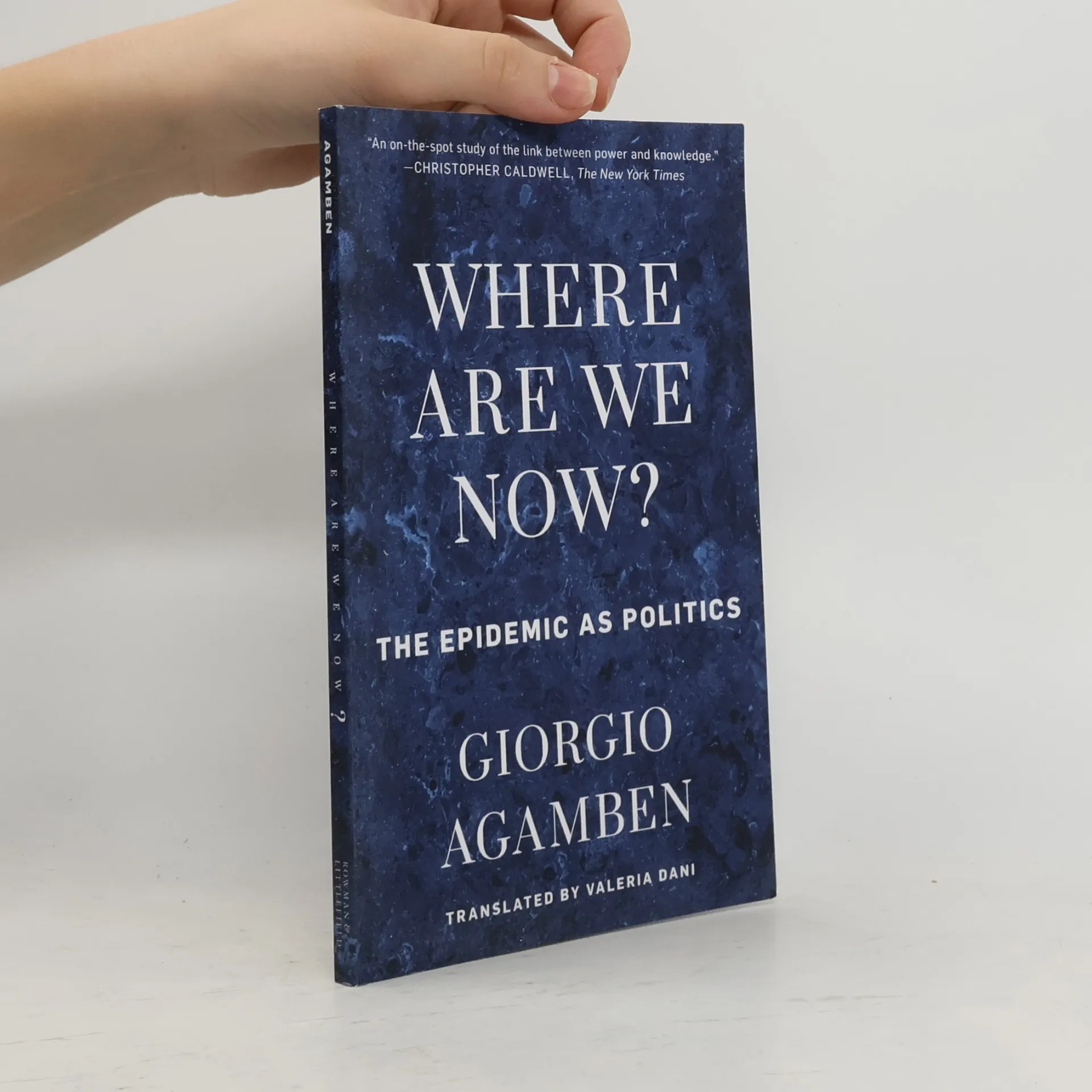
Renowned Italian philosopher Giorgio Agamben presents his fierce, passionate, and deeply personal commentaries regarding the 2020 health emergency as it played out in Italy and across the world. Alongside and beyond accusations, these texts reflect upon the great transformation affecting Western democracies. In the name of biosecurity and health, the model of bourgeois democracy--together with its rights, institutions, and constitutions--is surrendering everywhere to a new despotism where citizens accept unprecedented limitations to their freedoms. The push to accept this new normal leads to the urgency of the volume's title: Where Are We Now? For how long will we accept living in a constantly extended state of exception, the end of which remains impossible to see?
The book delves into the foundational dichotomies of Western philosophy, specifically the distinctions between essence and existence, and possibility and actuality. It posits that these separations have shaped the Western understanding of reality, enabling advancements in science and technology. By examining how these concepts have influenced human thought and action, the author argues that the ontological framework of the West underpins its historical power, highlighting the intricate relationship between philosophical thought and practical control over reality.
In 2006, Italian photographer Armin Linke was given a commission by the Ministry of Cultural Heritage and Activities, and proposed a photographic mapping of all the institutions now housed in various historical buildings in Rome. The result is a portrait of the Italian State through rarely seen interiors.
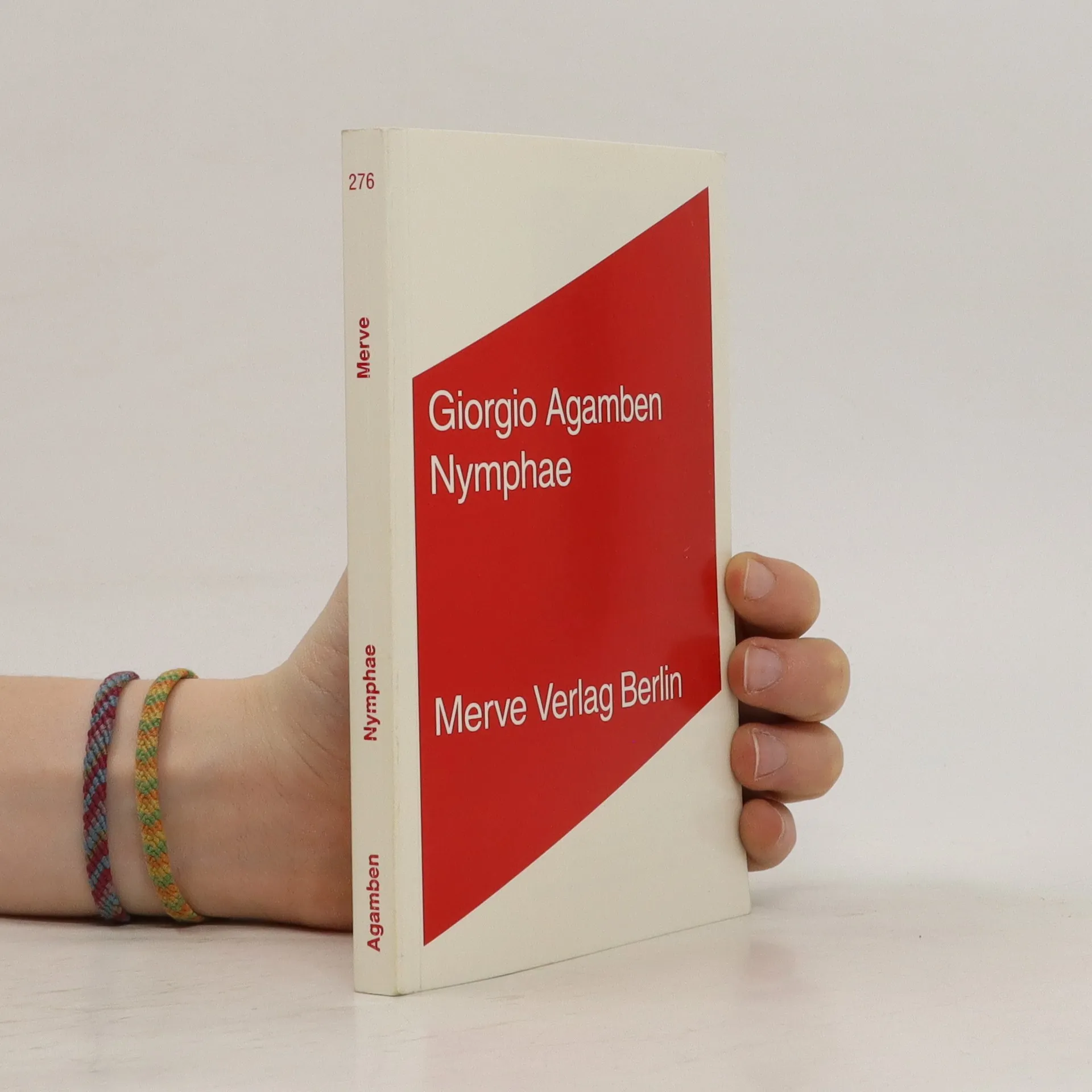
Der titelgebende Essay des Bandes stellt die gut hundert Jahre alte Frage, die im Zentrum jenes legendären Briefwechsels zwischen André Jolles und Aby Warburg stand: „Wer ist die Nymphe, woher kommt sie?“ Nur äußerlich gleiche sie „einer freigelassenen tartarischen Sklavin“, lautete Warburgs Antwort,„ihrem wirklichen Wesen nach“ sei sie „ein Elementargeist, eine heidnische Göttin im Exil“. Agamben entfaltet diese Antwort mit Bill Violas Passage vom „imaginären“ zum „kinematographischen Museum“, mit einem Traktat zur Tanzkunst des Domenico da Piacenza, mit den „androgynen Kinderwelten“ Henry Dargers, mit Benjamin, Vischer und Paracelsus, bis man mit Boccaccio davon überzeugt ist, dass „lieben und eine Nymphe lieben ein und dasselbe bedeuten“. - „Die Passion der Faktizität“, der zweite Text dieser Sammlung, unternimmt eine Verortung der Liebe in Heideggers Denken. - Der dritte Essay verfolgt das Schicksal der „poetischen Atheologie der Moderne“ bis an den Punkt, an dem es sich erfüllt - getreu der Anweisung Hölderlins in der zweiten Fassung von 'Dichterberuf', die die Geburtsstunde dieser atheologischen Tradition markiert: „so lange, bis Gottes Fehl hilft.“
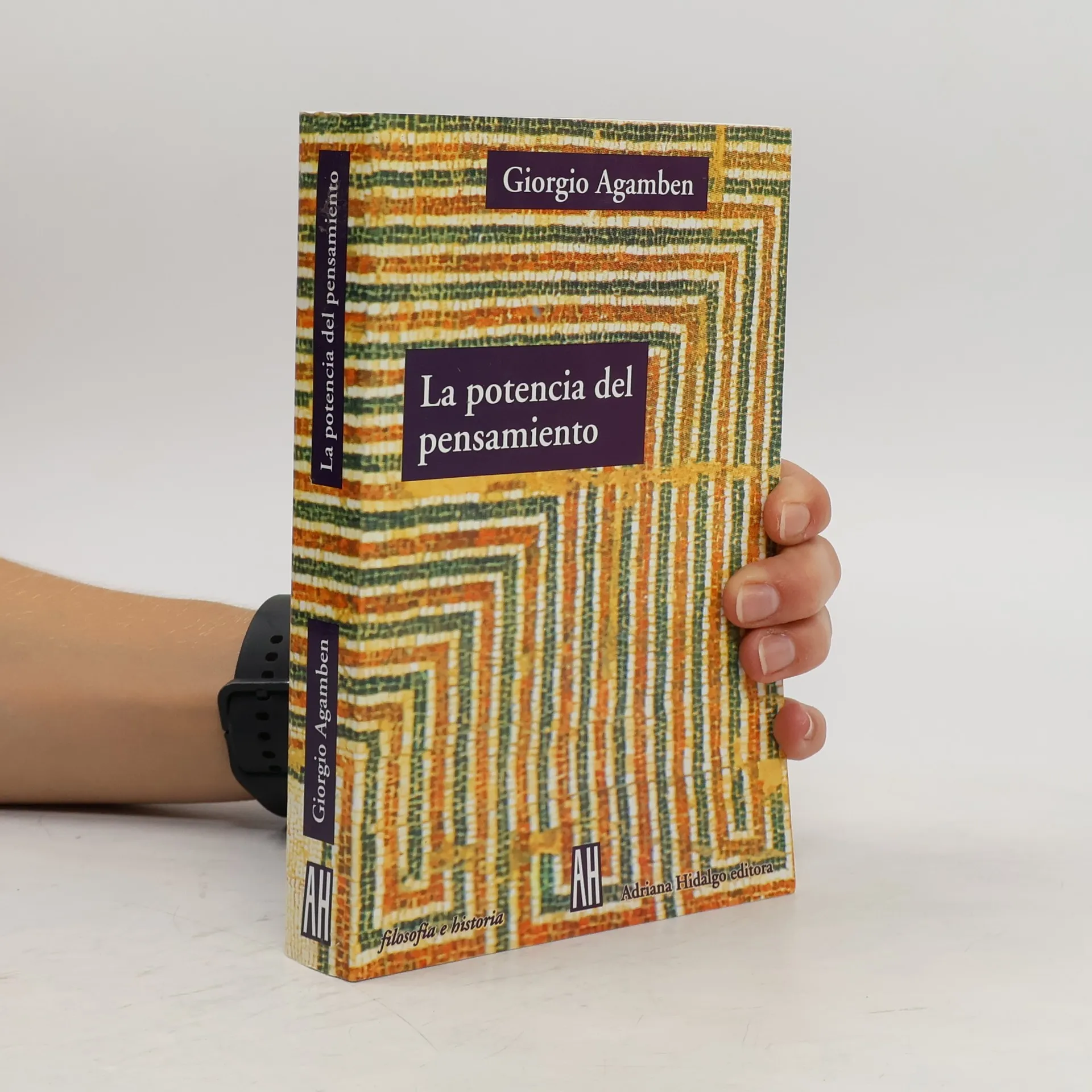
Esta obra reúne una amplia selección de ensayos inéditos o dispersos en revistas hoy inhallables. Ordenados en tres secciones distintas -Lenguaje, Historia, Potencia-, los diversos motivos de su pensamiento rondan obstinadamente en torno a un único centro, que el título resume en la fórmula: la potencia el pensamiento. En todos estos textos se revela, de hecho, un experimento en curso en el cual lo que está en juego es, en cada caso, el hombre como ser de potencia, que ninguna tarea histórica y ninguna vocación biológica pueden agotar, y que por eso está irrevocablemente consignado a la felicidad.
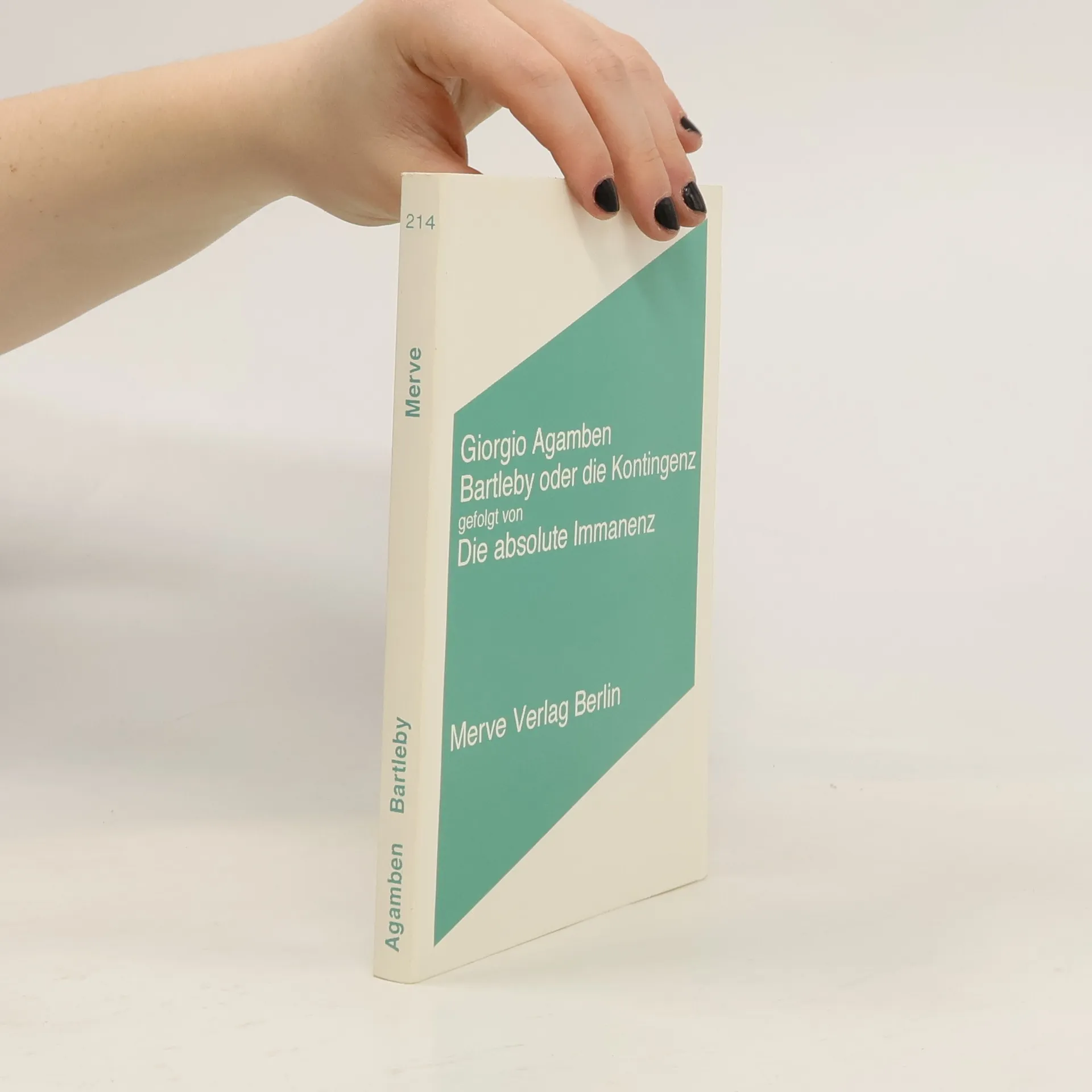
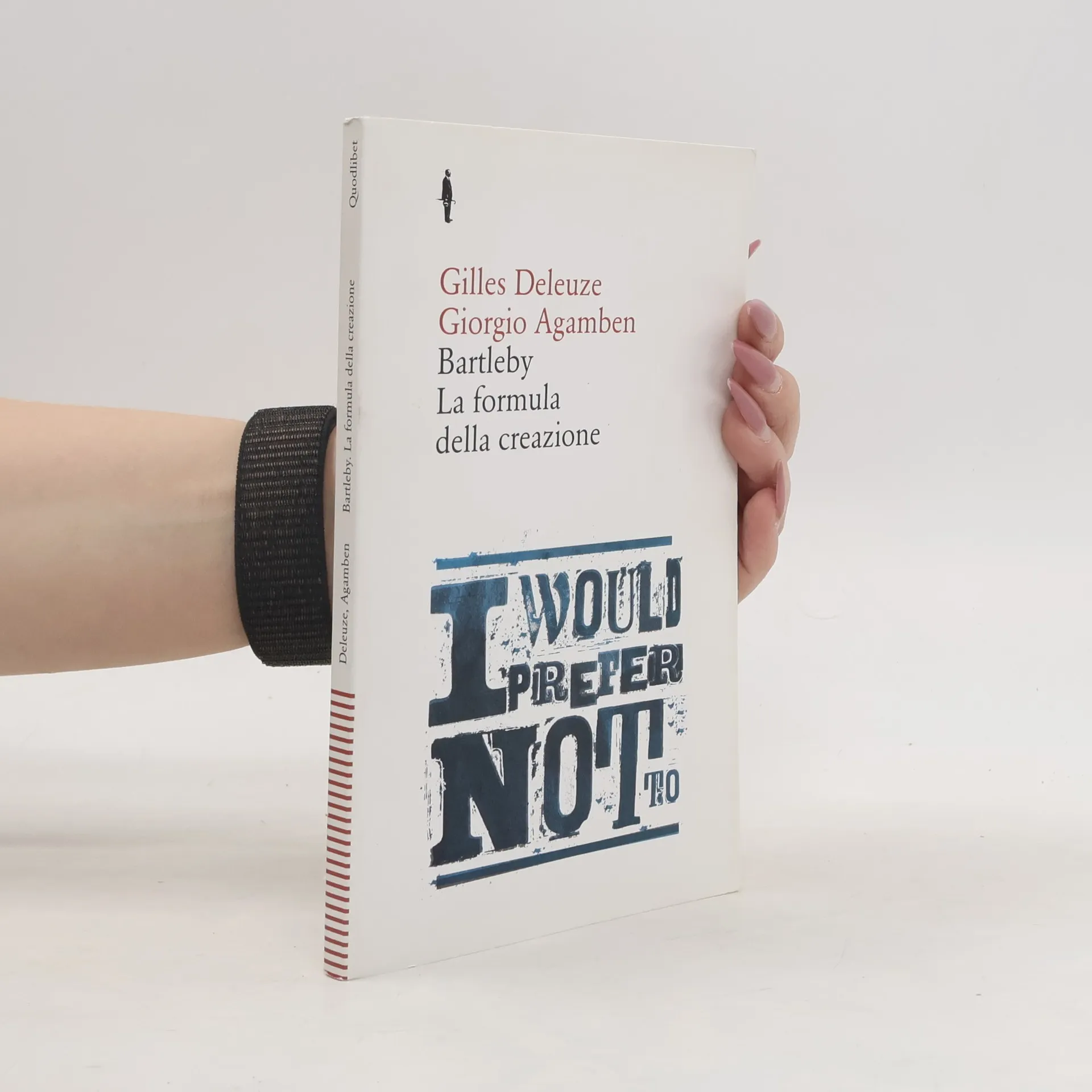
Veröffentlicht in Italien, zwei Jahre vor dem ersten Band von 'Homo Sacer - Die souveräne Macht und das nackte Leben', könnte dieser kleine Text von Agamben durch die Nähe zu dem bekannteren Buch des italienischen Philosophen völlig in den Hintergrund gedrängt worden sein, wäre Bartleby nicht eine der hartnäckigsten Figuren in seinem Werk und die Kategorie der Potenz, hier ausführlich entwickelt, die wichtigste seines gesamten Denkens. Diese Ausgabe enthält den Aufsatz von Agamben über Bartleby, die Figur aus der klassischen Erzählung von Herman Melville, begleitet von der Übersetzung der Erzählung selbst. Hier beabsichtigt der italienische Philosoph, dass die Figur Bartleby, mehr als eine Zone der Undeutlichkeit zwischen Ja und Nein, dem Bevorzugten und dem Nicht-Bevorzugten, vor allem eine Zone der Undeutlichkeit zwischen der Potenz des Seins (oder des Handelns) und der Potenz des Nicht-Seins (oder des Nicht-Handelns) eröffnet. Die Idee einer 'Potenz des Nicht', die in seinem späteren Denken an Bedeutung gewinnen wird, ist hier bereits klar umrissen, in diesem, zweifellos, einem der schönsten Essays des italienischen Philosophen.
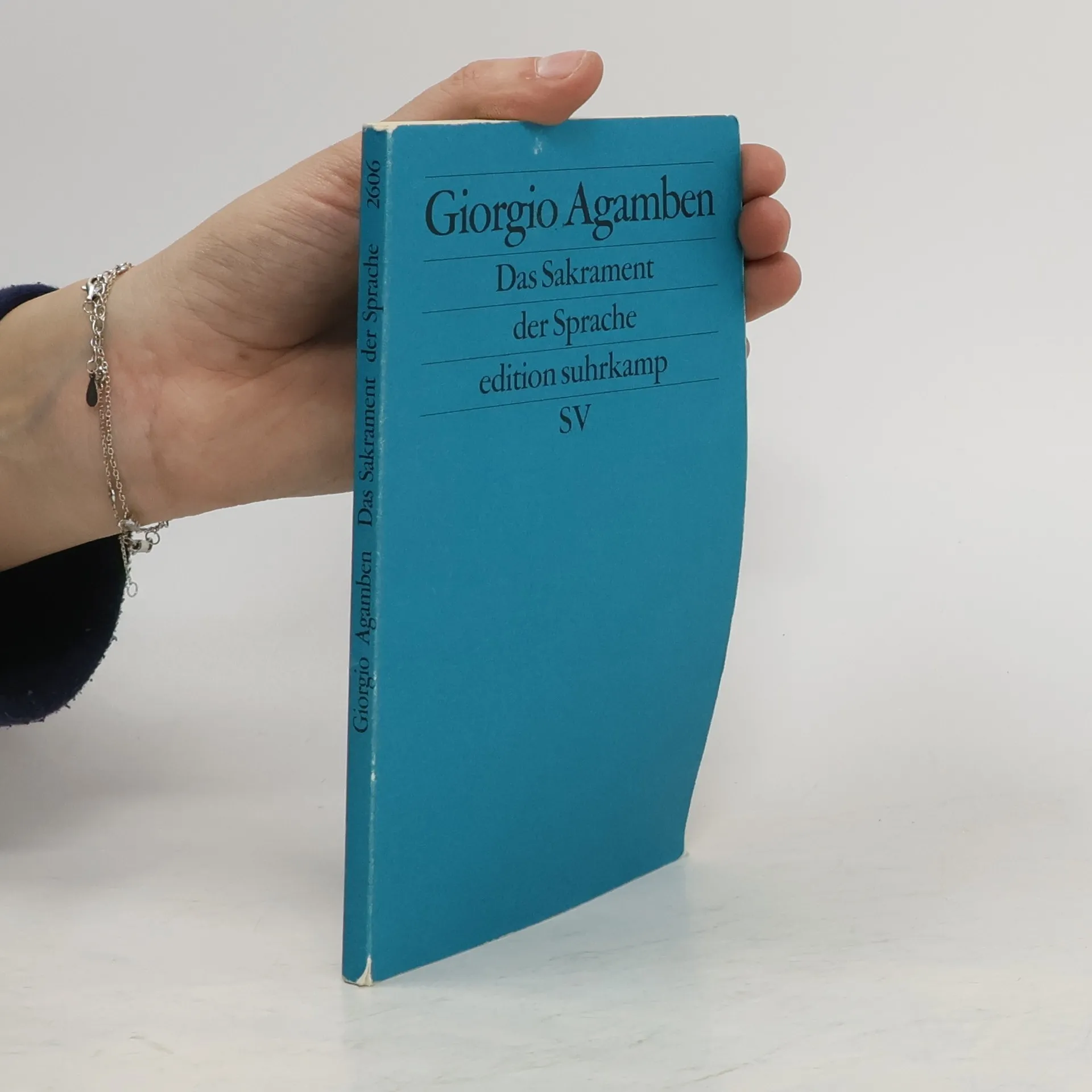
Dem Eid kommt als" Sakrament der Macht"in der Geschichte der abendländischen Politik und Religion eine grundlegende Rolle zu. Dennoch fehlt - ungeachtet zahlreicher linguistischer, anthropologischer und historischer Studien - ein all diese Aspekte umfassender Versuch, den systematisch-strategischen Ort zu bestimmen, den die Institution des Eides am Schnittpunkt von Recht, Religion und Politik einnimmt. Hier setzt Giorgio Agamben mit seiner" Archäologie des Eides"an - und trifft mitten ins Zentrum der Existenz des Menschen als sprechendes sowie als politisches Tier. Im Rückgriff auf griechische und römische Quellen stellt Agamben den Konnex her zwischen dem Eid einerseits und archaischer Gesetzgebung, Fluch und Götternamen andererseits. Dabei gewinnt er eine völlig neuartige Perspektive auf den Ursprung des Eides: Der Eid wird zum entscheidenden Moment in der Anthropogenese; als Sakrament der Macht hat er sich etablieren können, weil er zuallererst das Sakrament der Sprache ist. Indem sich der Mensch als sprechendes Wesen entdeckt, bindet er sich auch an die Sprache und setzt in ihr sein Schicksal aufs Spiel
Insofern der Ausnahmezustand zur Regel zu werden droht, sind die Institutionen des demokratischen Rechtsstaats und das verfassungsgemäße Gleichgewicht der Gewalten gefährdet, und die Grenze zwischen Demokratie und Diktatur verschwimmt. In Auseinandersetzung mit verschiedenen theoretischen Annäherungen an das Phänomen des Ausnahmezustands - zu nennen sind in erster Linie Walter Benjamin und Carl Schmitt, aber auch Autoren wie Theodor Mommsen, Adolphe Nissen und Jacques Derrida - vermißt Agamben das von den meisten Theoretikern gemiedene Niemandsland zwischen Politik und Recht, zwischen der Rechtsordnung und dem Leben und wirft ein neues Licht auf jene verborgene Beziehung, die das Recht an die Gewalt bindet.
Giorgio Agambens Buch „Was ich sah, hörte, lernte ...“ präsentiert sich als einzigartiges Werk, das durch kurze Prosaminiaturen prägende Begegnungen und philosophische Reflexionen verknüpft. Es thematisiert die Grenzen des sprachlich Fassbaren und verwebt persönliche Erfahrungen mit poetischen Bildern, ohne einer normativen Philosophie zu folgen.
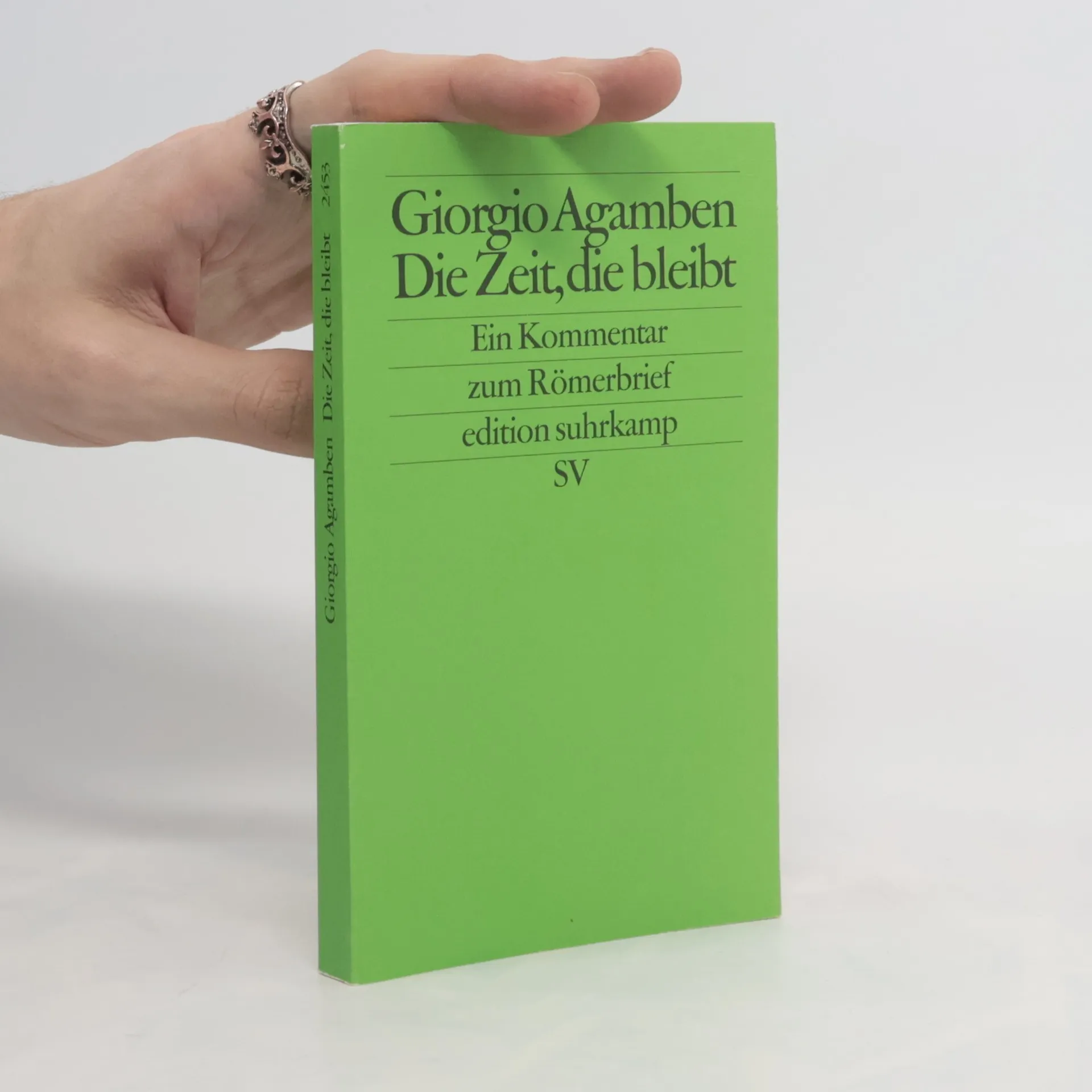
Wenn es zutrifft, daß jedes Werk aus der Vergangenheit nur in bestimmten
Momenten seiner Geschichte zu seiner ganzen Lesbarkeit gelangt, so scheint für
die Briefe des Paulus die Zeit jetzt gekommen. Giorgio Agamben gibt ihnen
jenen messianischen Stellenwert zurück, der allein die Perspektive einer
nunmehr zweitausendjährigen Deutungstradition neu ausrichten kann: Paulus
gründet keine universelle Religion, indem er eine neue Identität und eine neue
Berufung ankündigt, sondern er widerruft jede Identität und jede Berufung; er
schafft das alte Gesetz nicht ab, sondern öffnet es zu einem Gebrauch, der
jenseits jeden Gesetzes liegt.§Von der Paulinischen Botschaft bis zu den
Thesen Über den Begriff der Geschichte Walter Benjamins (die bisweilen
außerordentliche Entlehnungen aus ihr enthalten) bildet die Umkehrung von
Vergangenheit und Zukunft, von Erinnerung und Hoffnung das Herzstück des
Messianismus. Die messianische Zeit ist die Jetztzeit; als Segment der
profanen Zeit zwischen der Wiederauferstehung Jesu und dem apokalyptischen
Ende konstituiert sie sich in der Zeiterfahrung der Gegenwart. Agambens Buch
hält sich an das messianische Vorbild einer 'schwindelerregenden
Rekapitulation': Das exegetische Wissen der Bibel geht über in die
Illuminationen des Philosophen, der, ausgehend von Schmitt, Kafka und Scholem,
die Paulinischen Texte befragt und in ihnen die begrifflichen Wurzeln der
Hegelschen Dialektik findet.
Ostatnia strona książki zawiera zagadkę, nad którą powinniśmy się zastanowić.
Pajacyk nie przemienił się w gruncie rzeczy w chłopca, lecz stoi – wcale nie
ukryty, przeciwnie, dobrze widoczny – oparty o krzesło, a nowy chłopiec może
mu się przyglądać do woli, twierdząc, że jest „śmieszny”. Obie natury –
marionetkowa i ludzka, które tyle razy krzyżowały się w książce – pozostają
rozdzielone, obie obecne w bliżej nieokreślonym „pokoju obok”, który, jeśli
się dobrze przyjrzeć, jest warsztatem Geppetta, idealnie odpowiadającym
„pokoikowi na parterze”, gdzie nastąpiło stworzenie Pinokia. Być może również
chłopca – skoro ciało pajacyka pozostało nadal nietknięte – stworzył demiurg
Geppetto. Emanuele Dattilo zauważył w związku z tym, że „tam, gdzie
spodziewalibyśmy się metamorfozy, kolejnej przemiany pajacyka w dziecko […]
mamy do czynienia z rozdziałem, separacją natur, i kawałek drewna śpi
naprzeciwko dziecka, które obserwuje go z upodobaniem”. Cała niepojęta
historia Pinokia ginie w egzegetycznym świetle owego niestrudzonego
rozdzielania obu natur. Manganelli, który uważa wprawdzie, że Pinokio naprawdę
umarł, odnotowuje je na swój sposób: „Pozostaje owa martwa i cudowna relikwia,
nowe i żywe będzie musiało współistnieć ze starym i martwym. Ten metr drewna
nadal będzie rzucać mu wyzwanie”.
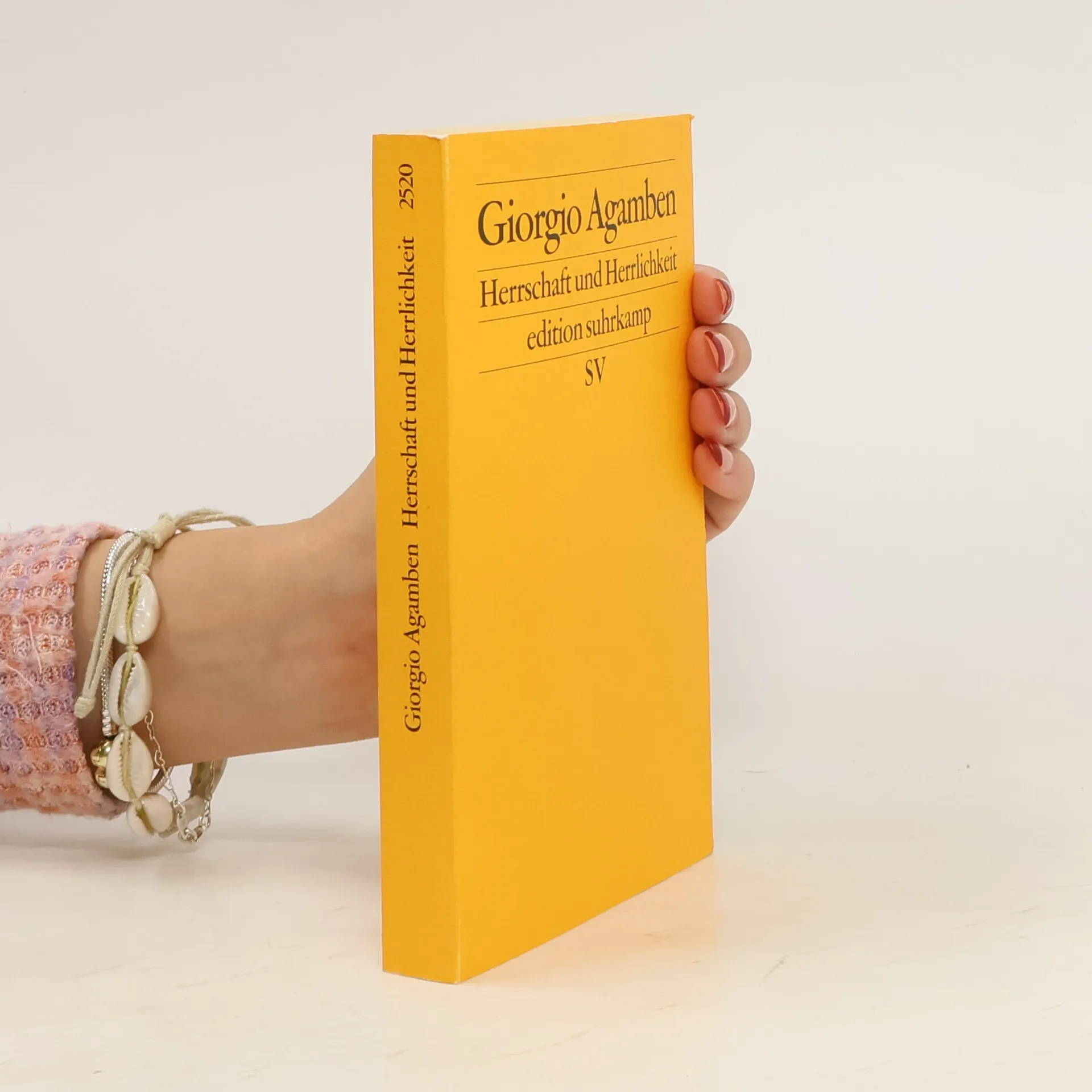
Die genealogische Erforschung der Macht, die Giorgio Agamben 1995 mit Homo sacer begonnen hat, nimmt mit diesem Buch eine entscheidende Wendung: Warum hat in der westlichen Welt die Macht die Form der Ökonomie angenommen? Und: Weshalb bedarf sie der Herrlichkeit, also jenes liturgisch-zeremoniellen Aufwands, der seit jeher um sie betrieben wird? Um den Monotheismus mit den »drei Personen« zu vereinbaren, entwarfen die Kirchenväter die Trinitätslehre als »Ökonomie« des göttlichen Lebens: als eine Frage der Führung und Verwaltung sowohl des himmlischen als auch des irdischen »Hauses« (griech.: oikía). Agamben zeigt, daß grundlegende Kategorien der modernen Politik – von der Gewaltenteilung bis zur militärischen Doktrin des Kollateralschadens, vom Liberalismus der »unsichtbaren Hand« bis zum Ordnungs- und Sicherheitsdenken – auf dieses theologisch-ökonomische Paradigma zurückgeführt werden können. Die zeremoniellen Aspekte der Macht sind nicht bloß Überreste vergangener Zeiten, sondern bilden – noch immer – ihr Fundament: eine bislang übersehene Genealogie, die die Funktion des Konsenses und der Medien in den modernen Demokratien in einem neuen Licht erscheinen läßt.
Enthält: Ettore Majorana »Die Bedeutung statistischer Gesetze in der Physik und den Gesellschaftswissenschaften« (postum, 1942)
160bladzijden
6 uur lezen
Vor achtzig Jahren verschwand Ettore Majorana, ein brillanter Schüler von Enrico Fermi, unter mysteriösen Umständen auf einer Schiffsreise von Palermo nach Neapel. Wie ist es möglich, dass der talentierteste Physiker seiner Generation spurlos verschwand? Es wurde lange spekuliert, dass Majorana beschloss, die Physik aufzugeben, weil er frühzeitig erkannte, dass die Kernspaltung unweigerlich zur Atombombe führen würde. Dieses Buch entwickelt eine andere Hypothese. Durch eine sorgfältige Analyse von Majoranas Artikel „Der Wert statistischer Gesetze in der Physik und den Sozialwissenschaften“, der zeigt, wie in der Quantenphysik die Realität in Wahrscheinlichkeit aufgelöst wird, und im Dialog mit Simone Weils Überlegungen zu diesem Thema, schlägt Giorgio Agamben vor, dass Majorana, indem er in Luft aufging, seine eigene Person zu einem exemplarischen Zeichen für den Status des Realen in unserem probabilistischen Universum machte. Damit stellte der Physiker eine Frage an die Wissenschaft, die noch auf eine Antwort wartet: Was ist real?
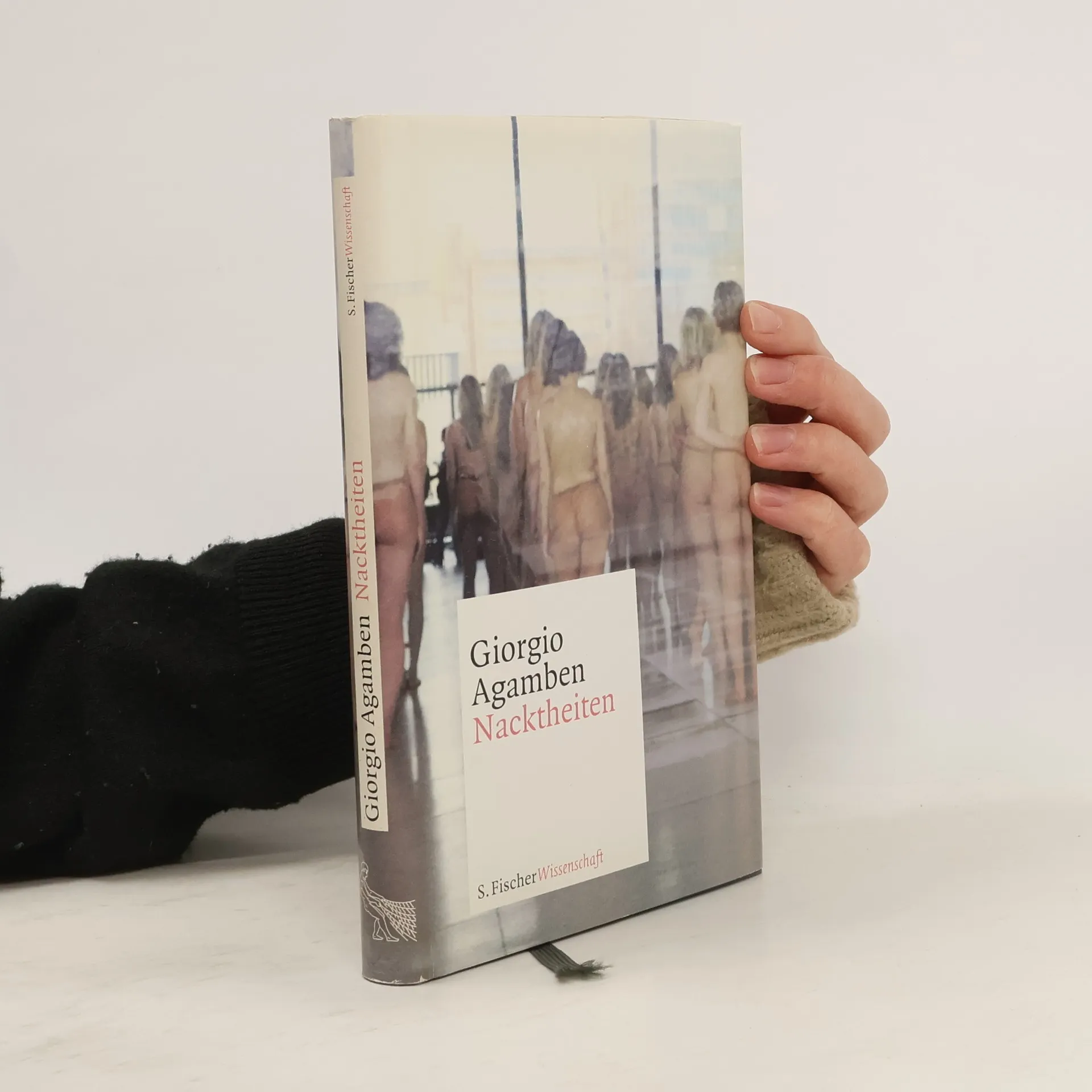
Das neue Buch von Giorgio Agamben umkreist in kurzen, literarisch-philosophischen Denkbildern den Körper in seiner Entblößung, in seiner Nacktheit: von der Bulimie zu den glorreichen Körpern der Heiligen, die weder essen noch lieben, von den verborgenen theologischen Implikationen der Nacktheit zu den neuen Formen unpersönlicher Identität, welche die biometrischen Dispositive der Menschheit auferlegen. Zielpunkt aller Überlegungen ist die Untätigkeit, nicht als Muße oder Trägheit, sondern als Paradigma menschlicher Handlung und einer neuen Politik.
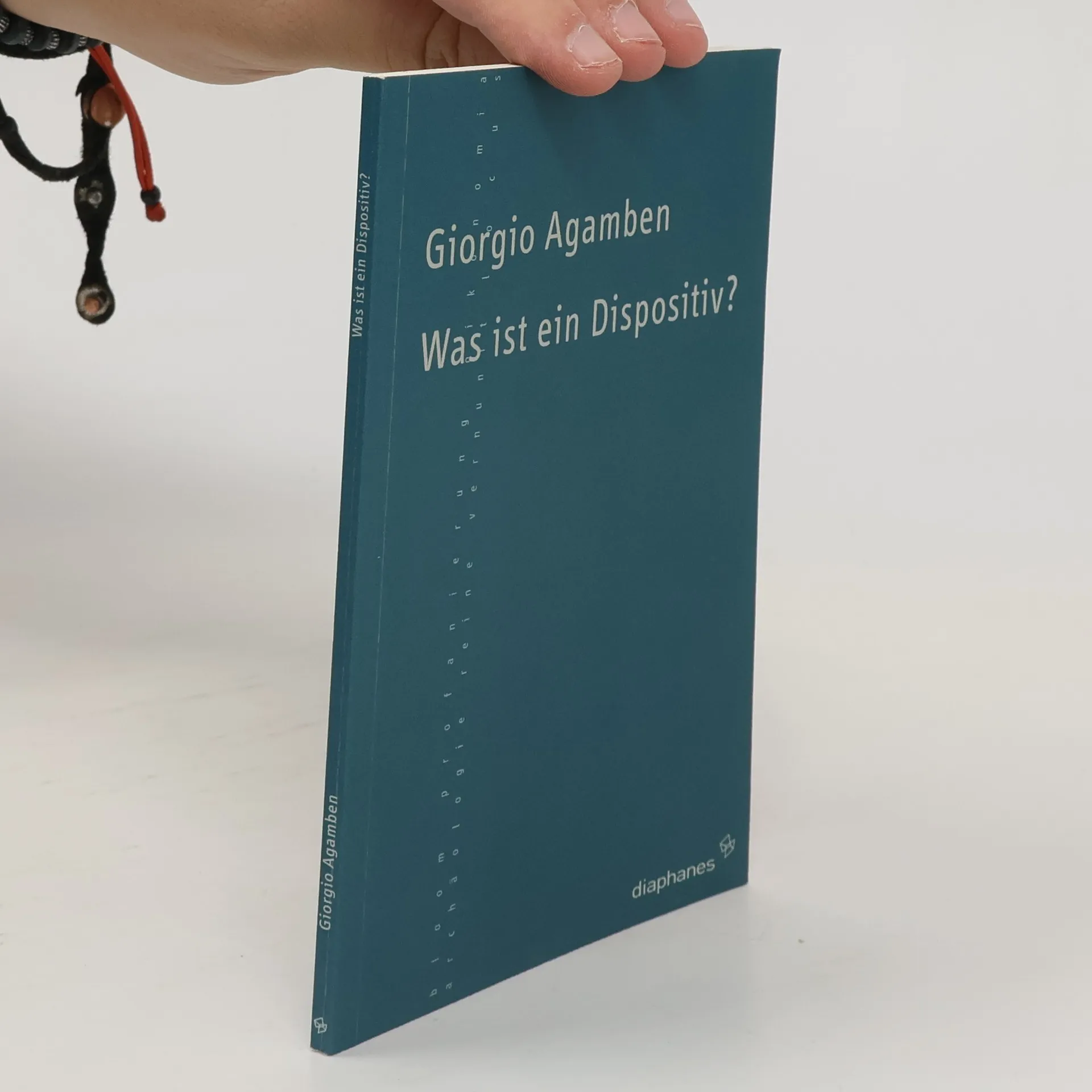
Die Welt, in der wir leben, präsentiert sich als ungeheure Wucherung von Dispositiven. Im Leben des Einzelnen gibt es keinen einzigen Moment mehr, der nicht von irgendeinem Dispositiv modelliert, kontrolliert oder kontaminiert wäre. Am Ursprung eines jeden Dispositivs – vom Mobiltelefon bis zum Fernsehen, vom Computer bis zum Autoverkehr – steht in Wirklichkeit ein Glücksverlangen, dessen Erfassung die spezifische Potenz des Dispositivs konstituiert.
In seinem kurzen, programmatischen Text entwickelt Agamben eine erhebliche Erweiterung des Dispositivbegriffs, wie er insbesondere von Foucault geprägt wurde. Mit Bezug auf die eigenen Studien zur theologischen Genealogie der Ökonomie verweist er auf den Gebrauch des lateinischen dispositio durch die Kirchenväter als Übersetzung von oikonomia: als ein Ensemble von Praxen, Kenntnissen, Maßen und Institutionen, deren Ziel die Verwaltung, Leitung, Kontrolle und Ausrichtung der Gesten und Gedanken des Menschen ist.
Begeistert hat Hans-Jürgen Schings (FAZ) die „glanzvoll ausgreifende Studie ‚Bartleby oder die Kontingenz’, in der der brillante Denker solcher Anfänge“ das berühmte "I would prefer not to" als Geste einer zweiten Schöpfung und einer neuen Kreatur beschreibe. Auch den Übersetzern gebühre hohes Lob, da sie die „federnde Arbeit des Begriffs“ nicht verfälscht hätten
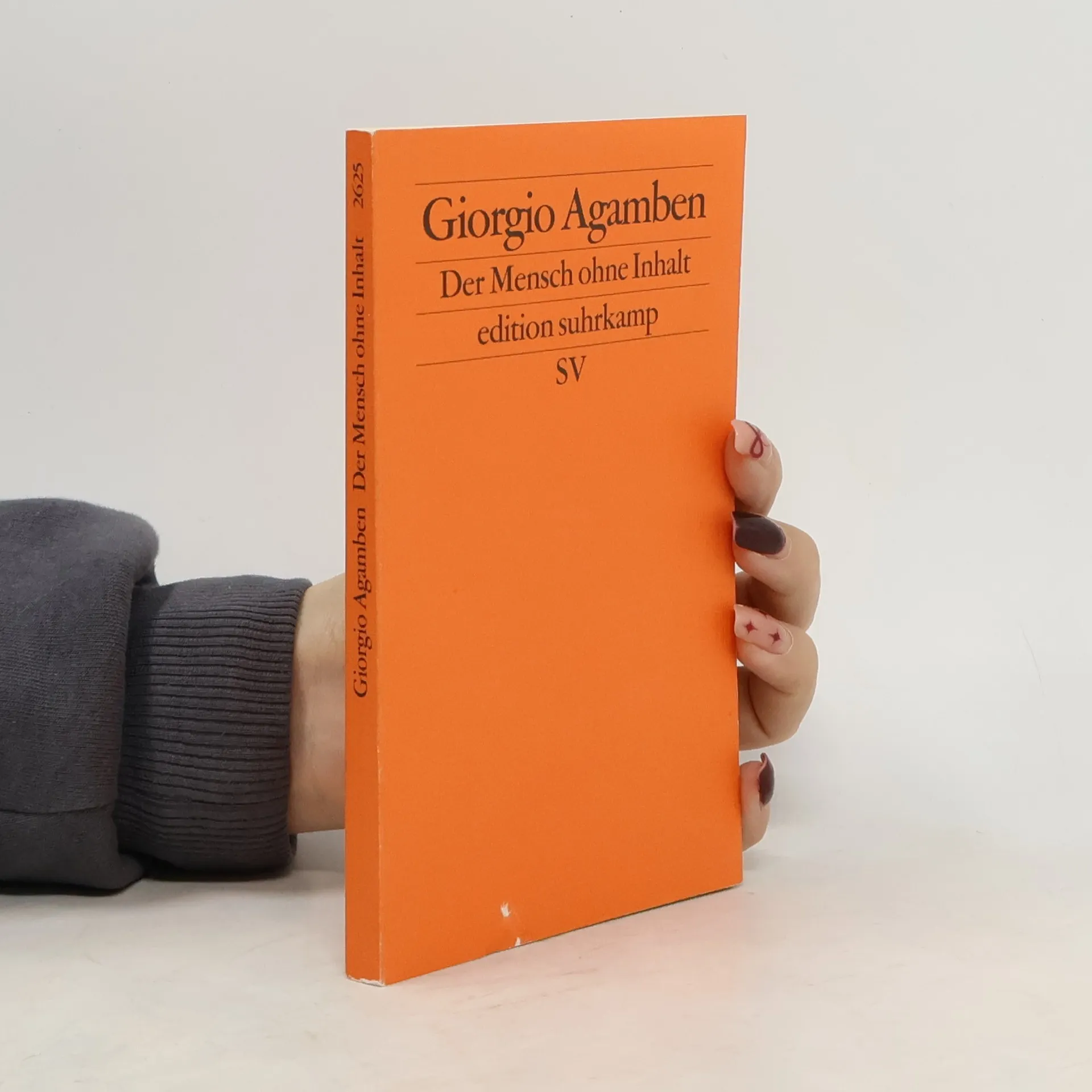
»In den späten sechziger Jahren nahm Giorgio Agamben an Martin Heideggers Seminaren im südfranzösischen Le Thor teil. Damals entstand auch sein erstes Buch L’uomo senza contenuto, das 1970 erstmals erschien. Selbstbewußt und radikal stürzt er sich auf klassische Positionen der Ästhetik, er konfrontiert Platon, Kant und Hegel mit Künstlern und Autoren der Klassischen Moderne. In einer Zeit, in der die Kunst nicht länger die Funktion hat, das Wesen der Wirklichkeit zur Erscheinung zu bringen, wird sie zu einer selbstzerstörerischen Kraft, der Künstler, so Agamben, zu einem »Menschen ohne Inhalt«. Agambens erstes Buch liegt nun endlich auch auf Deutsch vor. »Agamben hat die verwaiste Stelle des Meisterdenkers eingenommen.« Die Welt«
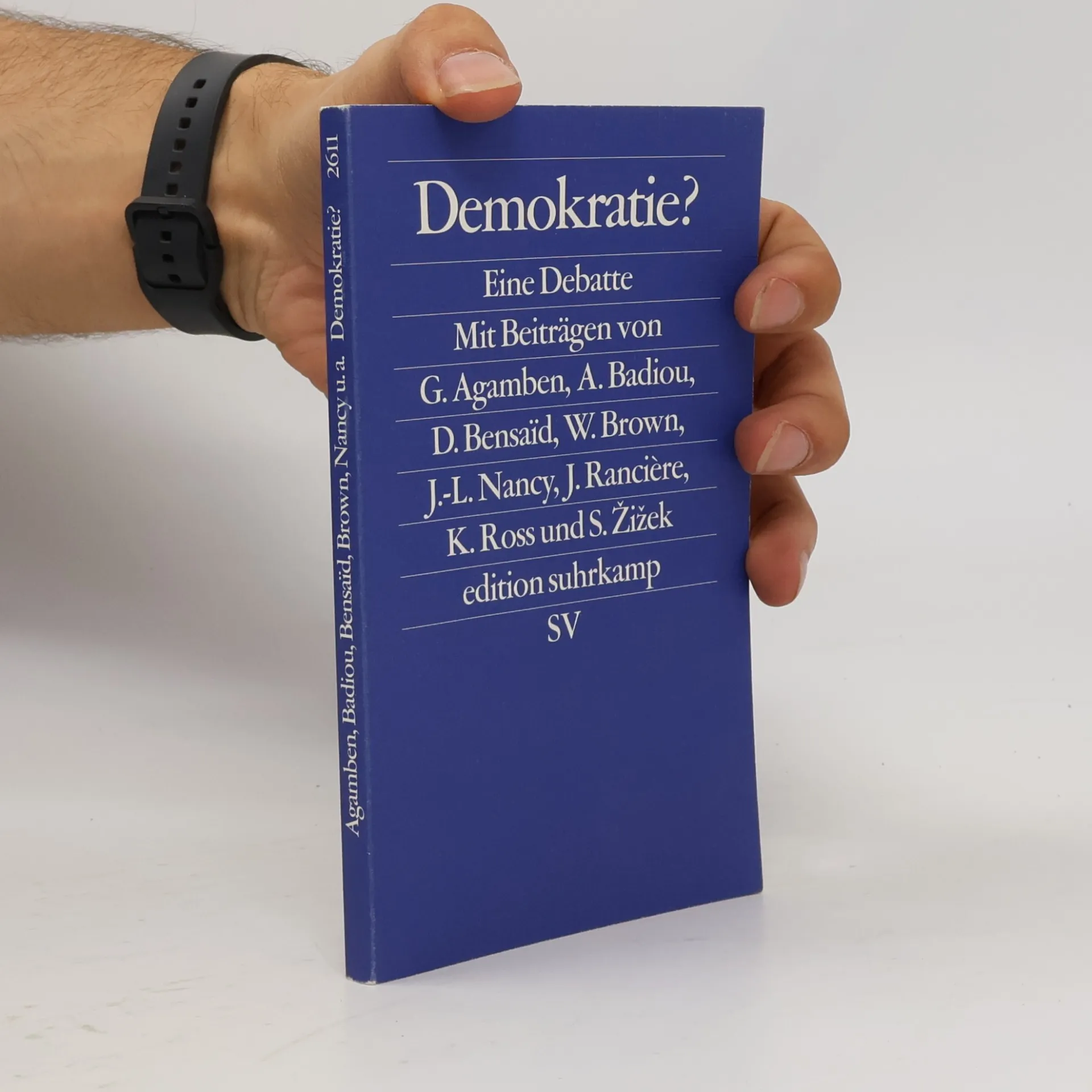
Zu Beginn des dritten Jahrtausends ist die Situation der Demokratie paradox: Einerseits sind mehr Staaten denn jemals zuvor demokratisch verfaßt, andererseits nehmen die Krisensymptome in den Staaten, die einstmals so etwas wie eine demokratische Avantgarde bildeten, zu: Die Wahlbeteiligung sinkt, schillernde Persönlichkeiten wie Silvio Berlusconi oder Nicolas Sarkozy gewinnen an Bedeutung, Wahlkämpfe geraten zu schalen Marketingkampagnen. Colin Crouch hat all diese Trends in dem Band „Postdemokratie“ präzise auf den Punkt gebracht. In diesem Band setzen sich nun acht herausragende politische Denkerinnen und Denker mit dem Zustand und den Perspektiven der am wenigsten schlechten aller Regierungsformen (Winston Churchill) auseinander, die tageszeitung sprach von einem »Who's who der internationalen linken Theorie«. Der Diskussionsband enthält Beiträge von Giorgio Agamben, Alain Badiou, Daniel Bensaïd, Wendy Brown, Jean-Luc Nancy, Jacques Rancière, Kristin Ross und Slavoj Žižek.
Kniha významného italského filosofa je souborem několika esejí originálním způsobem se zamýšlejících nad stavem současného politického života a radikální kritikou vyprázdněných kategorií současné politiky. Autor ve svém úvodním Upozornění zdůvodňuje, proč se politika dostává do podřízeného postavení vůči náboženství, ekonomice a právu tím, že když si přestávala být vědoma svého ontologického zařazení, přestala se vyrovnávat se změnami, které postupně vyprázdnily její kategorie a pojmy. Na stránkách esejí jsou původně politická paradigmata sledována v rámci zkušeností a jevů, které obvykle nejsou pokládány za politické...
Cette étude, fondée sur des écrits de philosophes, de poètes, de scientifiques, offre des pistes de réflexion concernant la question que pose le présent.
«Il conflitto politico decisivo, che governa ogni altro conflitto è, nella nostra cultura, quello fra l’animalità e l’umanità dell’uomo», così che «chiedersi in che modo – nell’uomo – l’uomo è stato separato dal nonuomo e l’animale dall’umano, è più urgente che prendere posizione sulle grandi questioni, sui cosiddetti valori e diritti umani». Un’urgenza che è sempre apparsa tale, almeno da quando la metafisica aristotelica definì il principio del vivente, ma che si manifesta con una crucialità nuova, indifferibile, proprio oggi, nel momento in cui è necessario mettere fuori gioco la potente «macchina antropologica» che nella tradizione occidentale ha articolato per secoli, con diversi dispositivi congiuntivi, il corpo e l’anima, la vita animale e il logos, il naturale e il soprannaturale, la tenebra e la luce. Sulla scorta di Heidegger, Agamben continua, da un altro punto di vista, la riflessione condotta nei libri precedenti intorno al concetto di vita, e si interroga sulla soglia critica che produce l’umano, che distingue e insieme approssima umanità e animalità dell’uomo, decidendo «ogni volta e in ogni individuo dell’umano e dell’animale, della natura e della storia, della vita e della morte».
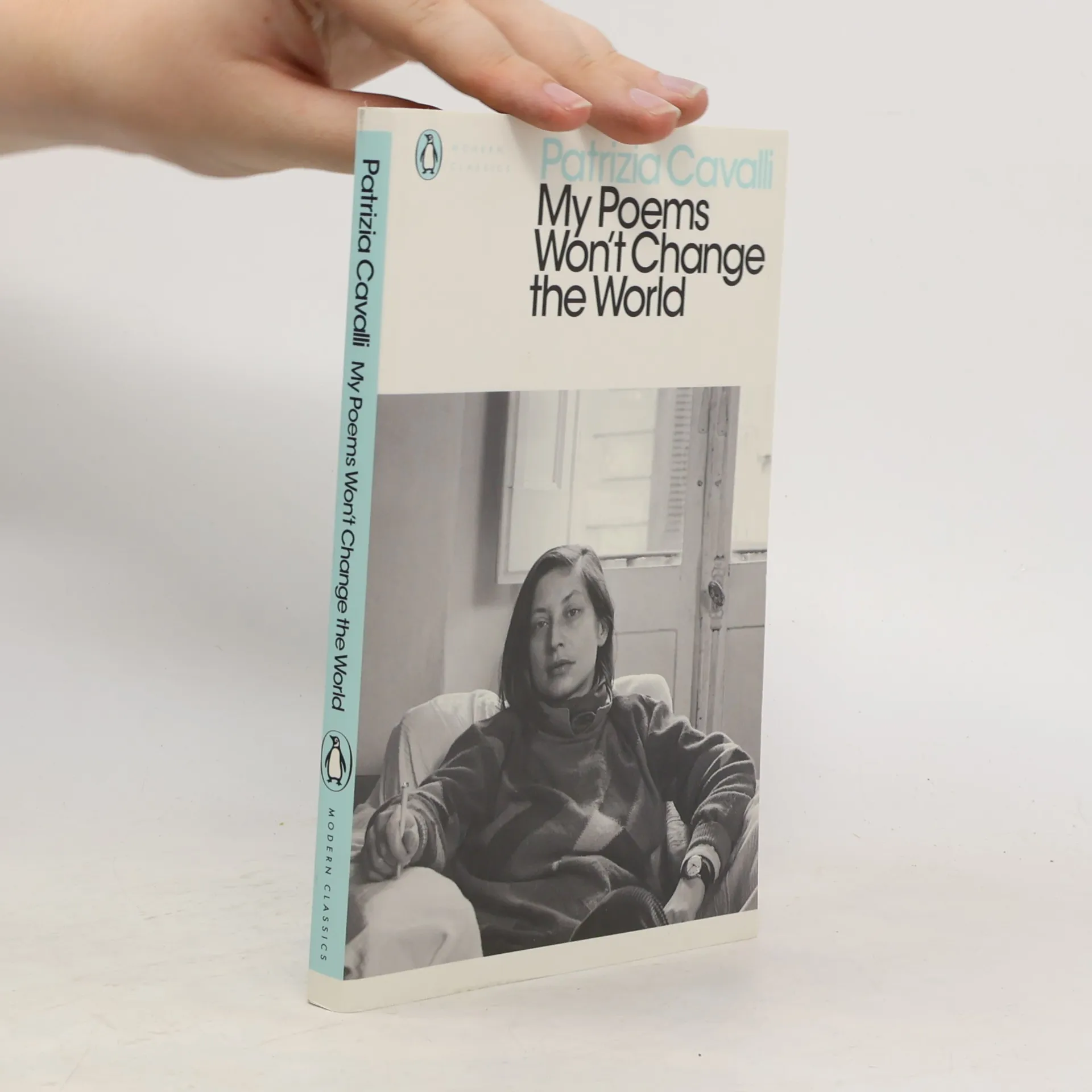
The Italian philosopher Giorgio Agamben said of Cavalli that she has written 'the most intensely ethical poetry in Italian literature of the 20th century'. One could add that it is, easily, also the most sensual and comical. "My Poems Won't Change the World" is the first substantial gathering of translations of her work into the English language. The book is made up of poems from Cavalli's collections published by Einaudi from 1974 to 2006, translated by an illustrious group of poets including Mark Strand, Jorie Graham, Jonathan Galassi and Gini Alhadeff. Thoughtful, sly and full of life, these are poems of the self, the body, pasta, cats, the city traversed on foot or by car, and -- always, and above all -- love.
Escrito unos meses antes de su muerte, este ensayo de Simone Weil es el resumen de un pensamiento lúcido que aún hoy es de actualidad. Como dice Giorgio Agamben en el prólogo, el libro «no deja de interpelarnos por al menos dos razones. La primera es la crítica sin reservas del concepto de persona, el cual, a más de medio siglo de distancia, no ha perdido su actualidad. La segunda -igualmente actual- es la búsqueda difícil y apasionada de un principio que se sitúa más allá de las instituciones, del derecho y de las libertades democráticas, y sin el cual éstos pierden todo sentido y toda utilidad».
Warum konstituiert der Ausnahmezustand die Grundstruktur einer jeden staatlichen Ordnung? Weshalb hat der Begriff ›Menschenrechte‹ ausgedient? Was hat die Ununterscheidbarkeit von Öffentlichem und Privatem zur Folge? Inwiefern ist das ›Lager‹ der biopolitische ›nomos‹ der Moderne? Was wäre der Ort und was der Raum einer künftigen ›polis‹? Die hier versammelten Texte formulieren eine radikale Kritik von Politik im Zeitalter entleerter Kategorien. Im Rückbezug auf Hannah Arendt, Carl Schmitt und Michel Foucault skizziert Giorgio Agamben neue Perspektiven des Politischen im Kontext der heutigen demokratisch-spektakulären Gesellschaften. Entwürfe über die ›Lebens-Form‹, die Sprache als Ort des Politischen par excellence und das Gestische als eine Sphäre der ›reinen Mittel ohne Zweck‹ markieren das Feld eines kommenden Denkens.
Laut einer alten Legende wachen vier Gottheiten über die Geburt des Menschen: Daimon, Tyche, Eros und Ananke. Früher oder später hat sich ein jeder von uns mit ihnen auseinanderzusetzen. Diesen zwiespältigen Mächten ins Auge zu sehen, heißt, sein Leben als Abenteuer zu leben. Im Gang durch Goethes »Urworte« und die höfische Literatur, Dante und die Philosophie wird klar, dass das Abenteuer nicht nur in der Wildnis oder im Boudoir auf uns wartet, sondern die Grunderfahrung unseres Lebens ist. Lebbar ist sie nur, weil mit Elpis, der in Pandoras Büchse zurückgebliebenen Hoffnung, eine fünfte Gottheit unser Dasein bestimmt. Auch die Freundschaft ist für Agamben eine grundlegende Erfahrung. Sie ist, wie sich im Rückgang auf Aristoteles zeigt, keine Beziehung zwischen zwei Individuen, sondern schafft den politischen Raum des Zusammenlebens, der jeder Identität, jeder teilbaren Erfahrung vorausgeht.
Neben seinen großen Büchern hat der international bekannte Philosoph Giorgio Agamben kleinere Texte und Essays verfasst, die ebenso nachhaltig die jeweiligen Diskussionen beflügelt haben. Die wichtigsten aus den letzten 20 Jahren hat er in einem Buch versammelt, das nun zum ersten Mail vollständig auf Deutsch vorliegt. Darin begegnen uns alle Motive seines Denkens in überraschender, neuer Form: Ob es sich um die Auseinandersetzung mit Walter Benjamin, Aby Warburg, Max Kommerell oder Martin Heidegger handelt oder um Themen wie Ursprung und Vergessen, Bildlichkeit, Immanenz und Faktizität, immer gelingt es Agamben, seinem Gegenstand ungewöhnliche und überraschende Einsichten abzugewinnen – ein Meister auch der kleinen Form.
Narziss und Pygmalion, Sphinx und Labyrinth, die Kunst des Emblems, die Karikatur und die phantastischen Auswüchse in Kunst, Literatur und Architektur des 19. Jahrhunderts sind die Themen dieses frühen Werks von Giorgio Agamben. Immer wieder umkreist der Text das Verhältnis zwischen dem realen Ding und dessen Darstellung, wie es sich in der Tradition des Abendlandes in Sprache und Kunst gestaltet. Die Sprache ist zum einen der Ort, an dem Phantasmen (re-)produziert und gelagert werden, zum anderen bleibt stets ein unüberbrückbarer Riss bestehen zwischen dem Objekt der Begierde und dem Versuch, es in Besitz zu nehmen. Für den unmöglichen Ort einer Inbesitznahme und zugleich den Rückzugsort des Dings steht die »stanza«: der Kern der Kunst und Poesie. Agambens Lektüre medizinischer Liebeslehren und der mittelalterlichen Liebesdichtung ist nicht weniger faszinierend als seine Lesart der Melancholie von Dürer bis Freud, seine Analyse des Kunstwerks im Zeitalter der Warenherrschaft und seine Untersuchungen des Emblematischen vom 16. Jahrhundert bis zur Semiologie.
Un'indagine sulle strutture che costituiscono il fondamento della cultura occidentale. «Nella tradizione della filosofia occidentale, l'uomo appare come il mortale e, insieme, come il parlante. Egli è l'animale che ha la "facoltà" del linguaggio e l'animale che ha la "facoltà" della morte. Altrettanto essenziale è questo nesso nell'esperienza cristiana. La facoltà del linguaggio è la facoltà della morte: il nesso fra queste due "facoltà", sempre presupposte nell'uomo e, tuttavia, mai messe radicalmente in questione, può veramente restare impensato? E se l'uomo non fosse né il parlante, né il mortale, senza per questo cessare di morire e di parlare?»
Zerstörung der Erfahrung und Ursprung der Geschichte
208bladzijden
8 uur lezen
Ist der moderne Mensch noch zur Erfahrung fähig? Der titelgebende Essay geht von dieser Frage aus und gibt den thematischen Rahmen der Sammlung vor, der mit Motiven gefüllt wird, die, vordergründig gesehen, heterogener nicht sein könnten: die in unserer Kultur untergründige Komplizenschaft von Rationalität und Irrationalität; die Abspaltung der Begierde vom Mangel und das Auftauchen des Unbewußten; die Verlagerung des Abenteuerlichen vom Alltäglichen ins Außerordentliche; die Geburt des Ich und der Anspruch der modernen Dichtung auf das Unerfahrbare. Zusammengeführt werden all diese Motive in einer Theorie der Kindheit : Zentrale Themen des zeitgenössischen Denkens – wie etwa die anthropologische Opposition von Natur und Kultur und die linguistische Opposition von langue und parole – erfahren hier eine neue Verortung, und zwar aus einer Perspektive, in der der Mensch der metaphysischen Tradition nicht mehr als »das mit Sprache begabte Tier«, sondern als dasjenige Tier erscheint, das keine Sprache hat und sie deshalb von außen empfangen muß.
Il problema delle circostanze storiche dello sterminio degli ebrei è ormai chiarito, ma resta complessa la comprensione del suo significato etico e politico e della sua attualità. Manca un tentativo di comprensione globale, e le ragioni del comportamento di carnefici e vittime rimangono enigmatiche. Tra chi cerca di spiegare tutto e chi rifiuta di comprendere, il libro propone una terza via: ascoltare non solo le testimonianze, ma anche le lacune in esse, la "presenza senza volto" che ogni testimonianza porta con sé. Si fa riferimento a coloro che hanno "toccato il fondo", evidenziando che Auschwitz non è solo un campo di morte, ma un luogo di esperimenti inimmaginabili, dove i confini tra umano e disumano si annullano. La riflessione morale contemporanea, messa alla prova da Auschwitz, rivela la sua insufficienza e lascia intravedere, tra le rovine, l'ineffabile profilo di una nuova terra etica: quella della testimonianza.
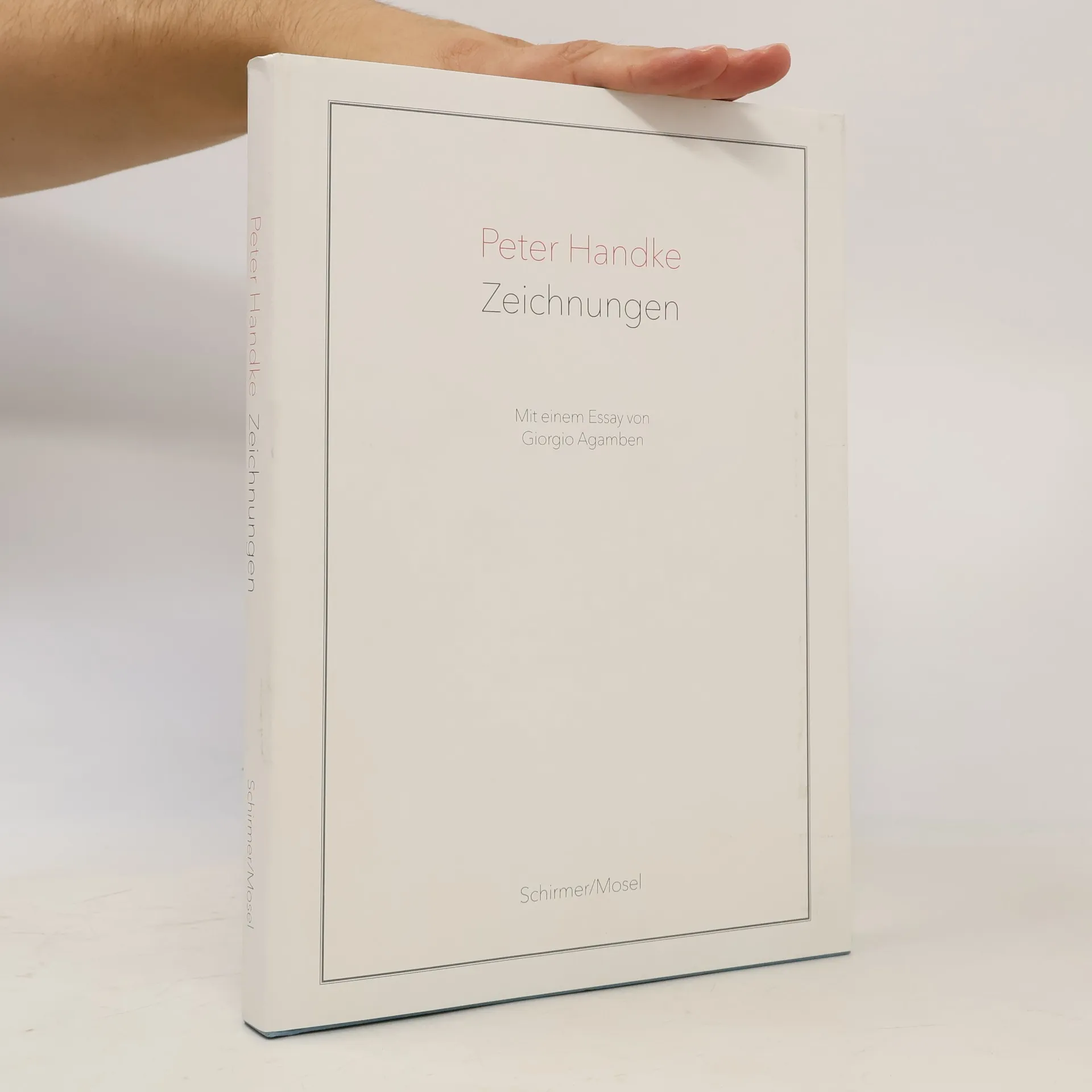
Reisen und Spaziergänge sind eine bedeutende Quelle für Peter Handkes schriftstellerisches Schaffen. Seit den 1970er Jahren führt er ein Notizbuch, in das er mit verschiedenen Stiften zeichnet. Seine Vignetten tragen wundersame Titel wie „Neugeborene Frösche, ca. zweifach vergrößert“ und „Lindenblüte in der Kaffeetasse“. Während er selten Menschen zeichnet, sind seine Motive oft Segelboote, Zypressen, Pilze und Ameisenhaufen, die mal skizzenhaft, mal detailliert erscheinen. Die Wirkung seiner Zeichnungen ist vielschichtig – Objekte wirken wie Satzzeichen, Schrift wird dinglich. 2016 veröffentlichte er einige dieser Zeichnungen in seinem Aphorismen-Band, wo sie wie Miniaturen in einem Codex wirken. Nach einer Ausstellung seines Notizbuchs in Berlin wird es nun als gedrucktes Buch für Leser zugänglich gemacht. Jedes Blatt wird als Faksimile abgebildet, wodurch eine eigene, entdeckungsreiche Poesie entsteht, die mit seinem schriftstellerischen Werk konkurriert. Handke betont, dass das Wort „Zeichnung“ in Anführungszeichen zu verstehen ist, da er kein ausgebildeter Zeichner ist. Dennoch gehören diese zauberhaften Blätter, die zwischen 2007 und 2017 entstanden, zu den schönsten aktuellen Arbeiten und werfen ein faszinierendes Licht auf einen der bedeutendsten zeitgenössischen Autoren.