Exploring the evolution of information technologies and their societal implications, this follow-up to a groundbreaking 1982 bestseller delves deeper into the emergence of a post-industrial society. The author revisits key themes and predictions, providing insights into how these technologies shape our lives and futures, making it a timely reflection on contemporary challenges and opportunities.
Barry Jones Volgorde van de boeken (chronologisch)


The Instruction Manual For The Mind
- 226bladzijden
- 8 uur lezen
Barry Jones, a skilled hypnotherapist, NLP practitioner, and life coach, operates from Harley Street in London, renowned for its medical excellence. His expertise combines therapeutic techniques to help clients overcome challenges and achieve personal growth, making him a sought-after professional in the field of mental wellness.
V-Bombers tells of the design, development and operational careers of three of Britains finest post-war aeronautical products. The Vickers-Armstrongs Valiant, Avro Vulcan and Handley Page Victor captured the imagination of a generation, as the V-Force, for between them they were the British nuclear deterrent in those difficult, early Cold-War days. Barry Jones tells the complete story here, from inception and design, through their operational service, to their retirement and preservation. He also covers the Short Sperrin, which provided much research information for the three bombers.
European Portfolio for Student Teachers of Languages
A Reflection Tool for Language Teacher Education
- 89bladzijden
- 4 uur lezen
The European Portfolio for Student Teachers of Languages (EPOSTL) is a document intended for students undergoing their initial teacher education which encourages them to reflect on the didactic knowledge and skills necessary to teach languages, helps them to assess their own didactic competences and enables them to monitor their progress and to record their experiences of teaching during the course of their teacher education. It was developed for the European Centre for Modern Languages of the Council of Europe by a team of teacher educators from Armenia, Austria, Norway, Poland and UK, assisted by student teachers and teacher educators from all 33 member states of the ECML. Building on insights from the Common European Framework of Reference and the European Language Portfolio as well as the European Commission-financed project European Profile for Language Teacher Education - A Frame of Reference (Profile), it seeks to help prepare students for their future profession in a variety of teaching contexts. Further, the EPOSTL can facilitate discussion of aims and curricula between teacher educators working within different national or European contexts.
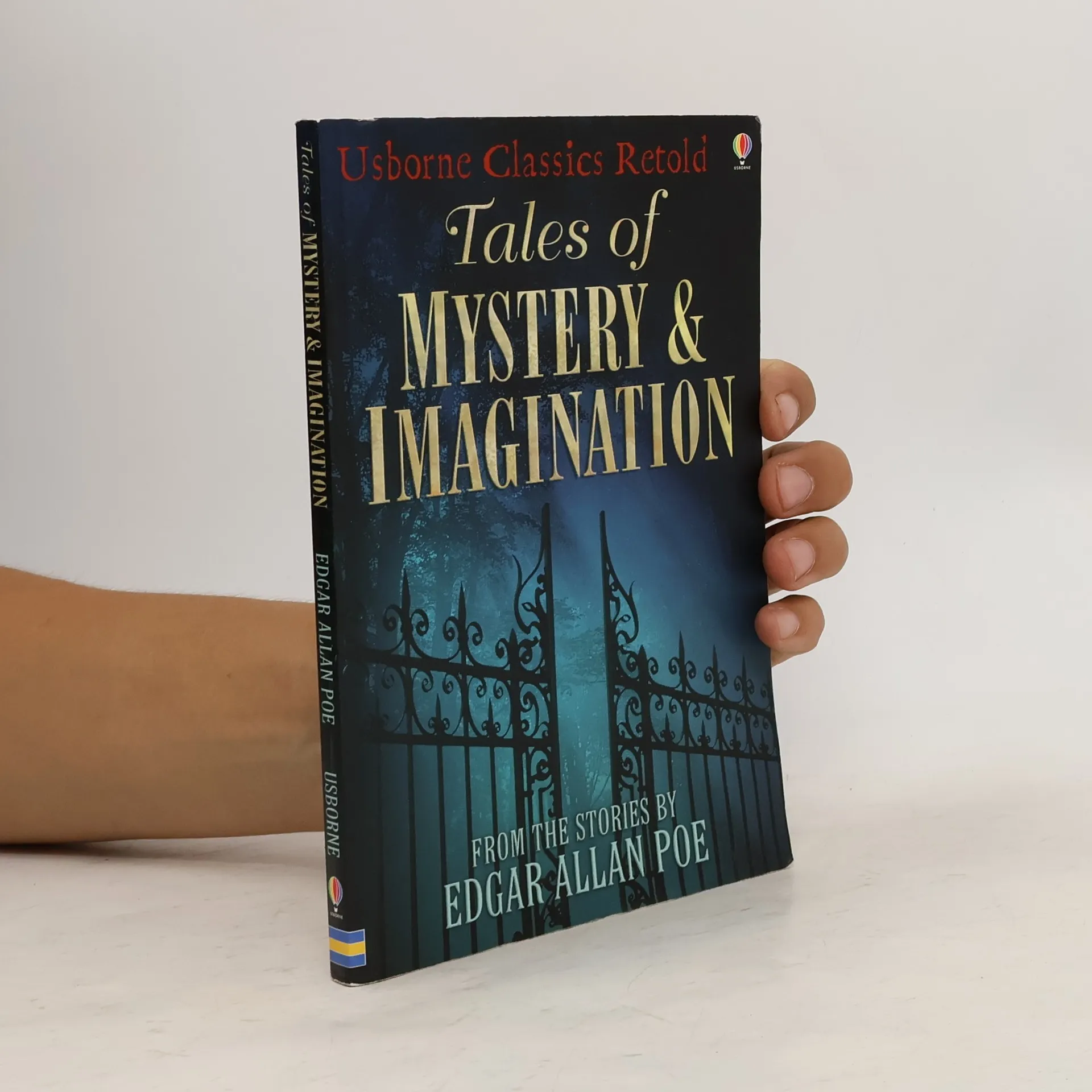
These simplified and shortened retellings make great literary classics accessible. Each remains faithful to the original text in the treatment of the story.Ages 8+196x130mm160pp
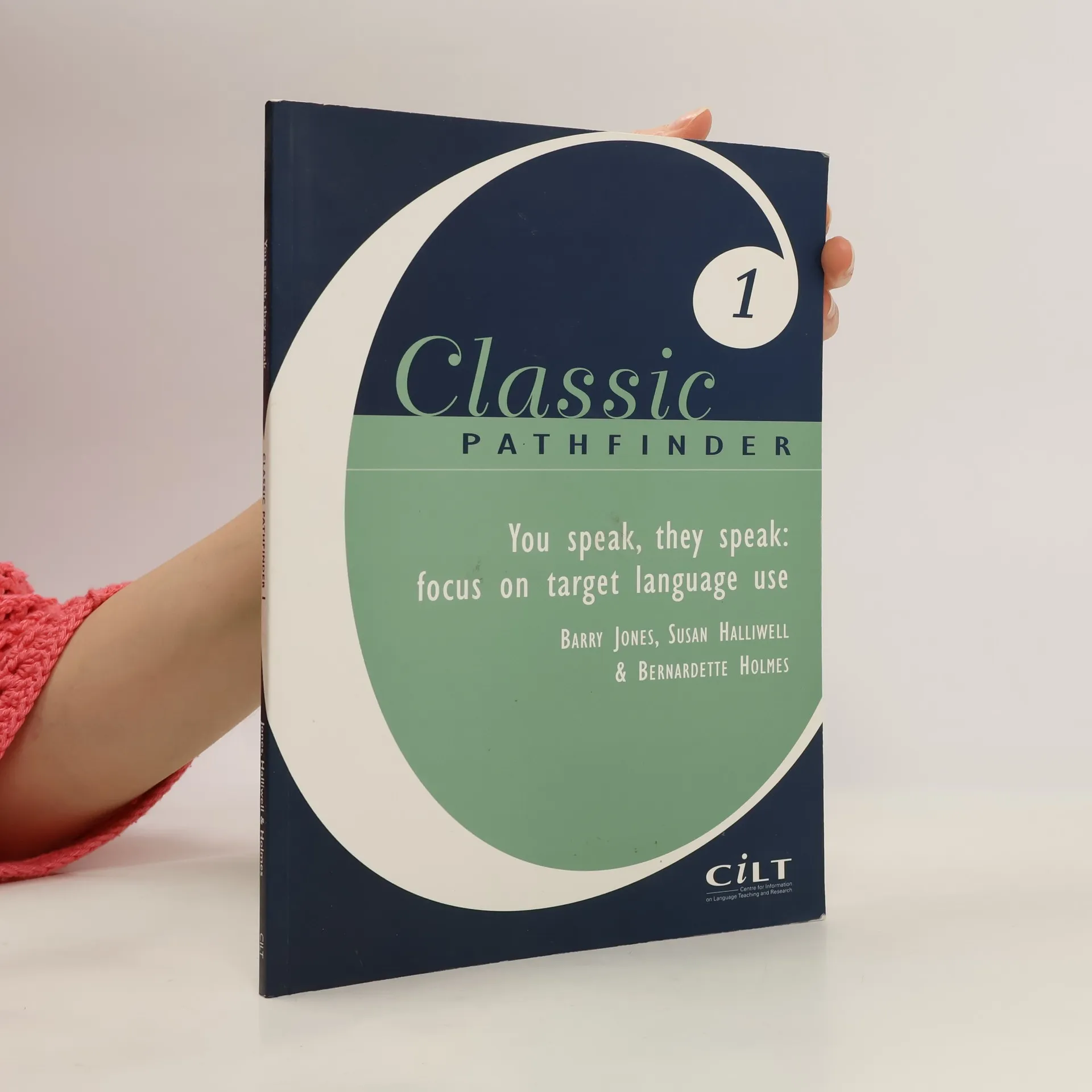
This title is based on two of CILT's earliest and most influential Pathfinders. It shows how it is possible to develop an ethos of communication in the target language involving teacher to pupil, pupil to teacher, and pupil to pupil interaction. The material has been updated and written, where appropriate, to take account of current curriculum initiatives and research.
Dracula
- 96bladzijden
- 4 uur lezen
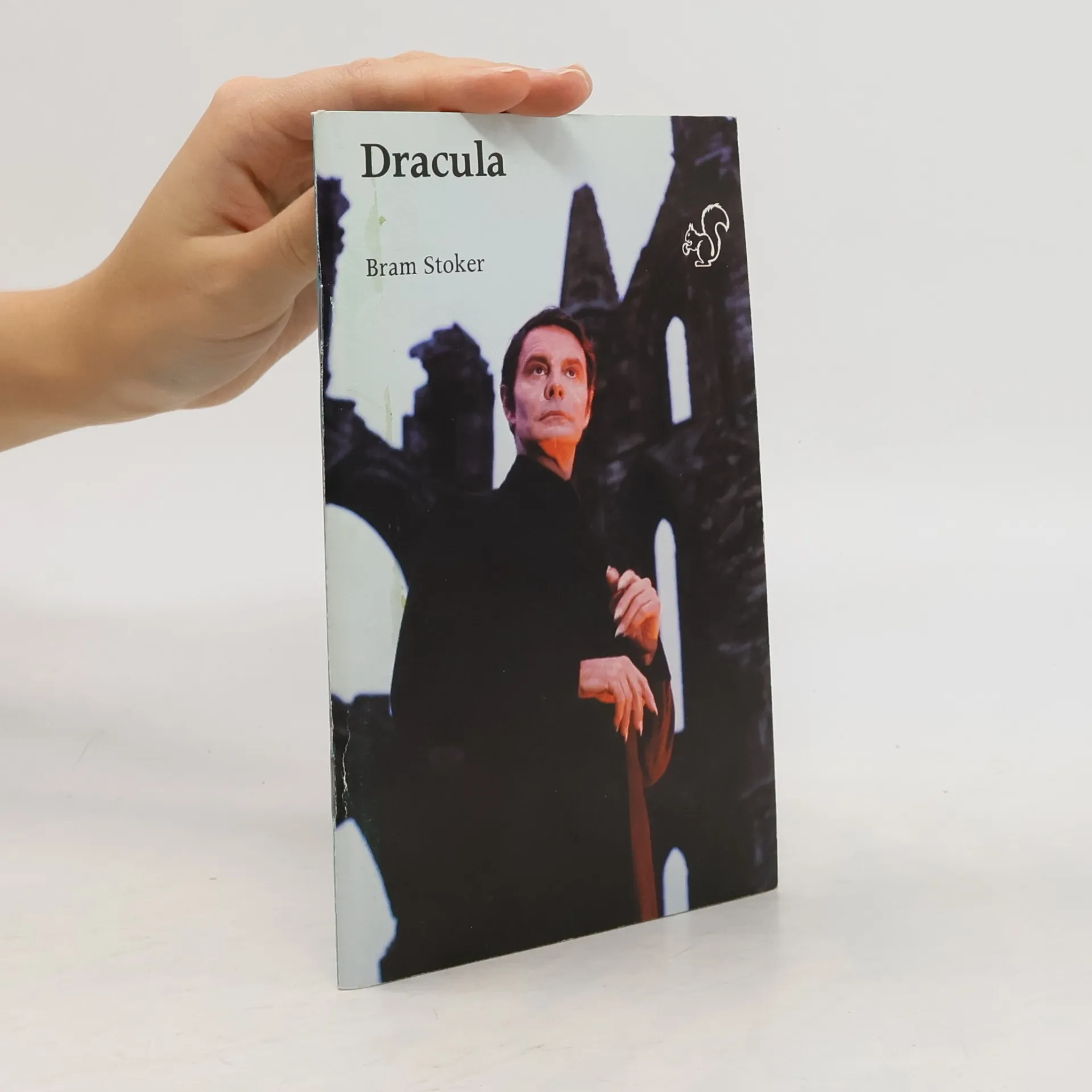
Count Dracula has inspired countless movies, books, and plays. But few, if any, have been fully faithful to Bram Stoker's original, best-selling novel of mystery and horror, love and death, sin and redemption. Dracula chronicles the vampire's journey from Transylvania to the nighttime streets of London. There, he searches for the blood of strong men and beautiful women while his enemies plot to rid the world of his frightful power.Today's critics see Dracula as a virtual textbook on Victorian repression of the erotic and fear of female sexuality. In it, Stoker created a new word for terror, a new myth to feed our nightmares, and a character who will outlive us all.
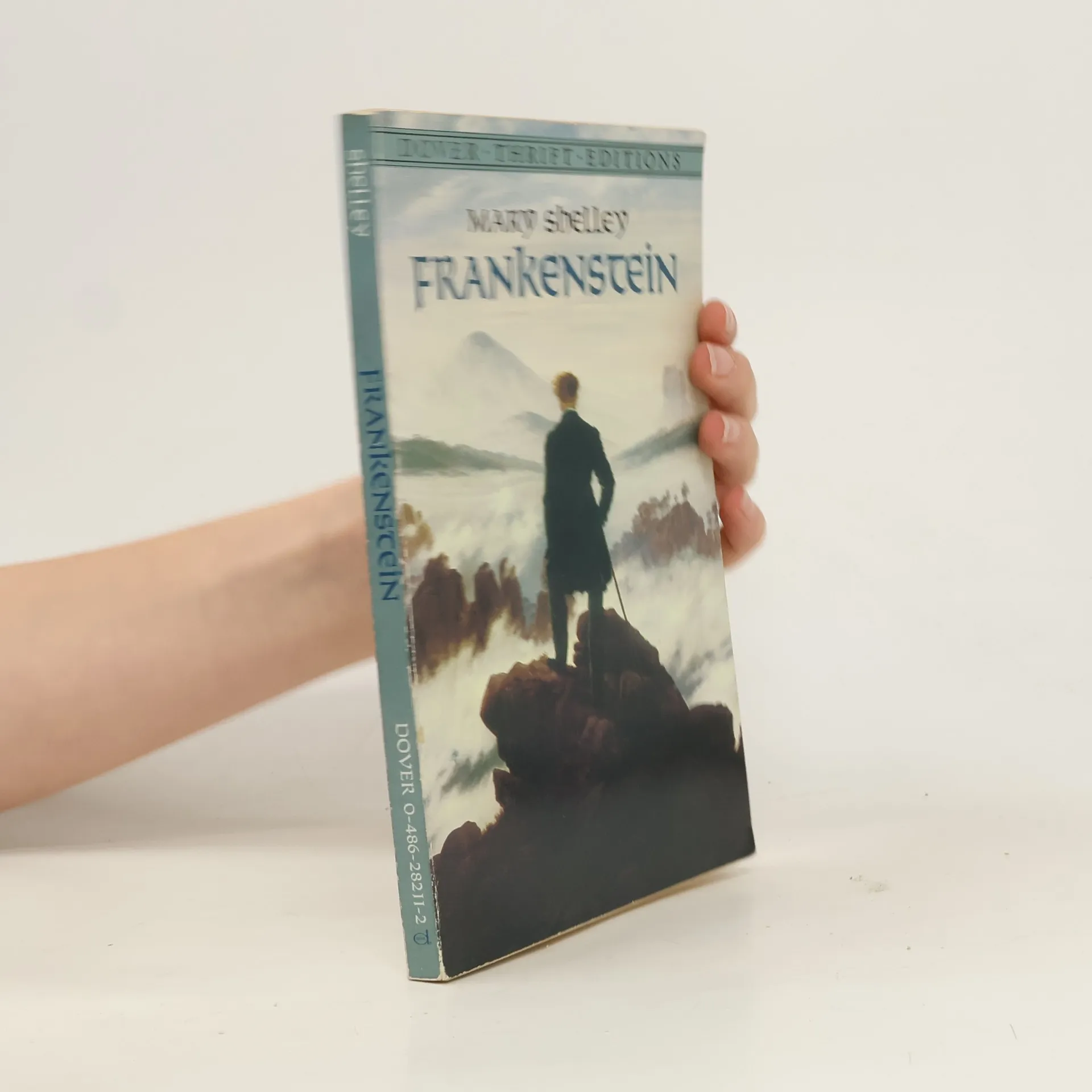
Few creatures of horror have seized readers' imaginations and held them for so long as the anguished monster of Mary Shelley's Frankenstein. The story of Victor Frankenstein's terrible creation and the havoc it caused has enthralled generations of readers and inspired countless writers of horror and suspense. Considering the novel's enduring success, it is remarkable that it began merely as a whim of Lord Byron's. "We will each write a story," Byron announced to his next-door neighbors, Mary Wollstonecraft Godwin and her lover Percy Bysshe Shelley. The friends were summering on the shores of Lake Geneva in Switzerland in 1816, Shelley still unknown as a poet and Byron writing the third canto of Childe Harold. When continued rains kept them confined indoors, all agreed to Byron's proposal. The illustrious poets failed to complete their ghost stories, but Mary Shelley rose supremely to the challenge. With Frankenstein, she succeeded admirably in the task she set for herself: to create a story that, in her own words, "would speak to the mysterious fears of our nature and awaken thrilling horror — one to make the reader dread to look round, to curdle the blood, and quicken the beatings of the heart."