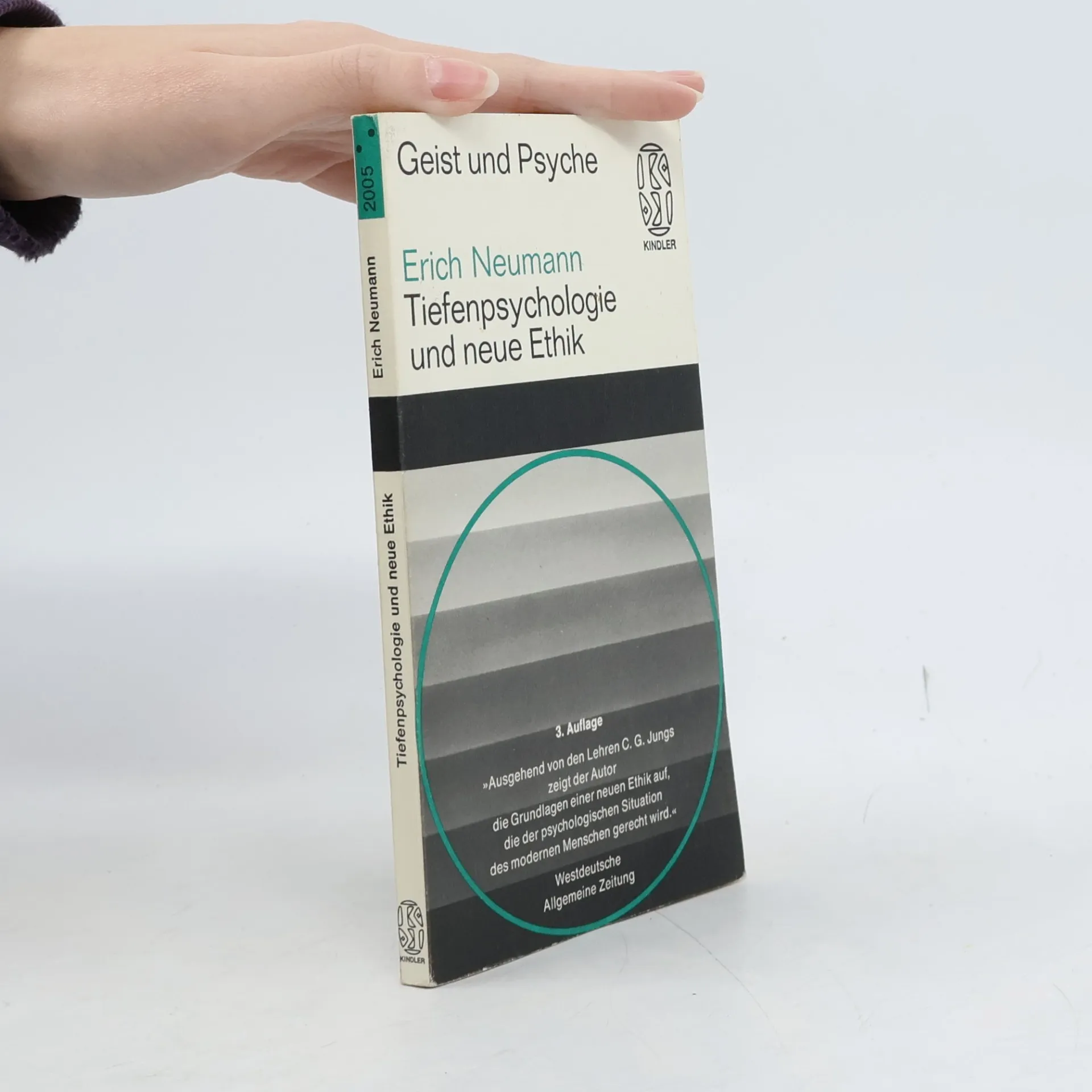
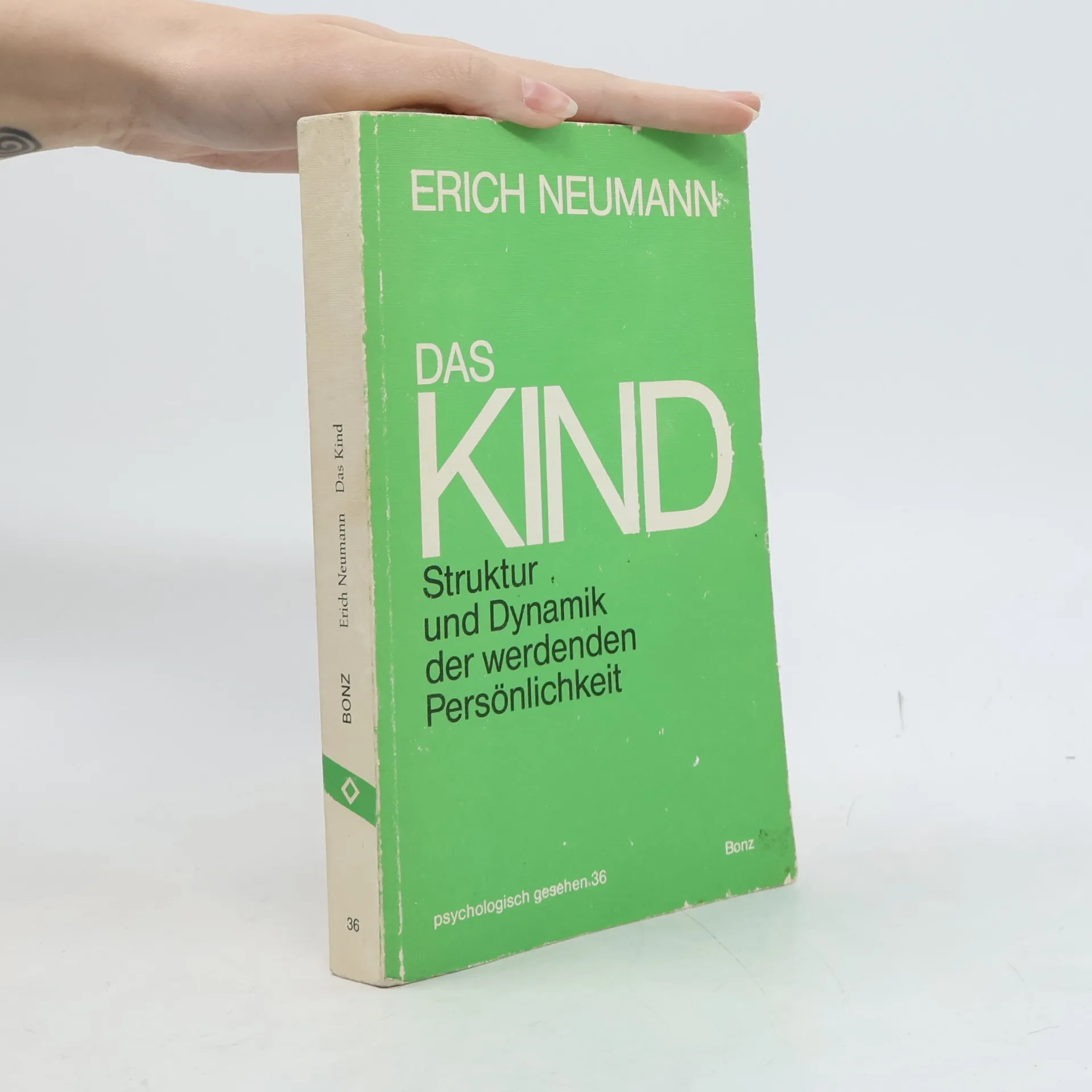
The modern world has witnessed a dramatic breakthrough of the dark, negative forces of human nature. The "old ethic," which pursued an illusory perfection by repressing the dark side, has lost its power to deal with contemporary problems. Erich Neumann was convinced that the deadliest peril now confronting humanity lay in the "scapegoat" psychology associated with the old ethic. We are in the grip of this psychology when we project our own dark shadow onto an individual or group identified as our "enemy," failing to see it in ourselves. The only effective alternative to this dangerous shadow projection is shadow recognition, acknowledgement, and integration into the totality of the self. Wholeness, not perfection, is the goal of the new ethic.
Erich Neumann Boeken
Erich Neumann was een invloedrijke psycholoog en schrijver die diepgaand de psychologie van bewustzijn, creativiteit en vrouwelijke ontwikkeling onderzocht. Zijn werk werd gekenmerkt door een theoretische en filosofische benadering van analyse, die het onderscheidde van meer klinische zorgen elders. Neumann onderzocht hoe mythologie door de geschiedenis heen de ontwikkeling van bewustzijn weerspiegelt, parallel aan zowel individuele als maatschappelijke groei. Zijn meest significante bijdrage ligt in het empirische concept van "centroversie", een synthese van introversie en extraversie.



Contains essays that reveal a concern about the one-sidedness of patriarchal Western civilization. They discuss the psychological stages of woman's development, the moon and matriarchal consciousness, Mozart's Magic Flute, the meaning of the earth archetype for modern times, and the fear of the feminine.
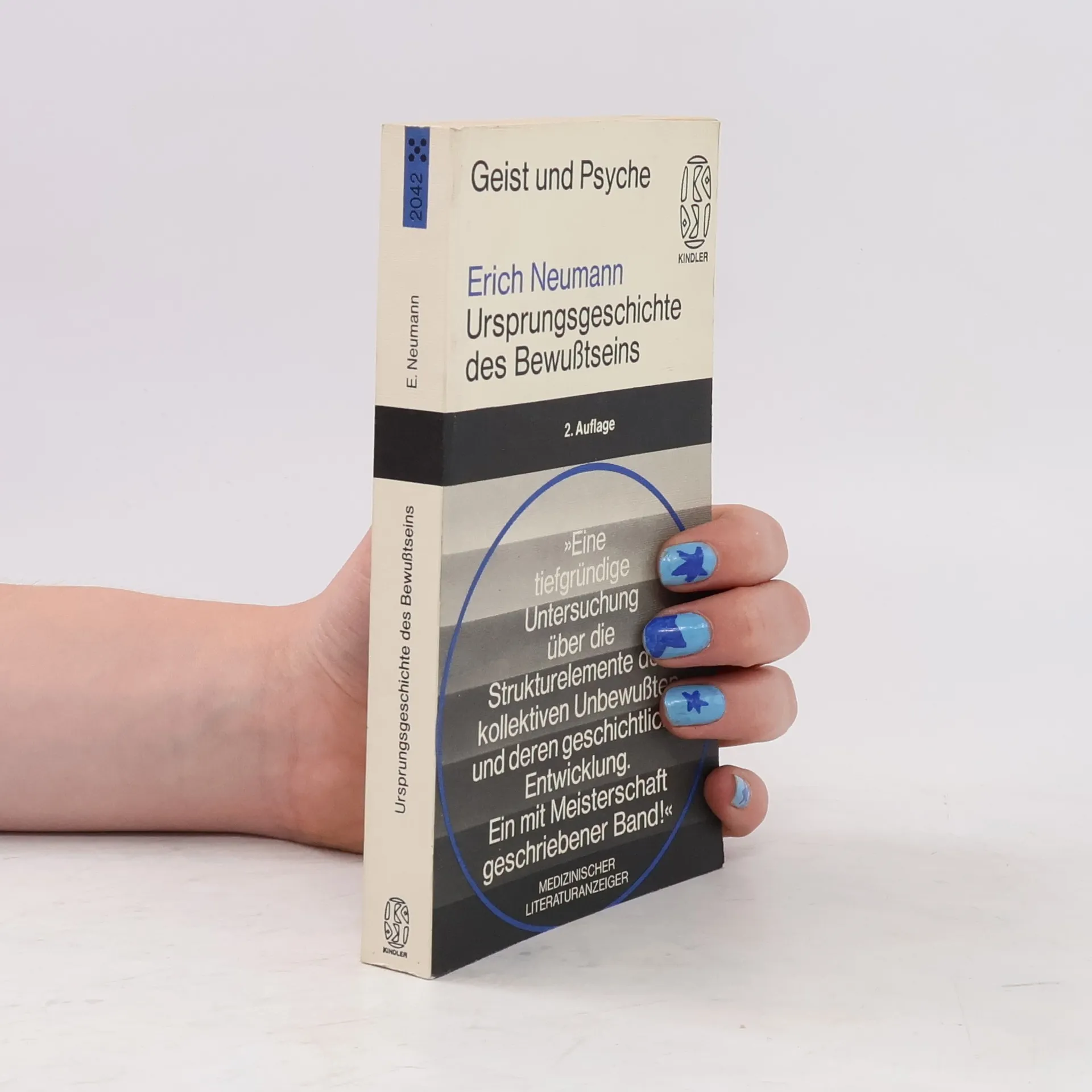
The origins and history of consciousness
- 493bladzijden
- 18 uur lezen
The Origins and History of Consciousness draws on a full range of world mythology to show how individual consciousness undergoes the same archetypal stages of development as human consciousness as a whole. Erich Neumann was one of C. G. Jung's most creative students and a renowned practitioner of analytical psychology in his own right. In this influential book, Neumann shows how the stages begin and end with the symbol of the Uroboros, the tail-eating serpent. The intermediate stages are projected in the universal myths of the World Creation, Great Mother, Separation of the World Parents, Birth of the Hero, Slaying of the Dragon, Rescue of the Captive, and Transformation and Deification of the Hero. Throughout the sequence, the Hero is the evolving ego consciousness. Featuring a foreword by Jung, this Princeton Classics edition introduces a new generation of readers to this eloquent and enduring work.
The great mother
- 380bladzijden
- 14 uur lezen
This landmark book explores the Great Mother as a primordial image of the human psyche. Here the renowned analytical psychologist Erich Neumann draws on ritual, mythology, art, and records of dreams and fantasies to examine how this archetype has been outwardly expressed in many cultures and periods since prehistory. He shows how the feminine has been represented as goddess, monster, gate, pillar, tree, moon, sun, vessel, and every animal from snakes to birds. Neumann discerns a universal experience of the maternal as both nurturing and fearsome, an experience rooted in the dialectical relation of growing consciousness, symbolized by the child, to the unconscious and the unknown, symbolized by the Great Mother. Featuring a new foreword by Martin Liebscher, this Princeton Classics edition of The Great Mother introduces a new generation of readers to this profound and enduring work.
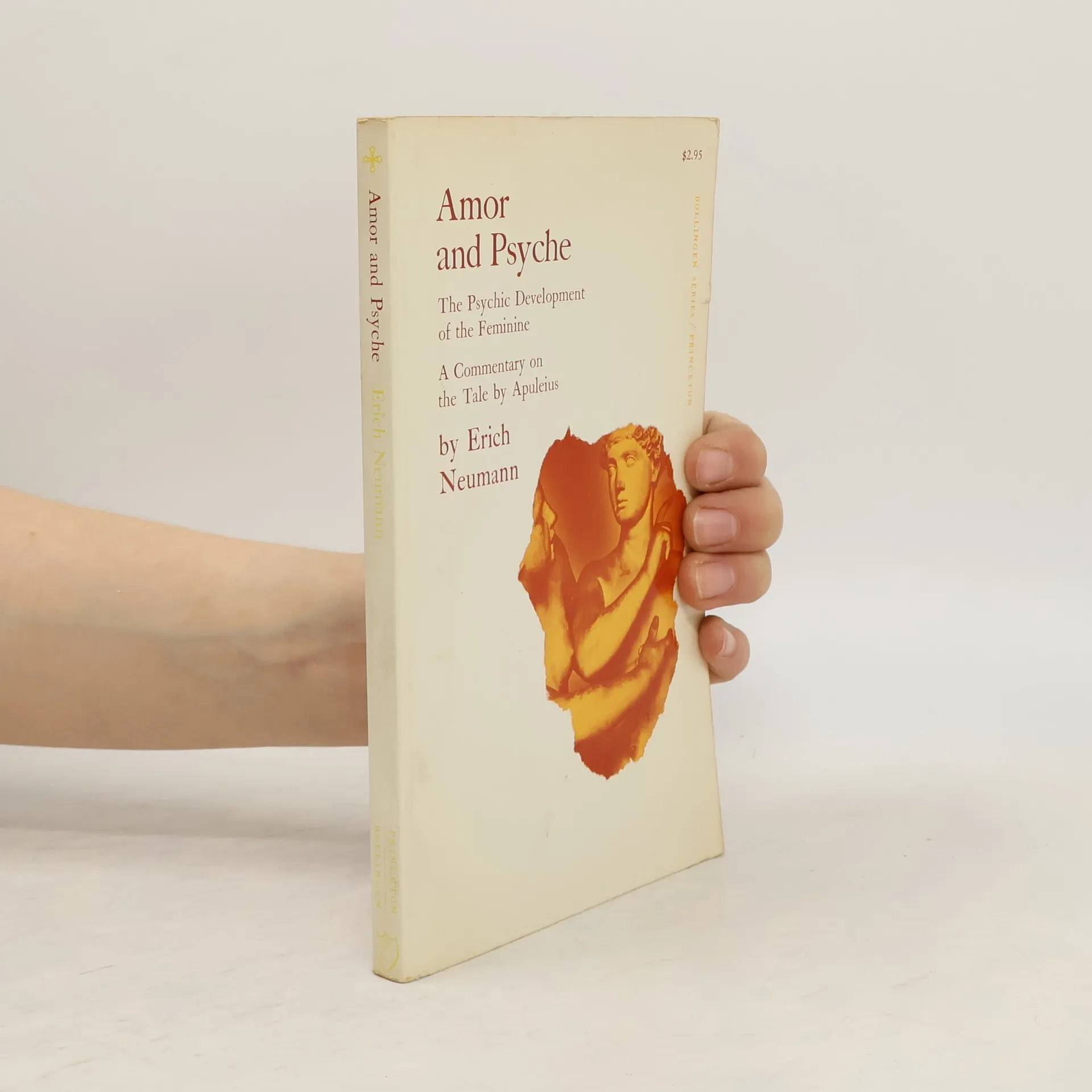
Amor and Psyche
- 192bladzijden
- 7 uur lezen
Unfolding the spiritual and mythical background of the pagan narrative, this book shows how the contest between the mortal maid Psyche and the great goddess Aphrodite over the god Amor yields insights into the psychic life of women.
Geist und Psyche: Ursprungsgeschichte des Bewußtseins - 2. Auflage
- 370bladzijden
- 13 uur lezen
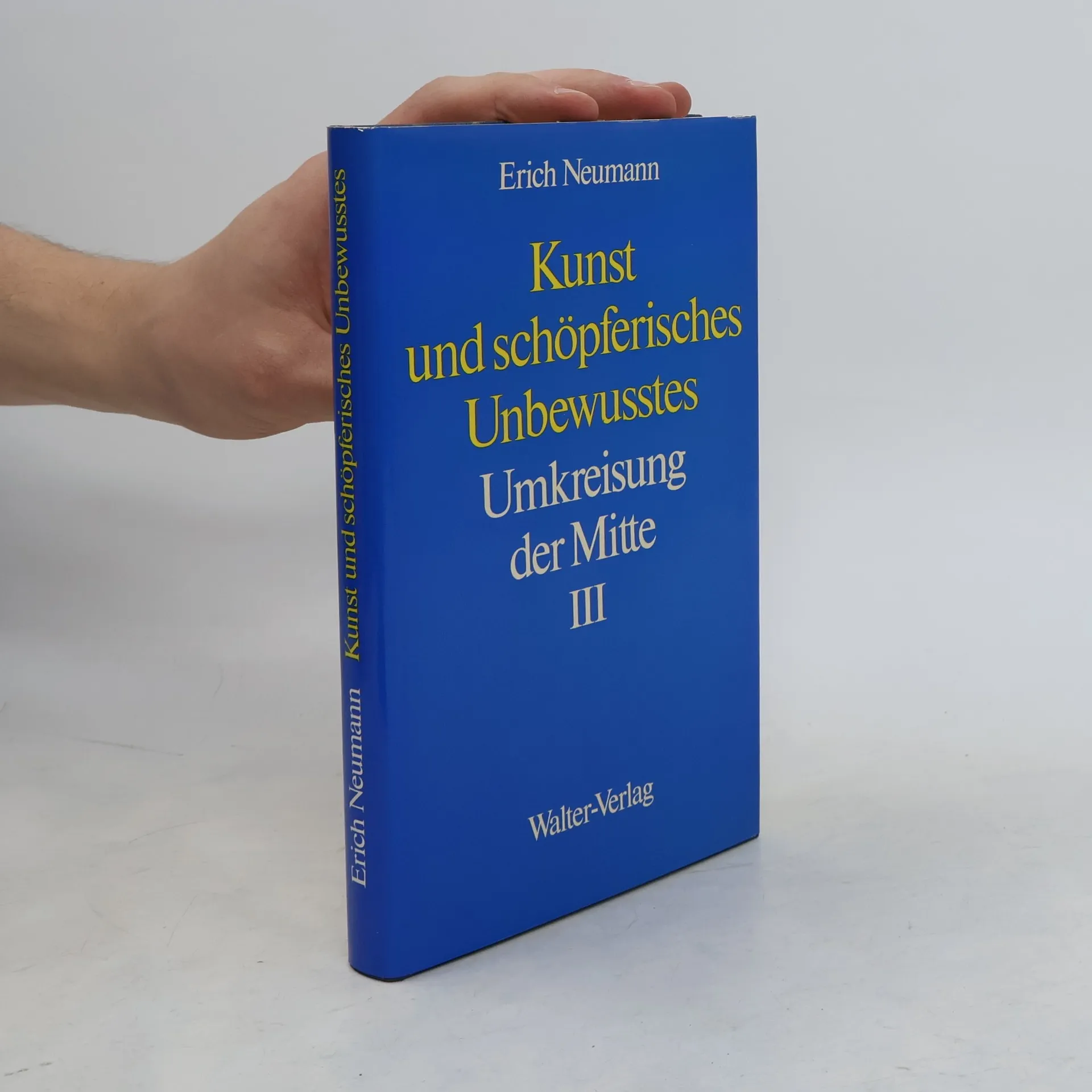
Exploring the intersection of analytical psychology with literature and art, this collection of essays by a prominent student of C. G. Jung delves into profound connections that reveal the psychological underpinnings of creative expression. The work highlights how Jungian concepts can enhance our understanding of artistic endeavors, offering fresh insights into both psychological theory and the artistic process.
Focusing on creativity, Erich Neumann's third volume of essays draws from a diverse range of figures, including artists and scientists, to explore the nature of human creativity. Neumann expands Jungian psychology by introducing the concept of "unitary reality" and redefining archetypes. He argues that humanity's ability to recognize its creative potential is crucial for overcoming its self-destructive tendencies. The six essays, originally lectures from the Eranos Conferences, delve into the psyche's role in creation and the significance of meaning and peace in life.
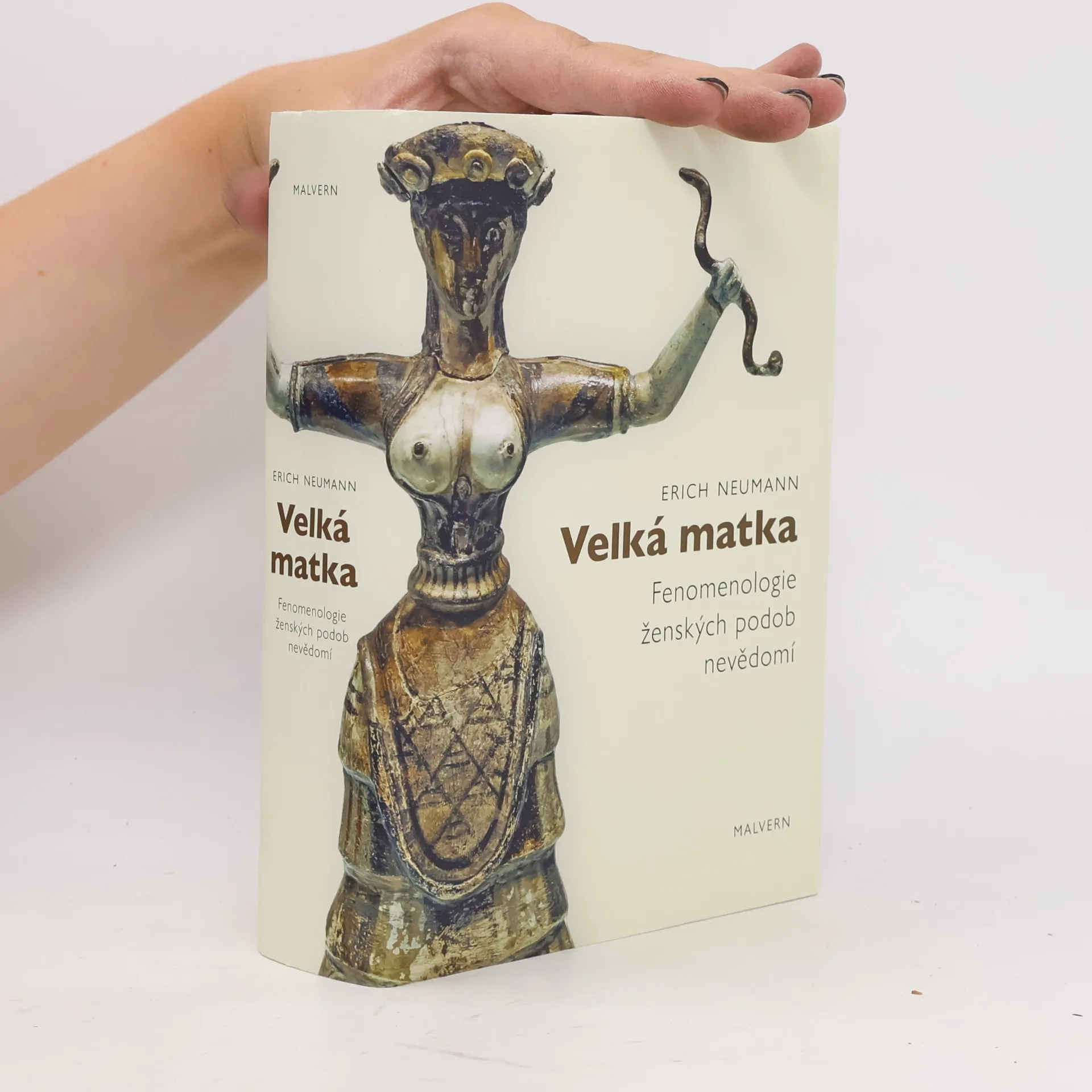
Velká matka : fenomenologie ženských podob nevědomí
- 620bladzijden
- 22 uur lezen
Tato přelomová a dnes již klasická kniha zkoumá Velkou matku jako prvotní obraz lidské psychiky. Renomovaný analytický psycholog Erich Neumann zde čerpá z rituálů, mytologie, umění a záznamů snů a fantazií, aby prozkoumal, jak byl tento archetyp navenek vyjádřen v mnoha kulturách a obdobích od pravěku. Ukazuje, jak byla žena reprezentována jako bohyně, monstrum, brána, strom, měsíc, slunce, loď a každé zvíře od hadů po ptáky. Neumann vnímá univerzální zkušenost matky jako vyživující i děsivou; zakořeněnou v dialektickém vztahu rostoucího vědomí, symbolizovaného dítětem, k nevědomí a neznámu, symbolizovaného Velkou matkou.
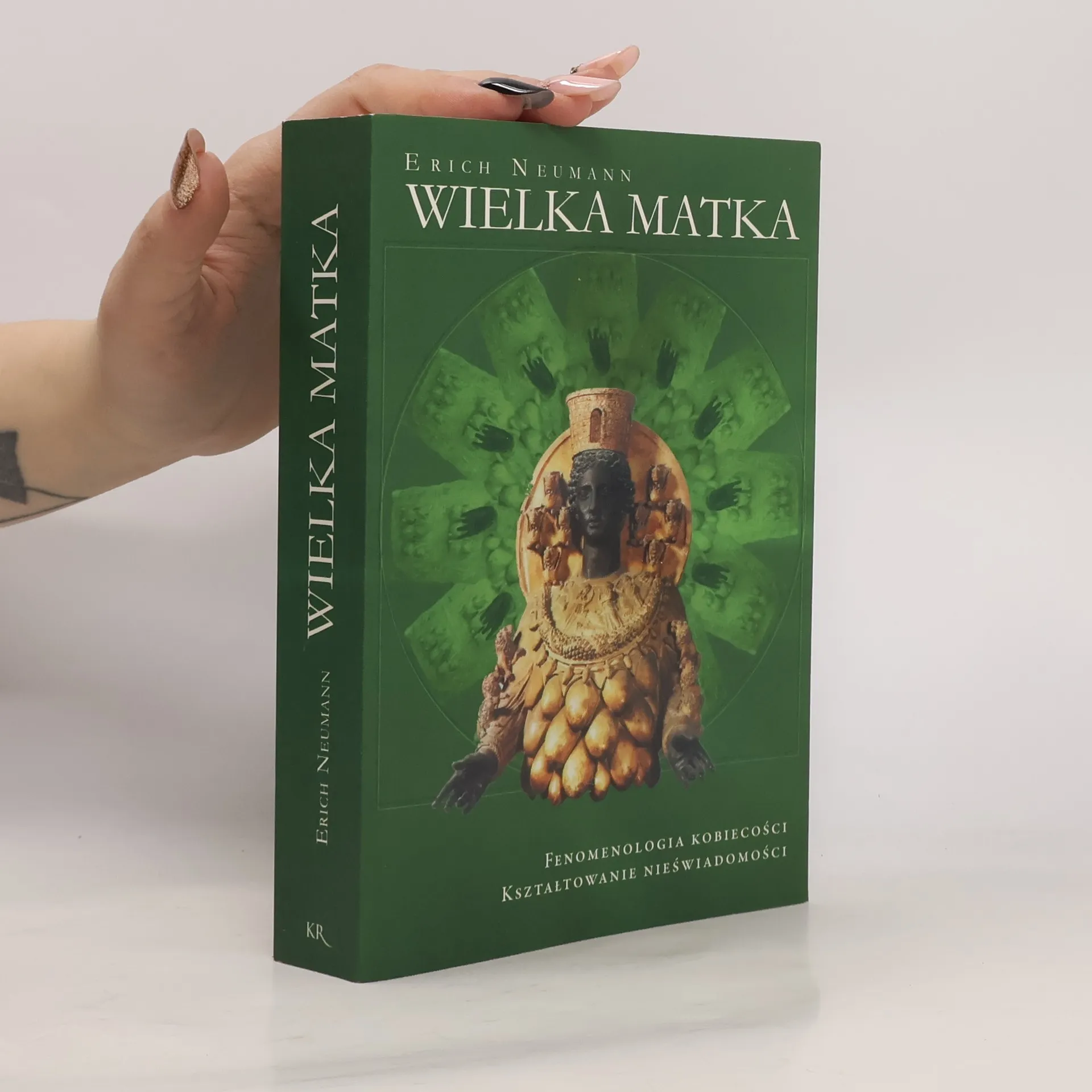
Wielka matka
- 374bladzijden
- 14 uur lezen
Pojęcie 'Wielkiej Matki' jako częściowego aspektu 'Wielkiej Kobiecości' to dość późna abstrakcja, która pojawiła się w chwili, gdy już istniała rozwinięta świadomość spekulatywna. Określenie Wielkiej Kobiecości mianem 'Magna Mater' pojawiło się zatem względnie późno w historii ludzkości, ale sam kult tej postaci i tworzenie jej przedstawień plastycznych wyprzedzają pojawienie się tego terminu o dziesiątki tysięcy lat.
Die Wurzeln des jüdischen Bewusstseins
- 600bladzijden
- 21 uur lezen
Die Verbindung von jüdischer Weisheit und jungianischer Psychologie bildet das Herzstück dieser inspirierenden Erzählung. Durch die Erkundung von Archetypen und mythologischen Motiven wird die Bedeutung von Identität und Spiritualität beleuchtet. Der Autor schafft einen Dialog zwischen Tradition und moderner Psychologie, der Leser dazu anregt, tiefere Einsichten in das eigene Leben zu gewinnen. Diese einzigartige Perspektive eröffnet neue Wege des Verständnisses für die menschliche Psyche und die universellen Fragen des Lebens.
Kulturentwicklung und Religion
- 154bladzijden
- 6 uur lezen
Der schöpferische Mensch
- 299bladzijden
- 11 uur lezen
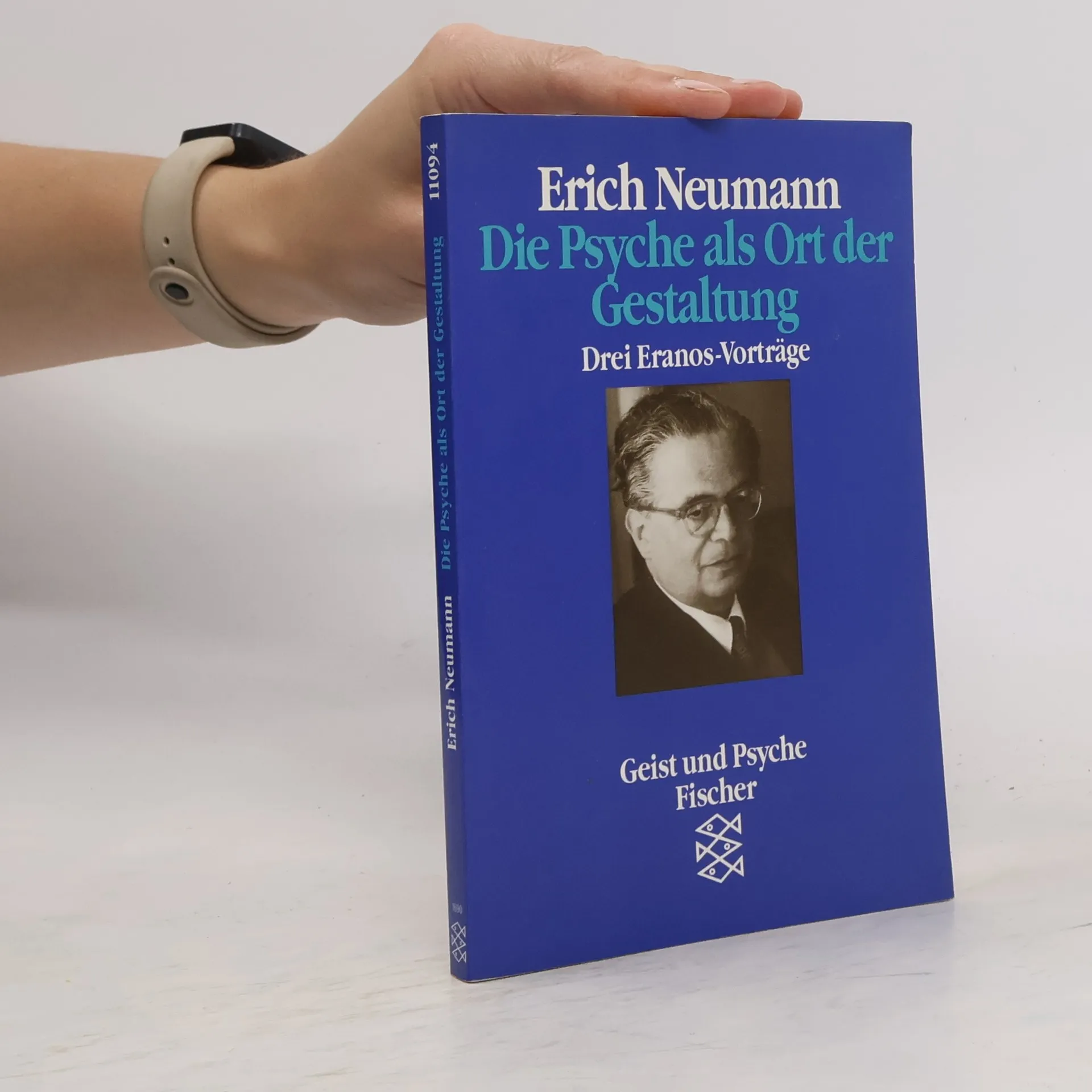
Die Psyche als Ort der Gestaltung
- 134bladzijden
- 5 uur lezen
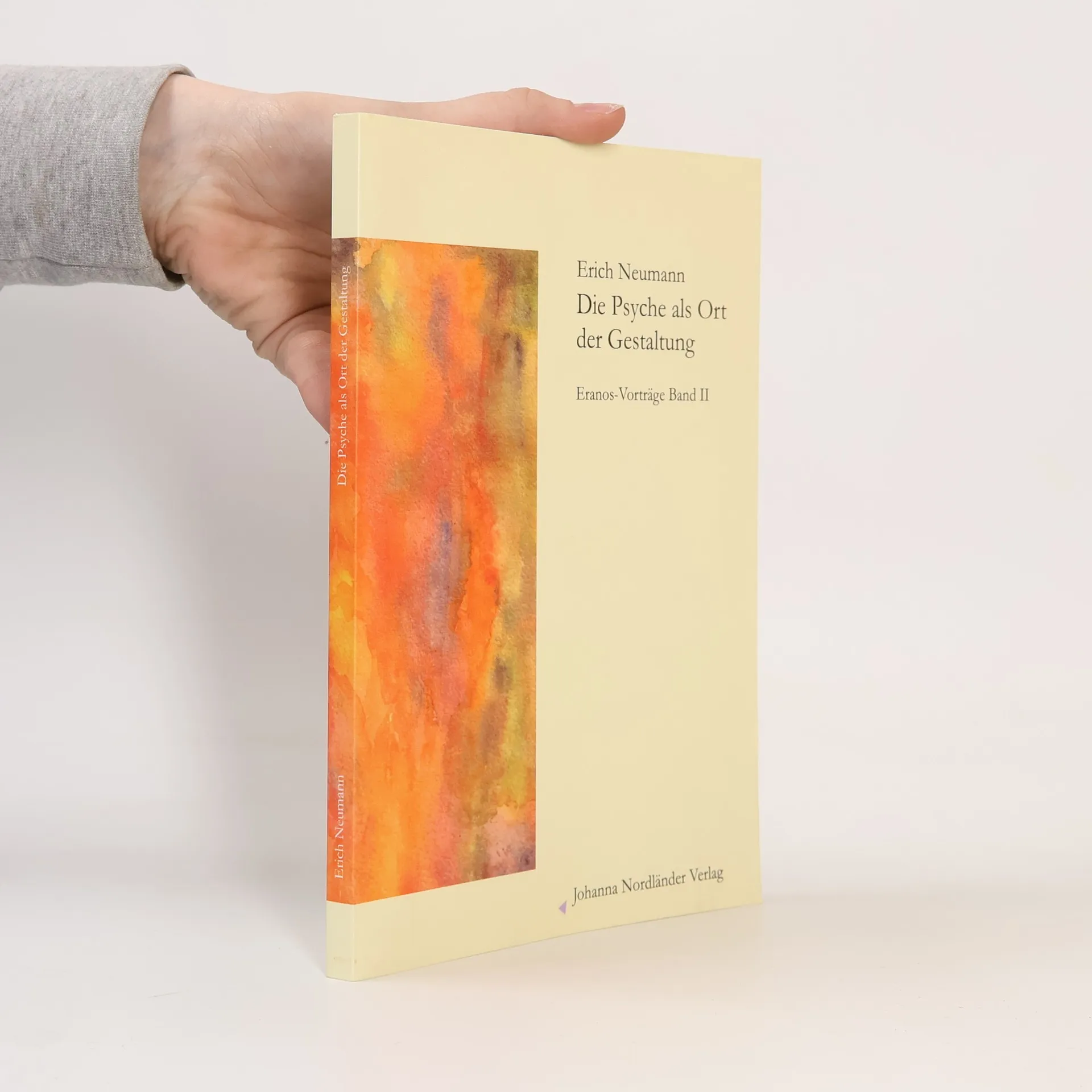
Die drei in diesem Band versammelten 'Eranos' -Vorträge versuchen das Archetypische als eine Wirklichkeit zu verdeutlichen, die nicht nur in einer tiefen Schicht unserer Seele liegt, sondern als 'transgressive', das heißt das Innen und Außen überschreitende Realität ständig gegenwärtig ist. Mit dieser Auffassung will Neumann auf die Einseitigkeit einer Sichtweise aufmerksam machen, die nur innerpsychische Prozesse berücksichtigt. Indem er die äußere Wirklichkeit ernst nimmt und indem er nachweist, daß wir dieses Außen mit verändertem Bewußtsein in Beziehung und letztlich in Übereinstimmung mit dem Innen erleben können, bringt er dem Leser die Erfahrung einer einheitlichen Wirklichkeit nahe. Von dieser Erfahrung handeln alle Schriften Erich Neumanns.
Formenenergie
Inspirationen aus der Vorzeit
Inspirationen aus der Vorzeit
- 172bladzijden
- 7 uur lezen
Auf den Spuren der Feinkrafttechnik
- 116bladzijden
- 5 uur lezen
Dieser Band vereint drei klassische Aufsätze Erich Neumanns über die Beziehung des Künstlers zur Gesellschaft. In der künstlerischen Arbeit finden nach Neumann die ursprünglich formlosen archetypischen Inhalte für den jeweiligen kollektiven Zeitgeist einen Ausdruck.
Zur Psychologie des Weiblichen
- 150bladzijden
- 6 uur lezen
Tiefenpsychologie und neue Ethik - 3. Auflage
- 137bladzijden
- 5 uur lezen
Le Livre de Poche - 5954: La Guerre planétaire
- 441bladzijden
- 16 uur lezen