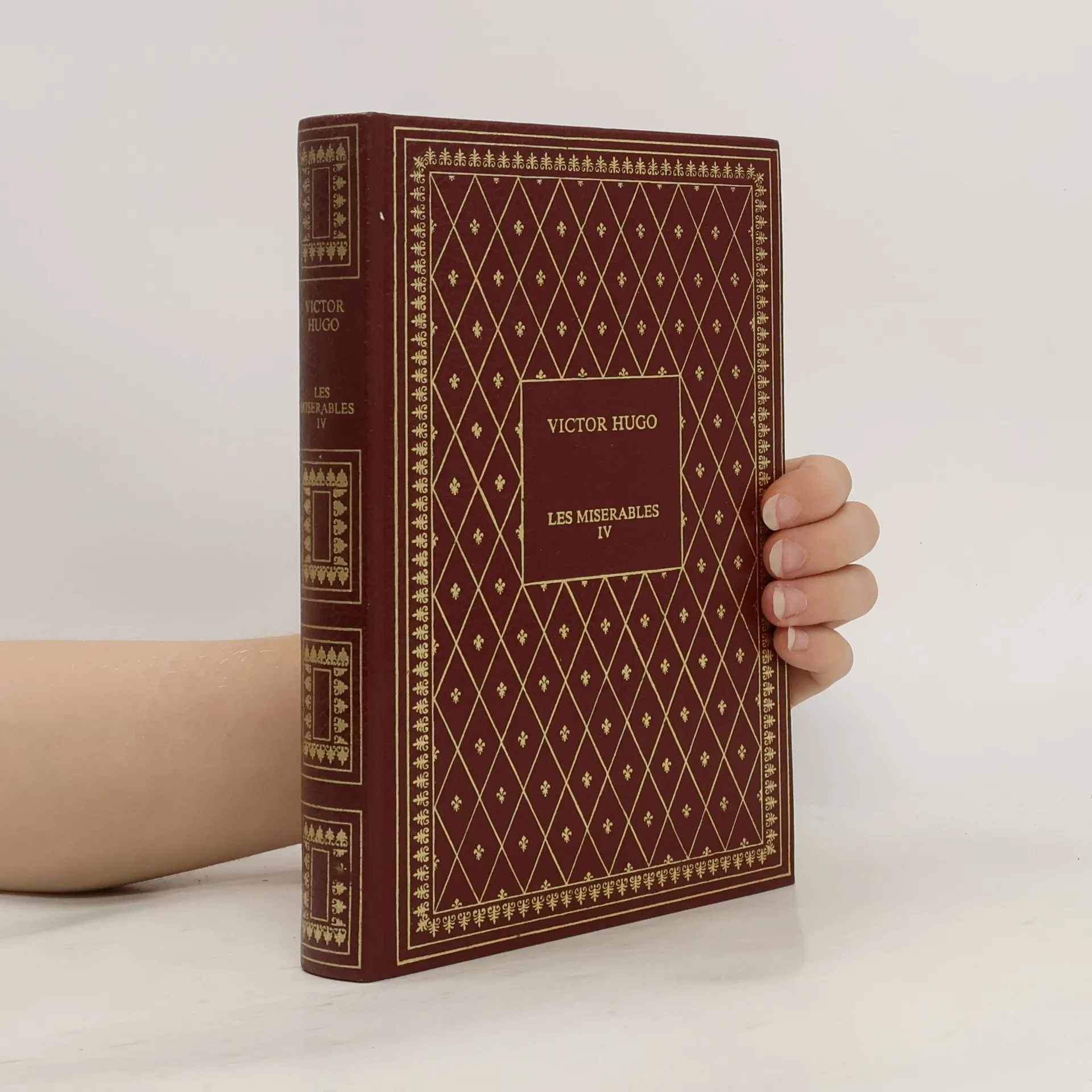
Les Misérables
- 320bladzijden
- 12 uur lezen
Een voormalige galeislaaf probeert eerlijk te leven, ondanks de barre omstandigheden voor de armen in Frankrijk in het begin van de 19e eeuw.


Victor Hugo is de meest invloedrijke Franse exponent van de romantische beweging, gevierd om zowel zijn diepe poëzie als zijn indrukwekkende romans. Zijn werken duiken in maatschappelijke kwesties en menselijke lotsbestemmingen, en leveren een krachtige emotionele resonantie. Hugo's meesterlijke beheersing van taal creëert levendige beelden en onvergetelijke personages, wat zijn nalatenschap verstevigt.


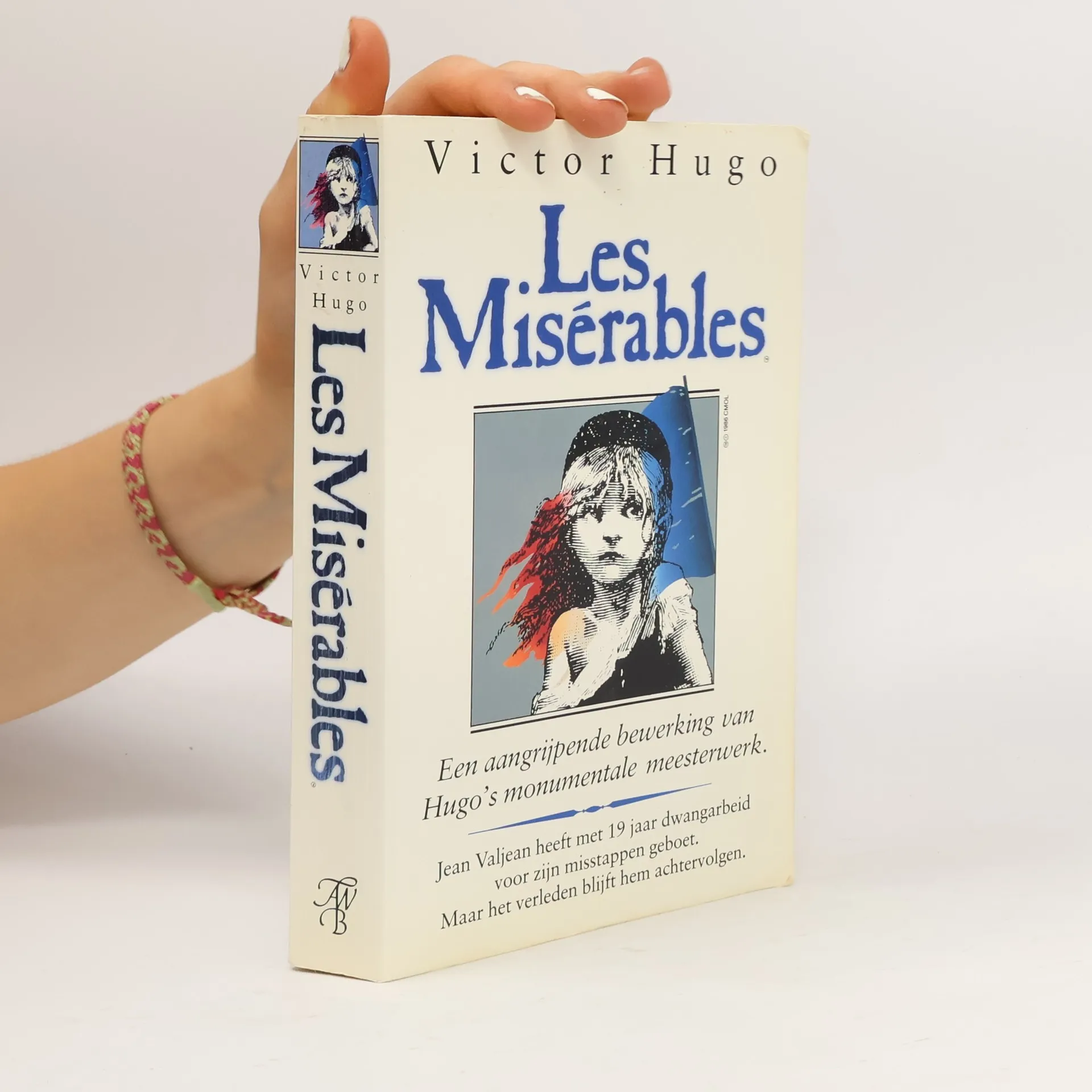
Een voormalige galeislaaf probeert eerlijk te leven, ondanks de barre omstandigheden voor de armen in Frankrijk in het begin van de 19e eeuw.
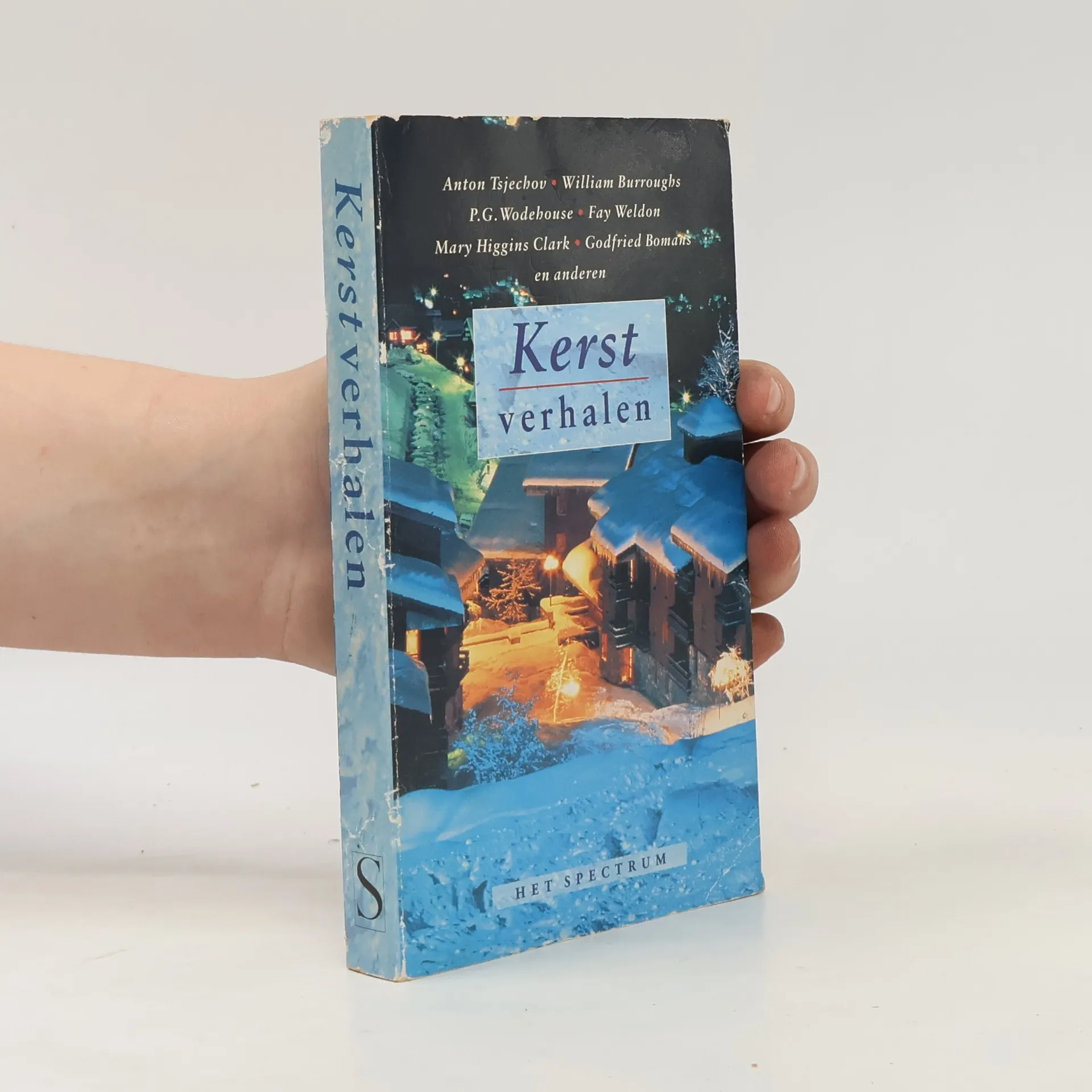
Een nieuwe bundel vol verhalen over de meest sfeervolle periode van het jaar. Spannende, ontroerende, stemmige, opbeurende en humoristische vertellingen van: Alan Bleasdale, Godfriend Bomans, Mies Bouhuys, William S. Burroughs, Mary Higgins Clark, Kati David, Sean O'Faolain, Hans J. F. Kemming, Peter Lovesey, Deborah Moggach, G. A. Pickin, Frank Sargeson, Arno Surminski, Kathy Hogan Trocheck, Anton Tsjechov, Fay Weldon en P. G. Wodehouse.
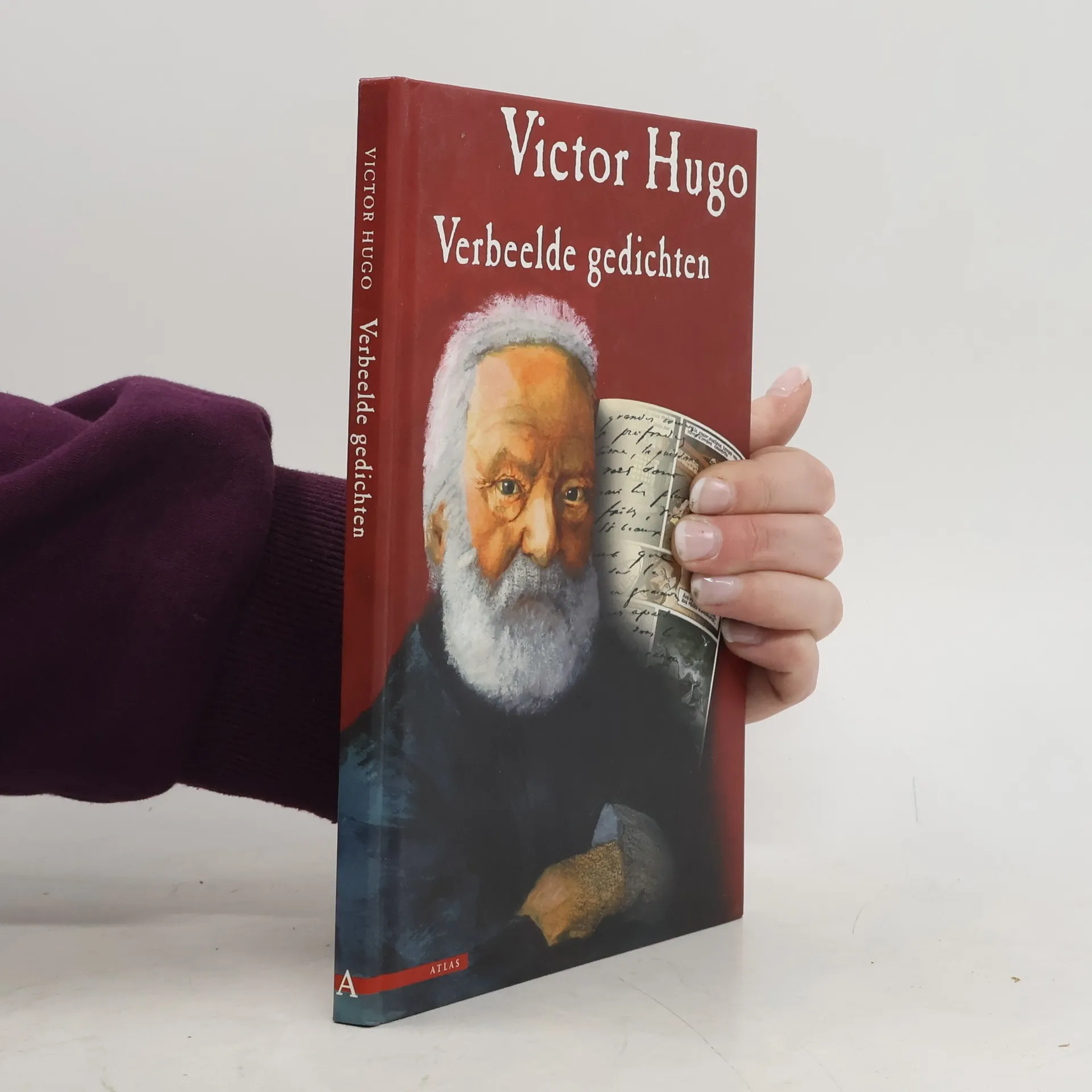
Victor Hugo (1802-1885) is een van de beroemdste en meest geliefde schrijvers van Frankrijk. Zijn grote romans De klokkenluider van de Notre-Dame (1831) en Les Misérables (1862) brachten hem roem bij het grote publiek, maar daarnaast was hij ook een groot dichter, die zowel de liefde als het sociale onrecht bezong.Dertien striptekenaars maakten van zijn mooiste gedichten een beeldverhaal dat zijn poëzie op volstrekt originele wijze opnieuw tot leven brengt. Koen Stassijns maakte van al deze gedichten een nieuwe vertaling.
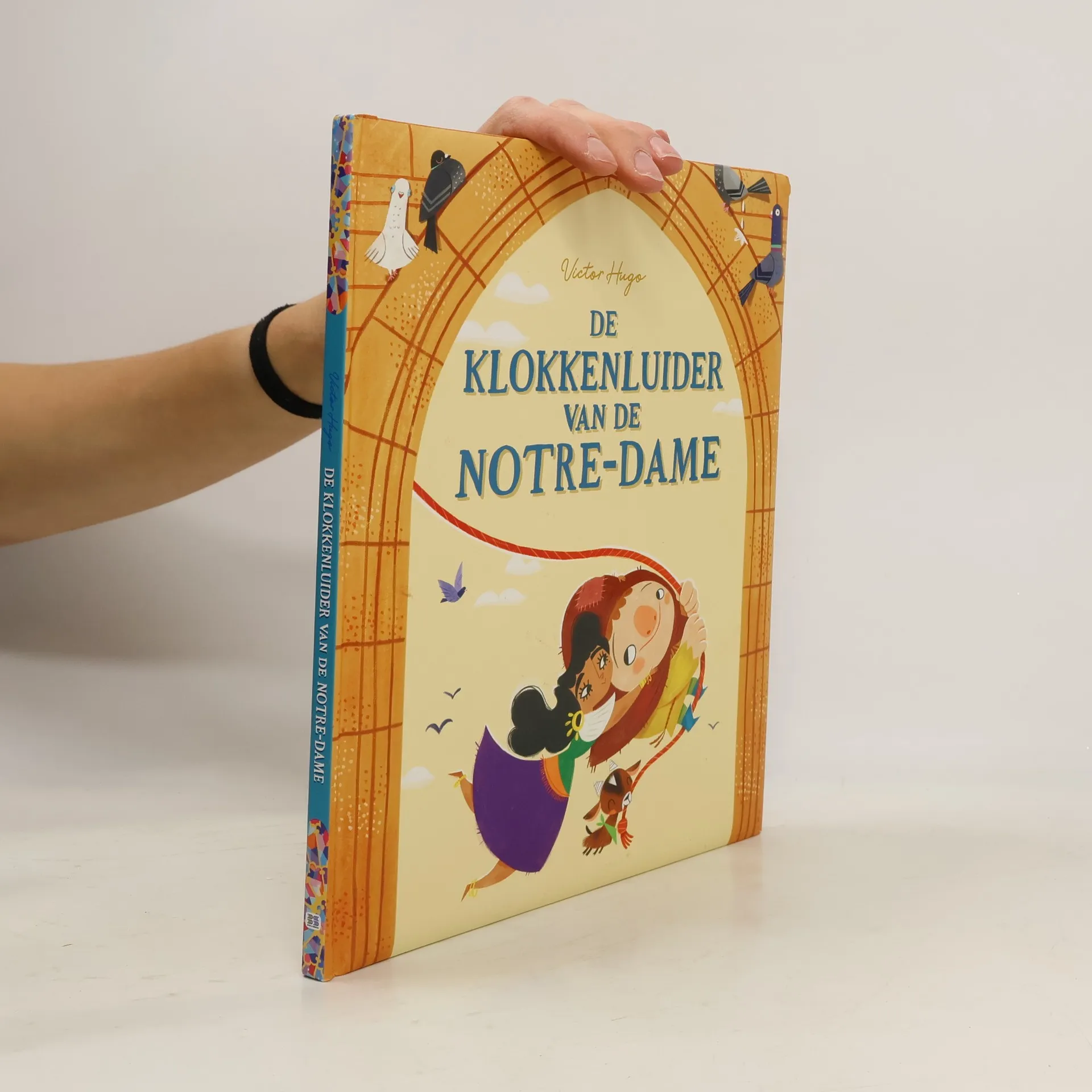
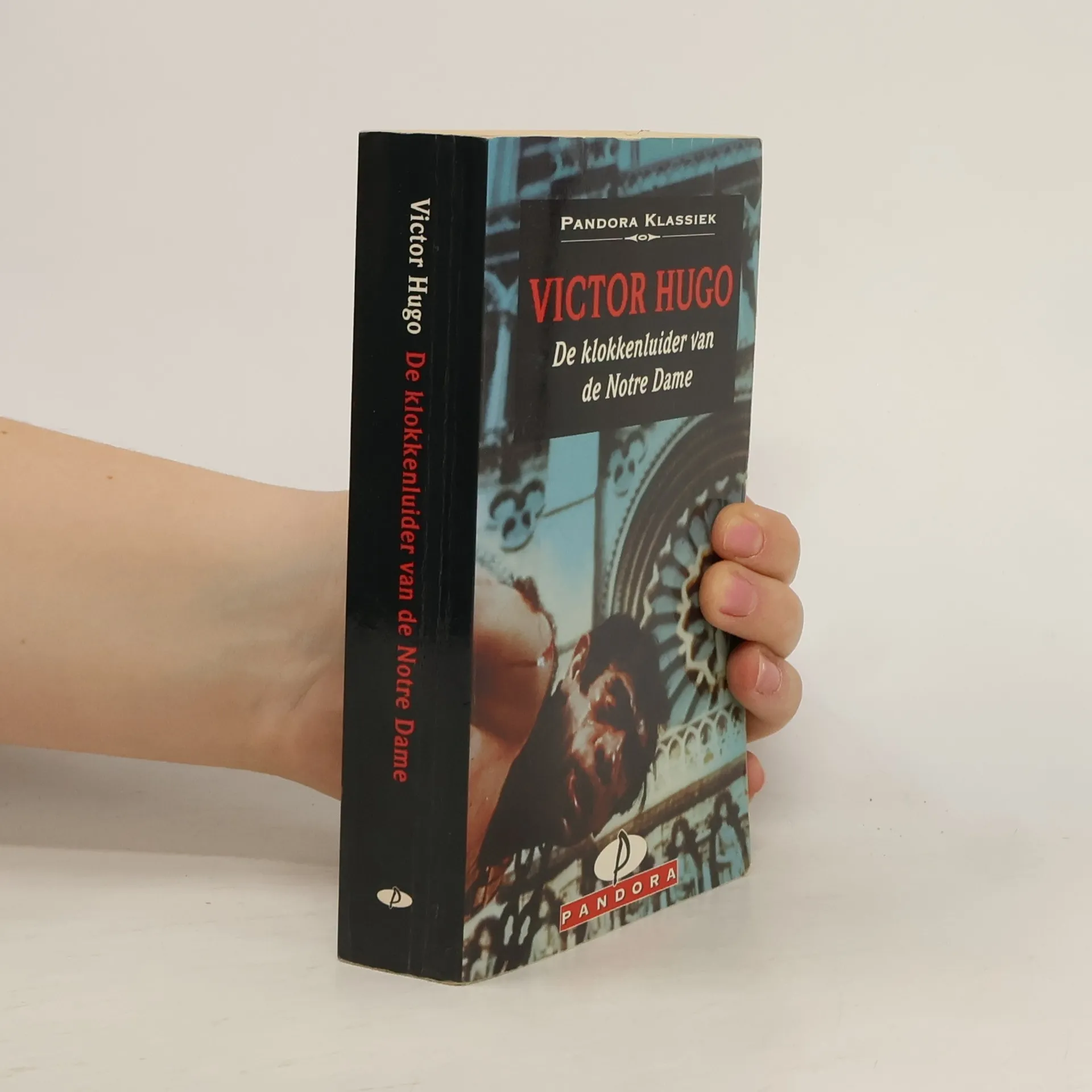
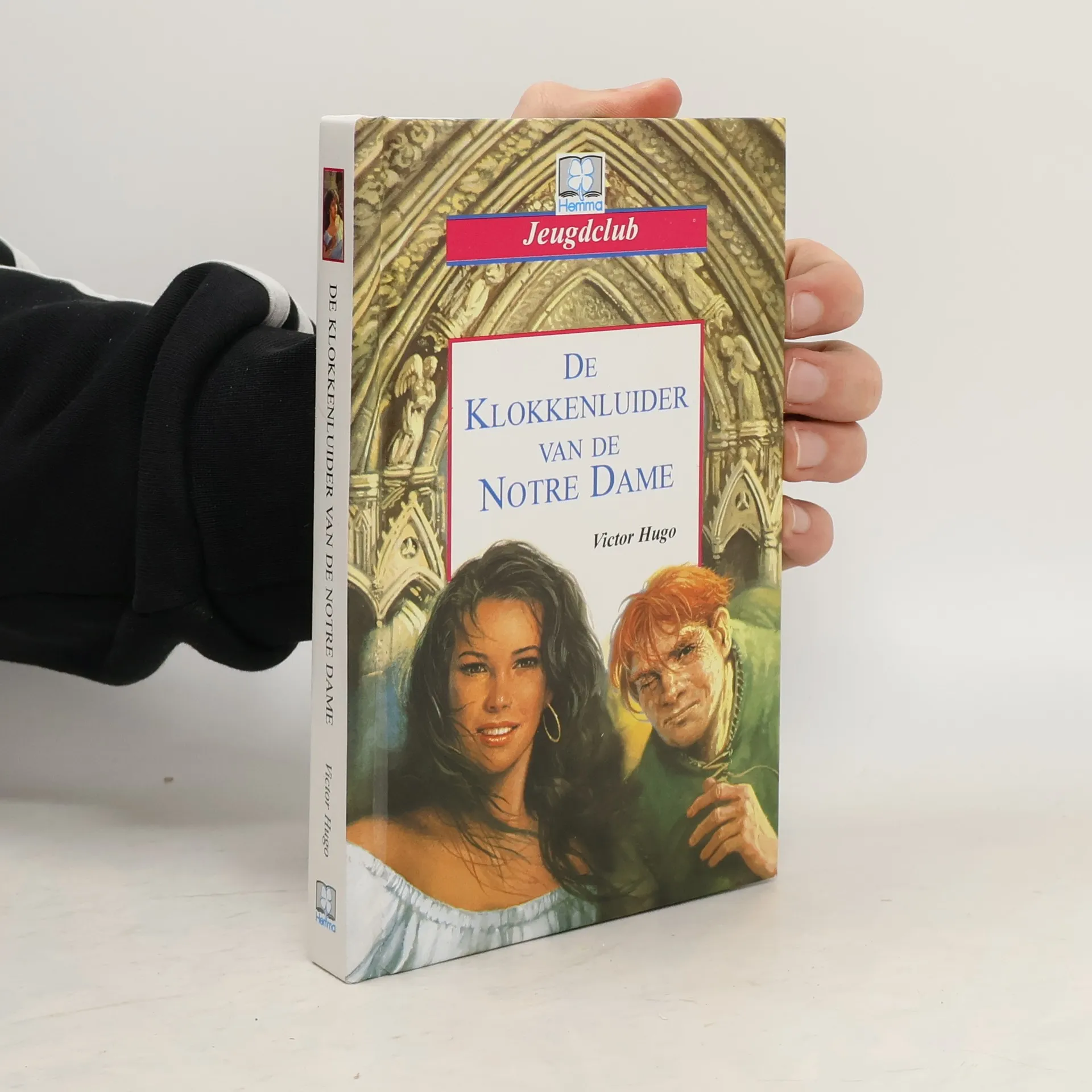
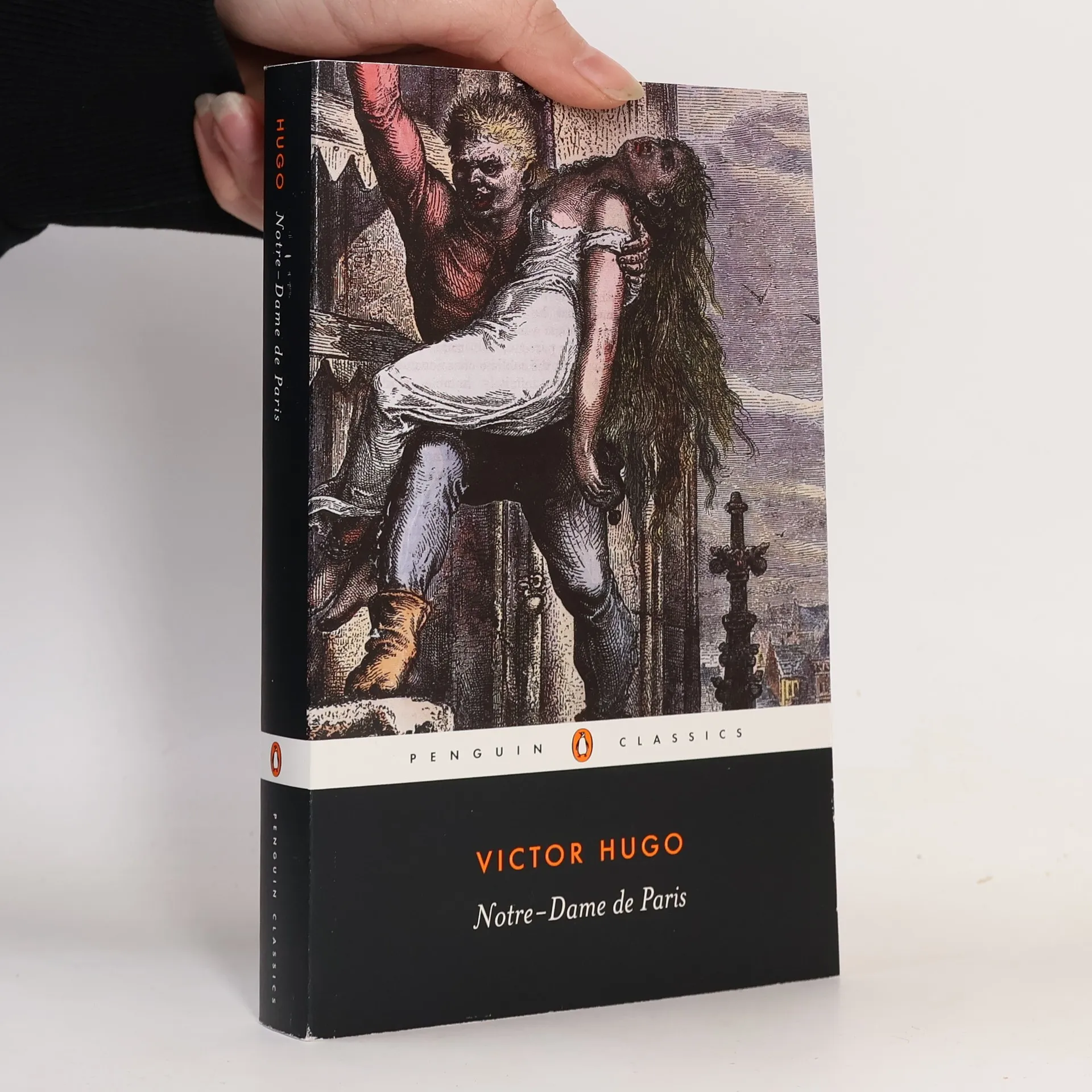
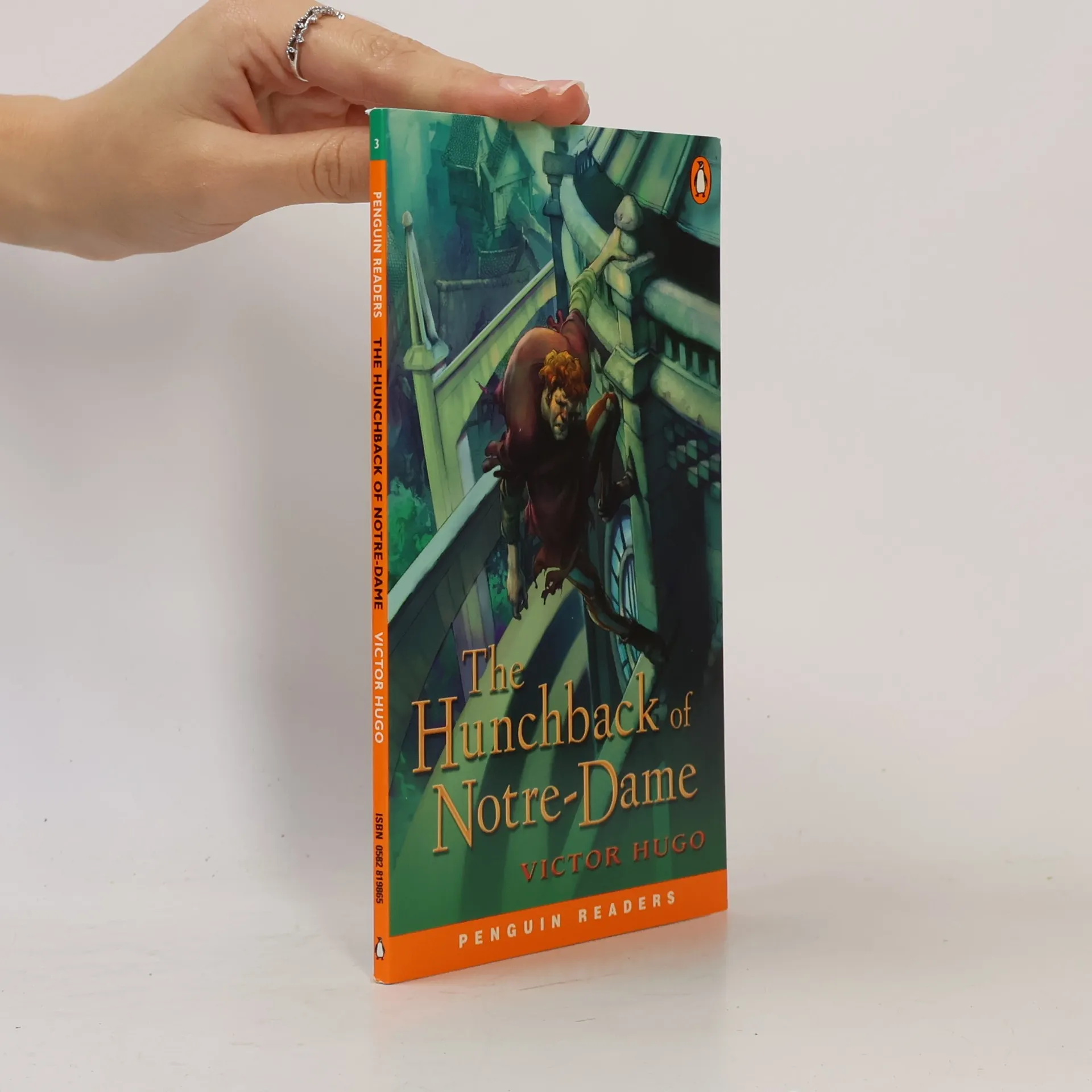
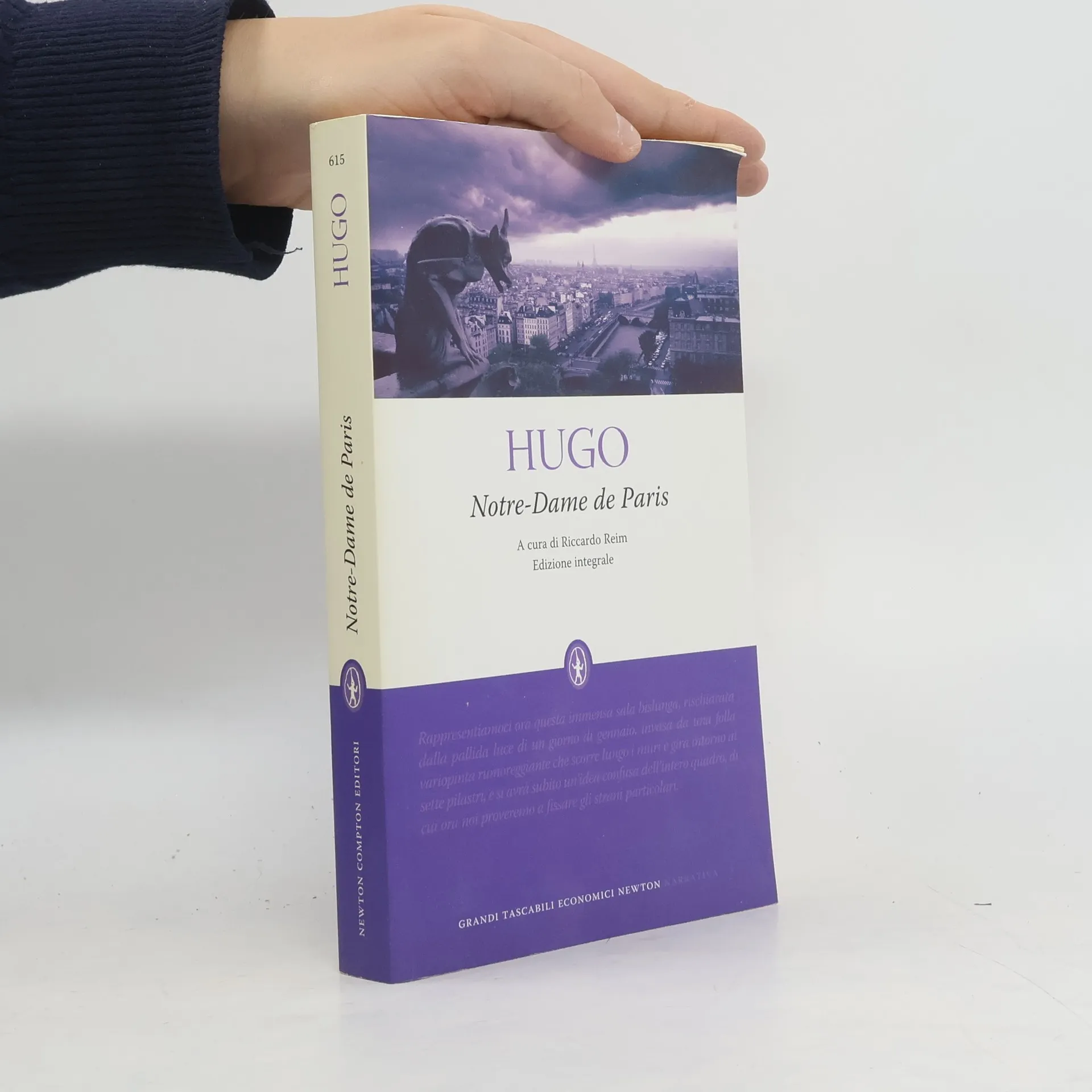
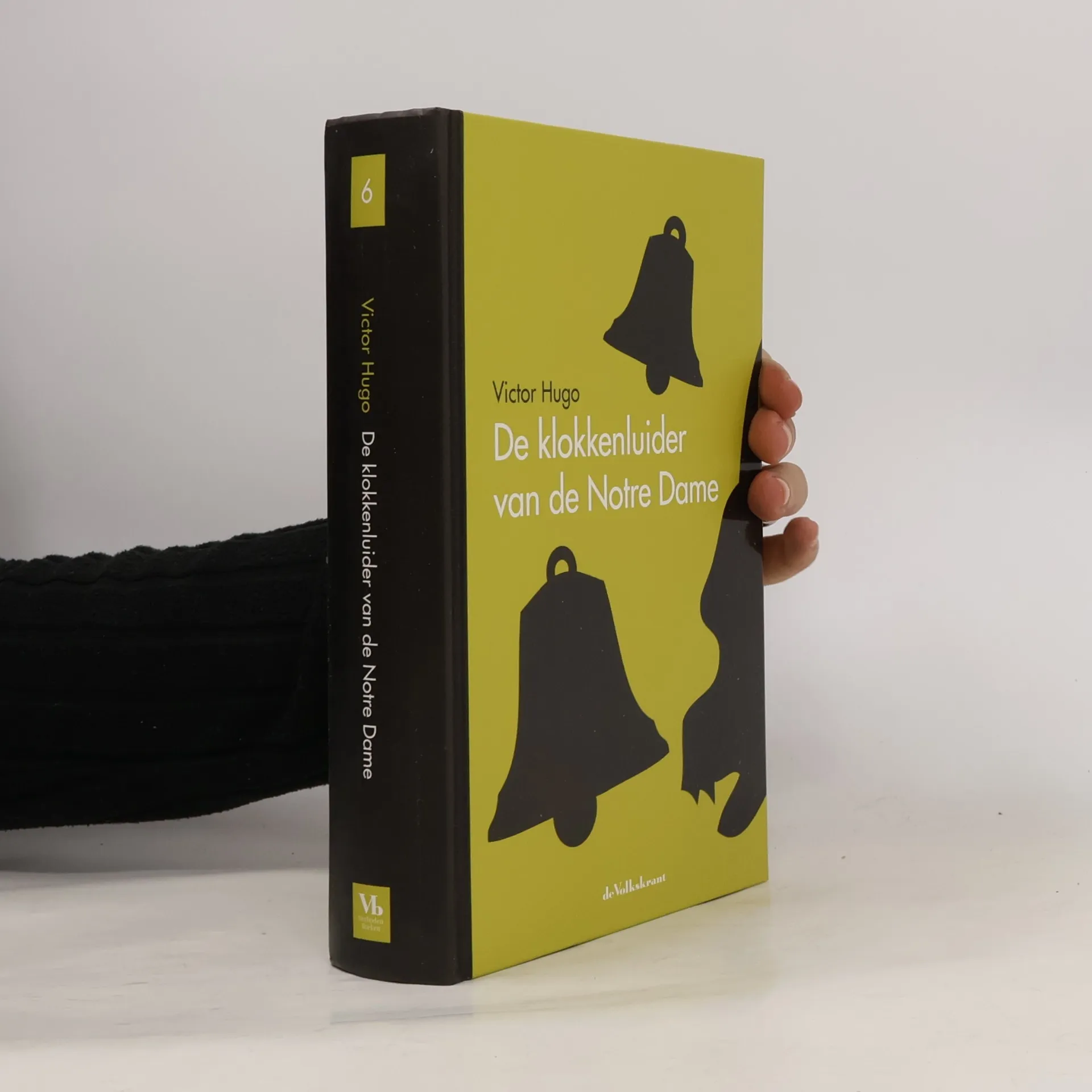
De monsterlijke en gebochelde Quasimodo, die doof is geworden door het oorverdovende geluid van de klokken die hij moet luiden; de jonge zigeunerin Esmeralda, die door haar betoverende schoonheid mannen in de afgrond stort; de ijdele Phoebus en de sluwe diaken Frollo: niemand ontsnapt aan zijn noodlot in De klokkenluider van de Notre-Dame. Op zijn veertiende zei Victor Hugo (1802-1885) dat hij Chateaubriand, indertijd beschouwd als de grootste Franse schrijver, wilde worden en anders niets. Door zijn enorme oeuvre, lange literaire carrière en de diversiteit van zijn werk loste hij die belofte aan zichzelf in: Hugo domineerde de Franse literatuur bijna de gehele negentiende eeuw. De klokkenluider van de Notre-Dame en Les misérables behoren tot zijn bekendste werken.
Keuze uit de mémoires van de Franse letterkundige (1802-1885).
In het Parijs van de 15e eeuw wordt een mismaakte dove klokkenluider heen en weer geslingerd tussen zijn aanhankelijkheid voor zijn meester, de aartsdiaken van de kathedraal, en zijn liefde voor een beeldschone zigeunerin.
The book explores the profound connection between the struggles of the privileged and the marginalized, emphasizing empathy and shared sorrow. It delves into themes of social justice, compassion, and the need for collective mourning over the plight of all children, regardless of their status. Through poignant narratives, it challenges readers to reflect on the disparities in society and the importance of standing together in solidarity for a better future.
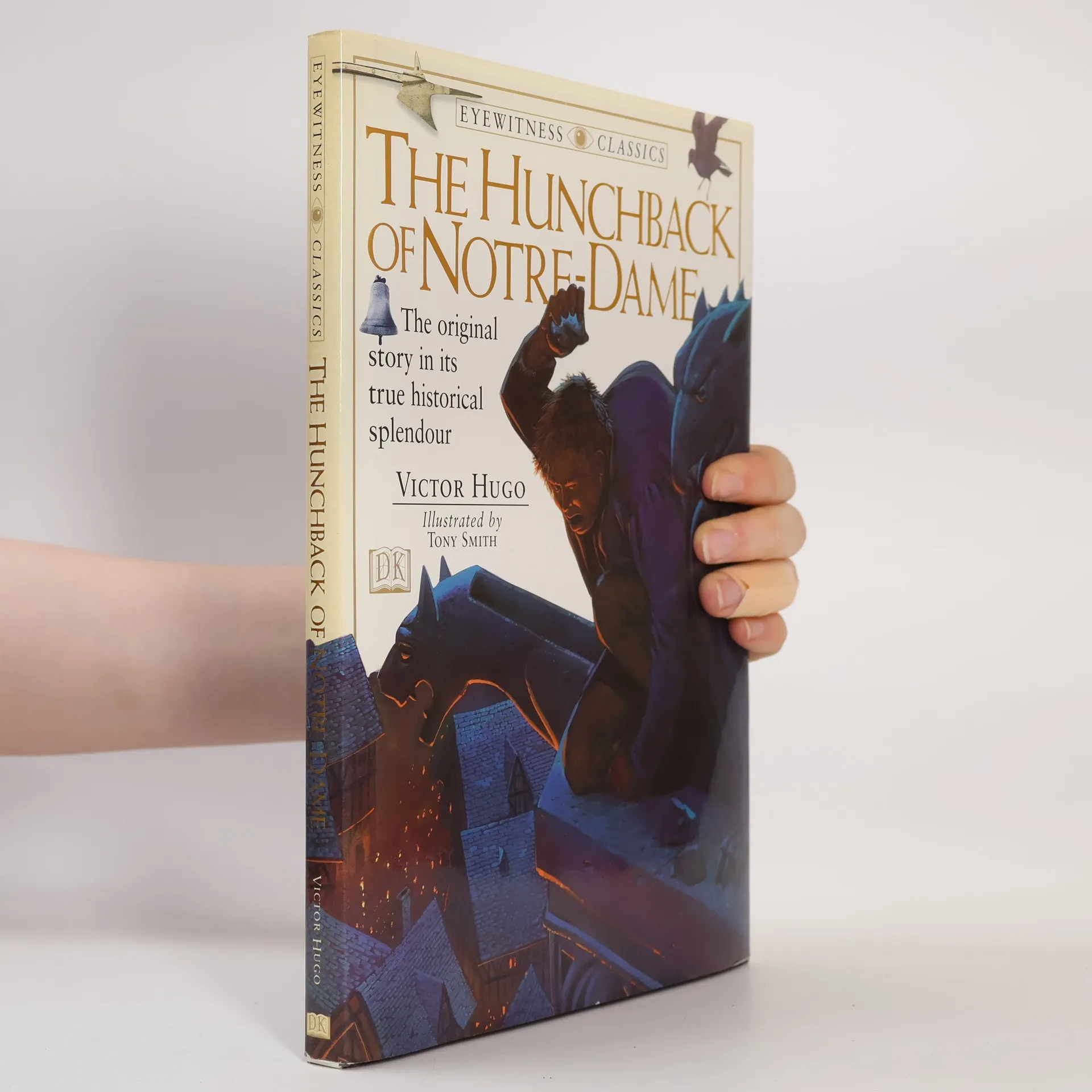
More commonly known as The Hunchback of Notre-Dame. In the vaulted Gothic towers of Notre-Dame Cathedral lives Quasimodo, the hunchbacked bellringer. Mocked and shunned for his appearance, he is pitied only by Esmerelda, a beautiful gypsy dancer to whom he becomes completely devoted. Esmerelda, however, has also attracted the attention of the sinister archdeacon Claude Frollo, and when she rejects his lecherous approaches, Frollo hatches a plot to destroy her, that only Quasimodo can prevent
Victor Hugo's writing is some of the best and most beautiful ever produced; this anonymous translation of his hard-to-find The Man Who Laughs shows Hugo's wonderful use of language to tell a heartbreaking story. While it is not as well known as Les Miserable or The Hunchback of Notre Dame, The Man Who Laughs remains a classic story worth reading.
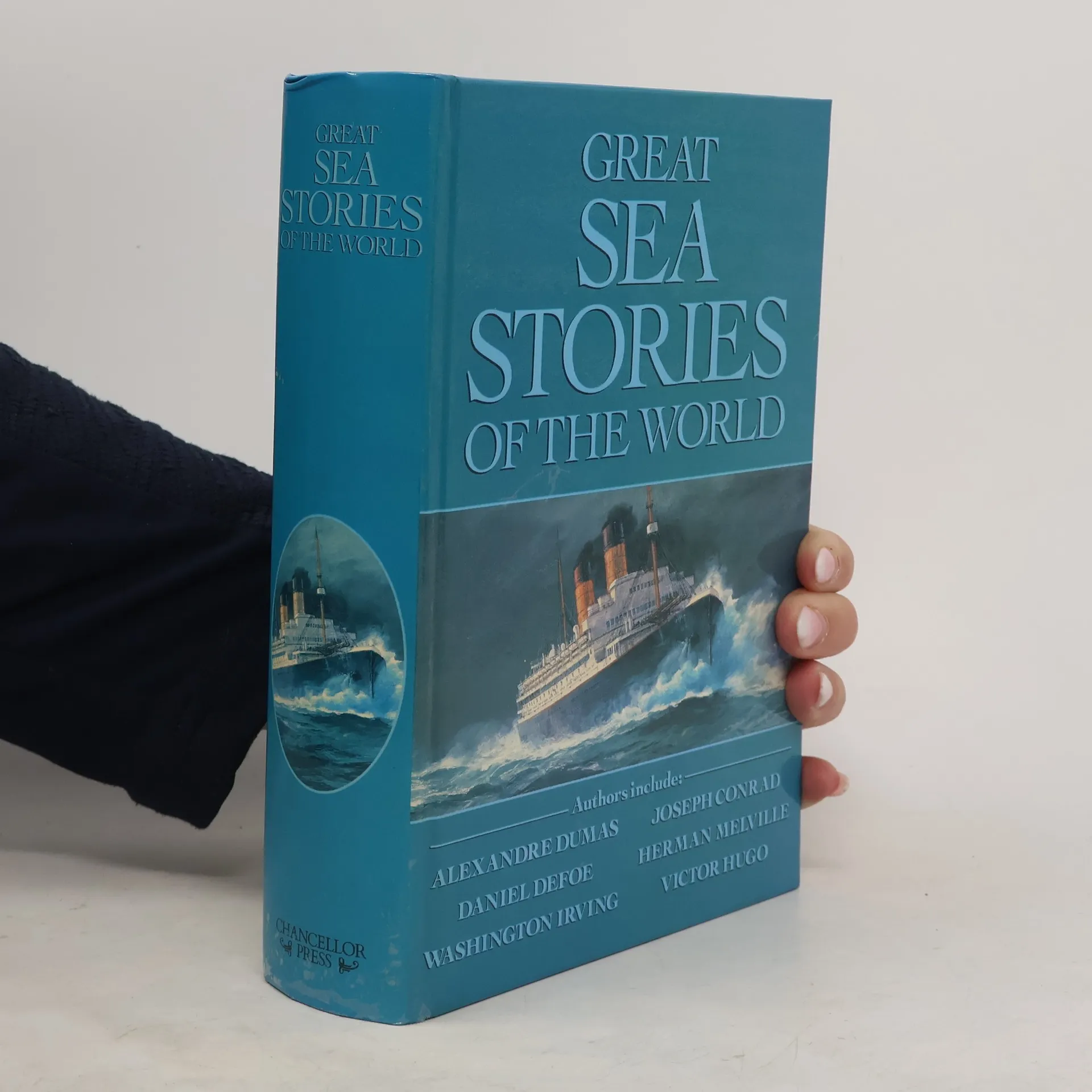
The mysteries of the sea have provided an endless course of fascination for generations of writers and some of the world's best sea stories from over 100 famous authors are collected together in this splendid anthology. The book contains renowned work by Defoe, Marryat, Poe, Dumas, Melville, Conrad, Stevenson and Irving, all of whom were inspired by the sea.There are mythical adventures drawn from legends such as The Odyssey, Beowulf and The Arabian Nights; awe-inspiring stories about deep-sea creatures such as Moby-Dick; and thrilling descriptions of maritime battles and escapes from such famous novels as Kidnapped, The Count of Monte Cristo, and Ben Hur.With stories from 20 countries, spanning more than 2000 years and unequalled for sheer narrative skill and drama, this stirring anthology filled with maritime exploits will make compulsive reading.
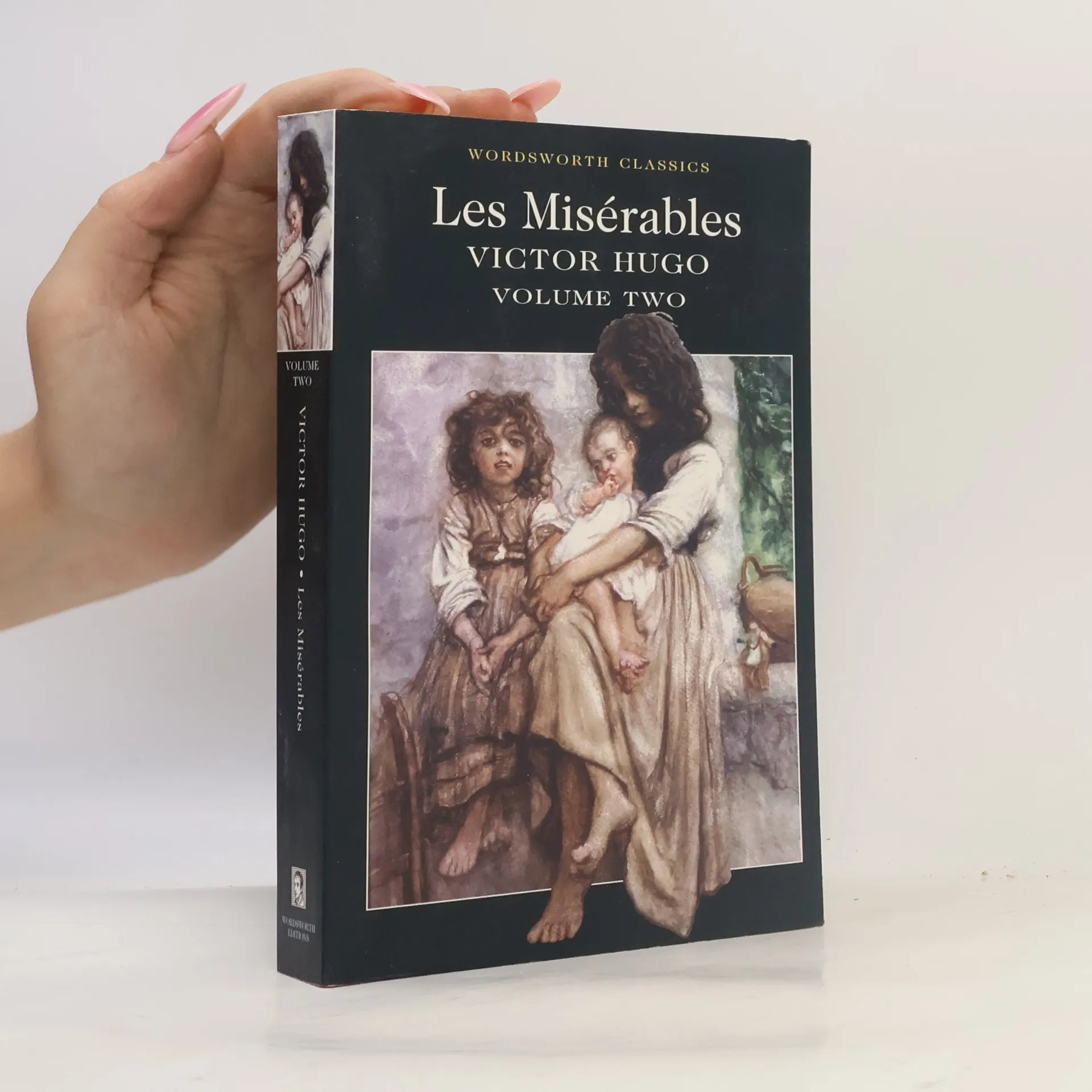
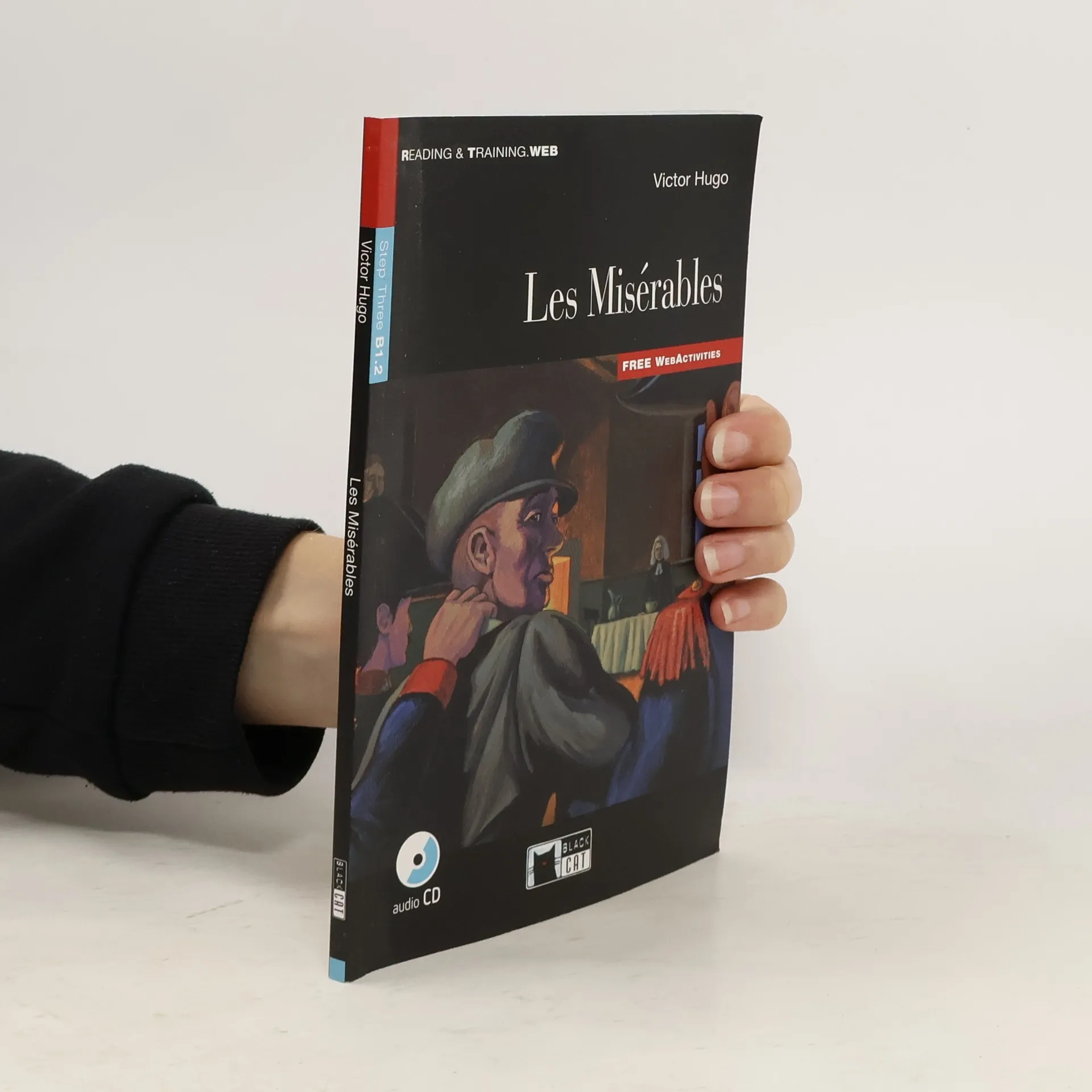
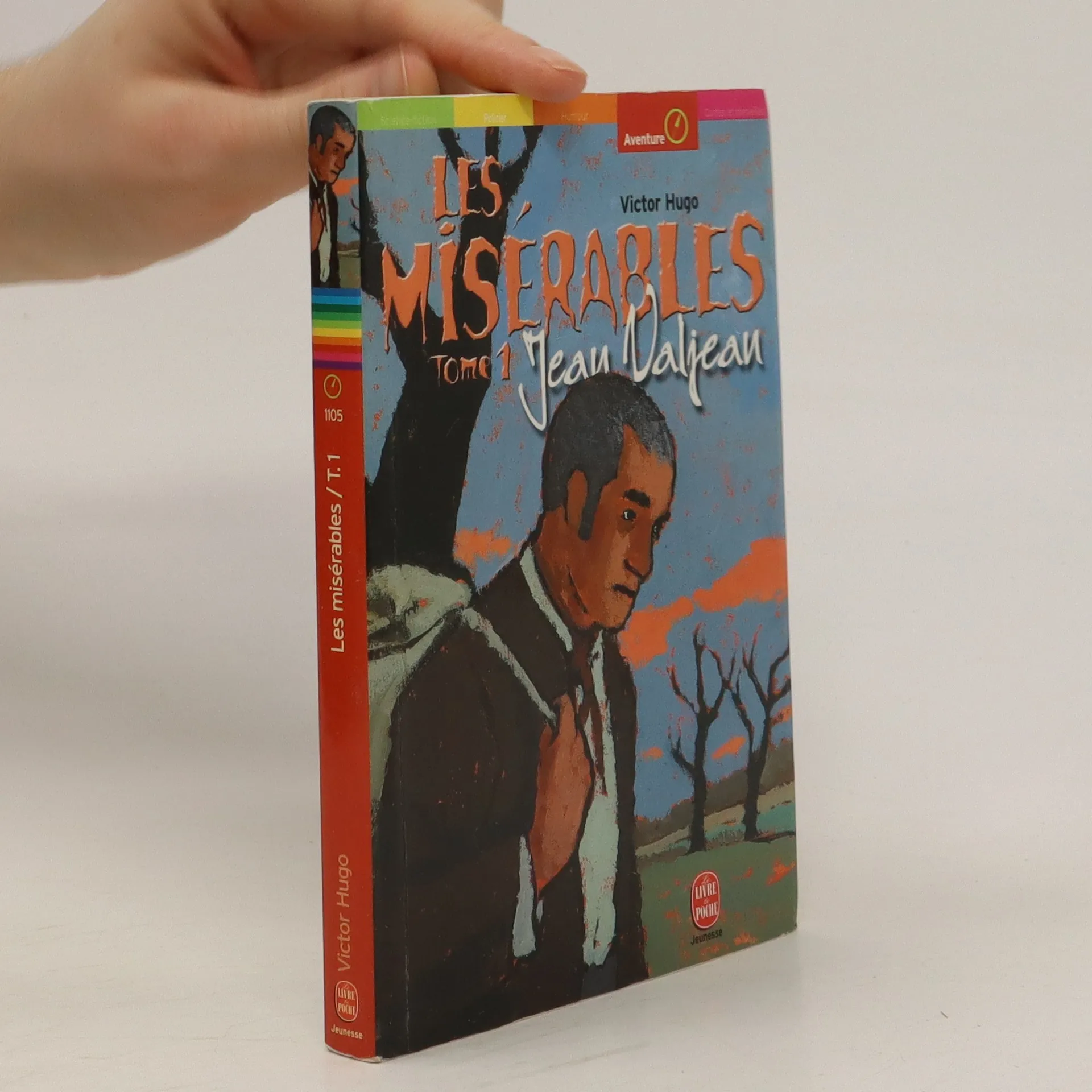
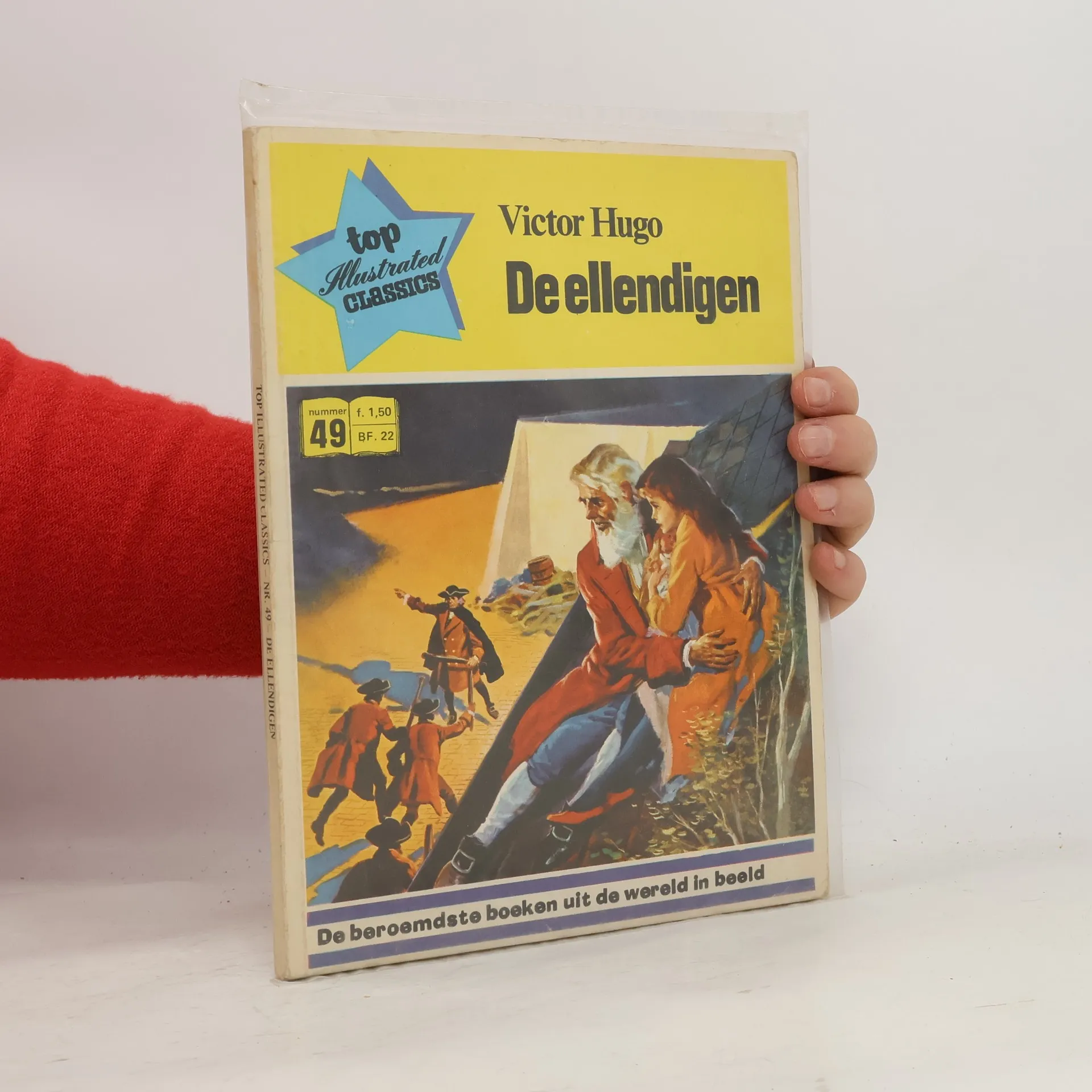
After spending nineteen years in prison, Jean Valjean is a free man at last. But what does the future hold for him? He is insulted and rejected by everyone he meets, until something happens that will change his life forever. Victor Hugo's masterpiece explores the world of the unfortunate victims of poverty and social injustice in 19th century France.--Quatrième de couverture
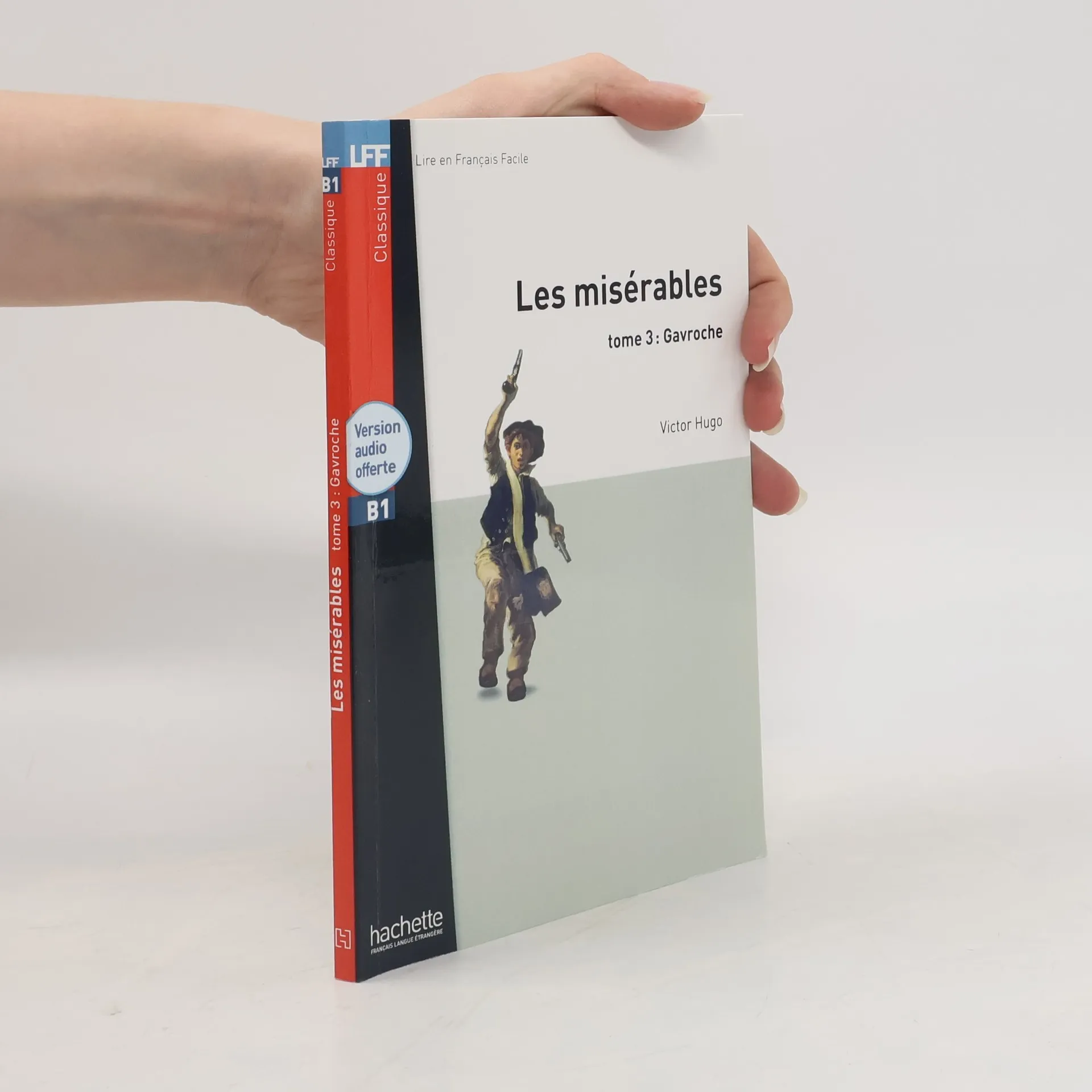
"Eleven years old, perhaps twelve. He was seen wandering through Paris, always the same streets. He wore men's trousers and a woman's undercoat. Some people had given him the clothes out of pity." This is Gavroche, constantly searching for something to eat, cheeky and cheerful, and the terror of the bourgeois. He has experienced all the harshness of his environment, yet he has kept a warm heart. Despite his own plight, he helps those who are even poorer than he is. And in the fight against injustice, he does not spare his own life.
Ugly and unwanted by the outside world, Quasimodo, the hunchback lives under the protection of the priest in the Cathedral of Notre-Dame in Paris, France. Then his quiet life is destroyed by the priest's evil plans for a beautiful gypsy girl. The priest needs Quasimodo's help, but the hunchback has other ideas -- p. 4 of cover
Ninety-three, the last of Victor Hugo's novels, is regarded by many including such diverse critics as Robert Louis Stevenson and André Maurois as his greatest work. 1793, Year Two of the Republic, saw the establishment of the National Convention, the execution of Louis XVI, the Terror, and the monarchist revolt in the Vendée, brutally suppressed by the Republic. Hugo's epic follows three protagonists through this tumultuous year: the noble royalist de Lantenac; Gauvain, who embodies a benevolent and romantic vision of the Republic; and Cimourdain, whose principles are altogether more robespierrean.The conflict of values culminates in a dramatic climax on the scaffold.
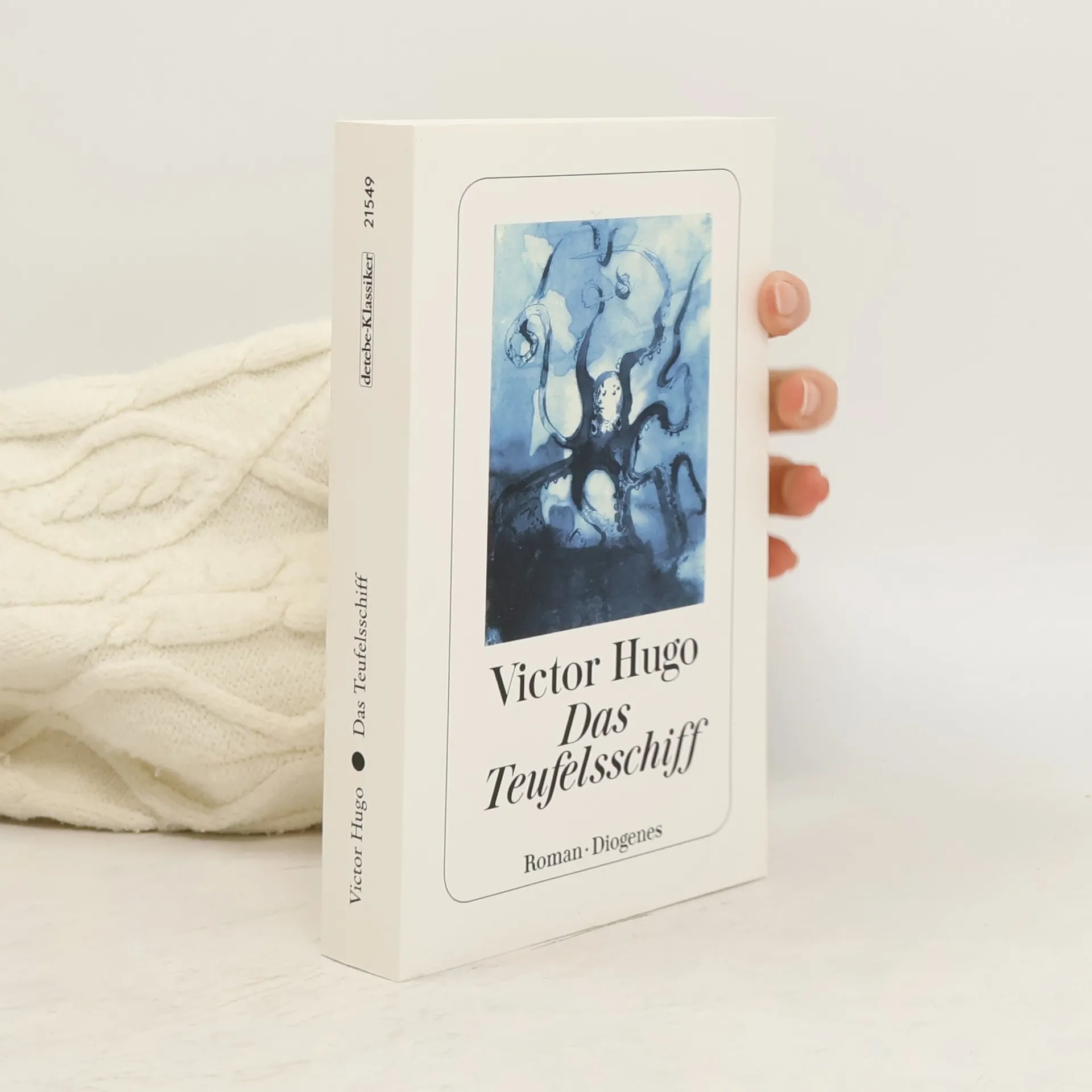
Mess Lethierry est propriétaire de La Durande, un steamer échoué sur un écueil par la machination criminelle de son capitaine, le sieur Clubin. Fou de rage à l'idée que le moteur révolutionnaire de son steamer soit définitivement perdu, Lethierry promet de donner la main de sa nièce Déruchette à celui qui récupèrera la machine de l'épave coincée entre les deux rochers de l'écueil Douvres au large de Guernesey. Gilliatt, pêcheur aussi robuste que rêveur, mais surtout épris de Déruchette, accepte le défi. Après maintes péripéties, notamment sa lutte contre les éléments et la pieuvre, Gilliatt réussit sa mission.
When Carrie Bradshaw in the "Sex and the City" movie began reading Love Letters of Great Men, millions of women wanted to get their hands on the book. Although the book Carrie was reading from was not real, the letters are-including the Beethoven one quoted by Mr. Big at their wedding ceremony. Here are the actual love letters for you to enjoy and treasure! "These letters express such heartfelt emotions and the bliss of new love... I finally realized how men experience love and it is especially beautiful!" - Rebecca of Amazon (Top 500 Reviewer) Featuring: A helpful background sketch for every writer and love letter Nearly 70 photographs of the letter authors and their lovers Most popular and best-selling Love Letters book-thousands of copies sold every year!!! Written by these Great Men: John Adams, Sullivan Ballou, Honor� de Balzac, Ludwig Van Beethoven Napoleon Bonaparte, Robert Browning, Robert Burns, Lord Byron, Winston Churchill John Constable, Alfred Duff Cooper, Pierre Curie, Scott F. Fitzgerald, Nathaniel Hawthorne Henry VI of France, Victor Hugo, James Joyce, Franz Liszt, Jack London, Mozart, Robert Peary Edgar Allen Poe, Sir Walter Raleigh, Sir Robert Schumann, Dylan Thomas, Mark Twain Vincent Van Gogh, Voltaire, Woodrow Wilson
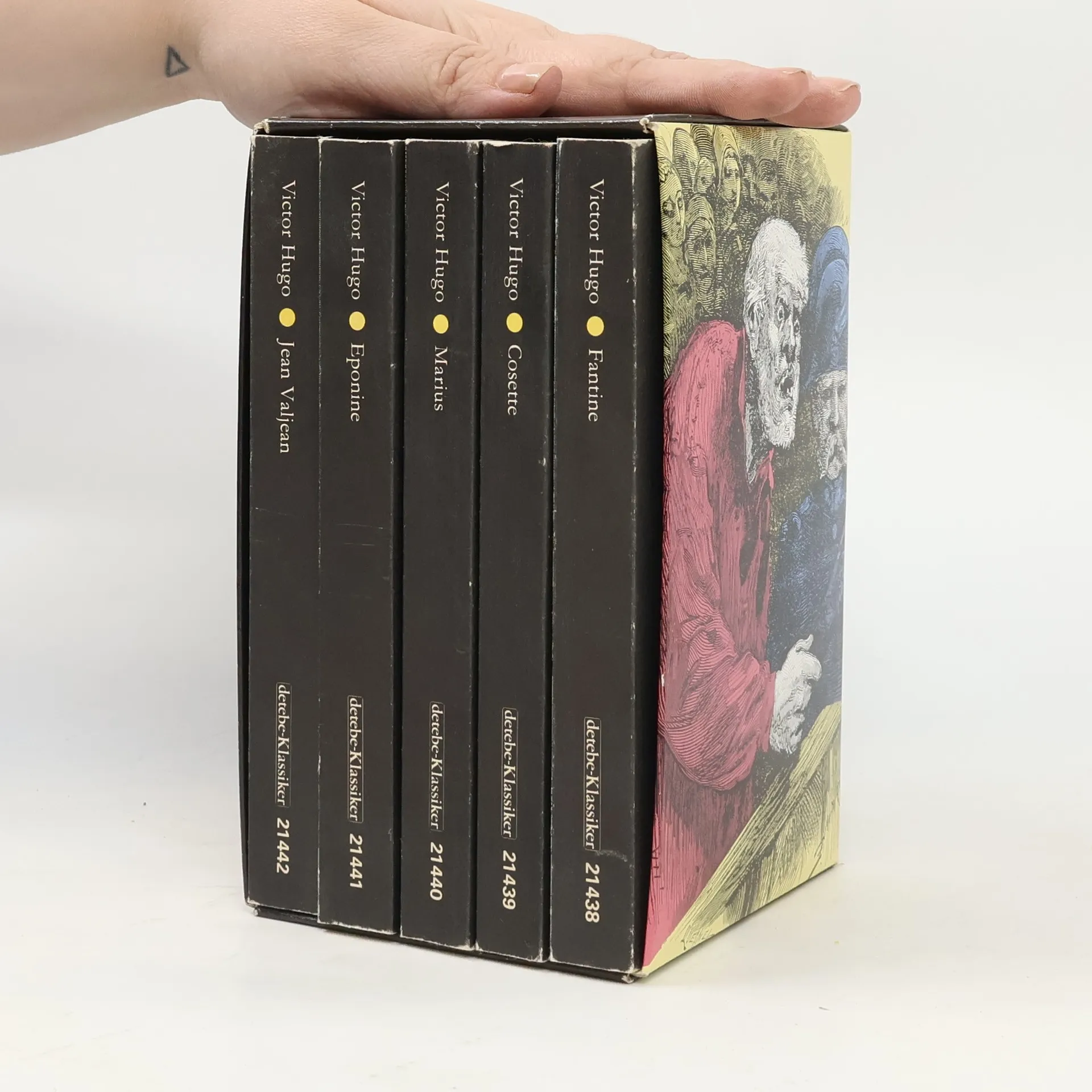
The story follows Jean Valjean and Cosette, who, after eight years in hiding, find their past catching up with them as their former innkeepers seek revenge. With the aid of an idealistic young man, they navigate danger and deception in a desperate attempt to secure their freedom and protect their newfound lives. Themes of identity, redemption, and the pursuit of justice are central to their struggle against the shadows of their past.
Exploring the psychological turmoil of a man facing execution, the narrative delves into his introspection as he contemplates his life and impending death. Through poignant reflections and interactions with a priest and fellow inmates, the unnamed narrator confronts existential themes of humanity and justice. Victor Hugo's powerful prose challenges readers to empathize with the condemned, prompting a deeper examination of their own lives. This edition revitalizes a classic work, highlighting Hugo's enduring influence on literature and his stance against the death penalty.
Features an account of the Battle of Waterloo - and how a rain shower changed history. This title gives readers a taste of the Classics' huge range and diversity, with works from around the world and across the centuries - including fables, decadence, heartbreak, tall tales, satire, ghosts, battles and elephants.
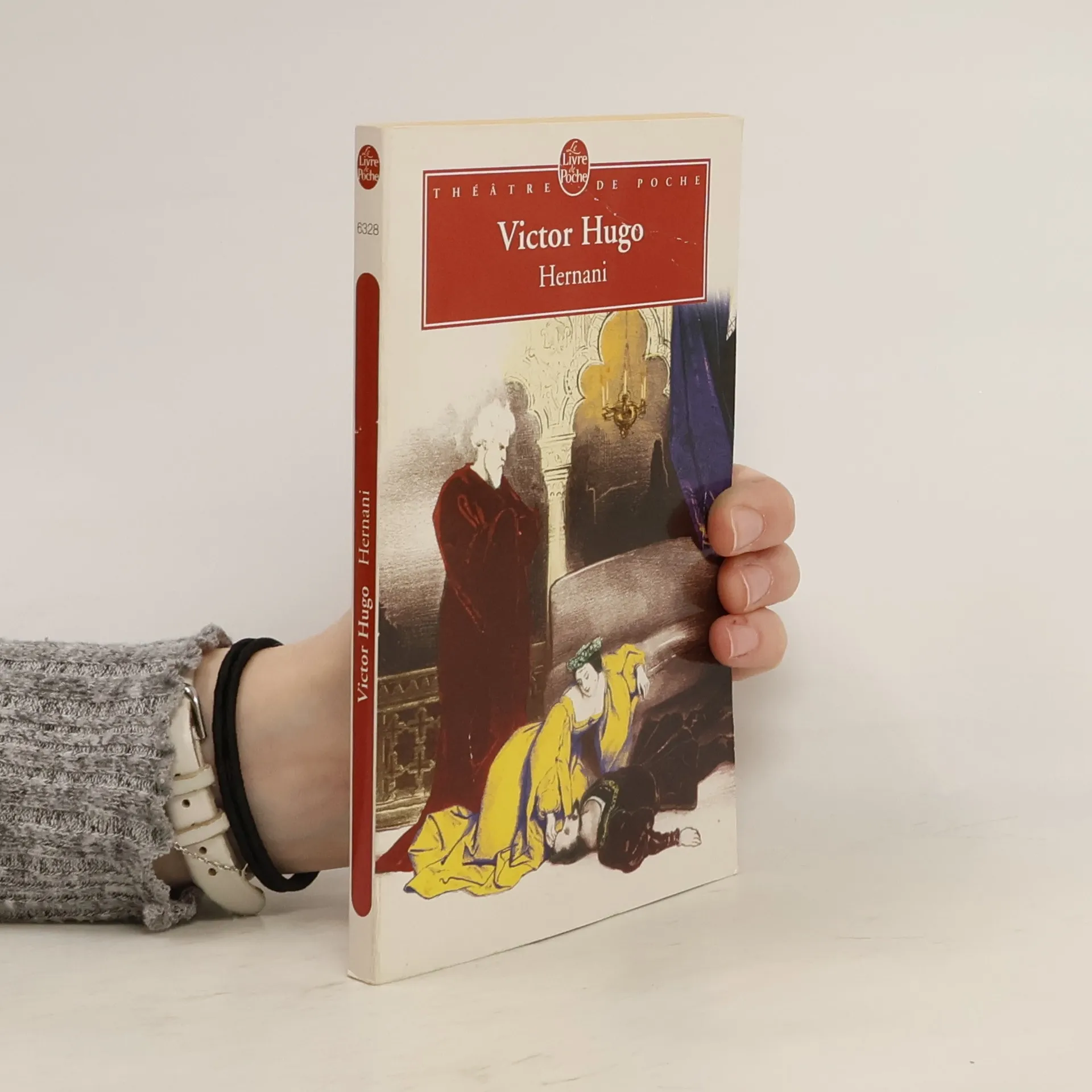
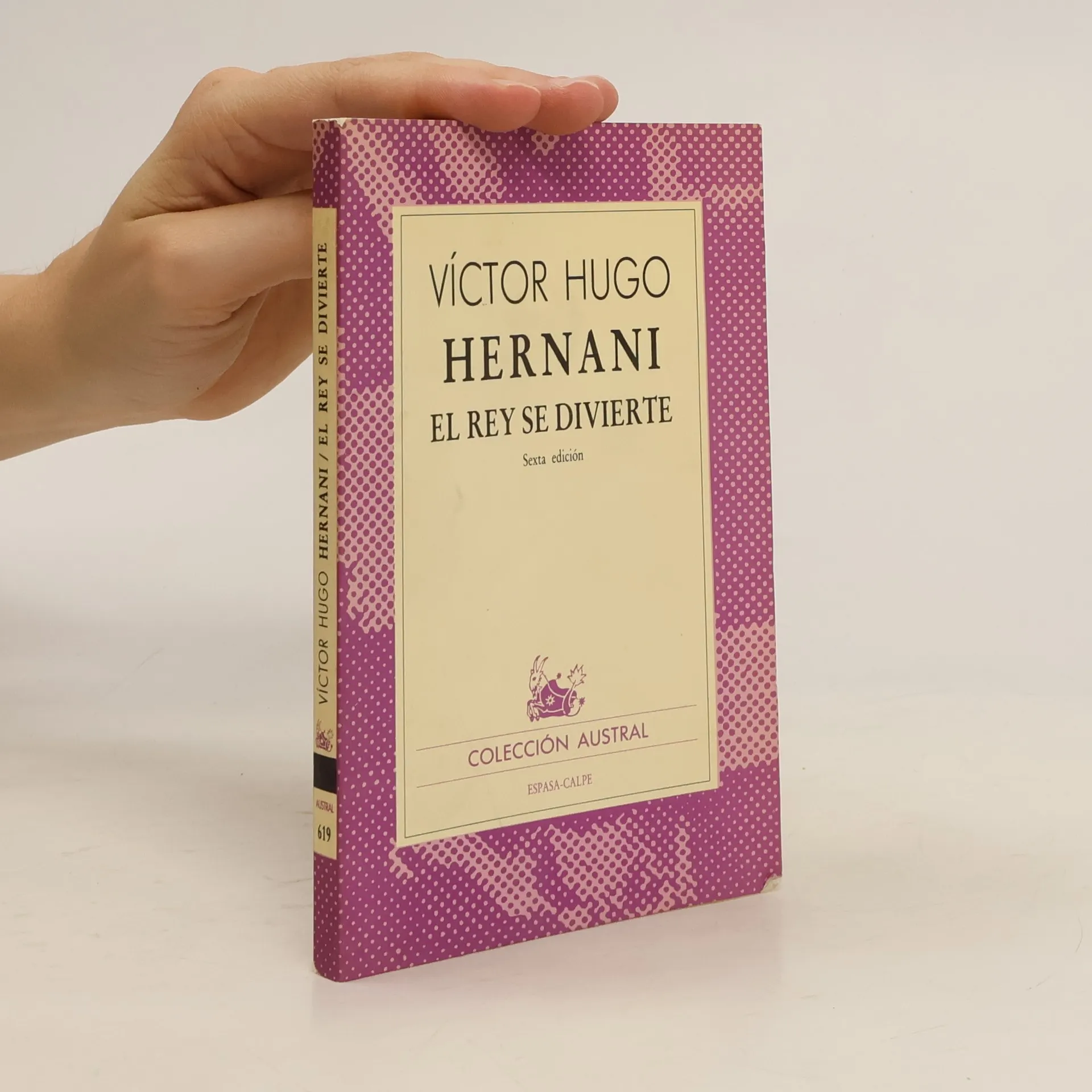
« Quelle heure est-il ? » est-ce là une manière de parler pour un roi ? Et au lieu qu'on lui réponde dignement: « Du haut de ma demeure, Seigneur, l'horloge enfin sonne la douzième », voilà qu'il s'entend dire tout bètement: « Minuit »... Il n'en fallait pas plus pour que la bataille s'engageât. Passion racinienne, honneur cornélien, rien ne manquait à Hernani, fors le respect du majestueux alexandrin. Epluchures, balayures, ordures, injures se mirent à voler dans le sacro-saint Théâtre-Français, lancées par les tenants du classicisme sur la horde barbue et chevelue des romantiques. Un trognon de chou alla mème atterrir sur la tète de M. de Balzac. Et soir après soir la bataille recommença, s'étendit jusqu'à la province où, à Toulouse, un jeune homme mourut en duel pour avoir pris la défense de Victor Hugo. Mort qui donne tout son poids de vérité à l'illusion théâtrale. Préface d'Antoine Vitez. Commentaires et notes d'Anne Ubersfeld.
Taking classic stories from Asia and the West, Pop! Lit for Kids reimagines them into easy-to-read stories that provide the perfect introduction to classic tales. The most well-loved stories from around the world have been adapted into a form that will excite and entertain children everywhere.Series features:
Set against the backdrop of Louis XI's reign, the narrative revolves around the captivating gypsy Esmeralda, who enchants both Quasimodo and his guardian Frollo. The tale unfolds with intense themes of love and jealousy, leading to dramatic attempts on her life and a desperate bid for freedom from the king's forces. The complex relationships and moral dilemmas faced by the characters highlight the struggles of passion and redemption in a tumultuous era.
Set against the backdrop of the December 1851 coup d'état led by Napoleon III, this essay by Victor Hugo captures the tumultuous events as he recounts his experience as a National Assembly member. Hugo vividly portrays the struggle of insurrectionaries fighting for their beliefs, highlighting the brutality faced by many who were arrested or killed. Through his powerful narrative, he examines the themes of political oppression and the fight for justice, offering a poignant commentary on the impact of tyranny on society.
This historical work has been reproduced in large print by Megali Publishing, focusing on accessibility for readers with impaired vision. The initiative highlights the importance of making classic literature more available, ensuring that everyone can enjoy and engage with historical texts.
Exploring the essence of creativity, Victor Hugo's biography transcends a mere examination of Shakespeare to celebrate the broader landscape of literature. Written during Hugo's exile, it reflects on the nature of genius, likening great minds to the vastness of the ocean. Originally intended as an introduction to his son's translation of Shakespeare's works, the project evolved into a profound meditation on the role of artists in human history. This edition offers a beautifully designed cover and professional typesetting, making it accessible to contemporary readers.
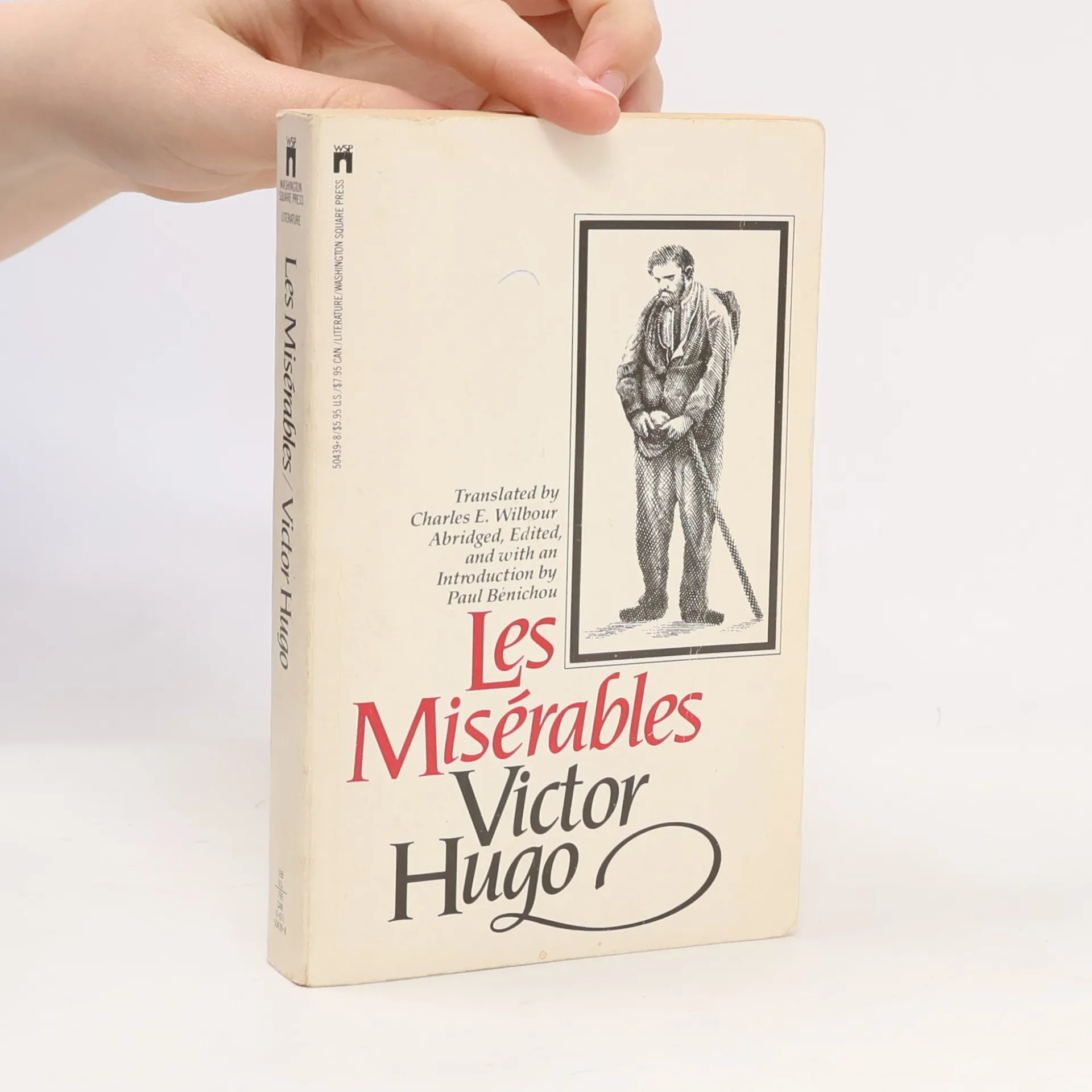
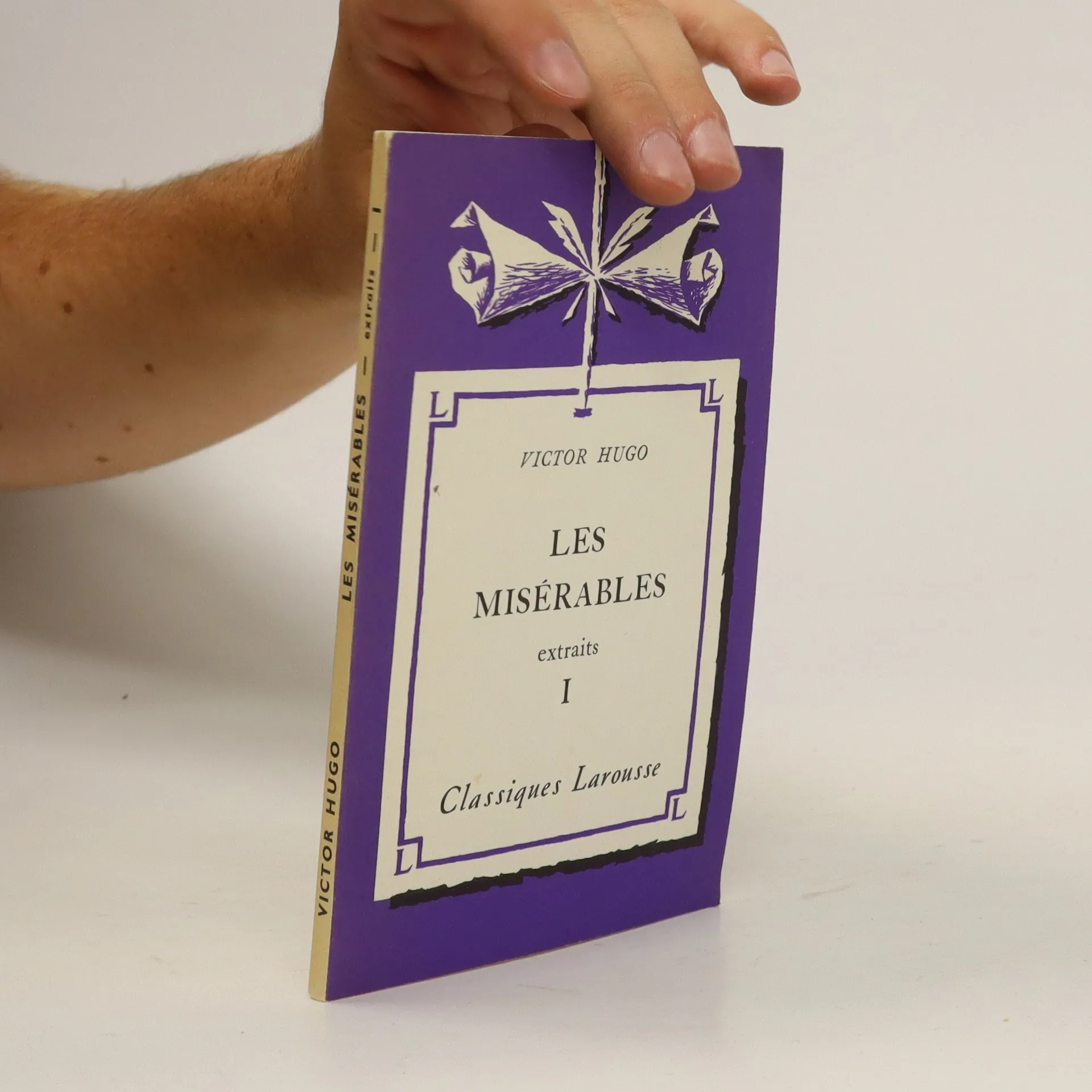
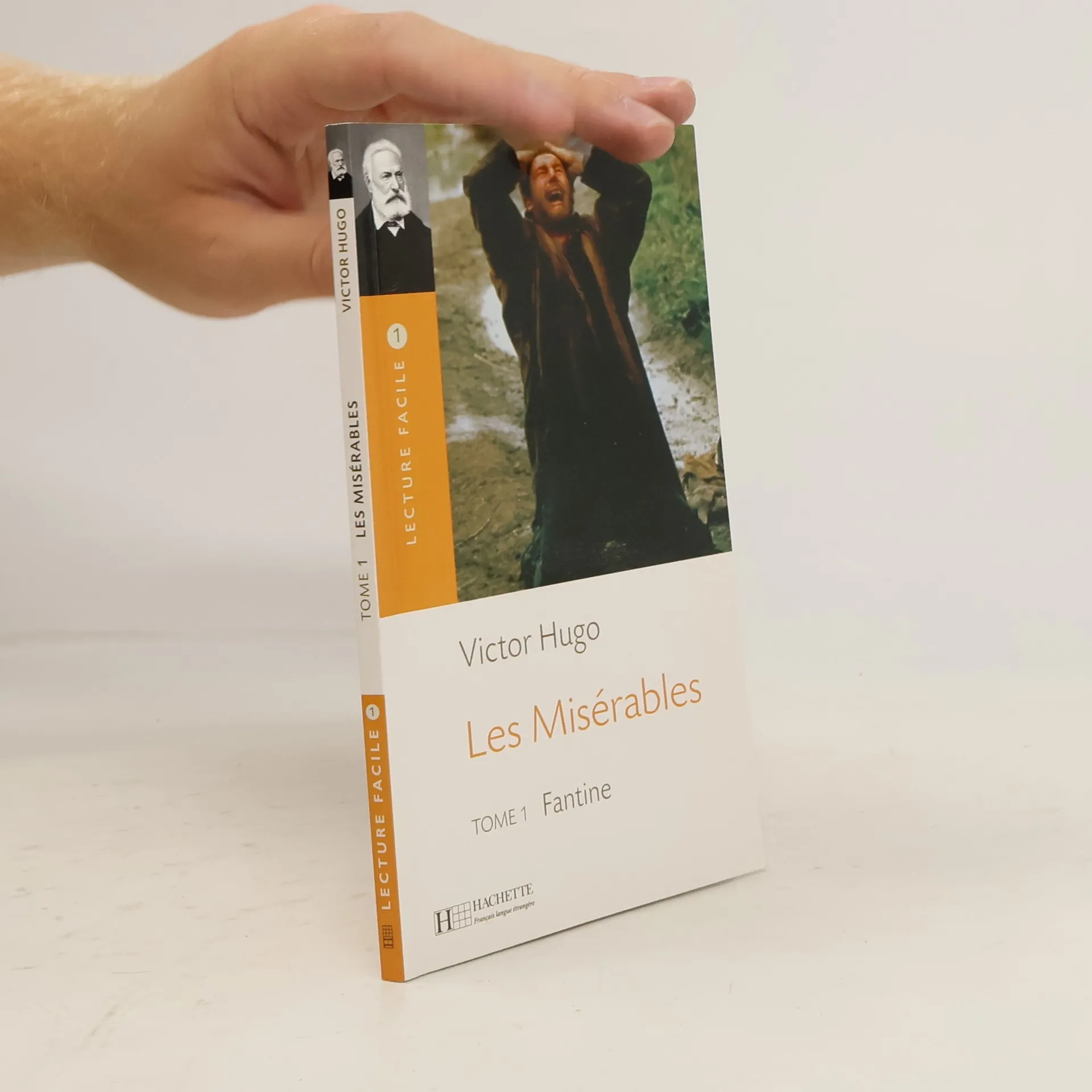
Victor Hugo Les MisErables Translated by Charles E. Wilbour Abridged, edited and with an introduction by Paul Benichou Published simultaneously in nine languages in 1862, "Les MiseRables" is a vast tapestry set against the chaos of post-Napoleonic France. A cast of hundreds is woven into the epic story of the ex-convict Jean Valjean and his valiant struggle to redeem himself. A potent social document of the poverty, ignorance, and brutality of man, "Les MiseRables" is also a rousing adventure and a passionate parable of love. Here, Victor Hugo displays his skills as a dramatist and poet, and shows his deeply felt compassion for all mankind. Pocket Books' Enriched Classics present the great works of world literature enhanced for the contemporary reader. This edition of "Les MiseRables" contains the original introduction by Hugo scholar and Harvard professor Paul Benichou, as well as his accomplished abridgment.
Les Miserables (ELT Graded Reader)
Penguin Readers is an ELT graded reader series designed for learners of English as a foreign language. Each title features carefully adapted text, new illustrations, and language exercises, with print editions offering access to online supporting materials. The series includes popular classics, contemporary fiction, and thought-provoking non-fiction, introducing learners to bestselling authors and engaging content. The eight levels align with the Common European Framework of Reference for language learning (CEFR). Each Reader includes exercises that help practice grammar, vocabulary, and key exam skills, along with before, during, and after-reading questions to enhance comprehension and vocabulary development. Les Misérables is a Level 4 Reader, categorized as A2+ in the CEFR framework, featuring sentences with up to three clauses and introducing complex grammatical structures such as present perfect simple, passives, phrasal verbs, and simple relative clauses, supported by regular illustrations. Set in nineteenth-century France, the story follows Jean Valjean, who spends 19 years in prison for stealing bread. After his release, he attempts to lead a better life, but is relentlessly pursued by the determined policeman Javert. With the print edition, readers can access exclusive online resources, including a digital book, audio edition, lesson plans, and answer keys.
Vor dem Zugriff des pedantischen Polizeiinspektors Javert, der auch ihm, dem Zugewanderten, nachspioniert und seine Vergangenheit nicht ohne Erfolg erforscht, bringt Jean Valjean die todkranke Fantine ins Spital, nachdem er gehört hat, wie sie in treuer Liebe für ihre uneheliche Tochter Cosette sorgt und aus Not und infolge der Mißgunst ihrer Mitmenschen zur Dirne geworden ist.
Literature is full of stories that today's children can enjoy when they are made accessible. This retelling of The Hunchback of Notre Dame combines narrative and illustrations with photographs providing factual content. Information panels add information on the historical dimensions of the story.
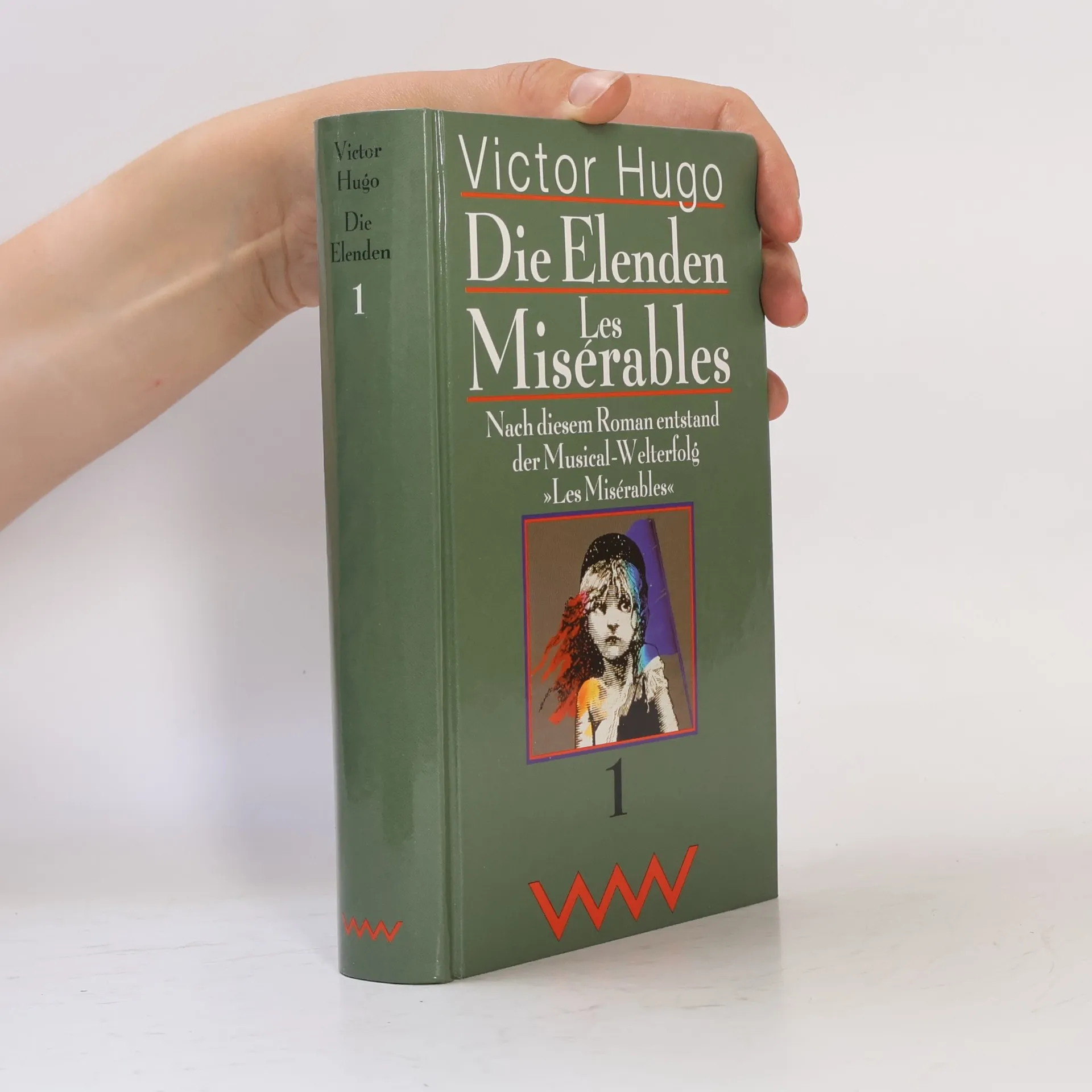
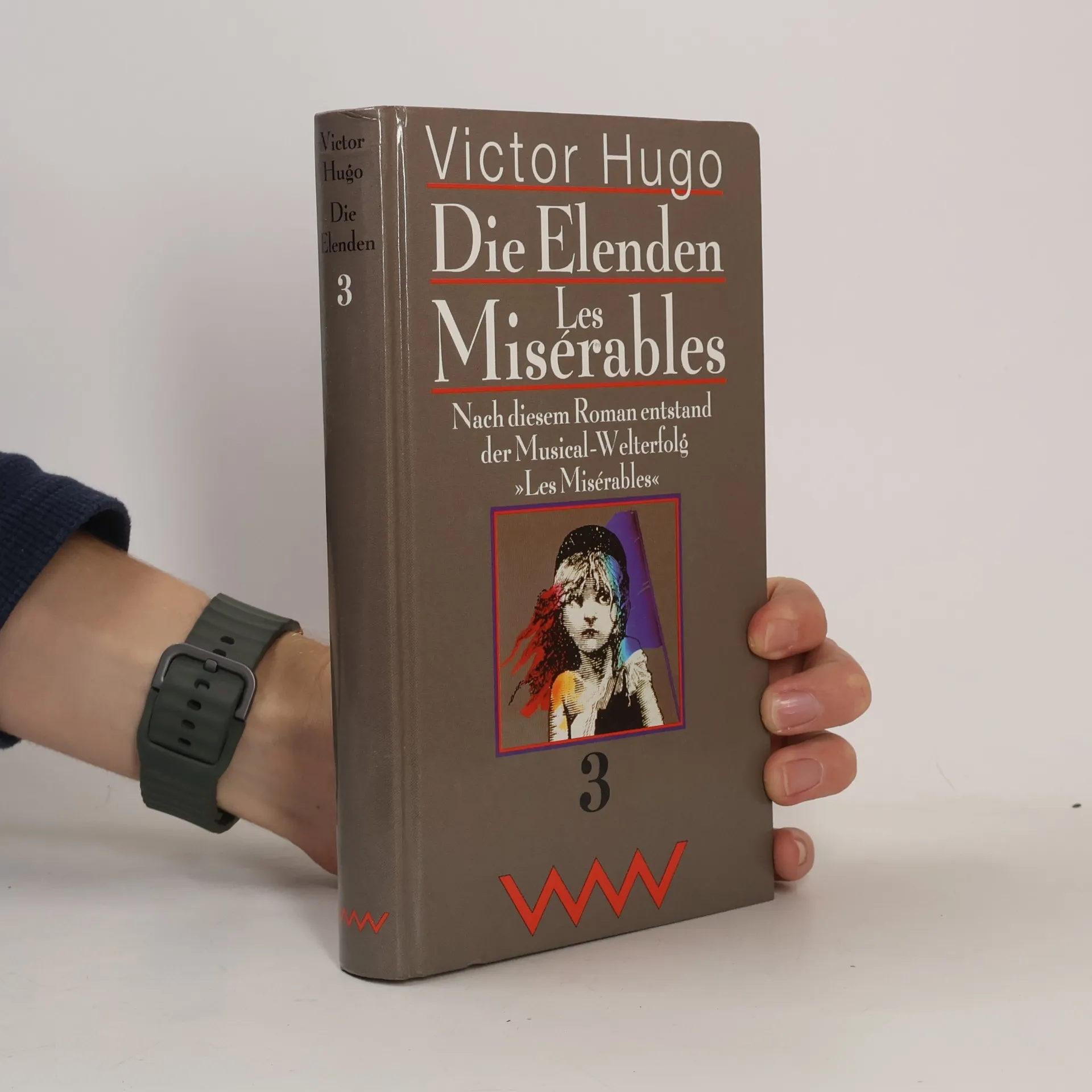
Es ist ein solcher Klassiker, dass man immer den Eindruck hat, ihn bereits gelesen oder gesehen zu haben. Les Misérables, veröffentlicht von Victor Hugo im Jahr 1862, bietet das Vergnügen der Wiedererkennung und des Neuanfangs. Man wird stets von der romanesken Spannung des Buches mitgerissen, seinen unvergesslichen Figuren, seinen vielfältigen Sprachen – Hugo ist der erste, der Slang und die Volkssprache in das geschriebene Französisch einführt – seinen Geschichten und seiner Zeit. Von der unglücklichen Rückfälligkeit Jean Valjeans, frisch aus dem Gefängnis entlassen, bis zu seiner allmählichen Erlösung, von der katastrophalen Kindheit Cosettes bis zu ihrer Idylle mit Marius, von der opferbereiten Figur Fantines bis zu den düsteren Charakteren Thénardier und Javert, bietet der Roman eine schöne Lektion lebendiger Menschlichkeit. Hugo erklärt: „Ich komme, um das menschliche Schicksal zu zerstören, ich verurteile die Sklaverei, ich vertreibe das Elend, ich lehre die Unwissenheit, ich behandle die Krankheit, ich erhelle die Nacht, ich hasse den Hass.“ Ein Lesevergnügen, das im zweiten Band fortgesetzt wird.
Tento román zachycuje život francouzského lidu v 1. třetině 19. století. Ústřední postavou je Jean Valjean. Je to bývalý galejník, který se na galeje dostal za krádež chleba. Když se mu podařilo uprchnout, okradl starého kněze, který mu nabídl nocleh. Když ho ale chytli četníci, kněz jimřekl, že stříbrné příbory Jeanu Valjeanovi dal darem, přidal mu ještě stříbrné svícny a tím ho zachránil od galejí. Tím Jeana ovlivnil a ten se poté stal dobrodincem a ochráncem těch nejbídnějších. Jeho protihráčem je policejní prefekt Javert, který ho pronásleduje. Zastává názor, že galejník zůstane galejníkem, a považuje dopadení Valjeana za své životní poslání. Ženskými hrdinkami románu jsou Fantine, mladá žena, kterou bída dohnala k prostituci a její dcera Cosette, které se ujal Jean Valjean a vychovává ji. Román vyznívá jako obžaloba tehdejší společnosti a mravů.
Victor Hugos Meisterroman über das Schicksal des entlassenen Sträflings Jean Valjean und die Ausgestossenen der Gesellschaft nach dem Sturz Napoleons ist Drama und Epos zugleich. Dem Schriftsteller gelingt hier eine Verknüpfung verschiedenster literarischer, politisch-ideologischer und philosophischer Tendenzen seiner Zeit. Der mit den Spannungsmitteln der Kriminalliteratur geschriebene Roman ist wohl der bedeutendste Hugos und einer der meistgelesenen der französischen Literatur.
Классика мировой литературы, роман, неоднократно экранизированный и положенный в основу мюзикла. На страницах "Отверженных" Гюго раскрывает важнейшие для всего общества темы: сила власти и сила любви, жестокость и человечность, лишения бедных и страдания богатых, несчастье и благоденствие. В книге описан нелёгкий жизненный путь бывшего каторжника Жана Вальжана, преследовавшего его сыщика Жавера, юных Козетты и Мариуса, а также тяжелая судьба детей Эпонины и Гавроша, оказавшихся на самом дне парижского общества. Роман отличают яркие, запоминающиеся характеры, гротеск и романтика, напряженный и захватывающий сюжет.
Pátý díl obsáhlého románu s hlavním hrdinou Jeanem Valjeanem,který zradou svého okolí byl zatčen a odsouzen k pobytu na galejích.Jeho spoluvězeň mu dá informaci o uloženém pokladu.Po jeho smrti se mu dramaticky podaří uprchnout,poklad najít a díky tomu se z něj stává bohatý člověk,šlechtic.Vrací se do Francie a postupně nacházi ty.kteří jej zradili a i ty,kteří jej milovali.Román byl několikrát zfilmován a složil jako předloha k úspěšnému muzikálu
Solange es durch Gesetze und Sitten eine soziale Verdammnis gibt, die inmitten der Zivilisation künstlich Höllen schafft und das göttliche Schicksal mit menschlicher Fatalität kompliziert; solange die drei Probleme des Jahrhunderts – die Degradierung des Menschen durch das Proletariat, der Verfall der Frau durch Hunger und die Atrophie des Kindes durch Nacht – nicht gelöst sind; solange in bestimmten Regionen soziale Asphyxie möglich ist; in anderen Worten, und aus einer noch umfassenderen Perspektive, solange es auf der Erde Unwissenheit und Elend gibt, werden Bücher wie dieses nicht nutzlos sein.
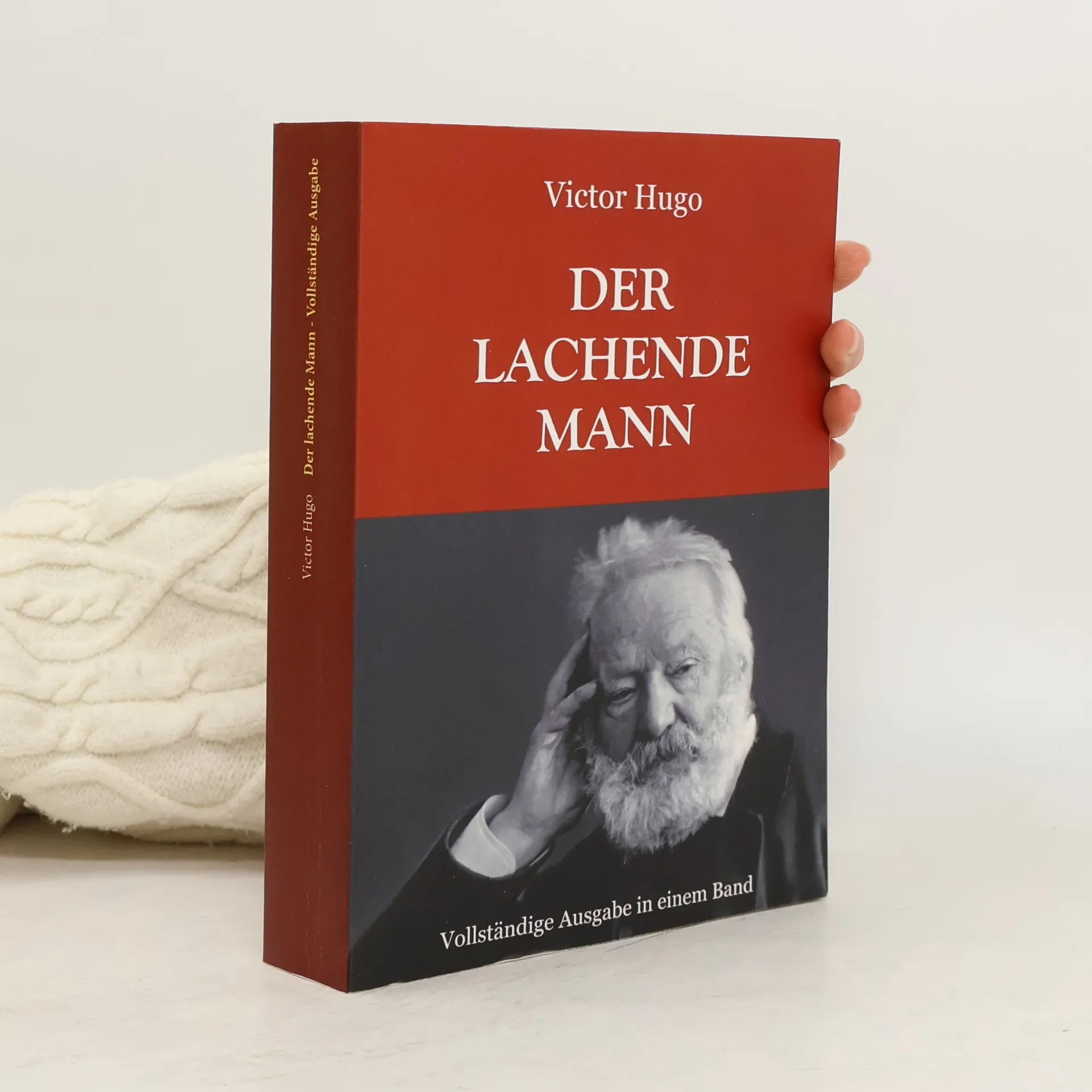
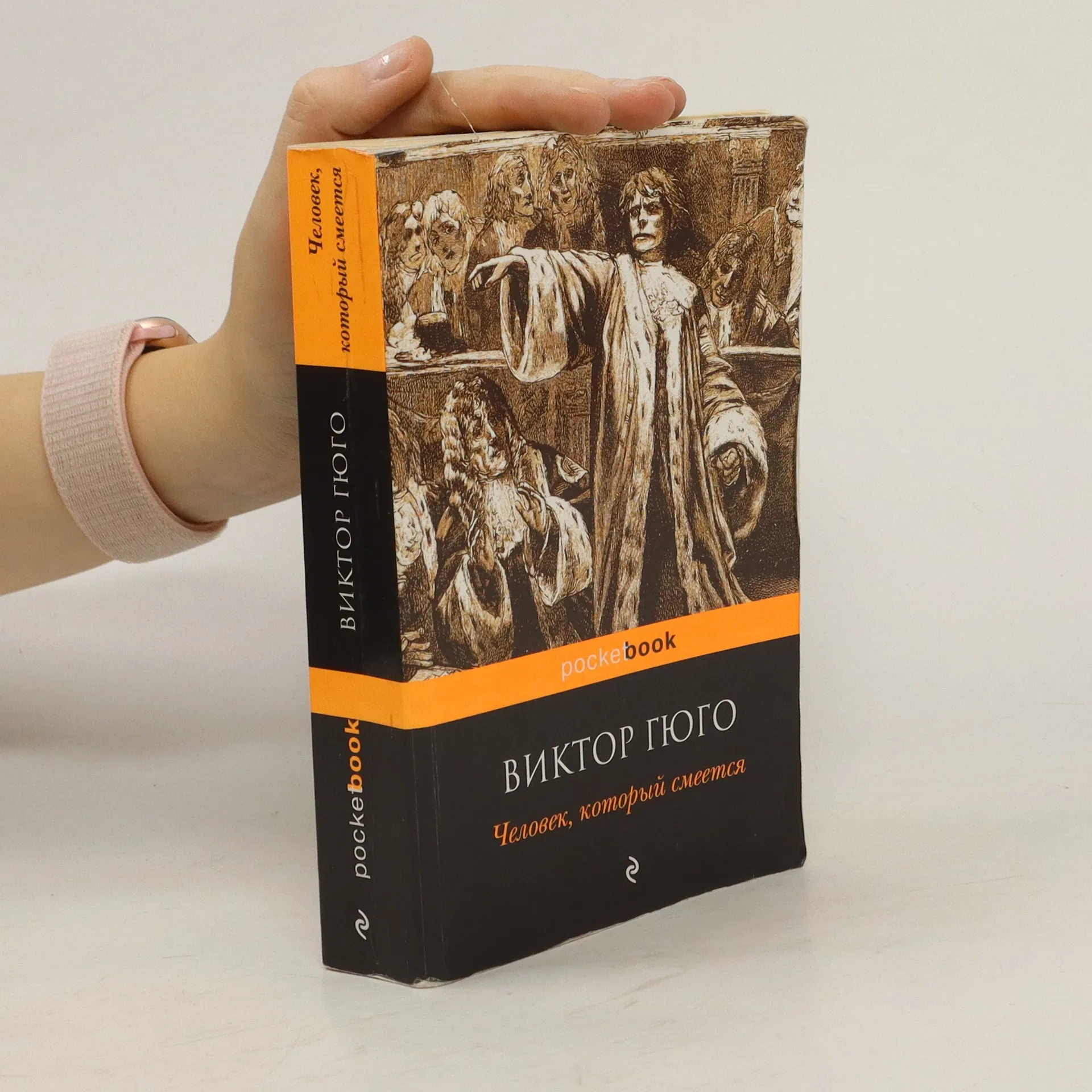
Die Handlung des Romans von Victor Hugo „Der lachende Mann“ spielt in England des späten 17. und frühen 18. Jahrhunderts. Guinpelen – ein Lord von Geburt – wurde in seiner Kindheit von Banditen, den Kompradikos, verkauft, die aus dem Kind einen Jahrmarktsnarren machten, indem sie ihm eine Maske des „ewigen Lachens“ ins Gesicht schnitzten. An den Höfen des europäischen Adels jener Zeit war es in Mode, Behinderte und Missgestaltete zu haben, die die Herren und Gäste unterhielten; die Tätigkeit der Kompradikos wurde manchmal sogar gefördert. Trotz aller Prüfungen bewahrte Guinpelen die besten menschlichen Eigenschaften und seine Liebe.
Bídníci IV. ( Selanka v ulici Plymetově a epopeje v ulici sv. Diviše). Tento román zachycuje život francouzského lidu v 1. třetině 19. století. Ústřední postavou je Jean Valjean. Je to bývalý galejník, který se na galeje dostal za krádež chleba. Když se mu podařilo uprchnout, okradl starého kněze, který mu nabídl nocleh. Když ho ale chytli četníci, kněz jim řekl, že stříbrné příbory Jeanu Valjeanovi dal darem, přidal mu ještě stříbrné svícny a tím ho zachránil od galejí. Tím Jeana ovlivnil a ten se poté stal dobrodincem a ochráncem těch nejbídnějších. Jeho protihráčem je policejní prefekt Javert, který ho pronásleduje. Zastává názor, že galejník zůstane galejníkem, a považuje dopadení Valjeana za své životní poslání. Ženskými hrdinkami románu jsou Fantine, mladá žena, kterou bída dohnala k prostituci a její dcera Cosette, které se ujal Jean Valjean a vychovává ji. Román vyznívá jako obžaloba tehdejší společnosti a mravů.
Victor Hugos Meisterwerk „Der Glöckner von Notre-Dame“ spielt im Paris des 15. Jahrhunderts und erzählt die tragische Liebe des missgestalteten Quasimodo zur schönen Esmeralda. Diese opulente Ausgabe mit Illustrationen von Anna Frohmann ist ein zeitloses Geschenk für Liebhaber klassischer Literatur und dunkler Geschichten.
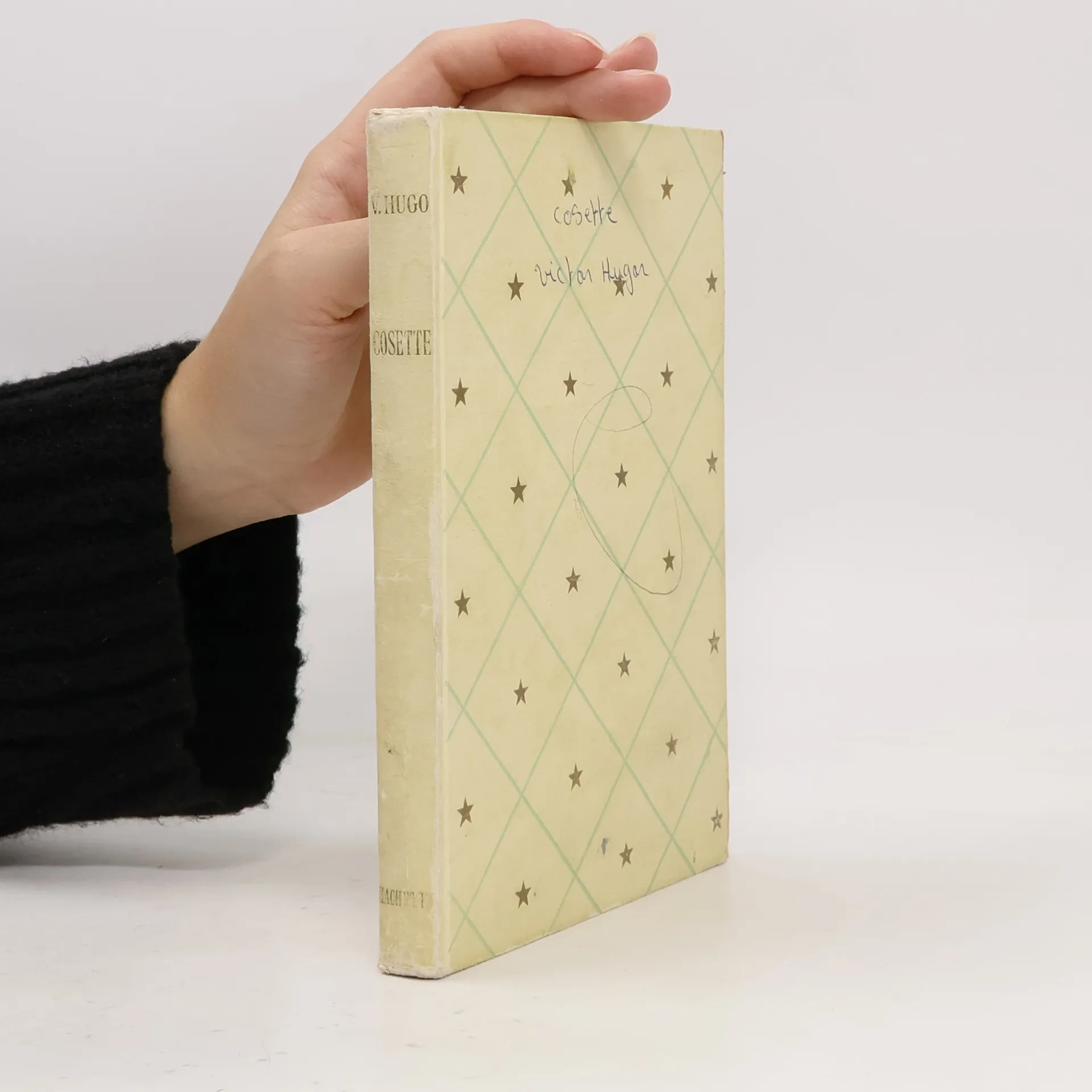
Le destin de la petite Cosette, d'abord très triste, illustre la souffrance d'un enfant victime d'injustices. Sa vie change lorsqu'elle est recueillie par le père Madeleine, ancien forçat Jean Valjean, qui, après avoir connu la misère, devient un homme bon et le protecteur des opprimés. L'amour pour Mariolino achève de lui apporter le bonheur.
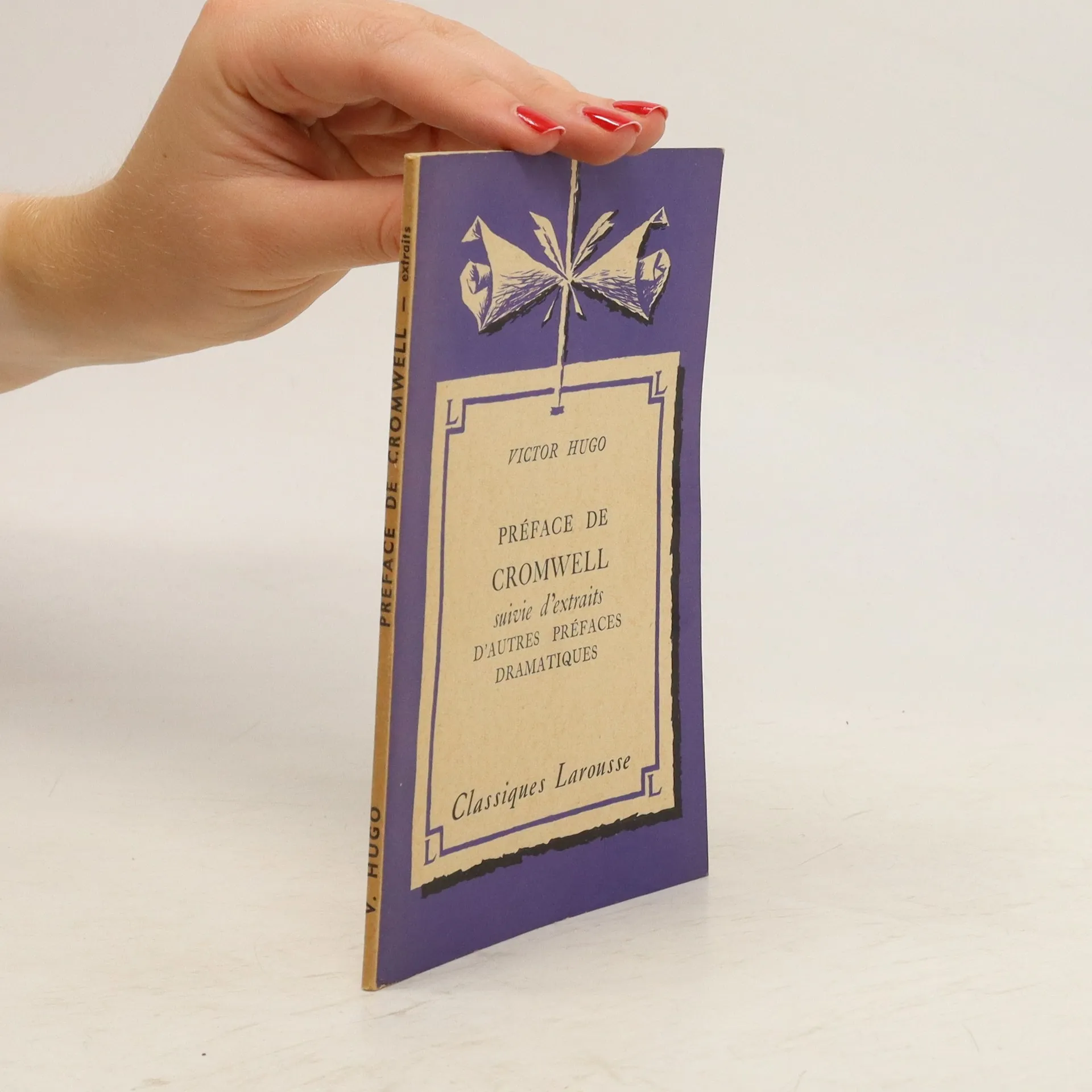
Le manifeste le plus marquant du drame romantique, dans lequel Victor Hugo, à l'âge de vingt-cinq ans, expose audacieusement les fondements d'un nouveau genre basé sur la liberté d'inspiration et de forme, est écrit en 1827. La préface est en réalité un post-scriptum à son monumental drame historique, Cromwell, dont une partie seulement lui est consacrée. Cet essai reflète l'aspiration d'un jeune artiste à un bouleversement fondamental dans la pensée artistique et constitue l'expression la plus significative des orientations de la jeune génération artistique et intellectuelle en France au début du XIXe siècle. Cette génération s'ouvre aux influences européennes et souhaite mettre un terme radical à la tyrannie du canon classique des trois unités.
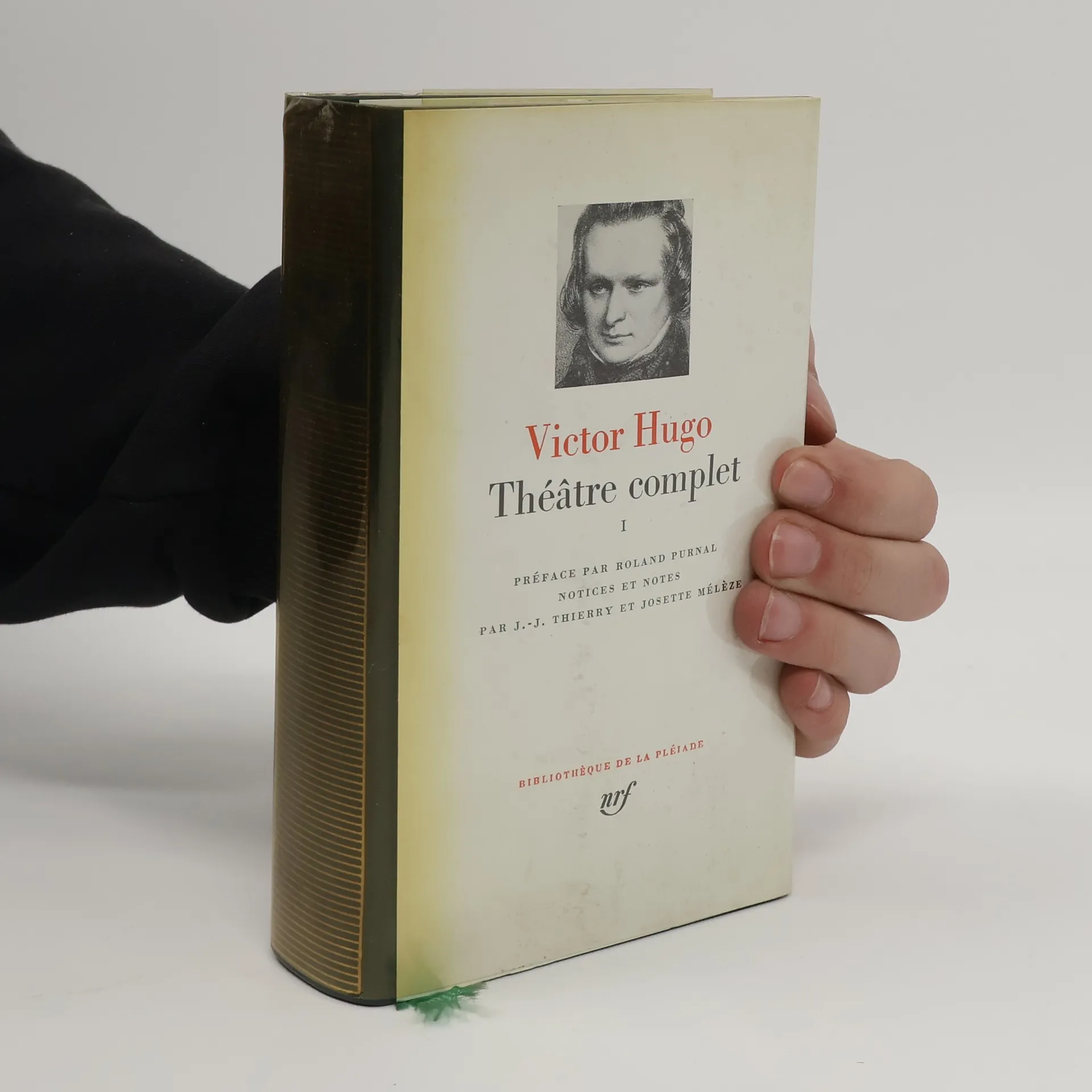
Le romantisme peut être vu comme une réponse à une crise intérieure, un malaise face à la domination de la raison. Cet état d'esprit, conscient de ses ressources instinctives et de la richesse de l'inconscient, aspire à exprimer ce qu'il considère comme l'essence de l'humanité : la musique intérieure révélée par le sacré. Lorsque cette suffocation devient insupportable, le romantisme émerge, affirmant sa volonté de défendre cette essence humaine. En France, Victor Hugo incarne cette force romantique, agissant comme un inspirateur d'une révolution théâtrale qui visait à élever le théâtre à la hauteur des idéaux révolutionnaires. Parmi les nombreuses œuvres de cette époque, peu ont survécu dans la mémoire collective, à l'exception de celles de Hugo. Sa pérennité ne repose pas seulement sur son talent de dramaturge, mais surtout sur son génie oratoire. Ainsi, ses drames ne peuvent être dissociés de sa poésie ; le meilleur de son théâtre est un réservoir de morceaux lyriques. Finalement, le théâtre de Hugo, bien qu'il ait émergé de la page, doit y retourner, acceptant ainsi son destin.
Действие романа Виктора Гюго "Человек, который смеется" происходит в Англии конца XVII - начала XVII века. Гуинплен - лорд по рождению, в детстве был продан бандитам-компрачикосам, сделавшим из ребенка ярмарочного шута
Z poznámek v knize: Torquemada je pro jedny krvelačníkem, katem od přirozenosti, pro druhé vizionářem, katem ze slitování. Huga přiměla k sepsání hry zejména pasáž z listů sv. Pavla: "Křesťanská láska jest moci takové, že síla její překonává sílu lidskou. Tak matka křesťanská raději bude chtíti, aby dceru její před očima upálili zaživa, než aby viděla ji býti křivověrkyní a k věčnému ohni odsouzenu." Inkvizitor ve hře zastává onu myšlenku, je apoštolem a vrahem zároveň, s klidnou myslí páše zločiny, jsa přesvědčen, že dobře činí.
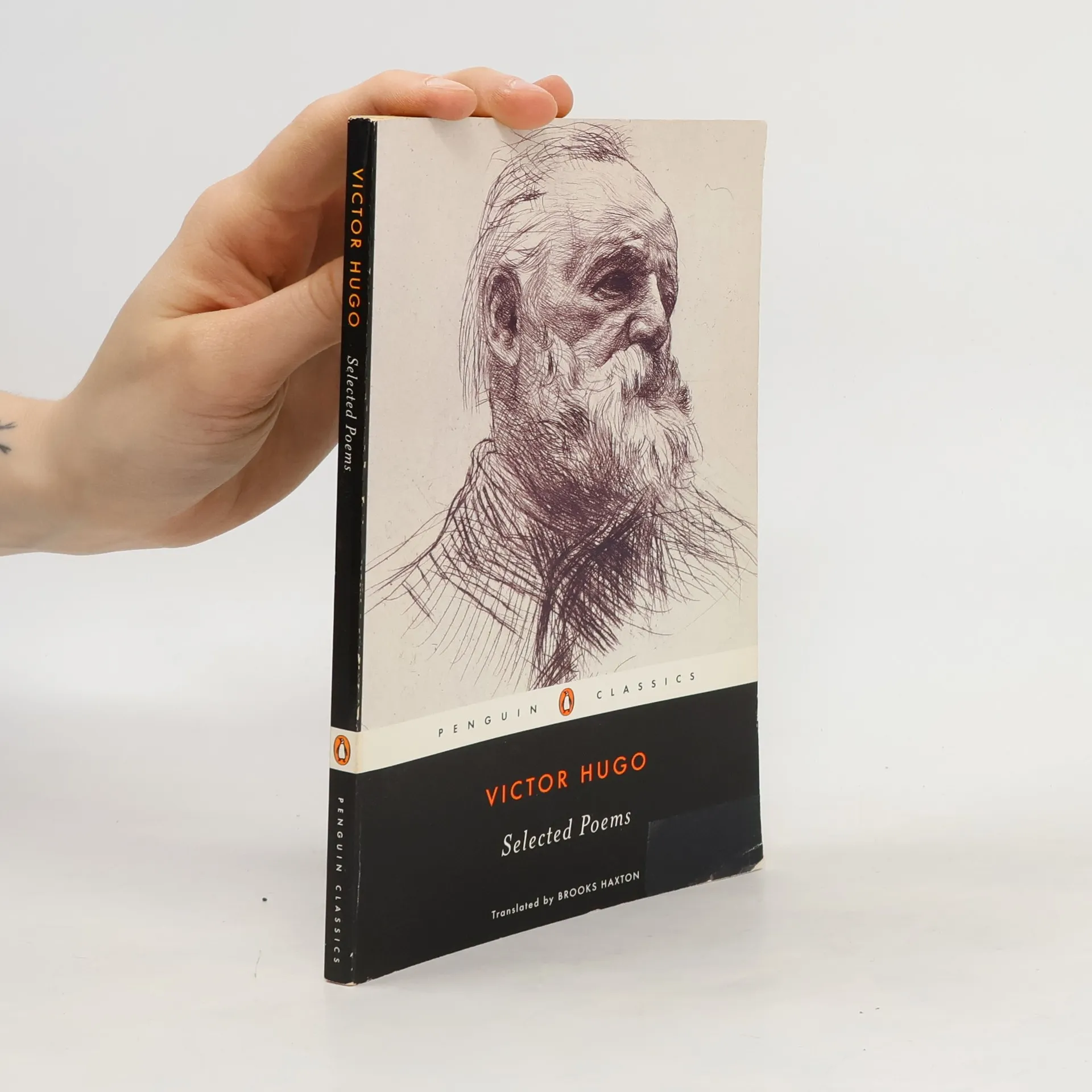
Cette généreuse et variée sélection de poèmes de l'un des poètes les plus aimés et les plus controversés de France est présentée avec les originaux en regard, des notes détaillées et une introduction vivante à la vie et à l'œuvre de l'auteur. Plus de quatre-vingts poèmes sont présentés, allant des premières publications poétiques des années 1820, à travers des collections publiées durant l'exil, jusqu'aux œuvres publiées dans les années suivant la mort de Hugo en 1883. L'introduction fournit des informations utiles sur la vie et l'œuvre de Hugo, la sélection et ce qui est impliqué dans la traduction d'un poète dont les rimes naturelles sont au cœur de la puissance de la poésie. Des notes détaillées à la fin du volume offrent des informations sur les poèmes et leurs contextes de publication et historiques.
Einer der besten Romane des Klassikers der Weltliteratur. Jean Valjean, Cosette, Gavroche – die Namen der Helden des Romans „Die Elenden“ sind längst zu Synonymen geworden, und die Zahl seiner Leser ist seit dem Erscheinen des Buches vor anderthalb Jahrhunderten nicht gesunken; der Roman verliert nicht an Popularität. Ein Kaleidoskop von Gesichtern aus allen Schichten der französischen Gesellschaft der ersten Hälfte des 19. Jahrhunderts, lebendige, einprägsame Charaktere, Groteske und Romantik, Sentimentalität und Realismus, eine spannende, fesselnde Handlung – dies sind die Hauptgründe für den Erfolg von Hugos Buch und auch die Gründe für die häufige Auseinandersetzung mit ihm im weltweiten Kino.
Slavný historický román je živým obrazem středověké Paříže v 2. pol. 15. století za vlády Ludvíka XI. Hugo zachycuje v mohutné barvité fresce život pařížských obyvatel od žebráků, zlodějů, cikánů, studentů, měšťáků, některých představitelů šlechty a vysokého duchovenstvaaž k samotnému králi. Román, který realisticky věrně zachycuje život středověké společnosti, je přesto bohatý i na romantické epizody a postavy, jako jsou cikánka Esmeralda, kněz Klaudius Frollo a zrůdný samotář Quasimodo, chrámový zvoník. Příběh Esmeraldy a její tragický konec je zasazen do okolí Notre Dame v Paříži.
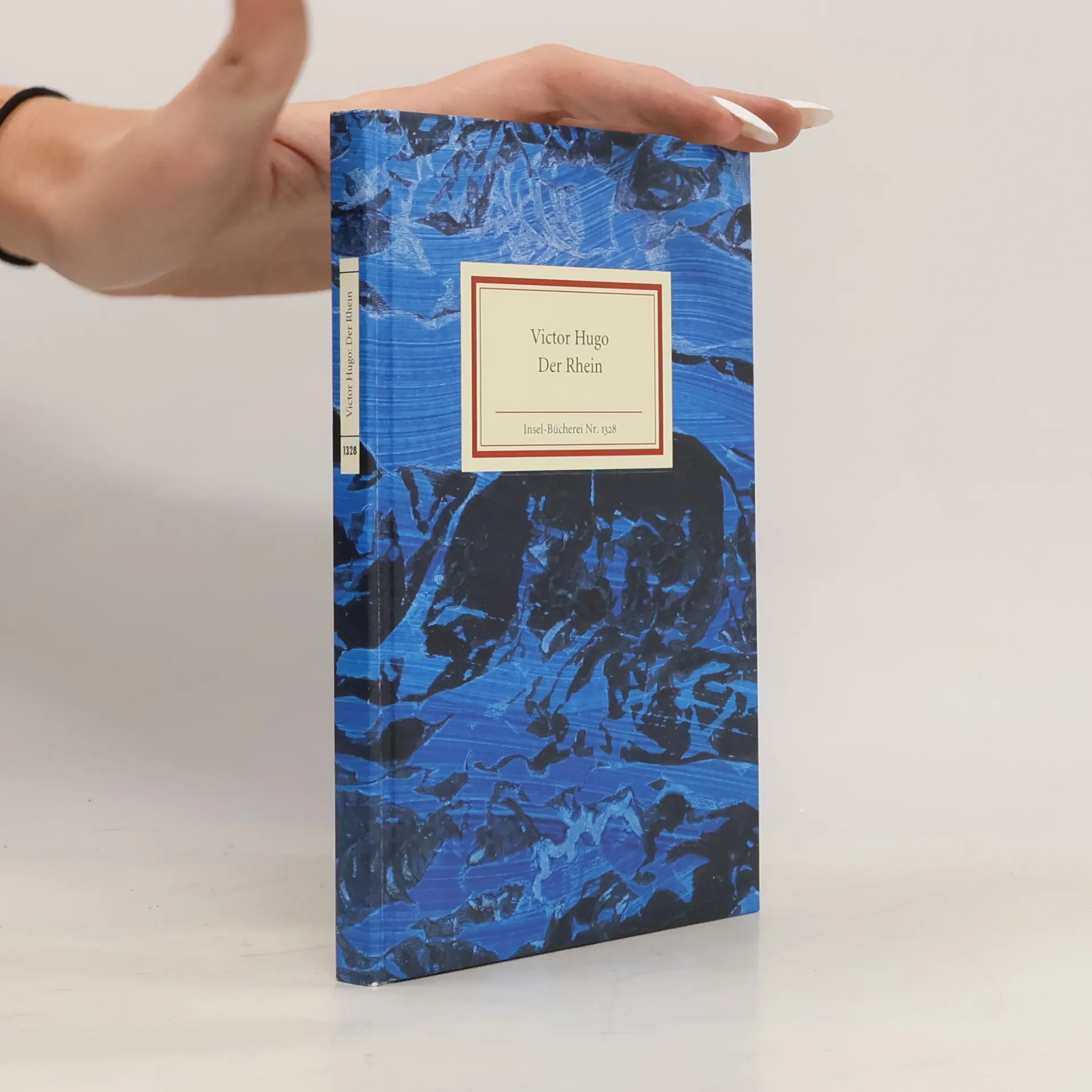
Victor Hugo unternahm in seinem Leben zwei Rheinreisen, 1839 und 1840. Seine Eindrücke hielt er in seinem Prosatext Le rhin fest. Darin schildert er nicht nur den Ort von Sagen, Märchen und Ruinen, der der Rhein für ihn von Kindheit an war, sondern setzt sich auch mit dessen politischer Bedeutung als Grenzfluß zwischen Frankreich und Deutschland auseinander. Und sowohl vor Ort als auch aus der Erinnerung entstanden über 100 Rheinzeichnungen. Denn Hugo war auch ein begnadeter Zeichner. In jüngster Zeit wird er mit seinen phantastischen, magischen Blättern als ein Künstler der frühen Moderne erkannt und William Turner und Gustave Moreau an die Seite gestellt. Dieser Band präsentiert Auszüge aus dem Text in neuer Übersetzung zusammen mit Hugos schönsten Rheinzeichnungen und zeitgenössischen Fotografien.
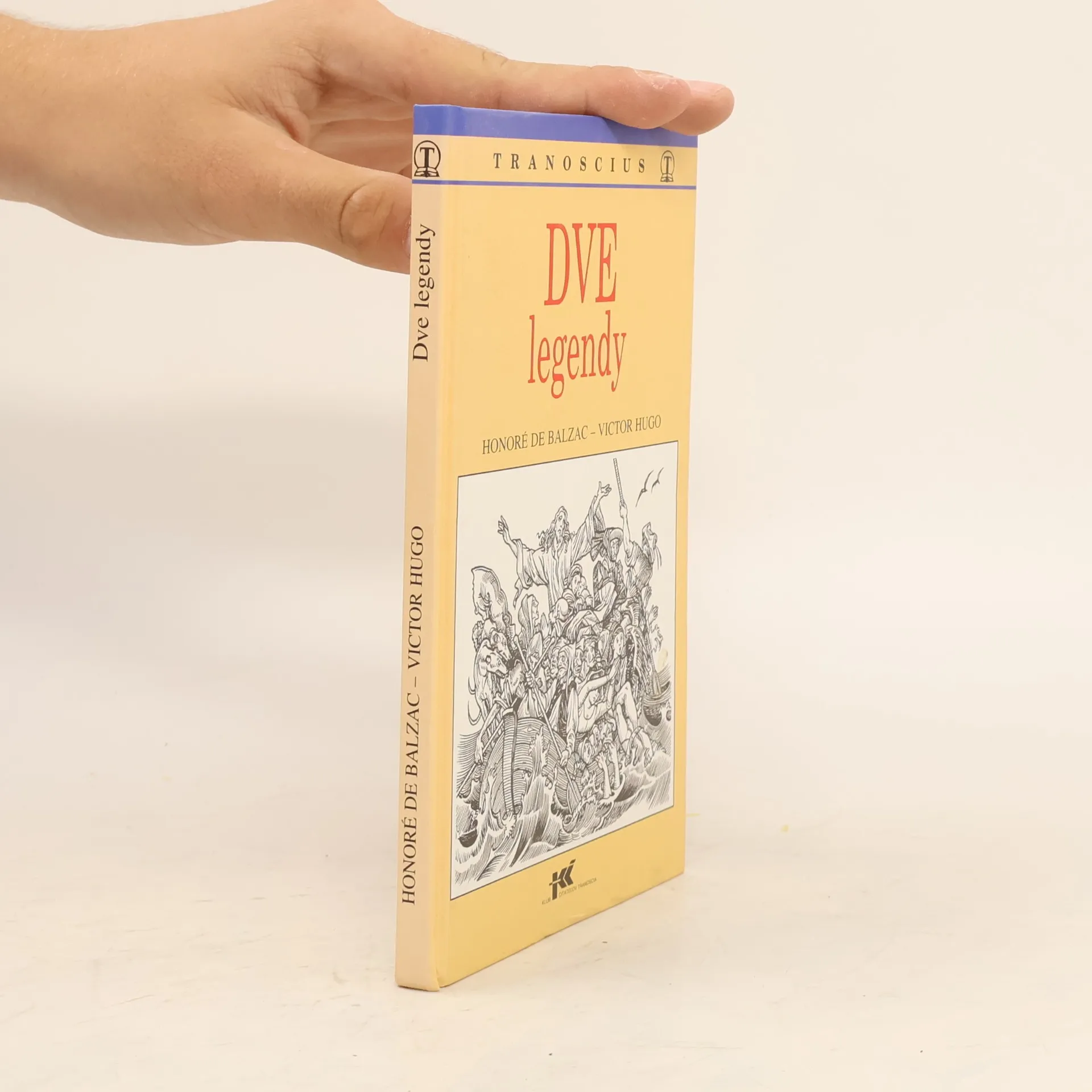
Dva skvelé príbehy svetových autorov v slovenskom preklade. Legenda o krásnom Pécopinovi a krásnej Baldour z pera Victora Huga a Ježiš Kristus vo Flámsku, napísaný Honoré de Balzacom nepochybne zaujmú rozprávačským a literárnym majstrovstvom. Slovenský čitateľ doposiaľ nemal možnosť zoznámiť sa s týmito časťami ich diela.
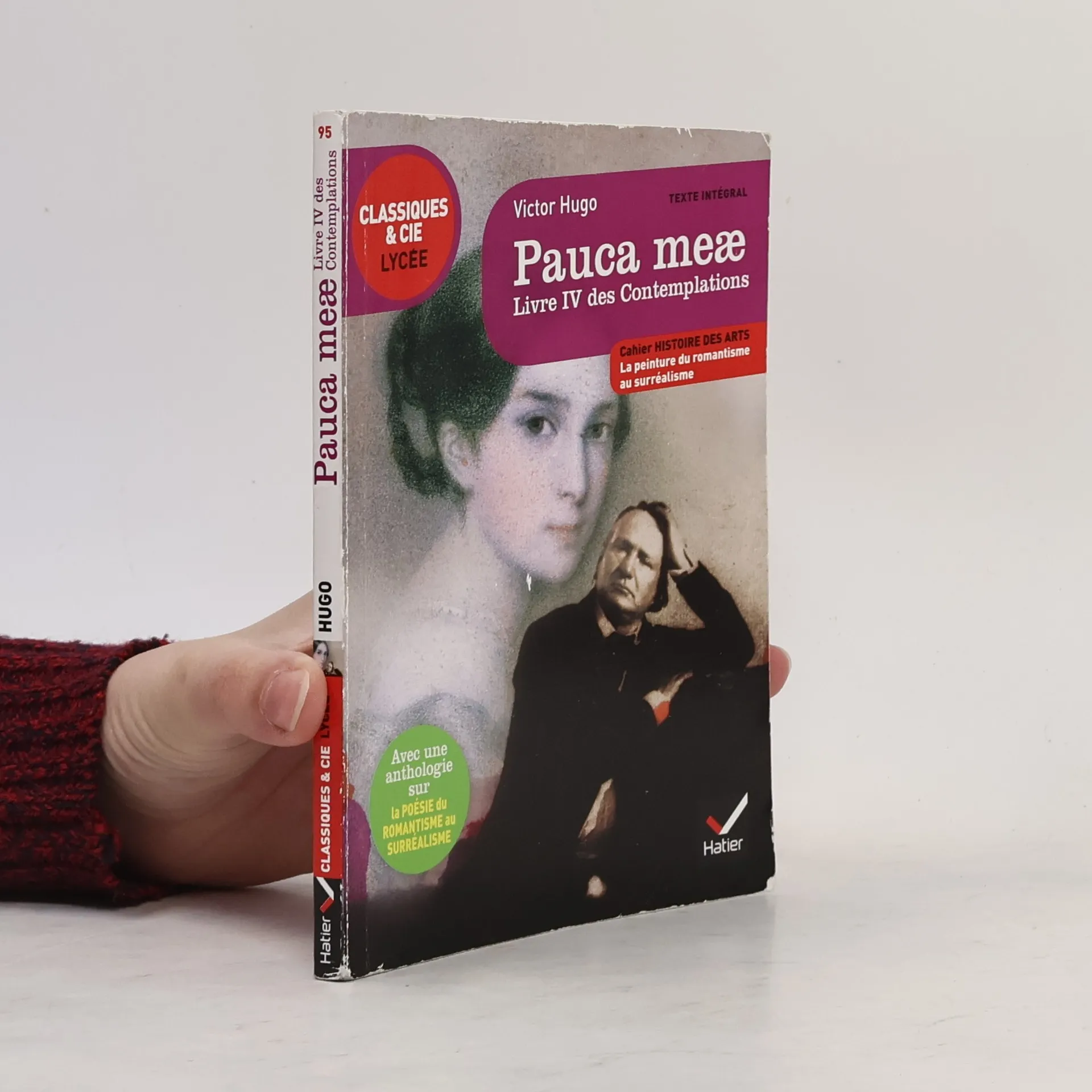
Suivi d'un parcours sur la poésie du romantisme au surréalisme - Cahier Histoire des Arts: La peinture du romantisme au surréalisme
Le livre majeur des Contemplations, suivi d une anthologie sur la poesie du romantisme au surrealisme. Dans une edition specialement concue pour les lyceens. L oeuvre Le 4 septembre 1843, Victor Hugo perd Leopoldine sa fille adoree dans des circonstances tragiques. Accable de douleur, il entreprend de composer avec Pauca meae un vibrant chant d'amour a la jeune disparue. Interrogation sur la fragilite de la condition humaine et appel desespere a Dieu, le livre IV des Contemplations offre certains des poemes les plus celebres de Victor Hugo. L anthologie sur la poesie du romantisme au surrealisme Les poetes majeurs et les principaux mouvements poetiques du xixe et du xxe siecle. "
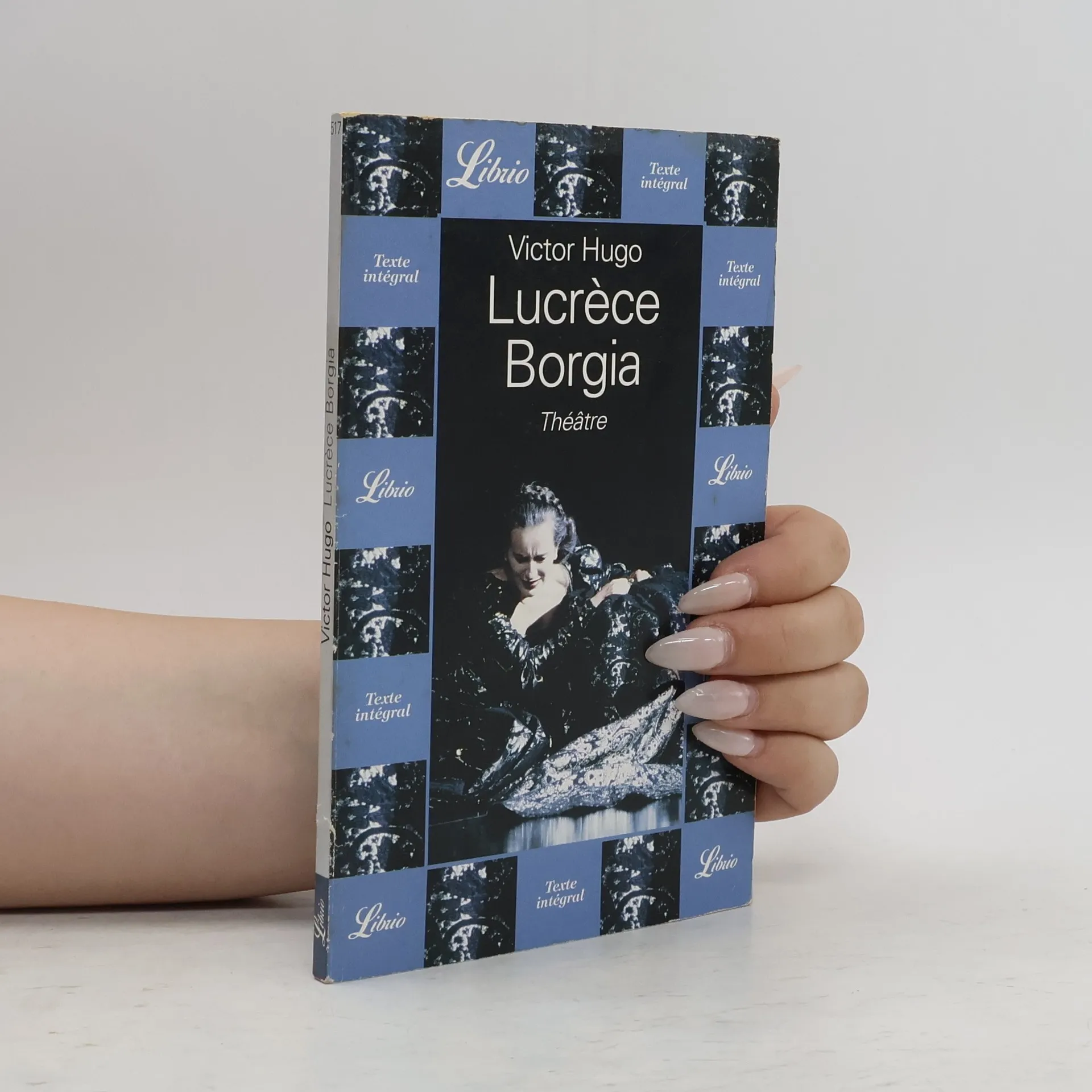
Indifférente à la haine de l'Italie entière, Lucrèce Borgia parade au carnaval de Venise. Qui pourrait inquiéter cette femme de pouvoir qui baigne dans l'adultère, l'inceste et le crime ? Elle a peur cependant, et tremble pour un simple capitaine qu'elle cherche parmi la foule. Il se nomme Gennaro. Il est amoureux d'elle, lui qui tient les Borgia en aversion et insulte leur blason. Or Gennaro n'est autre que son fils, né de ses amours incestueuses avec son propre frère, et le jeune homme ignore tout de son passé et de ses origines. Lucrèce est un monstre, mais aussi une femme et une mère. Comment protéger son enfant, comment le soustraire à la fureur d'un mari qui le croit son amant ? En 1833, ce mélodrame tragique surpasse tous les triomphes de Victor Hugo.
Děj se odehrává v 17. století v Nórsku, které bylo pod nadvládou Dánska. Příběh o lásce dvou mladých lidí, který se odehrává na pozadí politických intrik nepokojného Nórska......
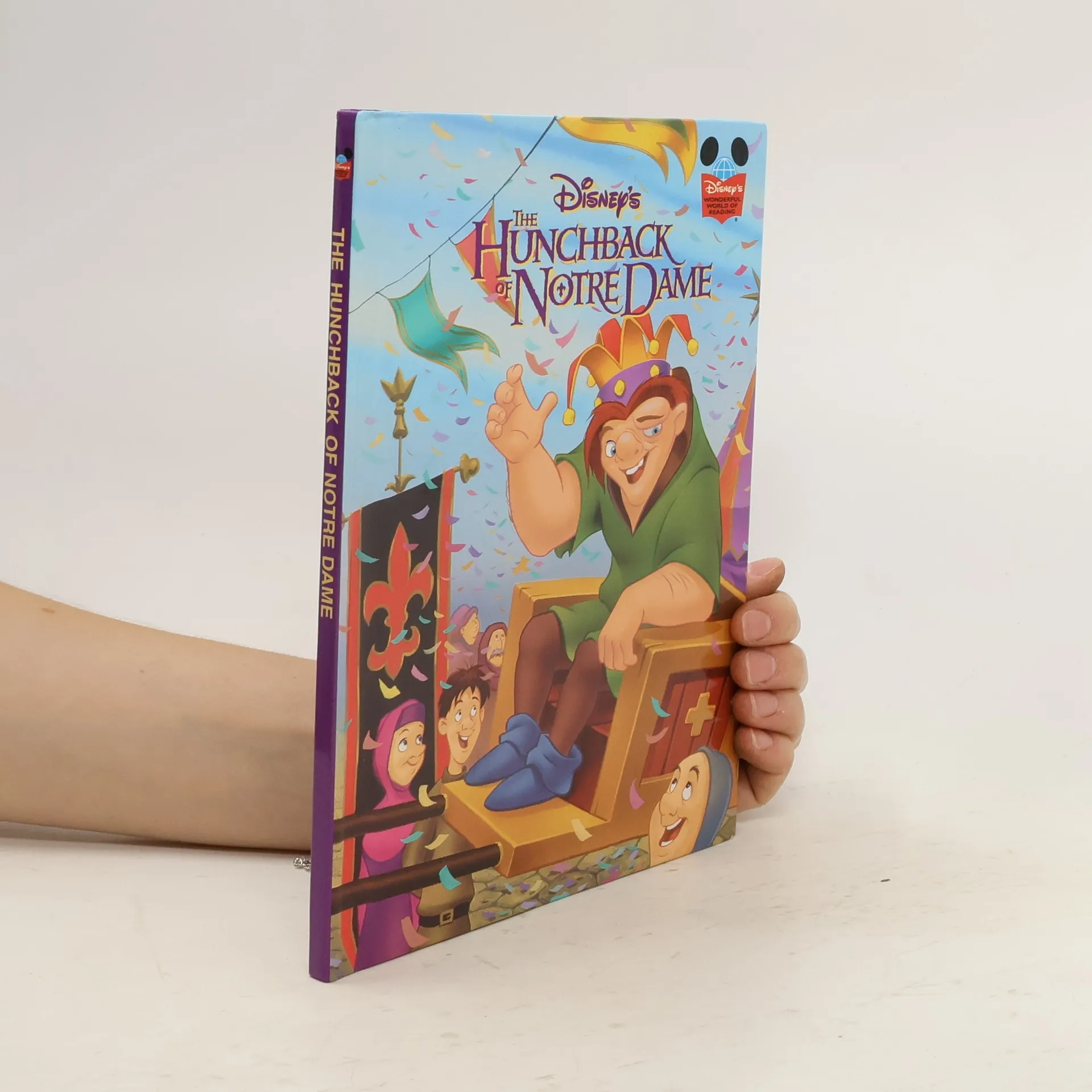
Walt Disney's version of Victor Hugo's story.
La acción de la novela de Victor Hugo «El hombre que ríe» transcurre en Inglaterra a finales del siglo XVII y principios del XVIII. Guinpelen, un lord de nacimiento, fue vendido en su infancia a unos bandidos llamados compraditos, quienes lo convirtieron en un bufón de feria, cortándole en el rostro una máscara de «risa eterna» (en las cortes de la nobleza europea de la época existía una moda por los lisiados y los deformes, que entretenían a los dueños y a los invitados, y la actividad de los compraditos a veces era incluso fomentada). A pesar de todas las pruebas, Guinpelen ha mantenido las mejores cualidades humanas y su amor.
Gilliatt, ein Fischer mit magischem Ruf auf Guernsey, liebt Déruchette. Nach dem Schiffbruch des verfluchten Dampfers Durande kämpft er gegen die Naturgewalten, um eine wertvolle Maschine aus dem Wrack zu retten. Der Roman ist Teil von Hugos Trilogie über das menschliche Schicksal.
Une planche pour dormir, la chiourme, les coups, le boulet au pied... dix-neuf ans de cet implacable bagne ont fait de Jean Valjean un homme meurtri, brisé. Pourtant, l'espoir renaît lorsque l'ancien bagnard croise sur sa route Fantine et Cosette. Dans une édition abrégée et annotée, le chef-d'œuvre de Victor Hugo offert au jeune public.
Výběr z několika sbírek tohoto největšího básnického představitele francouzského romantismu přeložil a dle vlastního vkusu vybral Petr Kopta.
Madrid. 18 cm. 150 p. Encuadernación en tapa blanda de editorial. Colección 'Colección centenario'. Traducción, Jacinto Labaila. Traducción Hernani ; Le roi s'amuse. Hugo, Victor. 1802-1885. Labaila, Jacinto. 1833-1895. El rey se divierte. Centenario (Madrid) .. Este libro es de segunda mano y tiene o puede tener marcas y señales de su anterior propietario. 8423987108
Jeune pupille du vieux duc Don Ruy Gomez, auquel elle est promise, Dona Sol reçoit chaque soir, en cachette, le brigand Hernani. Or, une nuit, le roi Don Carlos s'introduit chez la jeune fille dont il est, lui aussi, secrètement amoureux... Si la pièce est la brillante illustration d'un conflit passionnel, prélude à des amours tragiques, elle donne aussi et surtout à réfléchir sur le pouvoir et sa légitimité, dans une Espagne du XVIe siècle où le roi est en passe de devenir l'empereur Charles Quint. Le 25 février 1830, les spectateurs purent mesurer la portée du drame romantique qui se jouait pour la première fois sous leurs yeux. Avec Hernani, Victor Hugo n'avait pas seulement déclenché une " bataille " mémorable entre Anciens et Modernes, il venait de donner au romantisme un second souffle et au théâtre une oeuvre nouvelle, enfin libérée des fers dramaturgiques et poétiques. Bibliolycée propose : - le texte intégral annoté, - un questionnaire bilan de première lecture, - des questionnaires d'analyse de l'oeuvre, - cinq corpus accompagnés de questions d'observation, de travaux d'écriture et de lectures d'images, - une présentation de Victor Hugo et de son époque, - un aperçu du genre de l'oeuvre et de sa place dans l'histoire littéraire.
Jeune pupille du vieux duc Don Ruy Gomez, auquel elle est promise, Dona Sol reçoit chaque soir, en cachette, le brigand Hernani. Or, une nuit, le roi Don Carlos s'introduit chez la jeune fille dont il est, lui aussi, secrètement amoureux... Si la pièce est la brillante illustration d'un conflit passionnel, prélude à des amours tragiques, elle donne aussi et surtout à réfléchir sur le pouvoir et sa légitimité, dans une Espagne du XVIe siècle où le roi est en passe de devenir l'empereur Charles Quint. Le 25 février 1830, les spectateurs purent mesurer la portée du drame romantique qui se jouait pour la première fois sous leurs yeux. Avec Hernani, Victor Hugo n'avait pas seulement déclenché une " bataille " mémorable entre Anciens et Modernes, il venait de donner au romantisme un second souffle et au théâtre une oeuvre nouvelle, enfin libérée des fers dramaturgiques et poétiques. Bibliolycée propose : - le texte intégral annoté, - un questionnaire bilan de première lecture, - des questionnaires d'analyse de l'oeuvre, - cinq corpus accompagnés de questions d'observation, de travaux d'écriture et de lectures d'images, - une présentation de Victor Hugo et de son époque, - un aperçu du genre de l'oeuvre et de sa place dans l'histoire littéraire.
(Book Jacket Status: Jacketed)It has been said that Victor Hugo has a street named after him in virtually every town in France. A major reason for the singular celebrity of this most popular and versatile of the great French writers is Les MisÃrables (1862). In this story of the trials of the peasant Jean Valjean—a man unjustly imprisoned, baffled by destiny, and hounded by his nemesis, the magnificently realized, ambiguously malevolent police detective Javert—Hugo achieves the sort of rare imaginative resonance that allows a work of art to transcend its genre.Les MisÃrables is at once a tense thriller that contains one of the most compelling chase scenes in all literature, an epic portrayal of the nineteenth-century French citizenry, and a vital drama—highly particularized and poetic in its rendition but universal in its implications—of the redemption of one human being.
Marius découvre un jour que le pere qu'il n'a jamais connu était un héros de la Révolution et de l'Empire. Il devient républicain et s'oppose a son grand- pére... On se bat sur les barricades. Cosette, qui est devenue une belle jeune fille, tombe amoureuse mais Jan Valjean veille...
Francouzského autora 19. století Victora Huga si obvykle spojujeme s rozsáhlými díly prozaickými, a tím o to větším překvapením je jeho tvorba básnická. A překvapením vskutku příjemným, vždyť Hugovy verše zvou čtenáře do intimního, romantického světa tohoto velkého spisovatele a ukazují další jeho tvůrčí stránku.
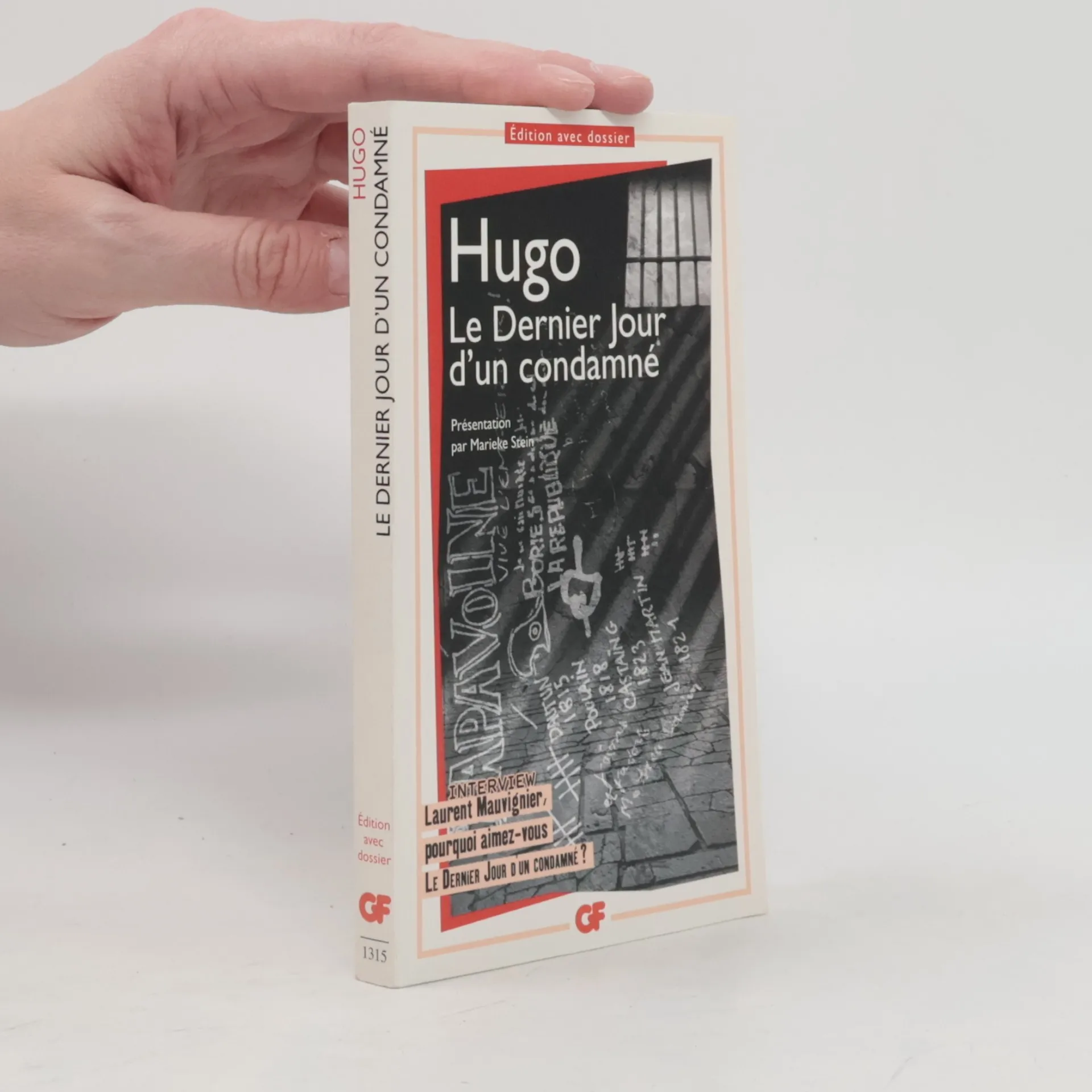
Aux dernières heures de sa vie, à quoi pense l'homme qu'un jugement a condamné à la peine capitale ? Dans quelles abîmes d'angoisse est-il plongé ? Quels sentiments l'habitent-ils ? La colère ? La peur ? L'horreur de la justice ? En 1829, Victor Hugo prend parti pour l'abolition de la peine de mort en écrivant un roman hallucinant. Nous sommes dans la cellule du prisonnier, nous perdons pied avec lui, nous entendons les vociférations de la foule. Rarement le face-à-face avec l'insoutenable n'aura été poussé à une telle extrémité. L'homme qui va mourir et qui le sait, c'est nous, et nous voilà confrontés à l'inhumain. L'accompagnement critique s'organise autour des stratégies argumentatives des trois préfaces, des niveaux de langue et choix narratifs. De nombreux textes critiques et des extraits des Mémoires de Vidocq apportent des informations contextuelles éclairantes. L'édition inclut un groupement de textes autour de la «machine dévorante». Roman (XIXe siècle) recommandé pour les classes de lycée. Texte intégral.
Les Misérables ist die berühmte Geschichte von Victor Hugo über Liebe, Verlust, Mut und Leidenschaft. Das Buch wurde mehrmals verfilmt. Ein berühmtes Musical wurde darüber gedreht. Frankreich, 1815. In einer kalten Winternacht stiehlt Jean Valjean einen Laib Brot. Nicht für sich selbst, sondern um seine Neffen vor dem Hungertod zu retten. Er wird erwischt und erhält eine harte Strafe. 19 Jahre lang arbeitet er in einem Straflager. Als er wieder entlassen wird, scheint seine Strafe noch immer nicht vorbei. Denn niemand will etwas mit einem ehemaligen Häftling zu tun haben. Doch Jean gelingt ein Neuanfang. Er gibt sich einen neuen Namen und wird sogar Bürgermeister. Viele Menschen respektieren ihn und niemand denkt an seine Vergangenheit. Aber eine Person kann die Vergangenheit von Jean Valjean nicht vergessen: Inspektor Javert. Wird Jean es schaffen, aus den Händen von Javert zu entkommen? Wird er jemals seinen Frieden finden?
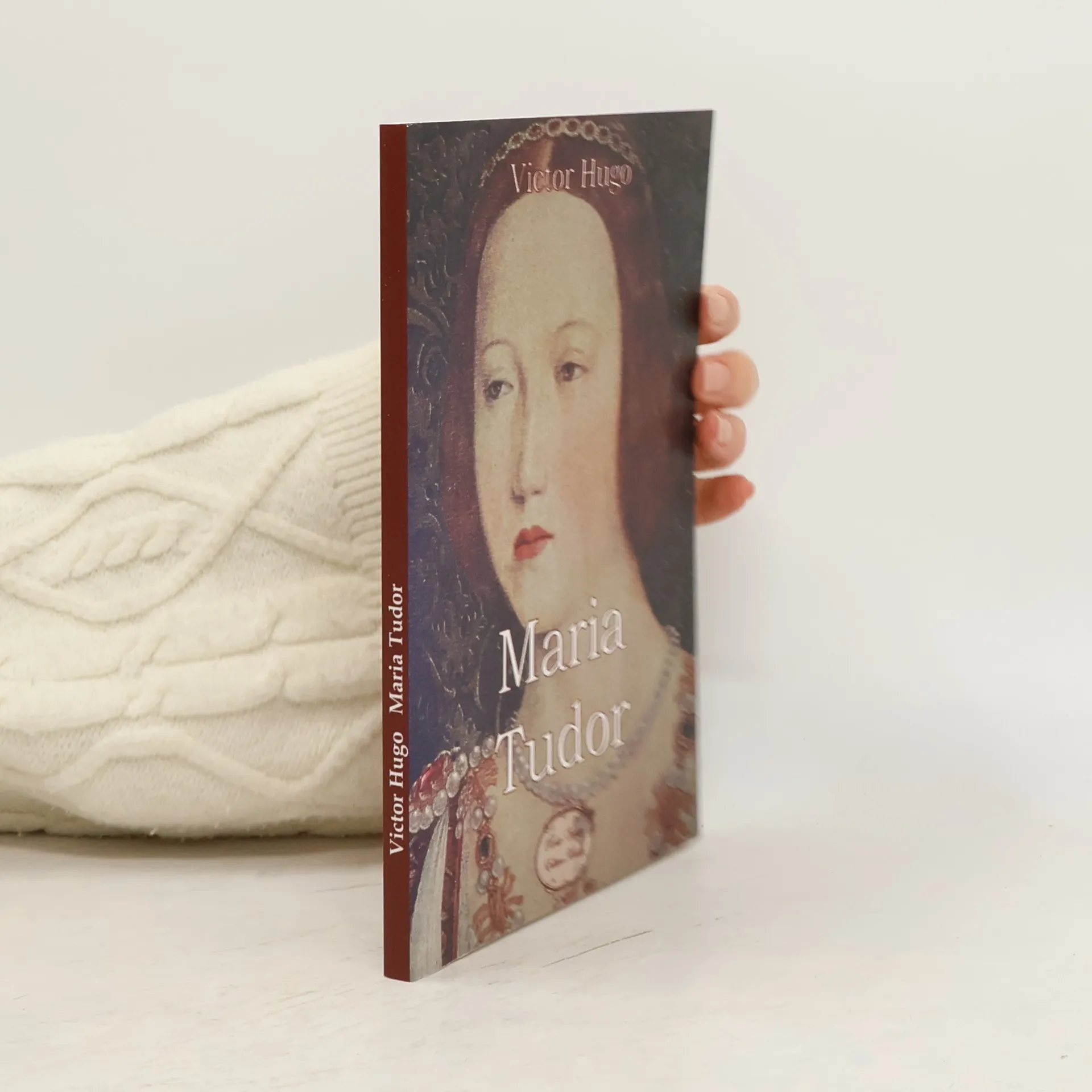
Victor Hugo, ein bedeutender Autor der europäischen Literatur und Mitbegründer der französischen Romantik, schrieb das Drama "Maria Tudor", das auf der berühmten Königin "Bloody Mary" basiert. Die Geschichte handelt von Verrat und Rache, als Maria von ihrem Geliebten betrogen wird. Das Stück wurde 1833 uraufgeführt.