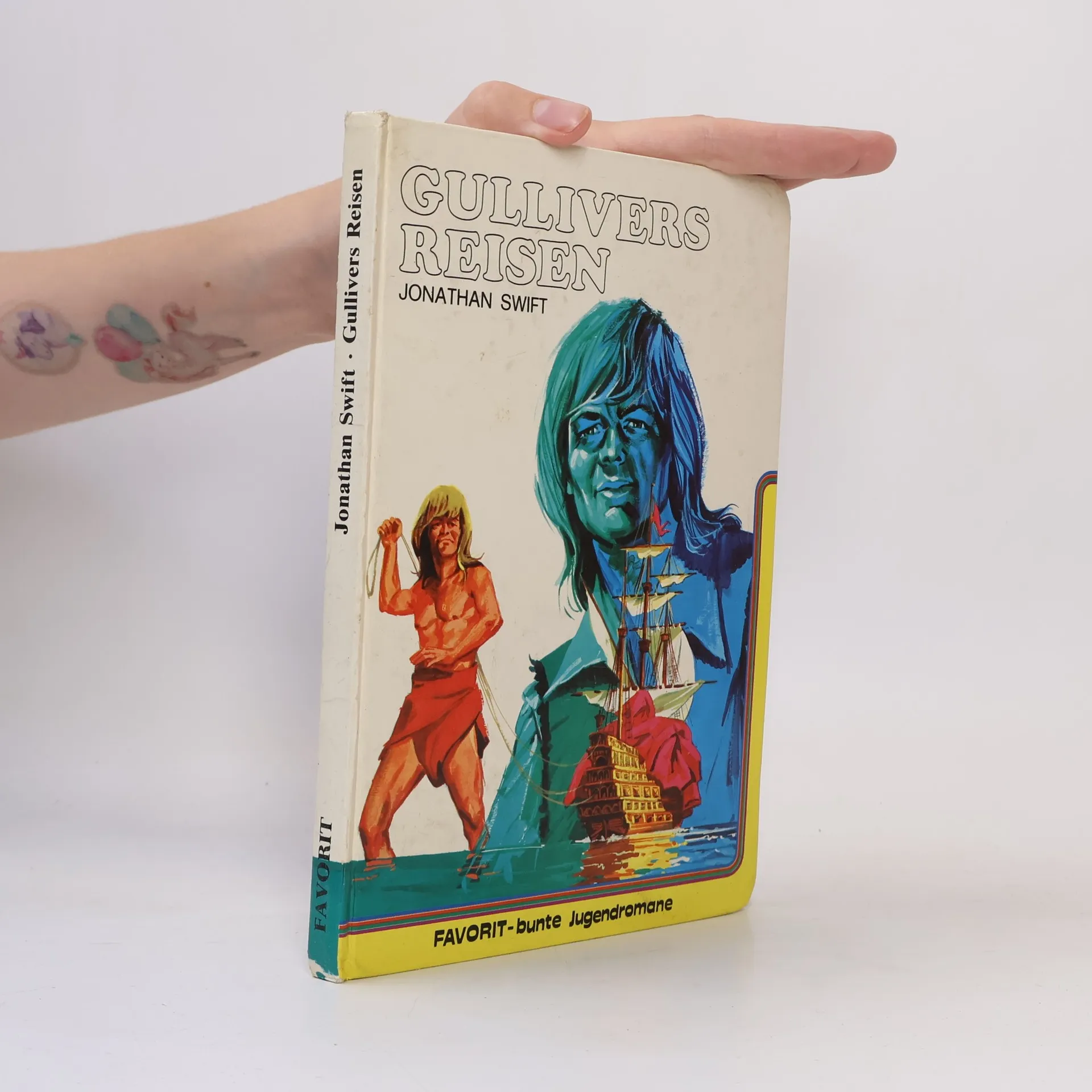
Deze auteur onderzoekt de ingewikkelde aard van de menselijke ervaring door middel van zijn literaire creaties. Zijn werken worden gekenmerkt door diepgaande inzichten in de psychologie van personages en scherpe observaties van maatschappelijke krachten. Met een precieze stilistische flair en naadloze vertelkunst trekt hij lezers naar werelden die zowel vertrouwd als verrassend vreemd zijn. Het oeuvre van de auteur wordt gekenmerkt door een onderscheidende literaire stem die resoneert met intellectuele nieuwsgierigheid en emotionele diepgang.
A step-by-step guide to a research method designed to investigate people's
lived experience and how they make sense of it in the context of their
personal and social worlds. It is especially well suited to exploring
experiences perceived as highly significant, such as major life and
relationship changes, health challenges, or emotion-laden events.
Lonely Planet Stockholm Encounter is your passport to all the most relevant and up-to-date advice on what to see, what to skip, and what hidden discoveries await you. Explore the storybook wonderland of Gamla Stan, experience Swedish culture at ModernaMuseet, or indulge in Swedish delicacies at Ostermalms Saluhall.
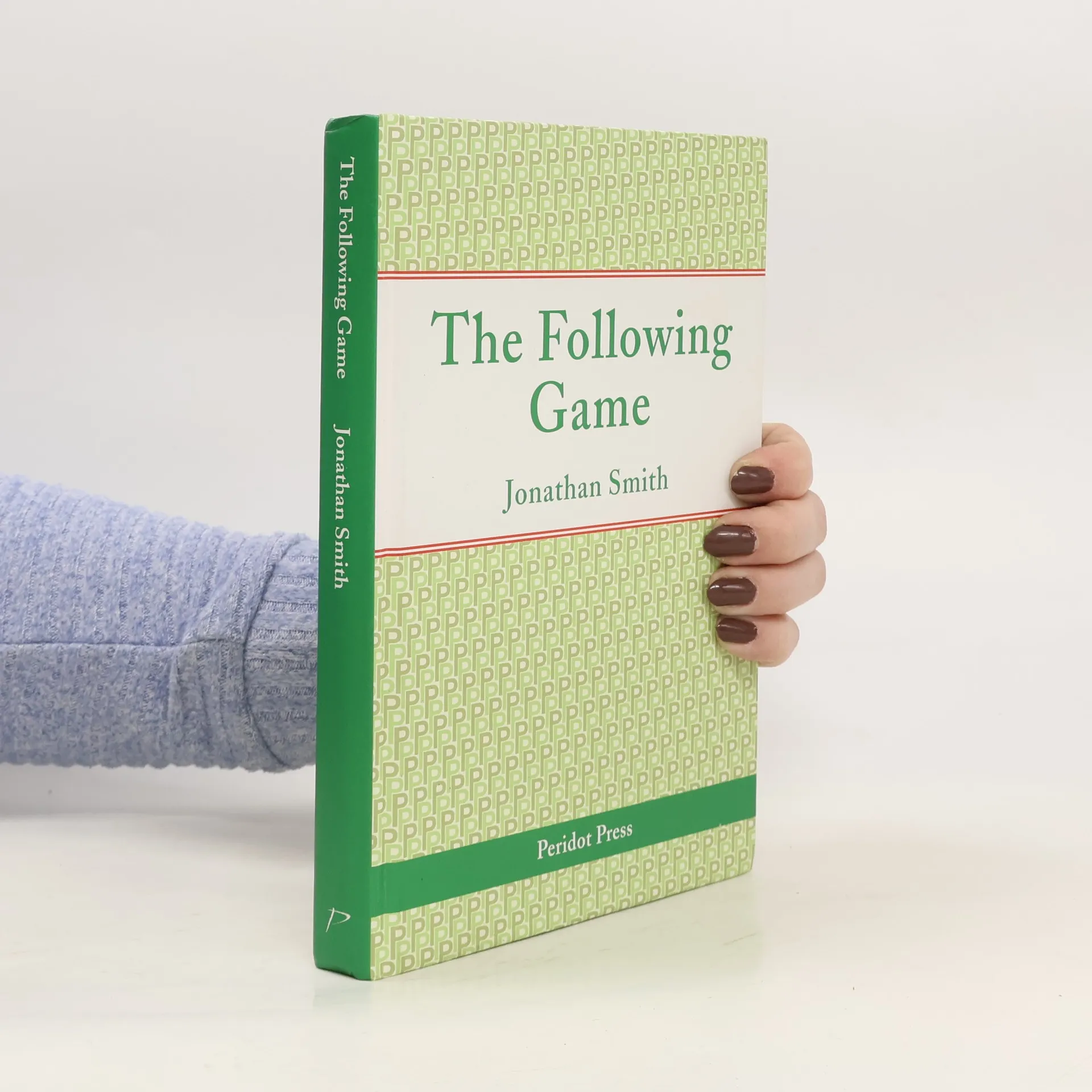
The Following Game is about passion and obsession. It's about cricket, family and poetry, but most of all it's about a father following his son's career in the public eye and the close relationship they share. Jonathan Smith is the father of Ed Smith, a prominent writer and former Kent, Middlesex and England cricketer. The Following Game is a follow-up to Jonathan's critically-acclaimed 2002 book The Learning Game, one of the most talked-about books in education over the last ten years.
The Five (later Six) Nations of the Iroquois Confederacy were central to the story of the white colonization of the American Northeast. The European fur trade transformed their world, and the struggles between English and French colonists forced the tribes to take sides during the Beaver Wars as well as the French and Indian Wars (1689-1763), which included King William's War, Queen Anne's War, King George's War, and finally ended with the French and Indian War of 1754. Sir William Johnson's efforts in the Mohawk Valley ensured that the Iroquois Nations were allies of the British crown; and the loyalty of his kinsman Joseph Brant (Thayendanegea) during the American Revolution forced the Mohawks into Canadian exile. This richly illustrated book introduces Iroquois history, social organization, religion and material culture.
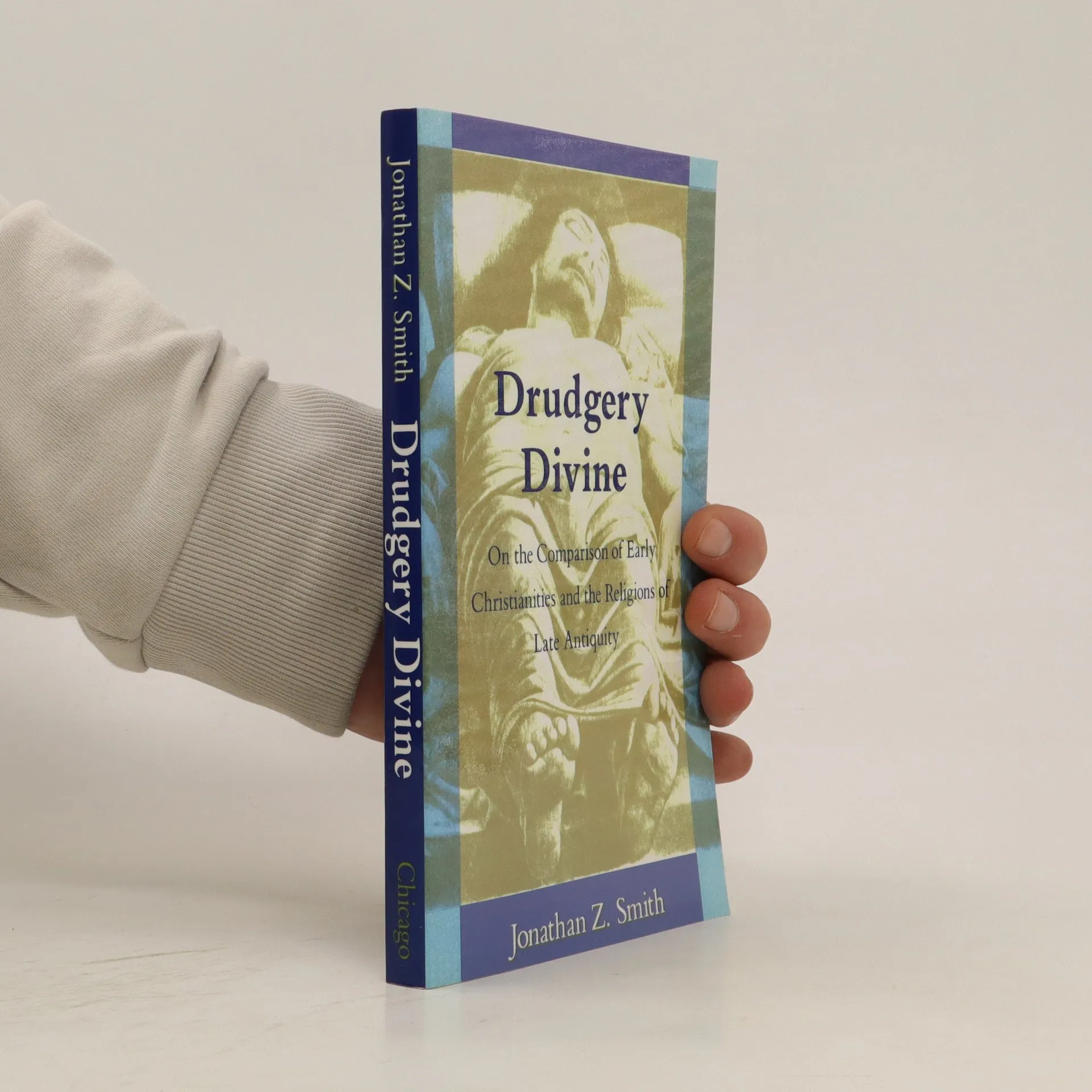
In this major theoretical and methodological statement on the history of religions, Jonathan Z. Smith shows how convert apologetic agendas can dictate the course of comparative religious studies. As his example, Smith reviews four centuries of scholarship comparing early Christianities with religions of late Antiquity (especially the so-called mystery cults) and shows how this scholarship has been based upon an underlying Protestant-Catholic polemic. The result is a devastating critique of traditional New Testament scholarship, a redescription of early Christianities as religious traditions amenable to comparison, and a milestone in Smith's controversial approach to comparative religious studies."An important book, and certainly one of the most significant in the career of Jonathan Z. Smith, whom one may venture to call the greatest pathologist in the history of religions. As in many precedent cases, Smith follows a standard he carefully selects his victim, and then dissects with artistic finesse and unequaled acumen. The operation is always necessary, and a deconstructor of Smith's caliber is hard to find."—Ioan P. Coulianu, Journal of Religion
The narrative revolves around a daring plan to bring the mountain to the team instead of attempting to dive to the Titanic. This unique approach sets the stage for an adventurous and innovative exploration, highlighting themes of determination and ingenuity in the face of seemingly insurmountable obstacles. The characters are faced with high-stakes decisions, emphasizing their resourcefulness and resolve as they tackle the challenges posed by the legendary shipwreck.
The narrative centers around a team faced with the insurmountable challenge of exploring the Titanic, as divers are unable to reach it. Instead of abandoning their quest, they devise an innovative plan to bring the mountain—symbolizing the Titanic—directly to them. This intriguing premise sets the stage for a thrilling exploration of human ingenuity and determination in the face of seemingly impossible odds.
The narrative centers around a critical decision regarding the Titanic, where the inability to send divers leads to an unconventional solution: bringing the mountain to them. This intriguing premise hints at themes of innovation and determination in the face of seemingly insurmountable challenges, suggesting a blend of adventure and exploration as characters navigate the obstacles presented by the iconic shipwreck.
The narrative revolves around the challenges of accessing the Titanic wreck site, emphasizing the innovative idea of bringing the mountain to the team instead of sending divers down. This concept hints at a blend of adventure and engineering ingenuity, setting the stage for a unique exploration of the legendary ship's mysteries. The story promises to delve into themes of determination and the lengths to which individuals will go to uncover the past.
Although The Origin of Species contained just a single visual illustration, Charles Darwin's other books, from his monograph on barnacles in the early 1850s to his volume on earthworms in 1881, were copiously illustrated by well-known artists and engravers. In this 2006 book, Jonathan Smith explains how Darwin managed to illustrate the unillustratable - his theories of natural selection - by manipulating and modifying the visual conventions of natural history, using images to support the claims made in his texts. Moreover, Smith looks outward to analyse the relationships between Darwin's illustrations and Victorian visual culture, especially the late-Victorian debates about aesthetics, and shows how Darwin's evolutionary explanation of beauty, based on his observations of colour and the visual in nature, were a direct challenge to the aesthetics of John Ruskin. The many illustrations reproduced here enhance this fascinating study of a little known aspect of Darwin's lasting influence on literature, art and culture.
Sir Alfred Munnings, retiring President of the Royal Academy, chooses the 1949 Annual Banquet to launch a savage attack on Modern Art. The effect of his diatribe is doubly shocking, leaving not only his distinguished audience gasping but also many people tuning in to the BBC's live radio broadcast. But as he approaches the end of his assault, the speech suddenly dissolves into incoherence when he stumbles over a name - a name he normally takes such pains to avoid - that takes him back forty years to a special time and a special place. Summer in February is a disturbing and moving re-creation of a celebrated Edwardian artistic community enjoying the last days of a golden age soon to be shattered by war. As resonant and understated as The Go-Between, it is a love story of beauty, deprivation and tragedy.
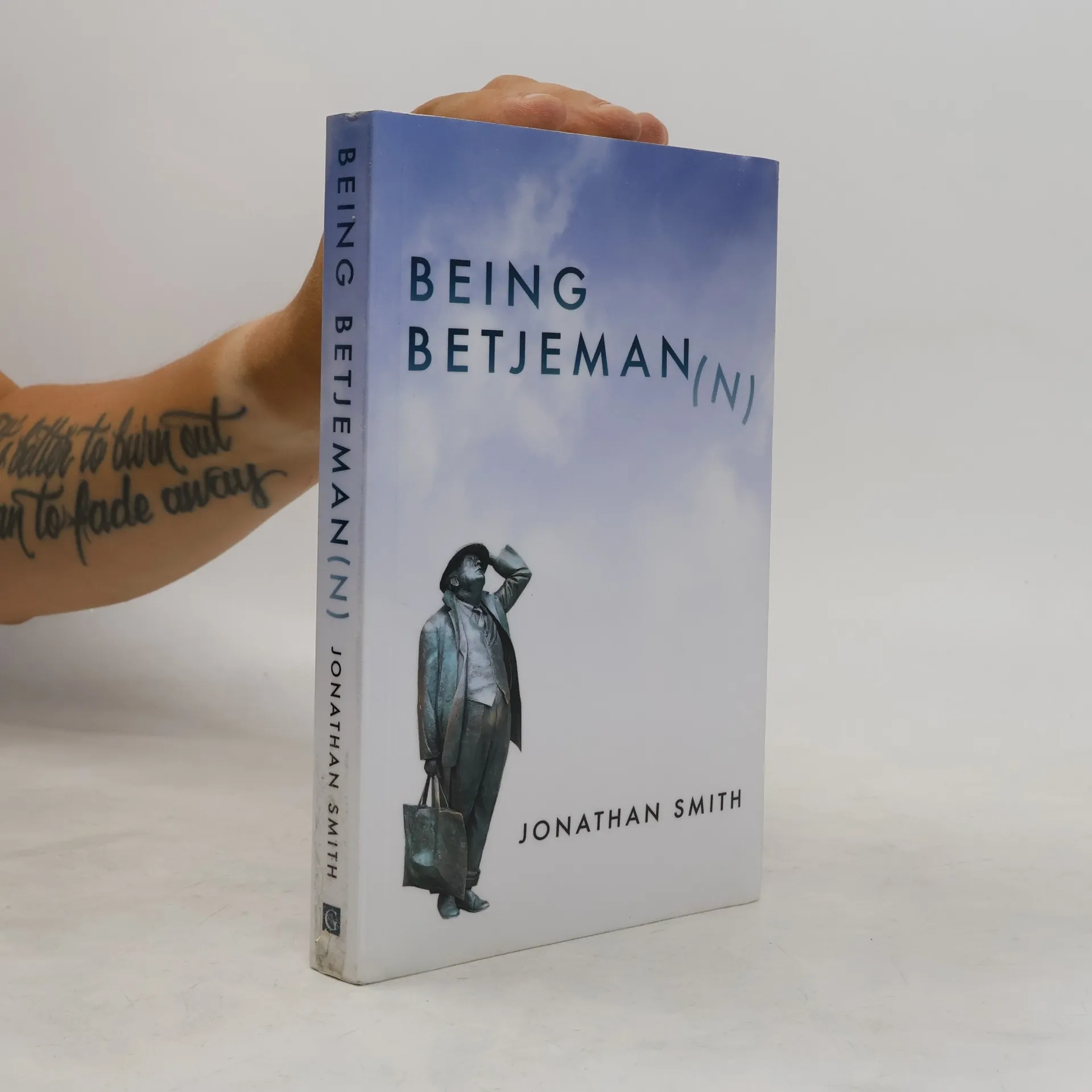
When did you last hear of a poetry book selling in the millions? Since 1958, when John Betjeman's Collected Poems was published, sales have exceeded 2.5 million and continue to thrive. Upon his death in 1984, he remained the UK's favorite poet, as acknowledged by Philip Larkin. Betjeman was not only a poet but also a broadcaster and architectural campaigner, making him a celebrity. Yet, his life was marked by insecurities, frustrations, and troubled relationships. He felt undervalued, famously stating that he was "not taken seriously by the TLS." Jonathan Smith, a successful novelist, playwright, and educationalist, wrote two radio plays about Betjeman's life, first broadcast on the BBC in 2017. These have been combined into a single narrative that blends biography and fiction, offering an extraordinary and entertaining glimpse into Betjeman's mind and life. The narrative traces his journey from Oxford, where he wandered with a teddy bear, to his brief stint as a Prep School master, and his unfortunate marriage to Penelope Chetwode, who preferred horses to humans. It also explores his lengthy affair with Lady Elizabeth Cavendish and his strained relationship with his son Paul, who emigrated to the USA and struggled to forgive Betjeman for his shortcomings as a father. This beautifully written work is expected to attract significant attention in reviews.
Having reduced legions of console games players to wide-eyed, slobbering wretches, Lara Croft, the voluptuous star of the staggeringly successful Tomb Raider computer game, now makes a triumphant debut in comics. The good news is that Ms Croft's epic and explosive antics are perfectly suited to the printed page, brilliantly conveying its enticing mix of Indiana Jones-style thrills and breathless action. And, for those concerned with important details, artist Andy Park has ensured that this incarnation of Lara is just as "anatomically dynamic" as her pixellated counterpart. The Saga of the Medusa Mask collects the first four-issue series, in which Lara and her faithful butler Harcourt embark on a search for the fabled Medusa Mask, supposedly worn by the mythical monster herself. Danger, of course, lurks in every corner and even the most unexpected place of all. Dan Jurgens (Superman) has written a clean, fast-paced adventure, superbly realised by Park, which works very much like a James Bond film. With exotic locales and bold action sequences, Lara has ample opportunity to behave absurdly heroically, guns blazing in each hand, in classic Bond/Indy fashion. So, this is an excellent, undemanding read and will certainly increase anticipation for the forthcoming film adaptation. --Danny Graydon
Einem Schuldirektor wird Unzucht mit Minderjährigen unterstellt. Kann er den wahren Täter finden? Thriller über einen Identitätsdiebstahl. Er steht auf dem Höhepunkt des Erfolgs. Patrick Balfour, gefeierter Direktor einer Londoner Privatschule, ist auf dem Weg zum Ruhm, als er sich plötzlich mit der Polizei konfrontiert sieht. Er wird verhört und verhaftet, und die Verbrechen, die er begangen haben soll, sind schrecklich schäbig und ebenso peinlich: Er soll Benzin gestohlen und pädophile Fotos gemacht haben. Die Beweise, die man ihm vorlegt, sind scheinbar unwiderleglich. Hat er einen Doppelgänger? Oder hat er diese Dinge womöglich tatsächlich getan? Stecken irgendwelche Konkurrenten aus dem Lehrerzimmer dahinter? Oder will sich ein Schüler heimtückisch rächen? Und mit wem kann Balfour darüber reden? Mit seiner Ehefrau? Oder lieber mit seiner Geliebten? Und von wem stammen die eigenartigen Botschaften, die ihn von allen Seiten erreichen? Wird er von seinem Widersacher beobachtet? Jonathan Smith hat einen hochklassigen Psychothriller über Persönlichkeitsdiebstahl geschrieben, ein Verbrechen, das sich schneller ausbreitet als Viren – und fast genauso tödlich sein kann.