
Marc Bloch was een centrale figuur van de Annales School, bekend om zijn diepgaande verkenningen van de middeleeuwse geschiedenis. Zijn wetenschap duikt diep in het sociale weefsel van het plattelandsleven en feodale structuren, en biedt een onderscheidende kijk op het verleden. Bloch heeft het historische onderzoek fundamenteel hervormd door de nadruk te leggen op langetermijn sociale en culturele stromingen. Zijn invloedrijke werk onderzocht ook kritisch de aard van geschiedschrijving zelf, en liet een blijvende erfenis na.
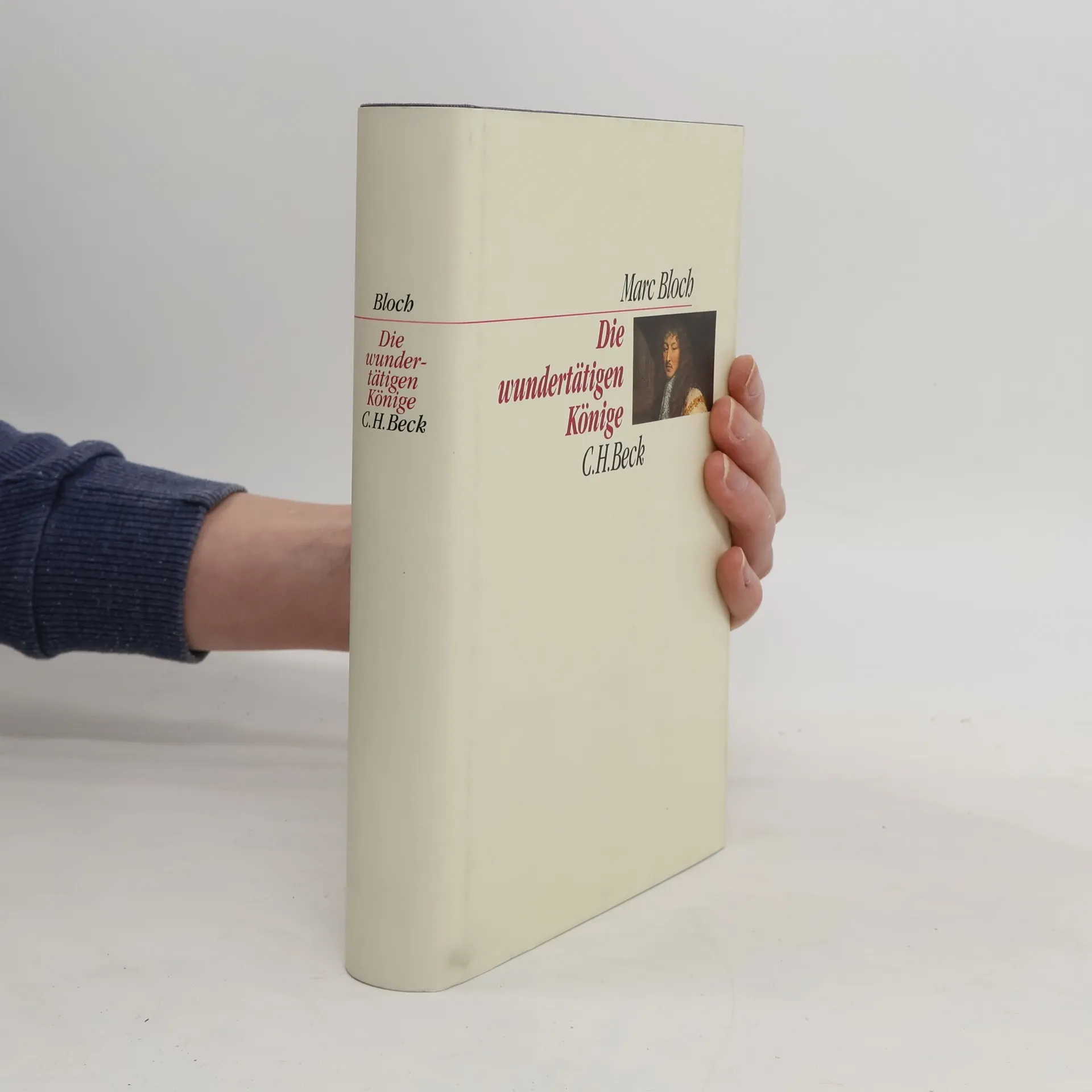
The exploration of royal power's supernatural aspects reveals the historical belief in the healing abilities of kings in France and England. This book delves into the legends surrounding monarchs who were thought to cure ailments through their touch, highlighting the societal impact and significance of these claims throughout history.
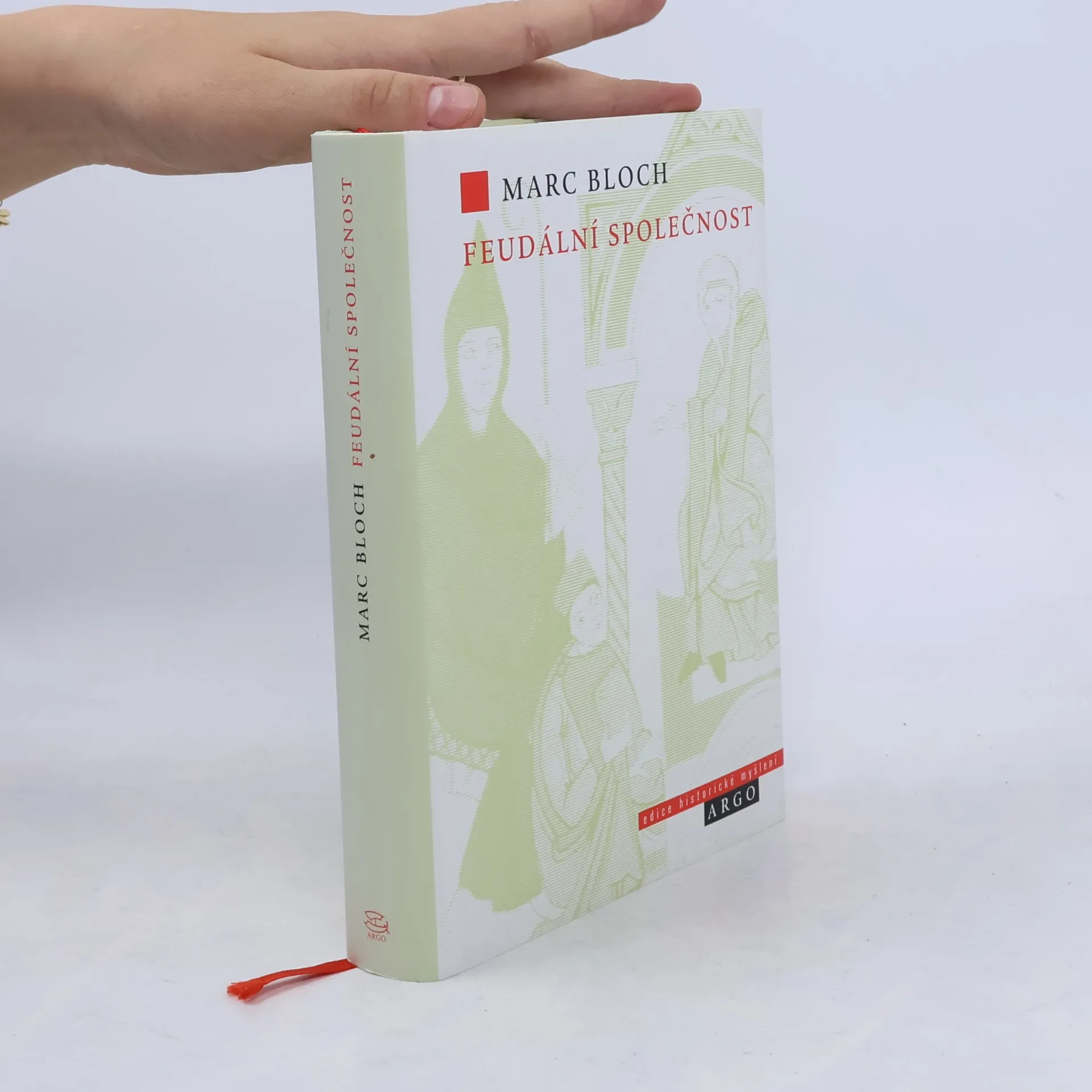
In this outstanding and magisterial work, which has introduced generations of readers to the feudal period, Marc Bloch treats feudalism as living, breathing force in Western Europe from the ninth to the thirteenth century. Bloch said that his goal in writing Feudal Society was to go beyond the technical study a medievalist would typically write and 'dismantle a social structure.' For Bloch, history is a process of constant evolution and he brilliantly describes the slow process by which feudal societies turned into what would become nation states. A tour de force of historical writing, Feudal Society is essential reading for anyone interested in both Western Europe's past and present. With a new foreword by Geoffrey Koziol
This book explains that the history based on judgemental aspect is something not to be done, and provides a wider explanation rather than providing in normative terms.
Focusing on medieval Germany, this book explores the intricacies of the medieval economy and society, delving into technical challenges and the class structure of the time. It offers a comprehensive analysis of land use and labor dynamics in Europe during the Middle Ages, providing valuable insights into the socio-economic landscape of the period. First published in English in 1967, it remains a significant resource for understanding the complexities of medieval life and work.
Focusing on the countryside surrounding Paris, the narrative offers a unique historical perspective through the lens of Marc Bloch. It explores the region's origins, geographical characteristics, archaeological significance, and local histories, providing an in-depth study of the Ile-de-France. Through Bloch's insights, readers gain a deeper understanding of the area's rich past and its impact on the present.
Blochova Feudální společnost představuje dnes již klasický pokus o postižení totálních dějin středověké společnosti. Na rozdíl od Králů divotvůrců zde autor předkládá syntetický výklad dějin západní Evropy od pozdní antiky po ranou renesanci. Důsledně přitom vychází z jím formulované a prosazované komparativní metody. Jeho komparativní pohled na středověké dějiny se však nesoustředí na vývoj v jednotlivých teritoriích, nýbrž naopak na sledování konkrétních jevů (lenní vztahy, obchod, intelektuální inovace, proměny zemědělství, rytířská kultura, zrození měšťanstva) v různých prostorových a časových souřadnicích, s důrazem na neustálou dynamiku středověkých dějinných procesů.
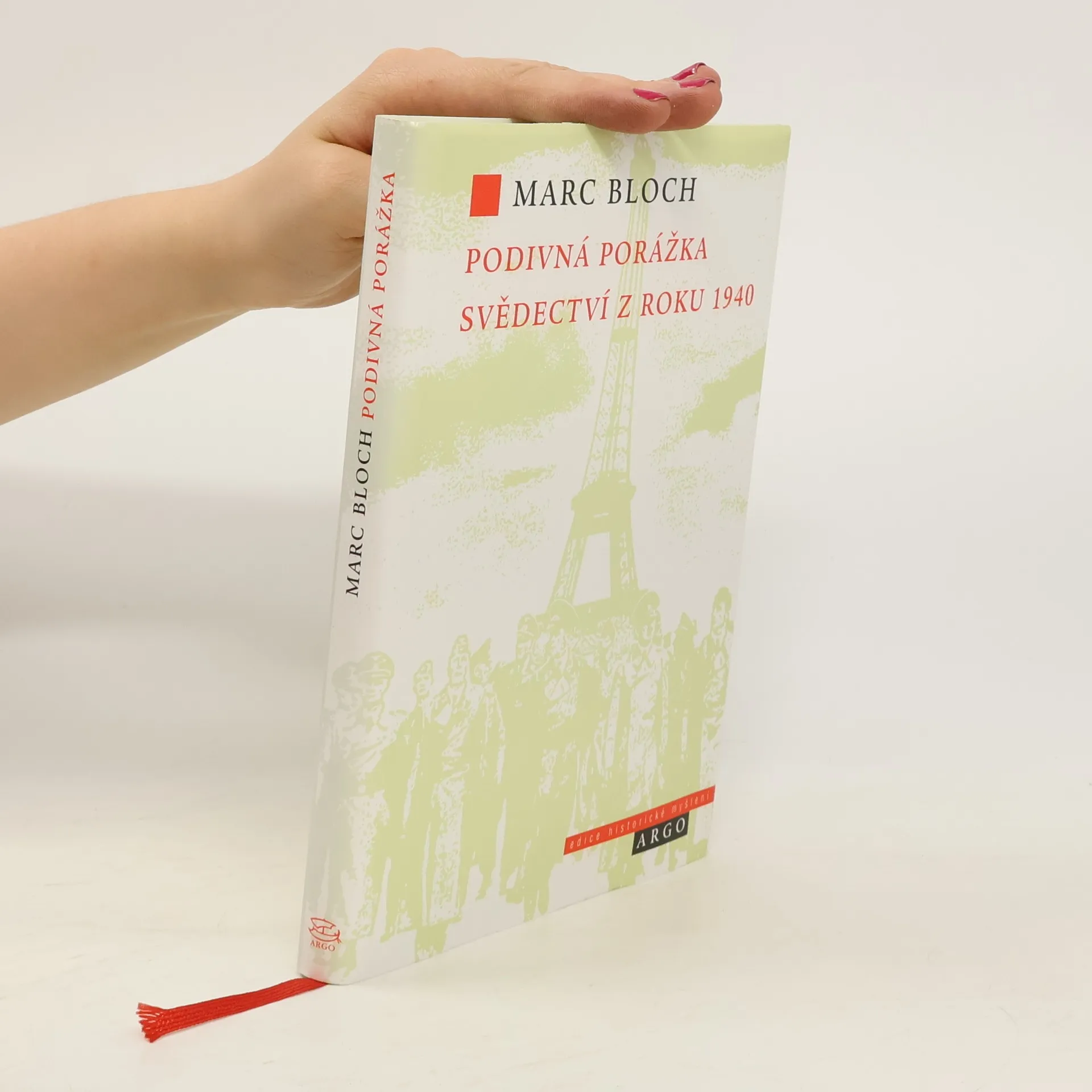
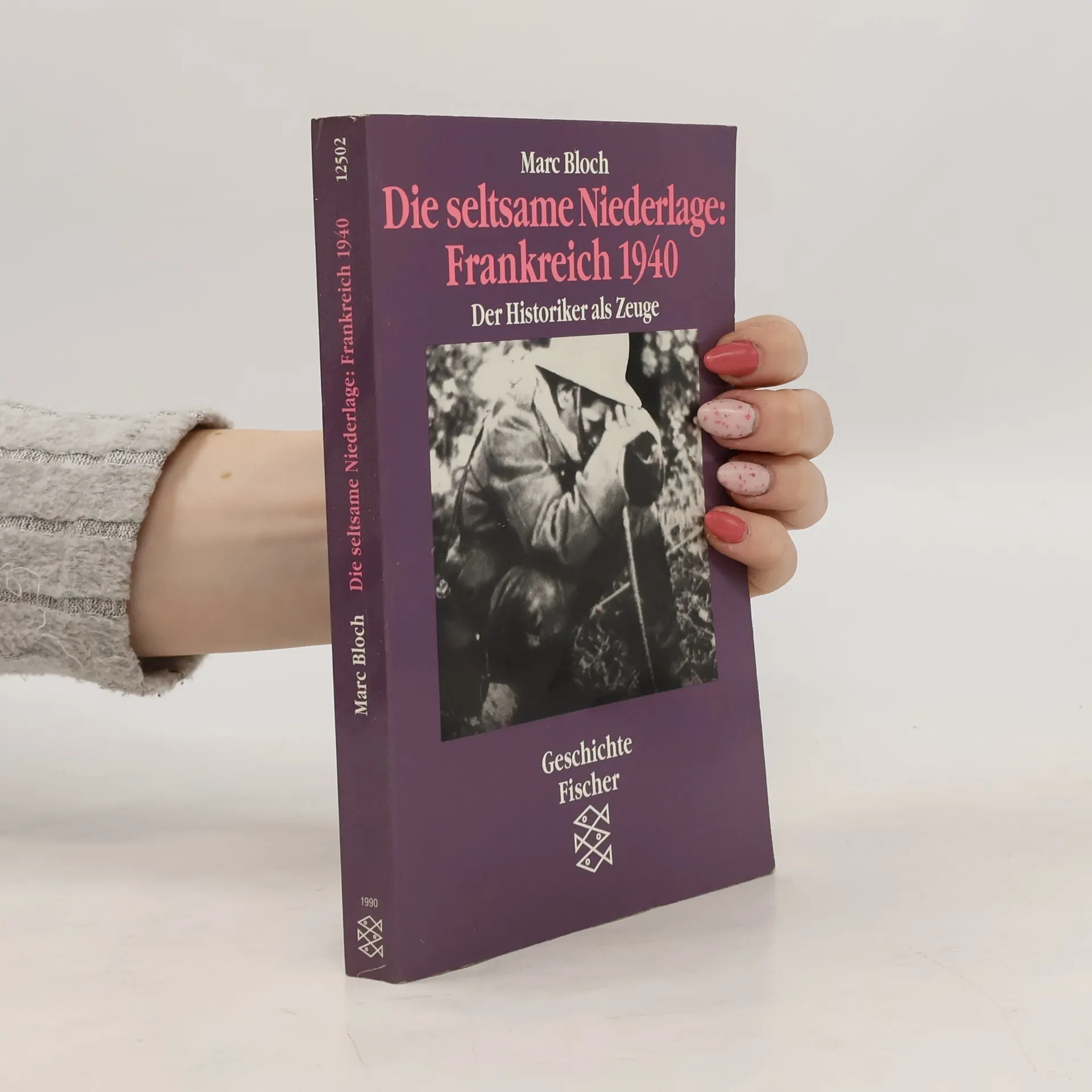
V Podivné porážce Marc Bloch nevystupuje jako historik, nýbrž jako kritický pozorovatel francouzského politického a intelektuálního selhání za druhé světové války. Jeho kniha je tvrdou, přitom však trefnou obžalobou nejen kolaborace obyčejných Francouzů, ale i anatomickým rozborem jejich falešných předválečných iluzí. Podivná porážka však rovněž reprezentuje téměř heroický postoj univerzitního profesora, který na vrcholu své vědecké slávy neváhal obětovat vlastní kariéru a v konečném důsledku i život za vlast, kterou miloval. Ačkoli byl přesvědčen, že si „podivnou porážku“ Francouzi přivodili především sami, bez váhání se aktivně zapojil do odboje. Ani ve válečné vřavě však neztratil schopnost analyzovat současnost stejně kriticky a stejně prozíravě jako středověké prameny, čímž sám na sobě demonstroval, jak je myšlení o dějinách vždy bytostně provázáno s historikovou současností.
Marc Bloch, Mitbegründer der „Neuen Geschichtswissenschaft“, verfasste 1940, vier Jahre vor seiner Ermordung durch die Gestapo, eine Analyse der Niederlage Frankreichs im Zweiten Weltkrieg. Diese Untersuchung ist ein bedeutendes Beispiel moderner Kriegsforschung und eine scharfe Kritik an der Inkompetenz der französischen Militärführung. Bloch analysiert die „inneren Ursachen“ des Debakels, dessen Vorgeschichte und geistige Bedingungen. Als Offizier, verantwortlich für die Treibstoffversorgung der 1. Armee, wusste er um die politischen und militärischen Mängel und prangerte die Unfähigkeit der Führung an, den Krieg zu begreifen. Der erste Teil des Werkes widmet sich der Darstellung und Analyse des Feldzugs, während der zweite Teil Blochs „Testament“ enthält. Im dritten Teil sind wichtige Schriften aus seiner Zeit des aktiven Widerstands (1943-1944) versammelt, die militärische und politisch-historische Wurzeln des Zusammenbruchs der Dritten Republik beleuchten. Dieses Buch ist nicht nur ein lebendiges Beispiel historiographischer Scharfsicht, sondern auch ein Dokument geistiger Integrität eines kämpferischen Gelehrten. Die deutsche Ausgabe wurde von der Kritikerjury der Süddeutschen Zeitung mit dem ersten Platz ausgezeichnet.
étude sur le caractère surnaturel attribué à la puissance royale particulièrement en France et en Angleterre
542bladzijden
19 uur lezen
L'ouvrage de Marc Bloch, publié en 1924, se distingue par son approche novatrice de l'histoire médiévale, mêlant histoire économique, sociale et politique. Il explore la croyance en la capacité miraculeuse des rois de France et d'Angleterre à guérir les malades par le toucher, une pratique liée à des affections comme la scrofule. Bloch, influencé par des études sur la médecine populaire et l'ethnographie, ouvre la voie à l'histoire des mentalités en analysant ces croyances à travers le prisme des miracles et des guérisons perçues comme "fausses" par la raison moderne. Son exploration du toucher royal est également vue comme un rite, révélant une dimension symbolique et magique du pouvoir royal, renouvelant ainsi l'histoire politique. Bloch retrace l'évolution de cette croyance du XIIe au XVIIIe siècle, soulignant son déclin avec la montée de la rationalité. À sa sortie, le livre reçoit un accueil mitigé, jugé trop bizarre par certains historiens, ce qui pousse Bloch à abandonner ce type d'analyse. Cependant, après 1945, l'ouvrage est réévalué et connaît un regain d'intérêt, devenant un classique dans le domaine de l'histoire politique et sociale. Aujourd'hui, il est reconnu comme un ouvrage majeur, pionnier dans son approche des mentalités et de l'imaginaire politique.