Updating and reformulating Aaron T. Beck’s pioneering cognitive model of anxiety disorders, this groundbreaking work is both authoritative and highly practical. The authors synthesize the latest thinking and empirical data on anxiety treatment and offer step-by-step instruction in cognitive assessment, case formulation, cognitive restructuring, and behavioral intervention. They provide evidence-based mini-manuals for treating the five most common anxiety disorders: panic disorder, social phobia, generalized anxiety disorder, obsessive–compulsive disorder, and posttraumatic stress disorder. User-friendly features include vivid case examples, concise “Clinician Guidelines” that reinforce key points, and over three dozen reproducible handouts and forms. See also Clark and Beck's related self-help resource, The Anxiety and Worry Workbook: The Cognitive Behavioral Solution, an ideal client recommendation. Winner--American Journal of Nursing Book of the Year Award
Aaron T. Beck Boeken
Aaron Temkin Beck wordt algemeen beschouwd als de vader van de cognitieve therapie. Zijn baanbrekende theorieën beïnvloeden diepgaand de behandeling van klinische depressie en hebben de ontwikkeling van verdere cognitieve technieken geïnspireerd. Beck ontwikkelde ook zelfrapportagemethoden om depressie en angst te beoordelen. Zijn uitgebreide onderzoek op het gebied van psychotherapie, psychopathologie en zelfmoord heeft geleid tot de publicatie van meer dan 600 professionele artikelen en 25 boeken, waarmee hij het landschap van de Amerikaanse psychiatrie en psychotherapie aanzienlijk heeft gevormd.



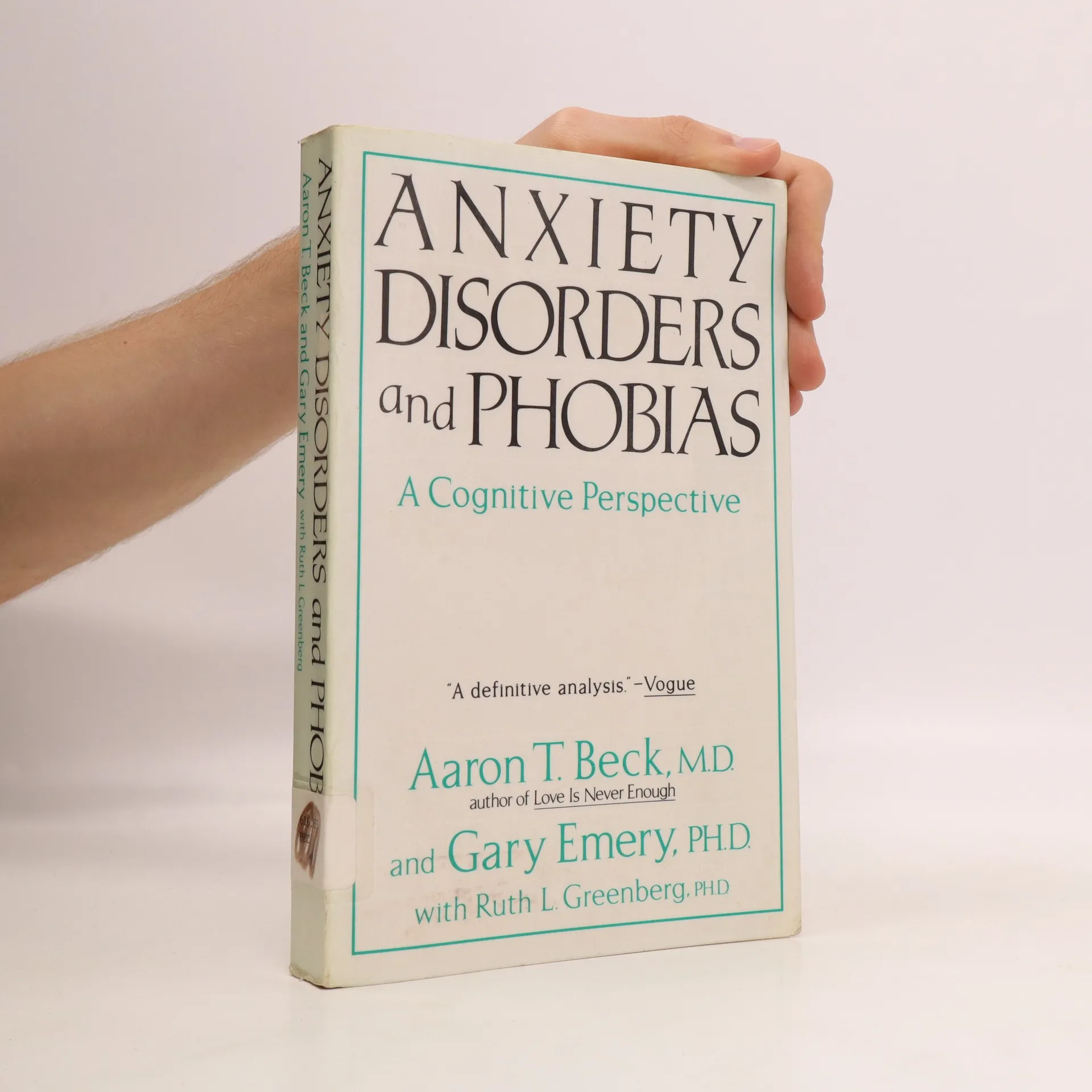
Anxiety disorders and phobias : a cognitive perspective
- 343bladzijden
- 13 uur lezen
The founder of cognitive therapy and two colleagues apply the concepts of cognitive therapy, used successfully in treating depression, to the treatment of anxiety disorders and phobias. Part I shows how the activation of specific nonadaptive cognitive patterns leads to the complex symptoms of generalized anxiety disorder, agoraphobia, simple phobias, and the evaluation anxieties. Part II shows how distorted perceptions of threat and danger are corrected through cognitive restructuring, relaxation, and distraction techniques and through such behavioral methods as exposure therapy and activity scheduling.
Evil: inside human violence and cruelty
- 448bladzijden
- 16 uur lezen
Explores cruelty and violence in human behavior, tracing its roots in psychology, sociology, anthropology, criminology, and history.
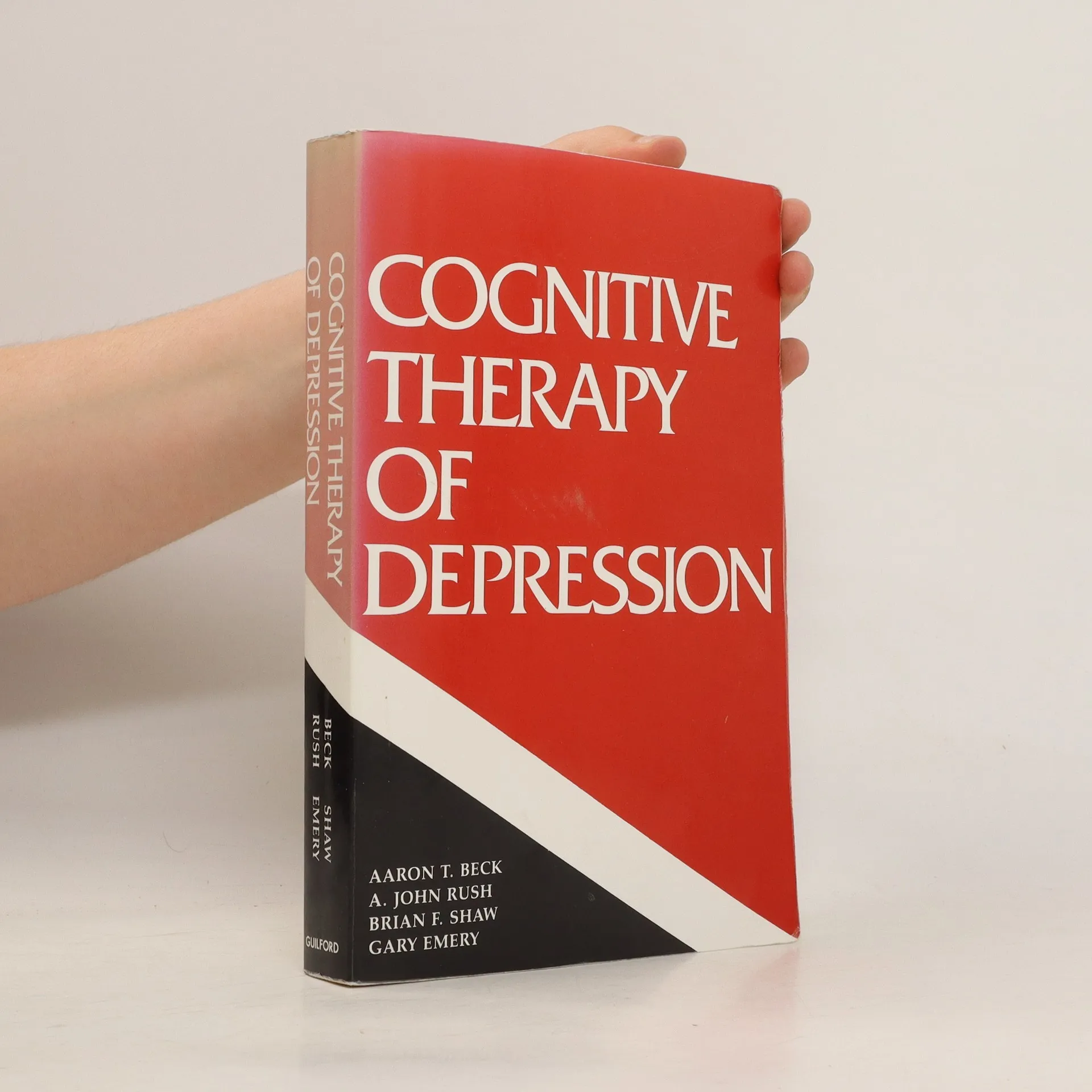
Cognitive therapy of depression
- 425bladzijden
- 15 uur lezen
This bestselling, classic work offers a definitive presentation of the theory and practice of cognitive therapy for depression. Aaron T. Beck and his associates set forth their seminal argument that depression arises from a "cognitive triad" of errors and from the idiosyncratic way that one infers, recollects, and generalizes. From the initial interview to termination, many helpful case examples demonstrate how cognitive-behavioral interventions can loosen the grip of "depressogenic" thoughts and assumptions. Guidance is provided for working with individuals and groups to address the full range of problems that patients face, including suicidal ideation and possible relapse.
The text serves as a comprehensive resource for clinicians and graduate students, focusing on the fundamentals of cognitive behavior therapy (CBT). With over 50% new material, it provides updated insights and techniques essential for effective practice. This revision enhances the learning experience, making it an invaluable tool for understanding and applying CBT principles in clinical settings.
"This is a book which should be read by every medical student and psychiatric resident as well as by psychiatrists already in practice."--American Journal of Psychiatry
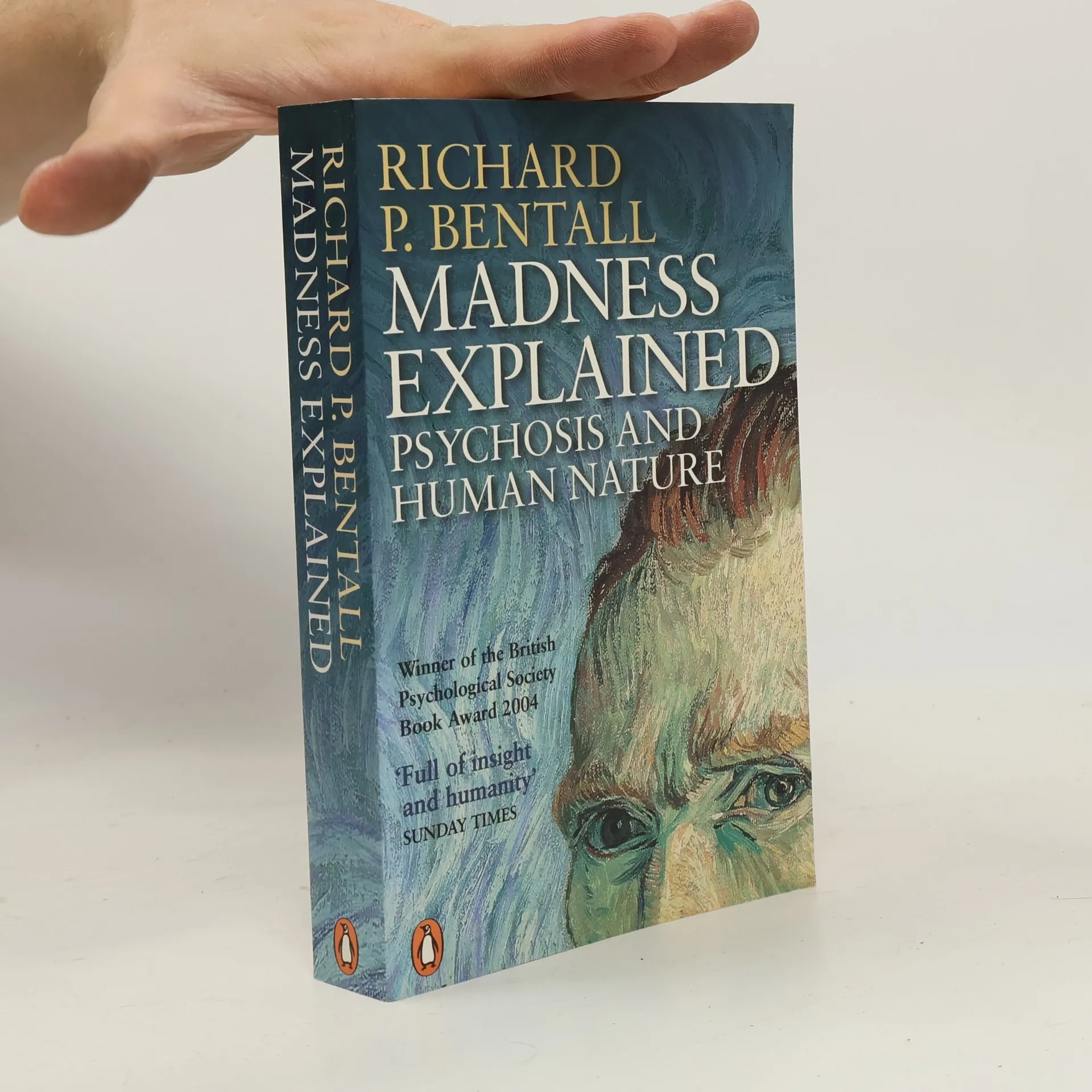
Madness explained : psychosis and human nature
- 656bladzijden
- 23 uur lezen
Part of a Growing International Movement to Change the Face of Mental Illness.Is madness purely a medical condition that can be treated with drugs? Is there really a clear dividing line between mental health and mental illness - or is it not so easy to classify who is sane and who is insane?In Madness Explained leading clinical psychologist Richard Bentall shatters the modern myths that surround psychosis. This groundbreaking work argues that we cannot define madness as an illness to be cured like any other; that labels such as 'schizophrenia' and 'manic depression' are meaningless, based on nineteenth-century classifications; and that experiences such as delusions and hearing voices are in fact exaggerations of the mental foibles to which we are all vulnerable.We need, Bentall argues, a radically new way of thinking about psychiatric problems - one that does not reduce madness to bain chemistry, but understands and accepts it as part of human nature.'Bentall destroys many of the foundations underlying psychiatric thinking' - Oliver James'A monumental study ... brave, well-researched and accessible' - Scotland on Sunday'Bental demystifies psychosis and restores the patient to a proper place with the rest of humankind' - Aaron T. Beck
Love is Never Enough
- 432bladzijden
- 16 uur lezen
With eloquence and accessibility, Dr. Aaron T. Beck analyzes the actual dialogue of troubled couples to illuminate the most common problems in marriage--the power of negative thinking, disillusionment, rigid rules and expectations, and miscommunication.
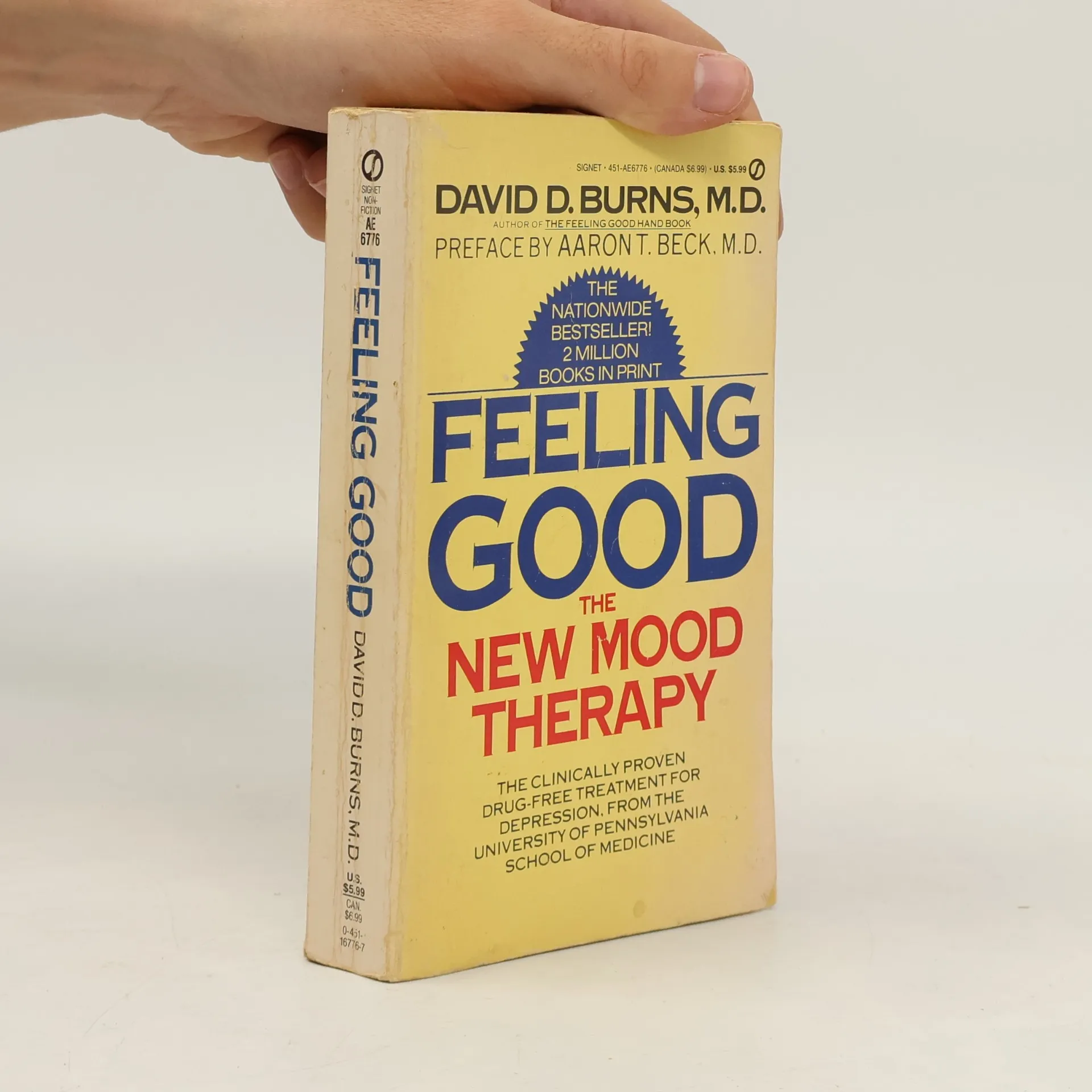
Feeling Good
The New Mood Therapy
The good news is that anxiety, guilt, pessimism, procrastination, low self-esteem, and other "black holes" of depression can be cured without drugs. In Feeling Good, eminent psychiatrist, David D. Burns, M.D., outlines the remarkable, scientifically proven techniques that will immediately lift your spirits and help you develop a positive outlook on life. - Recognize what causes your mood swings - Nip negative feelings in the bud - Deal with guilt - Handle hostility and criticism - Overcome addiction to love and approval - Build self-esteem - Feel good everyday!
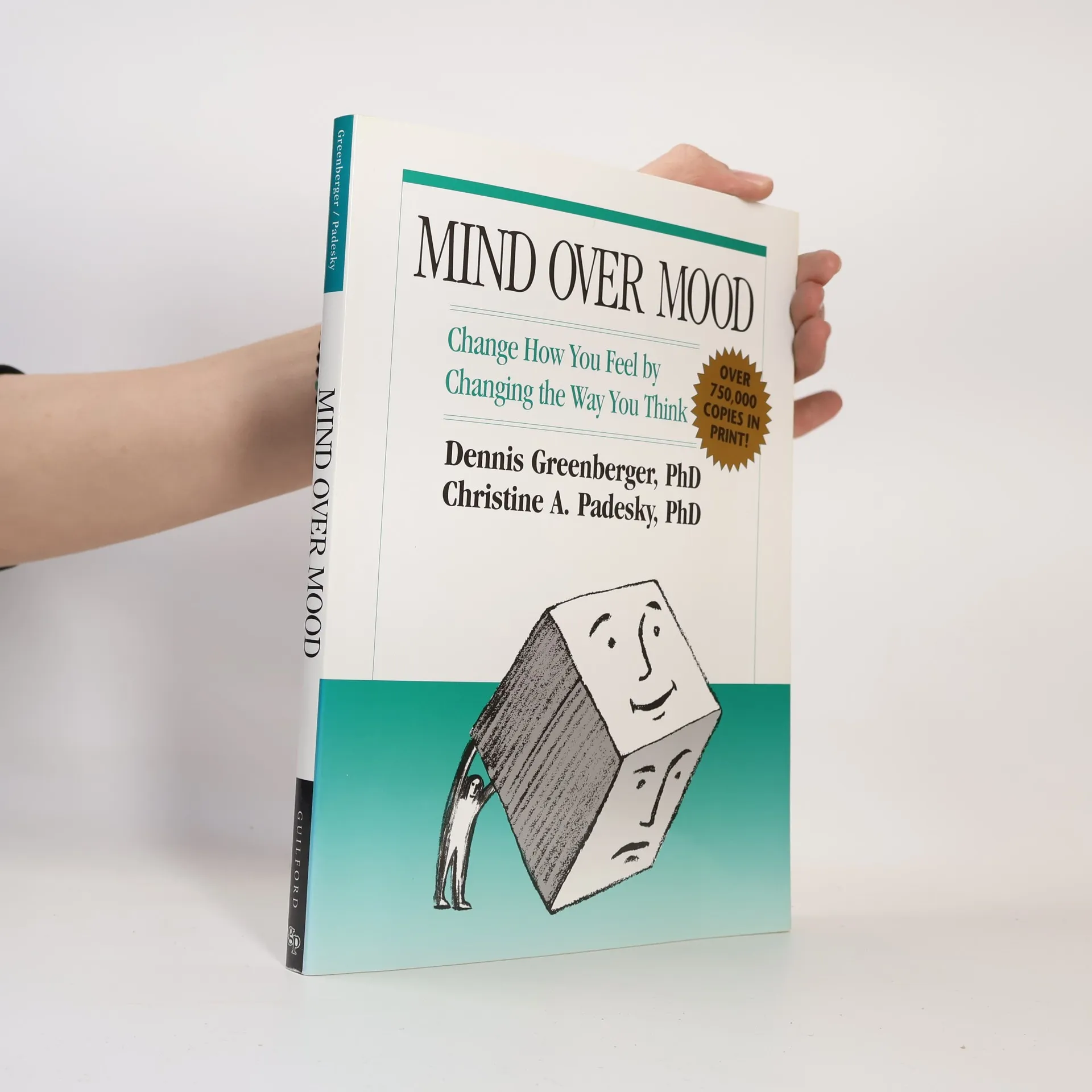
Developed by two master clinicians with extensive experience in cognitive therapy treatment and training, this popular workbook shows readers how to improve their lives using cognitive therapy. The book is designed to be used alone or in conjunction with professional treatment. Step-by-step worksheets teach specific skills that have helped hundreds of thousands people conquer depression, panic attacks, anxiety, anger, guilt, shame, low self-esteem, eating disorders, substance abuse and relationship problems. Readers learn to use mood questionnaires to identify, rate, and track changes in feelings; change the thoughts that contribute to problems; follow step-by-step strategies to improve moods; and take action to improve daily living and relationships. The book's large-size format facilitates reading and writing ease. Association for Behavioral and Cognitive Therapies (ABCT) Self-Help Book of Merit
Essential Papers in Psychoanalysis: Essential Papers on Suicide
- 280bladzijden
- 10 uur lezen
An exploration of the motivations, characteristics, and psychology of suicideWhy do people take their own lives? How can clinicians best plan and carry out intelligent treatment of desperate patients who are giving up on themselves?Suicide, its motivations, characteristics, and psychology are explicated in these papers by the most experienced and renowned experts on the subject. A definitive volume, Essential Papers on Suicide features the work of Ernest Jones; Kate Friedlander; George Murphy, R. H. Wilkinson, S. Gassner, and J. Kayes; Joseph C. Sabbath; Robert E. Litman; Milton Rosenbaum; Charles Swearingen; Avery D. Weisman; Mervin Glasser, Egl Laufer, Moses Laufer and Myer Wohl; Donald A. Schwartz, Don E. Flinn and Paul F. Slawson; Aaron T. Beck, Maria Kovacs and Arlene Weissman; Marie sberg, Lil Traskman and Peter Thoren; Stuart Asch; John T. Maltsberger; Alex D. Pokorny; Erna Furman; Cynthia R. Pfeffer, Robert Plutchik, Mark S. Mizruchi and Robert Lipkins; Myrna M. Weissman, Gerald L. Klerman, Jeffrey S. Markowitz and R. Oullette; Jan Fawcett, William A. Scheftner, Louis Fogg, David C. Clark, Michael A. Young, Don Hedeker, and Robert Gibbons, among others.
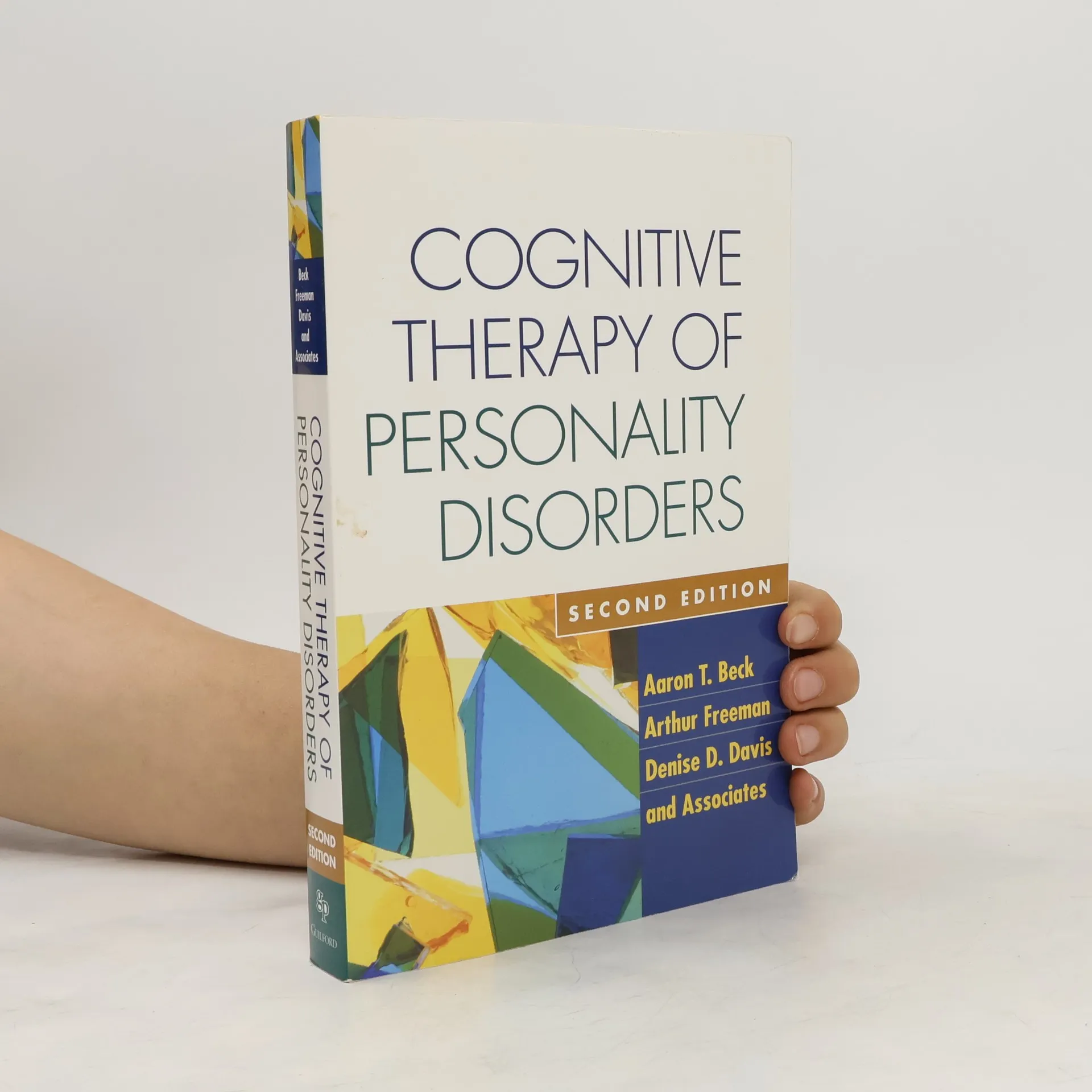
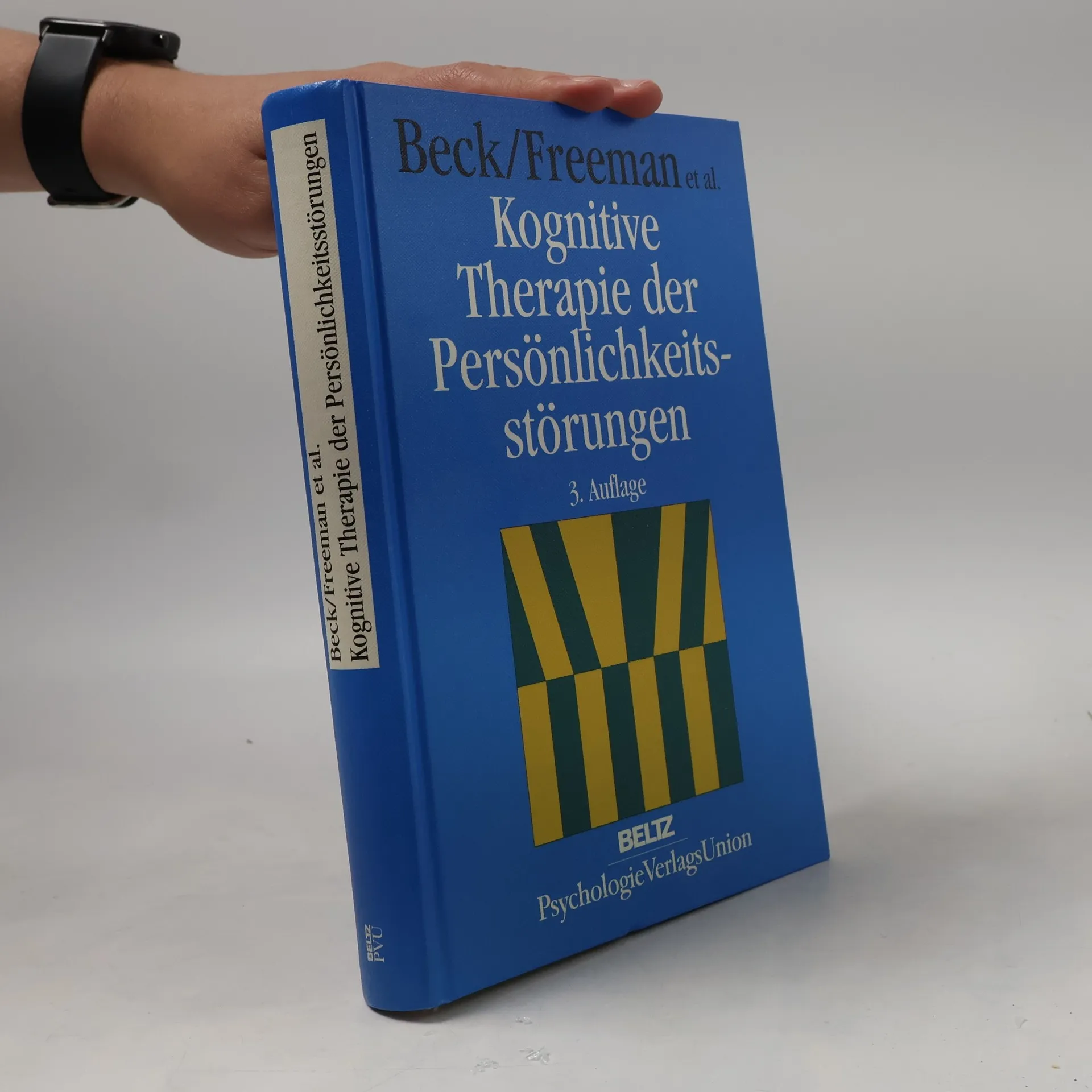
Cognitive Therapy of Personality Disorders, Second Edition
- 412bladzijden
- 15 uur lezen
Cognitive therapy of the personality disorders has continued to advance since the initial publication of this landmark work. Now Aaron T. Beck and his distinguished colleagues present an extensively rewritten and updated second edition, incorporating over a decade's worth of significant theoretical, clinical, and empirical gains. In one volume, the authors offer both a comprehensive overview of scientific knowledge and a detailed guide to individualized intervention. Practitioners gain essential tools for effectively managing their most complex, challenging cases - and providing real help to patients who once might have been considered untreatable. Timely and authoritative, this indispensable volume belongs on the desks of clinical psychologists, psychiatrists, clinical social workers, counselors, and other mental health practitioners, as well as students and residents in these fields. It will serve as a core text in advanced undergraduate- and graduate-level courses and in psychiatric residency programs.
Nejrůznější terapeutické školy se shodují v tom, že člověk trpící např. depresemi, fobiemi, obsesemi a jinými poruchami, je obětí sil, nad kterými nemá vládu. Renomovaný autor na poli kognitivní terapie nabízí perspektivu, ve které emoční problémy člověka souvisejí do značné míry s pokřivením reality, založeným na chybných předpokladech a závěrech. V průběhu kognitivní terapie pomáhá terapeut pacientovi objasnit tato pokřivení a naučit se alternativní, realističtější způsoby, jak formulovat vlastní zkušenosti. Ve své knize se A. T. Beck konkrétněji zabývá nejčastějšími typy emočních poruch a jejich kognitivním obsahem a následně předkládá principy a techniky kognitivní terapie.
Kognitive Therapie der Persönlichkeitsstörungen
- 338bladzijden
- 12 uur lezen
Kognitive Verhaltenstherapie bei Angst und Phobien
Eine Anleitung für Therapeuten
- 217bladzijden
- 8 uur lezen
Das Buch ist als Handlungsanweisung für kognitive Therapie verfasst. Dabei ist es den Autoren gelungen, das Grundkonzept der kognitionstheoretischen Erklärung von Angst und Phobien sowie deren Behandlung so zu verdeutlichen, dass ihr praktischer Nutzen für die LeserInnen direkt umsetzbar wird. Vor allem PraktikerInnen werden die Schilderung von konkreten Methoden, Techniken und Fallbeispielen zu schätzen wissen. Sehr wertvoll sind auch die in der Praxis erprobten Tipps und Vorschläge, die sich nicht nur mit sehr weit verbreiteten, sondern auch mit sehr seltenen Problemen beschäftigen. Unter Eingeweihten ein Geheimtipp.
Wahrnehmung der Wirklichkeit und Neurose
- 289bladzijden
- 11 uur lezen
Die kognitive Therapie behauptet, dass die meisten Probleme, die eine Person erlebt, das Ergebnis ihrer eigenen verzerrten Wahrnehmung der Realität aufgrund falscher Überzeugungen und Annahmen sind. Die Grundlage der Fehlwahrnehmung liegt in fehlerhaften Lernprozessen während der kognitiven Entwicklung des Individuums. Die Behandlung ist recht einfach: Der Patient muss eine Verbindung zur Quelle der Fehlwahrnehmungen herstellen. In diesem Prozess besteht die Rolle des Therapeuten darin, die Verzerrungen im Denken des Patienten zu klären, ihm alternative Denkweisen beizubringen und ihm zu helfen, seine Erfahrungen realistischer zu interpretieren. Dieser neue Ansatz zu emotionalen Störungen verändert die Sichtweise des Individuums auf sich selbst und seine Probleme. Der Mensch ist kein hilfloses Wesen, das in unlösbaren biochemischen Reaktionen, blinden Trieben oder automatischen Reflexen gefangen ist; er ist eine Persönlichkeit, die in der Lage ist, ihre eigenen Fehler zu erkennen. So wie der Mensch die Fähigkeit hat, falsche Überzeugungen zu entwickeln, hat er auch die Fähigkeit, sie zu korrigieren. Daher hat der Einzelne die Kraft, sein Leben durch das Erkennen und Korrigieren falscher Gedanken viel lebenswerter zu gestalten.
Gedanken verändern Gefühle
Fertigkeiten, um Stimmungen, Verhalten und Beziehungen grundlegend zu verbessern
- 260bladzijden
- 10 uur lezen
Sie haben dieses Buch in die Hand genommen und denken vermutlich darüber nach, wie Sie bestimmte Dinge in Ihrem Leben verändern können. In Gedanken verändern Gefühle erklären zwei klinische Psychologen, wie Sie Techniken der kognitiven Therapie - einer der wirksamsten und heute gebräuchlichsten Psychotherapieformen - in Ihrer derzeitigen Lebenssituation anwenden können. Mit Hilfe von Arbeitsblättern erlernen Sie Schritt für Schritt Fertigkeiten, die bereits Tausenden von Menschen geholfen haben, Depression, Panikattacken, Ängste, Ärger, Schuldgefühle, Scham, ein schwaches Selbstwertgefühl, Essstörungen, Drogen-, Medikamenten- und Alkoholmissbrauch sowie Beziehungsprobleme zu überwinden. Ob Sie sich nun in einer Therapie befinden oder nicht, mit Hilfe dieses Buches können Sie in jedem Fall lernen, Ihre Stimmungslage zu verbessern und die Veränderungen zu erreichen, die Sie anstreben.
Kognitive Therapie der Sucht
- 349bladzijden
- 13 uur lezen