

Bookbot

Ernest Becker

    27 september 1924 – 6 maart 1974

    Ernest Becker was een gerenommeerd cultuurantropoloog en wetenschappelijk denker die interdisciplinaire onderwerpen verkende. Zijn werk verdiepte zich in de psychologische en filosofische aspecten van het menselijk bestaan, met name hoe individuen omgaan met het bewustzijn van hun eigen sterfelijkheid. Becker stelde dat onze karakterstructuren en zelfs onze beschavingen grotendeels worden gevormd door de mechanismen van doodsontkenning die ons in staat stellen te functioneren. Deze behoefte om de dood te ontkennen, zo betoogde hij, leidt onvermijdelijk tot kwaad door ons te vervreemden van echte zelfkennis en conflicten te bevorderen. Voortbouwend op denkers als Kierkegaard, Freud en Otto Rank, boden zijn ideeën een revolutionair perspectief op de menselijke psyche en samenleving.

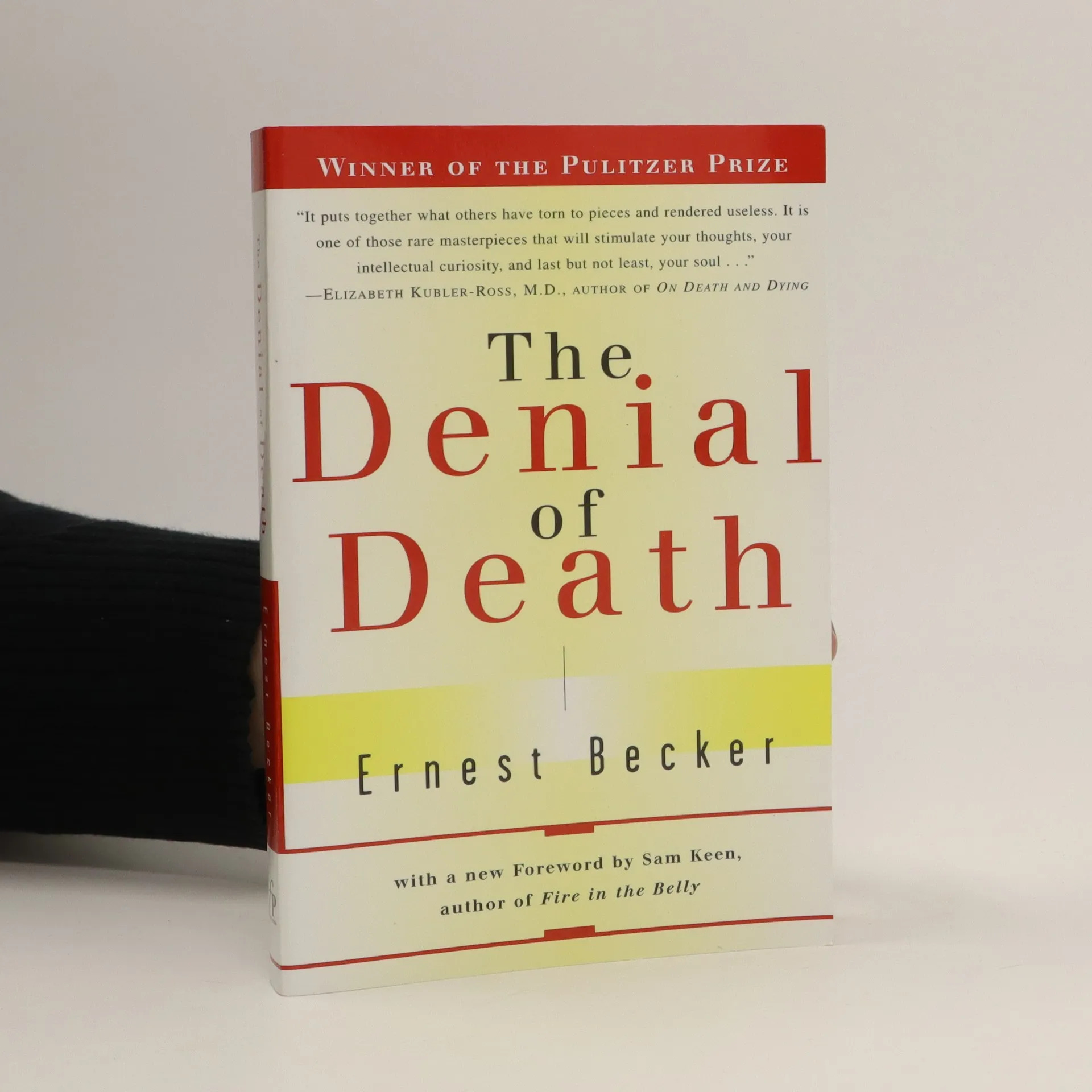
    The Denial of Death
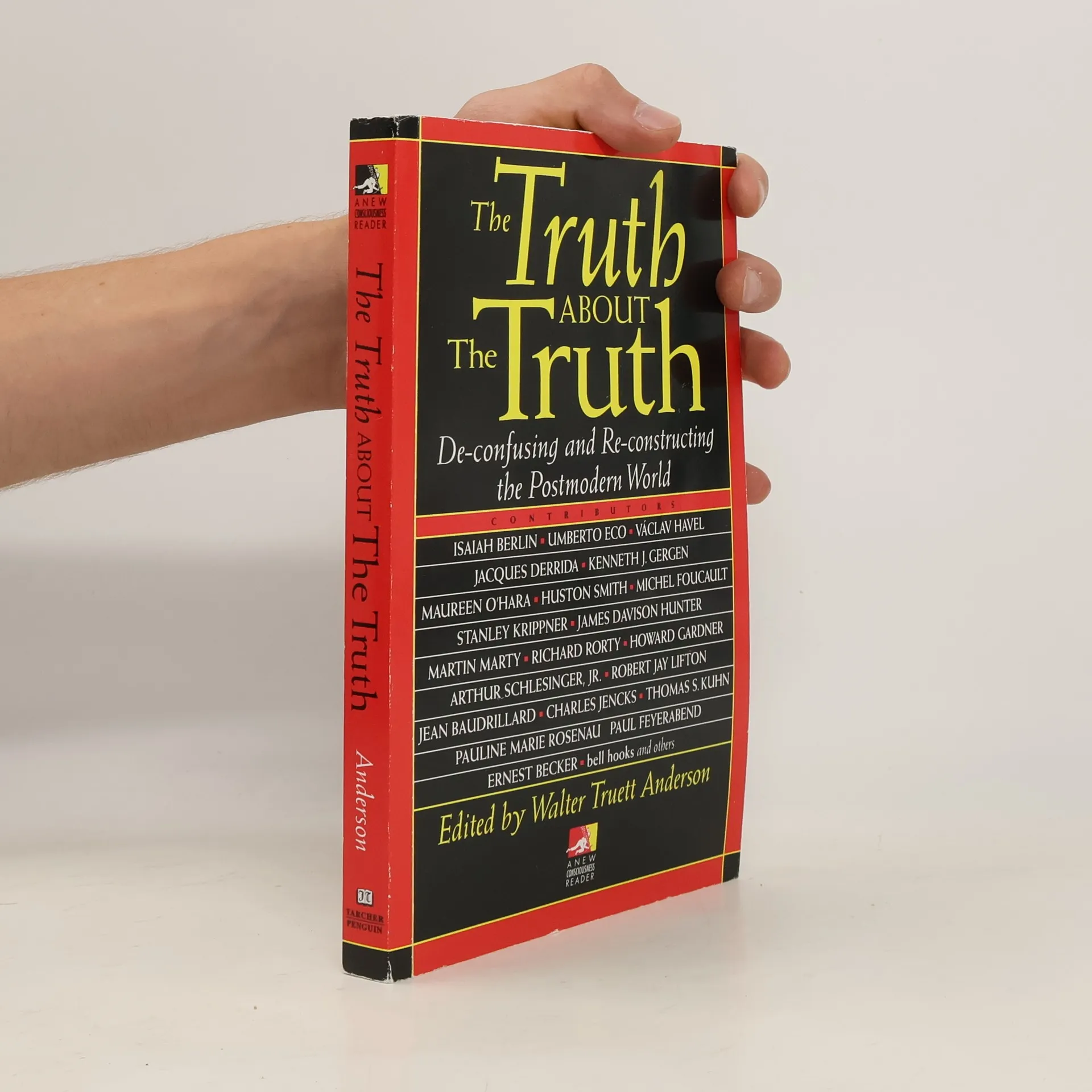
    The Truth About the Truth
    Escape from Evil
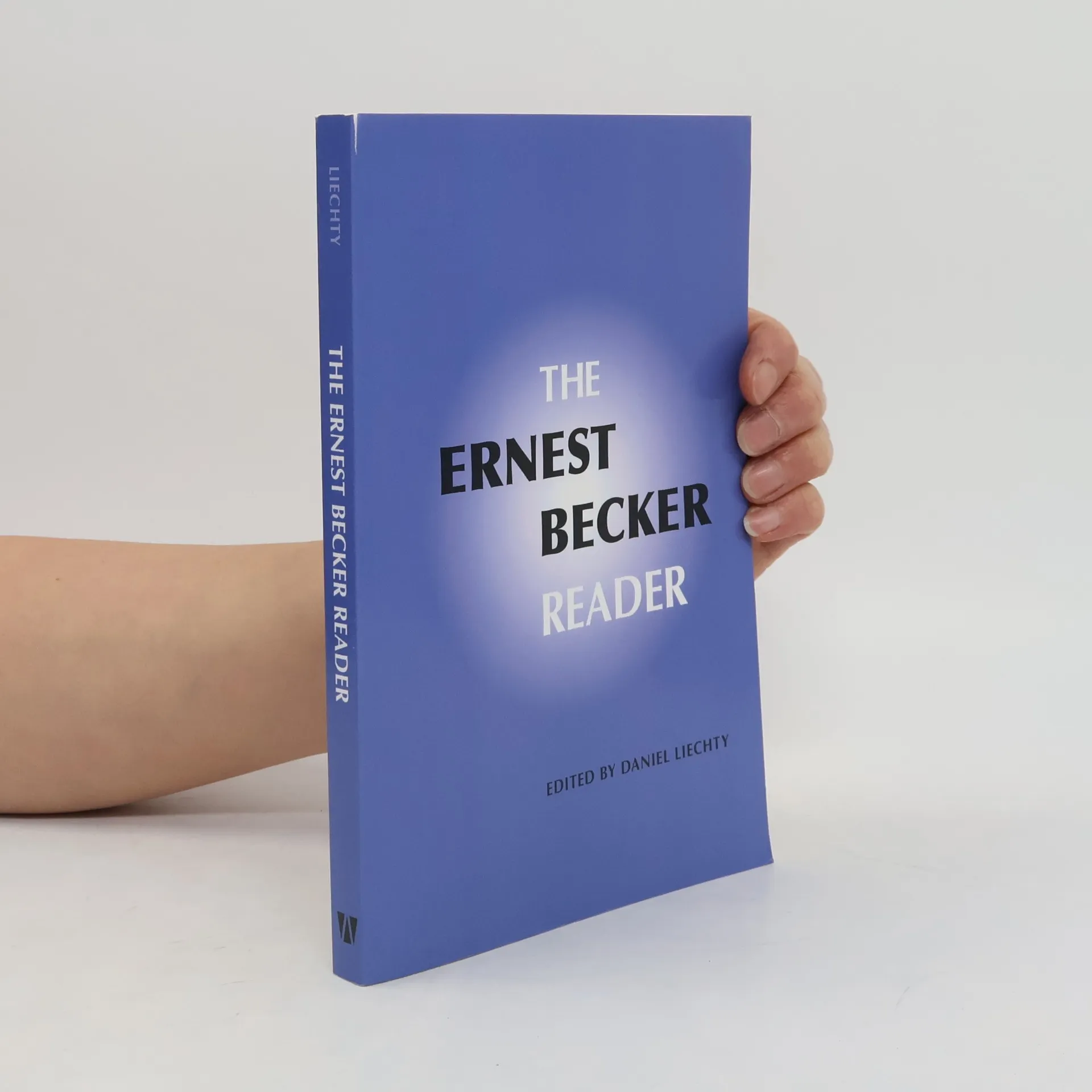
    The Ernest Becker Reader
    • The Ernest Becker Reader

      • 248bladzijden
      • 9 uur lezen

      Ernest Becker (1924-1974) was a keen observer of society and human behavior during America's tumultuous 1960s and 1970s. With a background in social anthropology, he was driven by a deep curiosity about human motivations, persistently asking, "What makes people act the way they do?" Frustrated by the fragmented approaches of contemporary social sciences, Becker sought a comprehensive, empirical understanding of humanity. He developed an interdisciplinary vision where each discipline is rooted in a fundamental truth about the human condition, creating a broad perspective on human motivations that spans biological, psychological, and social sciences, as well as the humanities and various studies. Best known for his later works, including the Pulitzer Prize-winning "The Denial of Death" (1974) and "Escape from Evil" (1975), Becker's influential ideas were built upon a distinguished foundation of earlier writings. His early works, rich in insight, provide context for his later contributions and illuminate the evolution of his thoughts. Despite his life being cut short, Becker’s writings remain in print, engaging new generations of readers. The Ernest Becker Reader compiles much of his early work, placing his later achievements in context and significantly contributing to the enduring interest in his ideas.

      The Ernest Becker Reader2004
      4,5
    • The Truth About the Truth

      De-confusing and Re-constructing the Postmodern World

      • 272bladzijden
      • 10 uur lezen

      Includes essays and excerpts from the works of prominent modern thinkers such as Umberto Eco, Jacques Derrida, and Isaiah Berlin among others.

      The Truth About the Truth1995
      3,9
    • Escape from Evil

      • 188bladzijden
      • 7 uur lezen

      From the Pulitzer Prize-winning author of The Denial of Death, a penetrating and insightful perspective on the source of evil in our world."A profound, nourishing book…absolutely essential to the understanding of our troubled times." —Anais Nin"An urgent essay that bears all the marks of a final philosophical raging against the dying of the light." —Newsweek

      Escape from Evil1985
      4,4
    • The Denial of Death

      • 336bladzijden
      • 12 uur lezen

      Winner of the Pulitzer prize in 1974 and the culmination of a life's work, The Denial of Death is Ernest Becker's brilliant and impassioned answer to the 'why' of human existence. In bold contrast to the predominant Freudian school of thought, Becker tackles the problem of the vital lie - man's refusal to acknowledge his own mortality. The book argues that human civilisation is a defence against the knowledge that we are mortal beings. Becker states that humans live in both the physical world and a symbolic world of meaning, which is where our 'immortality project' resides. We create in order to become immortal - to become part of something we believe will last forever. In this way we hope to give our lives meaning.In The Denial of Death, Becker sheds new light on the nature of humanity and issues a call to life and its living that still resonates decades after it was written.

      The Denial of Death1972
      3,9