Het verhaal van de roman speelt zich af tijdens de oorlog en in het net naoorlogse Londen. Schrijver Maurice Bendrix bereidt een nieuwe roman voor. Tijdens het verzamelen van materiaal en het noodzakelijke observeren van een bepaalde sociale laag leert Bendrix Sara kennen, de vrouw van ministerieel ambtenaar Henry. De ontstane liefdesrelatie tussen de twee protagonisten wordt door Sara na een bepaalde tijd plotseling en onbegrijpelijk verbroken, en Bendrix' hartstochtelijke liefde verandert in haat. Jaren later ontmoet Bendrix de echtgenoot van Sara en verneemt van hem de achtergrond van Sara's daad: tijdens een van de Duitse bombardementen op Londen werd het huis waarin de geliefden zich bevonden getroffen, en Bendrix werd bedolven onder puin. Sara, in de veronderstelling dat Bendrix dood is, vraagt God om haar geliefde het leven terug te geven; in ruil daarvoor belooft ze haar zondige liefde op te geven. De oprechtheid van Sara's liefde is de oorzaak van het "einde van het avontuur". Op het moment dat Bendrix de waarheid ontdekt, is het echter al te laat voor herstel: Sara sterft aan longontsteking. Bendrix leert God kennen door zijn eigen nederlaag en eindigt in wanhoop.
Graham Greene Boeken
Graham Greene was een Engelse romanschrijver wiens werken de ambigue morele en politieke kwesties van de moderne wereld onderzochten, en ernstige literaire waardering combineerden met grote populariteit. Hoewel Greene bezwaar maakte tegen de beschrijving 'katholieke romanschrijver', vormen katholieke religieuze thema's de kern van veel van zijn werk. Zijn romans tonen ook een grote interesse in de werking van internationale politiek en spionage.



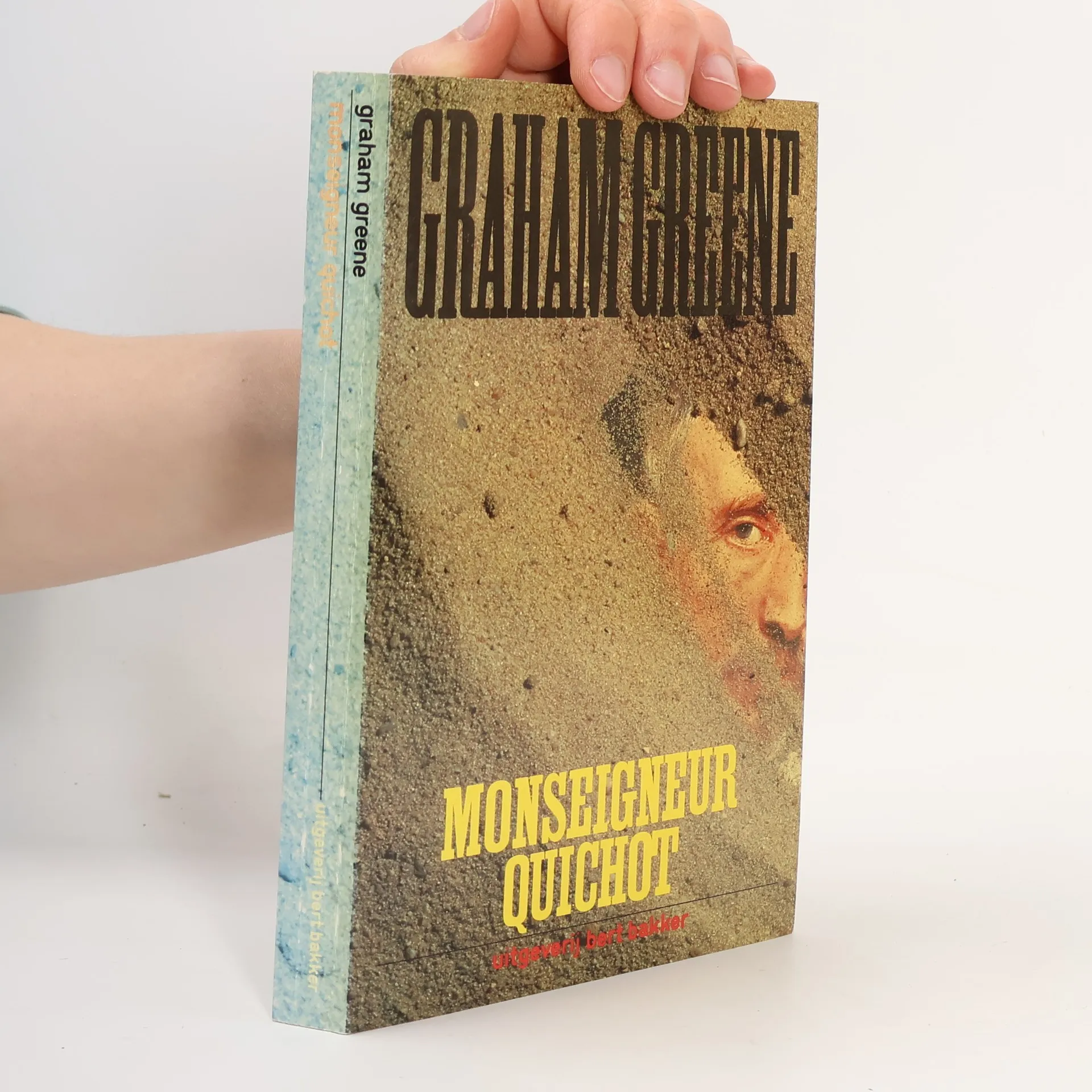
Monseigneur Quichot
- 201bladzijden
- 8 uur lezen
Verhaal over een communistische burgemeester en een r.k. bisschop, die als een moderne Don Quichot en Sancho Panza samen op reis gaan.
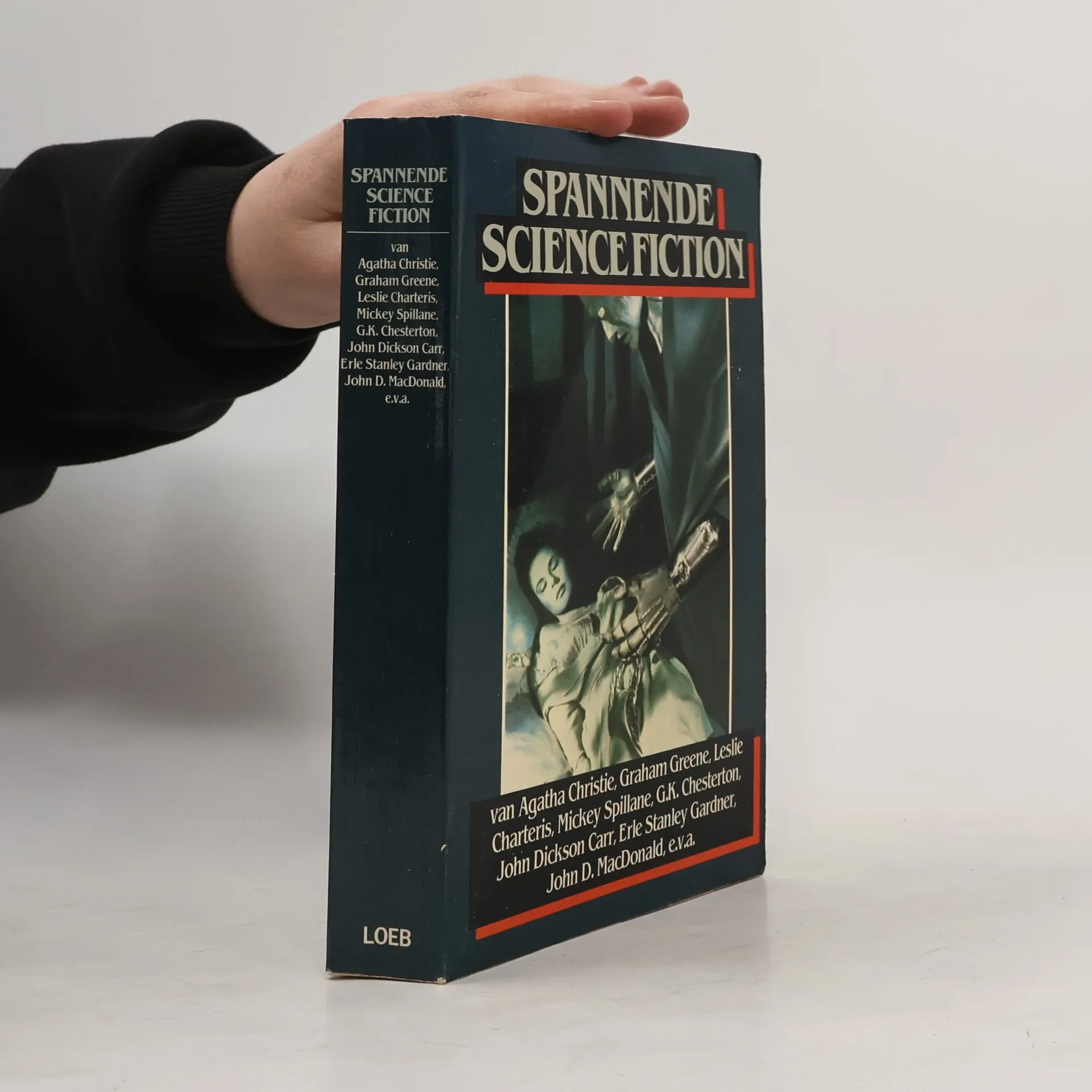
Spannende Science Fiction
- 423bladzijden
- 15 uur lezen
Mogen we je man even lenen?
en andere kleine komedies over seksuele verhoudingen
- 192bladzijden
- 7 uur lezen
Ultimoreeks: Het geschonden geweten
- 236bladzijden
- 9 uur lezen
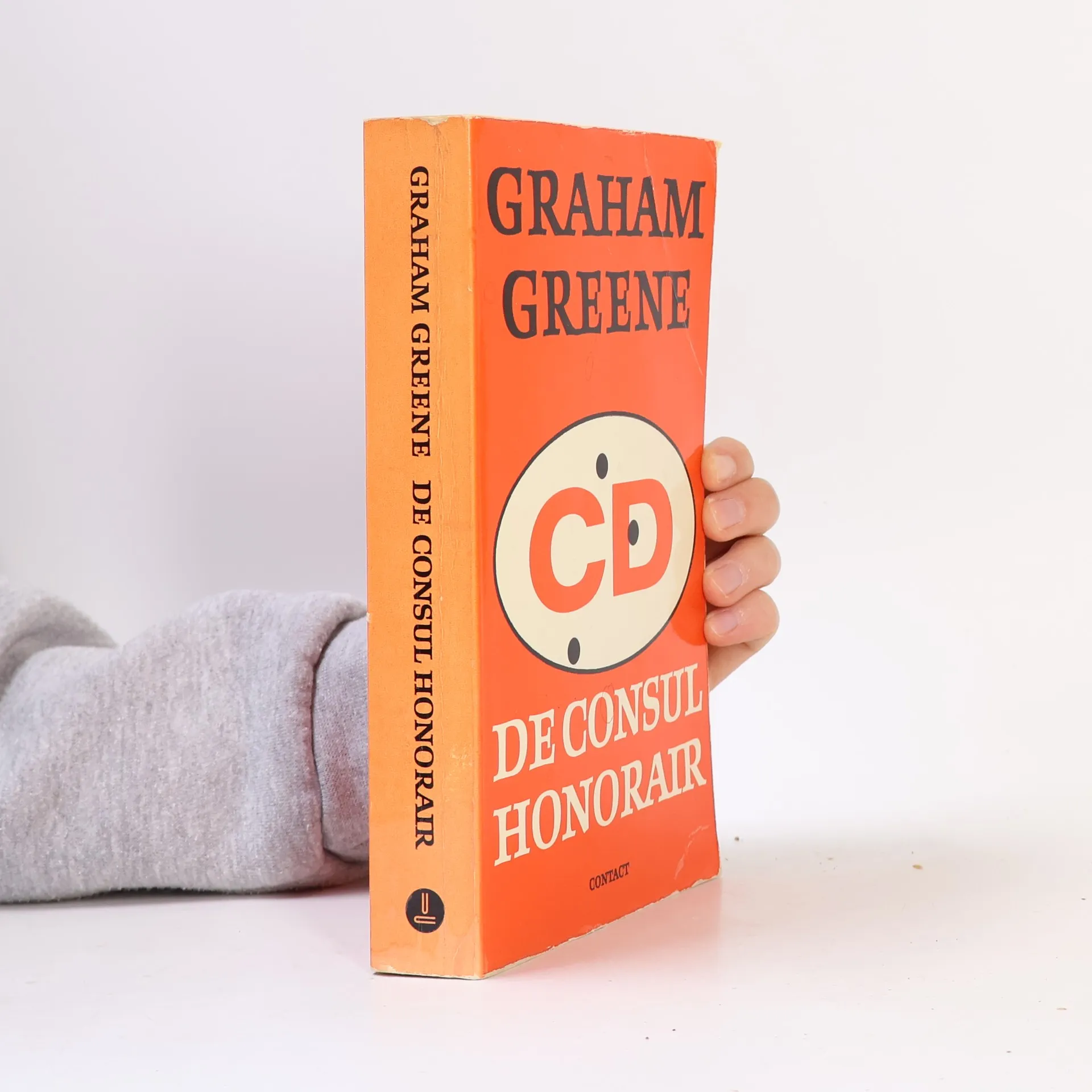
De Consul Honorair
- 312bladzijden
- 11 uur lezen
Een ontvoering in Paraguay en een thriller rond een typisch thema van Greene. De 'Honorairconsul', Charley Fortnum, is meer dan zestig jaar oud en alcoholist. Hij houdt onvoorwaardelijk van zijn jonge vrouw, die hij uit een bordeel heeft vrijgekocht. Per ongeluk wordt hij door Paraguayaanse rebellen ontvoerd, omdat ze hem voor de Amerikaanse ambassadeur houden. Met zijn vrijlating willen ze de vrijheid van gearresteerde medestanders afpersen. De desperado's worden geleid door een voormalige priester, die bevriend is met de arts Eduardo Plarr. Plarr, de koele en schijnbaar gewetenloze sympathisant, heeft een verhouding met Clara, de jonge vrouw van de honorairconsul. Als contactpersoon voor de ontvoerders vecht hij echter voor het leven van Charley Fortnum.
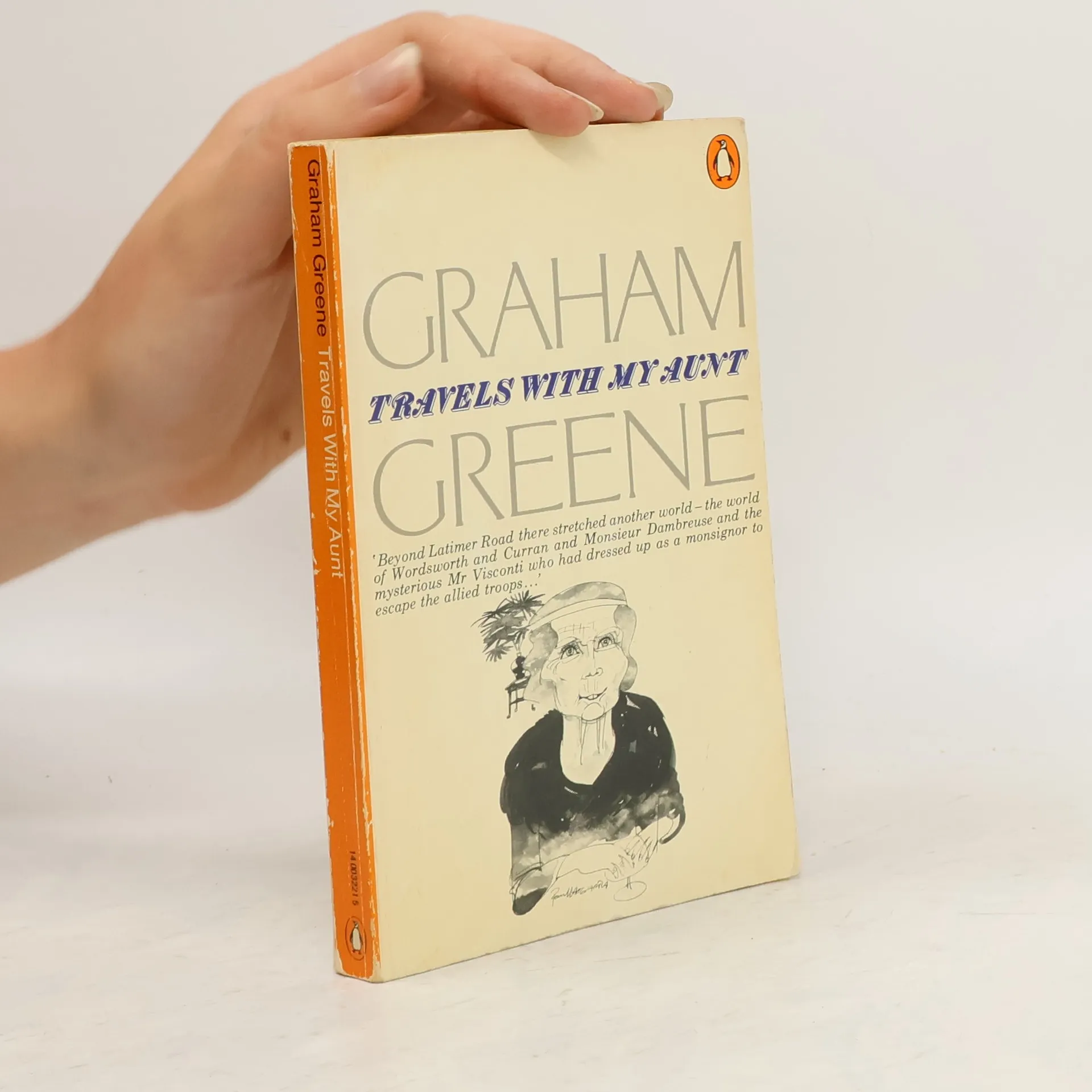
Reizen met Mijn Tante
- 288bladzijden
- 11 uur lezen
In Reizen met Mijn Tante komen de twee typen van Greene's romans, het vermakelijke en het serieuze, samen. Ondanks de schijnbaar eenvoudige titel en het misverstand van critici die vooral de komedie en burleske elementen waarderen, is het een groot roman. De vijfenzeventigjarige tante is niet alleen een levendige, menselijk tegenstrijdige figuur, maar ook een soort allegorische gids die ons met een opmerkelijk commentaar door de complexe wereld leidt. Ze sleurt Henry Pulling, die tegen zijn wil in een geïsoleerd bestaan van victoriaans conservatisme leeft, door een reeks absurde situaties naar een wereld vol gevaar, risico en avontuur, waar deze vijftiger paradoxaal genoeg zijn thuis vindt. Henry Pulling weerspiegelt Greene's eerdere buitenstaanders: vanuit de rust van zijn pensioen wordt hij in het avontuur getrokken, en aan het einde van het verhaal begint zijn outsidersbestaan pas echt. Het is een van de weinige romans die niet eindigt met de dood van de held of met een huwelijk.
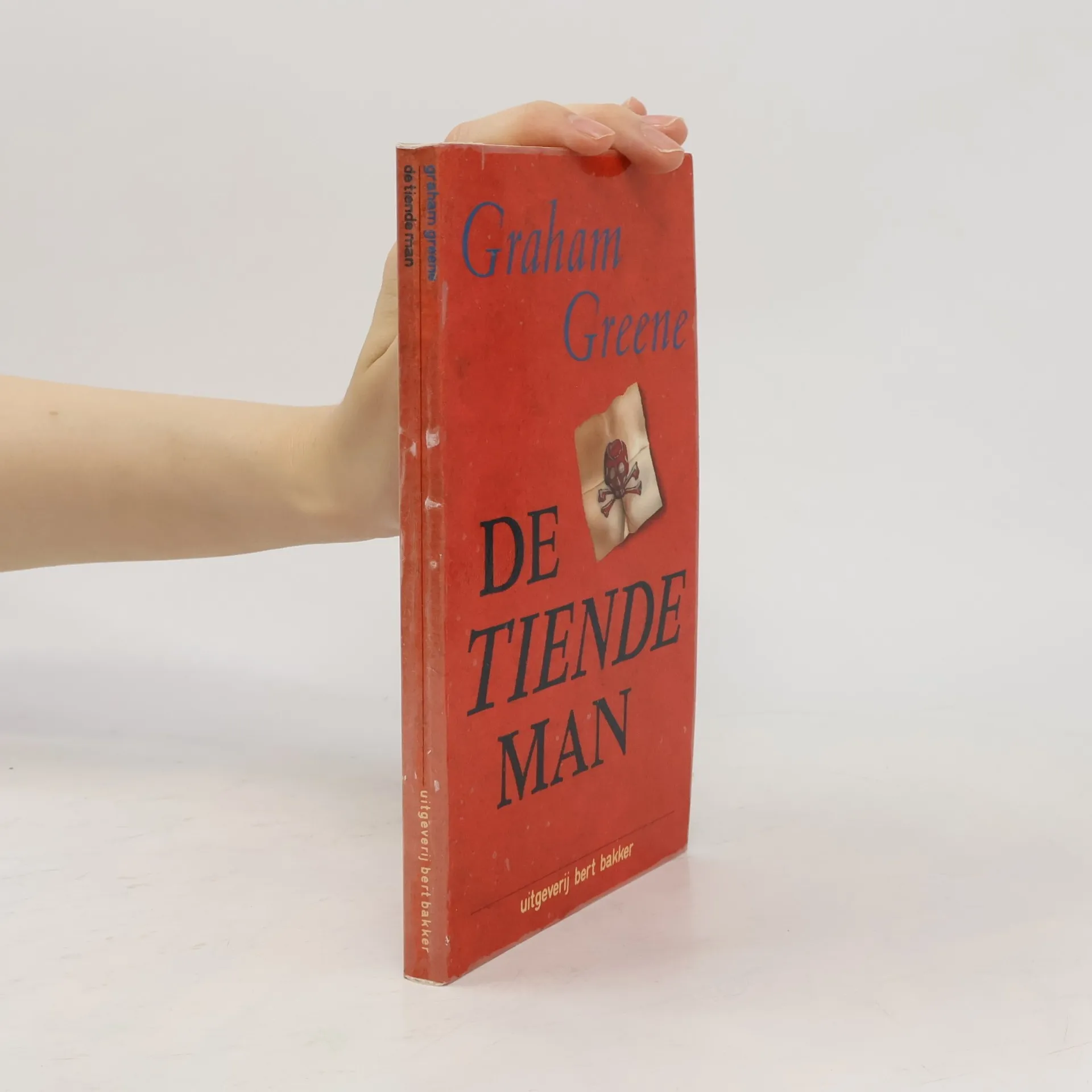
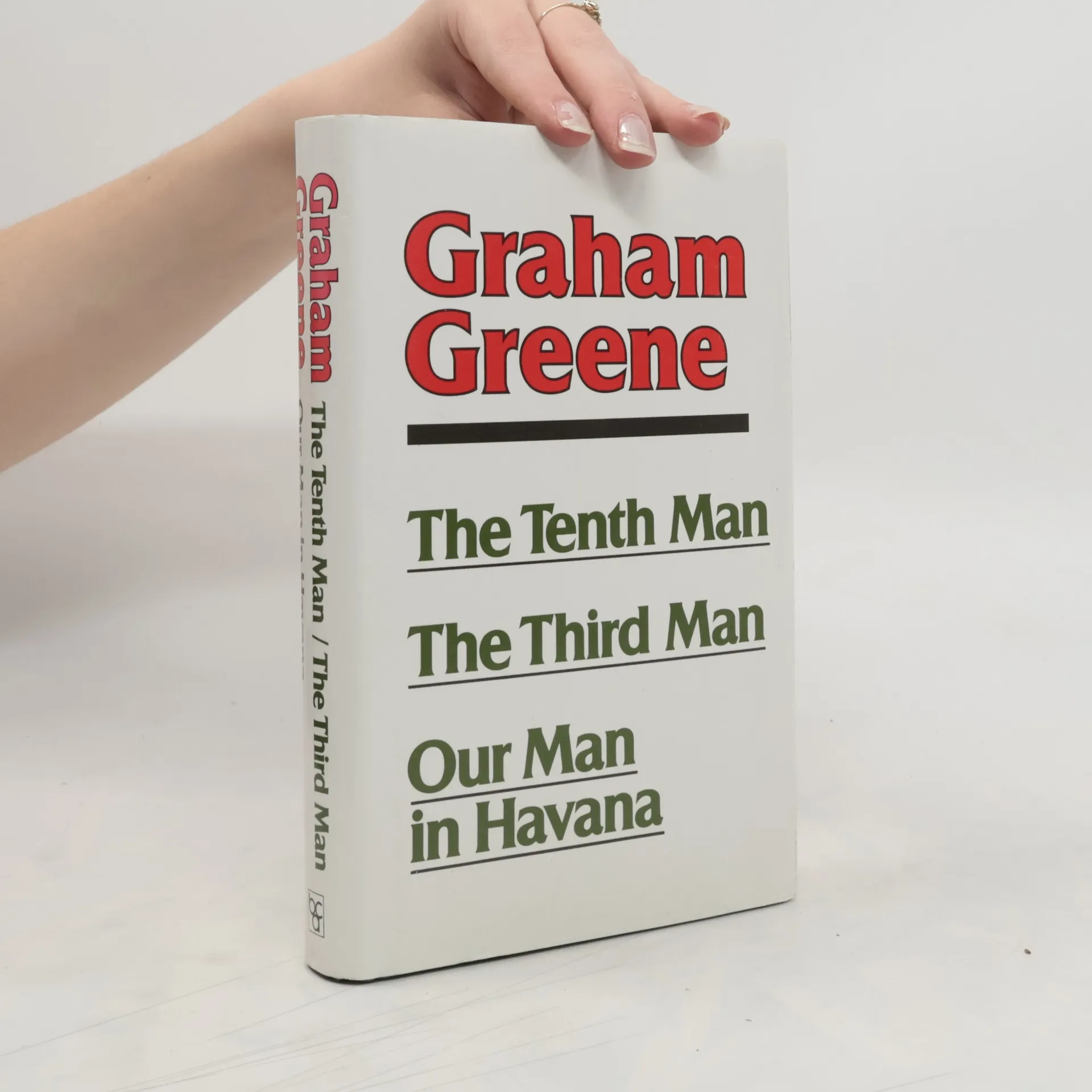
De tiende man
- 134bladzijden
- 5 uur lezen
Een terdoodveroordeelde koopt met al zijn bezittingen zijn leven terug; later bezoekt hij de zuster van de man die zijn plaats heeft ingenomen. Wanneer zij dreigt te bezwijken voor een bedrieger (i.v.m. Greene's katholicisme wellicht symbolisch de duivel?) offert hij zich op, oppervlakkig gezien uit liefde voor haar, maar in feite ter leniging van zijn schuldgevoel. Zeer sterke, dwingende roman, even schrijnend als verzoenend, met het voor Greene gebruikelijke grote psychologische inzicht. Zijn persoonlijke "Schuld en boete"? Sfeertekening, plot en motieven (o.a. identiteitsverwisseling/dubbelganger) zijn zeer goed uitgewerkt. In al zijn eenvoud niet licht te vergeten met een onderhoudende inleiding van Greene zelf, in soepele stijl. Uitstekende vertaling.
De verliezer wint
- 83bladzijden
- 3 uur lezen
Bertram is not a believer in luck. An unambitious accountant, his plans for his second marriage are typically quiet: St. Luke’s then two weeks in Bournemouth. But he comes to the attention of Dreuther, the director of his company, who changes Bertram’s plans for him: wedding and honeymoon in Monte Carlo, on board his private yacht. Inevitably Bertram visits the casino, and loses. But then his system starts working, and his trouble really begins.
Een Engelse filmploeg wordt tijdens opnames op de Mount Everst vermist. Aanvankelijk luidt het bericht dat alle leden van de ploeg zijn omgekomen, totdat duidelijk wordt dat een aantal van hen nog in leven is en vastzit op Tibetaans grondgebied. Het is eind 1949 en het Chinese leger staat op het punt Tibet binnen te vallen. Charles Houston gaat op zoek naar zijn broer Hugh, die deel uitmaakte van de filmploeg. Na barre omzwervingen belandt hij op een heilige plaats: het kloostercomplex Yamdring, nagenoeg onbereikbaar gelegen in de hoogvlakten van Tibet. Daar wordt Houston 'herkend'als de reïncarnatie van Hu-Tzung, en tot zijn verbijstering wordt hij heilig verklaard. Deze nieuwe status biedt hem de kans door te dringen tot de abdis van dit klooster, een bovenmenselijk mooie heilige duivelin, in haar achttiende incarnatie. Zij beleven een stormachtige liefdesaffaire. In oktober 1950 is de Chinese annexatie van Tiber een feit en de nieuwe machthebbers laten hun begerig oog vallen op de kloosterschat, een onmetelijk fortuin aan edelstenen, persoonlijk eigendom van de abdis. Houston slaagt erin haar het klooster uit te smokkelen, maar vervolgens moeten zij zien te overleven onder haast ondraaglijk extreme omstandigheden, teneinde uit handen van hun wrede achtervolgers te blijven...
3 x Graham Greene
De derde man - Kogels à contant - Geheim agent
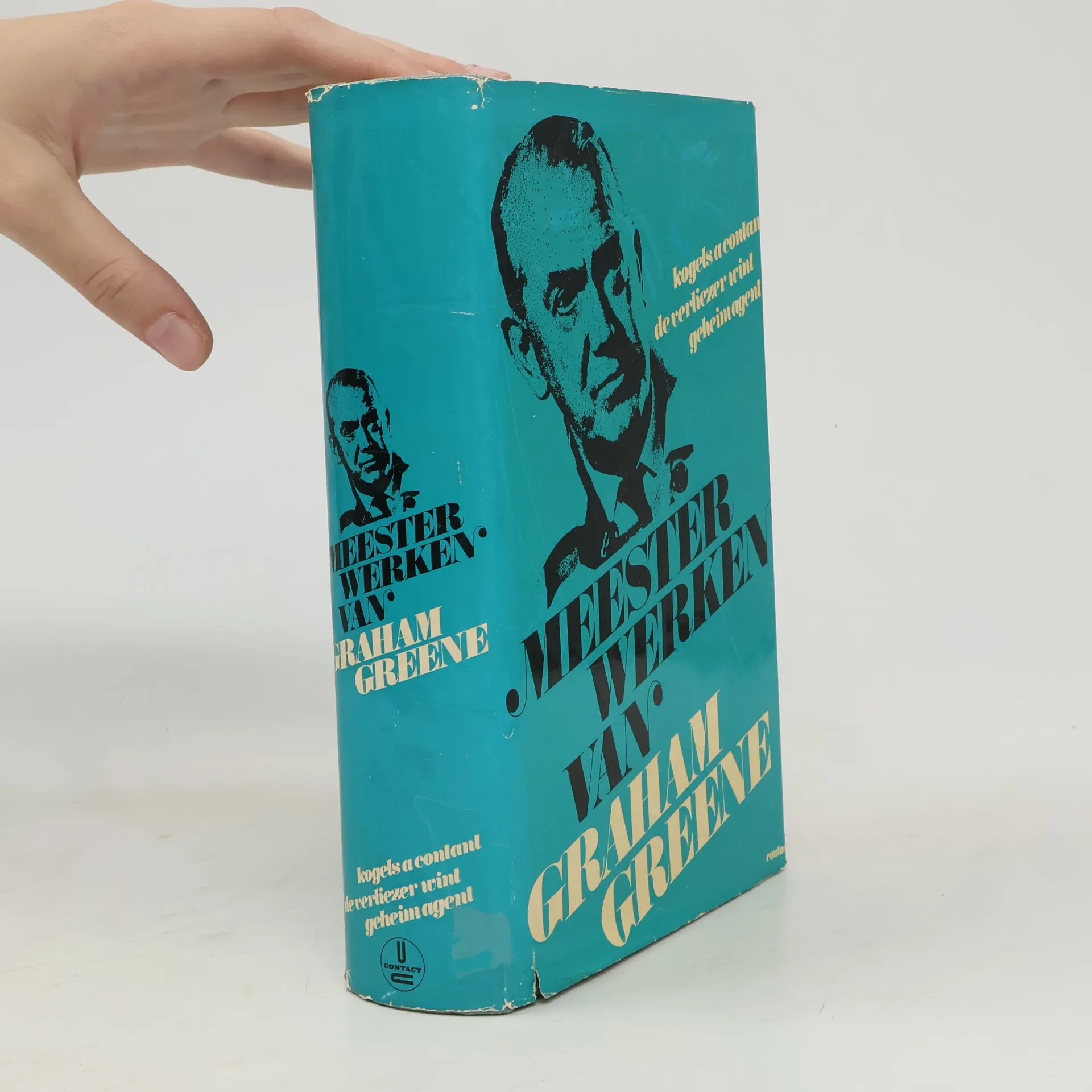
Meester Werken van Graham Greene
Kogels a contant, de verliezer wint, geheimagent
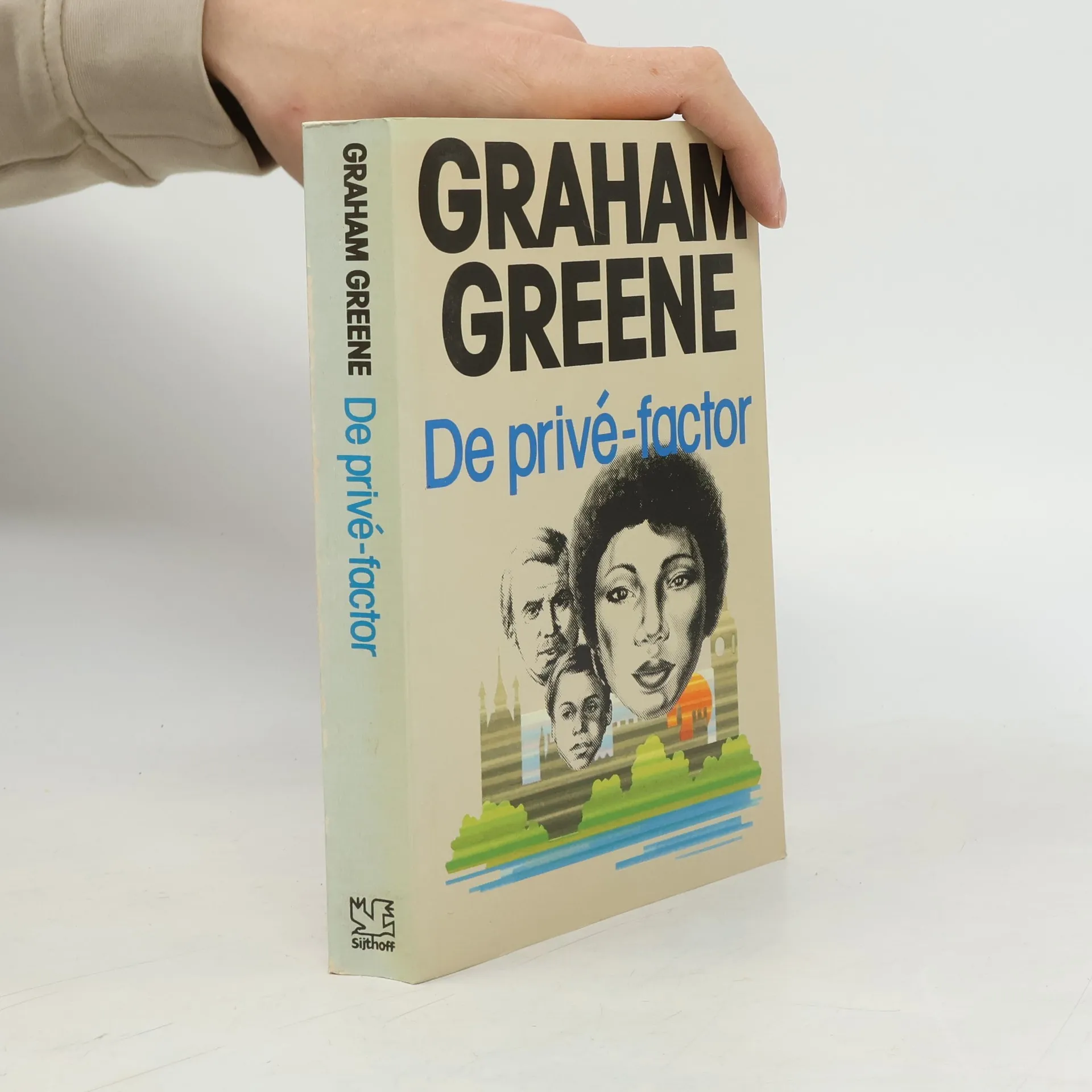
De privé-factor
- 240bladzijden
- 9 uur lezen
De ontdekking van een lek bij de Britse geheime dienst leidt op tragische wijze tot de ontmaskering van de ware aard der betrokkenen.
Keuze van verhalen van buitenlandse auteurs uit het fonds van de uitgeverijen Bert Bakker en Prometheus.
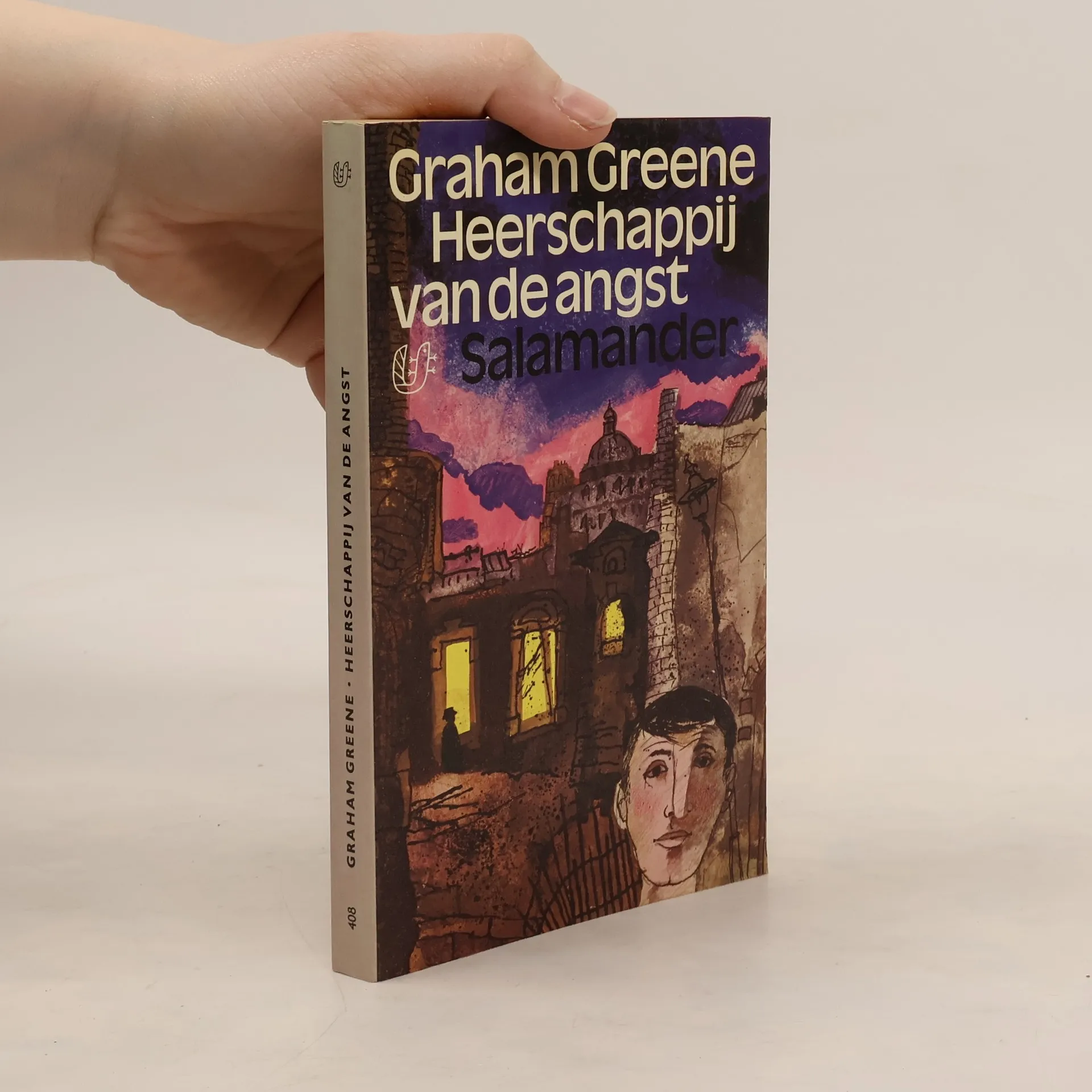
Heerschappij van de angst
- 272bladzijden
- 10 uur lezen
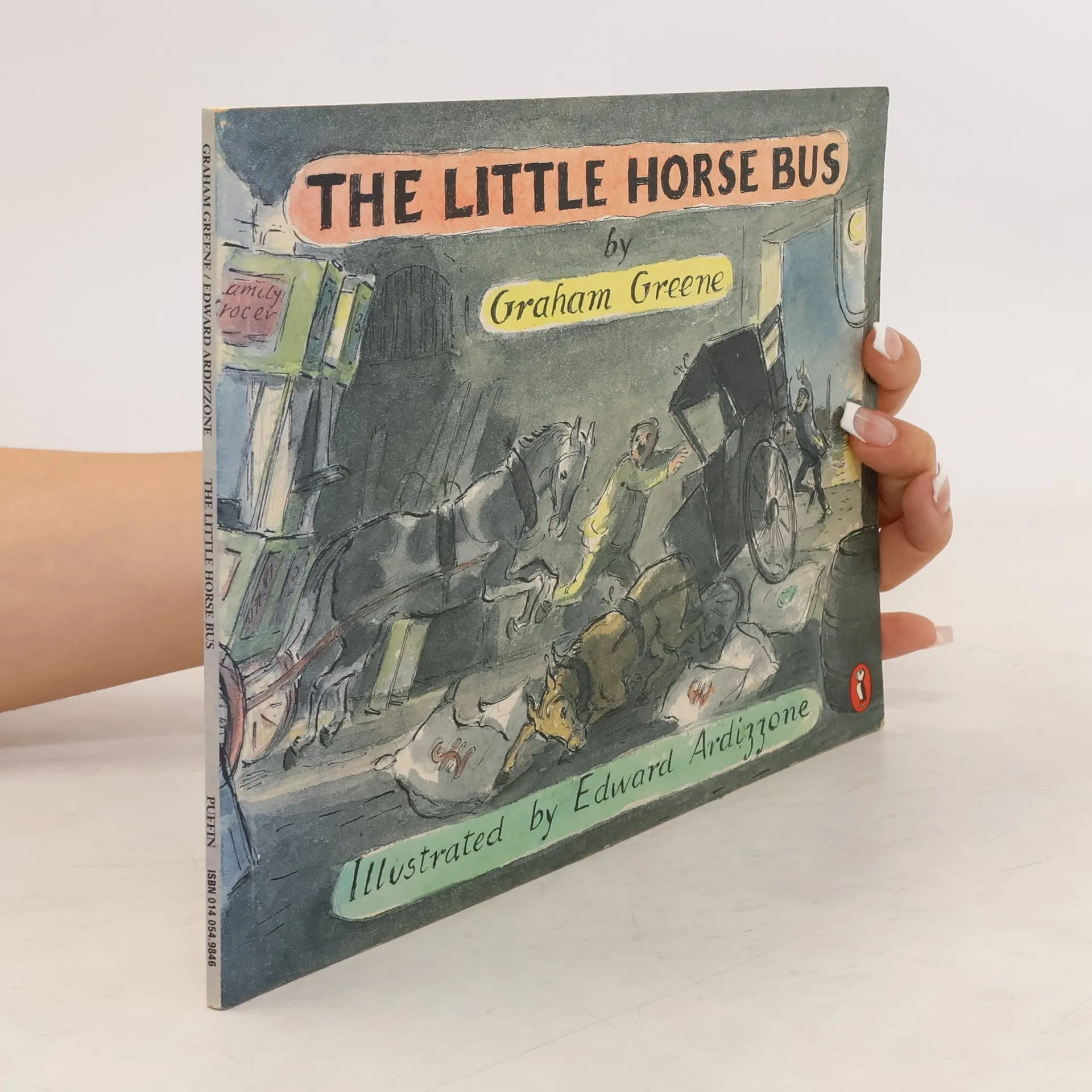
Little Horse Bus
- 48bladzijden
- 2 uur lezen
Mr Potter is a proud shopkeeper with a busy shop, until one day a big superstore opens across the street. The new store has a delivery service so Mr Potter employs an old little horse bus to deliver his wares. But when the superstore's delivery cart is stolen there is only one little horse bus to save the day!
Victorian Villainies
- 704bladzijden
- 25 uur lezen
FRAUD, MURDER, POLITICAL INTRIGUE AND HORROR IN FOUR STORIES OF VICTORIAN VILLAINY. The Great Tontine, considered to be Hawley Smart's best book, concerns the unforeseen dangers of trying to make money in a lottery. Arthur Griffiths made a special study of the French police, and his sardonic amusement over their methods is evident in the classic train thriller The Rome Express. In the Fog, Richard Harding Davis's ingeniously plotted novel, is one of the very best accounts of foggy Victorian London. Haunted by figures of strange horror, Richard Marsh's The Beetle shed fascinating sidelights on forgotten aspects of the Victorian age. All in all, a splendid selection of works rescued from dusty oblivion - a rare treat!
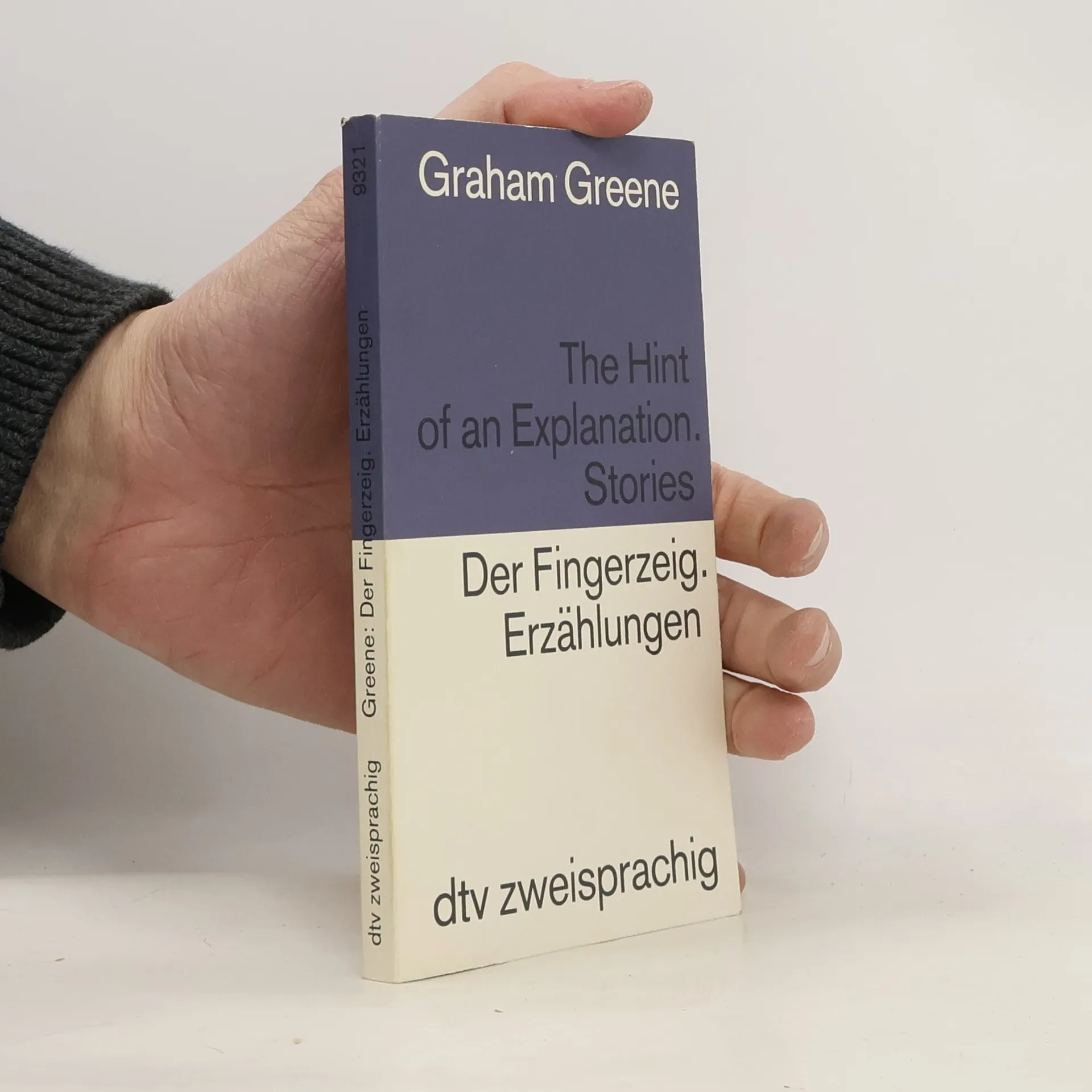
dtv zweisprachig: Der Fingerzeig / The Hint of an Explanation
Stories – Erzählungen. Zweisprachige Ausgabe. Englisch / Deutsch.
- 144bladzijden
- 6 uur lezen
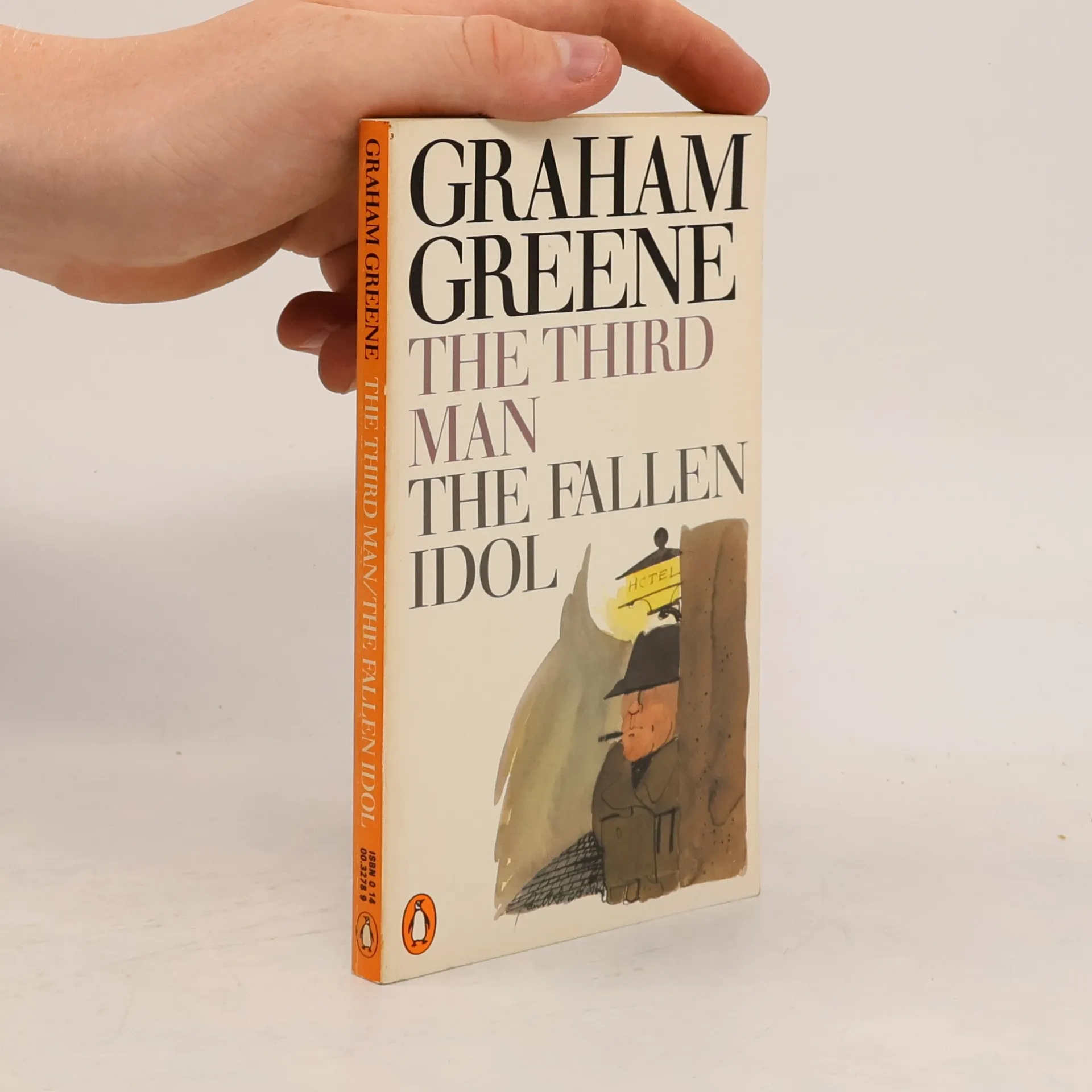
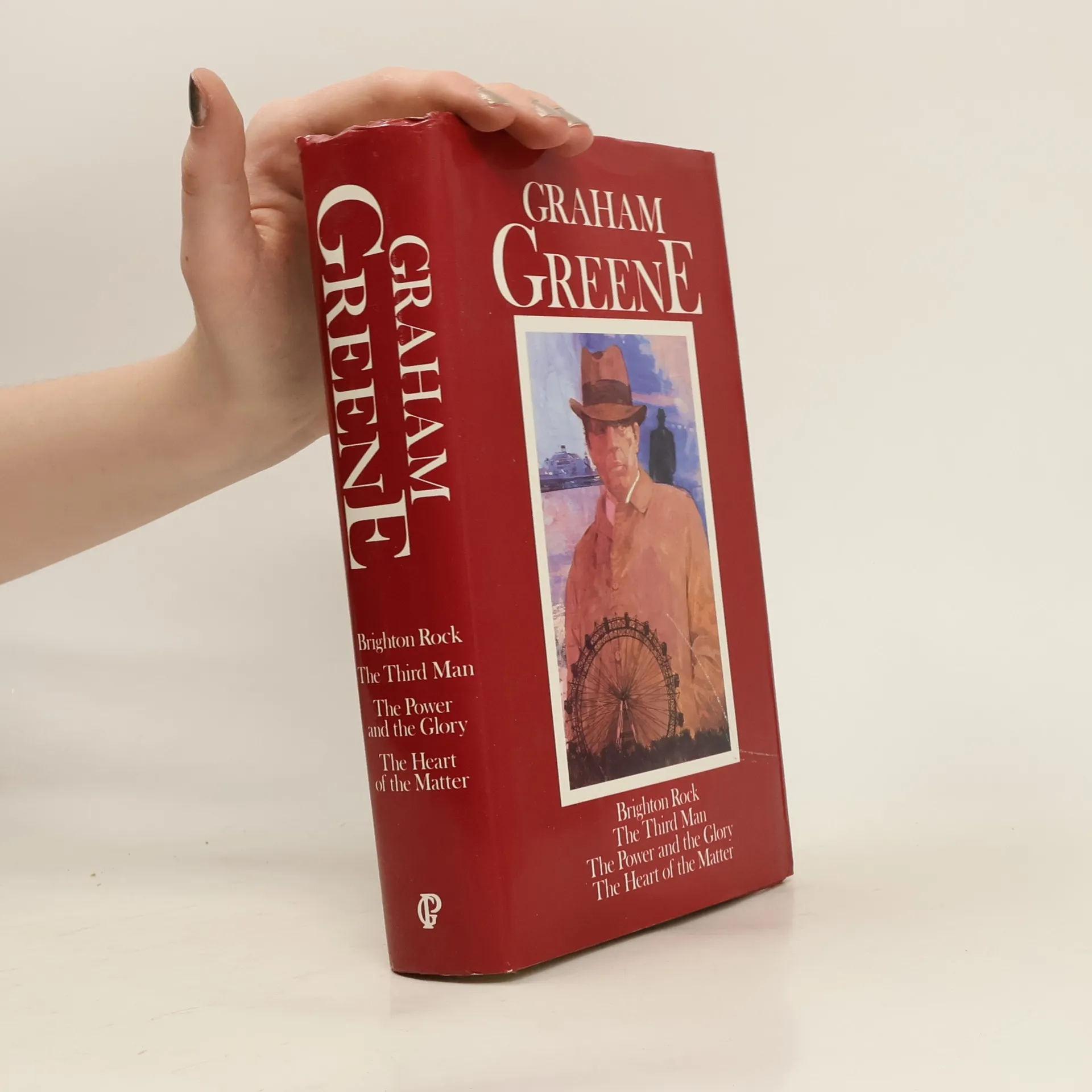
The Third Man
The Fallen Idol
Rollo Martins, arrives penniless to visit his friend and hero, Harry Lime. But Harry has died in suspicious circumstances, and the police are closing in on his associates. This is the story of a small boy caught up in the games that adults play.
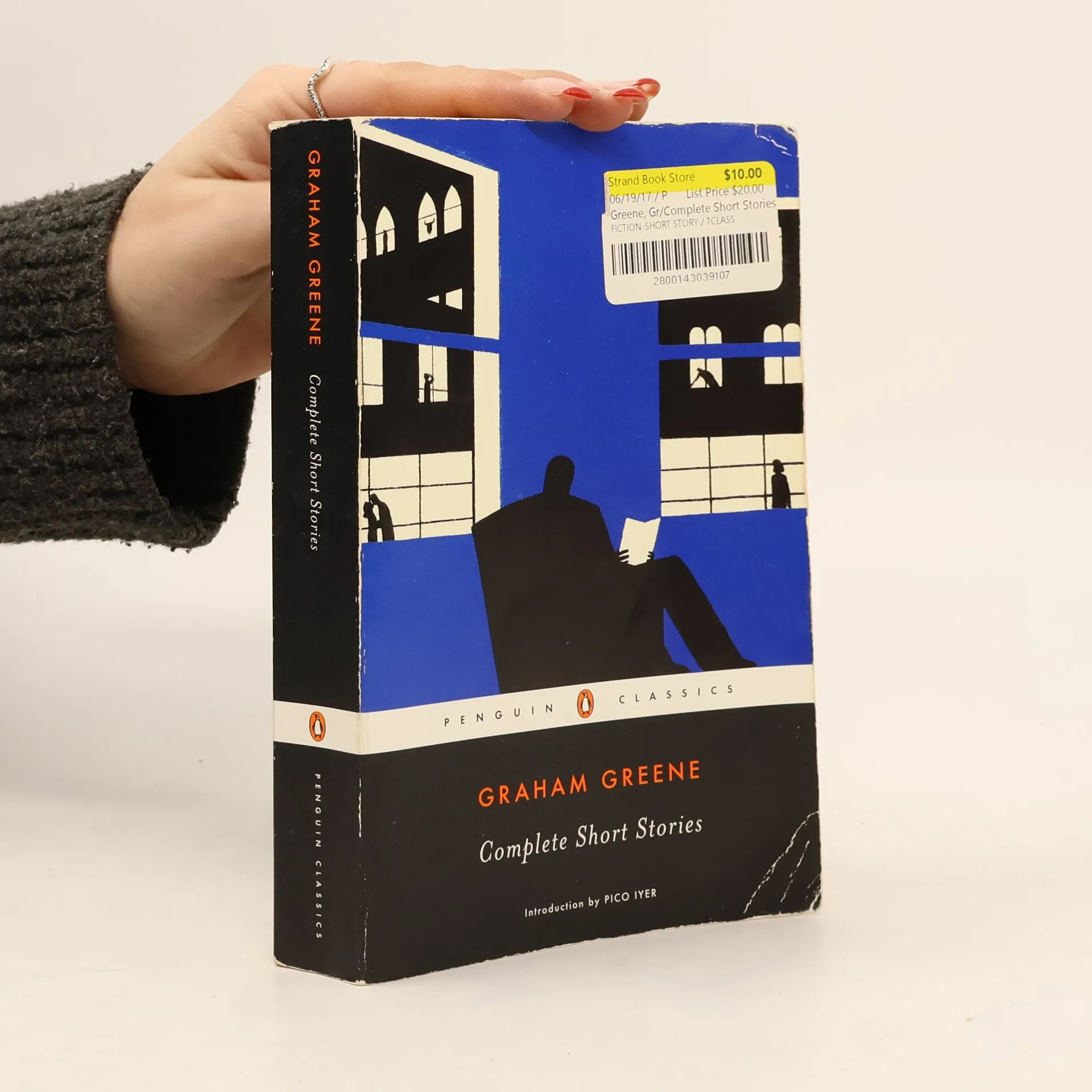
Complete Short Stories
- 594bladzijden
- 21 uur lezen
Affairs, obsessions, ardors, fantasy, myth, legends, dreams, fear, pity, and violence—this magnificent collection of stories illuminates all corners of the human experience. Including four previously uncollected stories, this new complete edition reveals Graham Greene in a range of contrasting moods, sometimes cynical and witty, sometimes searching and philosophical. Each of these forty-nine stories confirms V. S. Pritchett’s declaration that Greene is “a master of storytelling.”This Penguin Classics edition features an introduction by Pico Iyer.
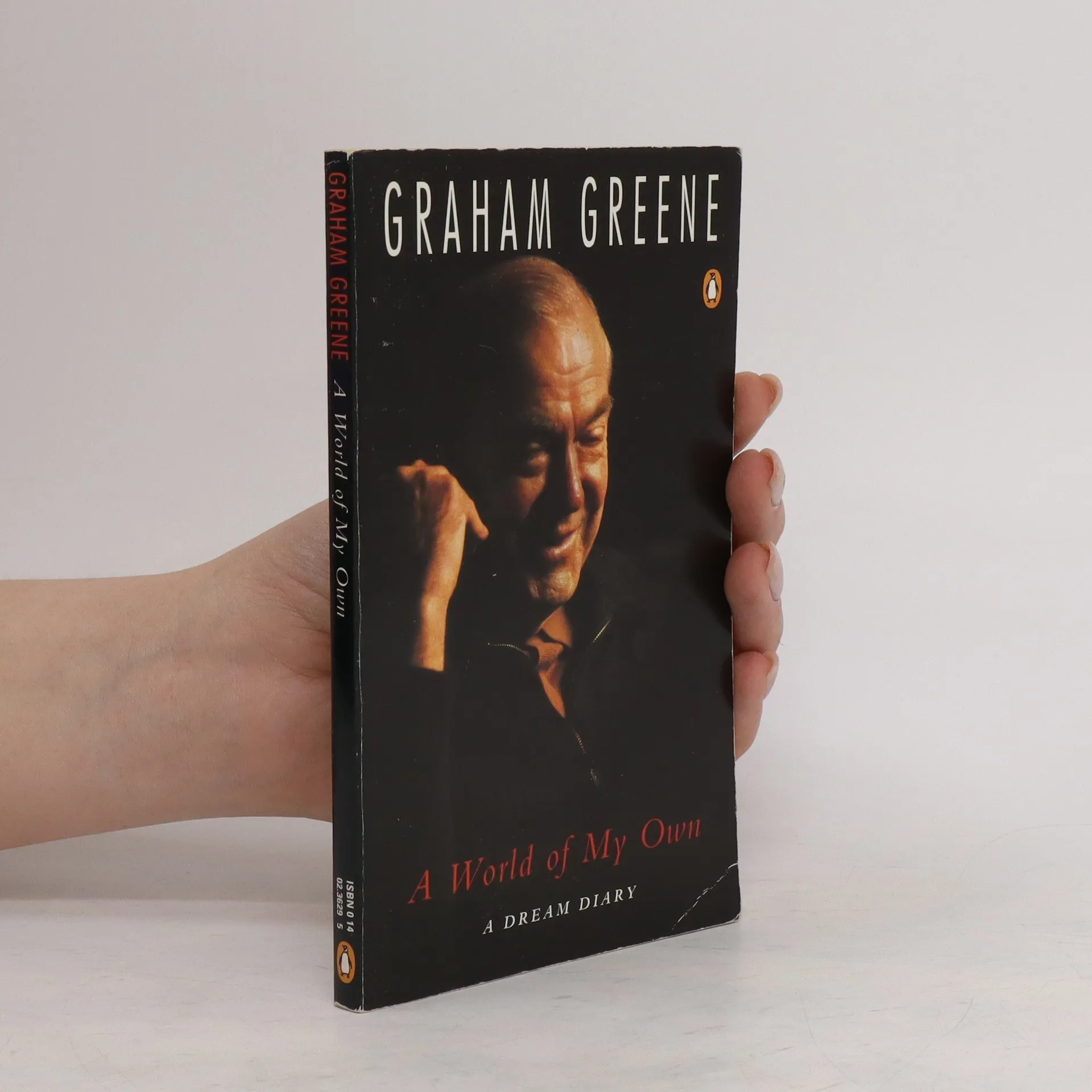
Graham Greene trained himself to wake four or five times during a night to record his dreams in a diary over a 25 year period. Before his death in 1991, he prepared this diary which provides readers with an insight into the world of Graham Greene.
Lire en V. O. Anglais - 9: Ghost Stories
Nouvelles annotées - Présentation de W. S. Beamstein
- 151bladzijden
- 6 uur lezen
A collection of eighteen short stories with cast & crew listing.
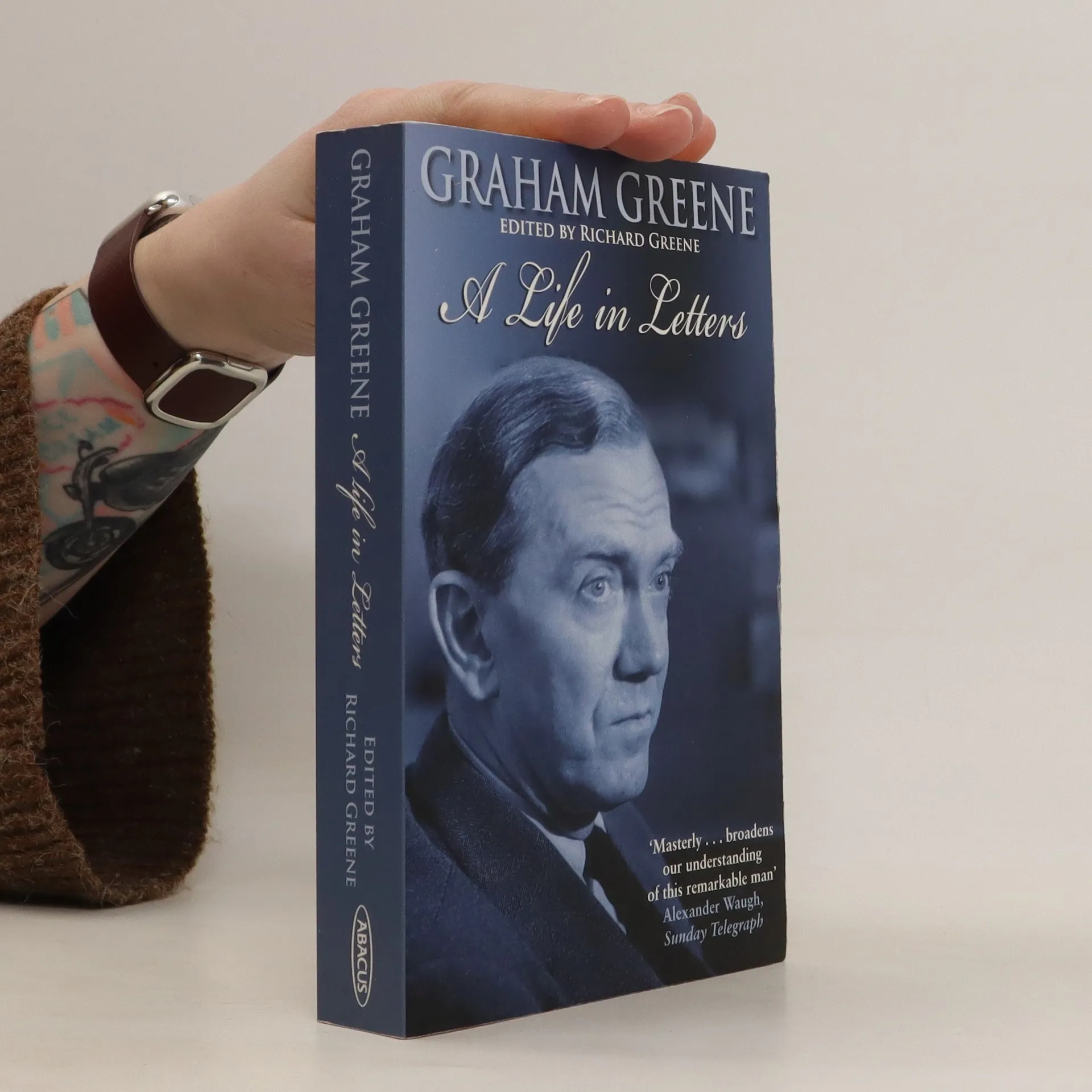
* The first book of Graham Greene's letters - the most intimate record we have of a life lived at the heart of modern history
The Third Man and Other Stories
- 344bladzijden
- 13 uur lezen
A broad selection of Graham Greene's masterful short stories, including Cold War classic novella, The Third Man. Rollo Martins, a failing novelist, is invited to Vienna by his best friend, Harry Lime. The city he arrives in is unrecognisable -- torn apart by the Second World War and shared between the occupying Allies. What's more, Harry is dead, and the circumstances look suspicious... Determined to uncover the truth, Martins must pick through the rubble of this broken city in search of answers.
The Heart of the Matter
- 156bladzijden
- 6 uur lezen
In a British colony in West Africa, Henry Scobie is a pious and righteous man of modest means enlisted with securing borders. But when he’s passed over for a promotion as commissioner of police, the humiliation hits hardest for his wife, Louise. Already oppressed by the appalling climate, frustrated in a loveless marriage, and belittled by the wives of more privileged officers, Louise wants out. Feeling responsible for her unhappiness, Henry decides against his better judgment to accept a loan from a black marketeer to secure Louise’s passage. It’s just a single indiscretion, yet for Henry it precipitates a rapid fall from grace as one moral compromise after another leads him into a web of blackmail, adultery, and murder. And for a devout man like Henry, there may be nothing left but damnation.
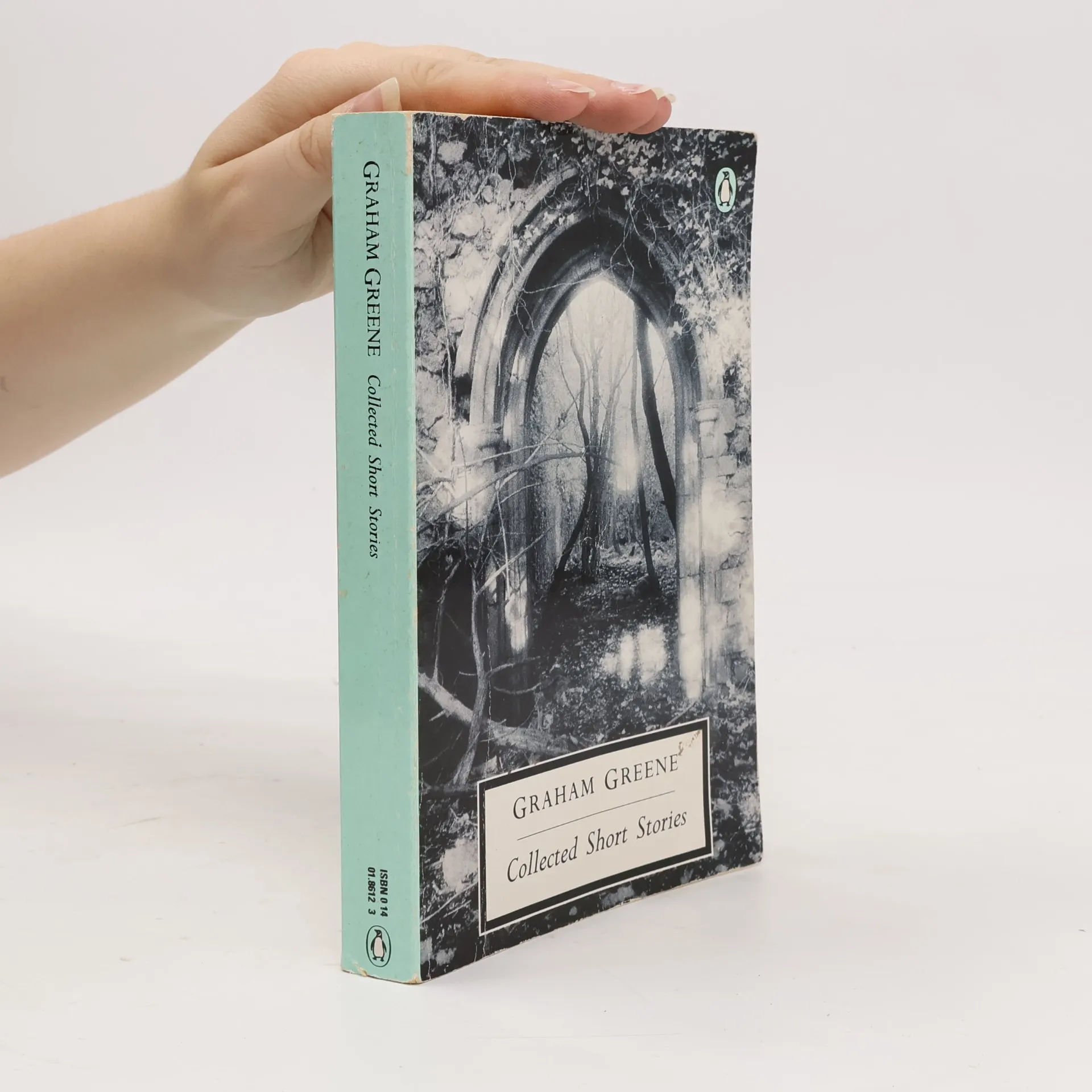
Collected Short Stories
- 368bladzijden
- 13 uur lezen
Affairs, obsessions, ardours, fantasy, myth, legend and dream, fear, pity and violence — this magnificent collection of stories illuminates all corners of the human experience.Previously published in three volumes — May We Borrow Your Husband?, A Sense of Reality and Twenty-One Stories — these thirty-seven stories reveal Graham Greene in a range of contrasting moods, sometimes cynical and witty, sometimes searching and philosophical. Each one confirms V.S. Pritchett's statement that Greene is 'a master of storytelling'.
Reflections
- 448bladzijden
- 16 uur lezen
UPDATED AND EDITED WITH A NEW INTRODUCTION BY JUDITH ADAMSONWhether reporting from the London cinema, Cotswolds villages, second-hand bookshops, war zones or political trouble spots, Graham Greene's novelistic gifts for detail, drama and compassionate curiosity provide unique and resonant insights into his life and times.
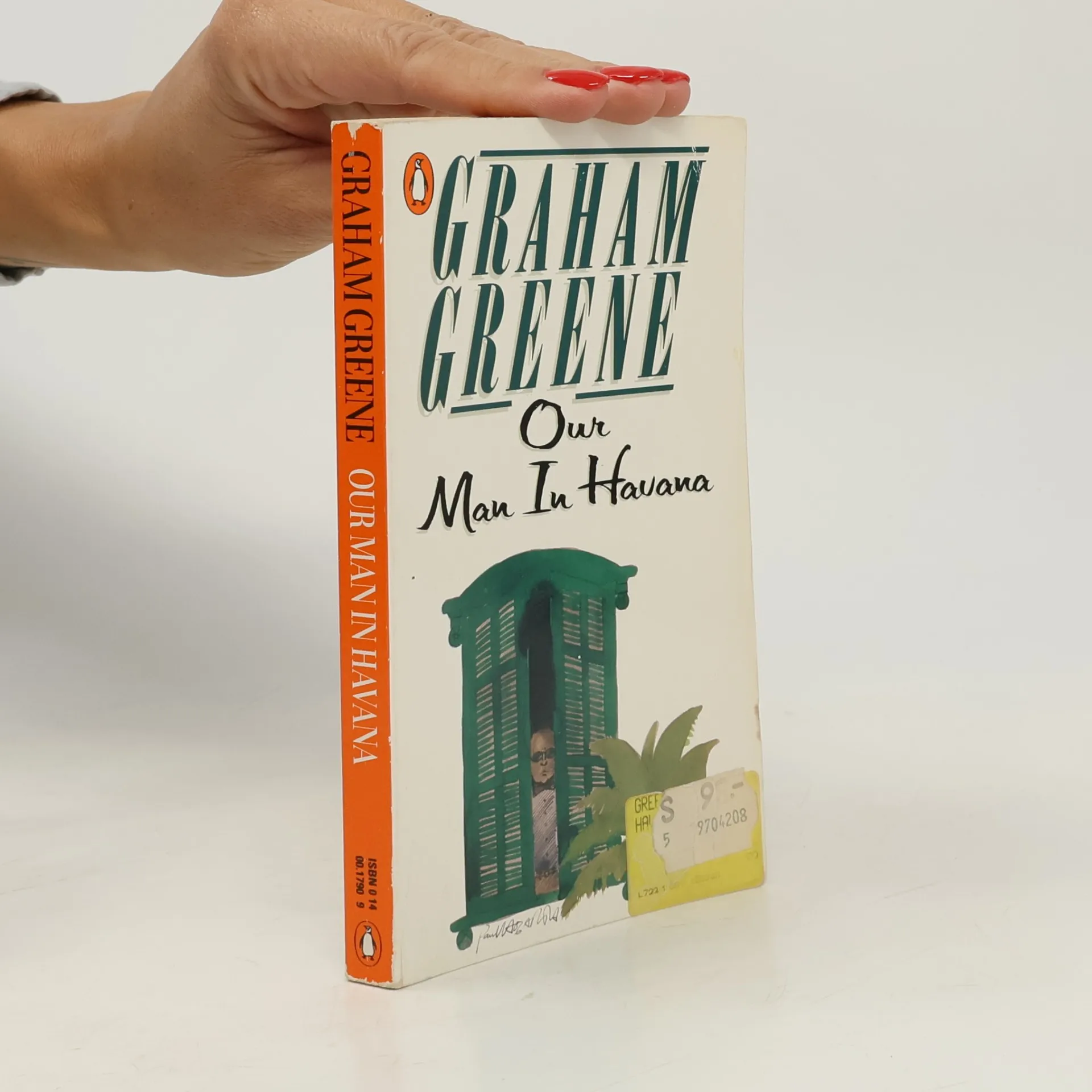
Wormold is a vacuum cleaner salesman in a city of power cuts. His adolescent daughter spends his money with a skill that amazes him, so when a mysterious Englishman offers him an extra income he's tempted. In return all he has to do is carry out a little espionage and file a few reports. But when his fake reports start coming true, things suddenly get more complicated and Havana becomes a threatening place.
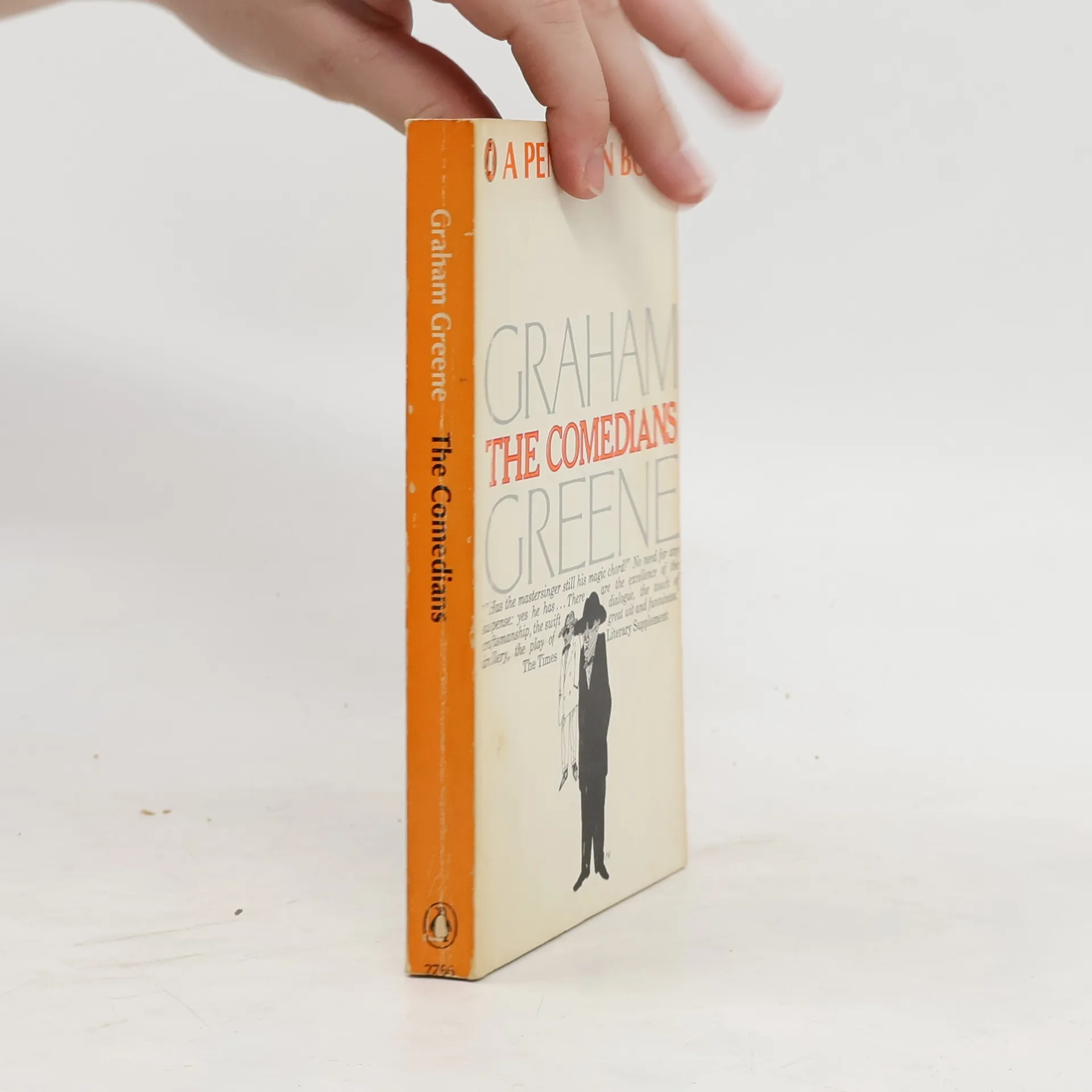
Three men meet on a ship bound for Haiti, a world in the grip of the corrupt Papa Doc and the Tontons Macoute, his sinister secret police. Brown the hotelier, Smith the innocent American and Jones the confidence man are the Comedians of Graham Greene's title.
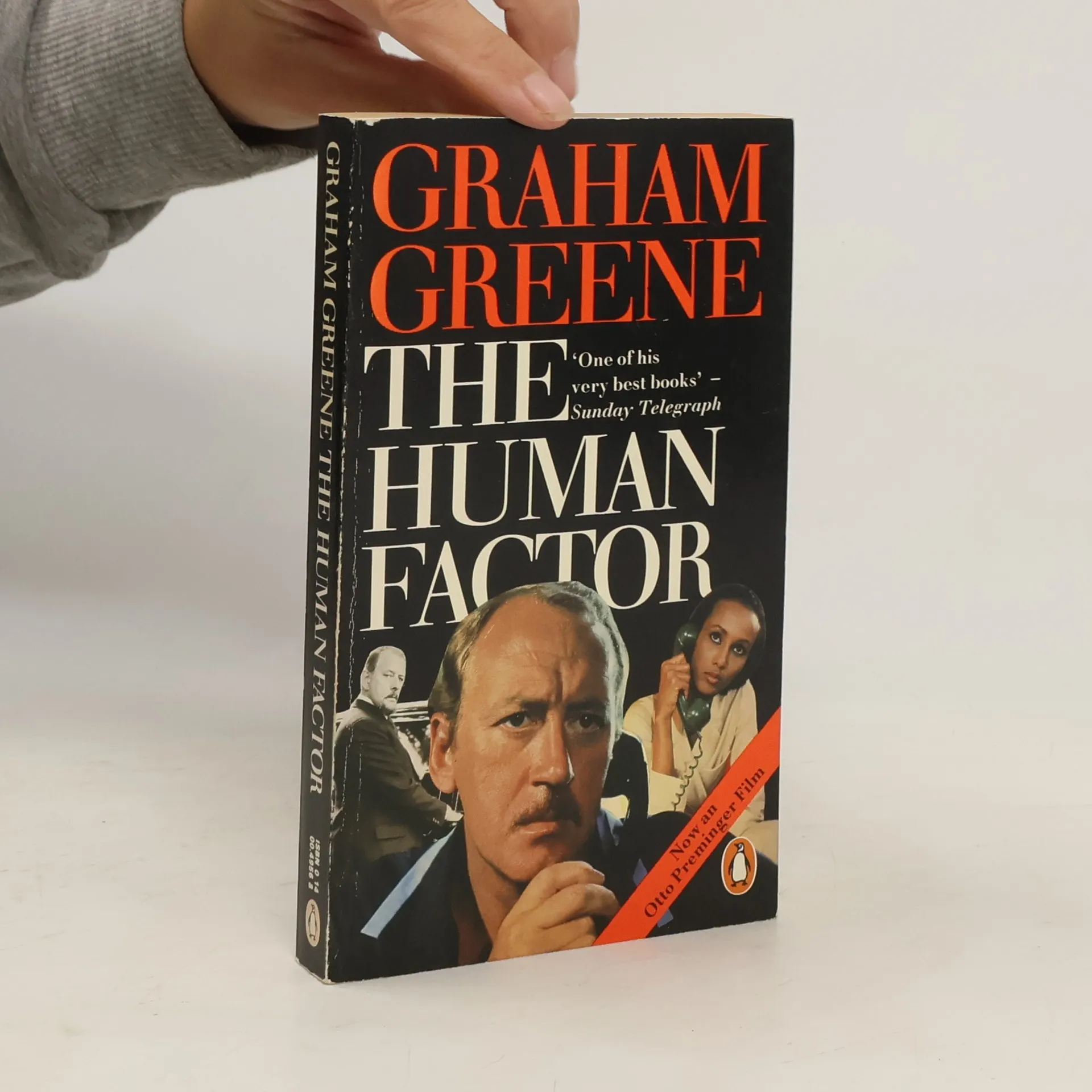
Home from the colonies (South Africa), Castle is now a minor functionary in British Intelligence, a middle-aged man devoted to his black wife Sarah and her young son. Castle lives in "angst": a double agent, he leaks information to the Communists. Castle's superiors suspect Davis, Castle's woebegone office mate hungering for romance; but the reader knows early that Castle is the traitor. The narrative is built on Greene's familiar structure: the respected man, secretly living outside society's laws, finally caught by the corrupted law of that society. The reader's sympathies are with the outlaws; a basically decent human being who does the wrong thing for the right reasons
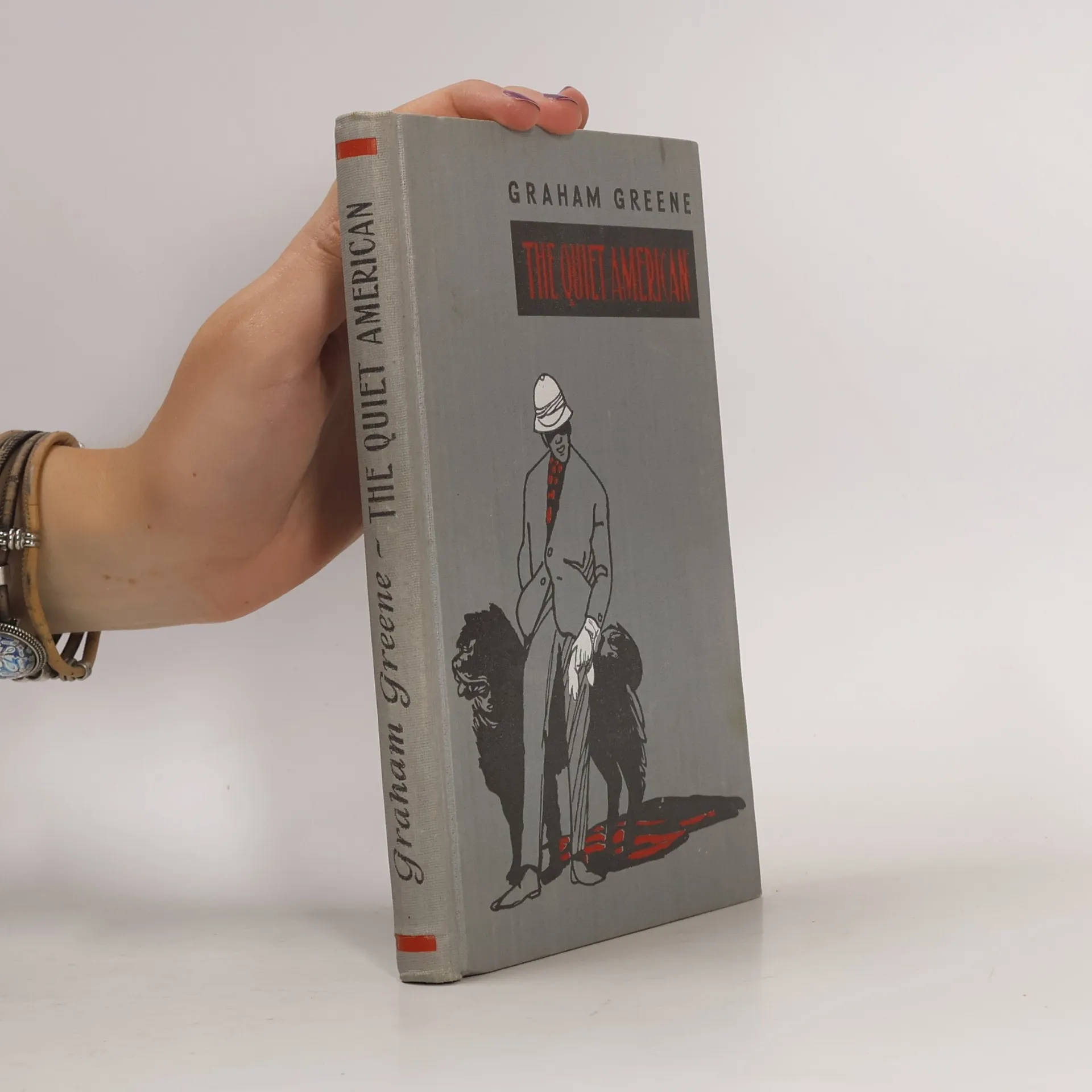
Graham Greene's classic exploration of love, innocence, and morality in Vietnam "I never knew a man who had better motives for all the trouble he caused," Graham Greene's narrator Fowler remarks of Alden Pyle, the eponymous "Quiet American" of what is perhaps the most controversial novel of his career. Pyle is the brash young idealist sent out by Washington on a mysterious mission to Saigon, where the French Army struggles against the Vietminh guerrillas.As young Pyle's well-intentioned policies blunder into bloodshed, Fowler, a seasoned and cynical British reporter, finds it impossible to stand safely aside as an observer. But Fowler's motives for intervening are suspect, both to the police and himself, for Pyle has stolen Fowler's beautiful Vietnamese mistress. Originally published in 1956 and twice adapted to film, The Quiet American remains a terrifying and prescient portrait of innocence at large.
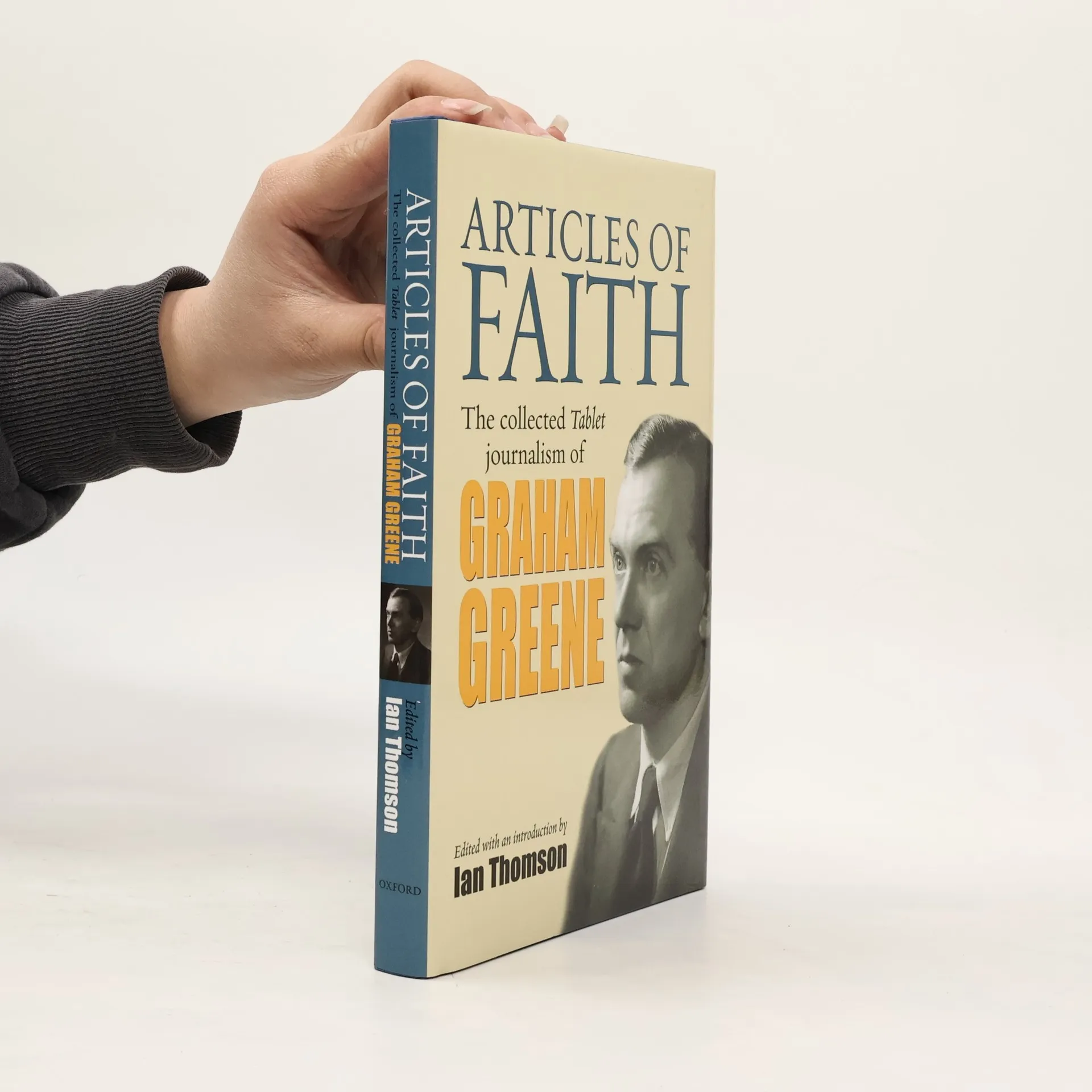
When Graham Greene passed away in 1991 at 86, he was recognized as a significant Catholic writer, known for his exploration of sin and challenging themes. His work in the British Catholic journal The Tablet allowed him to share both his literary endeavors and unconventional religious perspectives. Greene was particularly fascinated by martyrdom, and his experiences in 1930s Mexico, where Roman Catholicism faced severe oppression, inspired impactful journalism first published in The Tablet. This collection features four of his Mexico despatches: "Mexican Sunday," "A Catholic Adventurer and his Mexican Journal," "In Search of a Miracle," and "The Dark Virgin." Additionally, it includes a long essay on the Assumption, "Our Lady and Her The Only Figure of Perfect Love," from 1951, along with 26 book reviews for The Tablet's "Fiction Chronicle." Greene's reviews highlight his broad-mindedness, praising works by authors such as Ignazio Silone and Karel Čapek. This volume gathers Greene's contributions to The Tablet, much of which has not been published in fifty years. It also features "Two Friends," an essay detailing Greene's friendship with diplomat Peter Leslie, alongside previously unseen correspondence between them.
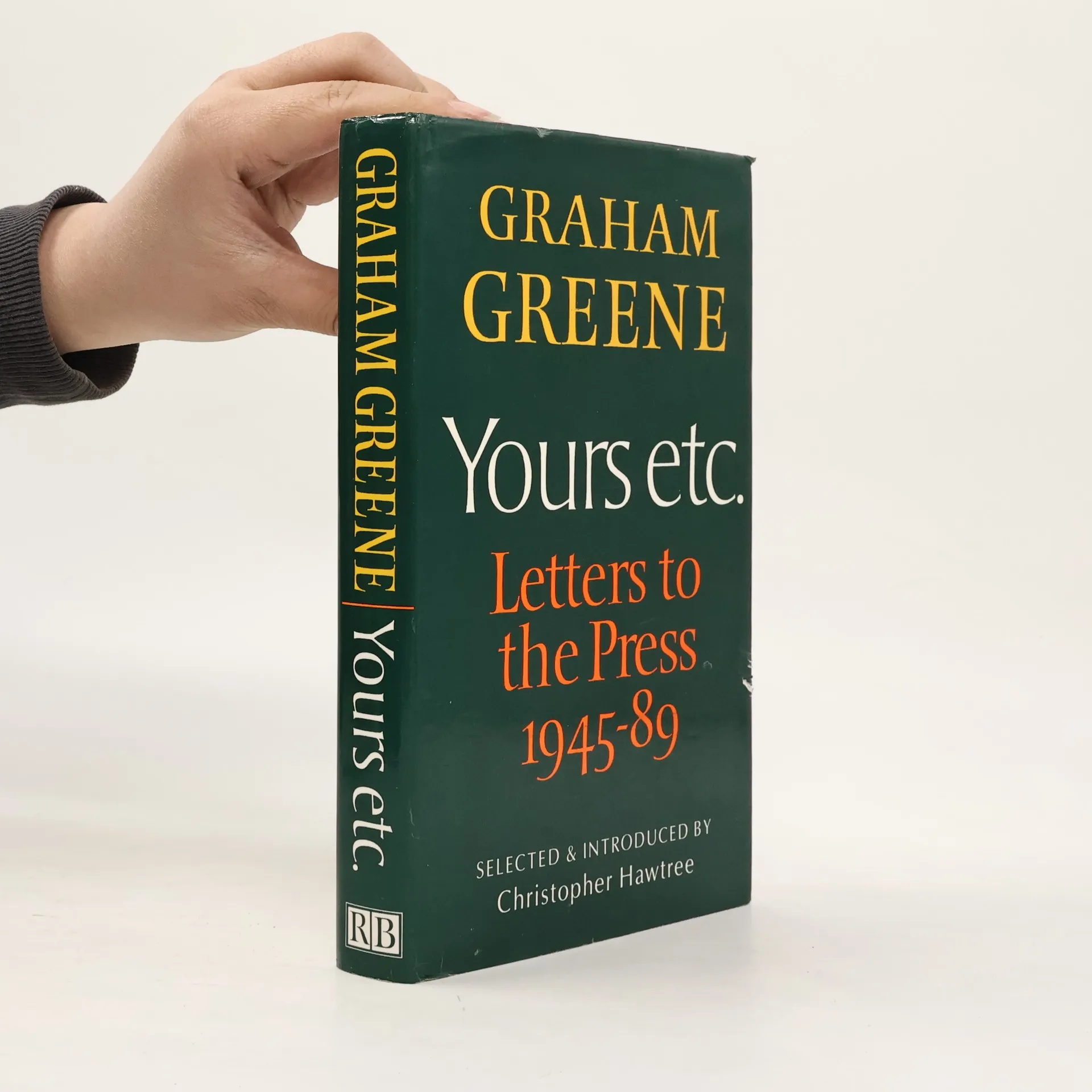
This collection of Graham Greene's letters to the press, begins in 1945 with a body of letters to "The Times". The letters dating from 1945 are supplemented by later ones to "The Independent", "The New Statesman", "Spectator" and "Le Monde".
At age 82, Clifton Fadiman continues his prolific publishing career, here presenting 62 of the world's best short stories from 16 countries. His criteria? "Each story had to be both interesting and of high literary merit." Fadiman fulfills both requirements and much more, offering a cornucopia of superior 20th-century writers that includes Franz Kafka, D. H. Lawrence, Isaac Babel, F. Scott Fitzgerald, William Faulkner, Ernest Hemingway, John Cheever, Sean O'Faolain, Graham Greene, Robert Penn Warren, Colette, John Updike, Donald Barthelme, and James Thurber. (Regrettably, J. D. Salinger is not included due to lack of permission.) Here is a truly remarkable collection of this century's short stories that readers from all over the world will read with delight.
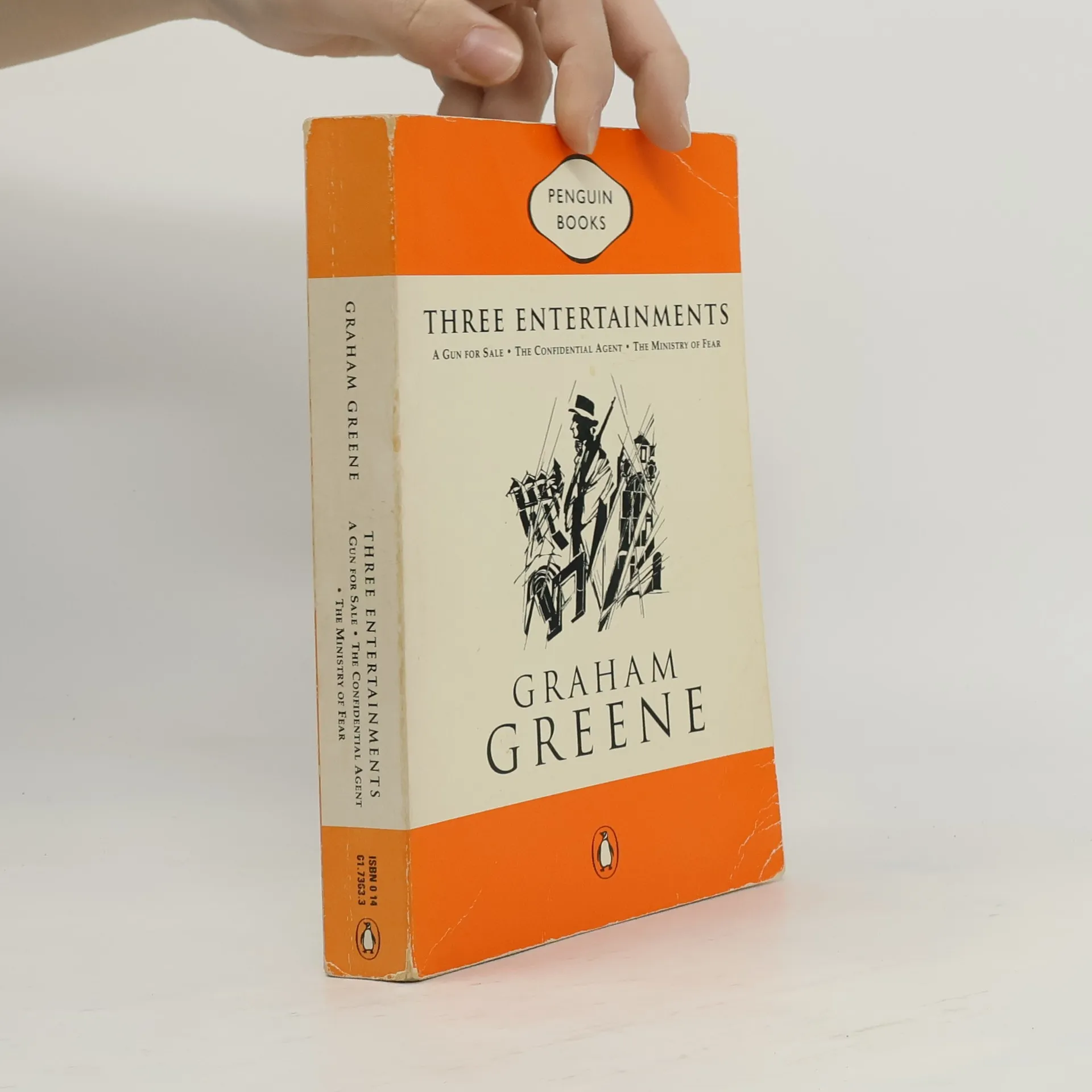
Three Entertainments
This Gun for Hire; Ministry of Fear; Confidential Agent
- 624bladzijden
- 22 uur lezen
Here in one volume are three of the best thrillers - or "entertainments" as the author calls them - that Graham Greene has written. These earlier full-length novels are no less the work of a distinguished artist and master storyteller.
For Arthur Rowe the trip to the charity fete was a joyful step back into adolescence, a chance to forget the nightmare of the Blitz and the guilt of having mercifully murdered his sick wife. He was surviving alone, aside from the War, until he happened to win a cake at the fete. From that moment, he finds himself ruthlessly hunted, the quarry of malign and shadowy forces, from which he endeavors to escape ...
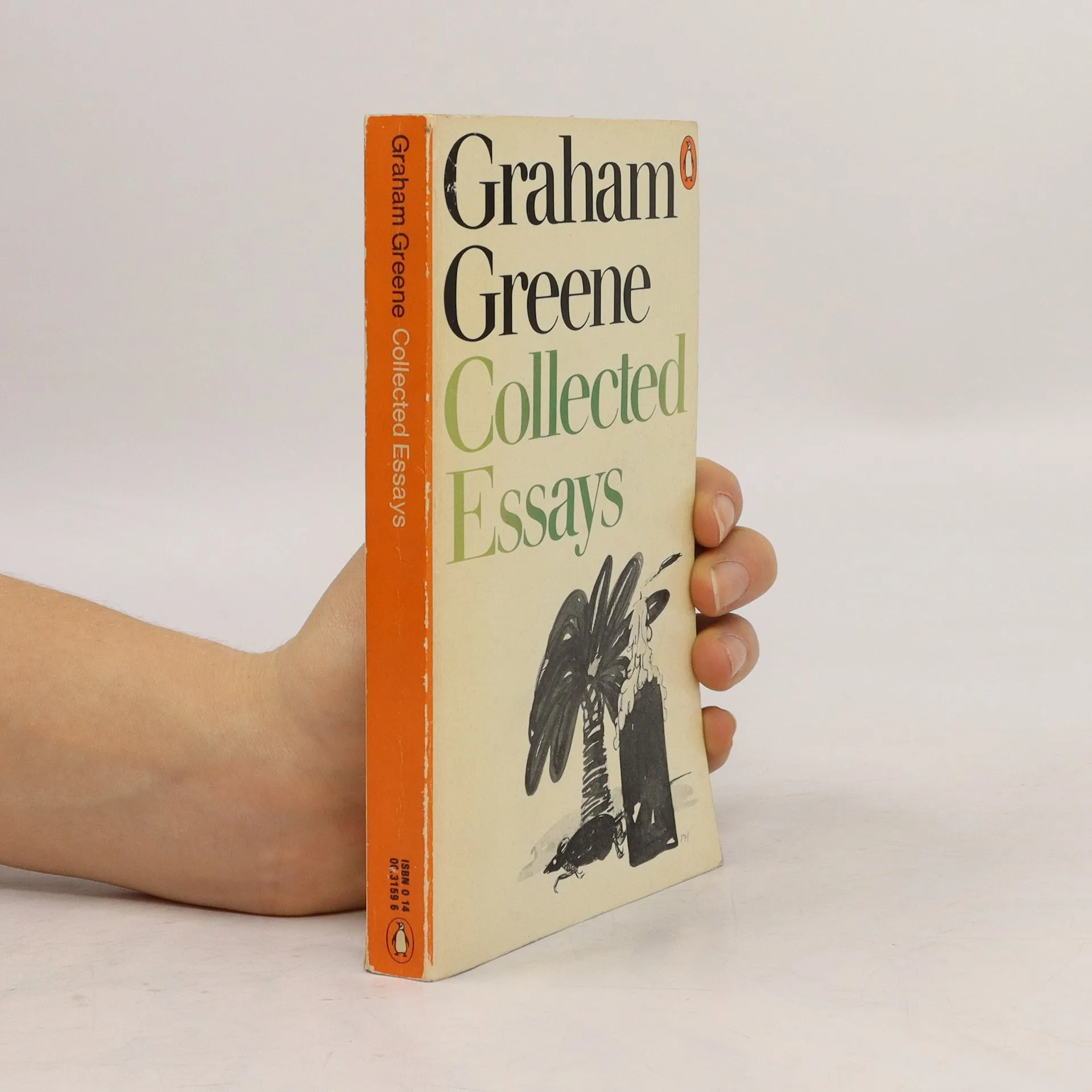
Collected essays
- 352bladzijden
- 13 uur lezen
Contains nearly 80 of Greene's essays, reviews and occasional pieces composed between novels, plays and travel books over four decades, covering an eclectic and stimulating range of subjects. Originally published by the Bodley Head in 1969.
A collection of four stories comprising Under The Garden' (A short novel); A Visit to the Morin'; Dream of a Strange Land' and A Discovery in the Woods'. In these four stories Graham Greene, one of the master of modern English fiction, has allowed himself the liberty of fantasy, myth, legend and dream. The results are, quite simply, superb.
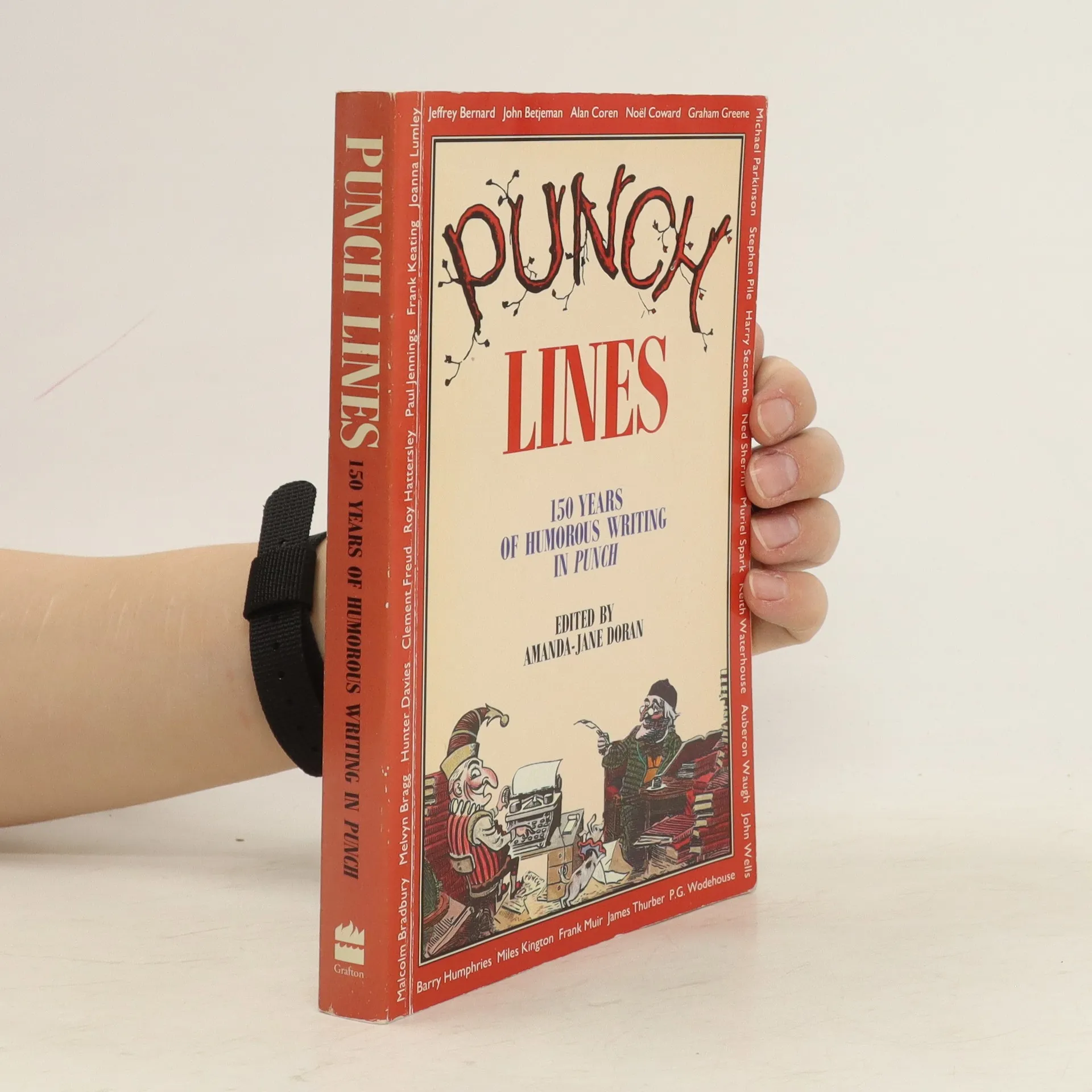
Punch Lines
- 384bladzijden
- 14 uur lezen
An anthology of the best comic writing in Punch from 1841 to 1991.
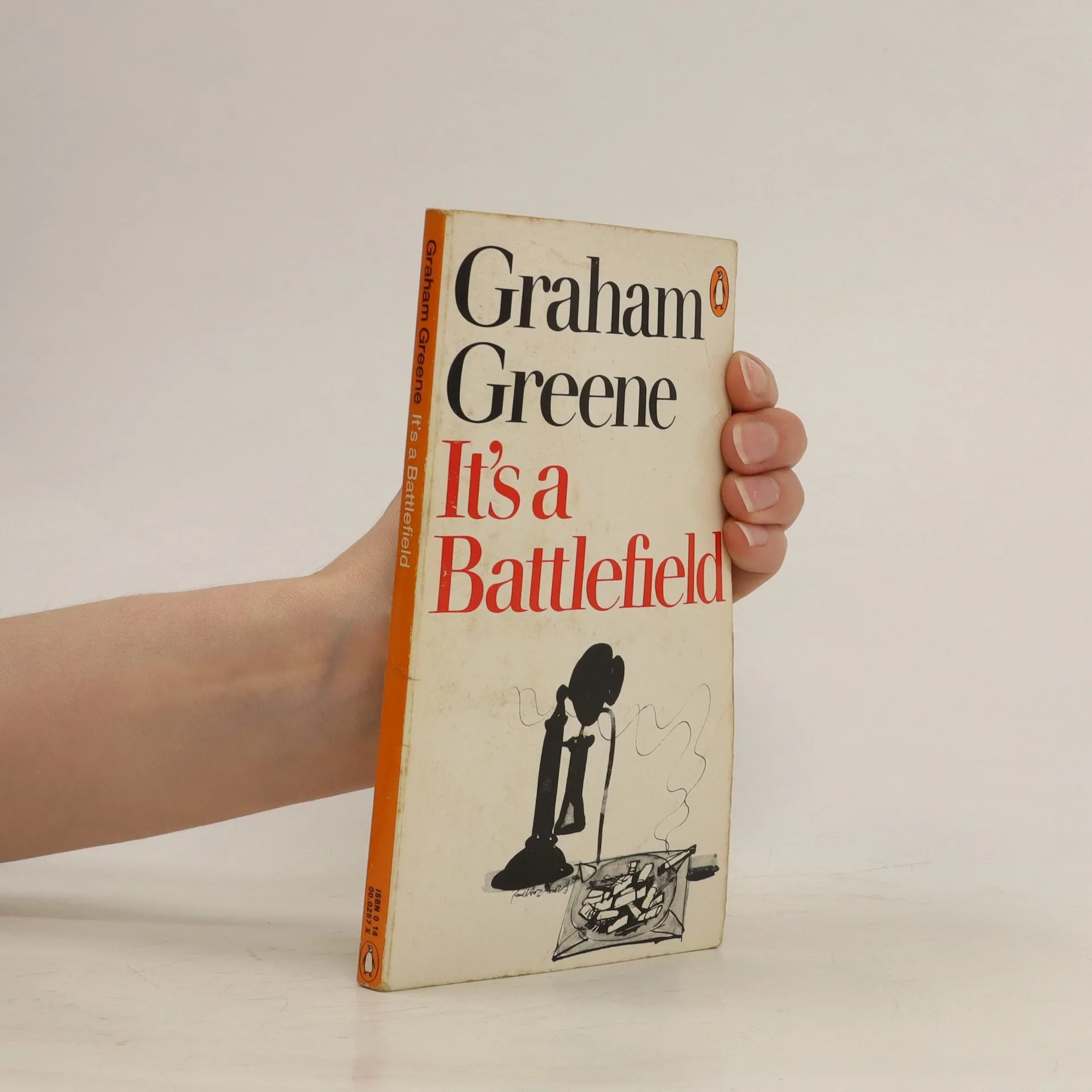
It's a Battlefield
- 208bladzijden
- 8 uur lezen
Drover, a Communist bus driver, is in prison appealing his death sentence for killing a policeman during a riot at Hyde Park Corner, a policeman he thought was about to club his wife. A battle rages to save Drover's life from the noose. The Assistant Commissioner, high-principled and over-worked; Conrad, a paranoid clerk; Mr. Surrogate, a rich Fabian; Condor, a pathetic journalist feeding on fantasies; and Kay, pretty and promiscuous — all have a part to play in Drover's fate.
Modern Short Stories: For Students of English
- 136bladzijden
- 5 uur lezen
Ten unabridged short stories by twentieth-century authors of various nationalities, including Hemingway, Joyce, Naipaul, Dahl, Greene, and Lessing.
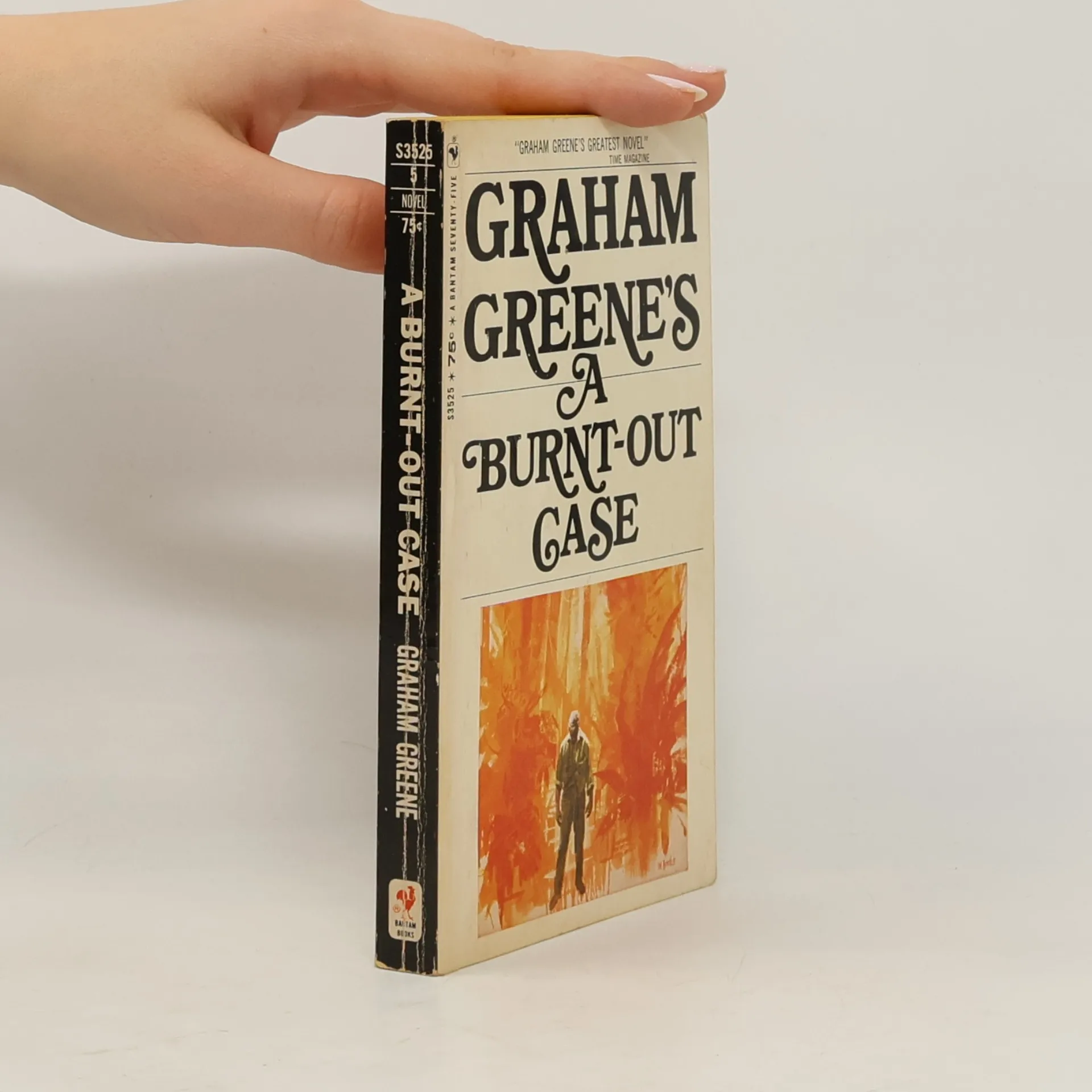
When Querry, a world-famous architect, finds he no longer enjoys life or takes pleasure in art he sets off on a voyage. Arriving anonymously at a leper colony in the Congo, he is diagnosed as the mental equivalent of a 'burnt-out case', a leper mutilated by disease and amputation. Querry slowly moves towards a cure, his mind getting clearer as he works for the colony. However, in the heat of the tropics, no relationship with a married woman, however blameless, will ever be taken as innocent.
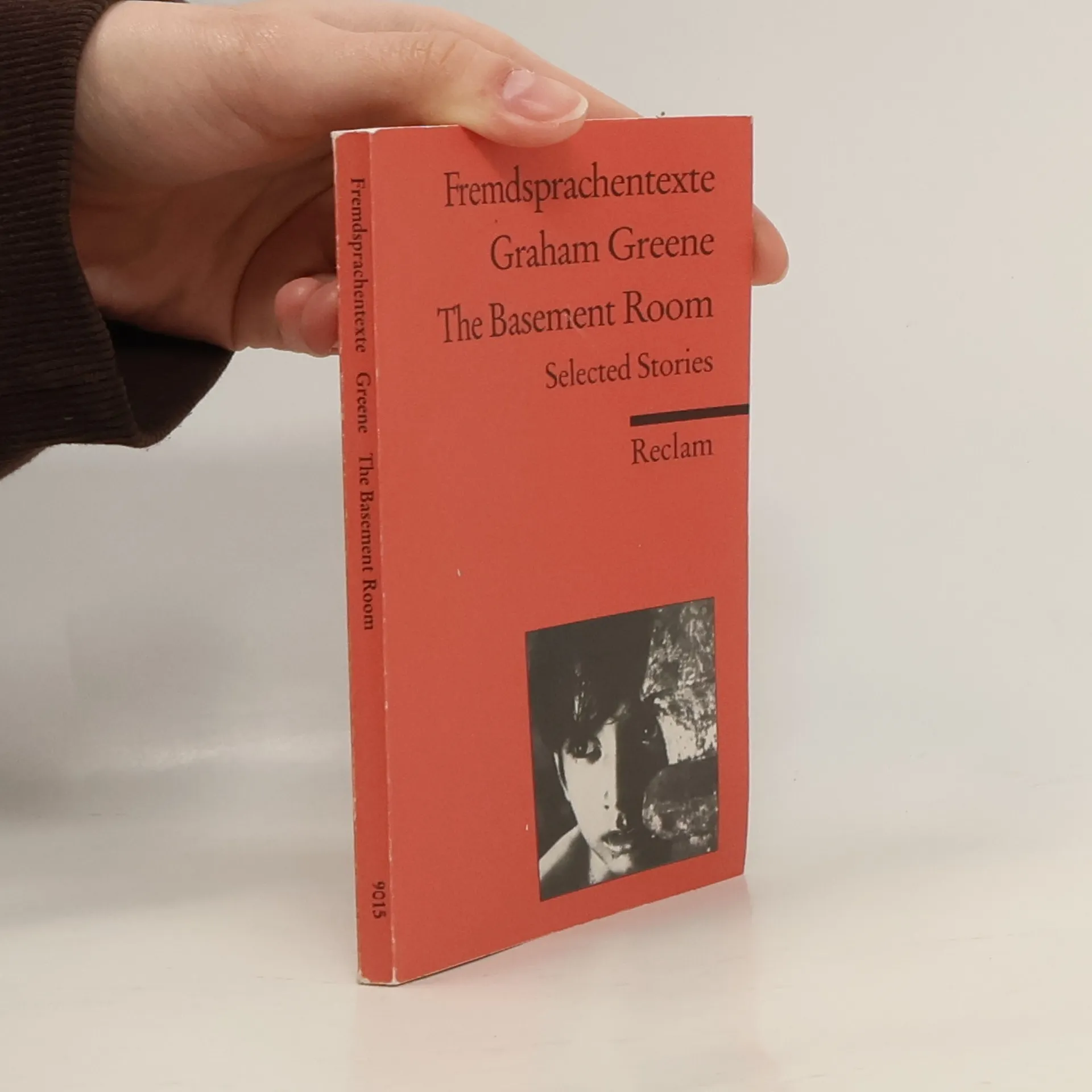
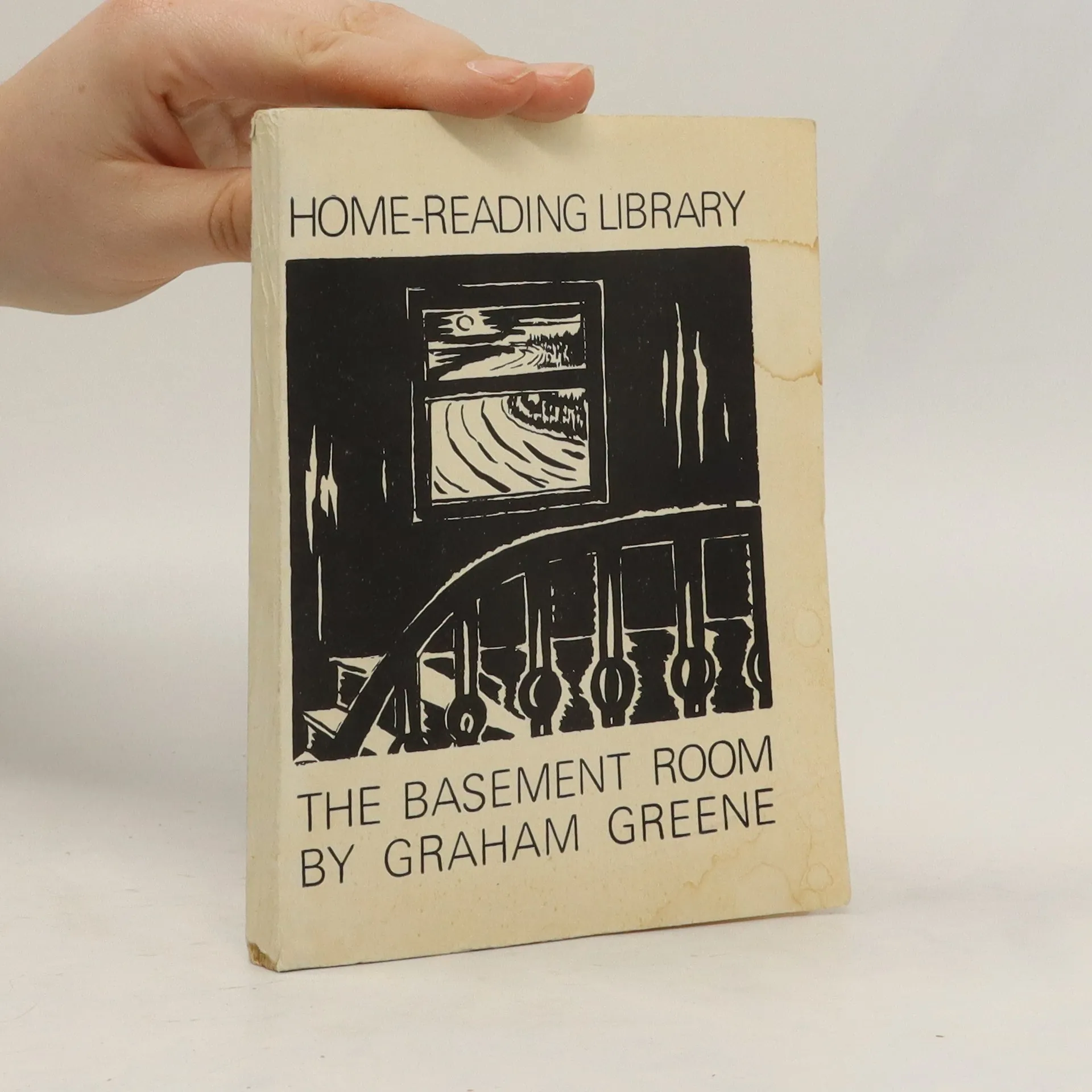
The Basement Room. Selected Stories. Text in Englisch
- 144bladzijden
- 6 uur lezen
Inhaltsverzeichnis - 'The end of the party'; 'The basement room'; 'A drive in the country'; 'The hint of explanation'; 'The destructors'.
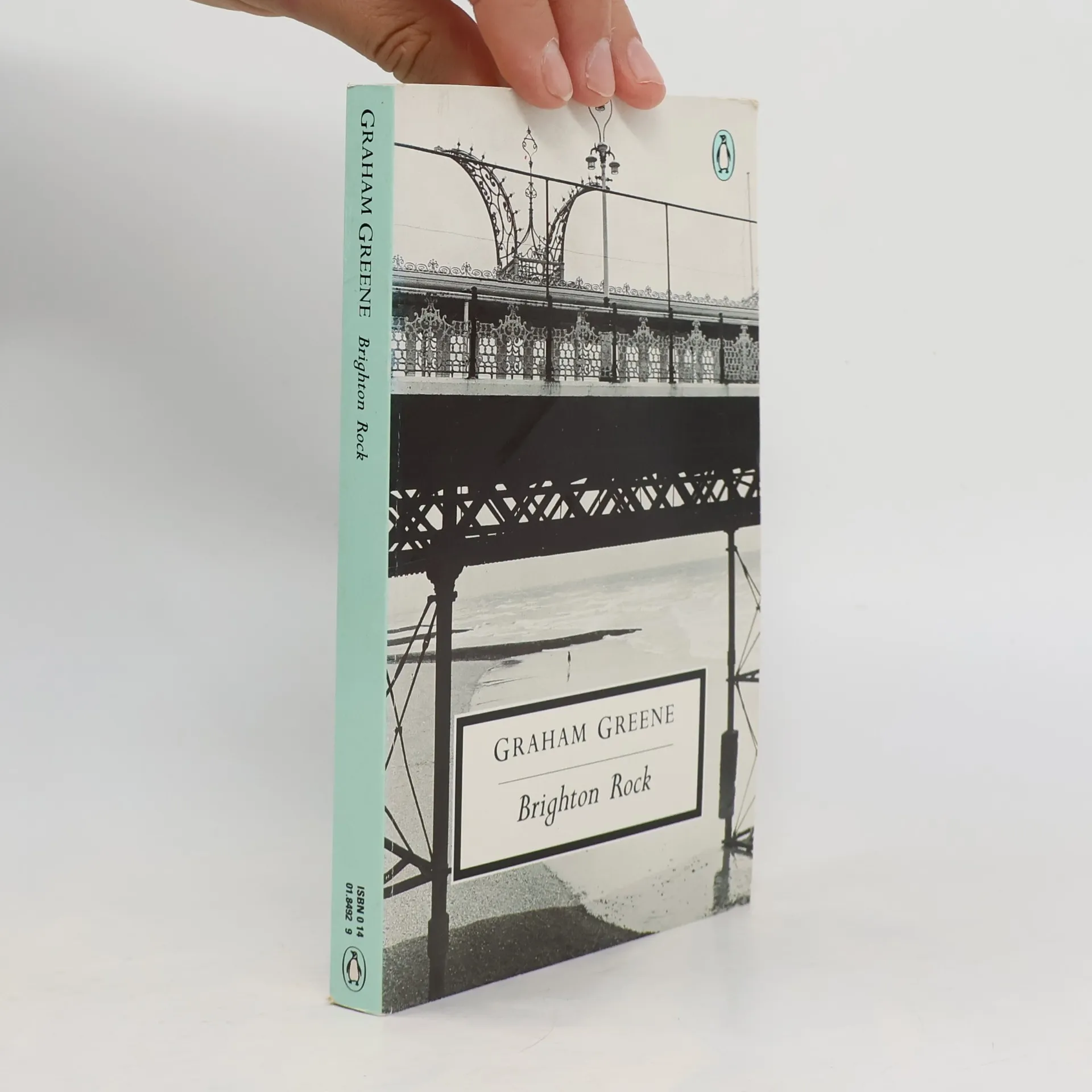
Brighton rock
- 246bladzijden
- 9 uur lezen
Pinkie, a boy gangster in pre-war Brighton, is a Catholic dedicated to evil and damnation. In a dark setting of double crossing and razor slashes, his ambition and hatreds are horribly fulfilled, until Ida determines to convict him for murder.
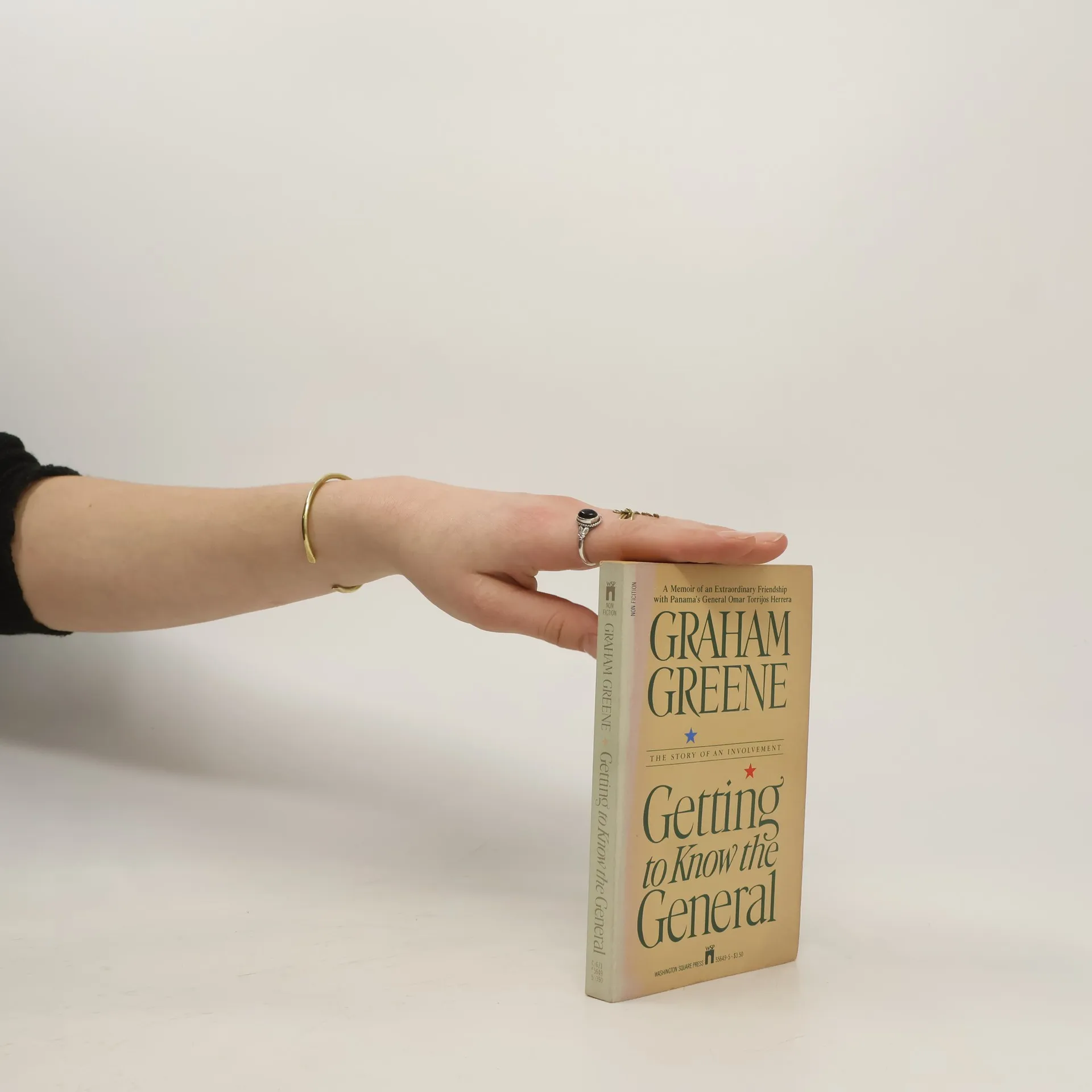
Getting to Know the General
- 220bladzijden
- 8 uur lezen
'In August 1981 my bag was packed for my fifth visit to Panama when the news came to me over the telephone of the death of General Omar Torrijos Herrera, my friend and host. . . At that moment the idea came to me to write a short personal memoir. . . of a man I had grown to love over those five years' GETTING TO KNOW THE GENERAL is Graham Greene's account of a five-year personal involvement with Omar Torrijos, ruler of Panama from 1968-81 and Sergeant Chuchu, one of the few men in the National Guard whom the General trusted completely. It is a fascinating tribute to an inspirational politician in the vital period of his country's history, and to an unusual and enduring friendship.
Rollo Martins' usual line is the writing of cheap paperback Westerns under the name of Buck Dexter. But when his old friend Harry Lime invites him to Vienna, he jumps at the chance. With exactly five pounds in his pocket, he arrives only just in time to make it to his friend's funeral. The victim of an apparently banal street accident, the late Mr. Lime, it seems, had been the focus of a criminal investigation, suspected of nothing less than being "the worst racketeer who ever made a dirty living in this city." Martins is determined to clear his friend's name, and begins an investigation of his own...
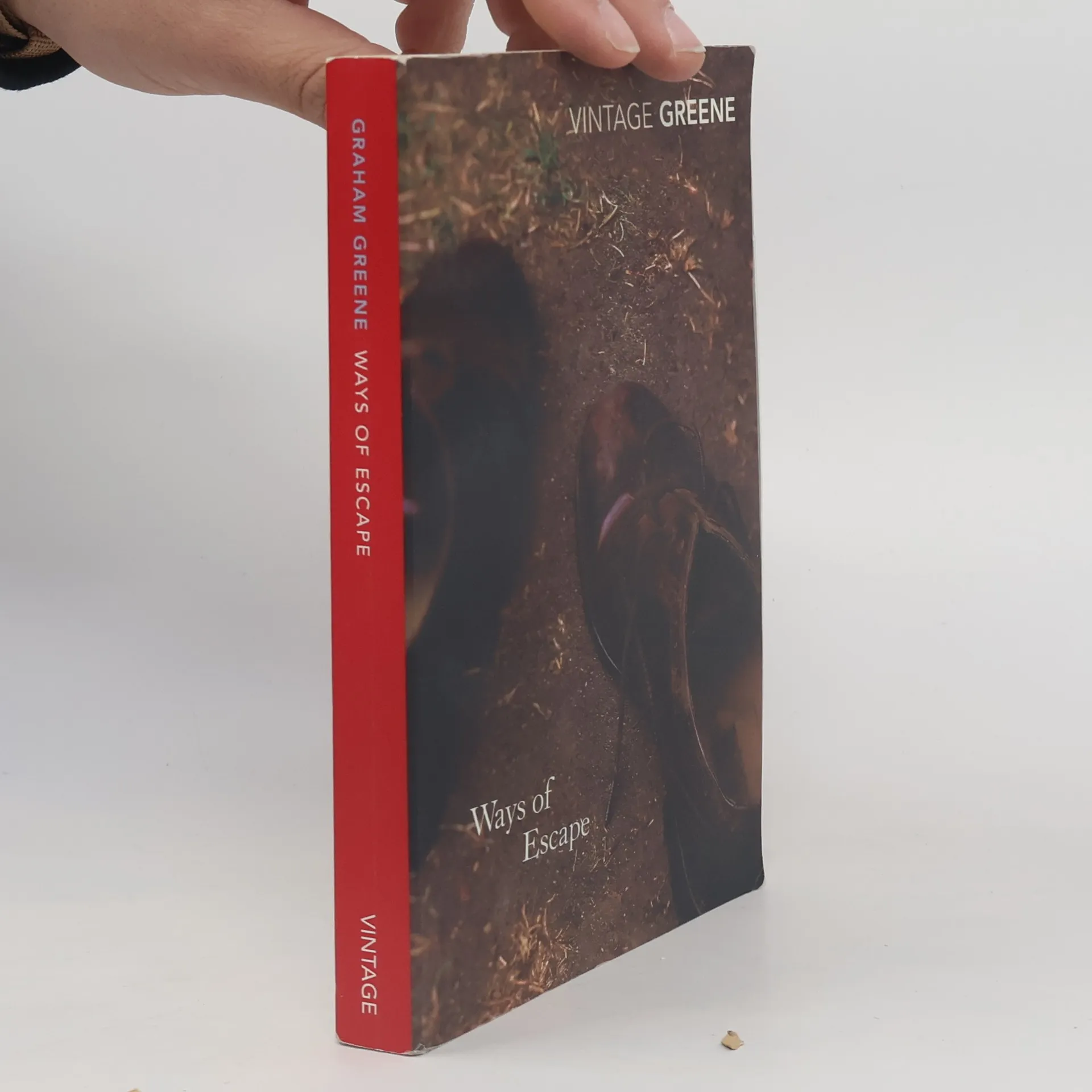
Ways Of Escape
- 320bladzijden
- 12 uur lezen
With superb skill and feeling, Graham Greene retraces the experiences and encounters of his extraordinary life. as if seeking out danger, Greene travelled to Haiti during the nightmare rule of Papa Doc, Vietnam in the last days of the French, Kenya during the Mau Mau rebellion.
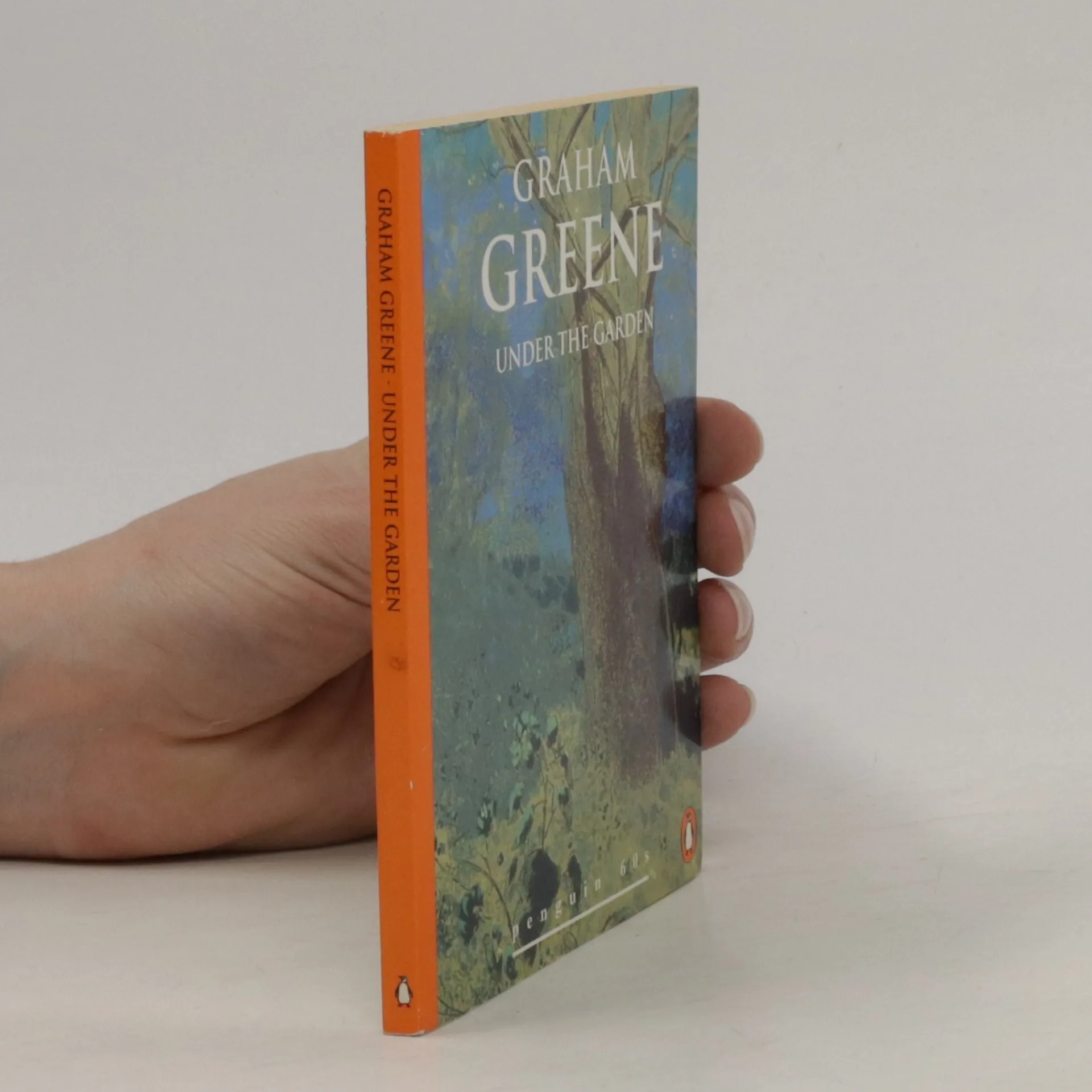
Under the Garden
- 96bladzijden
- 4 uur lezen
Strange characters and mysterious threats will keep readers enraptured in this tale of a man who revisits his childhood home and recalls a youthful adventure "under the garden".
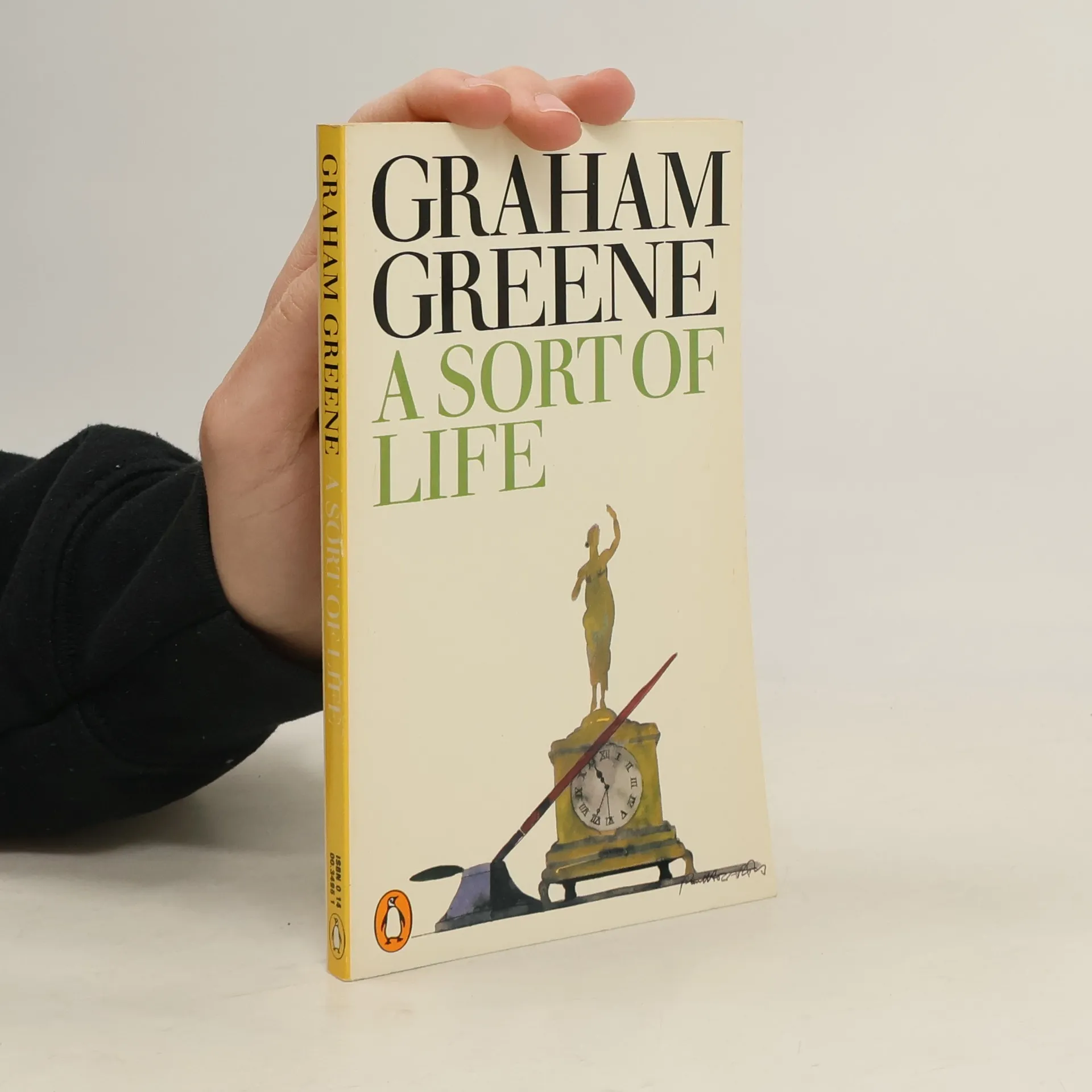
A Sort of Life
- 160bladzijden
- 6 uur lezen
Graham Greene's autobiographical account of schooldays and Oxford; encounters with adolescence, psychoanalysis and Russian roulette, his marriage and conversion to Catholicism and how he rashly resigned from the Times when his first novel was published.
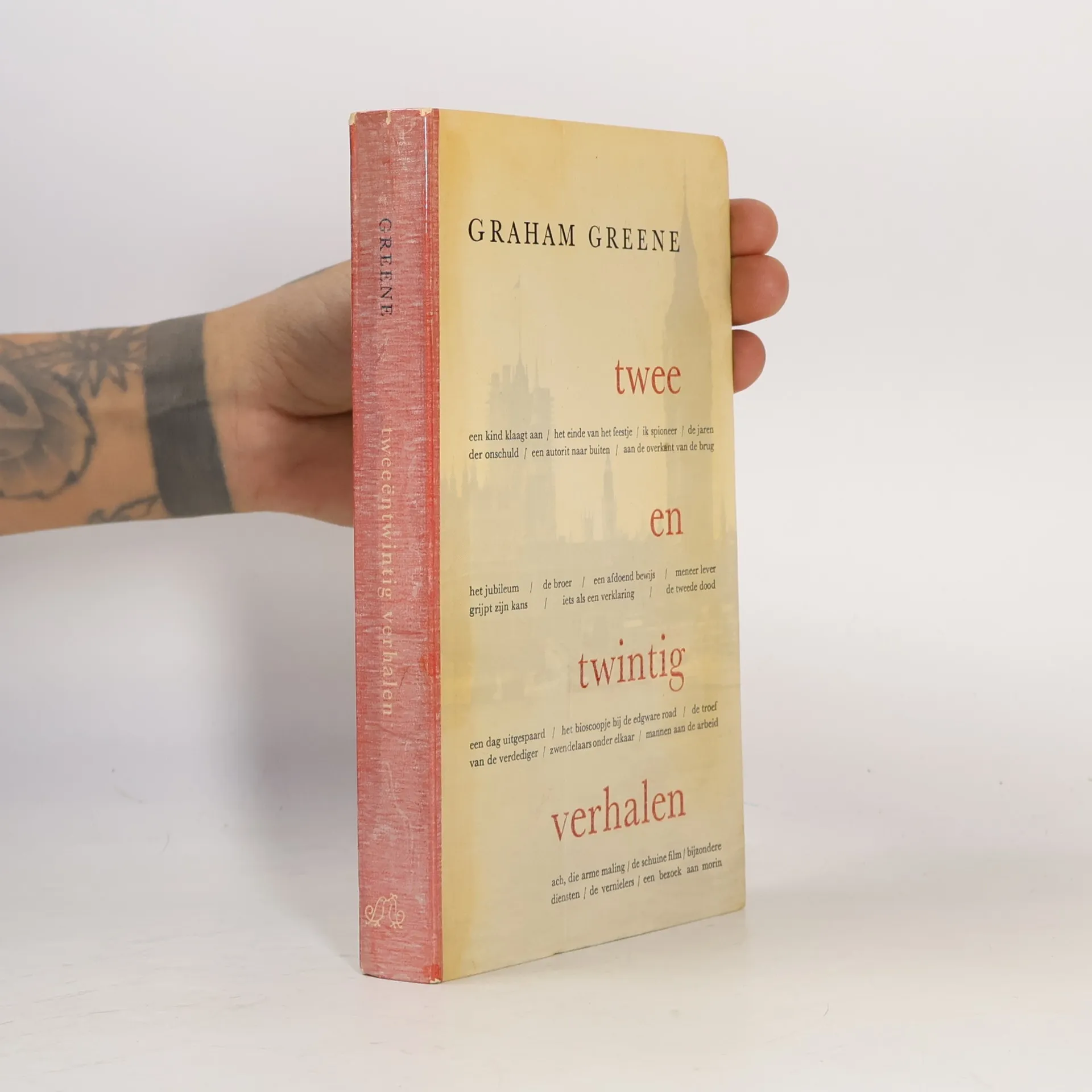
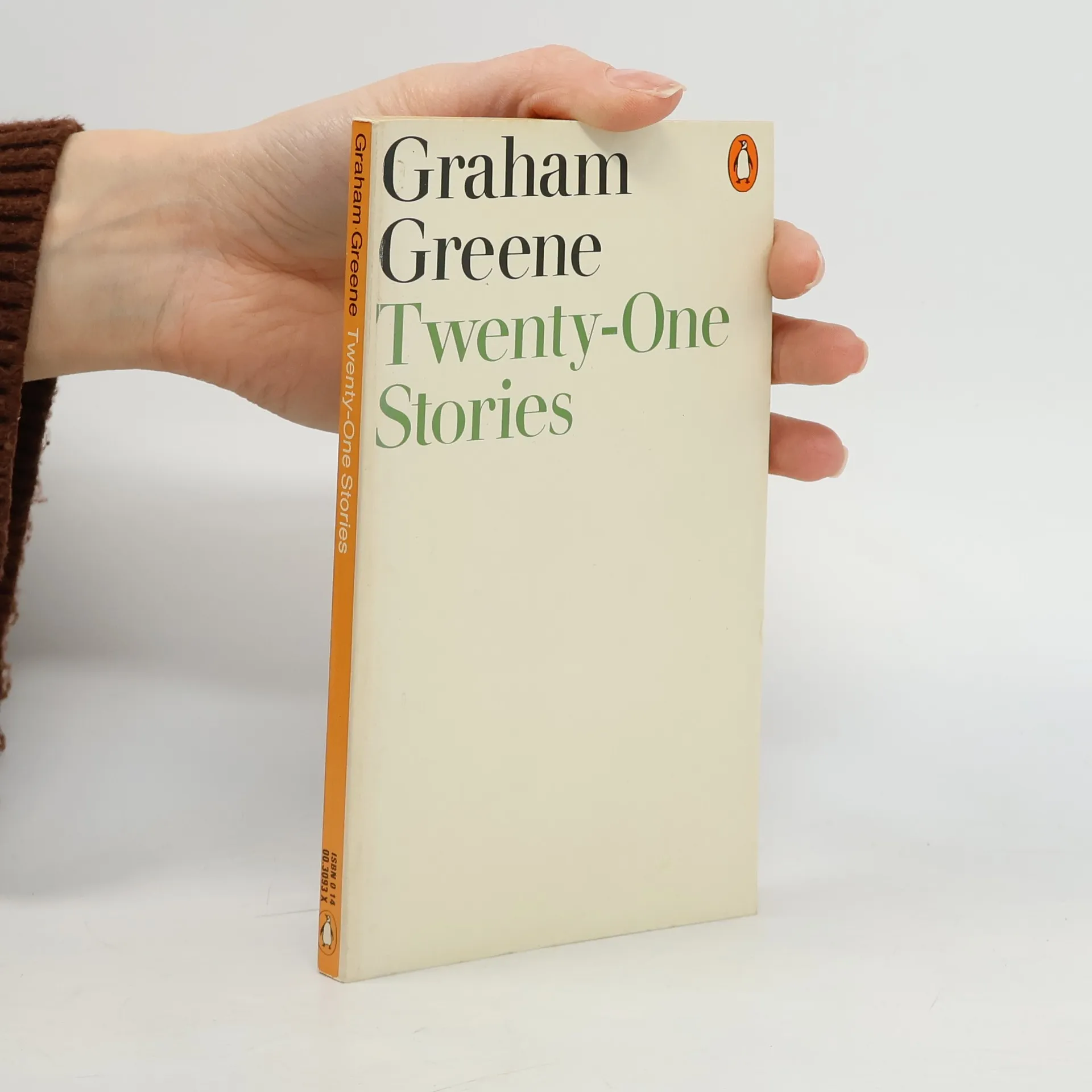
Twenty-One Stories
- 197bladzijden
- 7 uur lezen
In 'The Basement Room' a small boy witnesses an event that blights his whole life. Like the other stories in this book (written between 1929 and 1954), it hinges on the themes that dominate Graham Greene's novels - fear, pity and violence, pursuit, betrayal and man's restless search for salvation. Some of the stories are comic - poor Mr. Maling's stomach mysteriously broadcasts all sorts of sounds; others are wryly sad - a youthful indiscretion catches up with Mr. Carter in 'The Blue Film.' They can be deeply shocking: in 'The Destructors' a gang of children systematically destroys a man's house. Yet others are hauntingly tragic - a strange relationship between twins that reaches its climax at a children's party. Whatever the mood, each one is a compelling entertainment and unmistakably the work of one of the finest storytellers of the century. Contents - The Destructors - Special Duties - The Blue Film - The Hint of an Explanation - When Greek Meets Greek - Men at Work - Alas, Poor Maling - The Case for the Defence - A Little Place off the Edgware Road - Across the Bridge - A Drive in the Country - The Innocent - The Basement Room - A Chance for Mr Lever - Brother - Jubilee - A Day Saved - I Spy - Proof Positive - The Second Death - The End of the Party
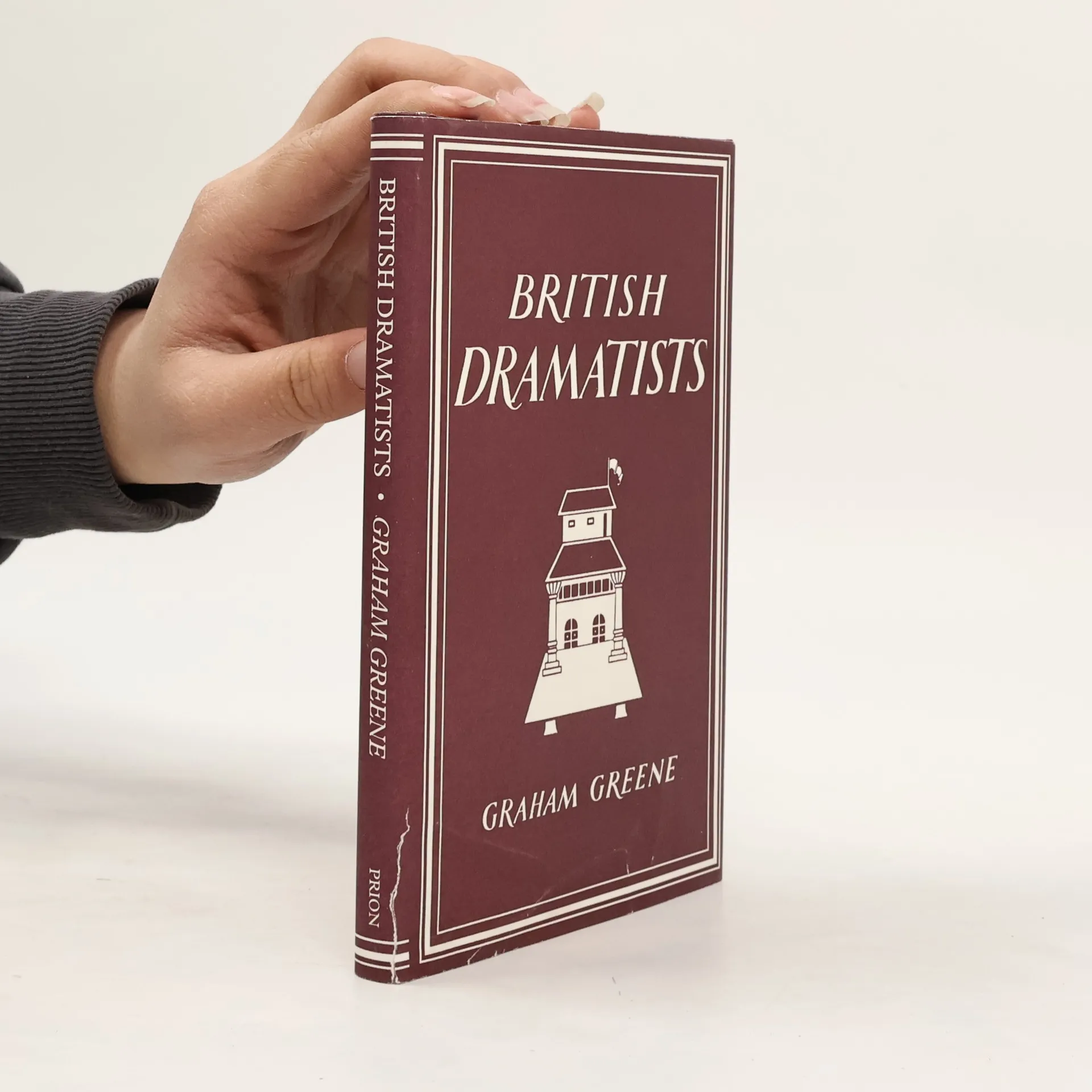
British Dramatists
- 96bladzijden
- 4 uur lezen
Part of the Writers' Britain series, first published in the 1940s. This work offers Graham Greene's evaluation of British drama, from its roots in the Mystery and Miracle plays of the market carnival through Shakespeare and the Restoration to the 20th century.
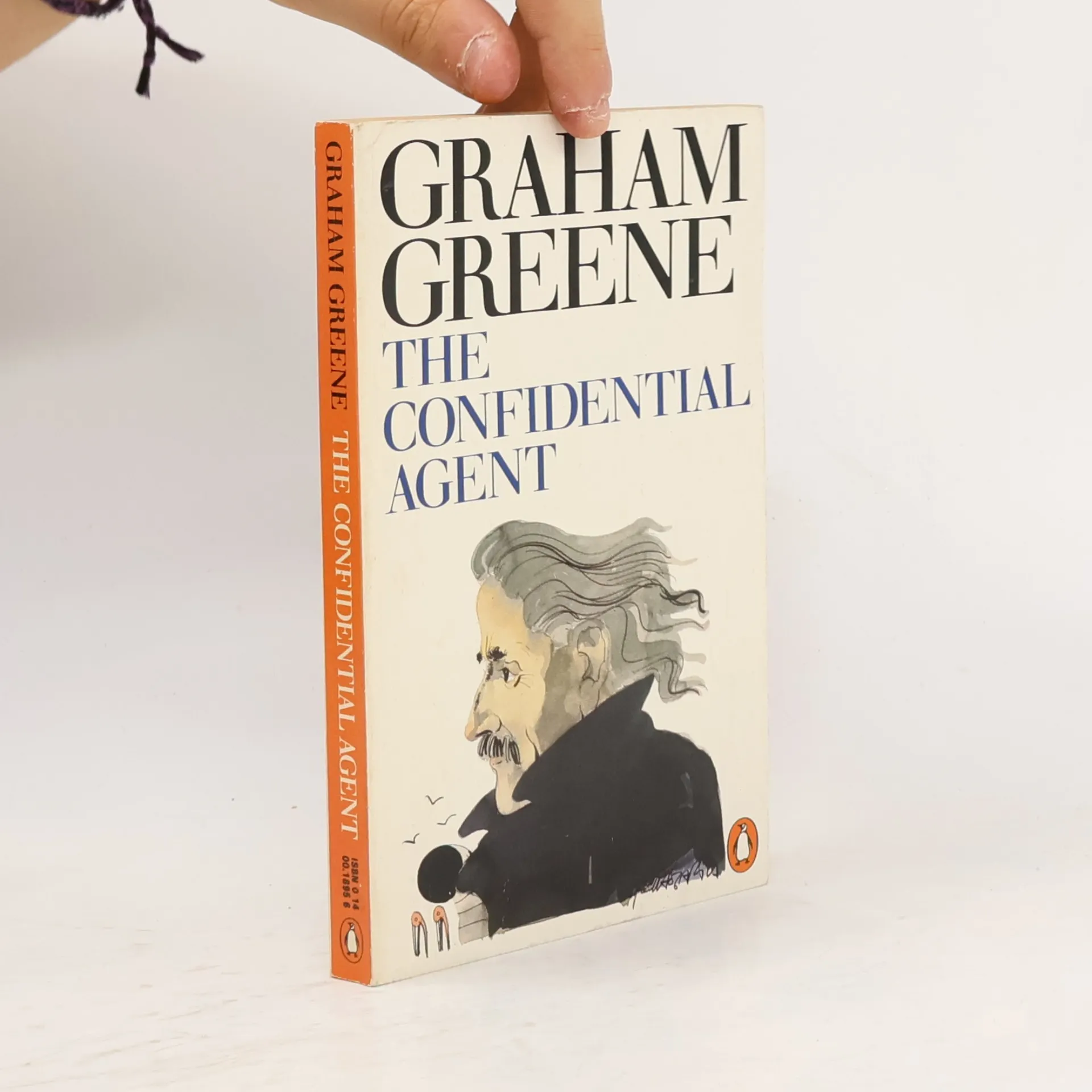
The Confidential Agent
- 208bladzijden
- 8 uur lezen
An espionage thriller set in England in the 1930s.
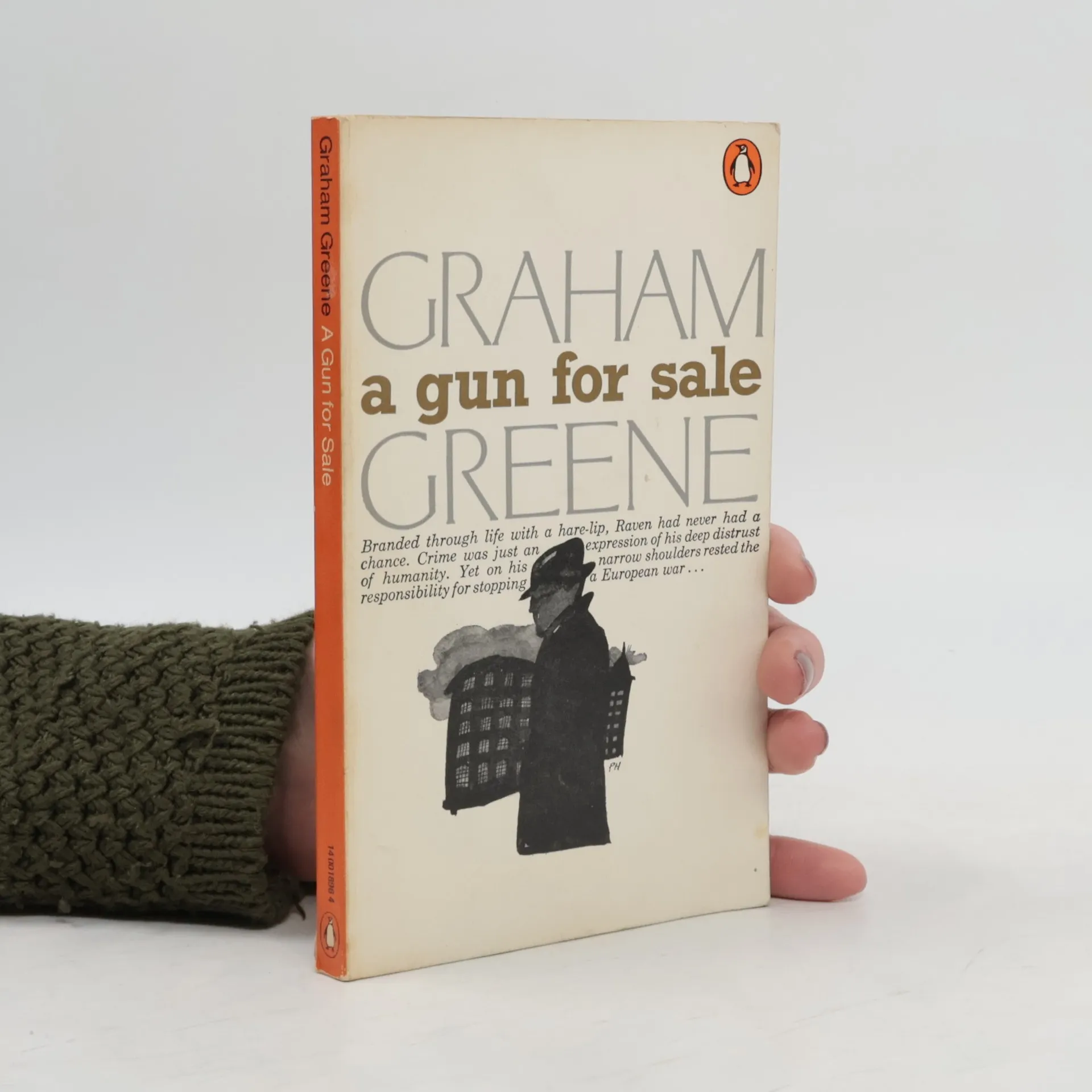
Raven is an ugly man dedicated to ugly deeds. His cold-blooded killing of a European Minister of War is an act of violence with chilling repercussions, not just for Raven himself but for the nation as a whole. The money he receives in payment for the murder is made up of stolen notes and when the first of these is traced, Raven becomes a man on the run. As he tracks down the agent who has been double-crossing him and attempts to elude the police, he becomes both hunter and hunted: an unwitting weapon of a strange kind of social justice. In doing so, he sets the stage for Greene’s next novel, Brighton Rock. This Penguin Classics edition features an introduction by Samuel Hynes.
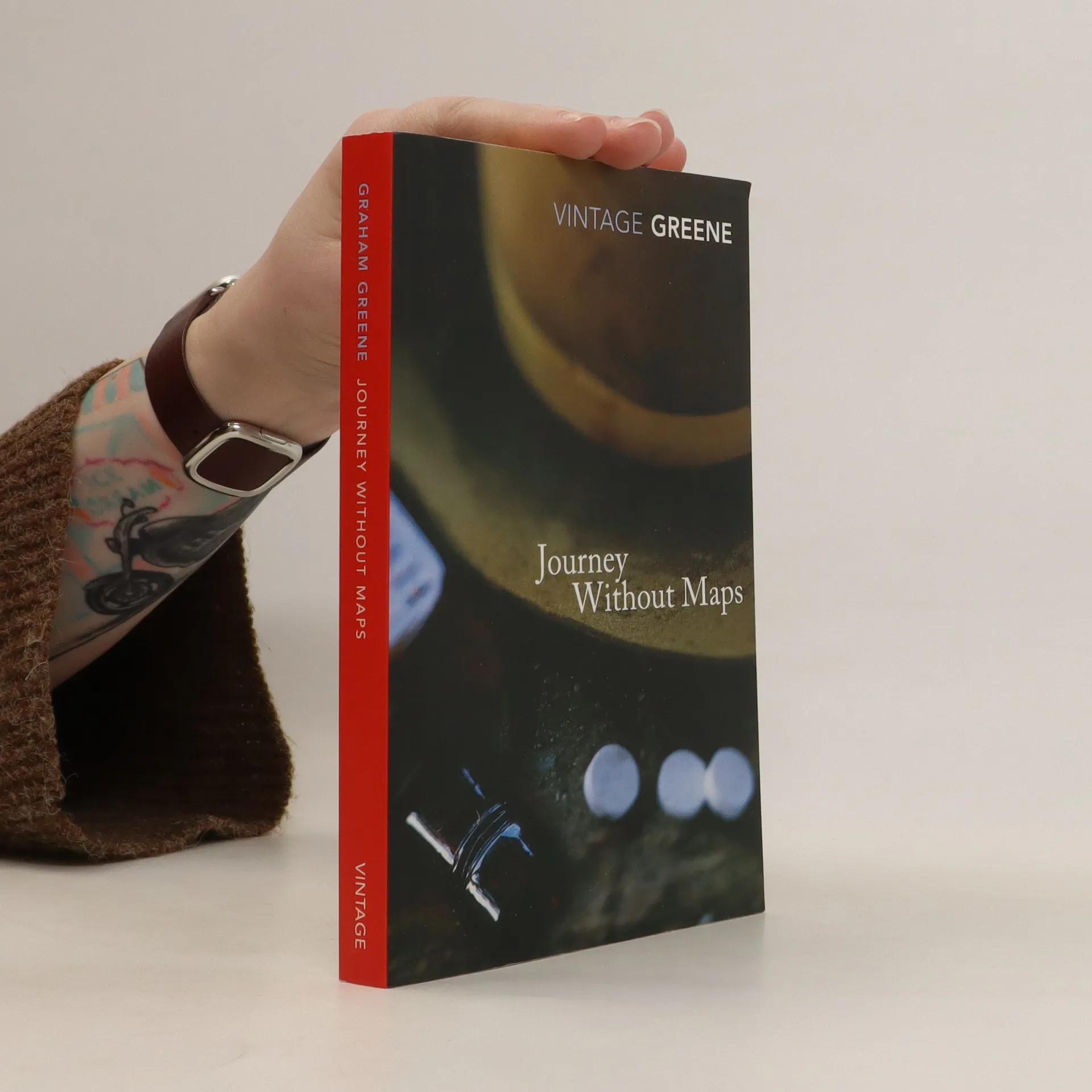
Journey without maps
- 256bladzijden
- 9 uur lezen
WITH A FOREWORD BY TIM BUTCHER AND AN INTRODUCTION BY PAUL THEROUX In 1935 Graham Greene set off to discover Liberia, a remote and unfamiliar West African republic founded for released slaves. Crossing the red-clay terrain from Sierra Leone to the coast at Grand Bassa with a chain of porters, he came to know one of the few areas of Africa untouched by Western colonisation.
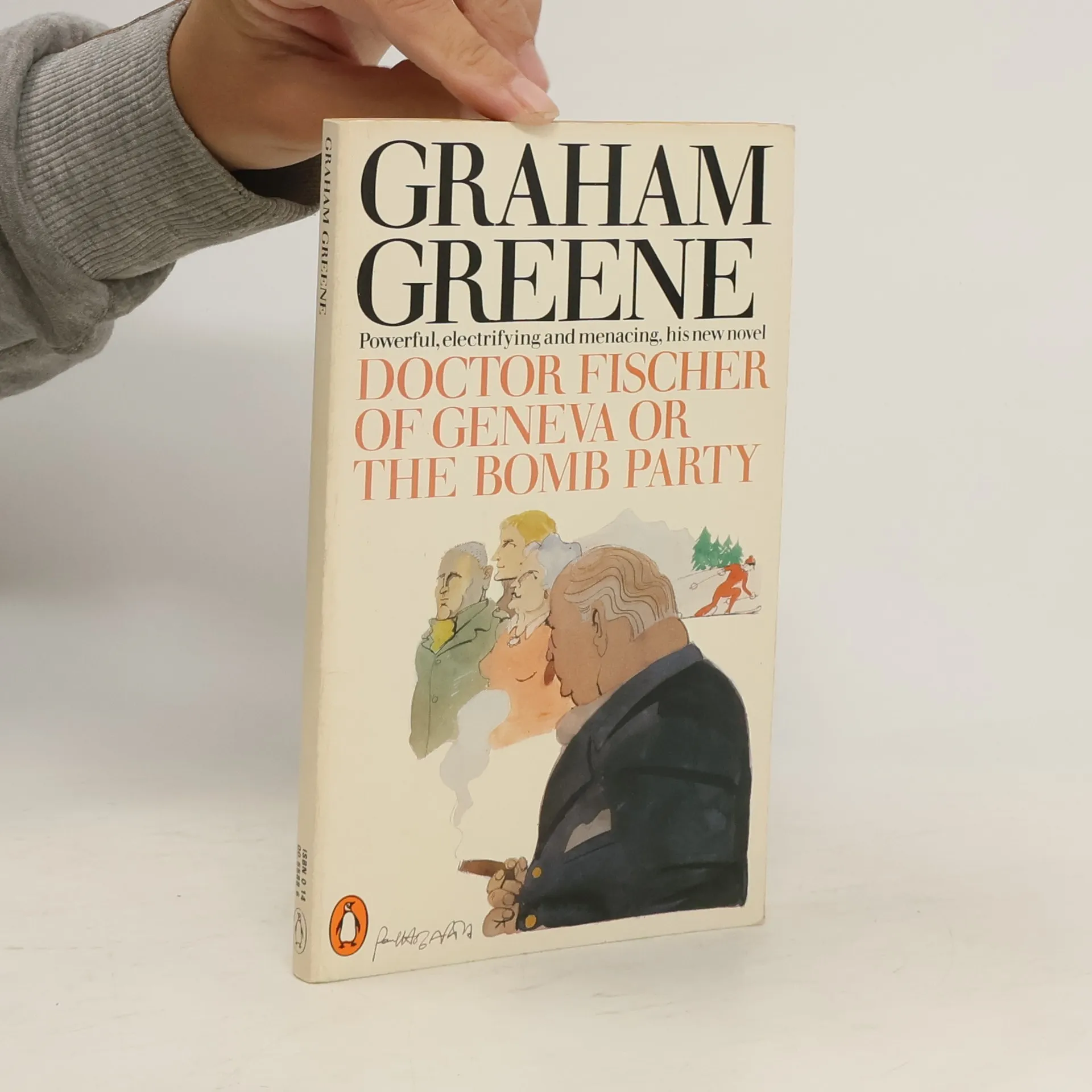
Doctor Fischer despises the human race. When the notorious toothpaste millionaire decides to hold his own deadly version of the Book of Revelations, Greene opens up a powerful vision of the limitless greed of the rich; black comedy and painful satire combine in a totally compelling novel. (Source: back cover)
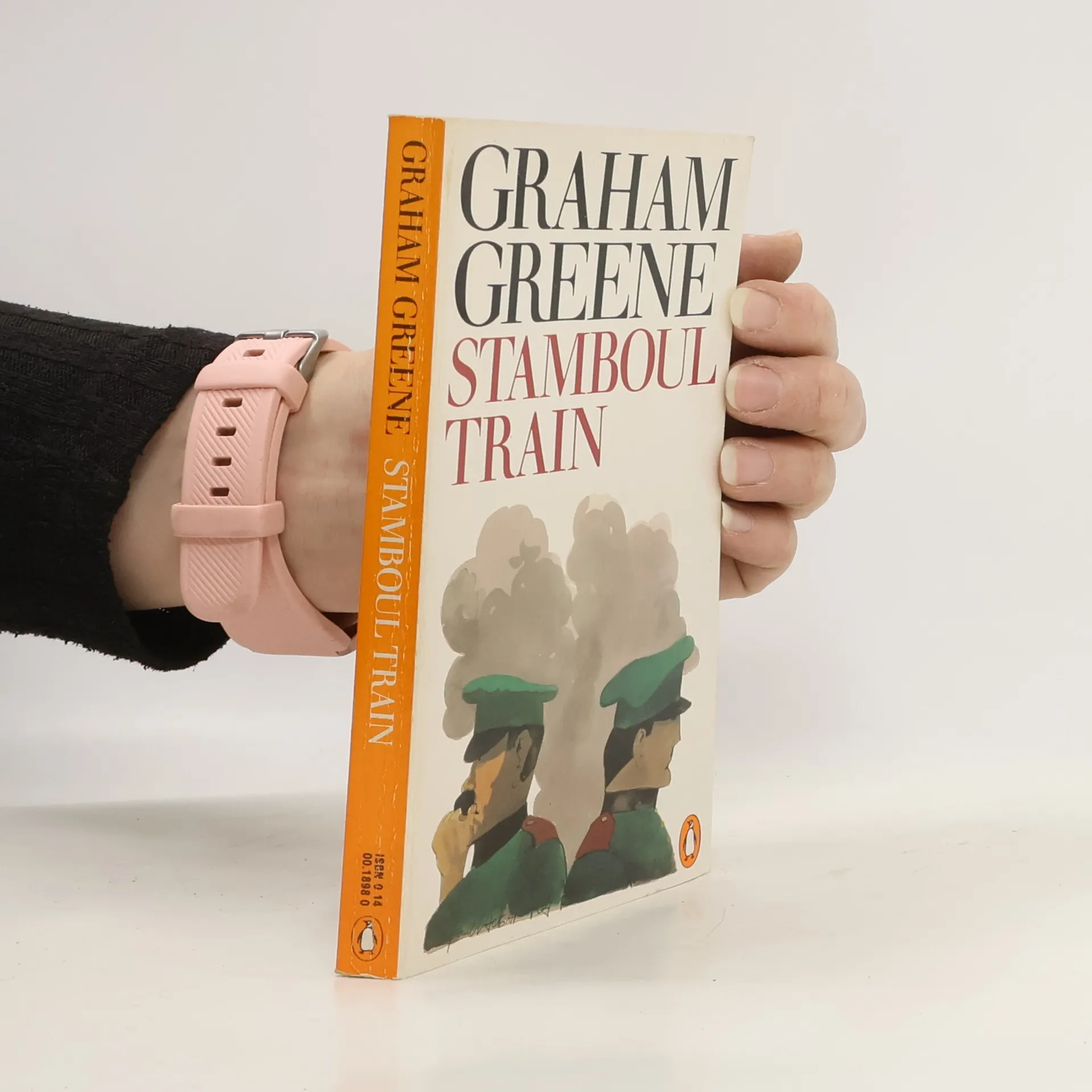
Stamboul Train
- 224bladzijden
- 8 uur lezen
As the Orient express crosses Europe, it seems to draw a trail of lust, murder, revolution and intrigue from Ostend to Constantinople ...
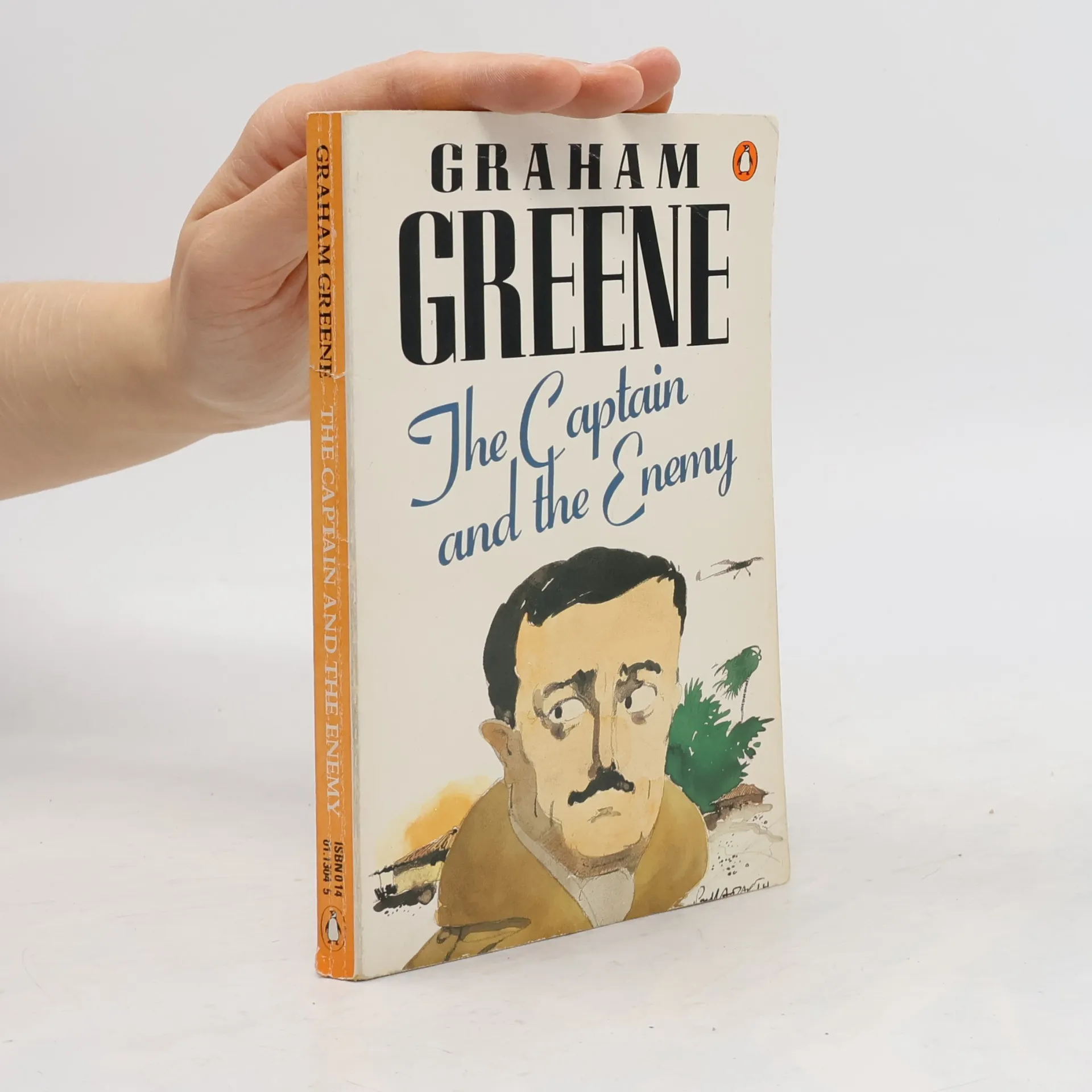
The Captain and the Enemy
- 192bladzijden
- 7 uur lezen
Victor Baxter is a young boy when a secretive stranger known simply as "the Captain" takes him from his boarding school to live in London. Victor becomes the surrogate son and companion of a woman named Liza, who renames him "Jim" and depends on him for any news about the world outside their door. Raised in these odd yet touching circumstances, Jim is never quite sure of Liza's relationship to the Captain, who is often away on mysterious errands. It is not until Jim reaches manhood that he confronts the Captain and learns the shocking truth about the man, his allegiances, and the nature of love. This Penguin Classics edition features an introduction by John Auchard.
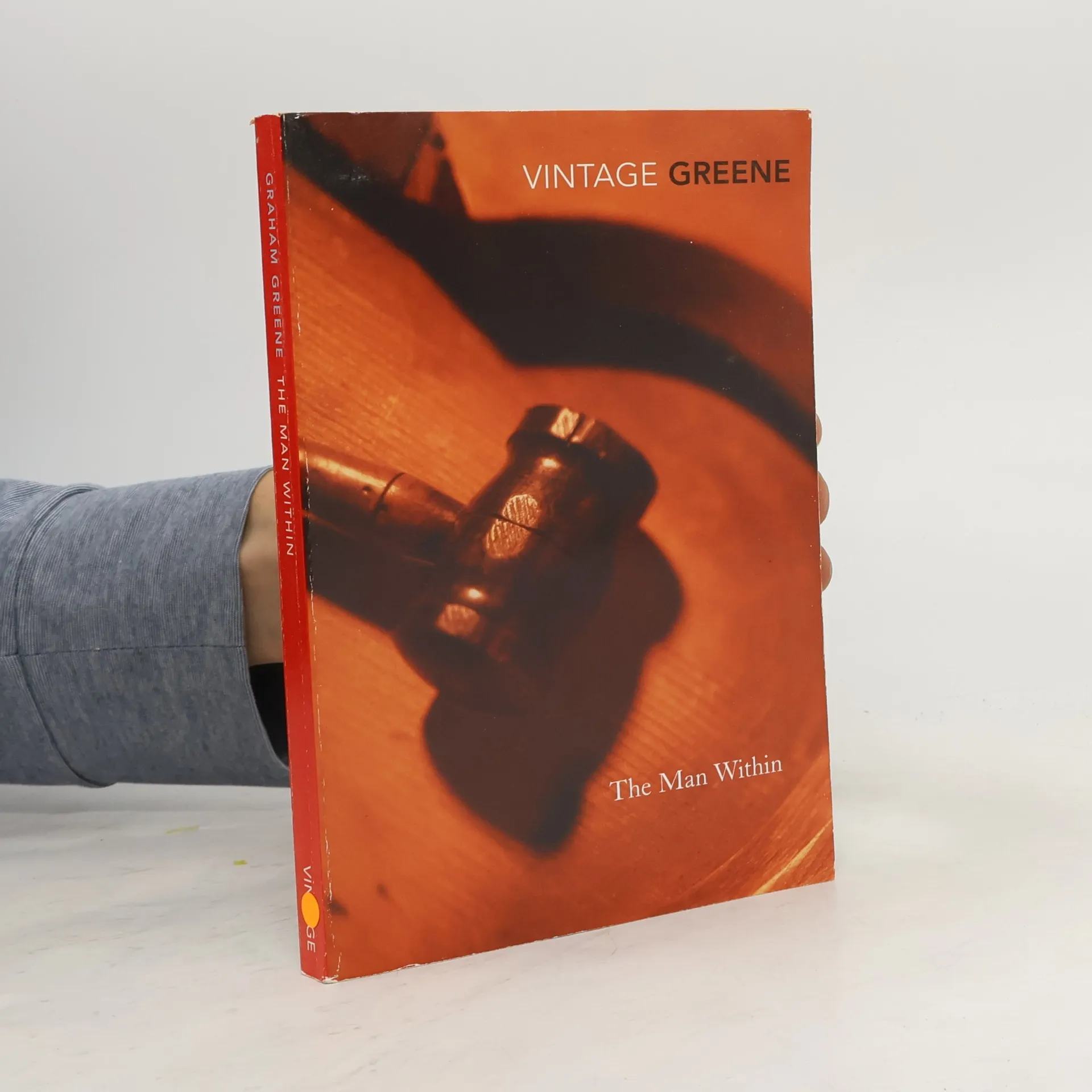
Graham Greene'S First Novel To Be Published Represented For The Author 'One Sentimental Gesture Towards His Won Past, The Period Of Ambition And Hope'. It Tells The Story Of Andrews, A Young Man Who Has Betrayed His Fellow Smugglers And Fears Their Vengeance. Fleeing From Them, With No Hope Of Pity Or Salvation, He Takes Refuge In The House Of A Young Woman, Also Alone In The World. She Persuades Him To Give Evidence Against His Accomplices In Court, But Neither She Nor Andrews Is Aware That To Both Criminals And Authority Treachery Is As Great A Crime As Smuggling.Greene Began Writing The Man Within At The Age Of Twenty-One. A Remarkable Achievement, It Is Also A Foretaste Of The More Mature Novels Where Religion Struggles Against Cynicism And The Individual Battles Against The Indifferent Forces Of A Hostile World.
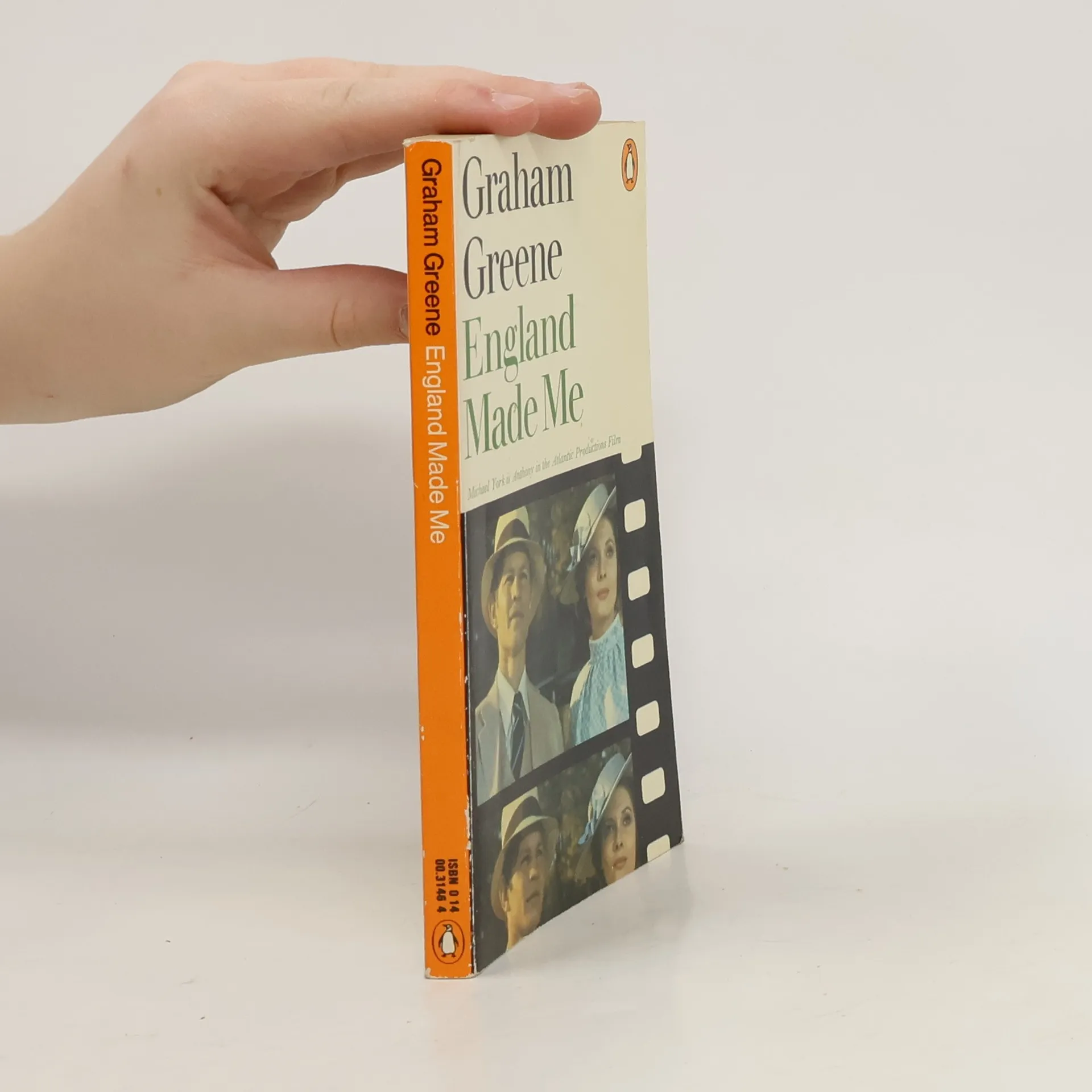
Anthony Farrant has always found his way, lying to get jobs and borrowing money to get by when he leaves them in a hurry. His twin suster Kate persuades him to move and sets him up with a job as a bodyguard to Krogh, which has drastic results.
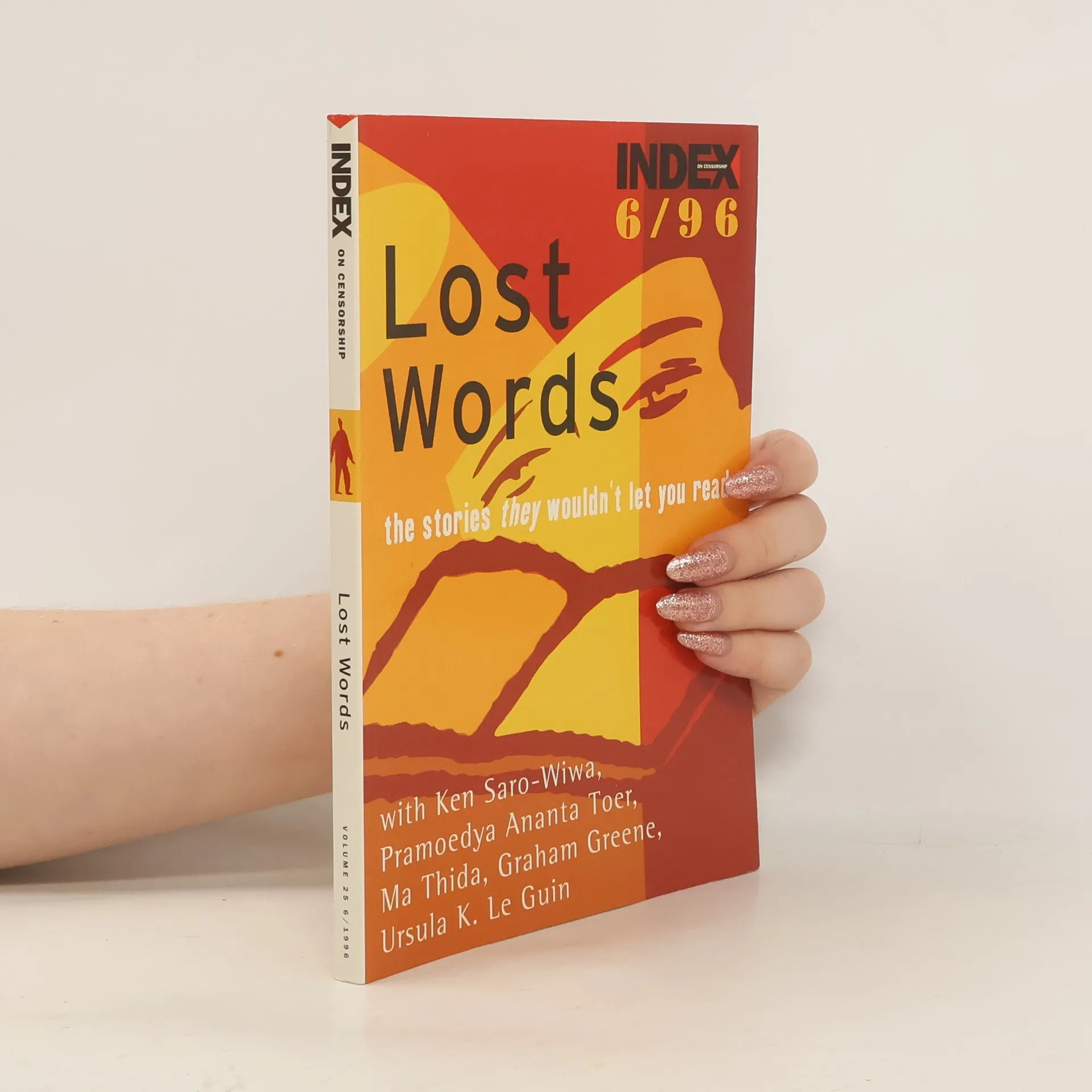
This collection of fiction from around the world is concerned with censorship taboos and includes work from writers who remain censored, exiled or imprisoned. It includes writing by Willaim Trevor, Ken Saro-Wiwa, Aicha Lemsing and Breyten Breytenbach.
Английский язык с Г. Грином. Третий человек
- 315bladzijden
- 12 uur lezen
В книге предлагается произведение Г.Грина "Третий человек", адаптированное (без упрощения текста оригинала) по методу Ильи Франка. Уникальность метода заключается в том, что запоминание слов и выражений происходит за счет их повторяемости, без заучивания и необходимости использовать словарь.Пособие способствует эффективному освоению языка, может служить дополнением к учебникам по грамматике или к основным занятиям. Предназначено для студентов, для изучающих английский язык самостоятельно, а также для всех интересующихся английской культурой.
In Search of a Character
Two African Journals
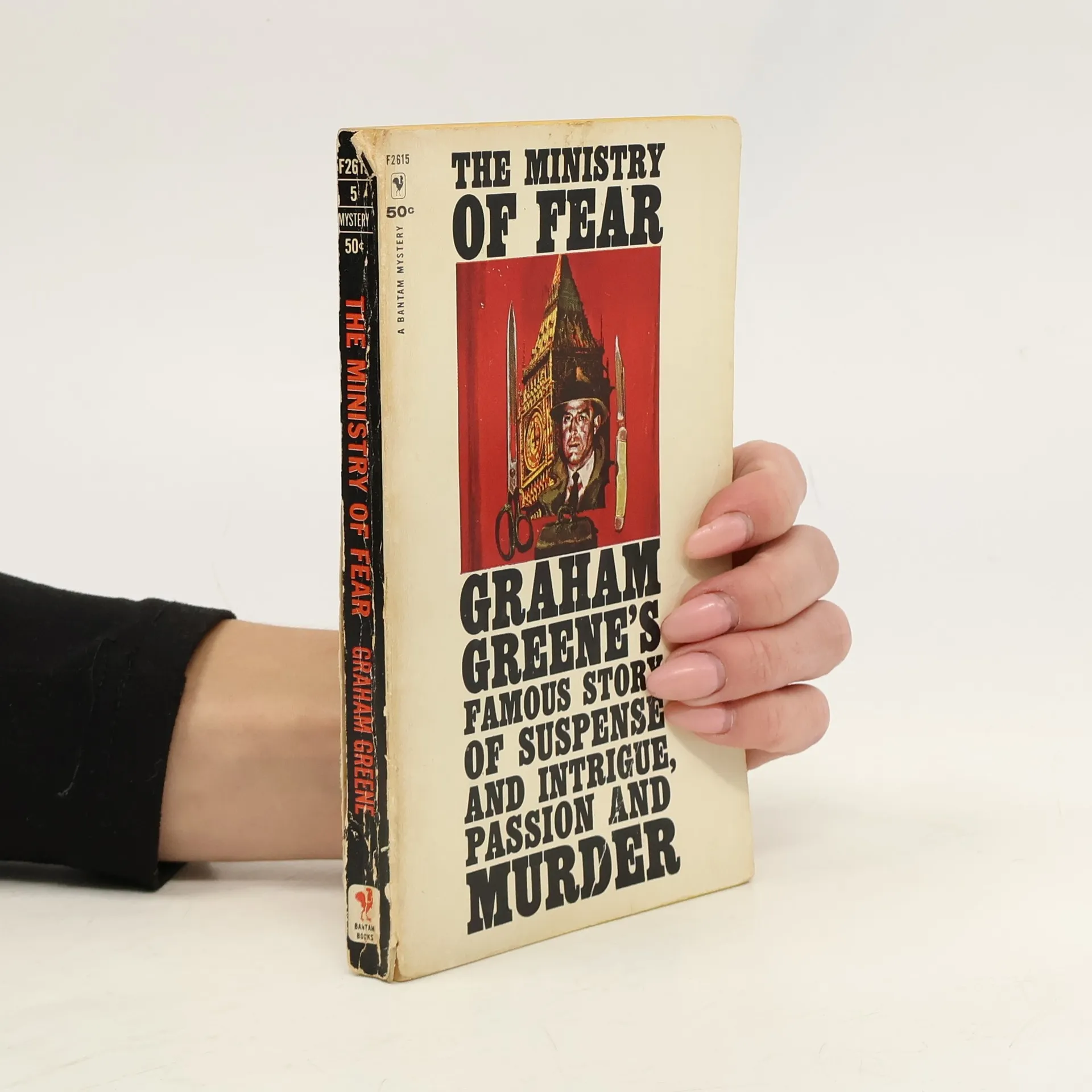
The Ministry of Fear
Graham Greene's Famous Story of Suspense and Intrigue Passion and Murder
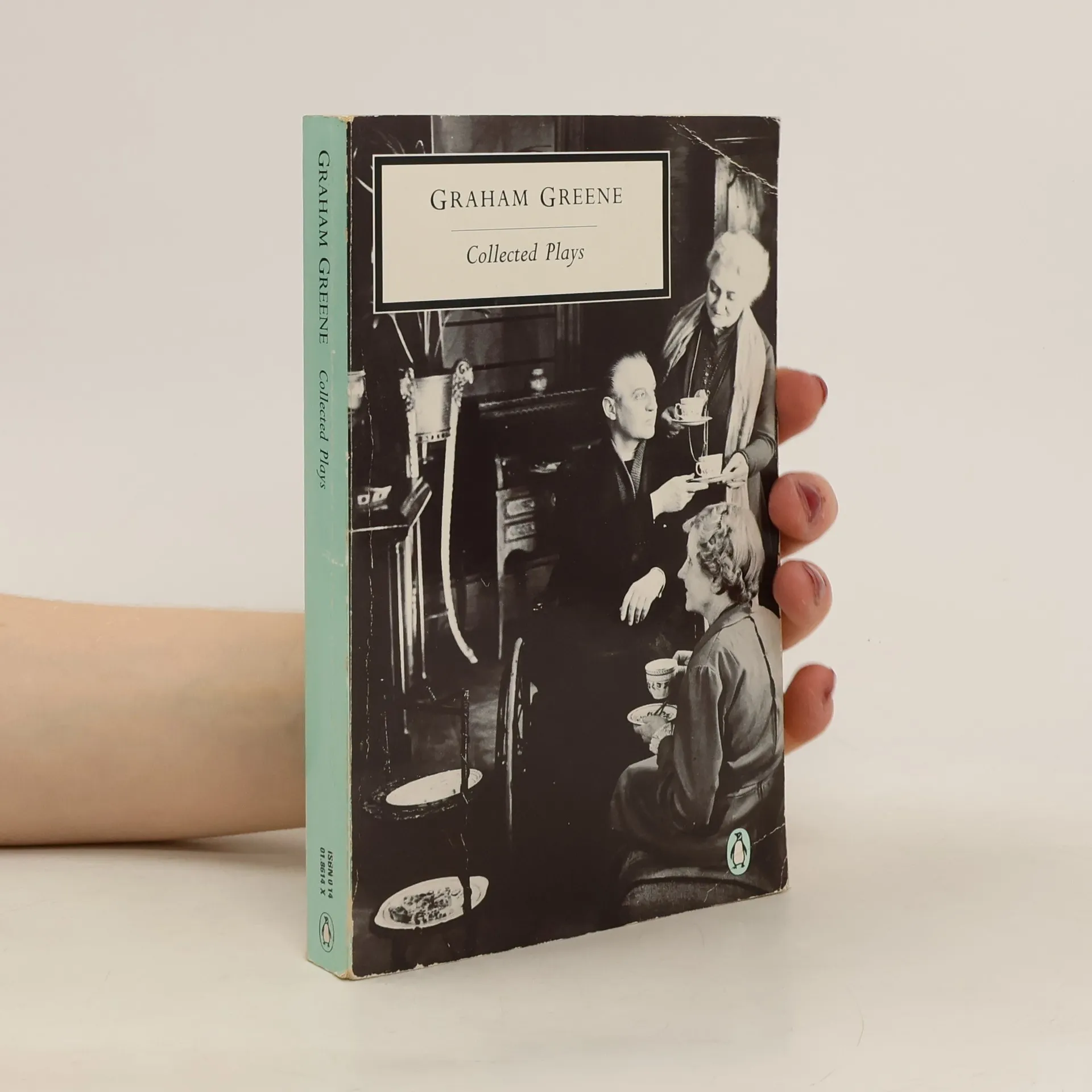
The Collected Plays of Graham Greene
- 416bladzijden
- 15 uur lezen
The Living Room ; The Potting Shed ; The Complaisant Lover ; Carving a Statue ; The Return of A.J. Raffles ; The Great Jowett ; Yes and No ; For Whom the Bell Chimes .In these eight plays Graham Greene demonstrates his skill as a dramatist. The Living Room portrays a love triangle, and Carving a Statue , his most innovative play, portrays an artist in pursuit of his masterpiece, a depiction of God the Father. The other plays The Return of AJ Raffles , a glorious Edwardian comedy; The Great Jowett , Greene's only radio play; The Potting Shed ; The Complaisant Lover ; Yes and No ; and For Whom the Bell Chimes .