Petr Uspenskij Boeken


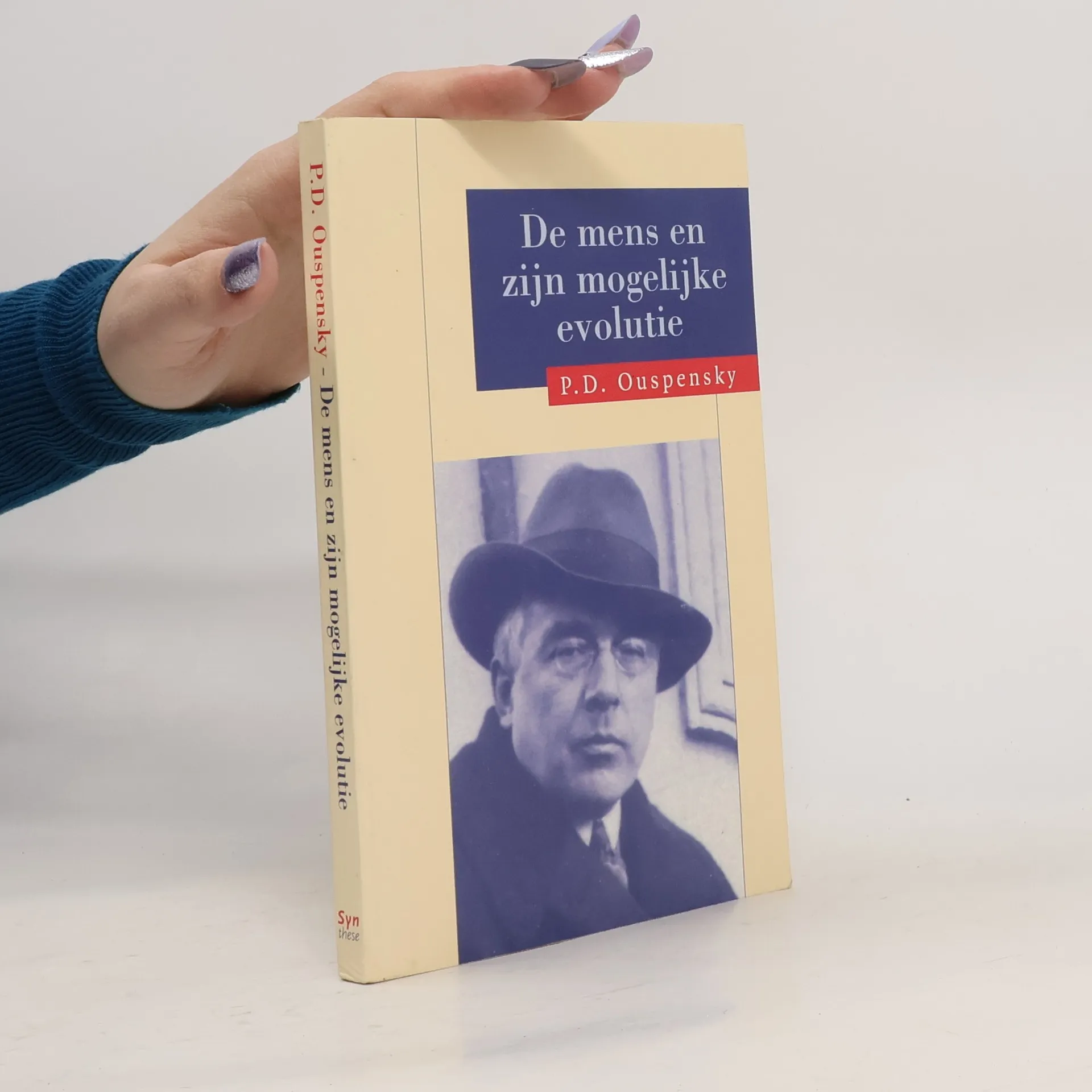
De mens en zijn mogelijke evolutie
- 131bladzijden
- 5 uur lezen
Samenvatting van de psychologische opvattingen en ideeën van G.I. Gurdjieff, die stelt dat de mens grote mogelijkheden heeft die door doelgericht werken door hemzelf tot ontplooiïng kunnen komen.
The Fourth Way
A Record of Talks and Answers to Questions Based on the Teaching of G.I. Gurdjieff
- 460bladzijden
- 17 uur lezen
The Fourth Way is the most comprehensive statement thus far published of the ideas taught by the late P.D. Ouspensky. Consisting of verbatim records of his oral teaching from 1921 to 1946, it gives a lucid explanation of the practical side of G. I. Gurdjieff's teachings, which Gurdjieff presented in the form of raw materials, Ouspensky's specific task having been to put them together as a systematic whole. Just as Tertium Organum deals with a new mode of thinking, so The Fourth Way is concerned with a new way of living. It shows a way of inner development to be followed under the ordinary conditions of life -- as distinct from the three traditional ways that call for retirement from the world: those of the fakir, the monk, and the yogi. The Fourth Way is a guide for those who seek a true way of inner growth under conditions open to the men and women of today.
A Record of Meetings
- 672bladzijden
- 24 uur lezen
The collected transcripts of many lectures and meetings held by Ouspensky during the 1930s and 1940s deal with issues ranging from evolution, the will, the self, and religion to culture, thought, and intelligence.
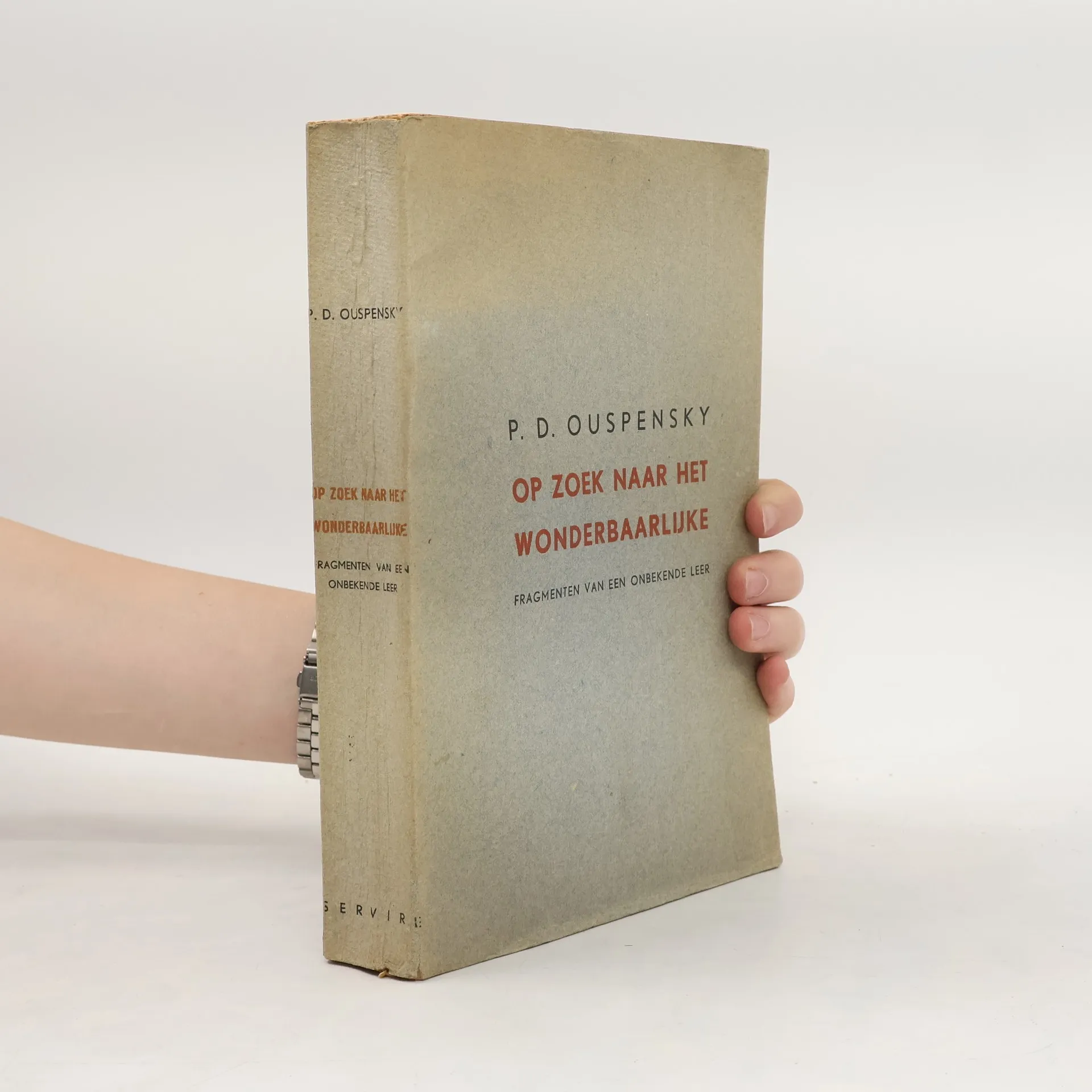
In Search Of The Miraculous
- 400bladzijden
- 14 uur lezen
This text describes Gurdjieff's cosmology from Ouspensky's perspective as student, and shows how Ouspensky's formulation of his own ideas eventually led to his break with Gurdjieff. The book conveys a strong and lasting impression that not only did Ouspensky discover a real knowledge about man and his relationship with the universe, but that a practical cosmic teaching for the conduct of life is even now in existence.
Tertium Organum
- 386bladzijden
- 14 uur lezen
When "Tertium Organum" debuted in New York, its author, P. D. Ouspensky, was unaware of its release. Originally titled Kluck Kzaradkam, it was published in St. Petersburg in 1912. Nicholas Bessarabof, a Russian émigré, brought the book to America before the 1917 Revolution. He shared it with architect Claude Bragdon, who was intrigued by its exploration of forth-dimensional consciousness. After reading it, Bragdon praised Ouspensky as a remarkable young Russian and believed the book to be a transformative work. In 1920, without Ouspensky's knowledge, Bragdon and Bessarabof published the English translation through Manas Press in New York. Meanwhile, Ouspensky, a struggling journalist, arrived in Constantinople with little money. He was later thrilled to learn of the book's success and received a substantial royalty check. In 1921, he remarked that the translation captured his thoughts so accurately that he only needed to correct one word. That same year, he received an invitation from Lady Rothermere, which allowed him to move to England and gain Gurdjieff's permission to write about his philosophy. Ouspensky spent the next two decades in England, lecturing on Gurdjieff's ideas and developing his own philosophy, attracting notable literary figures. Despite his significant influence in the 1920s and 1930s, he remains relatively unknown today.
s/t: Principles of the psychological method in its application to problems of science, religion and art Preface Prefatory Note Introduction Esotericism and modern thought The fourth dimension Superman Christianity and the New Testament The symbolism of the Tarot What is yoga? On the study of dreams and on hypnotism Experimental mysticism In search of the miraculous A new model of the universe Eternal recurrence and the laws of Manu Sex and evolution Index
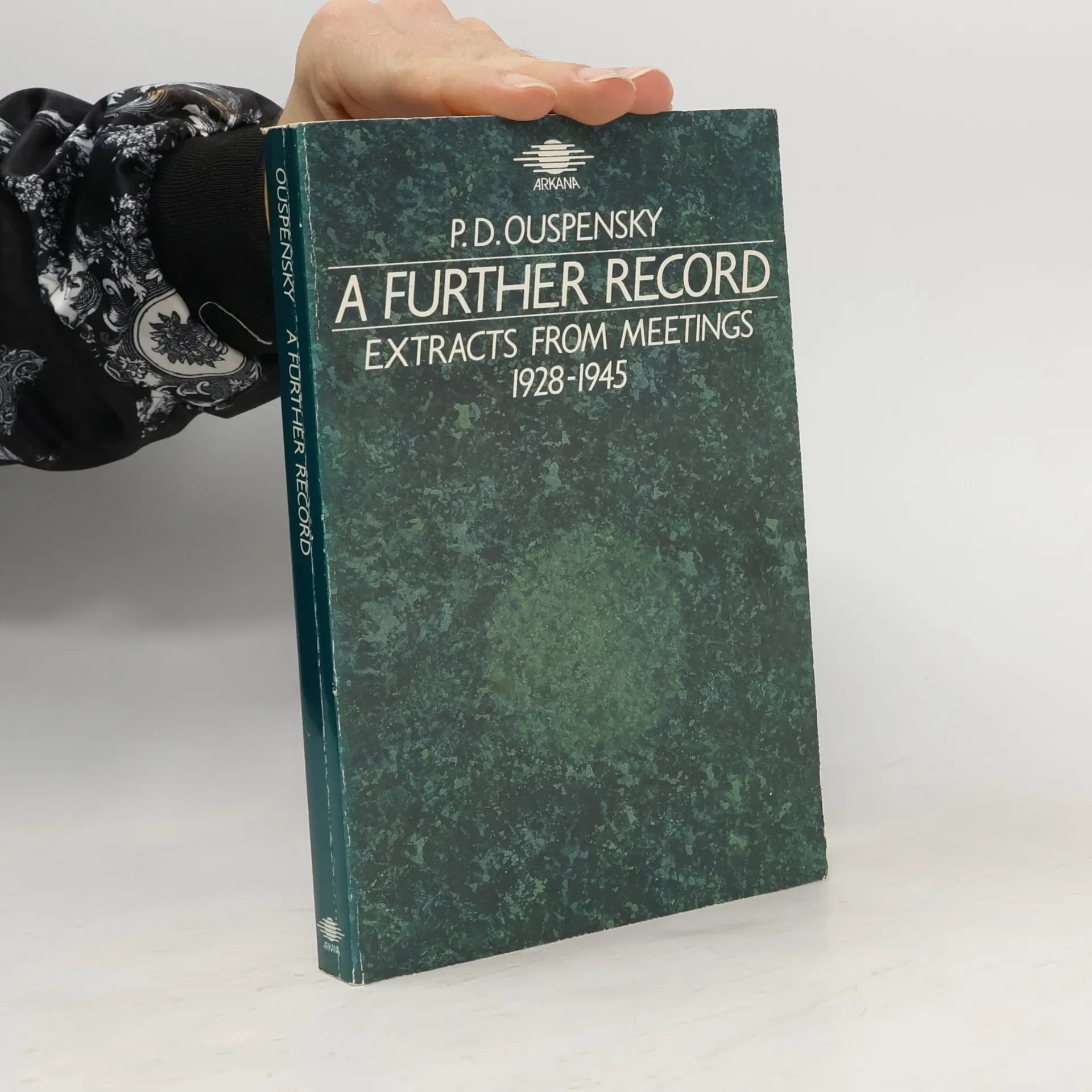
A Further Record
- 328bladzijden
- 12 uur lezen
Our edition is a new format; large paperback 160 x 230 mm, printed on off-white quality paper. Text is the same setting and page numbering as original edition. In the same format we published also A RECORD OF MEETINGS.
Po řadě vydaných próz z 50. a 60. let, které měly Arno Schmidta (1914–1979) představit českému čtenáři již v poněkud vyzrálejší podobě, přicházejí další texty z počátku 60. let, v nichž jsou patrné typické stylistické zvláštnosti a autorův osobitý přístup k jazyku. V kratších rozmarných textech plných nápadů Schmidt bohatě využívá rozmanitých gagů, triků, vtipu a slovních hříček doprovázených jeho neodmyslitelným sarkasmem.
Tři „antické“ prózy Arno Schmidta (1914–1979) Gadir aneb Poznej sám sebe (1948), Alexandr aneb Co je pravda (1949) a Enthymesis aneb J. V. N. (Jak vás nenávidím, 1946) navazují na první vydání Schmidtových próz Leviatan (Opus 2011) tohoto pozoruhodného německého autora. Ve všech třech prózách Arno Schmidt pohlíží na antické události kritickýma očima, jako by historickým pramenům nedůvěřoval a ptal se, kdo nám vlastně ony události zprostředkoval a z které doby jsou prameny, jež považujeme za hodnověrné, při tom se pokouší o další možné pohledy, než jaké nám jsou obecně předkládány. Přeložili Michaela Jacobsenová a Radovan Charvát.
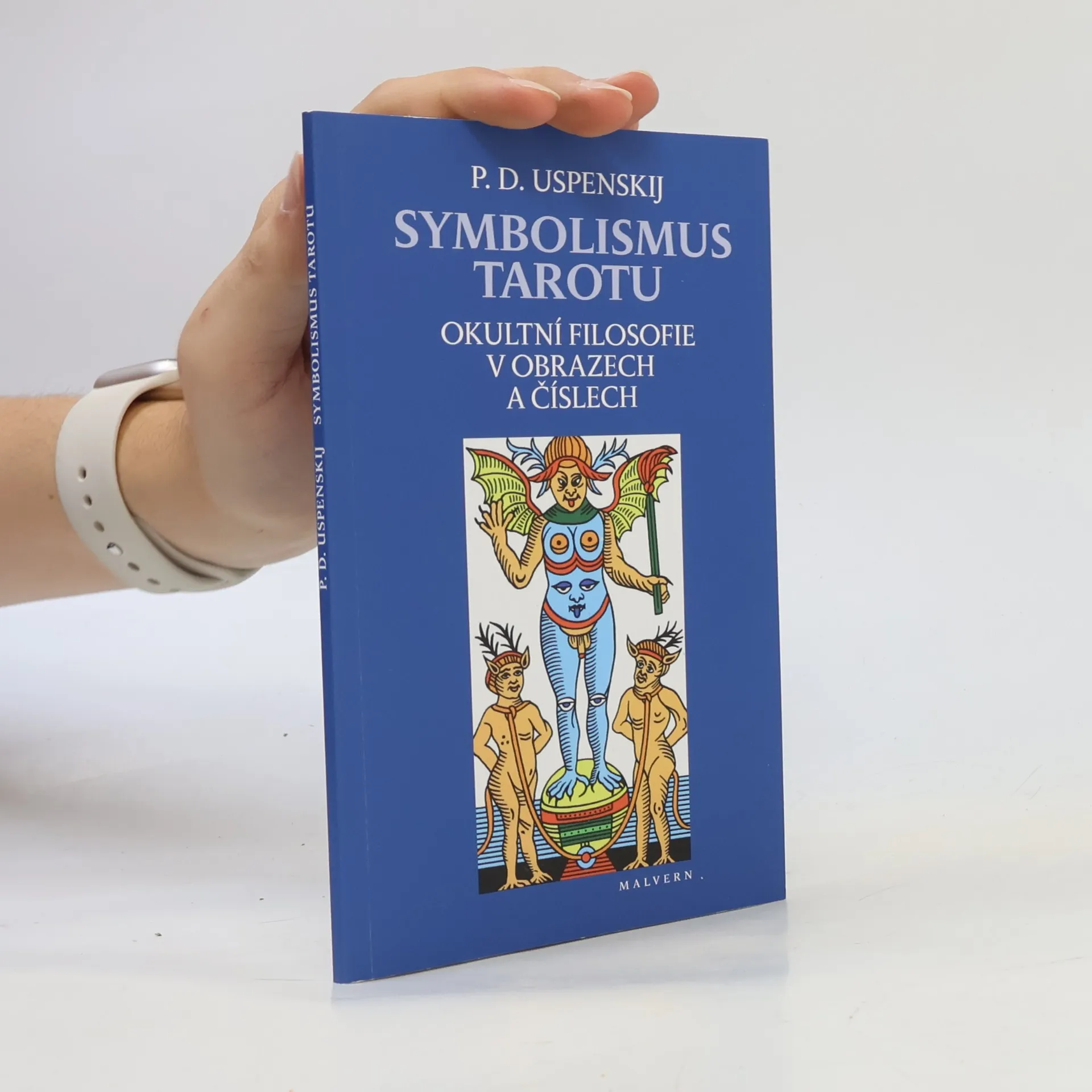
Poutavé a poetické uvedení do symboliky tarotu od známého autora.
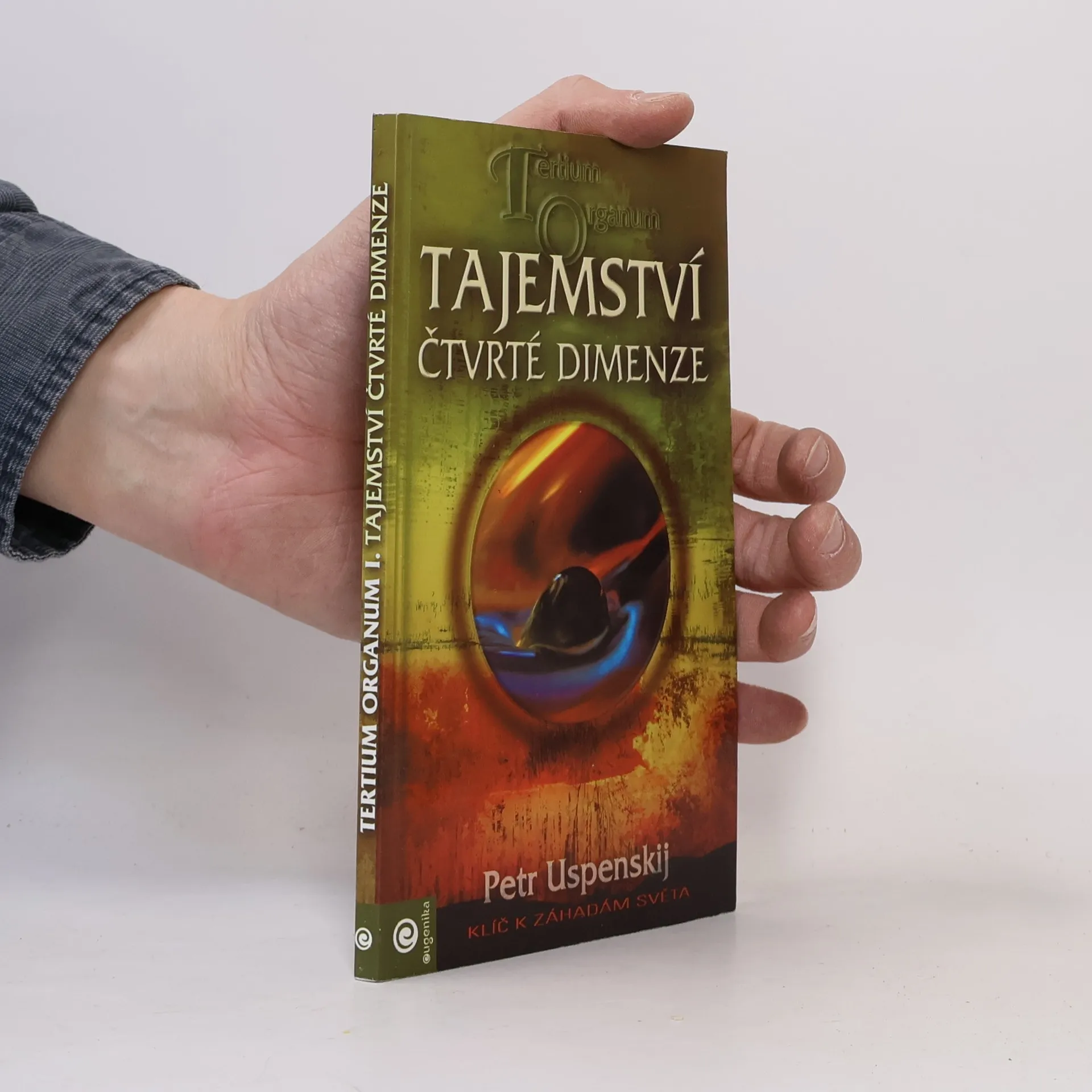
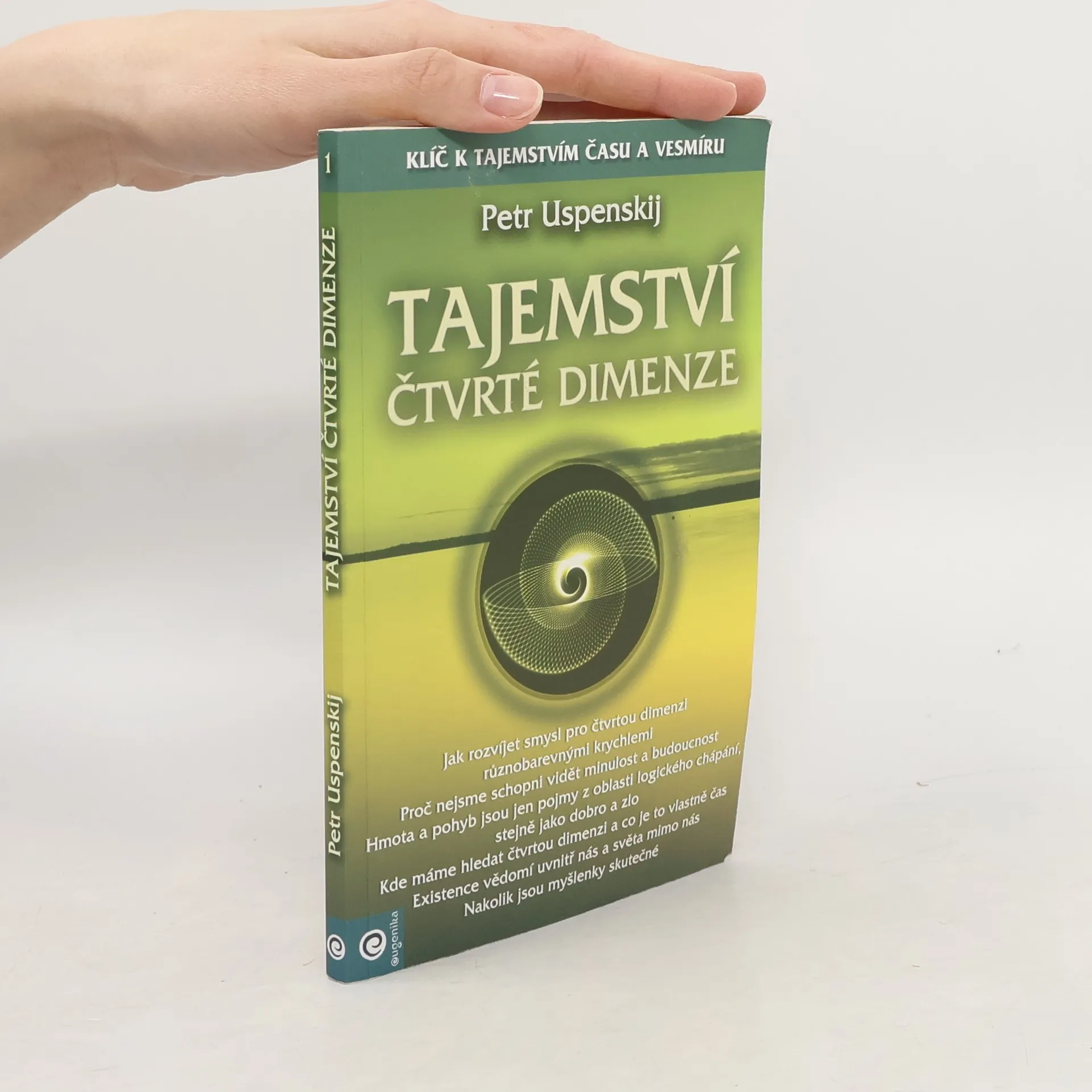
Tertium Organum. Klíč k záhadám světa. Tajemství čtvrté dimenze. 1. díl
- 108bladzijden
- 4 uur lezen
Jedná se o vysoce obsažné dílo, jež je podle autorových vlastních slov klíčem k tajemství času a vesmíru a snaží se vysvětlit mnohé jevy a skutečnosti, které jsou pro nás často nepochopitelné: okultismus, lásku, oduševnělost přírody, hlasy kamenů, matematiku nekonečna, mystickou teozofii, vesmírné vědomí i zrození výjimečného člověka. Širokému spektru témat dominuje abstraktní matematická teorie a filozofie. V první části Tajemství čtvrté dimenze se Uspenskij zamýšlí nad základními filozofickými otázkami, jež se týkají hmoty, podstaty bytí, relativity i absolutna, a snaží se rozluštit, co si vlastně máme představovat pod pojmy "prostor" a "čas". Zvláštní pozornost věnuje tajemství čtvrté dimenze, která patří do světa vyšší energetické úrovně, přičemž tento typ světa nedokážeme ani pochopit, ani popsat.
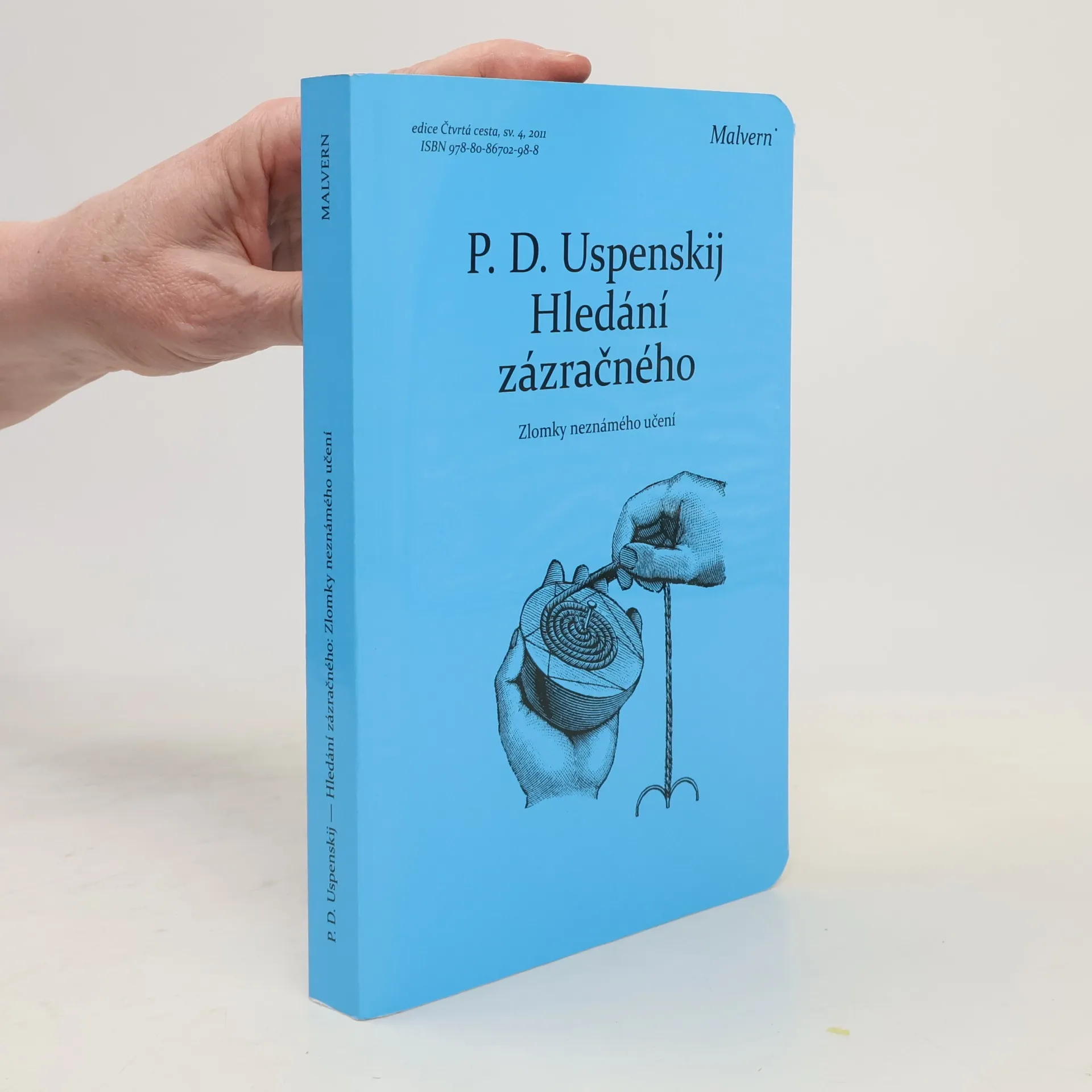
Hledání zázračného
- 383bladzijden
- 14 uur lezen
Podnázev: Zlomky neznámého učení. Tato kniha představuje záznam osmi let, během kterých Uspenskij pracoval pod Gurdžijevovým vedením a patří mezi základní díla západního esoterismu 20. století. Jde o základní knihu podávající Gurdžijevovo učení a bezpochyby o jednu z nejvlivnějších a nejkontroverznějších knih minulého století. Autor hledal v Evropě, v Egyptě a v Orientě učení, které by mu objasnilo základní otázky Člověka a Vesmíru. V roce 1915 jej hledání přivedlo k setkání s Georgiem Gurdžijevem v Petrohradě. Vydáno ve spolupráci s Klubem G.I. Gurdžijeva v Praze.
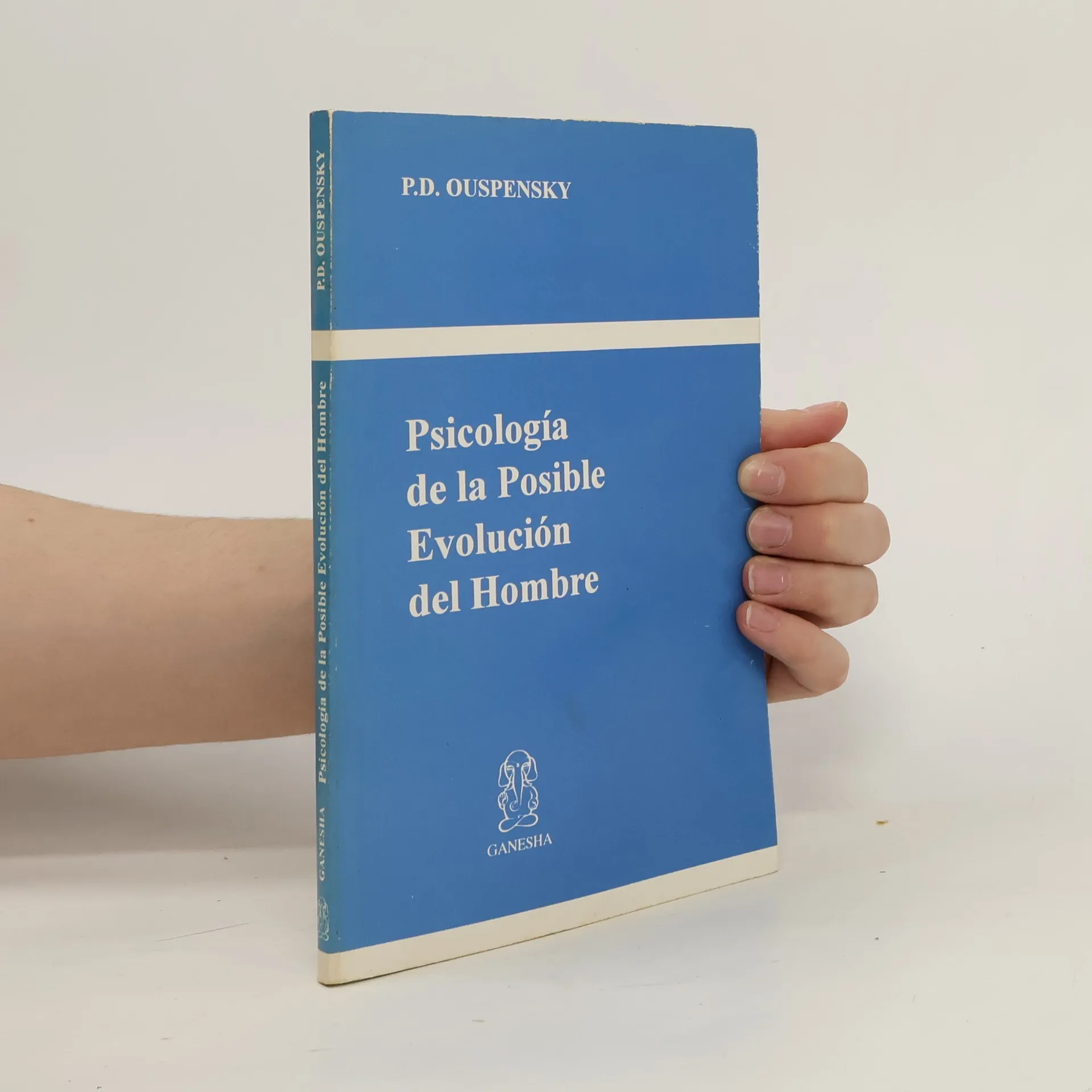
Psicología de la posible evolución del hombre
- 155bladzijden
- 6 uur lezen
Studies man in view of what he may become. Describes how a man must work simultaneously on his knowledge and his being to find inner unity.
Autor se podrobně věnuje pohledu vědy na náš existující svět. Poukazuje na to, že věda nechápe svět jako vyšší celek, ale bere do úvahy pouze jeho trojrozměrnou podobu. Uspenský se tento omyl snaží napravit a dokazuje existenci vyšších dimenzí. Navíc polemizuje s některými obecně známými matematickými dogmaty (sám byl totiž kromě jiného matematik). Rovněž analyzuje termíny jako představivost, pojem a instinkt. Věnuje se i roli umění v lidském životě. Důležitou součást pojednání tvoří vytyčení rozdílů mezi lidským a zvířecím vnímáním sebe i světa. Celkově je tento text srozumitelný a přehledný a představuje tak ideální způsob, jak se obeznámit s myšlením významného spirituálního autora, mystika a filozofa, jakým Petr Uspenský nepochybně byl.
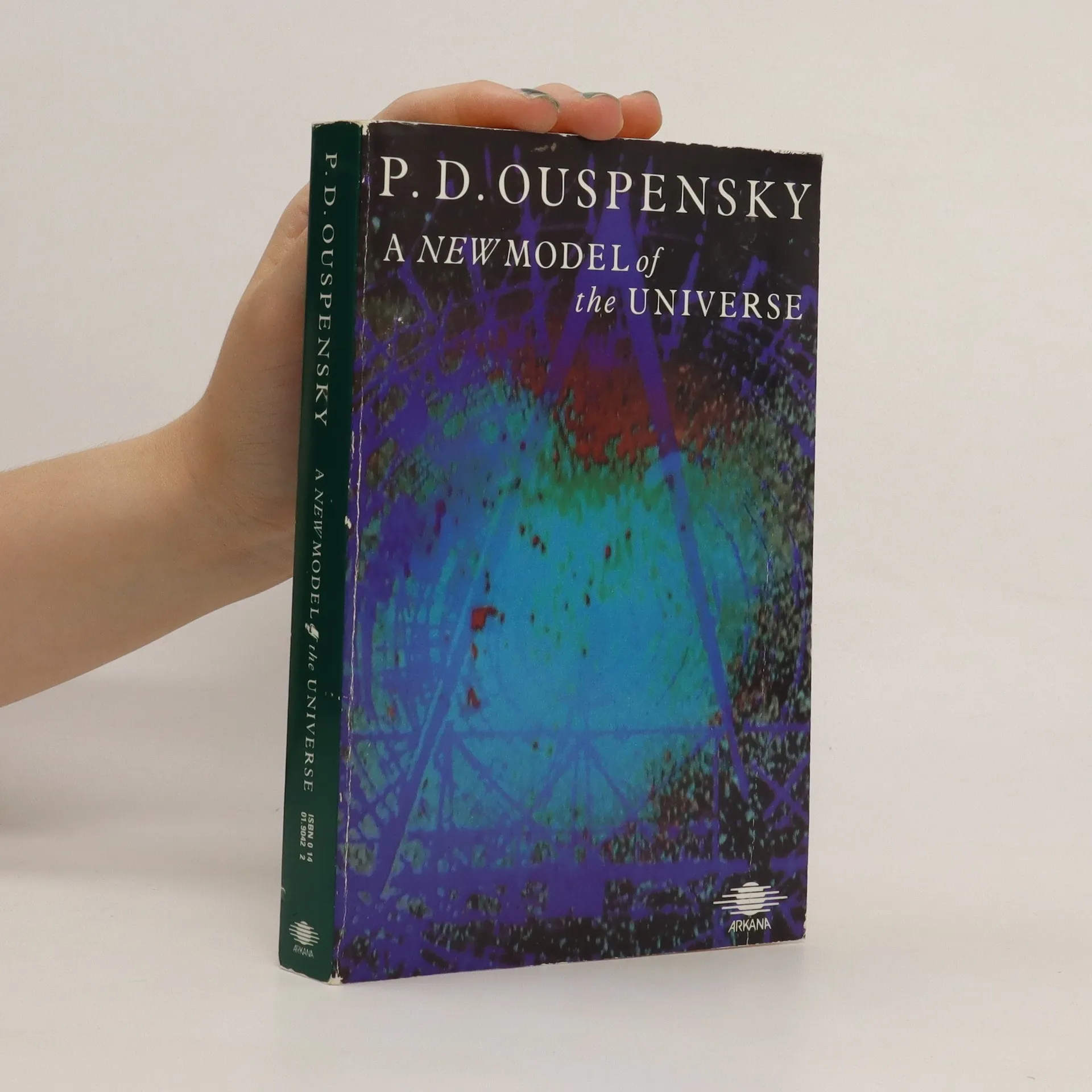
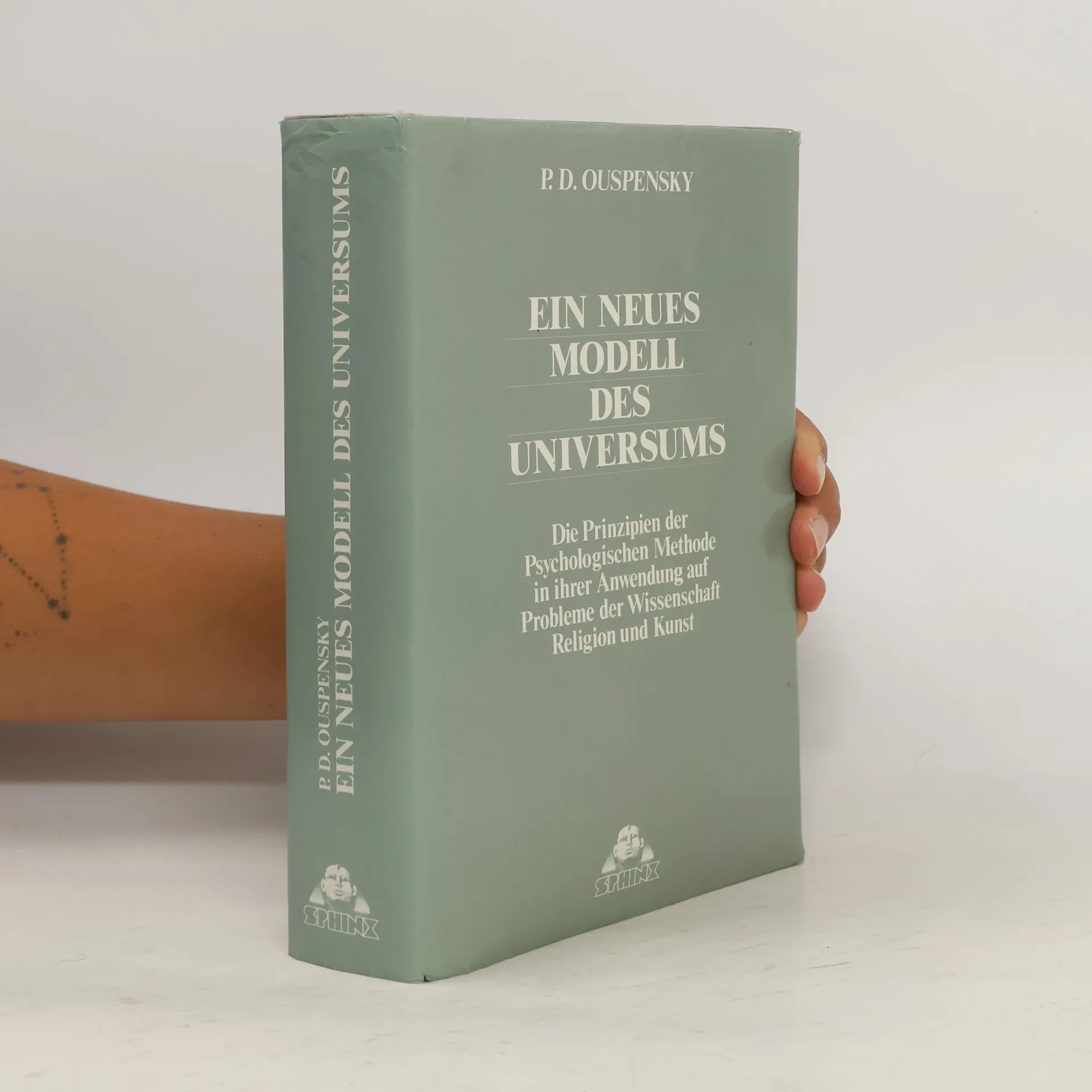
Ein neues Modell des Universums
- 171bladzijden
- 6 uur lezen
Bewusstsein und Gewissen. Die Suche nach Wahrheit
- 171bladzijden
- 6 uur lezen
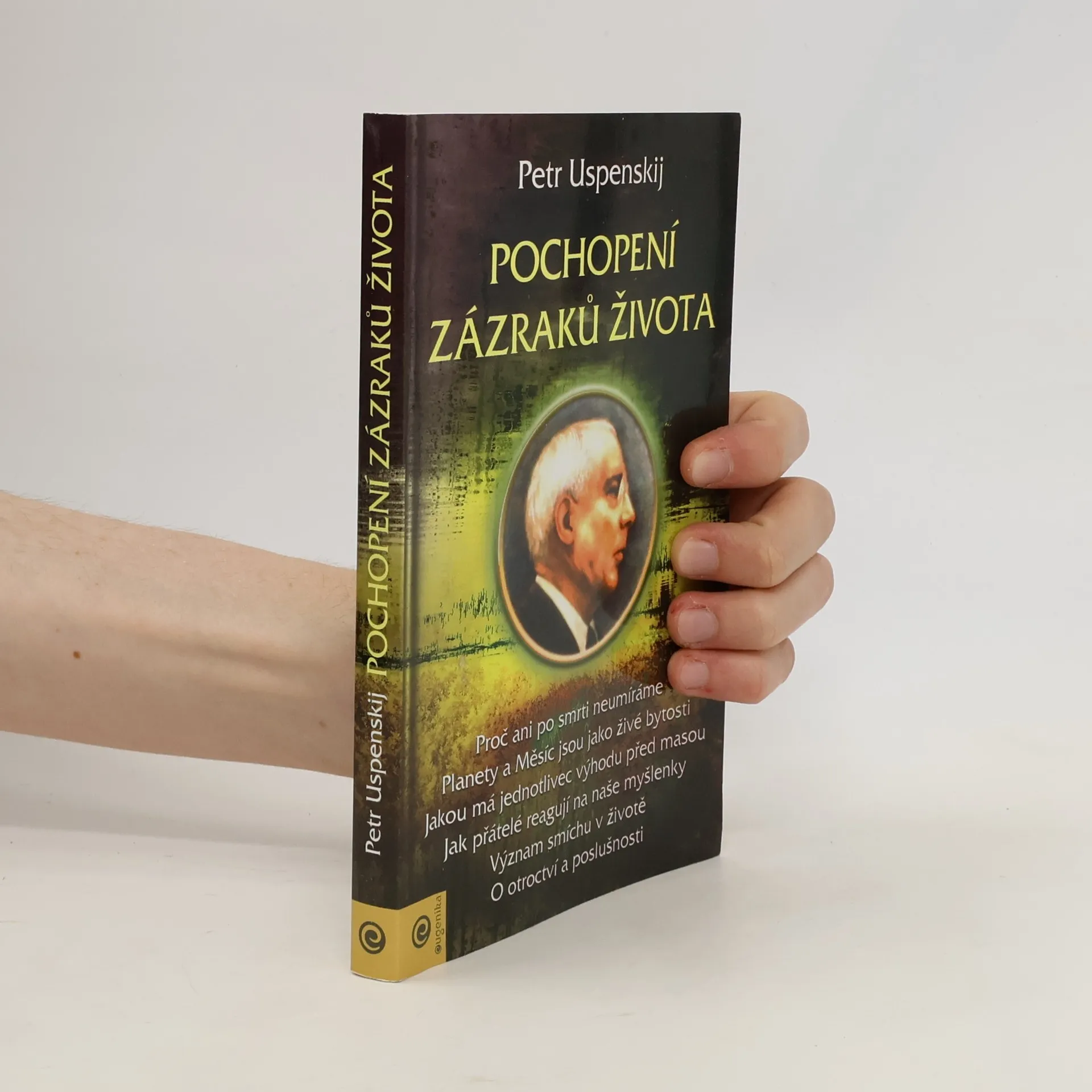
Pochopení zázraků života
- 184bladzijden
- 7 uur lezen
Tato kniha obsahuje pět kapitol z knihy Hledání zázračného, které byly vybrána na základě důležitosti daných témat a rovněž v návaznosti na vydanou knihu Duchovní hledání člověka, jež obsahuje výběr z přednášek G. Gurdžijeva. V knize se Petr Uspenskij věnuje analýze vlastní spolupráce se svým učitelem. Rozsáhlé pojednává o jeho učení a práci, vzpomíná na mnohé zajímavé příhody během jejich spolupráce i na návštěvy Gurdžijevových skupin, vyjadřuje se k mnoha tématům a čtenářům je svým literárním podáním i schopností srozumitelného formulování zřetelně osvětluje.
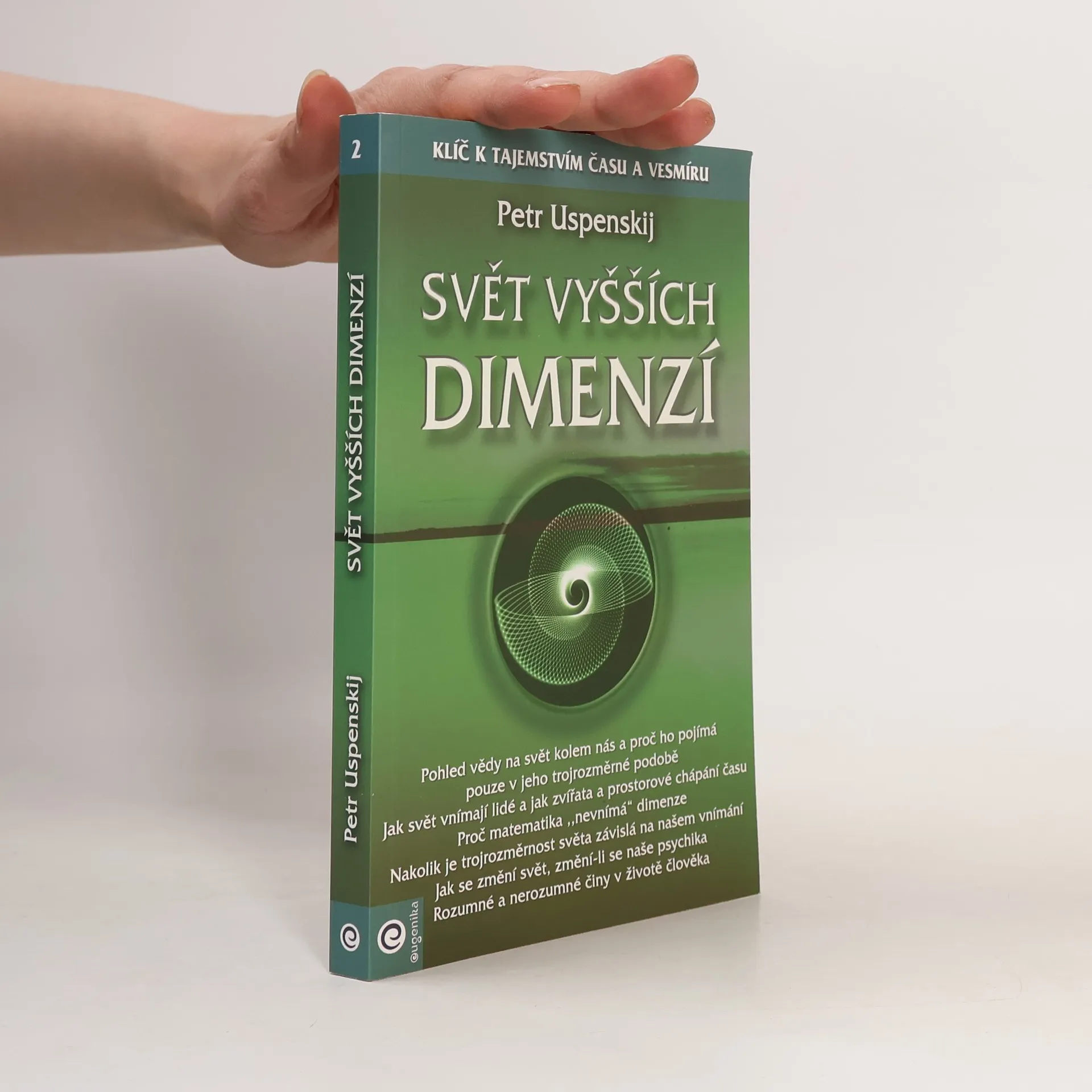
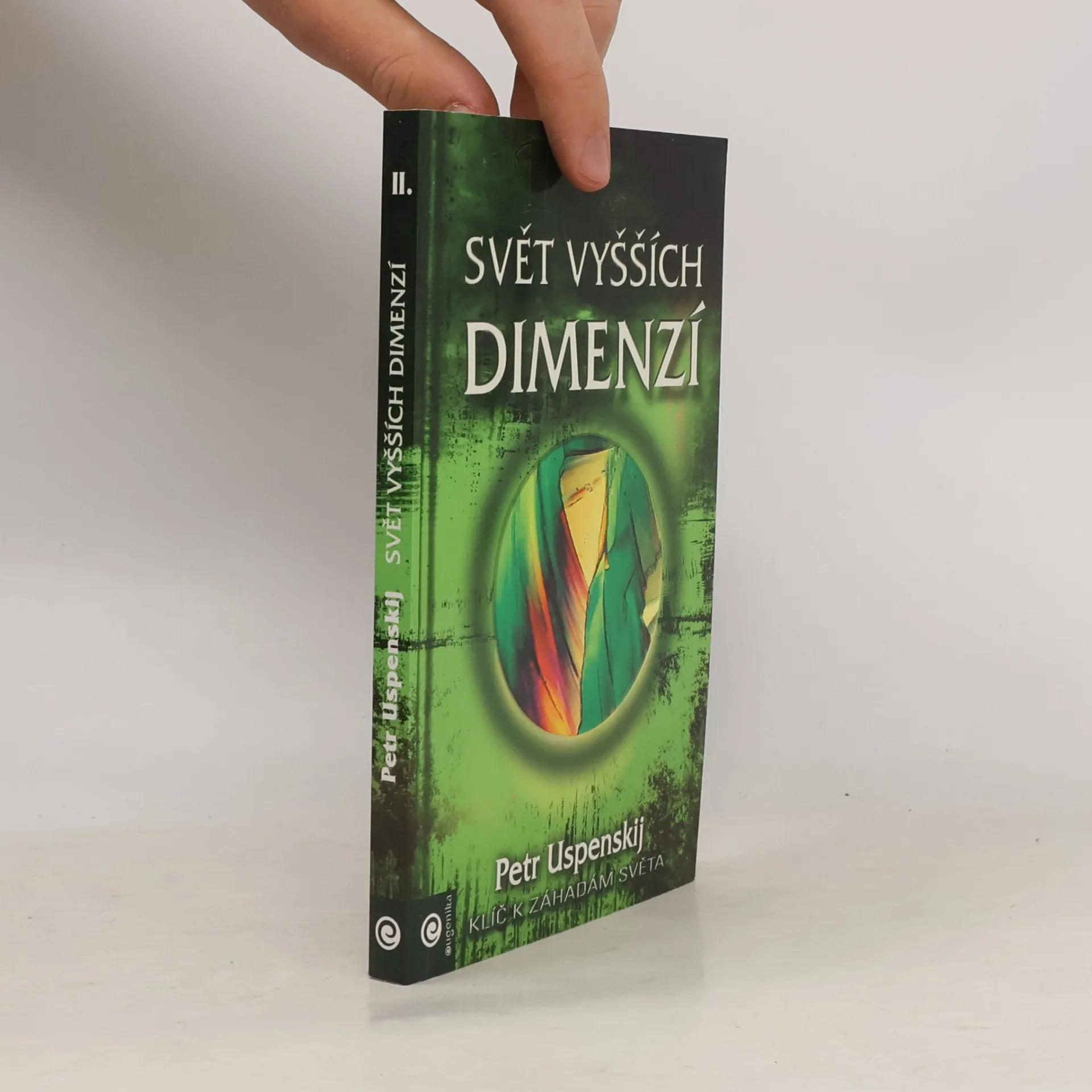
Tertium Organum. 2. díl. Svět vyšších dimenzí. Klíč k záhadám světa
- 219bladzijden
- 8 uur lezen
Petr Uspenskij, matematik, filozof a žák ruského mystika G. Gurdžijeva, se proslavil dílem Tertium Organum - Klíč k záhadám světa, které poprvé vyšlo v roce 1912. Jedná se o vysoce obsažné dílo, jež je podle autorových vlastních slov klíčem k tajemství času a vesmíru a snaží se vysvětlit mnohé jevy a skutečnosti, které jsou pro nás často nepochopitelné: okultismus, lásku, oduševnělost přírody, hlasy kamenů, matematiku nekonečna, mystickou teozofii, vesmírné vědomí i zrození výjimečného člověka. Širokému spektru témat dominuje abstraktní matematická teorie a filozofie. V druhé části se autor velmi podrobně věnuje pohledu vědy na náš existující svět a tomu, proč právě věda nepojímá tento svět globálně, ale pouze v jeho trojrozměrné podobě. Dokládá existenci vyšších dimenzí, a navíc polemizuje s některými obecně známými matematickými dogmaty.
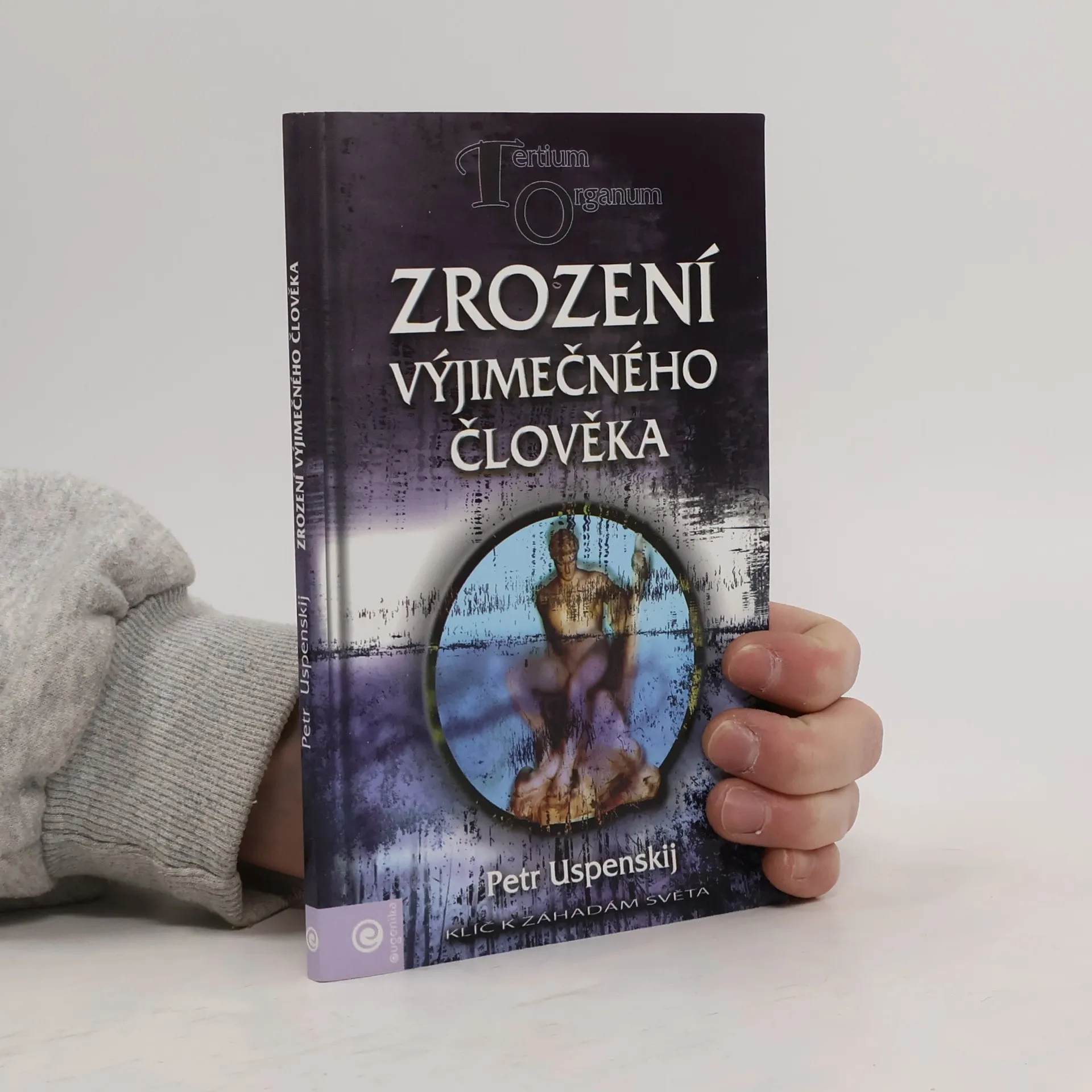
Zrození výjimečného člověka
- 121bladzijden
- 5 uur lezen
Petr Uspenskij pokračuje v zamýšlení se nad některými filozofickými skutečnostmi. Kromě vlastních komentářů cituje některé vědce i myslitele a snaží se pochopit určité jevy, podstatné pro pochopení smyslu lidského života. Mezi tématy, kterým se zde věnuje, najdeme například matematickou představu nekonečna, co by prožívalo zvíře, kdyby se stalo člověkem, vyšší logiku, duši, náboženské cítění nebo vesmírné vědomí. Na závěr si klade starou otázku, zda má větší smysl a opodstatnění materializmus, nebo idealizmus.