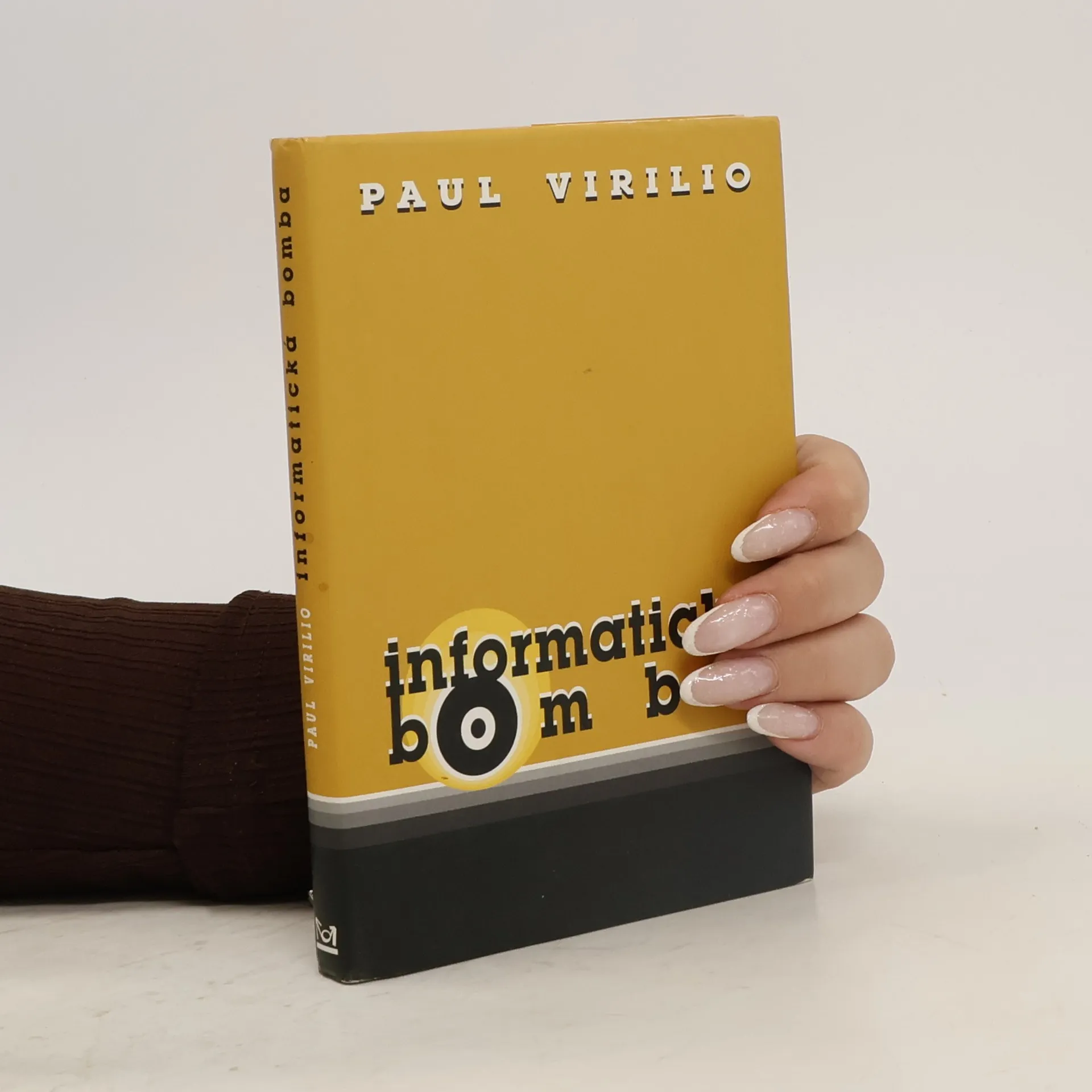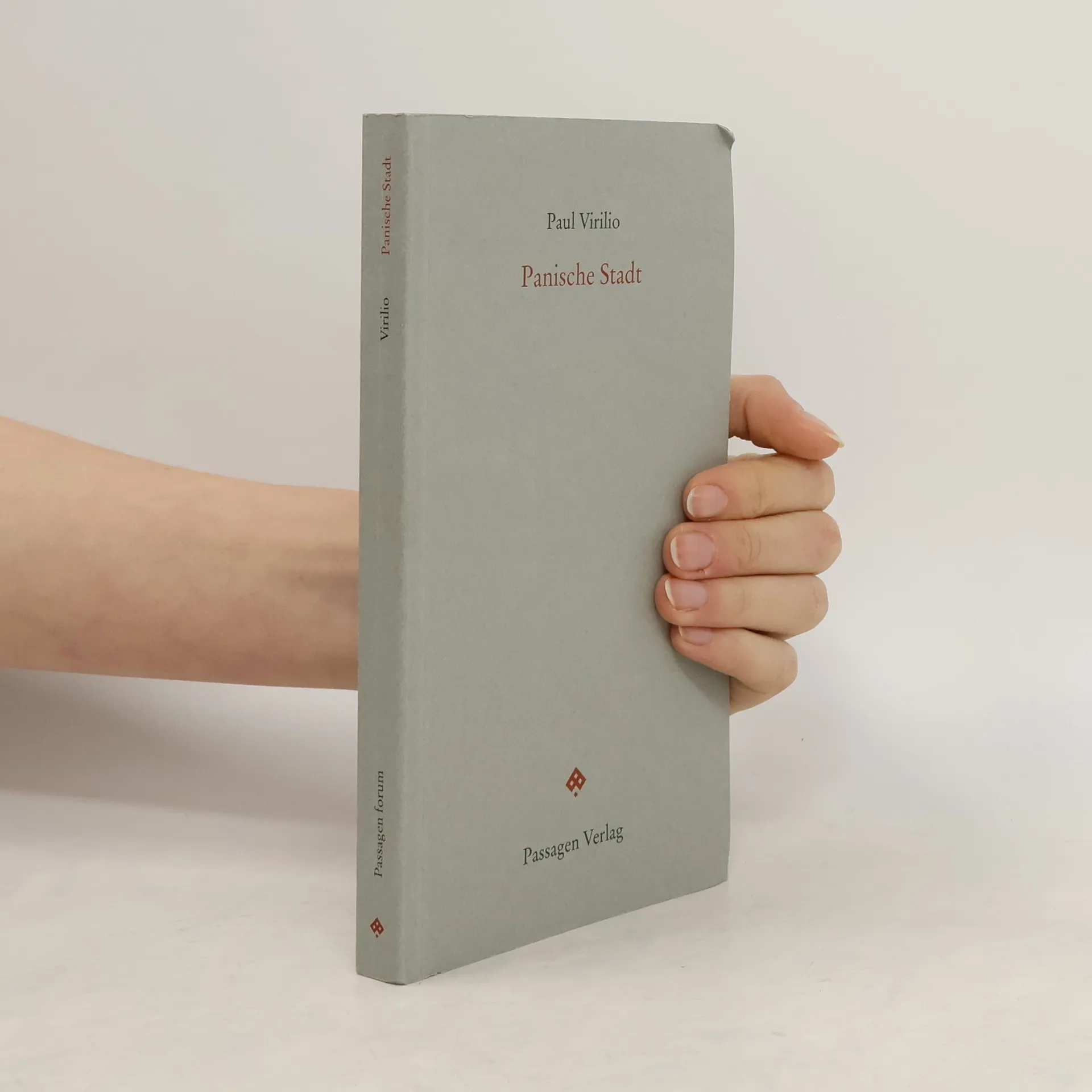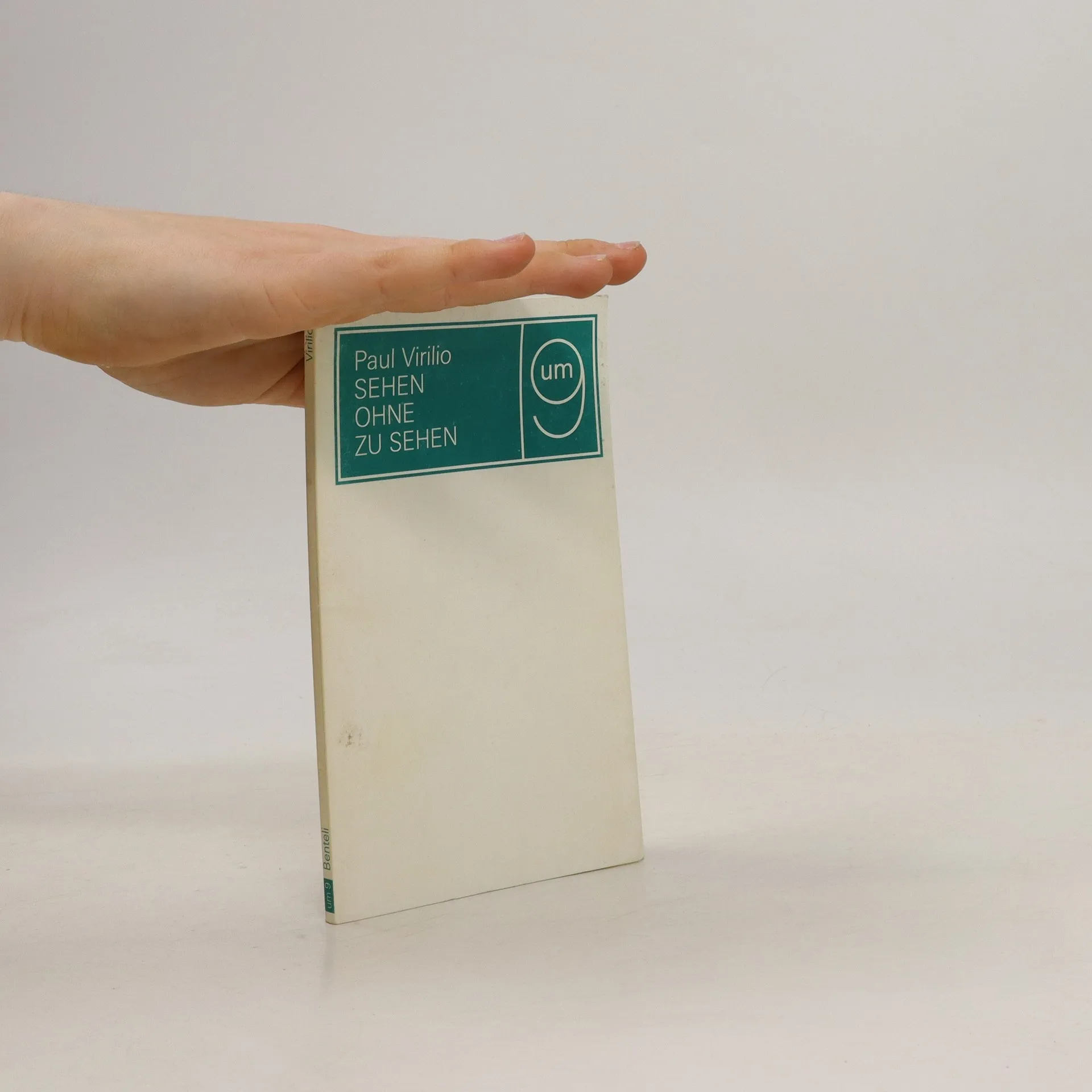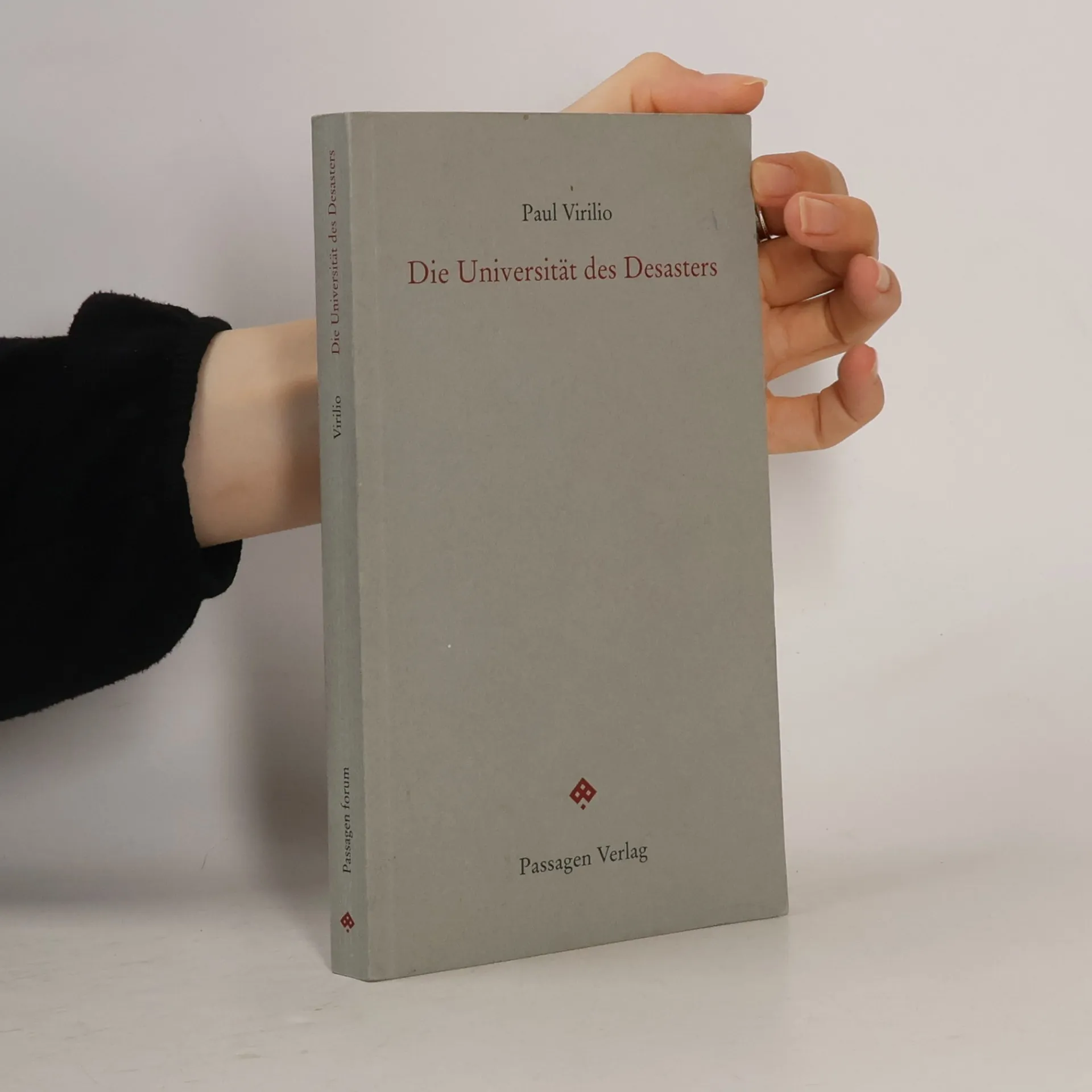
Out of print for almost a decade, we are thrilled to bring back one of our most requested hard-to-find titlesphilosopher and cultural theorist Paul Virilio's Bunker Archeology. In 1994 we published the first English-language translation of the classic French edition of 1975, which accompanied an exhibition of Virilio's photographs at the Centre Pompidou. In Bunker Archeology, urbanist Paul Virilio turns his attentionand camerato the ominous yet strangely compelling German bunkers that lie abandoned along the coast of France. These ghostly reminders of destruction and oppression prompted Virilio to consider the nature of war and existence, in relation to both World War II and contemporary times. Virilio discusses fortresses and military space in general as well as the bunkers themselves, including an examination of the role of Albert Speer, Hitler's architect, in the rise of the Third Reich.
Paul Virilio Boeken
Paul Virilio was een cultuurtheoreticus en urbanist, vooral bekend om zijn geschriften over technologie in relatie tot snelheid en macht. Zijn werk put uit diverse verwijzingen naar architectuur, kunst, de stad en het militaire om te onderzoeken hoe deze elementen onze wereldvorming beïnvloeden. Virilio onderzocht de impact van constante versnelling op de samenleving en de geest. Zijn analyses bieden diepgaande inzichten in de dynamiek van het moderne leven.


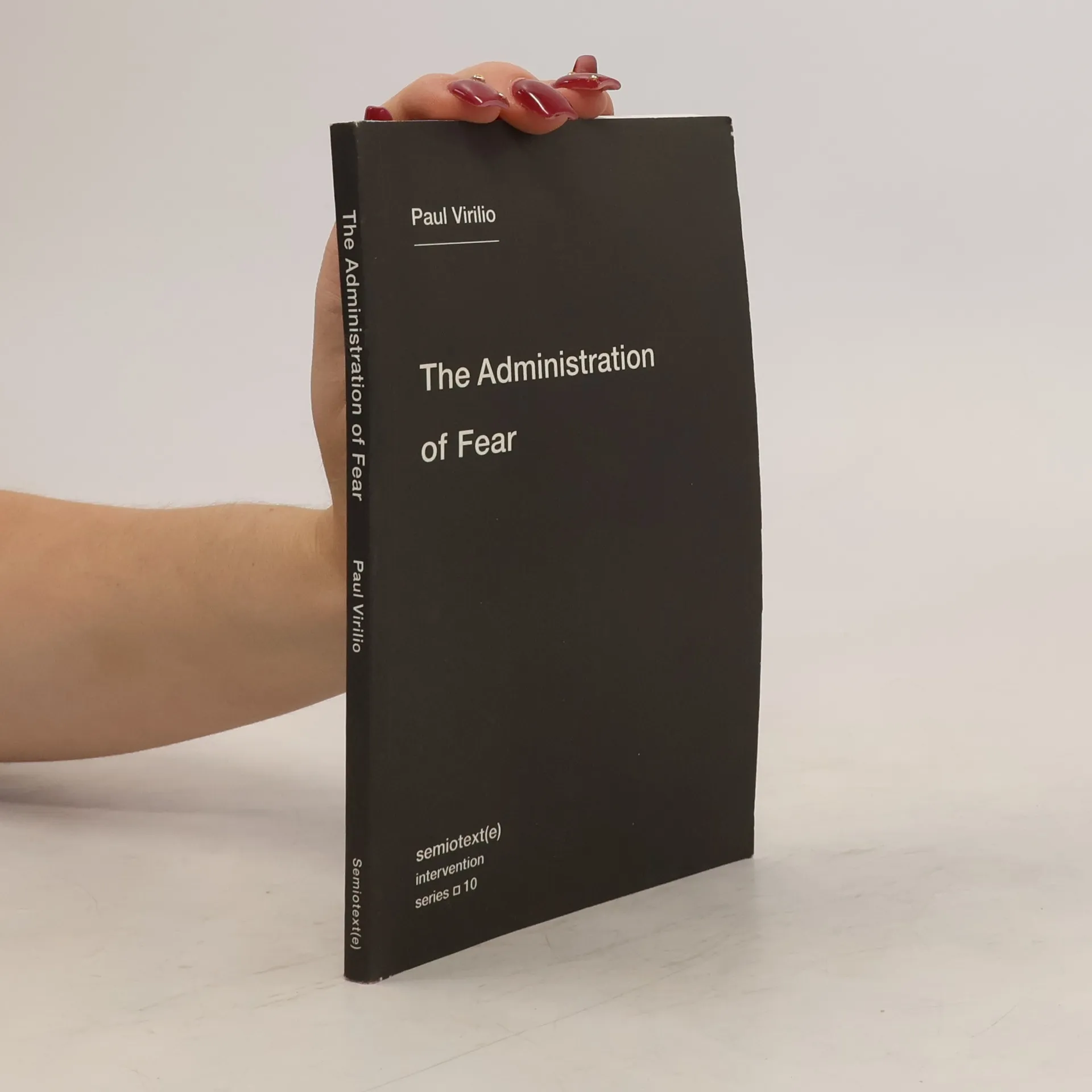
Virilio and Lotringer revisit their prescient book on the invisible war waged by technology against humanity since World War II.
The Administration of Fear
- 93bladzijden
- 4 uur lezen
A new interview with the philosopher of speed, addressing the ways in which technology is utilized in synchronizing mass emotions.
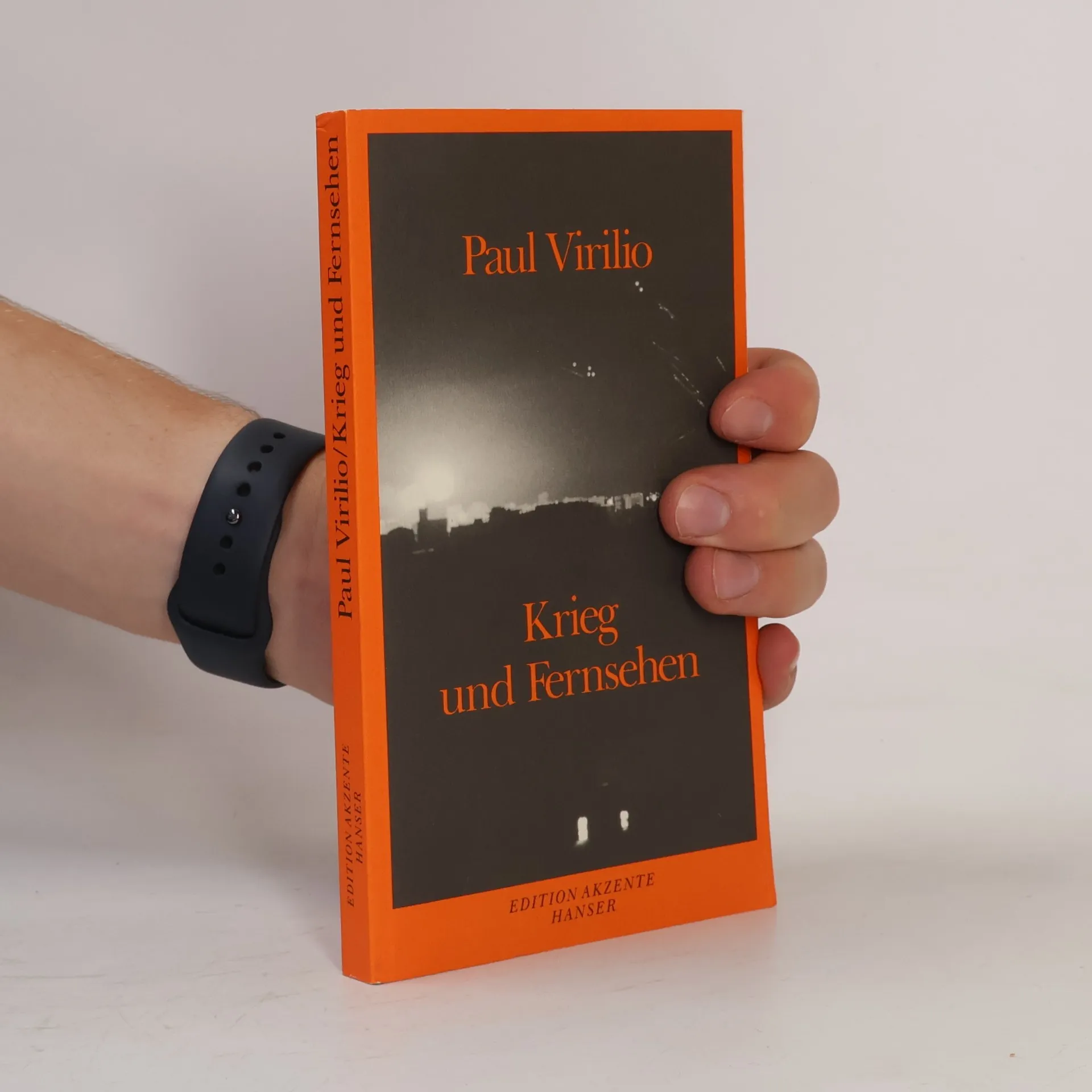
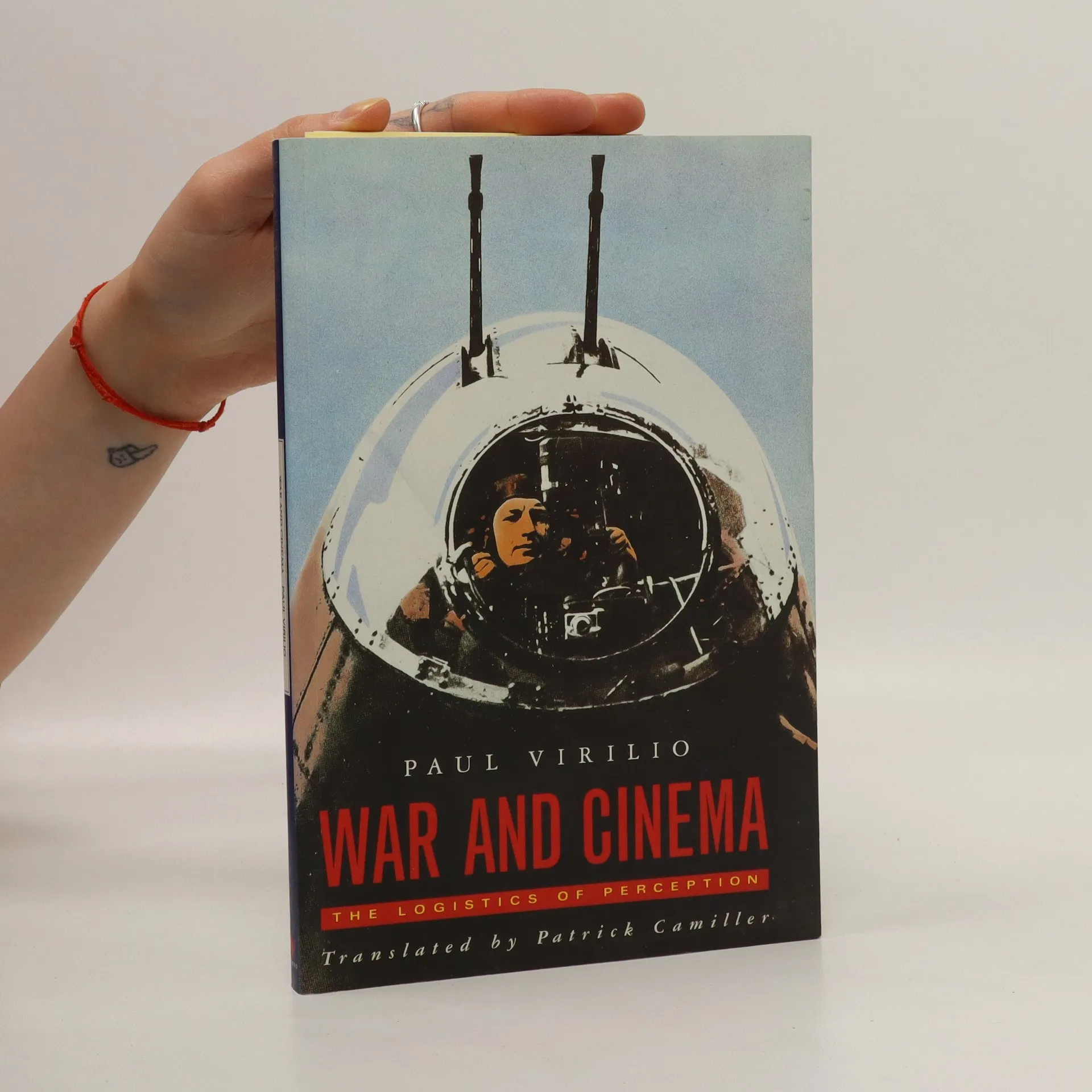
Looking at how the technologies of cinema and warfare have developed a fatal interdependence, this book explores these conjunctions from a range of perspectives. It gives a detailed technical history of weaponry, photography and cinematography, with accounts of films and military campaigns.
The Aesthetics of Disappearance
- 128bladzijden
- 5 uur lezen
Exploring the concept of "picnolepsy," this work delves into the consciousness shaped by speed and its effects on perception. Virilio uses a range of cultural references, from cinema to notable historical figures, to illustrate the impact of speed on modern life. He connects the experience of living in a fast-paced society to themes of absence and disconnection. This edition includes a new introduction by Jonathan Crary, enhancing the discussion of visual culture and setting the stage for Virilio's later work on the intersection of war and cinema.
Speed and Politics
- 176bladzijden
- 7 uur lezen
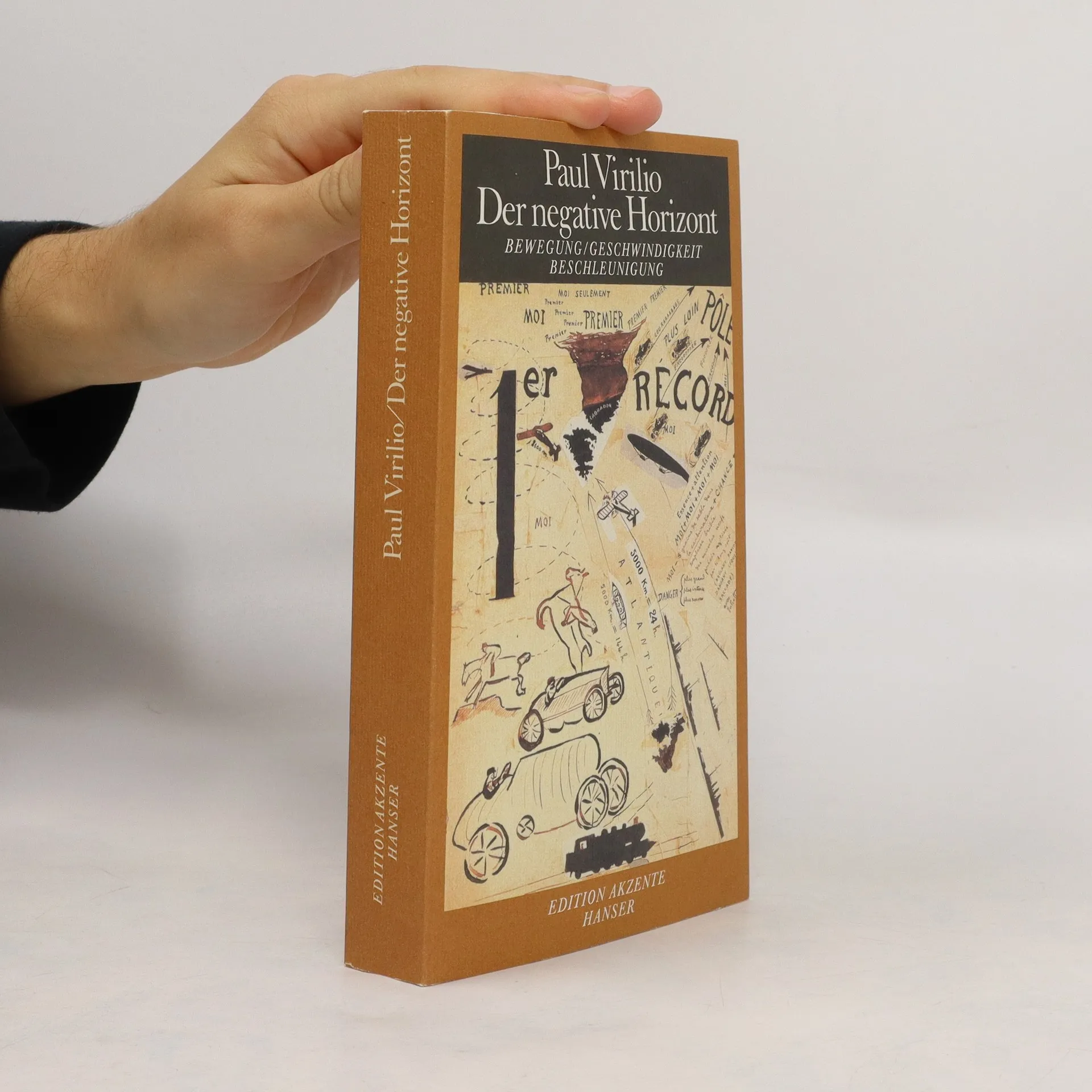
Focusing on the concept of speed as a transformative force, Paul Virilio's work examines its role in shaping civilization through technological advances linked to militarization. He argues that speed, rather than class or wealth, drives societal change, presenting a topological history of humanity's evolution. Drawing from various thinkers, Virilio's "technical vitalism" explores the implications of rapid advancements, including military technology and information systems, offering a critical perspective on their impact on human nature and society's future.
Lost Dimension
- 191bladzijden
- 7 uur lezen
A vision of the city as a web of interactive, informational networks that turn our world into a prison-house of illusory transcendence.
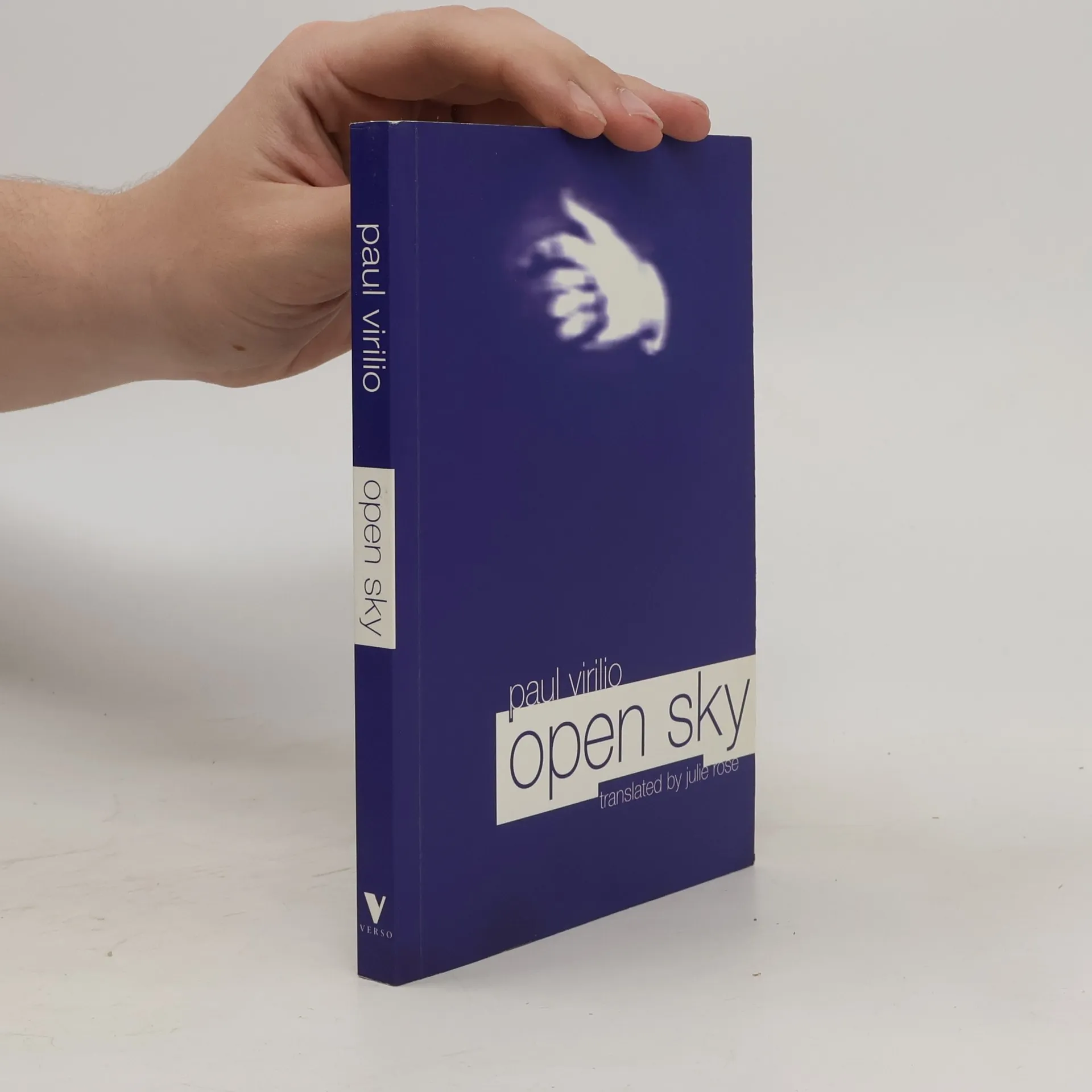
“One day the day will come when the day will not come.” Bleak in its analysis of the social destruction wrought by modern technologies of communication and surveillance, but passionately political, Open Sky is Paul Virilio’s most far-reaching and radical book for many years. Deepening and extending his earlier work on speed perception and political control, and applying it now to the global ‘real time’ of the information superhighways, he explores the growing danger of what he calls a “generalized accident,” provoked by the breakdown of our collective and individual relation to time, space and movement.But this is not merely a lucid and disturbing lament for the loss of real geographical spaces, distance, intimacy or democracy. Open Sky is also a call for revolt—against the insidious and accelerating manipulation of perception by the electronic media and repressive political power, against the tyranny of “real time,” and against the infantilism of cyberhype. Paul Virillo makes a powerful case for a new ethics of perception, and a new ecology, one which will not only strive to protect the natural world from pollution and destruction, but will also combat the devastation of urban communities by proliferating technologies of control and virtuality.
Art as far as the eye can see
- 128bladzijden
- 5 uur lezen
Art used to be an engagement between the artist and materials, but now as art practices and mediums have changed, these materials have also changed. Where art used to talk of the aesthetics of disappearance, it must now confront the disappearance of the aesthetic. In the twenty-first century, the new battleground is art as light versus art as matter. In this work, author Paul Virilio argues that this change reflects how speed and politics have been transformed to speed and mass culture.
Paul Virilio: Bunker Archeology
- 212bladzijden
- 8 uur lezen
Focusing on the intersection of architecture and philosophy, the book explores Paul Virilio's pioneering work in bunker archaeology, initiated in the late 1950s. His early photography of WWII bunkers along the French coast evolved into a profound examination of military space and communication. Virilio's concept of "Cryptic Architecture" positions these structures as precursors to contemporary architectural thought. This re-edition coincides with a Centre Pompidou exhibition, highlighting the enduring relevance of his insights into deception, acceleration, and the complexities of modern existence.