

How does the firing of neurons give rise to subjective sensations, thoughts, and emotions? How can the disparate domains of mind and body be reconciled? The quest for a scientifically based understanding of consciousness has attracted study and speculation across the ages. In this direct and non-technical discussion of consciousness, Dr. Gerald M. Edelman draws on a lifetime of scientific inquiry into the workings of the brain to formulate answers to the mind-body questions that intrigue every thinking person.Concise and understandable, the book explains pertinent findings of modern neuroscience and describes how consciousness arises in complex brains. Edelman explores the relation of consciousness to causation, to evolution, to the development of the self, and to the origins of feelings, learning, and memory. His analysis of the brain activities underlying consciousness is based on recent remarkable advances in biochemistry, immunology, medical imaging, neuroscience, and evolutionary biology, yet the implications of his book extend farther—beyond the worlds of science and medicine into virtually every area of human inquiry.
Gerald M. Edelman Volgorde van de boeken (chronologisch)
Gerald Edelman was een Amerikaanse bioloog wiens werk zich uitstrekte over het immuunsysteem, neurowetenschappen en de filosofie van de geest. Zijn Nobelprijswinnende onderzoek onthulde de structuur van antistofmoleculen. Edelman trok een analogie tussen de evolutionaire ontwikkeling van immuunsysteemcomponenten gedurende het leven van een individu en de ontwikkelings evolutie van hersencomponenten. Dit perspectief creëerde een continuïteit tussen zijn biologische en neurologische studies, wat zijn latere werk op het gebied van neurowetenschappen en filosofie van de geest beïnvloedde.



A Universe Of Consciousness
- 288bladzijden
- 11 uur lezen
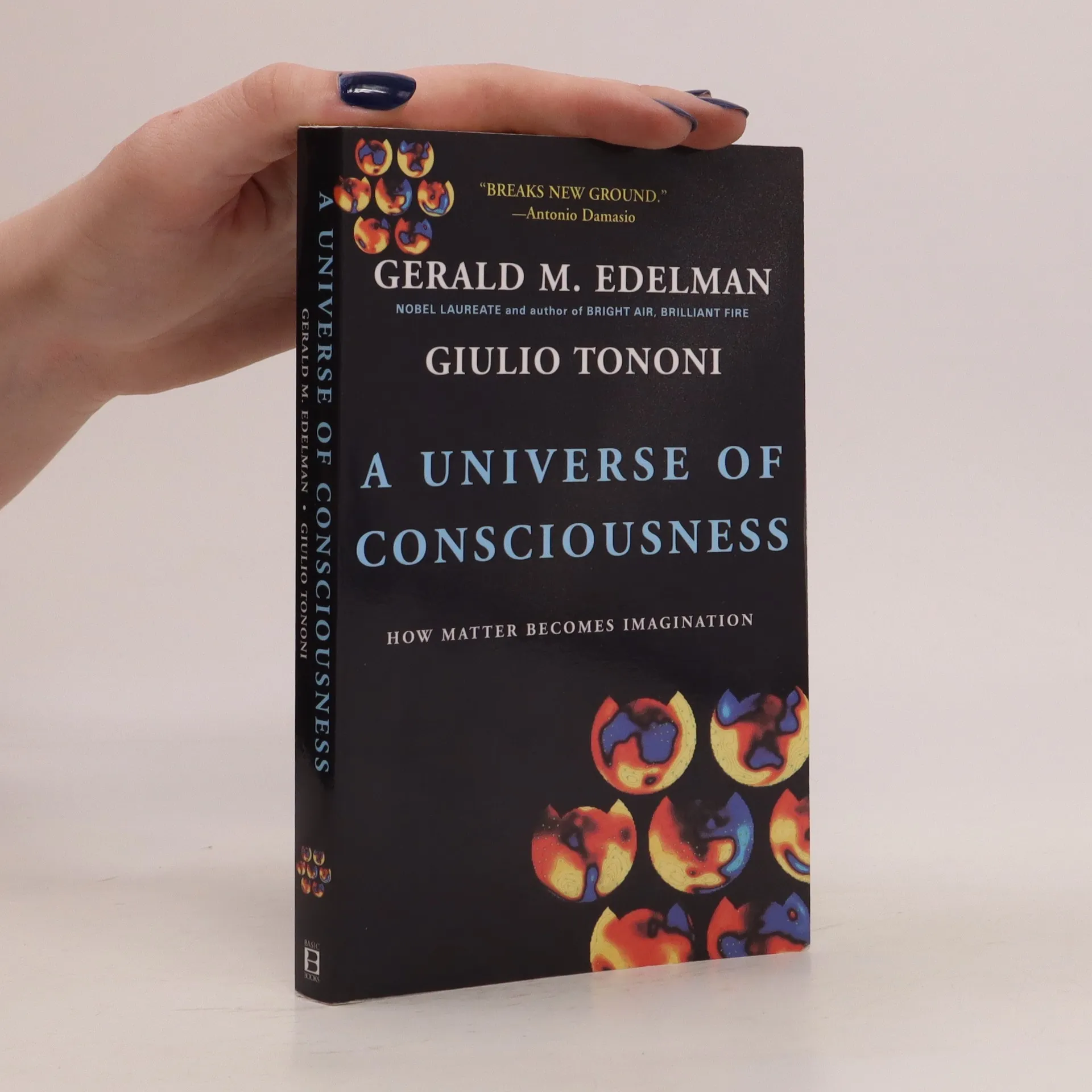
In A Universe of Consciousness, Gerald Edelman builds on the radical ideas he introduced in his monumental trilogy-Neural Darwinism, Topobiology, and The Remembered Present-to present for the first time an empirically supported full-scale theory of consciousness. He and the neurobiolgist Giulio Tononi show how they use ingenious technology to detect the most minute brain currents and to identify the specific brain waves that correlate with particular conscious experiences. The results of this pioneering work challenge the conventional wisdom about consciousness.
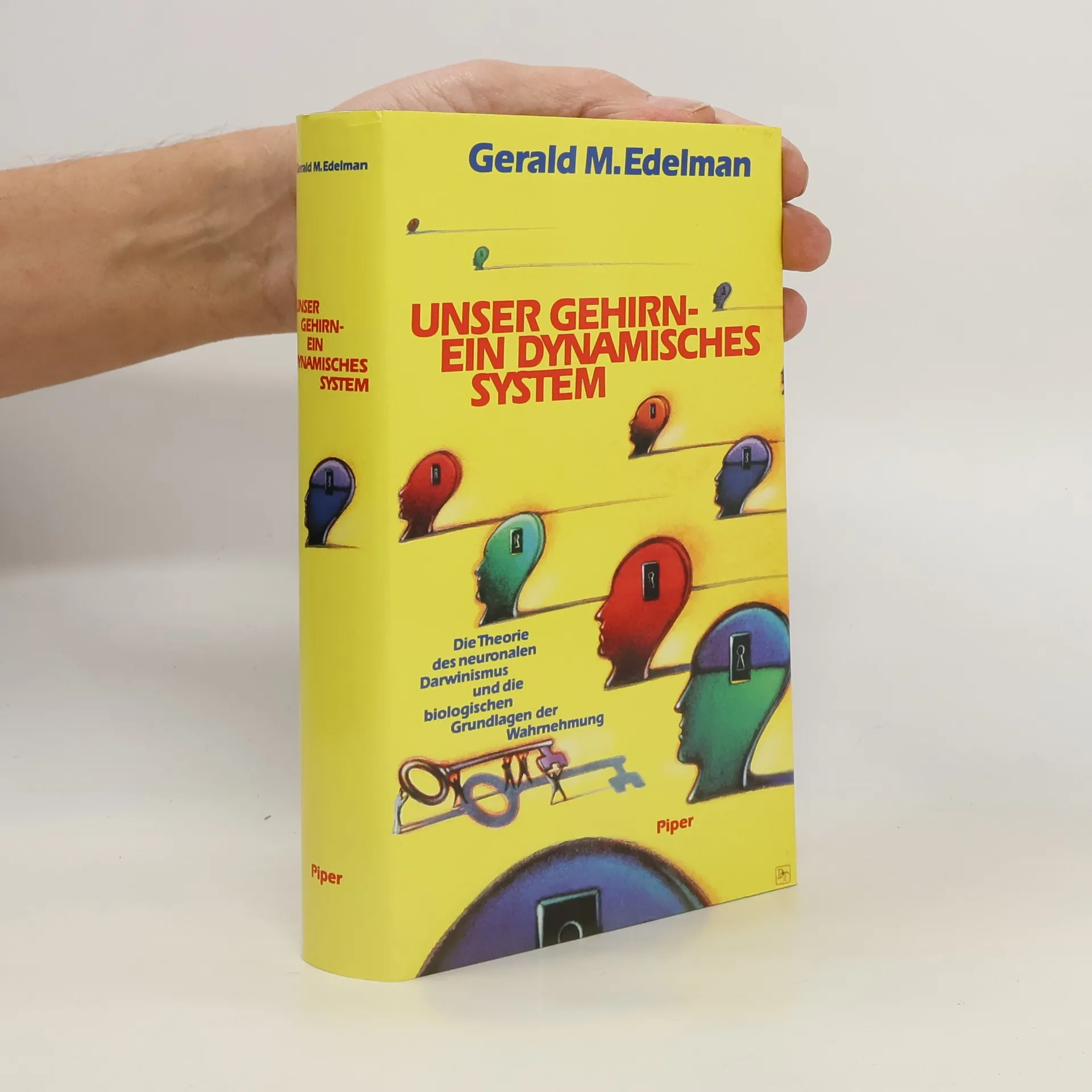
Unser Gehirn
- 512bladzijden
- 18 uur lezen
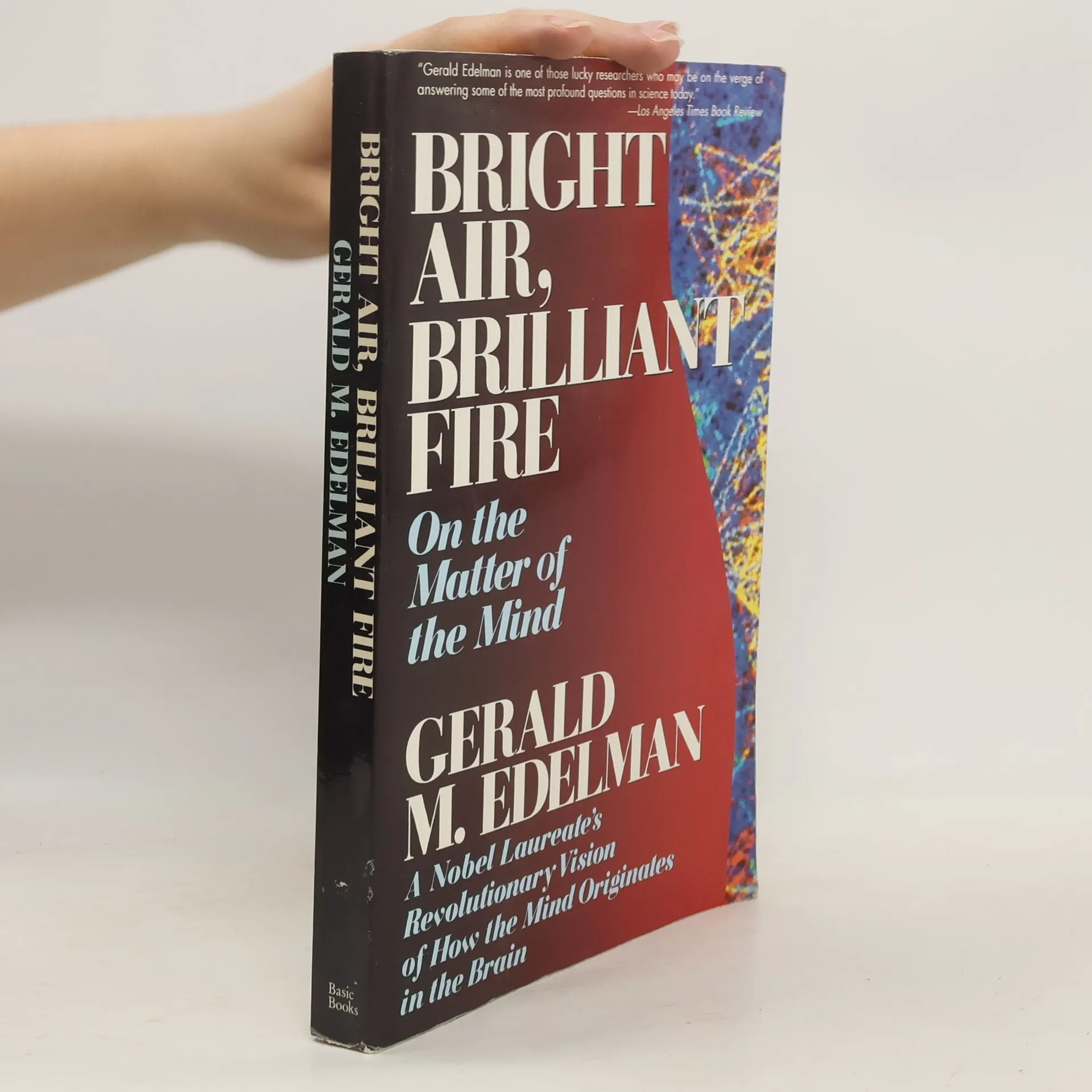
We are on the verge of a revolution in neuroscience as significant as the Galilean revolution in physics or the Darwinian revolution in biology. Nobel laureate Gerald M. Edelman takes issue with the many current cognitive and behavioral approaches to the brain that leave biology out of the picture, and argues that the workings of the brain more closely resemble the living ecology of a jungle than they do the activities of a computer. Some startling conclusions emerge from these ideas: individuality is necessarily at the very center of what it means to have a mind, no creature is born value-free, and no physical theory of the universe can claim to be a ”theory of everything” without including an account of how the brain gives rise to the mind. There is no greater scientific challenge than understanding the brain. Bright Air, Brilliant Fire is a book that provides a window on that understanding.
Il presente ricordato
- 414bladzijden
- 15 uur lezen
Una comprensione genuina di come gli stati mentali sorgano dalla struttura e dalla funzione del cervello sarebbe, come dichiarò William James nel 1892, "il traguardo scientifico davanti al quale tutti i successi passati sbiadirebbero". È possibile costruire una teoria biologica completa della coscienza? Qualsiasi tentativo deve riconciliare le evidenze raccolte da campi così diversi come la biologia dello sviluppo e l'evoluzione, la neuroanatomia e la neurofisiologia, la psicologia cognitiva, la psichiatria e la filosofia. Dopo aver posto le basi nei suoi libri Neural Darwinism e Topobiology, il premio Nobel Gerald M. Edelman propone ora una teoria completa della coscienza in Il presente ricordato. Integrando i risultati generati dalla recente crescita esplosiva delle neuroscienze con la conoscenza attuale di anatomia, biologia cellulare e psicologia, Edelman è riuscito a costruire un modello dettagliato di come diventiamo consapevoli della nostra stessa esistenza. Oltre a fornire una spiegazione scientifica della funzione cerebrale e della coscienza, la teoria avanzata in Il presente ricordato avrà un impatto significativo su una vasta gamma di campi. Offre una nuova prospettiva che potrebbe indurre revisioni fondamentali nel modo in cui i linguisti vedono il linguaggio, i medici classificano le malattie mentali e i filosofi considerano il problema mente-corpo.