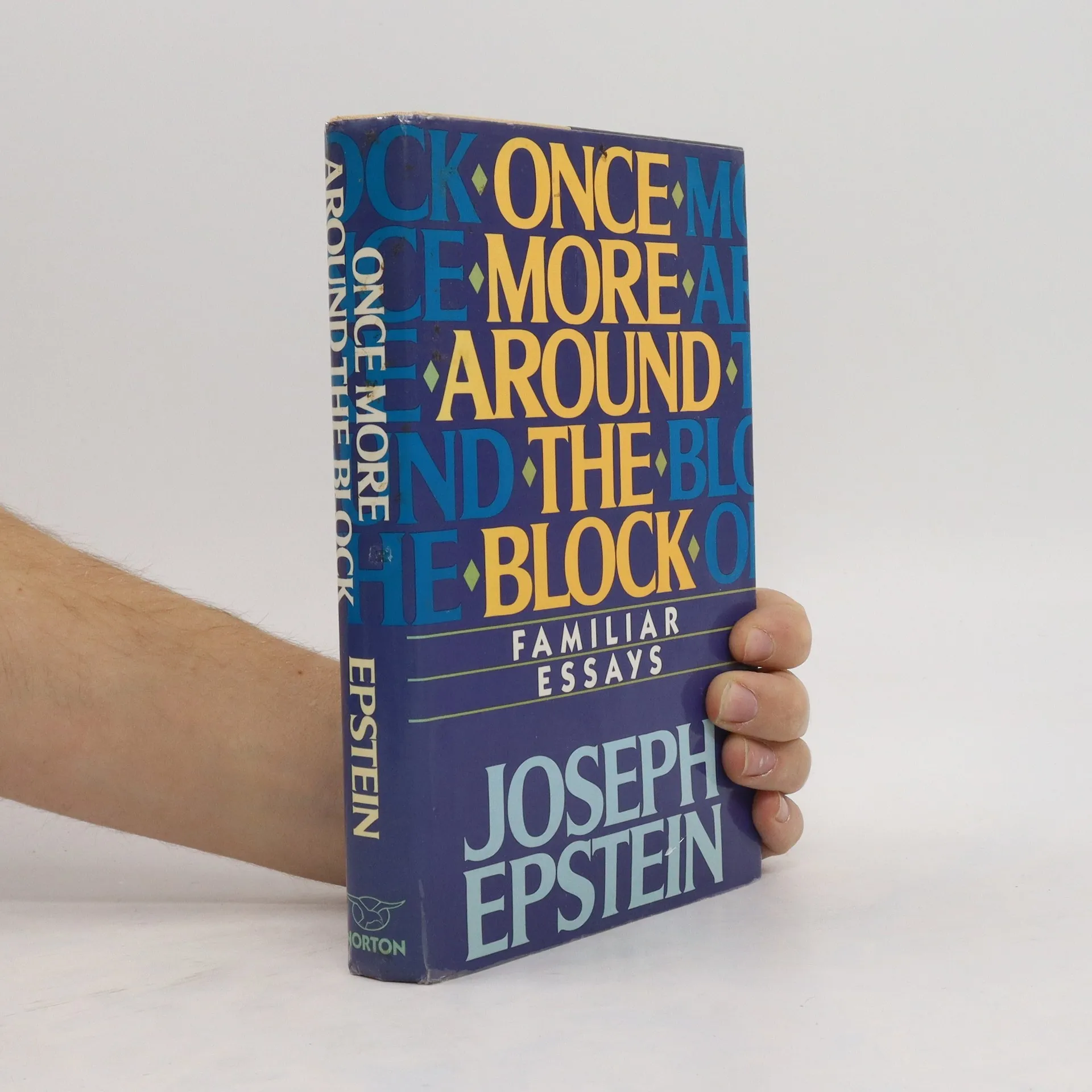
Once More Around The Block
- 308bladzijden
- 11 uur lezen
Once More Around The Familiar Essays by Epstein, Joseph


Joseph Epstein is een gevierd essayist en auteur, bekend om zijn scherpe observaties van de menselijke natuur en sociale gebruiken. Zijn schrijfstijl kenmerkt zich door humor, intelligentie en een diepgaand begrip van de nuances in menselijke relaties. Epstein verkent thema's als vriendschap, sociale klasse en culturele identiteit met een frisse blik. Zijn werk nodigt de lezer uit om na te denken over de wereld om hen heen en hun eigen plaats daarin.


Once More Around The Familiar Essays by Epstein, Joseph
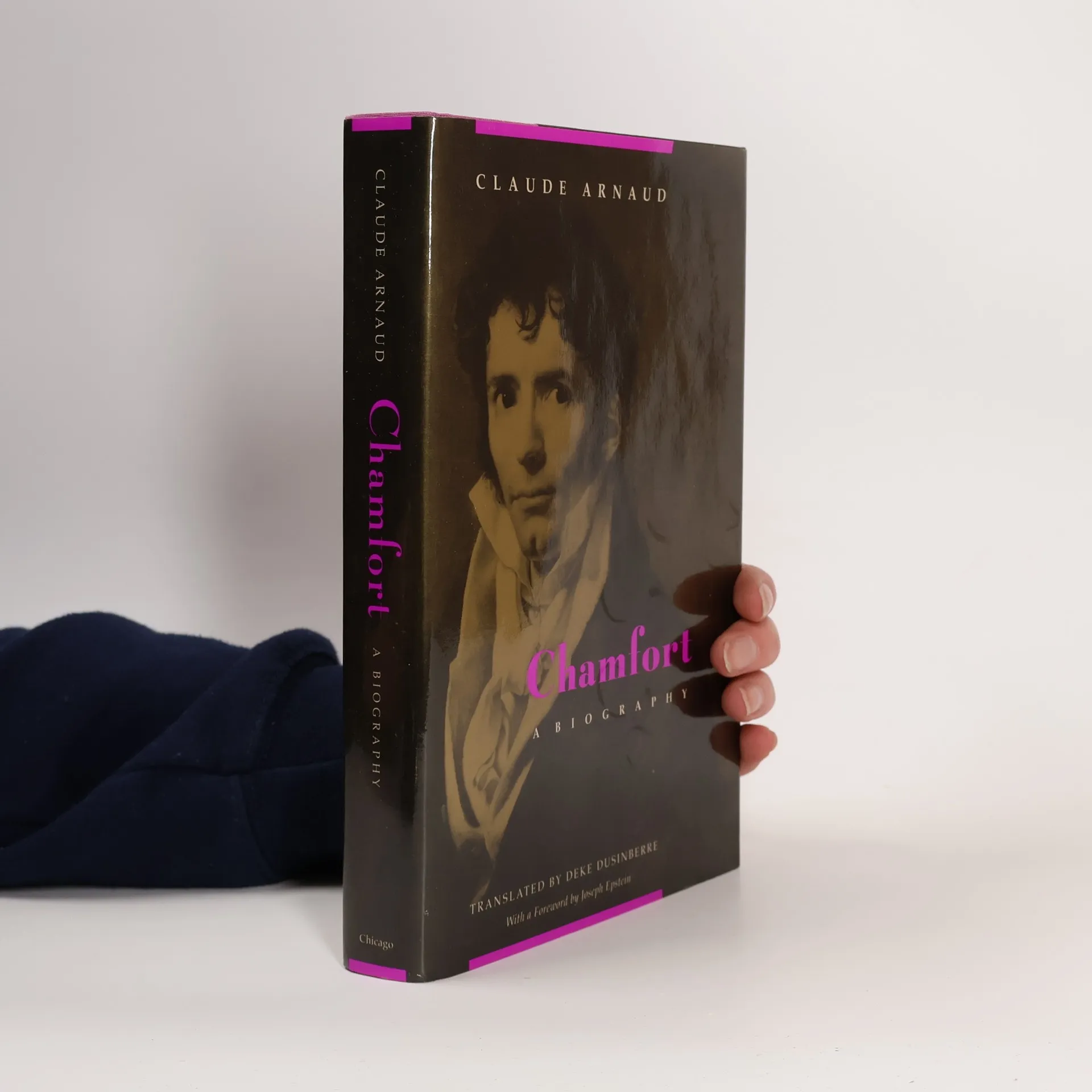
Sébastien Roch Nicolas Chamfort (1740-1794), whom Nietzsche called the "wittiest of all moralists," is now known for little more than brilliant aphorisms that captivated a long line of thinkers, from Stendhal to Cioran, Schopenhauer to Camus. Yet the fascination of Chamfort's life is barely suggested by the fragments of writing that have survived him. In Claude Arnaud's captivating biography, Chamfort the libertine, playwright, journalist, and revolutionary stands revealed as the most telling emblem of his times.
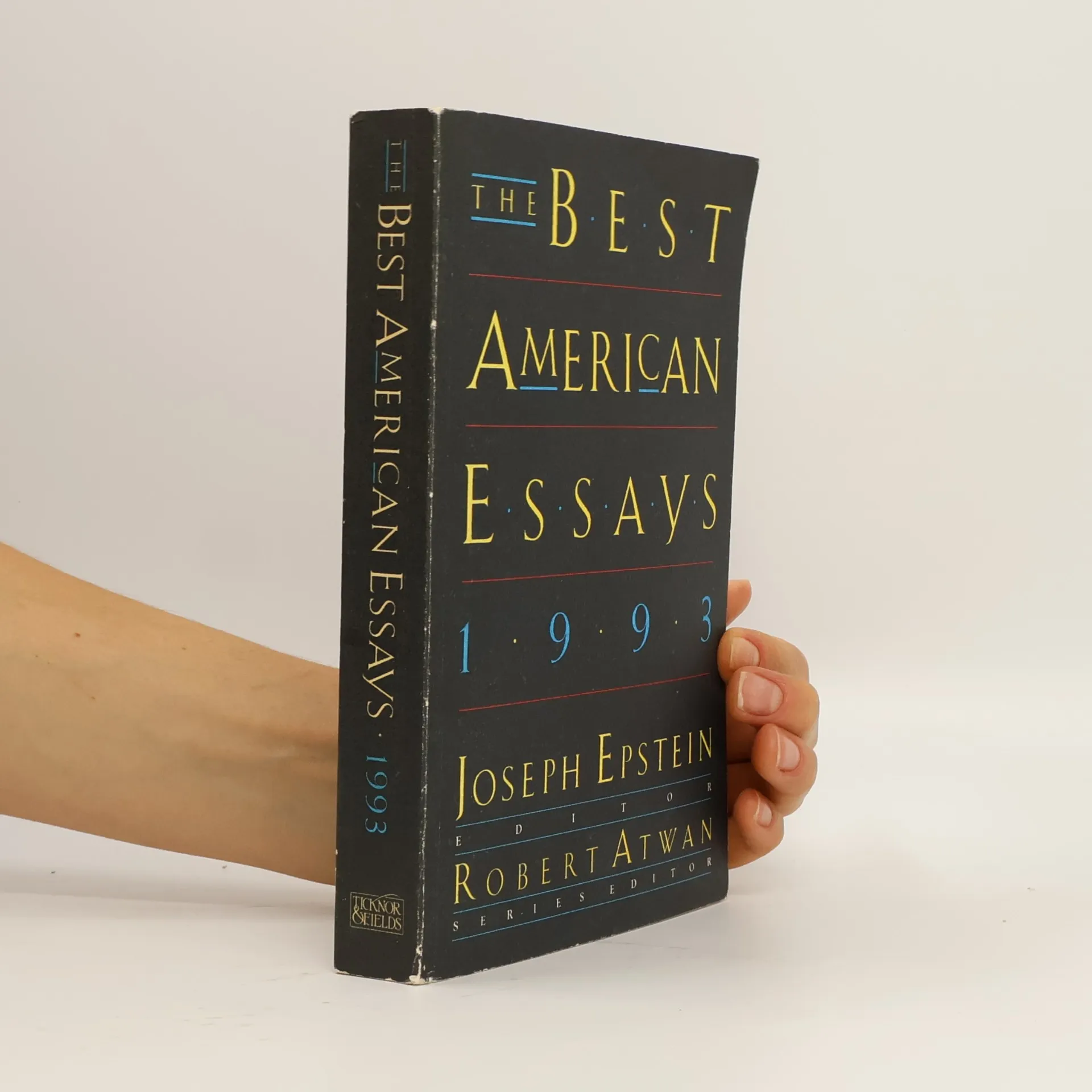
Essays by Jean Ervin, Jacob Cohen, Ward Just, Floyd Skloot, Gerald Early, James Salter, Philip Weiss, Cynthia Ozick, Diane Johnson, Joseph Brodsky, Marcia Aldrich, Paul R. McHugh, Anthony Burgess, Daniel M. Harris, Robert Sherrill, Shaun O'Connell, Thomas C. Palmer, Lawrence Otis Graham, Scott Russell Sanders, and Barbara Grizzuti Harrison.
A portrait of America’s most graceful and elegant male dancer and how he came to represent the essence of style, suavity, and charmJoseph Epstein’s Fred Astaire investigates the great dancer’s magical talent, taking up the story of his life, his personality, his work habits, his modest pretensions, and above all his accomplishments. Written with the wit and grace the subject deserves, Fred Astaire provides a remarkable portrait of this extraordinary artist and how he came to embody for Americans a fantasy of easy elegance and, paradoxically, of democratic aristocracy.Tracing Astaire’s life from his birth in Omaha to his death in his late eighties in Hollywood, the book discusses his early days with his talented and outspoken sister Adele, his gifts as a singer (Irving Berlin, George Gershwin, and Jerome Kern all delighted in composing for Astaire), and his many movie dance partners, among them Cyd Charisse, Rita Hayworth, Eleanor Powell, and Betty Hutton. A key chapter of the book is devoted to Astaire’s somewhat unwilling partnership with Ginger Rogers, the woman with whom he danced most dazzlingly. What emerges from these pages is a fascinating view of an American era, seen through the accomplishments of Fred Astaire, an unassuming but uncompromising performer who transformed entertainment into art and gave America a new yet enduring standard for style.
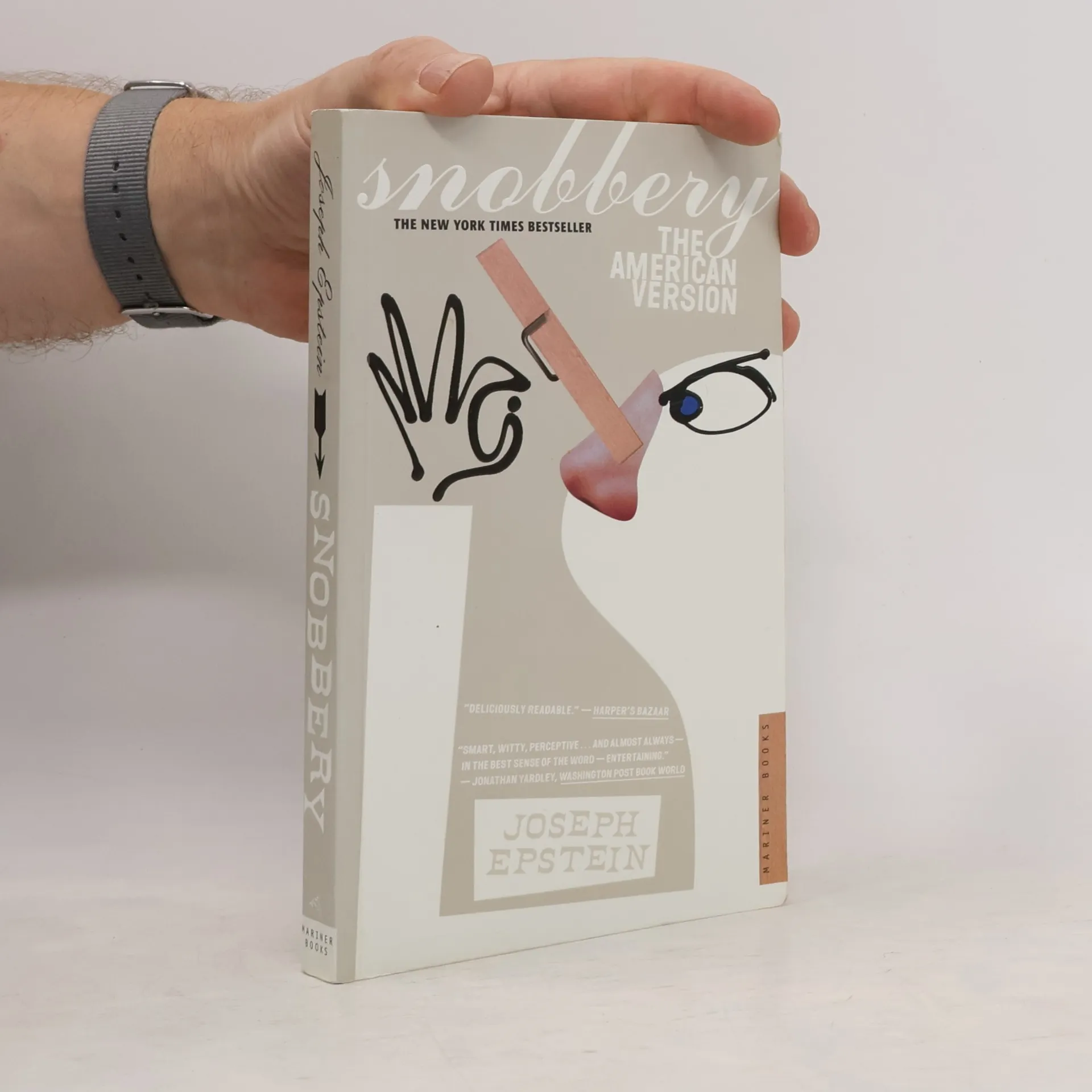
A national bestseller, Snobbery examines the discriminating qualities in all of us. With dishy detail, Joseph Epstein skewers all manner of elitism in contemporary America. He offers his arch observations of the new footholds of snobbery: food, fashion, high-achieving children, schools, politics, being with-it, name-dropping, and much more. Clever, incisive, and immensely entertaining, Snobberyexplores the shallows and depths of status and taste -- with enviable results.
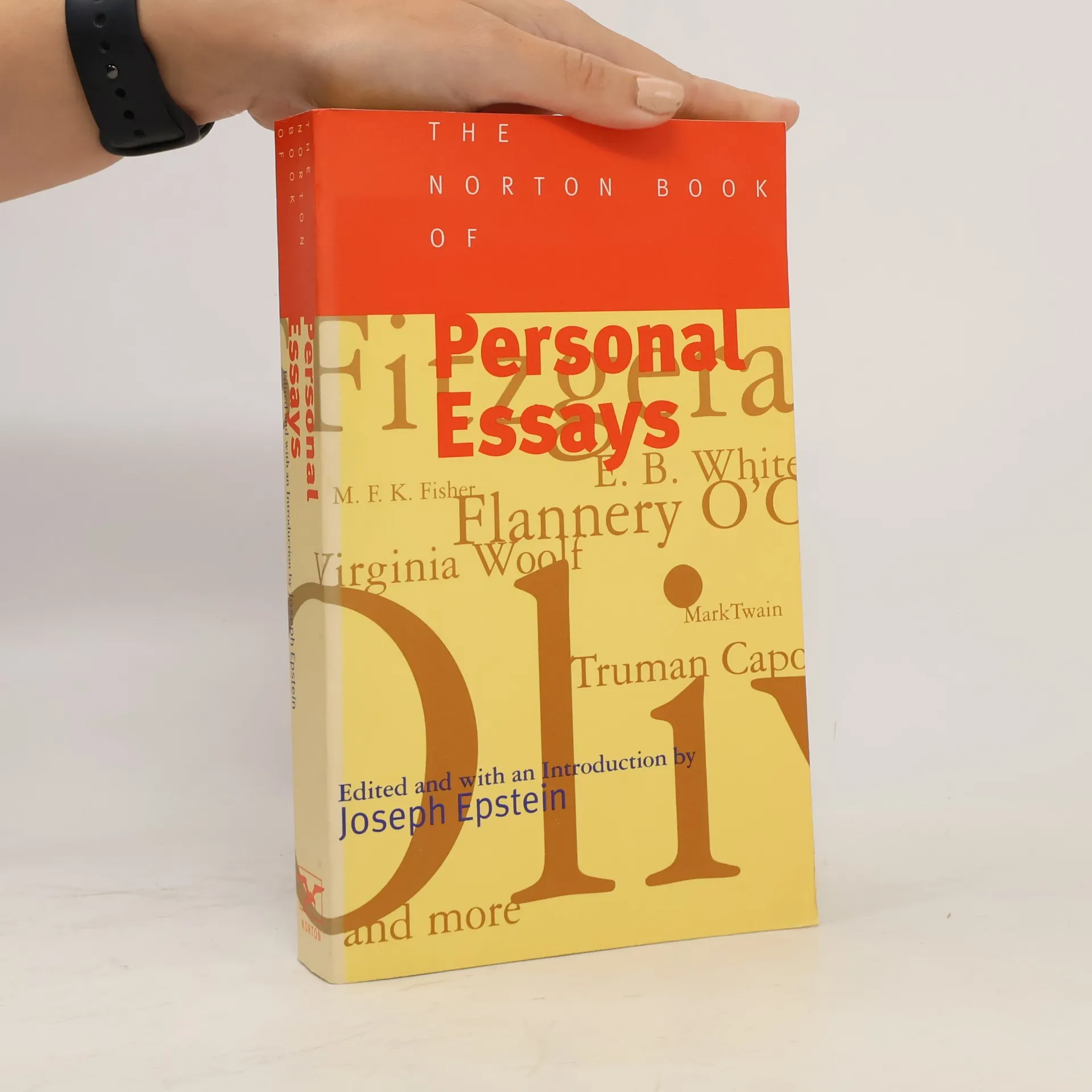
In this anthology of twentieth-century essays, some of our most-admired American and British writers express their lively, candid, entertaining, thoughtful, andabove allvarious opinions. Topics range from Tangier to a lake in Maine, from racial conflict to sky diving, from the expectations we bring to travel to the athletics of the table. The essays are selected and introduced by Joseph Epstein, himself a leading contemporary practitioner of the form. Most prominent in each essay is the distinctive style of the essayist; style, as Epstein points out in his introduction, is not only what keeps literature alive but also a personal way of looking at the world.Blending the profound and the buoyant, the traditional and the new, the expected and the surprising, The Norton Book of Personal Essays offers a basketful of delights sure to find a permanent place on readers' shelves. Mark Twain, Max Beerbohm, Virginia Woolf, Willa Cather, M. F. K. Fisher, F. Scott Fitzgerald, E. B. White, Oliver Sacks, H. L. Mencken, Truman Capote, and Flannery O'Connor are among the contributors to this volume. The chief principle of selection has been the pleasure that essays, operating at their highest power, always give.
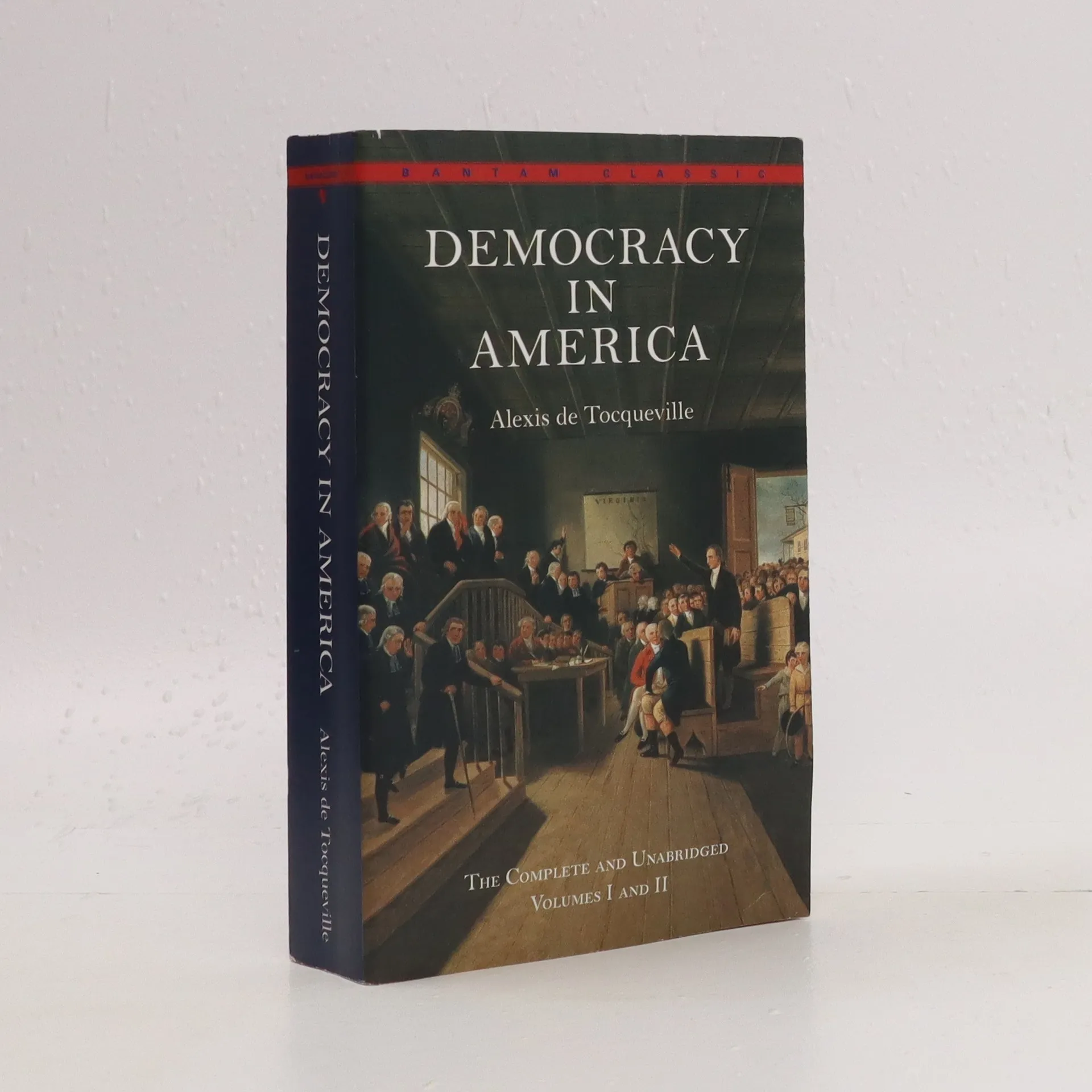
From America's call for a free press to its embrace of the capitalist system, Democracy in America--first published in 1835--enlightens, entertains, and endures as a brilliant study of our national government and character. Philosopher John Stuart Mill called it "among the most remarkable productions of our time." Woodrow Wilson wrote that de Tocqueville's ability to illuminate the actual workings of American democracy was "possibly without rival." For today's readers, de Tocqueville's concern about the effect of majority rule on the rights of individuals remains deeply meaningful. His shrewd observations about the "almost royal prerogatives" of the president and the need for virtue in elected officials are particularly prophetic. His profound insights into the great rewards and responsibilities of democratic government are words every American needs to read, contemplate, and remember. From America's call for a free press to its embrace of the capitalist system Democracy in America enlightens, entertains, and endures as a brilliant study of our national government and character. De Toqueville's concern about the effect of majority rule on the rights of individuals remains deeply meaningful. His insights into the great rewards and responsibilities of democratic government are words every American needs to read, contemplate, and remember.
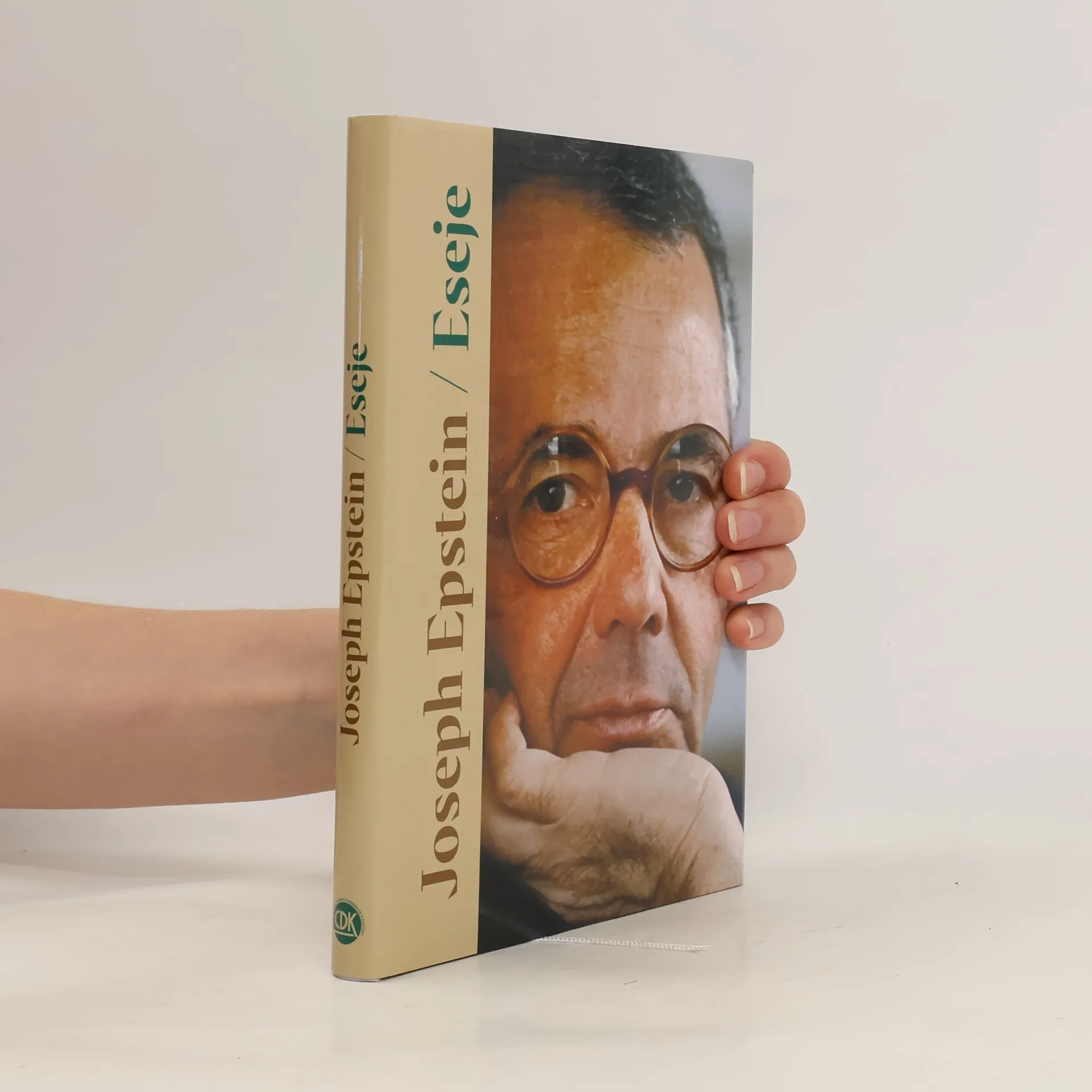
Tento výbor z esejů Josepha Epsteina – představující ovšem jen zlomek z jeho rozsáhlé tvorby – je veden snahou ukázat šíři a pestrost autorových zájmů. Čtenář v něm nalezne tři základní tematické okruhy. První se vytvářel v závislosti na Epsteinově povolání univerzitního učitele literatury. Jeho znalosti i přehled zejména americké literární produkce staršího i novějšího data jsou famózní. Epstein nám ukazuje, do jaké hloubky lze číst a přemýšlet o přečteném. Druhý je utvořen z jeho celoživotní snahy pochopit řeckou a římskou literární a kulturní tradici včetně latiny. To dokládají nejen rozbory děl autorů jako Hérodotos a Tacitus, ale i Epsteinova touha o proniknutí do tajů latinského jazyka. Třetí okruh je založen na jeho zájmu o věci veřejné. Epstein je „ze staré školy“ a nehodlá se přizpůsobovat módním trendům, například politické korektnosti a cancel kultuře. Je však zapotřebí dodat, že jeho politická nekorektnost je chytrá, kultivovaná a vtipná. Vtip ostatně netvoří v Epsteinově díle nějaký ornament, je bytostnou součástí jeho uvažování i psaní. Tento humor svou kreativitou připomene českému čtenáři jiného brilantního anglicky píšícího esejisty – G. K. Chestertona.
Die böseste Todsünde
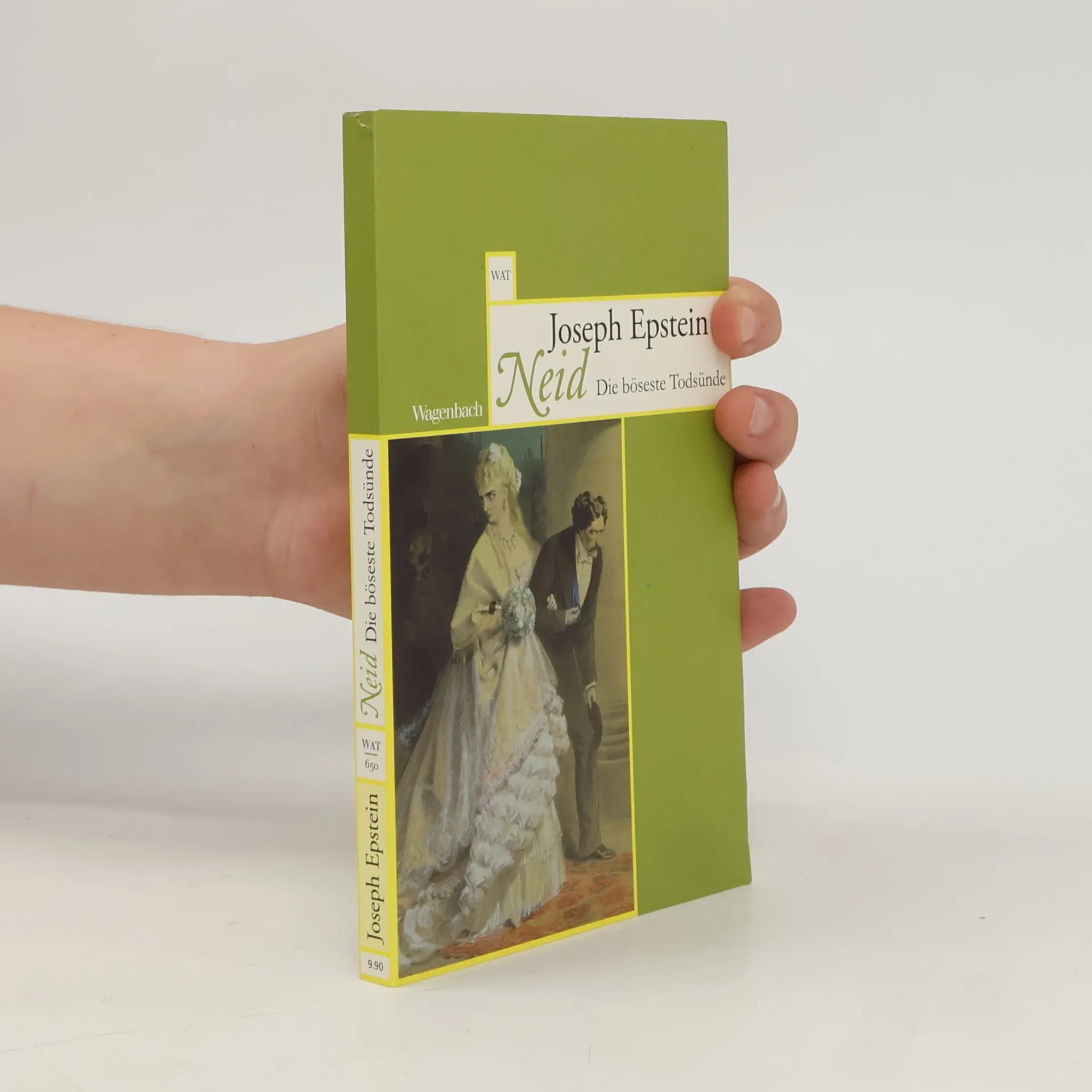
Der Neid ist in der Reihe der sieben Todsünden die unangenehmste und heimlichste. Namenlose Bosheit, kaltblütige, aber heimliche Feindseligkeit, ohnmächtiges Begehren, verborgener Groll und Gehässigkeit, all das beschreibt dieses Laster. Der Neider ist kleingeistig und weiß darum. Unerträglich scheint ihm des Anderen Wohl, Ruhm und Besitz. Er sähe ihn gern am Boden zerstört und ist allein zur Schadenfreude fähig. Joseph Epstein begibt sich in seinem Essay in den Sumpf dieses vollkommen unlustigen Gefühls. Er erzählt von den neiderfüllten Geschichten der Bibel, wägt die Definitionen der Philosophie gegeneinander ab und durchquert Psychoanalyse und Marxismus. Nichts fällt dem Autor zur Verteidigung dieses niedrigen und destruktiven Gefühls ein – sein Text aber ist auf beneidenswerte Weise humorvoll, kurzweilig und informativ!