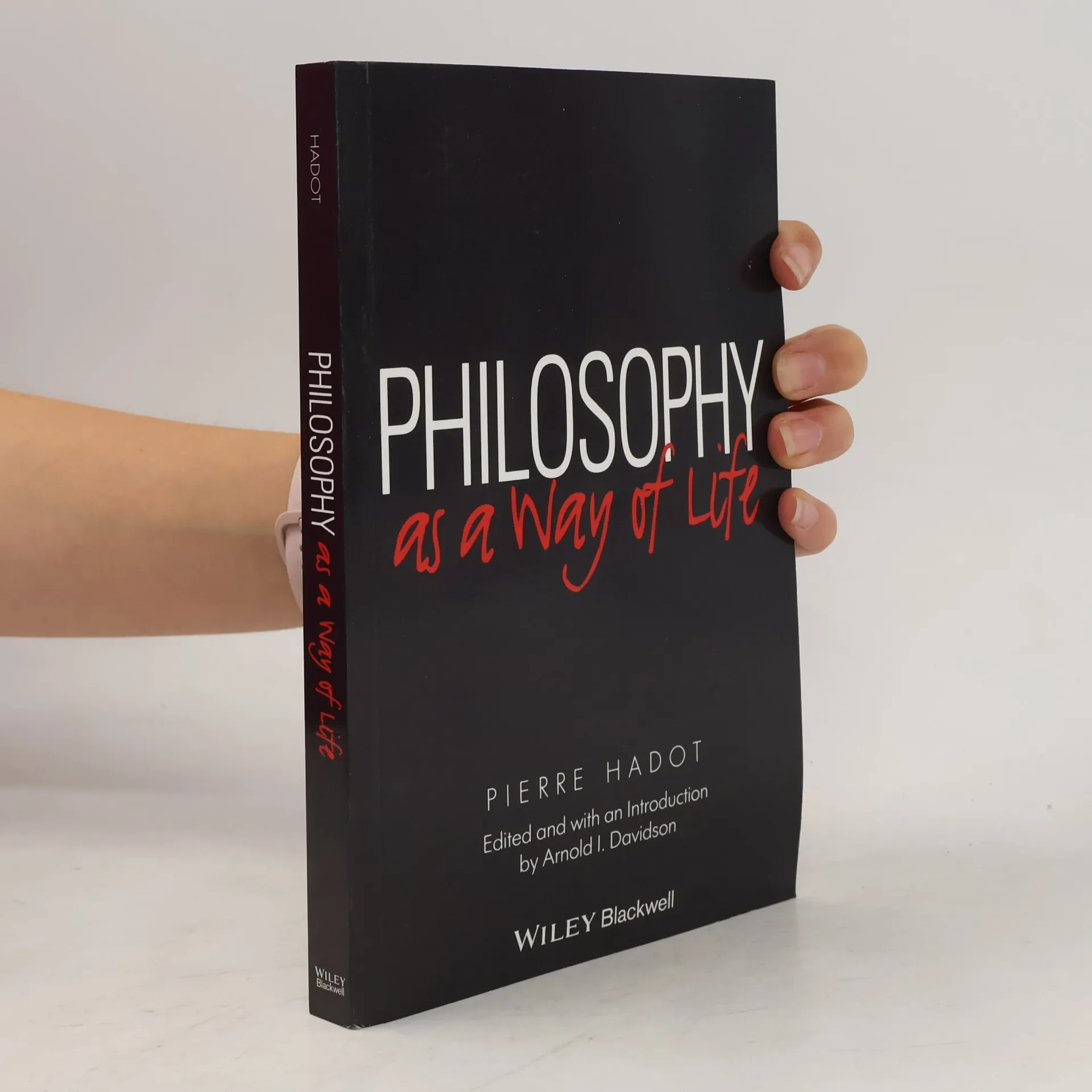
Filosofie als een manier van leven
- 328bladzijden
- 12 uur lezen
Overzicht van de antieke wijsbegeerte als liefde tot wijsheid.


Pierre Hadot was een Franse filosoof, historicus en filoloog wiens werk zich concentreerde op het concept van geestelijke oefeningen en filosofie als levenswijze. Hij specialiseerde zich in de oudheid, met name het neoplatonisme en het stoïcisme, waarbij hij de nadruk legde op de antieke filosofie als een praktische manier van leven. Zijn geschriften, bekend om hun leesbaarheid en diepe eruditie, verbinden voortdurend filosofische ideeën met persoonlijke ervaring, literatuur en spiritualiteit.


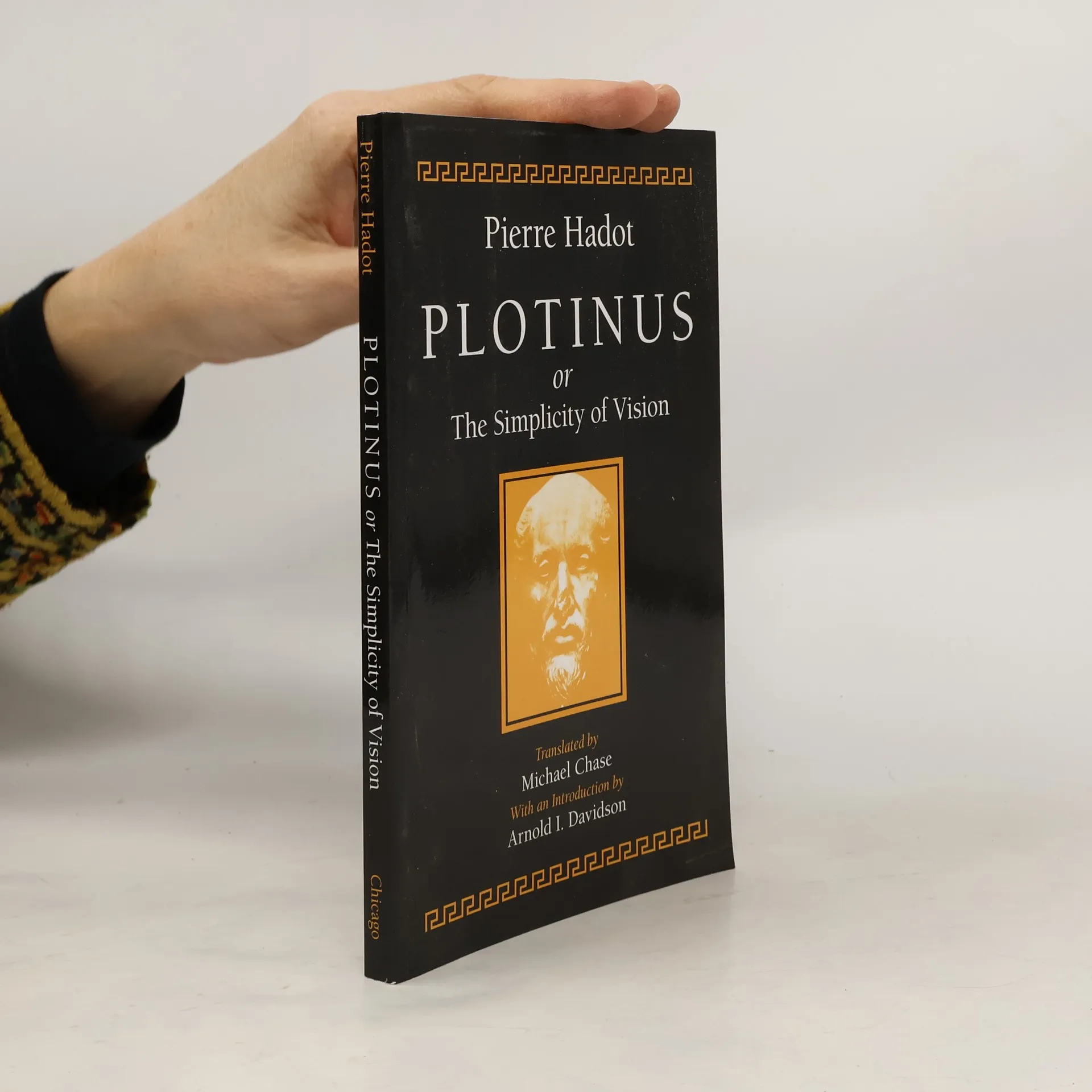

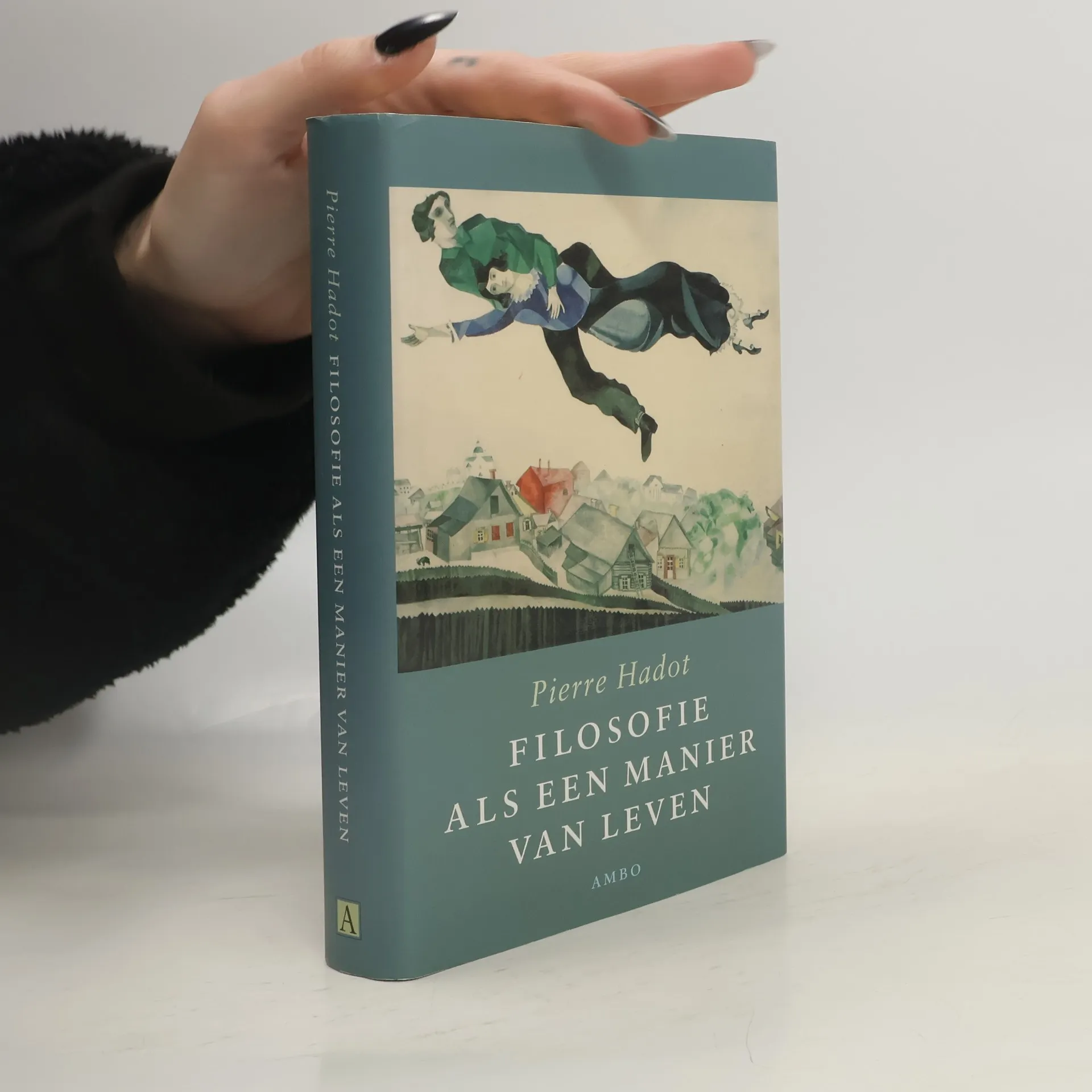
Overzicht van de antieke wijsbegeerte als liefde tot wijsheid.
Nearly twenty-five hundred years ago the Greek thinker Heraclitus supposedly uttered the cryptic words Phusis kruptesthai philei. How the aphorism, usually translated as Nature loves to hide, has haunted Western culture ever since is the subject of this engaging study by Pierre Hadot.
In this book of brilliantly erudite and precise discussions, which also serves as an introduction to Pierre Hadot's more scholarly works, Hadot explains that for the Ancients, philosophy was not reducible to the building of a theoretical system: it was above all a choice about how to live one's life.
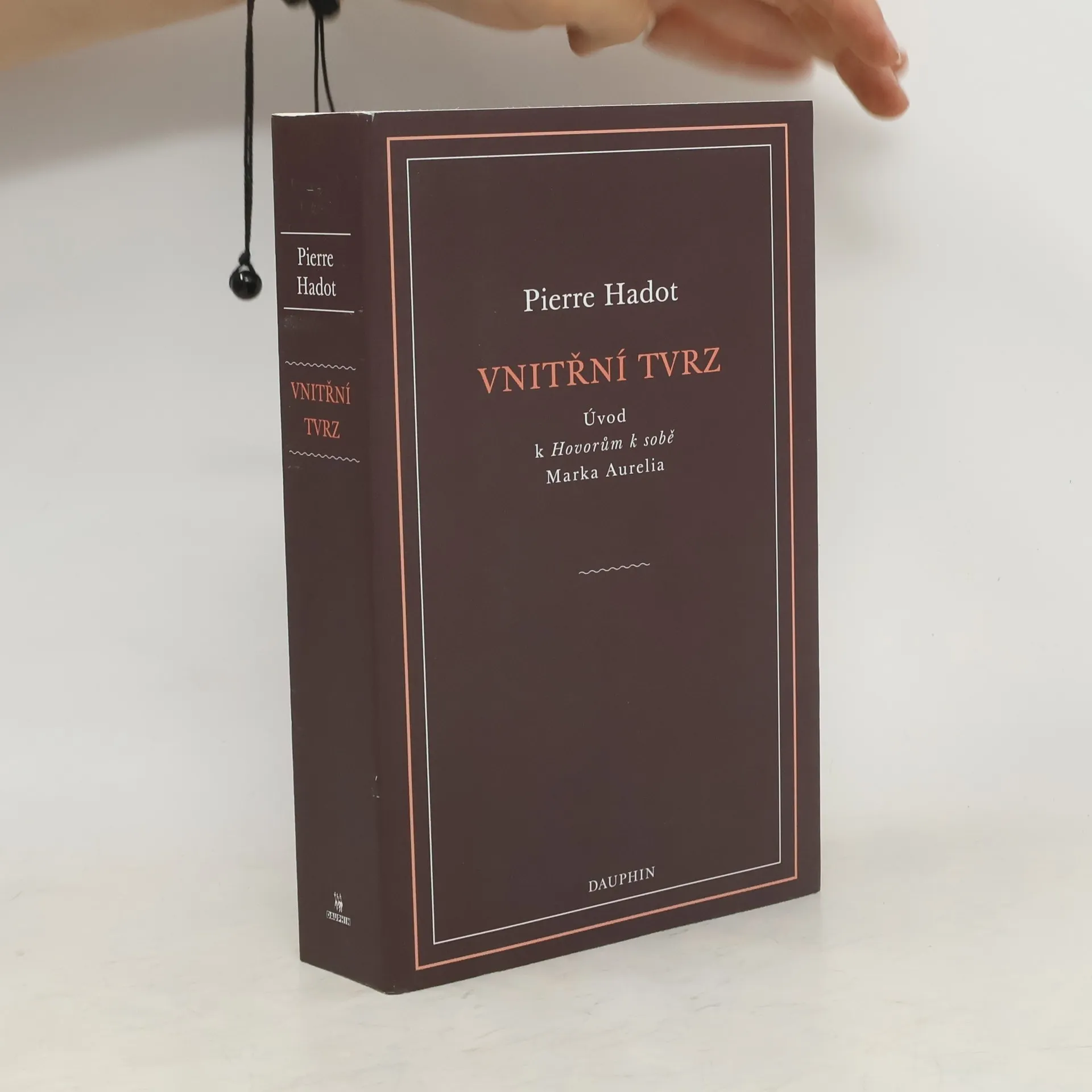
Written by the Roman emperor for his own private guidance and self-admonition, the Meditations set forth principles for living a good and just life. Hadot probes Marcus Aurelius's guidelines and convictions and discerns the hitherto unperceived conceptual system that grounds them. schovat popis
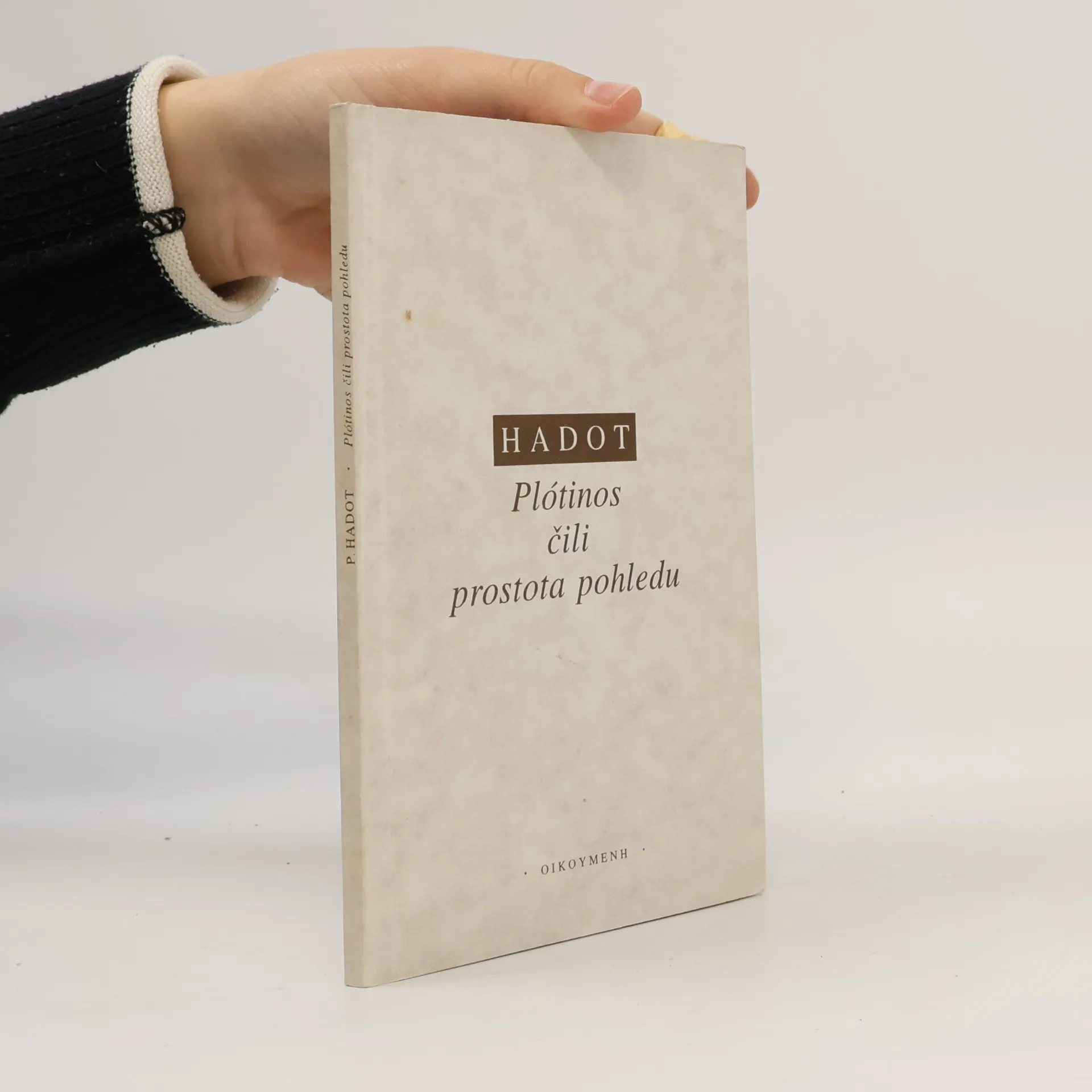
Hadot explores Plotinus' philosophical perspectives on the self, existence, love, virtue, gentleness, and solitude. He highlights how Plotinus, influenced by Plato and Aristotle, aimed to embody philosophical principles rather than merely theorizing them. This work delves into the integration of these concepts into a life of philosophical practice, revealing the depth of Plotinus' thought in the context of his predecessors.
"In Don't Forget to Live, the final book penned before his death in 2010, renowned French philosopher Pierre Hadot focuses our attention on Goethe and the long tradition of spiritual exercises. As Hadot explains, the term "spiritual exercise" has nothing to do with religion as we might assume. Instead, spiritual exercises are acts of the intellect, imagination, or will that are characterized by their purpose. Thanks to these exercises, a person strives to transform how they see the world, the self, and the relationship between the two. The exercises do not work to inform, but to form. Hadot begins his remarkable study of Goethe with the spiritual exercise of concentrating on the present moment. This exercise was dear to Goethe and allows us to experience each moment intensely without being distracted by the weight of the past or the mirage of the future. Hadot then explores another exercise, the view from above, in which we actively take a distance from things so as to help us see them in perspective. He then turns our attention to Goethe's poem "Urworte" in which the focus is on hope, a figure who represents a fundamental attitude we should cultivate. Through Hadot's masterful treatment of these three exercises we clearly grasp Goethe's deep love for life despite its pains and fears, and this deep love serves as a powerful reminder for us to live as well"--
A magisterial mappa mundi of the terrain that Pierre Hadot has so productively worked for decades, this ambitious book revises our view of ancient philosophy - and in doing so, proposes that we change the way we see philosophy itself.
This book presents a history of spiritual exercises from Socrates to early Christianity, an account of their decline in modern philosophy, and a discussion of the different conceptions of philosophy that have accompanied the trajectory and fate of the theory and practice of spiritual exercises.
Hadotův úvod (Vnitřní tvrz) do Hovorů Marka Aurelia lze číst v jistém smyslu jako úvod do antického stoicismu. Neexistuje nakonec věčný stoicismus, který je napříč časem a prostorem jedním z možných postojů lidského vědomí? Jeho neustálá ozvěna ve filozofických koncepcích dvou tisíciletí tomu napovídá.
Les etudes reunies ici temoignent de la decouverte de la philosophie analytique par les philosophes francais de l' dans les annees 1950, Pierre Hadot fut en effet l'un des premiers a s'interesser aux rapports entre logique et langage dans la pensee de Wittgenstein. Ces etudes pionnieres sont suivies d'une lettre d'Elisabeth Anscombe a Pierre Hadot, et de la traduction d'un texte de Gottfried Gabriel sur la signification de la forme litteraire chez Wittgenstein.
Filozofický esej věnovaný nejvýznamnějšímu novoplatonikovi rekonstruuje Plótinův filozofický systém.
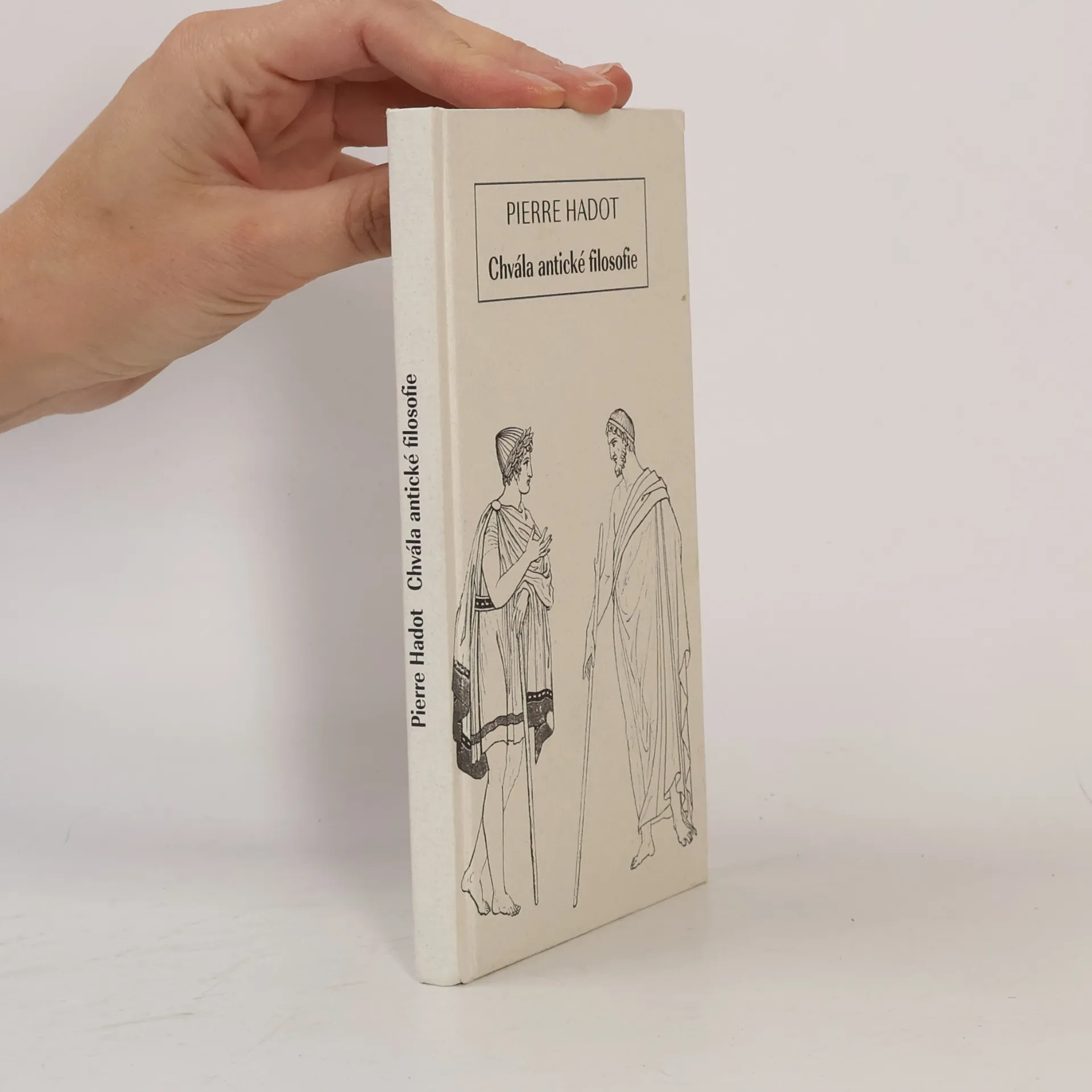
Francouzský filosof a přední znalec antického myšlení a filosofie Pierre Hadot ve své krátké, ale hutné přednášce postihuje podstatu antické filosofie. Hadot objasňuje, co v řecko-římském světě znamenalo být filosofem, a ukazuje, že "filosofovat" neznamenalo osvojovat si abstraktní, odtažité vědění bez reálného dopadu na život, nýbrž prostřednictvím cvičení rozumu usilovat o vnitřní proměnu sebe sama. Autor dále načrtává, jak a v jakých podobách se toto dědictví antického myšlení po staletí kontinuálně uchovávalo, jakých proměn nabývalo ve středoveku a novověku a jaký smysl a inspiraci v této tradici nalézáme dnes. Kniha přináší inaugurační řeč, kterou Pierre Hadot přednesl 18. února 1983 u příležitosti převzetí katedry dějin helénistického a římského myšlení při College de France.
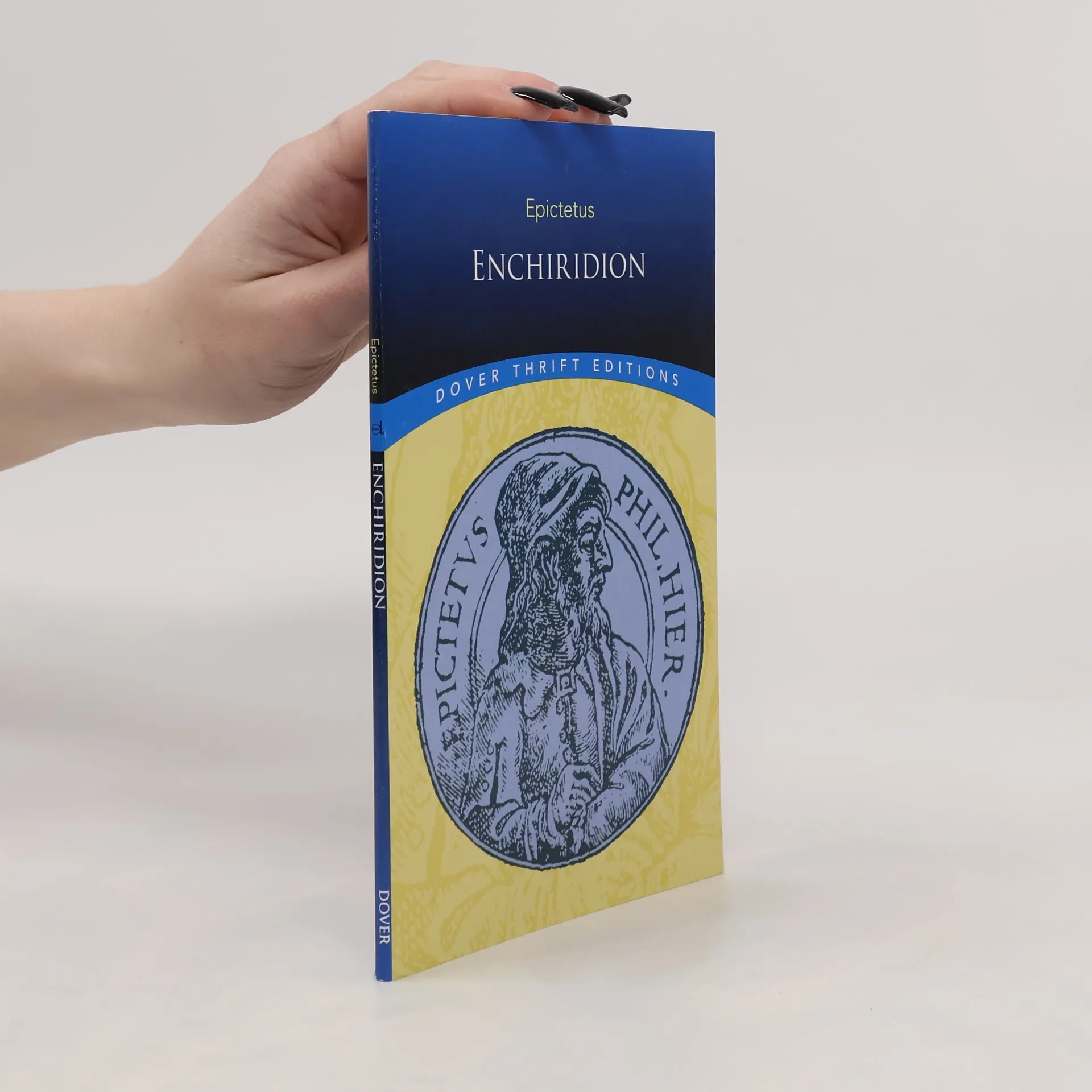
Handbook of Epictetus also known as Enchiridion written by legendary Greek Stoic philosopher Epictetus is a manual of Stoic ethical advice. Compiled by Arrian, who was a student of Epictetus, this great classic will surely attract a whole new generation of readers. For many, the Handbook of Epictetus is required reading for various courses and curriculums. And for others who simply enjoy reading timeless pieces of classic literature, this gem by Epictetus is highly recommended. Published by Classic Books America and beautifully produced, the Handbook of Epictetus would make an ideal gift and it should be a part of everyone's personal library.
Beim Betrachten des Widmungsblattes in den Humboldtschen "Ideen zu einer Geographie der Pflanzen"
in-8, broché, 285 pp., index, bibligraphie. Léger choc en bordure de la couverture. Sinon très bon état.
l'enseignement du "Manuel d'Épictète" et son commentaire néoplatonicien
Rare book