Koop 10 boeken voor 10 € hier!
Bookbot

Hans Fallada

    21 juli 1893 – 5 februari 1947

    Hans Fallada ontpopte zich als een van de meest vooraanstaande literaire stemmen van de 20e-eeuwse Duitse literatuur, wiens werk diep werd gevormd door persoonlijke worstelingen met verslaving, maatschappelijke vervreemding en ingrijpende levenservaringen. Hij bezat een opmerkelijk vermogen om de vaak over het hoofd geziene levens van gewone mensen te belichten, hun strijd om te overleven en hun zoektocht naar betekenis in uitdagende omstandigheden te beschrijven. Fallada's proza kenmerkt zich door rauwe eerlijkheid, een scherp sociaal bewustzijn en een empathisch begrip voor de zwakheden en veerkracht van zijn personages. Met zijn unieke vertelstijl bood hij lezers een onverbloemd, doch meelevend portret van de menselijke conditie.
    Hans Fallada
    Tales from the underworld
    A short treatise on the joys of morphinism ; [fiction]
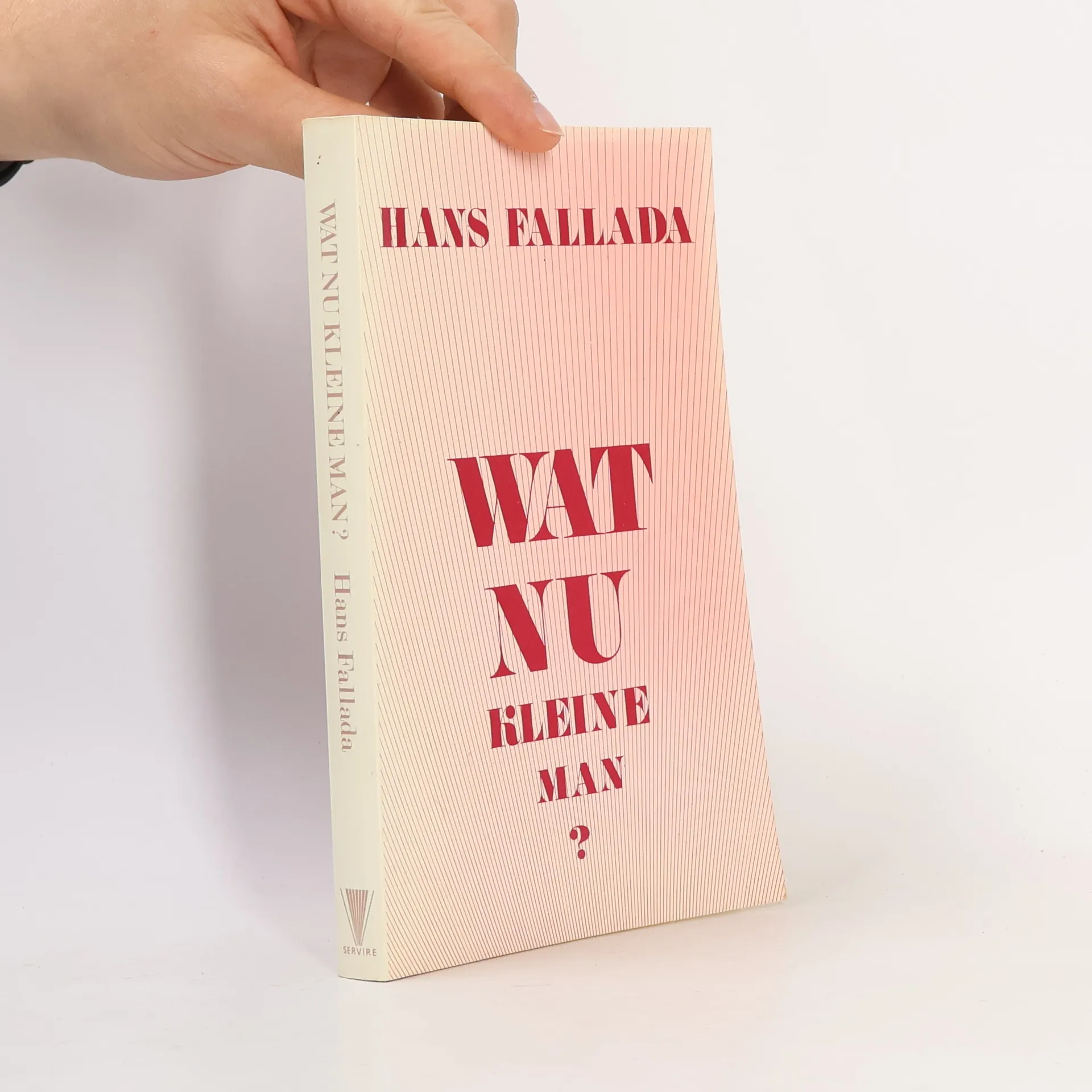
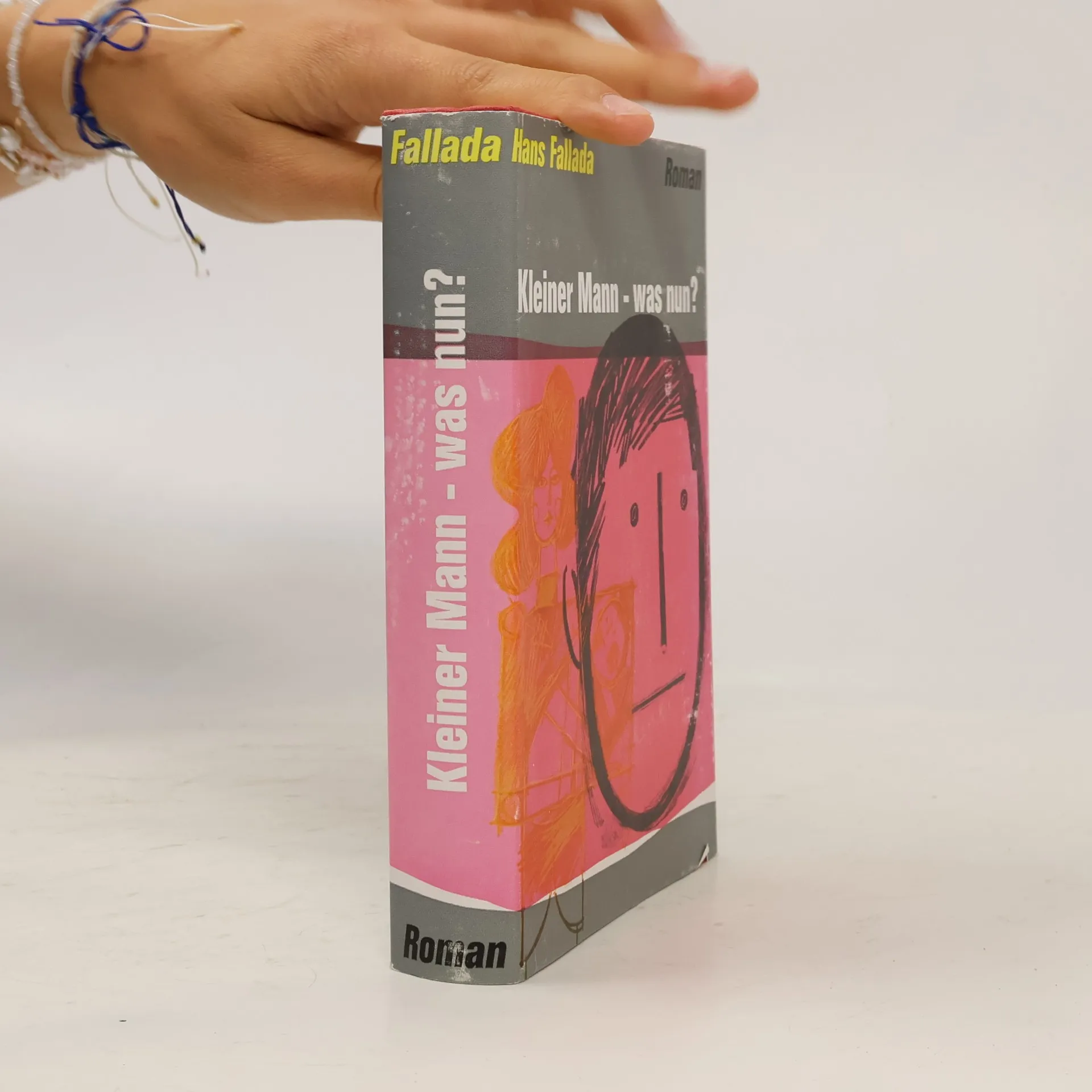
    Little Man, What Now?
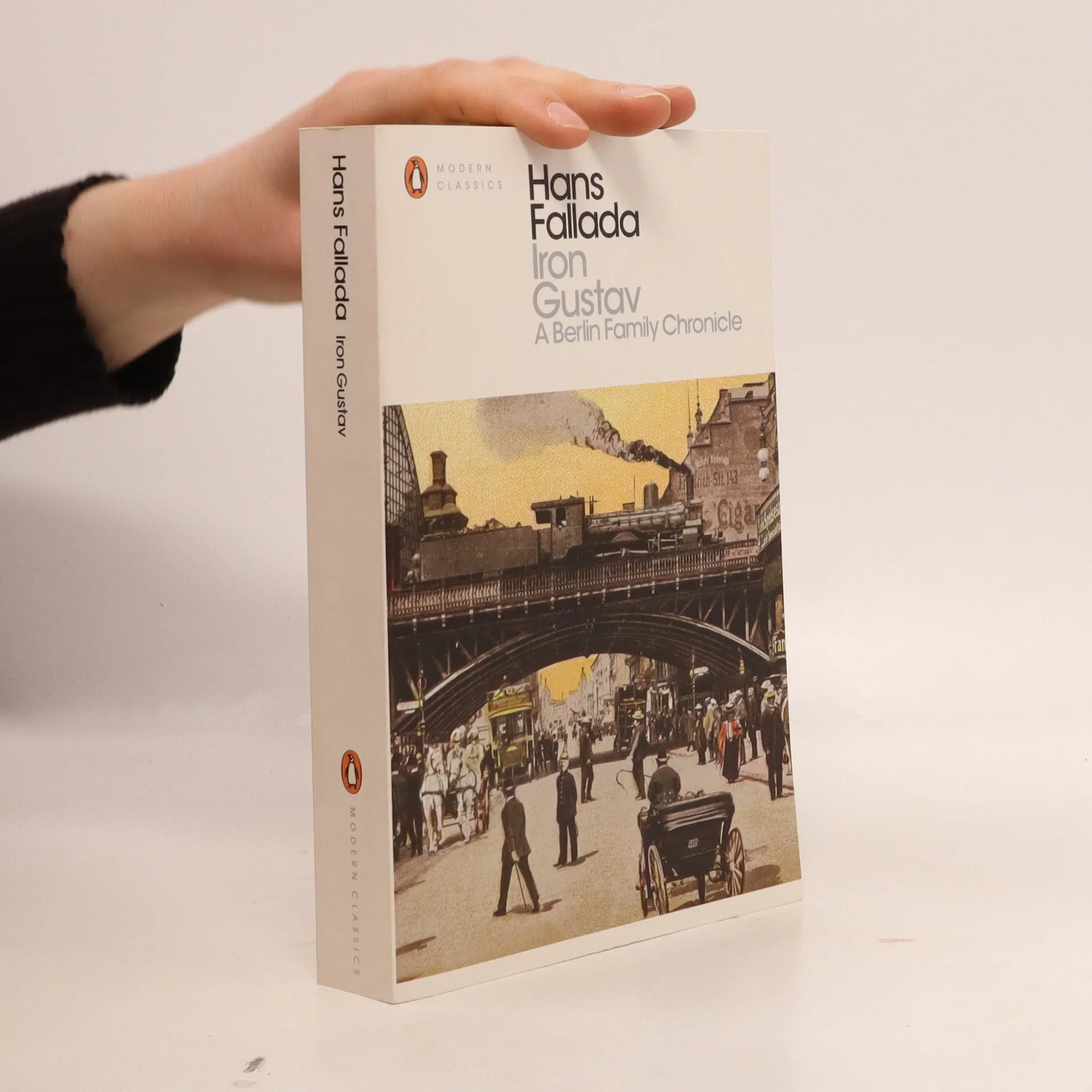
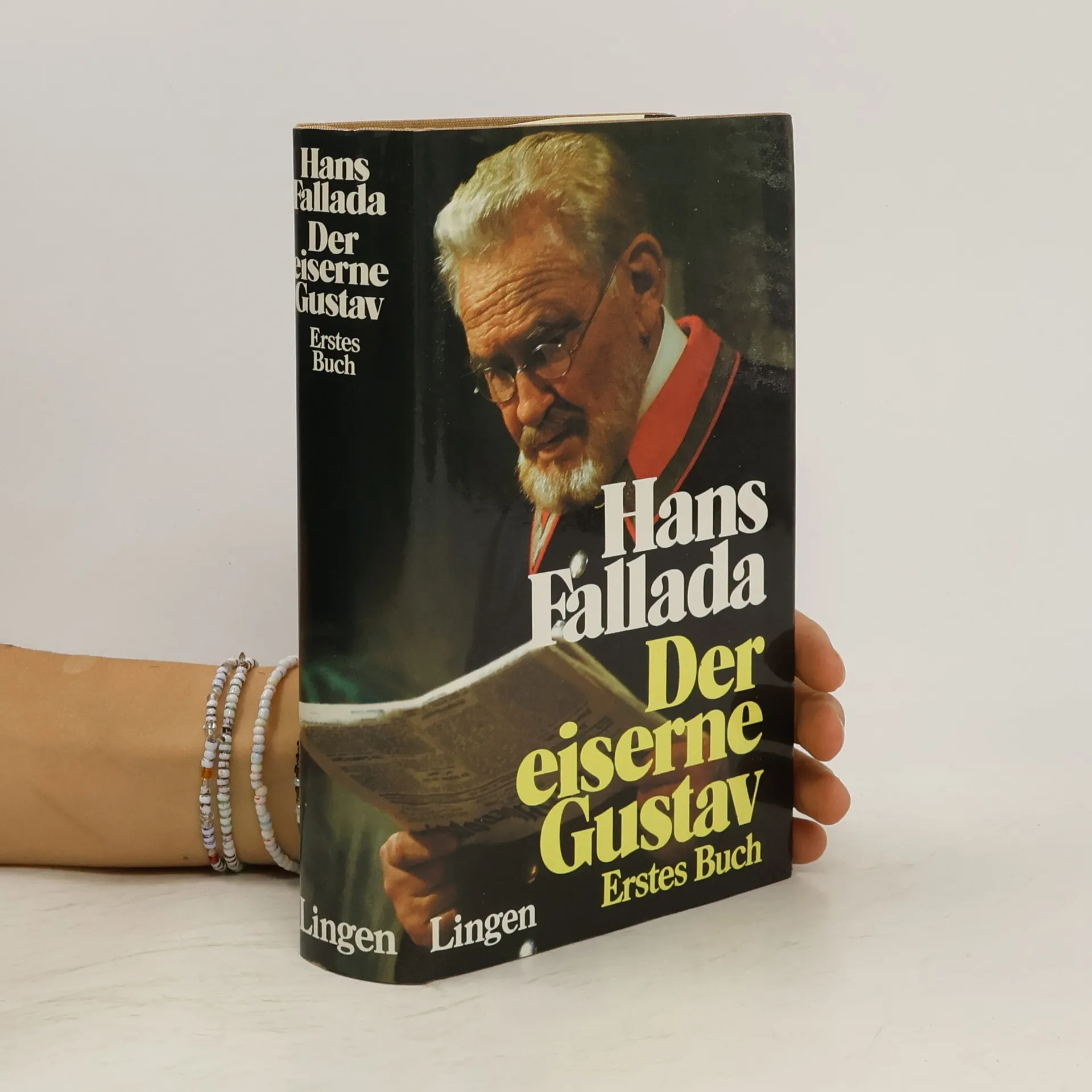
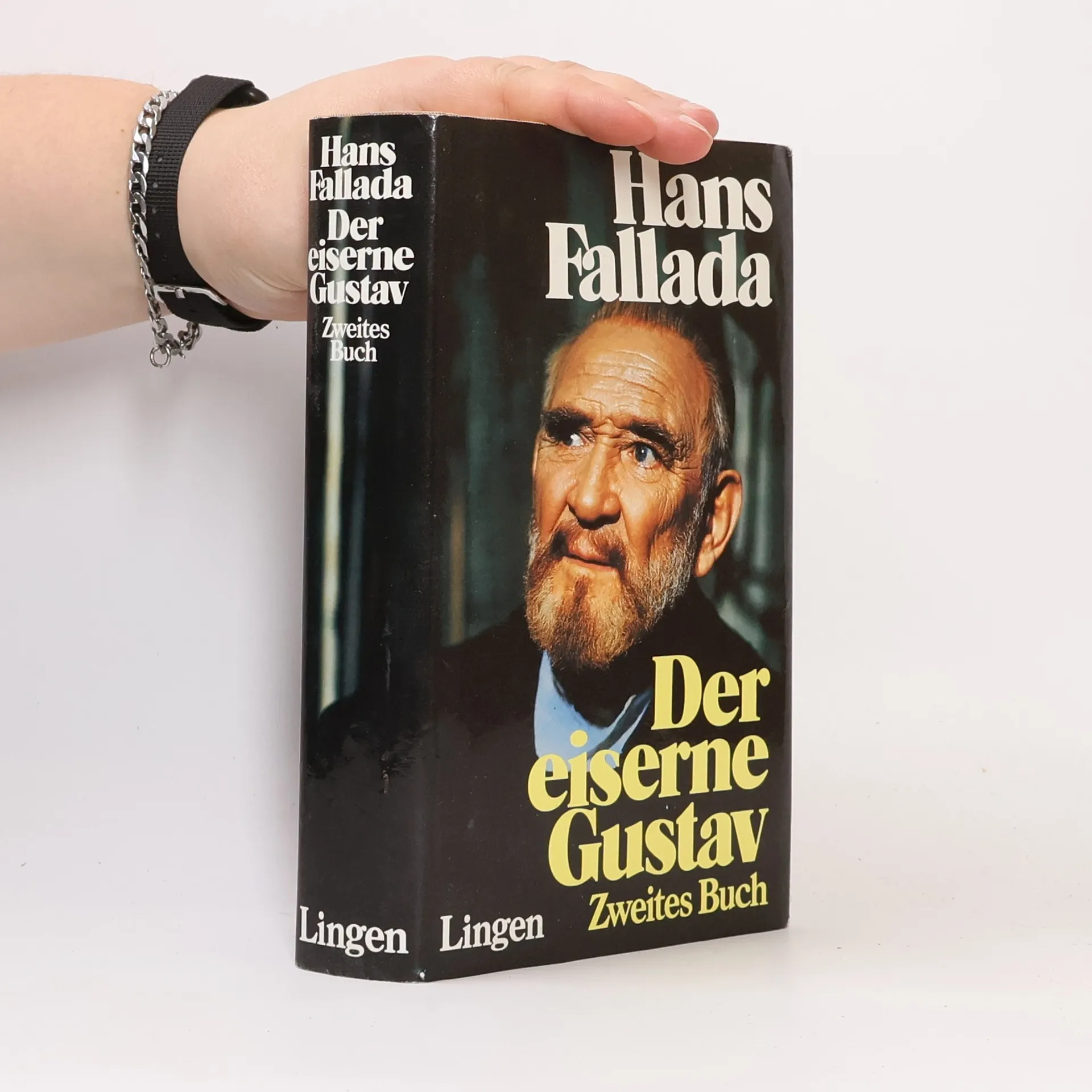
    Iron Gustav
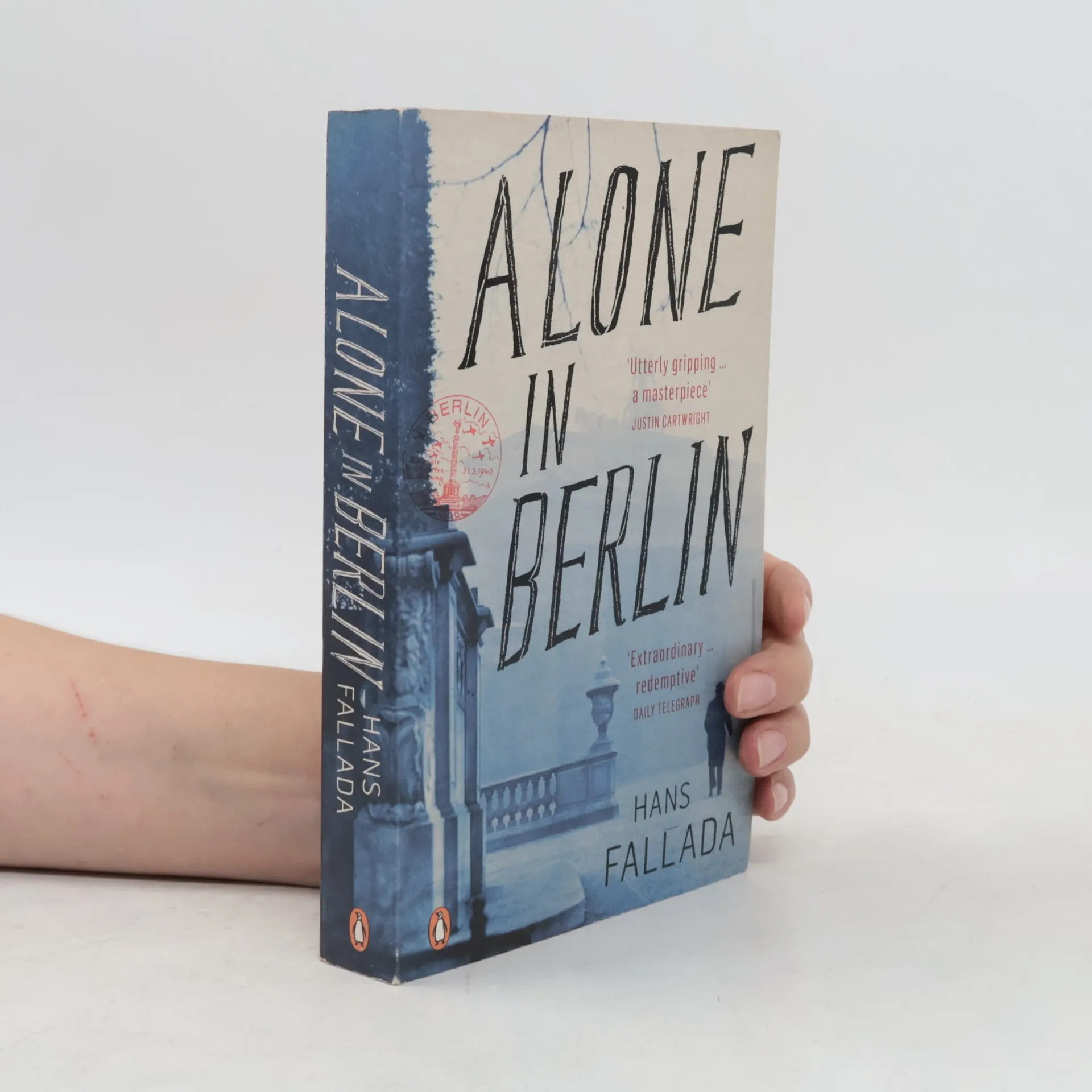
    Alone in Berlin
    Learn German with Every Man Dies Alone Part I: Interlinear German to English
    • Berlin, 1940, and the city is filled with fear. At the house on 55 Jablonski Strasse, its various occupants try to live under Nazi rule in their different ways: the nervous Frau Rosenthal, the bullying Hitler loyalists the Persickes, the retired judge Fromm, and the unassuming working-class couple Otto and Anna Quangel.

      Alone in Berlin
    • Iron Gustav

      • 608bladzijden
      • 22 uur lezen
      4,2(55)Tarief

      Intransigent, deeply conservative coachman Gustav Hackendahl rules his family with an iron rod, but in so doing loses his grip on the children he loves. Meanwhile, the First World War is destroying his career, his country, and his pride in the German people. As Germany and the Hackendahl family unravel, Gustav has to learn to compromise if he is to hold onto anything he holds dear.

      Iron Gustav
    • Little Man, What Now?

      • 352bladzijden
      • 13 uur lezen
      4,0(855)Tarief

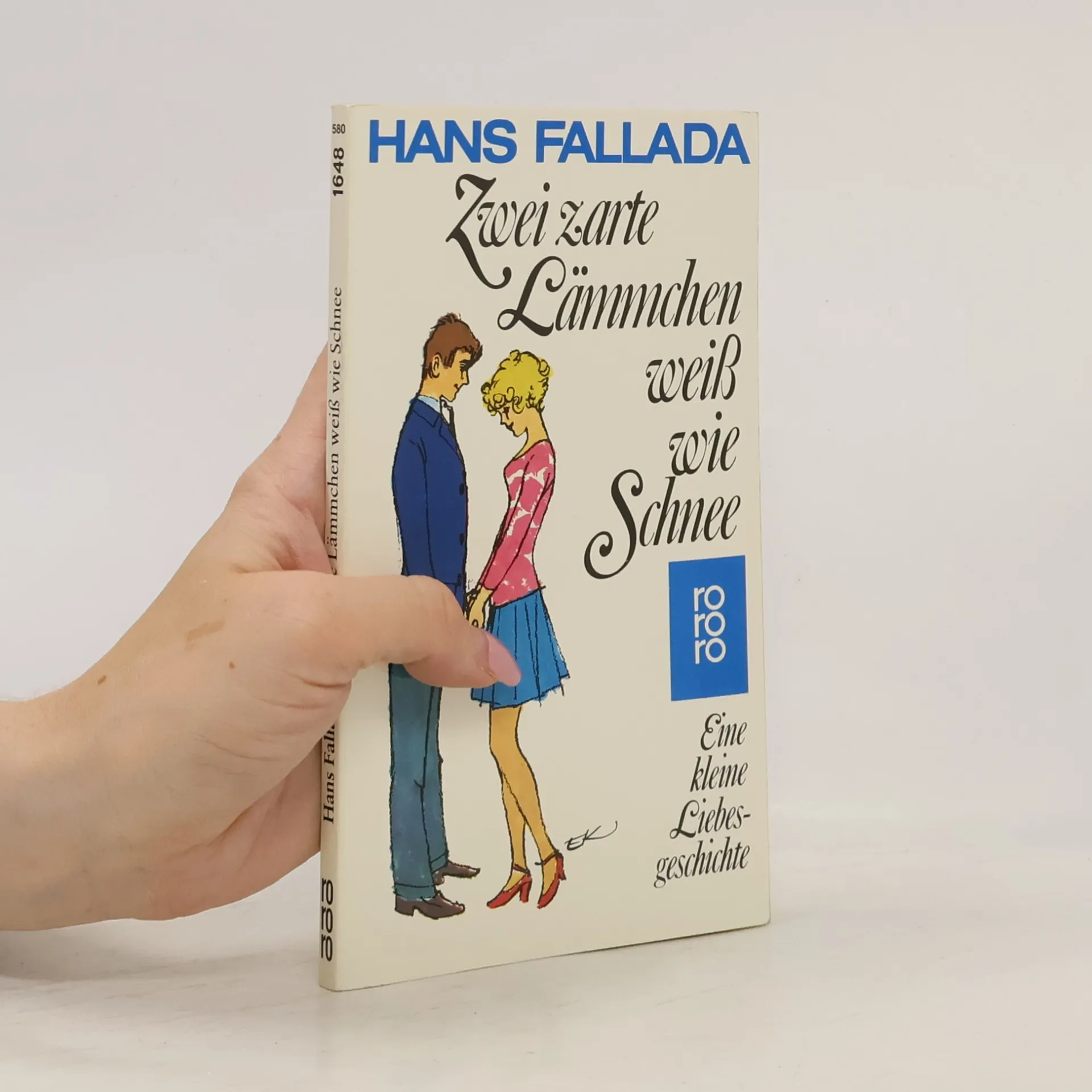
      From the bestselling author of Alone in Berlin, this acclaimed novel follows a young couple navigating life in 1930s Germany. Lämmchen and 'Boy' fall in love, marry, and start a family in Berlin in 1932, but their lives are overshadowed by the changing political landscape. As they struggle with bullying bosses, unpaid bills, monstrous mothers-in-law, and Nazi streetfighters, they question whether love can sustain them. This work, which established Hans Fallada as a significant writer, portrays one of literature's most touching couples, blending comedy with desperation. Published just before Hitler's rise to power, it hauntingly depicts innocents on the brink of losing everything. Michael Hofmann's brilliant new translation captures the era's austerity and turmoil in Weimar Germany. Critics have praised Fallada's genius, noting the emotional depth and variety in characterization. The narrative resonates with both despair and hope, reflecting the complexities of life during a pivotal moment in history. This novel remains a powerful exploration of ordinary people facing extraordinary challenges.
      Little Man, What Now?
    • Drawing on Hans Fallada's own history of addiction, these two stories are written with a remarkable, tough, spartan clarity. As a man desperately, haplessly tries to get enough morphine to make it through the day and a drunk embezzler struggles to get himself arrested, they are at one second crushing, the next darkly comic.

      A short treatise on the joys of morphinism ; [fiction]
    • Tales from the underworld

      • 320bladzijden
      • 12 uur lezen
      3,8(113)Tarief

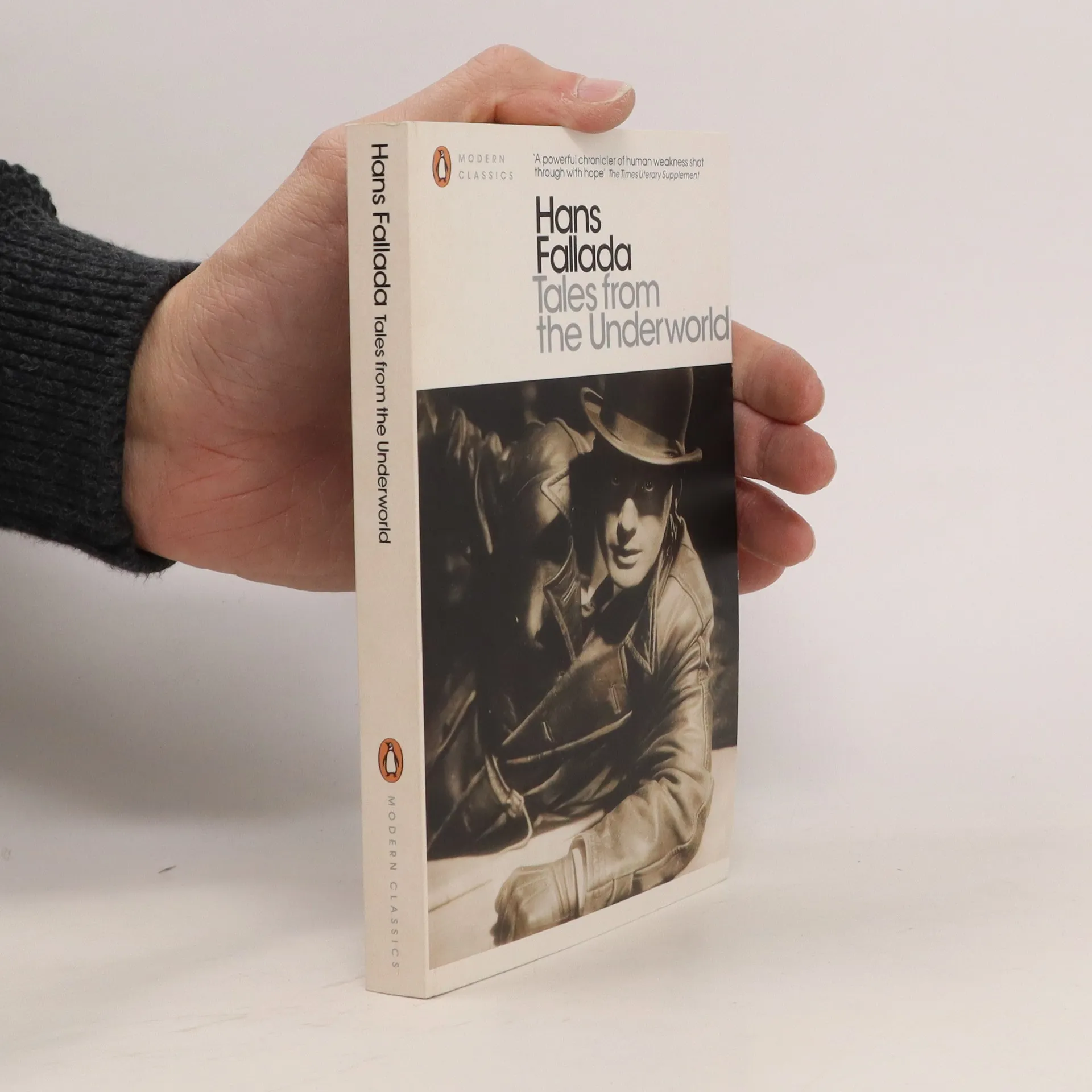
      Darkly funny, searingly honest short stories from Hans Fallada, author of bestselling Alone in BerlinIn these stories, criminals lament how hard it is to scrape a living by breaking and entering; families measure their daily struggles in marks and pfennigs; a convict makes a desperate leap from a moving train; a ring - and with it a marriage - is lost in a basket of potatoes.Here, as in his novels, Fallada is by turns tough, darkly funny, streetwise and effortlessly engaging, writing with acute feeling about ordinary lives shaped by forces larger than themselves: addiction, love, money.

      Tales from the underworld
    • Lilly and Her Slave

      • 256bladzijden
      • 9 uur lezen
      3,3(13)Tarief

      Previously unpublished and rewritten stories by the acclaimed mid-century German author Hans Fallada have been uncovered nearly a century after his imprisonment. These newly found works offer fresh insights into his literary genius, showcasing his unique narrative style and themes that resonate with readers today.

      Lilly and Her Slave
    • Why Do You Wear a Cheap Watch?

      • 64bladzijden
      • 3 uur lezen
      3,5(651)Tarief

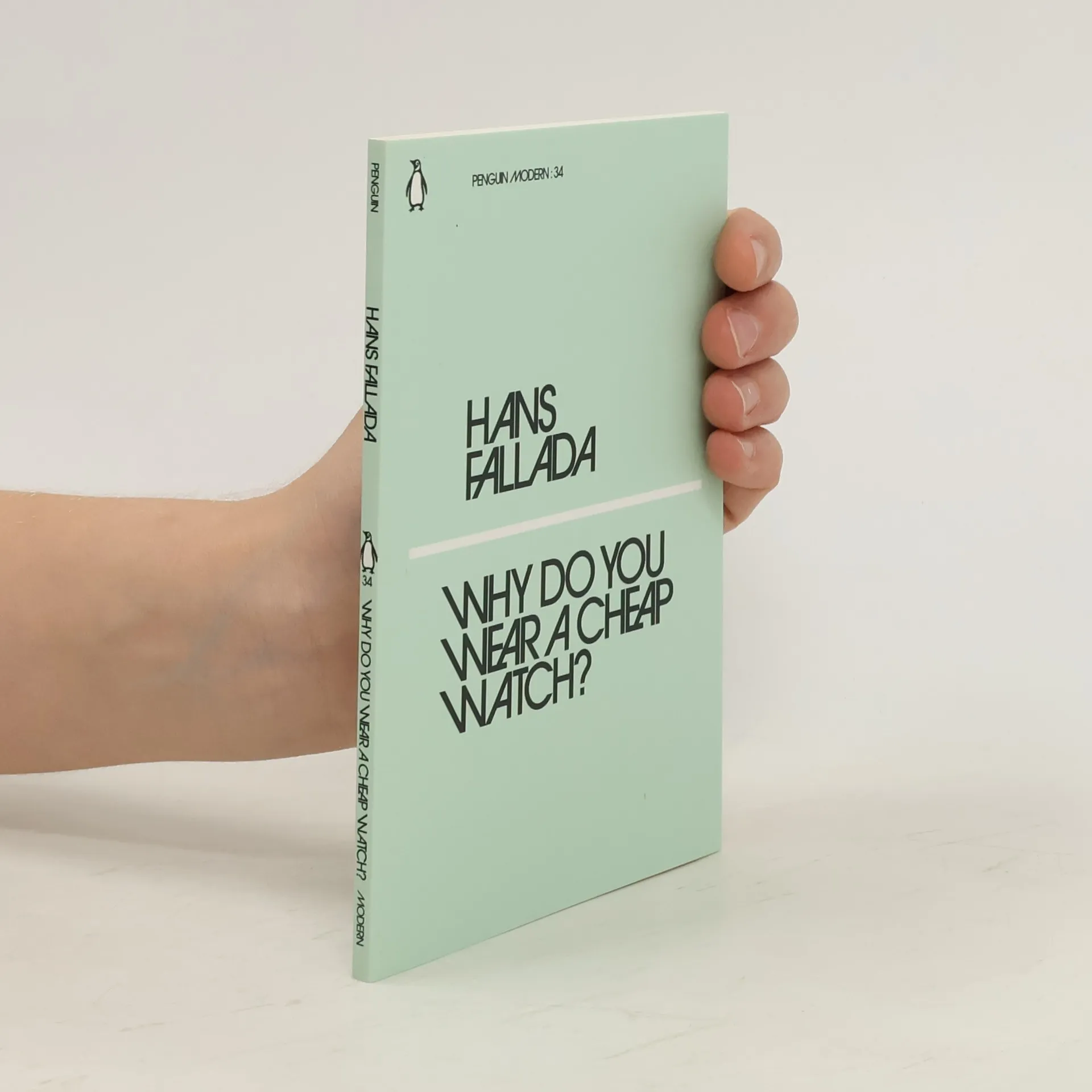
      Noveller. Tales of low-lifes, grifters and ordinary people trying to make ends meet in pre-war Germany

      Why Do You Wear a Cheap Watch?
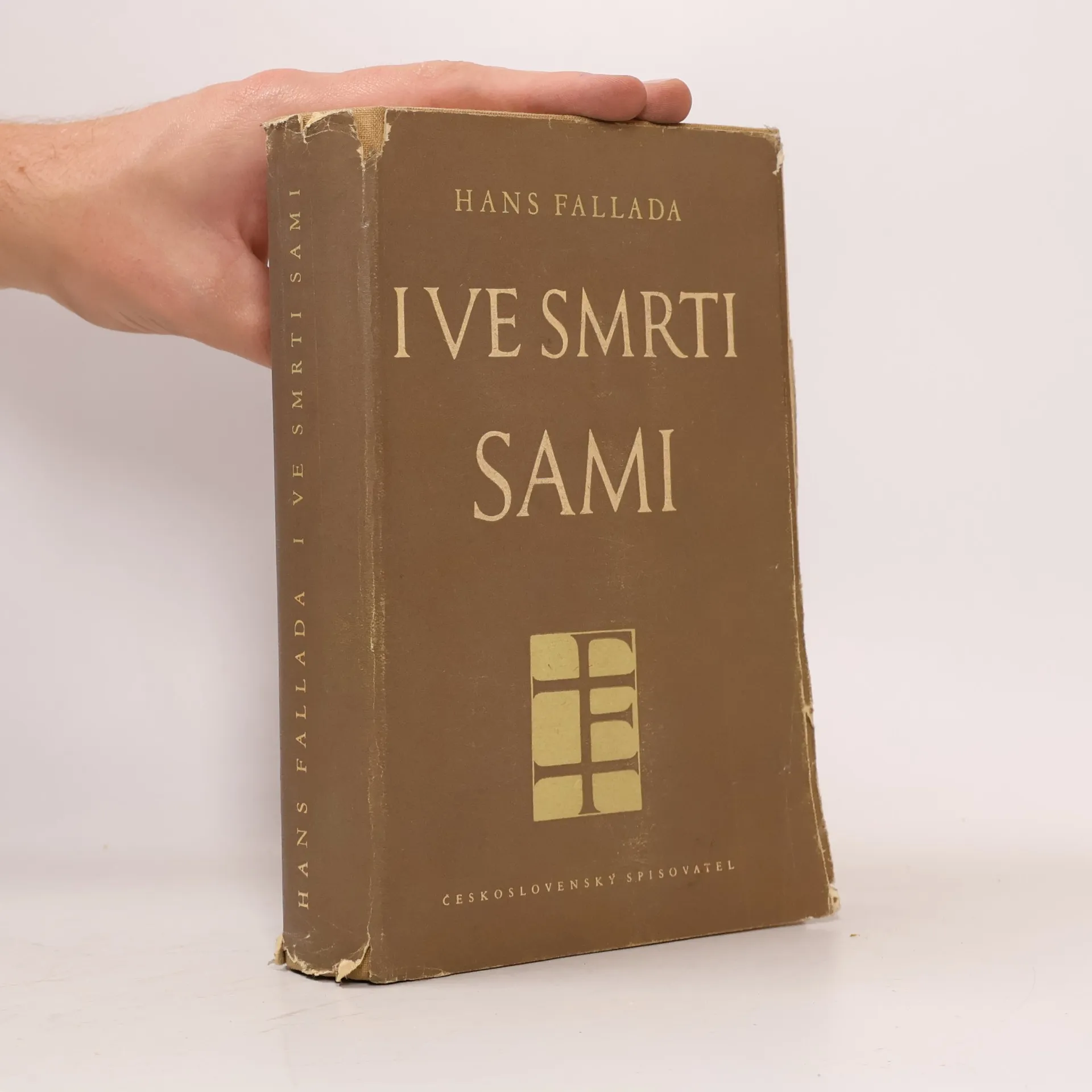
    • Autor z vlastních životních prožitků vypráví o problému začlenění bývalých vězňů do normálního života. Hrdinou je zde malý úředníček, který se po marných pokusech uskutečnit své předsevzetí spořádaného a poctivého života, znovu ocitá na šikmé ploše a končí opět ve vězení.

      Ubohý pan Kufalt
    • Lilly und ihr Sklave

      Mit unveröffentlichten Erzählungen

      • 269bladzijden
      • 10 uur lezen
      4,5(2)Tarief

      Unveröffentlichte Geschichten des Bestsellerautors entdeckt: Erzählungen aus den zwanziger Jahren. Es war der Wendepunkt, bevor er zum Bestsellerautor wurde: Hans Fallada stellte sich 1925 nach Unterschlagungen, mit denen er seine Alkohol- und Morphiumsucht finanzierte, selbst der Polizei. Eine bislang verloren geglaubte Gerichtsakte fördert nun einen unerwarteten literarischen Fund zutage – fünf Geschichten von Fallada, die selbst vor damals tabuisierten Themen nicht haltmachen: Lilly, Marie und Thilde – drei starke Frauen, die sich gegen die vorgezeichneten Lebensmuster auflehnen, während die beiden Außenseiter Pogg und Robinson auf der Suche nach Liebe und Geborgenheit Zuflucht in einer Gefängniszelle suchen. Bislang gänzlich unveröffentlichte oder nur in Teilen bekannte Geschichten, die Falladas verblüffende Modernität unterstreichen. »Kostbares Naschwerk für Fallada-Fans: ›Lilly und ihr Sklave‹ erzählt eine MeToo-Geschichte aus dem 1920er-Jahre-Berlin.« Marc Reichwein, LITERARISCHE WELT Mit einer Nachbemerkung der Gerichtsmedizinerin Johanna Preuß-Wössner und einem Nachwort des Fallada-Biographen Peter Walther.

      Lilly und ihr Sklave