The Marpingen Visions
Rationalism, Religion and the Rise of Modern Germany




Rationalism, Religion and the Rise of Modern Germany
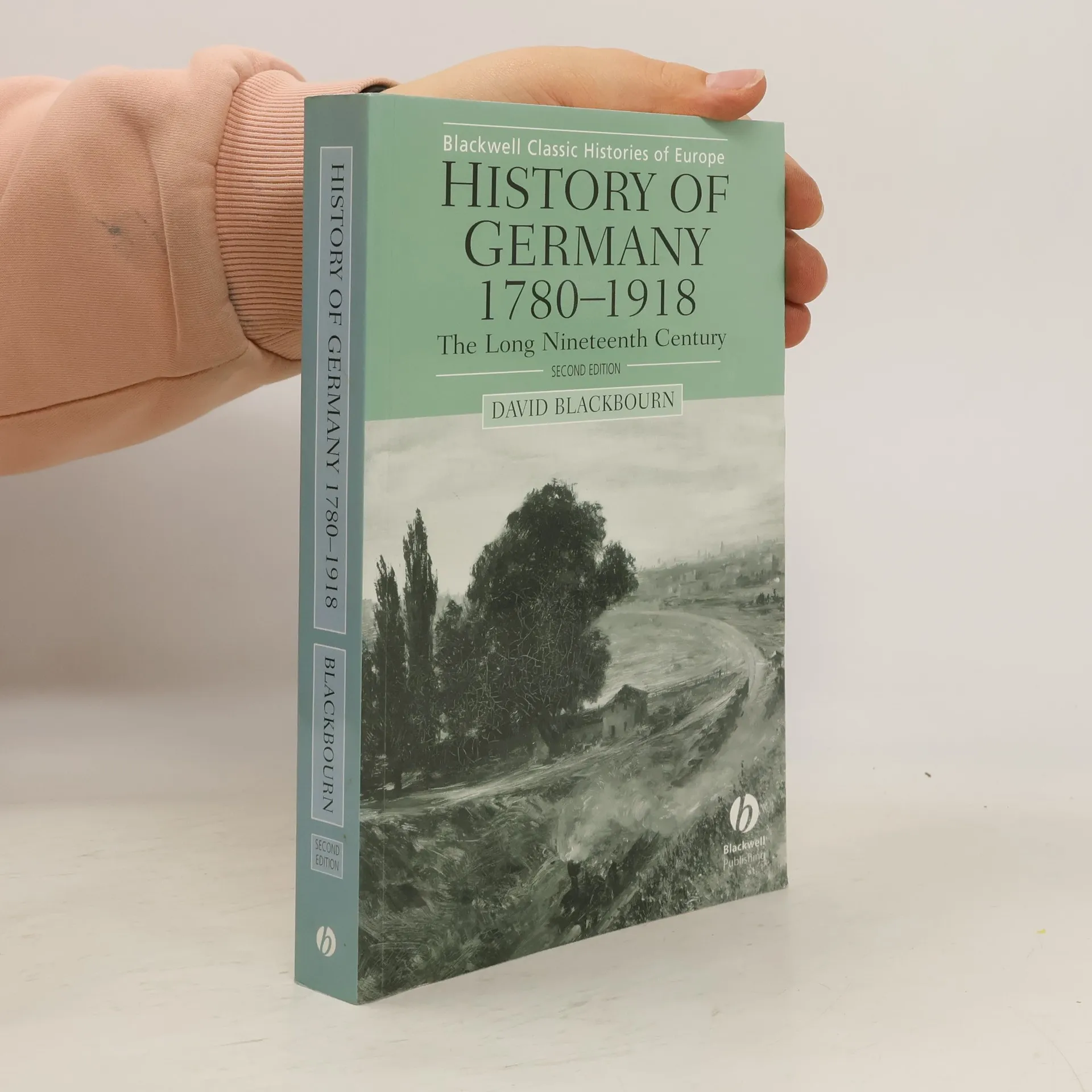
"In the late eighteenth century, German-speaking Europe was a patchwork of lodrships and principalities, hundreds in all. Most people lived in the countryside, just half survived until their late twenties, and women were still occasionally burnt as witches. By the beginning of our own century, a unified Germany was the most powerful state in Europe. No longer a quaintly provincial "land of poets and thinkers", but an industrial and military giant with an advanced welfare system, Germany prompted mingled admiration and alarm among its contemporaries."--Back cover
"A well-written, stimulating. . . piece of scholarship." -German Studies Review. In a major re-evaluation of the cultural, political, and sociological assumptions about the "peculiar" course of modern German history, the authors challenge the widely-held belief that Germany did not have a Western-style bourgeois revolution. Contending that it did indeed experience one, but that this had little to do with the mythical rising of the middle class, the authors provide a new context for viewing the tensions and instability of 19th-and early 20th-century Germany.
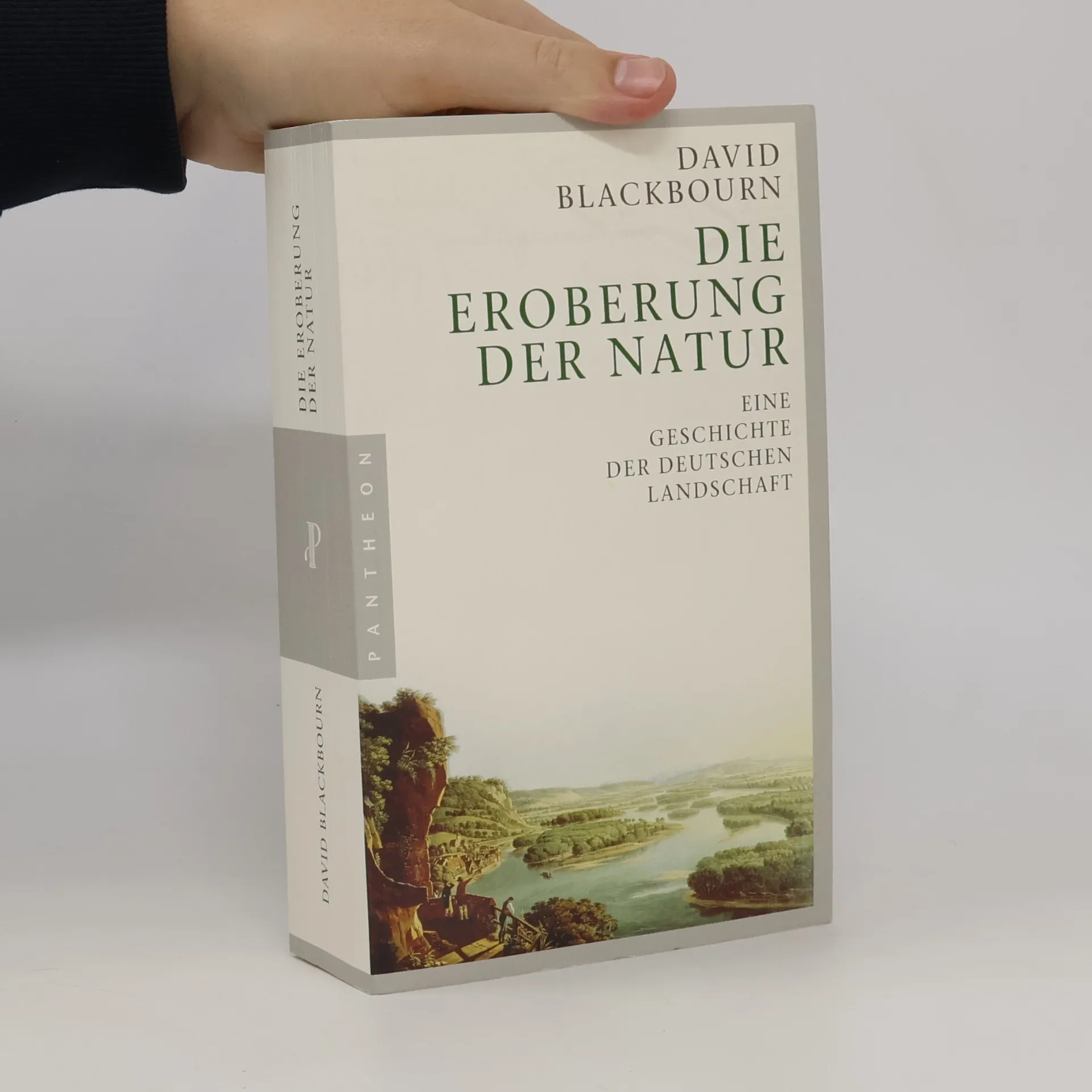
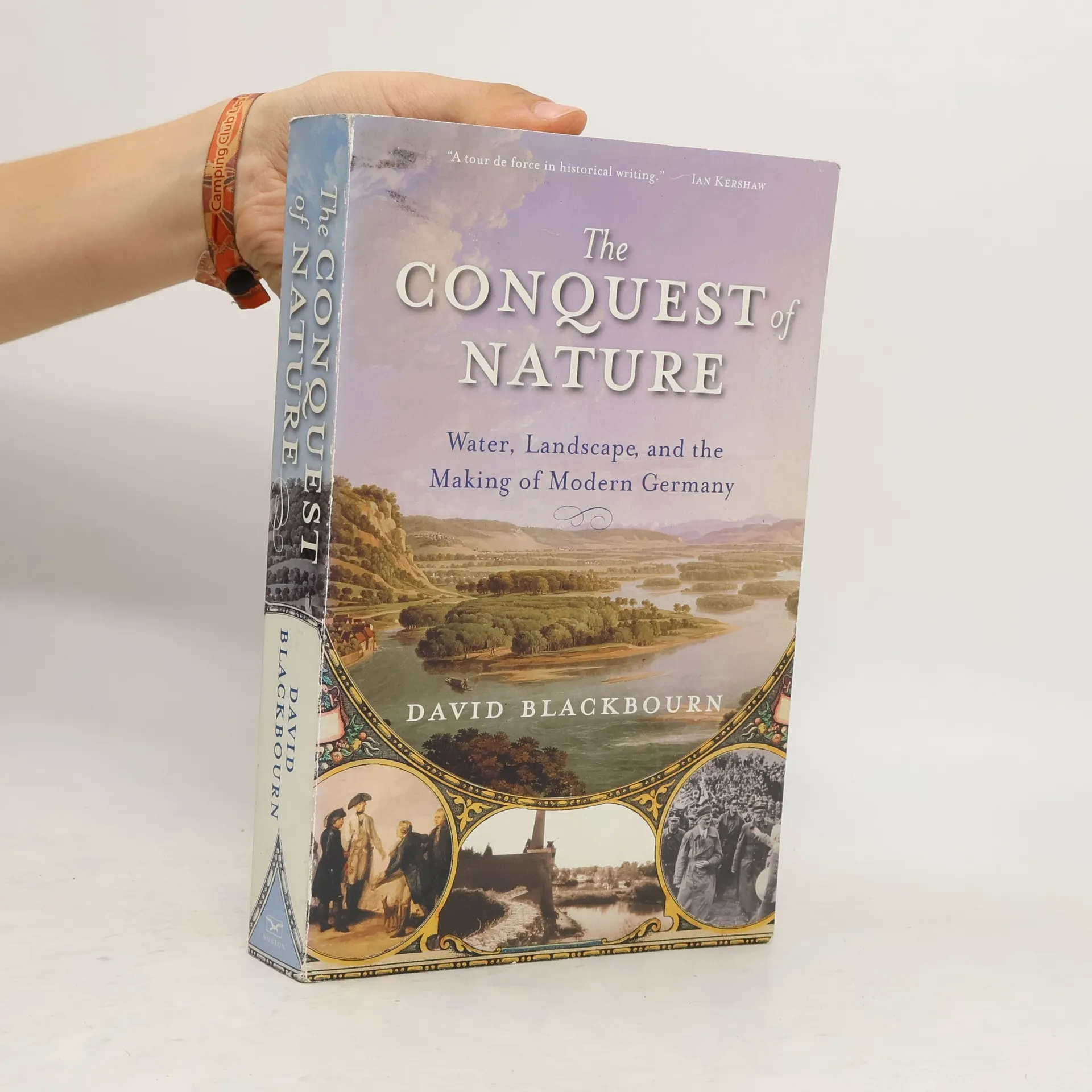
Focusing on the interplay between nature and human ambition, the narrative chronicles Germany's transformation from the mid-1700s under Frederick the Great, who sought to modernize his kingdom by reclaiming marshlands. It details significant engineering feats along the Rhine, the rise of a formidable navy, and the harnessing of hydroelectric power that fueled industrial growth before World War I. The book also examines how Nazi ideologies were rooted in concepts of environmental mastery, offering a rich exploration of culture, politics, and ecological challenges.
This history offers a powerful and original account of Germany from the eve of the French Revolution to the end of World War One. Written by a leading German historian who has transformed the historiography of modern Germany over the past two decades. Covers the whole of the long nineteenth century and emphasizes continuities through this period. Brings together political, social and cultural history. Combines a comprehensive account with a feel for the human dimension and the history of everyday life. Accessible to non-specialists, thought-provoking and entertaining. The updated second edition includes a revised bibliography.
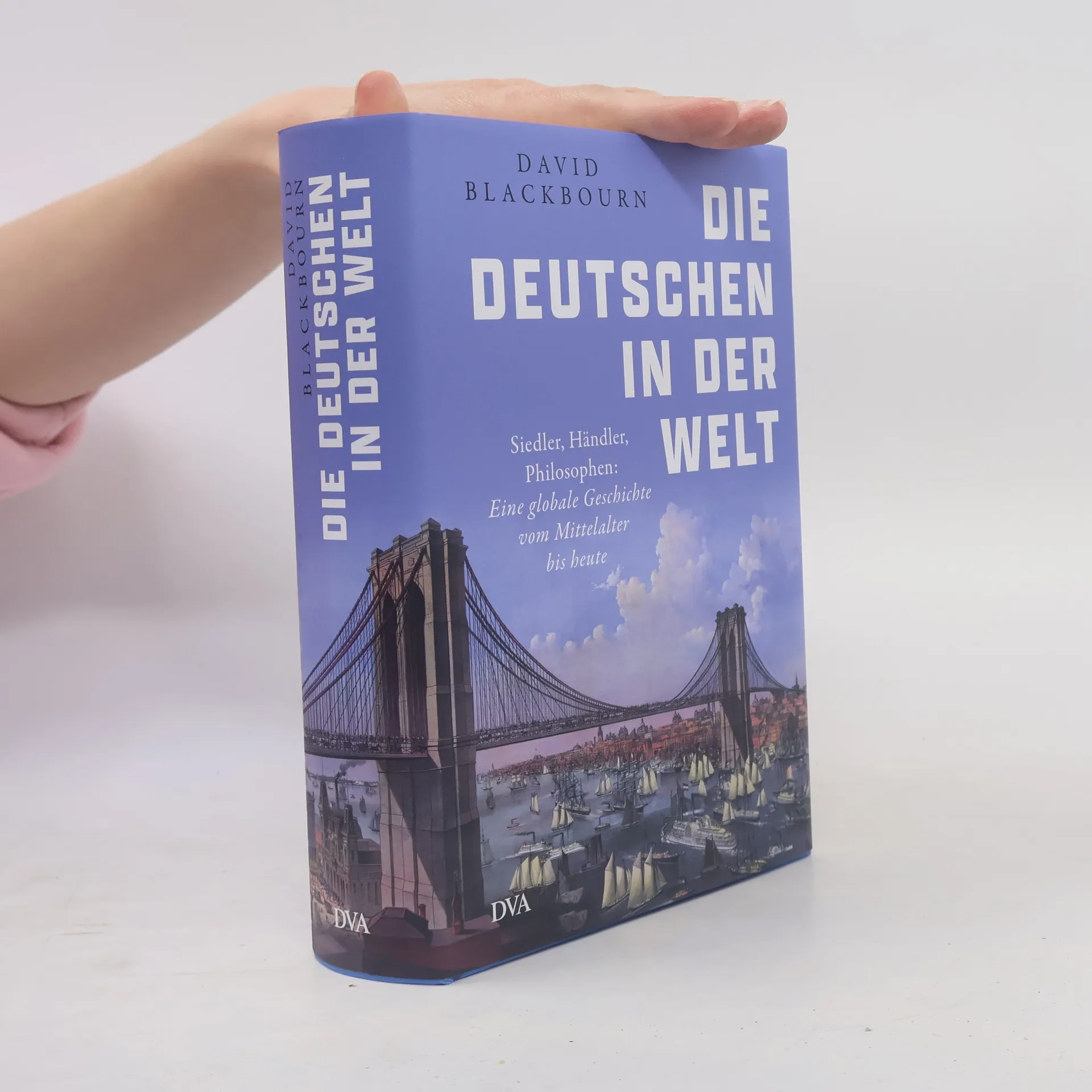
Brilliantly conceived and majestically written, this monumental work of European history recasts the five-hundred-year history of Germany. With Germany in the World, award-winning historian David Blackbourn radically revises conventional narratives of German history, demonstrating the existence of a distinctly German presence in the world centuries before its unification―and revealing a national identity far more complicated than previously imagined. Blackbourn traces Germany’s evolution from the loosely bound Holy Roman Empire of 1500 to a sprawling colonial power to a twenty-first-century beacon of democracy. Viewed through a global lens, familiar landmarks of German history―the Reformation, the Revolution of 1848, the Nazi regime―are transformed, while others are unearthed and explored, as Blackbourn reveals Germany’s leading role in creating modern universities and its sinister involvement in slave-trade economies. A global history for a global age, Germany in the World is a bold and original account that upends the idea that a nation’s history should be written as though it took place entirely within that nation’s borders. 35 illustrations; 5 maps
Betr. u.a. Johann Gottfried Tulla und die Umgestaltung des Oberrheins.
Siedler, Händler, Philosophen: Eine globale Geschichte vom Mittelalter bis heute
Das Buch untersucht das Leben der Deutschen in verschiedenen Regionen der Welt, darunter Minnesota, Südaustralien, Liverpool und Rio Grande in Brasilien. Es beleuchtet, wie diese Einwanderer die lokale Kultur beeinflussten und dabei sowohl positive als auch negative Spuren hinterließen. Die vielfältigen Erfahrungen und Beiträge der Deutschen in diesen unterschiedlichen Kontexten werden detailliert dargestellt, um ein umfassendes Bild ihrer Rolle in der globalen Geschichte zu vermitteln.
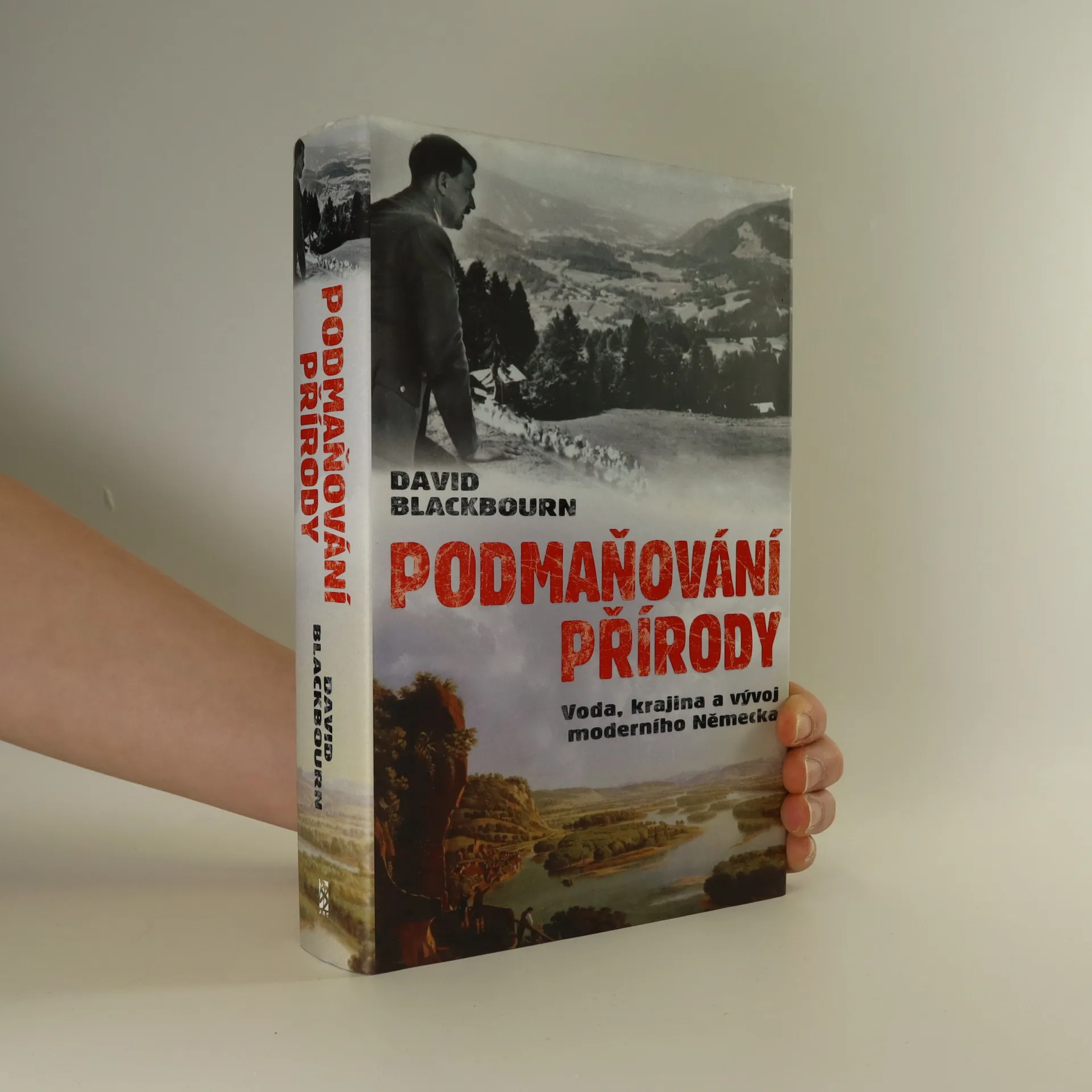
Autor zkoumá, jak se v Německu během minulých 250 let „podmaňoval“ jeden ze základních živlů, voda, tím, že se odvodňovaly močály – tyto pozůstatky doby ledové –, upravoval tok řek, stavěly velké přehrady, a ukazuje, že tato činnost nepochybně přinášela lidem velký prospěch, často však na úkor přírodního prostředí a ke škodě lidskému životu. Tak se přístup k podmanění přírody v průběhu let měnil: od radostného osvícenského optimismu 18. století přecházel k víře 19. století ve vědu a pokrok a potom k technokratickým „jistotám“, jimiž se tolik vyznačovalo století dvacáté. Nic z toho se ovšem neodehrávalo ve vakuu. Autor věnuje důslednou pozornost širokému rámci celého tohoto čtvrttisíciletého procesu, jeho ekonomickým a společenským souvislostem, jeho často problematickým cílům ve službách politiky, zejména zahraniční a vojenské. Podmaňování přírody charakterizuje řadu dramatických změn ve fyzickém (přírodním a životním) prostředí, ukazuje, jak korespondovaly s absolutismem éry Fridricha Velikého, s revolucí a nacionalismem, komunismem a demokracií i s válkou téměř v každém období. Všímá si přitom, jakou společenskou odezvu negativní stránky tohoto procesu vyvolávaly, jak tato odezva vyústila v hnutí ochránců přírody a jak se posléze jejich zásady staly součástí regulativní činnosti státu. Je to kniha o přetváření německé krajiny a zároveň o tom, jak se v jeho průběhu přetvářelo Německo samo.
Die gescheiterte bürgerliche Revolution von 1848