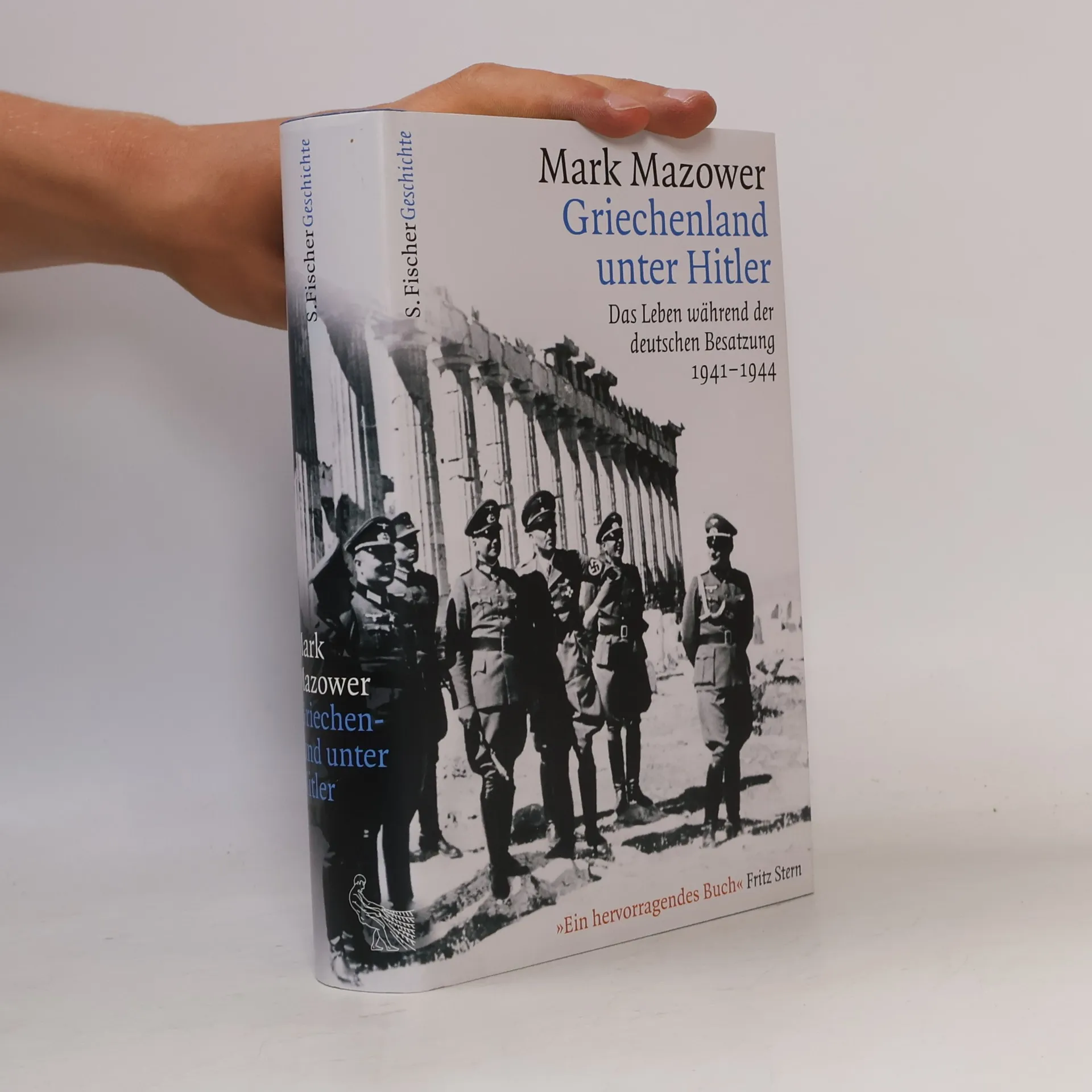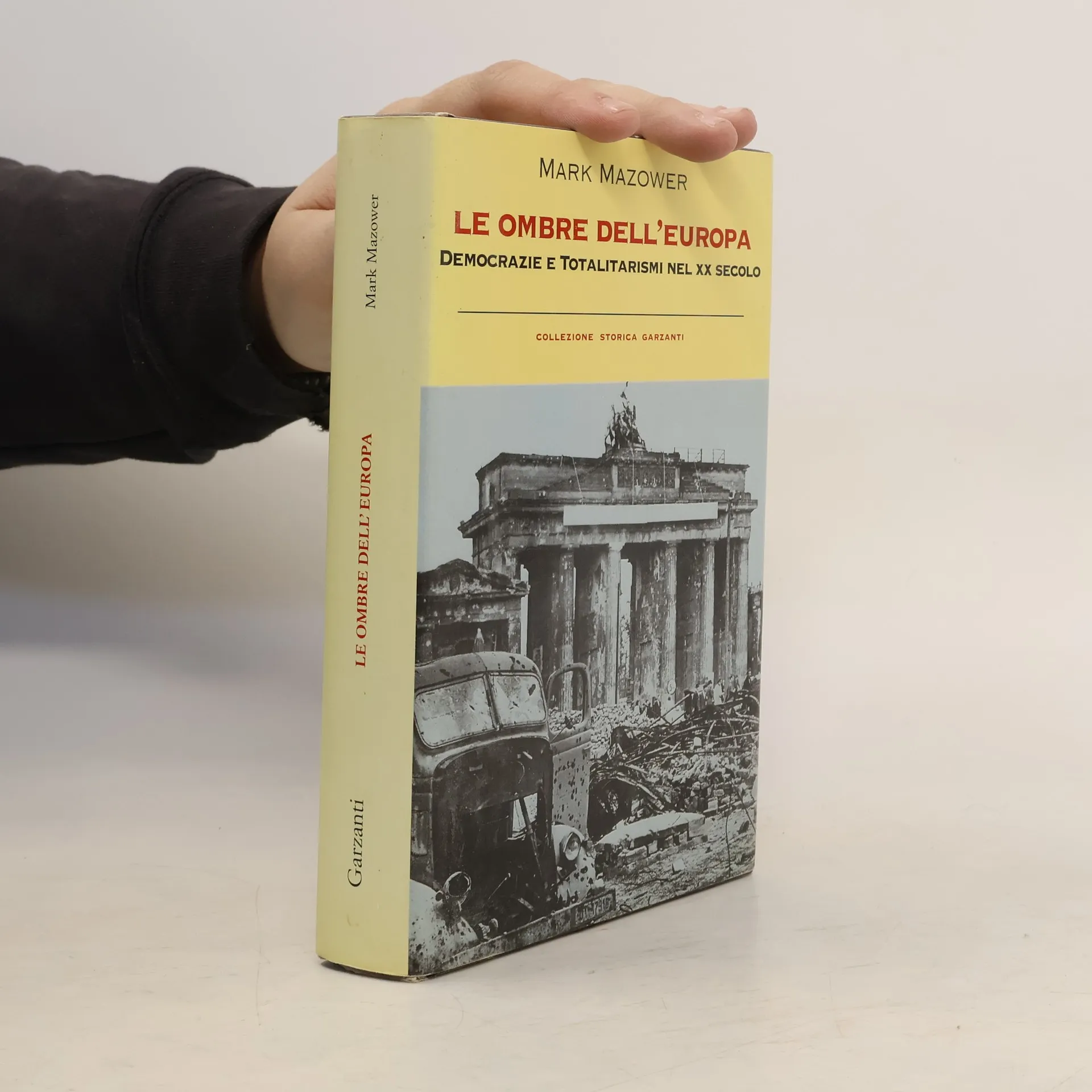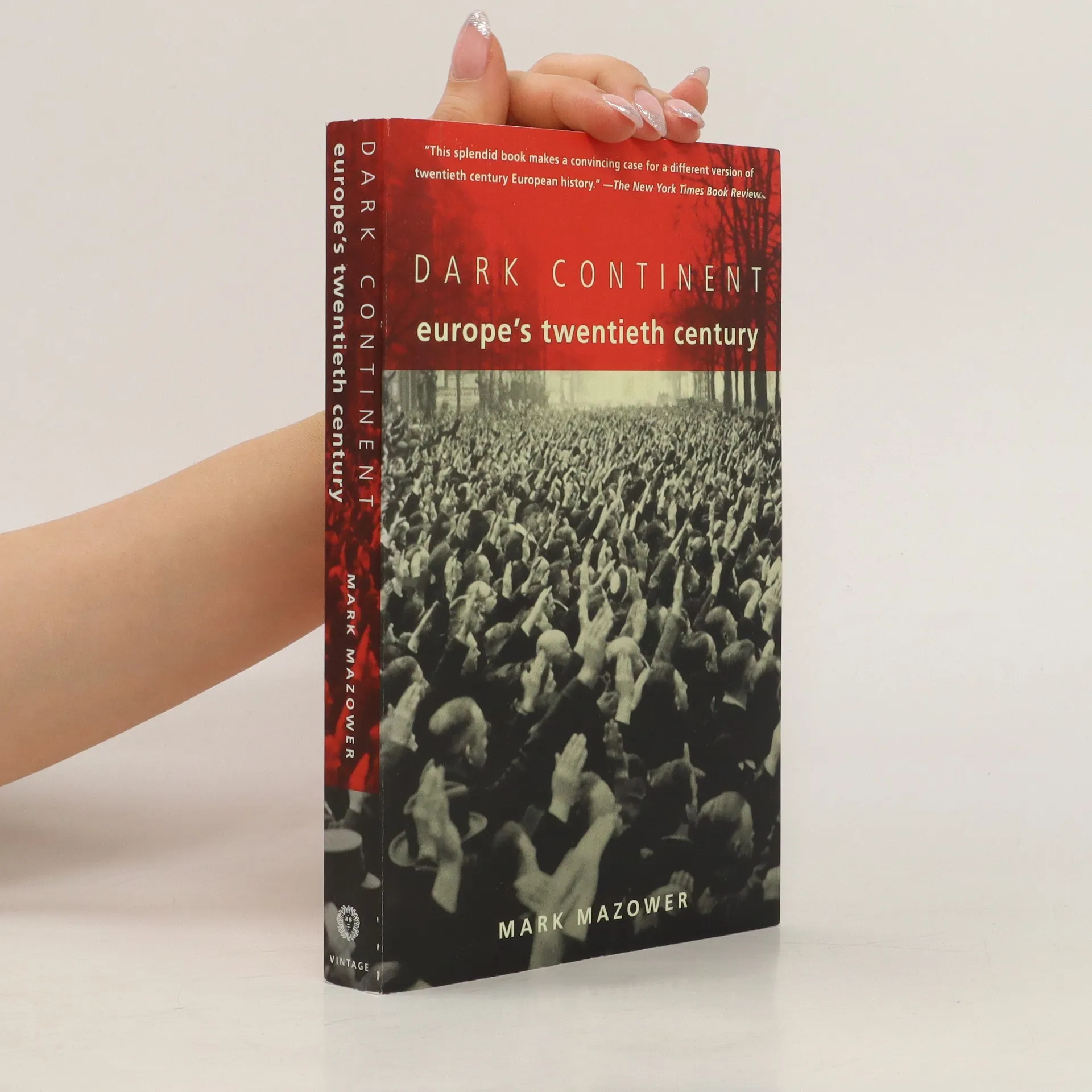
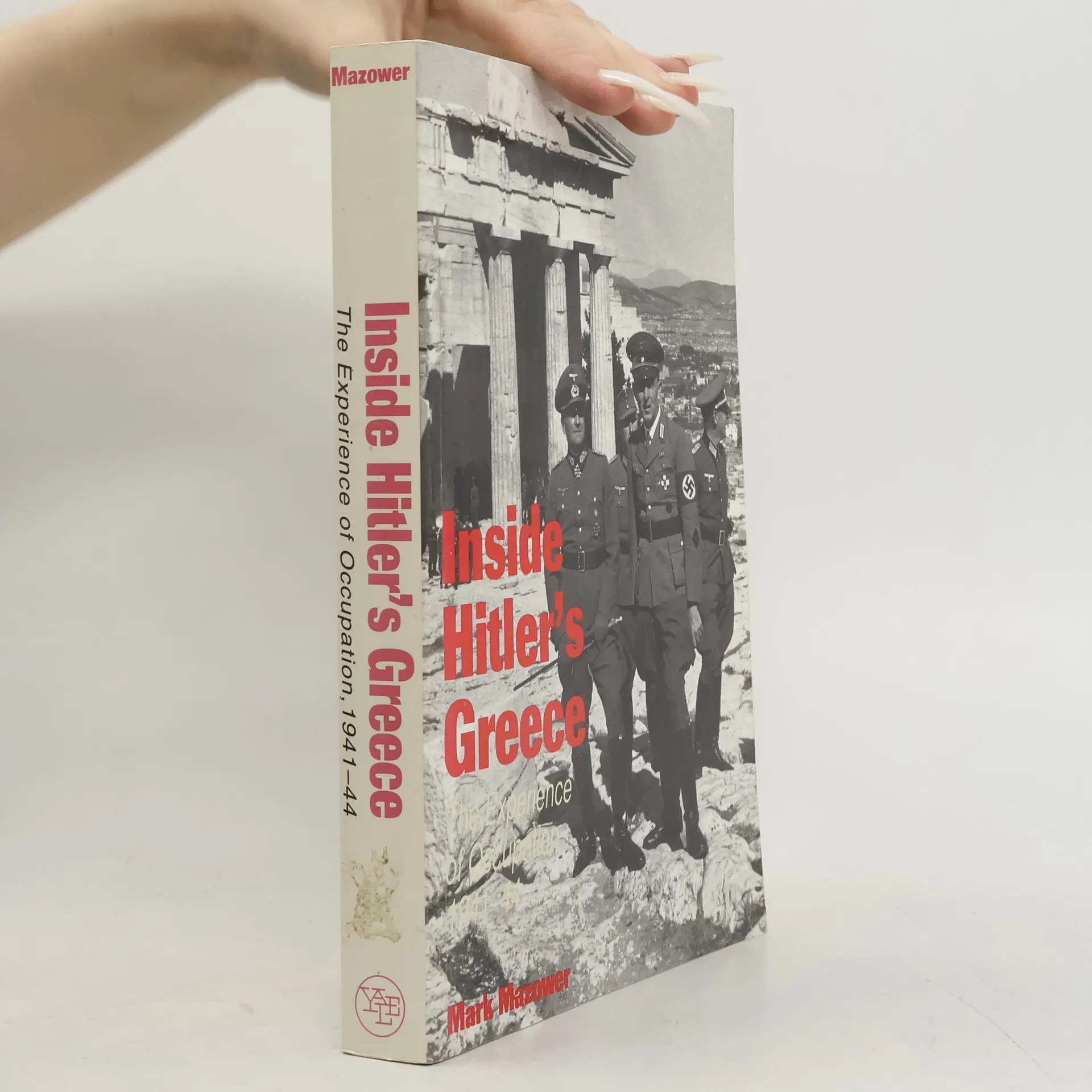
Mark Mazower is een vooraanstaand historicus wiens werk zich verdiept in het moderne Europa en de internationale geschiedenis. Zijn schrijven valt op door diepgaande inzichten in complexe historische processen, met name in de context van de twintigste eeuw. Mazower benadert geschiedenis met een nadruk op de onderlinge verbondenheid van diverse culturen en samenlevingen, en analyseert hoe ideeën over de wereldorde zijn gevormd. Zijn wetenschap wordt geprezen om zijn diepgang en zijn vermogen om ingewikkelde onderwerpen op een duidelijke en boeiende manier te presenteren.
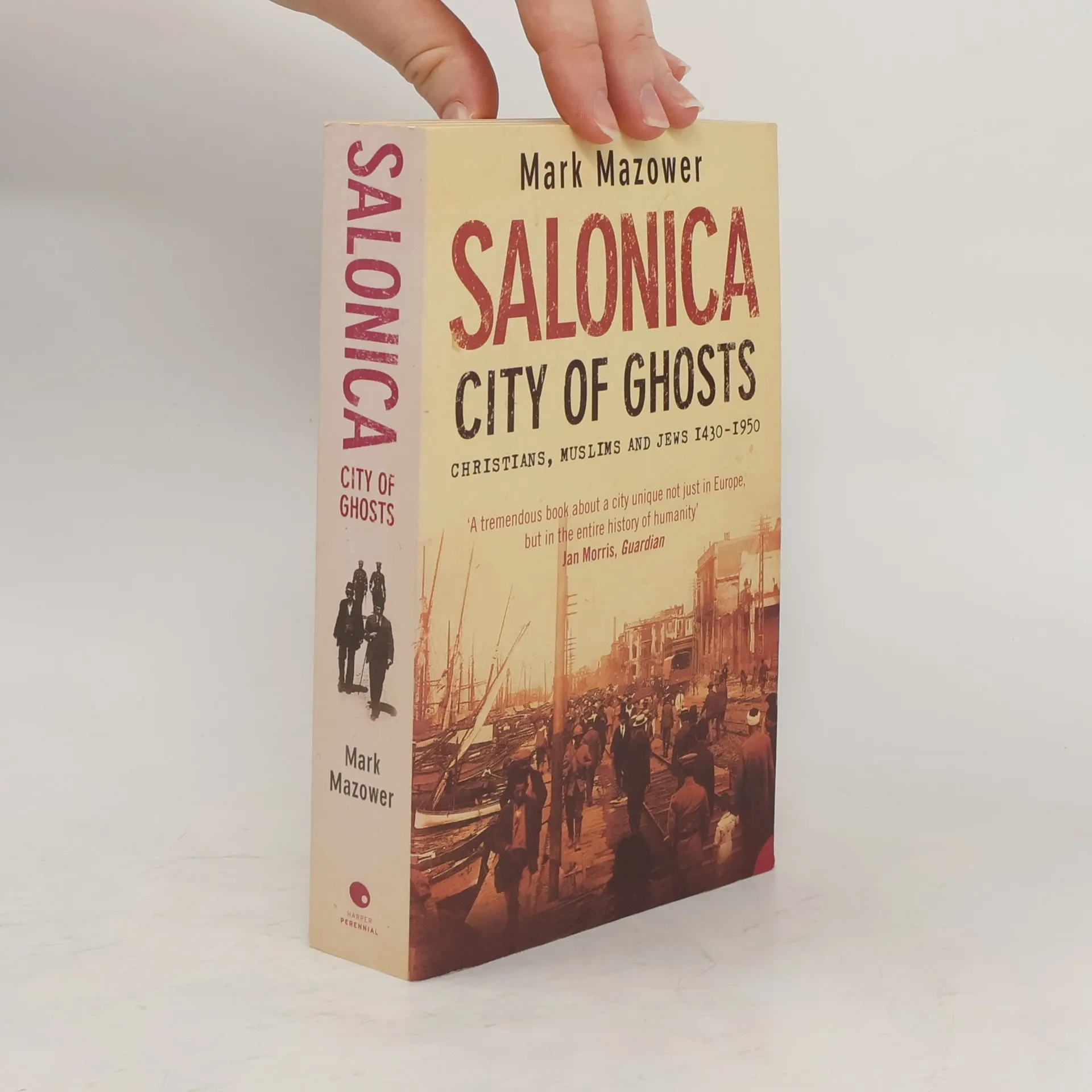
From the author of the greatly praised "Dark Continent" comes a richly textured social history of the Aegean seaport that has been a crossroads of civilization since the dawn of Byzantium. of photos, 8 in full color.
The narrative delves into the rich tapestry of a once-thriving city under Ottoman rule, highlighting its extraordinary cultural diversity. It portrays a society where various ethnicities and religions coexisted, from Egyptian merchants to Spanish-speaking rabbis, creating a unique atmosphere of tolerance and shared spirituality. The book examines the dynamics of this vibrant community and the factors that led to its decline amidst the rise of modern nationalism, offering a poignant reflection on the interplay of history, culture, and identity.
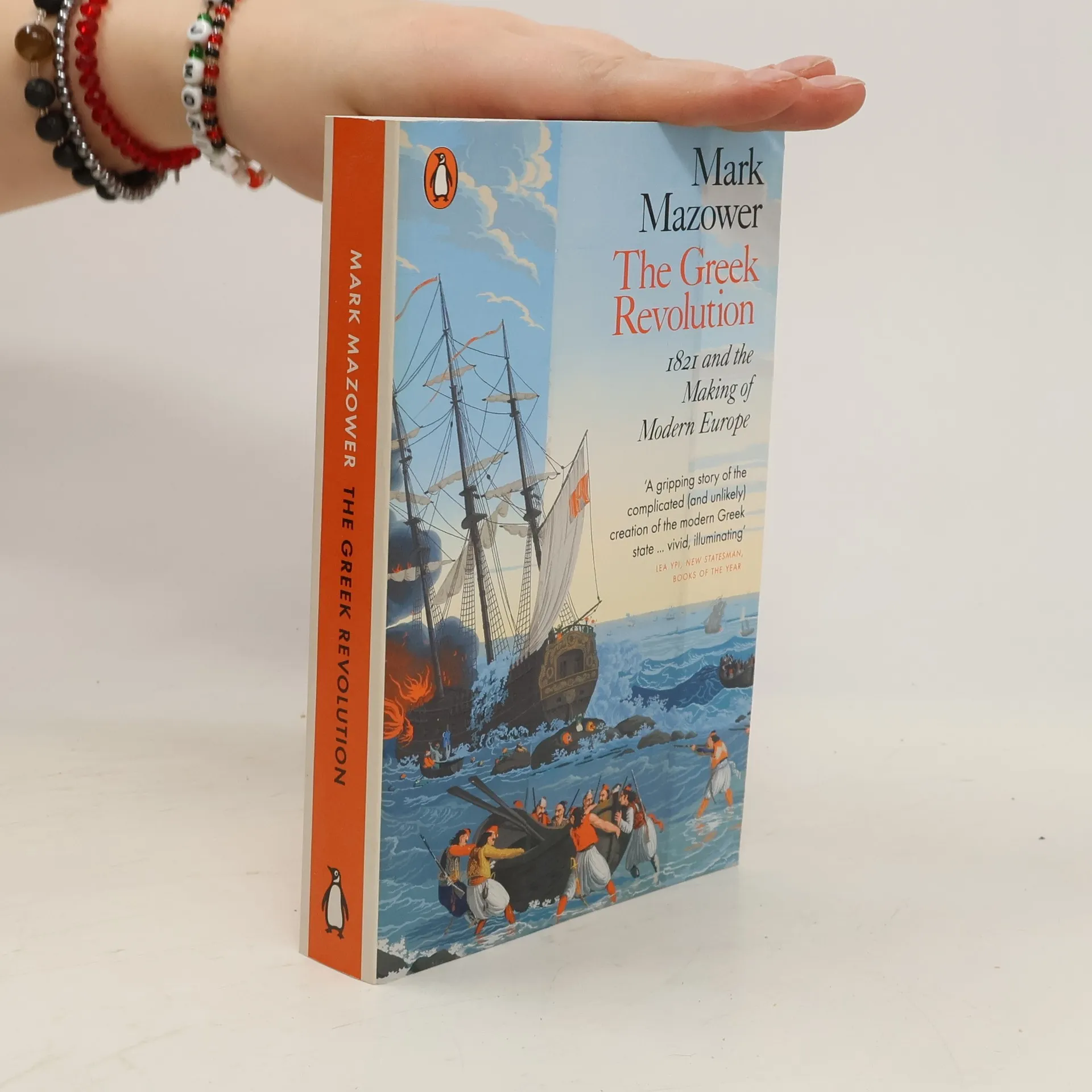
WINNER OF THE DUFF COOPER PRIZE 2021SHORTLISTED FOR THE RUNCIMAN AWARD 2022A NEW STATESMAN AND TIMES LITERARY SUPPLEMENT BOOK OF THE YEAR 2021'Deserves to remain the standard treatment of the subject in English for many decades to come' Roderick Beaton, Times Literary SupplementIn the exhausted, repressive years that followed Napoleon's defeat in 1815, there was one cause that came to galvanize countless individuals across Europe and the United States: freedom for Greece.Mark Mazower's wonderful new book recreates one of the most compelling, unlikely and significant events in the story of modern Europe. In the face of near impossible odds, the people of the villages, valleys and islands of Greece rose up against Sultan Mahmud II and took on the might of the imperial Ottoman armed forces, its Turkish cavalrymen, Albanian foot soldiers and the fearsome Egyptians. Despite the most terrible disasters, they held on until military intervention by Russia, France and Britain finally secured the kingdom of Greece.Mazower brilliantly brings together the different strands of the story. He takes us into the minds of revolutionary conspirators and the terrors of besieged towns, the stories of itinerant priests, sailors and slaves, ambiguous heroes and defenceless women and children struggling to stay alive amid a conflict of extraordinary brutality. Ranging across the Eastern Mediterranean and far beyond, he explores the central place of the struggle in the making of Romanticism and a new kind of politics that had volunteers flocking from across Europe to die in support of the Greeks. A story of how statesmen came to terms with an even more powerful force than themselves - the force of nationalism - this is above all a book about how people decided to see their world differently and, at an often terrible cost to themselves and their families, changed history.'Exquisite, impressive' The Times'Superbly subtle and thorough' Daily Telegraph
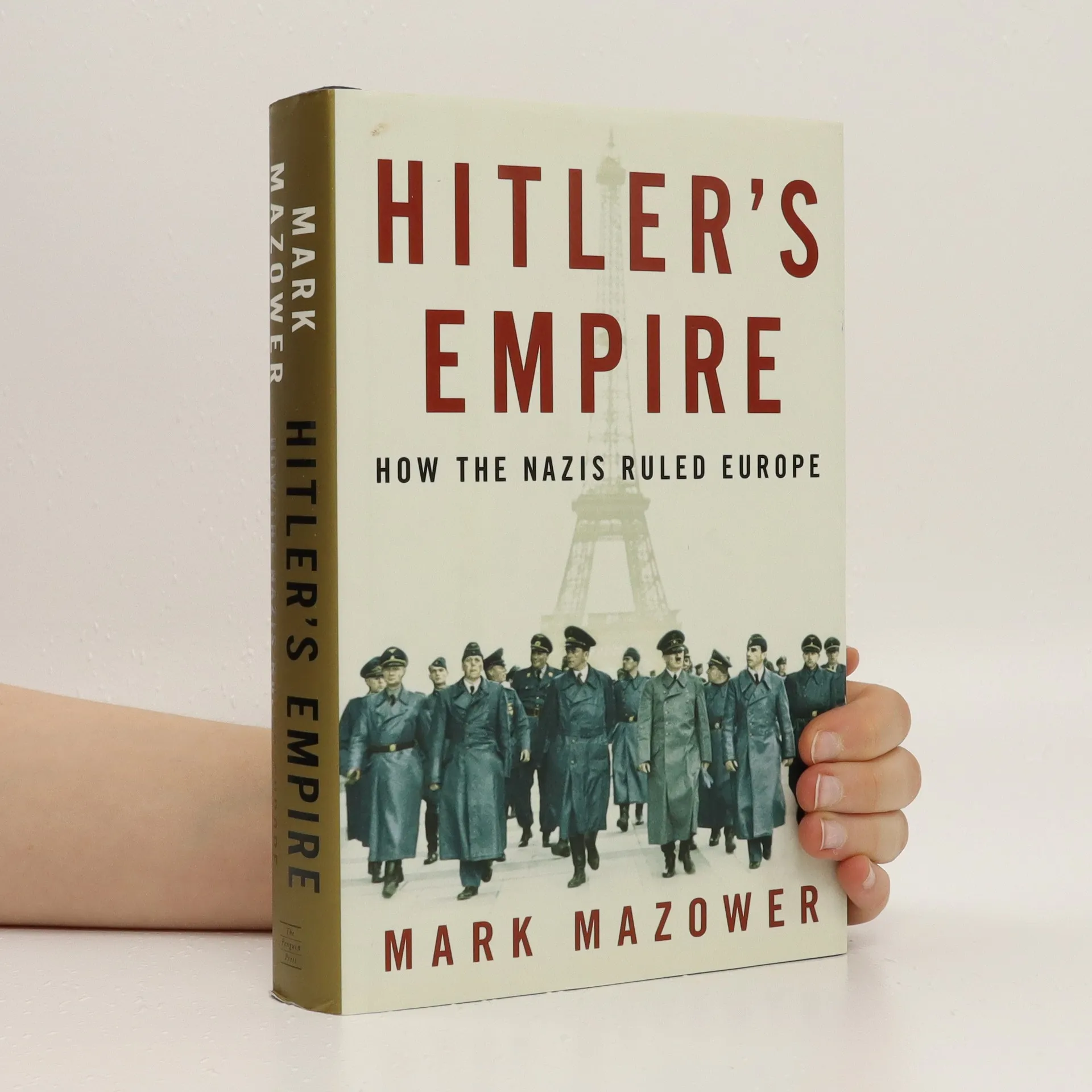
Profiles the Reich's pre-World War II plans for transforming Eastern Europe, describing the considerable resources that were amassed for the endeavor while explaining how Nazi brutality and short-sightedness ultimately cost Germany its victories. 40,000 first printing.
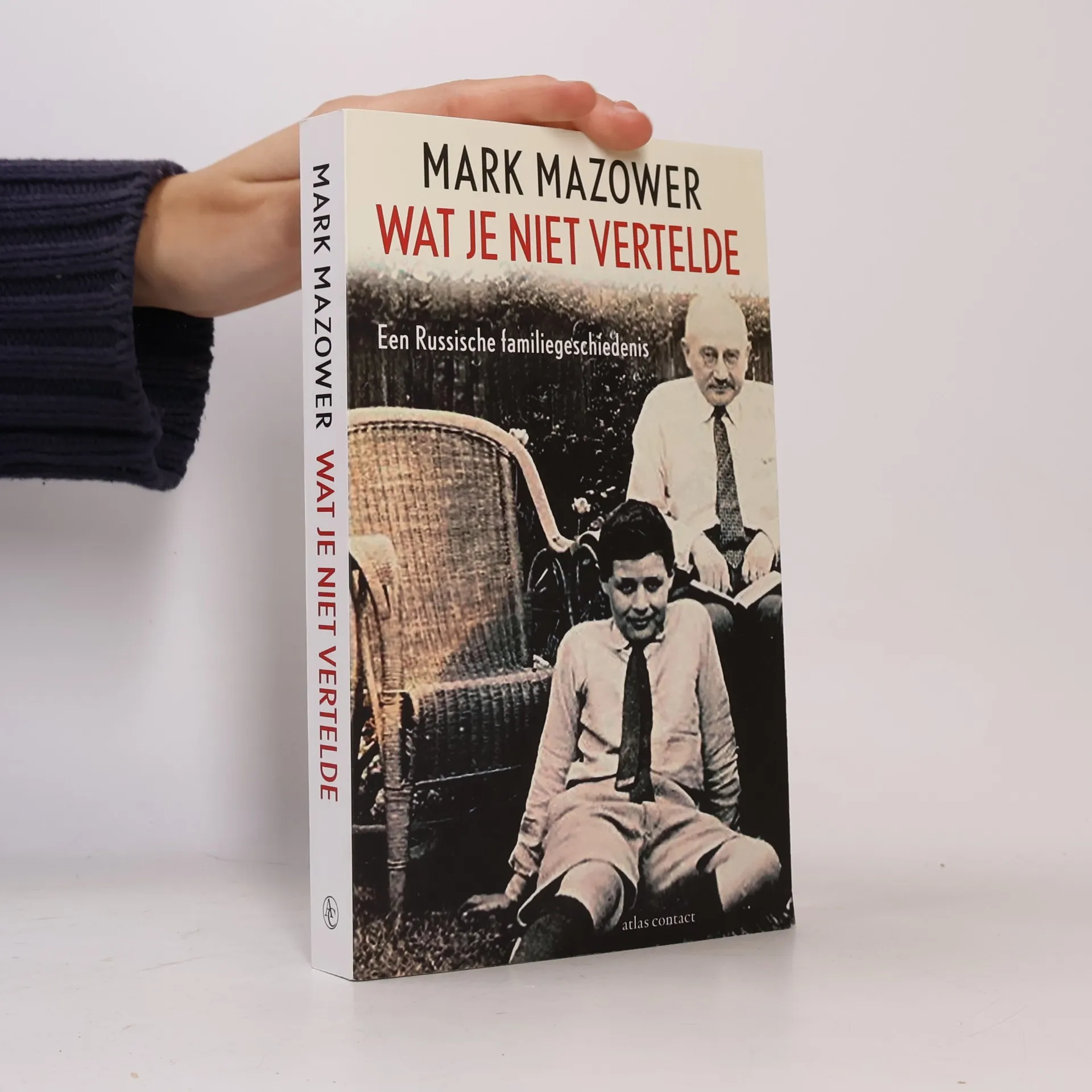
Uncovering his family's remarkable and moving stories, Mark Mazower recounts
the sacrifices and silences that marked a generation and their descendants. It
was a family that fate drove into the siege of Stalingrad, the Vilna ghetto,
occupied Paris, and even into the ranks of the Wehrmacht. His British father
was the lucky one, the son of Russian Jewish emigrants who settled in London
after escaping the civil war and revolution. Max, the grandfather, had started
out as a socialist and manned the barricades against tsarist troops, but never
spoke of it. His wife, Frouma, came from a family ravaged by the Great Terror
yet somehow making their way in Soviet society. In the centenary of the
Russian Revolution, What You Did Not Tell recounts a brand of socialism erased
from memory - humanistic, impassioned, and broad-ranging in its sympathies.
But it also explores the unexpected happiness that may await history's losers,
the power of friendship, and the love of place that allowed Max and Fro
An unflinching and intelligent alternative history of the twentieth century that provides a provocative vision of Europe's past, present, and future. "[A] splendid book." —The New York Times Book Review Dark Continent provides an alternative history of the twentieth century, one in which the triumph of democracy was anything but a forgone conclusion and fascism and communism provided rival political solutions that battled and sometimes triumphed in an effort to determine the course the continent would take. Mark Mazower strips away myths that have comforted us since World War II, revealing Europe as an entity constantly engaged in a bloody project of self-invention. Here is a history not of inevitable victories and forward marches, but of narrow squeaks and unexpected twists, where townships boast a bronze of Mussolini on horseback one moment, only to melt it down and recast it as a pair of noble partisans the next.
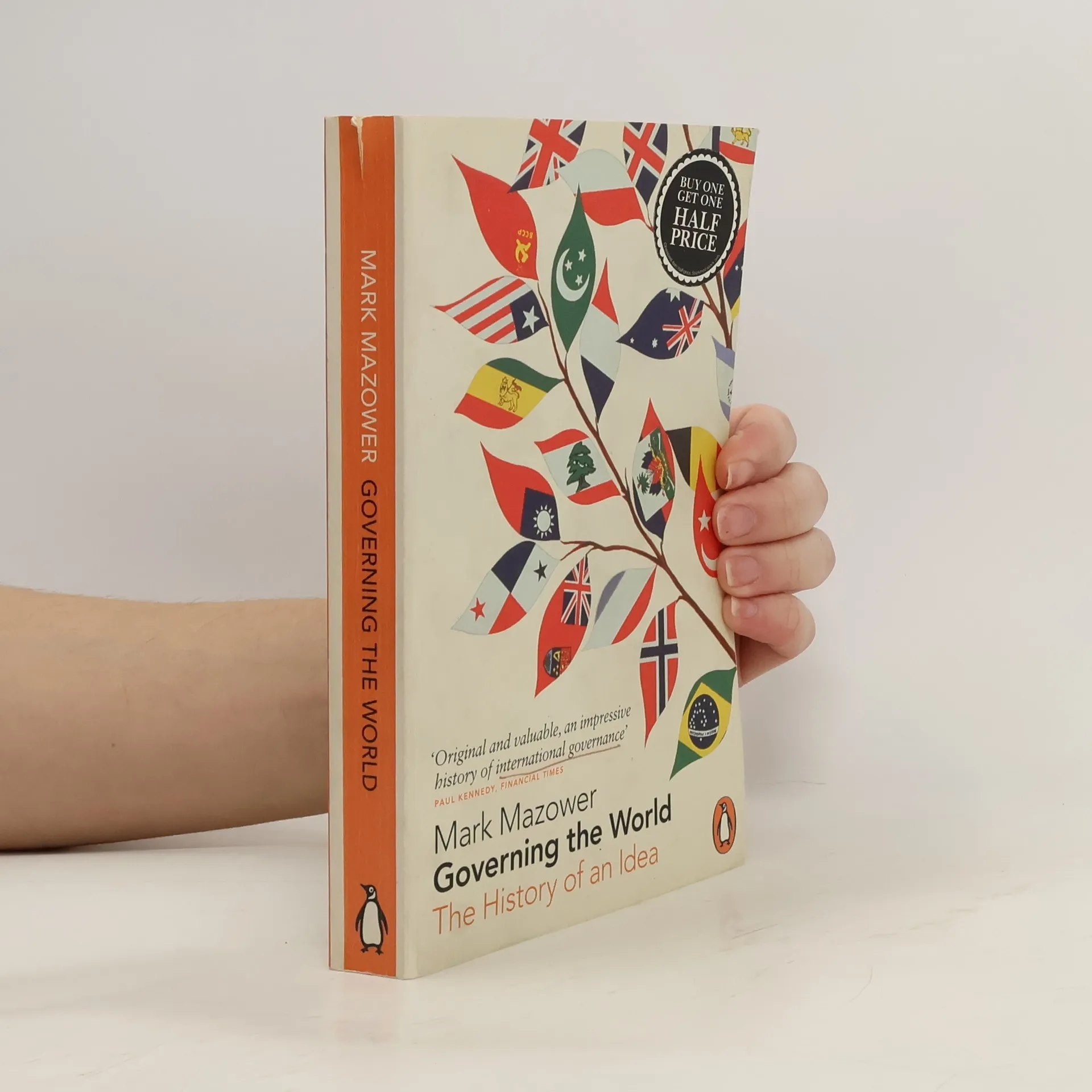
The compelling and provocative history of world government, from acclaimed author Mark Mazower Shortlisted for the RUSI 2013 Duke of Wellington Medal for Military LiteratureIn 1815 the shocked and exhausted victors of the decades of fighting that had engulfed Europe for a generation agreed to a new system for keeping the peace. Instead of independent states changing sides, doing deals and betraying one another, a new, collegial 'Concert of Europe' would ensure that the brutal chaos of the Napoleonic Wars never happened again.Mark Mazower's remarkable new book recreates two centuries of international government - the struggle to spread values and build institutions to bring order to an anarchic and dangerous state system.
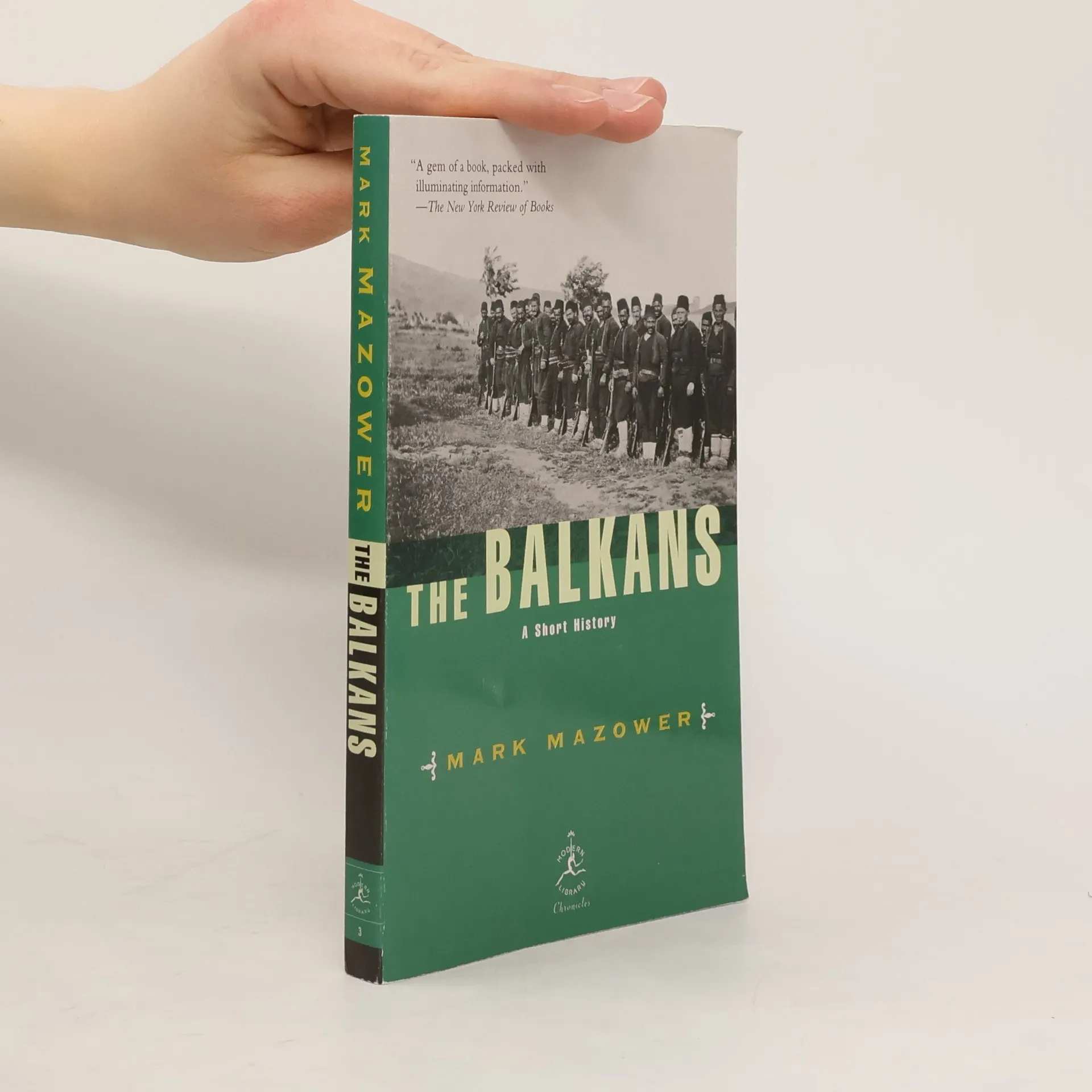
Winner of the Wolfson History Prize, this book sheds light on what has been called the tinderbox of Europe, whose troubles have ignited wider wars for hundreds of years.
Focusing on a historically tumultuous region often referred to as the tinderbox of Europe, this award-winning work explores the complex factors that have led to prolonged conflicts and wider wars over centuries. It delves into the intricate political, social, and cultural dynamics that have shaped the area, providing a comprehensive understanding of its historical significance and the ongoing challenges it faces.
Evropa Marka Mazowera není kontinentem starých států a národů, ale v mnoha ohledech je velmi nová a v průběhu 20. století neustále "vynalézá" samu sebe prostřednictvím často bouřlivých a chaotických politických změn. Moderní demokracie a s ní úzce spojený národní stát je v zásadě výsledkem experimentování. Tři ideologie – liberální demokracie, komunismus a fašismus – se považovaly za předurčené přetvořit společnost, kontinent a svět v "nový řád lidstva". Jejich vzájemný boj o definici nové Evropy trval po většinu minulého století. Liberální demokracie ovládla Evropu po první světové válce, ale o dvě desetiletí později už tak říkajíc zmírala na úbytě. Rok 1989 znamenal vítězství demokracie nad komunismem, nicméně k tomuto vítězství by nedošlo, kdyby komunismus předtím neuštědřil všeobecnou a drtivou válečnou porážku nacionálnímu socialismu. Rozhodně tedy nebylo předurčeno osudem, že demokracie nakonec zvítězí nad fašismem i komunismem, stejně jako není stále zřejmé, jaký druh demokracie je Evropa schopná a ochotná budovat. "Temný kontinent" je napínavým příběhem s neočekávanými zvraty, nikoliv záznamem vývoje směřujícího neustále kupředu k nevyhnutelným vítězstvím.