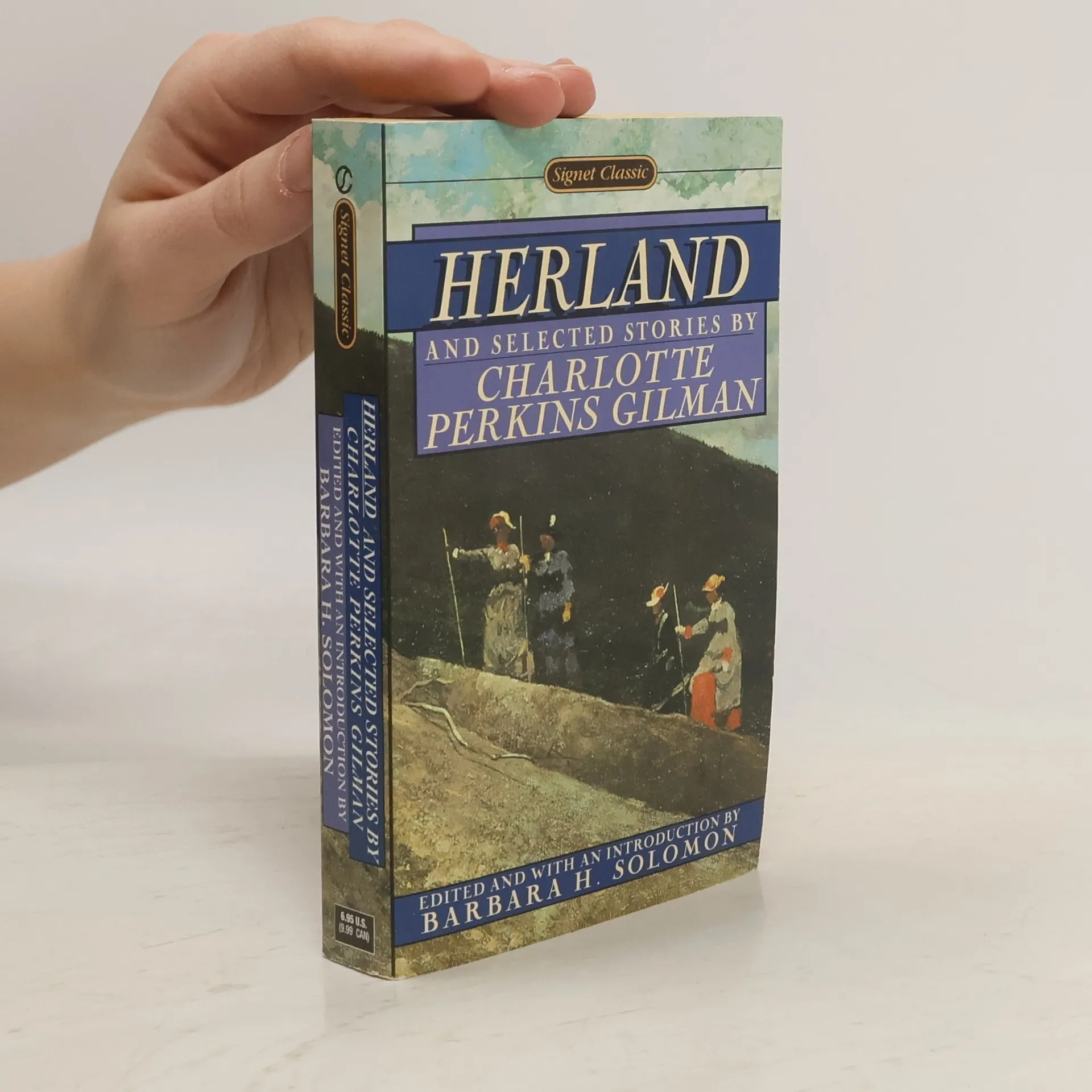
Moederland
- 227bladzijden
- 8 uur lezen
Oorspr.titel en uitg. Herland 1915.


Charlotte Perkins Gilman was een vooraanstaande Amerikaanse sociologe en schrijfster, bekend om haar romans, korte verhalen, poëzie en non-fictie. Als utopisch feministe dienden haar onorthodoxe concepten en levensstijl als rolmodel voor toekomstige generaties. Haar werk onderzocht vaak thema's van sociale hervorming en bekritiseerde hedendaagse maatschappelijke normen, waarmee ze een belangrijke stempel drukte op de sociologische en literaire discussie.


Oorspr.titel en uitg. Herland 1915.
This collection features two previously unpublished Gothic stories, 'The Unwatched Door' and 'Clifford's Tower,' alongside all of Charlotte Perkins Gilman's gothic tales and poetry. It offers a unique glimpse into her literary contributions, showcasing themes of the supernatural and psychological depth. Although it presents a different cover, the contents mirror those of the Complete Gothic Collection edited by Aric Cushing, making it a valuable addition for fans of Gilman's work and Gothic literature.
Exploring themes of personal transformation and political change, this collection features "The Yellow Wallpaper" alongside nine other significant stories by notable American women authors. First published in 1892, Gilman's work serves as both a landmark in women's fiction and a feminist manifesto. The anthology showcases the diverse voices of women writers who have made a profound impact through their storytelling, emphasizing the transformative power of imagination in literature.
Prominent American author, lecturer, and social reformer Charlotte Perkins Gilman (1860–1935) is best known for her 1898 treatise Women and Economics, which ascribed gender inequality to women’s economic dependence upon men, and for her 1892 short story “The Yellow Wall-Paper,” which depicts a woman’s descent into madness. However, she began her career as a poet. Her first authored book, a collection of verse entitled In This Our World, was issued in four different editions between 1893 and 1898. While virtually all of Gilman’s later poems appeared in her monthly magazine, The Forerunner (1909–16), or in The Later Poetry of Charlotte Perkins Gilman (1996), Gilman’s early verse has been largely inaccessible to modern readers, and dozens of her poems have never been collected. This volume, coedited by Scharnhorst and Knight, includes all 149 poems in the 1898 edition of In This Our World as well as 112 vagrant poems that appeared in a variety of newspapers and magazines. This critical volume features a comprehensive introduction and extensive notes. Gilman devotees and a new generation of readers will find this edition an indispensable resource.
This edition showcases the influential feminist fiction of a nineteenth-century pioneer, highlighting her innovative narratives that challenged societal norms. It offers a comprehensive look at her work, providing insights into her themes of gender equality and empowerment. Readers can explore the historical context and the impact of her writings on both literature and feminist movements, making it a significant contribution to the understanding of women's roles in literature during that era.
2018 Reprint of 1892 Edition. This short story is regarded as an important early work of American feminist literature, illustrating attitudes in the 19th century toward women's health, both physical and mental. Presented in the first person, the story is a collection of journal entries written by a woman whose physician husband (John) has rented an old mansion for the summer. Forgoing other rooms in the house, the couple moves into the upstairs nursery. As a form of treatment, the unnamed woman is forbidden from working, and is encouraged to eat well and get plenty of exercise and air, so she can recuperate from what he calls a "temporary nervous depression - a slight hysterical tendency", a diagnosis common to women in that period. Gilman used her writing to explore the role of women in America at the time. She explored issues such as the lack of a life outside the home and the oppressive forces of the patriarchal society. Through her work Gilman paved the way for writers such as Alice Walker and Sylvia Plath.
Exploring the social and economic aspects of motherhood, the book delves into how the upbringing of children can transform American society. Gilman challenges conventional views, advocating for the betterment of society through thoughtful child development. Her innovative ideas prompt readers to reconsider the role of mothers and the impact of nurturing on future generations.
Exploring themes of mental health and gender inequality, the narrative follows a young woman suffering from postpartum depression, confined to a room as part of a misguided "rest cure." Her obsession with the room's yellow wallpaper symbolizes her struggle against societal constraints and personal entrapment. As she descends into madness, she perceives herself and other women as trapped within the wallpaper's chaotic patterns. The story serves as a powerful critique of the oppressive norms of the late 19th century, reflecting Gilman's own experiences and advocating for female emancipation.
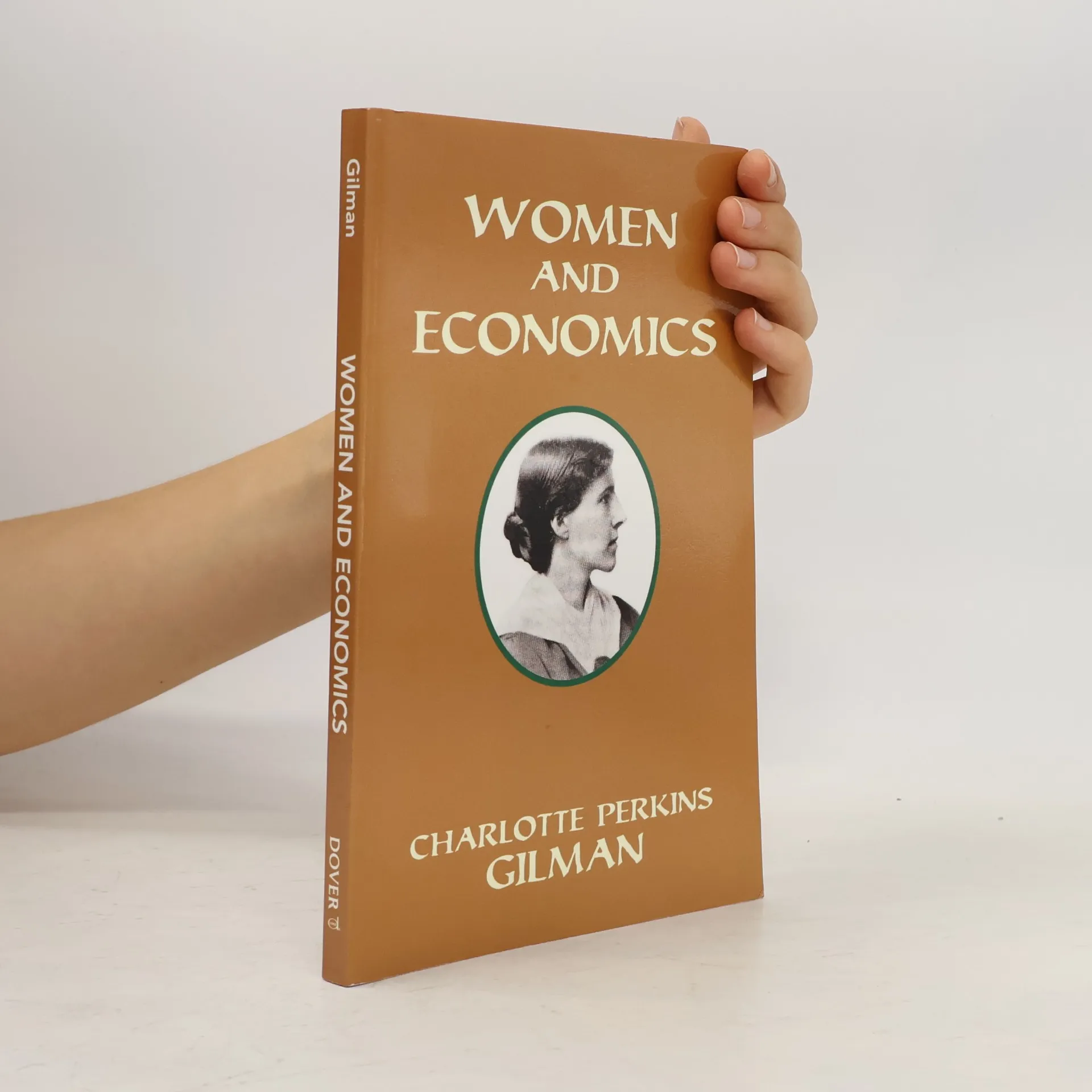
Author of the well-known short story "The Yellow Wallpaper" and other important fiction, Charlotte Perkins [Stetson] Gilman (1860–1935) was an ardent advocate of women's rights. In this classic feminist treatise, Gilman argues that women's dependence on men for their livelihood results in a state of arrested intellectual and emotional development deleterious to both genders. Moreover, she explains, such reliance causes shortcomings in the human species as a whole. A landmark in feminist theory, Women and Economics was translated into seven languages and hailed as the "Bible" of the women's movement. Although its author's influence declined in the post-World War I period, modern feminists have returned to her still-incisive observations on the role and status of women, establishing Gilman as an important early figure in the struggle for women's economic and social rights. Now Gilman's masterpiece of feminist theory is again available in this modestly priced edition, ready to stimulate and inspire a new generation of women and men engaged in the ongoing fight for gender equality. New Introduction by Sheryl L. Meyering.
A collection of writings from Charlotte Perkins Gilman, the most important American feminist of the early twentieth century. Includes the chilling and hugely influential 'The Yellow Wallpaper', which documents the powerless of women in Victorian marriage.
Exploring themes of mental health and societal perceptions, the narrative centers on a woman grappling with her husband's dismissive diagnosis of "temporary nervous depression." As she navigates the constraints imposed by those around her, the story delves into the complexities of female identity and autonomy in a patriarchal context. The protagonist's struggle raises critical questions about the validity of her experiences and the societal tendency to undermine women's voices.
HarperCollins is proud to present its incredible range of best-loved, essential classics.
Charlotte Perkins Gilman’s provocative utopian novel Herland, first published in 1915, tells its story through the observations of three male explorers who discover a land inhabited solely by women; the women reproduce through parthenogenesis (asexual reproduction). Initially skeptical, the explorers come to realize that Herland has evolved into an ideal, cooperative, matriarchal society—fertile, peaceful, and clean—by selectively reproducing the women’s best attributes. As the explorers study Herland culture, they also rethink their own. This edition reproduces the text originally published in The Forerunner in 1915, including several passages omitted from other editions. Stories, poetry, and nonfiction writing by Gilman on topics such as birth control, capital punishment, and eugenics provide a rich context for the novel. Materials originally published alongside Herland in 1915, many of which have never before been republished, are also included, as is an excerpt from the sequel, With Her in Ourland.
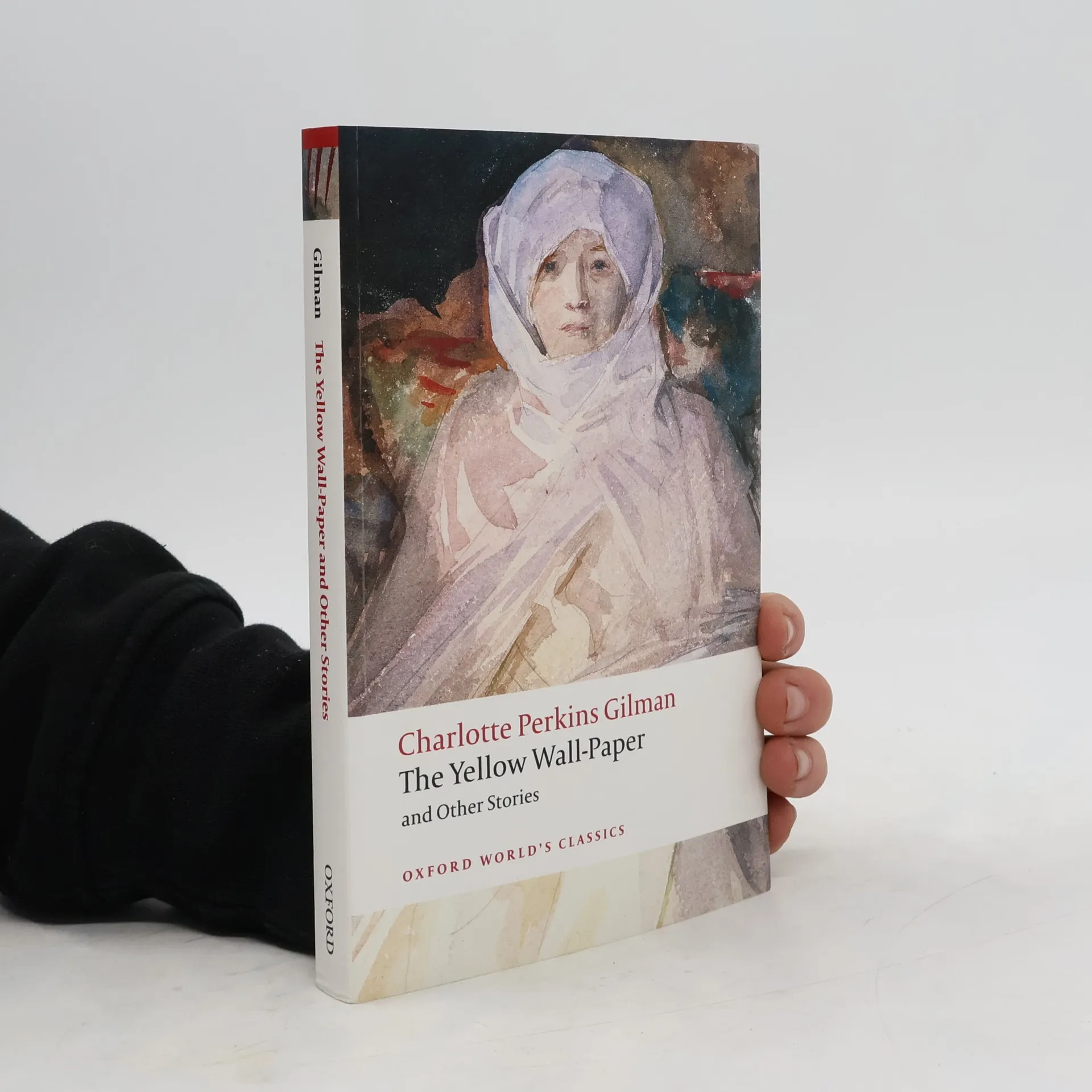
Charlotte Perkins Gilman was America's leading feminist intellectual of the early twentieth century. The Yellow Wall-Paper and Other Stories makes available the fullest selection of her short fiction ever printed. It features her pioneering feminist masterpiece, her neglected stories contemporary with The Yellow Wall-Paper, and her later explorations of `the woman of fifty'. The introduction to this edition places Gilman in the cultural and historical context of the American divided self, her Beecher heritage, and her contribution to the female Gothic.
Written in 1915, this text is about three male explorers and the utopian female society they stumble upon. This is a community where war, famine and other man-made disasters do not exist.
At the turn of the century, Charlotte Perkins Gilman was a celebrity—acclaimed as a leader in the feminist movement and castigated for her divorce, her relinquishment of custody of her daughter, and her unconventional second marriage. She was also widely read, with stories in popular magazines and with dozens of books in print. But her most famous short story, the intensely personal "The Yellow Wallpaper," read as a horror story when first published in 1891 and lapsed into obscurity before being rediscovered and reinterpreted by feminist scholars in the 1970s, and her landmark feminist utopian novel, Herland, remained unavailable for more than sixty years.Herland --The unexpected --My poor aunt --The yellow wallpaper --Three Thanksgivings --Her housekeeper --When I was a witch --Martha's mother --The boys and the butter --Making a living --Old Mrs. Crosley --Turned --Making a change --A mischievous rudiment --Mrs. Elder's idea --Her beauty --If I were a man --Spoken to --Dr. Clair's place --Joan's defender --Mrs. Beazley's deeds
Set in a feminist utopia, the novel explores themes of gender equality and social reform through a visionary society. Originally serialized in The Forerunner, it represents a significant contribution to early 20th-century utopian literature. As the first installment of a trilogy, it lays the groundwork for Gilman's subsequent works, including the renowned Herland and its sequel. The narrative reflects the cultural and social aspirations of its time, offering a thought-provoking perspective on women's roles in society.
in large print
This book is a reproduction of a historical work, specifically designed in large print to enhance readability for individuals with impaired vision. Published by Megali, a house dedicated to making historical texts accessible, it aims to preserve the original content while catering to the needs of readers who benefit from larger text.
Exploring themes of women's health and mental illness, this classic tale delves into the struggles faced by women in a patriarchal society. The narrative follows a woman's descent into madness as she becomes obsessed with the wallpaper in her room, serving as a powerful metaphor for her confinement and the societal constraints placed upon her. Celebrated for its early feminist perspective, it remains a significant and influential work that resonates with contemporary discussions about gender and mental health.
Exploring the theme of mental health and the constraints placed on women, the narrative follows a woman confined to a room by her husband, purportedly for her well-being. Isolated for three months, she becomes fixated on the room's disturbing yellow wallpaper, symbolizing her struggle against oppression. This powerful short story serves as a critique of 19th-century attitudes towards women's autonomy, illustrating the detrimental effects of enforced domesticity on women's mental and emotional health.
Political activism and feminist themes are central to this collection of poems by Charlotte Perkins Gilman. Drawing from her experience as a social reformer, Gilman uses poetry to champion women's suffrage and advocate for women's rights. While she is well-known for her prose, this work highlights her linguistic prowess and deep commitment to social change, making it a significant contribution to the suffrage movement.
Exploring themes of mental health and gender roles, this short story offers a poignant critique of 19th-century attitudes towards women's well-being. The narrative unfolds through the journal entries of a woman confined to a nursery by her physician husband, who believes she suffers from a temporary nervous condition. As her isolation deepens, she becomes increasingly obsessed with the room's yellow wallpaper, symbolizing her struggle for autonomy and identity. This work is a significant early contribution to feminist literature, highlighting the oppressive nature of societal expectations.
The book presents a faithful reproduction of the original work, preserving its content and format. It aims to provide readers with an authentic experience of the text as it was initially created, ensuring that the essence and nuances of the original are maintained. This edition is perfect for those seeking to explore historical literature or for collectors interested in classic works.
This work is a reproduction of an original text, produced by Megali, a publishing house dedicated to making historical works accessible through large print. This initiative aims to assist individuals with impaired vision, ensuring that important literary and historical content is available to a wider audience.
Followed by The Yellow Wallpaper
The book critiques patriarchy and its impact on society, emphasizing the need for gender equality and the partnership between men and women. Gilman challenges deeply rooted gender roles, revealing their influence on culture, politics, and relationships. As a foundational text of American feminism, it inspires activists to fight against oppression. This edition also includes "The Yellow Wallpaper," which reflects Gilman's personal struggles with gender oppression, enhancing the understanding of her insights and the call for societal change.
This book is a reproduction of a historical work, presented in large print to enhance accessibility for individuals with impaired vision. Published by Megali, a house dedicated to making literature more readable, it aims to preserve and share significant texts while ensuring inclusivity for all readers.
The collection features two significant works by Charlotte Perkins Gilman, highlighting her exploration of women's experiences. "The Yellow Wallpaper" presents a haunting narrative of a woman's mental decline, reflecting societal constraints on women's mental health. In contrast, "What Diantha Did" offers an early feminist perspective, showcasing a woman's quest for independence and self-fulfillment. Together, these stories emphasize themes of mental illness and the struggle for women's rights.
This book is a reproduction of an original historical work, published by Megali, a company dedicated to creating large print editions to enhance accessibility for individuals with impaired vision. The focus on readability ensures that more readers can engage with important historical texts.
Here is a cry for feminist revolution. In this work, Charlotte Perkins Gilman details how male-dominated culture has, through the very social devices that keep it in place, conspired to produce greater human suffering than is truly necessary. ...
The preface sets the stage for the book, providing insight into the author's motivations and the themes explored within. It often outlines the context in which the book was written, offering readers a glimpse into the foundational ideas and inspirations that shaped the narrative. This section may also highlight the significance of the work in relation to contemporary issues or historical events, inviting readers to engage with the content on a deeper level.
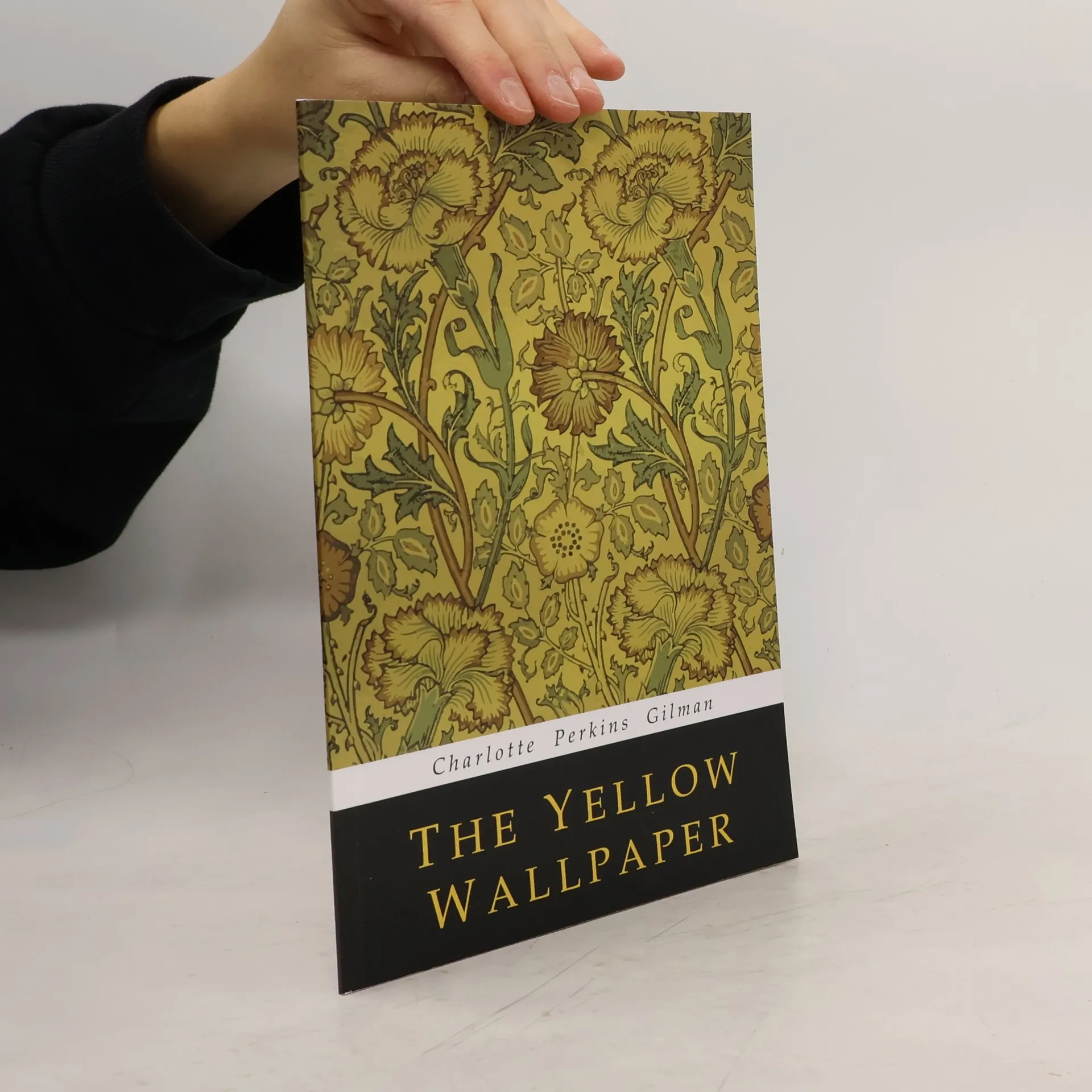
THE YELLOW WALLPAPER is a story by the American writer Charlotte Perkins Gilman, first published in January 1892 in The New England Magazine. It is regarded as an important early work of American feminist literature, illustrating attitudes in the 19th century toward women's health, both physical and mental.
A prominent figure in American humanism and feminism, Charlotte Perkins Gilman is celebrated for her advocacy of social reform and her unique lifestyle. Known for her unorthodox ideas, she served as an inspiration for future feminists. Her semi-autobiographical short story "The Yellow Wallpaper," written during a challenging period of postpartum psychosis, remains her most recognized work. Gilman's contributions to literature and social thought have earned her a place in the National Women's Hall of Fame, highlighting her lasting impact on feminist discourse.
The "Hudson Series" is dedicated to providing the best literature - without commentary or interpretation - at a student-friendly price.
Die gelbe Tapete und andere Erzählungen, englische Ausgabe
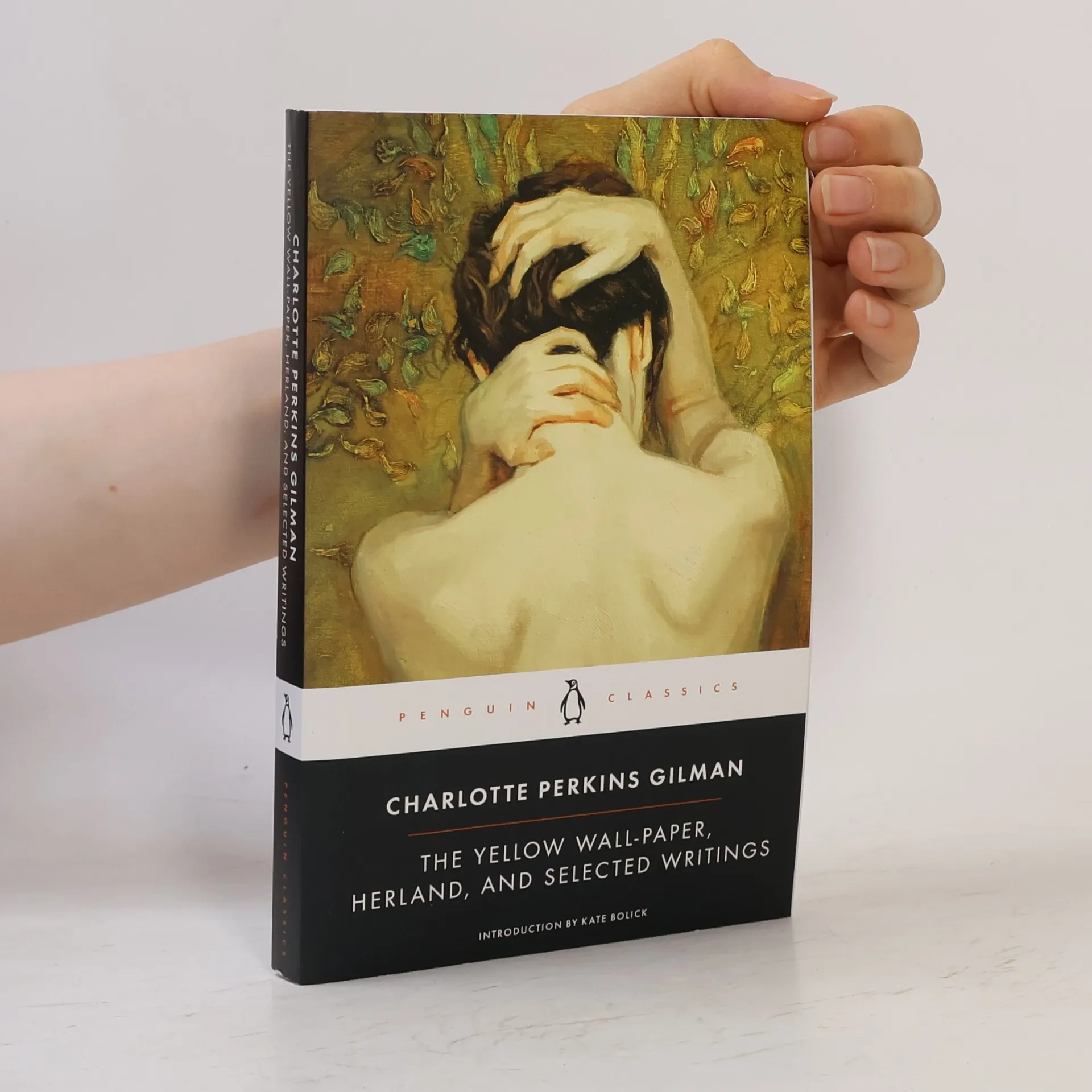
A collection of the groundbreaking feminist writer's most famous works, with a thought-provoking introduction by bestselling author Kate Bolick Wonderfully sardonic and slyly humorous, the writings of landmark American feminist and socialist thinker Charlotte Perkins Gilman were penned in response to her frustrations with the gender-based double standard that prevailed in America as the twentieth century began. Perhaps best known for her chilling depiction of a woman's mental breakdown in her unforgettable 1892 short story 'The Yellow Wall-Paper', Gilman also wrote Herland, a wry novel that imagines a peaceful, progressive country from which men have been absent for two thousand years. Both are included in this volume, along with a selection of Gilman's major short stories and her poems. New York Times bestselling author Kate Bolick contributes an illuminating introduction that explores Gilman's fascinating yet complicated life. For more than seventy years, Penguin has been the leading publisher of classic literature in the English-speaking world. With more than 1,700 titles, Penguin Classics represents a global bookshelf of the best works throughout history and across genres and disciplines. Readers trust the series to provide authoritative texts enhanced by introductions and notes by distinguished scholars and contemporary authors, as well as up-to-date translations by award-winning translators.
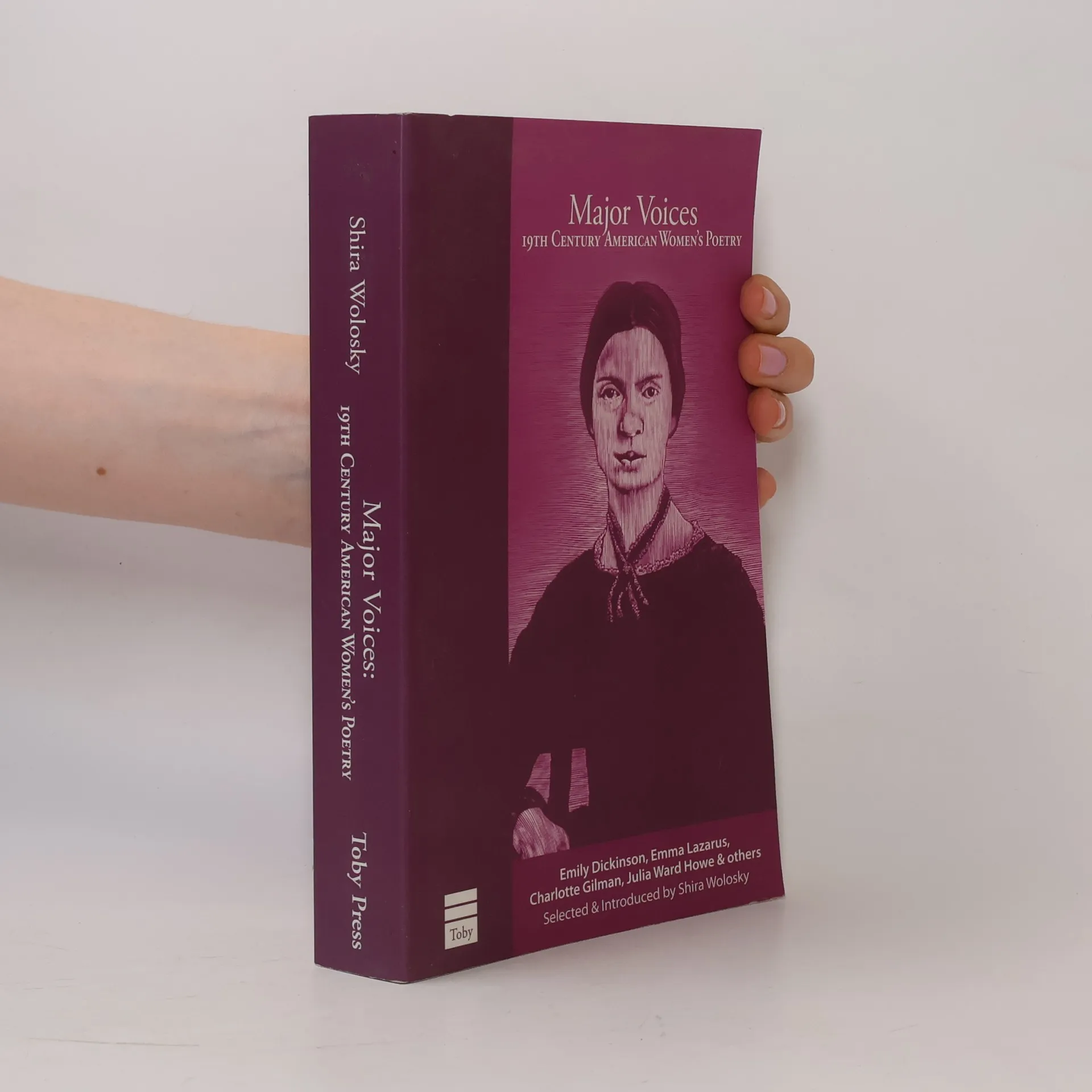
There are a number of anthologies of nineteenth-century American women poets in print, but these tend to offer a very small sample of poems from a very large number of writers, often based around a specific topical concern. The Toby anthology, compiled and edited by Professor Shira Wolosky, will instead present a substantial number of texts by a select group of poets - focusing in depth on the major voices of that time. This anthology will thus allow the reader the opportunity to engage more deeply with the poetry; to see the range within each poet's writings, and the relation among the poets. An introductory essay will identify central concerns, historical backgrounds, evolving patterns and poetic issues, as marked through the course of the century. The work of these poets provides a gripping view of the creativity of nineteenth-century American women that has been until recently almost entirely lost to literary history. Supremely relevant to today's readers, this is poetry that began the efforts at the redefinition of self, of America, and of womanhood that continues to touch the lives and thoughts of so many today. The poets Lydia Sigourney, Julia Ward Howe, Francis Harper, Helen Hunt Jackson, Emily Dickinson, Alice & Phoebe Carey, Ella Wheeler Wilcox, Emma Lazarus and Charlotte Gilman.
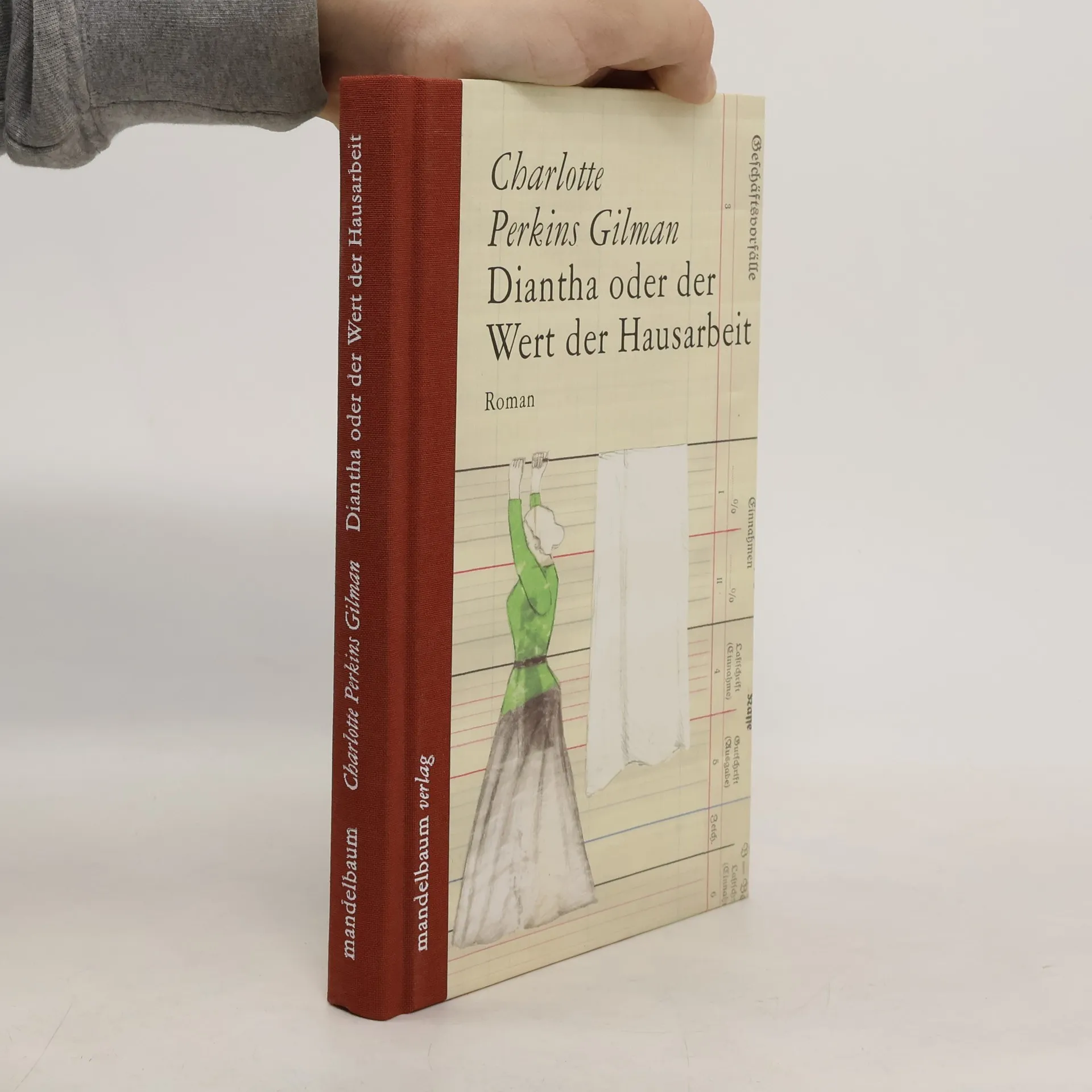
»Da gehst du hin und rechnest gegen kalte Dollar die Arbeit auf, die jedes anständige Mädchen glücklich ist, für seine Familie zu tun!« Die US-amerikanische Schriftstellerin und Frauenrechtlerin Charlotte Perkins Gilman entwirft 1910 in ihrem Roman die Idee der Frauenbefreiung durch Professionalisierung und Auslagerung von Hausarbeit. Die junge Diantha macht sich auf, selbständig und Unternehmerin zu werden. Sie kann ihren Geliebten nicht heiraten, solange dieser für den Unterhalt seiner Mutter und beider Schwestern aufkommen muss, da er sich einen zweiten Haushalt nicht leisten kann. Diantha bricht mit den Konventionen, beschließt nicht zu warten, verlässt Geliebten und Eltern, arbeitet als Dienstmädchen und gründet schließlich ein Unternehmen. Sie bietet haushaltsnahe Dienstleistungen an, baut einen Lieferdienst für Essen auf und übernimmt schließlich die Führung eines Hotels. Dianthas Aufstieg wird hier zur konkreten Utopie, die gleichermaßen als soziale Innovation und als Geschäftsmodell entwickelt wird. Diantha ermutigt andere Frauen und wird von ihnen in ihrem Aufstieg vorangetrieben. Der Roman, in Gilmans eigener Monatszeitschrift The Forerunner als Fortsetzungsroman abgedruckt, erscheint nun erst mals auf Deutsch.
Charlotte Perkins Gilman (1860-1935) ist das zweite Kind von Mary A. Finch und Frederick B. Perkins, einem Neffen von Harriet Beecher Stowe, der Autorin von „Onkel Toms Hütte“. Der Vater, Schriftsteller und Bibliothekar, verlässt die Familie bald. Die Mutter schlägt die Familie mit Gelegenheitsarbeiten durch. Gilman besucht die Kunstgewerbeschule, danach entwirft sie Grußpostkarten und arbeitet als Hauslehrerin. 1884 heiratet sie den Kunstmaler Charles Walter Stetson und bekommt von ihm 1885 eine Tochter. Nach der Geburt hat Charlotte Perkins Gilman tiefe Depressionen. Ein Spezialist in Philadelphia verordnet ihr eine Ruhekur, bei der jegliche geistige Anstrengung eingeschränkt und das Schreiben untersagt ist. Durch diese Kur fühlt sie sich so zerrüttet, dass sie ihre Familie verlässt und zu einer Freundin nach Pasadena in Kalifornien flieht. 1892 veröffentlicht sie mit „Die gelbe Tapete“ ihre erste Kurzgeschichte, die auf den Erfahrungen aus der Zeit ihrer Nervenkrise basiert. Die Veröffentlichung führt zu heftigen Reaktionen. „Die gelbe Tapete“ gilt bis heute als literarisches Meisterwerk. Nach Charlotte Perkins Gilman 1934 an Brustkrebs erkrankt war, nahm sie sich ein Jahr später, mittels einer Überdosis Chloroform, das Leben.
Sozialkritik als Gothic Novel und ein utopischer Roman gegen Diskriminierung
Charlotte Perkins Gilmans einflussreichste Werke in einem Band: Mit der feministischen Horrorerzählung »Die gelbe Tapete« gelang ihr 1892 der Durchbruch. Eine junge Frau wird nach der Geburt ihres Kindes zu strikter Schonung verdammt, im Bett einer Dachkammer mit vergitterten Fenstern soll sie sich erholen, von ihrem Ehemann und dem Arzt streng überwacht. Doch die Muster der Wandtapete führen ein unheilvolles Eigenleben ... In Gilmans utopischem Roman »Herland« brechen drei abenteuerlustige Männer auf zu einem geheimnisvollen »Frauenland«; die Realität der friedlichen Frauengesellschaft wird das Welt- und vor allem Frauenbild der drei für immer verändern. Als erste klassisch feministische Utopie ist »Herland« in die Literaturgeschichte eingegangen. Endlich eine deutsche Ausgabe mit beiden Schlüsseltexten der großen amerikanischen Frauenrechtlerin Aufrüttelnd, fesselnd und schnell gelesen: zwei feministische Klassiker der Weltliteratur Für Leser*innen von Edgar Allen Poe und Virginia Woolf
Eine junge Frau namens Ellador entdeckt unsere Welt. Was sie entdeckt, wie sie das findet und was sie darüber denkt, diese Geschichte erzählte die Philosophin und Schriftstellerin Charlotte Perkins 1916 in ihrem Fortsetzungsroman With her in Ourland. Sie beschreibt, wie Ellador zusammen mit ihrer ersten großen Liebe Van ihre Heimat Herland verlässt und sich auf den Weg in eine viel rauere Wirklichkeit macht. Mit With her in Ourland hat Gilman ihre 1915 erschienene Geschichte Herland weitergedacht. Und indem sie das matriarchale Herland mit dem patriarchalen Ourland konfrontiert, legt sie die Problemstellen unserer Gesellschaft offen. Religion, Krieg, Sexismus sind nur einige der angesprochenen Themen. Verpackt in eine Liebesgeschichte macht Gilman Gesellschaftskritik zu einem amüsanten Leseerlebnis.
e altri racconti
In dieser Kritik der "androzentrischen Kultur" untersucht die Pionierin und Feministin Charlotte Perkins Gilman mit Witz und Einfühlungsvermögen die vielen negativen Auswirkungen der männlichen Vorherrschaft auf die Frauen sowie das Wohlergehen der Menschheit als Ganzes. Die lange Geschichte der männlichen Vorherrschaft und der weiblichen Unterordnung in unserer Gesellschaft hat die natürlichen Qualitäten der menschlichen Rasse nicht verbessert, sondern eher verzerrt, so Gilman. Dies zeigt sich in vielen Institutionen unserer Gesellschaft. In separaten Kapiteln behandelt sie Familie, Kunst, Literatur, Spiel und Sport, Ethik und Religion, Bildung, Mode, Recht und Regierung, Verbrechen und Strafe, Politik und Kriegsführung sowie Industrie und Wirtschaft. In jedem Fall zeigt sie, wie der herrschende männliche Einfluss zu schwerwiegenden Problemen geführt hat. Der Leser und die Leserin erhalten wertvolle Ratschläge, wie man die gesellschaftliche Unterdrückung durch die männliche Vorherrschaft beseitigen kann. Absolut lesenswert!
»Rundumschlag« charakterisiert wohl am besten Charlotte Perkins Gilmans Text Our Androcentric Culture or The Man-Made World, den sie 1911 veröffentlicht hat. Er machte sie schnell zu einer der wichtigsten Theoretikerinnen der ersten Frauenbewegung. Our Androcentric Culture ist eine Abrechnung mit der Männerwelt, bei der Gilman alle Facetten der männlichen/menschlichen Kultur unter die Lupe nimmt. Gilman nimmt ihre Leserinnen und Leser mit auf einen Streifzug durch unsere Welt und deckt in ihrer schnörkellosen Sprache deren männliche Prägung auf. Ihr Weg führt sie über die Themen Familie, Gesundheit und Schönheit, Kunst und Sport hin zu Politik und Wirtschaft. Gilmans Entwurf einer menschlicheren Welt für beide Geschlechter hat an Aktualität nicht verloren. Mit dem Titel Die Kultur der Männer liegt nun Gilmans feministischer Haupttext Our Androcentric Culture or The Man-Made World erstmals in deutscher Übersetzung vor. Ergänzt wird dieser durch eine biografische Einführung in Gilmans Leben und Werk.
Der Originaltext, Women and Economics, entstand im 19. Jahrhundert, hat aber nicht an Aktualität eingebüßt. Die Autorin kritisiert das wirtschaftliche Ungleichgewicht zwischen den Geschlechtern, das sich bis heute wenig verändert hat. Der wirtschaftliche Status einer Nation wird immer noch überwiegend von deren männlicher Bevölkerung bestimmt. Und solange Frauen nur ein Prozent des weltweit vorhandenen Eigentums besitzen, wird sich daran auch nichts ändern.
Als Teilnehmer einer Expedition in einem unerforschten Dschungelgebiet hören die drei männlichen Hauptpersonen des Romans, Van, Terry und Jeff, von den einheimischen Führern Berichte über ein geheimnisvolles Land, in dem angeblich nur Frauen leben. Von Abenteuerlust und ihrer Phantasie beflügelt, machen sie sich auf die Suche nach diesem sagenhaften Land der Frauen. Was sie aber schließlich entdecken, entspricht überhaupt nicht ihren Vorstellungen und verändert ihr Leben in einer unerwarteten Weise. Dieser utopische Roman entstand 1915, als in Europa der Erste Weltkrieg wütete, und ist nach wie vor überraschend aktuell. Ihrland" (Originaltitel: Herland") gilt als einer der Klassiker der modernen utopischen Literatur.
Wade Vaugh nutzt seine Position als Strafverteidiger zu Erpressungen grossen Stils. Er geniesst es, Menschen in der Hand zu haben. Davon bleibt auch seine Familie nicht verschont. Er treibt seine Frau in den Selbstmord, bevormundet deren Schwester und die Kinder und tyrannissiert die Dienstboten. Als er eines Tages gleich auf fünf verschiedene Arten ermordet in seinem Dienstzimmer gefunden wird, ist niemand schockiert. - Der Kriminalroman der amerikanischen Frauenrechtlerin Gilman entstand bereits Ende der 20er Jahre.