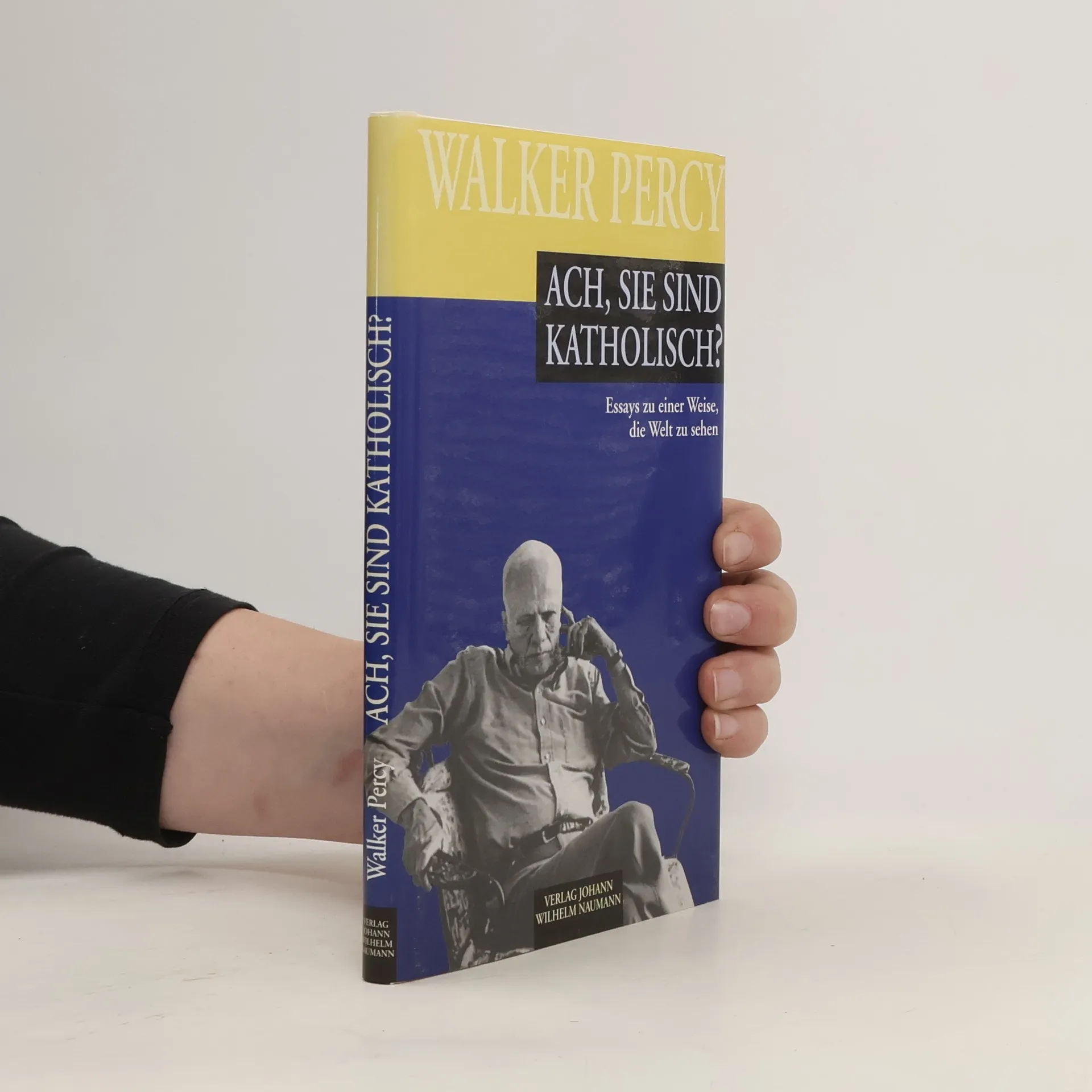

Walker Percy was een van de meest vooraanstaande Amerikaanse schrijvers van de twintigste eeuw, geroemd om zijn poëtische stijl en aangrijpende weergaven van de vervreemding van de moderne Amerikaanse cultuur. Zijn werk duikt in de zoektocht naar betekenis in de hedendaagse wereld en onderzoekt vragen over geloof, identiteit en het moderne leven. Percy's unieke stem en literaire inzicht bieden lezers een diepe reflectie op de menselijke conditie. Zijn schrijven wordt geprezen om zijn onderscheidende benadering van existentiële thema's in een Amerikaanse context.
In the late 1940s, Walker Percy and Shelby Foote, friends since their teenage years in Greenville, Mississippi, began a correspondence that would last until Percy's death in 1990. Their letters provide a rich record of an enduring literary and personal friendship. Walker Percy, winner of the National Book Award, wrote six novels, two volumes of philosophical writings, and numerous essays on topics ranging from the aesthetics of bourbon drinking to race and integration in
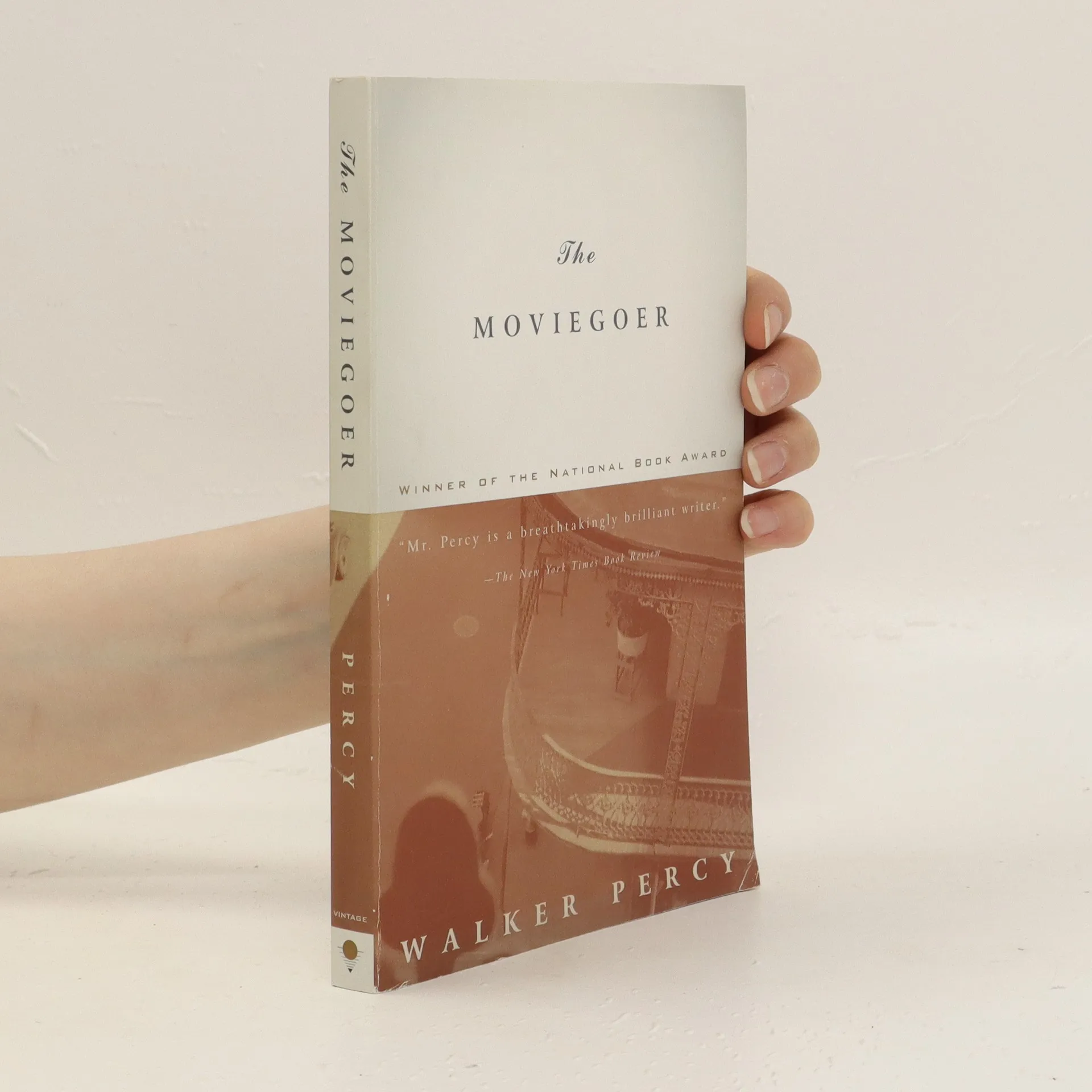
The Moviegoer / The Last Gentleman / Love in the Ruins
1000bladzijden
35 uur lezen
Exploring themes of spiritual searching and modern angst, this volume compiles three influential works by a Southern physician-turned-novelist. The Moviegoer follows Binx Bolling, a New Orleans stockbroker seeking meaning through cinema. The Last Gentleman features a southerner in New York grappling with amnesia and existential dread. Love in the Ruins presents Dr. Thomas More, a psychiatrist confronting a fractured America. Additionally, the collection includes three insightful nonfiction pieces by the author, enhancing the understanding of his literary contributions.
A green hunting cap squeezed the top of a fleshy head, with earflaps and large ears sticking out like turn signals. Meet Ignatius J. Reilly, the tragicomic hero of this tale. At 30, he lives with his mother in New Orleans, writing his magnum opus on hidden Big Chief pads and recounting a traumatic Greyhound journey. His quiet life of tyrannizing his mother is disrupted when Patrolman Mancuso mistakes him for a vagrant, leading to a car accident with his tipsy mother. Suddenly, Ignatius finds himself searching for a job, stumbling through various misadventures. His brief stint as a hotdog vendor fails, and he upends the Levy Pants Company. Along the way, he encounters a cast of colorful characters, including stripper Darlene and her cockatoo, the thwarted retiree Miss Trixie, the flamboyant Dorian Greene, the sinister Miss Lee, and Myrna Minkoff, the woman he loves to hate. The intricate subplots rival those of Dickens, beautifully woven together by the end. Ignatius, selfish and deluded yet larger than life, is a modern-day Quixote facing contemporary giants. His comedic bluster conceals a deep melancholy, making him a poignant figure. John Kennedy Toole, who tragically took his own life in 1969, left behind Ignatius as a fitting tribute to his tormented genius.
Lancelot Lamar is a disenchanted lawyer who finds himself confined in a mental asylum with memories that don't seem worth remembering. It all began the day he accidentally discovered he was not the father of his youngest daughter, a discovery which sent Lancelot on modern quest to reverse the degeneration of America. Percy's novel reveals a shining knight for the modern age--a knight not of romance, but of revenge.
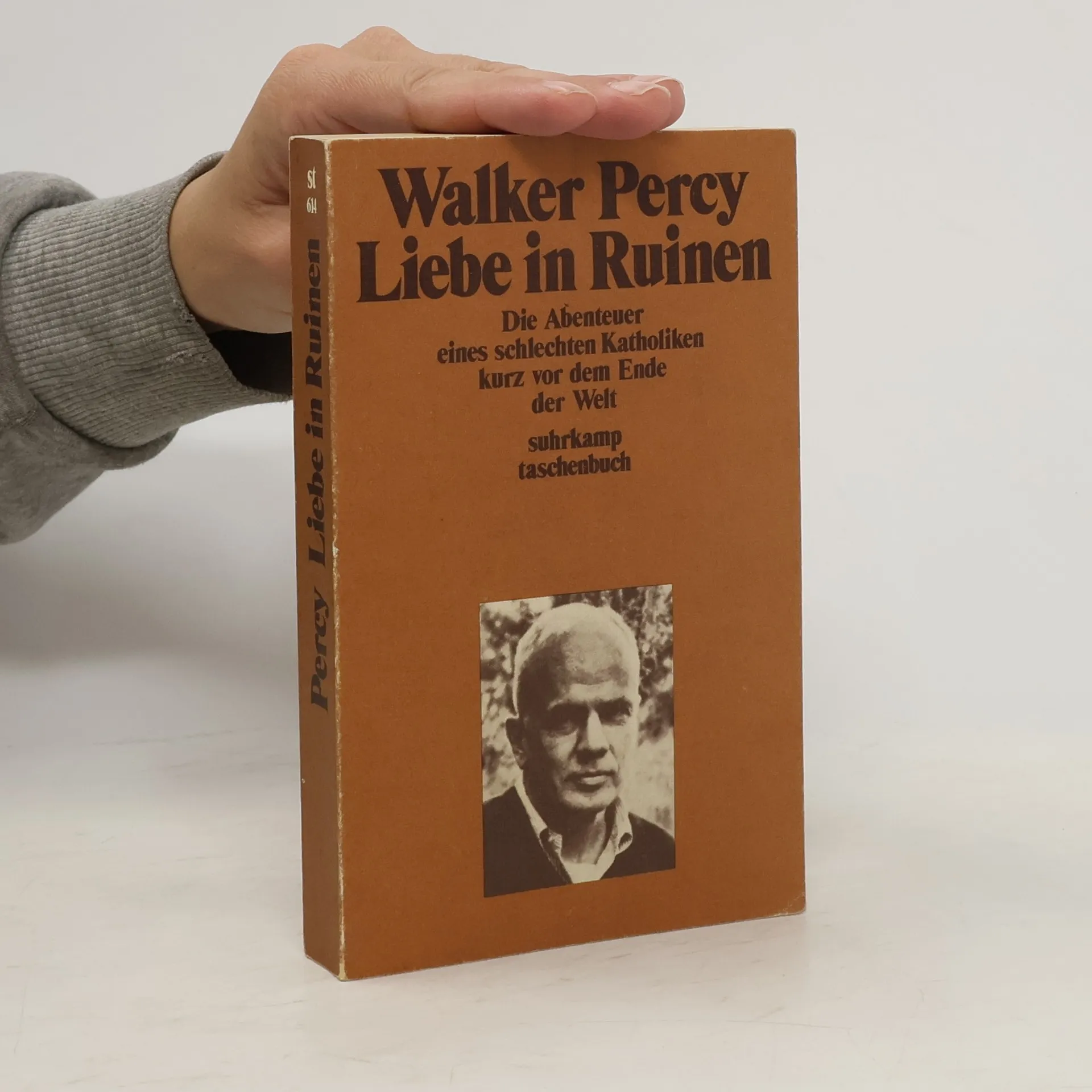
When Dr. Tom More is released on parole from state prison, he returns to Feliciana, Louisiana, the parish where he was born and bred, where he practiced psychiatry before his arrest. He immediately notices something strange in almost everyone around him: unusual sexual behavior in women patients, a bizarre loss of inhibition, his own wife's extraordinary success as bridge tournaments, during which her mind seems to function like a computer. With the help of his attractive cousin, Dr. Lucy Lipscomb, Dr. More begins to uncover a criminal experimentto "improve" people's behavior by drugging the local water supply. But beyond this scheme are activities so sinister that Dr. More can only wonder if the whole world has gone crazy -- or he has . . .
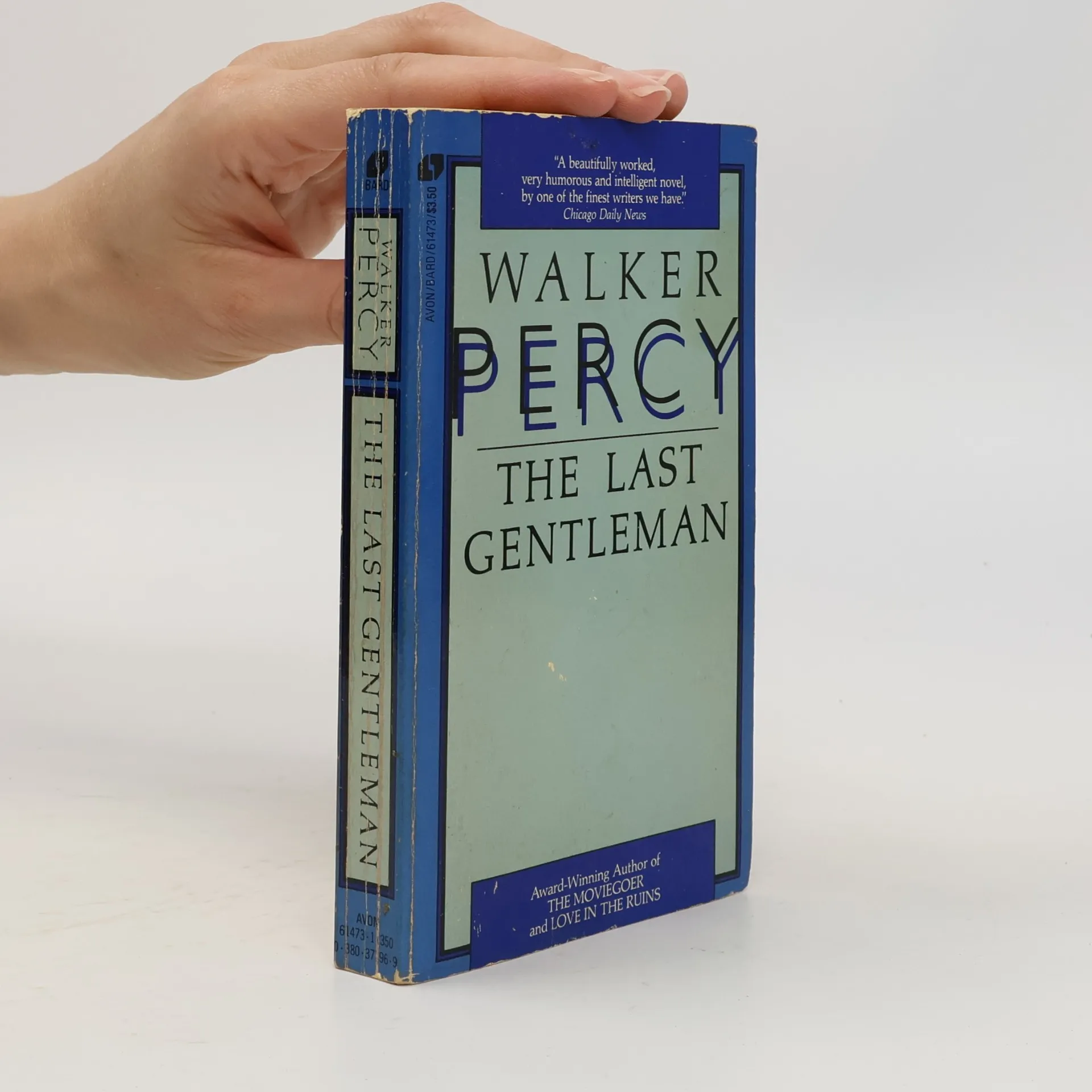
Der Südstaatler William Barrett lebt relativ ziel- und sorglos in New York. Eines Tages will er im Central Park einen Wanderfalken mit dem Teleskop beobachten. Zufällig sieht er, wie eine Frau eine Nachricht in einer Parkbank versteckt. Sein Interesse ist geweckt, und tatsächlich wird wenig später der »tote Briefkasten« von einer jungen Frau geleert, in die sich William auf den ersten Blick verliebt. Mit der Familie der jungen Frau kehrt er, als Betreuer von deren todkrankem Bruder, in seine Heimat zurück. Mit dieser Heimkehr ist seine Suche nach der Wahrheit über sich und die moderne Welt jedoch nicht abgeschlossen – im Gegenteil: Er muß sie, in seiner zurückhaltenden Art, gegen die zahlreichen Möglichkeiten, sich in der ziellosen Geschäftigkeit der Gegenwart zu verlieren, behaupten.