Two-Man Air Force
- 176bladzijden
- 7 uur lezen
Includes the story of two fast living and fast flying World War Two legends.




Includes the story of two fast living and fast flying World War Two legends.
A comprehensive and vivid history of the North American Mustang, one of the most important aircraft of the last century.
Based on historic events, and frighteningly relevant to today's headlines -- a taut thriller about one American diplomat’s year of living dangerously in Tehran in the days leading up to the Iranian Revolution … In the style of Alan Furst, this suspenseful thriller -- based on real events -- places an idealistic American diplomat in a turbulent, US-hating Tehran in the days leading up to the Iranian Revolution. Backed by the CIA, and trailed by a beautiful and engaging French journalist he suspects is a spy, David Weiseman's mission is to ease the Shah of Iran out of power and find the best alternative between the military, religious extremists, and the political ruling class -- many of whom are simultaneously trying to kill him.
This book examines the reality behind the myths of the legendary RAF fighter aces during the Battle of Britain. Includes experiences of fighter pilots based on archival research, diaries, letters, published and unpublished memoirs and personal interviews with well known veterans.
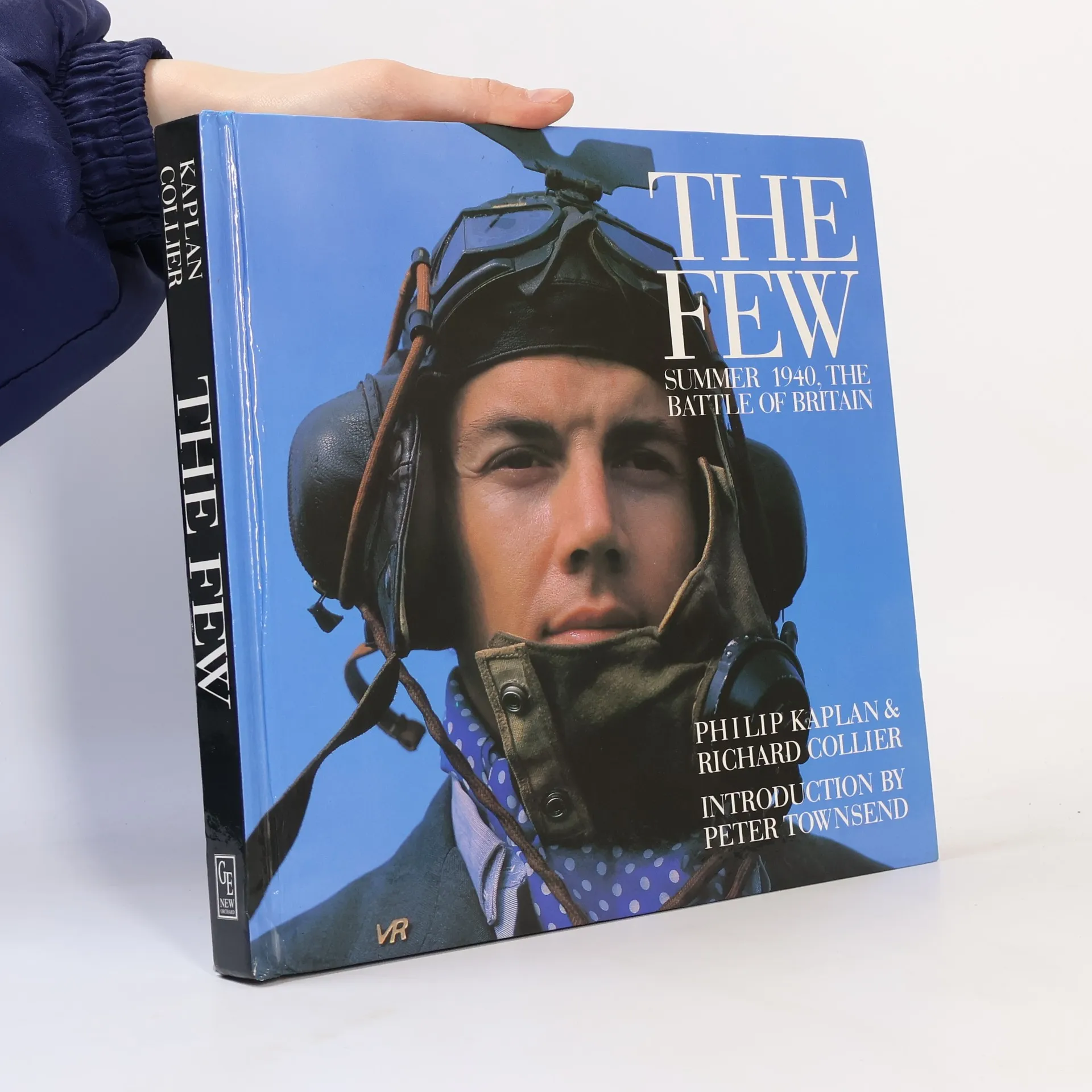
A concise and engaging pictorial history of the Battle of Britain featuring photographs of both the German and British pilots and aircraft that characterized this critical time. It Incorporates first-hand accounts from such notable participants as Al Deere, Geoffrey Page, Peter Townsend, and Ginger Lacey.
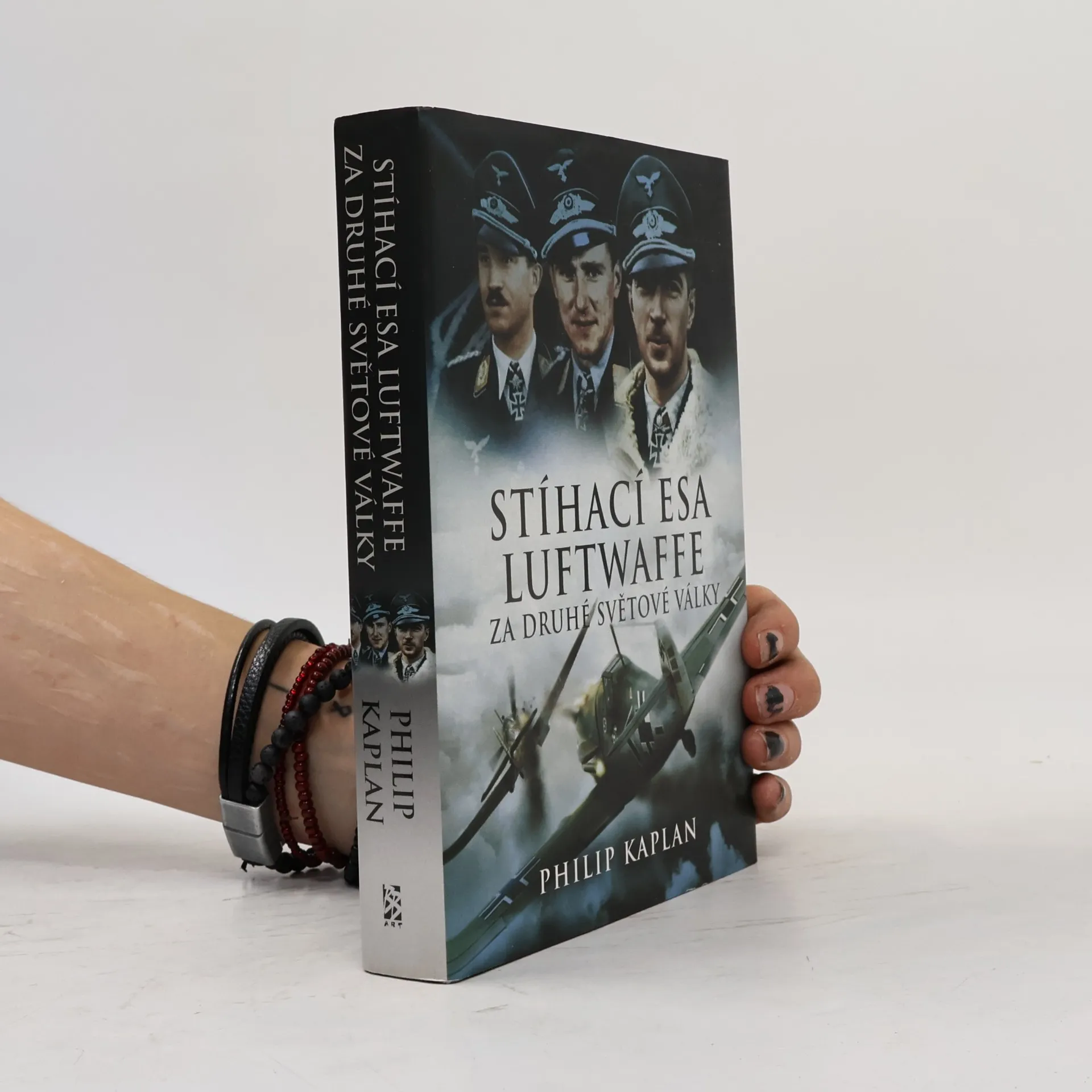
Prawda ukryta za mitami otaczającymi legendarnych niemieckich pilotów Fascynujące losy i imponujące kariery bojowe sześciu najlepszych lotników Trzeciej Rzeszy na podstawie dzienników, listów i niepublikowanych wspomnień: Adolf Galland: 104 zestrzelone samoloty; jeden z najmłodszych generałów II wojny światowej Werner Mölders: 115 zestrzelonych samolotów;, świetny bojowy dowódca Günther Rall: 275 zestrzelonych samolotów; numer trzeci na liście najskuteczniejszych asów myśliwskich Erich Hartmann: 352 zestrzelone samoloty; najskuteczniejszy pilot myśliwski wszech czasów Johannes Steinhoff : 176 zestrzelonych samolotów; zestrzelony 12 razy, mimo straszliwych szpecących poparzeń nie przestał latać; po wojnie szef sztabu wojsk powietrznych RFN Hans-Joachim Marseille: 158 zestrzelonych samolotów; odniósł 17 zwycięstw powietrznych jednego dnia • Dlaczego tylko nieliczni lotnicy mogli się poszczycić taką liczbą wygranych walk powietrznych? • Jakie cechy posiadali najlepsi piloci myśliwscy: wrodzone uzdolnienia pilotażowe, sokoli wzrok, wybitne umiejętności strzeleckie? • Jaką taktykę walki przyjęli? PHILIP KAPLAN, amerykański autor kilkudziesięciu niezwykle popularnych książek o żołnierzach walczących po obu stronach frontu II wojny światowej, przedstawia barwne portrety najwybitniejszych pilotów myśliwskich Luftwaffe, ilustrując je fascynującymi zdjęciami.
Historik Philip Kaplan si všímá reálného pozadí mýtů o legendárních německých stíhacích pilotech a esech druhé světové války. Objasňuje, proč tak málo pilotů vybojovalo tak velký díl leteckých vítězství. Autor se zabývá jejich výkony v kontextu vývoje tehdy používaných klasických stíhaček, jako byly Messerschmitt Bf 109 a Focke Wulf Fw 190, poukazuje na jejich charakteristické rysy i výhody a nevýhody. Napsání této knihy se opírá mj. o osobní výpovědi pilotů, průzkumu archivů, deníků, korespondence a doposud nepublikovaných memoárů
Kaplan describes aircraft carriers, from the first ramshackle seaplane carriers to nuclear-powered vessels, and the planes that have flown from them - Swordfish biplanes, Hellcats, Hornets, Hawkeyes and Sea Harriers.
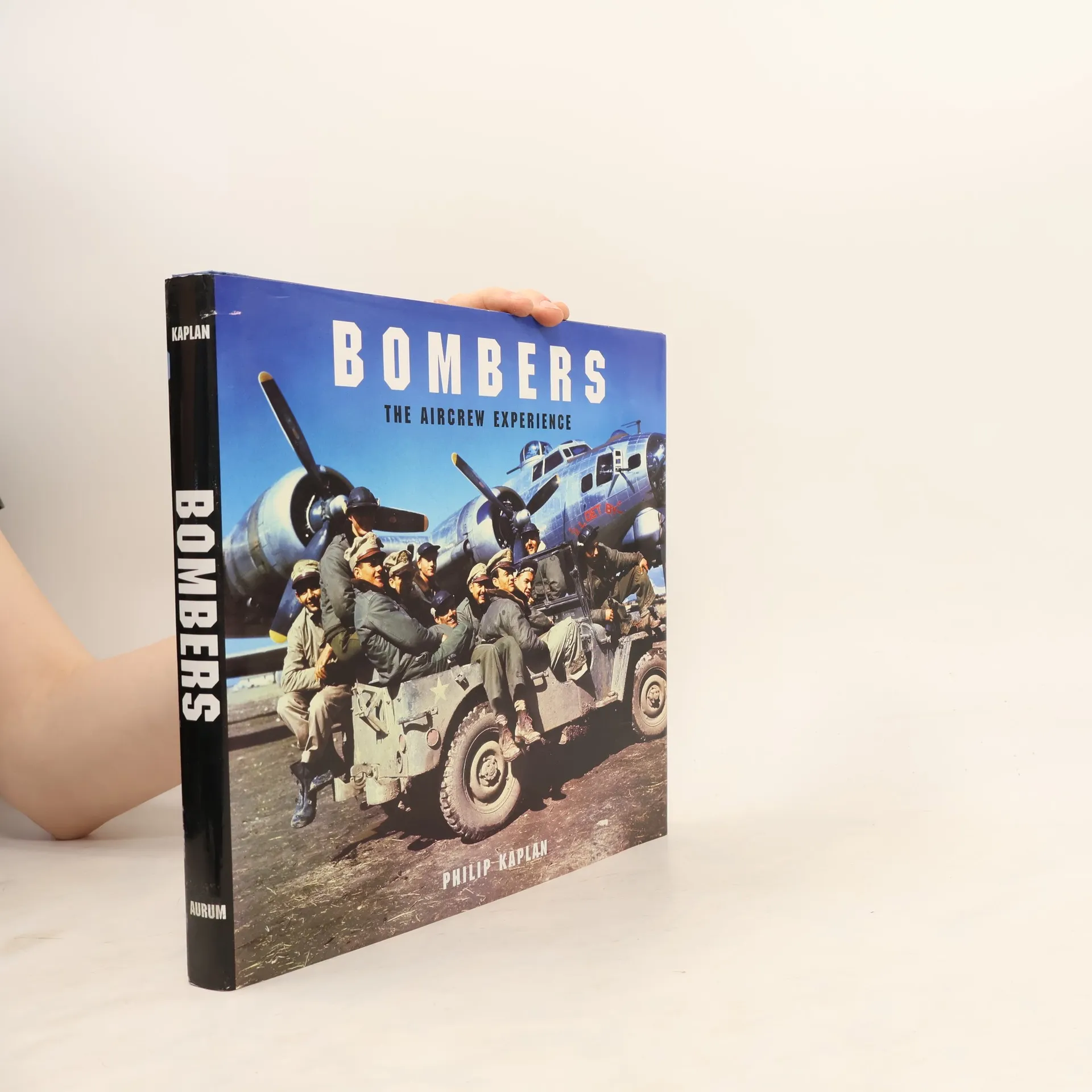
A reconstruction, in words and pictures, of the Allied air campaign against Nazi Germany during World War II. It documents the Anglo-American day-night bombing offensive, with contemporary photographs and interviews of those who took part.
"The best sort of popular military history"--Times Literary Supplement. Sixty years ago, in England's summer skies, history's greatest air battle raged. In a decisive moment, those whom Churchill so famously addressed as "the few" thwarted Hitler's planned invasion. Over 160 graphic images and riveting testimony by Allied and Luftwaffe pilots, ground crew, and civilians paint a panoramic portrait of this confrontation. Pictures of wartime locations as they were then and are now, plus vintage photos from scrapbooks and diary excerpts, provide a uniquely personal perspective.
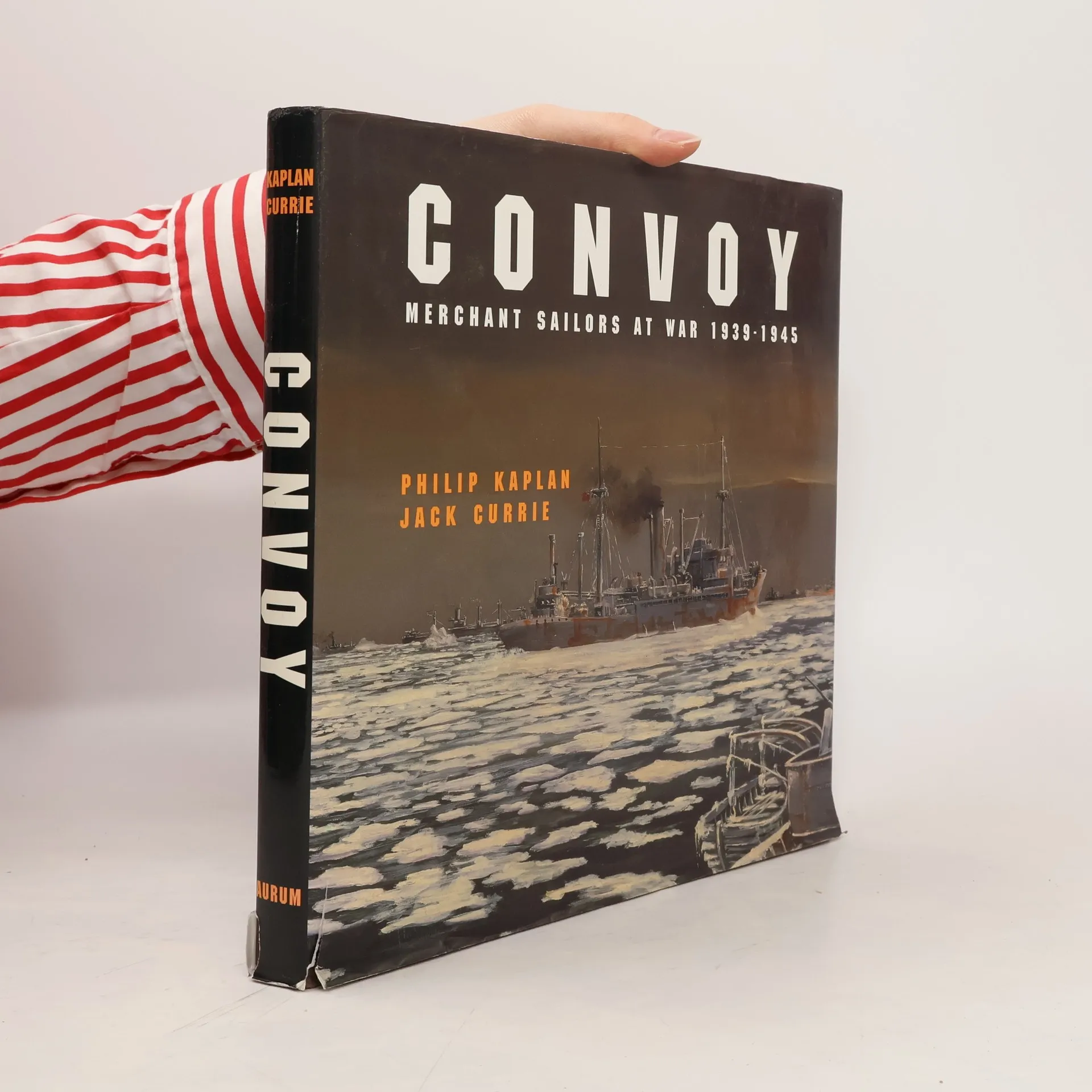
Without the merchant navies of Britain, Cana da and the USA the British would not have survived even a fe w weeks of war. In words and pictures this book honours the mariners who faced danger day after day to bring essential s upplies to Britain. '
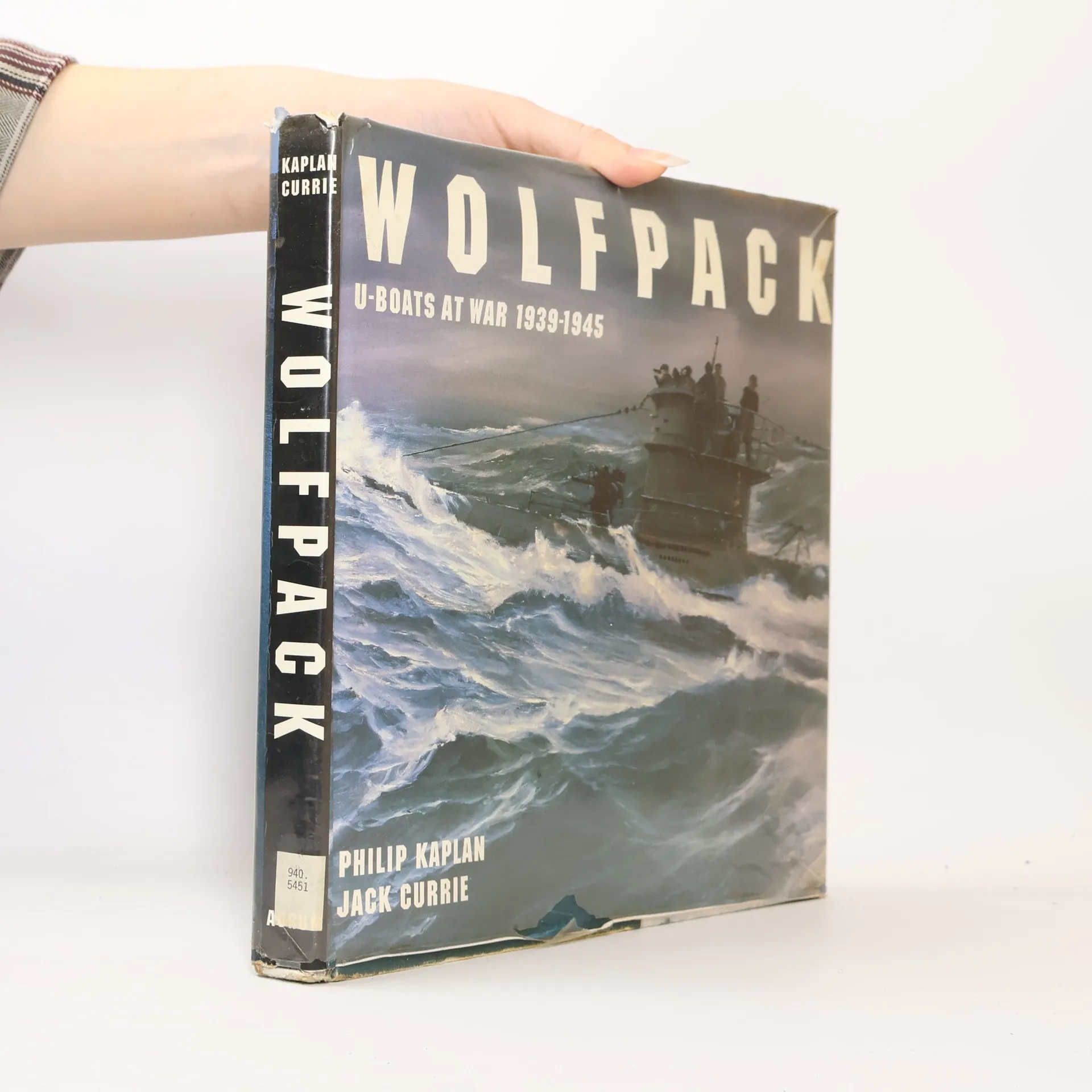
Using diaries, letters, journals, memoirs, prose and poetry the authors present a brutal but realistic portrait of the lives of the men who fought and died beneath the Atlantic during World War II. It is a story of extreme mental and physical endurance, fear, resilience and heroism.
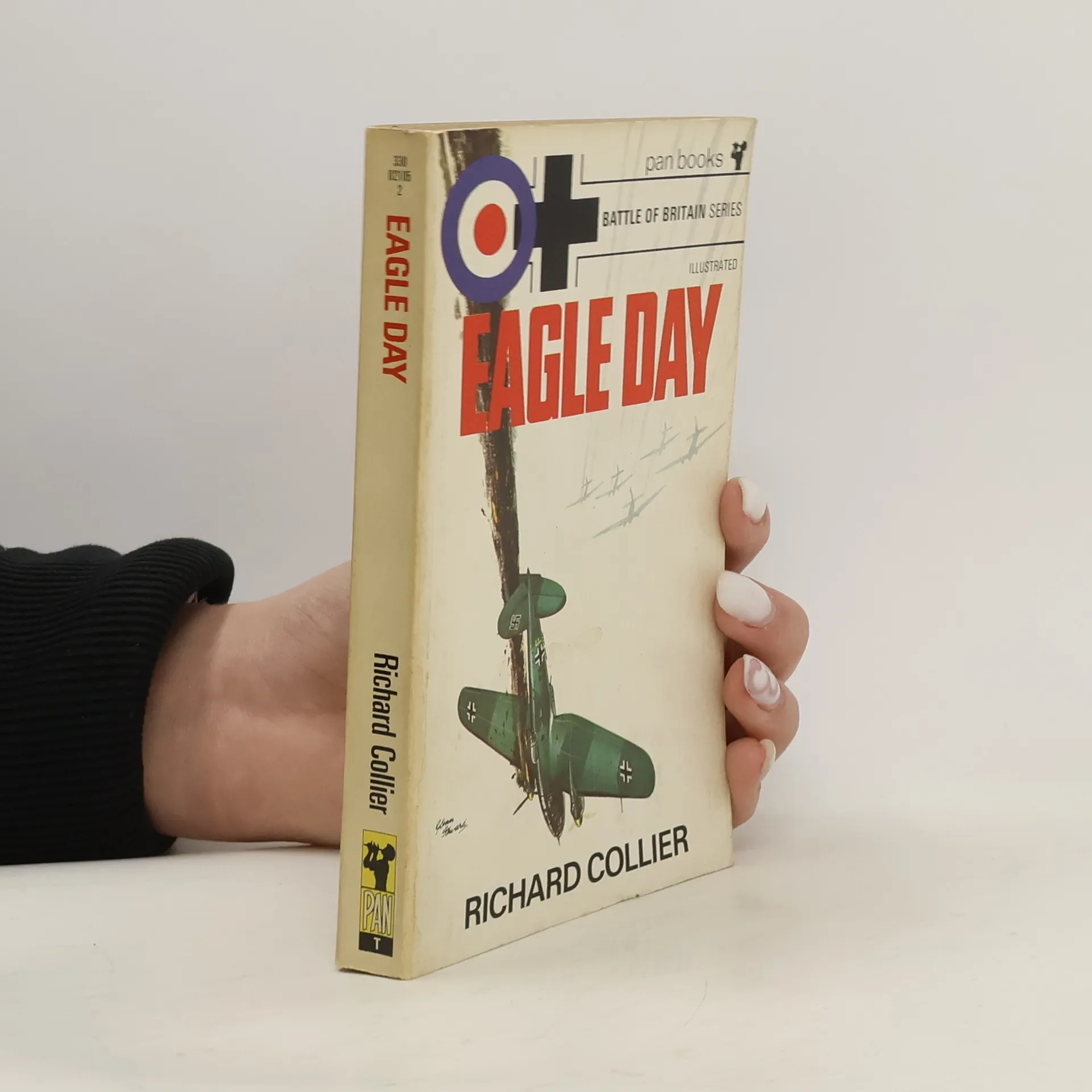
This is not only a definitive history of the six weeks over which the Battle of Britain took place, it is also a fast-moving narrative drawing on accounts from combatants on both sides. On August 13th, 1940 - Eagle Day - the long-awaited assault on the RAF was launched. Over the coming weeks the south coast of England was subject to wave after wave of attack, culminating on September 15th with the greatest offensive yet. But each time the German planes were met with a fierce resistance. This book traces the course of the Battle of Britain as it unfolded. It gives first-hand accounts of the individual pilots who daily faced the danger of gunfire, burning planes and crash landings in the sea. It tells of the dismay experienced by the men and women at RAF stations like Biggin Hill and Manston, which experienced some of the worst bombing of all. It also recounts the stories of the German pilots whose skill and determination so frequently ended in disaster.
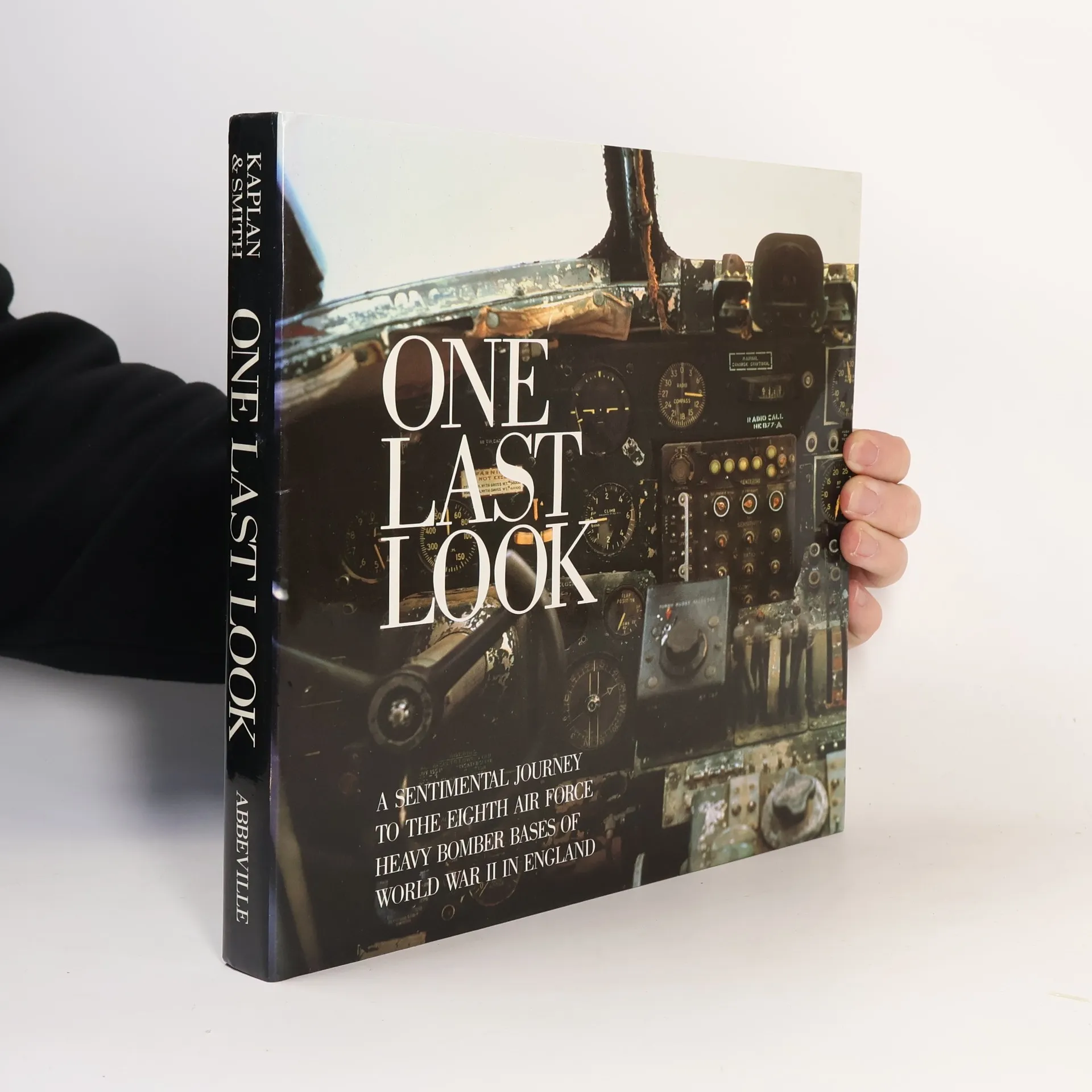
"This beautifully illustrated and sensitively designed volume returns to now-long-abandoned U.S. Army Air Force bases in England, melding photographs from World War II with recent views of overgrown runways, rusting Nissen huts, and crumbling, ghostly control towers".--American History Illustrated. 250 illustrations, 100 in color.