

The publishing house Megali focuses on reproducing historical works in large print, specifically designed to enhance accessibility for individuals with impaired vision. This initiative aims to make classic literature more readable and inclusive, ensuring that a wider audience can engage with important texts from the past.
Charles Homer Haskins Boeken
21 december 1870 – 14 mei 1937
Charles Homer Haskins was een invloedrijke Amerikaanse historicus van de Middeleeuwen, erkend als de eerste academische mediëvist in de Verenigde Staten. Zijn wetenschap verdiepte zich in de intellectuele en culturele geschiedenis van de periode, en verlichtte belangrijke instellingen en denkstromingen. Haskins' scherpzinnige proza en zijn nauwgezette aanpak lieten een blijvende erfenis na op dit gebied, en vormden de kijk op de Middeleeuwen voor generaties studenten en geleerden.




The Rise of Universities
- 122bladzijden
- 5 uur lezen
Exploring the origins of the university during the Middle Ages, this book presents three lectures by Charles Homer Haskins, detailing the evolution of higher education's structures, customs, and participants. With insights into the roles of medieval professors and students, Haskins combines expertise with wit, revealing how many ancient practices resonate with contemporary university culture. This work solidifies Haskins' status as a significant medieval historian, offering a fascinating glimpse into the formative years of academic institutions.
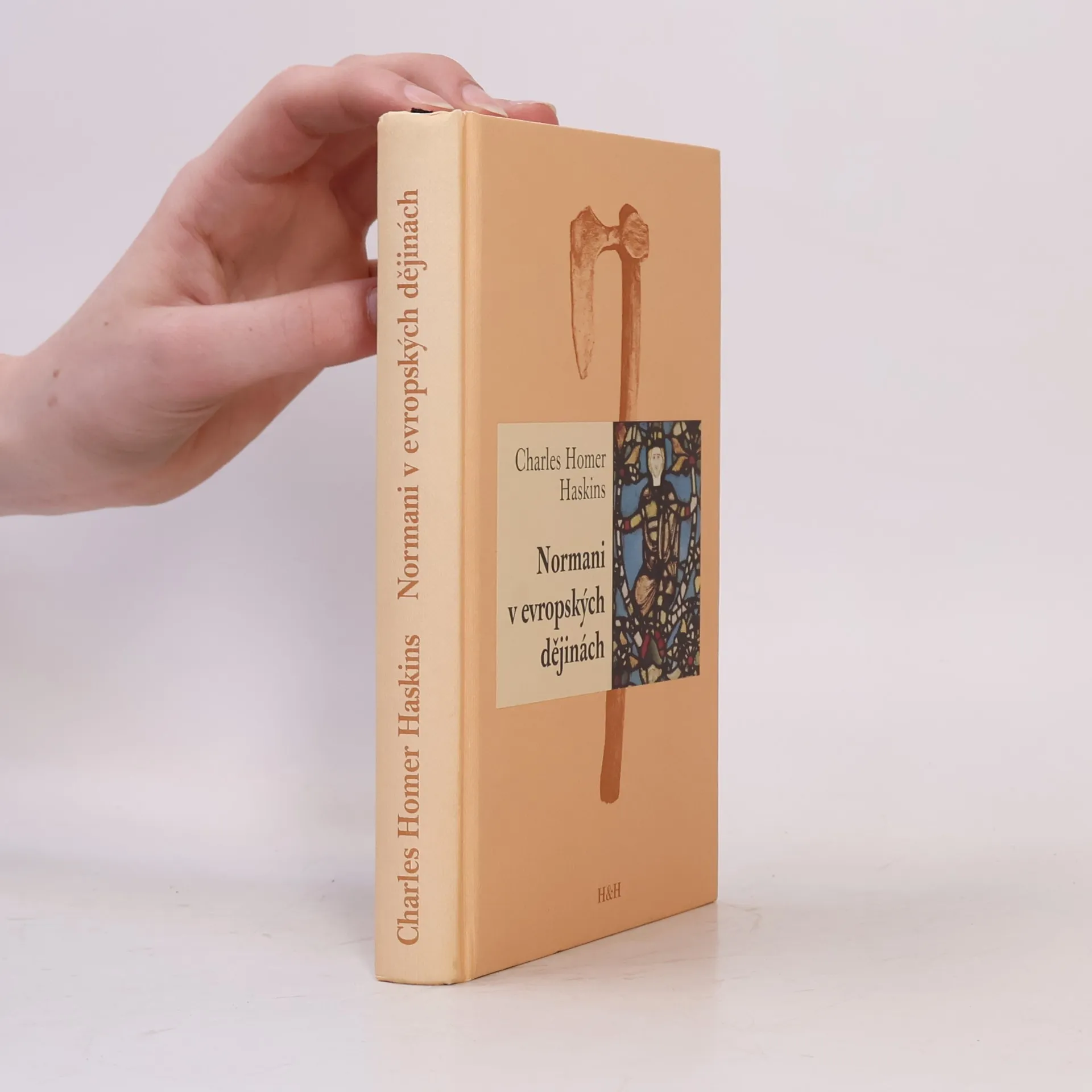
Americký medievalista Haskins je považován za jednoho ze zakladatelů významné historické školy Nová historie, těšící se na Novém kontinentě dodnes podobné vážnosti jako v Evropě francouzská škola Annales. Kniha o Normanech je jednou ze dvou jeho nejvýznamnějších studií. Na rozdíl od mnoha jiných autorů Haskins nevidí ve Vikinzích primitivní kořistnické hrdlořezy a lupiče, kteří svými nájezdy drancovali takřka celý vzdělaný svět křesťanského Západu. Normany představuje prostřednictvím jejich vysoce rozvinuté kultury a zejména důkladně propracovanými formami správy, jež jsou modelovým příkladem feudálního zřízení. Vysvětluje, proč jsou dobové zprávy o Normanech úmyslně pokřivené, jejich společnost rekonstruuje na základě analýzy vývoje oblastí, které se octly pod normanskou nadvládou. Normandie, Anglie a Sicílie se sice staly svéráznými, ale na svou dobu nebývale vyspělými regiony, které kulturně silně ovlivňovaly vývoj v celé středověké Evropě.