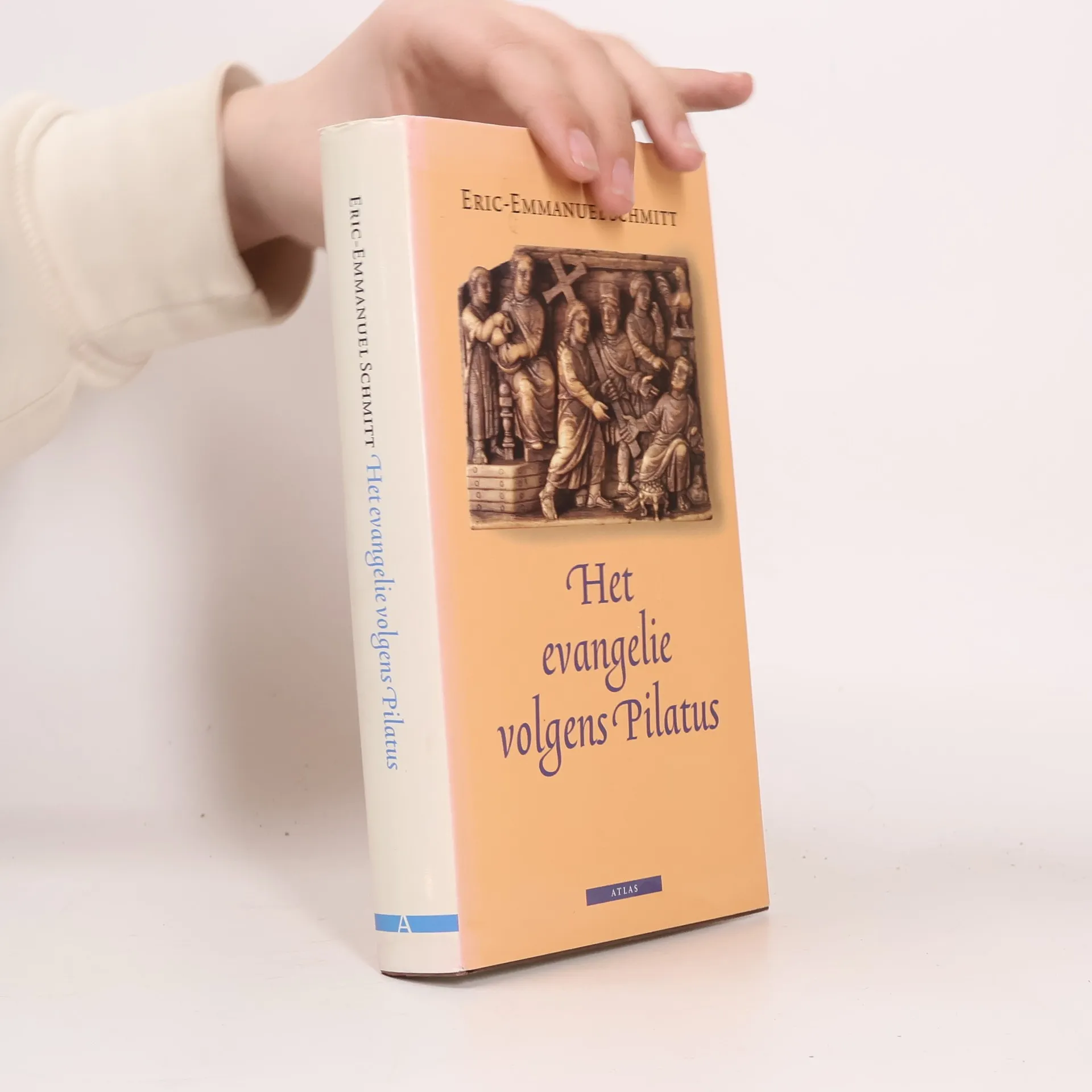
Judas, der Verräter? Pilatus, der Henker? Und Jesus, das Opferlamm? Eric-Emmanuel Schmitt mischt die Karten neu und erzählt eine etwas andere Passionsgeschichte voller Suspense und Spiritualität. Jesus Tod am Kreuz hat die Menschen in Jerusalem erschüttert. Sie sprechen von Wunder und Auferstehung. Pilatus, der römische Statthalter, hat wenig Verständnis für jüdische Verrücktheiten. Der Tote muss gefunden werden. Die Ermittlungen beginnen. Eine vertraute Geschichte. Doch es scheint, als hörten wir sie zum ersten Mal. Frei von jeder Überhöhung werden aus Jesus und Pilatus fassbare, menschliche Figuren.
Zora Obstová Volgorde van de boeken


- 2024
- 2023
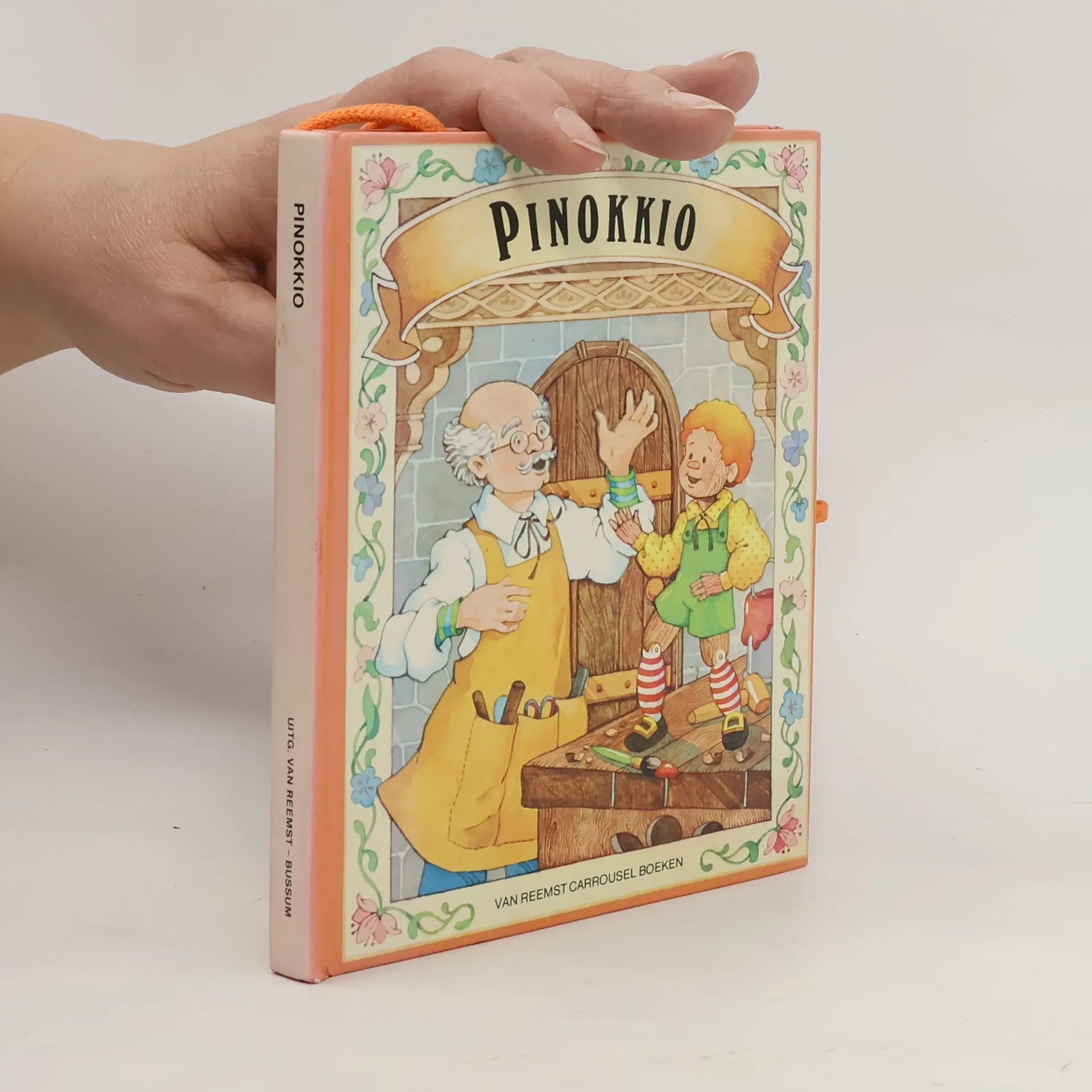
Velká klasická pohádka s neobyčejným hrdinou – dřevěným panáčkem s dlouhým nosem – se proslavila po celém světě. Panáček, kterého vyřezal pan Geppetto z polínka a pojmenoval ho Pinocchio, ožil a podstoupil neuvěřitelná dobrodružství, z nichž mnohdy vyvázl jen taktak.
- 2022
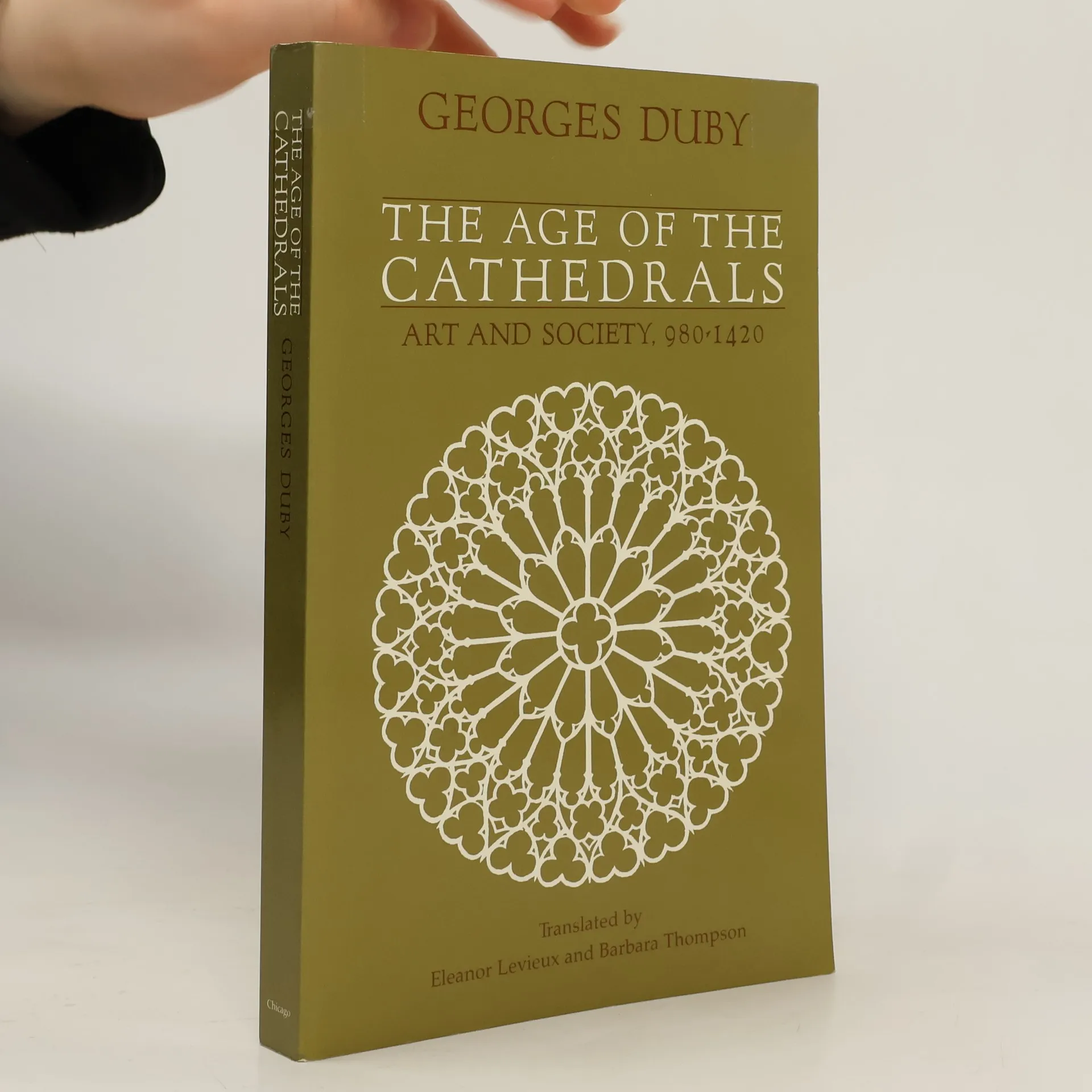
Umění a společnost 980–1420. Základní práce francouzského medievalisty, autora i u nás známé vynikající knihy Neděle u Bouvines, přináší jedinečný a u nás zcela netradiční pohled na dějiny středověkého umění. Katedrála jako sociální prostor, v němž se v nejrozvinutější podobě uplatnily dobové představy o uspořádání středověkého světa i vesmíru, Dubymu posloužila jako středobod uvažování o době mezí 8. až 14. stoletím, především v prostředí západní Evropy. Na příkladě proměn umělecké výzdoby katedrál a vývoje jejich architektonického ztvárnění autor mistrným způsobem zachycuje vztah člověka k Bohu, ke smrti a k posmrtnému životu, probuzení se lidské individuality a vedle toho i syrovost středověkého světa v jeho každodenním snažení a strádání.
- 2022
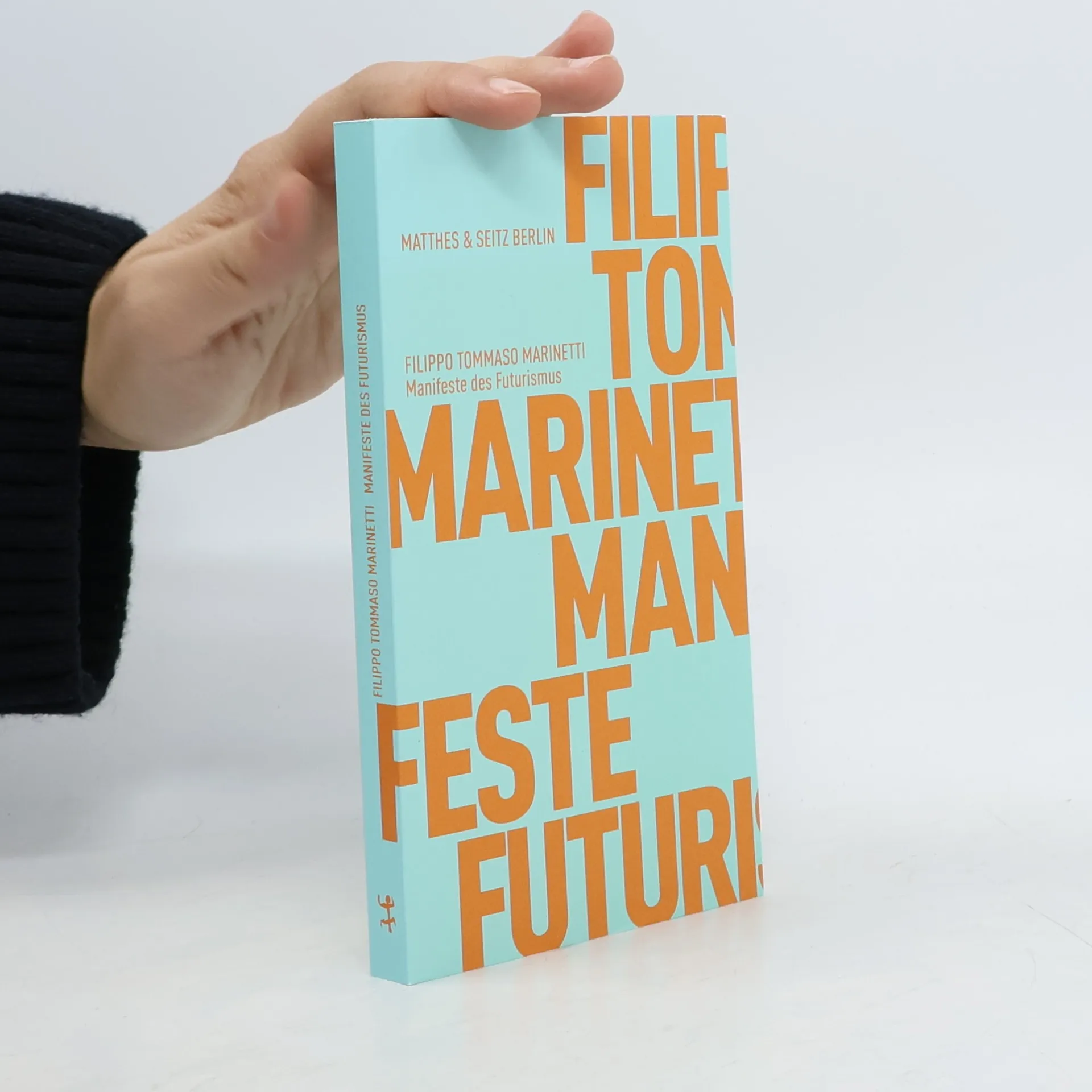
Filippo Tommaso Marinettis Manifeste des Futurismus, veröffentlicht am 20. Februar 1909 im Pariser Figaro, gilt als Initialzündung der europäischen Avantgardebewegungen und hatte eine ungeheure Folgewirkung. Es war der Aufruf zur bedingungslosen Ausrottung des Alten, um dem Neuen Raum zu verschaffen. Noch im selben Jahr legte der Autor, der zu einem Glutkern der fatalen Verflechtung von Politik und Kunst(-theorie) wurde, mit einem weiteren Manifest nach: Tod dem Mondschein. Darin radikalisiert er seinen Aufruf und zeichnet die Vision einer glorreichen Zukunft. Der vorliegende Band versammelt alle weiteren bis 1944 verfassten Manifeste Marinettis. Sie zeugen von seiner Kühnheit und instinktiven Hellsichtigkeit, verweisen im Lichte der Geschichte zugleich auf die fatalen Folgen seiner Forderungen, stellen aber darüber hinaus auch die Frage nach der Kunst in unserer heutigen Gesellschaft.
- 2016
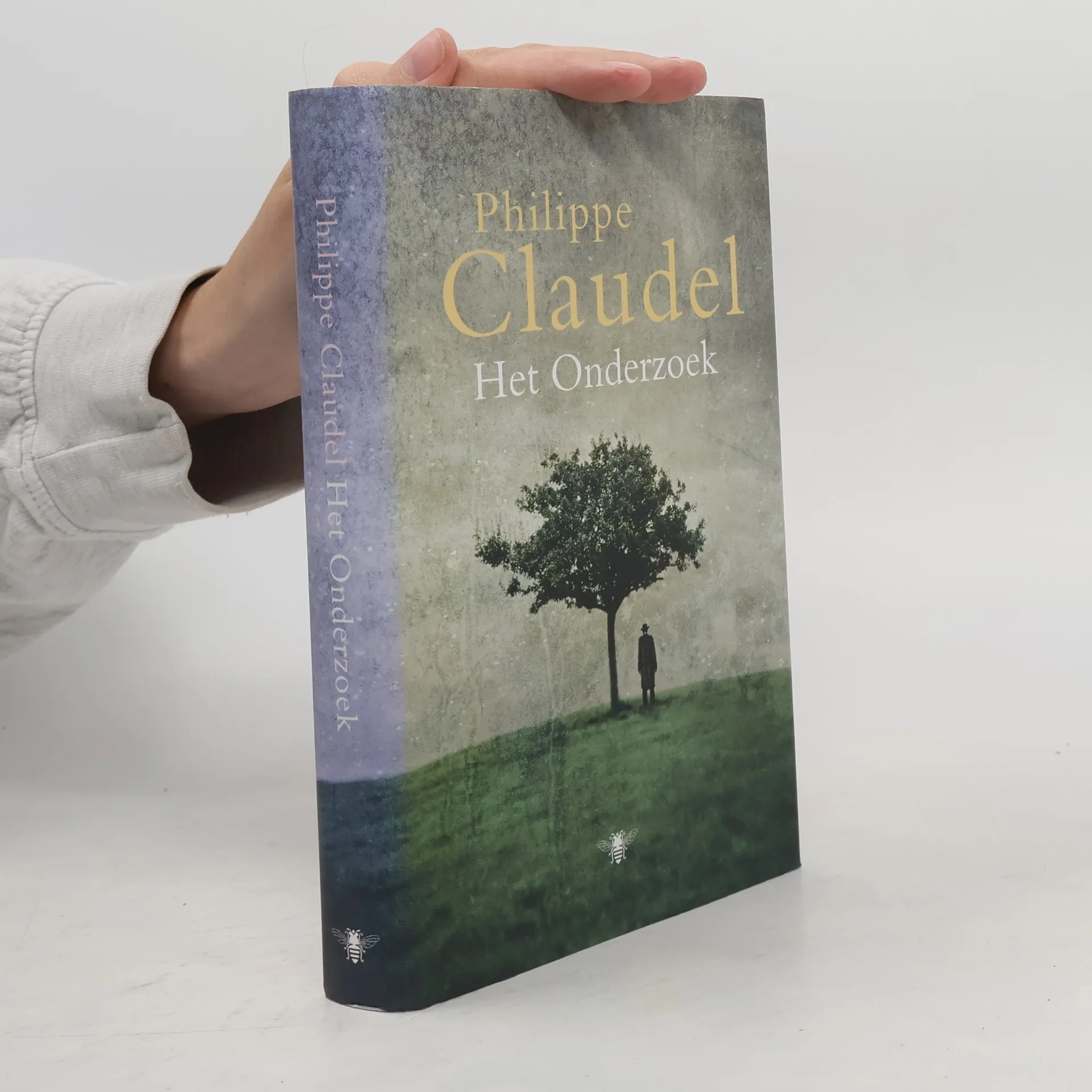
Het Onderzoek
- 252bladzijden
- 9 uur lezen
Een groot bedrijf in een industriestadje wordt getroffen door een golf van zelfmoorden. Een onderzoeker wordt eropuit gestuurd om de oorzaak te achterhalen, maar hoe harder hij zijn best doet om door te dringen in het bedrijf, hoe moeilijker het hem gemaakt wordt. Het onderzoek is een typische Claudel, met thema's als vervreemding, machteloosheid en menselijkheid. Maar het is ook een kafkaëske roman die af en toe haast surrealistisch aandoet. Hoe kan de eetzaal van het hotel waar de onderzoeker zijn intrek neemt de ene ochtend stampvol uitgelaten toeristen zitten en de volgende dag gevuld zijn met een groep sombere ontheemden? Waarom krijgt hij geen eten, geen drinken, geen bed? Terwijl hij nieuwe ontdekkingen doet, begint de onderzoeker zich af te vragen of hijzelf het slachtoffer zal worden van de helse machine die ook de anderen heeft vernietigd.
- 2015
On Ugliness
- 456bladzijden
- 16 uur lezen
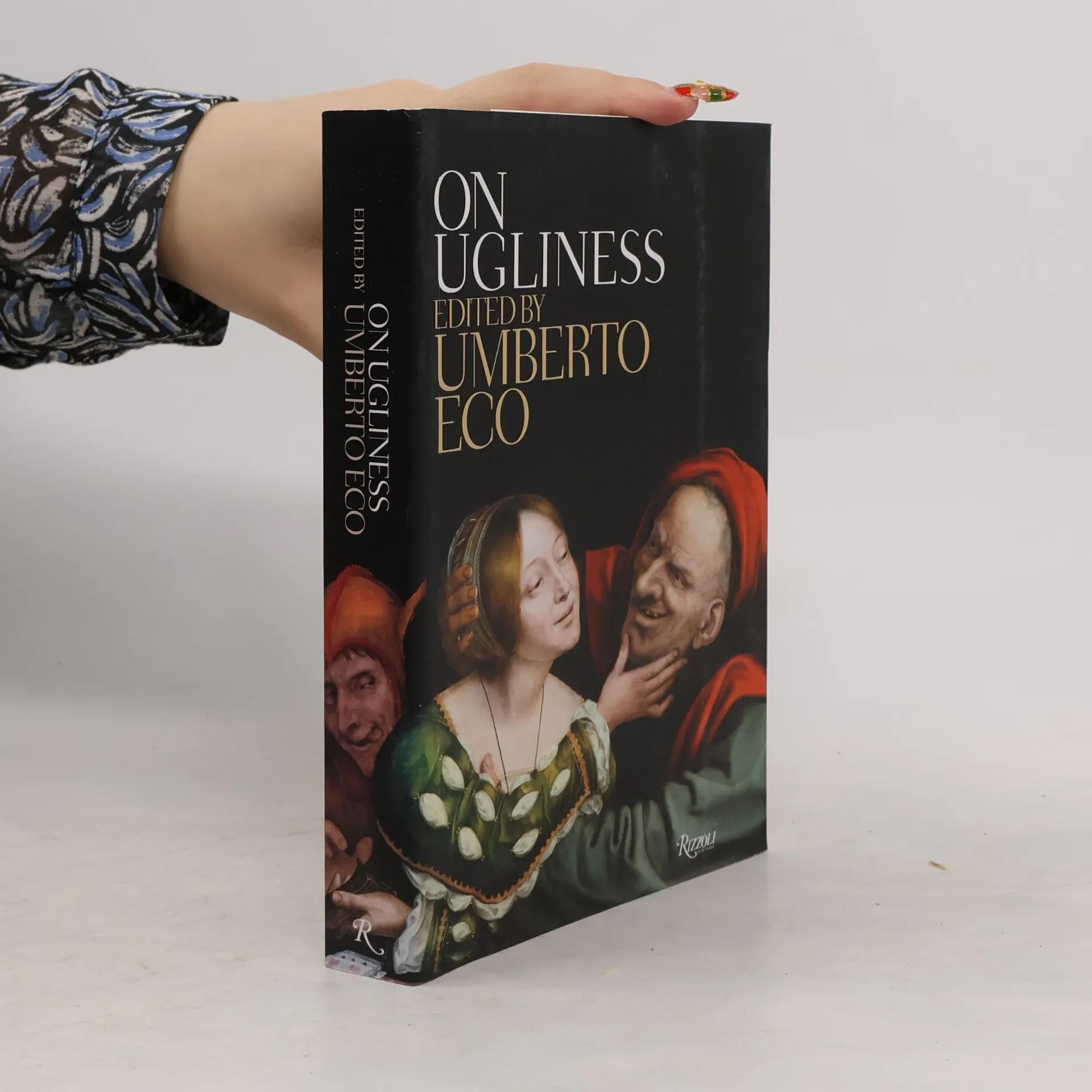
In the mold of his acclaimed History of Beauty, renowned cultural critic Umberto Eco’s On Ugliness is an exploration of the monstrous and the repellant in visual culture and the arts. What is the voyeuristic impulse behind our attraction to the gruesome and the horrible? Where does the magnetic appeal of the sordid and the scandalous come from? Is ugliness also in the eye of the beholder? Eco’s encyclopedic knowledge and captivating storytelling skills combine in this ingenious study of the Ugly, revealing that what we often shield ourselves from and shun in everyday life is what we’re most attracted to subliminally. Topics range from Milton’s Satan to Goethe’s Mephistopheles; from witchcraft and medieval torture tactics to martyrs, hermits, and penitents; from lunar births and disemboweled corpses to mythic monsters and sideshow freaks; and from Decadentism and picturesque ugliness to the tacky, kitsch, and camp, and the aesthetics of excess and vice. With abundant examples of painting and sculpture ranging from ancient Greek amphorae to Bosch, Brueghel, and Goya among others, and with quotations from the most celebrated writers and philosophers of each age, this provocative discussion explores in-depth the concepts of evil, depravity, and darkness in art and literature.
- 2015
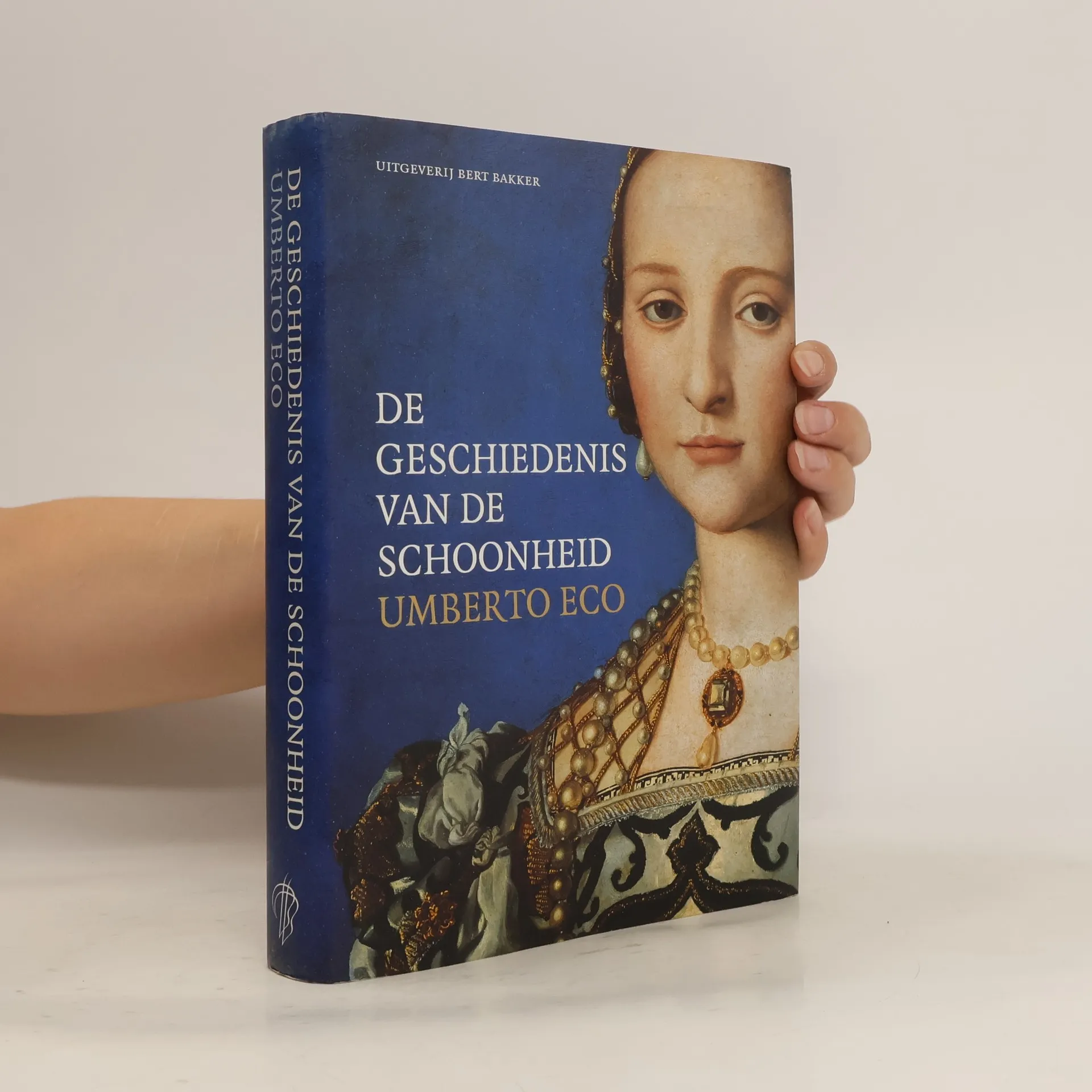
De geschiedenis van de schoonheid
- 438bladzijden
- 16 uur lezen
Overzichtswerk in woord en beeld van opvattingen over het begrip schoonheid in de geschiedenis en filosofie vanaf de Griekse beschaving.
- 2013
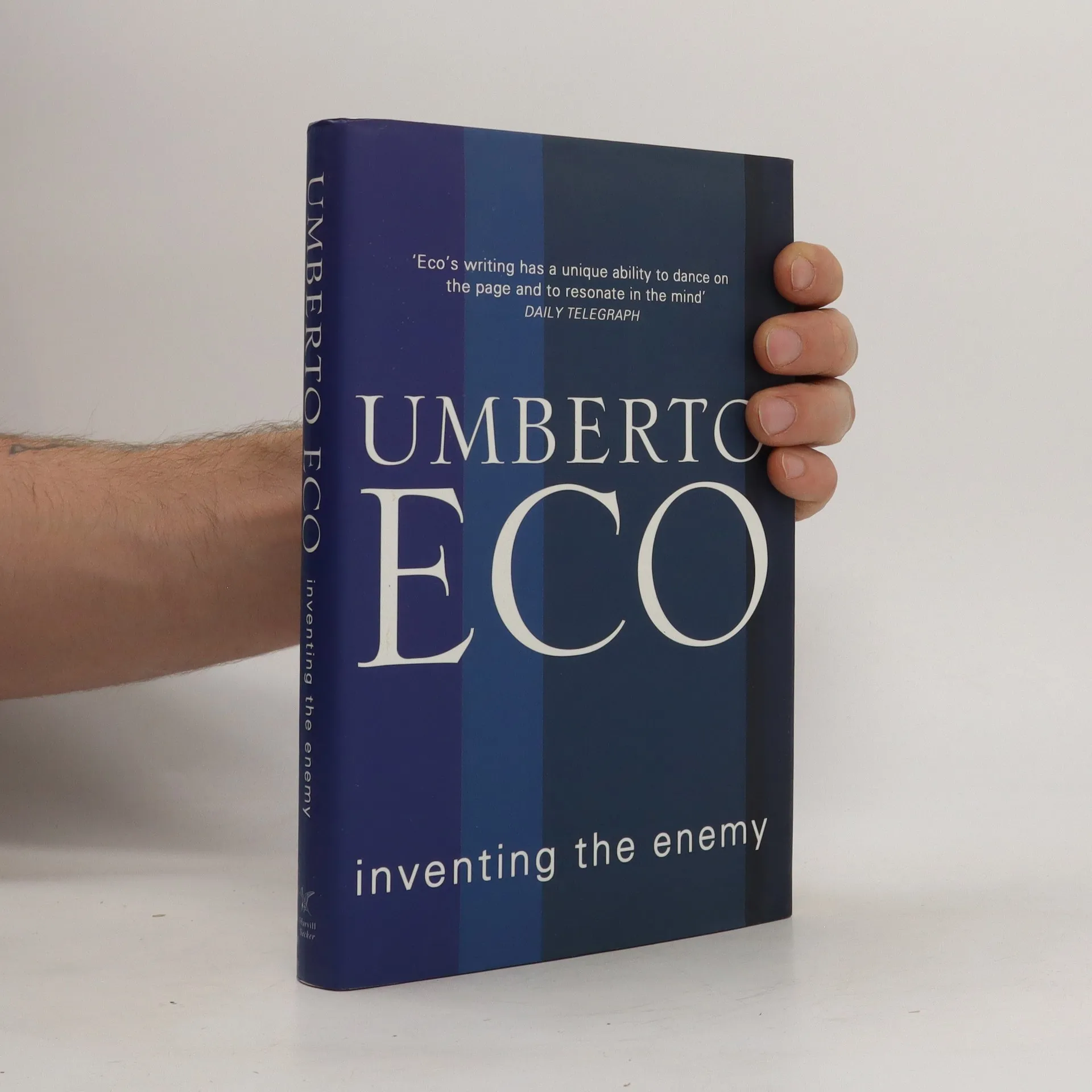
'Inventing the Enemy and Other Occasional Writings' covers a range of topics on which Umberto Eco has written and lectured over the last ten years, from the discussion of ideas that have inspired his earlier novels to a disquisition on the theme that runs through his most recent novel, that every country needs an enemy, and if it doesn't have one, must invent it.
- 2008
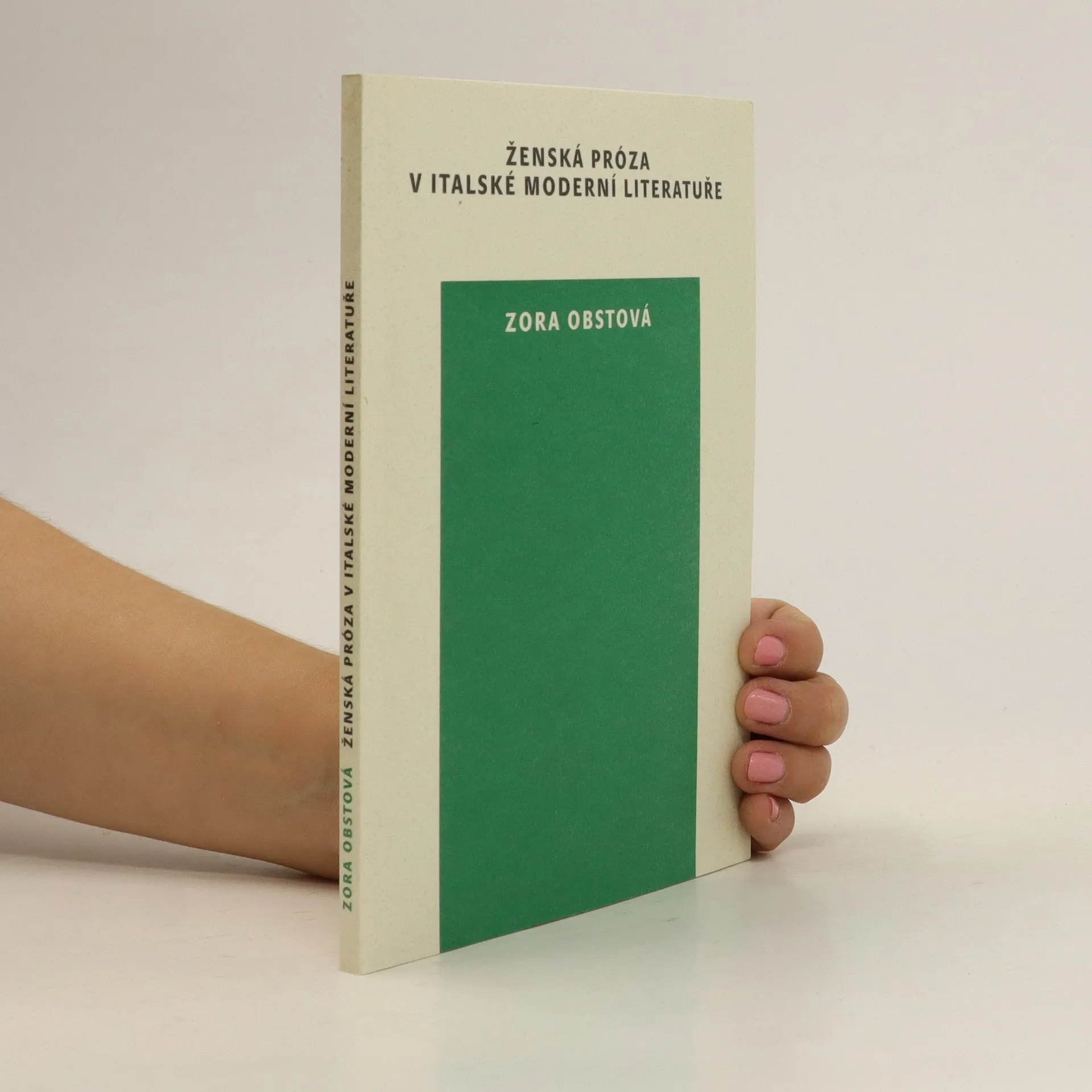
Autorka ve své knize zachycuje vývoj tvorby italských prozaiček od druhé poloviny 19. století, kdy se ženy začaly odvažovat prvních nesmělých krůčků na poli literatury, jež byla po dlouhá staletí téměř výhradní doménou mužů, až po dnešní dobu, kdy se poměr mezi spisovateli a spisovatelkami víceméně vyrovnal a mnohé autorky co do počtu prodaných výtisků předstihují mužské autory. Zároveň hledá odpověď na otázku, zda mezi tvorbou jednotlivých autorek existuje vnitřní souvislost, zda existují styčné body mezi jednotlivými díly, zda má moderní ženská literatura v Itálii privilegovaný styl, privilegovaná témata či žánry. Zvláštní pozornost je věnována nejvýraznějším představitelkám italské ženské prózy, jako byly Matilde Seraová, Grazia Deleddová, Natalia Ginzburgová, Anna Maria Ortesová či Elsa Morantová.
- 2004
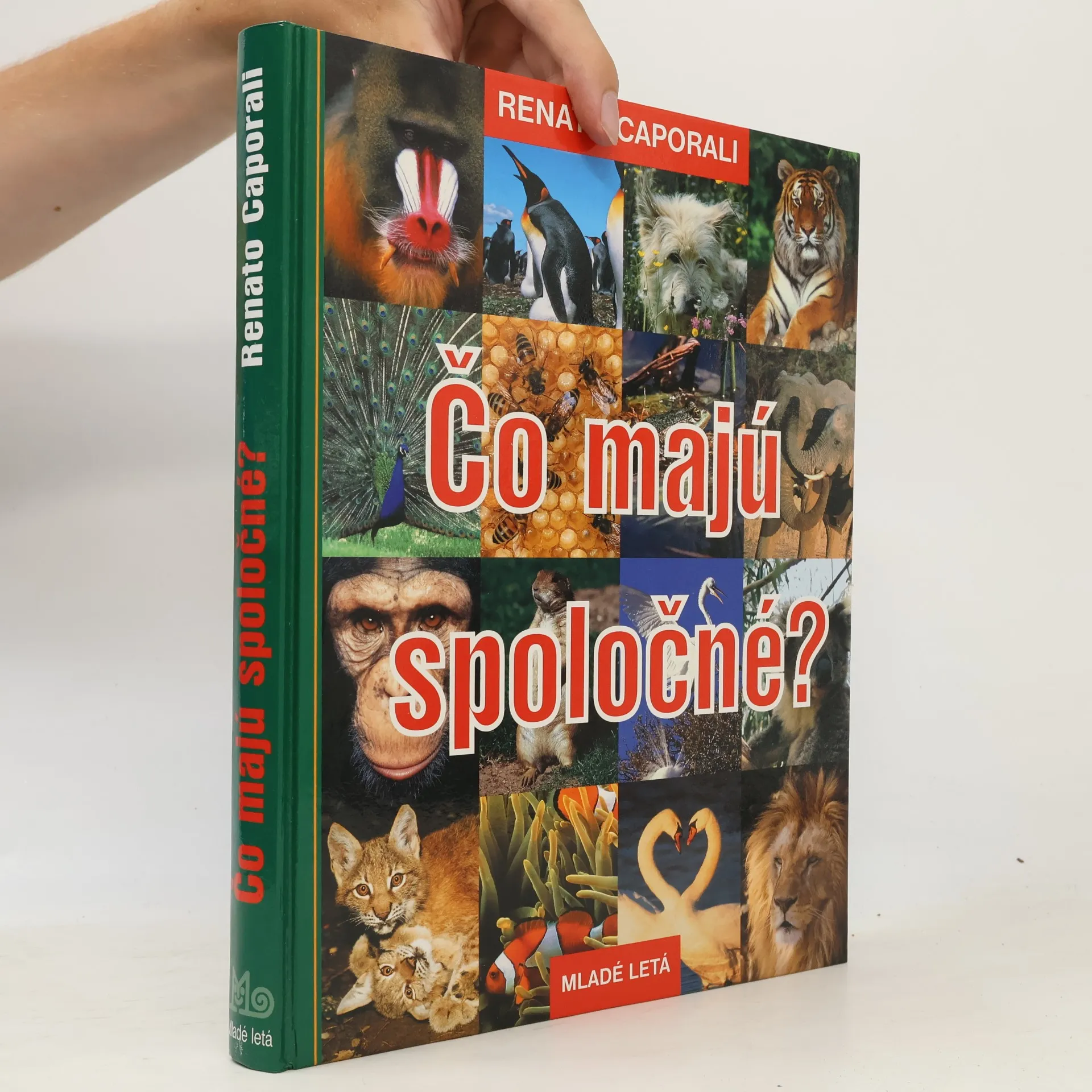
Čo majú spoločné?
- 313bladzijden
- 11 uur lezen