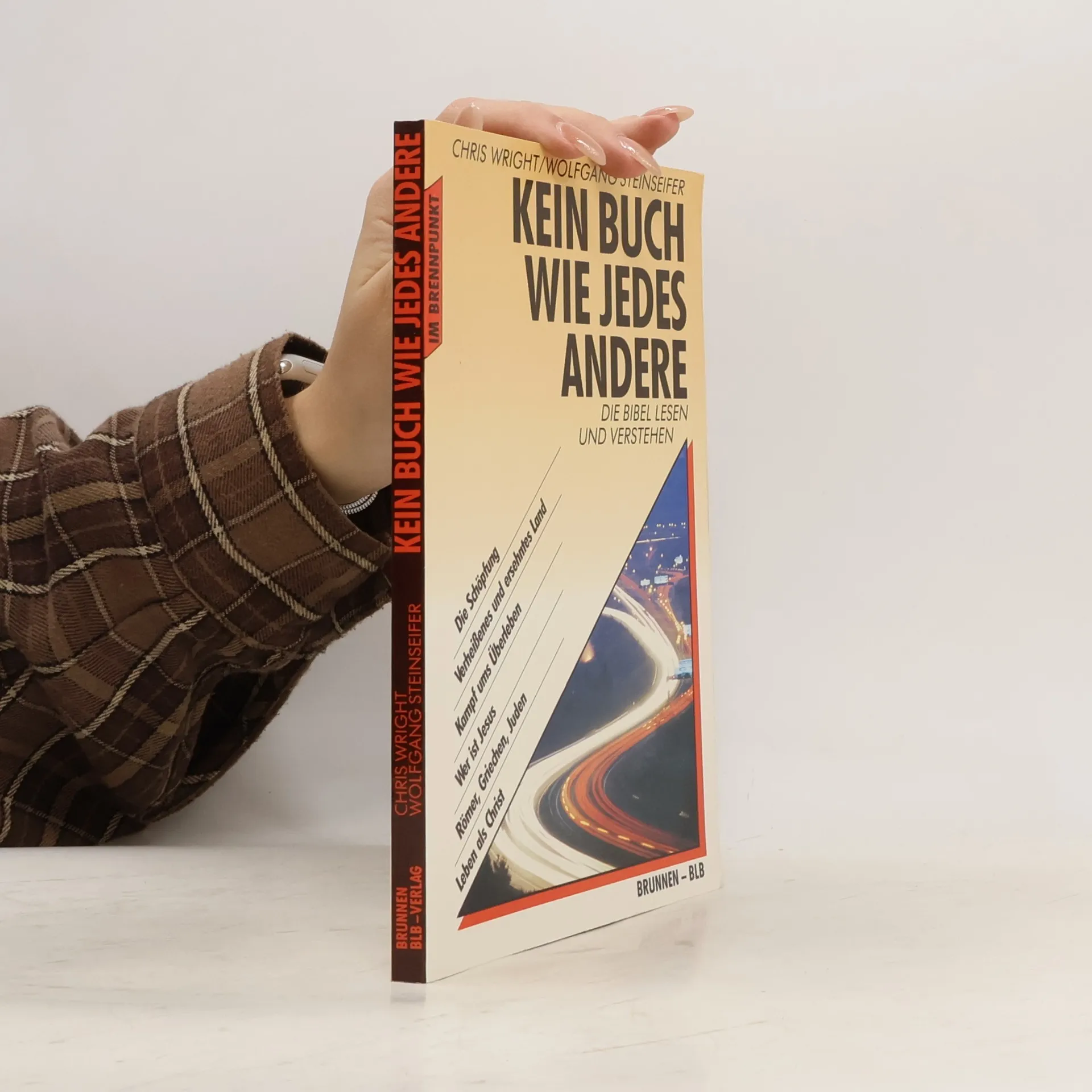
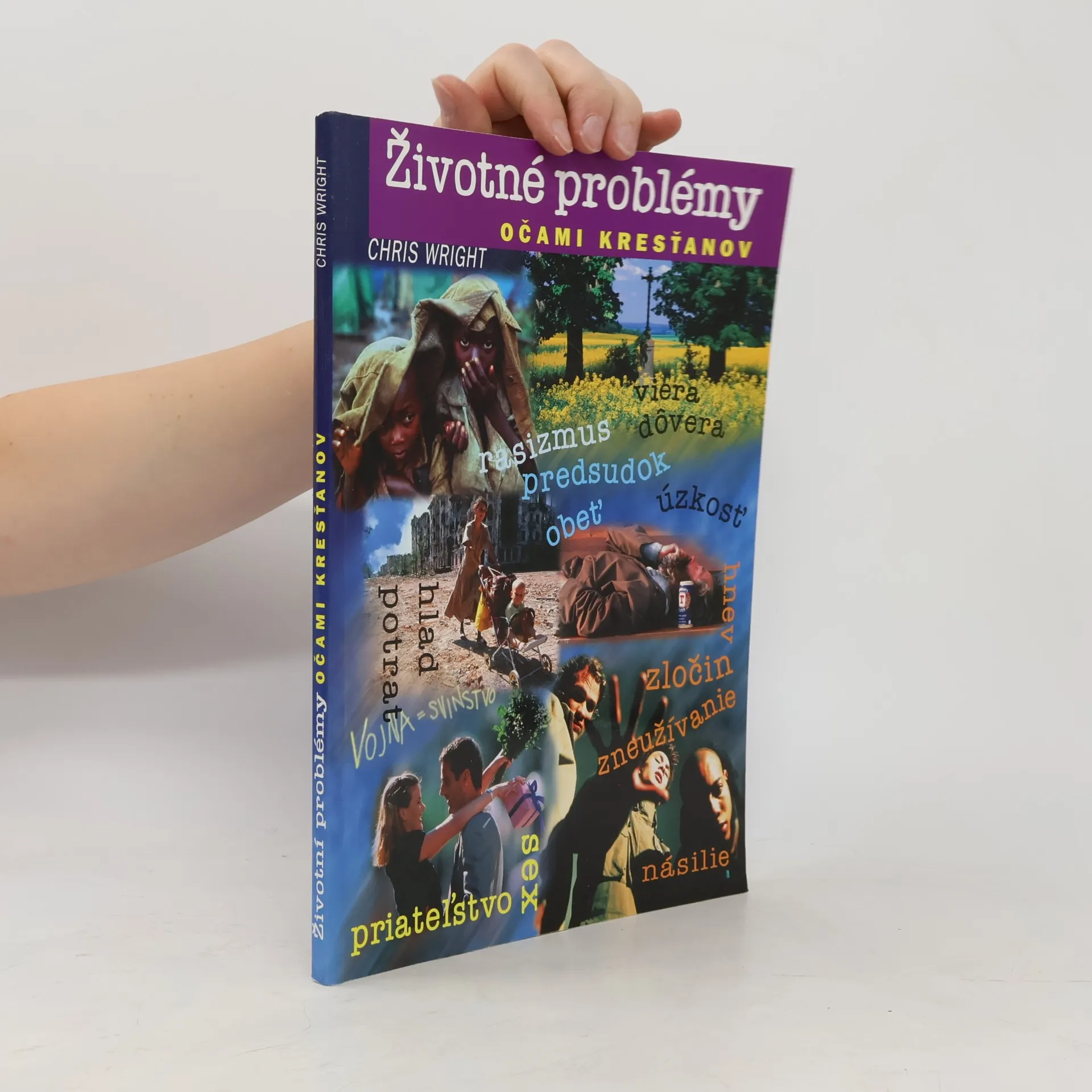
Christopher J.H. Wright is een gerespecteerde Oudtestamenticus wiens werk diep ingaat op de theologische en ethische vraagstukken van het oude Israël. Zijn analyses onderzoeken hoe deze oude wijsheid resoneert in de moderne wereld en bieden unieke inzichten in Gods verbond en zijn gerechtigheid. Wright streeft ernaar bijbelse teksten en hun diepere betekenis toegankelijk te maken voor hedendaagse lezers. Zijn geschriften worden gewaardeerd om hun intellectuele diepgang en spirituele relevantie.
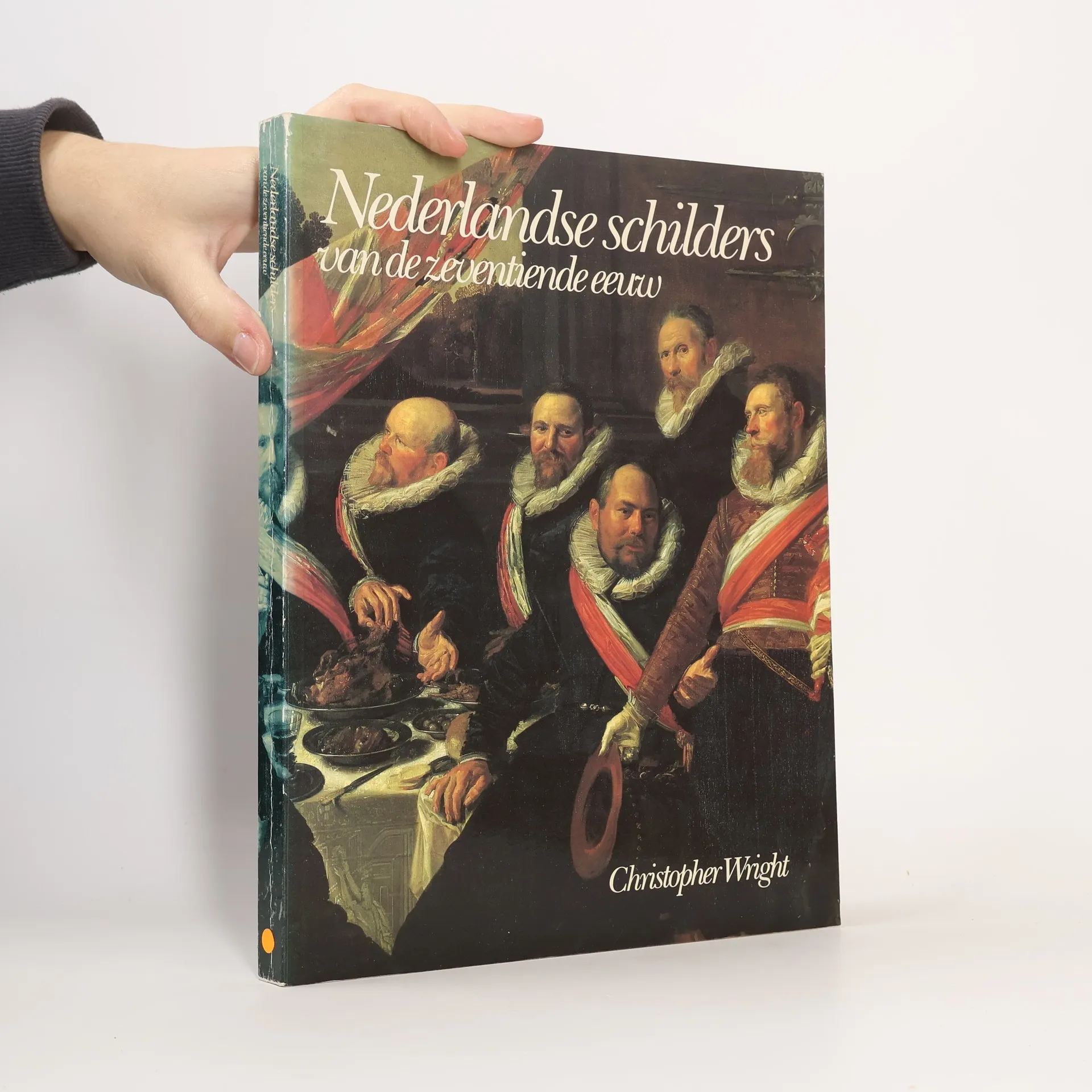
Na een algemene inleiding volgen kleurenreprodukties met besprekingen van het werk en biografische gegevens van een groot aantal schilders, gevolgd door een opsomming van de steden waar collecties van Nederlandse schilderijen aanwezig zijn.
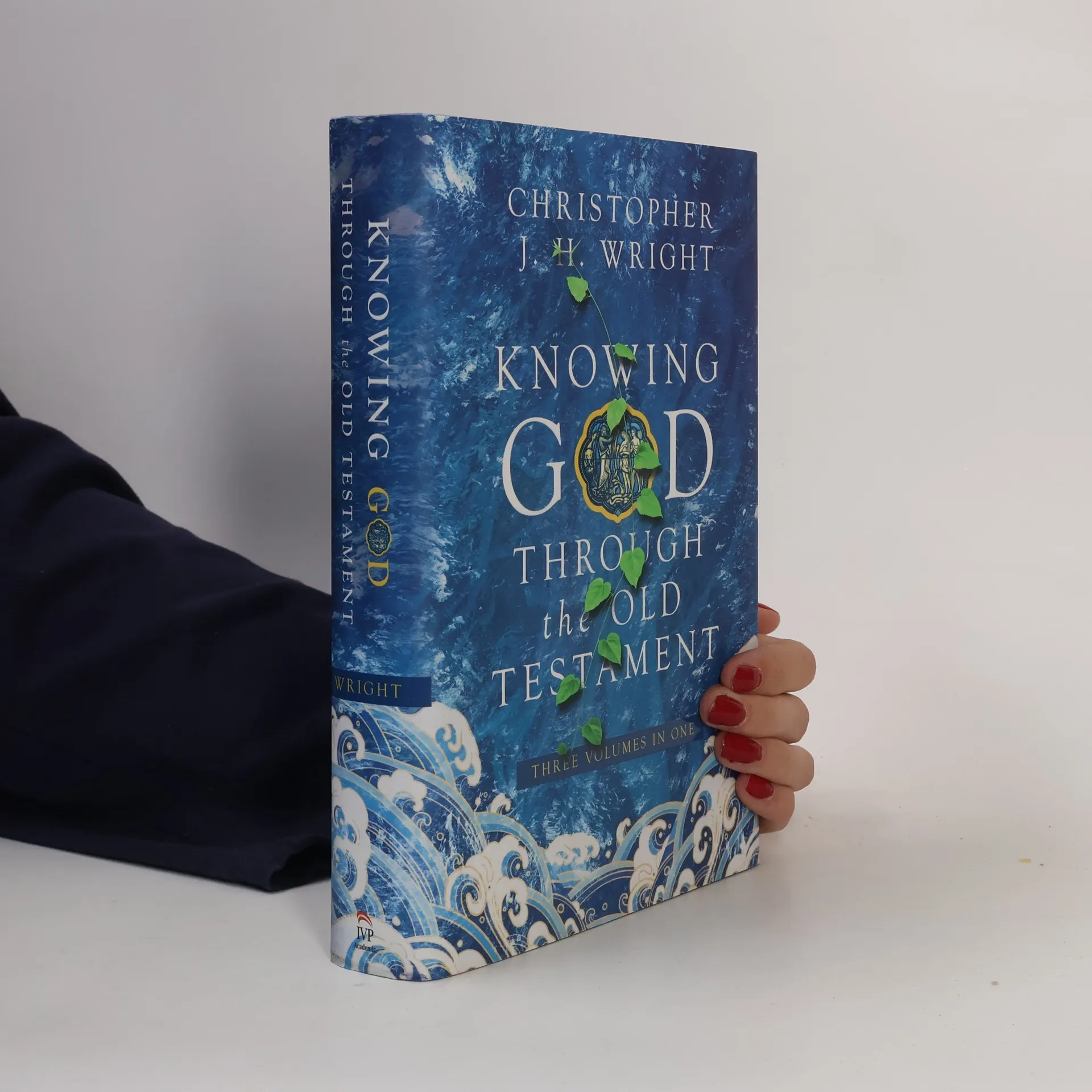
This compilation merges three beloved works by Christopher J. H. Wright: Knowing God the Father Through the Old Testament, Knowing Jesus Through the Old Testament, and Knowing the Holy Spirit Through the Old Testament. The first volume delves into the multifaceted images of God found in the Old Testament, portraying Him as both tender and terrifying, intimately personal yet challenging to nations. This is the Father that Jesus knew, offering love, care, and forgiveness. The second volume reveals Jesus’ self-understanding as both Son of Man and Son of God, deeply rooted in Hebrew Scriptures. As Jesus fulfills Israel’s mission, a deeper understanding of the Old Testament brings readers closer to His heart. The third volume traces the Holy Spirit throughout the Old Testament, highlighting His presence in the lives of prophets, judges, and kings, as well as the promise of new creation. Together, these works guide readers to recognize the empowering role of the Holy Spirit in sustaining and renewing the earth. This comprehensive exploration strengthens personal relationships with the triune God, encouraging deep engagement with His Word, particularly through the often-overlooked voices of the Old Testament. It invites readers on a journey of biblical discovery, enhancing their understanding of God as Father, Son, and Holy Spirit.
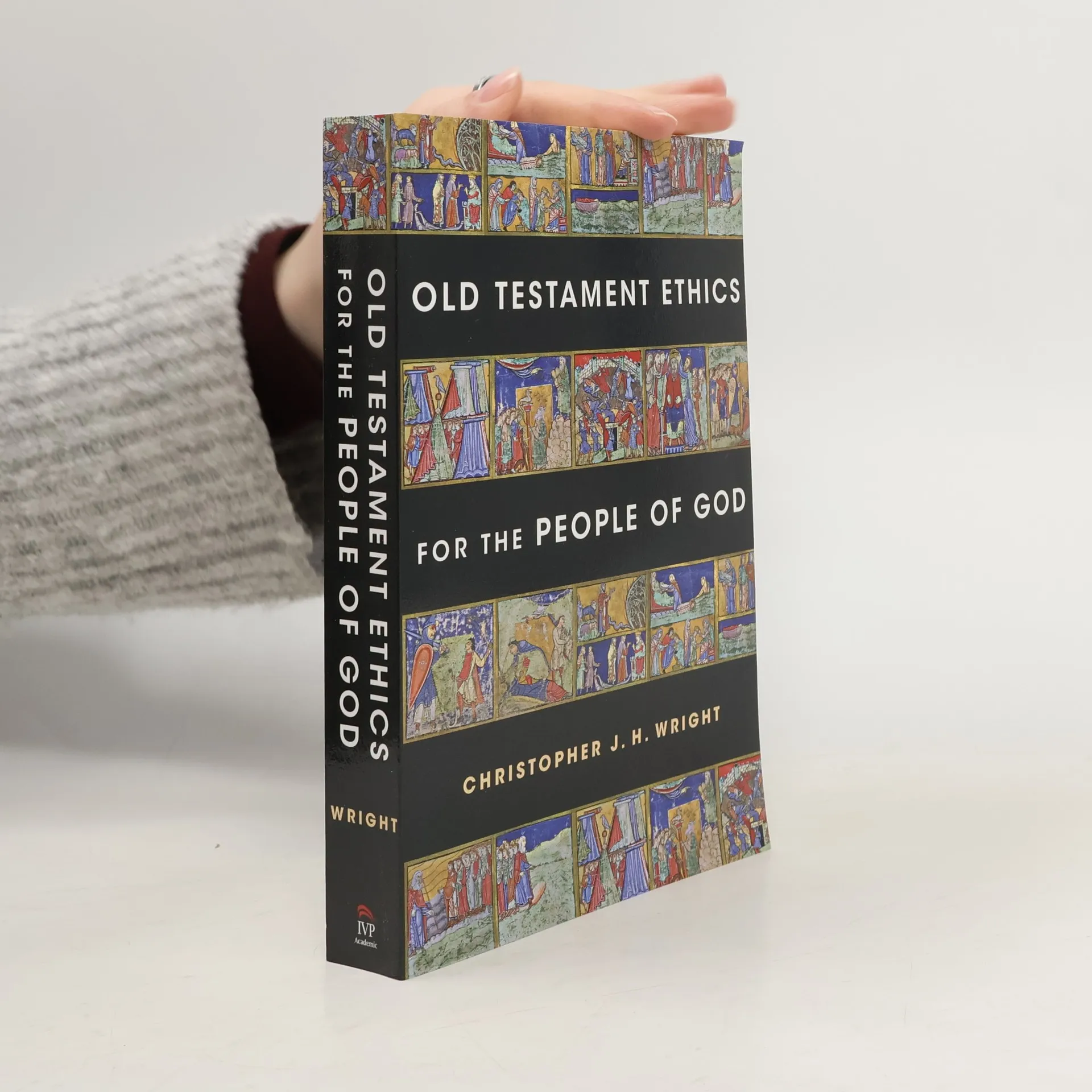
Nothing confuses Christian ethics quite like the Old Testament. Some faithful readers struggle through its pages and conclude that they must obey its moral laws but may disregard its ceremonial and civil laws. Others abandon its teaching altogether in favor of a strictly New Testament ethic. Neither option, argues Chris Wright, gives the Old Testament its due. In this innovative approach to Old Testament ethics--fully revised, updated and expanded since its first appearance in 1983 as Living as the People of God (An Eye for an Eye in North America) and including material from Walking in the Ways of the Lord--Wright examines a theological, social and economic framework for Old Testament ethics. Then he explores a variety of themes in relation to contemporary issues: economics, the land and the poor; politics and a world of nations; law and justice; society and culture; and the way of the individual. This fresh, illuminating study provides a clear basis for a biblical ethic that is faithful to the God of both Testaments.
The book explores the critical issue of inadequate funding for Christian ministries globally, delving into the various factors contributing to this challenge. It examines the responsibilities of different stakeholders, prompting readers to consider who should be accountable for addressing the financial shortfalls that hinder ministry efforts. Through insightful analysis, it aims to foster a deeper understanding of the complexities surrounding funding in the context of faith-based initiatives.
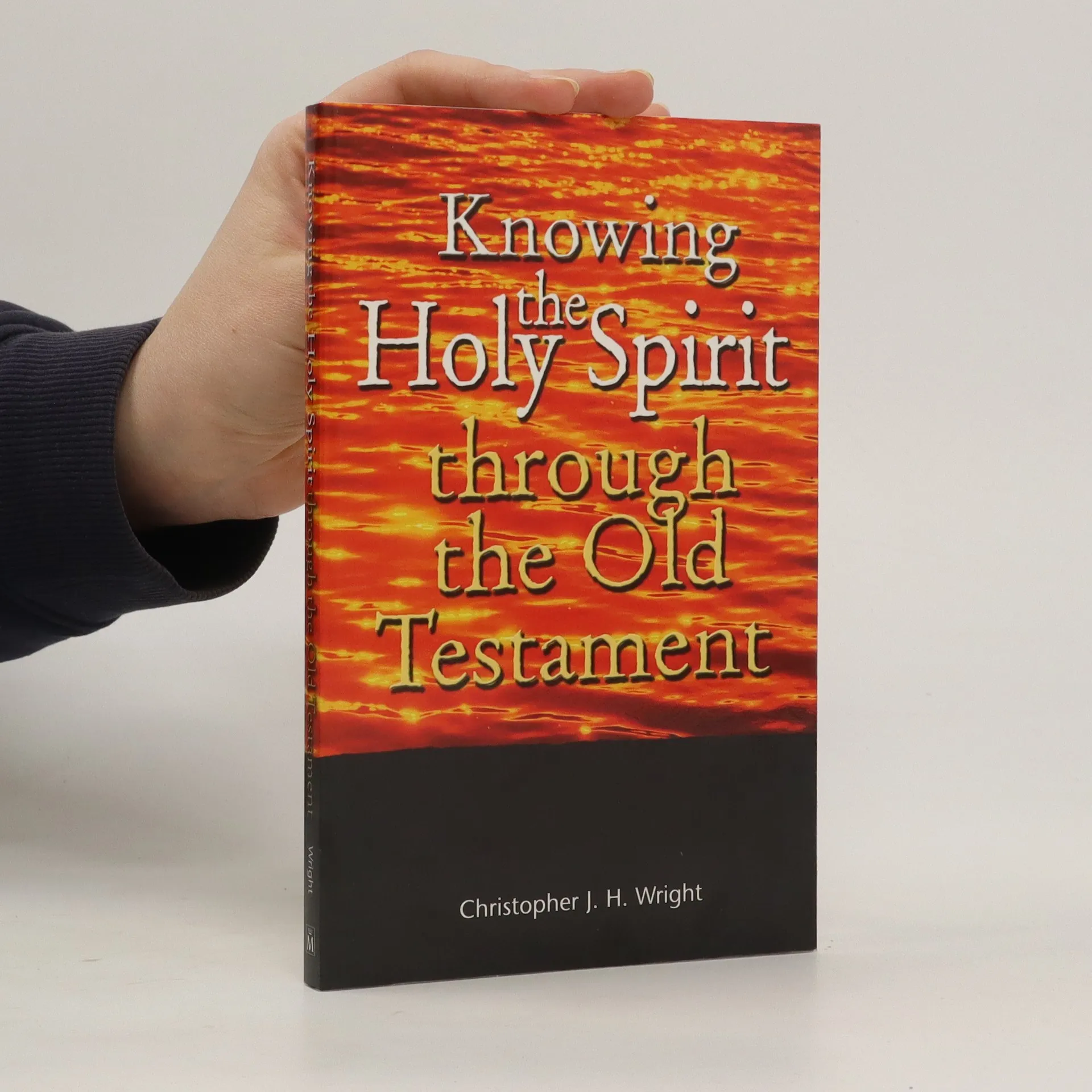
We first meet the Holy Spirit in the second verse of the Bible, hovering there, speaking the world into existence. Christopher Wright begins here and traces the Holy Spirit through the pages of the Old Testament. He shows that the Spirit is knowable, and that the Spirit empowers God's people and sustains the earth.
If we are honest, we have to admit that there are many things we don’t understand about God. We do not have final answers to the deep problems of life, and those who say they do are probably living in some degree of delusion. There are areas of mystery in our Christian faith that lie beyond the keenest scholarship or even the most profound spiritual exercises. For many people, these problems raise so many questions and uncertainties that faith itself becomes a struggle, and the very person and character of God are called into question. Chris Wright encourages us to face up to the limitations of our understanding and to acknowledge the pain and grief they can often cause. But at the same time, he wants us to be able to say, like the psalmist in Psalm 73: “But that’s all right. God is ultimately in charge and I can trust him to put things right. Meanwhile, I will stay near to my God, make him my refuge, and go on telling of his deeds.”
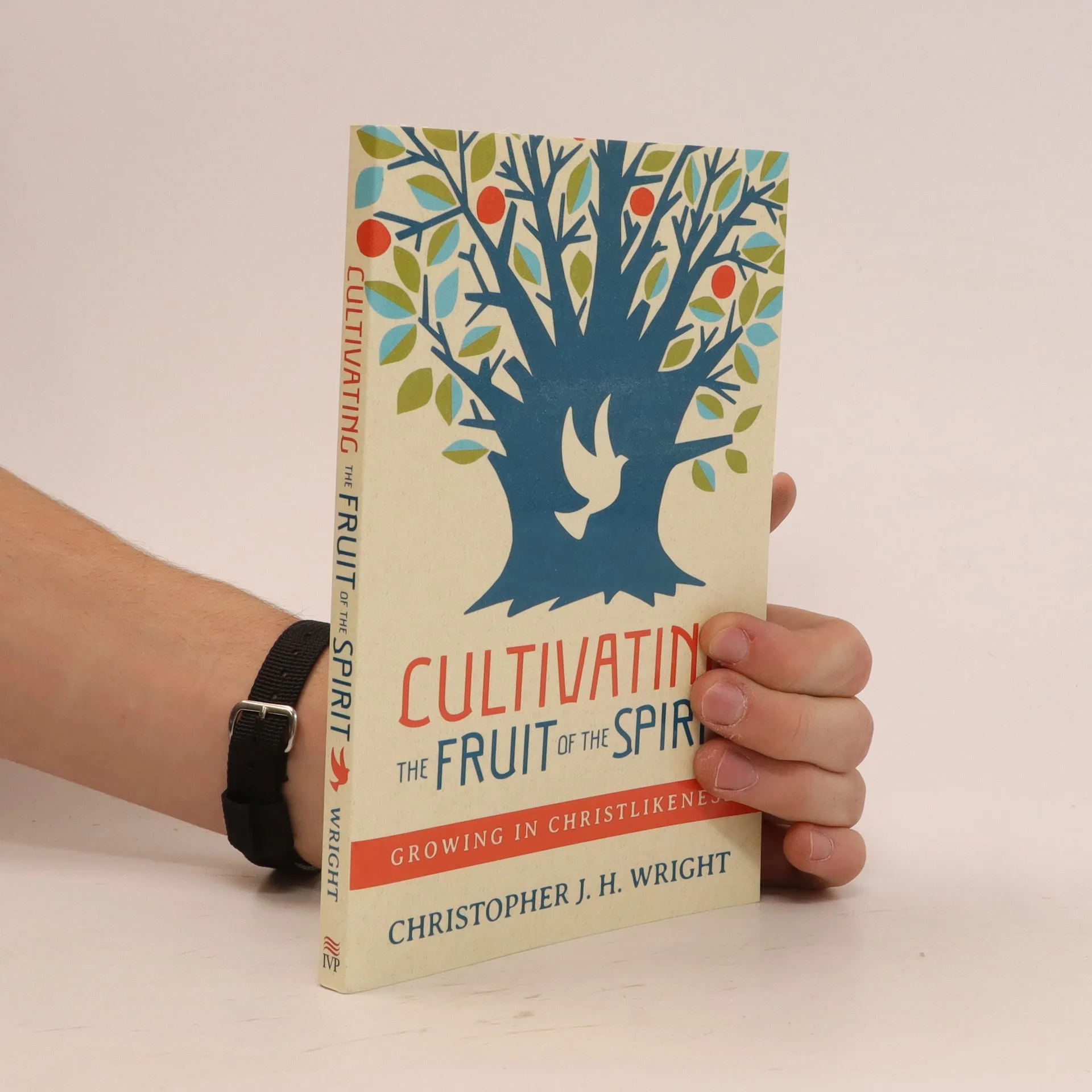
How should Christians live? Some Christians stress the importance of keeping all the rules, while others see the Christian faith as setting us free from religious burdens. Inviting us to live a life in step with the Spirit, Christopher Wright teaches us how to feed on the Word of God, grow in Christlikeness, and live a fruitful life.
Describes the major events, figures and movements in British and Irish history from the arrival of the first settlers over 250000 years ago, to the present day. Suggested level: secondary