Bookbot

John Man

    15 mei 1941

    John Man is een Britse historicus en reisschrijver wiens werk zich verdiept in China, Mongolië en de geschiedenis van geschreven communicatie. Hij combineert bekwaam historische verhalen met persoonlijke ervaringen, waardoor lezers een boeiend en uniek perspectief op het verleden krijgen. Zijn literaire aanpak wordt gekenmerkt door nauwgezet onderzoek en een originele interpretatie die vaak nieuwe verbanden en inzichten onthult. Hij heeft aanzienlijke inspanningen geleverd om cruciale momenten in de geschiedenis van het schrijven te verkennen, van de oorsprong ervan tot de komst van de drukpers, en zijn werken worden geprezen om hun diepgang en toegankelijkheid.

    Empire of Horses: The First Nomadic Civilization and the Making of China
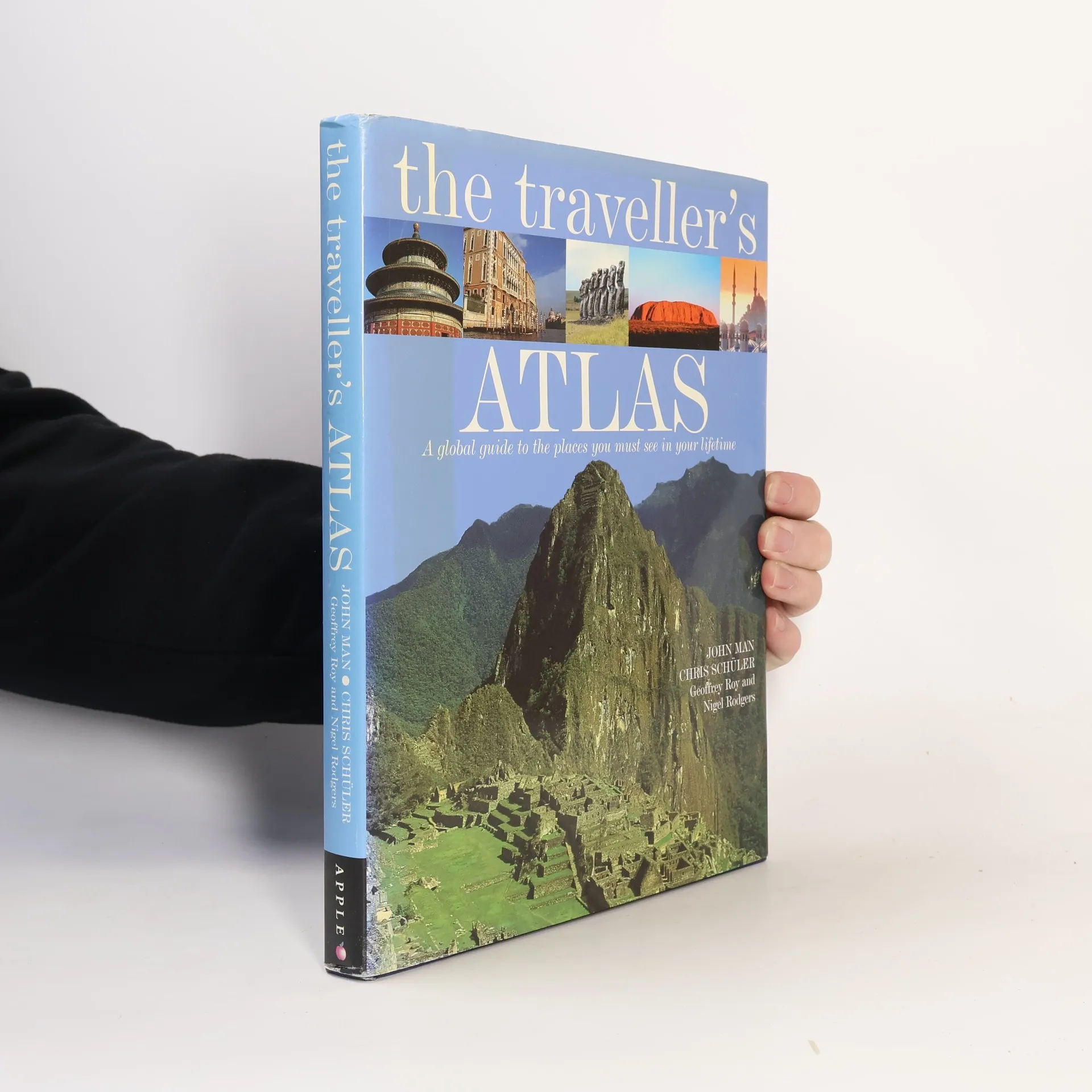
    The Traveller's Atlas
    Barbarians at the Wall
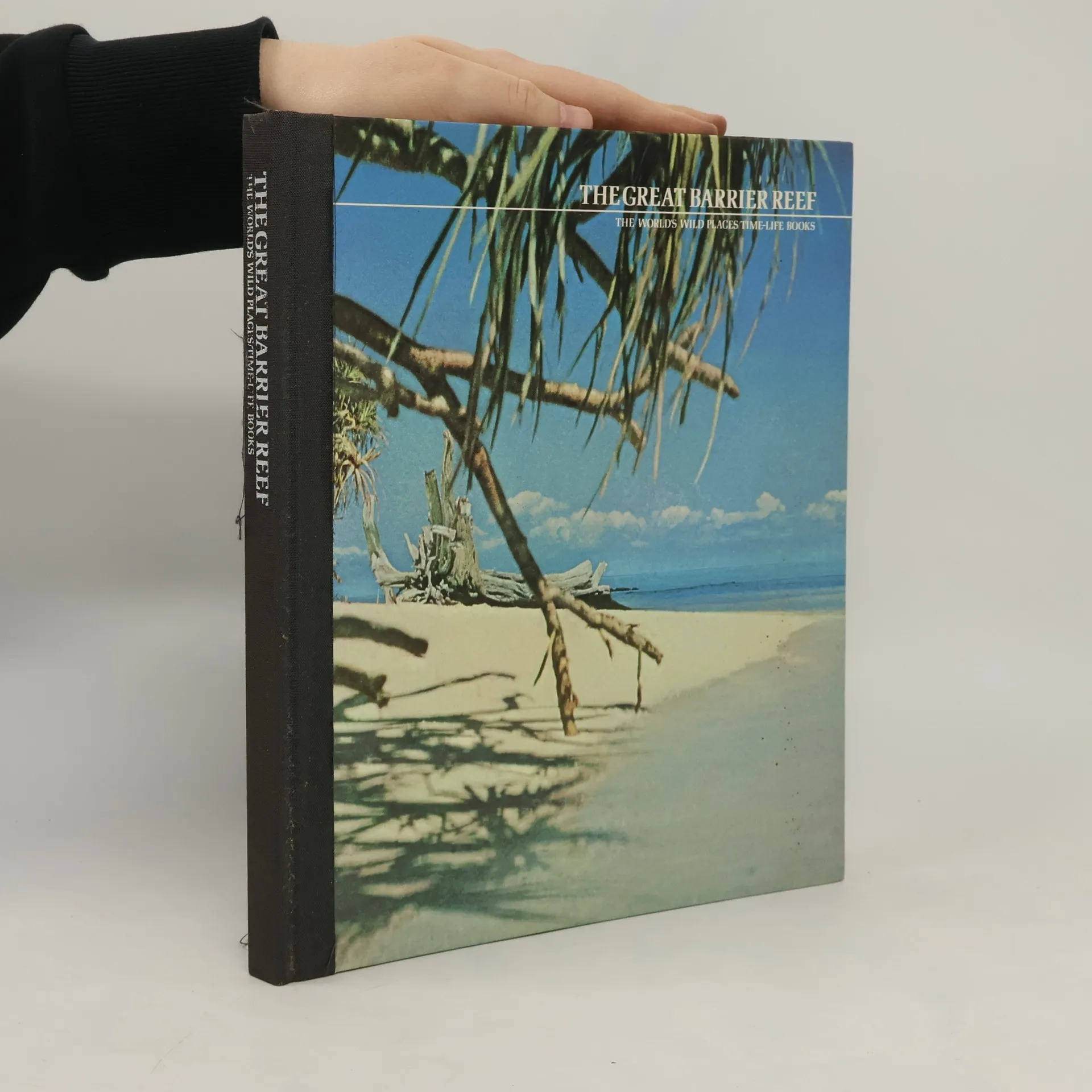
    The World's Wild Places: The Great Barrier Reef
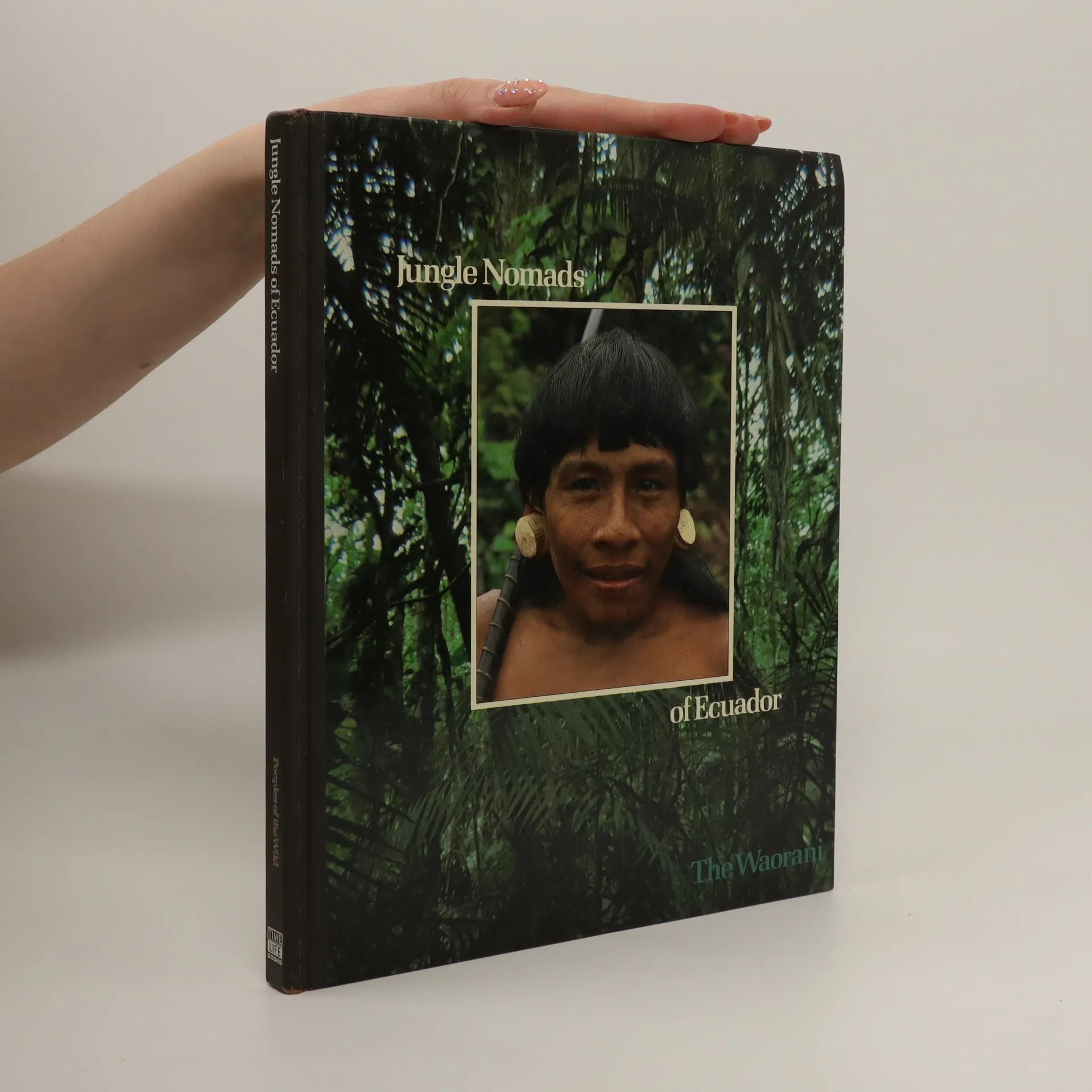
    Jungle Nomads of Ecuador: The Waorani
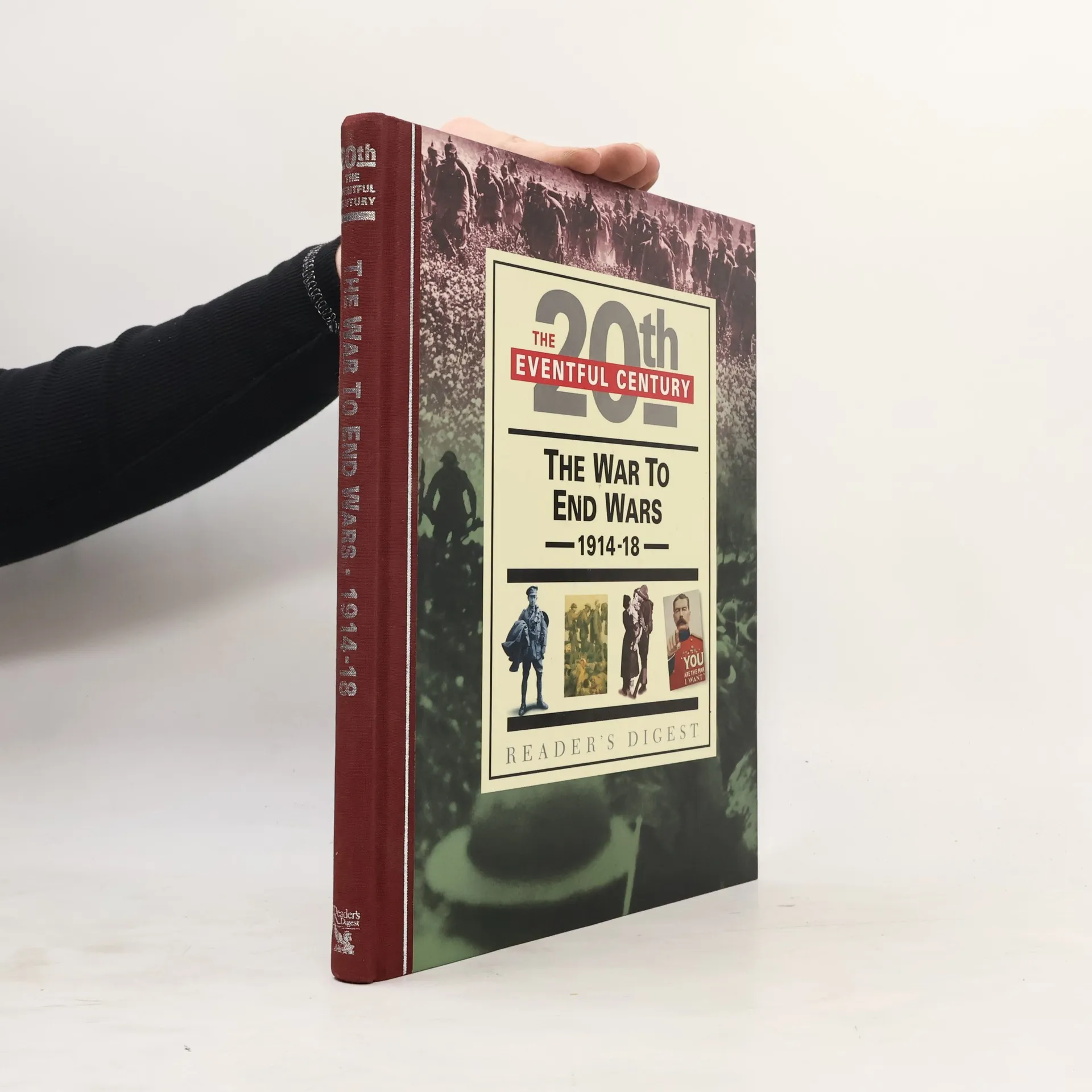
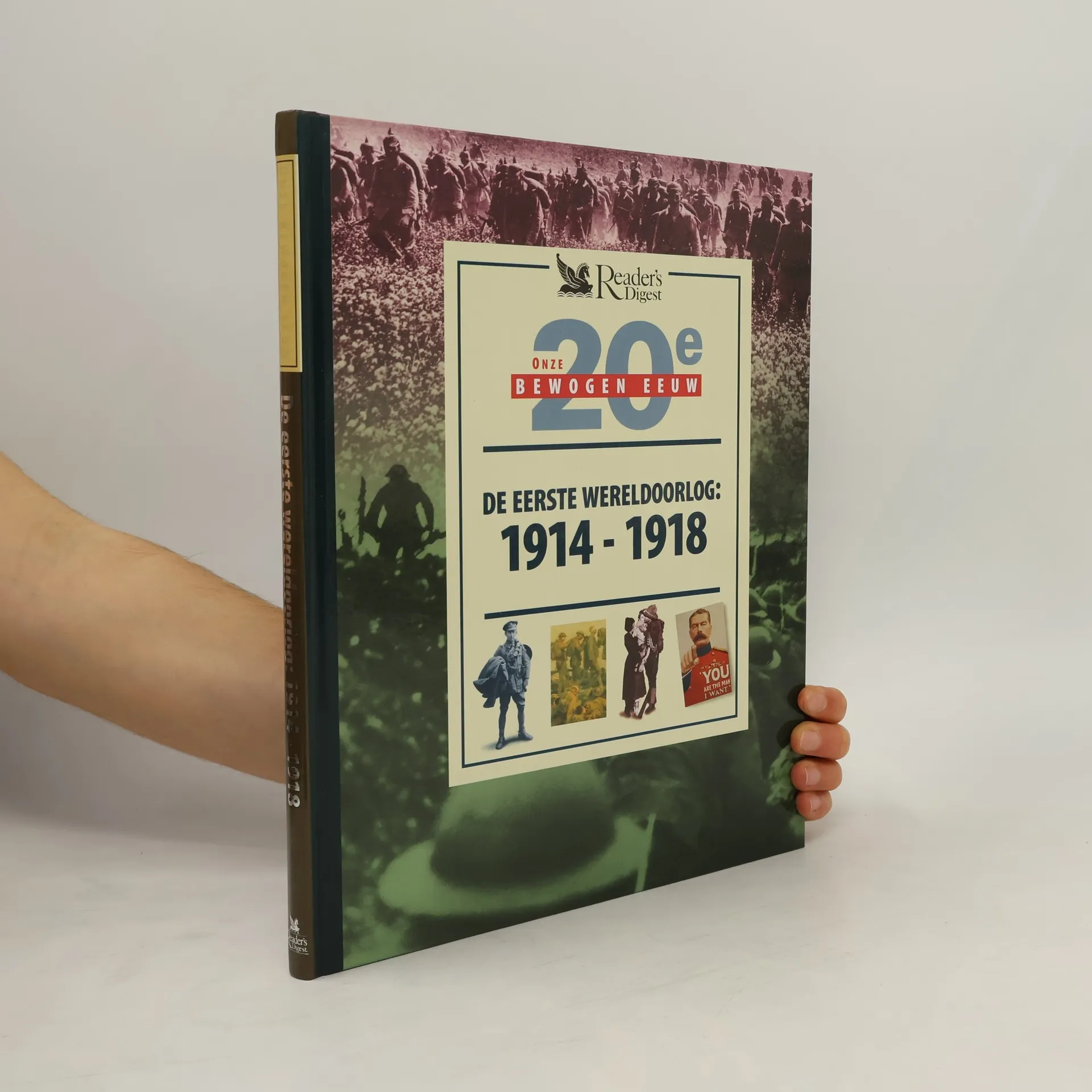
    The War to End Wars 1914-18
    • The War to End Wars 1914-18

      • 160bladzijden
      • 6 uur lezen

      Many colorful photographs! No history buff will want to miss this unique World War I synopsis.

      The War to End Wars 1914-18
      4,3
    • Integra a Coleção As regiões selvagens do mundo.Primeira edição, 1983. Segunda impressão, 1986.No original, integrou a Coleção "The World's Wild Places / Time-Life Books".

      The World's Wild Places: The Great Barrier Reef
      4,0
    • Barbarians at the Wall

      • 328bladzijden
      • 12 uur lezen

      The people of the first nomadic empire left no written records, but from 200 BC they dominated the heart of Asia for 400 years. They changed the world. The Mongols, today’s descendants of Genghis Khan, see them as ancestors. Their rise cemented Chinese unity and inspired the first Great Wall. Their heirs under Attila the Hun helped destroy the Roman Empire. We don’t know what language they spoke, but they became known as Xiongnu, or Hunnu, a term passed down the centuries and across Eurasia, enduring today in shortened form as ‘Hun’. Outside Asia precious little is known of their rich history, but new evidence reframes our understanding of the indelible mark they left on a vast region stretching from Europe and sweeping right across Central Asia deep into China. Based on meticulous research and new archaeological evidence, Emperors and Barbarians traces their epic story, and shows how the nomadic cultures of the steppes gave birth to a ‘barbarian empire’ with the wealth and power to threaten the civilised order of the ancient world.

      Barbarians at the Wall
      4,0
    • The Traveller's Atlas

      A Global Guide to the World's Most Spectacular Destinations

      • 224bladzijden
      • 8 uur lezen

      L'ATLAS DU VOYAGEUR- Un condensé des plus beaux endroits de la planète pour vous aider à choisir votre prochaine destination.- Un guide des plus grandes merveilles naturelles et architecturales du monde, classés par continent - de la vallée du Rift jusqu'au Grand Canyon, en passant par les cités perdues des Incas en Amérique du Sud et les temples de la jungle du Cambodge.- Tous les hauts lieux à ne pas manquer et la meilleure période pour en profiter.- Un guide qui donnera au voyageur indépendant l'inspiration et la motivation de partir à l'aventure.- Tous les conseils pour éviter l'affluence touristique.- Des informations pointues sur la géographie locale.

      The Traveller's Atlas
      3,8
    • An authoritative and rich history of the remarkable Xiongnu culture—a lost empire which preceded the Mongols and even China itself. The author of landmark histories such as Genghis Khan, Attila, and Xanadu invites us to discover a fertile period in Asian history that prefigured so much of the world that followed. The people of the first nomadic empire left no written records, but from 200 bc they dominated the heart of Asia for four centuries, and changed the world in the process. The Mongols, today’s descendants of Genghis Khan, see these people as ancestors. Their rise cemented Chinese identity and inspired the first Great Wall. Their descendants helped destroy the Roman Empire under the leadership of Attila the Hun. We don’t know what language they spoke, but they became known as Xiongnu, or Hunnu, a term passed down the centuries and surviving today as “Hun,” and Man uncovers new evidence that will transform our understanding of the profound mark they left on half the globe, from Europe to Central Asia and deep into China. Based on meticulous research and new archaeological evidence, Empire of Horses traces this civilization’s epic story and shows how this nomadic cultures of the steppes gave birth to an empire with the wealth and power to threaten the order of the ancient world.

      Empire of Horses: The First Nomadic Civilization and the Making of China
      3,8
    • The Great Wall

      • 464bladzijden
      • 17 uur lezen

      The Great Wall of China is a wonder of the world. Hundreds of thousands of tourists every year take the five-mile journey from Beijing to climb its battlements. It is instantly familiar to millions more from the myriad photographs of this extraordinary landmark.

      The Great Wall
      4,0
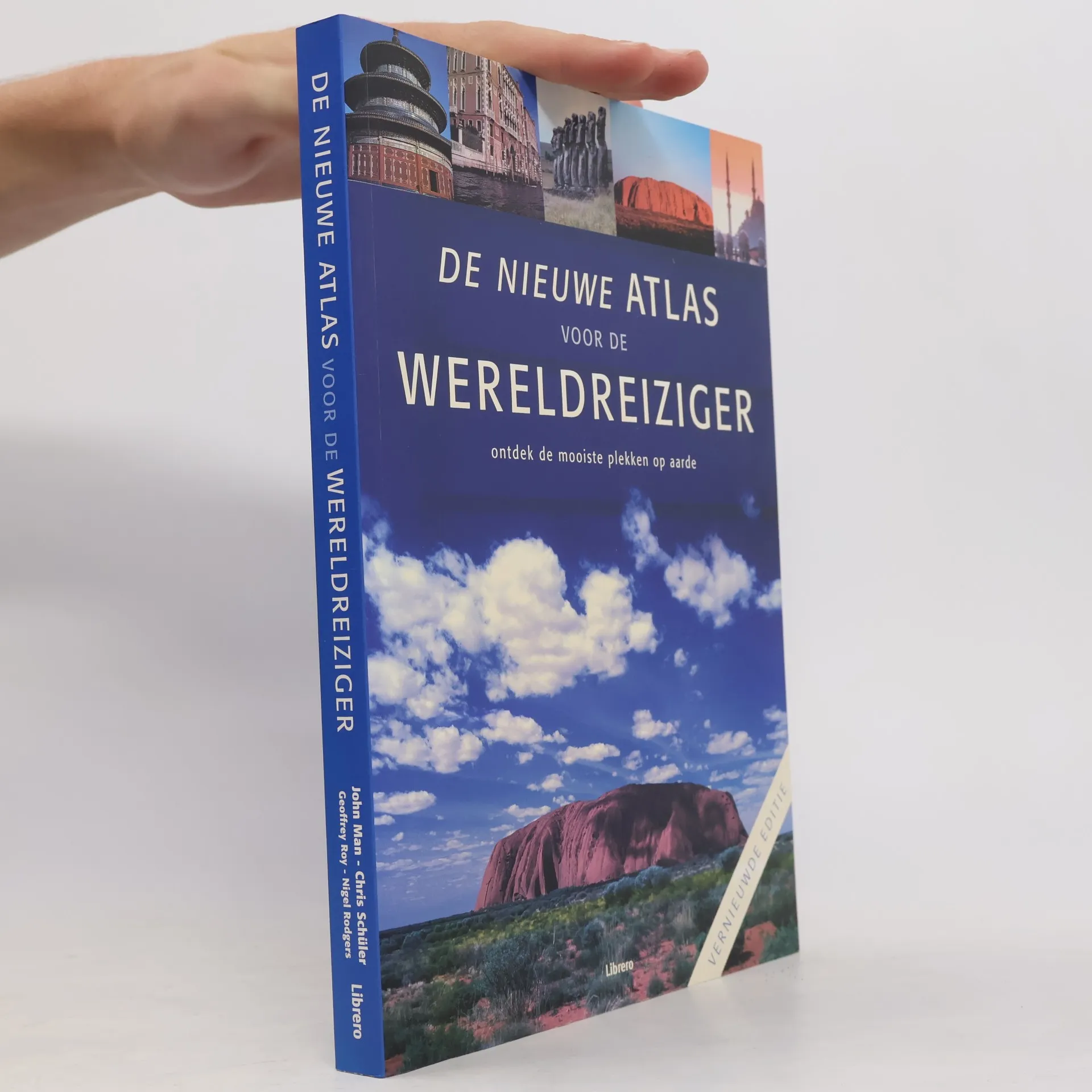
    • The New Traveler's Atlas

      A Global Guide to the Places You Must See in a Lifetime

      • 224bladzijden
      • 8 uur lezen

      Presents a guide to forty-seven unique destinations on seven continents, including such natural and man-made sites as Branff National Park, Istanbul, Patagonia, Argentina, Varanasi, India, Kyoto, Japan, the Great Wall of China, and Iceland.

      The New Traveler's Atlas
      3,7
    • Saladin remains one of the most iconic figures of his age. As the man who united the Arabs and saved Islam from Christian crusaders in the 12th century, he is the Islamic worldâe(tm)s preeminent hero. Ruthless in defence of his faith, brilliant in leadership, he also possessed qualities that won admiration from his Christian foes. He knew the limits of violence, showing such tolerance and generosity that many Europeans, appalled at the brutality of their own people, saw him as the exemplar of their own knightly ideals. But Saladin is far more than a historical hero. Builder, literary patron and theologian, he is a man for all times, and a symbol of hope for an Arab world once again divided. Centuries after his death, in cities from Damascus to Cairo and beyond, to the Arabian Peninsula and the Gulf, Saladin continues to be an immensely potent symbol of religious and military resistance to the West. He is central to Arab memories, sensibilities and the ideal of a unified Islamic state. In this authoritative biography, historian John Man brings Saladin and his world to life in vivid detail. Charting his rise to power, his struggle to unify the warring factions of his faith, and his battles to retake Jerusalem and expel Christian influence from Arab lands, Saladin explores the life and the enduring legacy of this champion of Islam, and examines his significance for the world today.

      Saladin : the life, the legend and the Islamic empire
      3,9
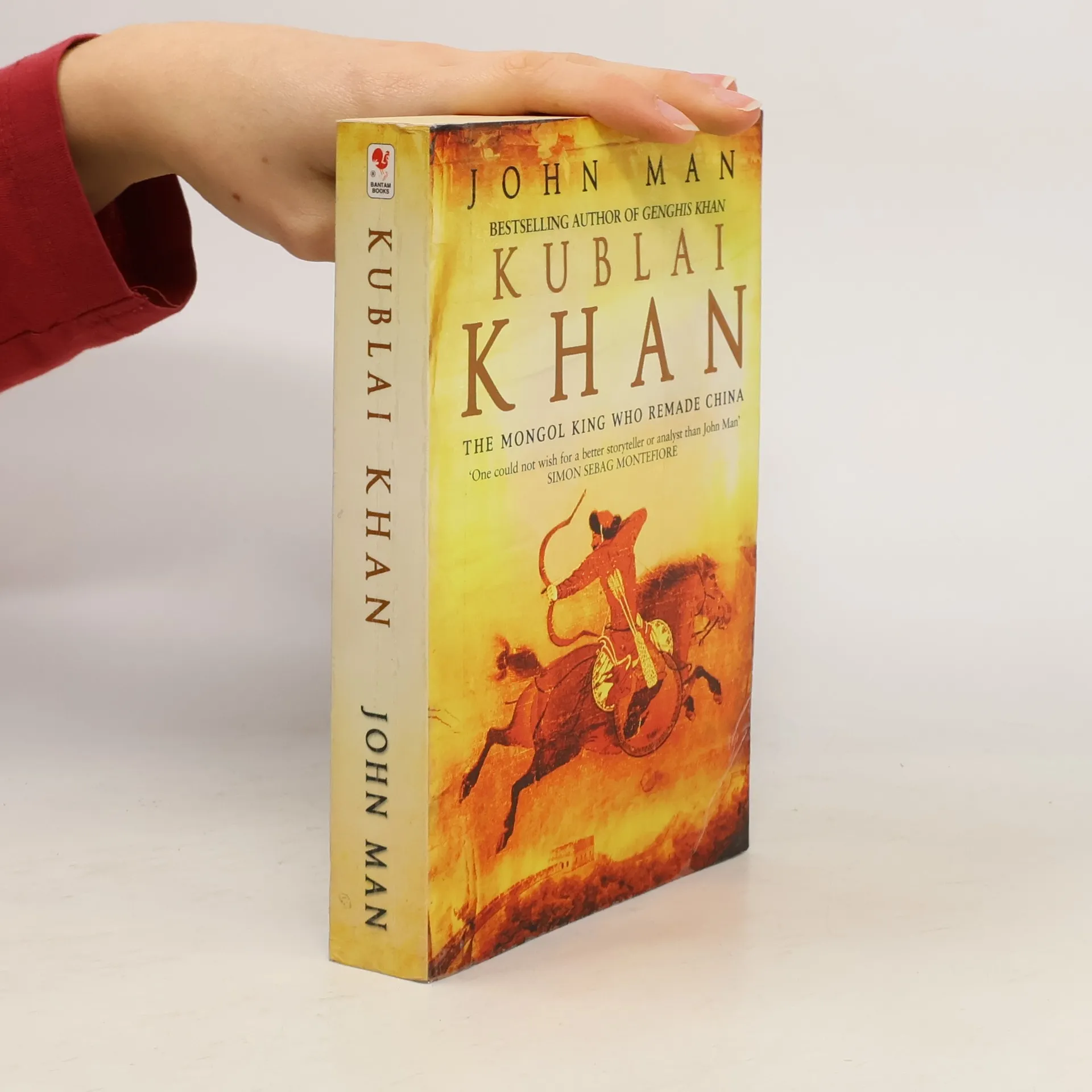
    • Kublai Khan

      • 389bladzijden
      • 14 uur lezen

      The authoritative biography of the great Mongol ruler, by the author of Genghis Khan and Attila.In Xanadu did Kubla KhanA stately pleasure dome decreeKublai Khan lives on in the popular imagination thanks to these two lines of poetry by Coleridge. But the true story behind this legend is even more fantastic than the poem would have us believe.Kublai Khan inherited the second largest land empire in history from his grandfather, Genghis Khan, and which he extended further, creating the biggest empire the world has ever seen; from China to Iraq, from Siberia to Afghanistan. His personal domain covered sixty-percent of all Asia, and one-fifth of the world’s land area.The West first learnt of this great Khan through the reports of Marco Polo. Kublai had not been born to rule, but had clawed his way to leadership, achieving power only in his 40s. He inherited Genghis Khan’s great dream of world domination but unlike his grandfather he saw China and not Mongolia as the key to controlling power, and turned Genghis’s unwieldy empire into a federation. Using China’s great wealth, coupled with his shrewd and subtle governance, he created an empire that was the greatest since the fall of Rome, and shaped the modern world as we know it today. He gave China its modern-day borders and his legacy is that country’s resurgence, and the superpower China of tomorrow.

      Kublai Khan
      3,9