
This novel is the saga in five parts of Isaac Jacob Blumenfeld, who grows up in Kolodetz, a small town near Lvov, which, when he’s a boy, belongs to the Hapsburg Empire, but which subsequently belongs to Poland, Soviet Russia, Germany, and then Russia again. Isaac survives the absurdity and horror of Eastern Europe during the 20th century by pretending to be a fool. If this is an old Jewish art, then Isaac is a consummate artist. He plays the fool all his life, from his boyhood in Kolodetz shetl to the time when he is an accused war criminal in a Gulag in Siberia. Inseparable from Isaac’s life and story are the Yiddish jokes and fables of Kolodetz. These and the counsel of his dear friend, the rabbi and chair of the atheist club in Kolodetz, Shmuel Ben David, sustain Isaac through two world wars, three concentration camps, and five motherlands. The book puts on record, with full art, what is perhaps the central story of the last one hundred years. It is a wise book.
Angel Wagenstein Boeken
Angel Wagenstein was een Bulgaarse filmmaker en auteur wiens werk de complexiteit van identiteit en verbondenheid onderzocht. Aangezien hij zijn jeugd in Frankrijk doorbracht vanwege de politieke emigratie van zijn familie, worstelde zijn schrijven vaak met thema's als ontheemding en culturele navigatie. Zijn verhalen putten vaak uit zijn ervaringen en boden een uniek perspectief op historische en persoonlijke reizen.


Elisabeth and Theodore Weissberg, famous musicians, Hilde, a young film extra, and Vladek, an Eastern European adventurer wanted by the police on political charges, flee Nazi Germany for Shanghai at the onset of World War II. A magnet for every human ambition and vice, Shanghai is a city of extremes–of dazzling wealth and wretched poverty, suffering and pleasure, and, for the four refugees, exile and safety. There, they enter the world of Jewish refugees, many of them artists and intellectuals, who must either starve or eke out an impoverished and sometimes degraded living, but they are determined to live intelligently, upholding the high culture, humor, and even, insofar as they can, the elegance of their former lives. Master storyteller Angel Wagenstein crafts an intense narrative of life and death, passionate love, and profound courage against the backdrop of the war and the millions of lives caught up in it.
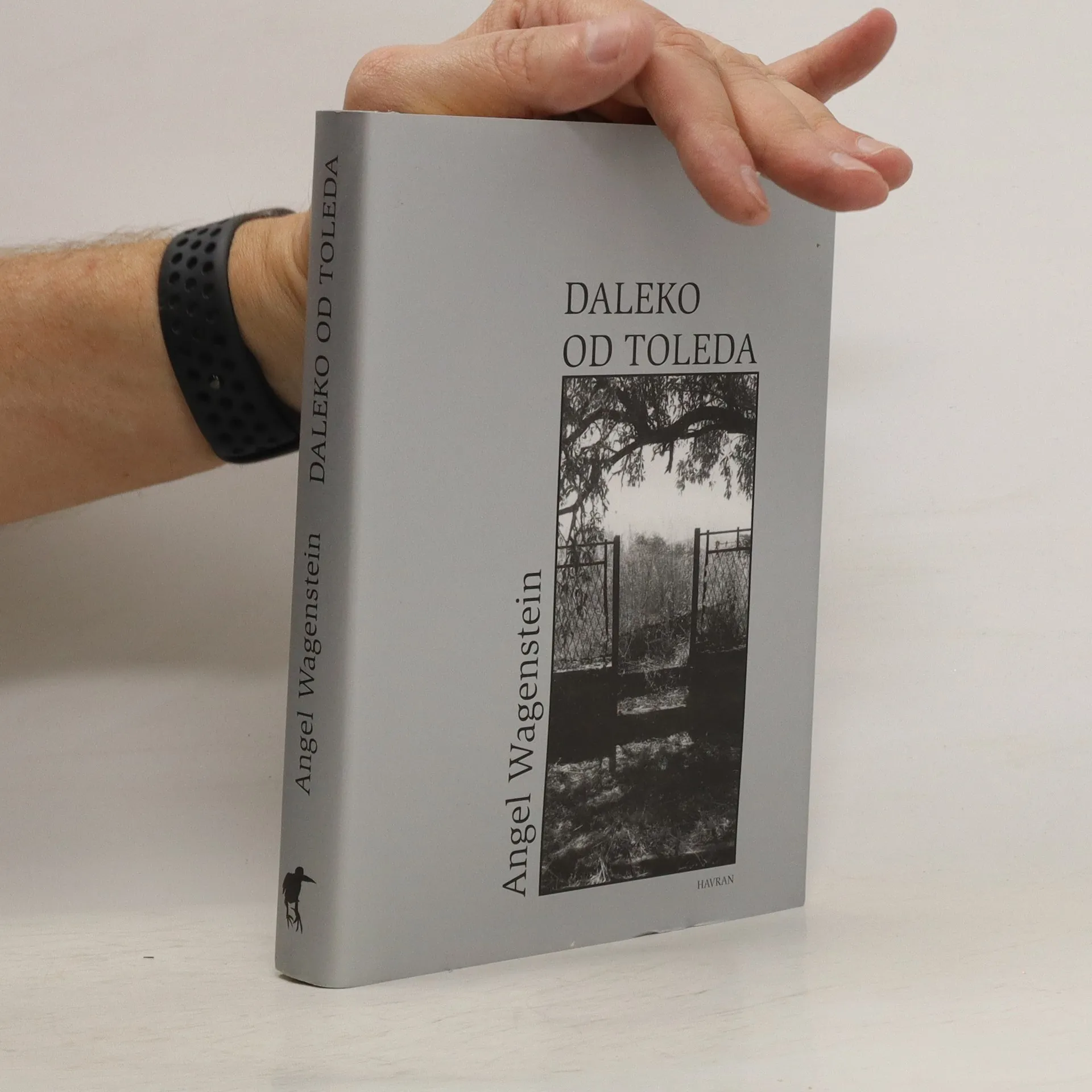
Daleko od Toleda
- 238bladzijden
- 9 uur lezen
Když byli Židé vyhnáni ze Španělska, rozutekli se všemi možnými směry a zakotvili také na území dnešního Bulharska, kde někteří z nich zapustili kořeny. Nejinak tomu bylo v případě předků dědečka Ožungra, který v sousedské sounáležitosti s dalšími Židy, ale i Armény, Bulhary a Turky prožil na plovdivském předměstí celý svůj rozporuplný, leč svým způsobem šťastný život. A zplodil potomky, kteří mohou vyprávět, vzpomínat a hodnotit. Mohou se zamyslet nad neuvěřitelnou náboženskou i lidskou tolerancí, která tehdy panovala. Aniž by Wagenstein opakoval banální a všeobecně známou skutečnost, že strom vyrůstá z kořenů a je na nich v největší míře závislý, působivě a s grácií skutečného vypravěče konstatuje, že z některých kořenů vyrůstá strom vhodný leda na klacky, ale jsou i takové, z nichž vznikají housle což v určitém smyslu platí i pro lidi...