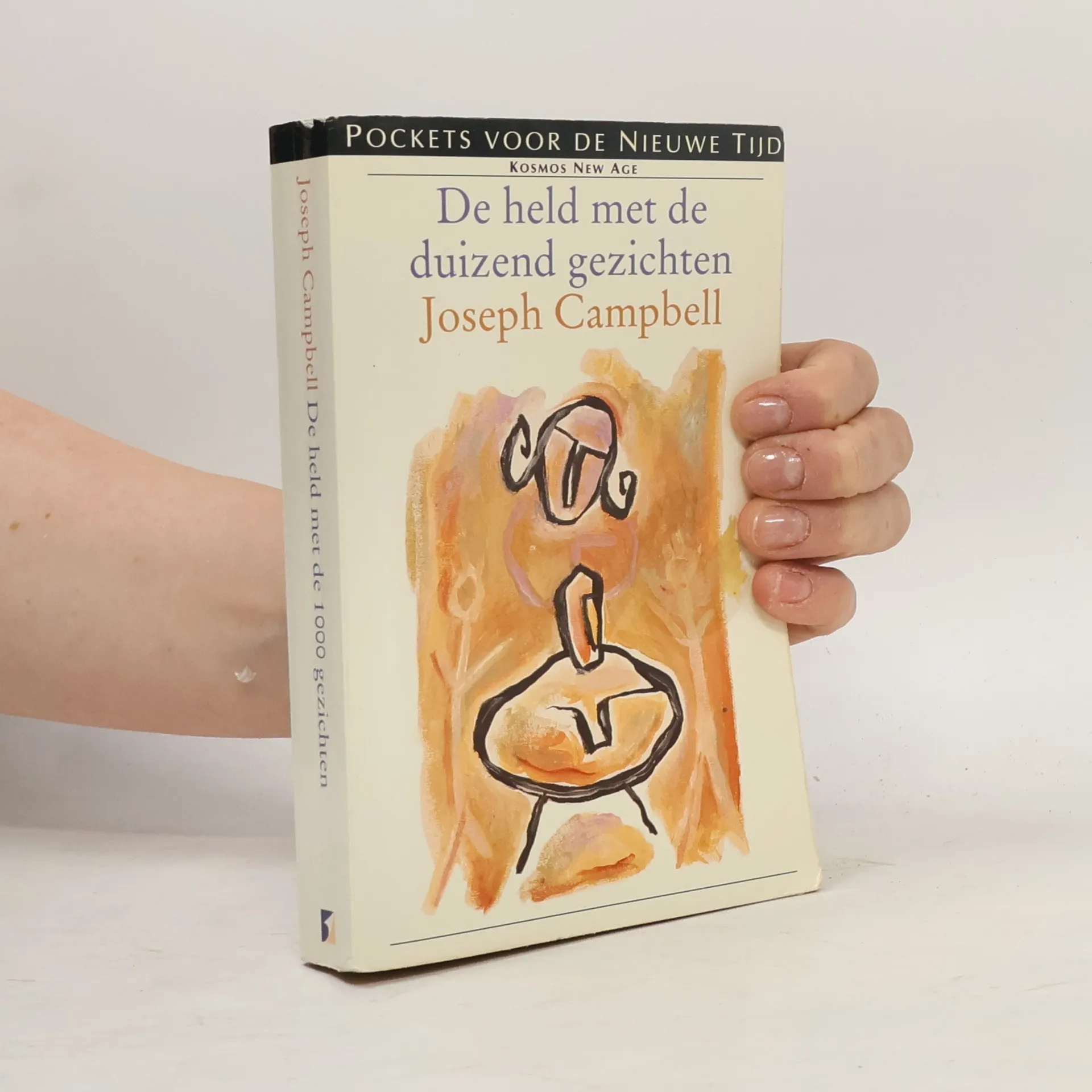
Held met de duizend gezichten
- 375bladzijden
- 14 uur lezen
Inleidend overzicht van mythen uit de hele wereld als hulpmiddelen tot zelfinzicht.


Joseph Campbell was een Amerikaanse auteur en docent, bekend om zijn werk op het gebied van vergelijkende mythologie. Zijn uitgebreide onderzoek toonde aan dat, ondanks culturele verschillen, alle mythen en epics binnen de menselijke psyche met elkaar verbonden zijn. Campbell stelde dat deze mythen manifestaties zijn van een universele menselijke behoefte om de werkelijkheid te verklaren. Zijn geschriften verkennen diepe patronen van archetypische reizen die resoneren door menselijke verhalen en culturen, en bieden lezers een uniek perspectief op gedeelde menselijke ervaringen.


Inleidend overzicht van mythen uit de hele wereld als hulpmiddelen tot zelfinzicht.
Geïllustreerd, vergelijkend overzicht van mythen uit alle delen van de wereld, gerangschikt naar thema.
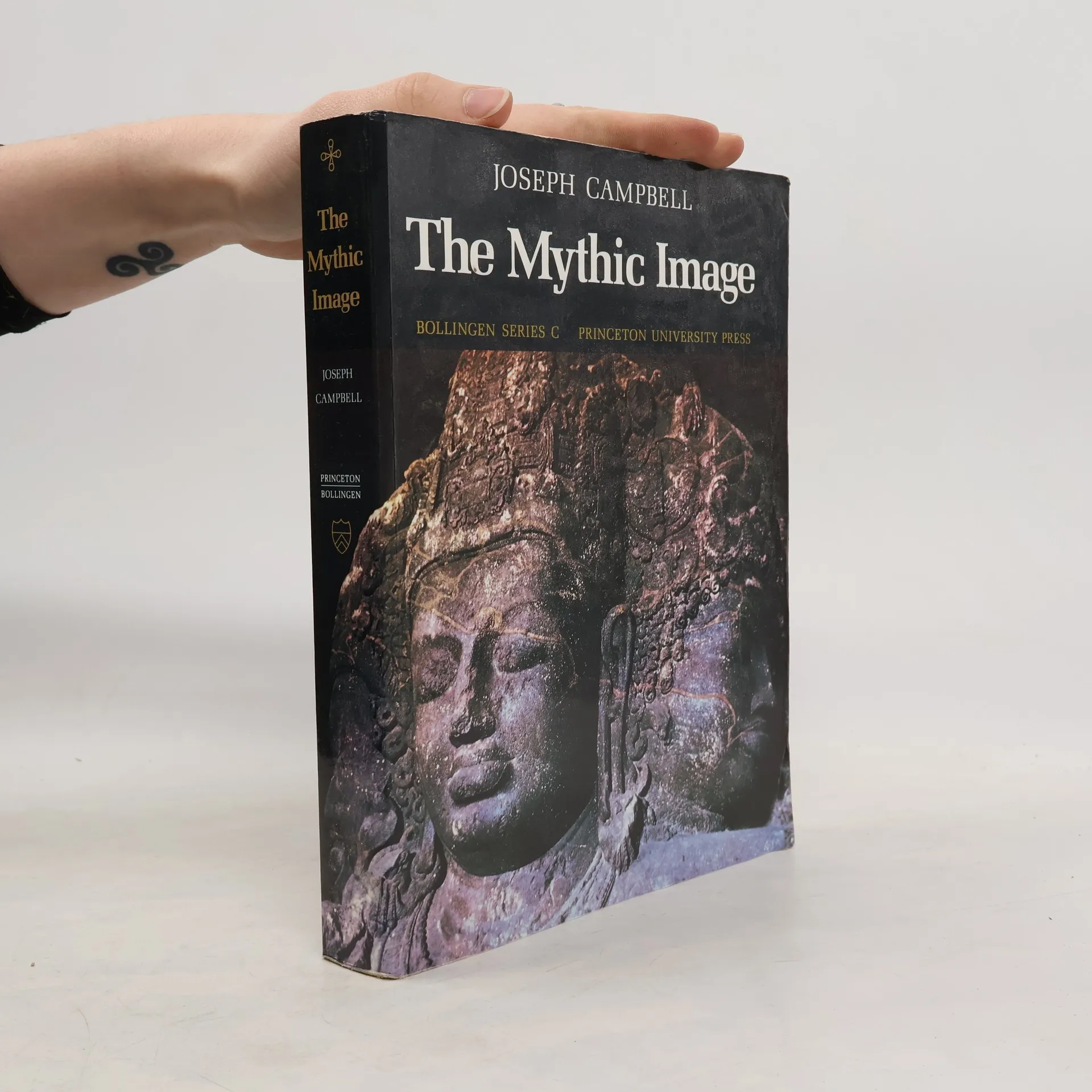
This paperback edition presents Campbell's extensive study of the mythology of high civilizations over five millennia, featuring nearly 450 illustrations. The text remains unchanged from the 1974 edition. Joseph Campbell, a master storyteller, skillfully wove narratives from diverse cultures, a passion sparked in his childhood by attending Buffalo Bill's Wild West Show. His fascination with comparative mythology began early, leading him to write about Native American myths in high school and explore the connections between ancient myths, literature, and dreams throughout his life. His most famous work, The Hero with a Thousand Faces, gained significant recognition, becoming a best-seller after his appearance on Bill Moyers' The Power of Myth. As a professor at Sarah Lawrence College, Campbell met Indologist Heinrich Zimmer, who introduced him to Paul and Mary Mellon, founders of the Bollingen Series. They selected Campbell's The Mythic Image as the series' final volume, marking it as number one hundred. This richly illustrated work examines the interplay of dreams and myth, highlighting the contrasting interpretations of dreams and life in Eastern and Western cultures.
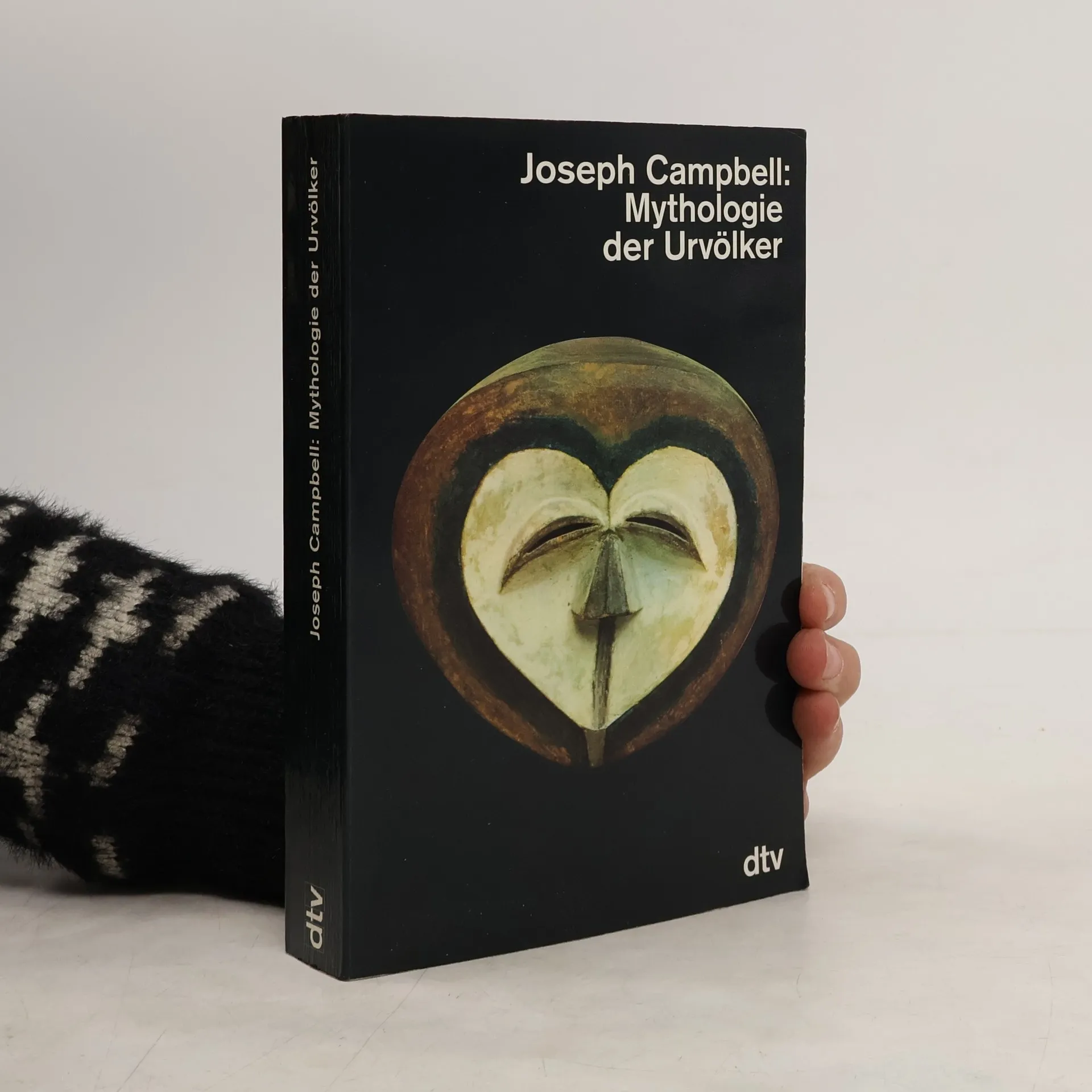
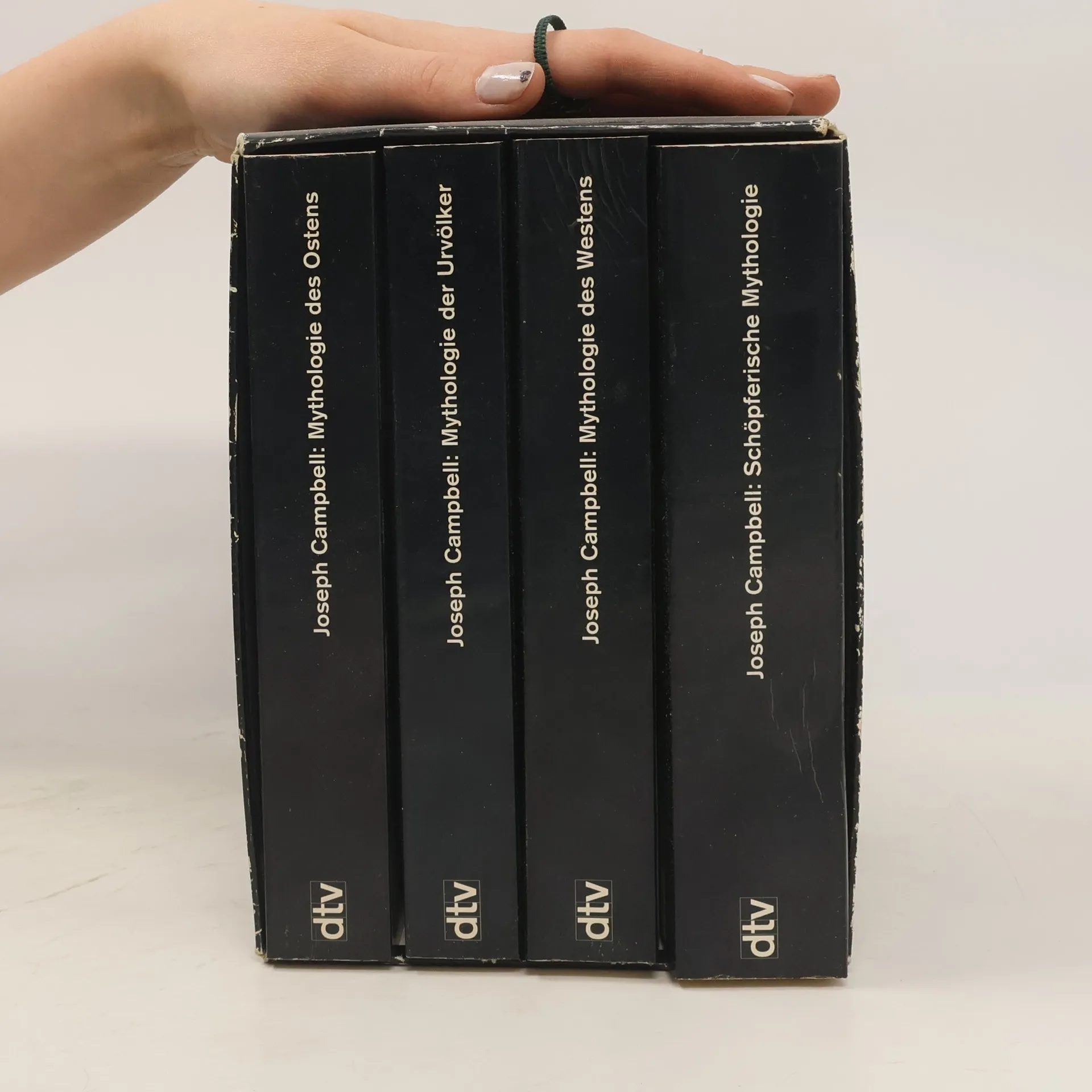
Mythologies Of The Primitive Planters
Compares and contrasts the themes of myths and legends in different cultures around the world
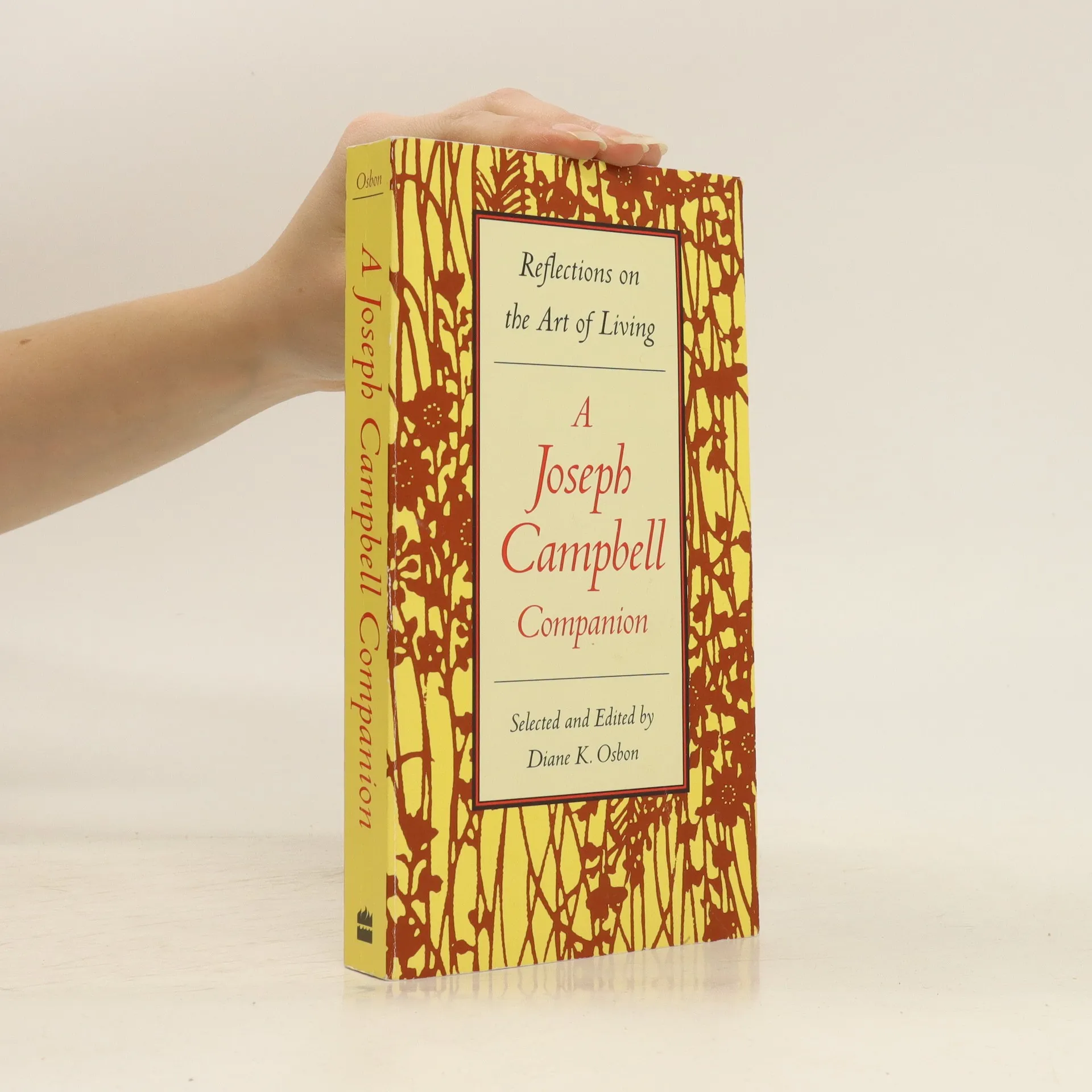
Celebrated scholar Joseph Campbell shares his intimate and inspiring reflections on the art of living in this beautifully packaged book, part of a new series to be based on his unpublished writings.
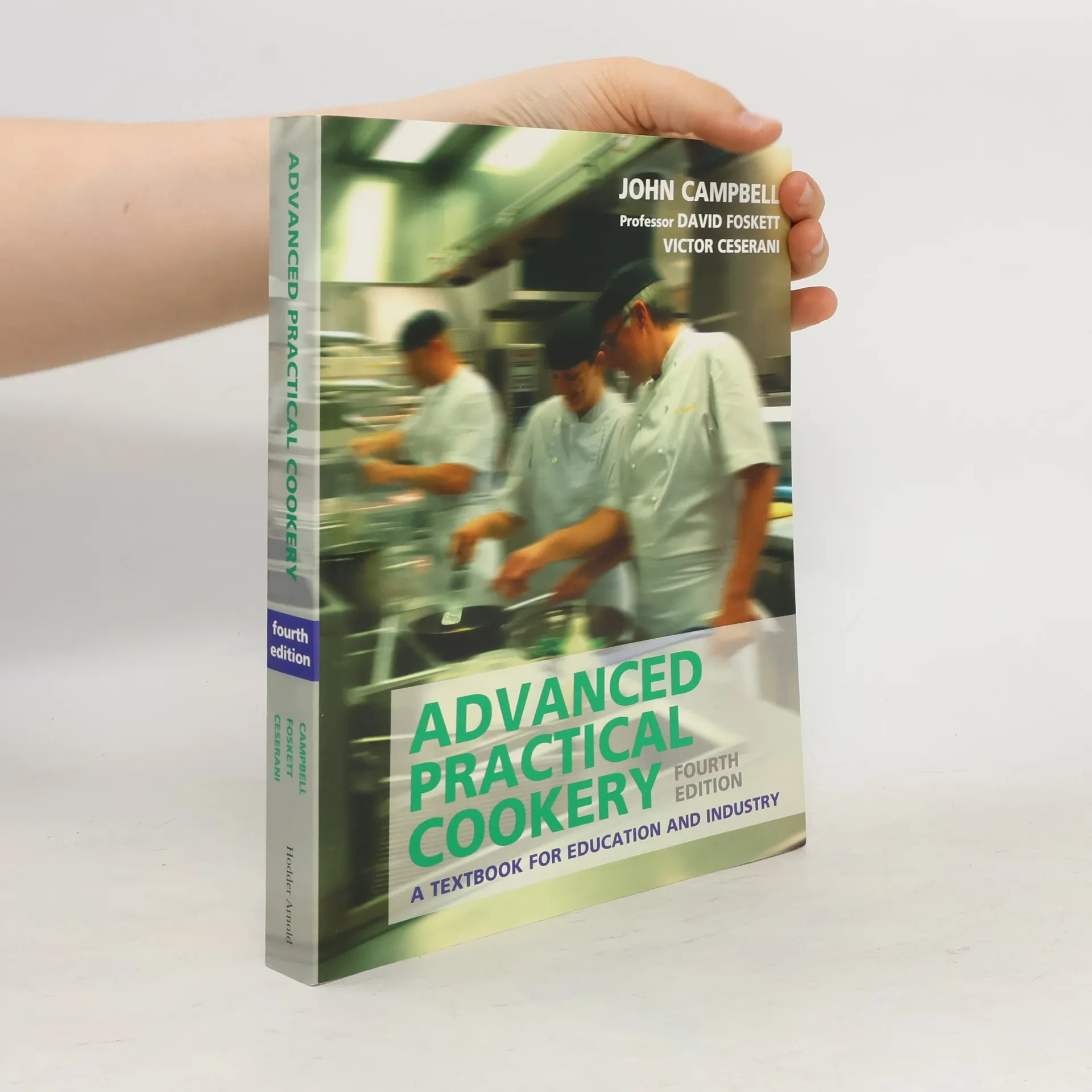
Advanced Practical Cookery, 4th edition, has been fully revised and updated to match the latest specifications at levels 3 and Foundation degrees . Now in paperback and with specially commissioned full colour photographs throughout, this essential resource for the highest training levels includes over 600 international recipes, all specifically tailored for the skilled craft student and chef. Examining new advanced units introduced by City & Guilds in detail, this new edition is also written and designed with the student reader in mind, and now includes nutrition and healthy eating advice, tips and essential kitchen advice. The contributions of executive chef and new co-author John Campbell also bring a unique industry focus to the content, ensuring the text is targeted specifically at the needs of trainee chefs and professionals alike. Contemporary, accessible and above all practical, Advanced Practical Cookery, 4th edition, is the ideal ingredient for advanced food preparation and cooking techniques.
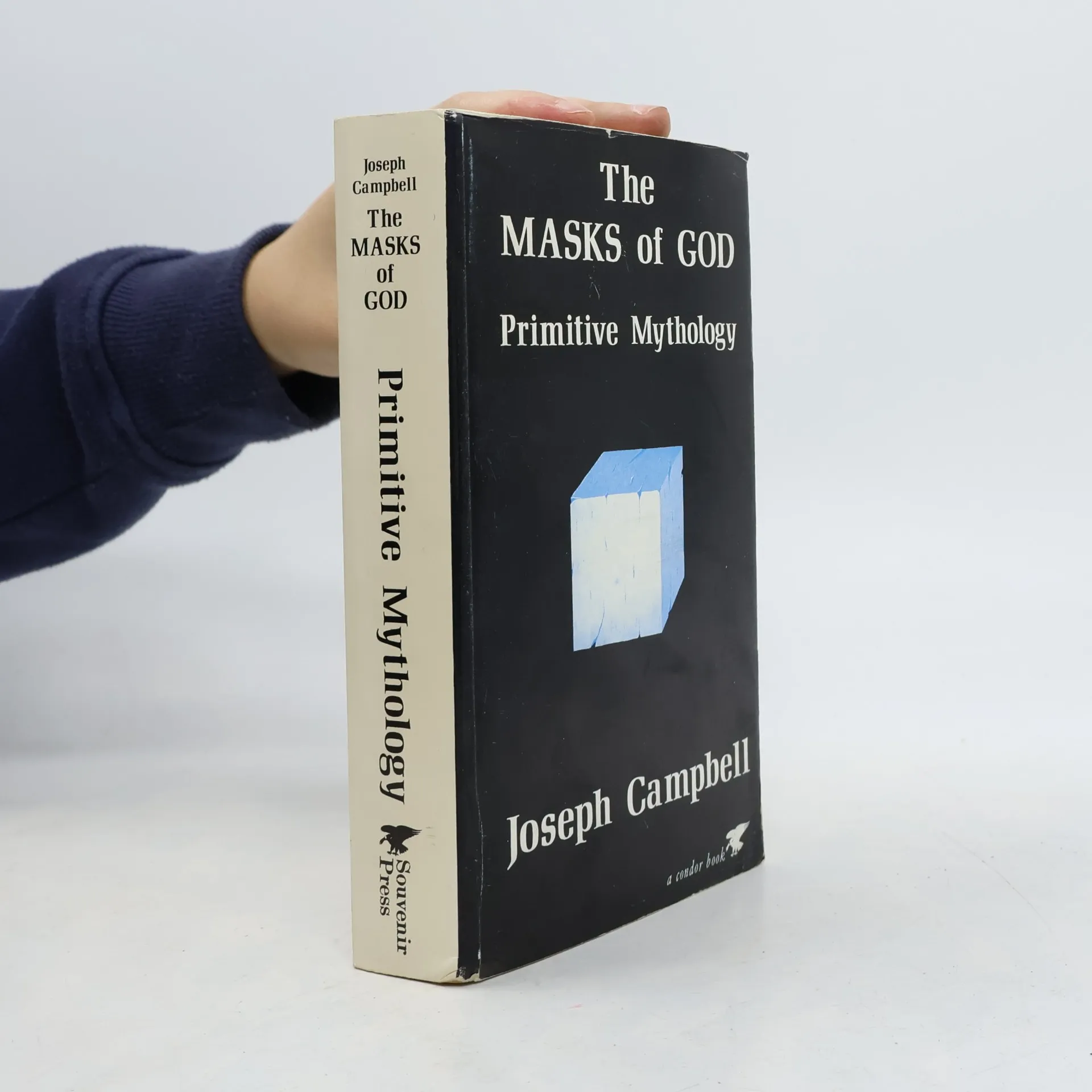
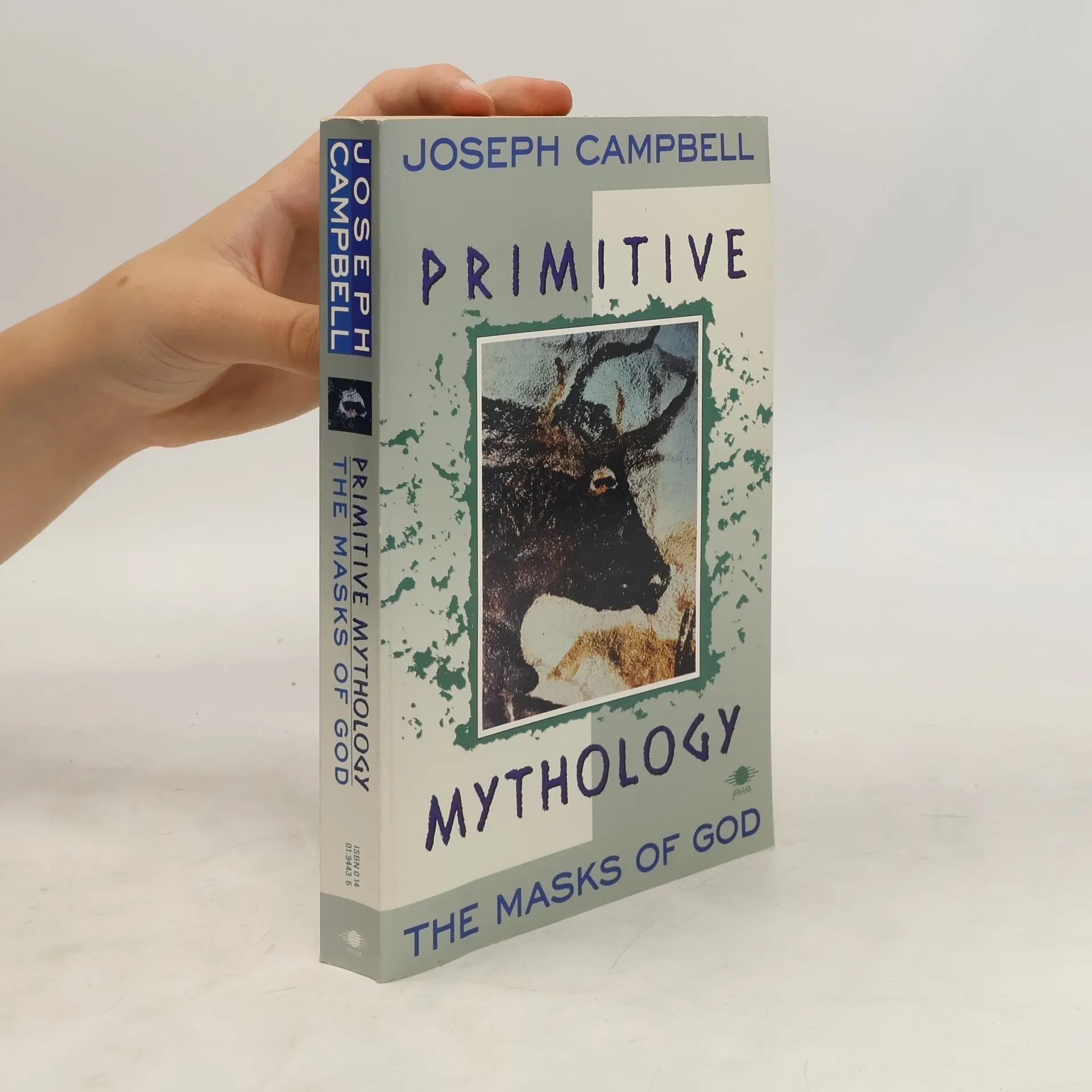
The author of such acclaimed books as Hero With a Thousand Faces and The Power of Myth discusses the primitive roots of mythology, examining them in light of the most recent discoveries in archaeology, anthropology, and psychology
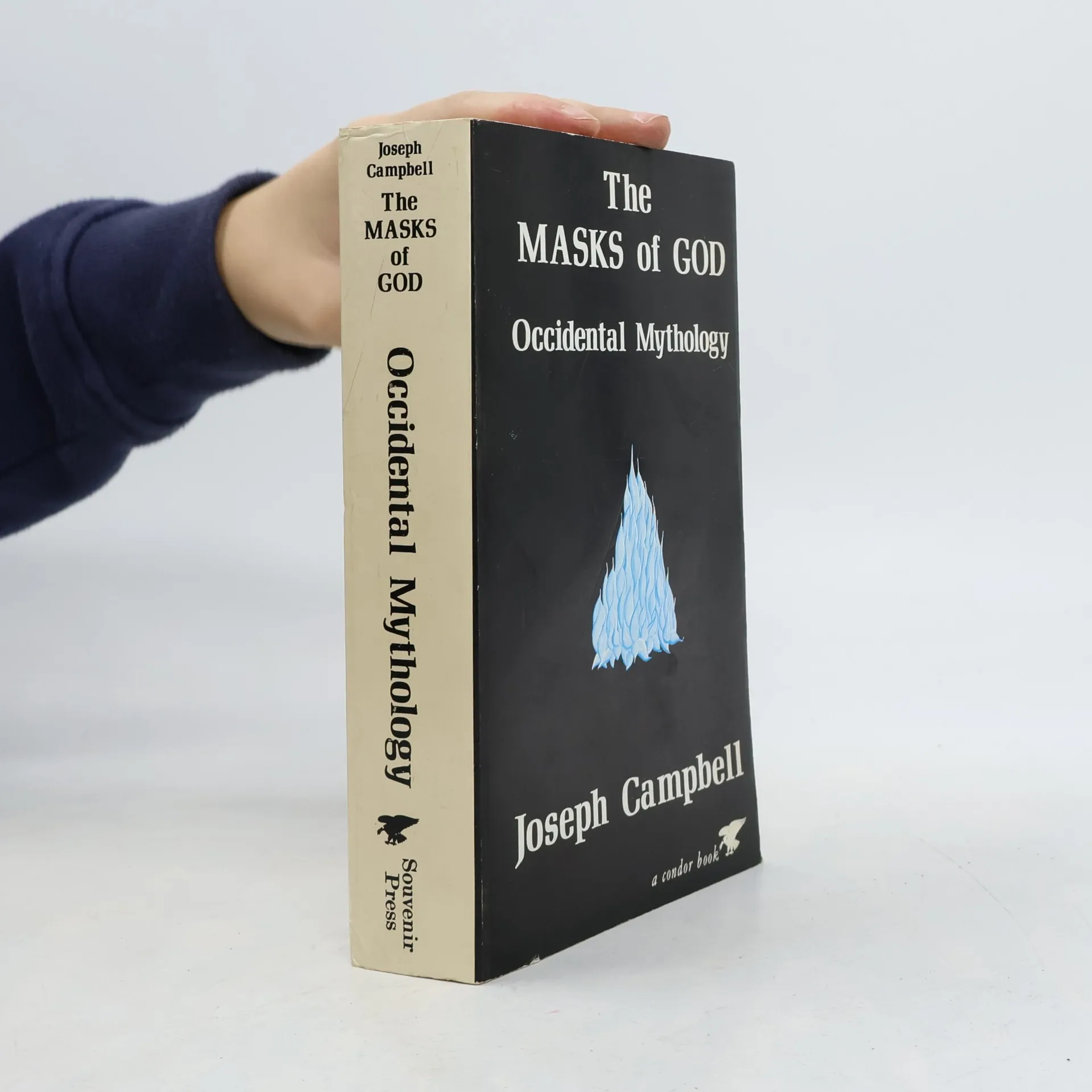
The third volume in Campbell's monumental four-volume series, The Masks of God, traces the mythological underpinnings of Western religion: the shift from female-centered to male-dominated mythology Once upon a time in the West, the focal figure of all mythology and worship was the bountiful Goddess Earth. She reigned supreme as the mother and nourisher of life and as the receiver of the dead for rebirth. How, when, and why did this change? As Campbell here elucidates, She was more than a symbol of fertility; she was "a metaphysical symbol: the arch personification of the power of Space, Time, and Matter, within whose bound all beings arise and die." Campbell shows how the mythologies of the goddess were radically transformed, reinterpreted, and in large measure suppressed "by those suddenly intrusive patriarchal warrior tribesmen whose traditions have come down to us chiefly in the Old and New Testaments and in the myths of Greece." Campbell goes on to describe the mythological underpinnings of Western religion -- Judaism, Christianity, Islam, Zoroastrianism -- and their historical influence on one another. No one who cares about history, mythology, or past or current events in the lands from whence we came can do without this venerable yet remarkably contemporary analysis.
Writings on myth, culture, art, and history by one of the 20th century's greatest mythologists
The author of such acclaimed books as Hero With a Thousand Faces and The Power of Myth discusses the primitive roots of mythology, examining them in light of the most recent discoveries in archaeology, anthropology, and psychology.
A collection of conversations, interviews, speeches, and book quotes that provide insight into the thinking of philosopher and writer Joseph Campbell.
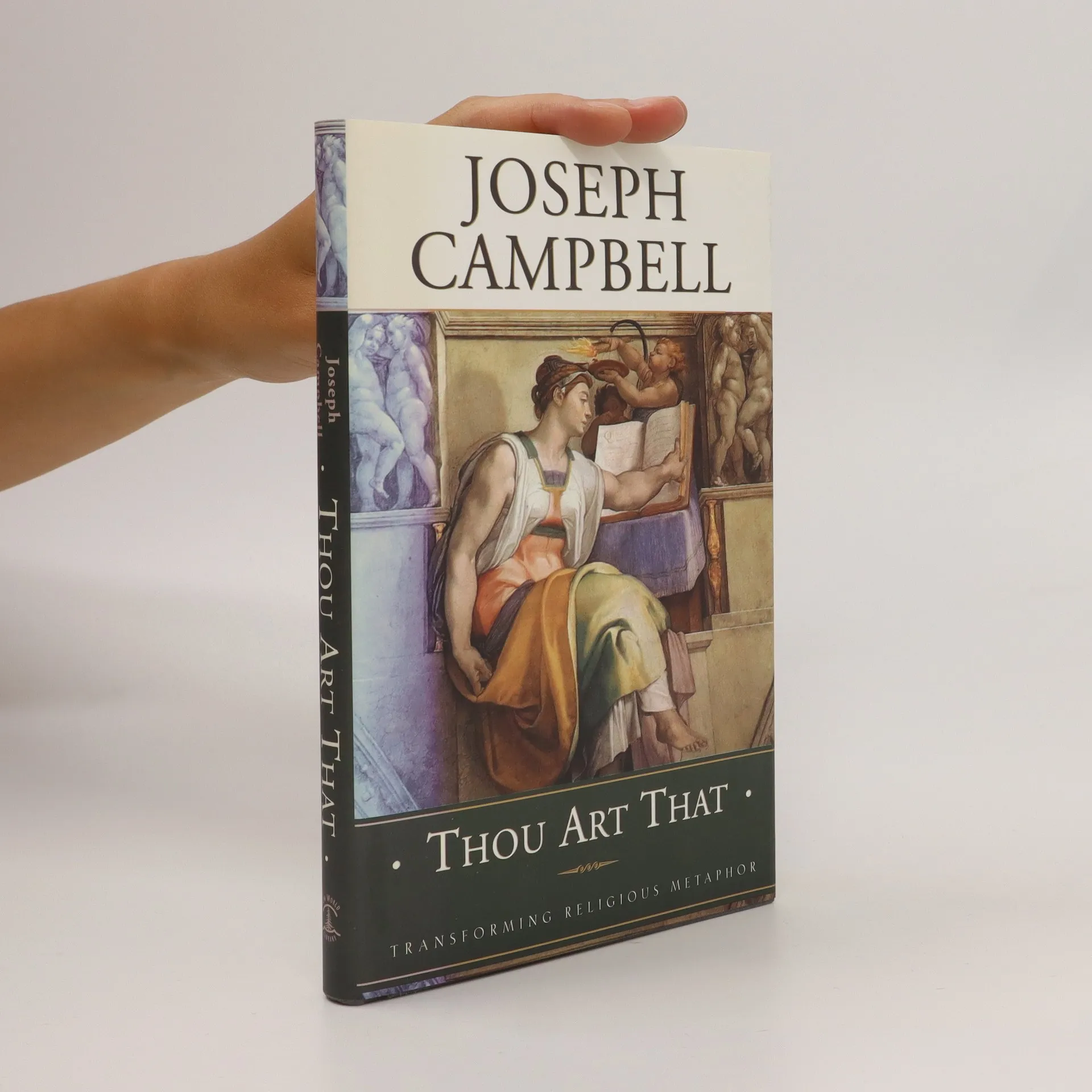
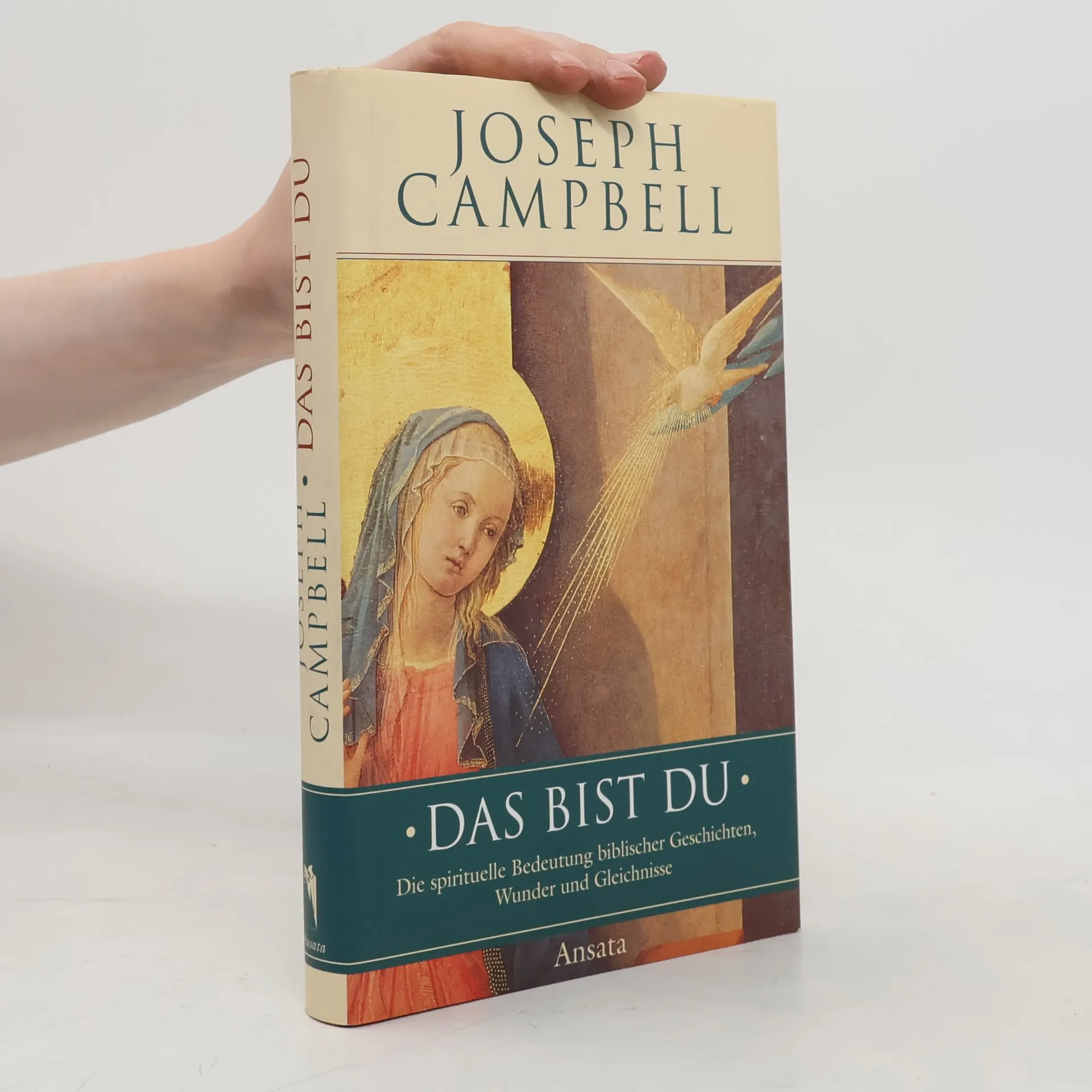
Thou Art That is a compilation of previously uncollected essays and lectures by Joseph Campbell that focus on the Judeo-Christian tradition. Here Campbell explores common religious symbols, reexamining and reinterpreting them in the context of his remarkable knowledge of world mythology. According to Campbell, society often confuses the literal and metaphorical interpretations of religious stories and symbols. In this collection, he eloquently reestablishes these metaphors as a means to enhance spiritual understanding and mystical revelation. With characteristic verve, he ranges from rich storytelling to insightful comparative scholarship. Included is editor Eugene Kennedy’s classic interview with Campbell in The New York Times Magazine, which brought the scholar to the public’s attention for the first time.
Mythology and Personal Transformation (16pt Large Print Edition)
Exploring the psychological dimensions of myth, this book delves into how ancient stories serve as guides for personal fulfillment and transformation. Joseph Campbell connects cross-cultural myths with modern psychological insights, emphasizing the individual's journey as a hero. He discusses the influence of figures like Carl Jung, contrasts Eastern and Western views on the ego, and provides a Q&A section addressing various mythological themes. Through his engaging storytelling, Campbell highlights how these timeless narratives can illuminate our daily lives and help us discover our true bliss.
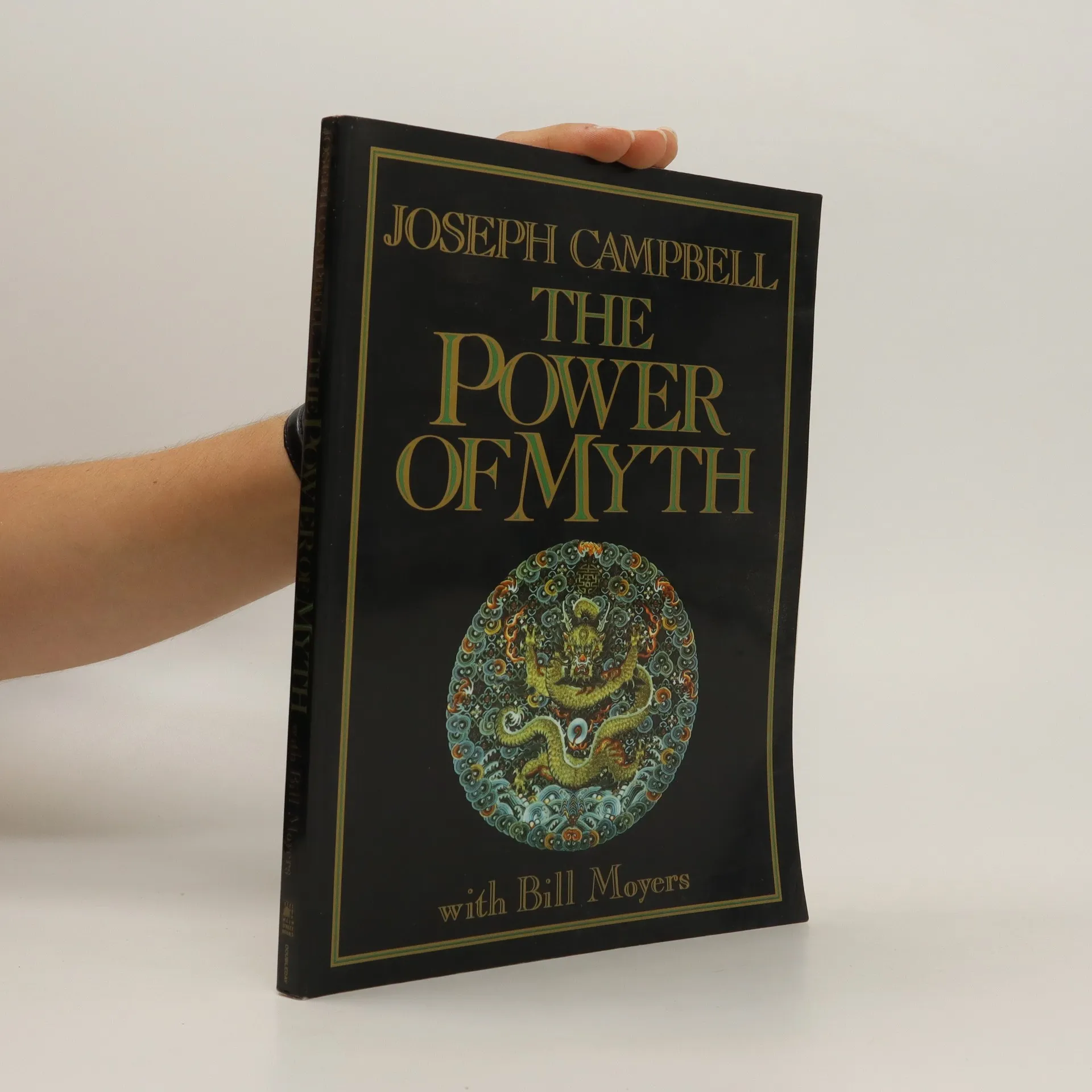
Onversations between Joseph Campbell and Bill Moyers, a television journalist, discussing mythology and our ties to the past.
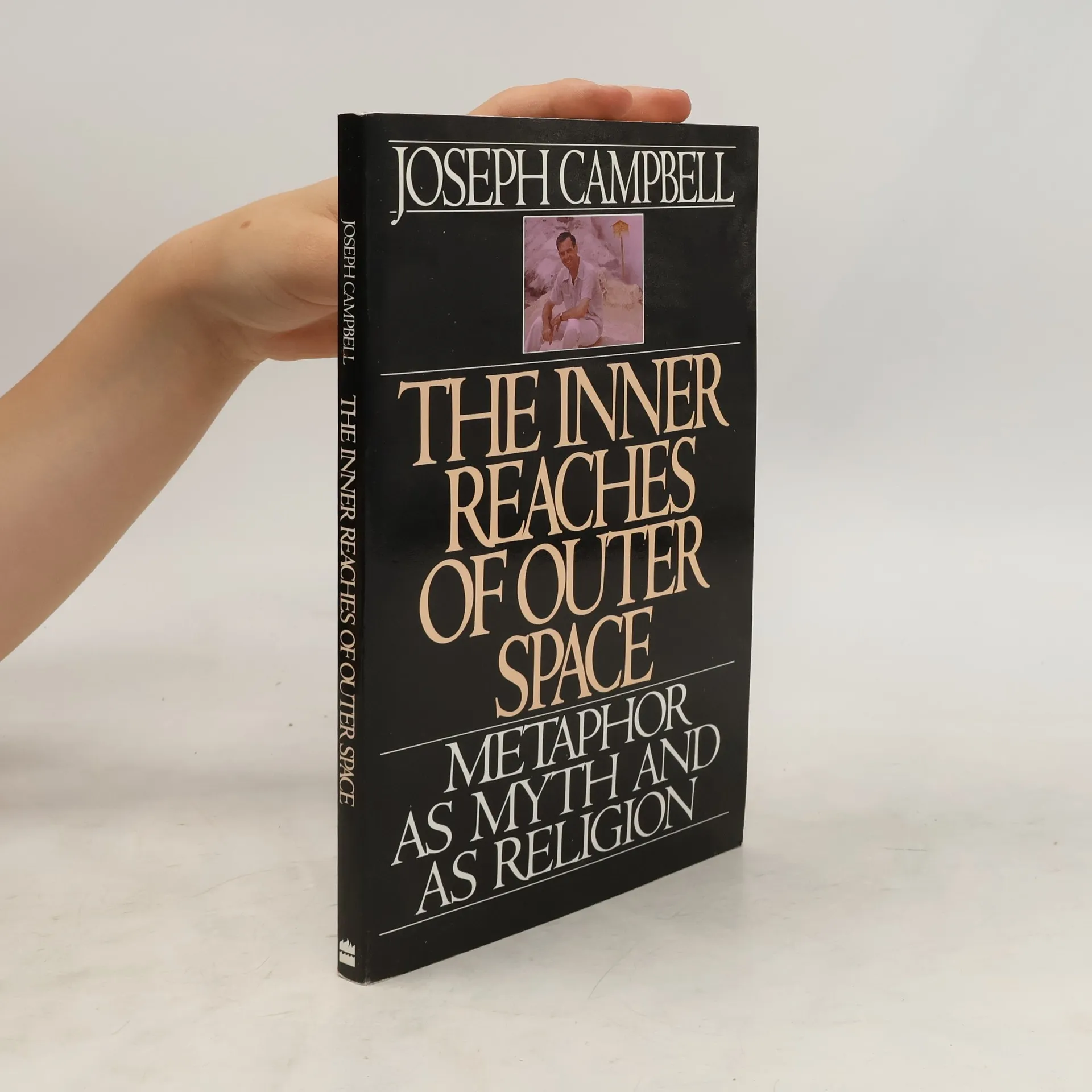
The last book Joseph Campbell completed before his death, this wide-ranging collection grew from a series of lectures he delivered in San Francisco, which included a legendary symposium with astronaut Rusty Schweickart. Here he explores the Space Age and posits that the newly discovered laws of outer space are actually within us as well, and that a new mythology is implicit in that realization. Campbell explores this possibility in the concluding essay, "The Way of Art," where he demonstrates that metaphor is the language of art and argues that within the psyches of today's artists are the seeds of tomorrow's mythologies. Also included are Campbell's thoughts on mythology as a function of biology in "Myth and the Body" and his series of essays, "Metaphor as Myth and as Religion," where he presented for the first time a fundamental summary of his pioneering work in mythology and comparative religion.
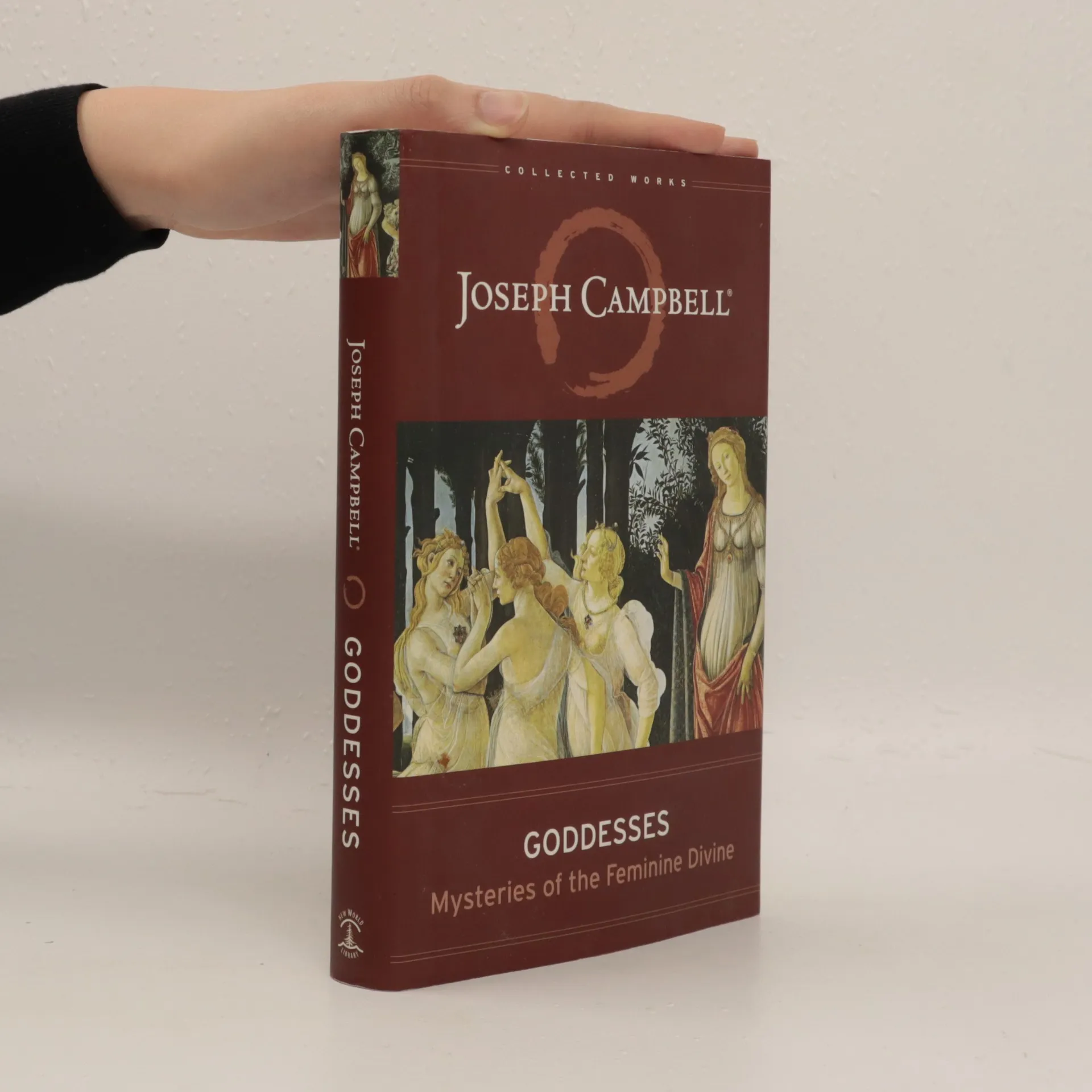
"Previously uncollected lectures and writings that trace the evolution of the Goddess, from Neolithic Old Europe to the Renaissance, and interpret classical motifs. Offers insight into self-actualization for women. Edited and introduced by the executive director of the Opus Archives and Research Center"--Provided by publisher.
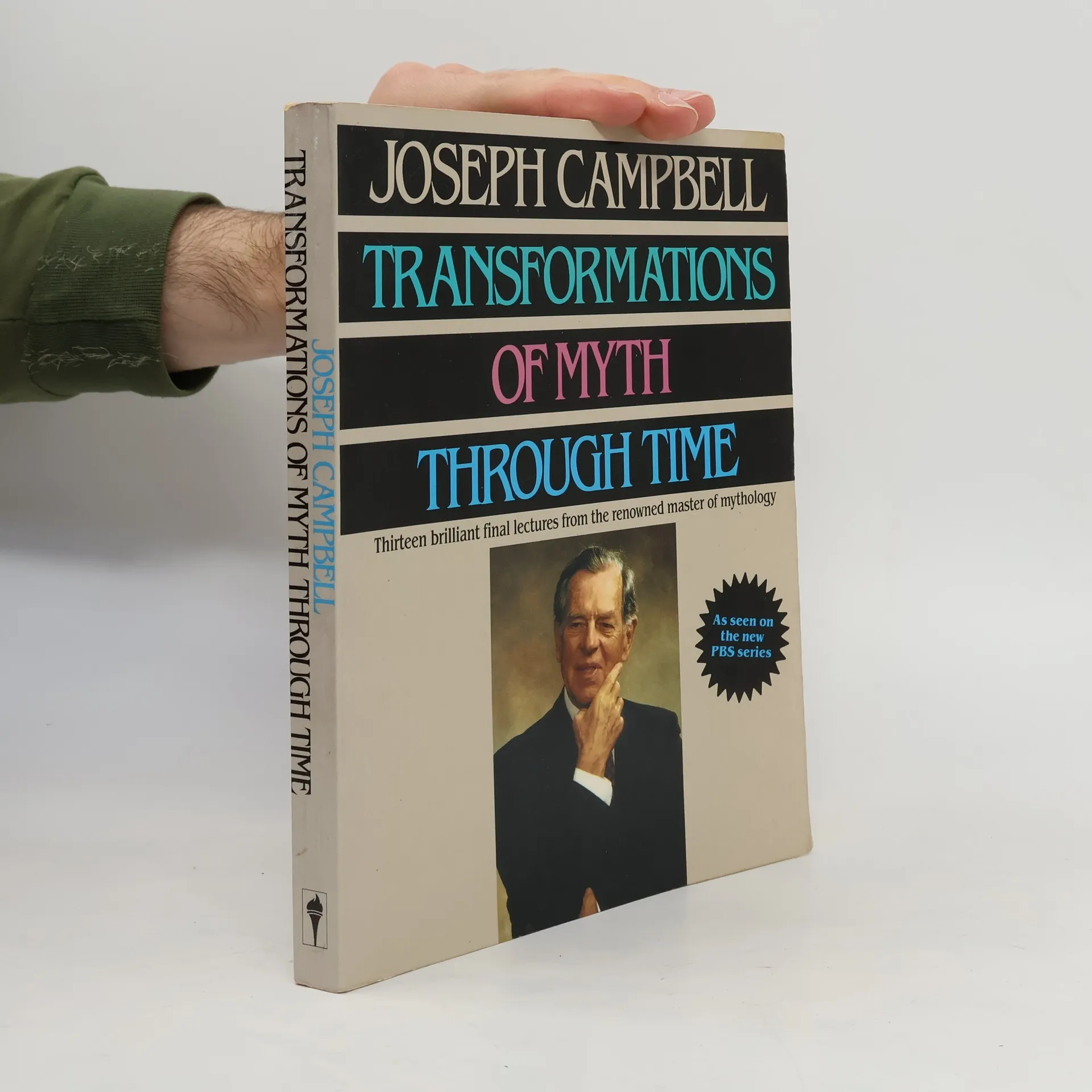
The renowned master of mythology is at his warm, accessible, and brilliant best in this illustrated collection of thirteen lectures covering mythological development around the world.
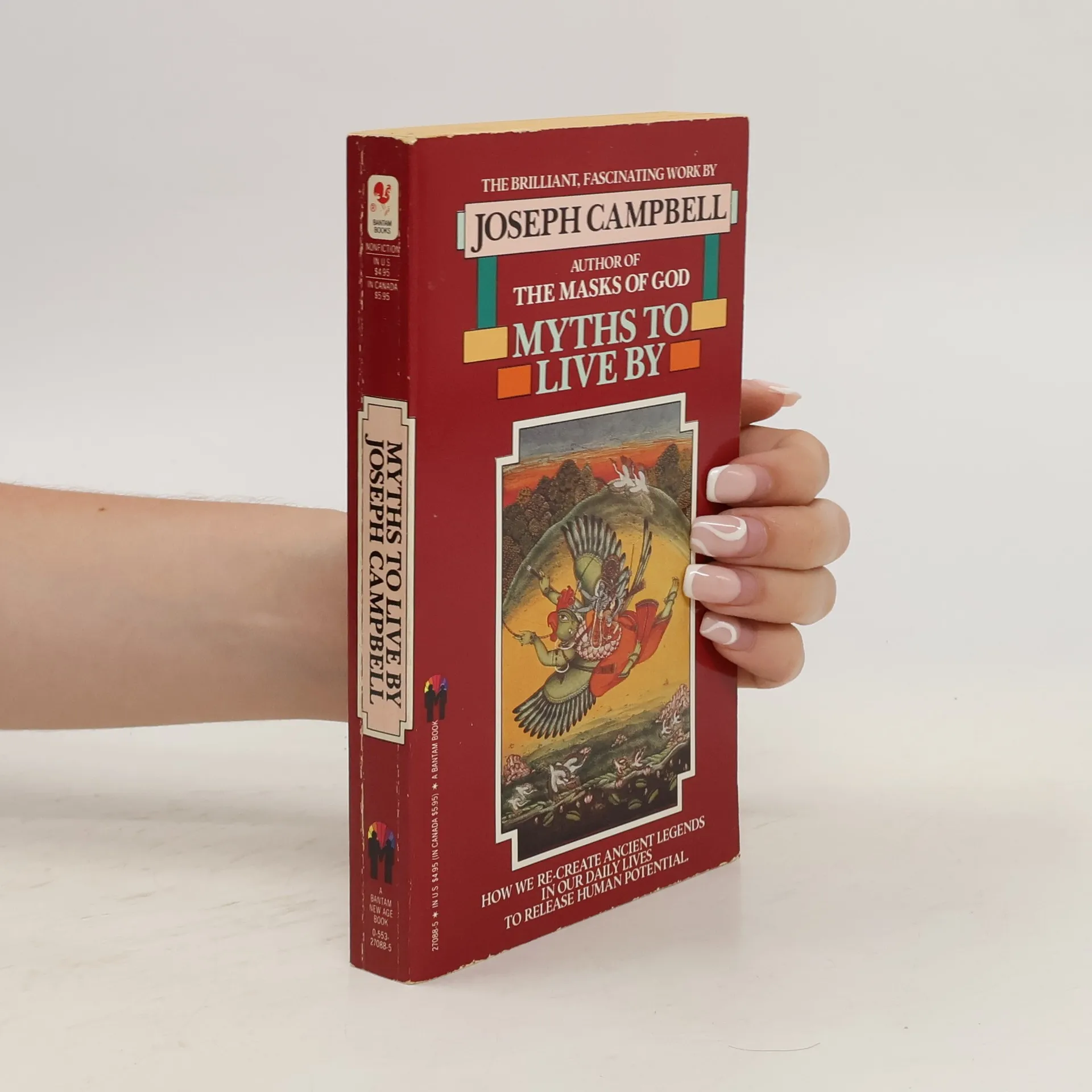
In Myths to Live By, Joseph, Campbell explores the enduring power of the universal myths that influence our lives daily and examines the myth-making process from the primitive past to the immediate present, returning always to the source from which all mythology springs; the creative imagination. Campbell stresses that the borders dividing the earth have been shattered; that myths and religions have always followed the certain basic archetypes and are no longer exclusive to a single people, region, or religion. He shows how we must recognize their common denominators and allow this knowledge to be of use in fulfilling human potential everywhere.
This collection features Joseph Campbell’s writings and lectures on Arthurian romances, a key area of his scholarship, edited by Arthurian scholar Evans Lansing Smith, PhD. Throughout his career, Campbell explored the Grail Quests and legends of the European Middle Ages. This volume includes his never-before-published master’s thesis, “A Study of the Dolorous Stroke,” along with other writings that illuminate the captivating tales of figures like Merlin, Gawain, and Guinevere. Campbell's insights reveal that stories such as Merlin’s death and Arthur receiving Excalibur from the Lady of the Lake are not merely entertaining but also integral to his mythological framework. The Arthurian myths prompted Campbell to delve into comparative mythology, connecting these legends to Near and Far Eastern mythic roots. He regarded these romances as the world’s first “secular mythology,” uncovering metaphors for human growth, development, and psychology. The myths exemplify the concept of amor, where individuals achieve greater self-actualization through connection. Campbell’s enthusiasm for his findings makes this volume a must-read for anyone interested in the narratives we share and the deeper meanings behind them.
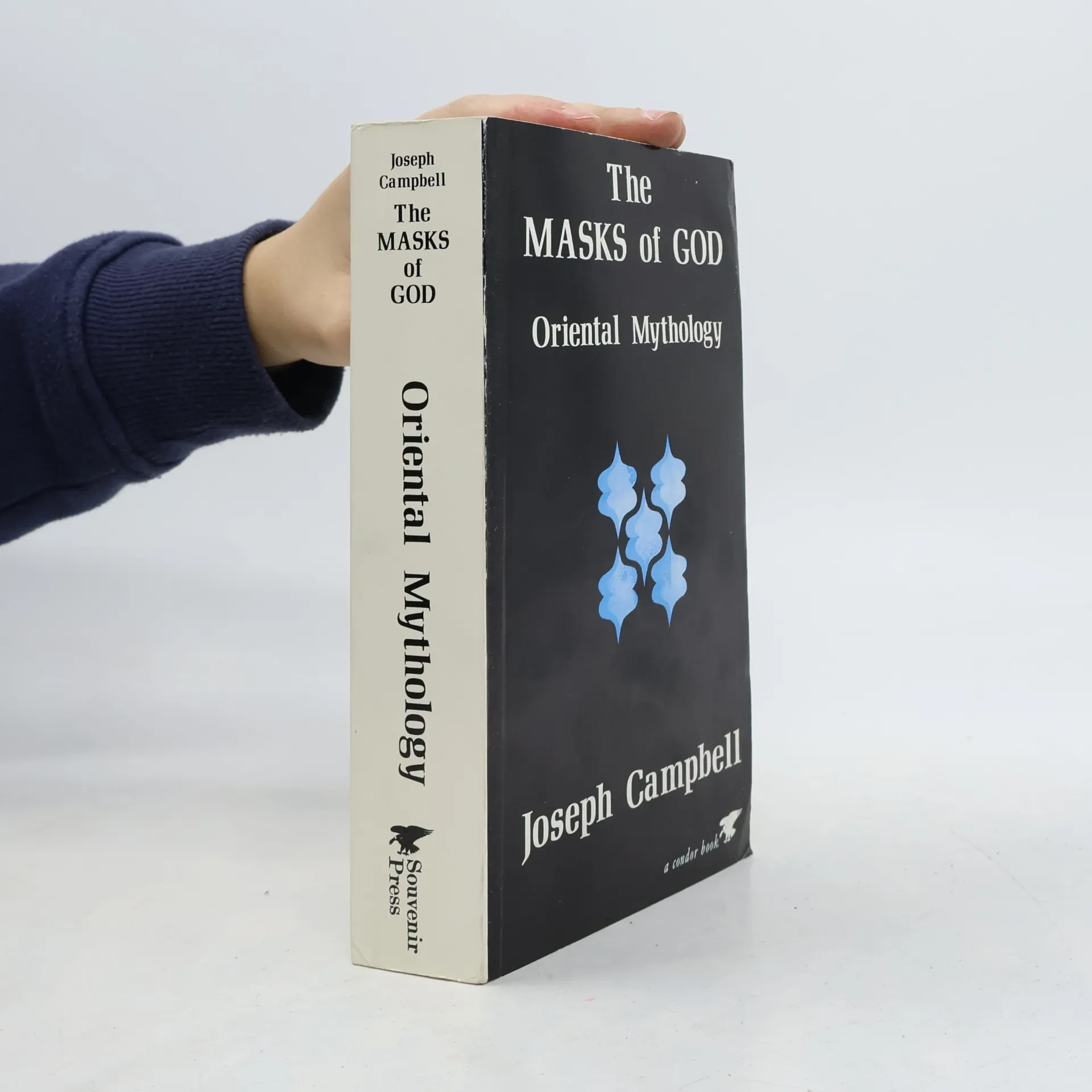
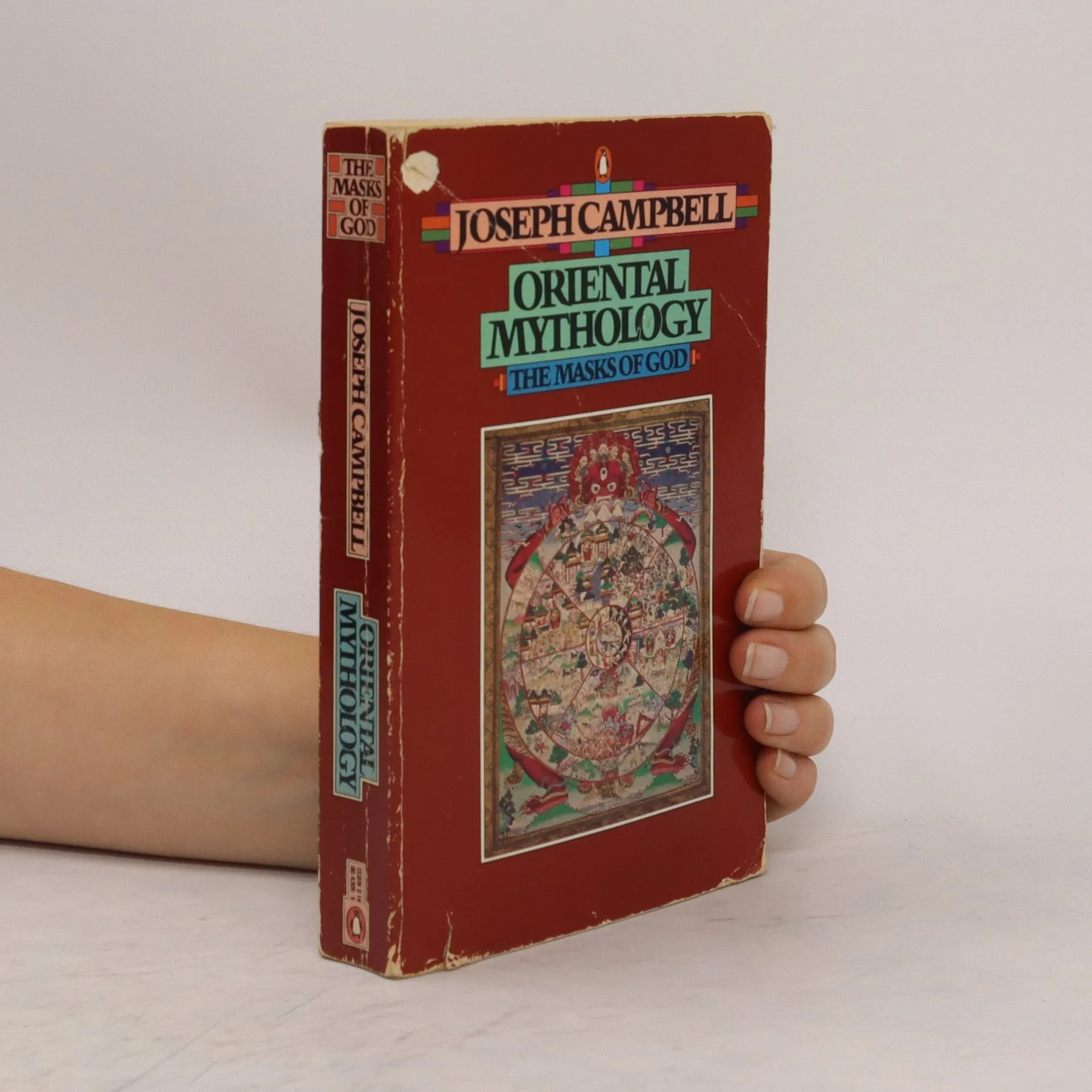
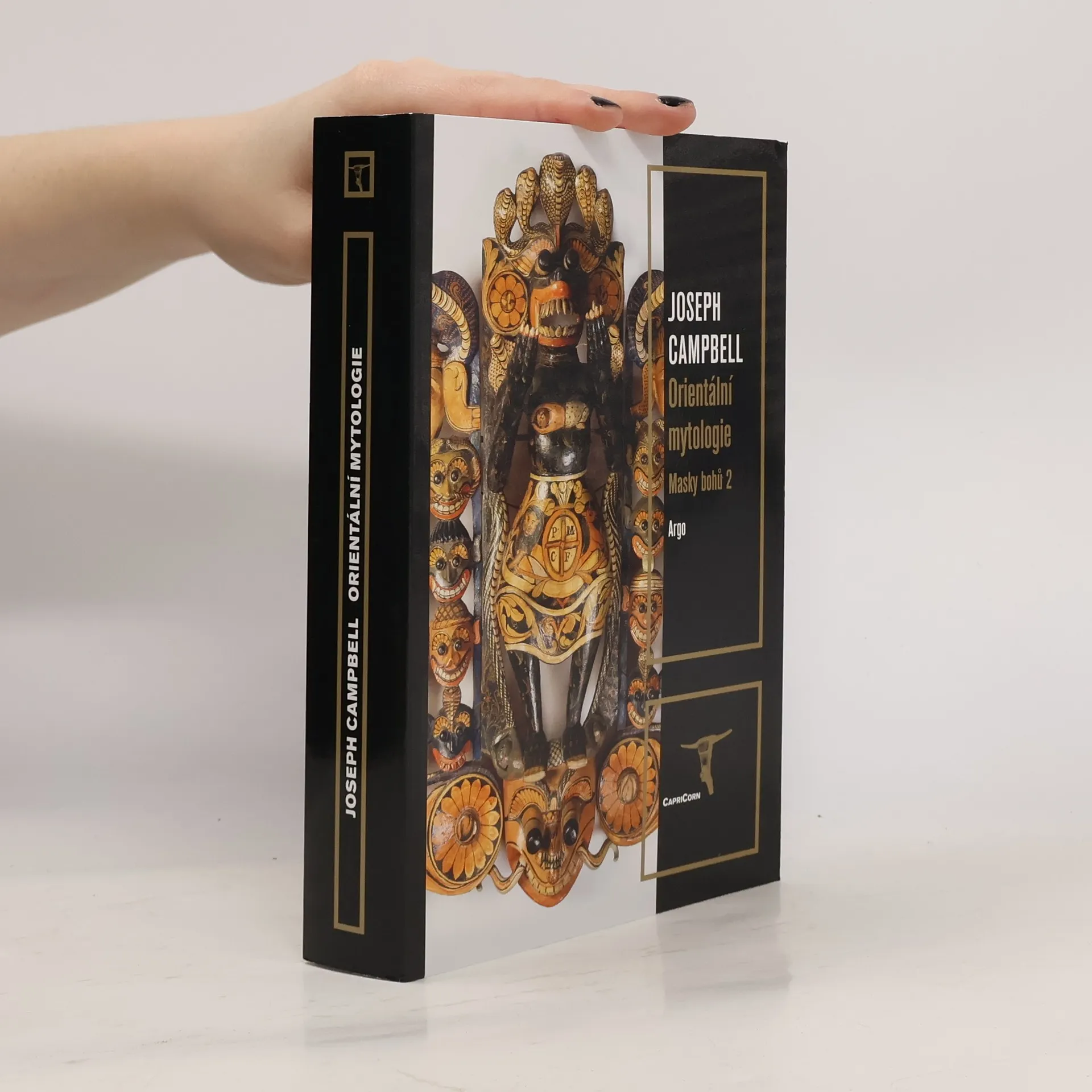
An exploration of Eastern mythology as it developed into the distinctive religions of Egypt, India, China, and Japan.
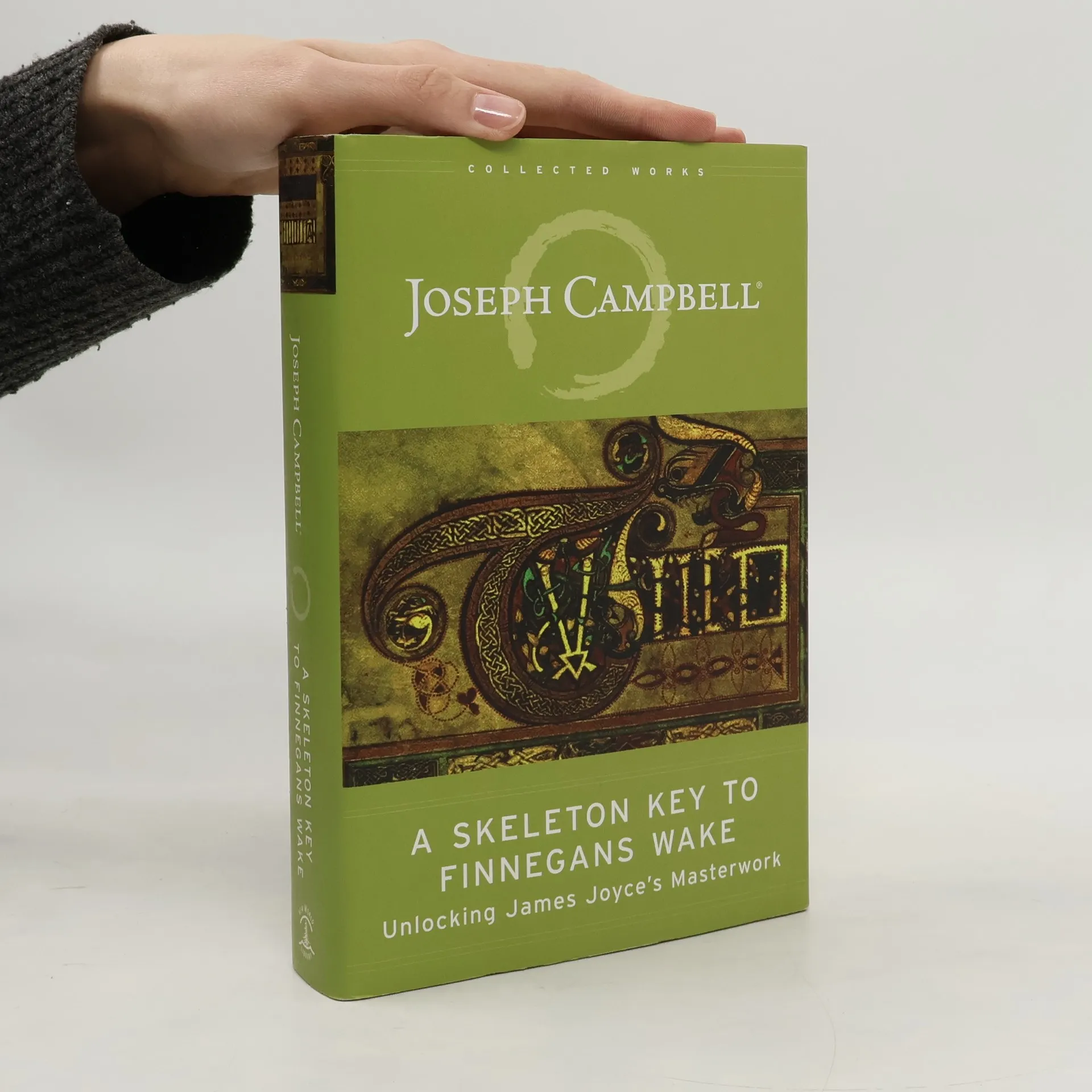
Since its publication in 1939, countless would-be readers of Finnegans Wake — James Joyce's masterwork that consumed a third of his life — have given up after a few pages and dismissed it as a "perverse triumph of the unintelligible." In 1944, a young professor of mythology and literature named Joseph Campbell, working with Henry Morton Robinson, wrote the first "key" or guide to entering the fascinating, disturbing, marvelously rich world of Finnegans Wake. The authors break down Joyce's "unintelligible" book page by page, stripping the text of much of its obscurity and serving up thoughtful interpretations via footnotes and bracketed commentary. A Skeleton Key was Campbell's first book, published five years before he wrote his breakthrough Hero with a Thousand Faces.
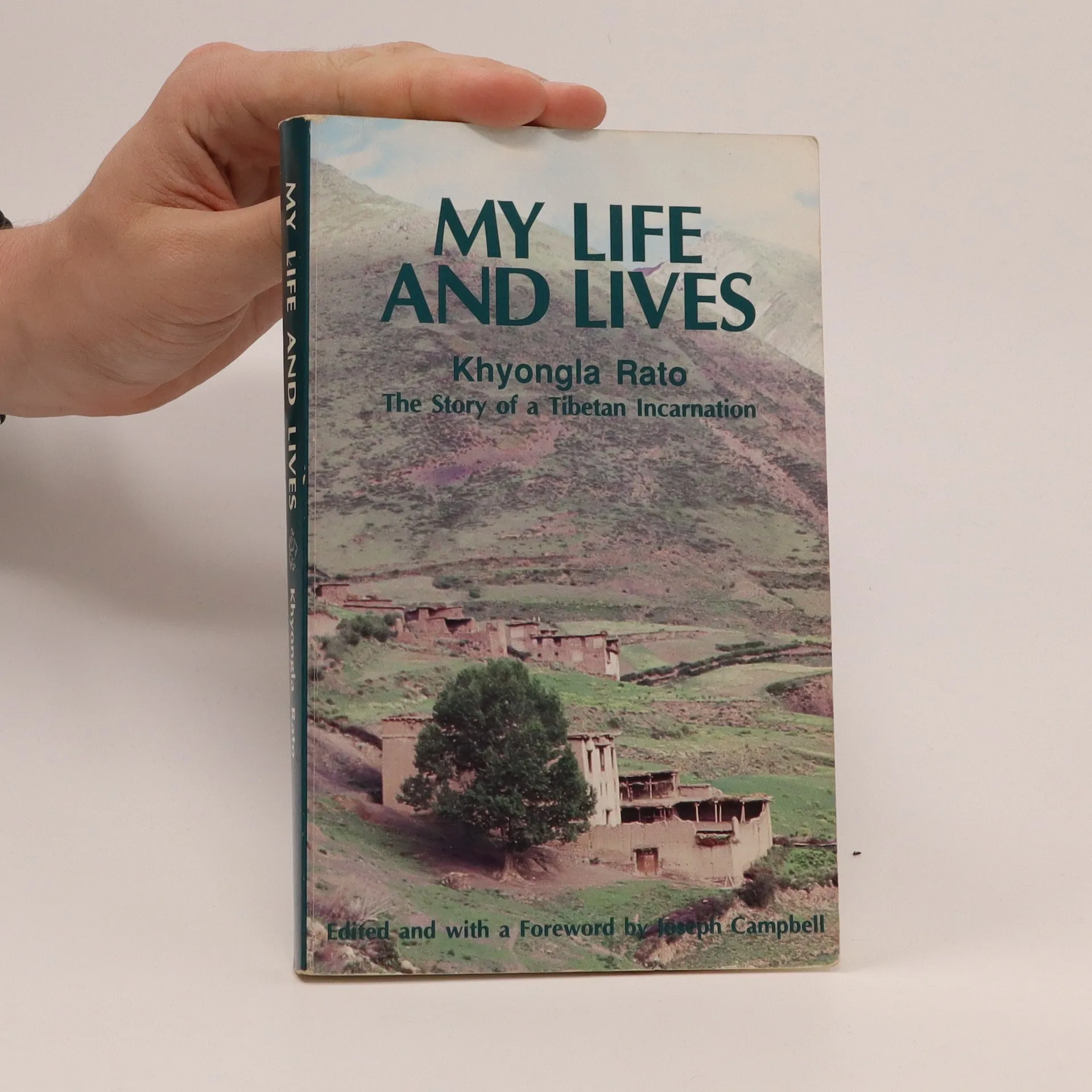
The autobiography of Khyongla Rato is a moving human interest story set in the last few decades of life in Tibet before Communists seized control of the country in 1959. It is the only record in English of daily life in Tibet's great monastic universities. Readers can experience Tibet's customs and ceremonies, as well as the emotions and intellectual challenges of the rigourous training required to pass exams in Buddhist sutra and tantra studies. Joseph Campbell, one of Khyongla Rato's students, wrote the introduction to the book.
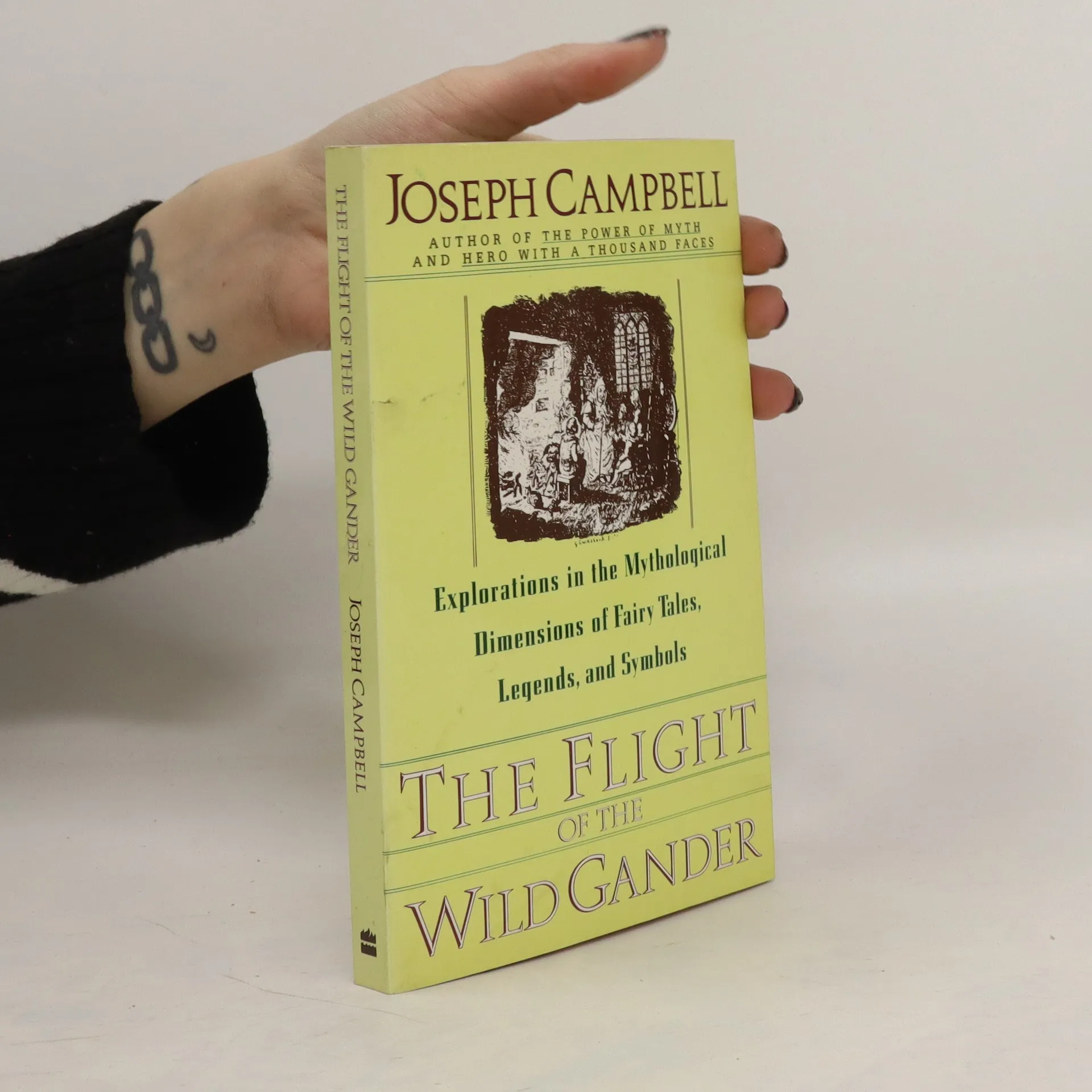
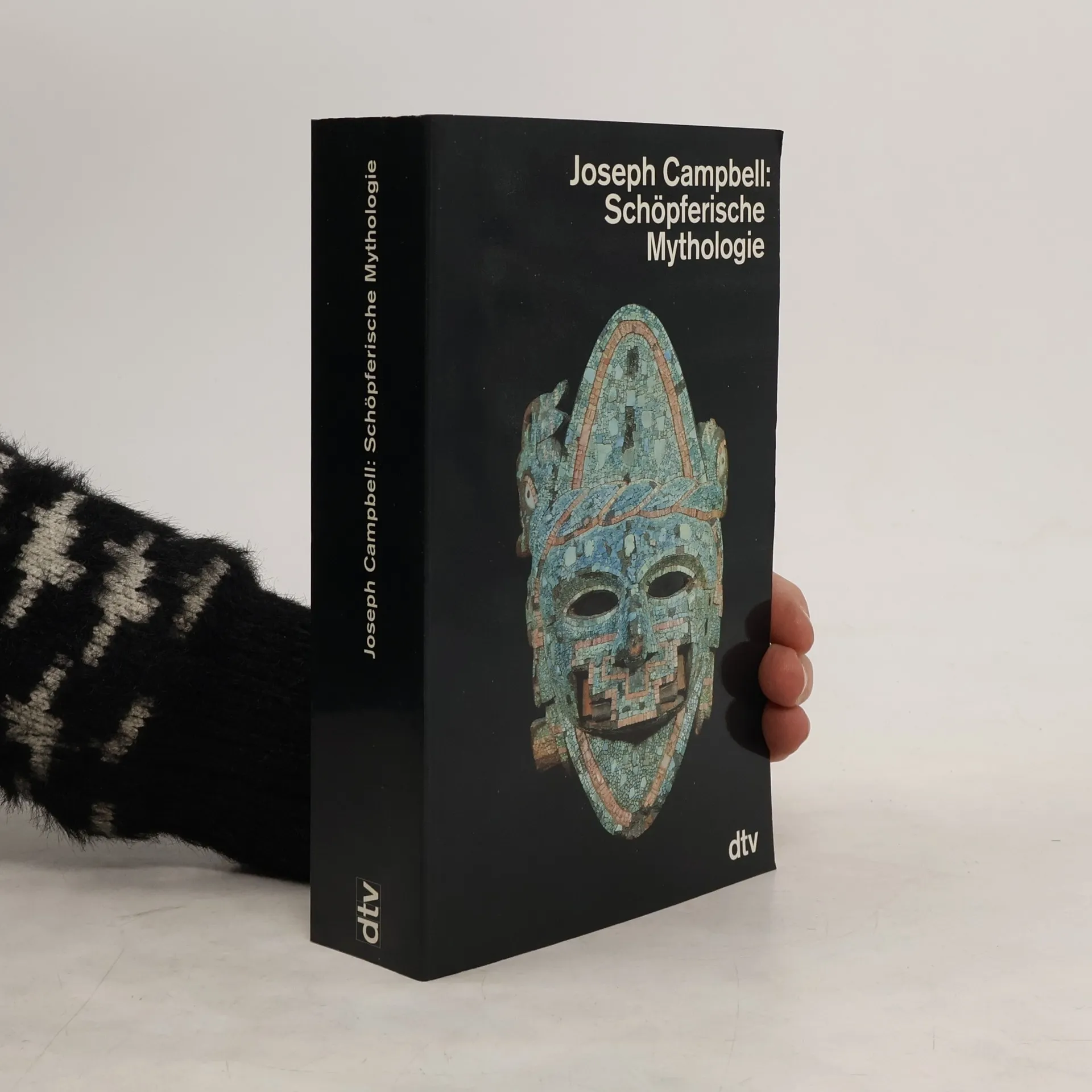
One of the most respected minds of our time, Joseph Campbell explores the range of mythologies from Grimm's fairy tales to Native American legends, offers the reader unique insights into the legends, offers the reader unique insights into the origins and function of mythology, and ponders the forms mythology may take in the future.
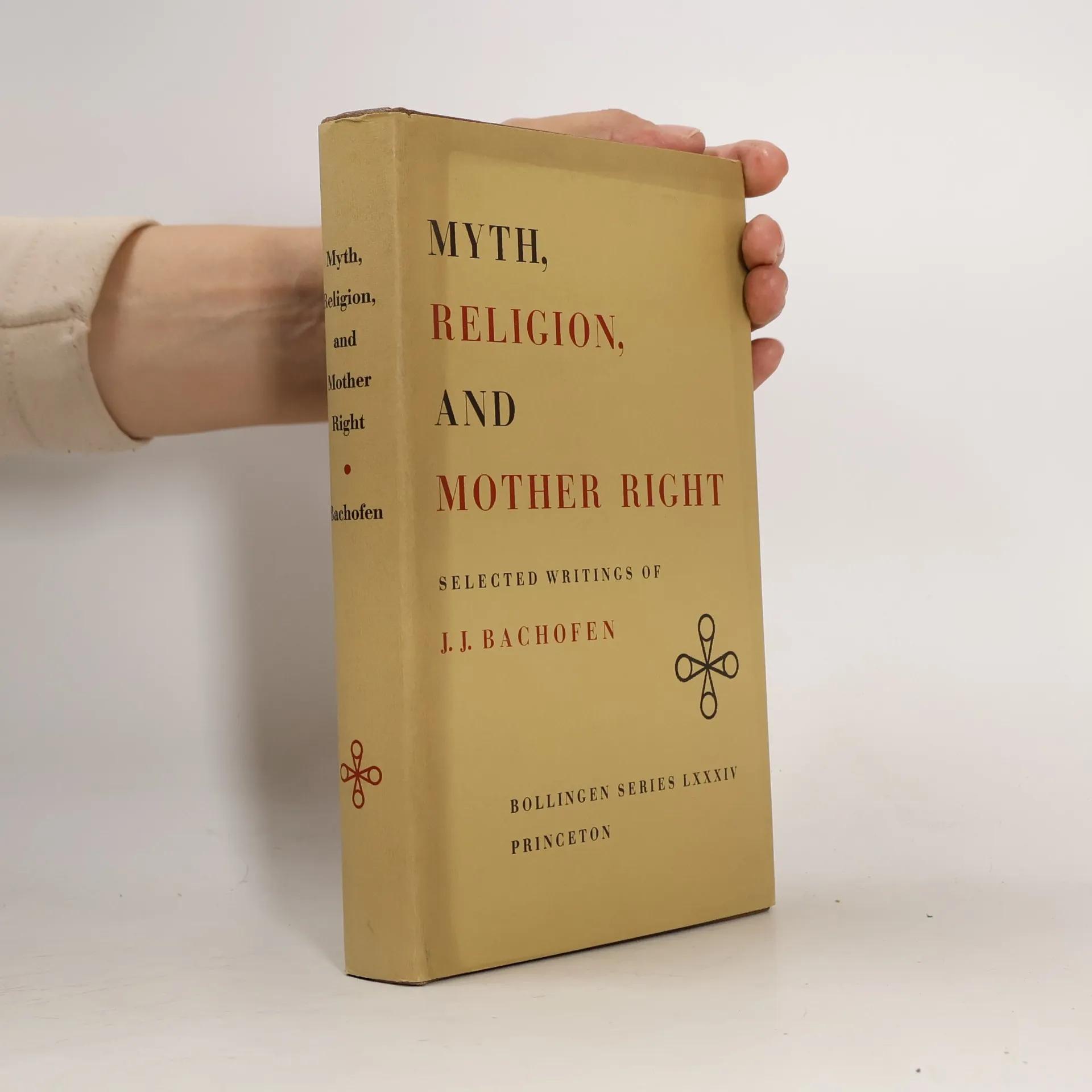
The Swiss thinker J. J. Bachofen is most often connected with his theory of matriarchy, or "mother right," but that concept is only a small part of his contribution to our understanding of cultural history. This book includes an autobiographical essay and selections from An Essay on Ancient Mortuary Symbolism, Mother Right, and The Myth of Tanaquil. ?
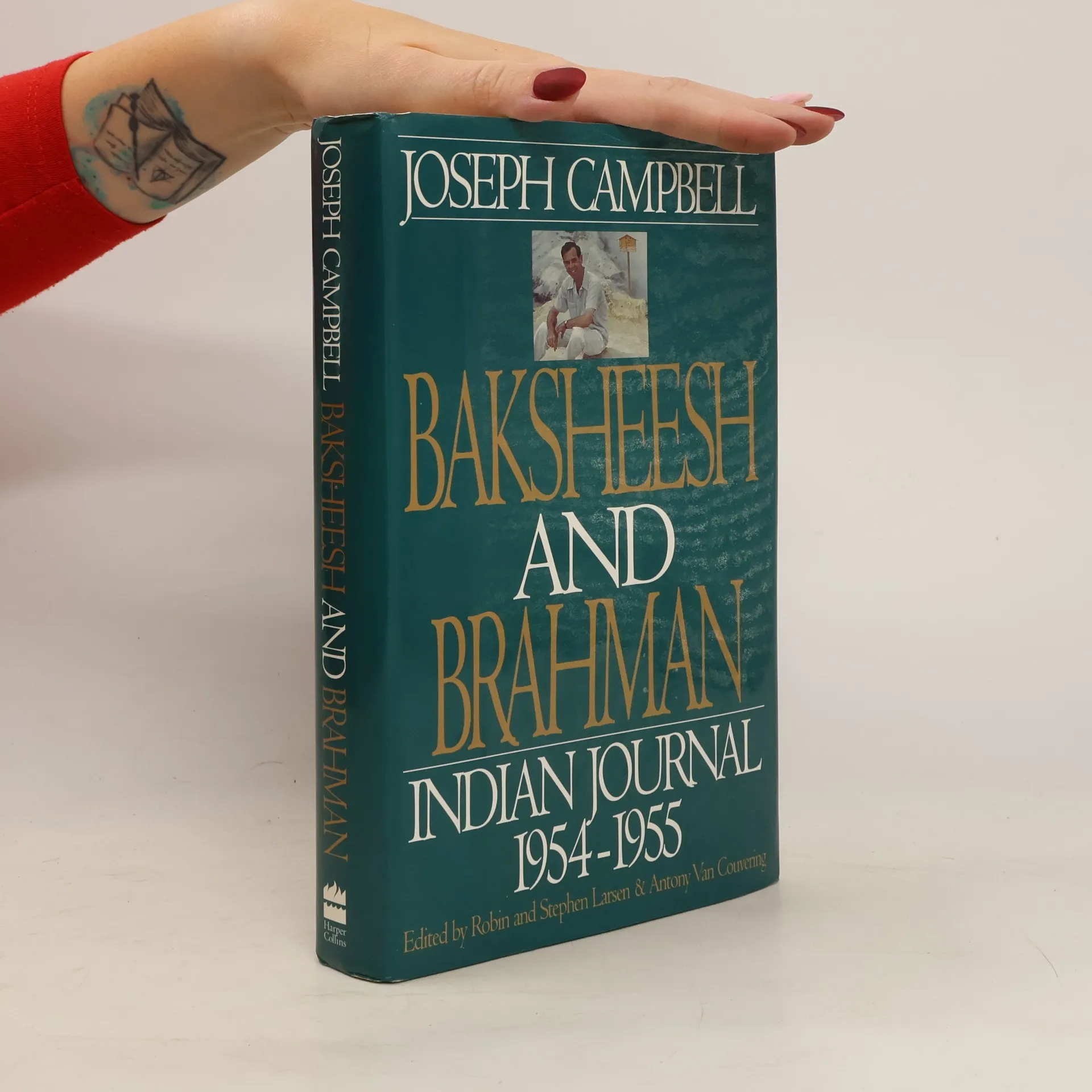
Joseph Campbell (1904-1987) was one of the foremost interpreters of myth in our time. He was a prolific writer, dedicated editor, inspiring lecturer, and an avid scholar of art, culture, religion, and philosophy. Joseph Campbell's yearlong journey to Asia in 1954-1955 was a turning point in his life. After ten years' work on Indian art and philosophy, he made a long-postponed journey to the East. Baksheesh and Brahman is his journal of six months of disillusionment and revelation in India and a superb illustration of his working method.
A systematic and fascinating comparison of the themes that underlie the art, worship, and literature of the Western world.
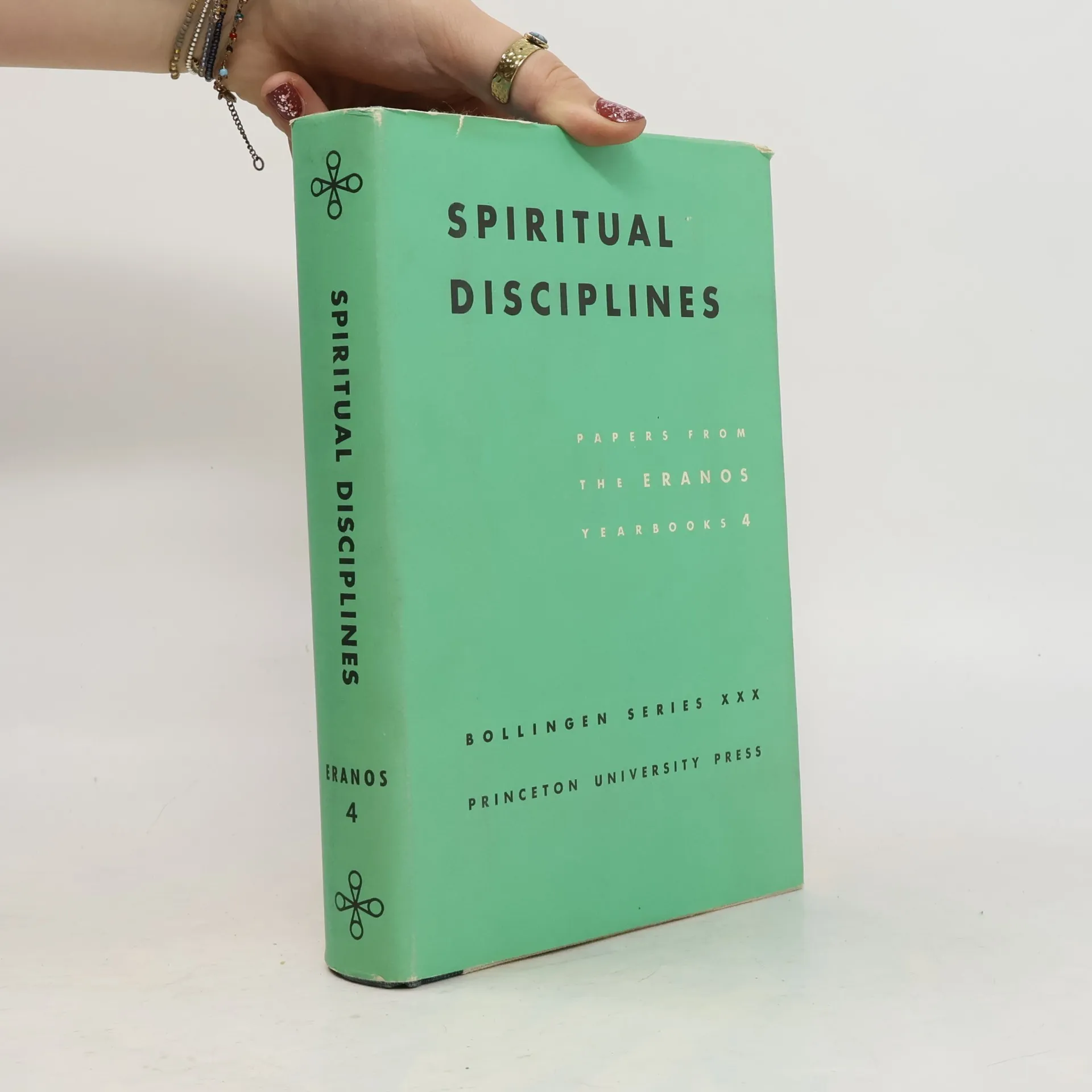
Essays by Rudolf Bernoulli, Martin Buber, C. M. von Cammerloher, T. W. Danzel, Friedrich Heiler, C. G. Jung, C. Kernyi, John Layard, Fritz Meier, Max Pulver, Erwin Rousselle, and Heinrich Zimmer. With an introduction by Mircea Eliade.
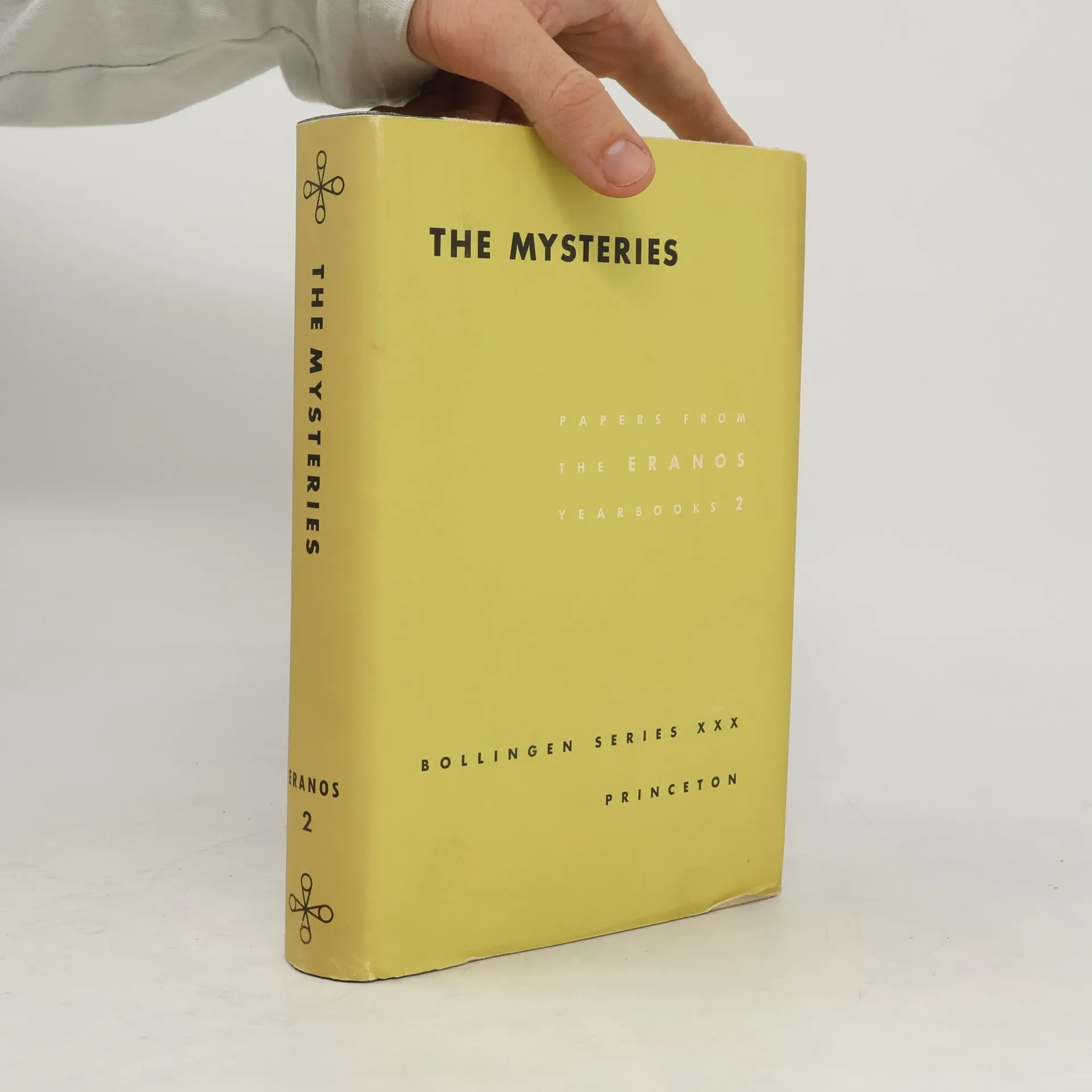
The Mysteries
Essays by Julius Baum, C. G. Jung, C. Ker�nyi, Hans Leisegang, Paul Masson-Oursel, Fritz Meier, Jean de Menasce, Georges Nagel, Walter F. Otto, Max Pulver, Hugo Rahner, Paul Schmitt, and Walter Wili.
Campbell talks about romantic love, beginning with the 12th century troubadours, and addresses questions about the image of woman--as goddess, virgin, Mother Earth. Moyers: " "In the middle ages amour was celebrated by wandering minstrels who sang of what the eyes have made welcome to the heart. It helped create a distinctive Western consciousness that exalted the individual experience of men and woman over the authority and traditions of the church and state."" Campbell: " "Virgin birth is the birth of spiritual man out of animal man.... When you are awakened at the level of the heart to compassion and suffering with the other person, that is the beginning of humanity.... It is the suffering that evokes the humanity of the human heart. Love, you might say, is the burning point of life and since all is sorrowful, so is love. And the stronger the love, the more that pain"-"that love bears all things. Love itself is a pain, you might say"-"that is, the pain of being truly alive.""
A Princeton Classics edition of an essential work of twentieth-century scholarship on India Since its first publication, Philosophies of India has been considered a monumental exploration of the foundations of Indian philosophy. Based on the copious notes of Indologist, linguist, and art historian Heinrich Zimmer, and edited by Joseph Campbell, this book is organized into three sections. “The Highest Good” looks at Eastern and Western thought and their convergence; “The Philosophies of Time” discusses the philosophies of success, pleasure, and duty; and “The Philosophies of Eternity” presents the fundamental concepts of Buddhism, Brahmanism, Jainism, Sankhya and yoga, and Tantra. This work examines such areas as the Buddhist Tantras, Buddhist Genesis, the Tantric presentation of divinity, the preparation of disciples and the meaning of initiation, and the symbolism of the mandala-palace Tantric ritual and twilight language. It also delves into the Tantric teachings of the inner Zodiac and the fivefold ritual symbolism of passion. Appendices, a bibliography, and general and Sanskrit indexes are included.
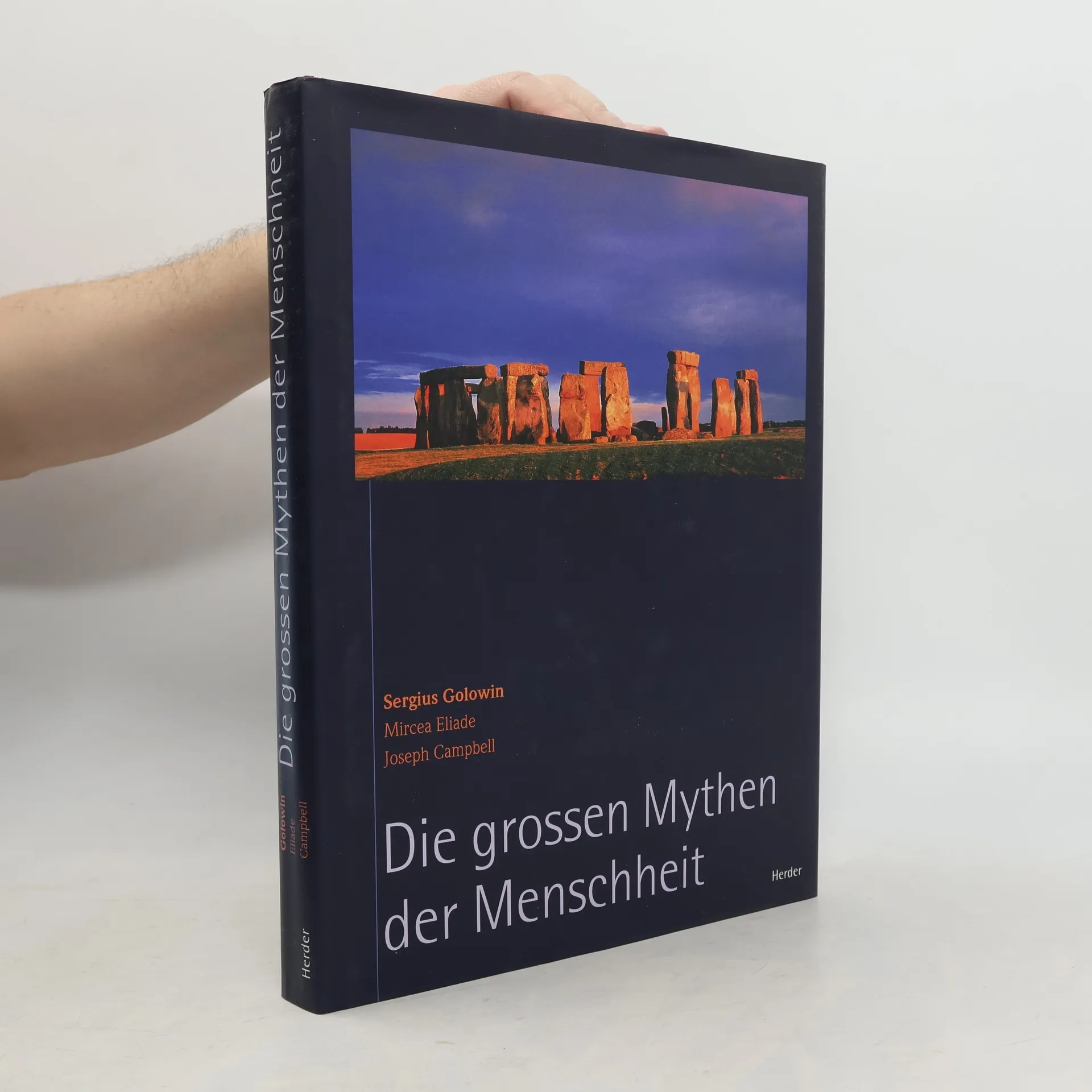
"Im Anfang war das Wort, und Gott 'Es werde Licht'." So präsentiert sich der christliche Schöpfungsmythos. Während wir eine Vorstellung vom Weltuntergang und dem jüngsten Gericht haben, haben auch andere Kulturen über Jahrhunderte hinweg Mythen und Sagen hervorgebracht, die ihre Weltanschauungen widerspiegeln. Schon frühe Stämme drückten in Höhlenmalereien ihre Geschichten über Jagd, Geburt und Schamanismus aus. Die Anbetung von Erdmuttergottheiten war unter den Menschen weit verbreitet. Sergius Golowin hat einen bildreichen Leseband veröffentlicht, der eine umfassende Übersicht über Menschheitsmythen und Götterwelten bietet. Er beginnt bei den afrikanischen Mythen und reist über das Mittelmeer, die nordischen Länder und den Nahen Osten bis nach Ozeanien und Amerika. Thematisch behandelt er die Entstehung des Kosmos, ägyptische Götter und monotheistische Reformen. Besonders informativ ist sein grafisch bebilderter Stammbaum der griechischen Götterwelt, der die komplexen Beziehungen verdeutlicht. Die Weltesche Yggdrasil und zahlreiche Tragikhelden wie Sigurd, Orpheus und Gilgamesch werden vorgestellt. Golowin beleuchtet die Vielfalt der Tiergottheiten und die Vorstellungen von Seelenwanderung. Dieses Werk richtet sich sowohl an Spezialisten als auch an Einsteiger und ist ein ideales Buch für die besinnlichen Tage am Jahresende.
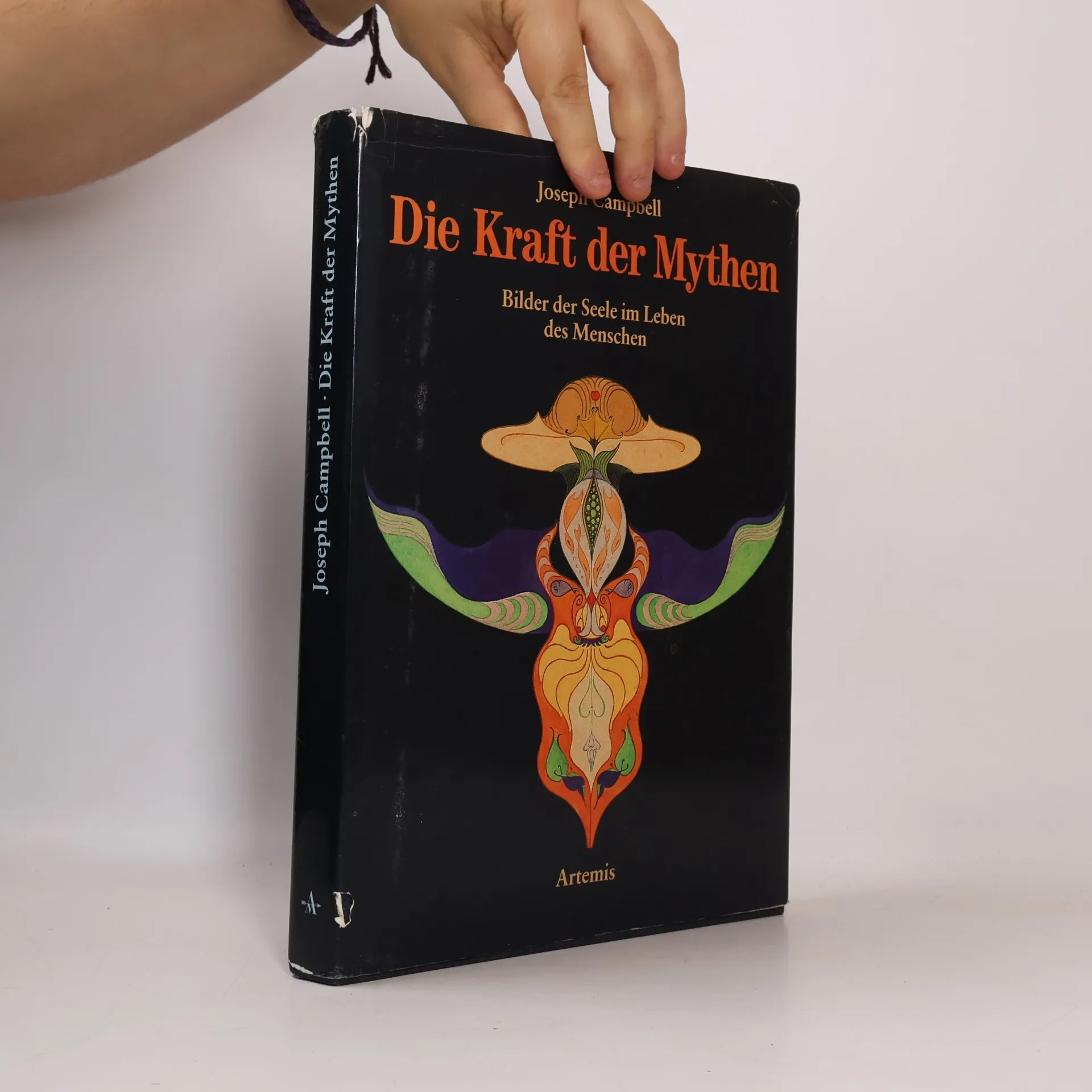
Richtig verstanden erweist sich der Mythos als eine Quelle der Lebenshilfe und als Anreiz ursprünglich und einsichtsvoll zu leben. Joseph Campbell beantwortet im Gespräch mit dem Fernsehjournalisten Bill Moyers u.a. folgende Fragen: Was fasziniert uns an den Mythen? Was besagt der Mythos von Adam und Eva? Warum gibt es so viele Geschichten von Helden in der Mythologie? Welche Mythen helfen uns den Tod zu verstehen? Den beiden Gesprächspartnern gelingt es auf verblüffende Weise, die Symbole aus Mythos und Religion zu deuten und ihre Relevanz für die heutige Zeit aufzuzeigen. Ein reich bebildertes Buch über die Kraft mythischer Vorstellungen in unserer Zeit. (Klappentext zu einer anderen Ausgabe)