Koop 10 boeken voor 10 € hier!
Bookbot

Giovanni Reale

    15 april 1931 – 15 oktober 2014

    Giacomo Reale was een vooraanstaand Italiaans filosoof en pedagoog. Zijn werk richtte zich voornamelijk op de geschiedenis van de antieke filosofie en moraalfilosofie. Hij doceerde aan verschillende prestigieuze Italiaanse universiteiten, waar zijn colleges en onderzoek het hedendaagse filosofische denken aanzienlijk beïnvloedden. Hij richtte ook een onderzoekscentrum voor metafysica op, wat zijn diepe interesse in de fundamentele vragen van het bestaan onderstreept.

    Giovanni Reale
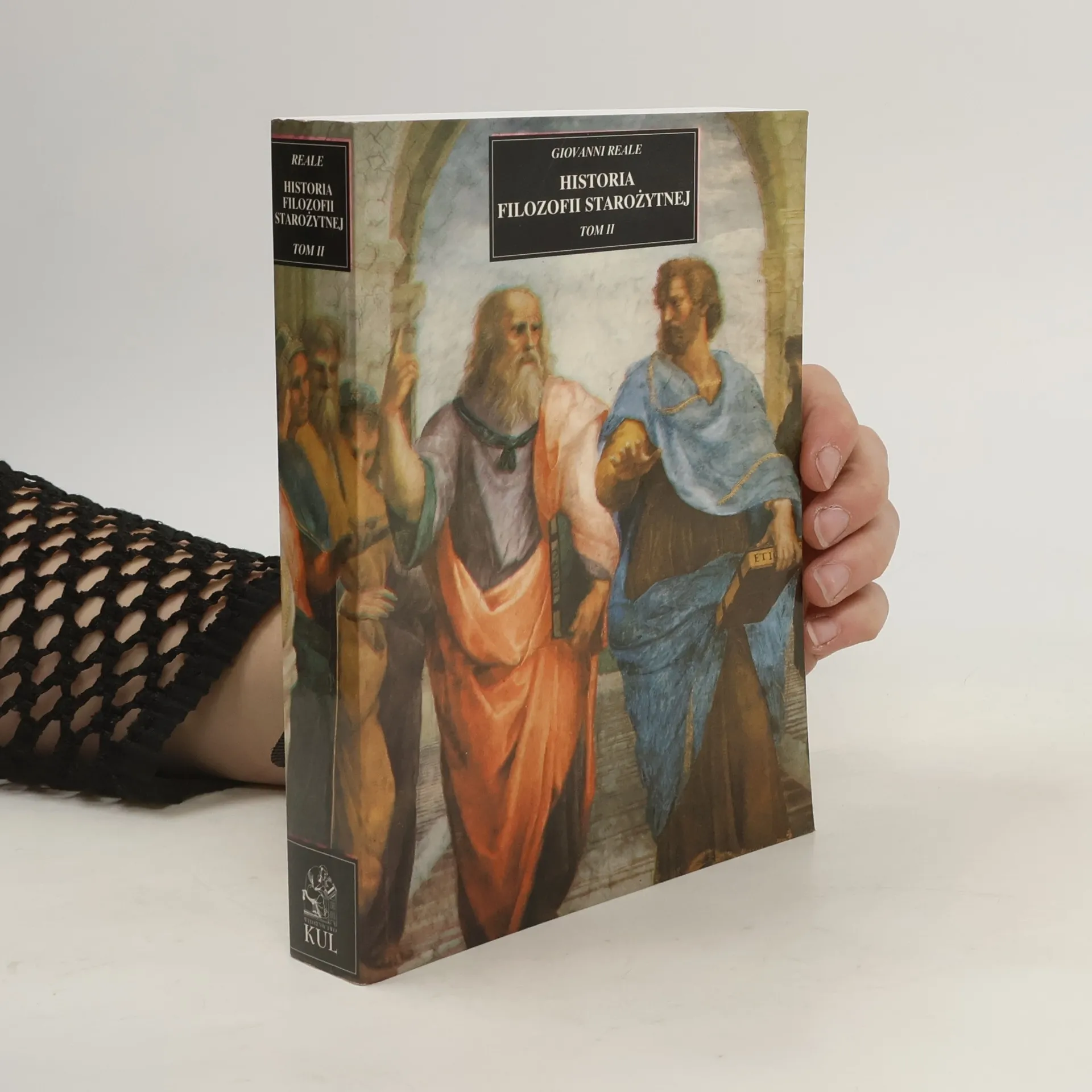
    Historia filozofii starożytnej. Tom II.
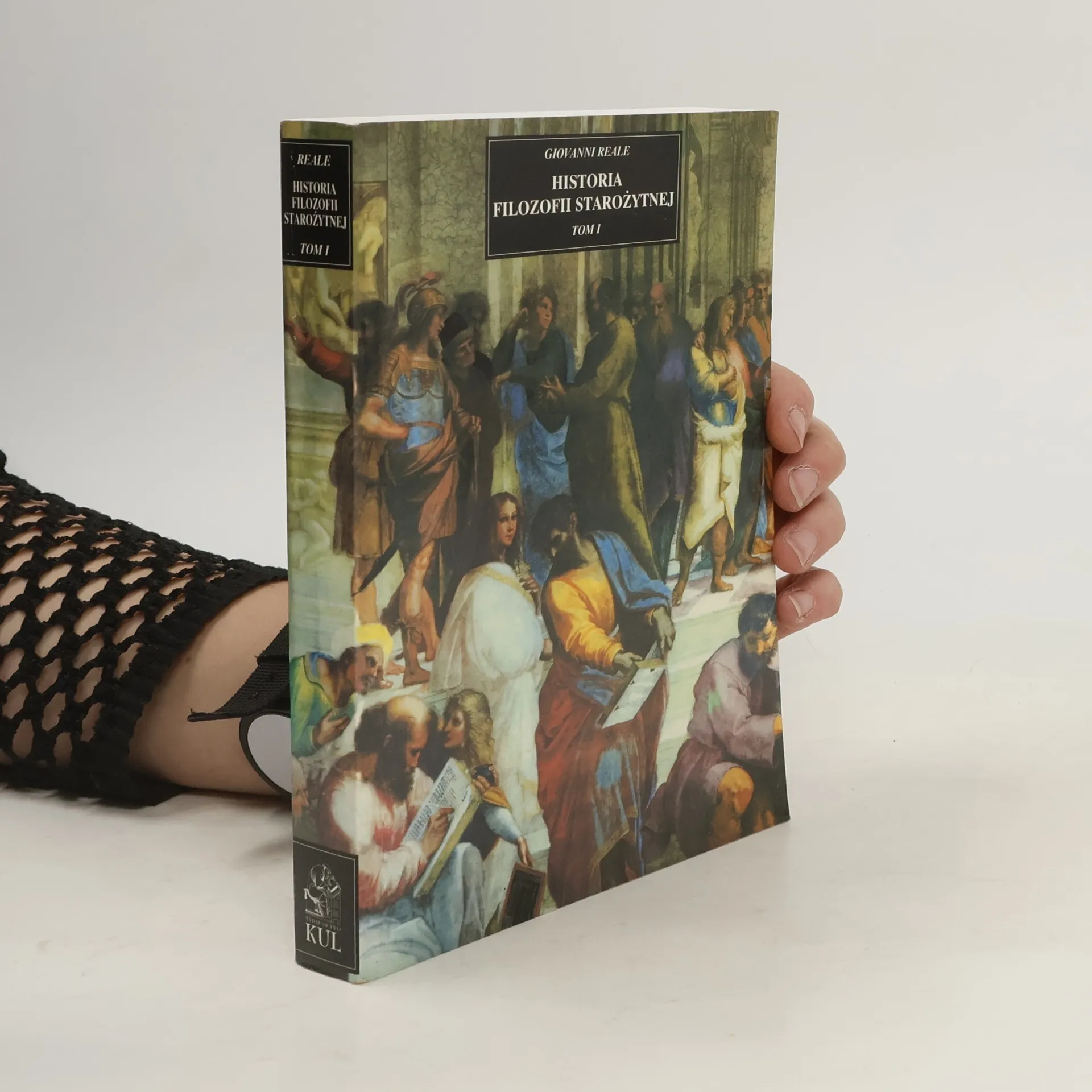
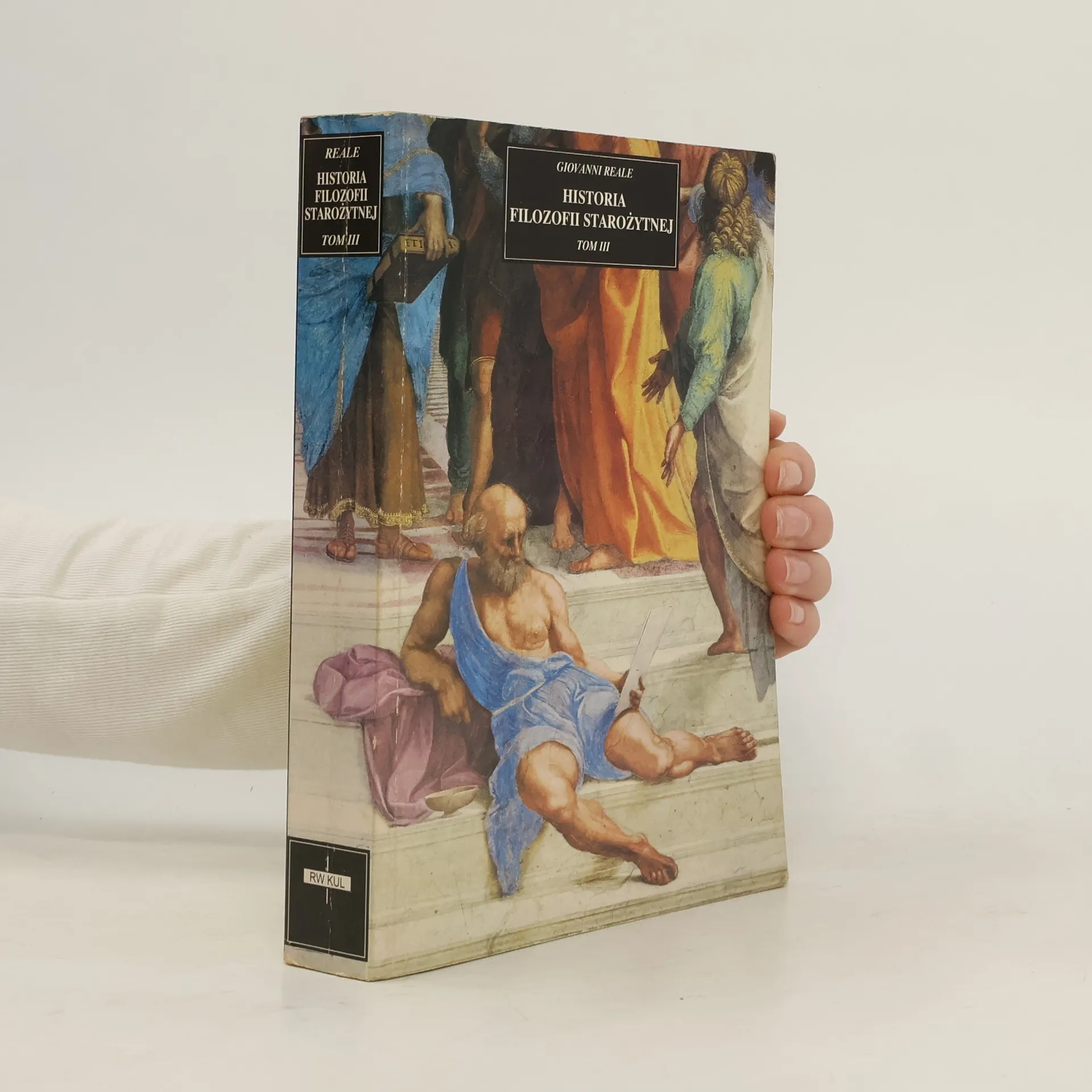
    Historia filozofii staroźytnej III
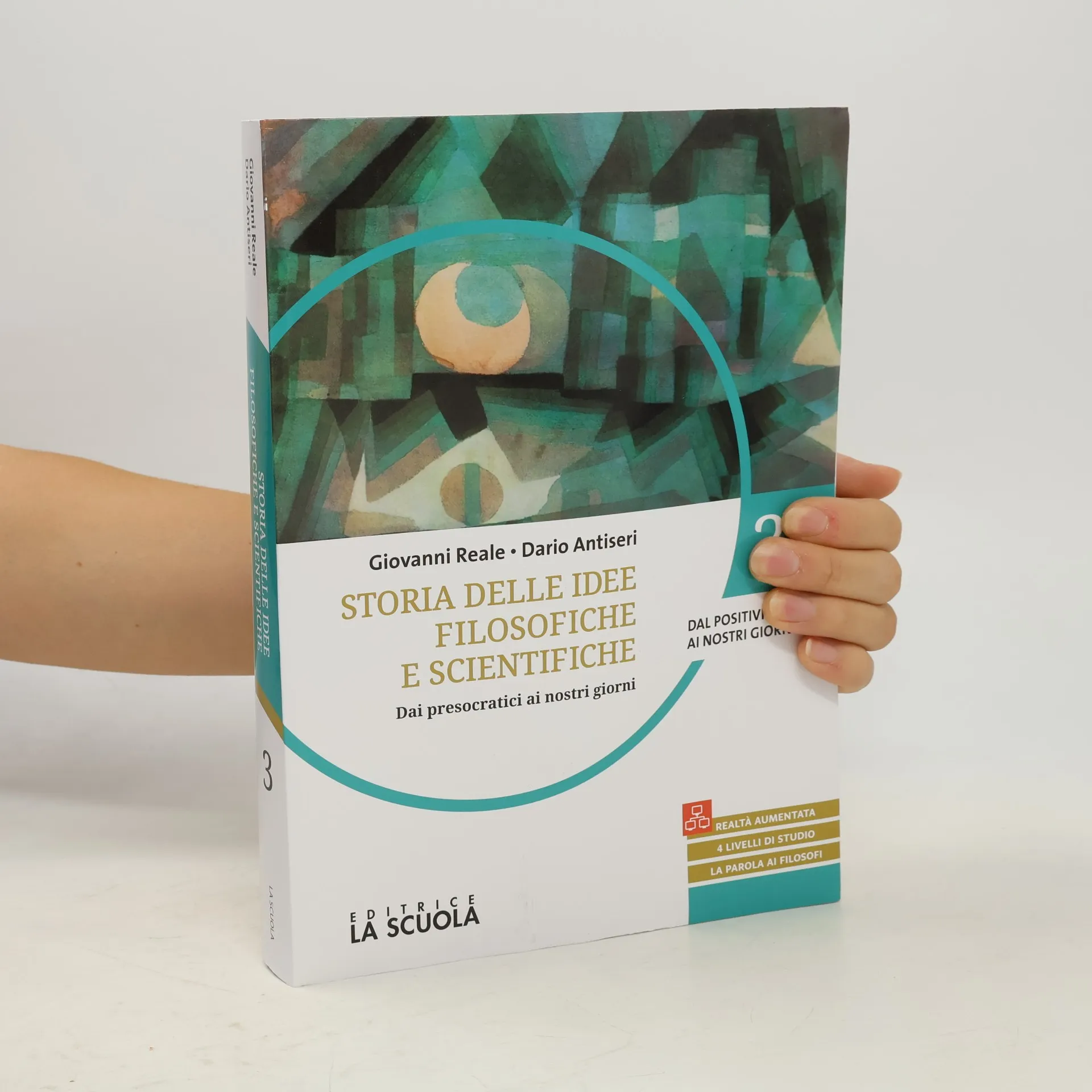
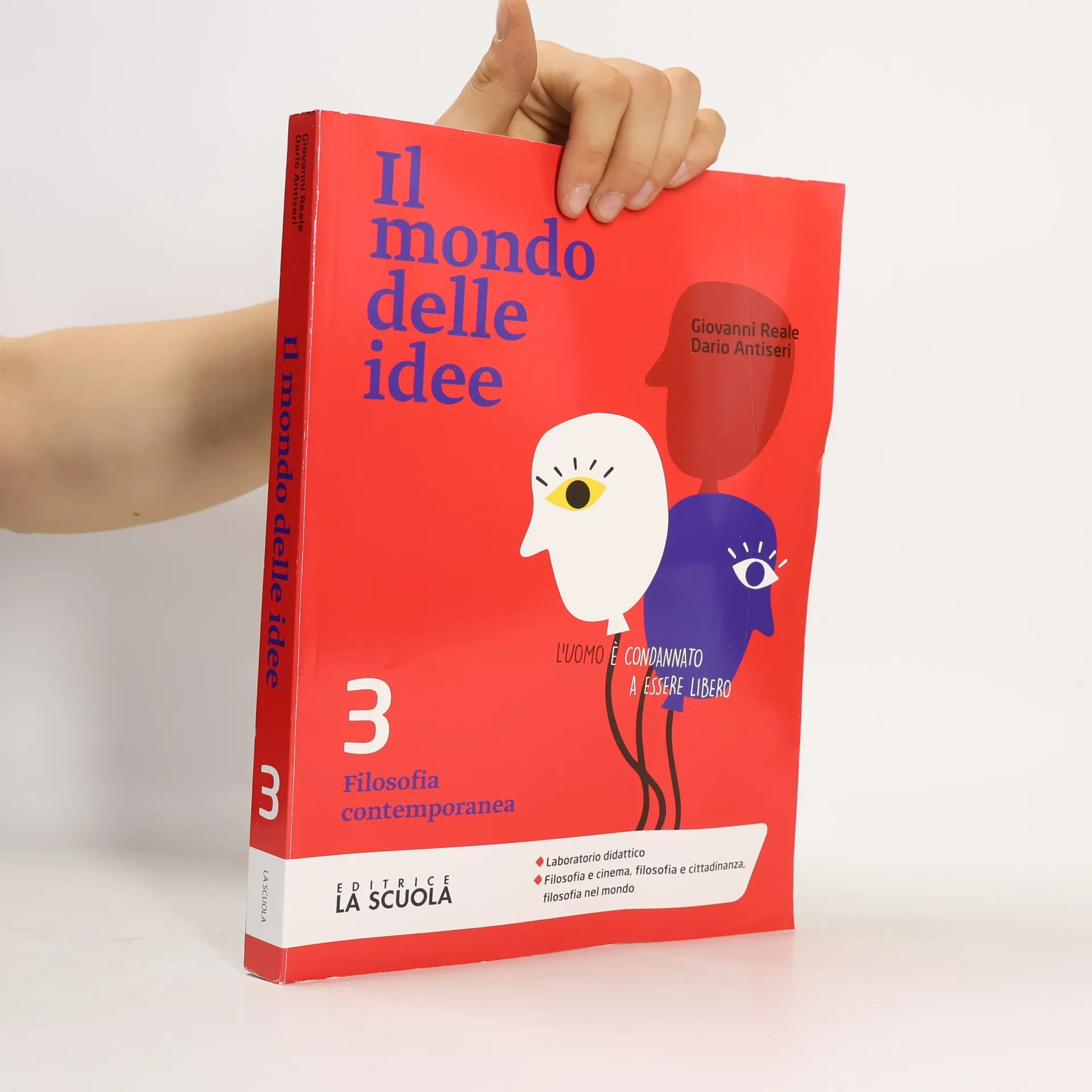
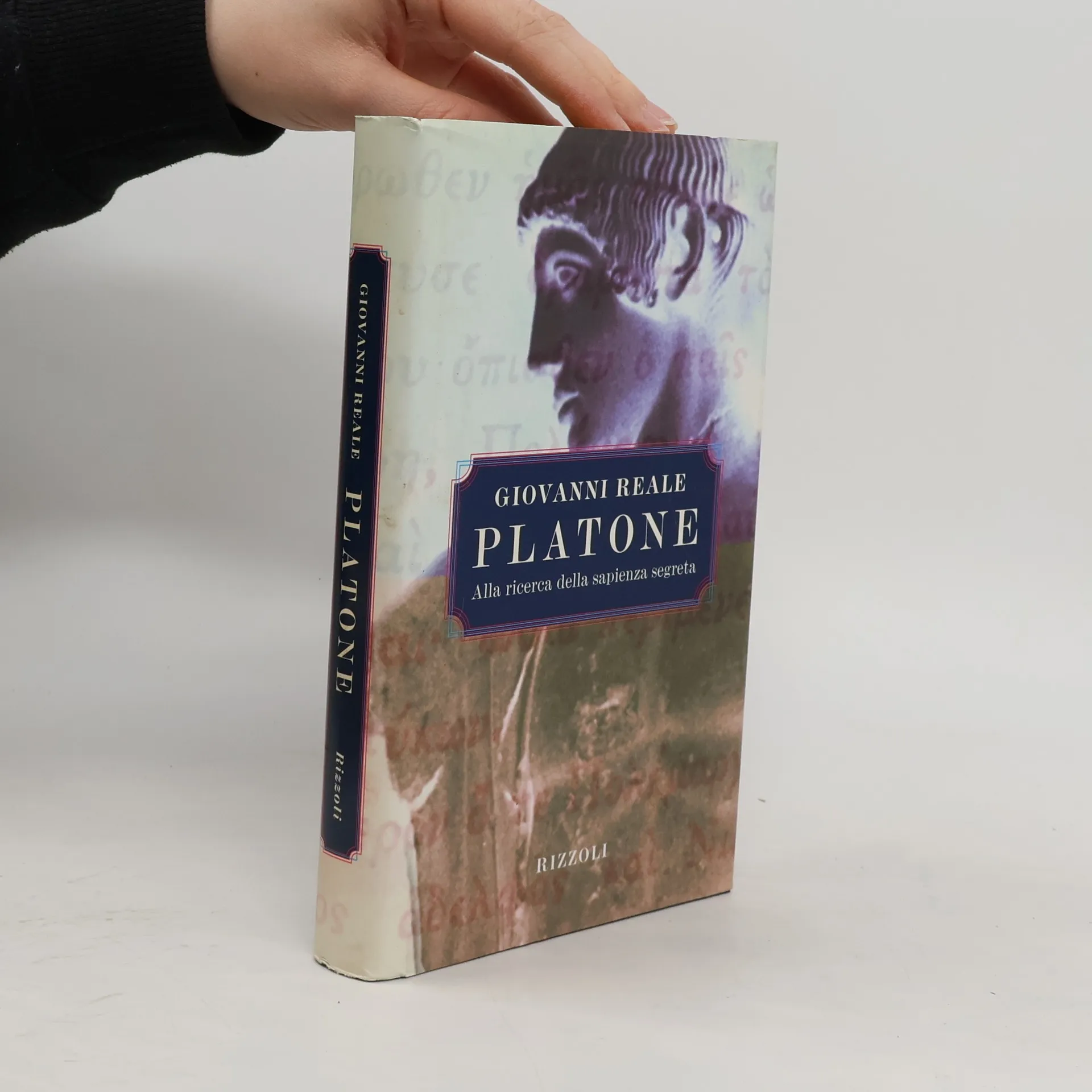
    Storie delle idee filosofiche e scientifiche 3
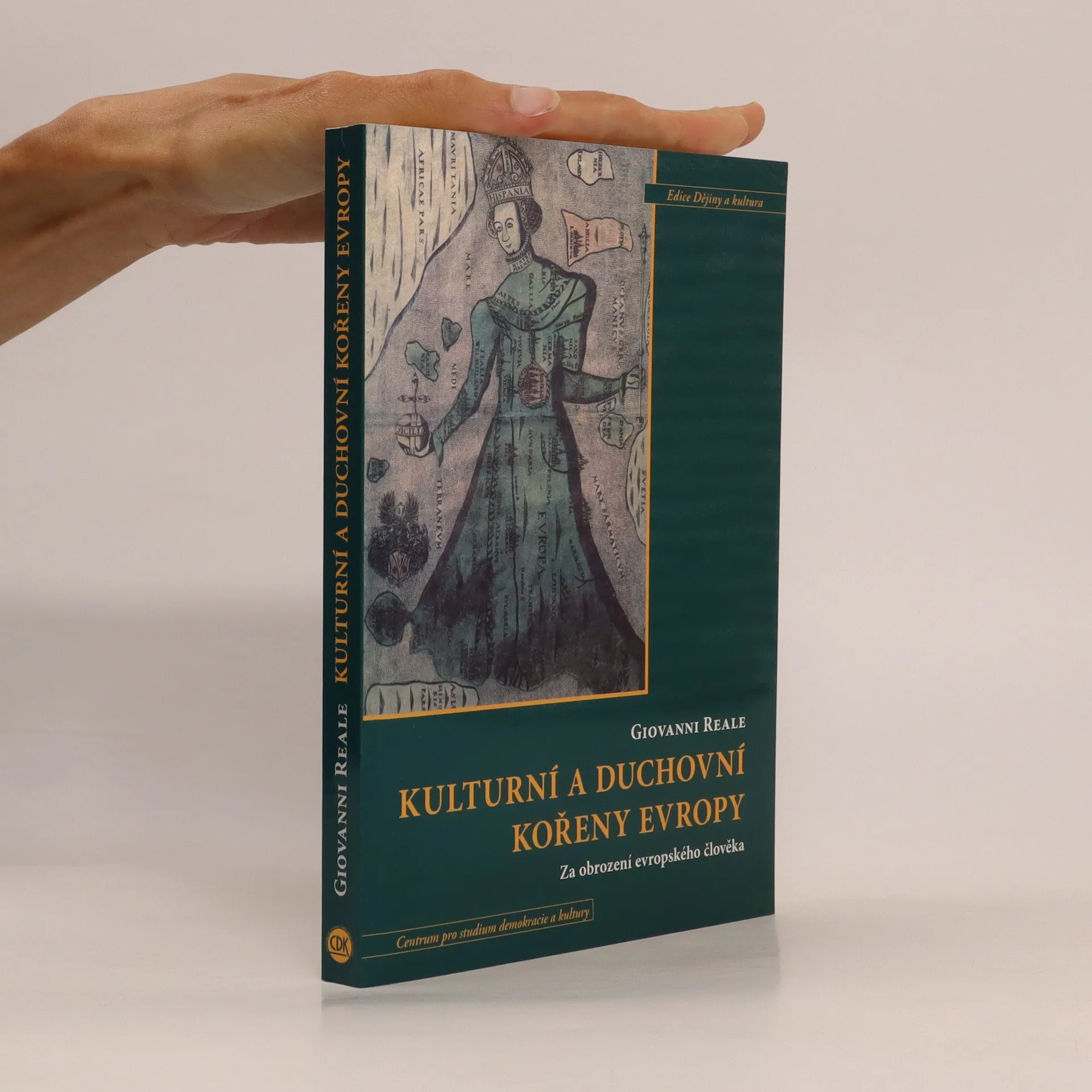
    Kulturní a duchovní kořeny Evropy: Za obrození evropského člověka
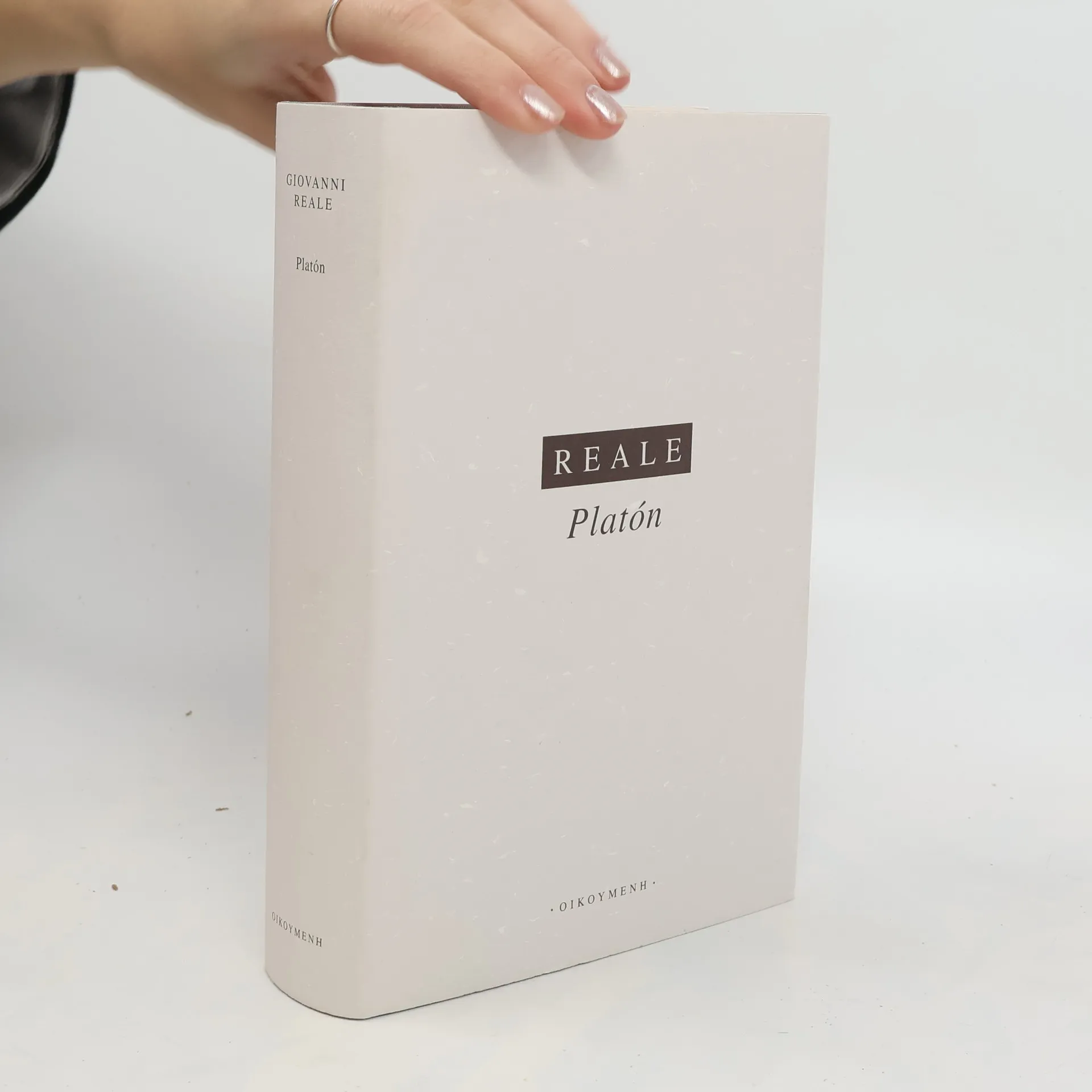
    Platón : pokus o novou interpretaci velkých Platónových dialogů ve světle nepsaných nauk
    The school of Athens by Raphael
    • The school of Athens by Raphael

      • 152bladzijden
      • 6 uur lezen

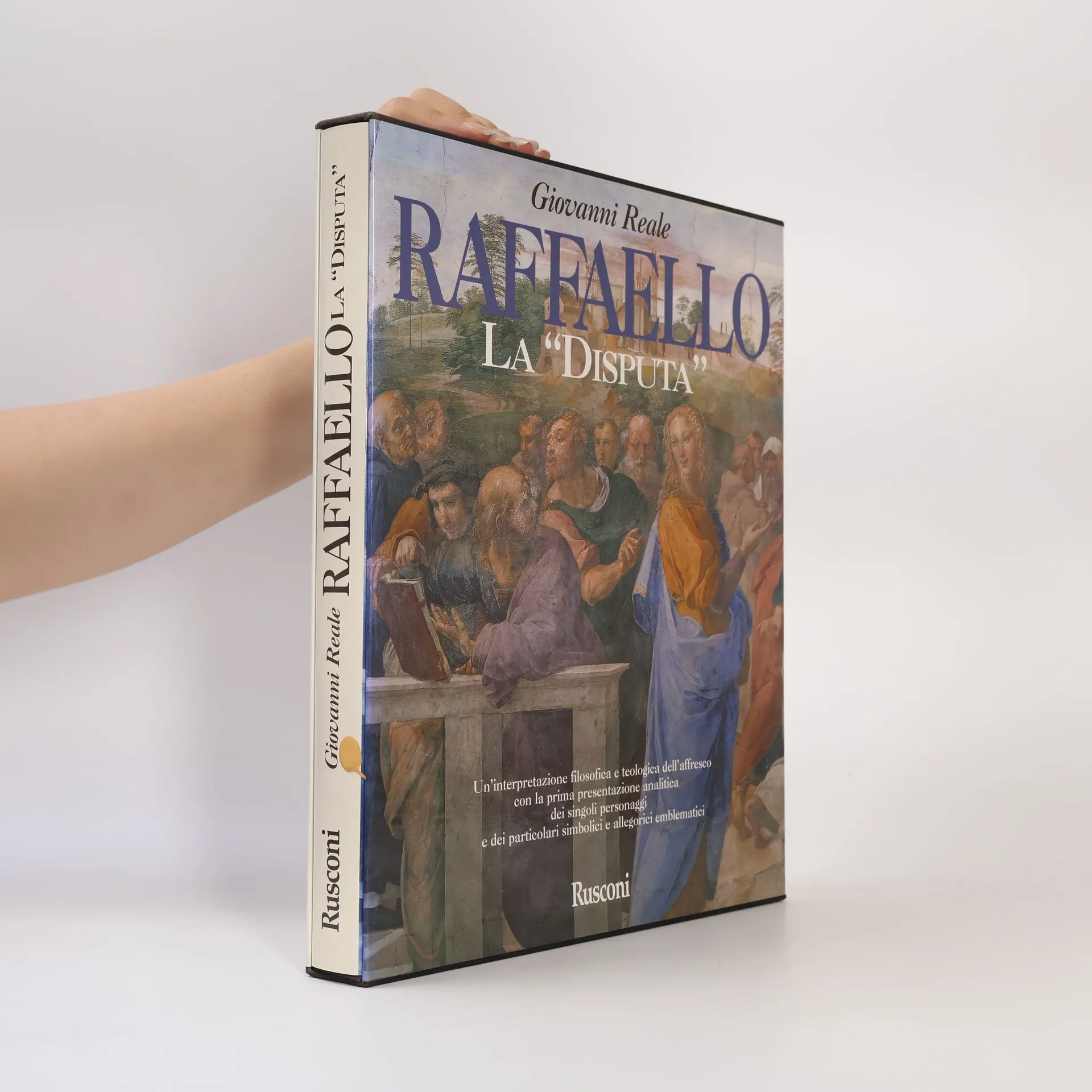
      In his Journey to Italy, Goethe emphasizes that appreciating great paintings, like the School of Athens, requires a detailed study of each element for complete enjoyment. Giovanni Reale's work aims to achieve this by meticulously analyzing Rafael's fresco, including a full reproduction of the cartone. Reale illustrates how Rafael adheres to a Platonic framework, as outlined by Plato in Book VII of the Republic, which advocates starting from disciplines that elevate the soul from becoming to being, particularly through mathematical sciences, leading to the perception of the Absolute. The fresco depicts mathematical sciences at the bottom: music and arithmetic on the left, geometry and astronomy on the right. The steps in the center symbolize the progression of knowledge attained through these disciplines. The lower left features characters engaged in Orphic rituals, foundational to Greek thought, with figures like Pythagoras and Heraclitus nearby. The upper section showcases significant philosophers, with Socratic figures expelling the Sophists, followed by Platonists, including a majestic Plato pointing skyward. Aristotle and his followers harmonize with Plato, while Plotinus is identified by Reale. Diogenes the Cynic, representing Hellenistic philosophy, is notably the only Stoic figure included. Epicurus and the Skeptics are absent, as they do not fit the Platonic scheme guiding Rafael, making the fresco a profound narrative
      The school of Athens by Raphael
    • Přední italský historik starověké filosofie předkládá v tomto filosofickém bestselleru (jen v Itálii 20 vydání) “nové paradigma” výkladu Platóna, jež má své kořeny v práci tübigenských badatelů K. Gaisera a H. Krämera. Ústní tradice se chápe jako pomoc psanému, tzn. že “nepsané nauky” jsou pojaty jako klíč ke správnému pochopení rozhodujících míst Platónových dialogů.

      Platón : pokus o novou interpretaci velkých Platónových dialogů ve světle nepsaných nauk
    • Autor vydává spis v době, kdy vzniká preambule k evropské Ústavě a v předznamenání upozorňuje na její nedostatky: chybí odkazy ke křesťanským pilířům Evropy, neznáme se k vlastním kořenům. Preambule odkazuje na kulturní, humanistické a náboženské dědictví, které je živeno řecko-římskou civilizací a osvícenskou filosofií – to je relativistické. Pojem „osoba“ zavedlo křesťansko-židovské myšlení (řecké pojetí je kosmocentrické, nikoliv antropologické), osvícenství přeměnilo „osobu“ na individuum ve smyslu individualismu. Chybí odkaz i na vědecko-technickou revoluci; lidé zapomínají na přítomnost, hledí jen do budoucnosti, na možné úspěchy. Reale poukazuje na opomíjené duchovní základy Evropy.

      Kulturní a duchovní kořeny Evropy: Za obrození evropského člověka