
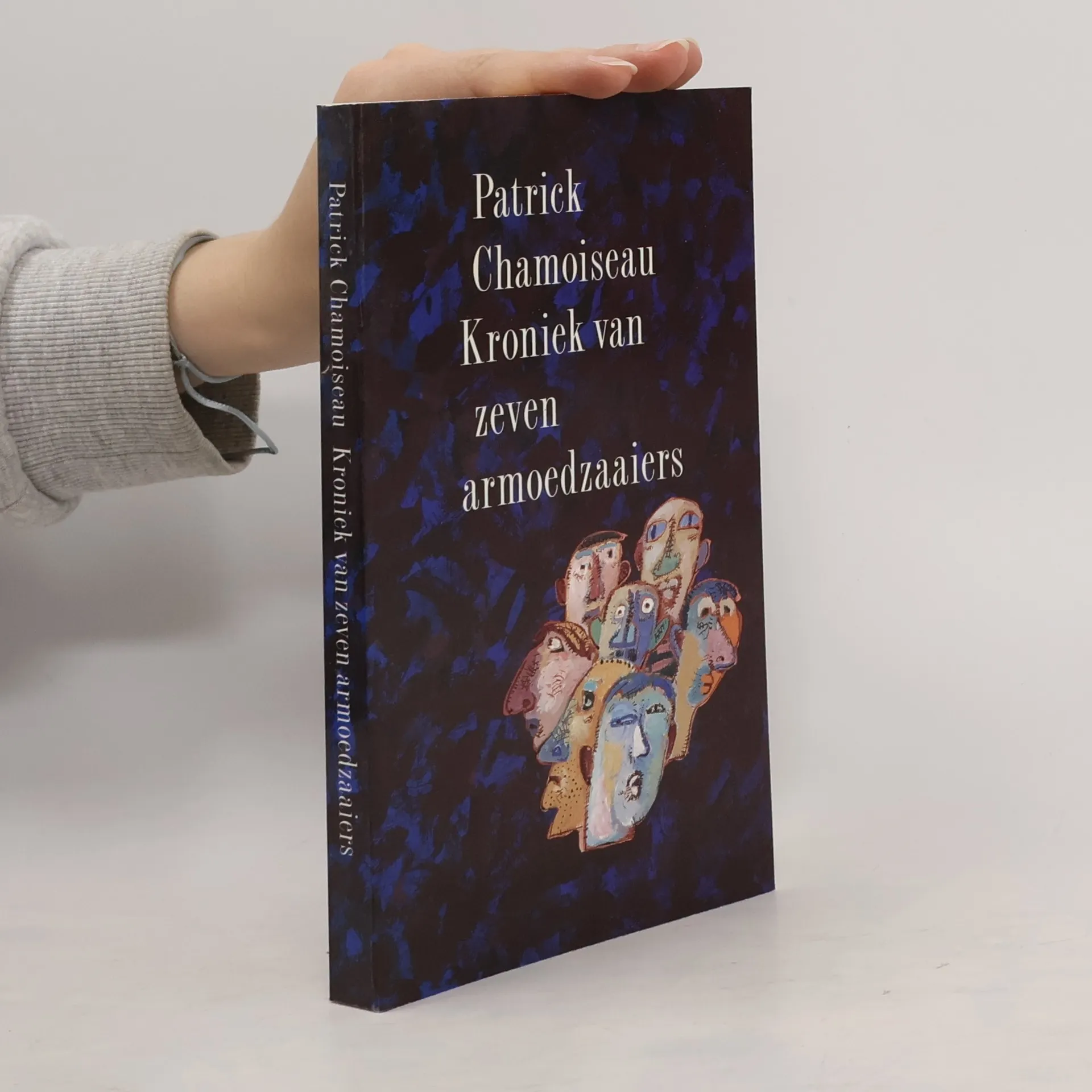
Patrick Chamoiseau is een Franse auteur uit Martinique, bekend om zijn werk binnen de créolité-beweging. Zijn stijl kenmerkt zich door een vrije beheersing van het Frans, een zeer complexe maar vloeiende mix van constante vernieuwing en "creolisme". Deze unieke techniek voedt aangrijpende en sensuele portretten van het leven op Martinique en de mensheid in het algemeen. Chamoiseau wordt beschouwd als een van de meest innovatieve schrijvers op de Franse literaire scene sinds Céline, waarbij zijn werk zich richt op literaire analyse en een unieke stem.
A moving poetic essay that bears witness to the forgotten history of the
French penal colony in French Guiana, French Guiana: Memory Traces of the
Penal Colony (Guyane: Traces-Memoires du bagne) is accompanied by more than
sixty evocative color photographs by Rodolphe Hammadi and translated, here for
the first time, deftly by Matt Reeck.
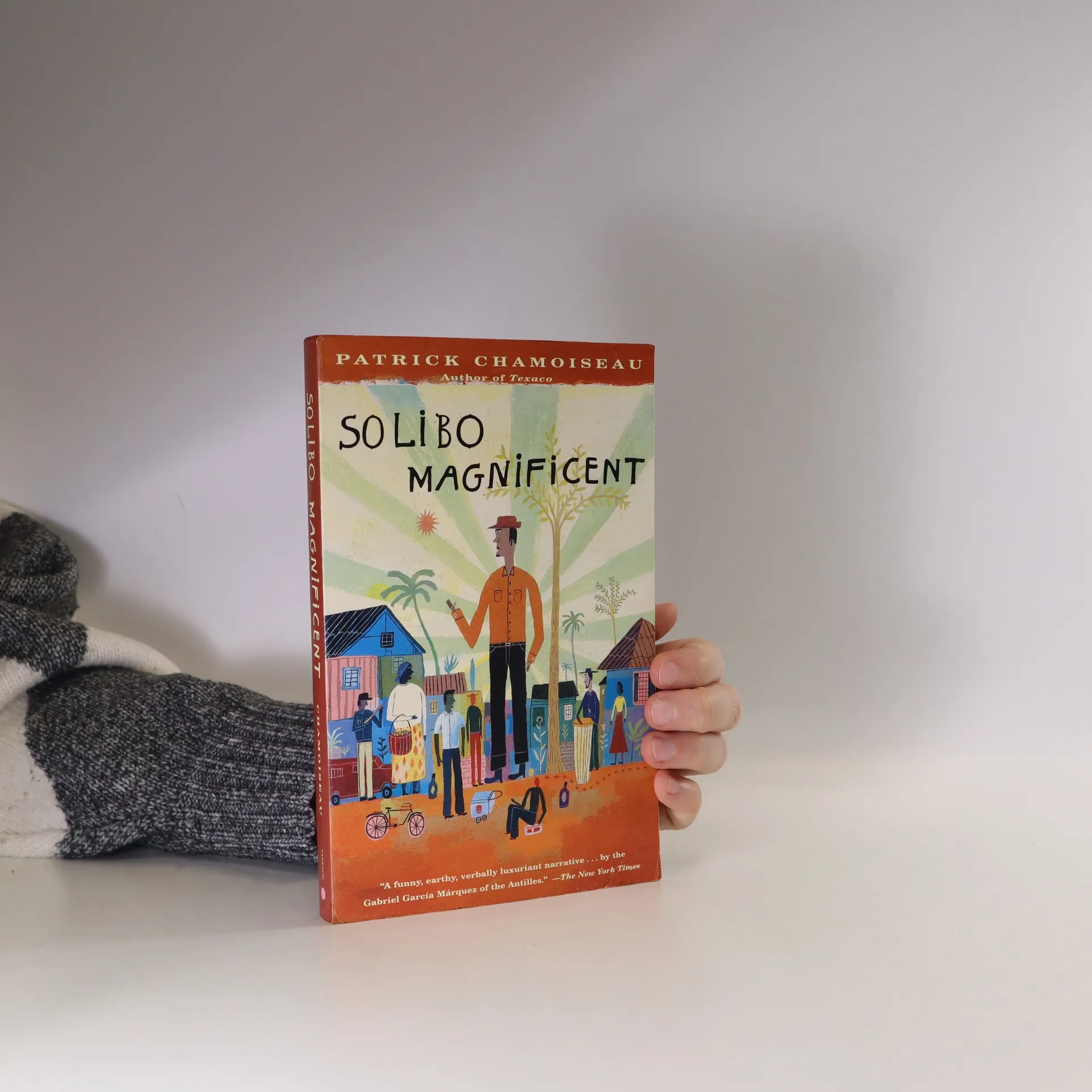
Chamoiseau's grand and intriguing riff on the police procedural, "Solibro Magnificent" represents another masterpiece by the author of the award-winning "Texaco". It's carnival time at Fort-de-France, Martinique. Before an enraptured public, the great teller of tales, Solibro Magnificent, is felled, seemingly choked by his own words. Is it autostrangulation or murder?
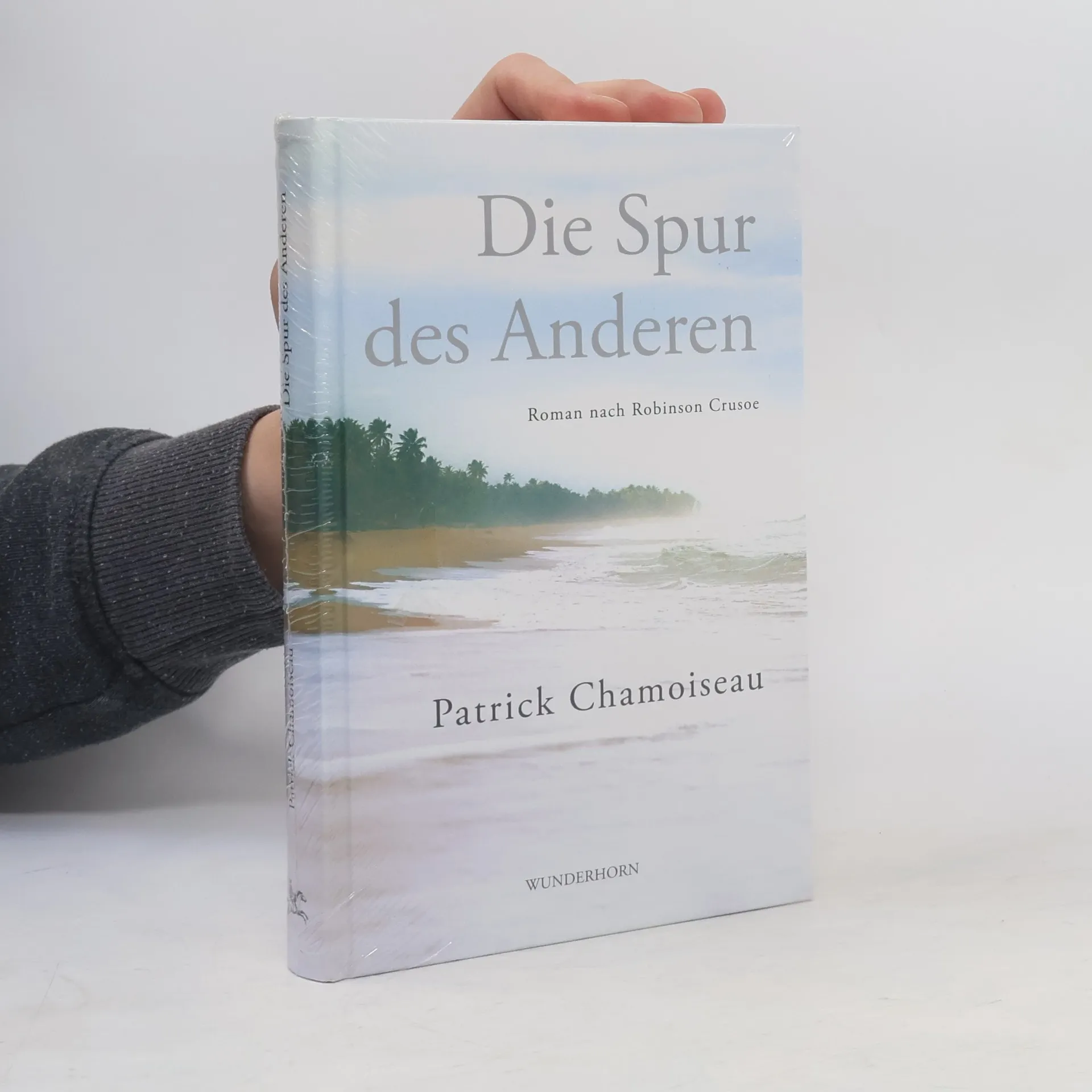
The discovery of a human footprint on an isolated island prompts a profound reflection on identity and humanity for Crusoe. Patrick Chamoiseau, a celebrated French author, transforms this pivotal moment into a deep exploration of race and history, challenging the notions of solitude and existence. Through this innovative narrative, he invites readers to reconsider the implications of connection and isolation in a broader historical context.
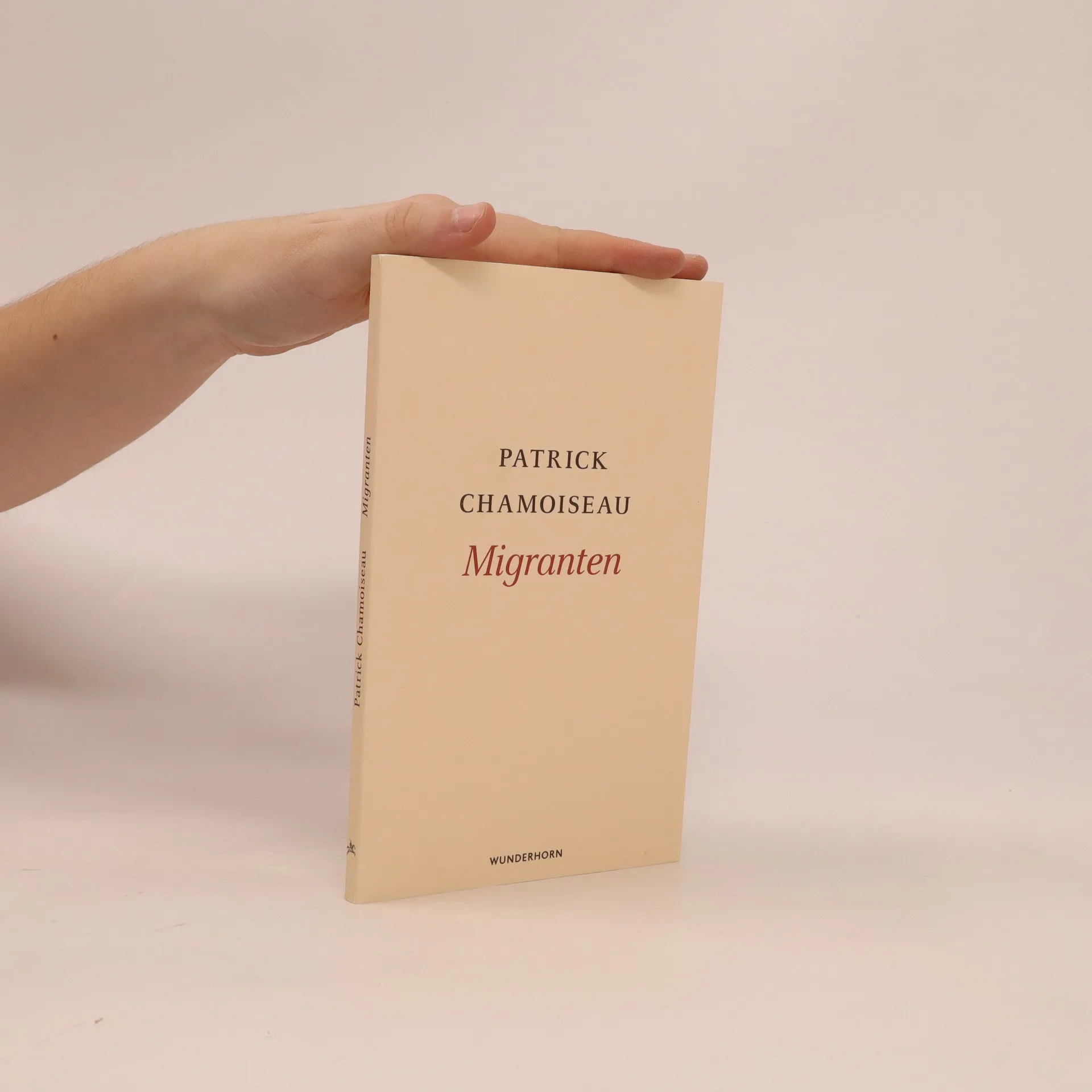
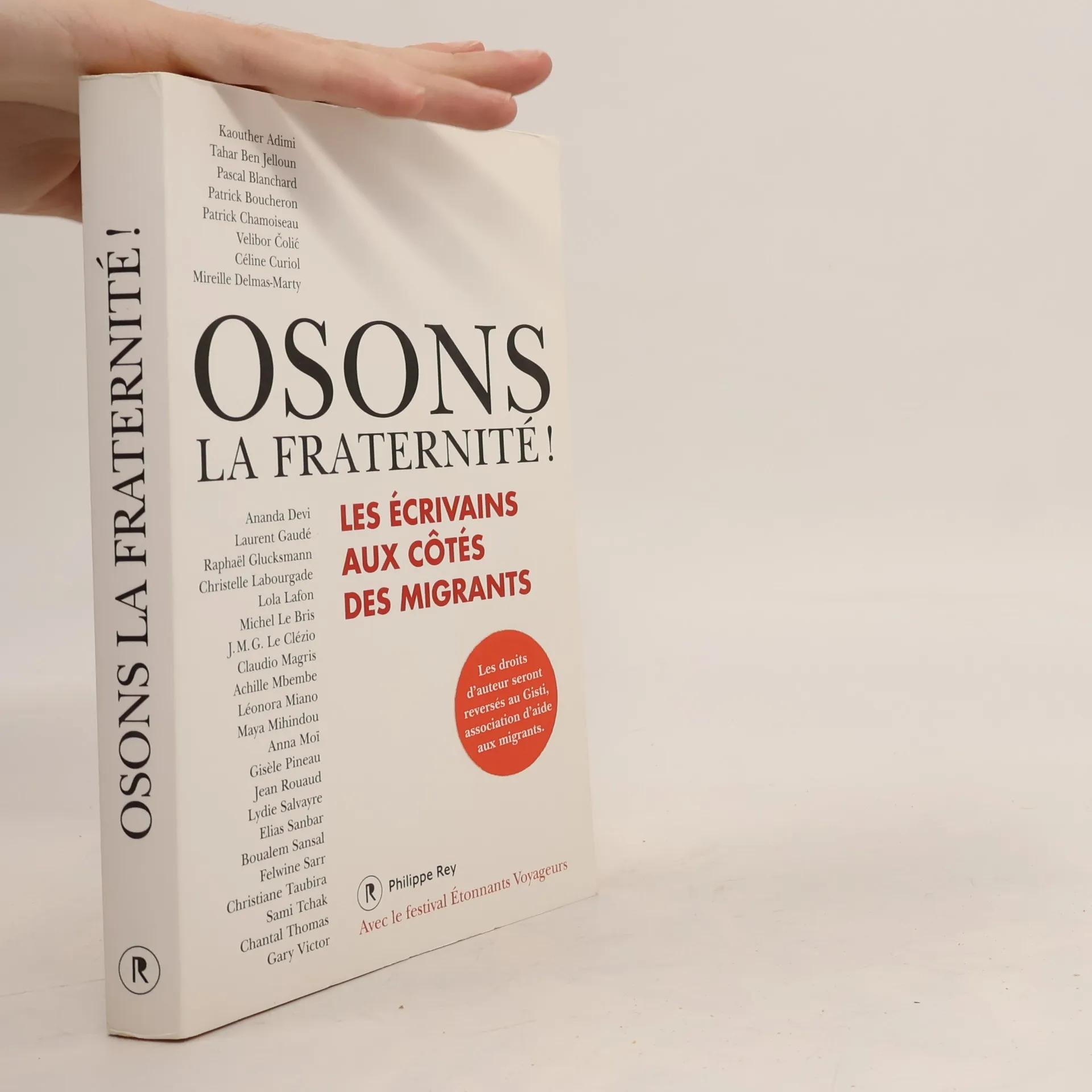
Patrick Chamoiseau reagiert in seinem Essay auf das Ohnmachtsgefühl zweier Künstlerinnen: Hind, eine Filmemacherin, dokumentiert die Räumung des „Dschungels“ in Calais und die Zerstörung des Flüchtlingslagers an der Metrostation Stalingrad in Paris. Jane, eine junge Schriftstellerin, teilt ihre Eindrücke, während sie Flüchtlinge mit Frühstück versorgt. In den westlichen Ländern herrscht die Hypnose, dass der Frieden, die „Ruhe der Zivilisierten“, von Migranten gestört wird, die als Eindringlinge wahrgenommen werden. Chamoiseau hingegen sieht die Barbarei in den westlichen Gesellschaften, die dem neoliberalen kapitalistischen System unterworfen sind. Unter dem Druck des Maximalprofits verlieren viele, während nur wenige profitieren. Der Reichtum des Westens wurde durch alle, einschließlich der Kolonien und Generationen von Arbeitnehmern, geschaffen und steht somit allen zu. Die kulturelle, menschliche Dimension der Globalisierung, die „Mondialität“, verdeutlicht, dass die Welt eins ist und den großen Gewinnern nicht gehört. Chamoiseau beschreibt die vitale Kraft der Migranten und ihre Lebensvision – „etwas Besseres als den Tod findest du überall“. Bewegung und Wanderschaft sind essenziell für das Leben, und die neoliberale Barbarei hat die Welt auf ihre Weise verriegelt; der Glaube, dass dieser Riegel schützt, ist irreführend.
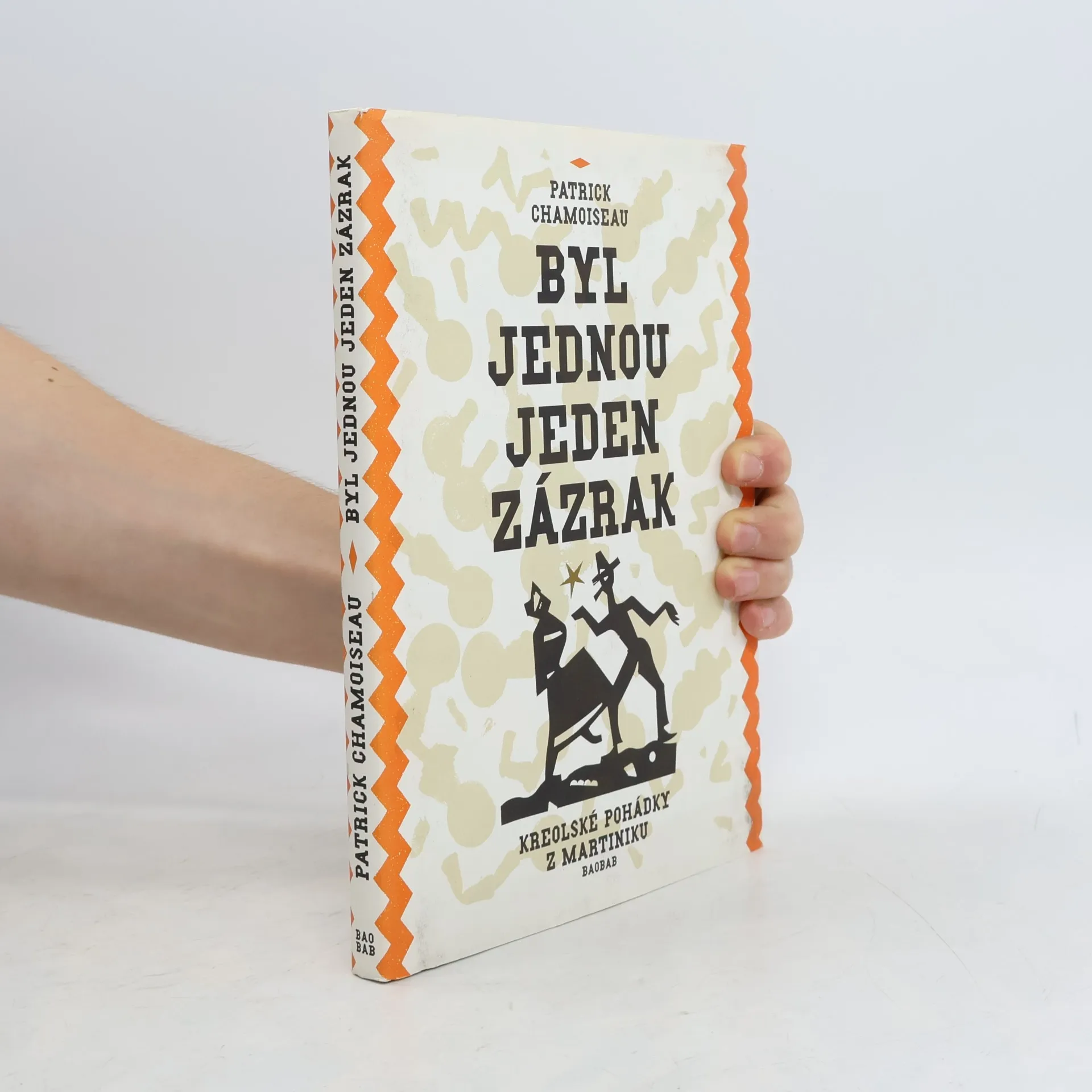
Pohádky mají jistojistě pobavit (co jiného než smích přináší naději, když člověk musí žít v něčem, co se podobá peklu), jsou však i výchovnou lekcí, receptem, jak se naučit žít, či spíše přežít v kolonizované zemi: kreolské pohádky vypravují o strachu, který je všude, o světě, kde tito lidé musí žít, přestože je strašidelný, kreolská pohádka vypráví o tom, že brutální siláctví znamená začátek porážky i trestu, že slabší přece může mocnějšího porazit nebo mu dát aspoň pořádně na frak, když je chytrý, mazaný, trpělivý a umí si poradit.
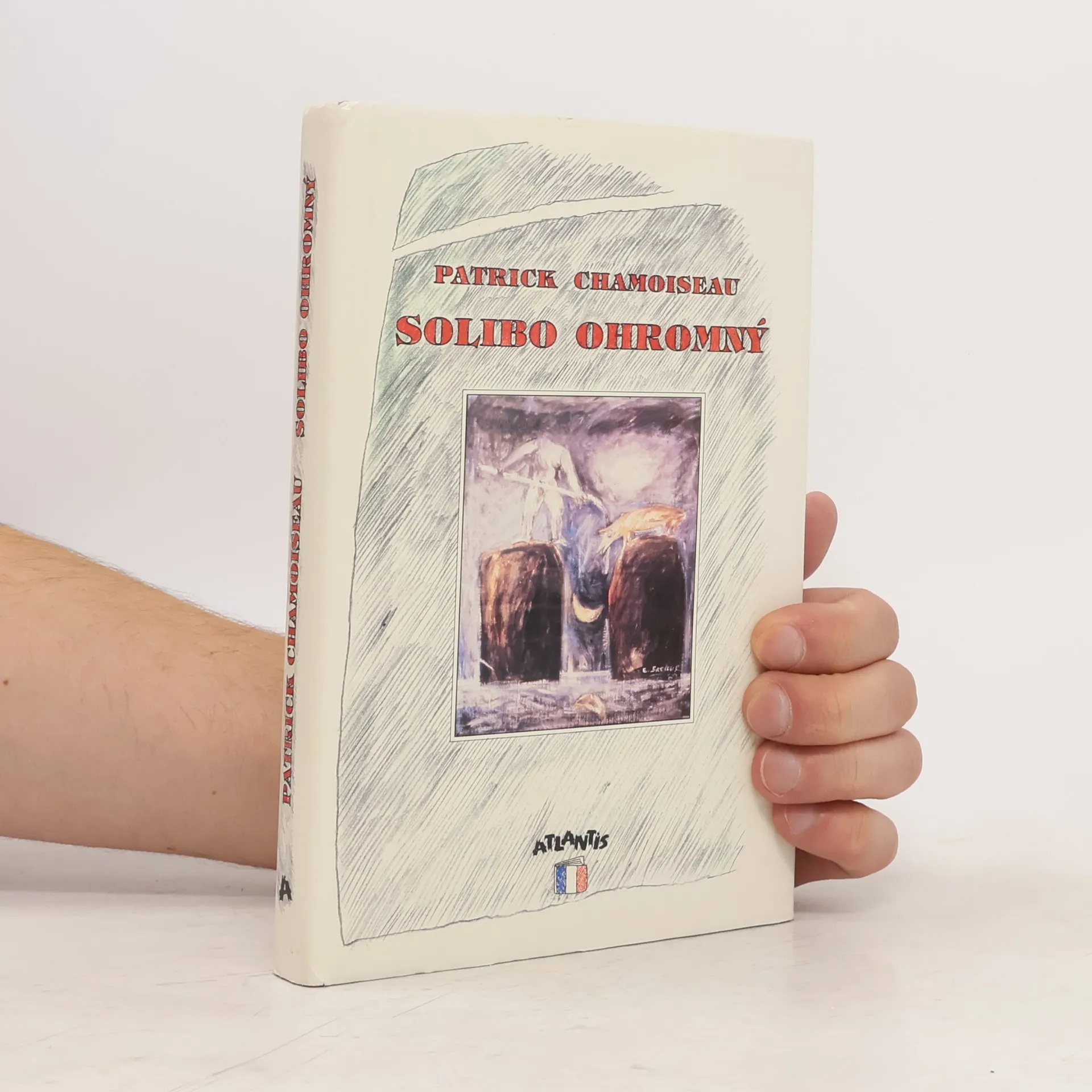
Martinický spisovatel Patrick Chamoiseau (nar. 1953) opřel svůj román o rodné prostředí, kde ještě žije autentický tvůrce ústní slovesnosti. Solibova smrt inspiruje fantastický, groteskní i oslavný románový zpěv.
„Kdo ho zabil?“ ptají se policisté tváří v tvář nevysvětlitelnému úmrtí vypravěče Soliba Ohromného, jehož život ustal uprostřed vypravěčského vystoupení jedné karnevalové noci ve Fort-de-France. Solibovi posluchači vědí, že se ten zázračný mistr slova, trochu kouzelník, milovník rumu a hlavně moudrý a moc hodný člověk zadusil slovem. Policie ovšem tuto diagnózu nebere vážně a zahajuje vyšetřování plné přízračné krutosti a neodolatelného humoru. Z výpovědí svědků a z jejich vzpomínek se postupně skládá obraz osobnosti Soliba Ohromného, uhlíře a geniálního šoumena, který symbolicky sám od sebe umírá v okamžiku, kdy bere za své doba vypravěčů, mnoha vlákny ještě spojená s otroctvím; doba prodchnutá kouzly, pověrčivou amorálností — a také skutečnou solidaritou a životní moudrostí, které umožňovaly otroctví přežít.
Román, předního francouzského spisovatele kreolské literatury, rozehrává scénu, která je dodnes noční můrou kreolské kultury a symbolem otroctví: útěk otroka z třtinové plantáže do zakázaných lesů, za nímž jeho pán poštve krvelačné psy.
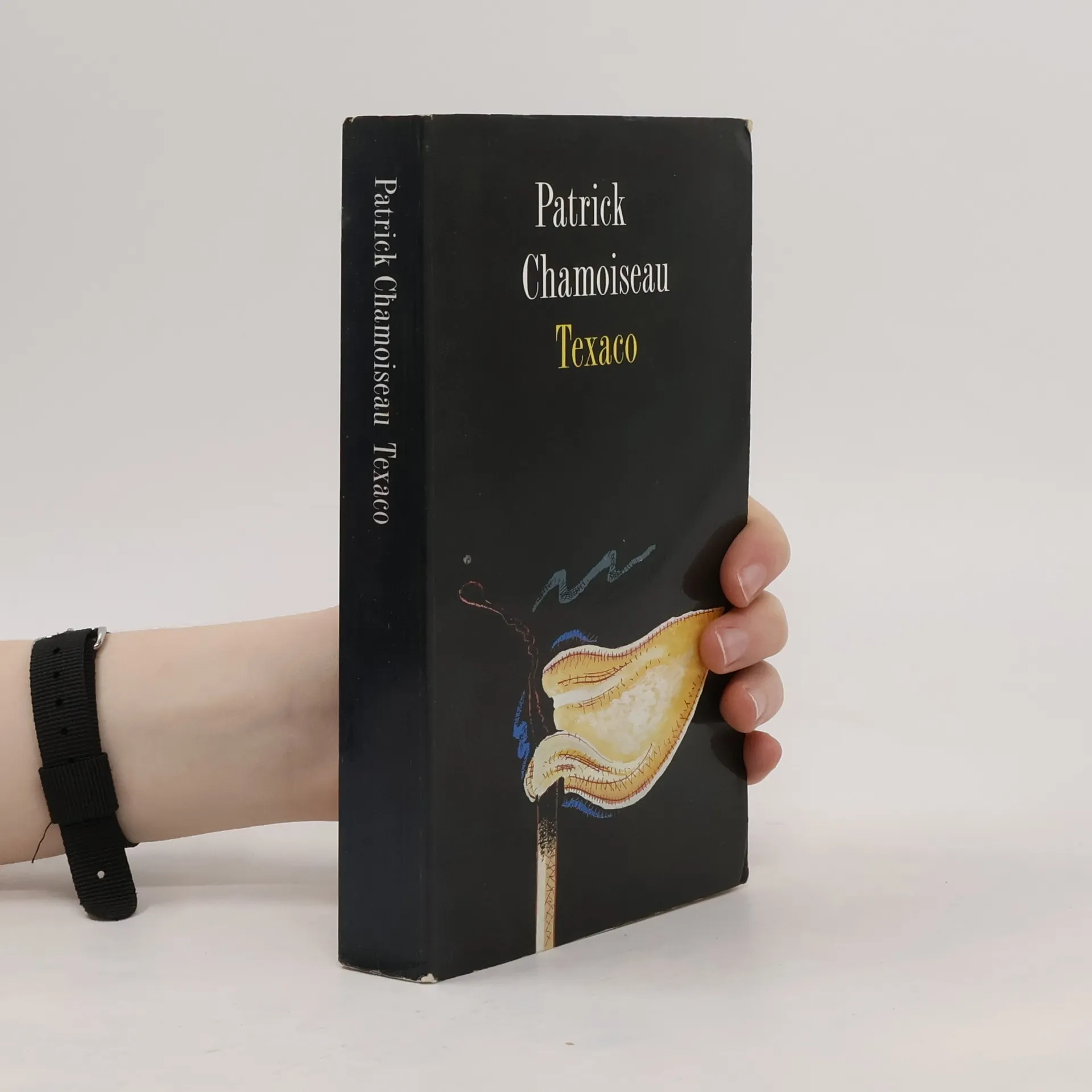
In Texaco , Patrick Chamoiseau is not scared of reimagining history in order to illuminate an essential truth about his homeland, Martinique. Through his narrator, Marie-Sophie Laborieux, a daughter of slaves, he chronicles 150 years in the history of Martinique, starting with the birth of Marie-Sophie's beloved father, Esternome, on a sugar plantation sometime in the early 19th century. It ends with her founding Texaco, a shanty town built on the grounds of an old oil refinery on the outskirts of Fort-de-France. What happens in-between is an astounding flight of imagination and language that rivals the works of Salman Rushdie, Ben Okri and Gabriel Garcia Marquez. Chamoiseau begins in the present with the arrival of an urban planner, whom the residents of Texaco mistake for Christ. It then spins back in time to the birth of Esternome and the death of his father, who was suspected of witchcraft by a white plantation owner. In myriad short sequences, the novel follows Esternome's progress as he is first freed by his master, then drawn away from the plantation by the lure of St. Pierre--"City" in the minds of the disenfranchised black population of Martinique. He is eventually washed up on the outskirts of Fort-de-France, which becomes "City" after St. Pierre is destroyed by a volcanic eruption. With the birth of Marie-Sophie, Chamoiseau takes the reader into the present century--through two world wars, riots, famine, political turmoil. The tension always simmers between "City," a metaphor for France, and the countryside where black Martinique's collective consciousness resides.
La poésie n'est au service de rien, rien n'est à son service. Elle ne donne pas d'ordre et elle n'en reçoit pas. Elle ne résiste pas, elle existe -- c'est ainsi qu'elle s'oppose, ou mieux : qu'elle s'appose et signale tout ce qui est contraire à la dignité, à la décence. À tout ce qui est contraire aux beautés relationnelles du vivant. Quand un inacceptable surgissait quelque part, Édouard Glissant m'appelait pour me dire : " On ne peut pas laisser passer cela ! " Il appuyait sur le " on ne peut pas ". C'était pour moi toujours étrange. Nous ne disposions d'aucun pouvoir. Nous n'étions reliés à aucune puissance. Nous n'avions que la ferveur de nos indignations. C'est pourtant sur cette fragilité, pour le moins tremblante, qu'il fondait son droit et son devoir d'intervention. Il se réclamait de cette instance où se tiennent les poètes et les beaux êtres humains. Je ne suis pas poète, mais, face à la situation faite aux migrants sur toutes les rives du monde, j'ai imaginé qu’Édouard Glissant m'avait appelé, comme m'ont appelé quelques amies très vigilantes. Cette déclaration ne saurait agir sur la barbarie des frontières et sur les crimes qui s'y commettent. Elle ne sert qu'à esquisser en nous la voie d'un autre imaginaire du monde. Ce n'est pas grand-chose. C'est juste une lueur destinée aux hygiènes de l'esprit. Peut-être, une de ces lucioles pour la moindre desquelles Pier Paolo Pasolini aurait donné sa vie.Patrick CHAMOISEAU