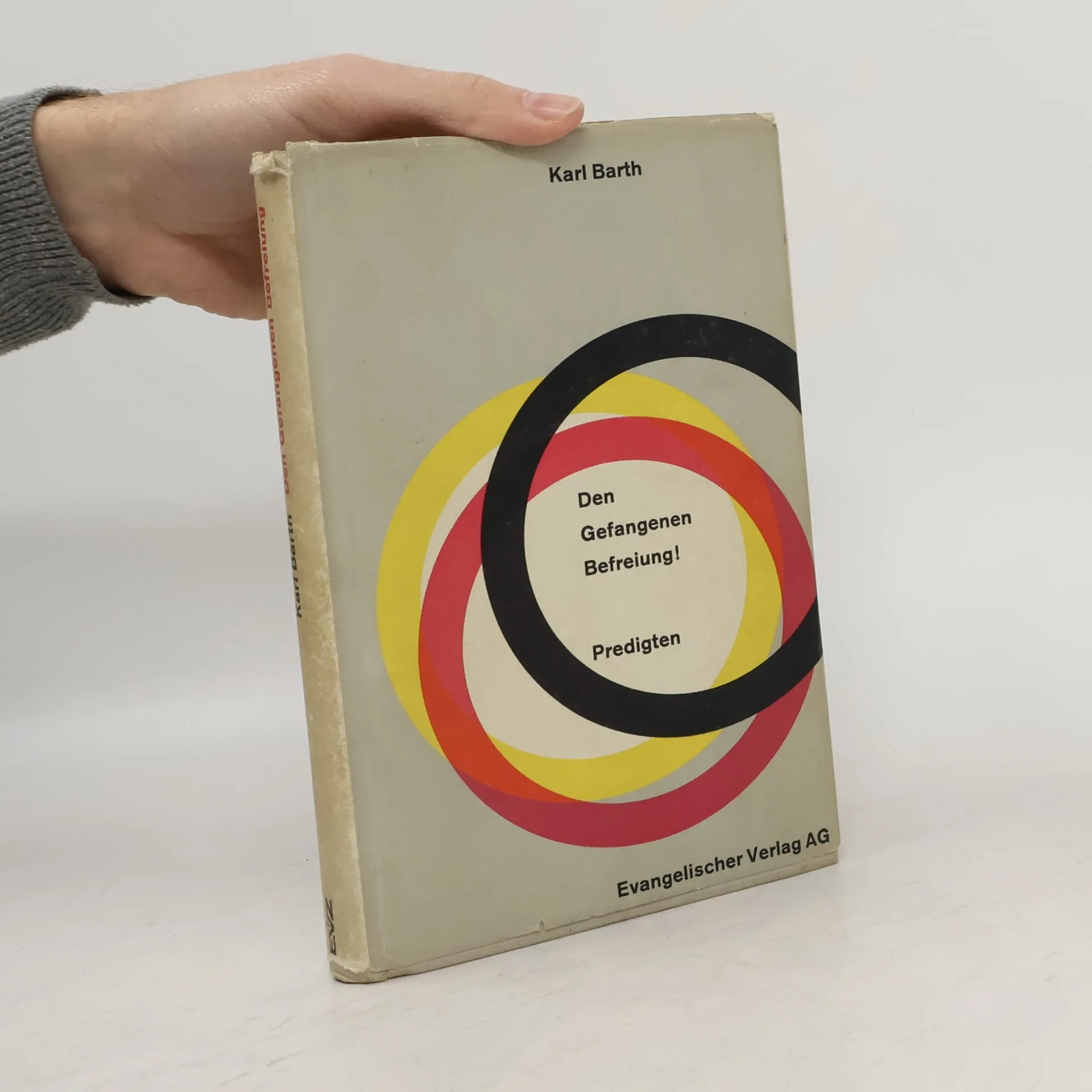
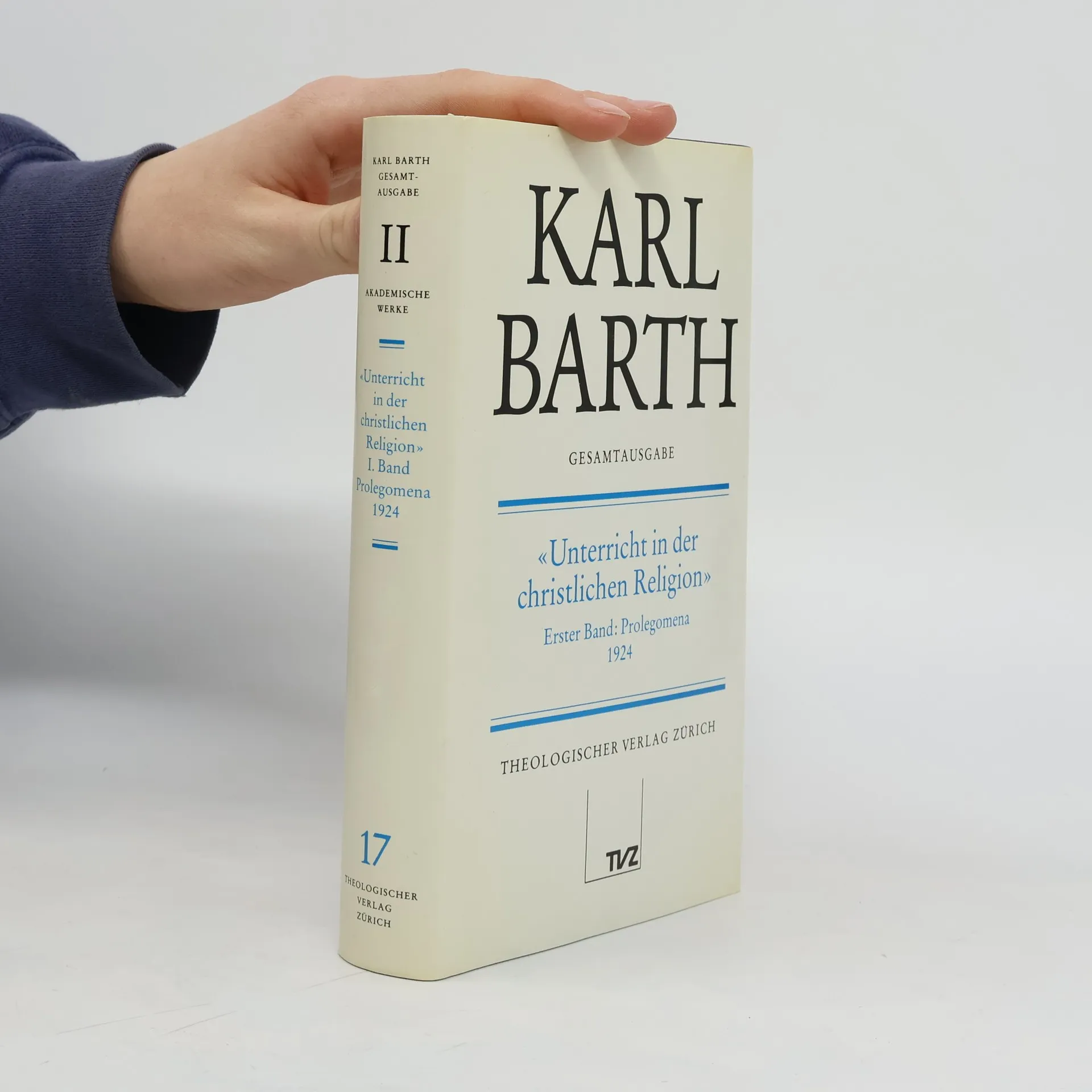
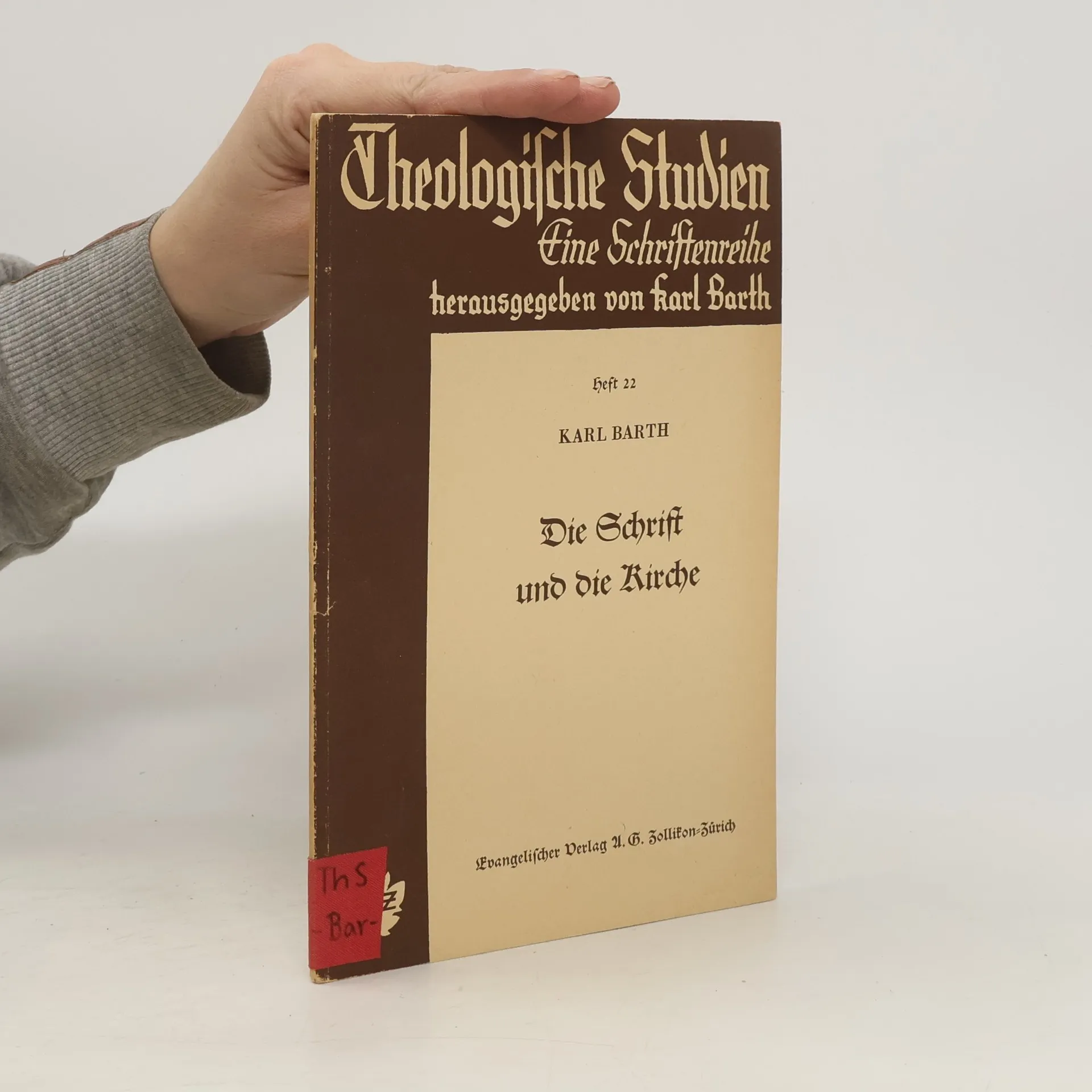
Karl Barth Boeken
Karl Barth was een Zwitserse gereformeerde theoloog, die wordt beschouwd als een van de belangrijkste christelijke denkers van de 20e eeuw. Hij verwierp de gangbare liberale theologie en ontwikkelde een nieuwe theologische benadering die de paradoxale aard van goddelijke waarheid en Gods soevereiniteit benadrukte. Zijn werk, bekend als de theologie van het Woord, had een grote invloed.




Learning Jesus Christ through the Heidelberg Catechism
- 142bladzijden
- 5 uur lezen
The commentary offers an insightful exploration of the Heidelberg Catechism, highlighting its joyful and personal expression of faith within the Reformed Church. It reveals a perspective of Reformed Protestantism that is often overlooked, emphasizing the good news of Jesus Christ. Barth's interpretation invites readers to engage with this vibrant theological tradition, showcasing its relevance and depth.
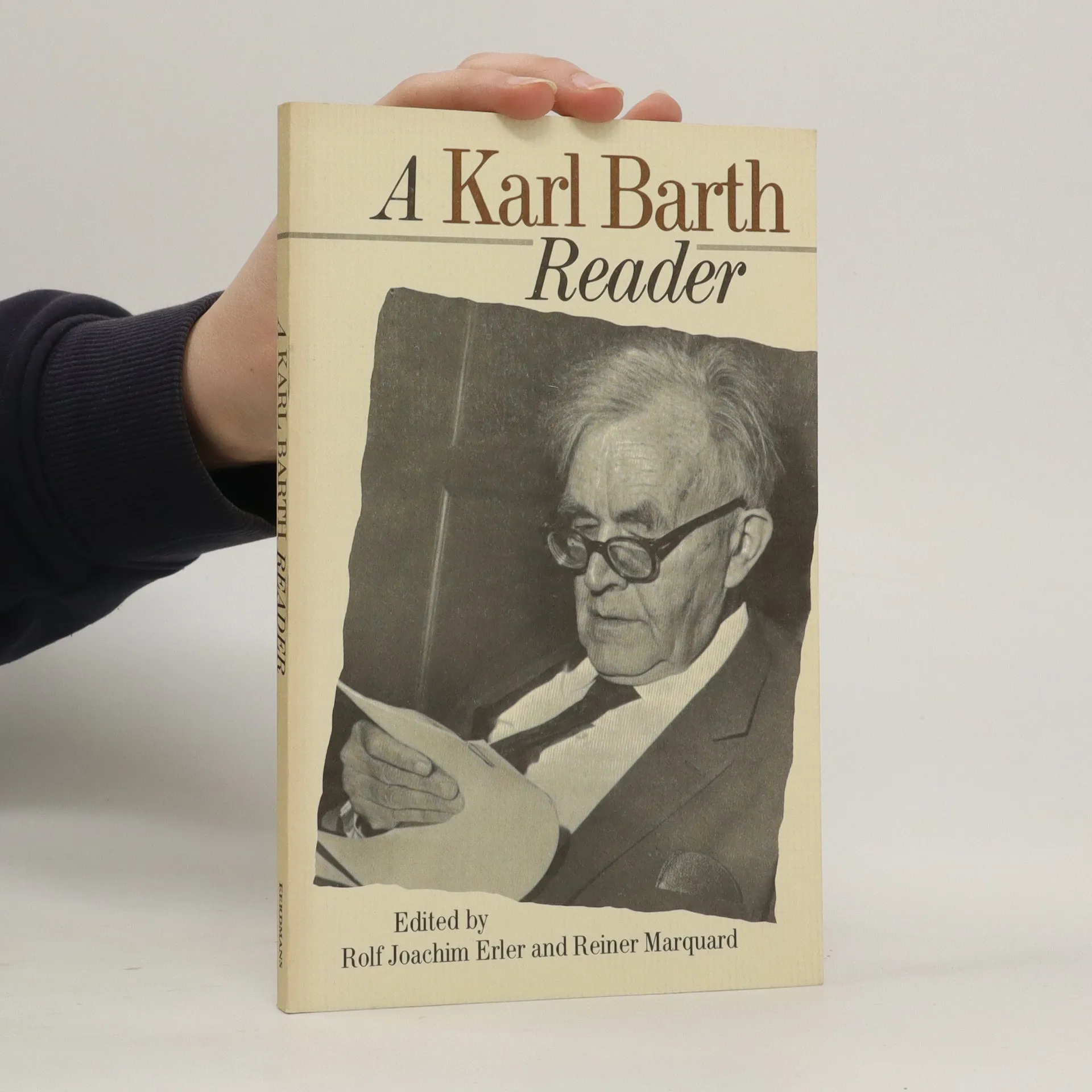
A Karl Barth Reader
- 117bladzijden
- 5 uur lezen
Selections from the religious writings of Karl Barth discuss freedom, evil, faith, Jesus Christ, and the Christian Church
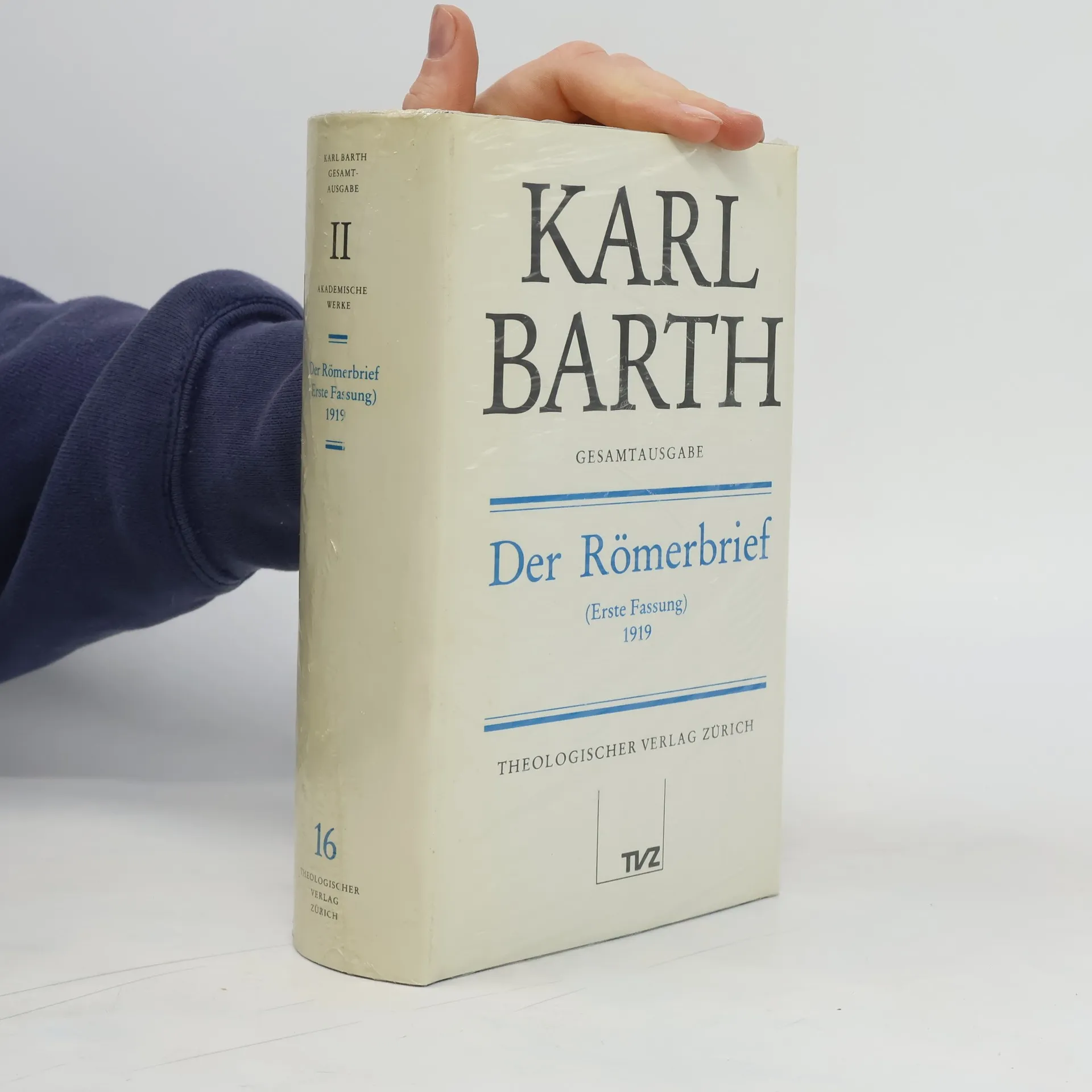
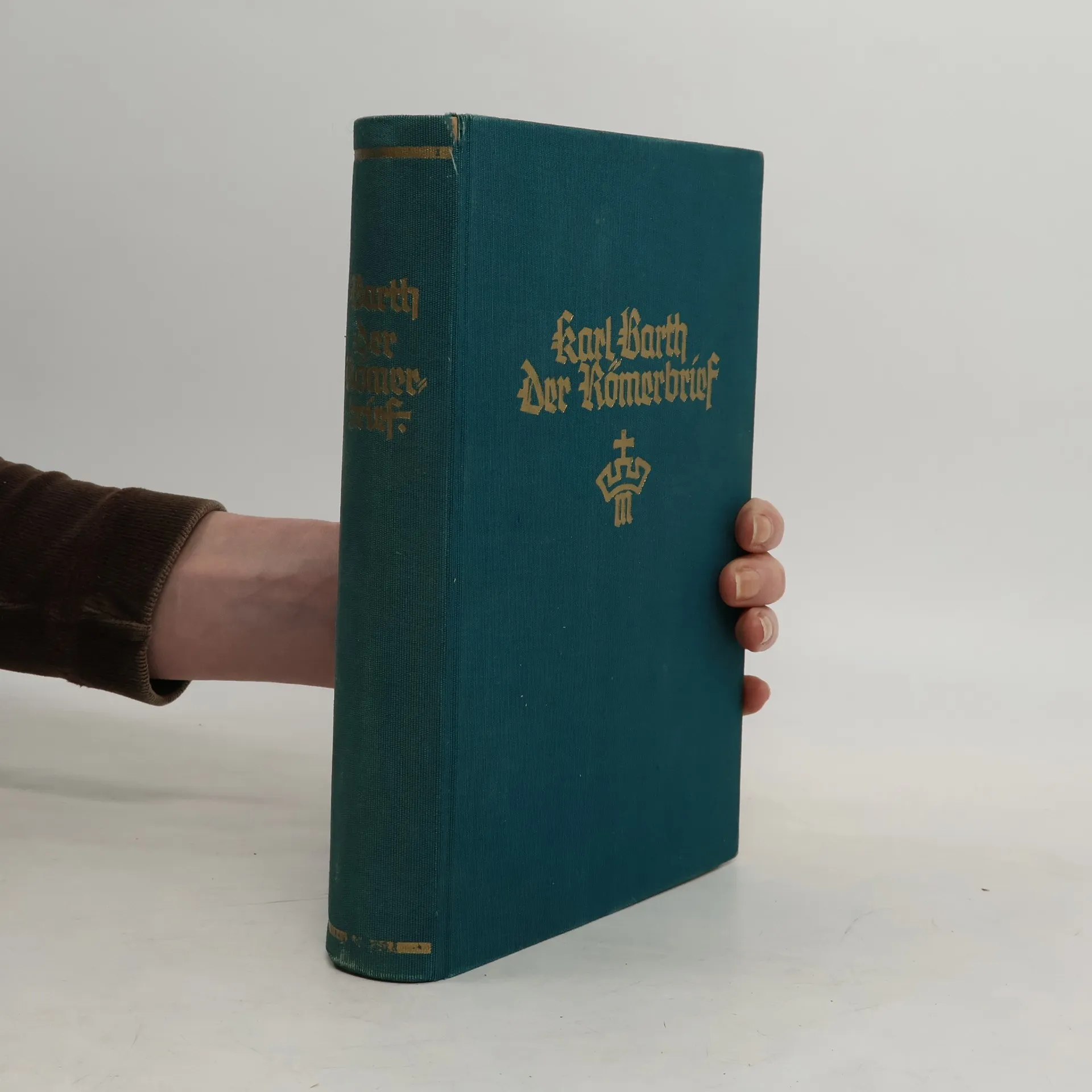
The Epistle to the Romans
- 547bladzijden
- 20 uur lezen
Named one of Church Times's Best Christian Books This volume provides a much-needed English translation of the sixth edition of what is considered the fundamental text for fully understanding Barthianism. Barth--who remains a powerful influence on European and American theology--argues that the modern Christian preacher and theologian face the same basic problems that confronted Paul. Assessing the whole Protestant argument in relation to modern attitudes and problems, he focuses on topics such as Biblical exegesis; the interrelationship between theology, the Church, and religious experience; the relevance of the truth of the Bible to culture; and what preachers should preach.
Dogmatics in Outline
- 164bladzijden
- 6 uur lezen
Barth stands before us as the greatest theologian of the twentieth century, yet the massive corpus of work which he left behind, the multi volume Church Dogmatics, can seem daunting and formidable to readers today. Fortunately his Dogmatics in Outline first published in English in 1949, contains in brilliantly concentrated form even in shorthand, the essential tenets of his thinking. Built around the assertions made in the Apostles Creed the book consists of a series of reflections on the foundation stones of Christian doctrine. Because Dogmatics in Outline derives from very particular circumstances namely the lectures Barth gave in war-shattered Germany in 1946, it has an urgency and a compassion which lend the text a powerful simplicity. Despite its brevity the book makes a tremendous impact, which in this new edition will now be felt by a fresh generation of readers.
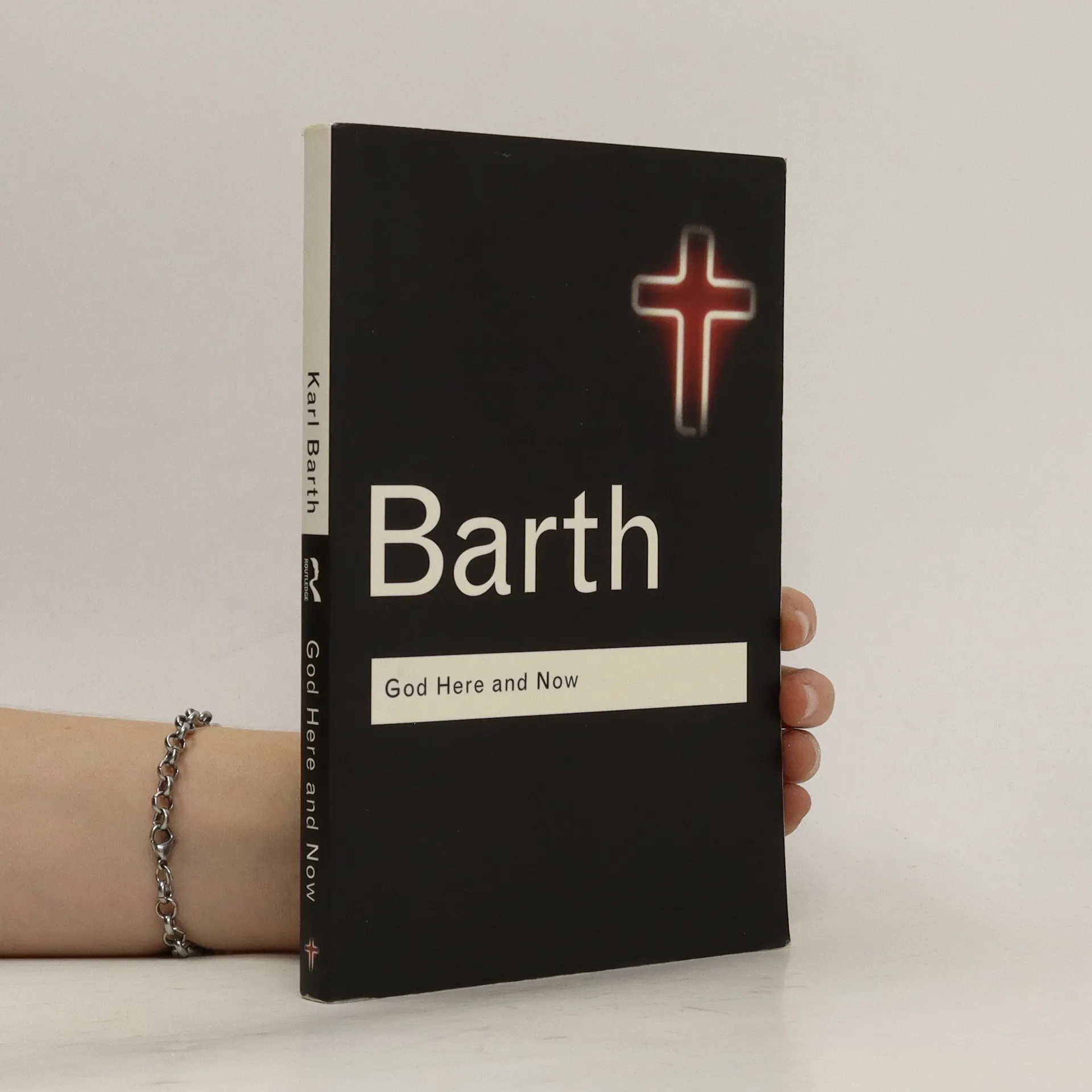
In God Here and Now, Barth outlines his position on the fundamental tenets of Christian belief, from the decision of faith to the authority of the Bible, and from the interpretation of grace to the significance of Jesus Christ. - Publisher.
This historically significant volume collects Karl Barth's lectures on John Calvin, delivered at the University of Göttingen in 1922. The book opens with an illuminating sketch of medieval theology, an appreciation of Luther's breakthrough, and a comparative study of the roles of Zwingli and Calvin. The main body of the work consists of an increasingly sympathetic, and at times amusing, account of Calvin's life up to his recall to Geneva. In the process, Barth examines and evaluates the early theological writings of Calvin, especially the first edition of the Institutes.
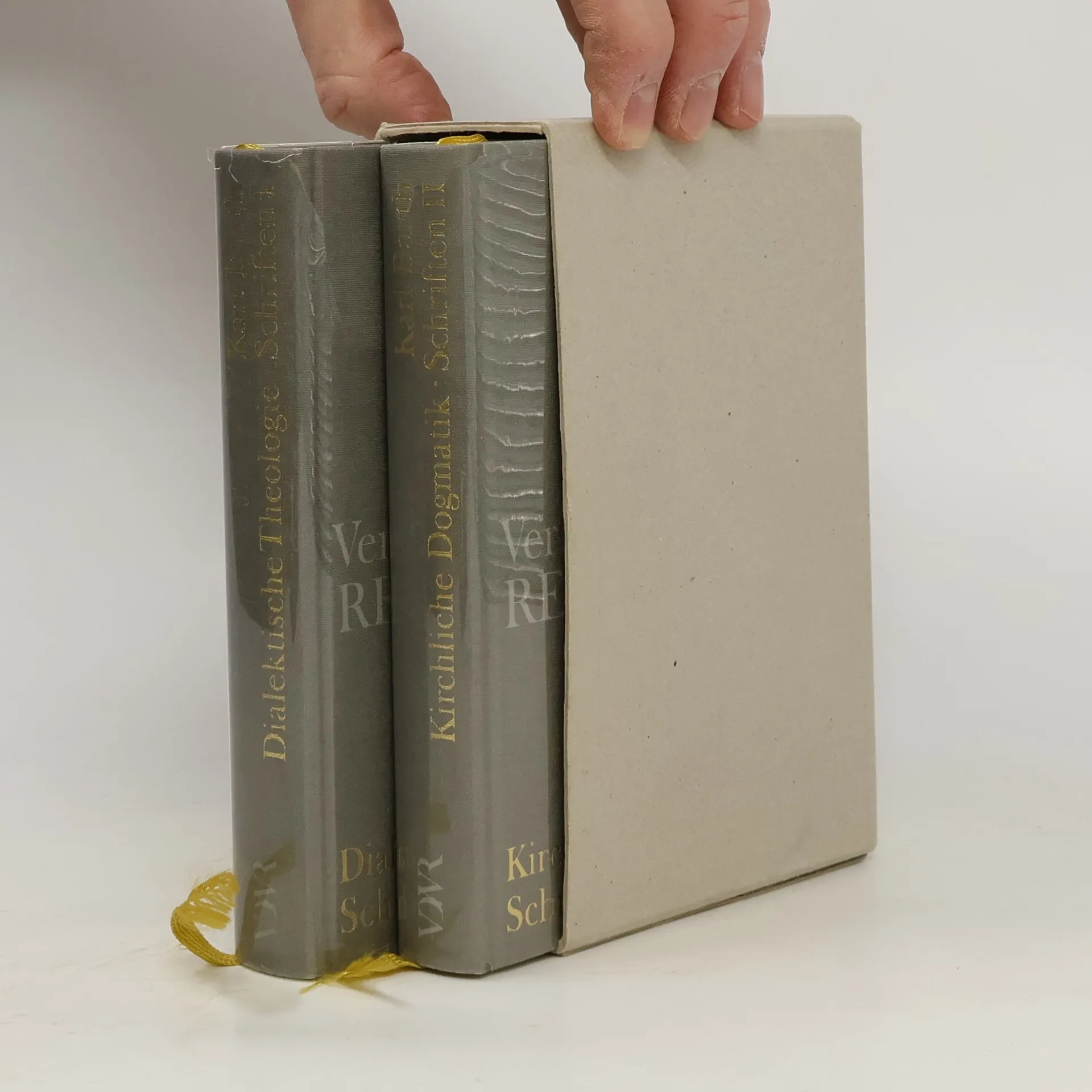
Die kirchliche Dogmatik 11
Gottes Gnadenwahl II.
Evangelická teologie pod drobnohledem
- 104bladzijden
- 4 uur lezen
Evangelická teologie není nijak uniformní obor, naopak v rozmanitosti svých disciplín, jejich specifických předmětů a zároveň jejich vzájemného velmi úzkého propojení představuje teologická fakulta téměř něco jako univerzitu v malém. Jak vypadá tento podnik z pohledu zevnitř, z pohledu svých jednotlivých disciplín, jejich předmětu, jejich metody, jejich způsobu výuky? Editoři oslovili zástupce všech kateder na Evangelické teologické fakultě Univerzity Karlovy s prosbou o jejich pohled na vlastní disciplínu v rámci celku studia evangelické teologie i v rámci celé univerzity. Sborník obsahuje devět původních příspěvků a překlad statě Filosofie a teologie z pera Karla Bartha jako přívažek. Současně s touto publikací vychází také sborník Teologická věda a vědecká teologie, který nabízí několik domácích i zahraničních příspěvků k dějinám a povaze teologie. Obě publikace jsou určeny nejen adeptům a studentům teologie, ale všem čtenářům se zájmem o moderní a seriózní přemýšlení o křesťanství. Příspěvky jsou od těchto autorů: Karl Barth Pavel Filipi Ladislav Hejdánek Pavel Hošek Jiří Just Jan Kranát Petr Pokorný Martin Prudký Jan Štefan Jakub S. Trojan
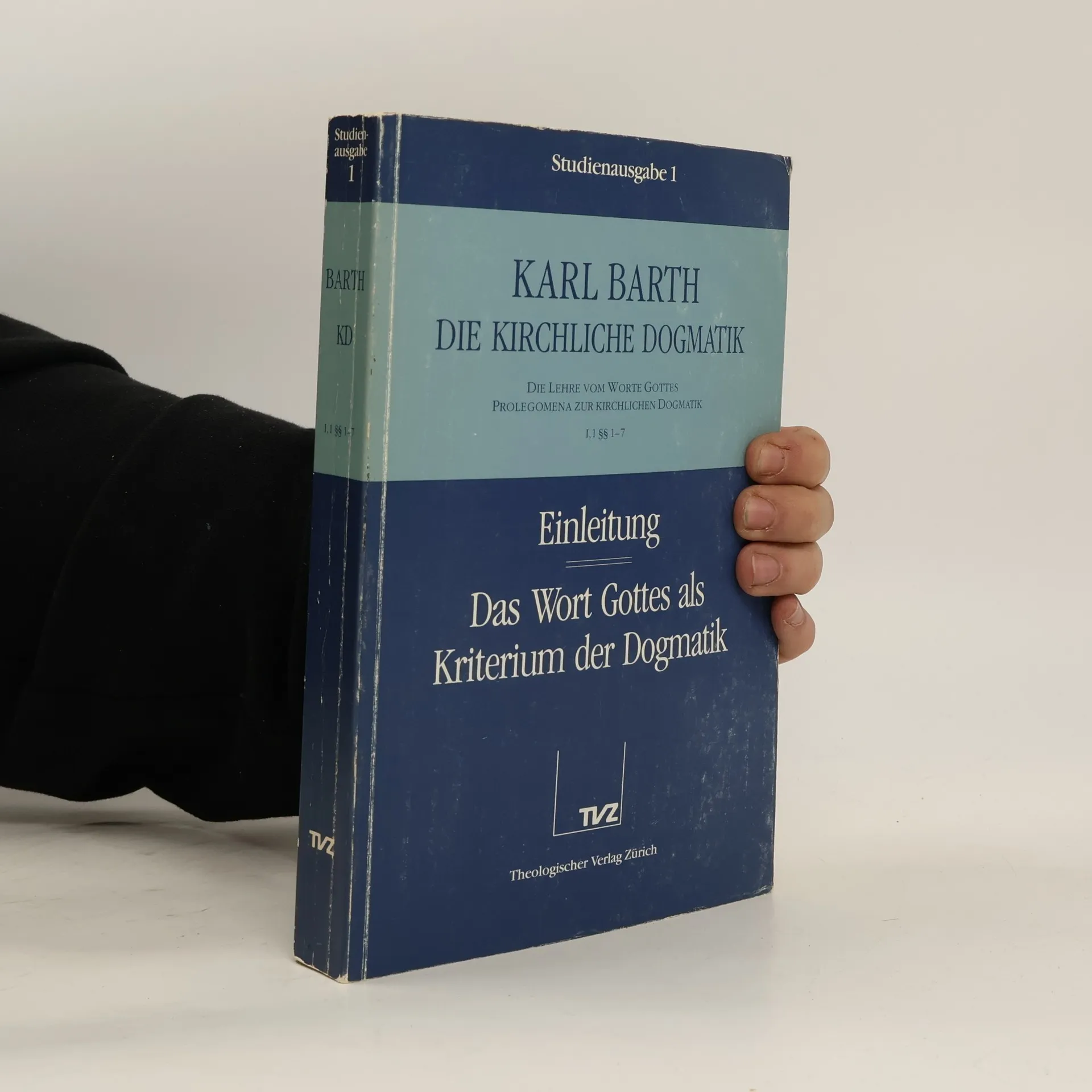
Die kirchliche Dogmatik 1. Einleitung
Das Wort Gottes als Kriterium der Dogmatik
- 352bladzijden
- 13 uur lezen
Karl Barth (1886–1968) studierte Theologie in Bern, Berlin, Tübingen, Marburg und war von 1909 bis 1921 Pfarrer in Genf und Safenwil. Mit seiner Auslegung des Römerbriefes (1919, 1922) begann eine neue Epoche der evangelischen Theologie. Dieses radikale Buch trug ihm einen Ruf als Honorarprofessor nach Göttingen ein, später wurde er Ordinarius in Münster und Bonn. Er war Mitherausgeber von 'Zwischen den Zeiten' (1923–1933), der Zeitschrift der 'Dialektischen Theologie'. Karl Barth war der Autor der 'Barmer Theologischen Erklärung' und Kopf des Widerstands gegen die 'Gleichschaltung' der Kirchen durch den Nationalsozialismus. 1935 wurde Barth von der Bonner Universität wegen Verweigerung des bedingungslosen Führereids entlassen. Er bekam sofort eine Professur in Basel, blieb aber mit der Bekennenden Kirche in enger Verbindung. Sein Hauptwerk, 'Die Kirchliche Dogmatik', ist die bedeutendste systematisch-theologische Leistung des 20. Jahrhunderts.
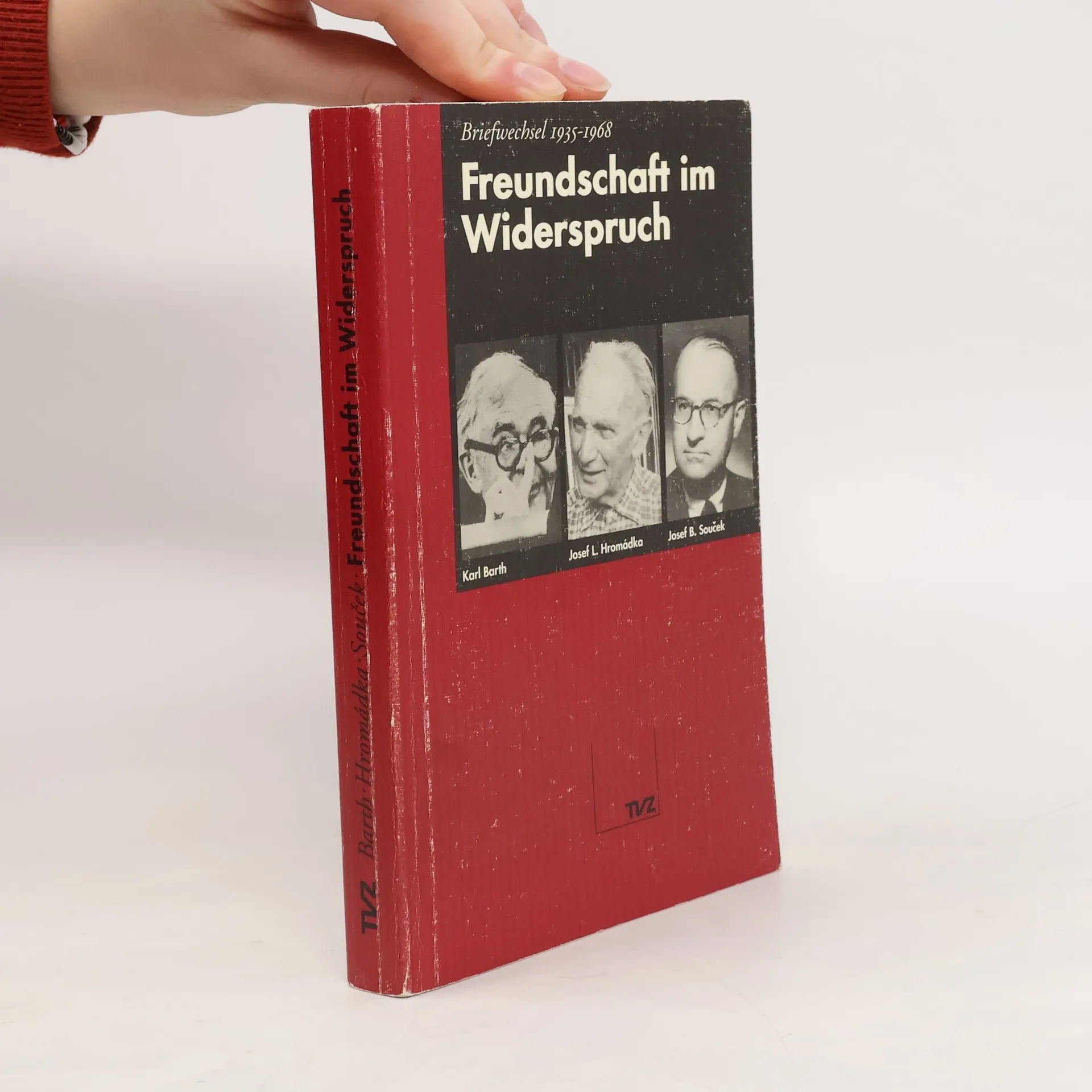
Freundschaft im Widerspruch
- 276bladzijden
- 10 uur lezen
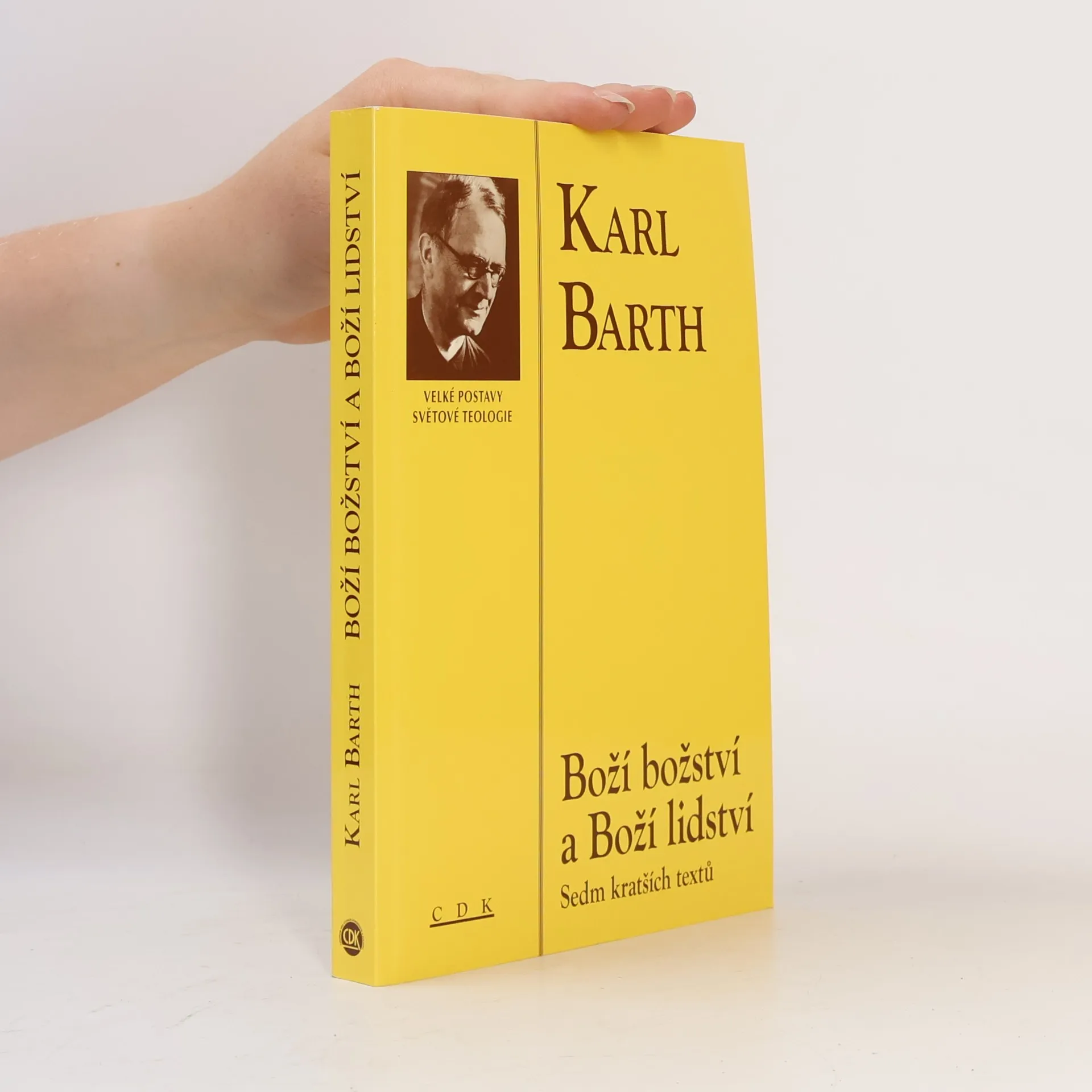
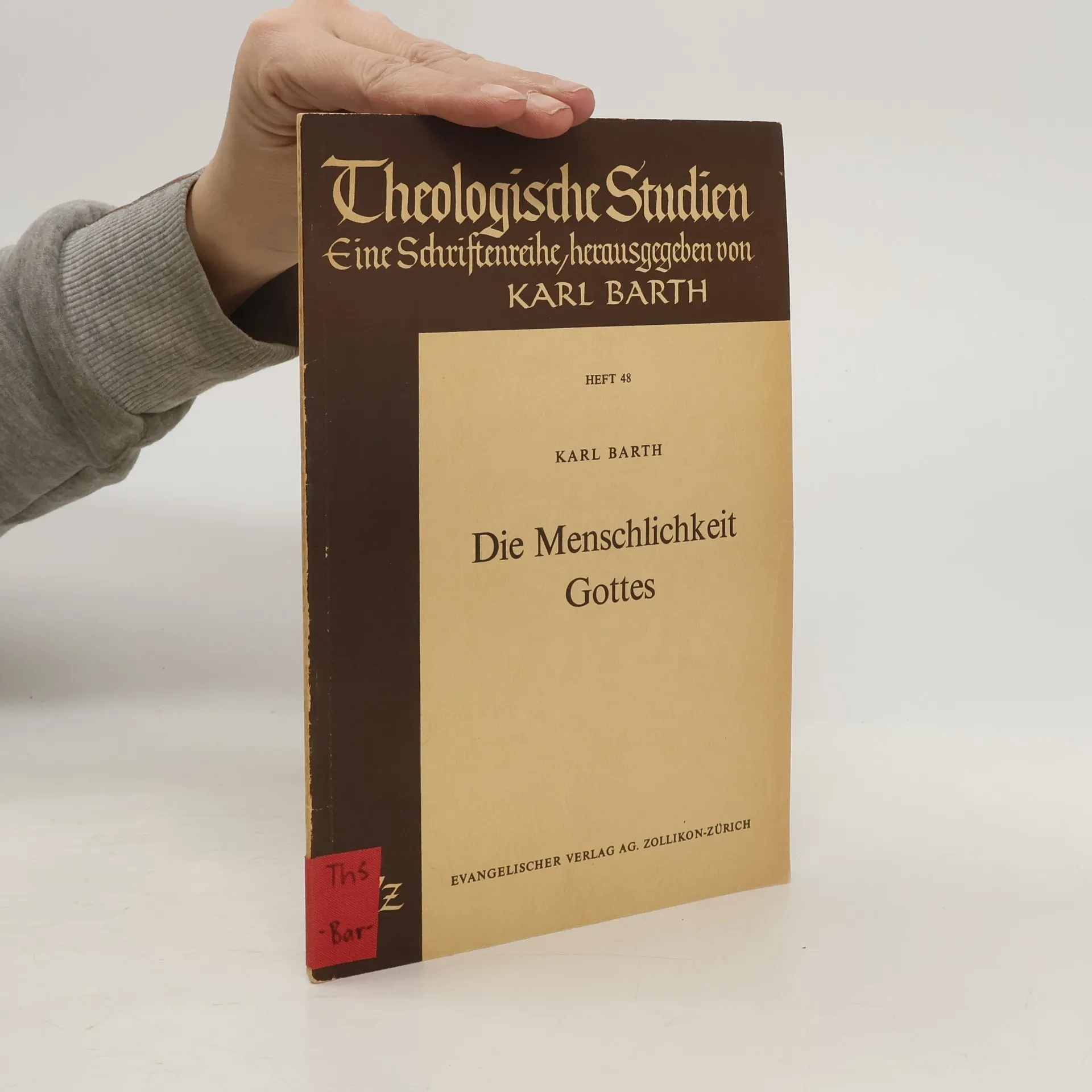
Podtitul: Sedm kratších textů Karl Barth (1886–1968) byl vůdčí osobností tzv. dialektické teologie, nazývané též teologie krize či teologie Slova. Patřil k nejvýznamnějším a nejvlivnějším teologům 20. století a jeho literární pozůstalost je jednou z nejrozsáhlejších v celých dějinách teologie. Kniha Boží božství a Boží lidství představuje reprezentativní výběr článků a přednášek tohoto basilejského myslitele, sestavený předním českým odborníkem na jeho dílo, evangelickým teologem Janem Štefanem. Výběr začíná dvěma přednáškami z doby, kdy zazářila hvězda dialektické teologie, následují čtyři přístupněji podané texty z Barthova vrcholného období z počátku 30. let a závěr tvoří autorovo hodnocení vlastního mladistvého radikalismu, které sepsal v epoše laskavého stáří. Publikace je doplněna doslovem editora, jenž odlehčeným stylem – na základě přehledu Barthova života, díla a české recepce – uvádí do barthovského myšlení. Originální názvy: Not und Verheißung der christlichen Verkündigung; Wort Gottes als Aufgabe der Theologie; Schicksal und Idee in der Theologie; Offenbarung, Kirche, Theologie; Evangelium und Gesetz; Gottes Gnadenwahl; Menschlichkeit Gottes.
Wolfgang Amadeus Mozart
- 50bladzijden
- 2 uur lezen
Einführung in die evangelische Theologie
- 224bladzijden
- 8 uur lezen
Mir war nach meinem Rücktritt vom akademischen Lehrdienst zugefallen, im Wintersemester 1961/62 als mein eigener und meines noch unbekannten Nachfolgers Stellvertreter noch einmal Seminar, Übungen und eine Vorlesung zu halten. Was in diesem kleinen Buch vorliegt, ist das Manuskript dieser Vorlesung. Hoffentlich beklagt sich nun niemand von denen, die die Bände der «Kirchlichen Dogmatik» zu dick finden, über die energische Kürze, in der ich mich hier äussere. Da ich nicht gut einstündig Dogmatik ankündigen konnte, wollte ich die Gelegenheit dieses Schwanengesangs ergreifen, mir selbst und den Zeitgenossen in Kürze darüber Rechenschaft abzulegen, was ich auf dem Feld der evangelischen Theologie fünf Jahre als Student, zwölf Jahre als Pfarrer und dann vierzig Jahre lang als Professor auf allerlei Wegen und Umwegen bis jetzt grundsätzlich erstrebt, gelernt und vertreten habe.
Ich habe zu bekennen, dass ich (dank der nicht genug zu preisenden Erfindung des Grammophons) seit Jahren und Jahren jeden Morgen zunachst Mozart hore und mich dann erst (von der Tageszeitung nicht zu reden) der Dogmatik zuwende. Ich habe sogar zu bekennen, dass ich, wenn ich je in den Himmel kommen sollte, mich dort zunachst nach Mozart und dann erst nach Augustin und Thomas, nach Luther, Calvin und Schleiermacher erkundigen wurde. Karl Barth Karl Barth (1886-1968) studierte Theologie in Bern, Berlin, Tubingen, Marburg und war von 1909 bis 1921 Pfarrer in Genf und Safenwil. Mit seiner Auslegung des Romerbriefes (1919, 1922) begann eine neue Epoche der evangelischen Theologie. Dieses radikale Buch trug ihm einen Ruf als Honorarprofessor nach Gottingen ein, spater wurde er Ordinarius in Munster und Bonn. Er war Mitherausgeber von Zwischen den Zeiten (1923-1933), der Zeitschrift der Dialektischen Theologie. Karl Barth war der Autor der Barmer Theologischen Erklarung und Kopf des Widerstands gegen die Gleichschaltung der Kirchen durch den Nationalsozialismus. 1935 wurde Barth von der Bonner Universitat wegen Verweigerung des bedingungslosen Fuhrereids entlassen. Er bekam sofort eine Professur in Basel, blieb aber mit der Bekennenden Kirche in enger Verbindung. Sein Hauptwerk, Die Kirchliche Dogmatik, ist die bedeutendste systematisch-theologische Leistung des 20. Jahrhunderts.
Gott ist jeden Morgen neu
- 58bladzijden
- 3 uur lezen
Karl Barth (1886-1968) studierte Theologie in Bern, Berlin, Tubingen, Marburg und war von 1909 bis 1921 Pfarrer in Genf und Safenwil. Mit seiner Auslegung des Romerbriefes (1919, 1922) begann eine neue Epoche der evangelischen Theologie. Dieses radikale Buch trug ihm einen Ruf als Honorarprofessor nach Gottingen ein, spater wurde er Ordinarius in Munster und Bonn. Er war Mitherausgeber von Zwischen den Zeiten (1923-1933), der Zeitschrift der Dialektischen Theologie. Karl Barth war der Autor der Barmer Theologischen Erklarung und Kopf des Widerstands gegen die Gleichschaltung der Kirchen durch den Nationalsozialismus. 1935 wurde Barth von der Bonner Universitat wegen Verweigerung des bedingungslosen Fuhrereids entlassen. Er bekam sofort eine Professur in Basel, blieb aber mit der Bekennenden Kirche in enger Verbindung. Sein Hauptwerk, Die Kirchliche Dogmatik, ist die bedeutendste systematisch-theologische Leistung des 20. Jahrhunderts.
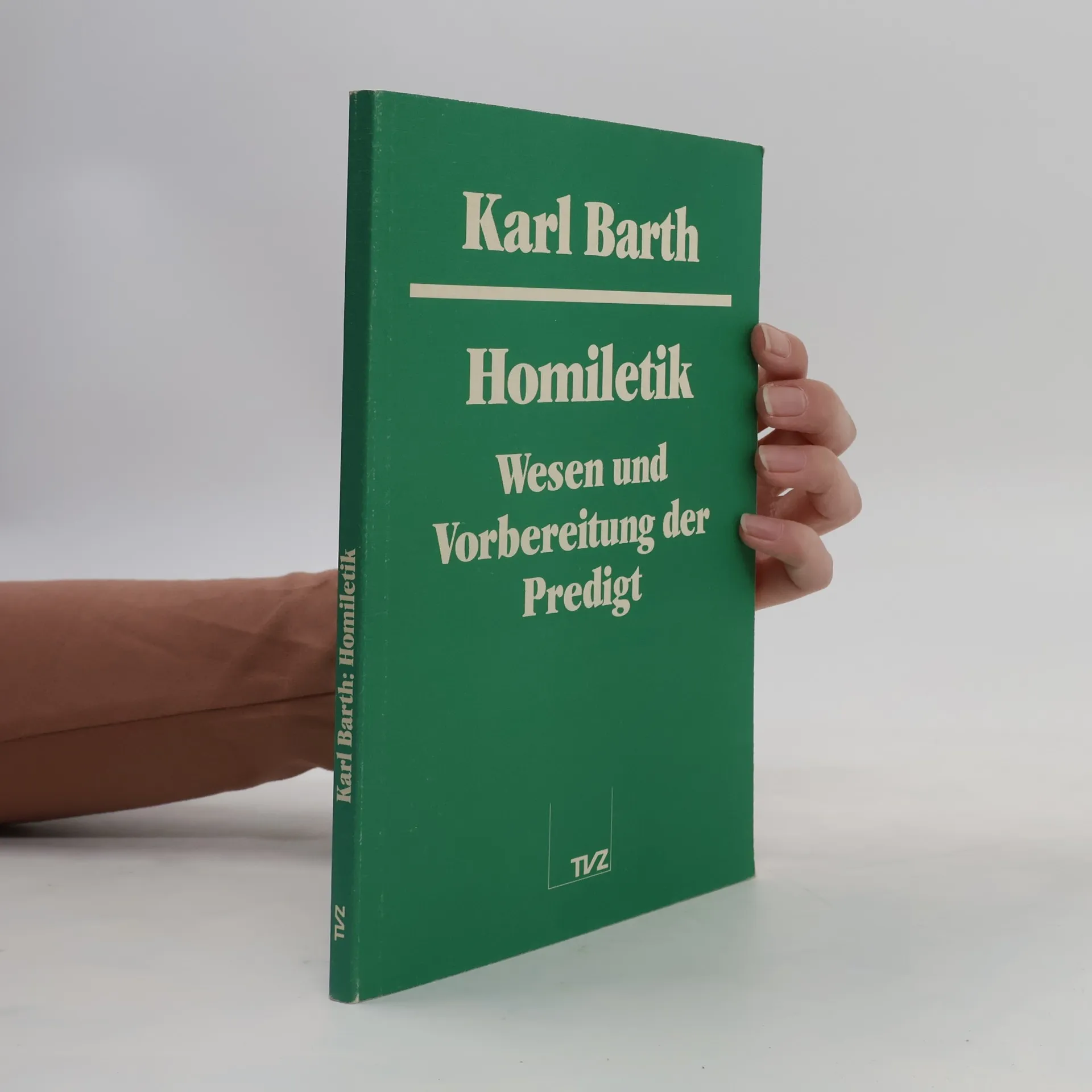
Homiletik
- 113bladzijden
- 4 uur lezen
In dieser vollständigen und wertvollen Version seiner Homiletik bietet der renommierte Theologe Karl Barth seine Gedanken zur Predigtvorbereitung, einschließlich seines Verständnisses darüber, wie der Prediger die Schrift interpretieren sollte. Dieses Buch präsentiert Vorlesungsmaterialien aus Seminaren in Bonn von 1932 bis 1933.
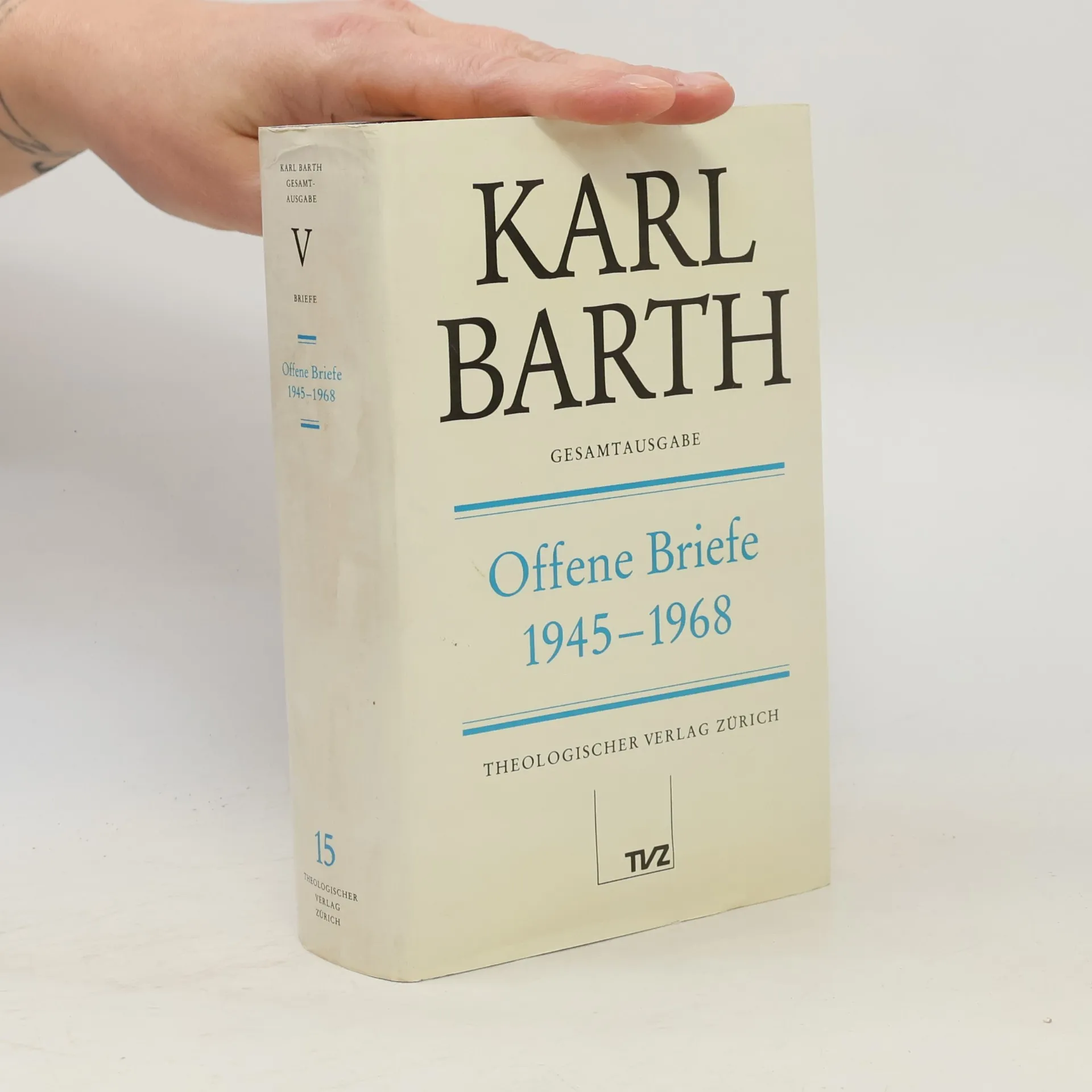
Der Form des Offenen Briefes hat sich Karl Barth mehr als ein halbes Jahrhundert lang immer wieder bedient. Manche Stücke dieser Gattung gehören zu seinen weithin bekannten und wirksam gewordenen Veröffentlichungen. Andere sind, an verstreuten Orten gedruckt oder lediglich vervielfältigt, nur einer beschränkten Öffentlichkeit bekannt geworden. Die hier zunächst vorgelegte zeitlich spätere Hälfte dokumentiert mit 96 Einzelstücken vor allem Barths intensive Anteilnahme am politischen Zeitgeschehen seit dem Ende des Zweiten Weltkrieges.
Briefe 1961-1968
- 600bladzijden
- 21 uur lezen
Die Veröffentlichung der Briefe aus den Jahren 1930–1935 setzt den Briefwechsel zwischen Barth und Thurneysen fort, der 1973 und 1974 mit den Bänden von 1913 bis 1930 begann. Nach Thurneysens Tod 1974 wurde die Publikation lange unterbrochen. Diese neue Ausgabe bietet die Korrespondenz aus den bewegten Jahren von Barths Professur in Bonn bis zu seiner Entlassung in ungekürzter Form. Sie umfasst auch Briefe von Barths Mitarbeiterin Charlotte von Kirschbaum, die oft in Barths Vertretung an Thurneysen schrieb. Der Briefwechsel gewährt Einblick in die Konflikte, die zwischen ihr, Barth, dessen Frau Nelly und einem gemeinsamen Freund in Basel entstanden. In den frühen Jahren zeichnen sich die Briefe durch heitere Gelassenheit aus und bieten eine reichhaltige Quelle für das Leben der Freunde. Mit dem Druck des NS-Regimes steigen die Spannungen, und die fast täglichen Mitteilungen reflektieren die sich verändernde Lage: einerseits die Innenperspektive von Barth, andererseits die Sichtweise des treuen Freundes jenseits der Grenze, der Barth oft unterstützte, aber auch zur Mäßigung riet. Hinter den historischen Positionen erscheinen menschliche Gesichter mit ihren Herausforderungen. Ein ausführlicher Anmerkungsapparat liefert umfassende Informationen zu den in den Briefen erwähnten Ereignissen und den notwendigen Kontext für das Verständnis der Texte.
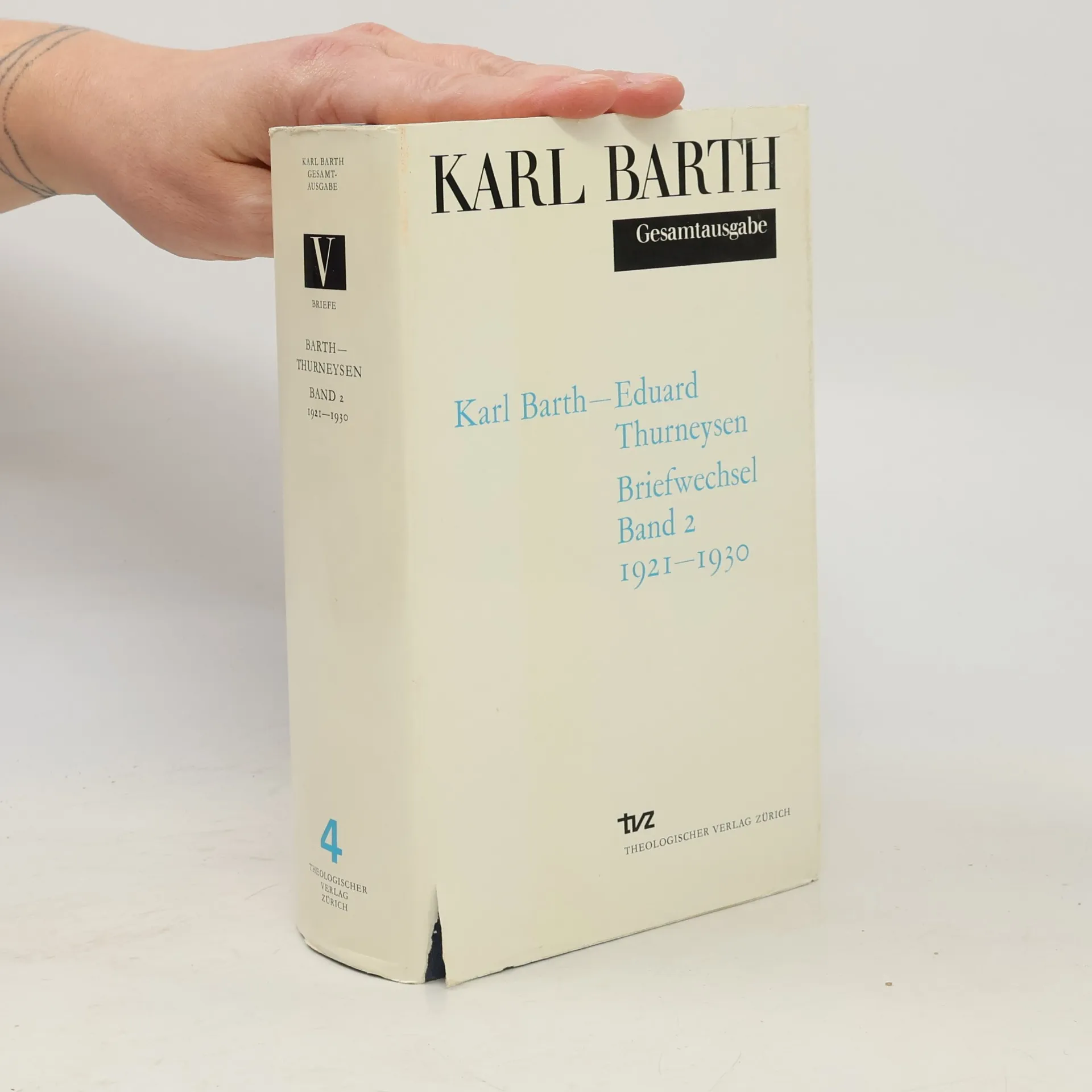
Die Anfänge von Barths Theologie entstanden im Austausch mit Eduard Thurneysen, mit dem er bis zu seinem Tod eng verbunden blieb. Ihre Korrespondenz umfasst über 1000 Briefe und Postkarten. In der Karl Barth-Gesamtausgabe wird dieses Material seit 1973 umfassend präsentiert. Band 1 (1913–1921) behandelt die Jahre im Aargau, wo Barth und Thurneysen als Landpfarrer tätig waren. Hier wurde das Suchen nach der rechten Verkündigung des Wortes Gottes zum zentralen Thema, während sie sich mit drängenden Fragen wie dem Ersten Weltkrieg, der Arbeiterlage, dem Sozialismus und dem religiösen Sozialismus auseinandersetzten. Band 2 (1921–1930) folgt nach der Veröffentlichung der ersten beiden 'Römerbriefe', als Barth 1921 als Honorarprofessor für Reformierte Theologie in Göttingen berufen wird. Thurneysen arbeitet von 1920 bis 1927 in einer Vorstadtgemeinde von St. Gallen, während Barth 1925 ordentlicher Professor in Münster wird. Der Weg zu seinem Hauptwerk, der 'Kirchlichen Dogmatik', wird hier sichtbar. Der Briefwechsel setzte sich in Barths Bonner Jahren (1930–1935) fort, nahm jedoch nach seinem Umzug nach Basel, wo auch Thurneysen lebte, ab. Thurneysen plante, einen dritten Band zu veröffentlichen, doch sein Tod im Sommer 1974 verhinderte dies. Die Veröffentlichung dieses abschließenden Teils ist in Vorbereitung.
Karl Barth-Eduard Thurneysen, Briefwechsel. Briefwechsel I. 1913-1921
- 544bladzijden
- 20 uur lezen
Die Anfänge von Barths Theologie sind im ständigen Austausch mit seinem Freund Eduard Thurneysen entstanden, mit dem er bis zum Tode in enger Verbindung blieb. Die gesamte Korrespondenz zwischen beiden umfaßt über 1000 Briefe und Postkarten. Als vor Jahren eine Auswahl aus dem ersten Jahrzehnt dieses Briefwechsels veröffentlicht wurde, erregte sie große Aufmerksamkeit. Jetzt erscheint die Korrespondenz in erheblich größerer Vollständigkeit, vorläufig bis zum Jahr 1930. Der vorliegende Band I betrifft die Jahre im Aargau, wo Barth und Thurneysen Landpfarrer waren, wo das Suchen nach rechter Verkündigung des Wortes Gottes zum Hauptthema wurde, wo neben den Zeitereignissen (Erster Weltkrieg) die Arbeiterfrage, der Sozialismus und der religiöse Sozialismus als bedrängende Probleme vor ihnen standen.
Karl Barth (1886–1968) studierte Theologie in Bern, Berlin, Tübingen, Marburg und war von 1909 bis 1921 Pfarrer in Genf und Safenwil. Mit seiner Auslegung des Römerbriefes (1919, 1922) begann eine neue Epoche der evangelischen Theologie. Dieses radikale Buch trug ihm einen Ruf als Honorarprofessor nach Göttingen ein, später wurde er Ordinarius in Münster und Bonn. Er war Mitherausgeber von 'Zwischen den Zeiten' (1923–1933), der Zeitschrift der 'Dialektischen Theologie'. Karl Barth war der Autor der 'Barmer Theologischen Erklärung' und Kopf des Widerstands gegen die 'Gleichschaltung' der Kirchen durch den Nationalsozialismus. 1935 wurde Barth von der Bonner Universität wegen Verweigerung des bedingungslosen Führereids entlassen. Er bekam sofort eine Professur in Basel, blieb aber mit der Bekennenden Kirche in enger Verbindung. Sein Hauptwerk, 'Die Kirchliche Dogmatik', ist die bedeutendste systematisch-theologische Leistung des 20. Jahrhunderts.
Karl Barth (1886–1968) studierte Theologie in Bern, Berlin, Tübingen, Marburg und war von 1909 bis 1921 Pfarrer in Genf und Safenwil. Mit seiner Auslegung des Römerbriefes (1919, 1922) begann eine neue Epoche der evangelischen Theologie. Dieses radikale Buch trug ihm einen Ruf als Honorarprofessor nach Göttingen ein, später wurde er Ordinarius in Münster und Bonn. Er war Mitherausgeber von 'Zwischen den Zeiten' (1923–1933), der Zeitschrift der 'Dialektischen Theologie'. Karl Barth war der Autor der 'Barmer Theologischen Erklärung' und Kopf des Widerstands gegen die 'Gleichschaltung' der Kirchen durch den Nationalsozialismus. 1935 wurde Barth von der Bonner Universität wegen Verweigerung des bedingungslosen Führereids entlassen. Er bekam sofort eine Professur in Basel, blieb aber mit der Bekennenden Kirche in enger Verbindung. Sein Hauptwerk, 'Die Kirchliche Dogmatik', ist die bedeutendste systematisch-theologische Leistung des 20. Jahrhunderts.
Die kirchliche Dogmatik 21
Der Gegenstand und die Probleme der Versohnungslehre. Jesus Christus der Herr als Knecht I
Karl Barth (1886–1968) studierte Theologie in Bern, Berlin, Tübingen, Marburg und war von 1909 bis 1921 Pfarrer in Genf und Safenwil. Mit seiner Auslegung des Römerbriefes (1919, 1922) begann eine neue Epoche der evangelischen Theologie. Dieses radikale Buch trug ihm einen Ruf als Honorarprofessor nach Göttingen ein, später wurde er Ordinarius in Münster und Bonn. Er war Mitherausgeber von 'Zwischen den Zeiten' (1923–1933), der Zeitschrift der 'Dialektischen Theologie'. Karl Barth war der Autor der 'Barmer Theologischen Erklärung' und Kopf des Widerstands gegen die 'Gleichschaltung' der Kirchen durch den Nationalsozialismus. 1935 wurde Barth von der Bonner Universität wegen Verweigerung des bedingungslosen Führereids entlassen. Er bekam sofort eine Professur in Basel, blieb aber mit der Bekennenden Kirche in enger Verbindung. Sein Hauptwerk, 'Die Kirchliche Dogmatik', ist die bedeutendste systematisch-theologische Leistung des 20. Jahrhunderts.
Gesamtausgabe I
Predigten 1913
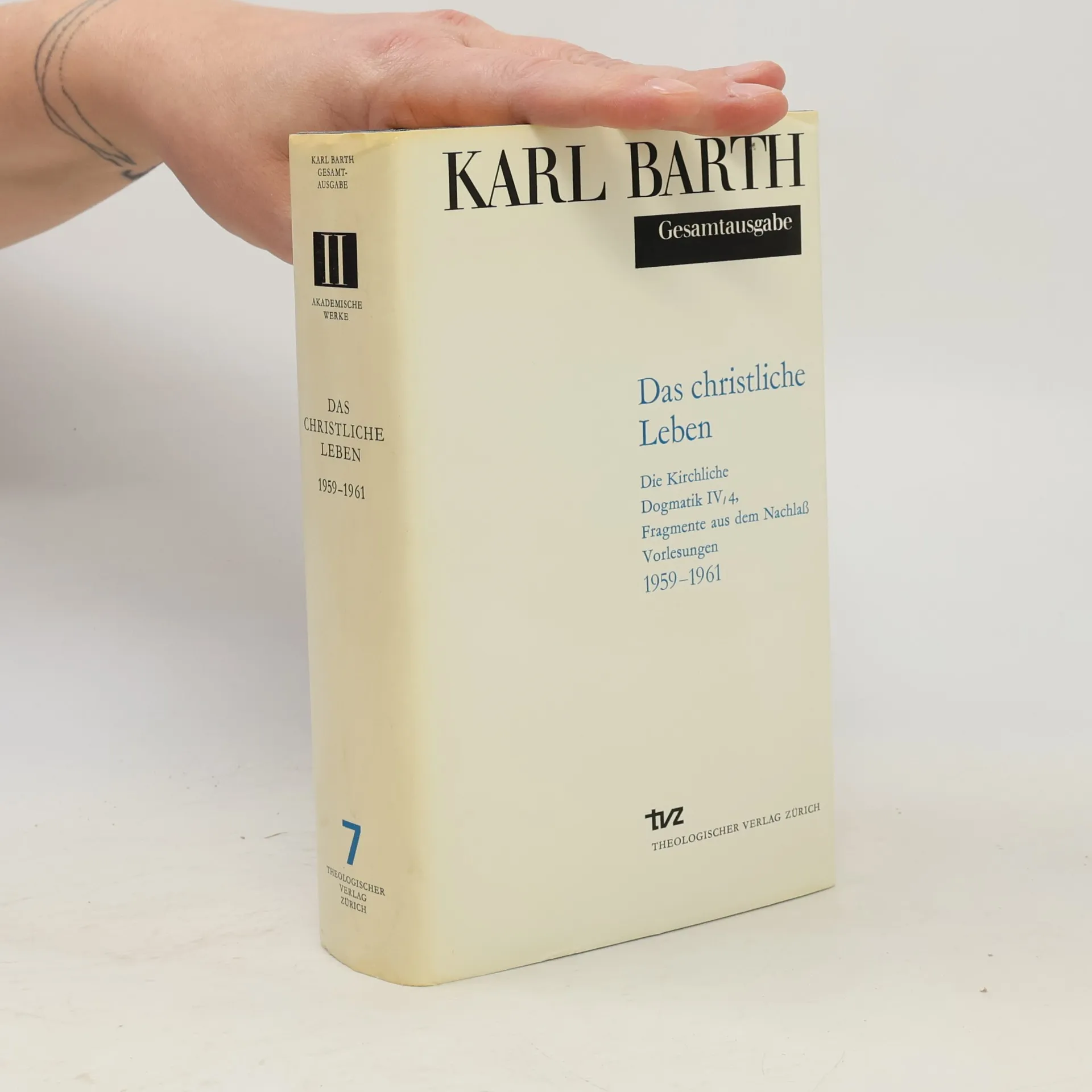
Das christliche Leben 1959-1961
- 536bladzijden
- 19 uur lezen
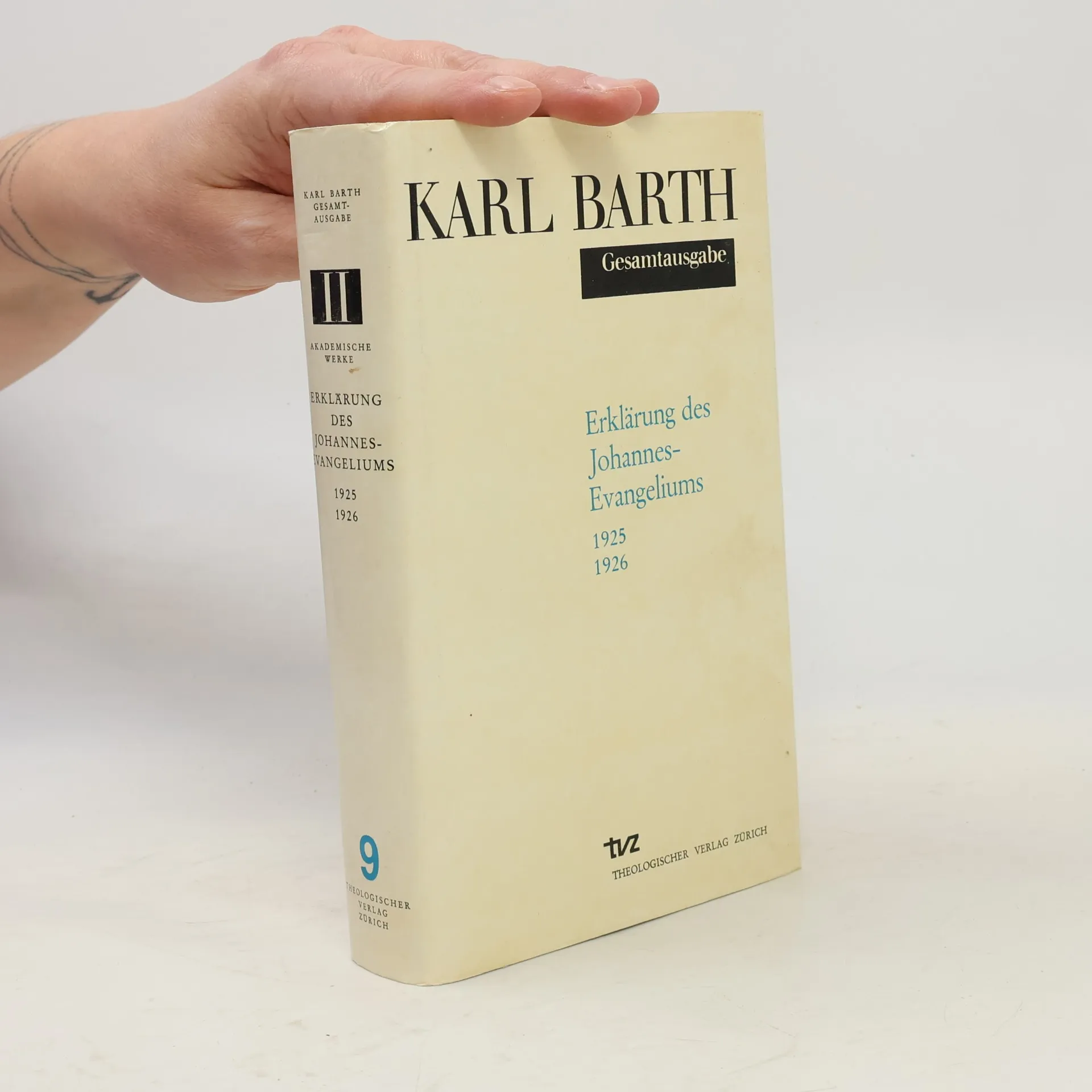
Erklärung des Johannes-Evangeliums 1925, 1926
- 422bladzijden
- 15 uur lezen
Predigten 1914
- 668bladzijden
- 24 uur lezen
Konfirmandenunterricht 1919-1921
- 466bladzijden
- 17 uur lezen
Karl Barth hat seinen Konfirmanden- und spater auch Praparanden- (Vorkonfirmanden-)Unterricht jedes Jahr neu und Stunde fur Stunde schriftlich vorbereitet, meist mit ausformulierten Diktatsatzen, denen sich jeweils Stichwortskizzen des ausgefuhrten Unterrichts anschliessen. Neun dieser Konfirmanden- und drei Praparandenhefte sind erhalten und werden hier erstmals publiziert. Die Texte lassen die grosse Sorgfalt erkennen, mit der sich Barth auch der katechetischen Aufgabe des Pfarramtes widmete. Karl Barth (1886-1968) studierte Theologie in Bern, Berlin, Tubingen, Marburg und war von 1909 bis 1921 Pfarrer in Genf und Safenwil. Mit seiner Auslegung des Romerbriefes (1919, 1922) begann eine neue Epoche der evangelischen Theologie. Dieses radikale Buch trug ihm einen Ruf als Honorarprofessor nach Gottingen ein, spater wurde er Ordinarius in Munster und Bonn. Er war Mitherausgeber von Zwischen den Zeiten (1923-1933), der Zeitschrift der Dialektischen Theologie. Karl Barth war der Autor der Barmer Theologischen Erklarung und Kopf des Widerstands gegen die Gleichschaltung der Kirchen durch den Nationalsozialismus. 1935 wurde Barth von der Bonner Universitat wegen Verweigerung des bedingungslosen Fuhrereids entlassen. Er bekam sofort eine Professur in Basel, blieb aber mit der Bekennenden Kirche in enger Verbindung. Sein Hauptwerk, Die Kirchliche Dogmatik, ist die bedeutendste systematisch-theologische Leistung des 20. Jahrhunderts.
Vorträge und kleinere Arbeiten 1922-1925
- 724bladzijden
- 26 uur lezen
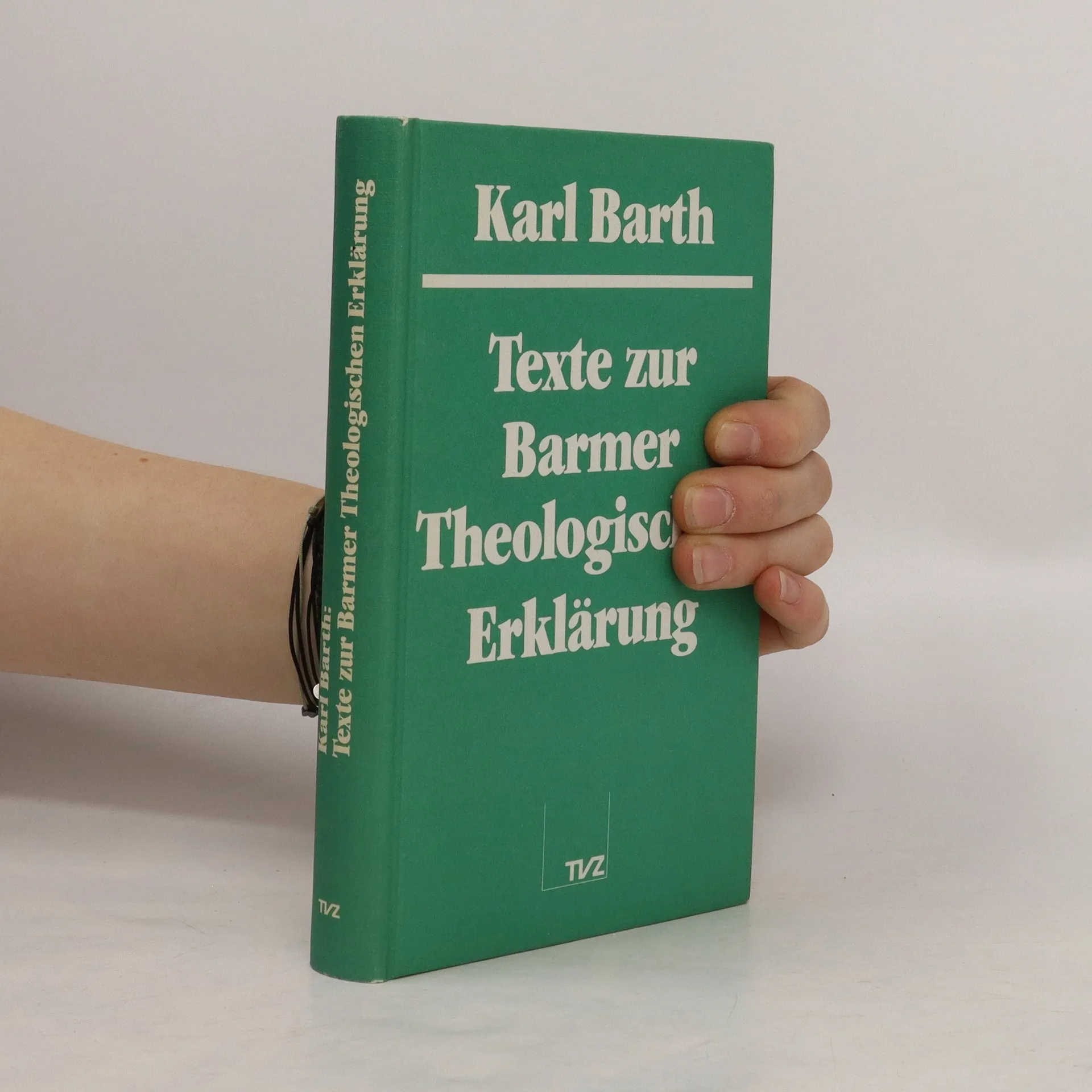
Texte zur Barmer theologischen Erklärung
- 258bladzijden
- 10 uur lezen
Die Neuentdeckung der Theologie Karl Barths beleuchtet seine radikale Auffassung, dass der Gehalt der christlichen Religion in der religiösen Kommunikation selbst verankert ist. Barth argumentiert, dass Gott als Grund dieser Kommunikation verstanden werden muss, was den Menschen zur Selbstbestimmung gegenüber Gott aufruft und ein Leben ohne ihn ausschließt. Diese Perspektive fordert eine Neubewertung der christlichen Lehre und bietet Ansatzpunkte für konfessionelle Debatten sowie interreligiöse Verständigung. Die Sammlung seiner wichtigsten Arbeiten zeigt, wie Barths Theologie aus den Fragen seiner Zeit entstand und sich von der herrschenden Theologie abgrenzte.
Die Predigten von Karl Barth aus dem Jahr 1912 reflektieren seine ersten Erfahrungen als Pfarrer in Safenwil. Jede der 53 Predigten ist präzise ausgearbeitet und wird von biblischen Texten sowie aktuellen Ereignissen wie dem Titanic-Unglück und politischen Geschehnissen beeinflusst. Barth strebt danach, seine Gemeinde zum Nachdenken anzuregen, anstatt populäre Meinungen zu bedienen. Seine originellen Ansätze und die Bereitschaft, unbequeme Wahrheiten auszusprechen, machen diese Sammlung zu einem bedeutenden Zeugnis seiner frühen theologischen Entwicklung.
Das Glaubens bekenntnis der Kirche
Erklärung des Symbolum Apostolicum nach dem Katechismus Calvins
Die kirchliche Dogmatik 9
Die Wirklichkeit Gottes II.
Die kirchliche Dogmatik 10
Gottes Gnadenwahl I.
Die kirchliche Dogmatik 12
Gottes Gebot
Die kirchliche Dogmatik 7
Die Erkenntnis Gottes
Die kirchliche Dogmatik 8
Die Wirklichkeit Gottes I.
Die kirchliche Dogmatik 2
Die Offenbarung Gottes. 1. Abschnitt: Der dreieinige Gott