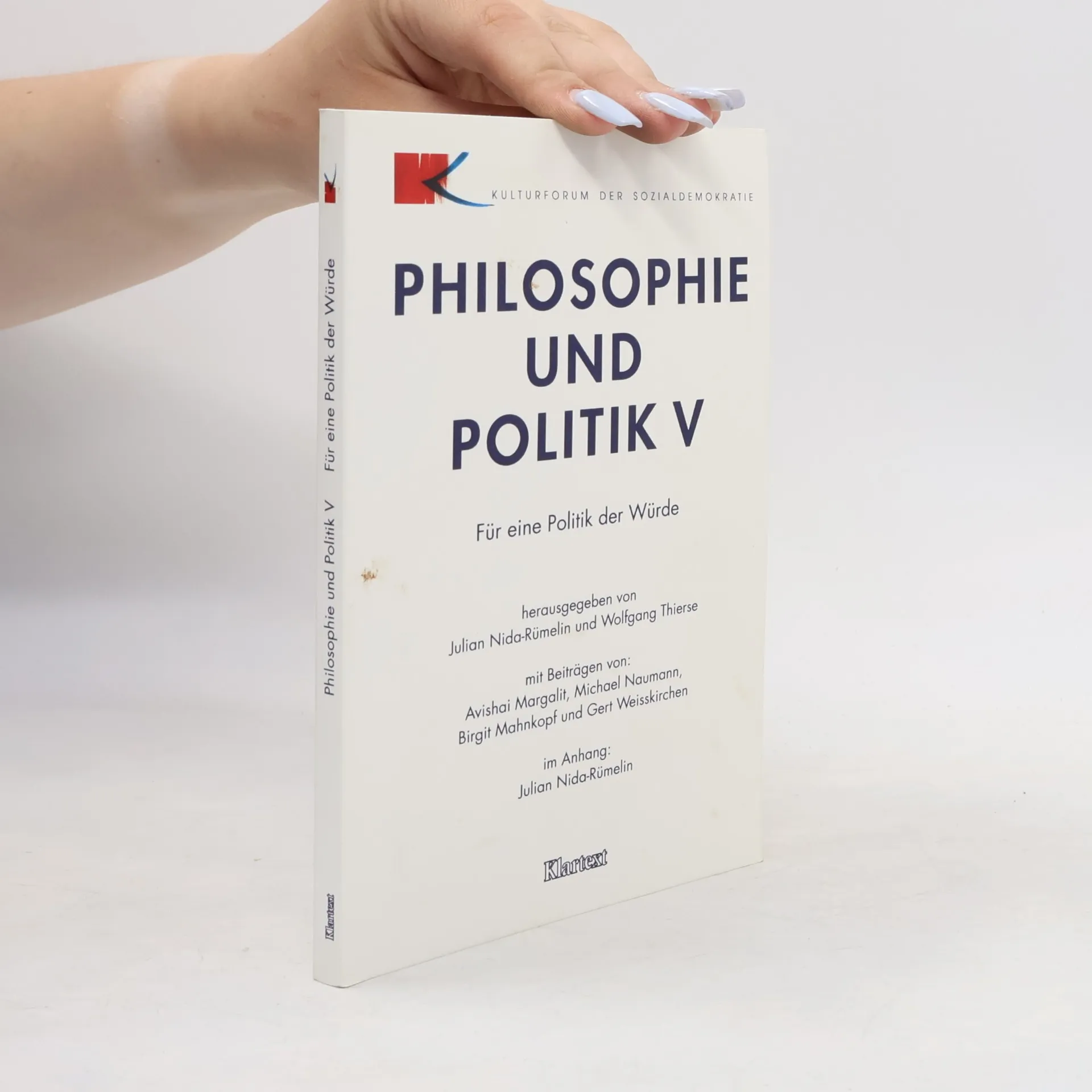
Sinds de publicatie van Edward Saids Orientalism vijfentwintig jaar geleden is er een hele studie ontstaan omtrent de denigrerende fantasieën over het exotische 'Oosten', die ten grondslag lagen aan het koloniale gedachtegoed. Maar hoe staat het met de radicale denkbeelden over 'het Westen' die onze zelfverklaarde vijanden koesteren? Volgens Ian Buruma en Avishai Margalit zijn deze denkbeelden nauwelijks onderzocht en is het onbegrip ervoor beklagenswaardig en zelfs gevaarlijk, gezien de gebeurtenissen op het wereldtoneel. In Occidentalisme wordt beargumenteerd dat de bron van de stereotypen die de haatgevoelens in Osama bin Laden cum suis doen oplaaien juist in het Westen zelf terug te vinden is. Occidentalisme behandelt de belangrijke wrijvingspunten: de goddeloze (lees: westerse) stad tegenover het rechtschapen platteland; heroïsme tegenover handel; materie tegenover geest; de geïndustrialiseerde maatschappij tegenover een organische samenleving van 'bloed en bodem'. En het waarschuwt ertegen 'het islamisme met onze eigen vormen van intolerantie te bestrijden. (') We kunnen het ons niet veroorloven onze samenleving af te sluiten bij wijze van verdediging tegen degenen die de hunne hebben afgesloten. Want dan zouden we allemaal occidentalisten worden en zou er niets meer te verdedigen over zijn.'
Avishai Margalit Boeken


On Betrayal
- 352bladzijden
- 13 uur lezen
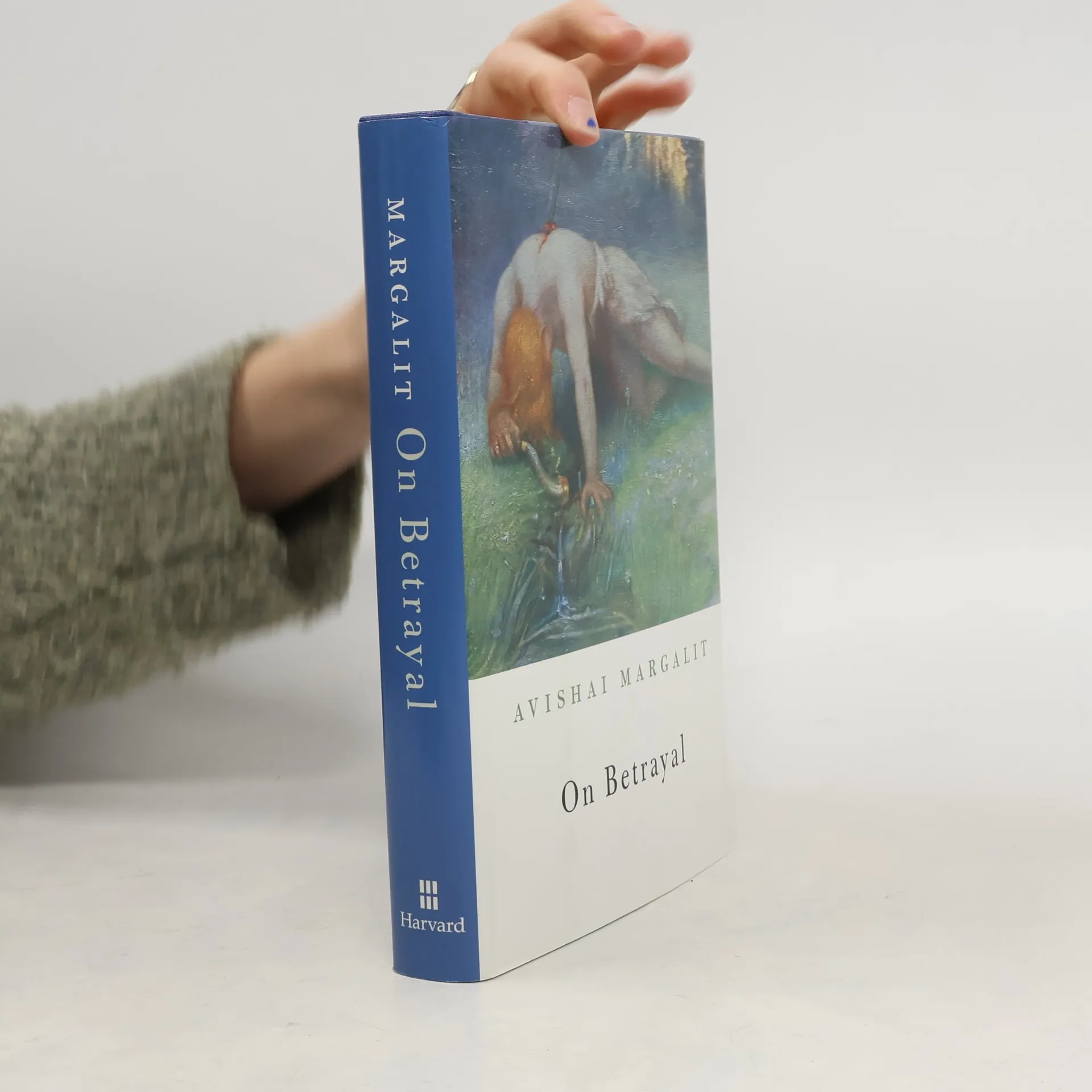
Adultery, treason, and apostasy have lost their former weight, yet stories of betrayal abound, reflecting a breach of loyalty that many have experienced. Avishai Margalit explores the tension between the prevalence of betrayal and its diminishing significance, highlighting the conflict between ethics and morality, as well as thick and thin human relations. The work provides a philosophical examination of thick human relations—those with friends, family, and core communities—through the lens of betrayal. Judgments of betrayal are often inconsistent; a whistle-blower may be seen as a hero by some and a backstabber by others. Despite these varied perceptions, the essence of betrayal remains consistent across cultures and time. It erodes thick trust, the foundation of our most meaningful relationships. Margalit also addresses the contemporary focus on trust among strangers, which is governed by morality, contrasting it with the ethics of our deeper connections. Drawing from literary, historical, and personal experiences, including his childhood during the 1948 Arab-Israeli War, Margalit’s insightful account examines the nature of our thick relationships and revives the concept of fraternity.
On Compromise and Rotten Compromises
- 240bladzijden
- 9 uur lezen
A searching examination of the moral limits of political compromise When is political compromise acceptable--and when is it fundamentally rotten, something we should never accept, come what may? What if a rotten compromise is politically necessary? Compromise is a great political virtue, especially for the sake of peace. But, as Avishai Margalit argues, there are moral limits to acceptable compromise even for peace. But just what are those limits? At what point does peace secured with compromise become unjust? Focusing attention on vitally important questions that have received surprisingly little attention, Margalit argues that we should be concerned not only with what makes a just war, but also with what kind of compromise allows for a just peace. Examining a wide range of examples, including the Munich Agreement, the Yalta Conference, and Arab-Israeli peace negotiations, Margalit provides a searching examination of the nature of political compromise in its various forms. Combining philosophy, politics, and history, and written in a vivid and accessible style, On Compromise and Rotten Compromises is full of surprising new insights about war, peace, justice, and sectarianism.
On Compromise and Rotten Compromises
- 240bladzijden
- 9 uur lezen
A searching examination of the moral limits of political compromiseWhen is political compromise acceptable―and when is it fundamentally rotten, something we should never accept, come what may? What if a rotten compromise is politically necessary? Compromise is a great political virtue, especially for the sake of peace. But, as Avishai Margalit argues, there are moral limits to acceptable compromise even for peace. But just what are those limits? At what point does peace secured with compromise become unjust? Focusing attention on vitally important questions that have received surprisingly little attention, Margalit argues that we should be concerned not only with what makes a just war, but also with what kind of compromise allows for a just peace.Examining a wide range of examples, including the Munich Agreement, the Yalta Conference, and Arab-Israeli peace negotiations, Margalit provides a searching examination of the nature of political compromise in its various forms. Combining philosophy, politics, and history, and written in a vivid and accessible style, On Compromise and Rotten Compromises is full of surprising new insights about war, peace, justice, and sectarianism.
Voor De universiteit van het leven voerde Rob Riemen indringende vraaggesprekken met negentien bijzondere vrienden. Het zijn uitgevers, musici, schrijvers, filosofen, wetenschappers en een vakbondsman, die met hun intellectuele, politieke of artistieke talenten internationale faam hebben verworven. Zij hebben een lange levensreis achter de rug en zijn bij uitstek in staat antwoord te geven op de vraag die in elk gesprek centraal stond: wat heeft het leven je geleerd?Wat geven de negentien levensreizigers aan inzicht en ervaring door aan ons, lezers, die in zekere zin allemaal hun erfgenamen zijn? Rob Riemen, die met dit boek de vijfenzestigste uitgave van Nexus presenteert, tekende de levensverhalen op uit de mond van zijn vrienden en schildert zo hun onvergetelijk portret, vol melancholie, humor, verontwaardiging en troost. Een unieke groep mensen laat ons delen in de wijsheid die zij hebben opgedaan aan de universiteit van het leven.
Lange hat sich politische Theorie vorwiegend am Ideal gesellschaftlicher Gerechtigkeit orientiert. Avishai Margalit setzt mit „Politik der Würde“ neue Maßstäbe: Für ihn hat sich das Nachdenken über die Organisation der Gesellschaft auszurichten an der Vorstellung einer anständigen Gesellschaft, d. h. einer Gesellschaft, deren Institutionen die Menschen nicht demütigen. Eine abwägende Klärung, was unter Begriffen wie Würde, Achtung, Demütigung zu verstehen ist, zielt darauf, das Potential und die Bedeutung dieser Kategorien für die politische Theorie vor Augen zu führen. Margalit entfaltet sein Konzept in Auseinandersetzung mit verschiedenen philosophischen Entwürfen und konkretisiert es an unterschiedlichsten Beispielen institutioneller Demütigung (z. B. in Bereichen der Fürsorge oder Bestrafung). Dieses Buch, das seit seiner Veröffentlichung in den USA 1996 eine breite Debatte ausgelöst und viel Beachtung gefunden hat, ist eine der großen philosophischen Auseinandersetzungen mit den Erfahrungen unseres Jahrhunderts.
Über Kompromisse - und faule Kompromisse
- 251bladzijden
- 9 uur lezen
Der Kompromiß ist ein unverzichtbares politisches Mittel, besonders in Fragen von Krieg und Frieden. Dennoch gibt es moralische Grenzen für Kompromisse. Wenn diese überschritten werden, wird der Kompromiß selbst fragwürdig und kann den Frieden, den er geschaffen hat, kontaminieren. Der renommierte israelische Philosoph Avishai Margalit untersucht in seinem neuen Werk, welche Grenzen dies sind und ab wann ein Kompromißfrieden ungerecht wird. Während der Begriff des gerechten Krieges weit diskutiert ist, bleibt die Frage nach einem gerechten Frieden oft unbeachtet. Zudem wurde dem Kompromiß als politisches Konzept bisher wenig theoretische Aufmerksamkeit geschenkt. Margalit analysiert historische Beispiele wie das Münchener Abkommen, die Konferenz von Jalta und die israelisch-palästinensischen Friedensverhandlungen, um das Konzept des politischen Kompromisses umfassend zu beleuchten. Dabei wird die Annahme erschüttert, dass Frieden immer die richtige Lösung ist, unabhängig vom Preis. Durch eine anspruchsvolle Kombination aus philosophischer Analyse, historischer Betrachtung und politischer Urteilskraft erhellt Margalit die Logik des Kompromisses und bietet überraschende Einsichten über Krieg, Frieden, Gerechtigkeit und Fanatismus. Ein elegantes und bedeutendes Werk.