

Bookbot

Peter Galison

    Peter Galison
    Einsteins Uhren, Poincarés Karten
    Einsteins Clocks and Poincares Maps
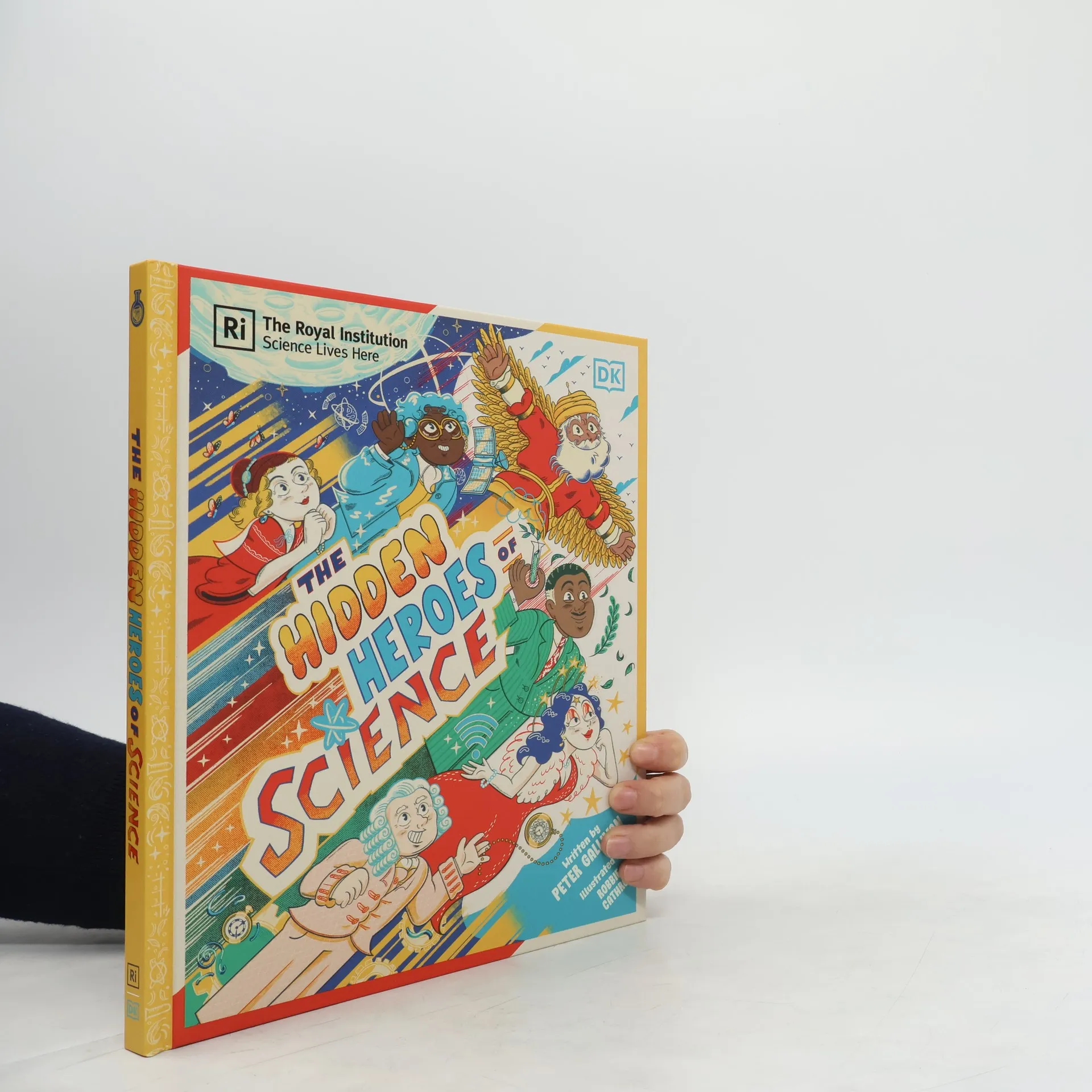
    The Royal Institution: The Hidden Heroes of Science
    • The Royal Institution: The Hidden Heroes of Science

      Shining a Light on the Unknown Trailblazers of the Scientific World

      • 80bladzijden
      • 3 uur lezen

      Discover the unnamed heroes that contributed to some of our world's most important science. Do you ever find yourself feeling curious about who created the science behind some of our most impressive structures? Or wonder who it was that invented the equipment you find in your classroom? Perhaps you've always wanted to know who it was that created coding, or how on earth the Egyptian Pyramids were built so long ago and yet still look brand new? Well, now you need look no further! The Royal Institution; the home of science, brings you the answer to all of your questions, as we explore the hidden heroes that created the miraculous things we find all around us.

      The Royal Institution: The Hidden Heroes of Science
      4,0
    • Einsteins Clocks and Poincares Maps

      • 389bladzijden
      • 14 uur lezen

      "In Galison's telling of science, the meters and wires and epoxy and solder come alive as characters, along with physicists, engineers, technicians and others . . . Galison has unearthed fascinating material." ("New York Times").

      Einsteins Clocks and Poincares Maps
      3,9
    • Im Jahr 1905 veröffentlichte Albert Einstein einen Artikel, der zur bekanntesten physikalischen Arbeit des zwanzigsten Jahrhunderts wurde. Unter dem scheinbar unscheinbaren Titel „Zur Elektrodynamik bewegter Körper“ legte er die Grundlagen der revolutionären Relativitätstheorie. Das Buch von Peter Galison, Professor für Wissenschaftsgeschichte und Physik an der Harvard-Universität, widmet sich der Wechselwirkung der Umstände, die zur Entdeckung der Relativitätstheorie führten. Gleichzeitig wird erläutert, warum gerade Einstein diesen Durchbruch erzielte und nicht der nicht minder bedeutende französische Wissenschaftler Henri Poincaré, der ihm dabei buchstäblich nahe war.

      Einsteins Uhren, Poincarés Karten
      3,7