


Bookbot

Zbigniew Brzezinski

    28 maart 1928 – 26 mei 2017

    Zbigniew Brzezinski was een Pools-Amerikaanse politicoloog en staatsman wiens werk zich richtte op geostrategie en buitenlands beleid. Zijn benadering werd gekenmerkt als realistisch, waarbij hij invloedrijke buitenlandse beleidsstrategieën bepleitte in een tijd waarin de Democratische Partij een havikachtig standpunt innam. Zijn analyses concentreerden zich vaak op de complexe relaties tussen naties en machtsblokken, en op de langetermijngevolgen van internationale gebeurtenissen. Brzezinski onderzocht de dynamiek van de wereldpolitiek en stelde strategieën voor om de internationale orde vorm te geven, waarbij hij de nadruk legde op strategisch denken en een mondiaal perspectief.

    Zbigniew Brzezinski
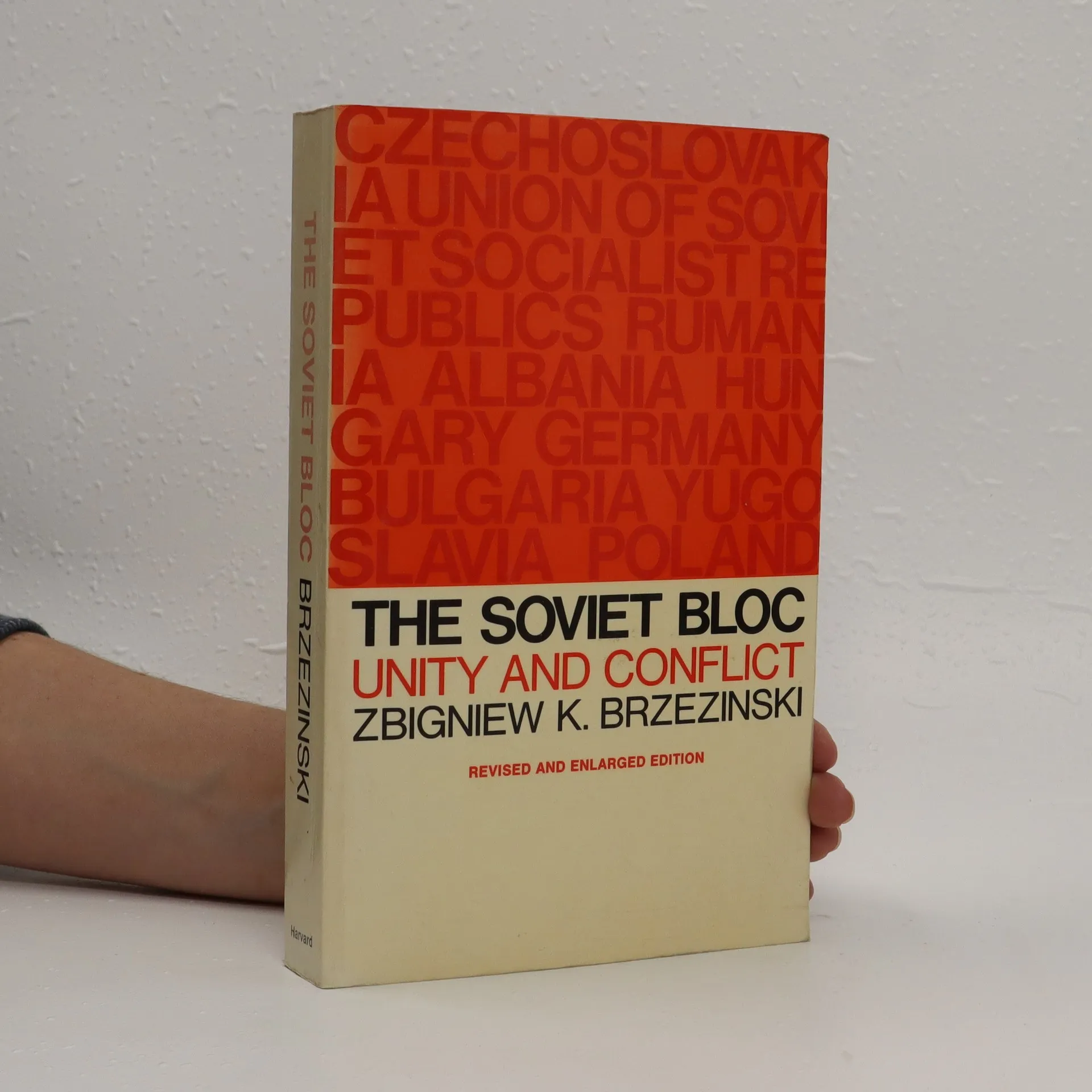
    The Soviet bloc : unity and conflict
    Second chance : three presidents and the crisis of American superpower
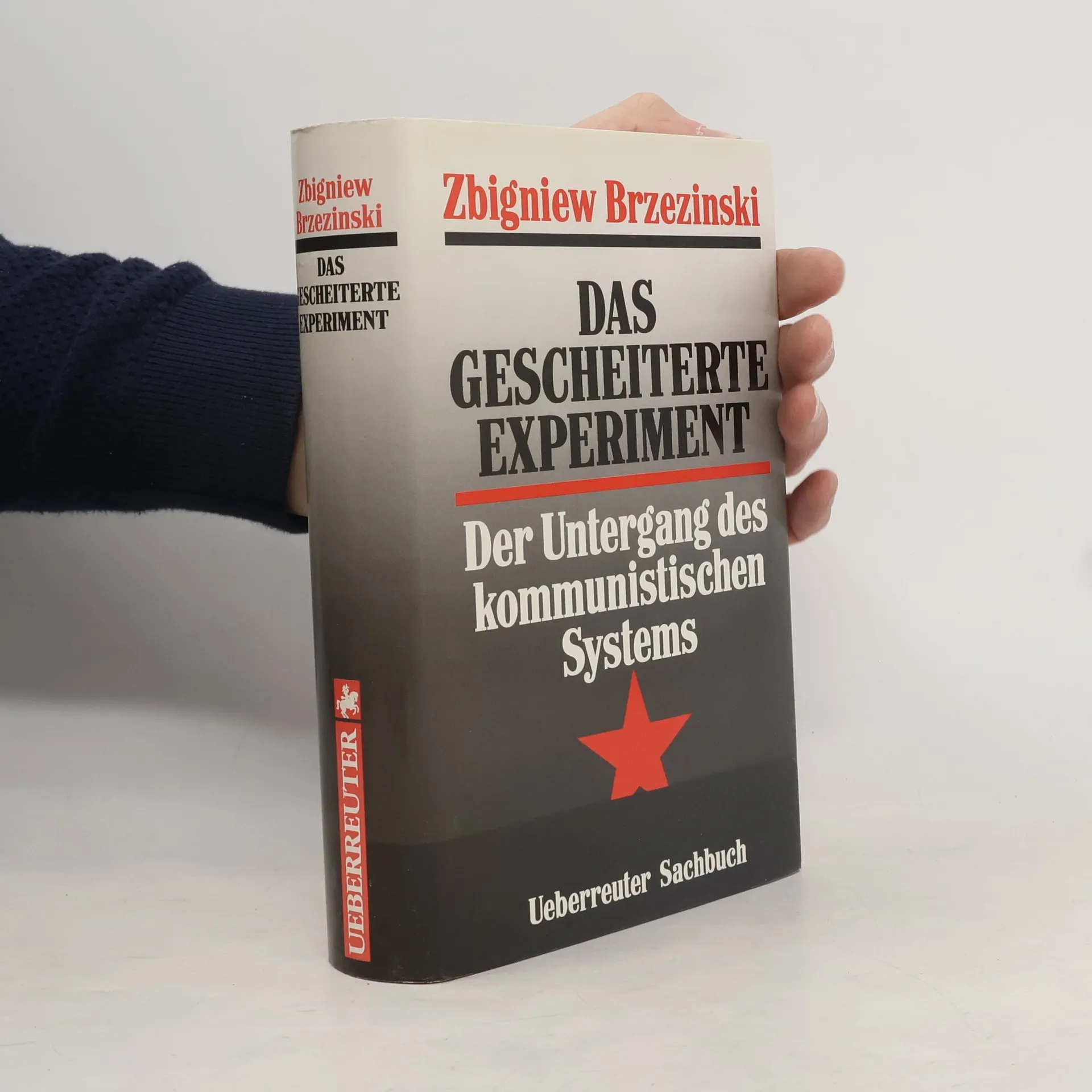
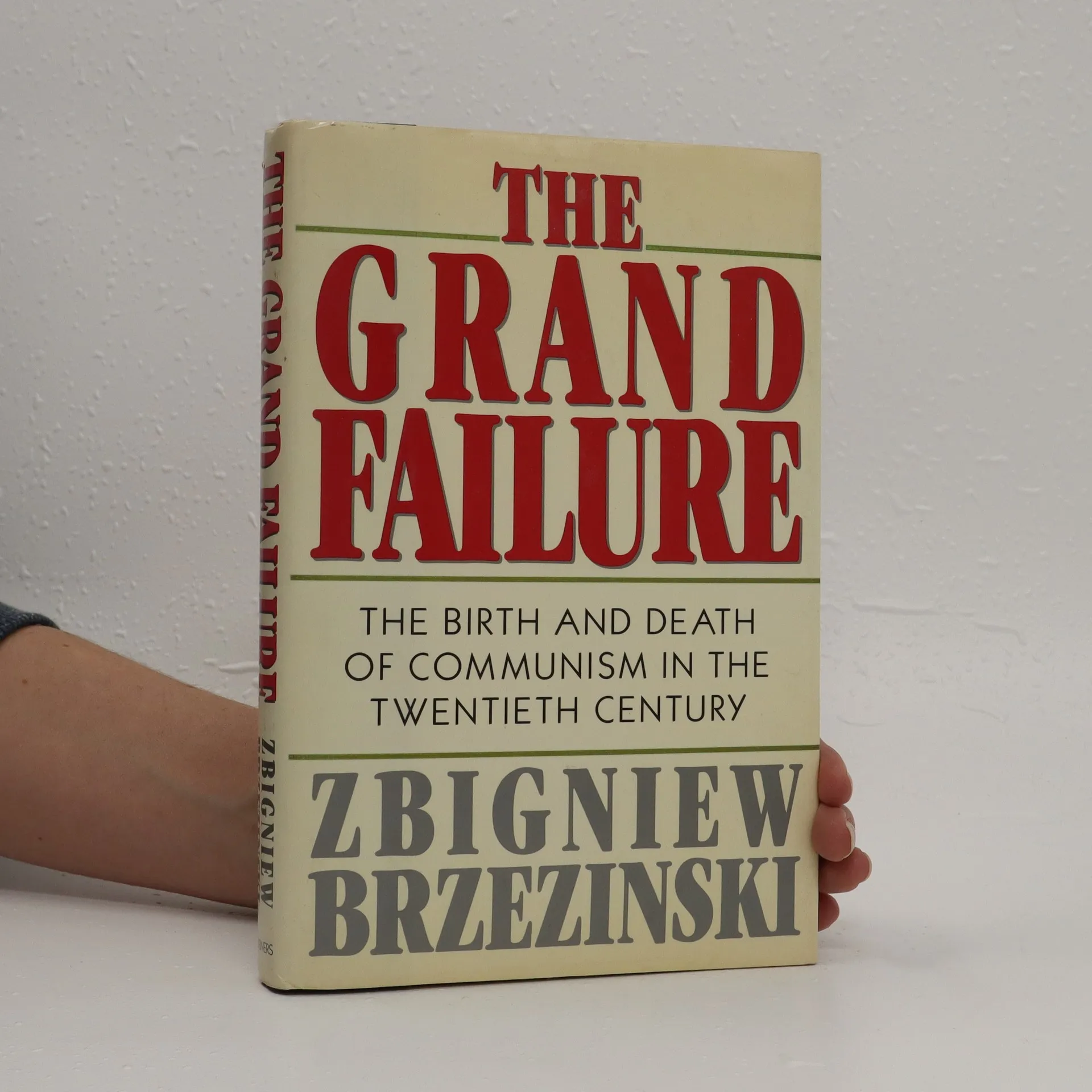
    The grand failure : the birth and death of communism in the twentieth century
    Power and Principle
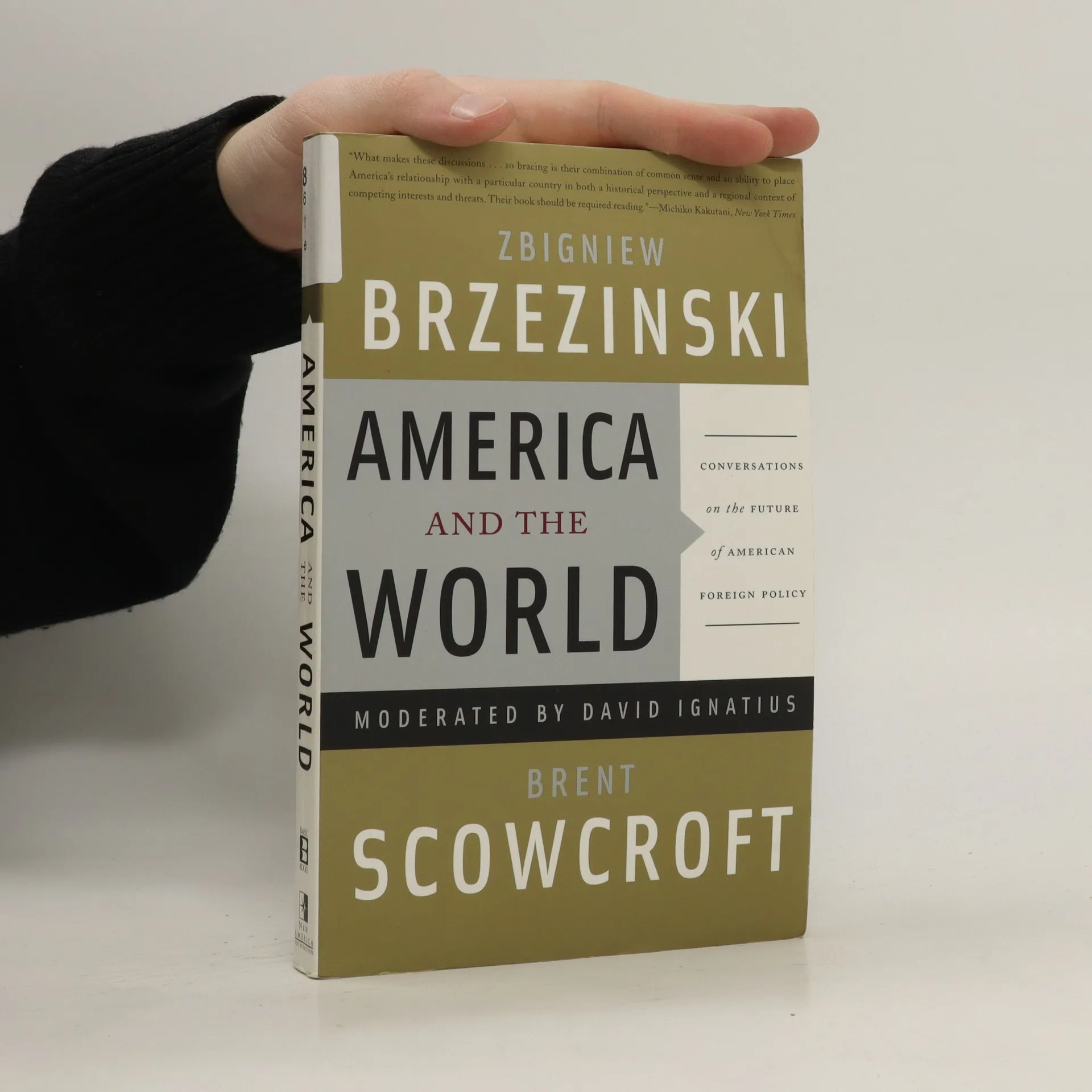
    America and the world : Conversations on the future of American foreign policy
    The Grand Chessboard
    • The Grand Chessboard

      • 240bladzijden
      • 9 uur lezen
      4,1(57)Tarief

      As the twentieth century closes, the United States stands as the world's sole superpower, unmatched in military and economic strength. However, a crucial question remains: What should be America's global strategy to sustain its exceptional status? Zbigniew Brzezinski addresses this in a bold and provocative exploration of geostrategy for the twenty-first century. Central to his argument is the significance of the Eurasian landmass, which encompasses a large portion of the world's population, resources, and economic activity. This region, stretching from Portugal to the Bering Strait, serves as the chessboard where America's supremacy will be affirmed or contested. Brzezinski contends that the U.S. must navigate the complexities of relationships and conflicts in Europe, Asia, and the Middle East to prevent the emergence of rival superpowers that could threaten its interests. He analyzes four key regions—Europe, Russia, Central Asia, and East Asia—highlighting the new rivalries and relationships that have emerged since the Soviet Union's collapse. His insights reveal why certain countries will play critical roles in geopolitics and the implications of NATO expansion for Russia. He also discusses the importance of Ukraine and Azerbaijan to U.S. interests and warns against viewing China solely as a threat. Brzezinski’s conclusions challenge conventional wisdom and provide a compelling framework for understanding America's vital i

      The Grand Chessboard
    • America's status as a world power remains at a historic turning point. The strategies employed to win the wars of the twentieth century are no longer working, and the US must contend with the changing nature of power in a globalized world. In America and the World, two of the most respected figures in American foreign policy, Zbigniew Brzezinski and Brent Scowcroft, dissect the challenges facing the US today: the Middle East, Russia, and China, among others. In spontaneous conversations the two authors explore their agreements and disagreements. Defining the center of responsible opinion on American foreign policy, America and the World is an essential primer on a host of urgent issues at a time when our leaders' decisions could determine how long our nation remains a superpower.

      America and the world : Conversations on the future of American foreign policy
    • Jimmy Carter's Assistant for National Security Affairs offers a detailed account of his experiences between 1977 and 1981, and an analysis of the achievements and consequences of United States foreign policy during those years

      Power and Principle
    • The Grand Failure: The Birth and Death of Communism in the Twentieth Century is Zbigniew Brzezinski's prescient analysis of "the terminal crisis of communism." One of the most astute foreign policy experts of our time, Brzezinski argues that the advent of communism was a critical phenomenon in the history of the century. From the Cold War, to the building of the Berlin Wall, Sputnik, the Vietnam War, and the war in Afghanistan, Americans have lived in the light of the Soviet Union as their predominant and most forbidding antagonist. But Marxist theory has proved a failure, as have its practical applications. "By the next century," Brzezinski concludes, "communism's irreversible historical decline will have made its practice and its dogma largely irrelevant to the human condition. Prospering only where it abandons its internal substance even while retaining some of its external labels, communism will be remembered largely as the twentieth century's most extraordinary political and intellectual aberration."

      The grand failure : the birth and death of communism in the twentieth century
    • A story of wasted opportunity and squandered prestige: a critique of the last three U.S. presidents' foreign policy. Distinguished commentator on foreign policy, former National Security Adviser Brzezinski, offers a reasoned but unsparing assessment of the last three presidential administrations' foreign policy. Though spanning less than two decades, these administrations cover a vitally important turning point in world history: the period in which the United States, having emerged from the Cold War with unprecedented power and prestige, managed to squander both in a remarkably short time. This is a tale of decline: from the competent but conventional thinking of the first Bush administration, to the well-intentioned self-indulgence of the Clinton administration, to the mortgaging of America's future by the "suicidal statecraft" of the second Bush administration. Brzezinski concludes with a chapter on how America can regain its lost prestige. This scholarly yet highly opinionated book is sure to be both controversial and influential.--From publisher description.

      Second chance : three presidents and the crisis of American superpower
    • The Soviet bloc : unity and conflict

      • 599bladzijden
      • 21 uur lezen
      3,5(16)Tarief

      When this book was first published in 1960, The New York Times commented: "[Mr.] Brzezinski...is uniquely qualified to sift the scattered and often seemingly contradictory data on this subject...the volume is marked by unusual insight, richness of information, and stimulating thought." Mr. Brzezinski, who is on leave from his post as Professor and Director of the Research Institute on Communist Affairs, Columbia University serving on State Department's Policy Planning Council, has revised and updated his important study wherever necessary and added three new chapters on recent developments. He gives particular attention to the Sino-Soviet dispute.

      The Soviet bloc : unity and conflict
    • Addressing four major areas of concern--the shift of global power from West to East; the causes and consequences of America's declining global appeal; what would happen if America suffered long-term decline; and how America can reorient its geopolitical goals to prevent it--foreign policy powerhouse Brzezinski provides a comprehensive long-term strategic plan for America

      Strategic vision : America and the crisis of global power
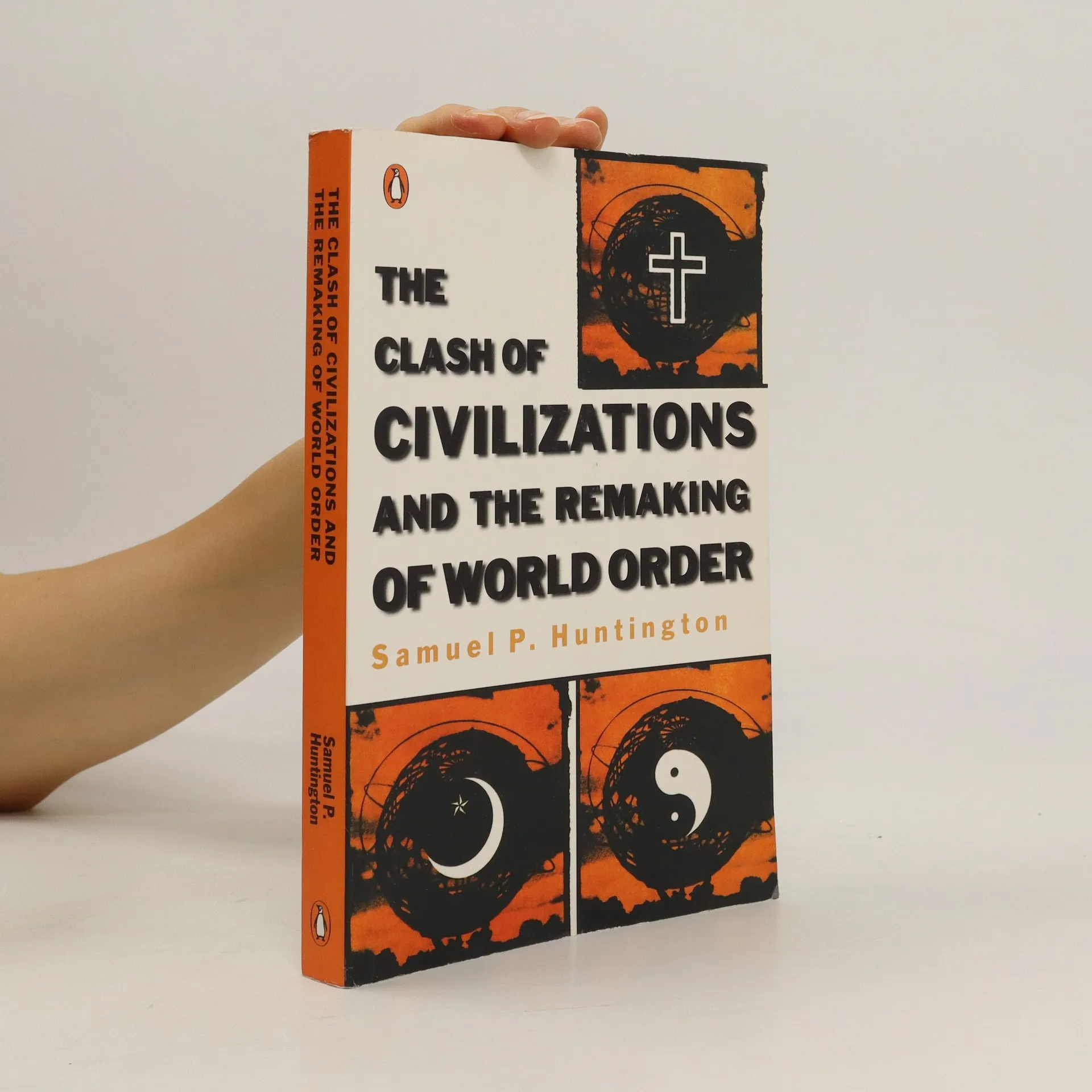
    • In 1993 the esteemed journal FOREIGN AFFAIRS published an article entitled "The Clash of Civilizations?" by Samuel P. Huntington. According to the journal's editors it went on to generate more discussion than anything they had published since the Second World War. In the article, Huntington posed the question whether conflicts between civilizations would dominate the future of world politics. In the book, he gives the answer, showing not only how clashes between civilizations are the greatest threat to world peace but also how an international order based on civilizations is the best safeguard against war. Since September 11, his thesis has seemed even more prescient and acute. THE CLASH OF CIVILIZATIONS AND THE REMAKING OF WORLD ORDER is now recognised as a classic study of international relations in an increasingly uncertain world.

      The clash of civilizations and the remaking of world order