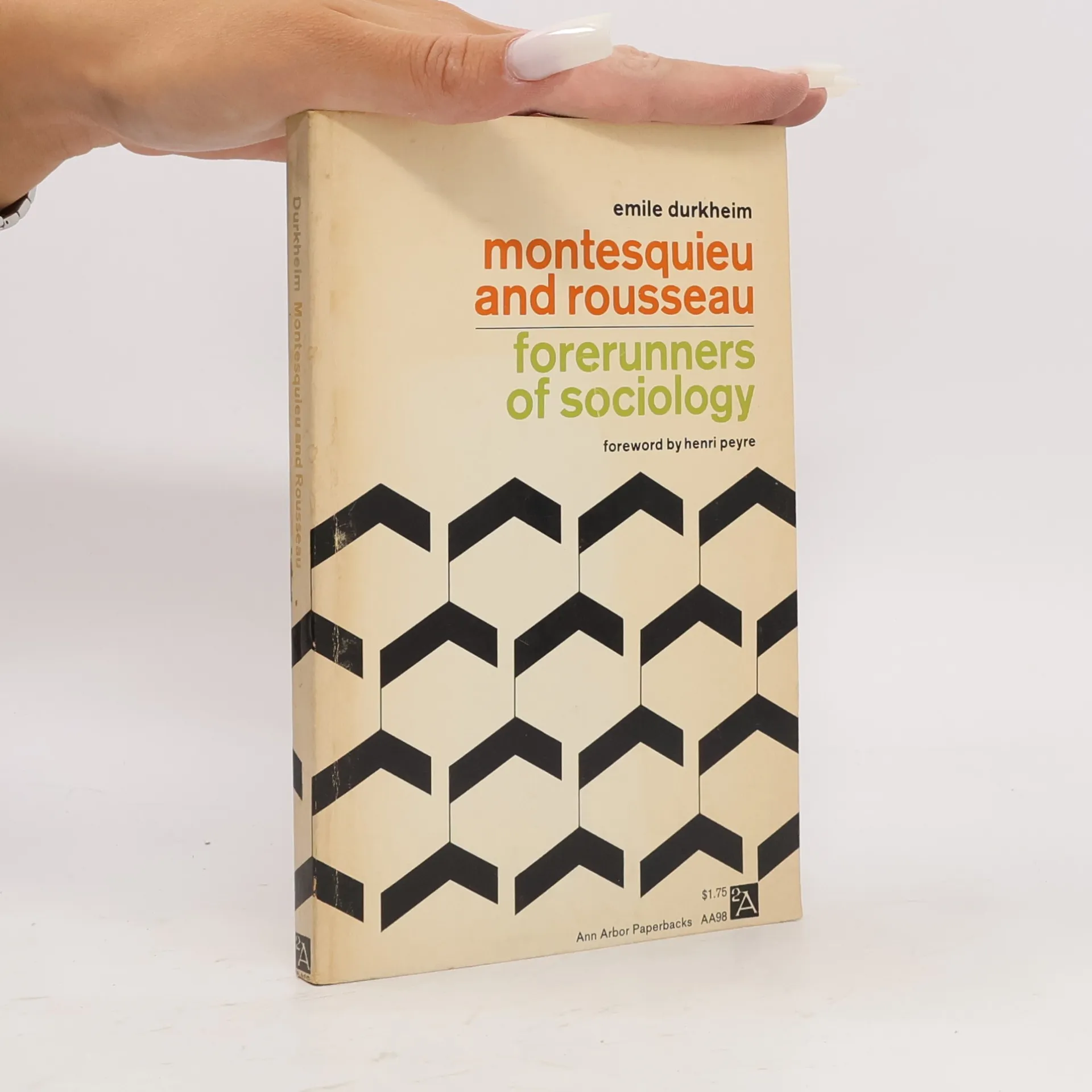
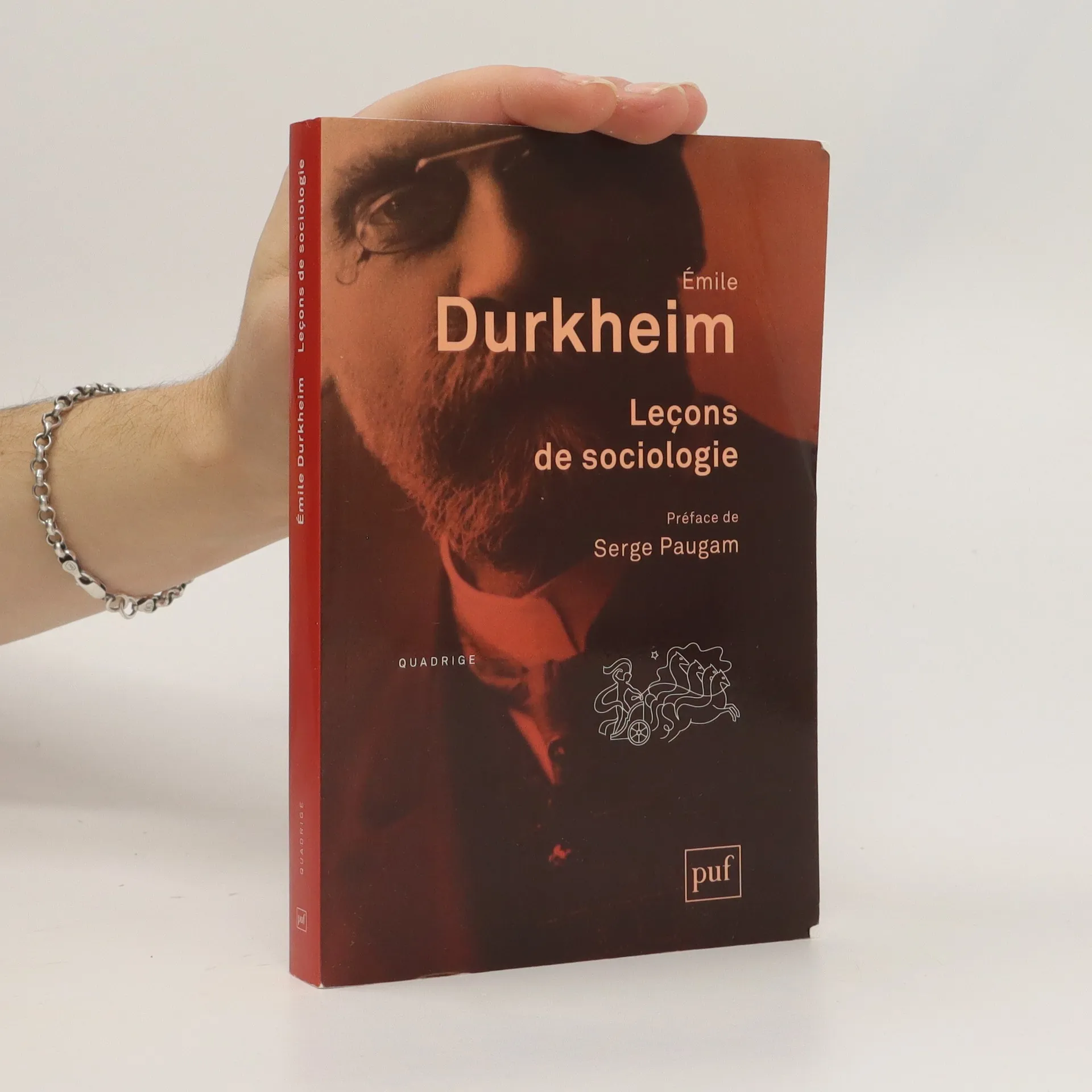
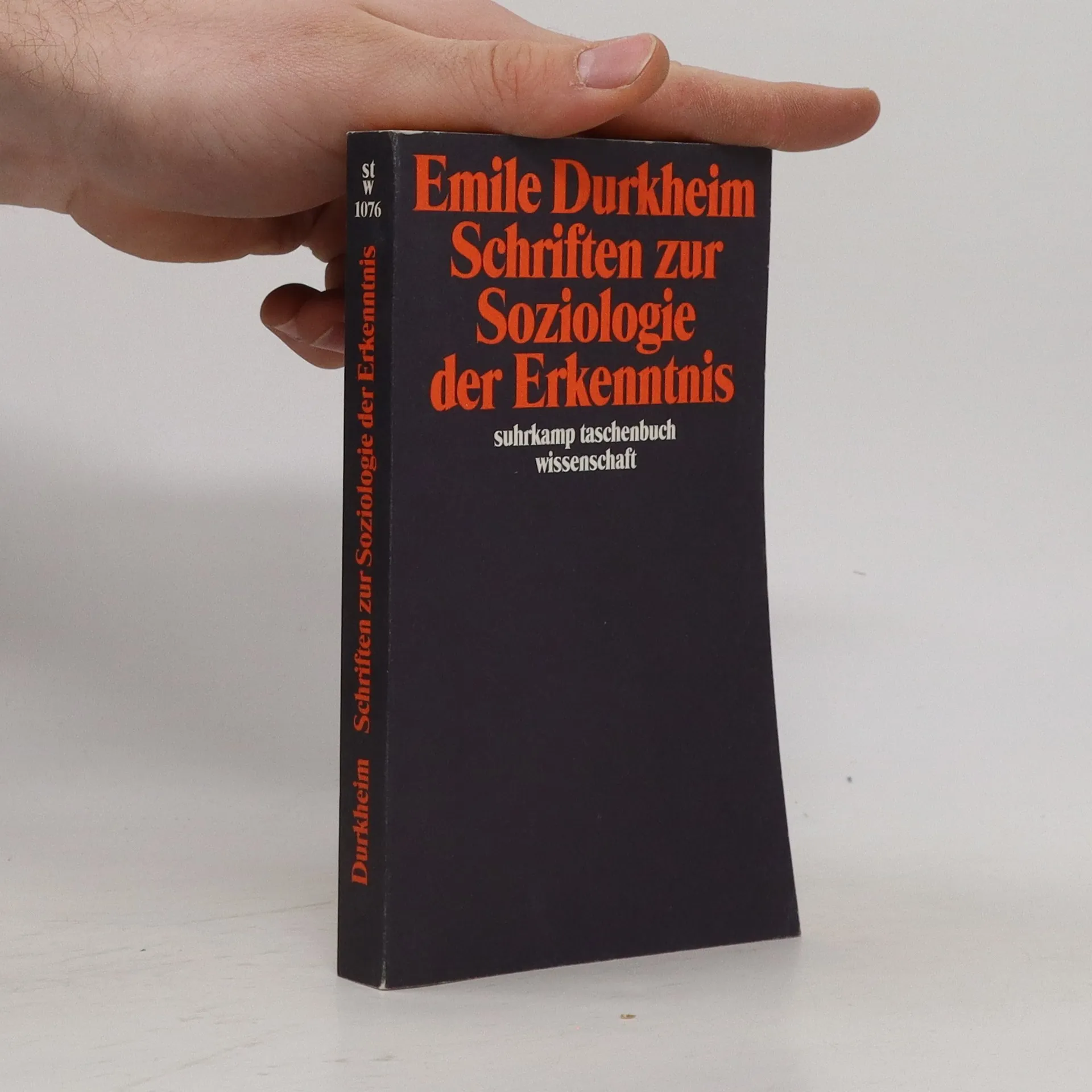
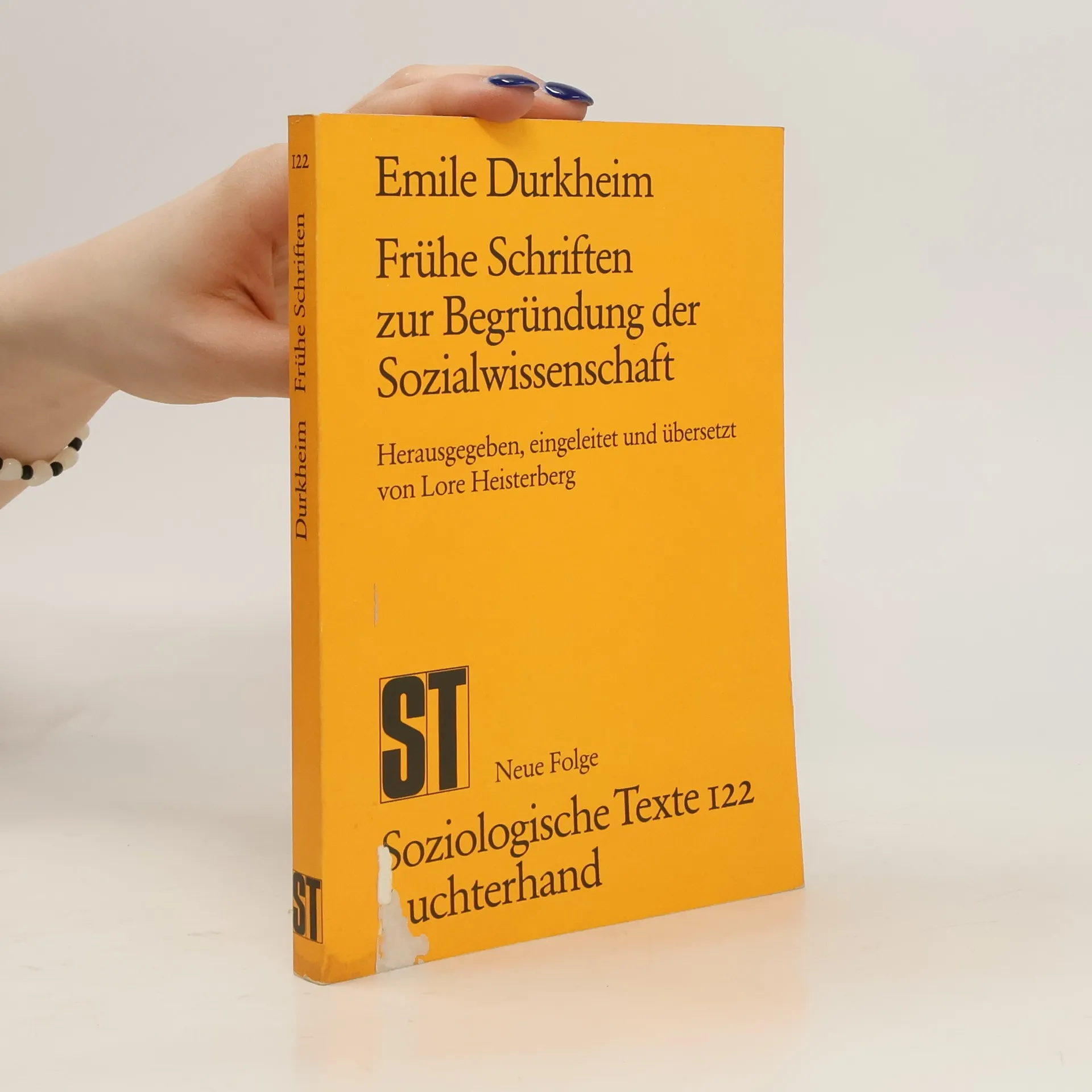
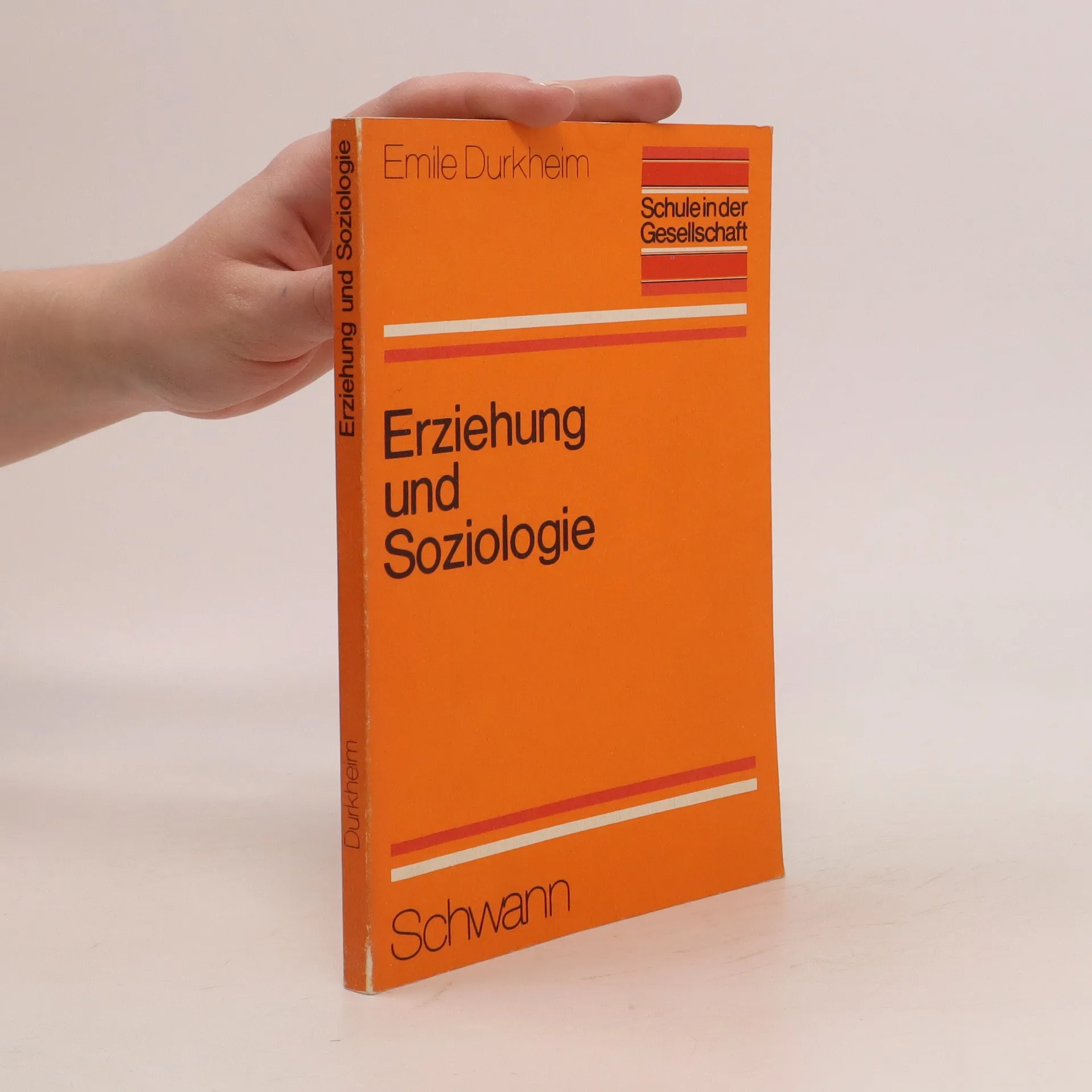
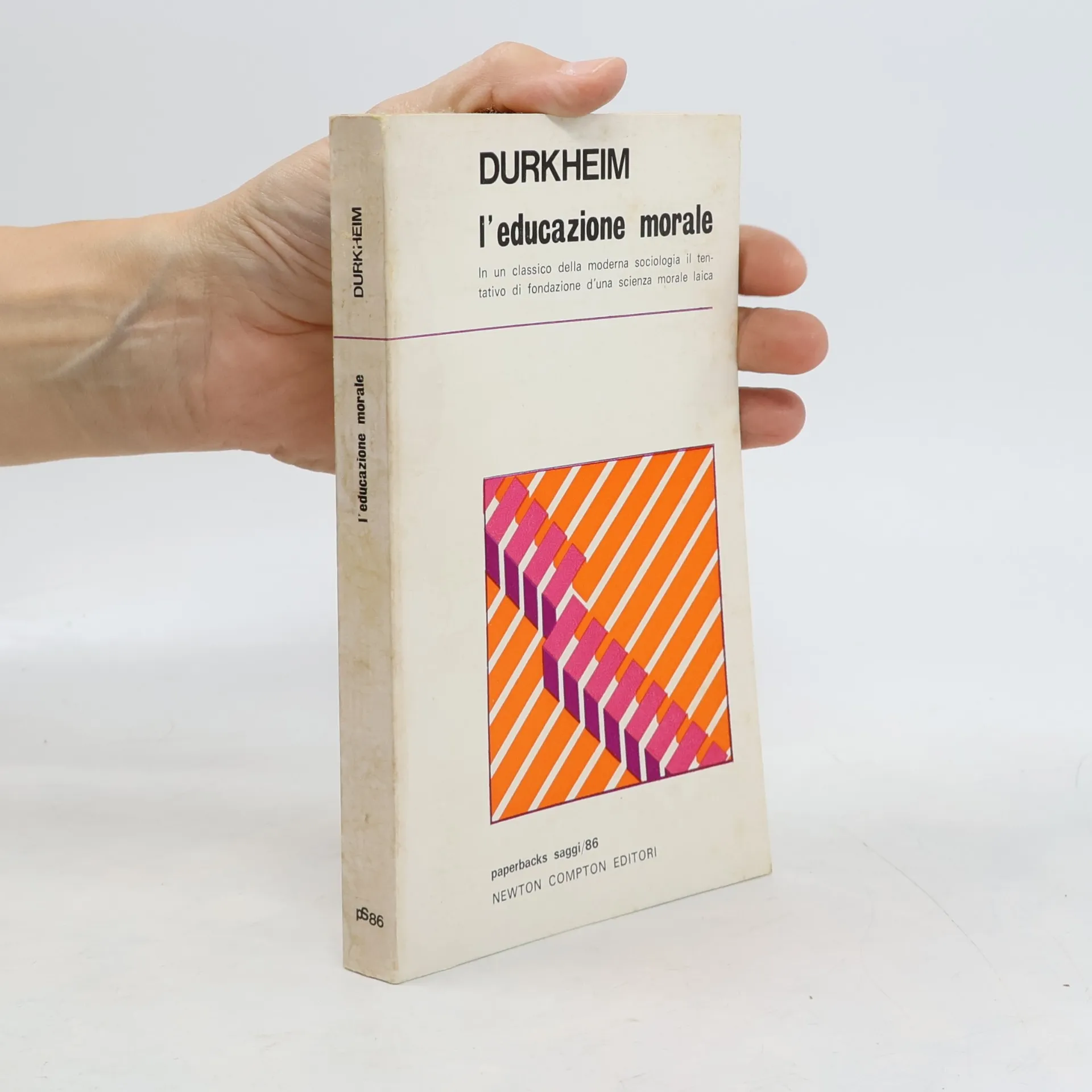
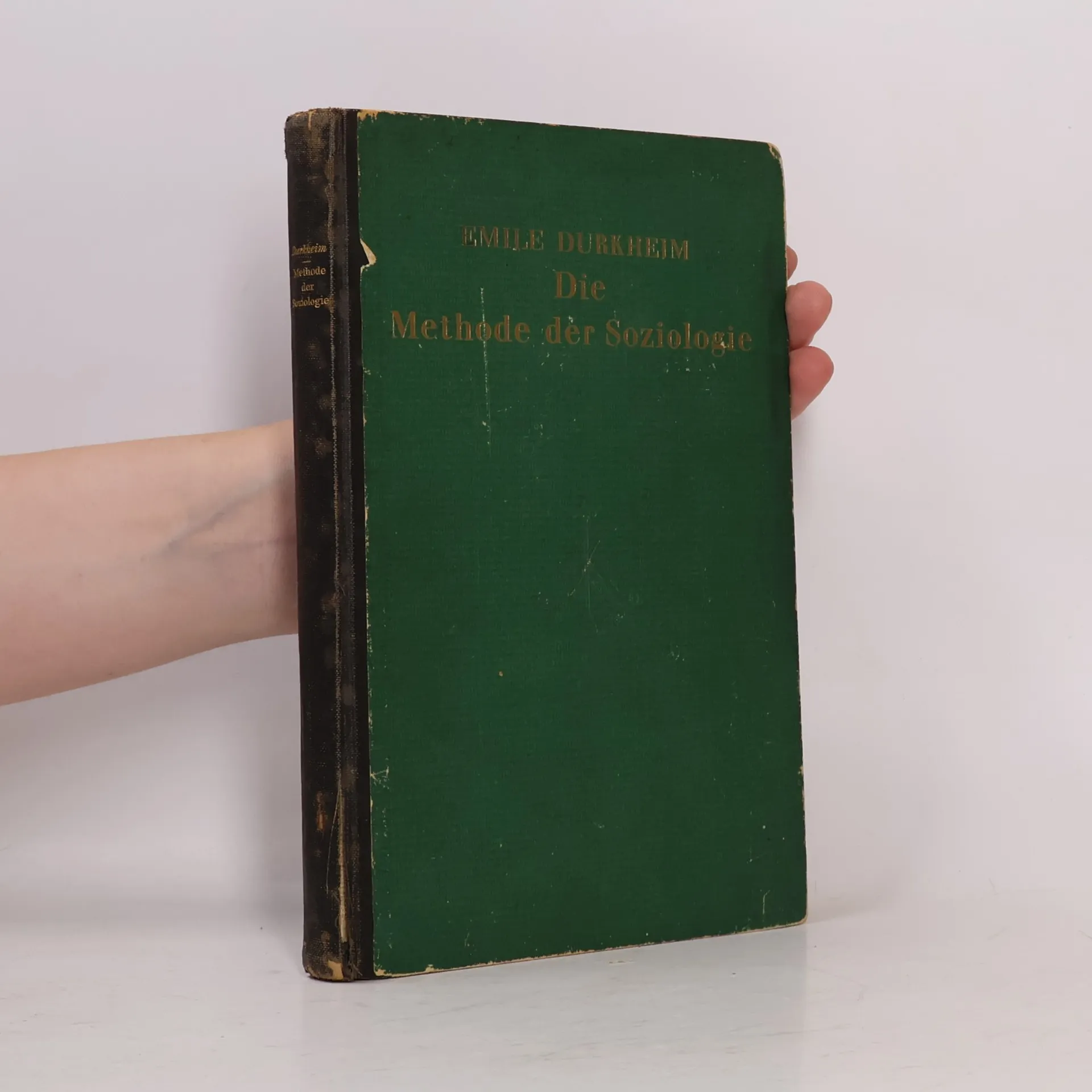
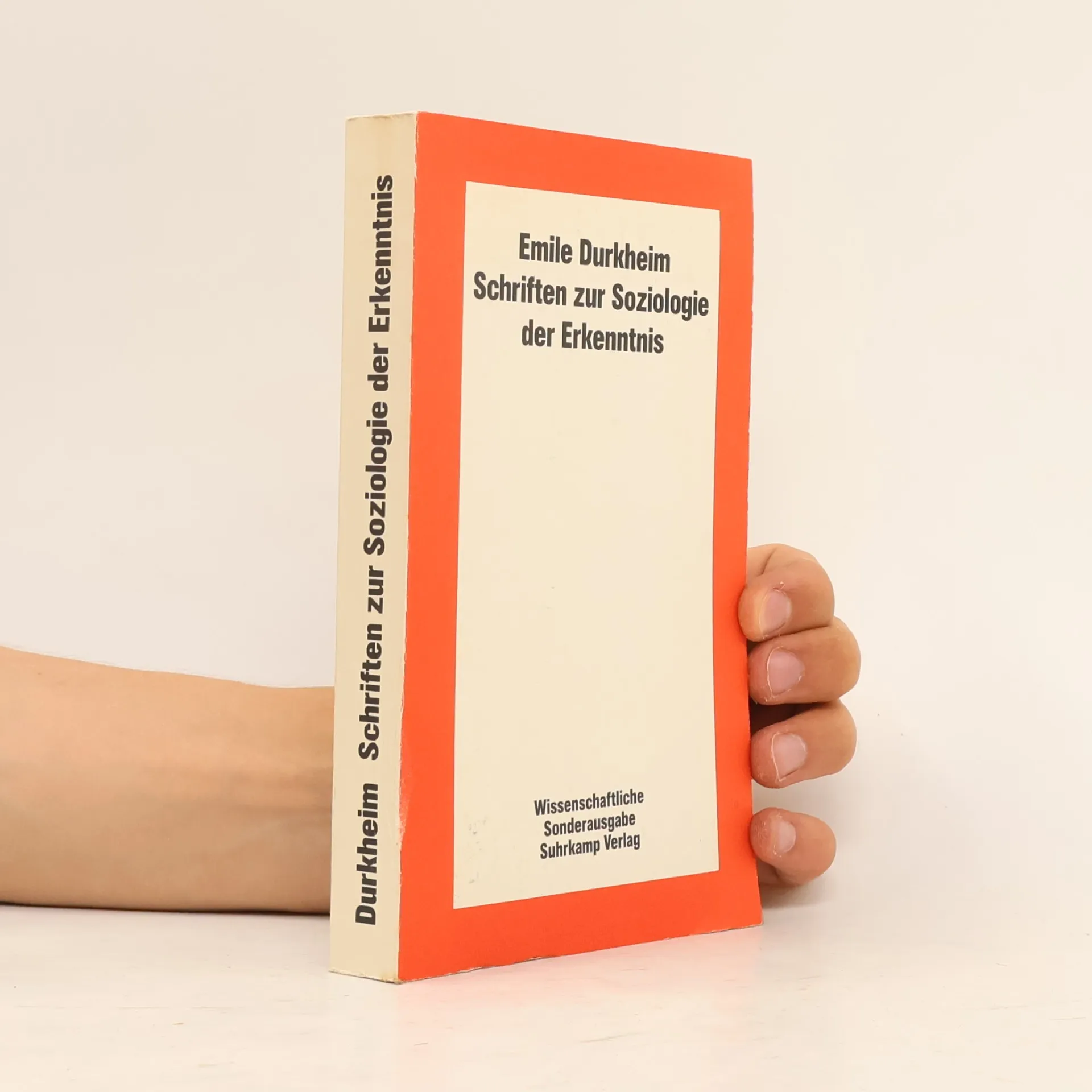
Durkheims werk onderzocht voornamelijk hoe samenlevingen integriteit en coherentie behouden in de moderniteit, een tijdperk waarin traditionele sociale en religieuze banden afnemen en nieuwe instellingen ontstaan. Hij was een pionier in modern sociaal onderzoek en onderscheidde de sociologie van psychologie en politieke filosofie. Durkheim pleitte voor een holistische benadering, waarbij maatschappelijke structuren worden bestudeerd in plaats van individuele acties. Zijn inspanningen hebben de academische acceptatie en wetenschappelijke nauwkeurigheid van de sociologie aanzienlijk bevorderd.
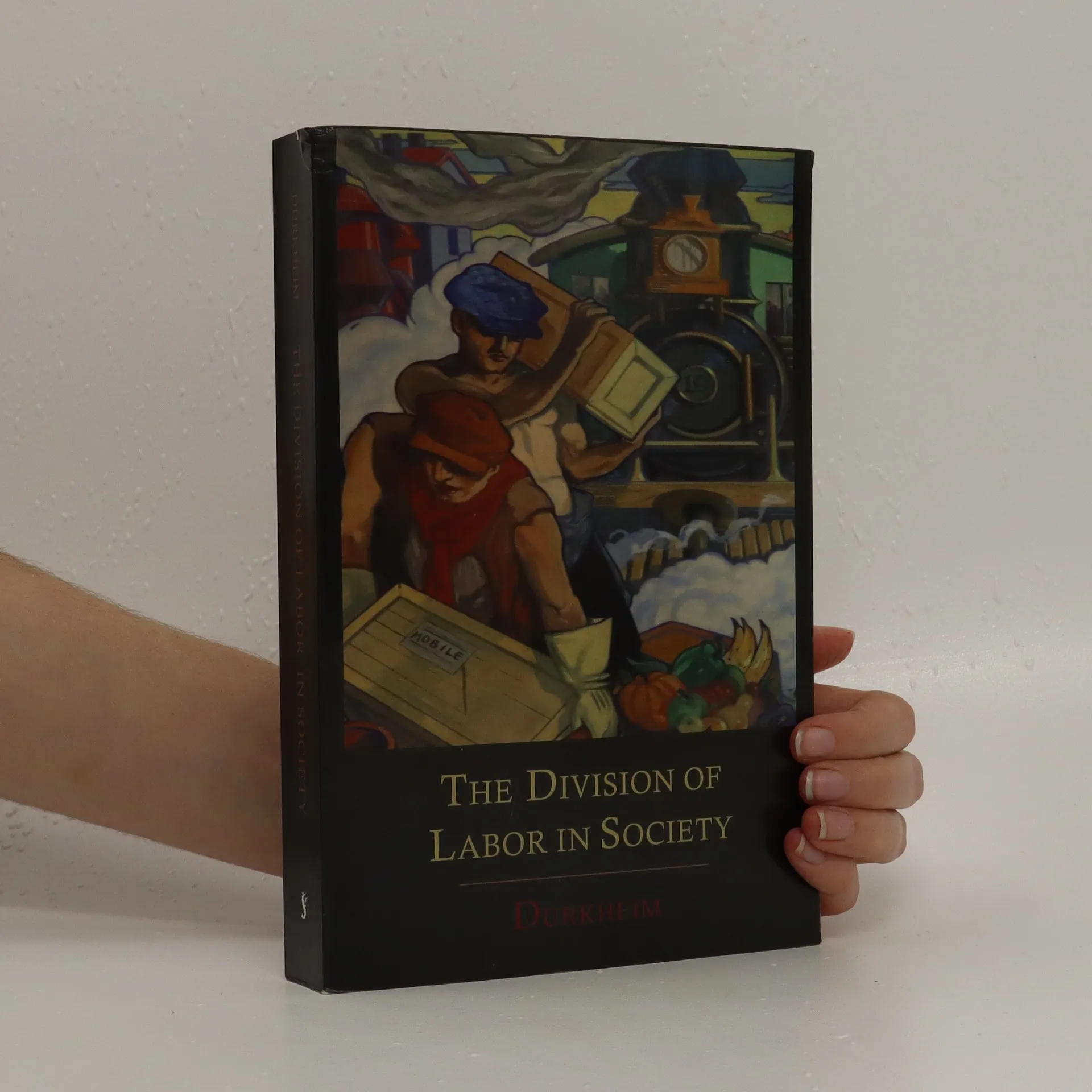
2012 Reprint of 1933 Edition. Exact facsimile of the original edition, not reproduced with Optical Recognition Software. Although the concept of "division of labor" appears in social thought as early as Plato, and is crucial in the work of Adam Smith, Comte, Marx and Spencer, there can be no doubt that modern sociological interest in the division of labor begins with Durkheim. It is the concept that is most firmly associated with his name and remains a classic work to this day.
Exploring the intersection of religion and sociology, this book delves into the foundational concepts of elementary religion, examining key beliefs such as totemism and the notion of the soul. It investigates the origins of these beliefs and their implications for understanding religious practices. The text also addresses principal ritual attitudes and the role of positive cults in shaping religious experience. Through a structured analysis, it aims to provide insight into the fundamental aspects of religious thought and practice.
Emile Durkheim (1858-1917) was one of the founders of modern sociology. Ethics and the Sociology of Morals (La science positive de la morale en Allemagne) laid the foundation for Durkheim's future work. More than a review of current thought, it was a proclamation that ethics needed to be liberated from its philosophical bondage and developed as a distinct branch of sociology. Written when Durkheim was charting the course of his own research, it provides a unique key to the interpretation of his earlier work and presents a number of points of Durkheim's ethical theory which are of considerable interest in light of current ethical theory. This volume makes available in English a crucial essay by a master of social thought.
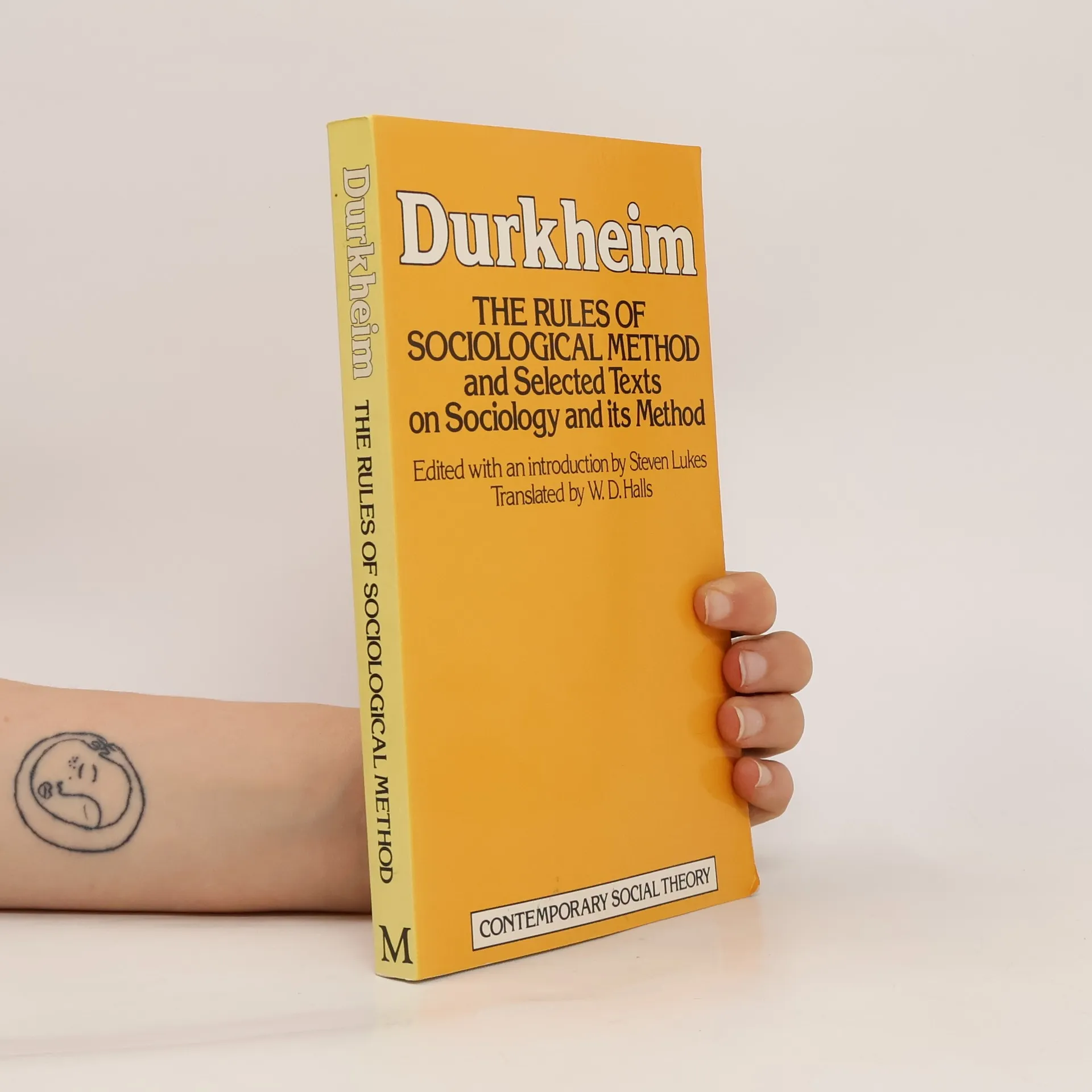
Revised for the first time in over thirty years, this edition of Emile Durkheim's masterful work on the nature and scope of sociology is updated with a new introduction and improved translation by leading scholar Steven Lukes that puts Durkheim's work into context for the twenty-first century reader. The Rules of Sociological Method represents Emile Durkheim's manifesto for sociology. He argues forcefully for the objective, scientific, and methodological underpinnings of sociology as a discipline and establishes guiding principles for future research. The substantial new introduction by leading Durkheim scholar Steven Lukes explains and sets into context Durkheim's arguments. Lukes examines the still-controversial debates about The Rules of Sociological Method's six chapters and explains their relevance to present-day sociology. The edition also includes Durkheim's subsequent thoughts on method in the form of articles, debates with scholars from other disciplines, and letters. The original translation has been revised and reworked in order to make Durkheim's arguments clearer and easier to read. This is an essential resource for students and scholars hoping to deepen their understanding of one of the pioneering voices in modern sociology and twentieth-century social thought.
Traditionally, suicide was thought to be a matter of purely individual
despair, but Durkheim recognized that the phenomenon had a social dimension.
He believed that if anything can explain how individuals relate to society,
then it is suicide. This work was the result of his research. číst celé
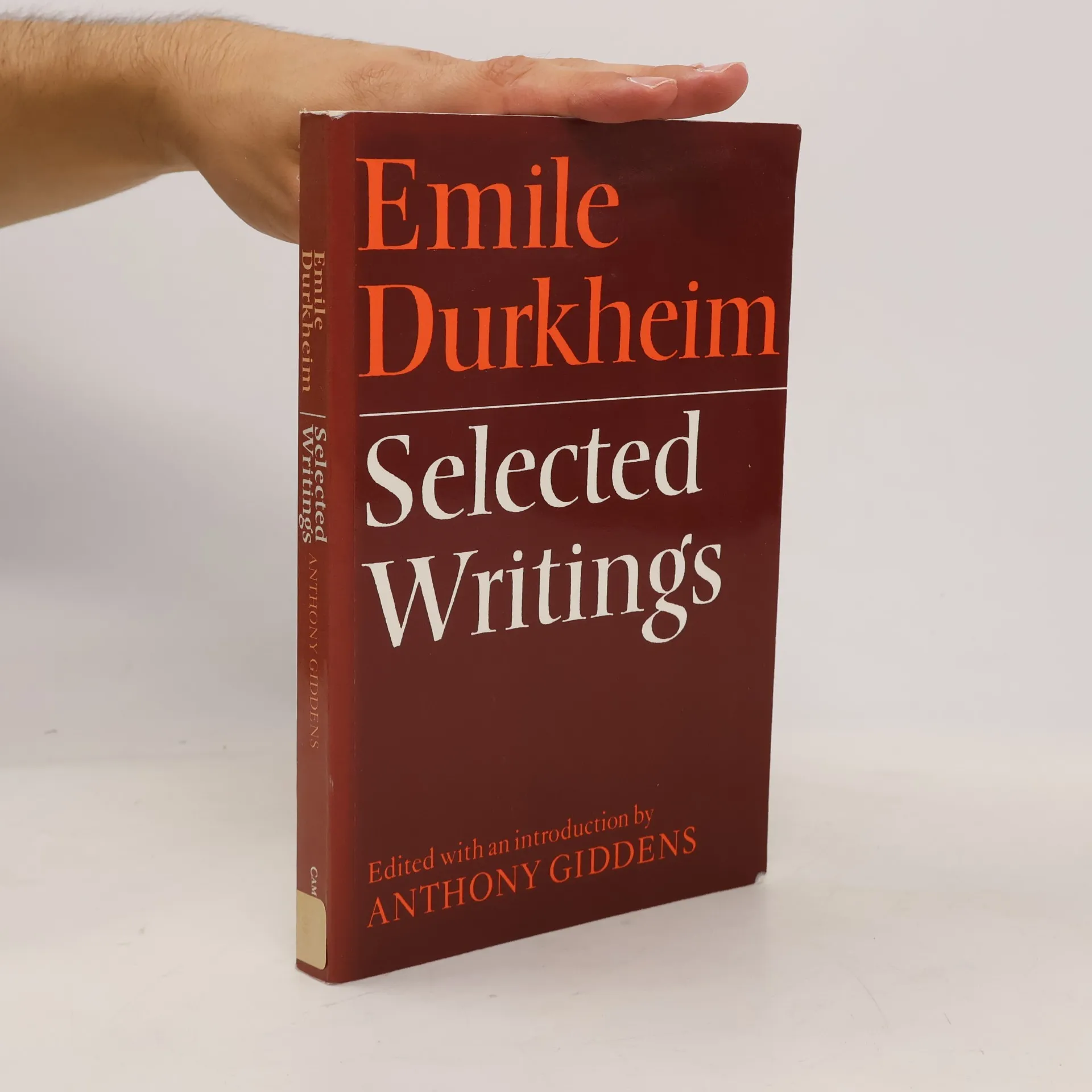
This 1972 book is a collection of Durkheim's writings drawing upon the whole body of his work. Dr Giddens takes his selections from a wide variety of sources and includes a number of items from untranslated writings in the Revue Philosophique, Annee Sociologique and from L'evolution pedagogue en France. Selections from previously translated writings have been checked against the originals and amended or re-translated where necessary. Dr Giddens arranges his selections thematically rather than chronologically. However, extracts from all phases of Durkheim's intellectual career are represented, giving the date of their first publication, which makes the evolution of his thought easily traceable. In his introduction Dr Giddens discusses phases in the interpretation of Durkheim's thought, as well as the main themes in his work, with an analysis of the effects of his thinking on modern sociology. The book is for students at any level taking courses in sociology, social anthropology and social theory in which Durkheim is one of the major writers studied.
Francouzský sociolog a filosof představuje v tomto svém díle myšlenku, že náboženství je prvotním faktem života, v němž spočívá síla utvářející společnost.
Réédition d'un ouvrage publié en 1950 par la Faculté de droit de l'Université d'Istanbul qui rassemble plusieurs cours inédits inédits alors du père de la sociologie française. Les thèmes abordés relèvent de la sociologie politique et de la sociologie juridique : morale civique, morale professionnelle, droit de propriété, droit contractuel.
Erziehung, Moral und Gesellschaft ist eine Übersetzung der Vorlesung an der Sorbonne im Jahre 1902/1903. Durkheims »Vorlesungen fächern sich nach drei Seiten hin auf: 1. Moralische Erziehung, 2. Pädagogik im engeren Sinne und 3. Geschichte der erzieherischen Institutionen. Die Vorlesungen zur moralischen Erziehung sind am intensivsten mit seinem ganzen Lebenswerk verbunden, die Schaffung einer neuen Moral ist sozusagen die Quintessenz seiner Soziologie.« Rene König
Zakladatel francouzské sociologické školy Émile Durkheim (1858–1917) je často a právem považován za tvůrce vskutku moderní sociologie. Z jeho rozsáhlého díla jsme vybrali úvahy o základních sociologických a etických otázkách, problémech a pojmech, jež vyjadřují osobitost Durkheimova pohledu na sociální svět i sociologii jako vědu. Durkheimovy úvahy z let 1898 až 1911 jsou doplněny studií Sociologie a sociální vědy (1903).
Der Band enthält neben dem Text von Durkheims Vorlesungen »Pragmatismus und Soziologie« den Aufsatz von Durkheim und Marcel Mauss »Über einige primitive Formen von Klassifikation« sowie im Anhang den Aufsatz von Hans Joas »Durkheim und der Pragmatismus«.
Les Formes élémentaires de la vie religieuse Emile Durkheim, sociologue français (1858-1917) Ce livre numérique présente «Les Formes élémentaires de la vie religieuse», de Emile Durkheim, édité en texte intégral. Une table des matières dynamique permet d'accéder directement aux différentes sections. Table des matières - Présentation - Objet De La Recherche - Chapitre Premier - Chapitre Ii - Chapitre Iii - Chapitre Iv - Chapitre Premier - Chapitre Ii - Chapitre Iii - Chapitre Iv - Chapitre V - Chapitre Vi - Chapitre Vii - Chapitre Viii - Chapitre Ix - Chapitre Premier - Chapitre Ii - Chapitre Iii - Chapitre Iv - Chapitre V - Conclusion