


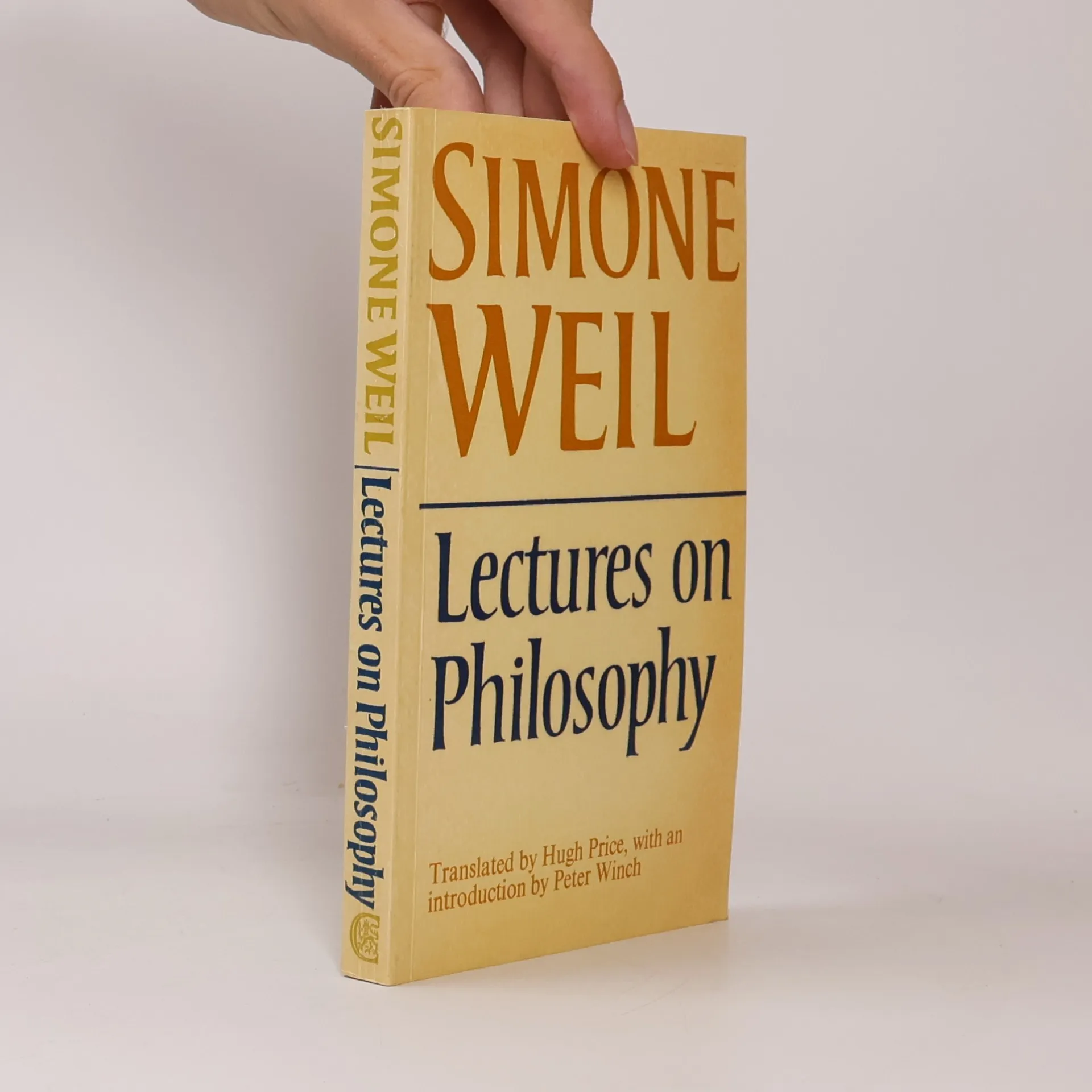
Exploring the religious, social, and political ideas of Simone Weil, this book delves into the philosophical foundations that shaped her thought. It provides a comprehensive analysis of her unique perspectives, highlighting the interplay between her rigorous philosophical approach and her profound insights into societal issues. Through this examination, readers gain a deeper understanding of Weil's contributions to contemporary discourse.
Peter Winch Boeken


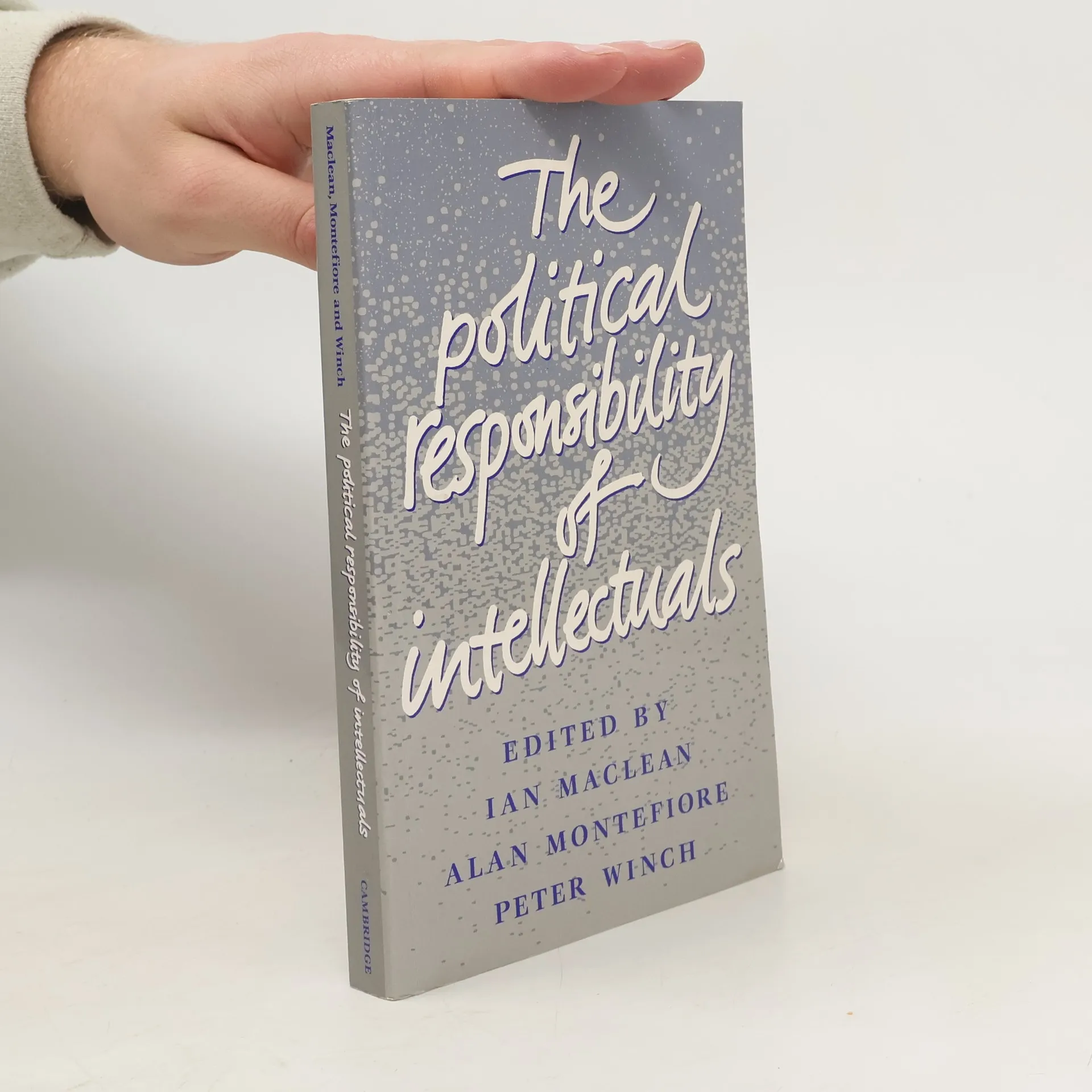
The book presents previously unpublished manuscripts by Peter Winch, focusing on his political philosophy. It includes editorial notes and an interpretive essay that trace the evolution of Winch's ideas, providing insight into his intellectual journey. The manuscripts are contextualized within Winch's broader body of work, offering readers a deeper understanding of his contributions to political thought.
Spinoza on Ethics and Understanding
- 250bladzijden
- 9 uur lezen
This volume unites Peter Winch's previously unpublished work on Baruch de Spinoza. The primary source for the text is a series of seminars on Spinoza that Winch gave, first at the University of Swansea in 1982 and then at King's College London in 1989. What emerges is an original interpretation of Spinoza's work that demonstrates his continued relevance to contemporary issues in metaphysics, epistemology and ethics, and establishes connections to other philosophers - not only Spinoza's predecessors such as René Descartes, but also important 20th Century philosophers such as Ludwig Wittgenstein and Simone Weil. Alongside Winch's lectures, the volume contains an interpretive essay by David Cockburn, and an introduction by the editors.
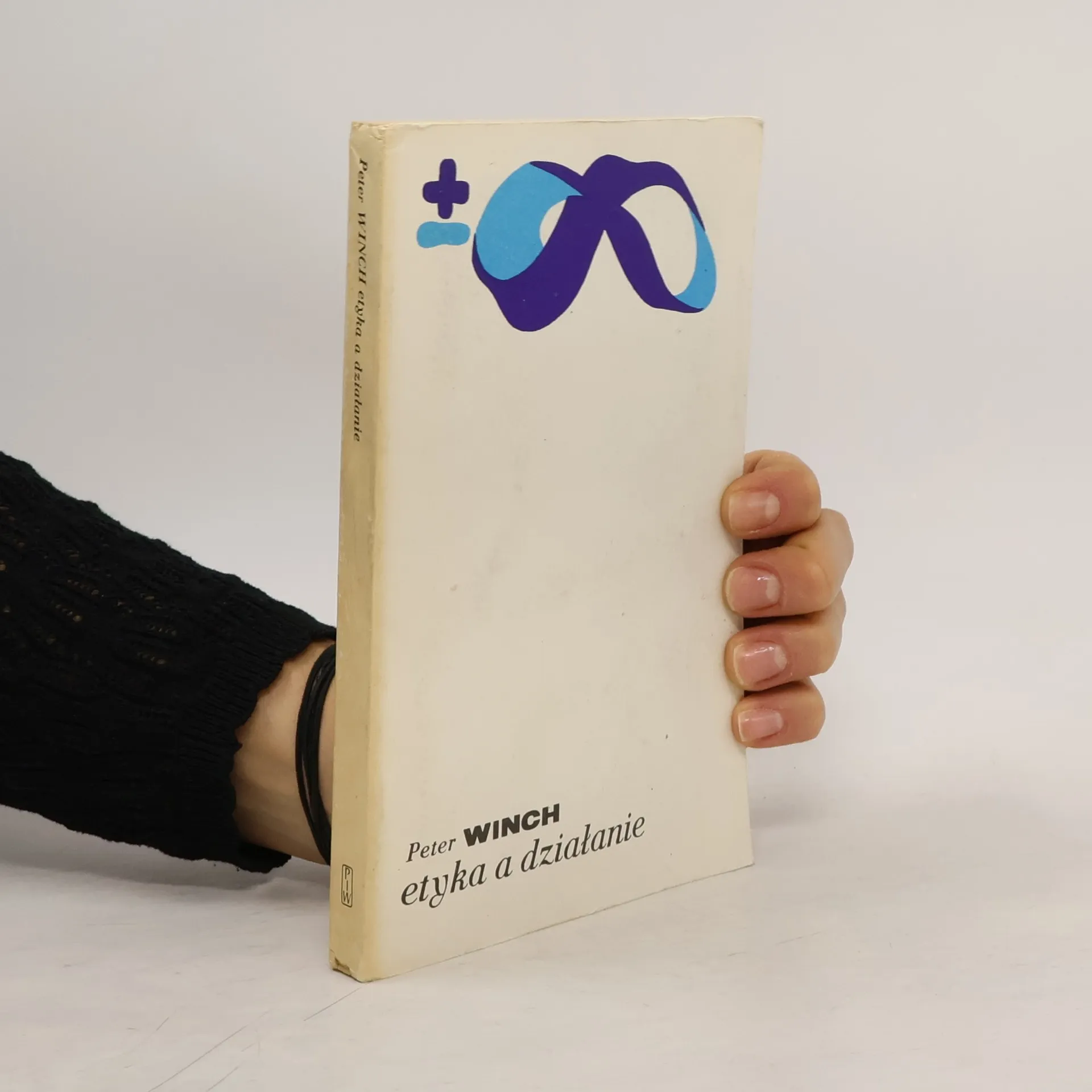
Originally published in 1972, this collection of essays on closely related issues in moral philosophy looks at different aspects of people's understanding of their own and others' actions in ethical dimensions.
Autor v této knize na základě rozboru Wittgensteinových postřehů a idejí sociálních myslitelů, jako byli J. S. Mill, V. Pareto, M. Weber či E. Durkheim, nejen ilustruje zásadní rozdíly mezi přírodními a sociálními vědami, ale odkrývá také, v čem tato rozdílnost spočívá a jaký má dopad. Tuto brilantní kritiku vědeckého a logického pozitivismu napsal Winch v pouhých třiceti letech. Na základě Wittgensteinových zkoumání pojmů jako "rozumění", "pravidlo" či "životní forma" zastával názor, že společenskovědní vysvětlení jsou v principu odlišná od vysvětlení aplikovaných v přírodních vědách. Jednání, mezilidské vztahy a společenské instituce jsou řízeny pravidly, nikoli přírodními zákony. Proto lze společenským jevům rozumět tak, že objasníme systémy pravidel, nikoli prostřednictvím kauzálních vysvětlení.

