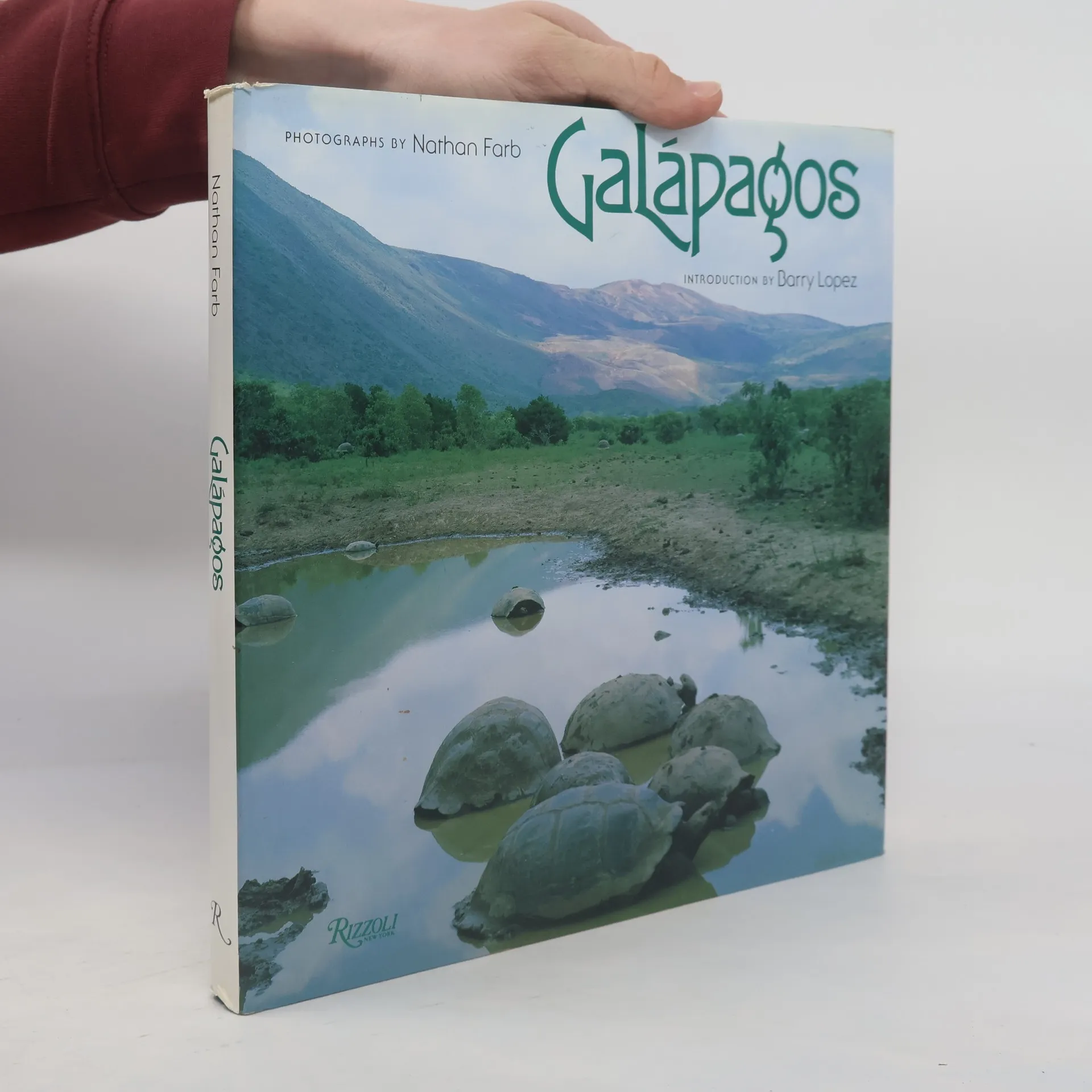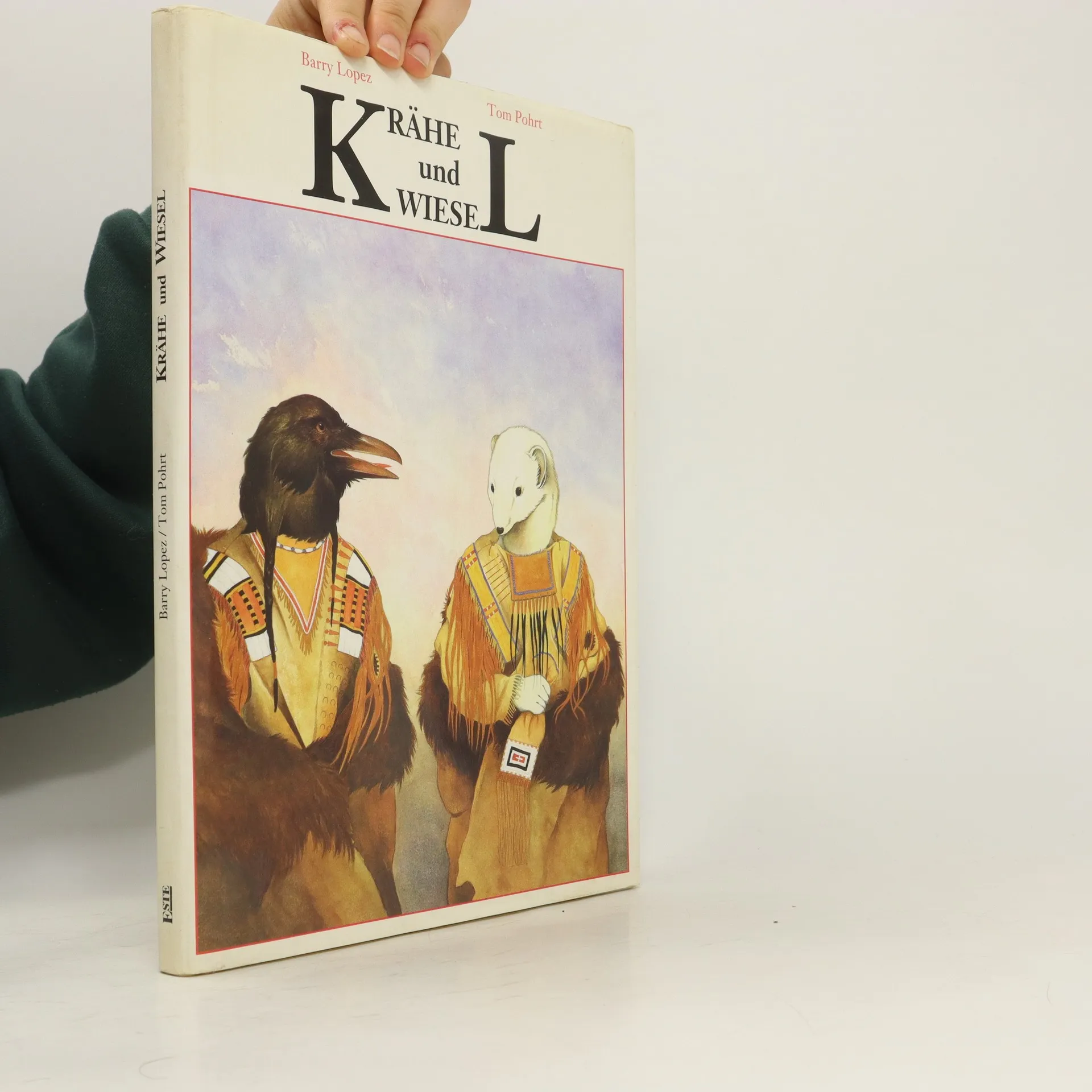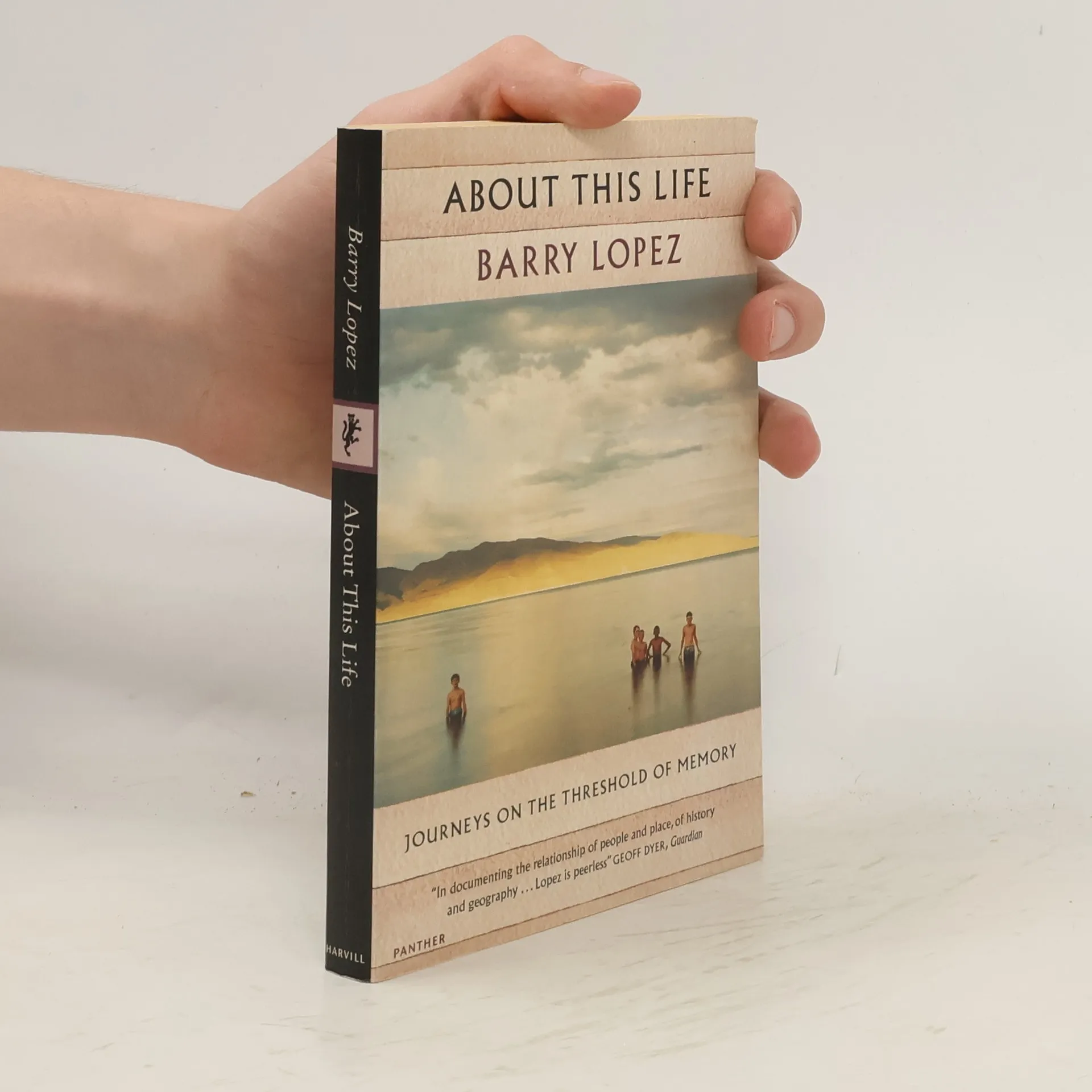
Barry Lopez was een Amerikaanse auteur, essayist en fictieschrijver wiens werken bekend staan om hun milieu- en sociale zorgen. In zijn schrijven onderzocht hij vaak de relatie tussen menselijke cultuur en het fysieke landschap. Hij werd beschreven als "de belangrijkste natuurschrijver van het land". In zijn fictie behandelde hij kwesties van intimiteit, ethiek en identiteit.
Taking us nearly from pole to pole -- from modern megacities to some of Earth's most remote regions -- Barry Lopez gives us his most far-ranging and personal work to date. Spanning decades of travel, Horizon describes journeys to six regions of the world: from Western Oregon to the High Arctic; from the Galápagos to the Kenyan desert; from Botany Bay in Australia to finally, unforgettably, the ice shelves of Antarctica. Lopez also probes the history of humanity's quests and explorations, from prehistoric expeditions to today's ecotourism. He takes us to some of the hottest, coldest, and most desolate places on the globe, via friendships with scientists, archaeologists, artists and local residents, in a book that makes us see the world differently.
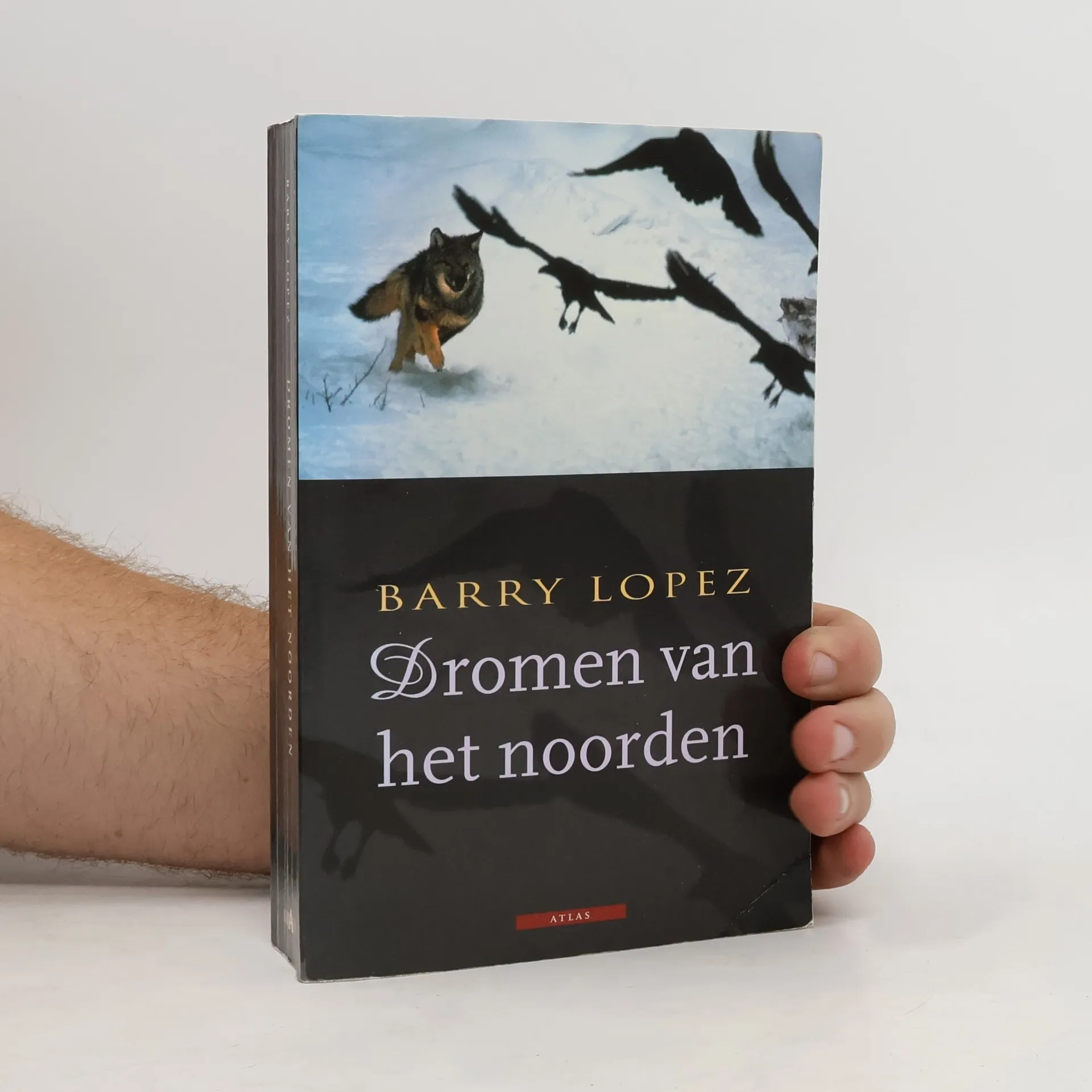
**AS HEARD ON BBC RADIO 4** 'A master nature writer' (New York Times) provides the ultimate natural, social and cultural history of the Arctic landscape. The author of Horizon's classic work explores the Arctic landscape and the hold it continues to exert on our imagination. WITH AN INTRODUCTION BY ROBERT MACFARLANE Lopez's journey across our frozen planet is a celebration of the Arctic in all its guises. A hostile landscape of ice, freezing oceans and dazzling skyscapes. Home to millions of diverse animals and people. The stage to massive migrations by land, sea and air. The setting of epic exploratory voyages. In crystalline prose, Lopez captures the magic of the Arctic: the essential mystery and beauty of a continent that has enchanted man's imagination and ambition for centuries. 'The Arctic dreamland seen and described by a writer of rare perception and poetic descriptive power... The pages sparkle with Arctic light' Scotsman
"The wolf exerts a powerful influence on the human imagination. It takes your stare and turns it back on you." So Barry Lopez writes in his first major work of nonfiction, a careful study of the way that wolves and humans have interacted over centuries, and the way that the wolf has become so central to our thinking about animals. Drawing on considerable personal experience with wolves and on an astonishing range of literature, Lopez argues for the necessity of wolves in the world, which would be much poorer without their howl. Thanks in part to the influence of this essential book about Canis lupus, first published in 1978, we know a great deal more about wolves and are all the better prepared to assure their protection.
This is a collection of beautifully written and precisely observed essays that take the reader on a literal and figurative journey across the landscape of autobiography. There are essays on Lopez's travels to places such as the remote Hokkaido island, to the over-explored Gal pagos and to enigmatic Bonaire. There is an account of a return to the Arctic he evoked in Arctic Dreams. There are essays which meditate on fundamental questions of man's relationship to the natural world. Why, Lopez wonders, does our society strip political power away from people with an intimate knowledge of the land? There are several exquisite memory pieces, hauntingly lyrical yet unsentimental recollections that represent Lopez's most personal work to date and which will be read as classics of the personal essay for years to come. This is a magically-written series of journeys on the threshold of memory, the work of a major American writer.
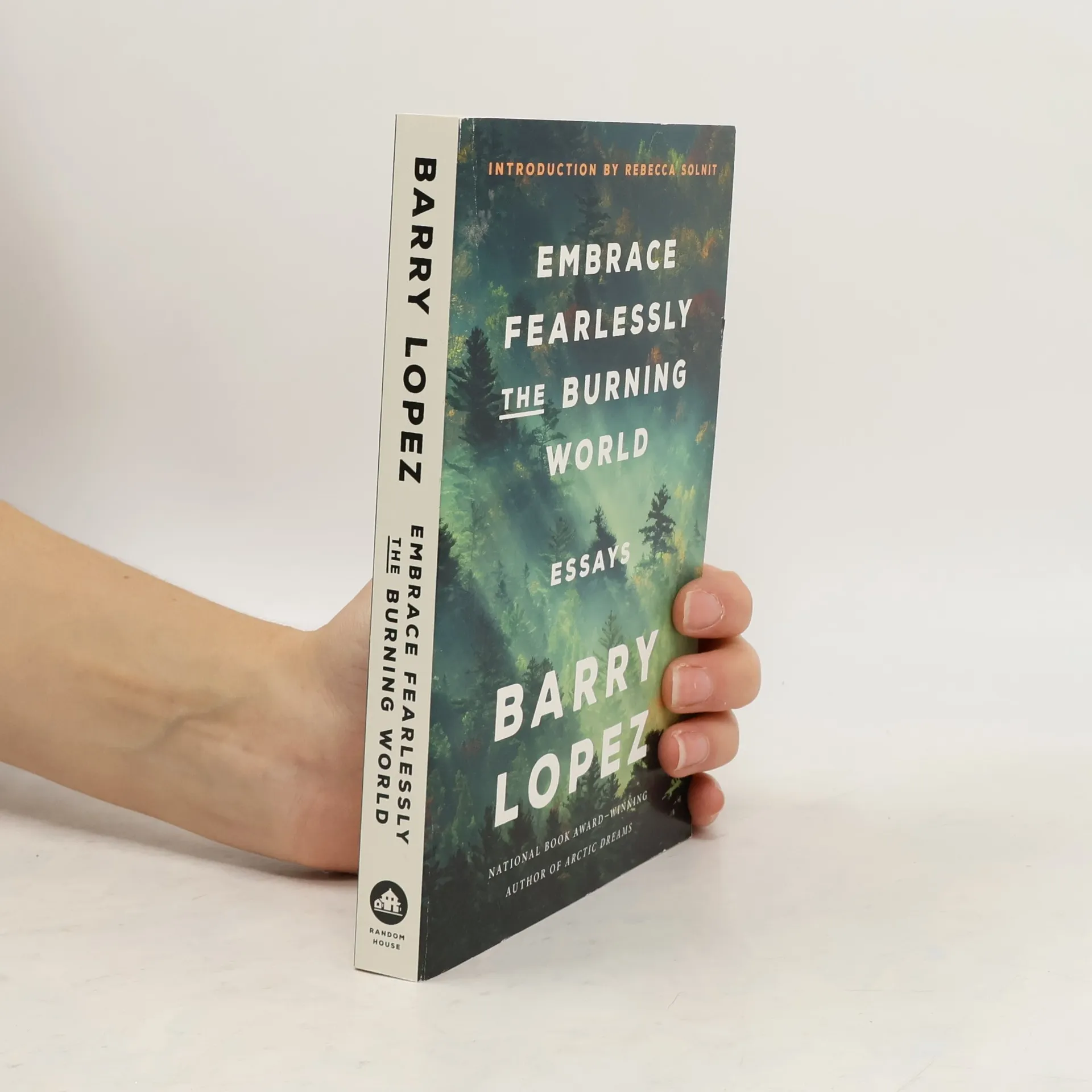
This final work of nonfiction showcases the lyrical prose of a National Book Award-winning author renowned for his impactful writing and fieldwork. As a literary icon, he has influenced countless writers and activists throughout his career. The book reflects his deep insights and experiences, offering a poignant culmination of his life's work and a testament to his enduring legacy in literature and activism.
An urgent - and final - work from the award-winning author of Arctic Dreams
whose writing, fieldwork and mentorship inspired generations of writers and
activists.
Barry Lopez erzählt von neun Freunden, die auf einen Brief der Regierung reagieren, indem sie von ihren Leben berichten. In seinen Erzählungen thematisiert er Widerstand, verlorene Würde und die Suche nach Mitleid. Die Geschichten zeigen, dass Schönheit, Phantasie und Hoffnung eng miteinander verbunden sind.
Barry Lopez (1945–2020) cestovatel, esejista a reportér, shrnuje ve sbírce reportáží z Arktidy dojmy ze svých četných cest po Arktidě v 70. a 80. letech, doplněné o vhledy do jejích dějin. Jeho reportáže se v různé míře věnují hlavně třem motivům. Především je to krajina, její historie, život a dynamika. Druhým motivem jsou lidé, kteří ji obývají – ti domorodí i nově osídlení: píše o předpokladech života v krajině, o tradicích, o souboru materiální i duchovní kultury. Třetím okruhem jeho pozornosti je moderní doba, kdy se stále rychlejším tempem mění jak krajina, tak její obyvatelé, před očima mizí jejich vzájemné historické vazby. To vše je doplněno o dějiny lidského osídlování od nejstarších dob podnes, a také o dějiny nejdůležitějších objevných cest a potýkání se Evropanů s krajinou. Čtenář získá i představu o počátcích intenzivního průmyslového využívání Arktidy (těžba ropy a rud) a může je konfrontovat se současným stavem krajiny a jejího soužití s novými poměry.
Sbírka Arktické sny (Arctic dreams) z r. 1986 obdržela v USA Národní cenu za literaturu faktu (National Book Award for Nonfiction); od té doby získal za své knihy řadu dalších ocenění.
Barry Lopez byl před svou smrtí v roce 2020 považován, jak se domníval jiný slavný poutník Robert Macfarlane, za největšího žijícího spisovatele divočiny. Jeho kniha o Arktických snech patří mezi klasické, neustále dotiskované tituly a to nejenom pro sílu a hloubku svého prožitku, ale také že největší změny prostředí se dnes odehrávají v Arktidě, která zřejmě v rukách drží hned několik klíčů i k naší klimatické budoucnosti.