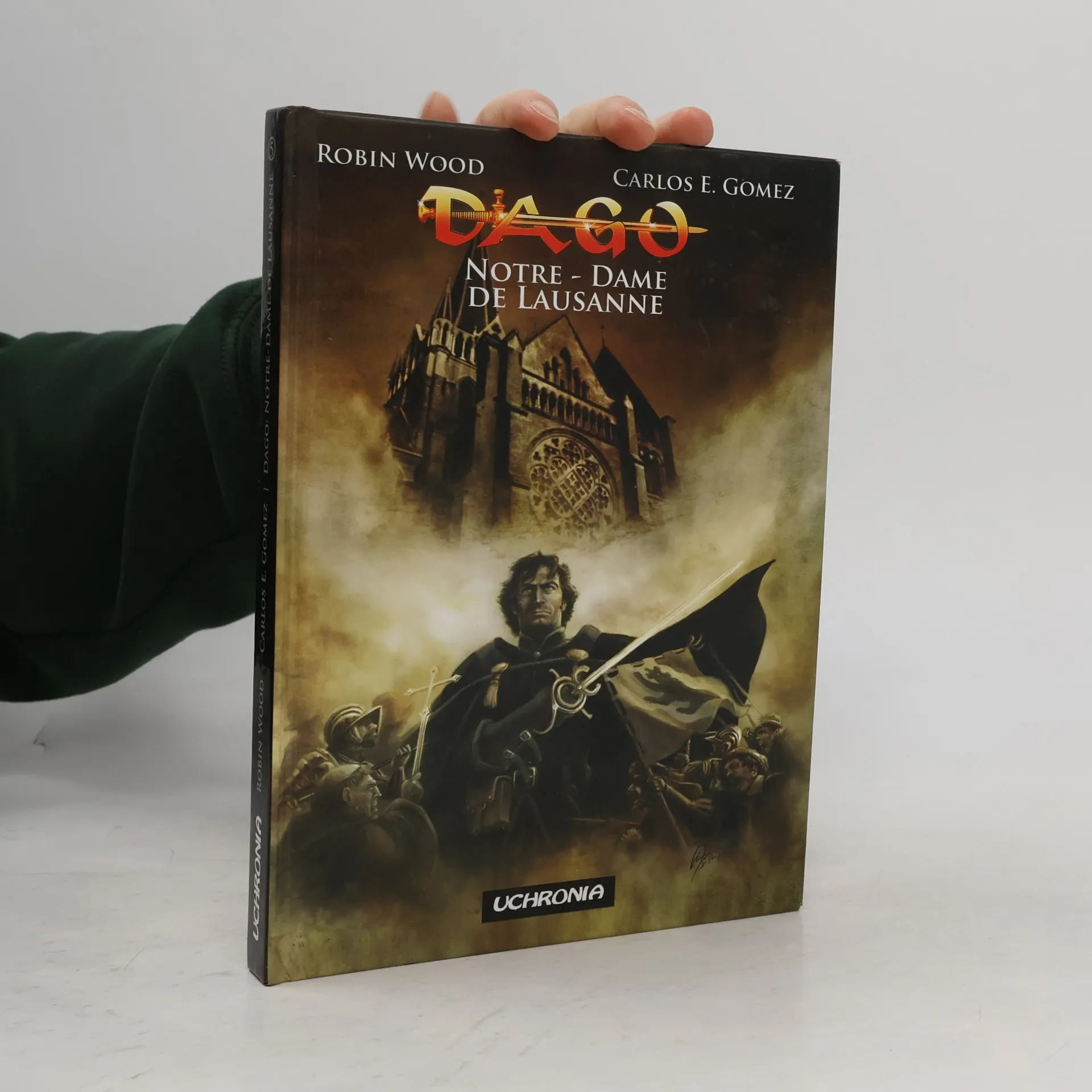
Robin Wood was een vooraanstaand filmcriticus en docent wiens werk diep ingaat op de analyse van filmmakers en hun oeuvre. Zijn schrijven wordt gekenmerkt door scherpzinnig inzicht in filmische stijlen en thema's, waarbij hij de motivaties achter creatie onderzoekt en universele zorgen binnen diverse filmische landschappen blootlegt. Gevormd door zijn academische en redactionele bijdragen, heeft Woods aanpak generaties filmwetenschappers en liefhebbers beïnvloed. Zijn nalatenschap ligt in zijn nauwgezette onderzoek van de kunst van de cinema en zijn vermogen om complexe filmtheorieën toegankelijk te maken voor een breed publiek.
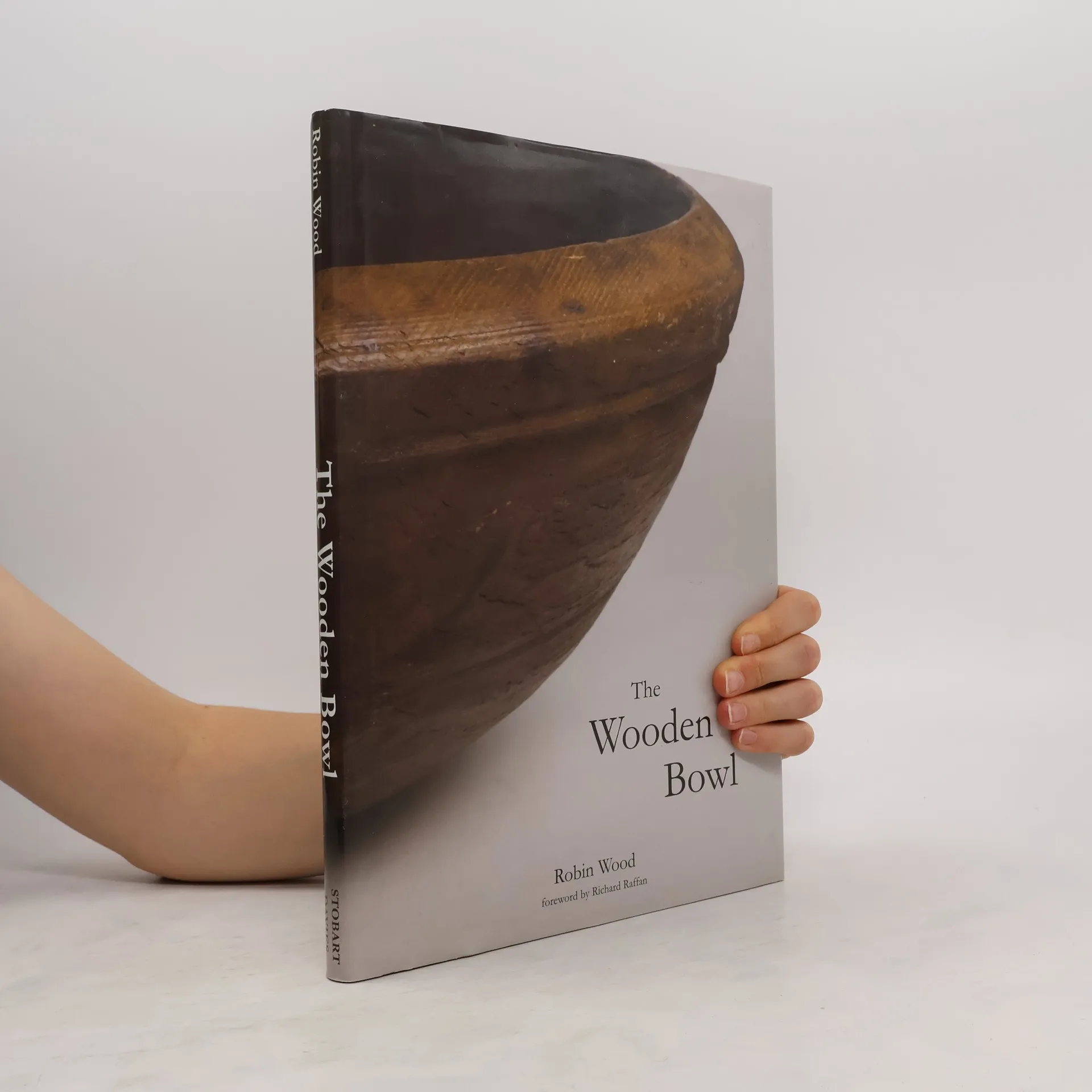
Presenting an account of the history of the wooden bowl, this book details
evidence of the turners craft dating back 4000 years, and also looks at the
development of lathe technology, as well as the tools and timbers used. It
also features photographs that show priceless, gold-adorned vessels buried
with Saxon Kings.
The collection features essays by Robin Wood, a distinguished film critic, exploring various films and filmmakers while examining the essence of film criticism. Wood, a self-proclaimed "unreconstructed humanist," emphasizes the significance of art, creativity, and personal engagement in film analysis. His new introduction and additional essays enhance the original text, providing compelling arguments that highlight the value of subjective interpretation in understanding cinematic works.
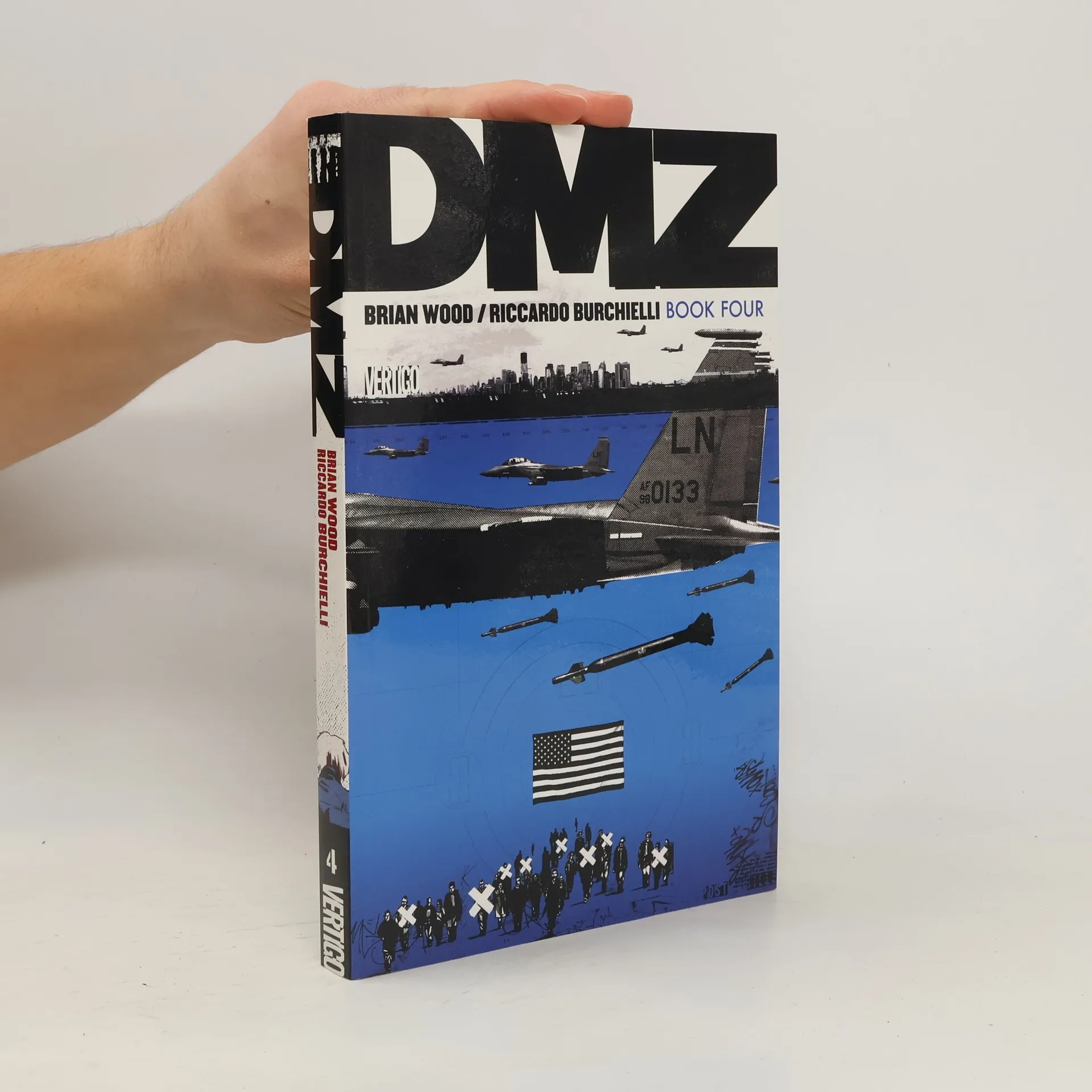
Brian Wood and artist Riccardo Burchielli's DMZ, one of Vertigo Comics' longest-running series, continues its blistering look at politically motivated war in DMZ Book Four. When Matty Roth first crash-landed in the DMZ, he was essentially handed a once-in-a-lifetime opportunity to document the city under siege with a classic journalist's objectivity. He now finds himself adrift, wandering around a forgotten corner of the city, grappling with the crushing guilt of his role in recent events. Unable to deal with the notion of rejoining society, he clings to a little toy radio and just tries to make it through each day. With the final battle about to begin, this is his last chance to do right by the residents of the city he's grown to love. Brian Wood and artist Riccardo Burchielli are joined by guest artists Cliff Chiang, David Lapham, Danijel Zezelj, Andrea Mutti and Nathan Fox to continue the unforgettable series in DMZ Book Four. Collects issues #45-59 in the penultimate chapter of this critically acclaimed series.
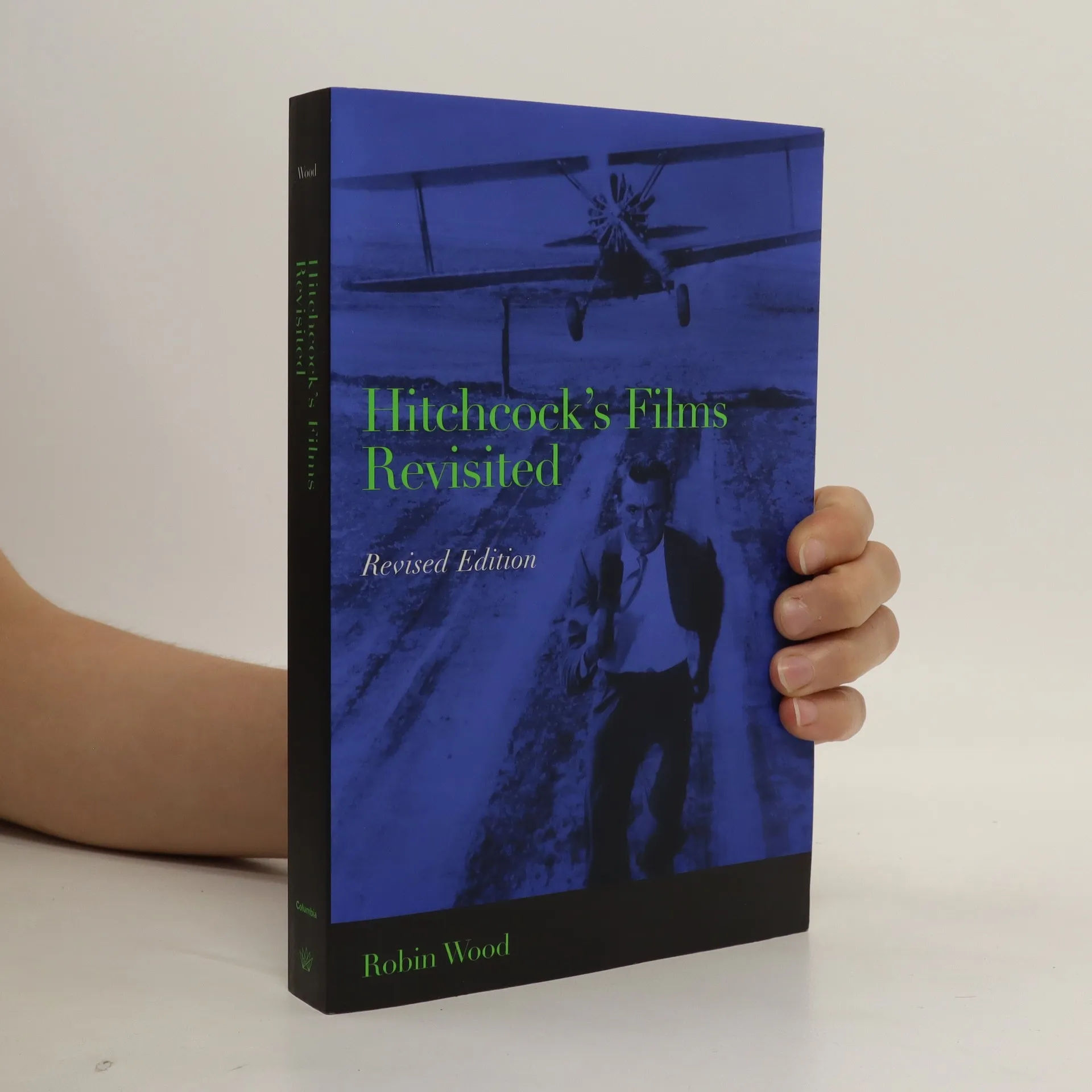
When Hitchcock's Films was first published, it quickly became known as a new kind of book on film and as a necessary text in the growing body of Hitchcock criticism. This revised edition of Hitchcock's Films Revisited includes a substantial new preface in which Wood reveals his personal history as a critic--including his coming out as a gay man, his views on his previous critical work, and how his writings, his love of film, and his personal life and have remained deeply intertwined through the years. This revised edition also includes a new chapter on Marnie.
Focusing on the horror genre, this collection features over fifty years of critiques by Robin Wood, a leading cinema critic. His essays and reviews explore the significance of horror films, showcasing his unwavering dedication to this popular cinematic form. This compilation serves as a vital resource for anyone interested in understanding the evolution and impact of horror in film history, reflecting Wood's influential perspective and insights throughout his career.
This deck brings the Minor Arcana to life in a way that is easy to understand
and interpret. It features nature imagery and energies to enchant and excite
both pagans and non-pagans, experts and novices.