


Koop 10 boeken voor 10 € hier!
Bookbot

William James

    11 januari 1842 – 26 augustus 1910
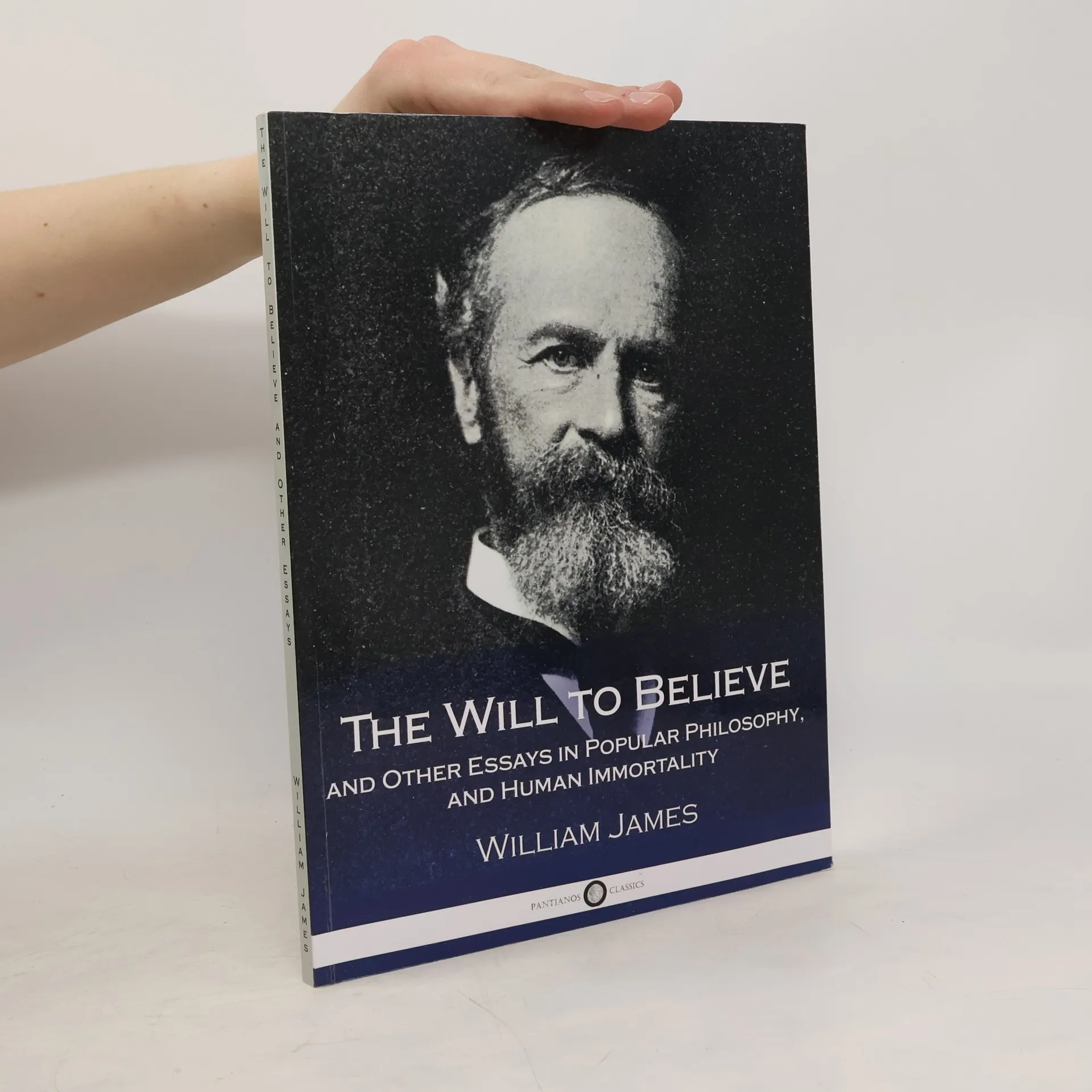
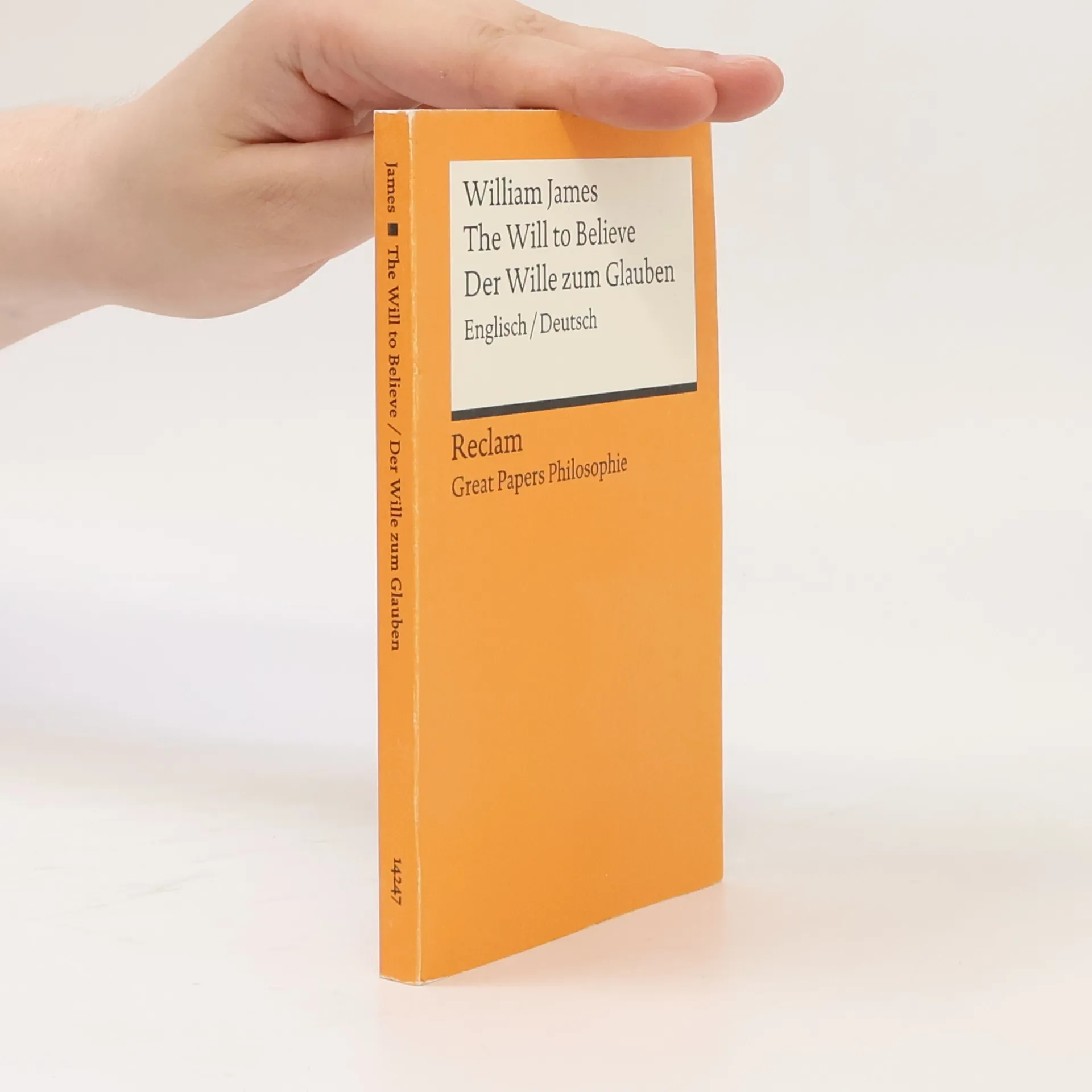
    The Will to Believe and Other Essays in Popular Philosophy and Human Immortality
    The principles of psychology
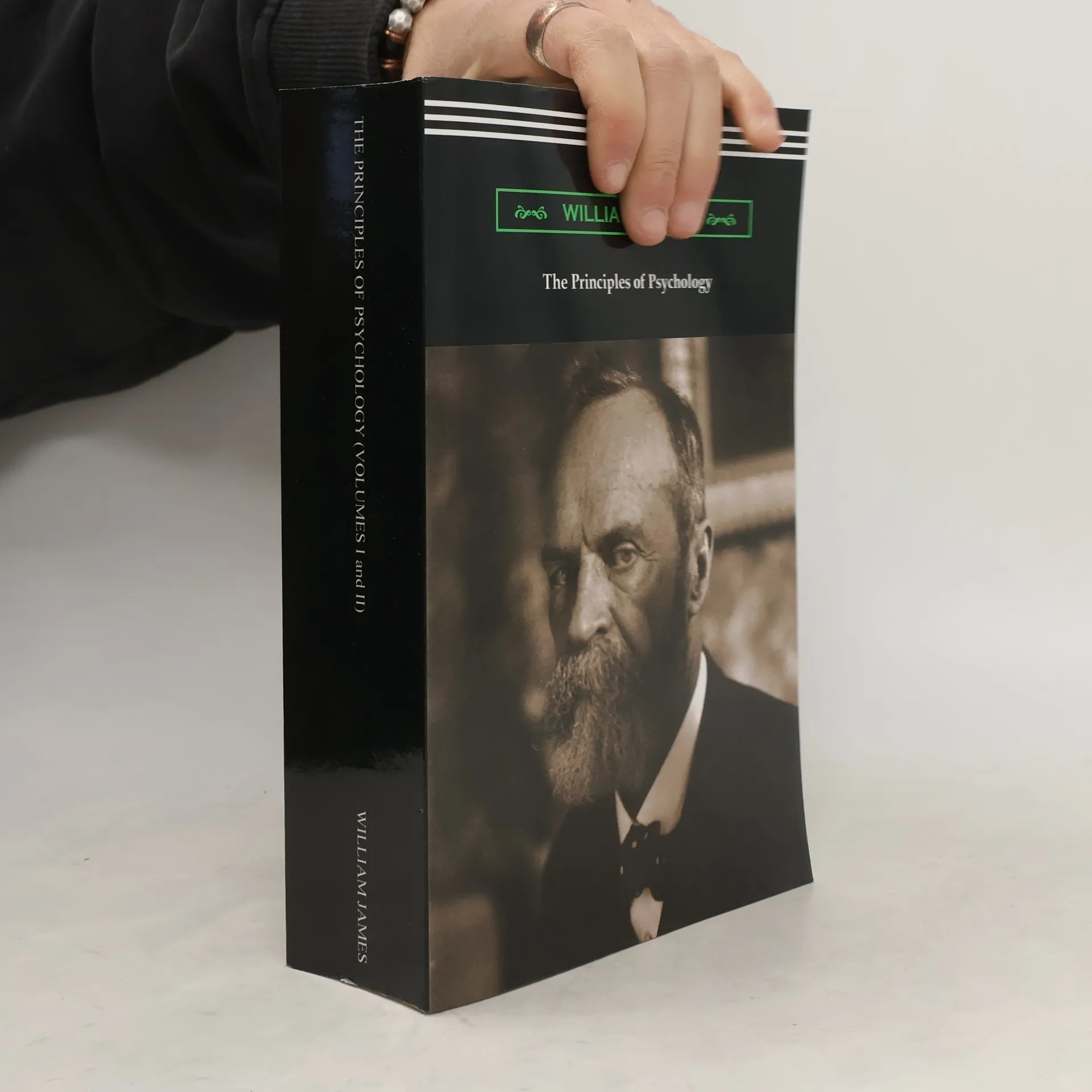
    The Principles of Psychology
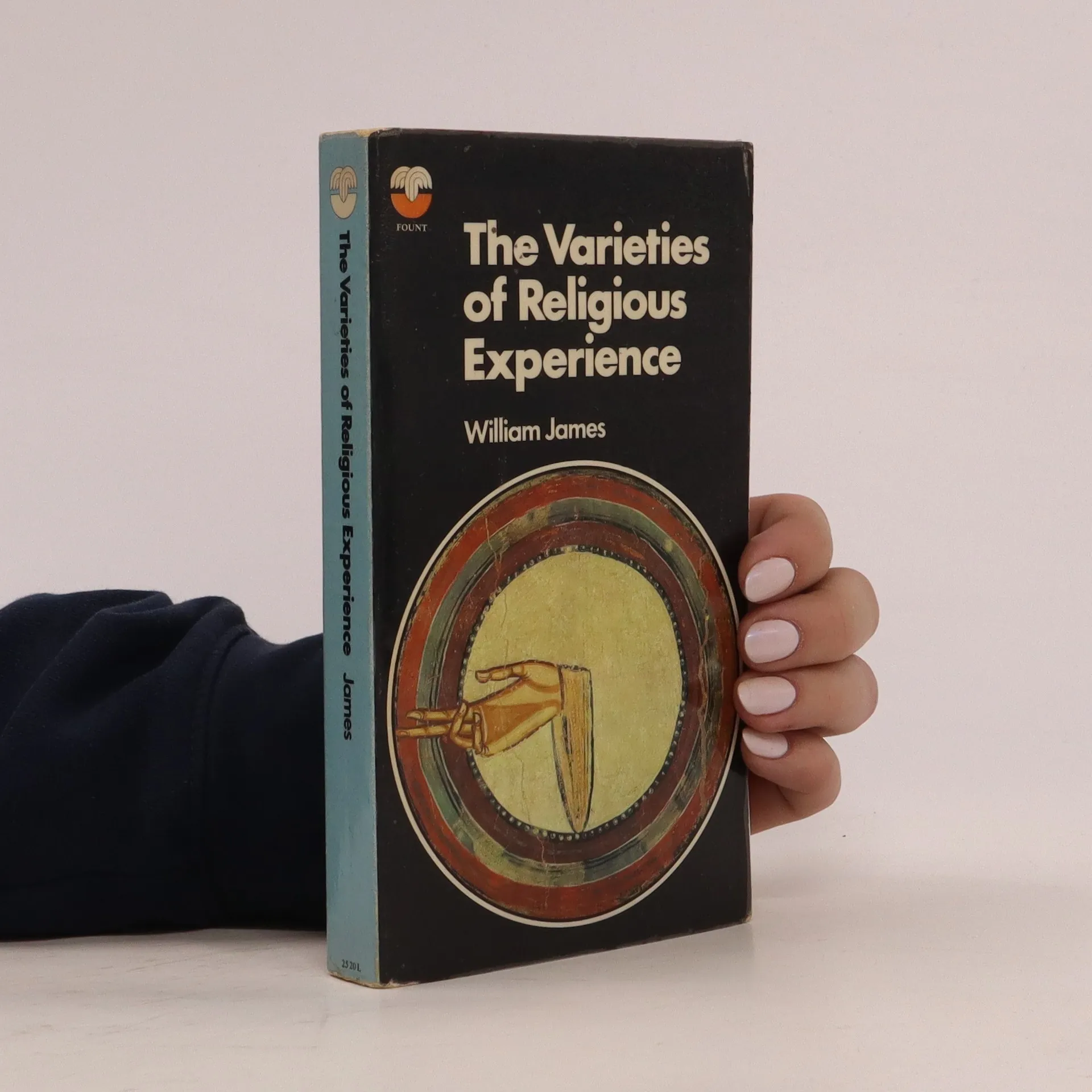
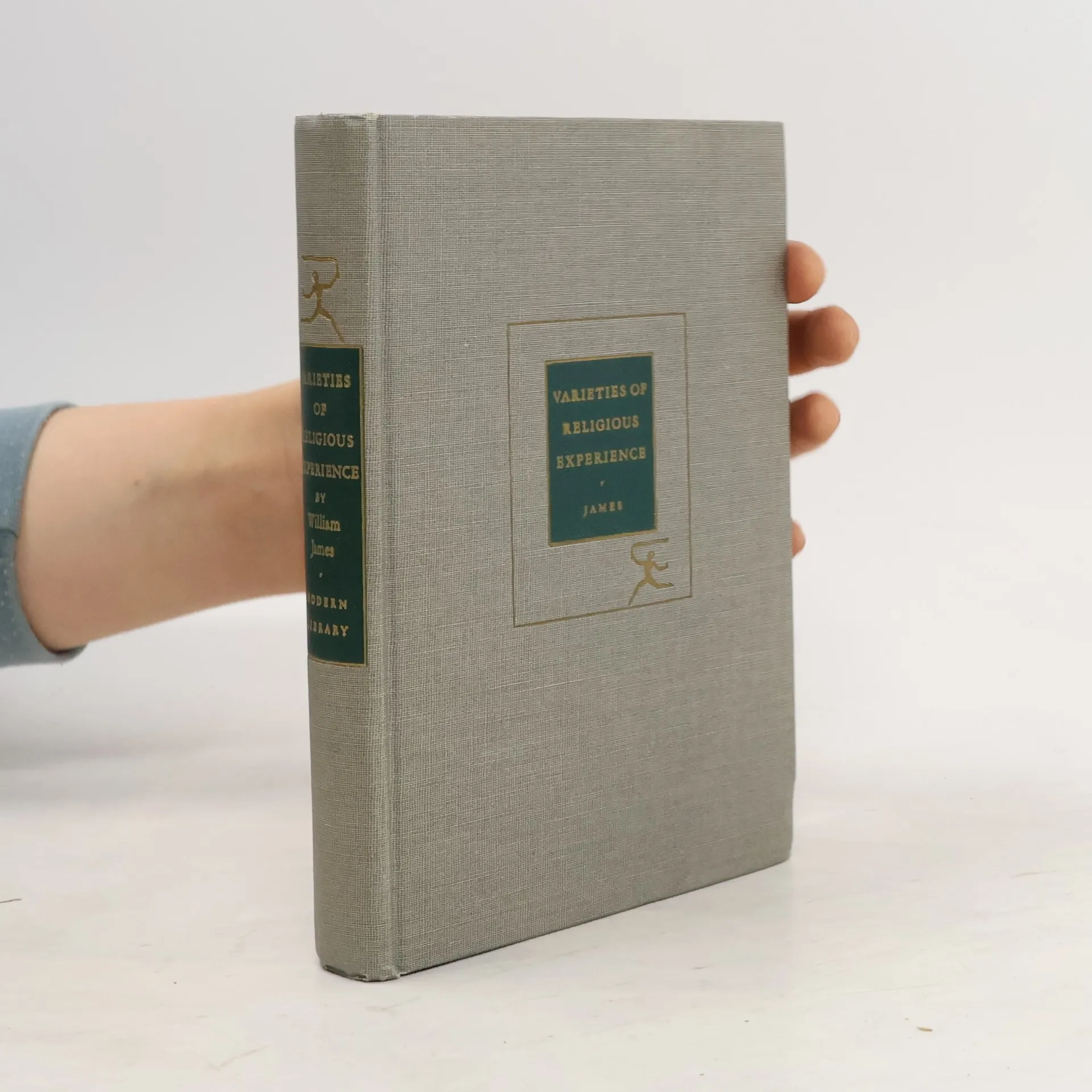
    The Varieties of Religious Experience
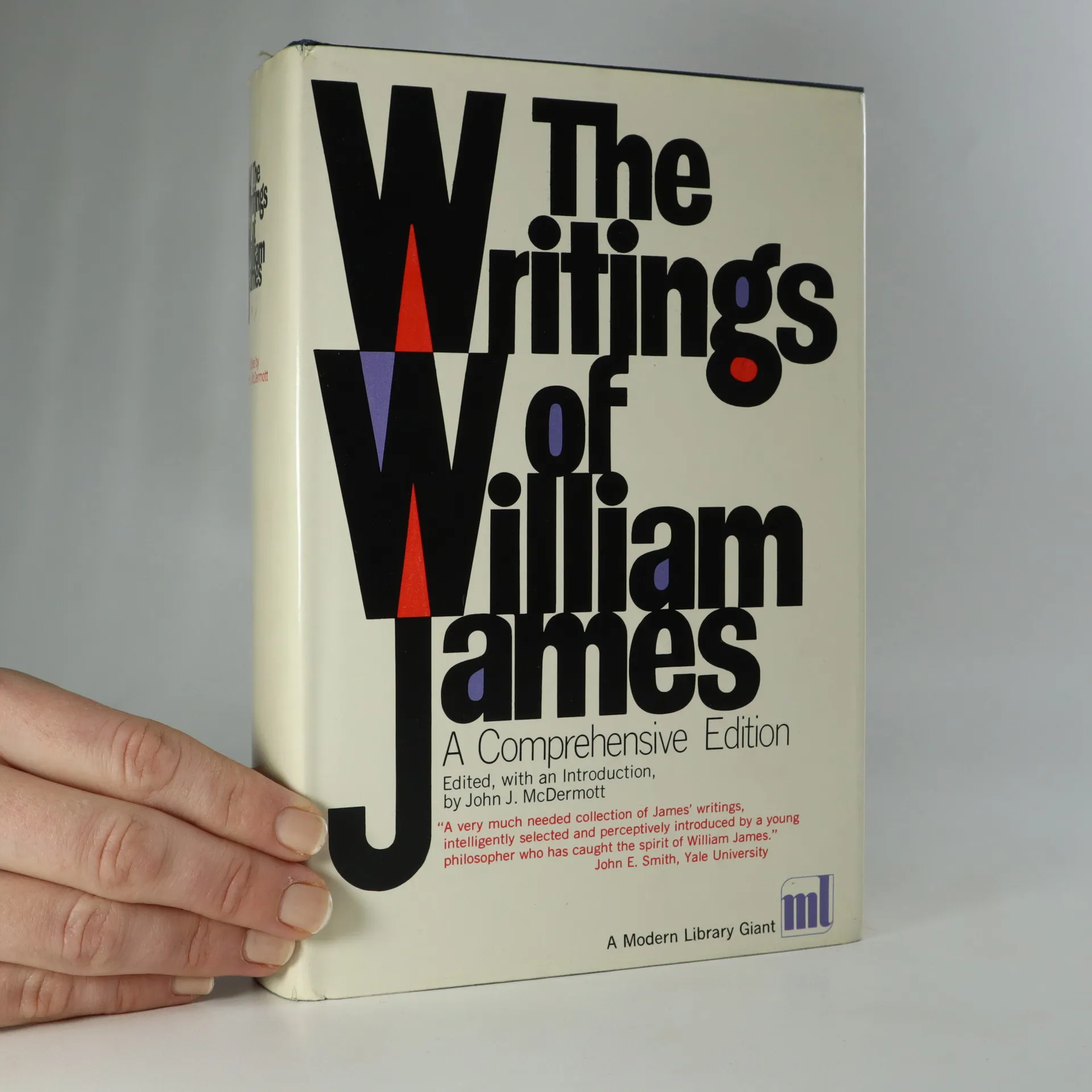
    Great Books of the Western World 53. William James
    Fenomenologische klassieken - 2: Vormen van religieuze ervaring
    • Fenomenologische klassieken - 2: Vormen van religieuze ervaring

      Een onderzoek naar de menselijke aard

      • 399bladzijden
      • 14 uur lezen

      William James, arts, psycholoog en filosoof is de grondlegger van de hedendaagse psychologie. Dit, zijn beroemdste boek, is ontelbare malen herdrukt en nog steeds wordt er veelvuldig naar verwezen. De rake observaties zijn ongeëvenaard gebleken, de glans is door de jaren alleen maar versterkt. Aan de hand van een unieke collectie autobiografisch materiaal van personenen met een verschillende religieuze achtergrond analyseert James de religieuze gevoelens die de mens in zijn innerlijk leven ervaart. Hij bespreekt de werkelijkheid van het onzichtbare, de optimistische en pessimistische religieuze houding, de innerlijke tweestrijd, de zieke ziel, hergeboorte en heiligheid. Mystiek benadert James voor het eerst als een eigensoortige menselijke ervaring die niet herleid kan worden tot andere psychische ervaringen of verschijnselen. Kerk en dogma laat hij buiten deze zorgvuldige filosofische en psychologische studie: het gaat bij James over onze werkelijkheidsbeleving, ons gedrag en vooral ons gevoel en intuïtie. De schrijftrant van William James is tegelijk helder, principieel en objectief, én persoonlijk betrokken. Zijn ironie kruidt telkens het betoog en je hebt al lezend voortdurend het gevoel te maken te hebben met een groot denker en een groot schrijver. "Hoewel ikzelf niet zo'n sterk mystiek godsbewustzijn bezit, is er toch iets in mij dat reageert wanneer ik anderen erover hoor spreken. Ik herken een diepere stem. Er is iets in me dat zegt: daar zit waarheid in. Maar ik ben zozeer van het christendom weggegroeid dat de uitingen van mystiek die daarin zitten eerst moeten worden losgemaakt van dat christendom - ik moet door die verstrengeling heenbreken voordat ik kan luisteren. Noem dit, als je wilt, mijn mystieke begin. Het is een heel gewoon, veel voorkomend begin."

      Fenomenologische klassieken - 2: Vormen van religieuze ervaring
    • The Varieties of Religious Experience

      A Study in Human Nature

      • 552bladzijden
      • 20 uur lezen
      4,7(3)Tarief

      Focusing on the subjective nature of religious experience, this treatise explores the psychological aspects of belief in a transcendent reality, whether conceived as God or a higher spiritual force. Originally presented in the Gifford Lectures at Edinburgh University, it offers a comprehensive overview of the religious imagination, transcending specific creeds and theologies. Its insights remain relevant across various religious contexts, including Christianity, Judaism, Islam, Buddhism, and New Age beliefs, making it a timeless study in the psychology of faith.

      The Varieties of Religious Experience
    • One of the greatest classics of modern Western literature and science and the source of the ripest thoughts of America's most important philosopher.

      The Principles of Psychology
    • The principles of psychology

      • 95bladzijden
      • 4 uur lezen
      4,0(1)Tarief

      The impact of William James's 1890 The Principles of Psychology is such that he is commonly known as the father of his subject. Though psychology itself is a very different discipline in the 21st-century, James's influence continues to be felt - both within the field and beyond. At base, Principles was designed to be a textbook for what was then an emerging field: a summary and explanation of what was known at that point in time. As its continuing influence shows, though, it became far more - a success due in part to the strength of James's analytical skills and creative thinking. On the one hand, James was a masterful analyst, able to break down what was known in psychology, to trace how it fitted together, and, crucially, to point out the gaps in psychologists' knowledge. Beyond that, though, he was a creative thinker, who looked at things from different angles and proposed inventive solutions and hypotheses. Among his best known was an entirely new theory of emotion (the James-Lange theory), and the influential notion of the "stream of consciousness" - the latter of which has influenced generations of psychologists and artists alike.

      The principles of psychology
    • Exploring philosophical themes, this unabridged edition features a collection of essays that delve into belief, the value of life, rationality, and the interplay between determinism and morality. It examines the influence of great individuals and their environments, alongside reflections on Hegel's ideas and the achievements of physical research. A comprehensive index enhances accessibility, making it a valuable resource for those interested in philosophical discourse and the complexities of human thought.

      The Will to Believe and Other Essays in Popular Philosophy and Human Immortality
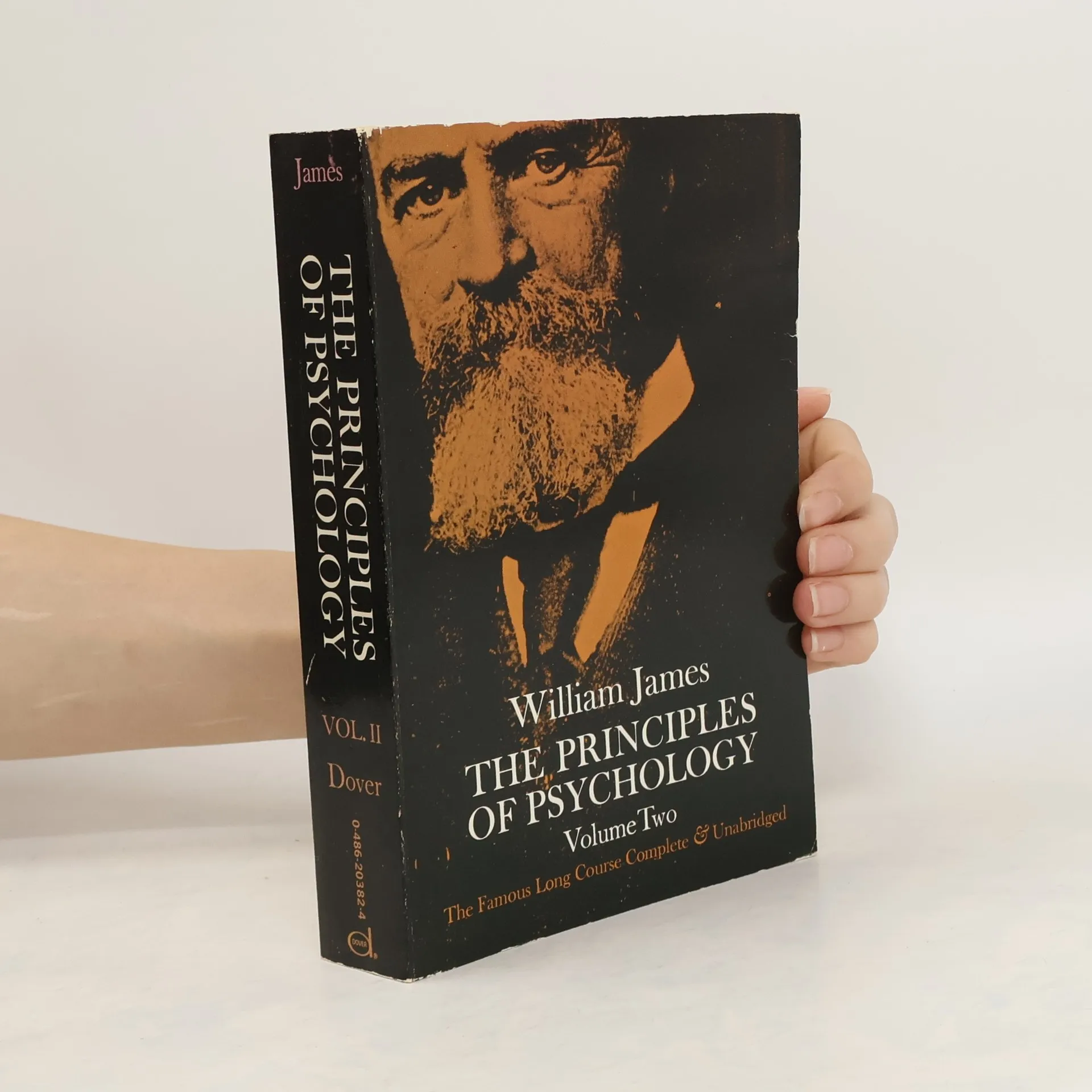
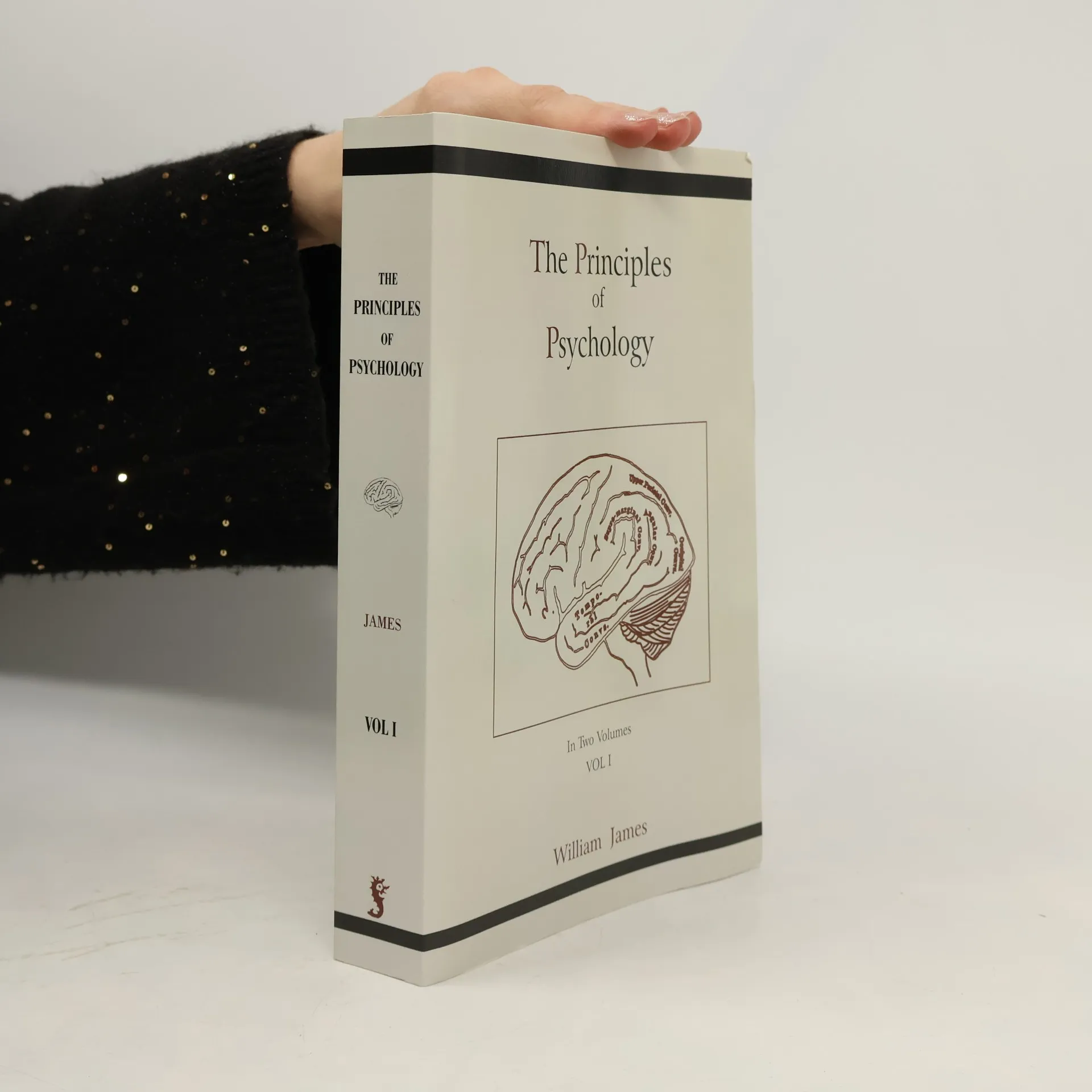
    • "For the psychologist, standard reading, to all readers, a classic of interpretation." — Psychiatric Quarterly This is the first inexpensive edition of the complete Long Course in Principles of Psychology, one of the great classics of modern Western literature and science and the source of the ripest thoughts of America’s most important philosopher. As such, it should not be confused with the many abridgements that omit key sections. The book presents lucid descriptions of human mental activity, with detailed considerations of the stream of thought, consciousness, time perception, memory, imagination, emotions, reason, abnormal phenomena, and similar topics. In its course it takes into account the work of Berkeley, Binet, Bradley, Darwin, Descartes, Fechner, Galton, Green, Helmholtz, Herbart, Hume, Janet, Kant, Lange, Lotze, Locke, Mill, Royce, Schopenhauer, Spinoza, Wundt, and scores of others. It examines contrasting interpretations of mental phenomena, treating introspective analysis, philosophical interpretations, and experimental research. Although the book originally appeared nearly 75 years ago, it remains unsurpassed today as a brilliantly written survey of William James’ timeless view of psychology. "Rereading James brings a sense of perspective and even a little humility to our regard for more modern achievements." — Journal of Consulting Psychology

      The Principles of Psychology, Vol. 1
    • This is the first inexpensive edition of the complete Long Course in Principles of Psychology, one of the great classics of modern Western literature and science and the source of the ripest thoughts of America’s most important philosopher. As such, it should not be confused with the many abridgements that omit key sections. The book presents lucid descriptions of human mental activity, with detailed considerations of the stream of thought, consciousness, time perception, memory, imagination, emotions, reason, abnormal phenomena, and similar topics. In its course it takes into account the work of Berkeley, Binet, Bradley, Darwin, Descartes, Fechner, Galton, Green, Helmholtz, Herbart, Hume, Janet, Kant, Lange, Lotze, Locke, Mill, Royce, Schopenhauer, Spinoza, Wundt, and scores of others. It examines contrasting interpretations of mental phenomena, treating introspective analysis, philosophical interpretations, and experimental research. Although the book originally appeared nearly 75 years ago, it remains unsurpassed today as a brilliantly written survey of William James’ timeless view of psychology.

      The Principles of Psychology, Vol. 2
    • 4,1(514)Tarief

      The work of William James contributed greatly to the burgeoning fields of psychology, particularly in the areas of education, religion, mysticism and pragmatism. The brother of novelist Henry James and of diarist Alice James, William wrote several powerful essays expressing his ideas on the pragmatic theory of truth, sentience, and human beings' right to believe. In "The Will to Believe", James suggests that what a person holds to be true or attainable may exist through that person's belief in them, regardless of a lack of physical evidence. In a sense, he advocates the theory of self-fulfilling prophesies. "Human Immortality" was a speech delivered during the annual Ingersoll Lectureship, given in memory of George Goldthwait Ingersoll, in 1897 at Harvard University. These works are a prime example of the powerful influence William James has had on modern psychology, and are still recognized today for their brilliance and revolutionary impacts on the field.

      The Will to Believe. Human Immortality
    • Be Not Afraid of Life

      • 384bladzijden
      • 14 uur lezen
      3,9(13)Tarief

      "In his review of Sick Souls, Healthy Minds (Princeton 2020), New York Times Book Review editor John Williams wrote: "I'd advise you to read Kaag's primer...But if you haven't read James himself, do that first. It's wonderful that he inspires intermediaries to bring his thought to modern-day readers, but his cogent and humane work doesn't strictly need intermediaries. He remains ready to help you directly." Williams is right: William James does not need to be translated by contemporary theorists in order to speak to our present age. Sometimes the best we can do for James is let him speak to us in his own words, in the way that has inspired more than a century of readers and teachers. The idea for this collection is the result of listening to Williams' wise suggestion: gather the very best and most accessible of James's writings, tie them tightly to an existentially motivating framework, and let the readers come. The essays and selections gathered here will be geared to our present age, to an age that craves meaning, but generally dismisses traditional ways of tapping life's significance. James was one of the first thinkers tarry with what might be called "the modern predicament," a culture-premised on overblown leisure, comfort, sophistication, and excess-that seems intent on being dissatisfied with itself. This collection will be structured to mirror the six chapters of Kaag's Sick Souls, Healthy Minds and be motivated by the same question: Is life worth living? The selections from Be Not Afraid of Life present James-the-existentialist, who rejects determinism, argues forcefully for human freedom, articulates a healthy-minded psychology, urges his readers to explore the stream of consciousness, presents a novel formulation of truth based on practical meaning, and never forecloses the possibility of mystical transcendence. In other words, this anthology gives us a thinker perfectly attuned to the concerns of our present day"-- Provided by publisher

      Be Not Afraid of Life