Vintage Handbags
- 224bladzijden
- 8 uur lezen
An illustrated reference, the book explores the key designers, technical developments and cultural influences that shaped handbag design, revealing exquisite and groundbreaking work from key designers.




An illustrated reference, the book explores the key designers, technical developments and cultural influences that shaped handbag design, revealing exquisite and groundbreaking work from key designers.
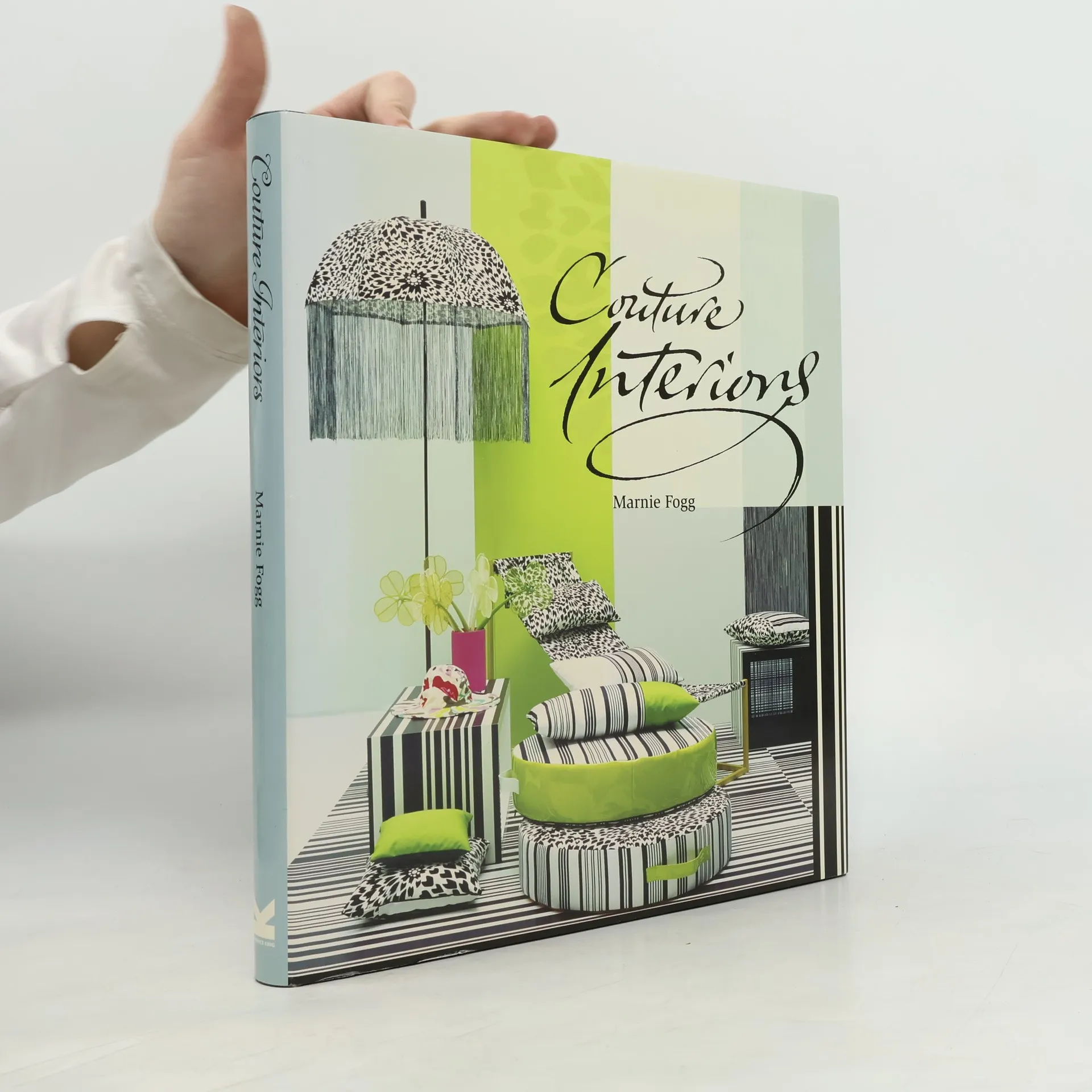
Examining the imaginative and compelling way in which fashion has permeated 21st-century culture, this book considers the relationship between fashion on the catwalk and architecture, interiors, and products. Many fashion designers extend their aesthetic into interiors and products for the home as a natural progression from clothing the body. The home is now subject to the same directional trends as fashion, in part because so many designers are extending their practice to include interiors, as well as products, and accessories. The fusion between fashion and interiors has never been more relevant. The proliferation of ideas, the speed of manufacture, and an increasingly visually literate consumer, have all resulted in interiors being subject to the same desire for fashionability, innovation and change as fashion. Thisinvestigation of the hectic dissemination of trends takes the reader on an eclectic, adventurous excursion into living with fashion.
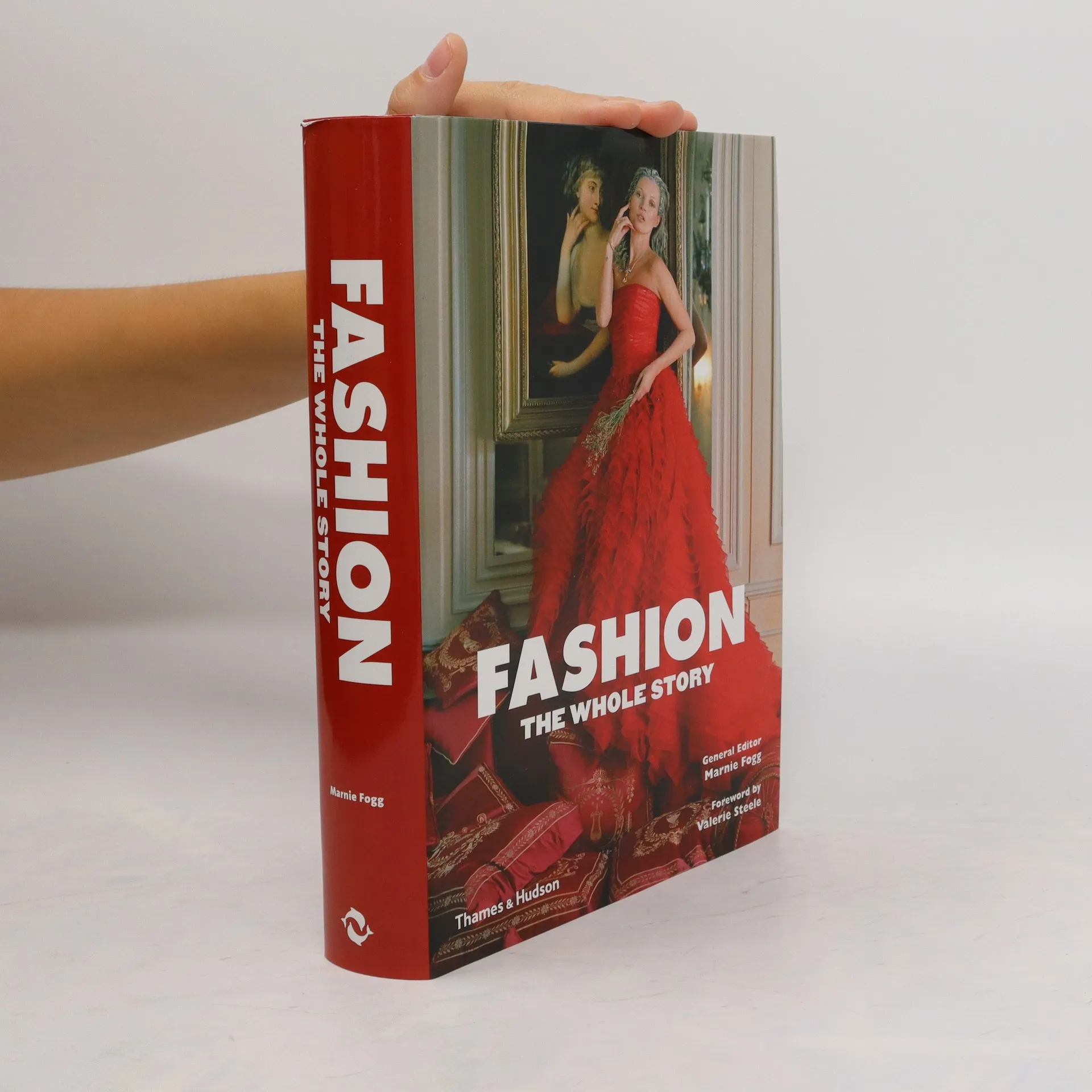
Paperback. Pub Date :2013-09-16 576 English Thames Hudson This ambitious and fascinating book traces the history of fashion in every part of the world. from Greco-Roman woven-cloth clothing and the silk court dress of the Chinese Tang dynasty to contemporary sportswear designers and Japanese street culture Organized chronologically. the book traces the evolution of fashion period by period and trend by trend. while detailed timelines provide historical and cultural context The Whole Story is indispensable for everyone who loves the line of a superb suit or knows the joy of wearing a great pair of shoes.
A sourcebook of 1960s fashion print - the apogee of fashion print - that will be the inspiration for designers for years to come. New edition in hardback.
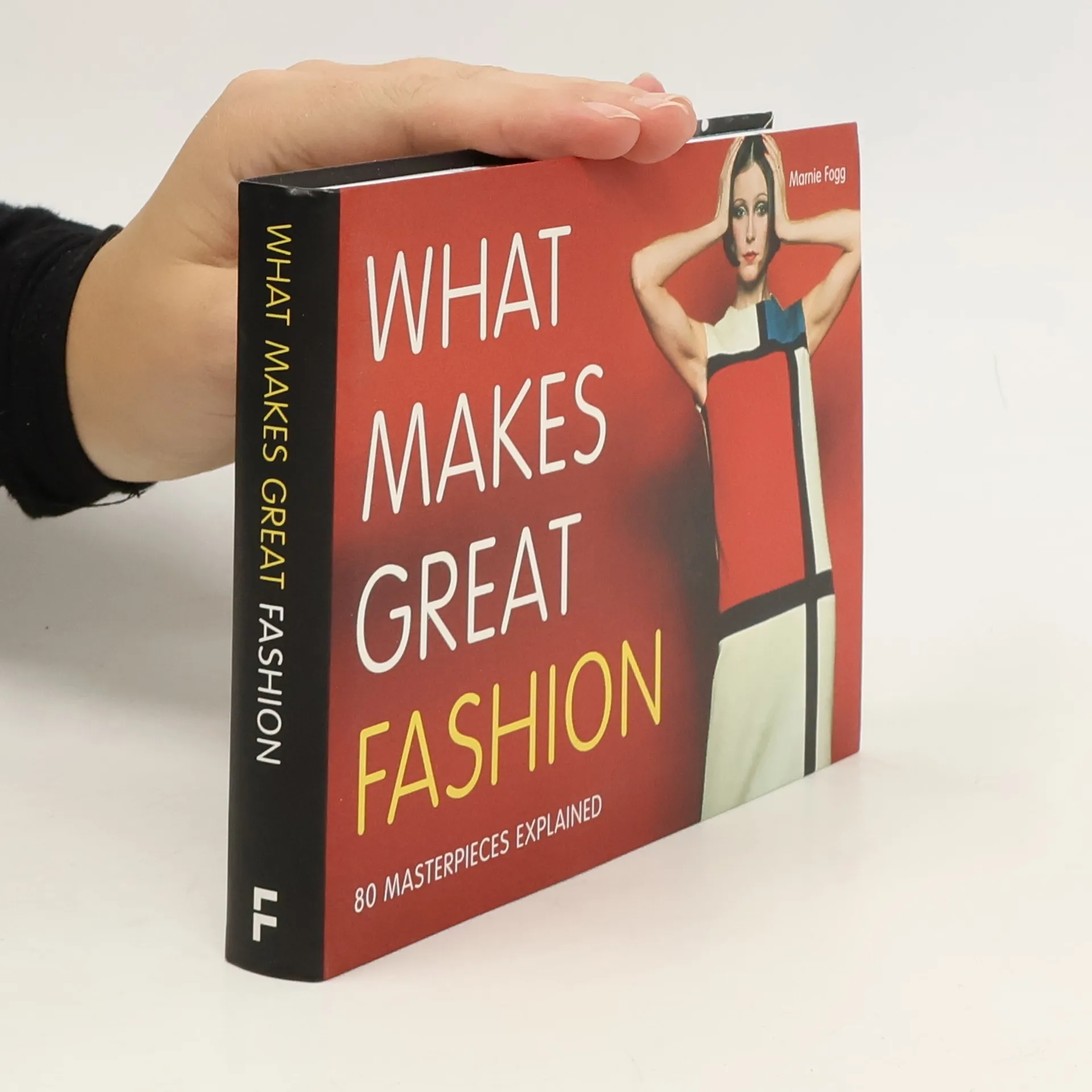
What Makes Great Fashion showcases eighty outstanding fashion confections, from the birth of the industry in the mid-19th century to the present day, and defines the characteristics of the garments that render the design both influential and iconic. These range from the appropriation of other cultures, such as Jeanne Lanvin’s exotic robe de style, to the radical transposition of proscribed elements, such as the use of underwear as outerwear by Jean-Paul Gaultier; some mark an overnight switch in silhouette, such as Christian Dior’s “Corolle” line—dubbed the “New Look”—and the abrupt raising of hemlines inspired by Mary Quant’s miniskirts. In some instances, the garments represent a desire to transgress the acceptable—Vivienne Westwood’s punk hangman’s sweater; in other cases they are evidence of a cerebral approach, such as the slashed robes of Rei Kawakebo for Commes des Garçons.
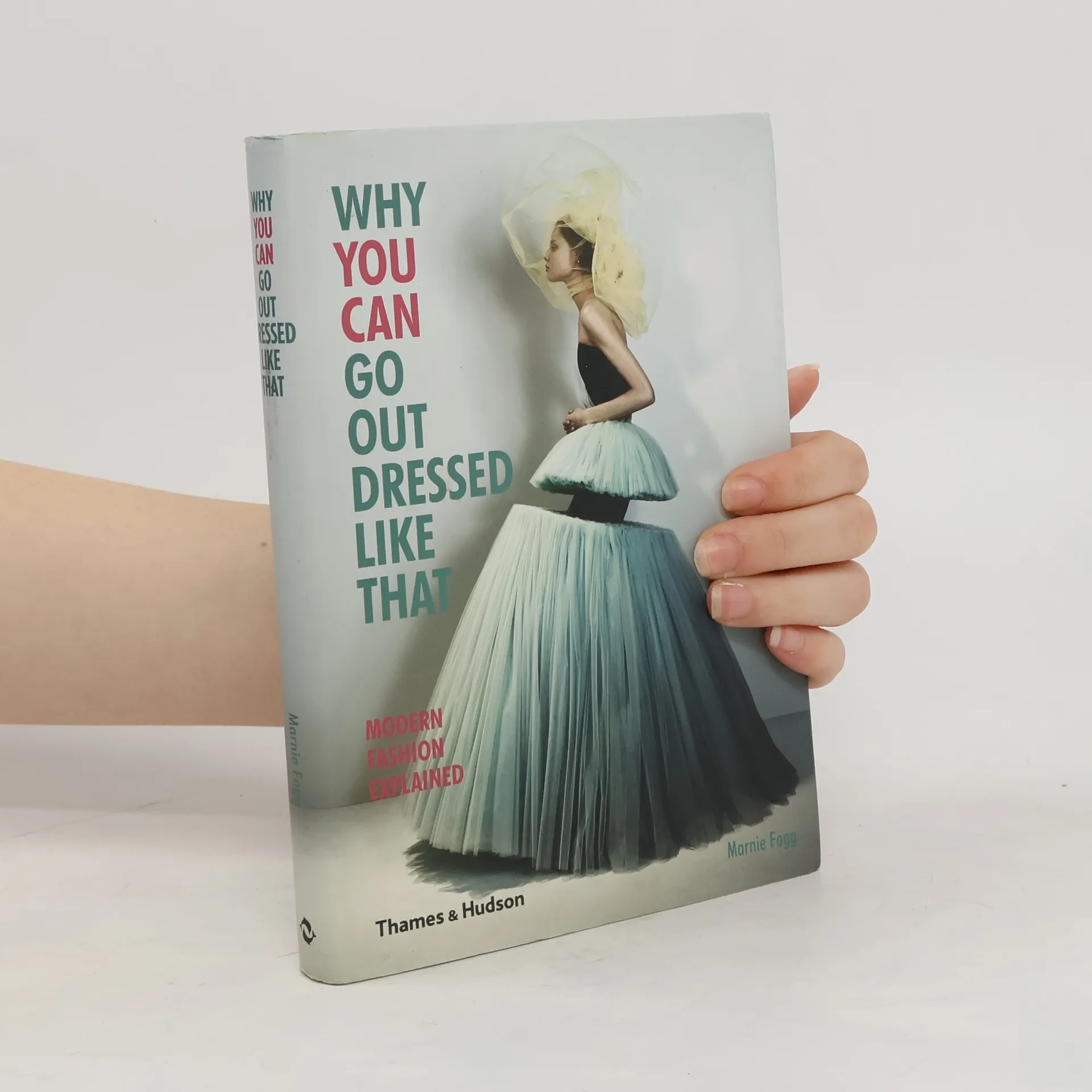
Numerous designers have pioneered cutting-edge garments and collections throughout the evolution of fashion. But all too often a lack of obvious fit or purpose has been mistaken for a lack of design sophistication. In an informed defence of innovative fashion, Why You Can Go Out Dressed Like That champions the improbable, the provocative, the uncomfortable and the seemingly ridiculous. Inspired by diverse sources, theories and concepts, as well as futuristic textiles and techniques, the book explores the groundbreaking work of designers who strive to extend the boundaries of their creativity. There are no fixed elements to the 100 designs featured in this book, which range from the cerebral conceptions of Comme des Garcons, to the augmented anatomies of Thierry Mugler and the exaggerated physicality of Thom Brownes broad-shouldered men. The garments do not have to fulfil a function, keep you warm, or increase sexual attraction, nor do they have to beguile or disarm. They do need to have impact at the time of creation and to prove influential in the longer term. Many original designs elicit the response: You cant go out dressed like that Marnie Fogg proves decisively that modern fashion is not as outrageous and unwearable as it may seem.