The book emphasizes the importance of truly understanding and recognizing others in various relationships, whether personal or professional. David Brooks argues that the ability to see and value people is crucial for fostering healthy families, workplaces, classrooms, and communities. He reflects on how this skill becomes increasingly vital with age, highlighting its role in making individuals feel heard and appreciated. Through this lens, the book explores the foundational aspects of connection and empathy in human interactions.
David Brooks Boeken
11 augustus 1961


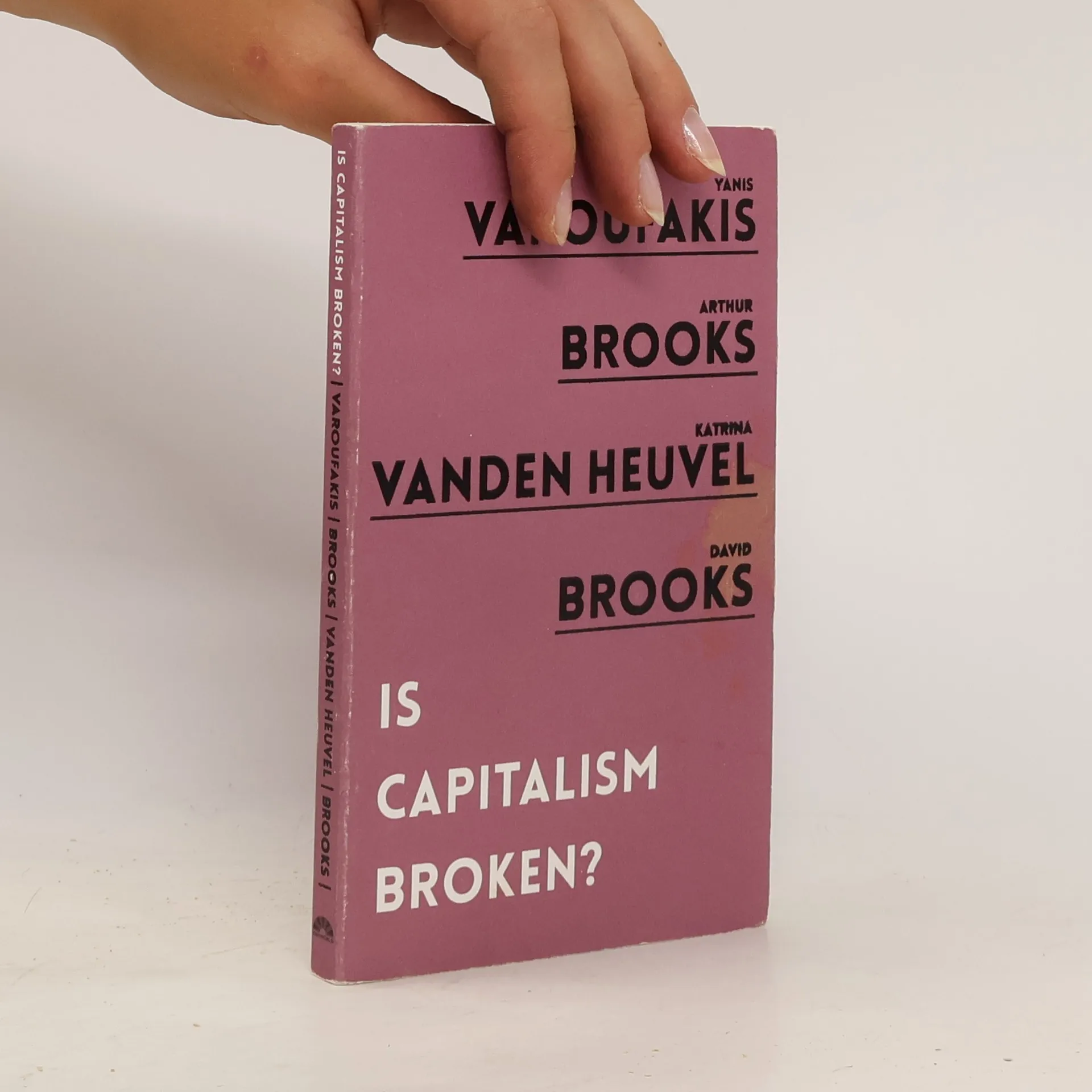

Is Capitalism Broken?
- 144bladzijden
- 6 uur lezen
"'We need to organise politically to defend the weak, empower the many and prepare the ground for reversing the absurdities of capitalism.' - Yanis Varoufakis. 'Capitalism over the past twenty-five years has been an incredible moral good.' - David Brooks. The Munk debate on capitalism: There is a growing belief that the capitalist system no longer works. Inequality is rampant. The environment is being destroyed for profits. In some western nations, life expectancy is even falling. Political power is wielded by wealthy elites and big business, not the people. But for proponents of capitalism, it is the engine of progress, not just making all of us materially better off, but helping to address everything from women's rights to political freedoms. We seem to stand at a crossroads: do we need to fix the system as a matter of urgency, or would it be better to hold our nerve?'"-- Provided by publisher
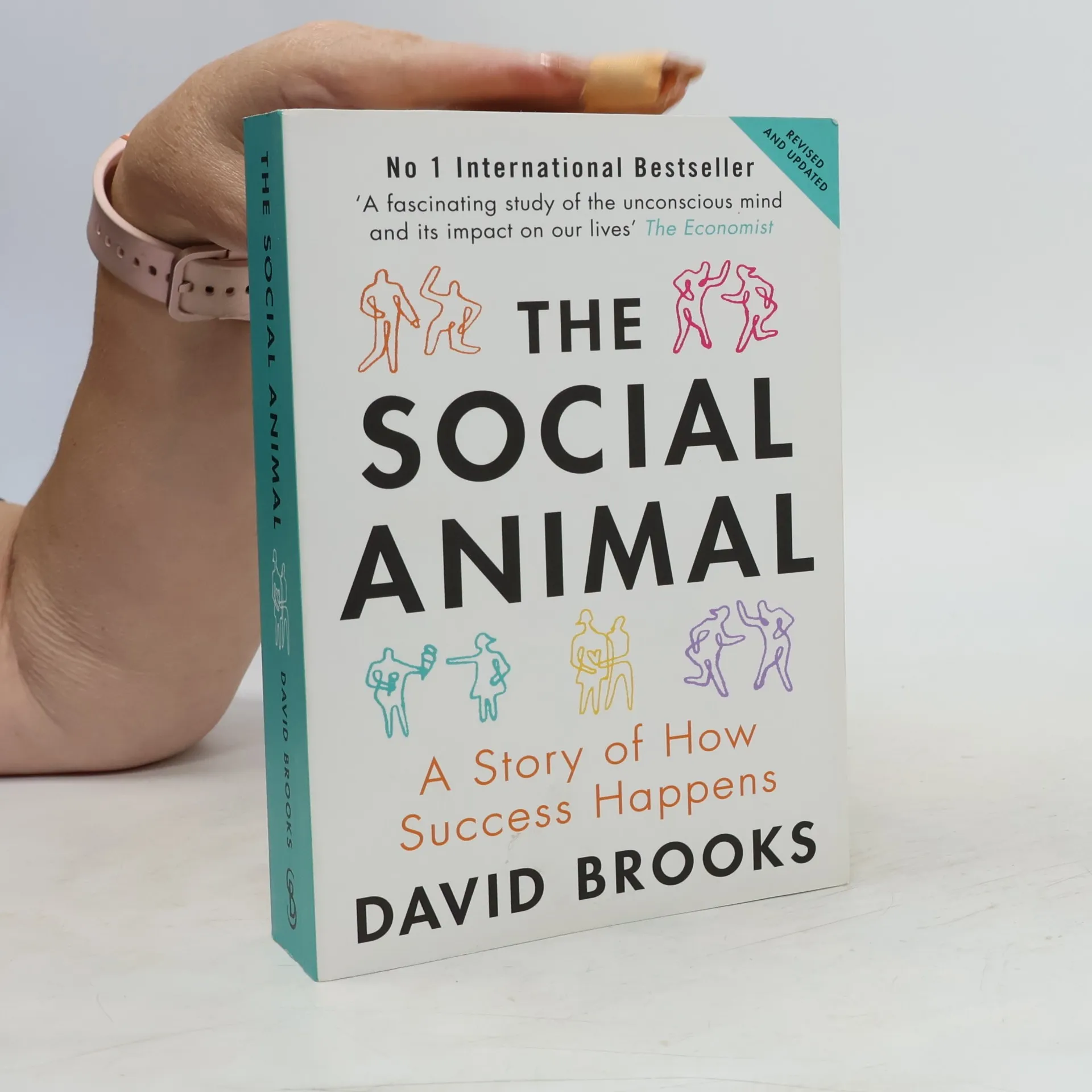
From the influential and hugely popular "New York Times" columnist and bestselling author of "Bobos in Paradise" comes a landmark exploration of how human beings and communities succeed.
Featuring a foreword by David Brooks, this collection presents accessible yet brilliant ideas aimed at expanding cognitive abilities. John Brockman, publisher of Edge.org, asked the world's leading thinkers to share scientific concepts that could enhance our cognitive toolkit. Their visionary responses span psychology, philosophy, economics, physics, sociology, and more, offering surprising insights that can transform your understanding of yourself and the world. Contributors include Daniel Kahneman discussing the “focusing illusion,” Jonah Lehrer on controlling attention, and Richard Dawkins on the importance of experimentation. Aubrey De Grey addresses our fear of the unknown, while Martin Seligman explores the ingredients of well-being. Nicholas Carr provides strategies for managing “cognitive load,” and Steven Pinker shares insights on win-win negotiating. Further contributions include Daniel C. Dennett on cycles, Jaron Lanier on resisting delusion, and Frank Wilczek on the brain's hidden layers. Clay Shirky discusses the “80/20 rule,” Daniel Goleman emphasizes our connection to nature, and V. S. Ramachandran highlights paradigm shifts. Additional insights come from Matt Ridley on collective intelligence, John McWhorter on path dependence, and Lisa Randall on effective theorizing. Brian Eno presents “ecological vision,” Richard Thaler tackles false concepts, J. Craig Venter discusses life's origins, Helen Fisher examine
The second mountain: the quest for a moral life
- 384bladzijden
- 14 uur lezen
Are you on your first or second mountain? Is life about yourself or others? Are you self-improving or committed? Mainstream culture teaches us that human beings pursue our self-interest - money, power, fame. But at some point in our life we might discover that we're not interested in what other people tell us to want. We want to want the things that are truly worthy of wanting. At this point, you have moved to your second mountain. What does it mean to elevate your desires, to look beyond consumption and find a moral cause? To forget about independence and discover dependence - to be utterly enmeshed in a web of warm relationships? What does it mean to want intimacy, devotion, responsibility and commitment above individual freedom? In The Second Mountain David Brooks explores the meaning and possibilities that scaling a second mountain offer us, and the four commitments that most commonly move us there- family, vocation, philosophy and community. Inspiring, personal and full of joy, this is the start of a deeper journey into the world.
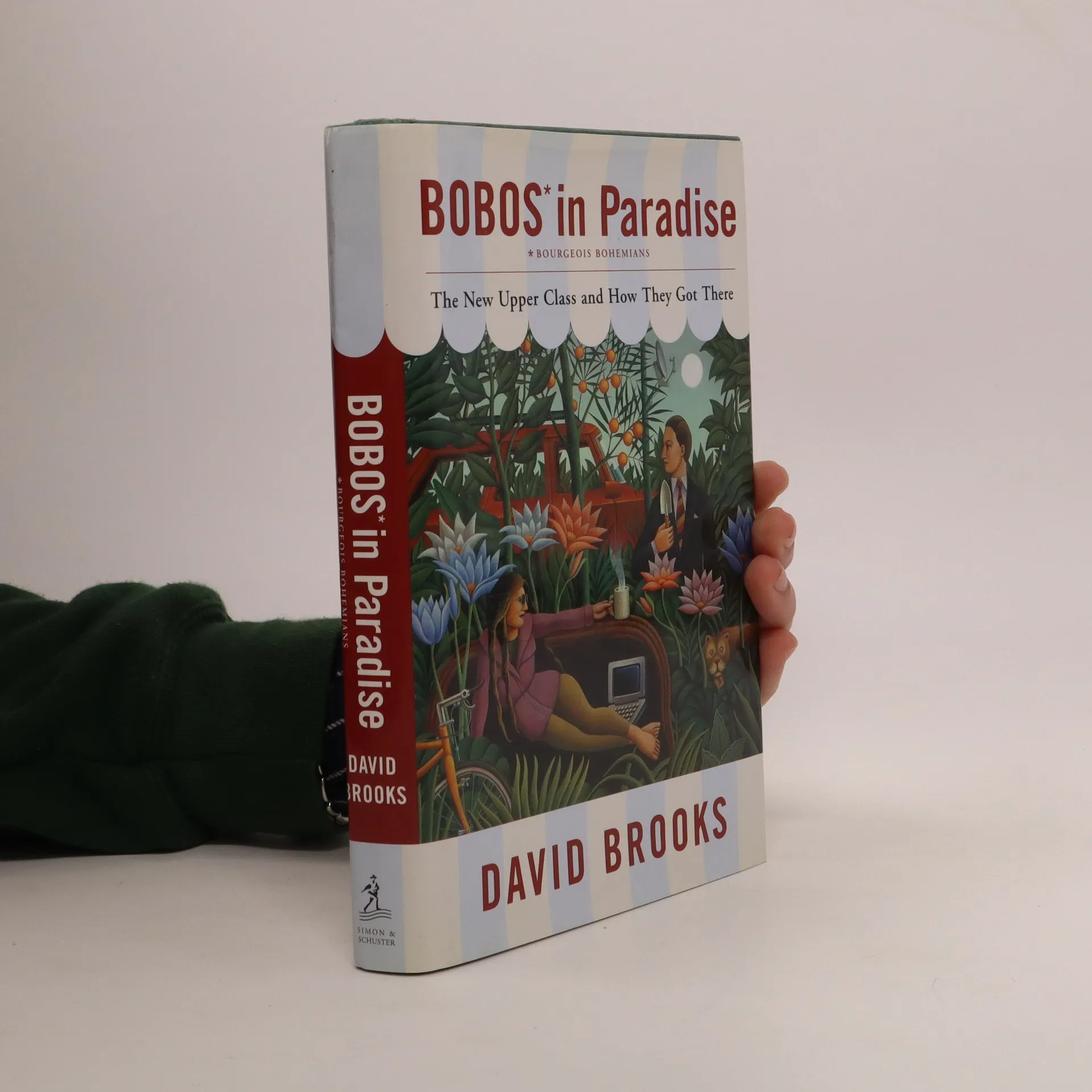
Bobos in paradise: the new upper class and how they got there
- 288bladzijden
- 11 uur lezen
A guide to bourgeois bohemianism describes the social class' attitudes towards consumption, business, intellectualism, pleasure, spiritual life, and politics.
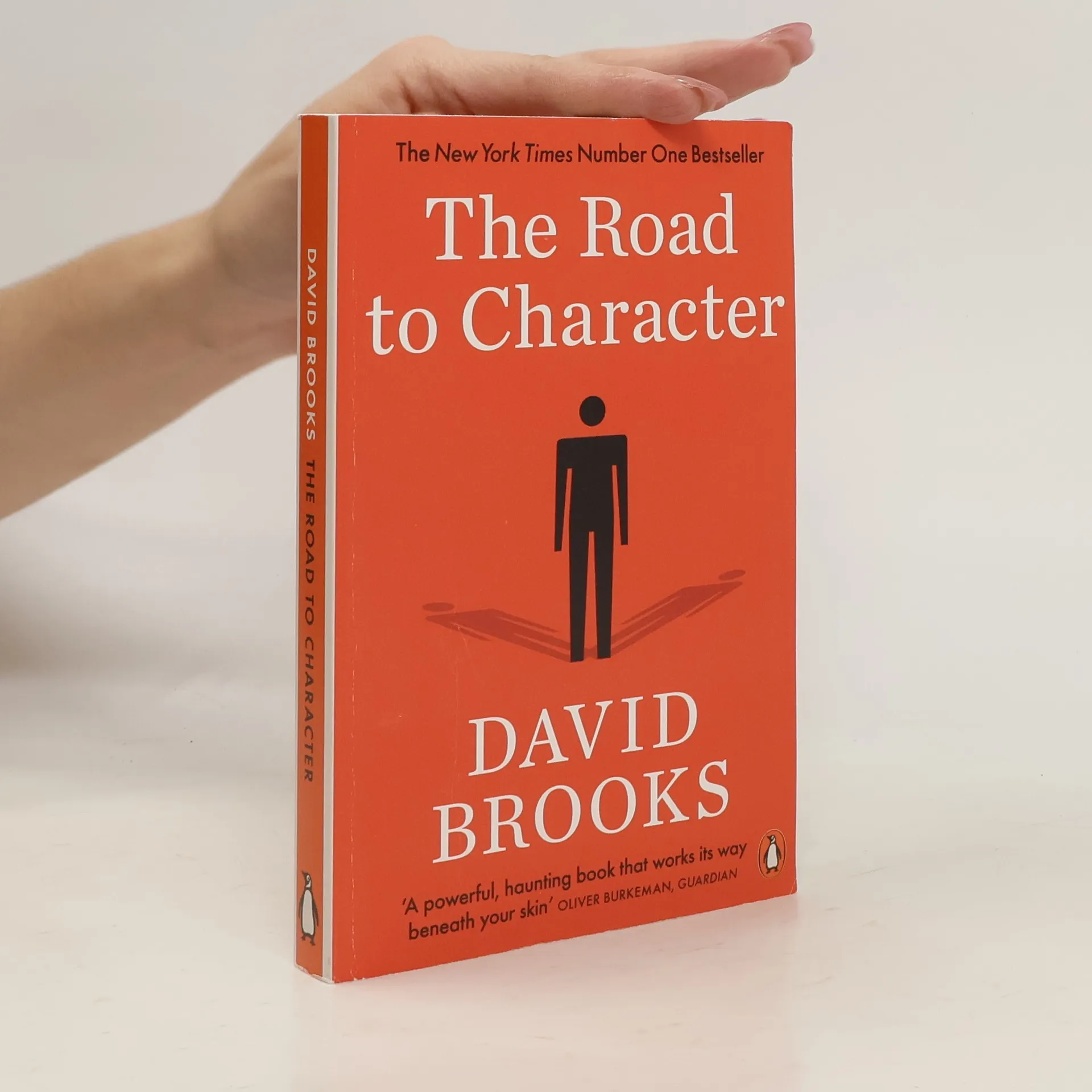
The Road to Character
- 320bladzijden
- 12 uur lezen
The No. 1 New York Times bestseller on the secret to leading a good life We live in a Big Me culture: universities and businesses alike reward goal-oriented superstars and those who self-promote are most likely to thrive. But what does this say about us? David Brooks argues that our hunger for wealth and status is eroding our ability to create meaningful inner lives. To show us how to live better, he looks at people whose sense of humility was fundamental to their success. What they all understood was a simple but counterintuitive truth: in order to fulfil yourself, you must learn how to forget yourself.
A social critique of middle-class America notes the pervasiveness of barbecue grills, supermoms, suburban restaurant chains, and other elements, identifying the motivations that prompt many people to strive for fantasy-based goals.
The Grass Library: Essays
- 218bladzijden
- 8 uur lezen
Originally published in Australia, The Grass Library is a philosophical and poetic journey by "one of Australia's most skilled, unusual and versatile writers" (Sydney Morning Herald). Both a memoir and an elegy for animal rights, The Grass Library portrays the author's relationship with his dog, four sheep, and myriad other animals in the home he shares with his partner in the Blue Mountains of New South Wales.This collection of essays--with its lyrical language, its honesty and vulnerability, its charm and wit--will delight and inspire all animal lovers, and especially those who rescue animals.
The Necessity of Atheism (Annotated)
- 258bladzijden
- 10 uur lezen
The Necessity of Atheism is an essay on atheism Dr. D.M. Brooks. Plain speaking is necessary in any discussion of religion, for if the freethinker attacks the religious dogmas with hesitation, the orthodox...
'Das Haus von Balthus' ist ein magischer Roman, der die Intensität eines Traums hat. Figuren aus den Gemälden des Künstlers Balthus treten aus der Leinwand und nehmen ein eigenes Leben an, während sie die Räume eines alten Schlosses bewohnen, das nun zu einem Wohnblock in einer großen französischen Provinzstadt umgebaut wurde. Die Concierge, Mme Lecault, beobachtet genau ihre Mieter, darunter die Gräfin, den Professor, den Maler, Therese und ihren jungen Liebhaber Michael – doch kennt sie nur die Oberfläche ihrer Leben. Sie verbringt ihre schlaflosen Nächte mit Gesprächen mit Mme Berry, die anscheinend in einem anderen Jahrhundert lebt. Es gibt das Geräusch von Schluchzen, das zwischen den Räumen und über die Jahre hinweg hallt, es gibt ein Verlangen, das so angespannt ist, dass die Seite zu vibrieren scheint, und den Schmerz von