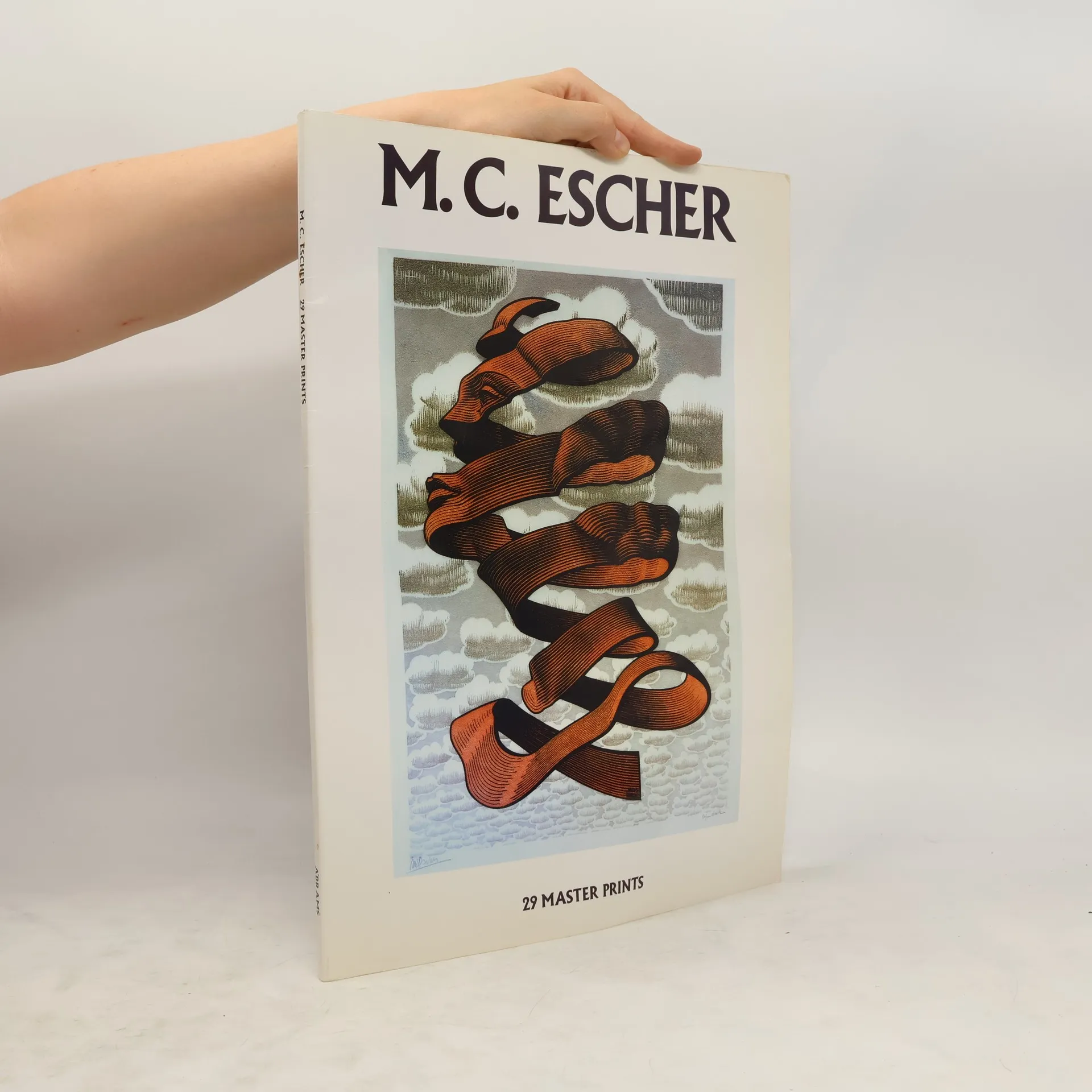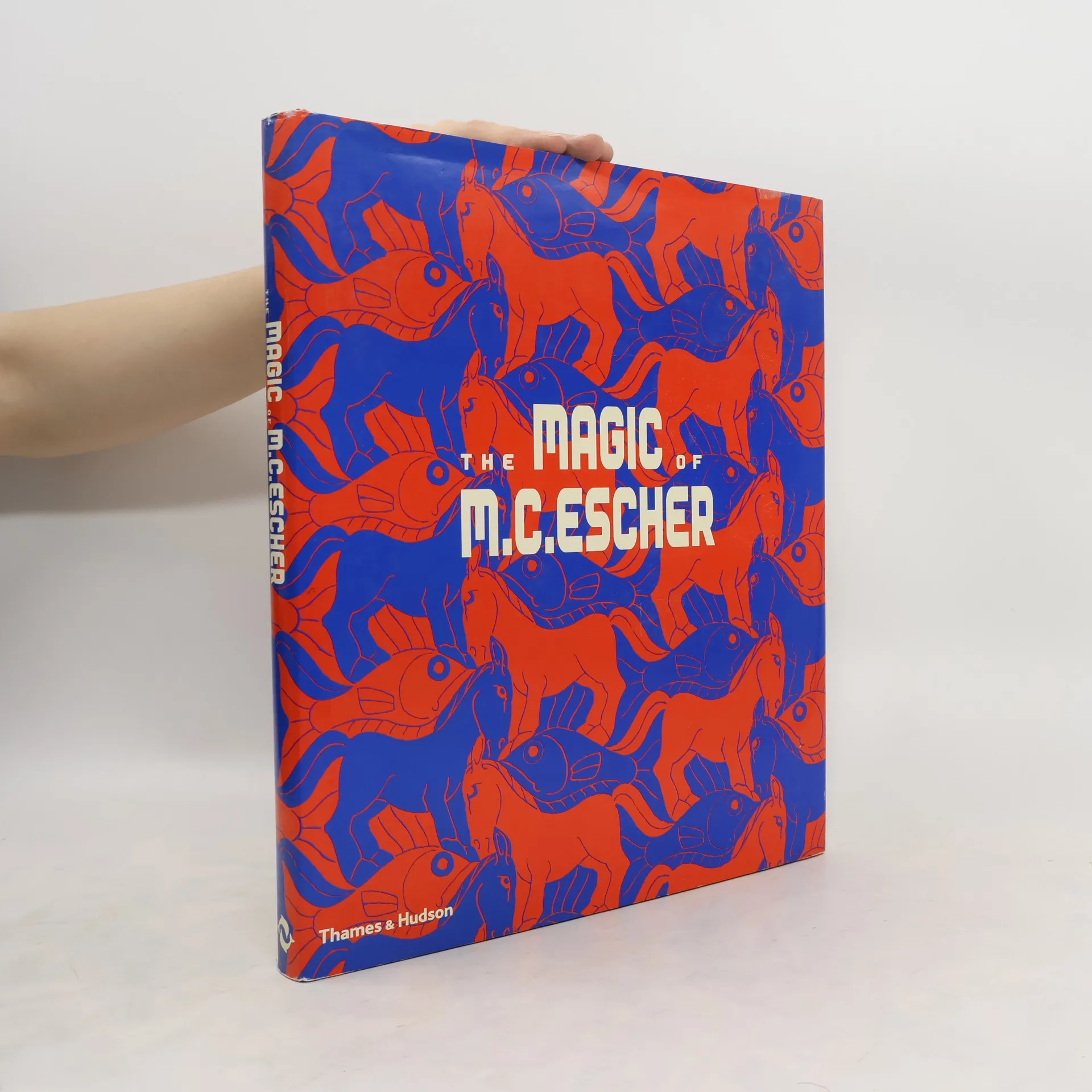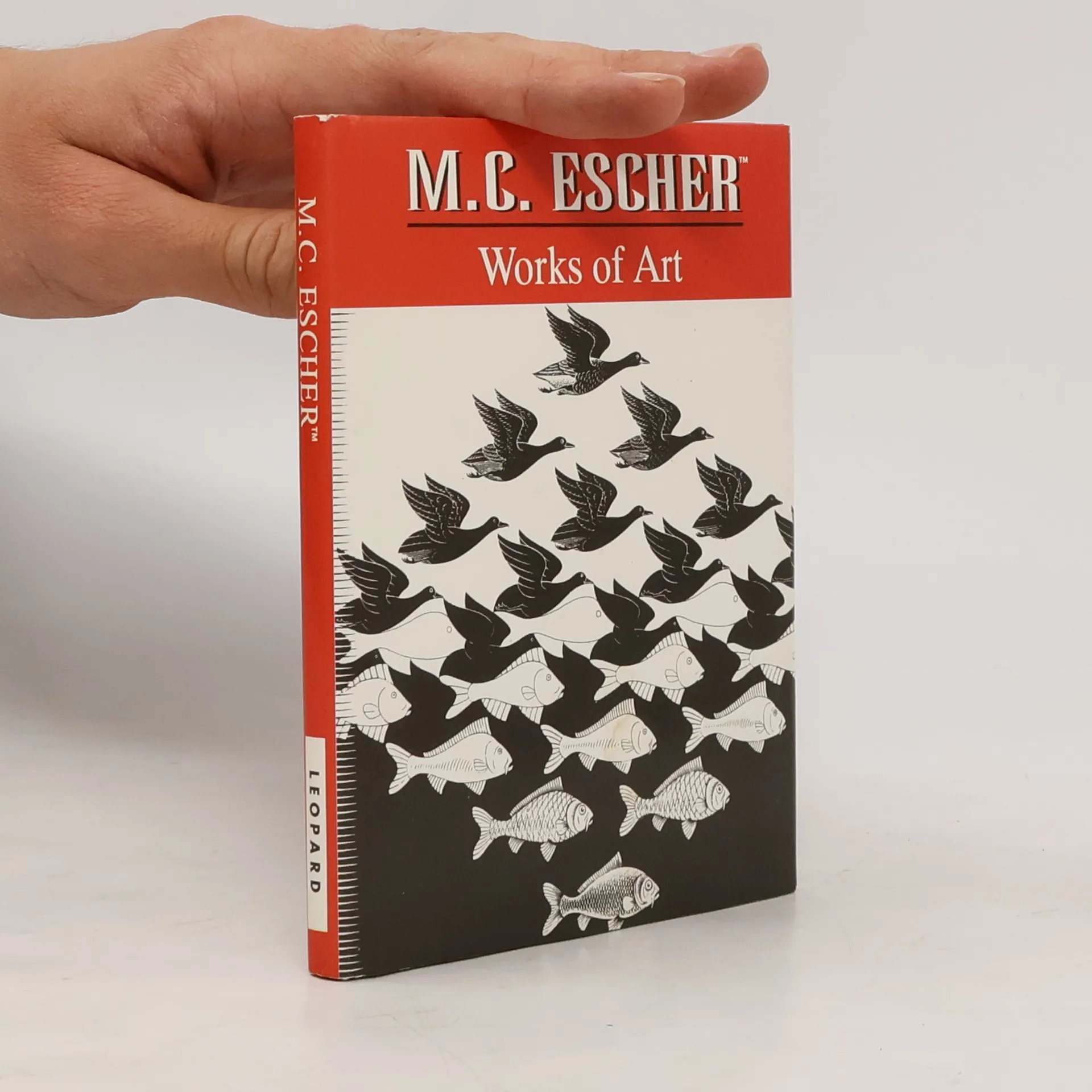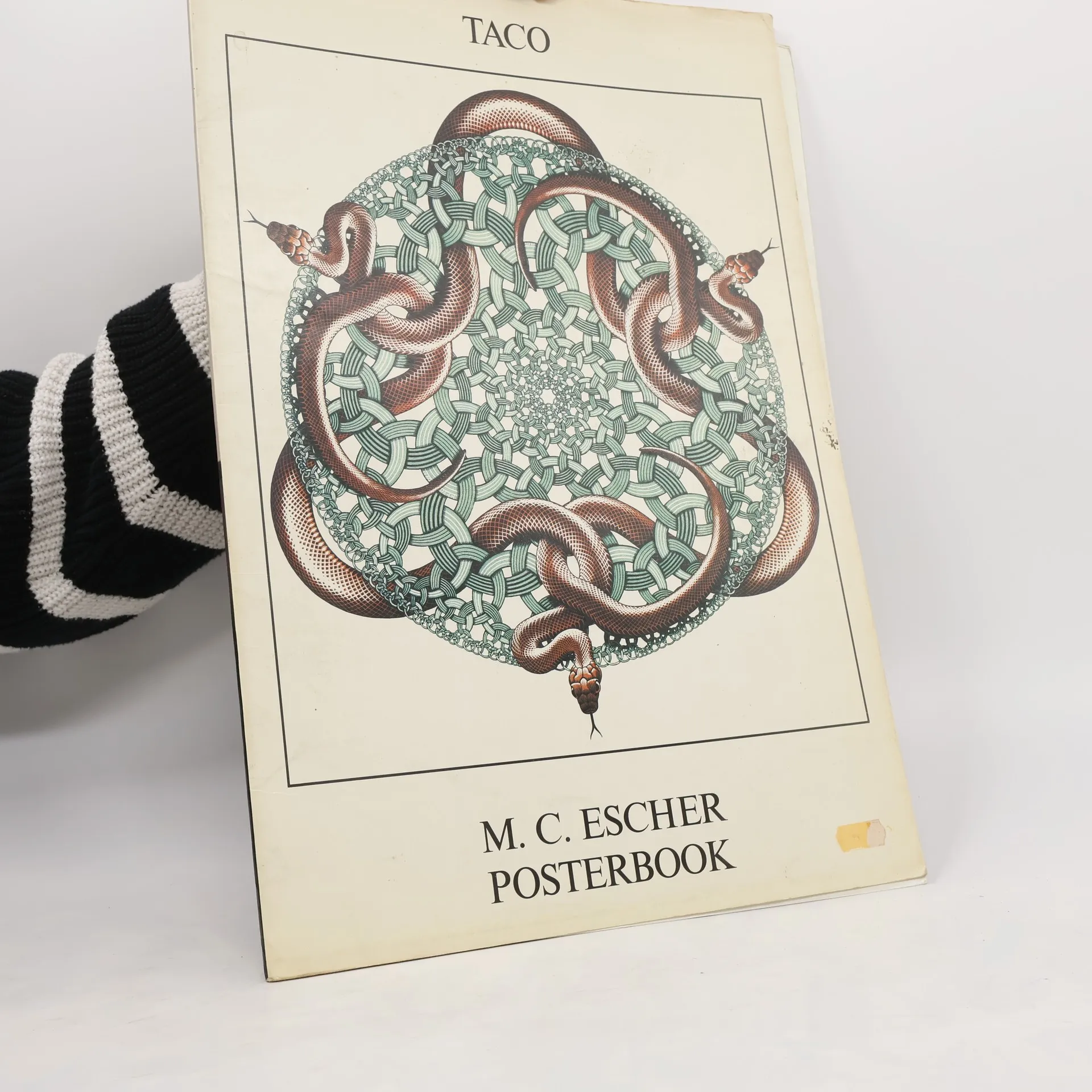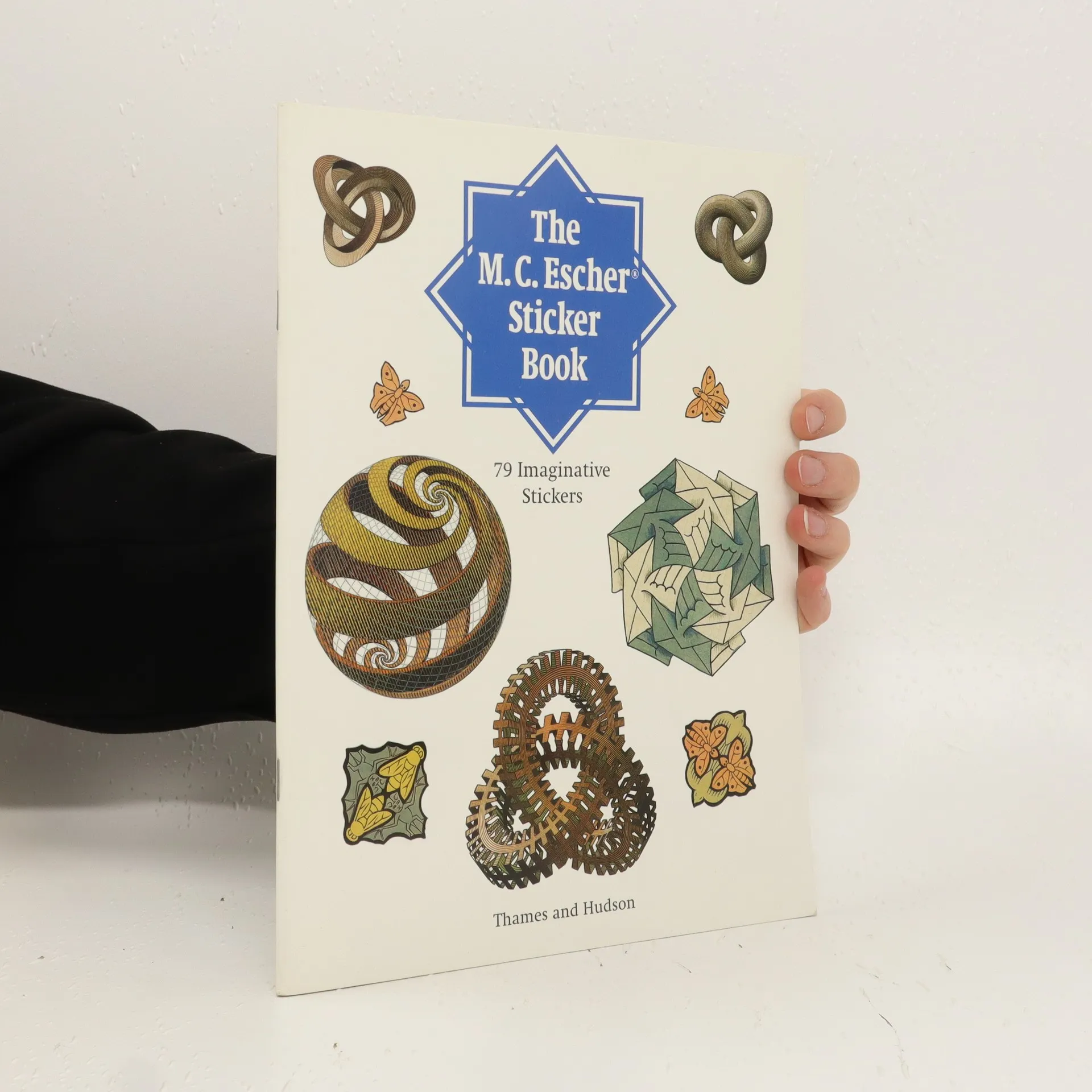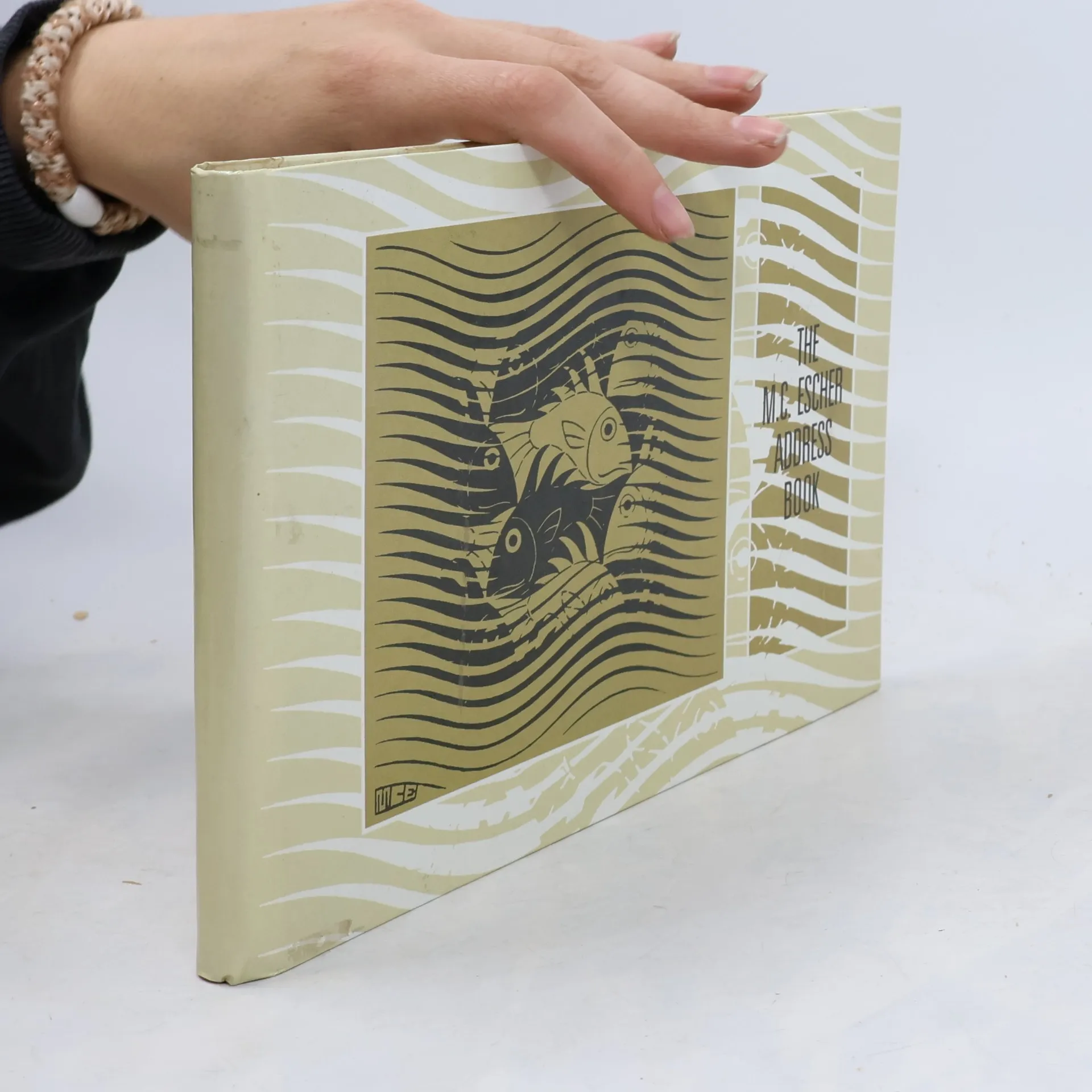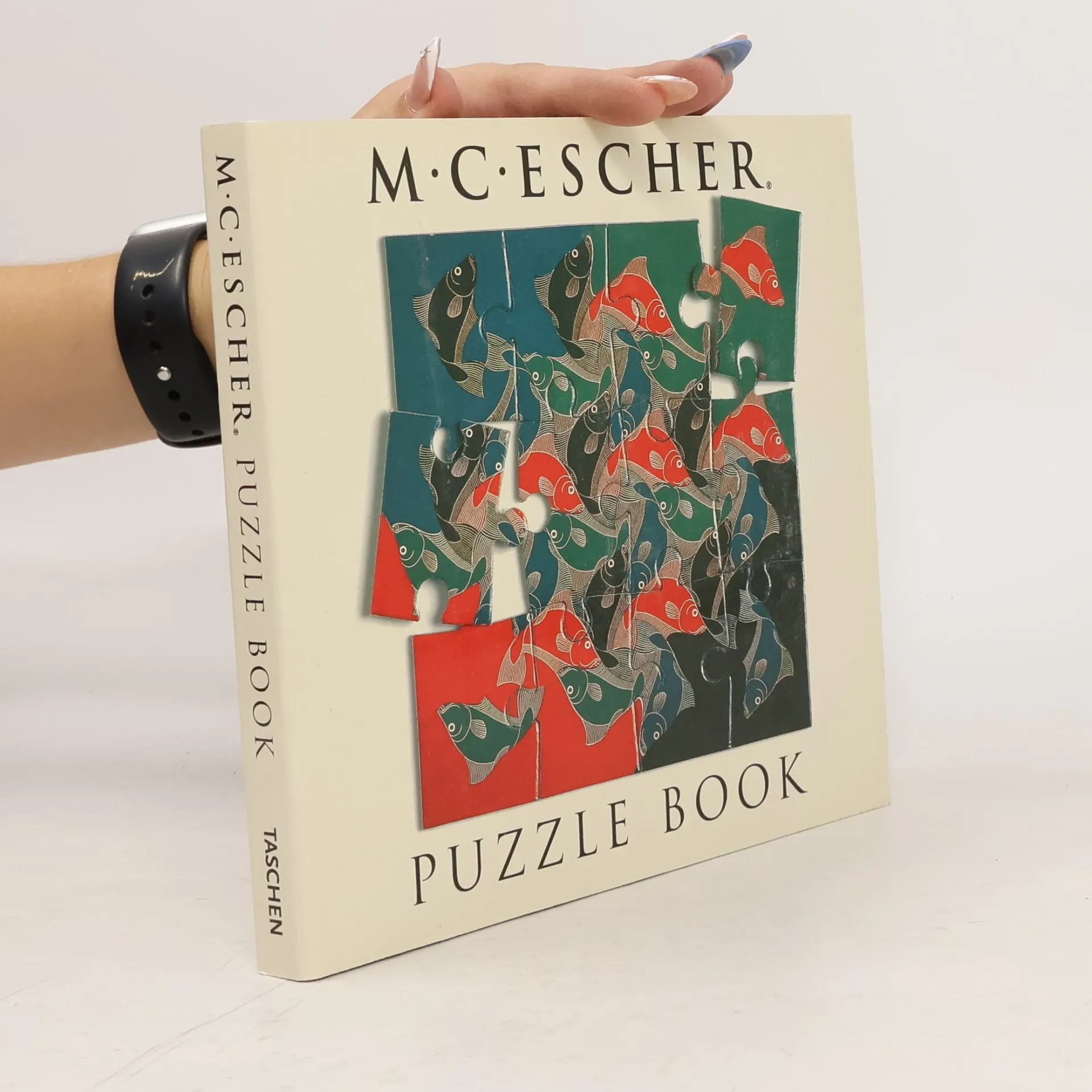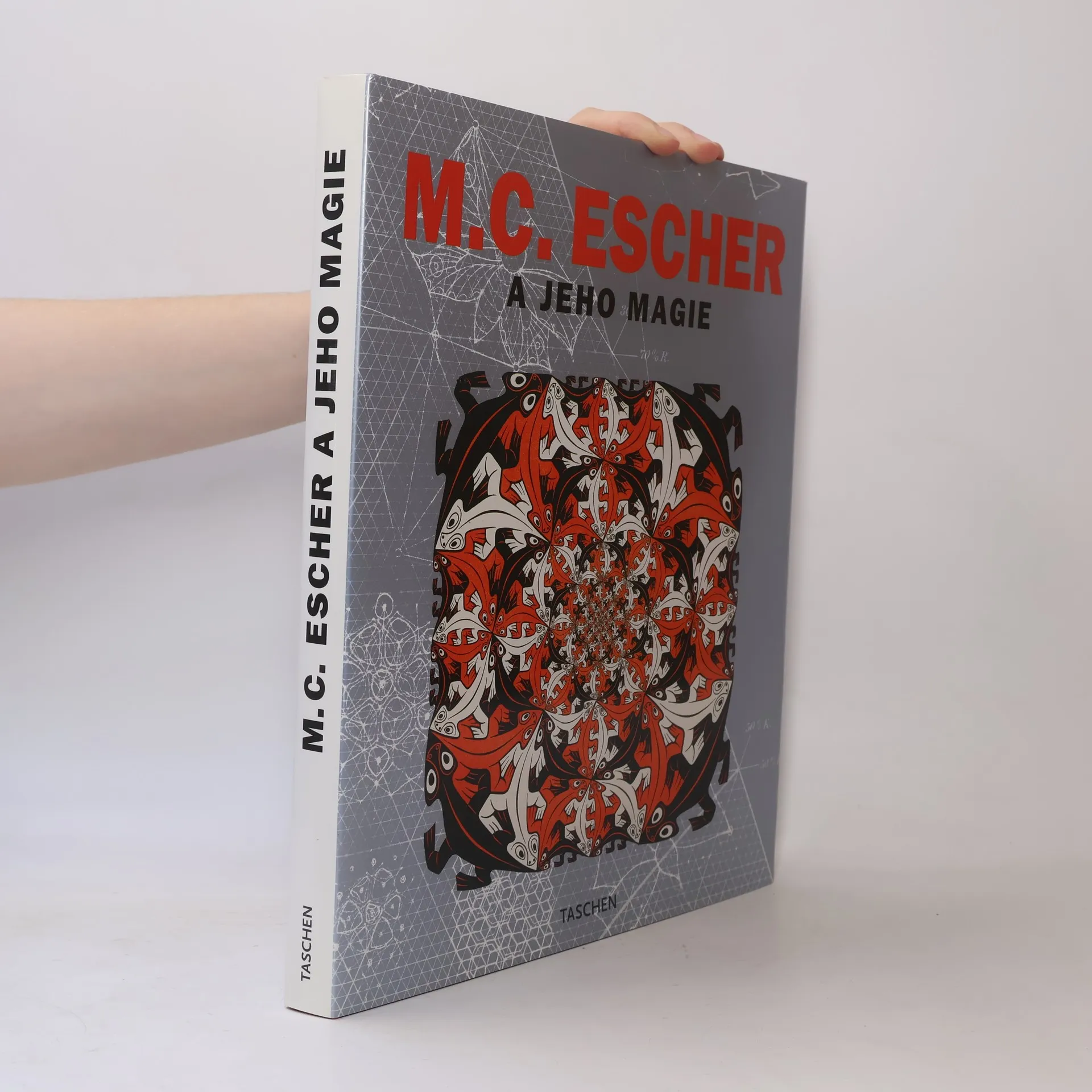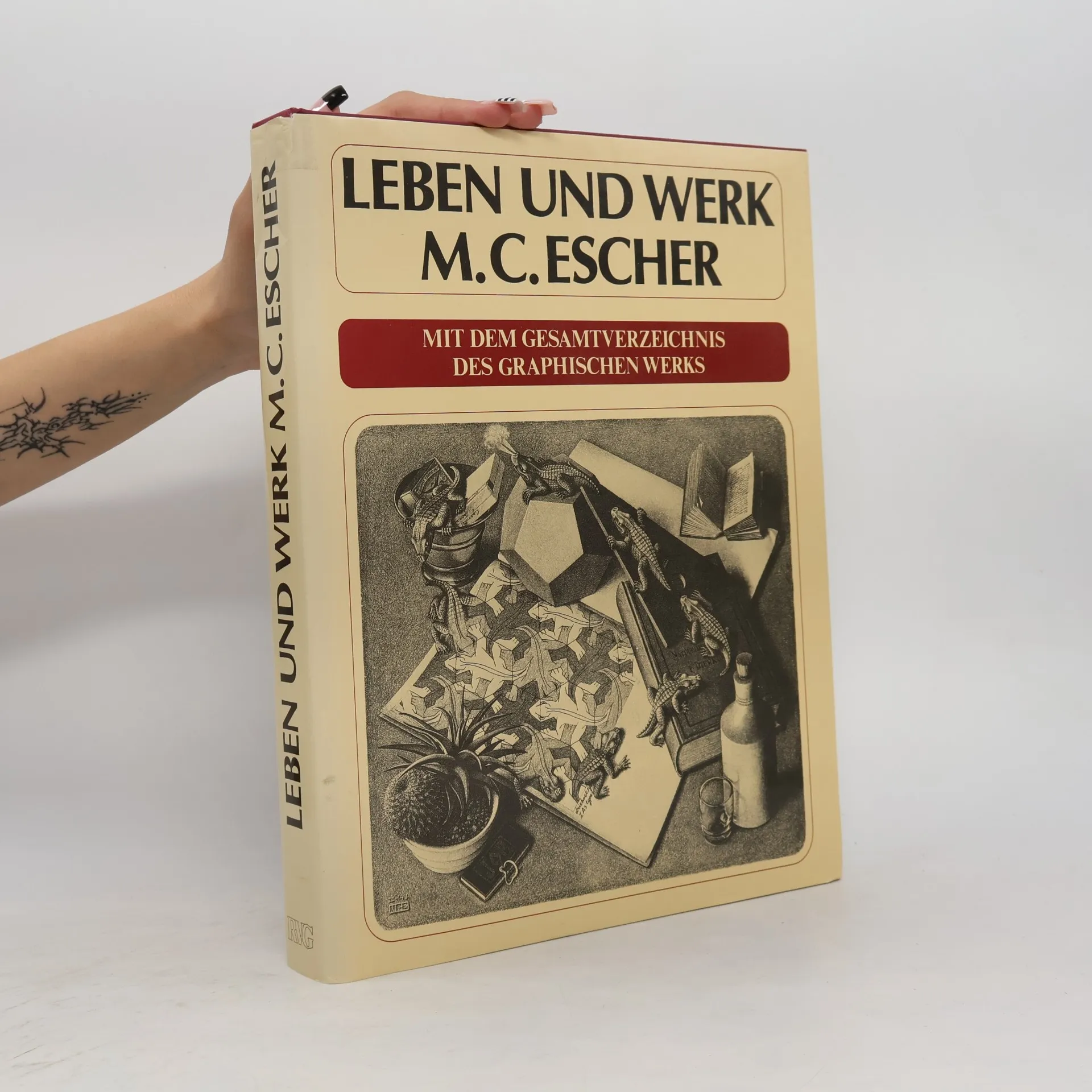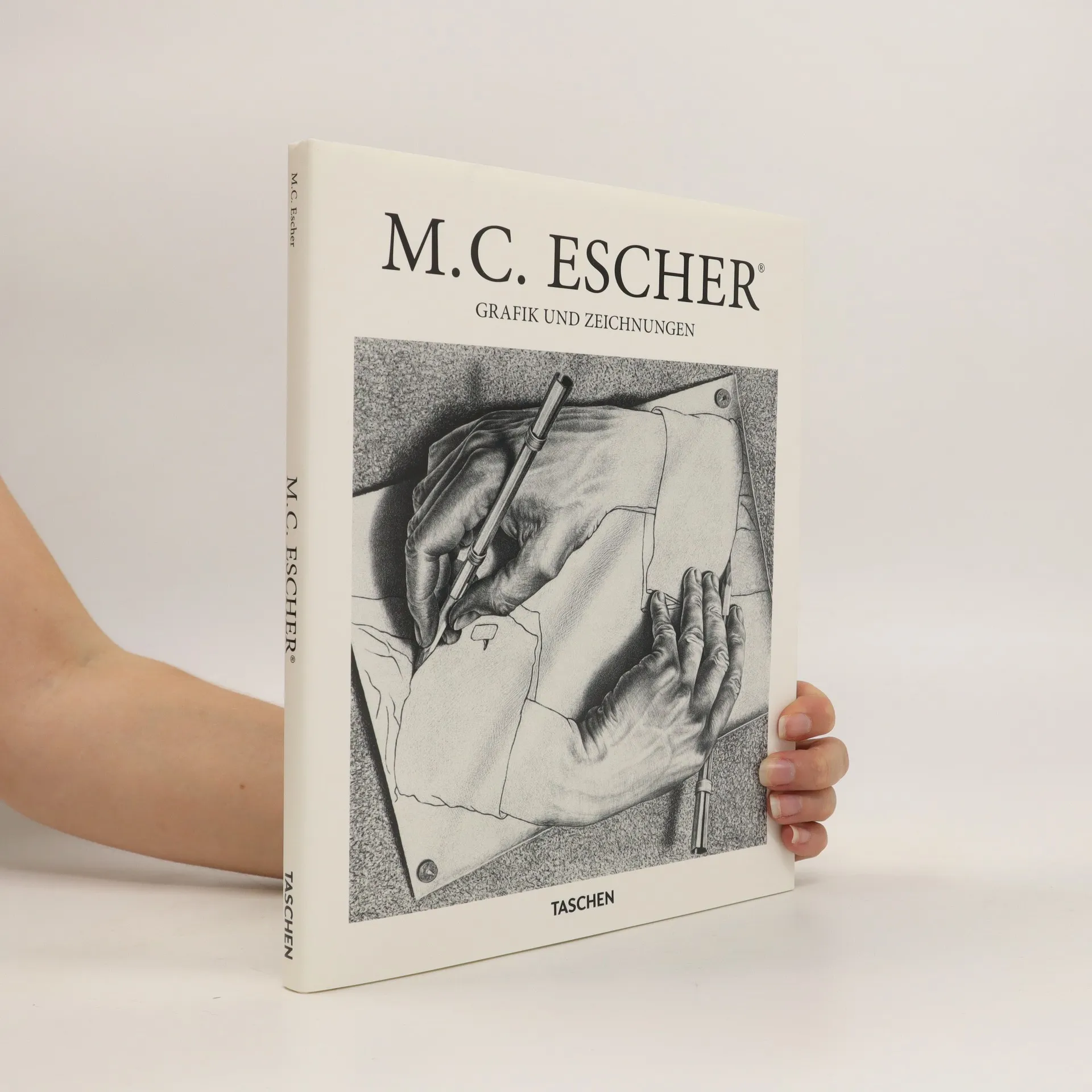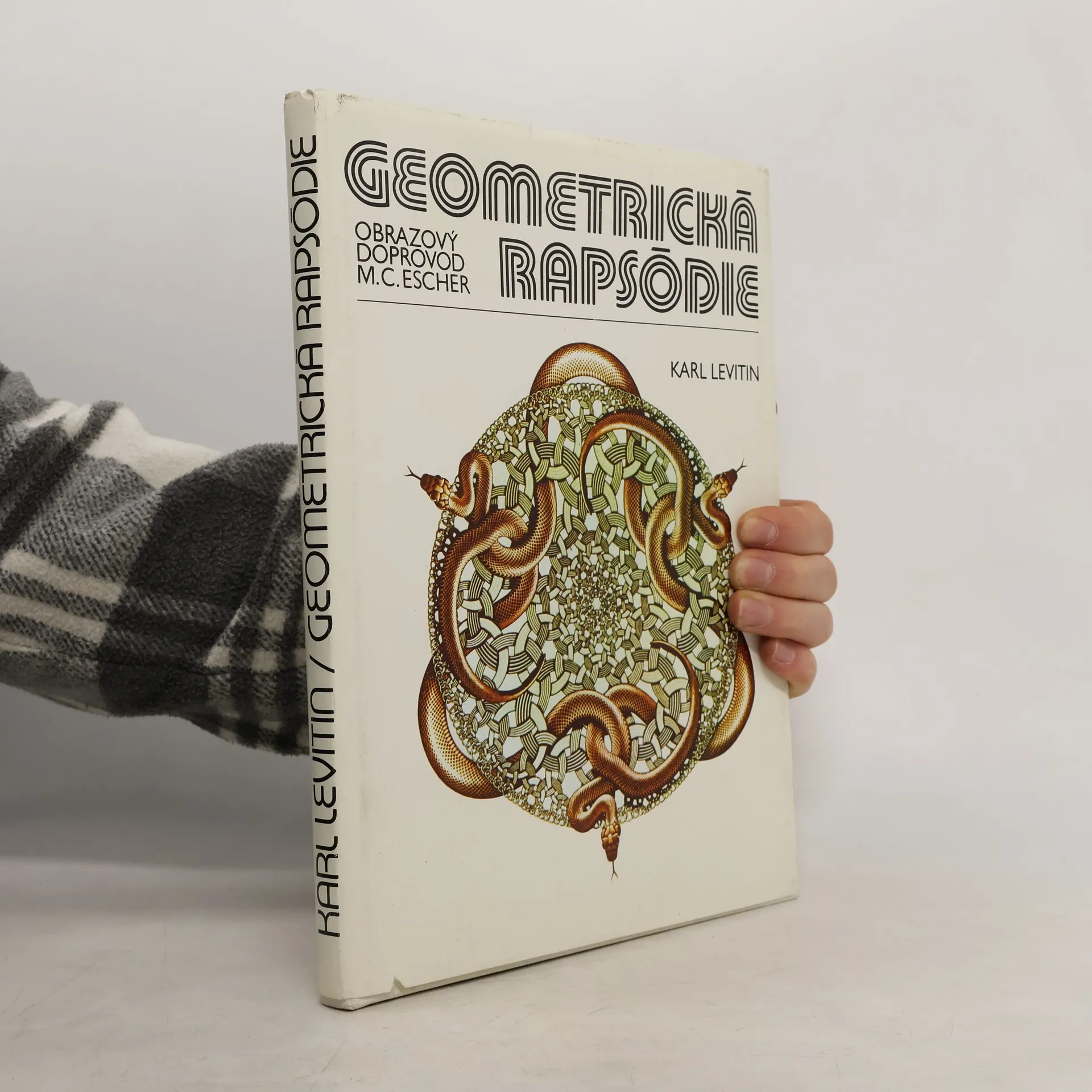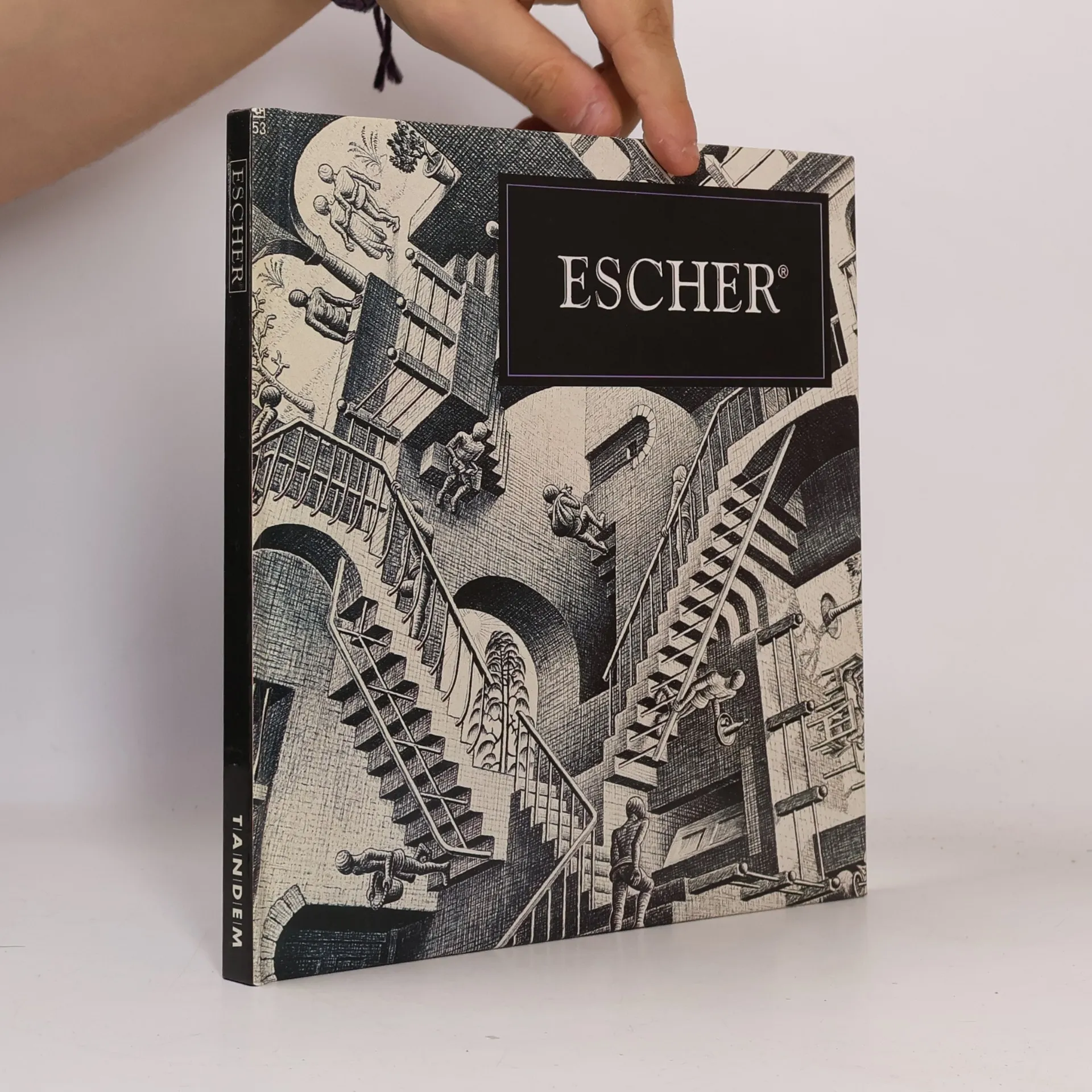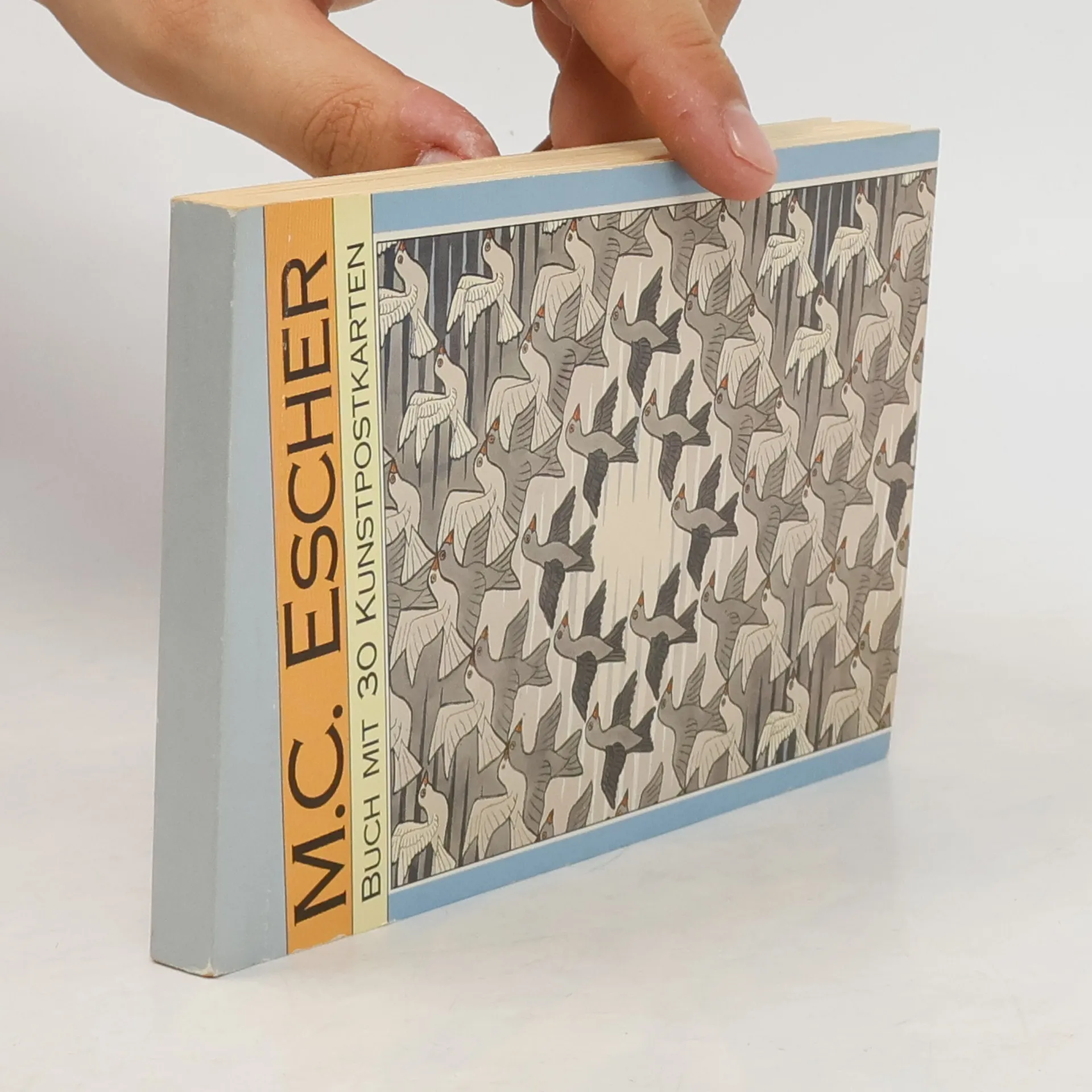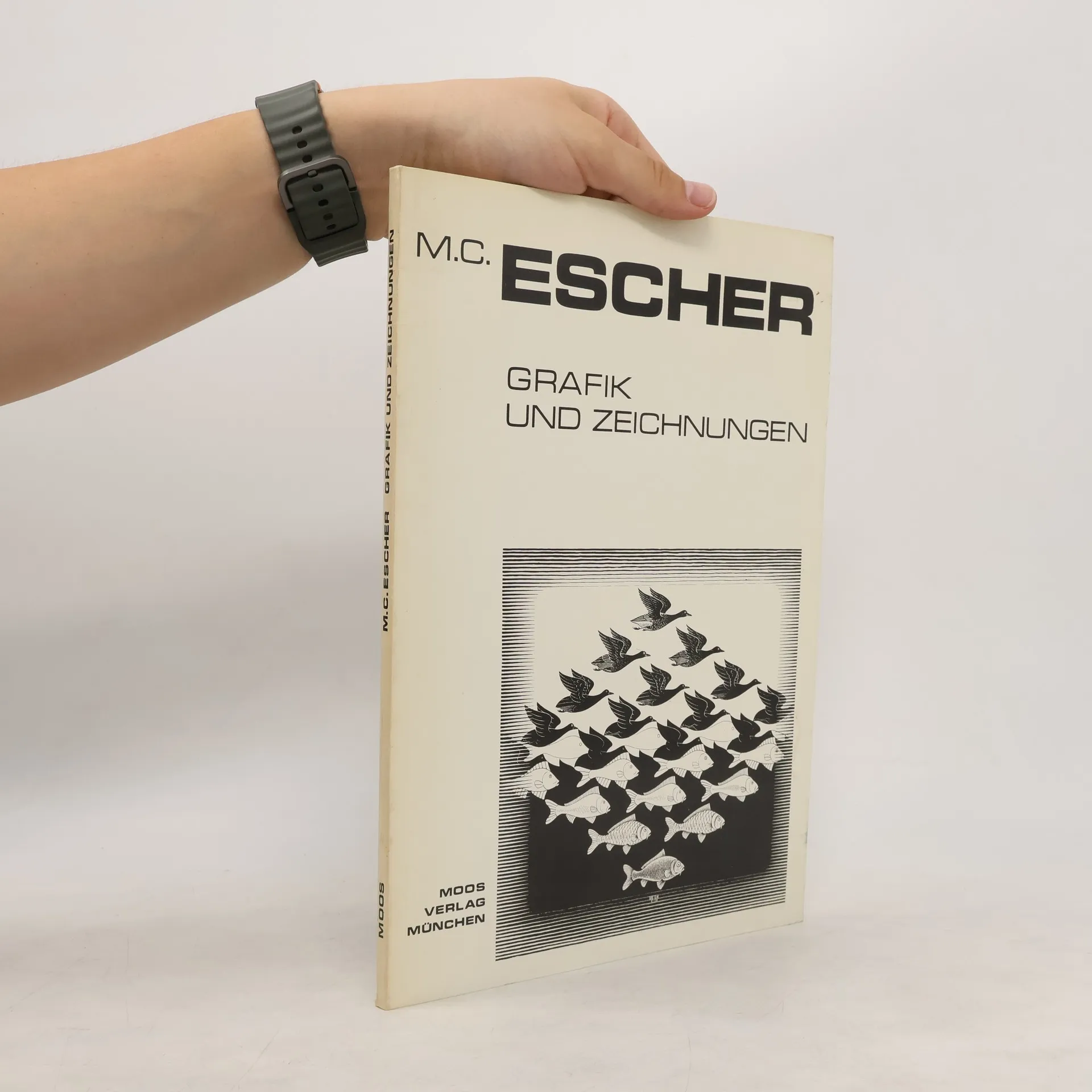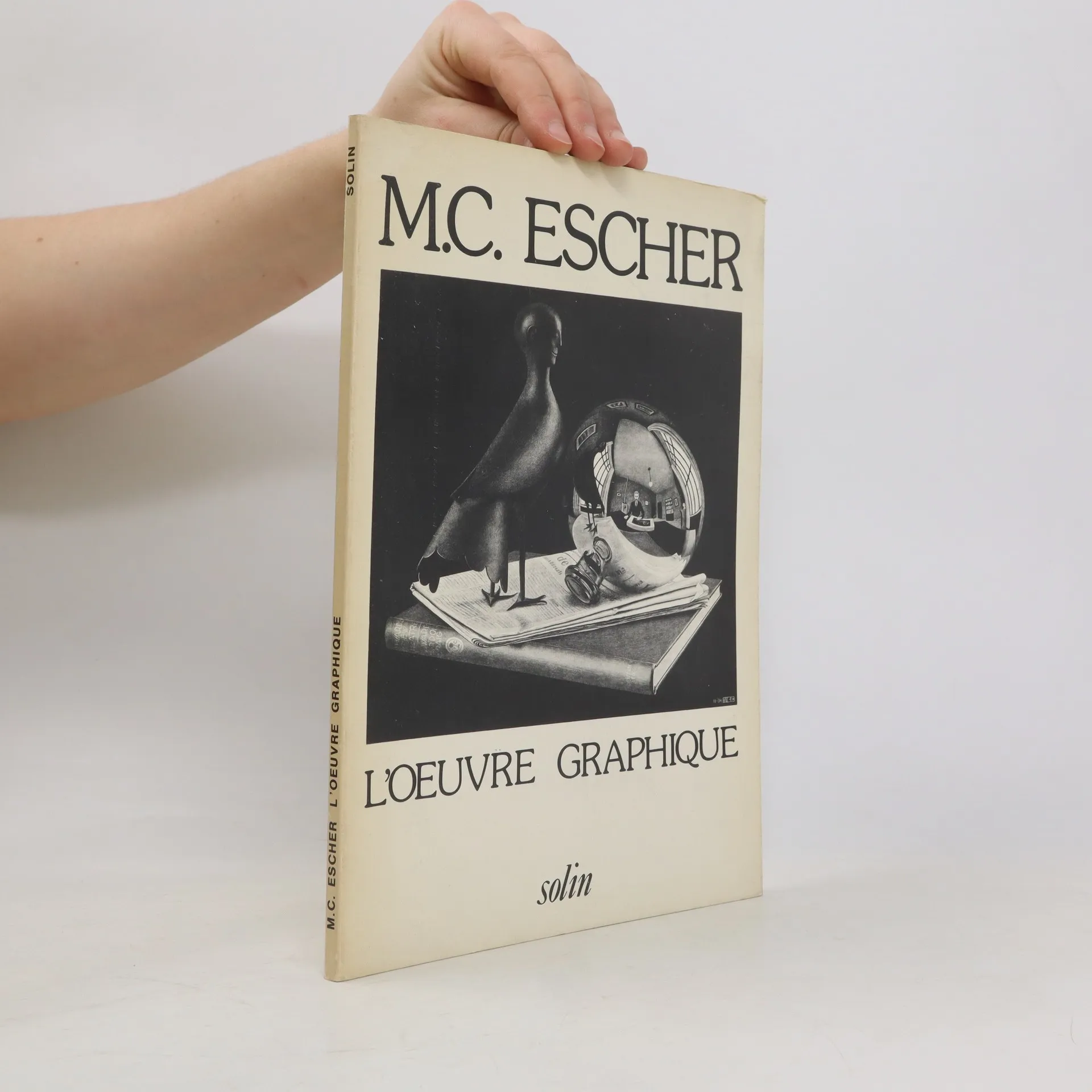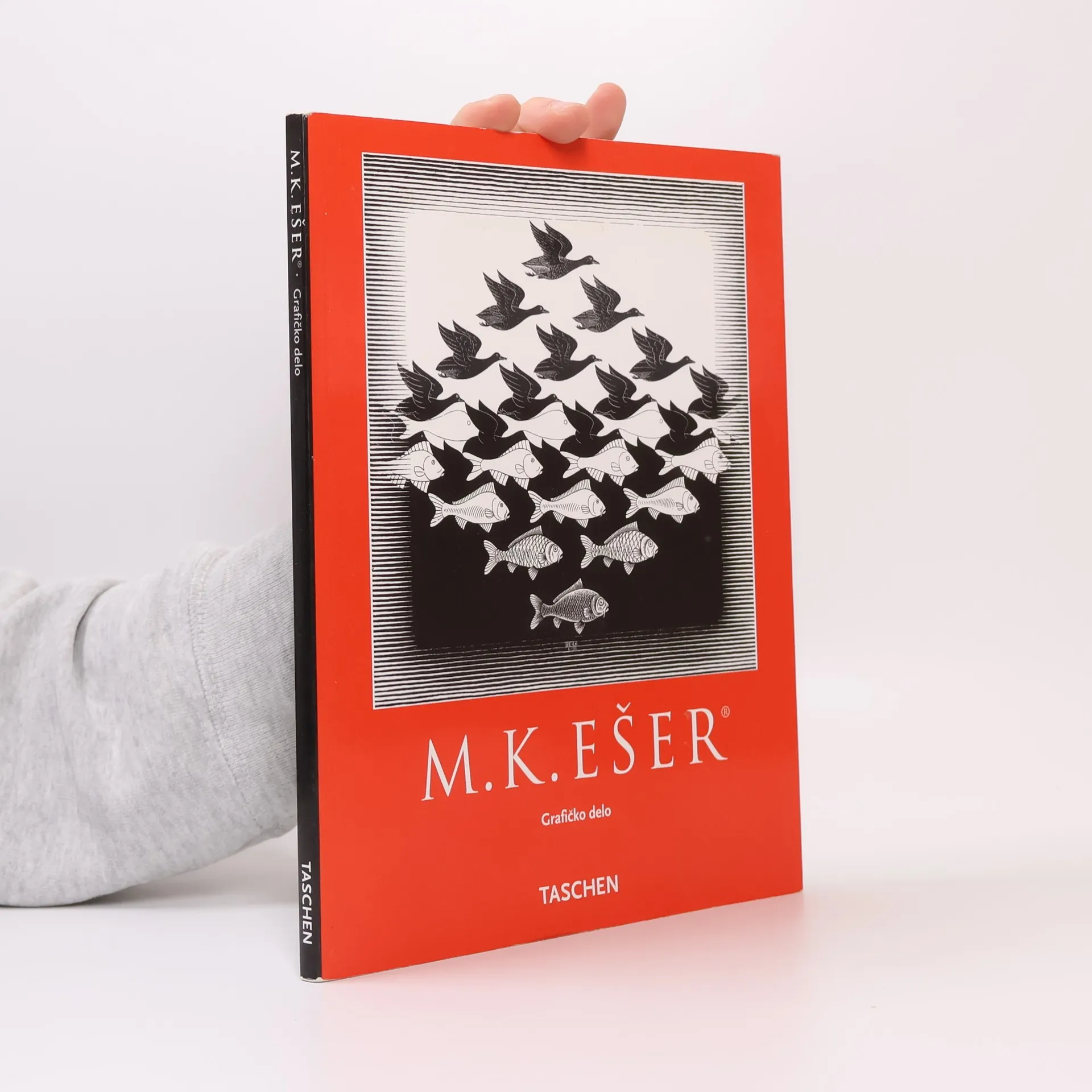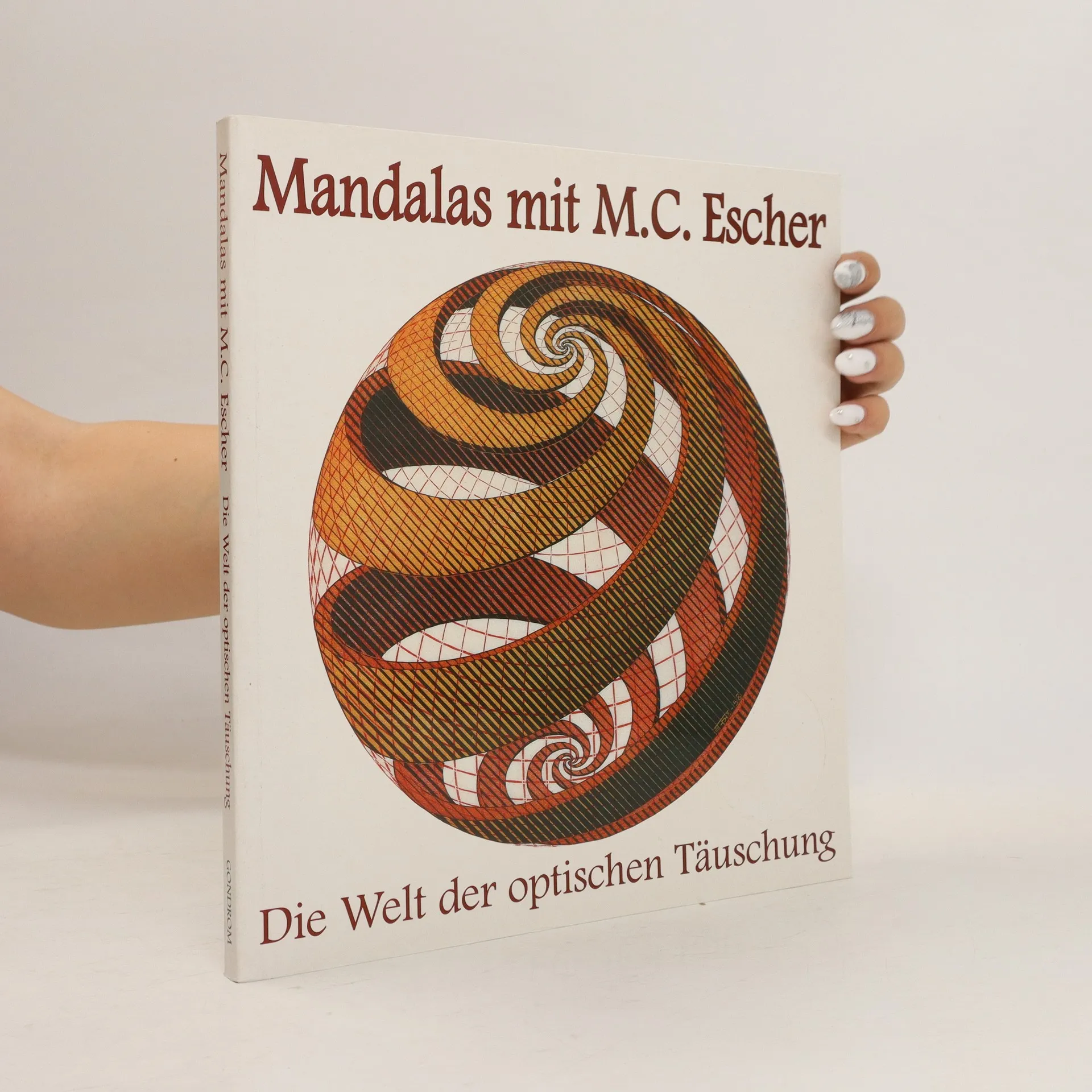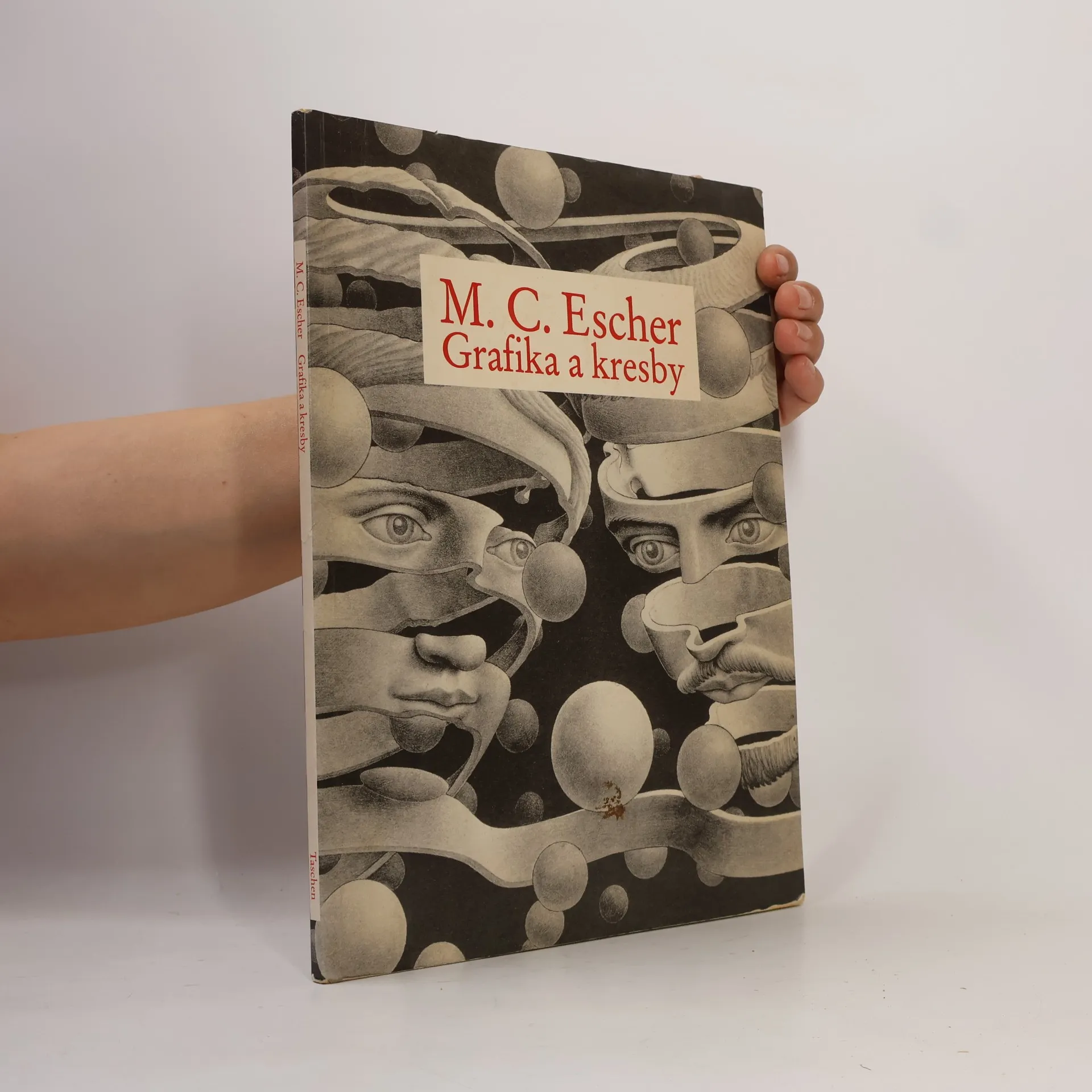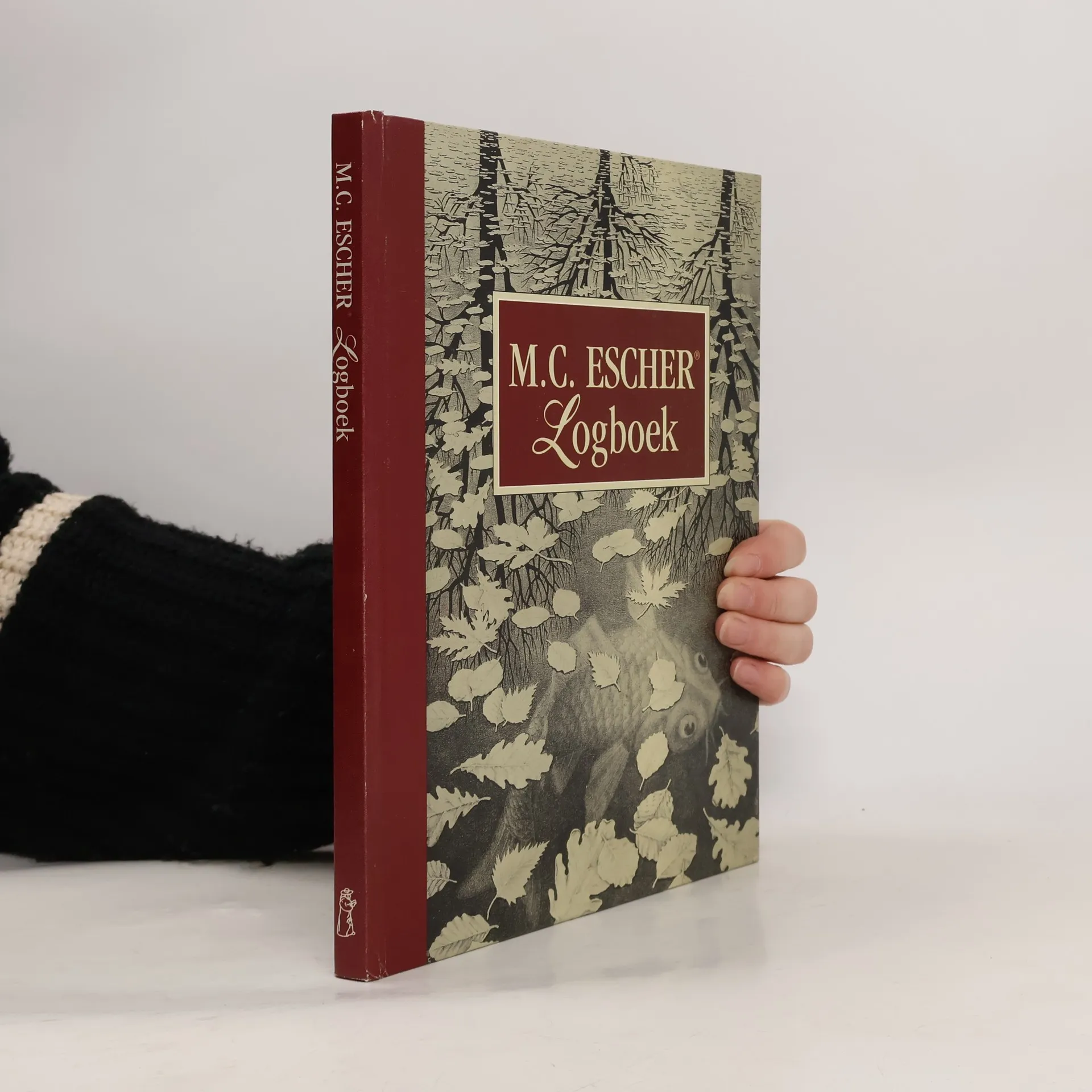
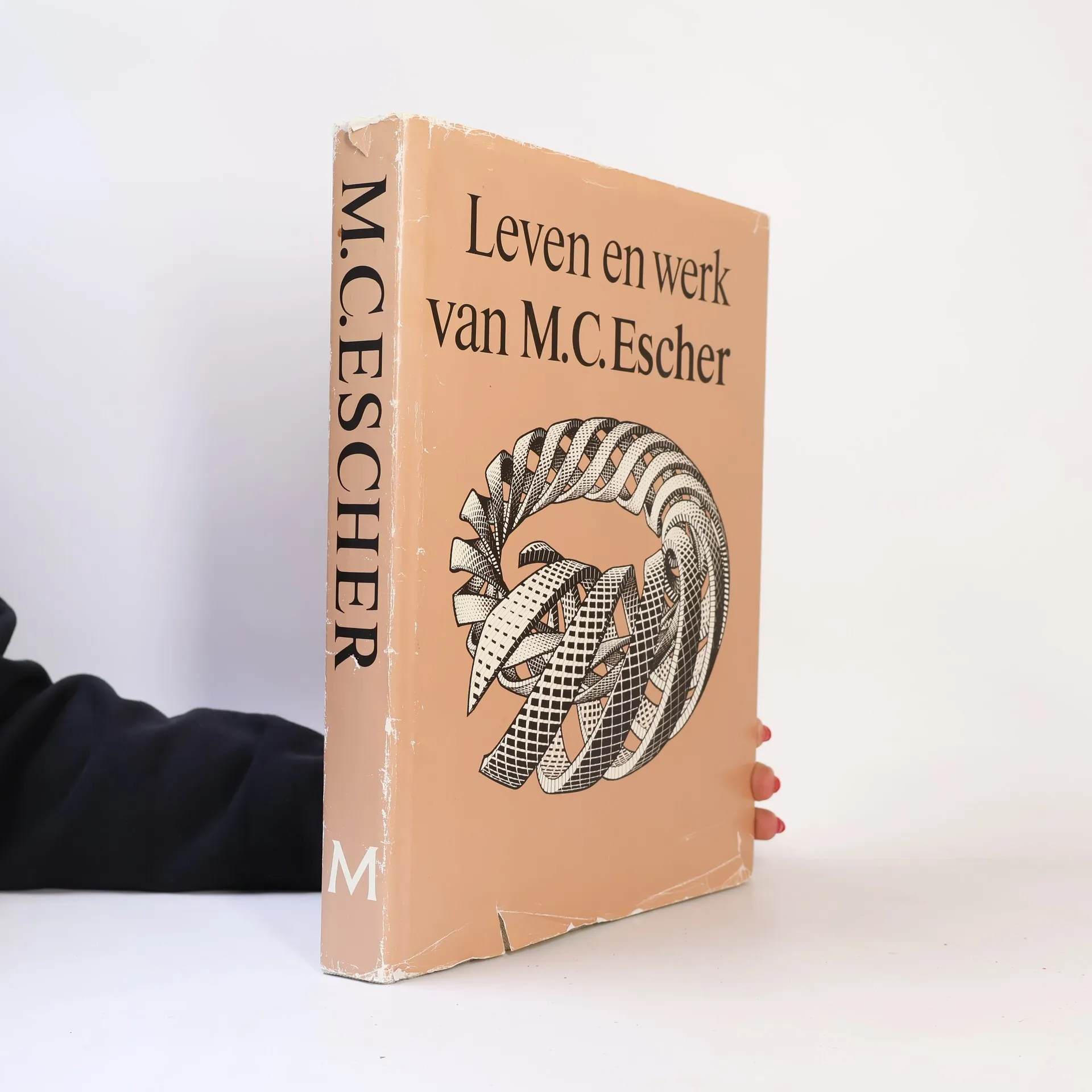
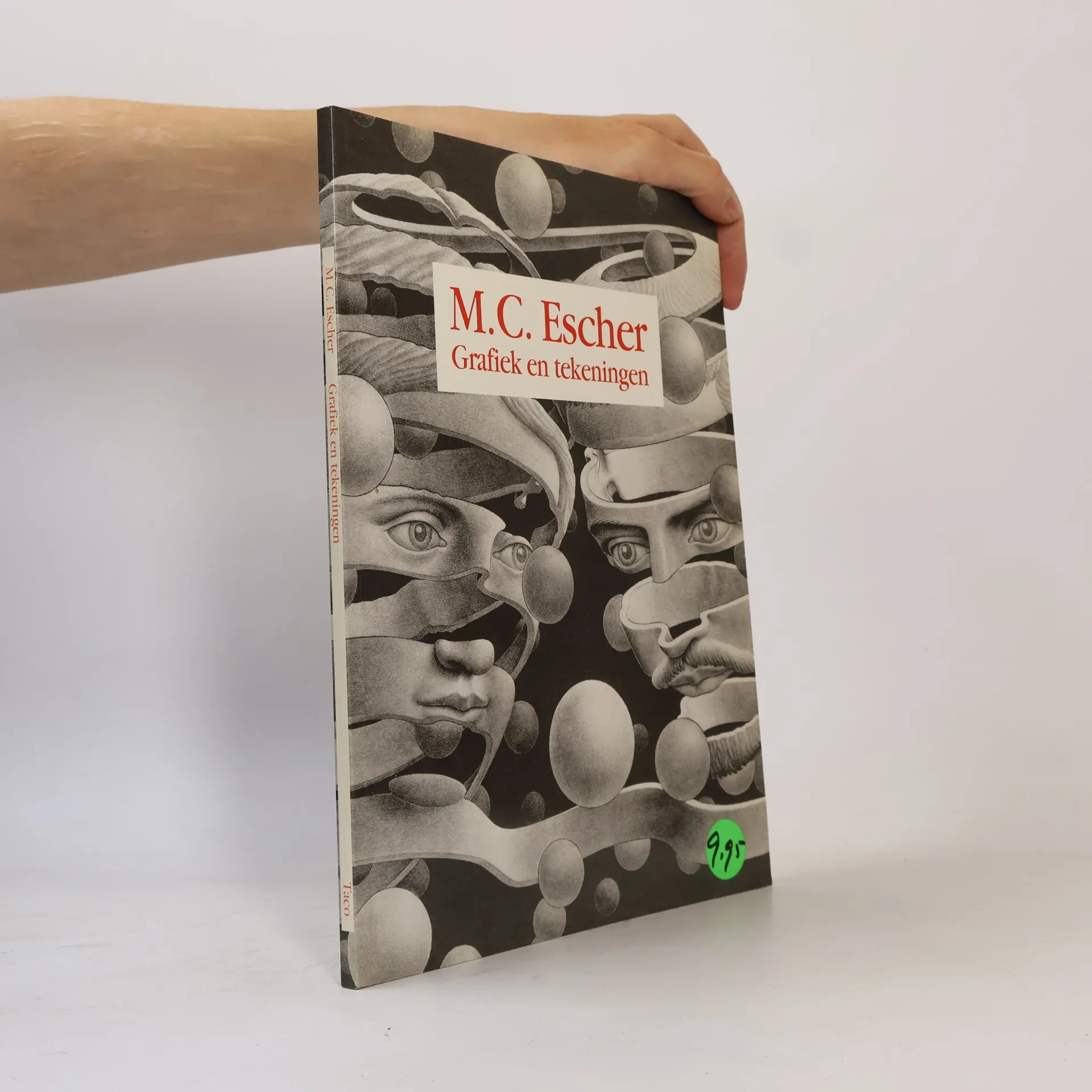
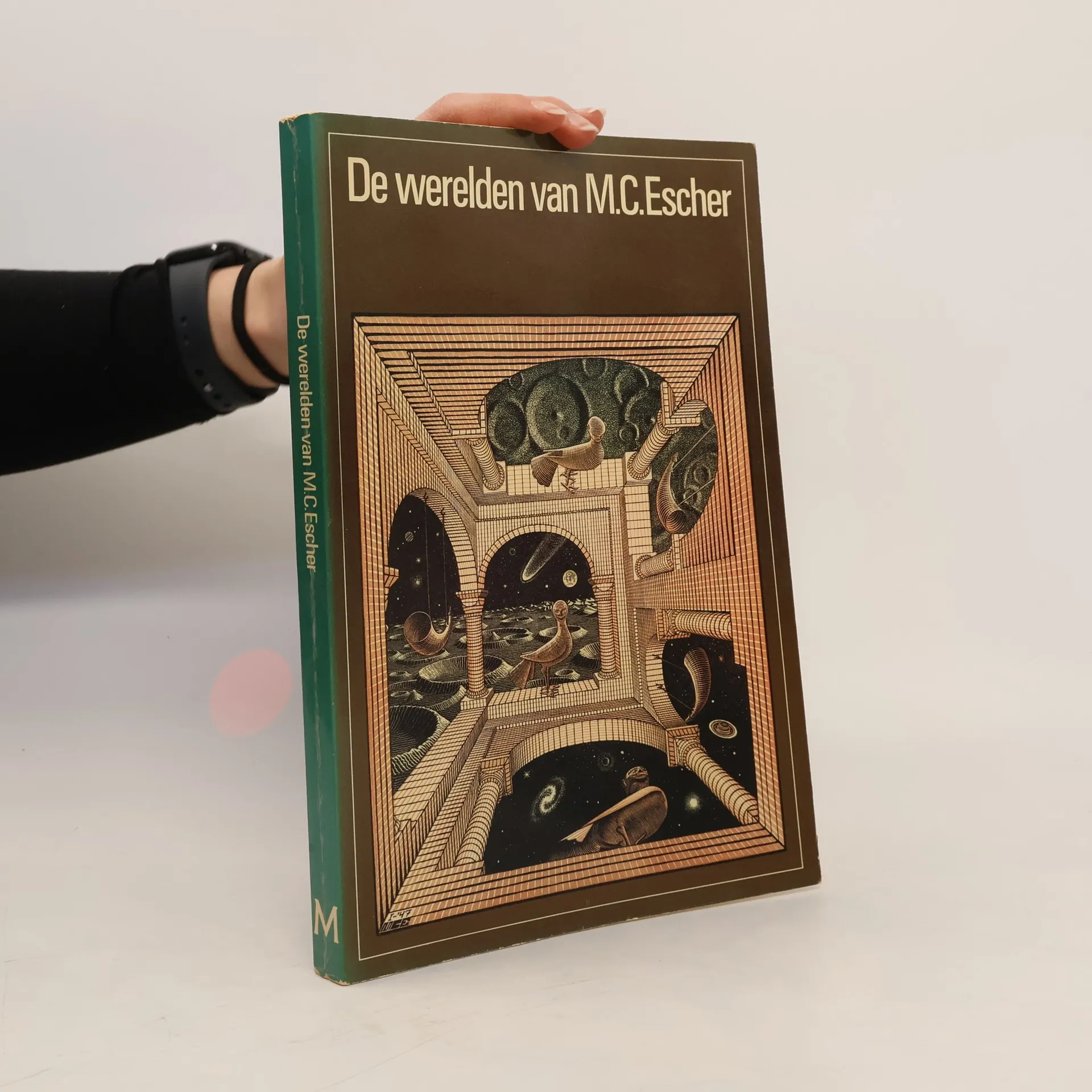
Selectie uit het werk (hout- en linosneden, litho's en houtgravures) van de Nederlandse lithograaf en houtsnijder (1898-1972).
M. C. Escher Boeken


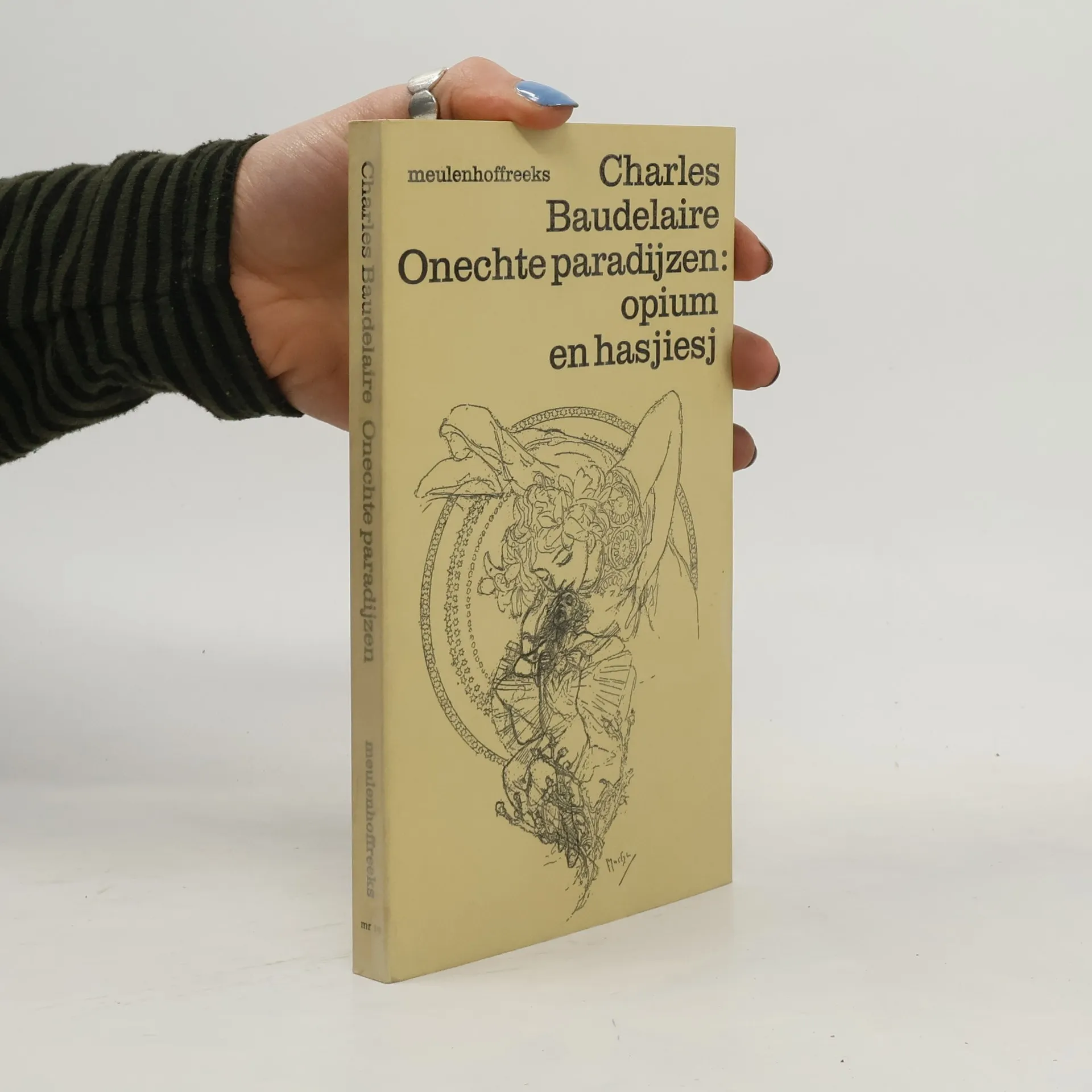
At the time of its release in 1860, Charles Baudelaire's Artificial Paradises (Les Paradis Artificiels) met with immediate praise. One of the most important French symbolists, Baudelaire led a debauched, violent, and ultimately tragic life, dying an opium addict in 1867. This book, a response to Thomas De Quincey's Confessions of an Opium Eater, serves as a memoir of Baudelaire's last years. In this beautifully wrought portrait of the effects of wine, opium, and hashish on the mind, Baudelaire captures the dreamlike visions he experienced during his narcotic trances. These hallucinations, sometimes exquisite, sometimes disturbing, and the delusions of grandeur that often accompanied them, constitute the Paradis Artificiels, the gorgeous yet false worlds of ecstasy that eventually led to his ruin. Contrasting the effects of hashish and opium with those of wine, Baudelaire concludes that "wine exalts the will, hashish destroys it" and makes idlers of all those who use it.
De werelden van M.C. Escher
- 282bladzijden
- 10 uur lezen
The Graphic Work of M.C. Escher
- 96bladzijden
- 4 uur lezen
Seventy-six reproductions of the precisely executed yet surrealistic renderings by the master of trompe l'oeil. Also featured are an introduction and individual descriptions of each piece by the artist himself, 68 black-and-white graphic plates and eight four-color graphic plates are included.
Twenty-nine woodcuts and lithographs make use of optical illusions and unusual perspectives and are accompanied by the artist's comments.
M. C. Escher: The Graphic Work
- 96bladzijden
- 4 uur lezen
Introducing the graphic work of M.C. Escher, this title features some of his most notable works, accompanied with explanations from the artist himself.
Present the graphic work of the Dutch artist known for his often mathematically-inspired visual worlds filled with dimensional illusions.
In this text, Escher's works, from the great masterpieces to numerous previously unpublished drawings, are arranged to form a cinematic journey of discovery. Originally published: 2000