The Garden / Der Garten
- 184bladzijden
- 7 uur lezen


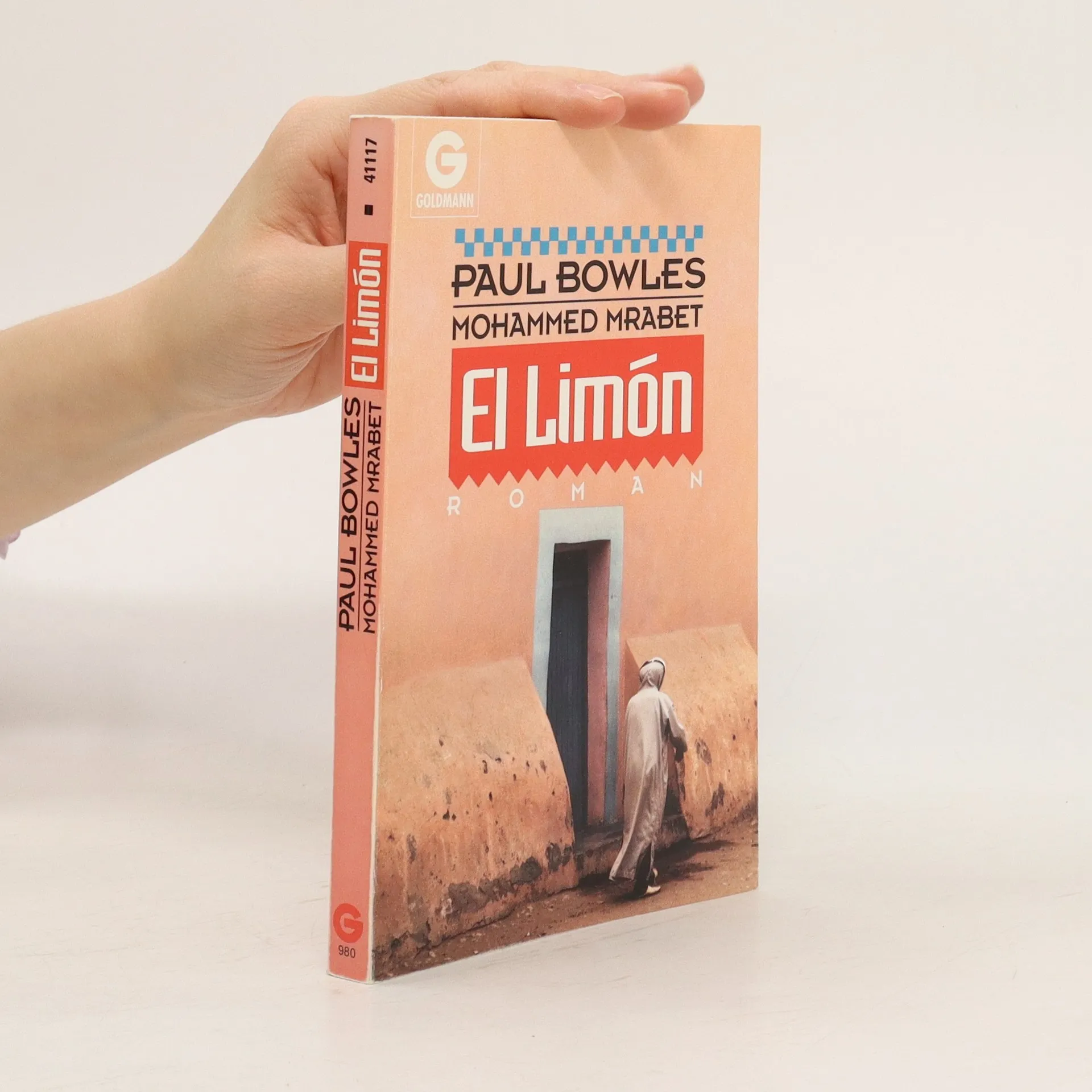
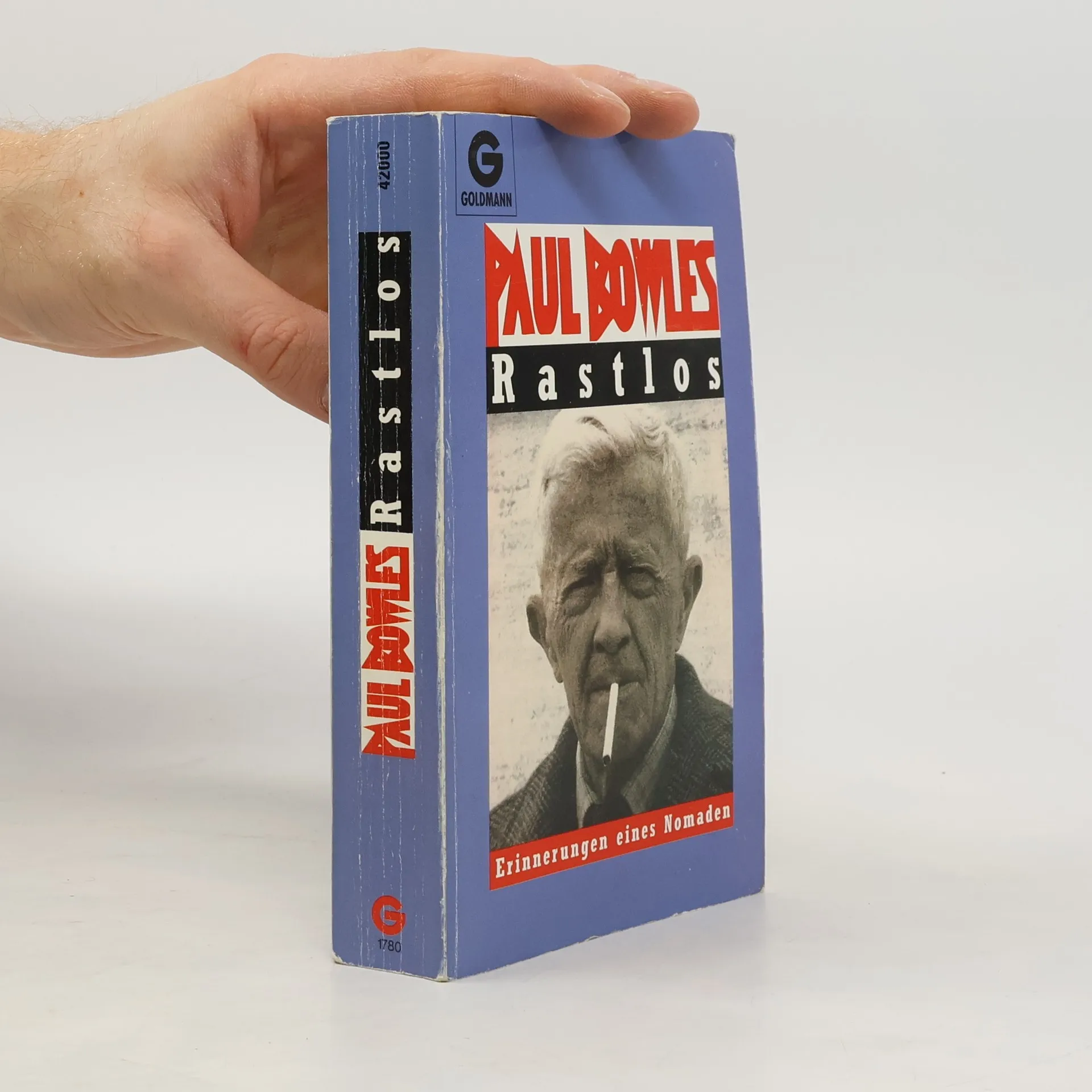
Paul Bowles, een romanschrijver bekend om zijn naturalistische verkenningen van het leven aan de rand van de samenleving, verdiepte zich in thema's als vervreemding, identiteit en culturele botsingen. Zijn vormende jaren in New York en zijn tijd in Parijs, waar hij deel ging uitmaken van de artistieke kring van Gertrude Stein, vormden zijn literaire stem. Hij was diep betrokken bij psychologisch realisme en bood rauwe afbeeldingen van zijn personages en hun vaak onherbergzame omgevingen. Zijn werk kenmerkt zich door een koele, objectieve dictie en een fascinatie voor verre, exotische locaties die dienen als achtergrond voor universele menselijke drama's.



Die mit diesem zweisprachigen Buch vorliegenden Gedichte von Paul Bowles stammen aus dem 1981 bei der Black Sparrow Press erschienenen Band "Next to Nothing - Collected Poems 1926-1977". Er umfasst sämtliche zu Lebzeiten veröffentlichte Lyrik des legendären Autors von "The Sheltering Sky" (dt. Himmel über der Wüste), übersetzt und herausgegeben von Jonis Hartmann.
Paul Bowles war nicht nur einer der bedeutendsten amerikanischen Schriftsteller des letzten Jahrhunderts – er war vor allem ein großer Reisender. Sein Talent als Reiseschriftsteller wurde indes lange verkannt, weil seine journalistischen Arbeiten nie umfassend in Buchform vorlagen. Nun findet sich erstmals eine Reihe von bislang unveröffentlichten Reiseberichten, die Bowles für verschiedene amerikanische Magazine schrieb, in einem Band vereint. Paul Bowles hielt sich nie lange mit der bloßen Beschreibung fremder Orte auf. Er wollte diese Orte lebendig werden lassen, indem er veranschaulichte, welche Eindrücke sie im Bewusstsein des Reisenden hinterlassen. So entstanden außergewöhnliche Prosastücke voller skurriler Figuren und denkwürdiger Abenteuer. Ob er vom Himmel über der Sahara erzählt, vom Leben auf einer einsamen Insel vor Sri Lanka oder von seinen Reisen durch Indien: Paul Bowles schafft es wie kein Zweiter, das innere Geheimnis fremder Kulturen zu durchdringen.
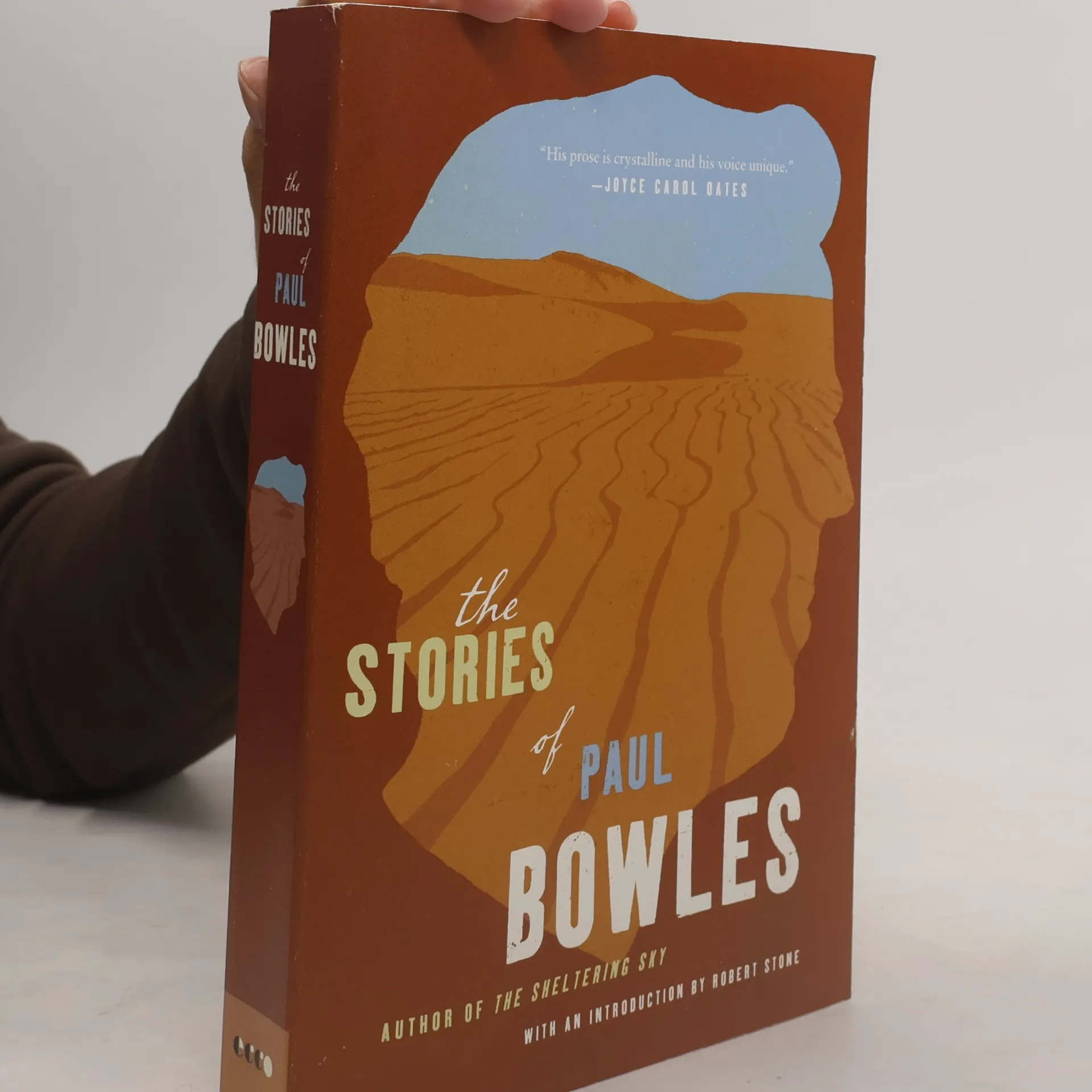
Paul Bowles' short fiction showcases a distinctive style that blends beauty with terror, creating a haunting atmosphere. The stories explore themes of isolation and moral dilemmas, such as a Protestant missionary's crisis of faith in "Pastor Dowe at Tecaté" and a husband's abandonment of his wife in "Call at Corazón." In "Allal," a boy's transformation into a serpent leads to tragedy. The collection also features acclaimed pieces like "The Delicate Prey" and "A Distant Episode," the latter hailed by Tennessee Williams as a masterpiece.
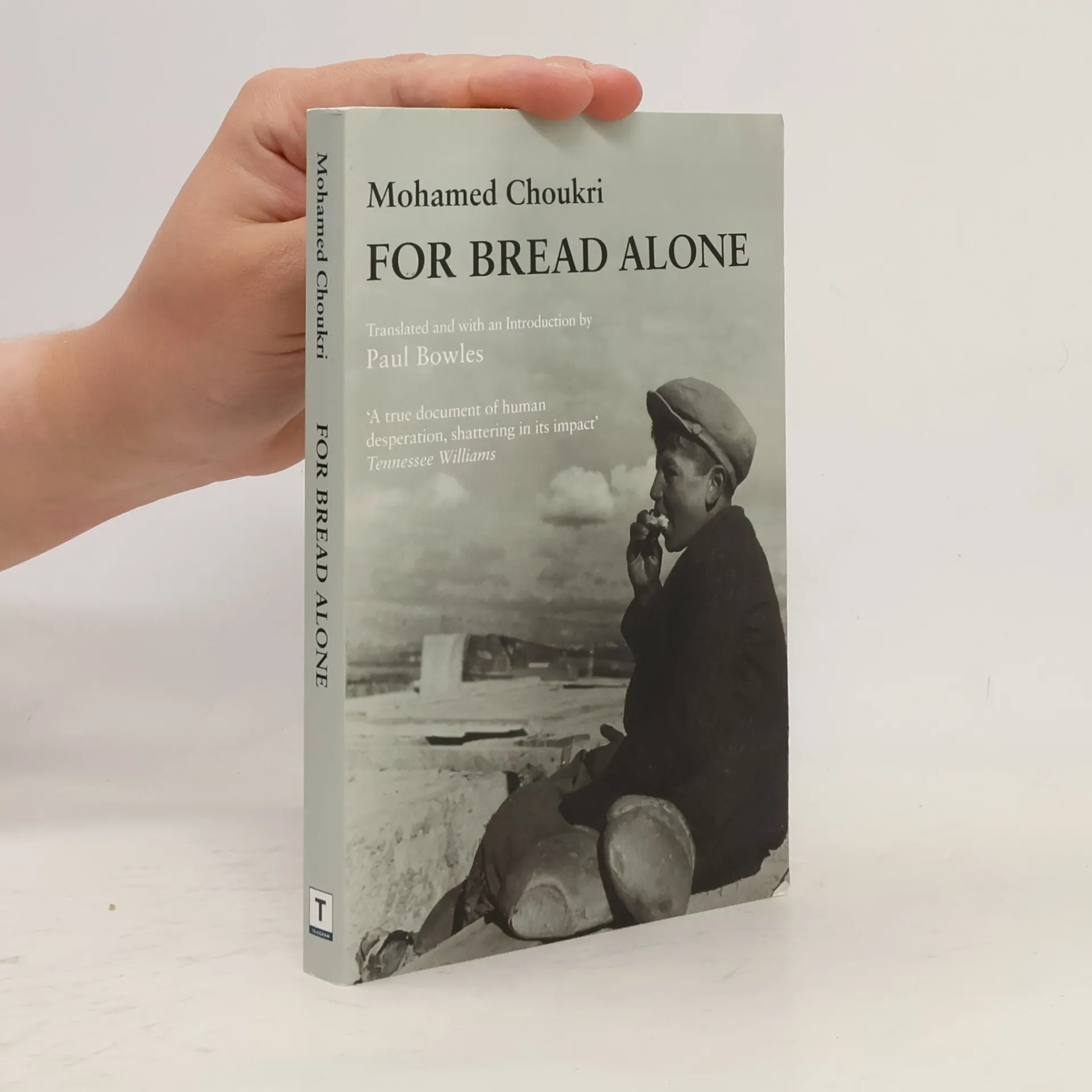
Driven by famine from their home in the Rif, Mohamed's family walks to Tangiers in search of a better life. But his father is unable to find work and grows violent, beating Mohamed's mother and killing his sick younger brother in a moment of mad rage.On moving to another province Mohamed learns how to charm and steal, and discovers the joys of drugs, sex and alcohol. Proud, insolent and afraid of no-one, Mohamed returns to Tangiers, where he is caught up in the violence of the 1952 independence riots. During a short spell in a filthy Moroccan jail, a fellow inmate kindles Mohamed's life-altering love of poetry.The book itself was banned in Arab countries for its sexual explicitness. Dar al-Saqi was the first publishing house to publish it in Arabic in 1982, thirty years after it was written, though many translations came out before the Arabic version.Translated by Paul Bowles.Mohamed Choukri is one of North Africa's most controversial and widely read authors. At the age of twenty he decided to learn to read and write classical Arabic. He went on to become a teacher and writer, finally being awarded the chair of Arabic Literature at Ibn Batuta College in Tangier.Paul Bowles, perhaps best known for his novel The Sheltering Sky, collaborated closely with Choukri on the translation of For Bread Alone.The story of Choukri's life is continued in Streetwise.
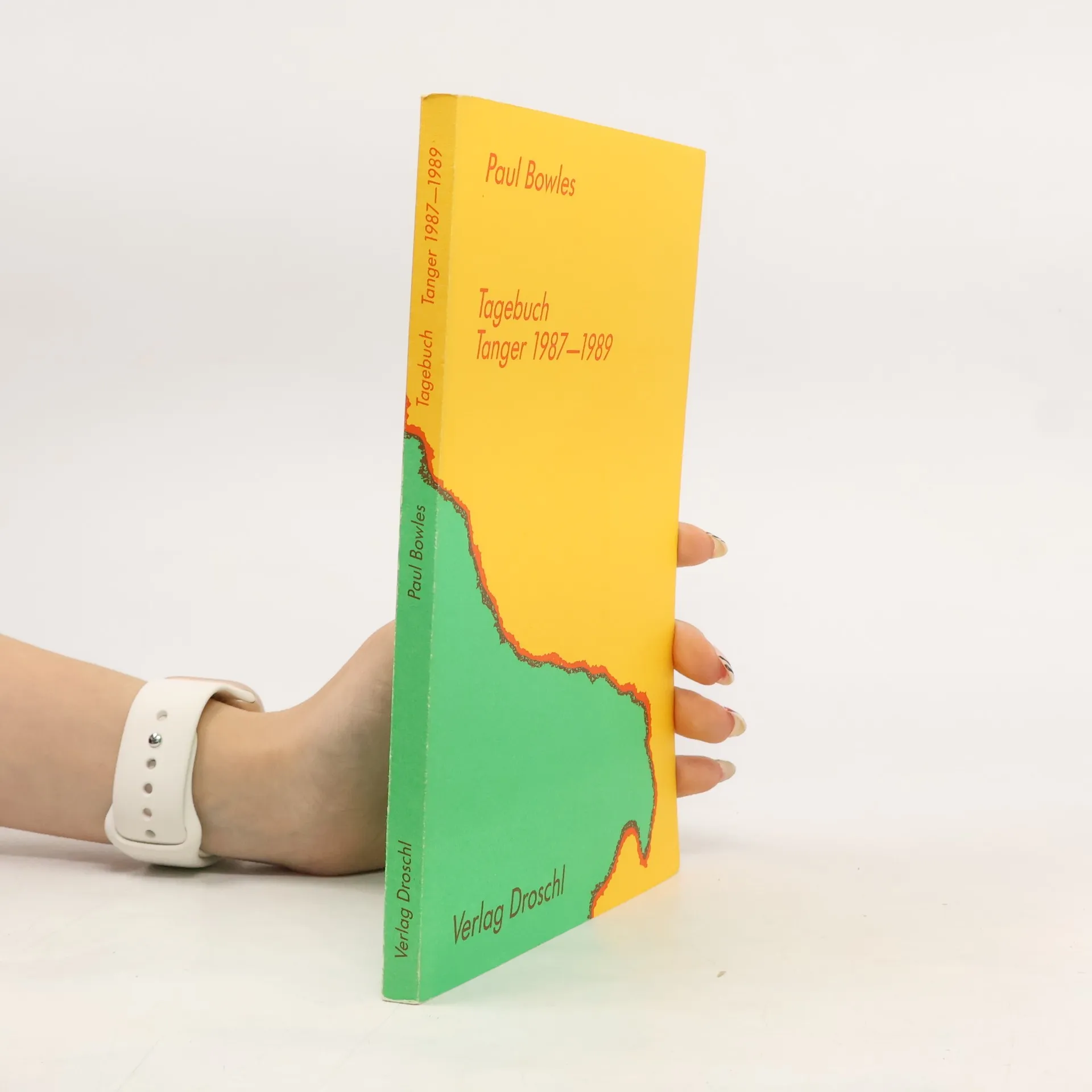
Se reúnen en el presente volumen, por sugerencia de Paul Bowles, dos textos complementarios. Por una parte, Días, único diario existente de Paul Bowles, que relata su vida entre 1987 y 1989, centrado en Tánger -salvo una breve escapada a París- y por el que desfilan personajes tan diversos y fascinantes como Mick Jagger, Bernardo Bertolucci, Elizabeth Taylor o Patricia Highsmith, huéspedes transitorios del ámbito tangerino acerca del cual nos ofrece el autor una visión sintética, de rara precisión y agudísima inteligencia. Por otra parte, Viajes, conjunto de escritos acerca de experiencias viajeras, no reunidos hasta hoy en volumen ni siquiera en inglés, y que Bowles ha compilado expresamente para esta edición, relativos a parajes tan diversos como Madera, Ceilán, Kenia, Fez, Tánger o París, redactados en un arco temporal muy amplio -desde 1948 hasta 1966- que permite al escritor ser testigo de mutaciones sociales y políticas (incluso los conflictos que marcan el crepúsculo del colonialismo) o aprehender tanto el París de la «generación perdida» como el de los artistas de la última posguerra. El conjunto de Días y Viajes describe así, desde los diecisiete años del Bowles recién llegado a París hasta la madurez del Bowles asentado en Tánger, una panorámica rica, varia y coherente del mundo que enmarca a uno de los grandes escritores de nuestro tiempo.
„Paul Bowles’ Gestalten sind Pilger, die im Fremden nach Erlösung suchen – doch sie finden Gewalt, Wahnsinn und Tod. Die gleißende Wüste, der unbewegbare Dschungel sind Landschaften, die innere Leere und die Verwirrung der Gefühle nicht aufheben, sondern tödlich verstärkt zurückspiegeln. Bowles ist ein kühler Beobachter menschlicher Abgründe. Nichts ist außergewöhnlich, nichts ist schockierend, nichts ist zu bedauern oder zu verurteilen. Alles ist so, wie es ist.“ – Cosmopolitain
American Literature
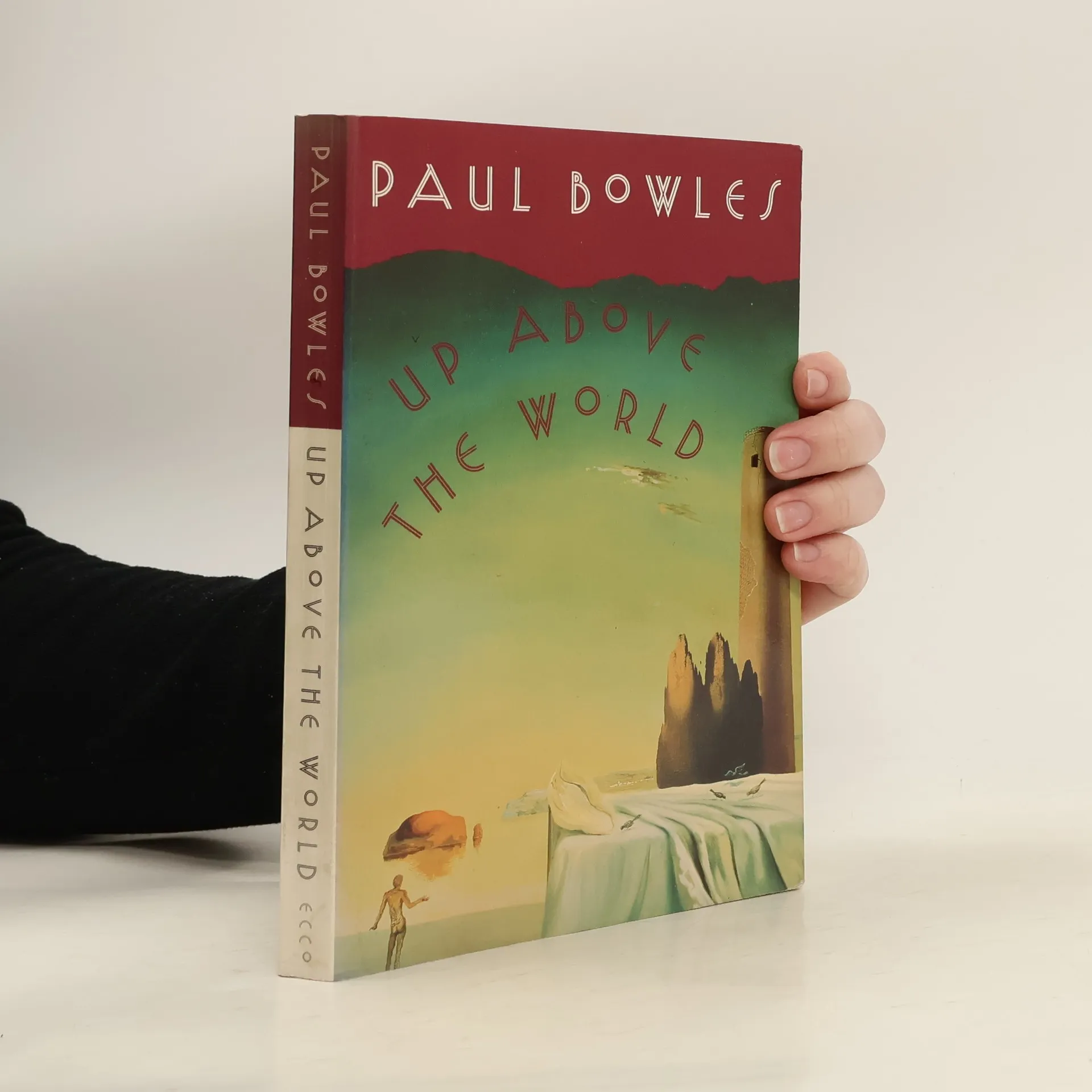
Auf der Terrasse einer aufwendigen Wohnung auf einem Hügel mit Blick auf eine zentralamerikanische Hauptstadt sitzen vier Personen und führen höfliche Gespräche. Das amerikanische Paar – ein älterer Arzt und seine junge Frau – sind Touristen. Ihr Gastgeber, den sie gerade kennengelernt haben, ist ein junger Mann von auffallender Schönheit und Charme. Das Mädchen, seine Geliebte, ist sehr jung und sehr schön. Während sie dort sitzen und den Sonnenuntergang beobachten, scheint es, als würden die Slades eine glückliche Begegnung genießen, die Reisende schätzen. Doch zwischen den Höflichkeiten und dem Small Talk erweist sich die beiläufige Bemerkung des Gastgebers an die amerikanische Frau als prophetisch: „Es ist nicht genau das, was du denkst.“ Meisterhaft – mit der poetischen Kontrolle, die sein Werk immer gekennzeichnet hat – führt Paul Bowles den Leser unter die Oberfläche von Gastfreundschaft und Luxus in ein verworrenes Labyrinth menschlicher Beziehungen und wechselnder Stimmungen, bis das, was zunächst wie eine bloß zufällige Begegnung erscheint, als in Bosheit und Horror verwurzelt erkannt wird.
„Ah“, sagt Hassan, „ich glaube nicht an die Welt. Es gibt noch eine andere Welt, dort ist das Leben ganz anders.“ Dies sind Geschichten aus jener Welt. Das Wort m'hashish bedeutet in Moghrebi soviel wie voll von Haschisch und bezeichnet nicht nur eine Person im bekifften Zustand, sondern auch solche, deren Verhalten irrational oder sonstwie unerwartet ist. „In diesen Texten steckt alles, was es über Haschisch zu sagen gibt. Der Rest muß geraucht werden.“ (Grow) Aus dem Inhalt: - Meine Träume kommen aus dem Meer - Das Röhricht - Das Kif-Feld - Der Doktor aus dem Chemel - Der junge Einsiedler - Hassan und die Aghrebia - Die See auf der Straße - Zwei Freunde und der Regen - Die Datura-Blüten - Allahs Worte - Die Erzählung des Kif-Händlers - Werner Pieper: Mutationen eines Buches Dieser Titel ist der Grüne Zweig NR 49 aus Werner Pieper s Medien-Experimenten The Grüne Kraft.
Anita besucht nach der Scheidung ihren Bruder Tom, einen Maler, in einem Dorf am Niger. In der fremden Umgebung wird sie von Angst und Projektionen heimgesucht. Ihre Phantasien kreisen um Sekou, einen schwarzen Häuptling, der als Diener in des Bruders Haus lebt. Bei einer Begegnung mit zwei amerikanischen Jungen wird Sekou verletzt. Die Jungen sterben wenig später in der Wüste. Eindringlich schildert Paul Bowles Fremdheit und Magie einer anderen Welt und wie erschreckend diese Fremdheit Menschen unserer Kultur mit sich selbst konfrontiert.
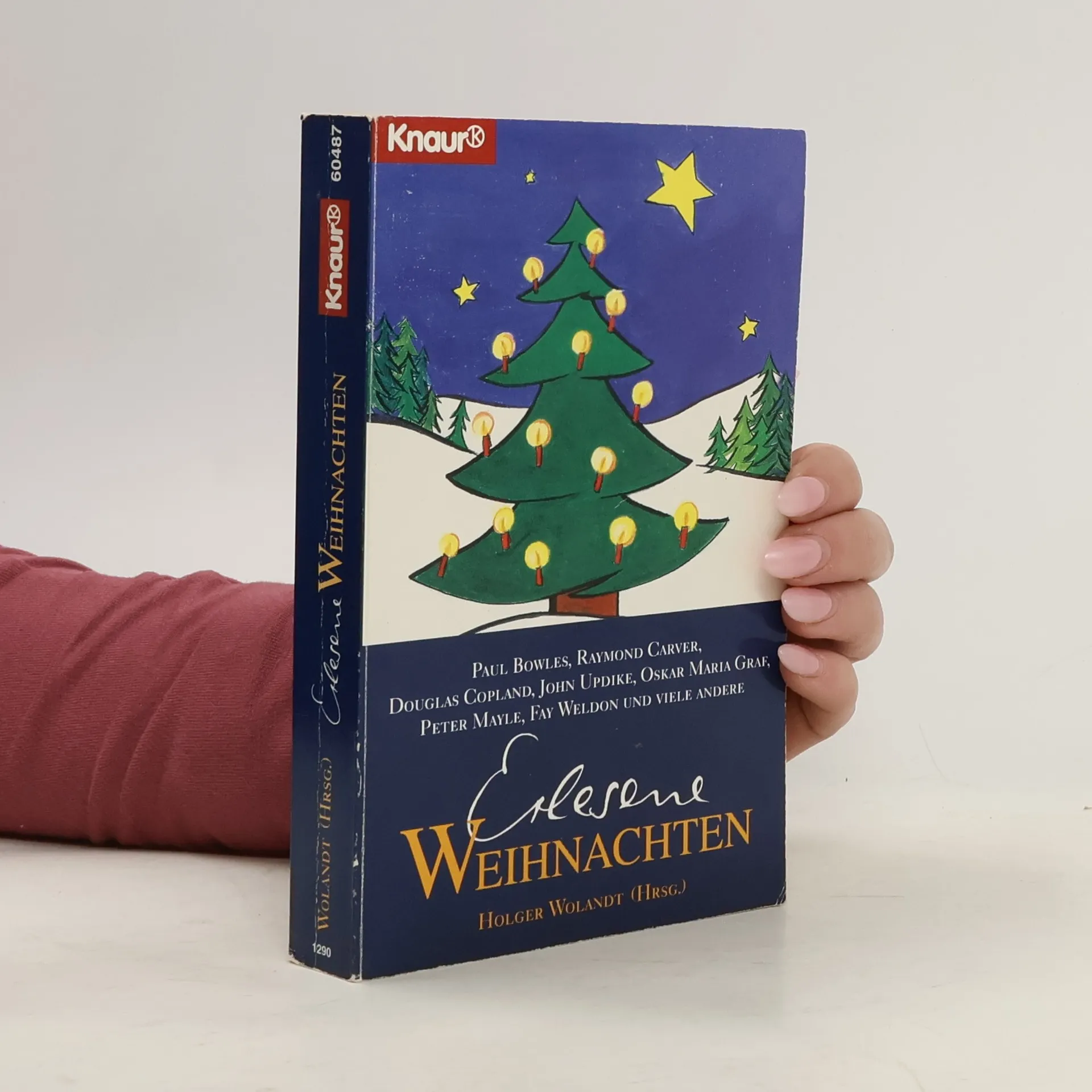
Weihnachtsgeschichten v. Paul Bowles, Raymond Carver, Theodor Fontane u. a.
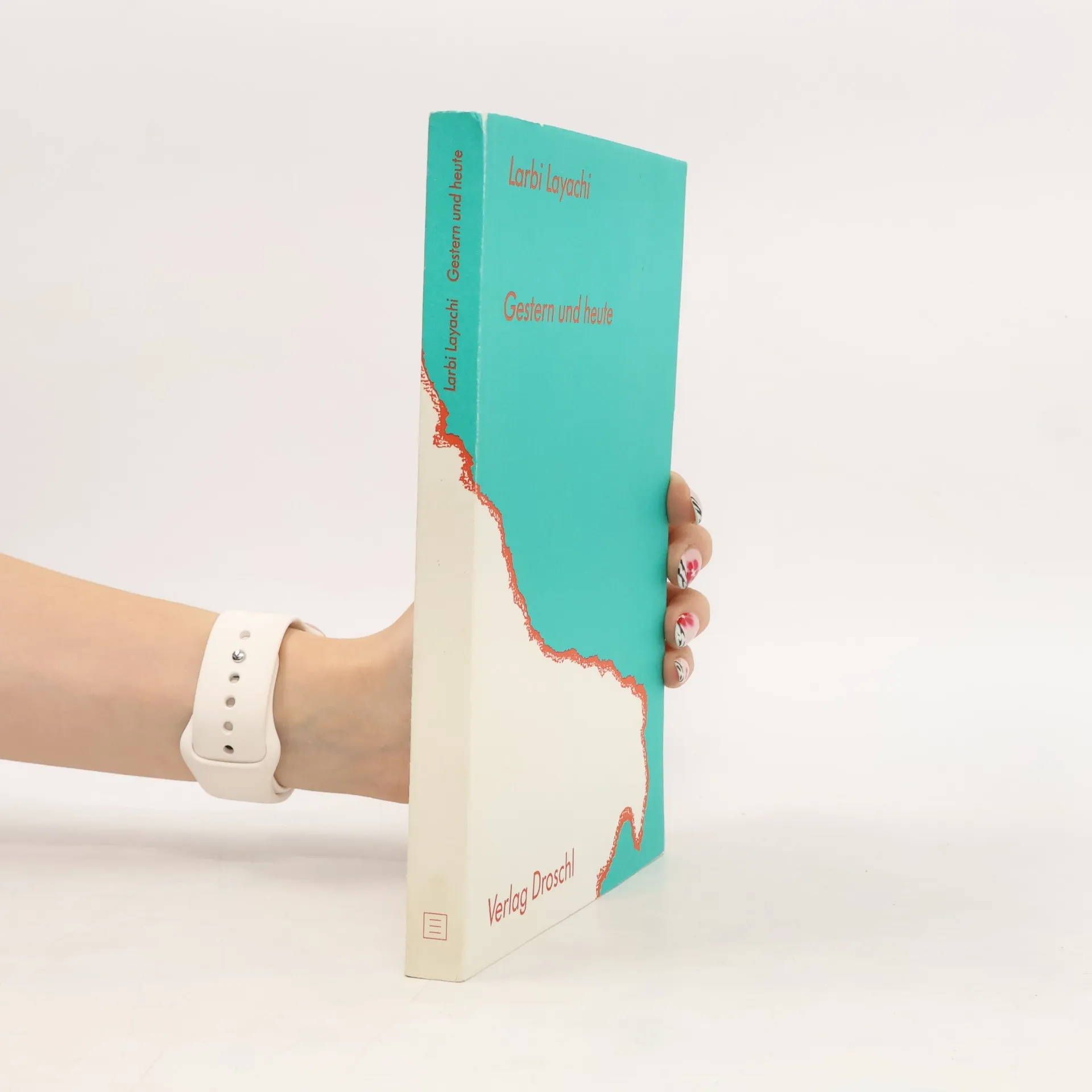
Layachi (Autor des unter dem Pseudonym Driss ben Hamed Charhadi berühmt gewordenen Buches „Ein Leben voller Fallgruben“) schreibt in einem ausgesprochen 'mündlichen' Erzählstil über das alltägliche Leben eines skeptischen Lebenskünstlers in einer arabischen Großstadt. Besondere Brisanz erhalten diese dokumentarischen Schilderungen durch die notdürftig kaschierte Identität der Hauptpersonen: Paul Bowles und seine Frau Jane. Layachi zeichnet eines der wenigen Bilder aus marokkanischer, islamischer Hand, die uns diese historische Begegnung zweier Kulturen vor Augen führen in den Jahren vor und nach der marokkanischen Unabhängigkeit.
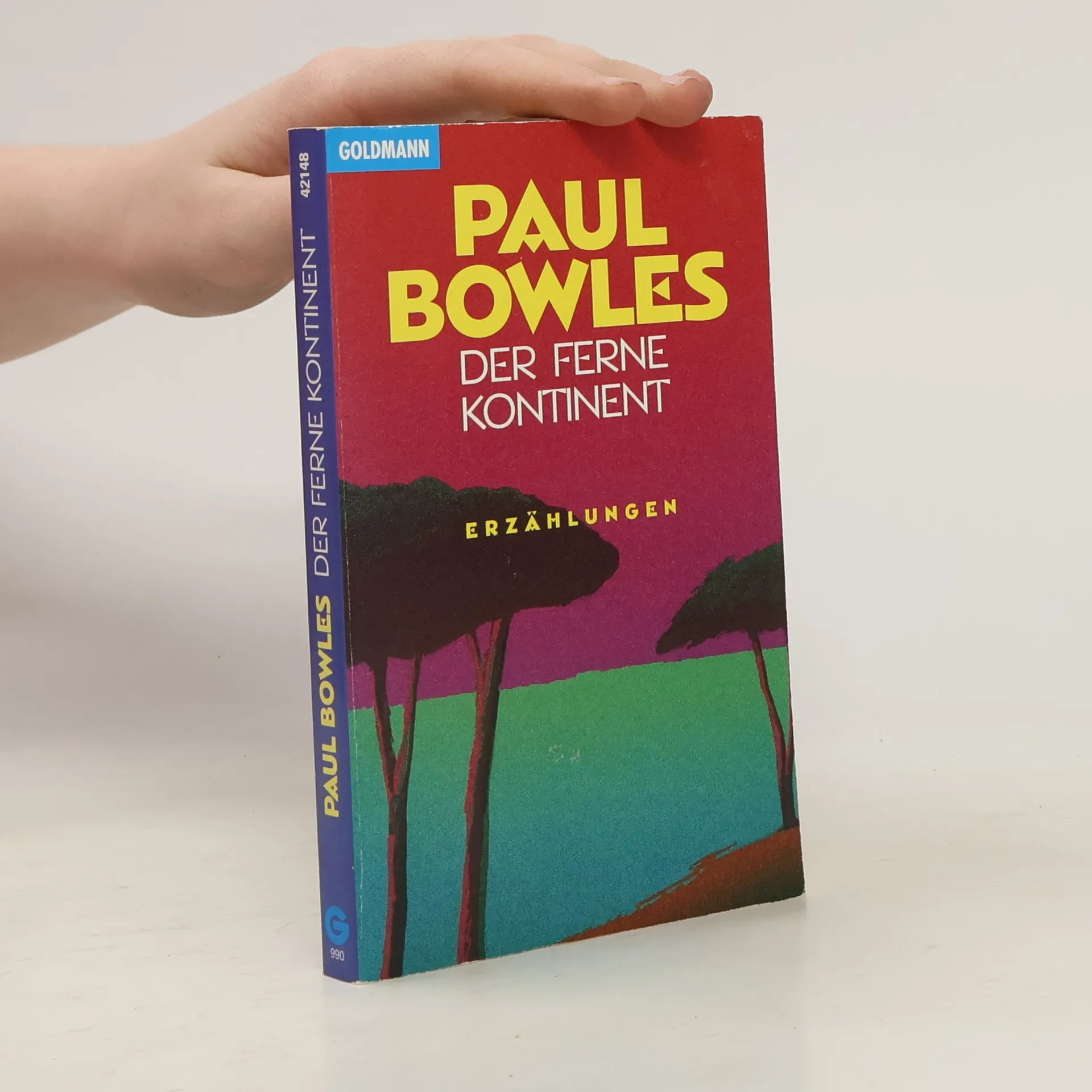
Erzählungen
Les voyages seraient-ils une tentative de comprendre le monde en même temps qu'une quête de soi ? Pour Paul Bowles, qui épuisa la planète dans les années cinquante avant de s'installer définitivement à Tanger, il s'agissait aussi d'aller à la rencontre de la diversité des hommes et des cultures avant que l'Occident ne les ronge. De Ceylan à Tanger, en Turquie, dans les souks de la Corne d'Or, au cœur de l'absolu saharien, Paul Bowles a redigé ce Carnet de voyages comme un itinéraire géographique et littéraire, un ensemble de relevés fragmentaires baignés de lumière et de musique. On ne saurait trouver plus bel " état des lieux " de notre Terre.
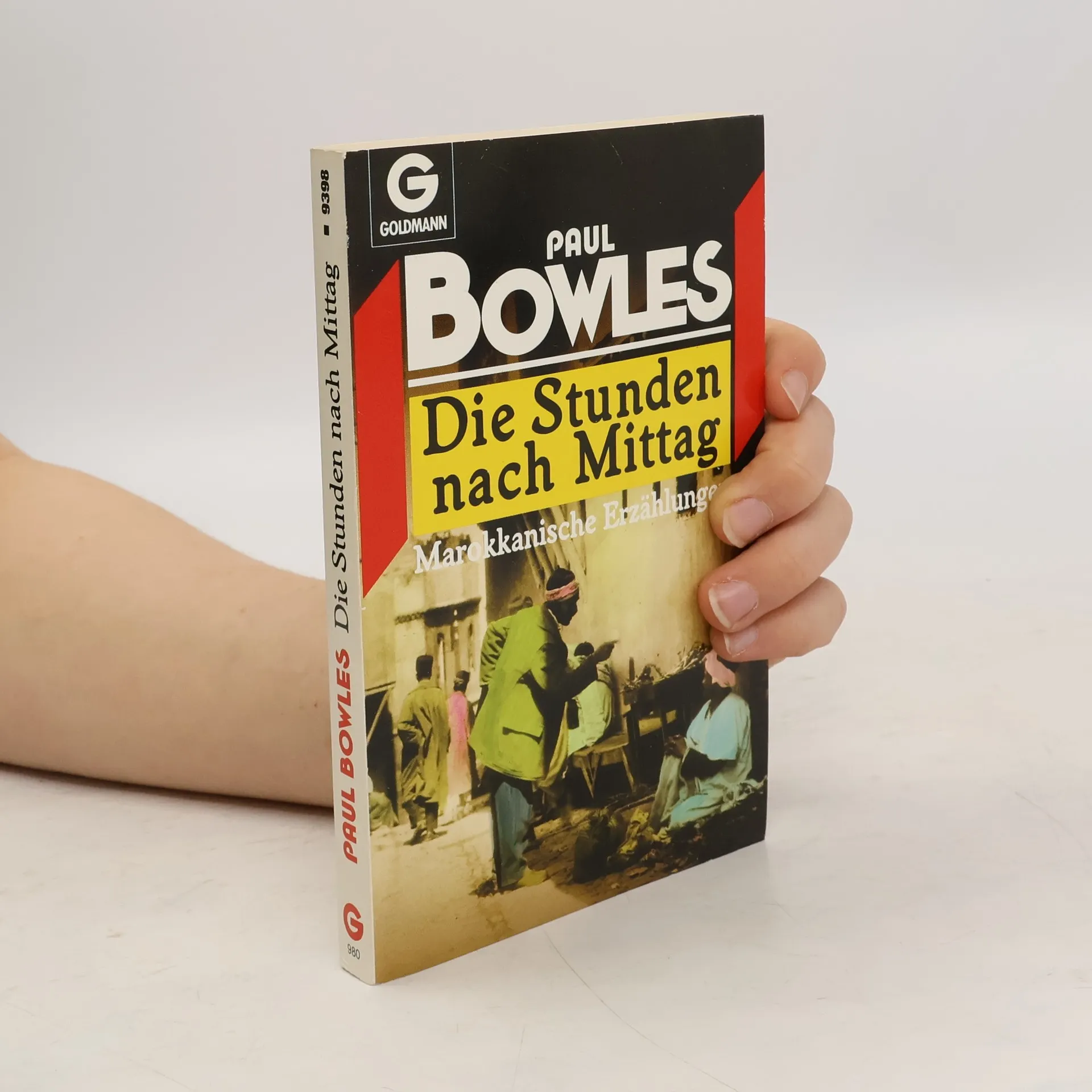
Die leichte Beute - Stories aus Marokko - bk1492; Rowohlt Verlag; Paul Bowles; pocket_book; 1996
This extraordinary collection of correspondence by Paul Bowles spans eight decades and provides an evolving portrait of an artist renowned for his privacy. From his earliest extant letter, written at the age of four, to his precocious effusions to Aaron Copeland and to Gertrude Stein; from his meditations on mescaline as relayed to Ned Rorem, to his intensely moving letters to Jane Bowles during her illness, In Touch fills in the lacunae left by previous biographers and offers a rare look at the many aspects of Bowles's brilliant career—as composer, novelist, short-story master, travel writer, translator, ethnographer, and literary critic.Here is Bowles on the genesis of his first novel, The Sheltering Sky; on his distaste for Western melodies and his dogged attempts to record indigenous Moroccan music; on the Beats, Gore Vidal, Truman Capote, and Tennessee Williams; on the nature and craft of writing; on Bernardo Bertolucci, David Byrne, and Sting; on the decline of American and the challenges of living in North Africa. Gossipy, reflective, enlightening, and always entertaining, In Touch stands as an epistolary autobiography of one of the legendary writers of our time, and a unique chronicle of the twentieth-century avant-garde.
Diese kraftvolle und schockierende Erzählung schildert die Abenteuer von Abdeslam, einem begabten zwölfjährigen marokkanischen Jungen, der von seinem Zuhause in den Rifbergen nach Tanger flieht. Dort kämpft er darum, seine kindliche Unschuld und seinen Stolz zu bewahren, während er versucht, sich im korrupten und dekadenten internationalen Hafen zu unterstützen. Er freundet sich mit einem Hafenarbeiter an und trifft bald auf eine Schar von Freunden, hauptsächlich Gauner und Gescheiterte. Mit seiner charakteristischen Brillanz und seinem Straßencharme entwickelt Mrabet das mehrdeutige Thema der Notwendigkeit von Gewalt, um die eigene Unschuld zu bewahren.
Aufgezeichnet von Bowles, Paul 83 S.
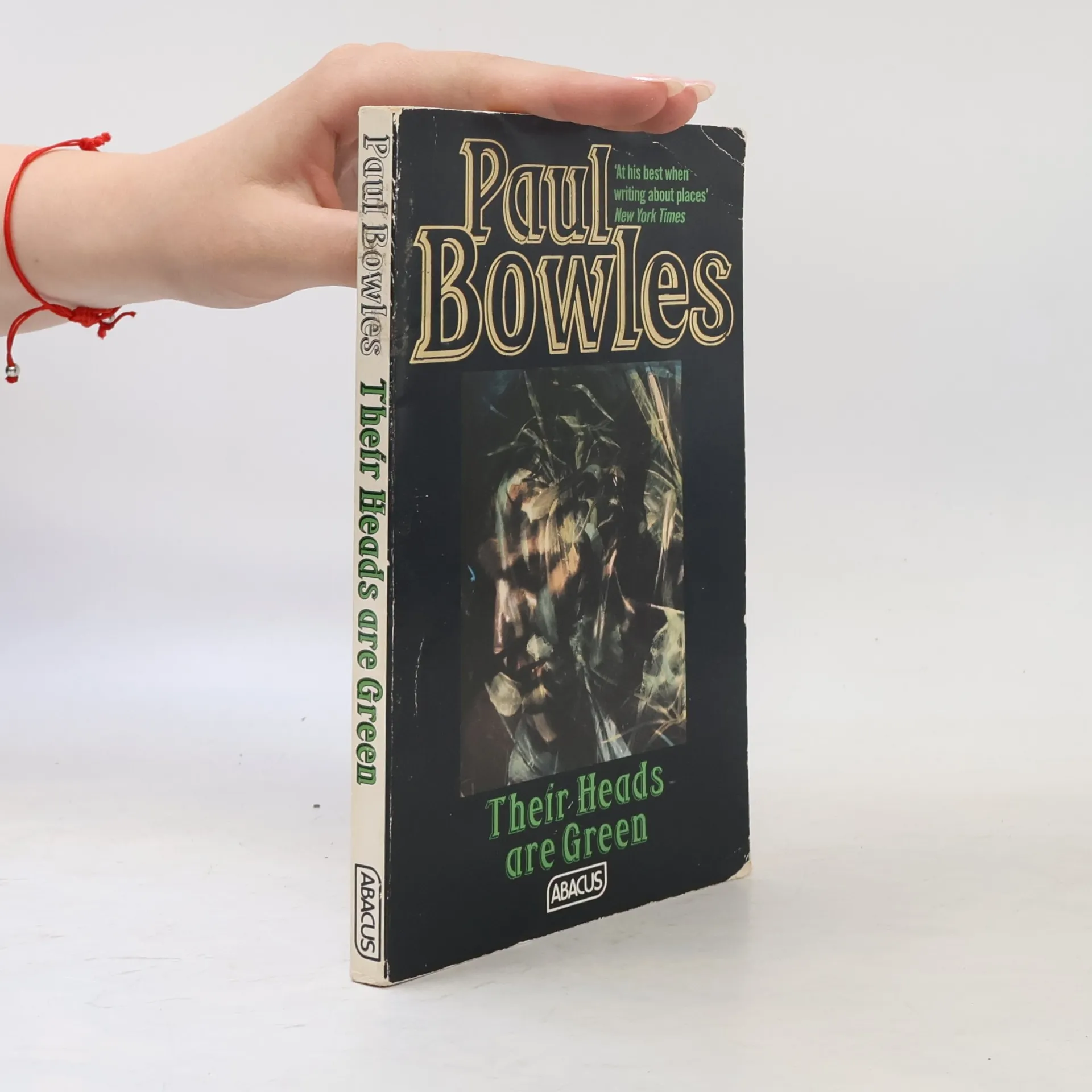
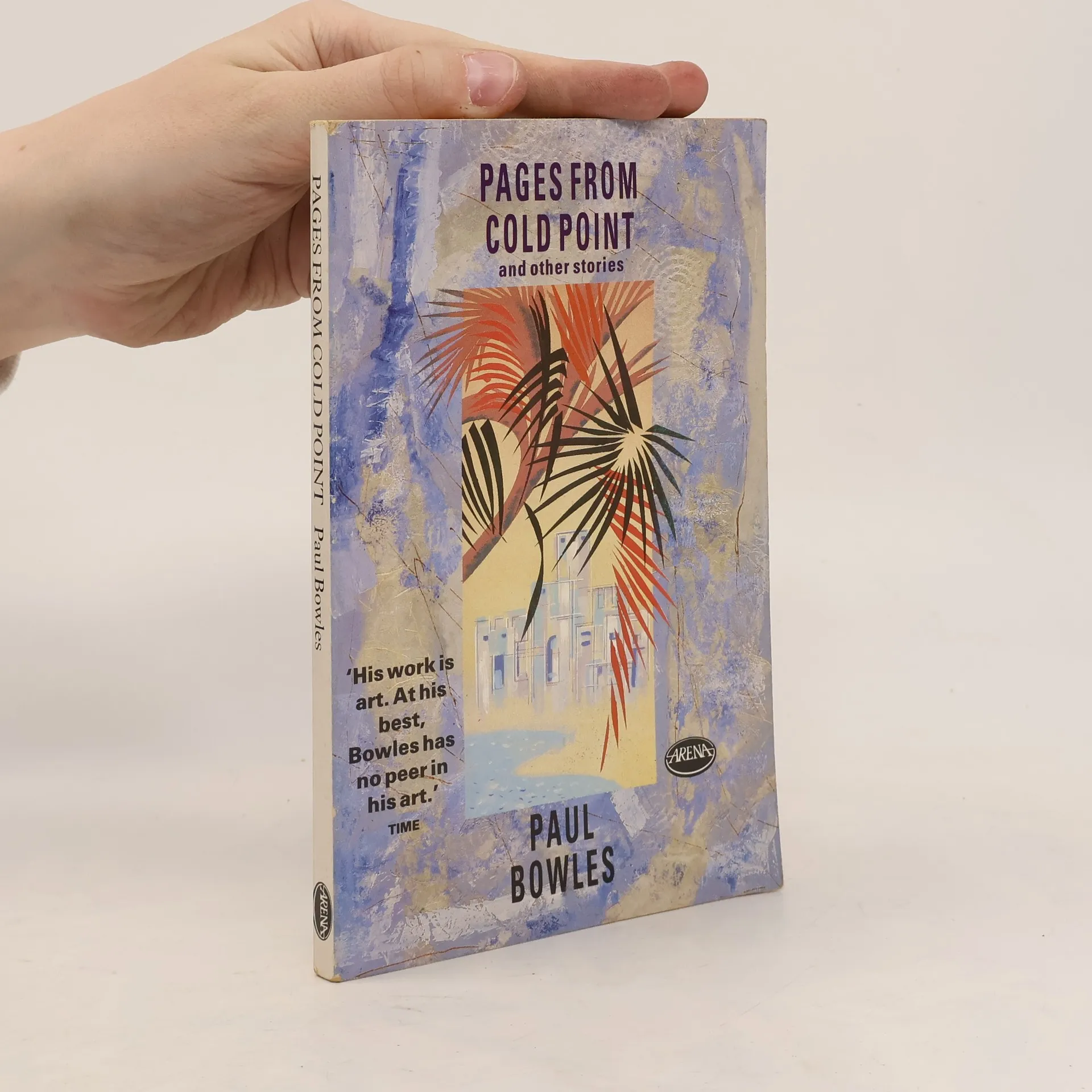
Their Heads are Green and their Hands are Blue is an engaging collection of eight travel essays. Except for one essay on Central America, all of these pieces are concerned with locations in the Hindu, Buddhist, or Islamic worlds. A superb and observant traveler, Paul Bowles was a born wanderer who found pleasure in the inaccessible and who cheerfully endures the concomitant hardships with a matter-of-fact humor. These essays provide us with Paul Bowles' characteristic insightfulness and bring us closer to a world we frequently hear about, but often find difficult to understand.
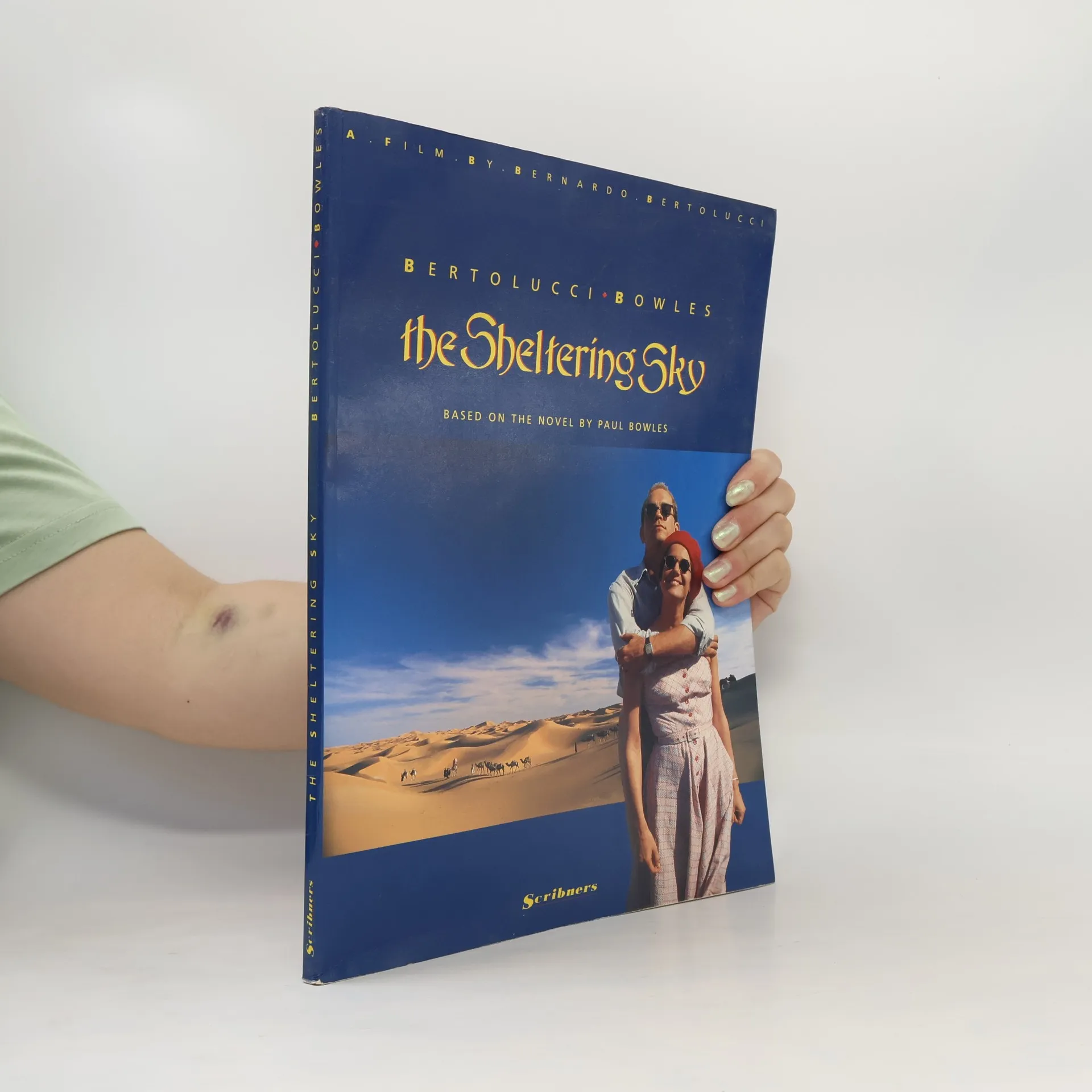
A Film by Bernardo Bertolucci Based on the Novel by Paul Bowles
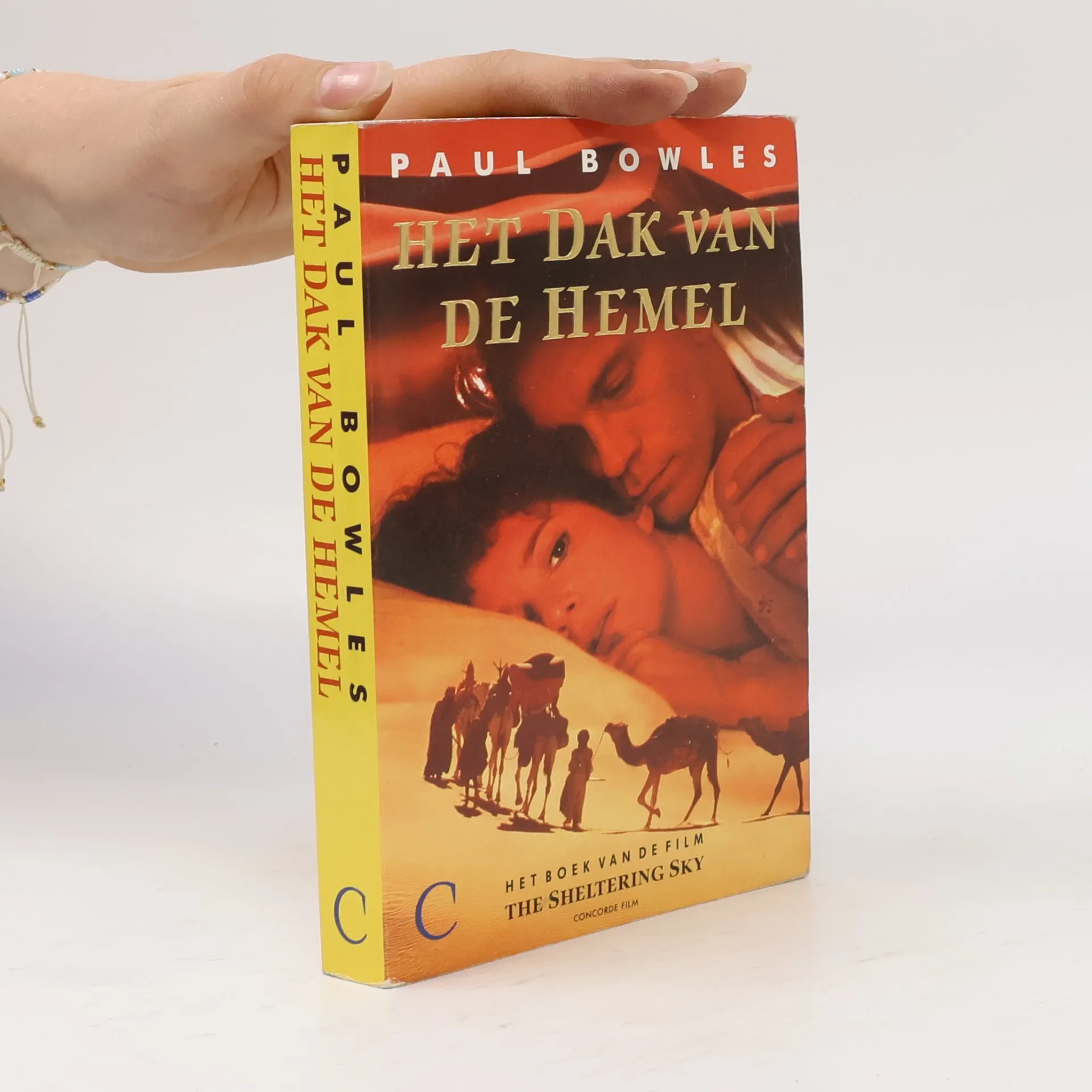
The Sheltering Sky is a landmark of twentieth-century literature. In this intensely fascinating story, Paul Bowles examines the ways in which Americans' incomprehension of alien cultures leads to the ultimate destruction of those cultures. A story about three American travelers adrift in the cities and deserts of North Africa after World War II, The Sheltering Sky explores the limits of humanity when it touches the unfathomable emptiness and impassive cruelty of the desert.
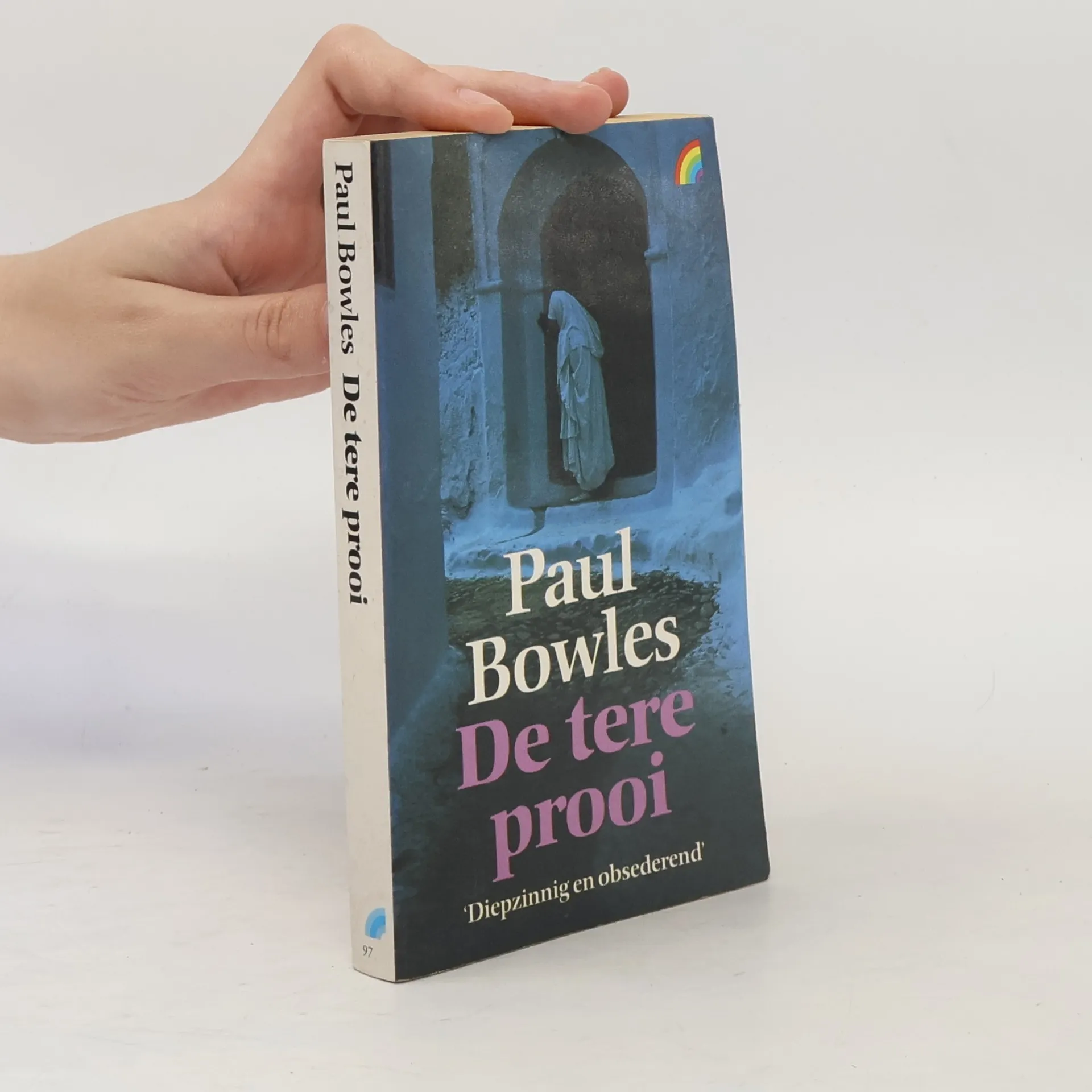
Tien verhalen met als thema de confrontatie tussen de westerse mens en bewoners van Midden-Amerika en Noord-Afrika.
Verhalen uit de wereldliteratuur waarin het magische, occulte, bovenzintuiglijke of bovennatuurlijke een rol speelt.
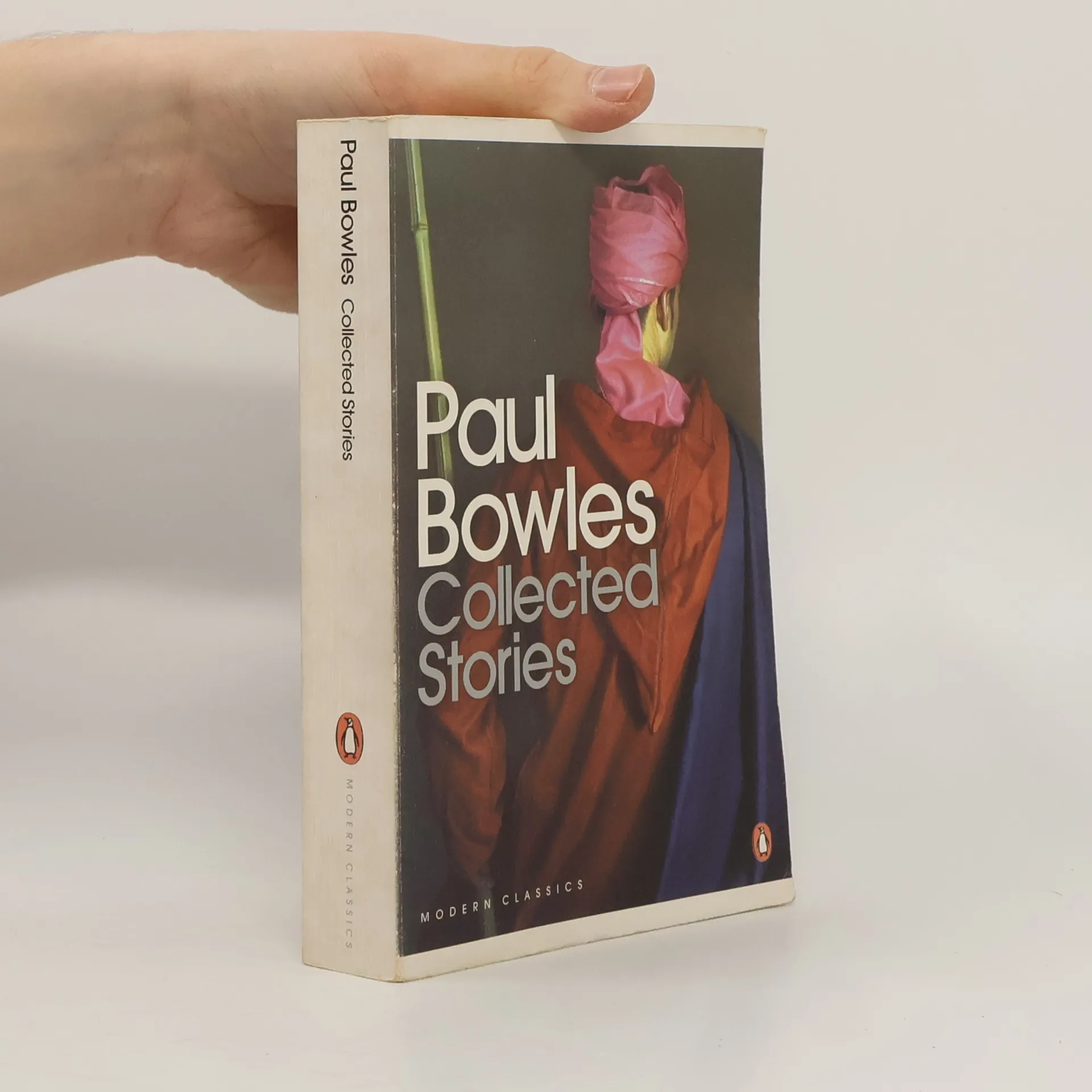
This collection assembles some of Paul Bowles' finest work up to the present day.
On the terrace of an elaborate hilltop apartment overlooking a Central American capital, four people sit making polite conversation. The American couple—an elderly physician and his young wife—are tourists. Their host, whom they have just met, is a young man of striking good looks and charm. The girl, his mistress, is very young and very beautiful. Sitting there, watching the sunset, the Slades seem to be enjoying the sort of fortunate chance encounter that travelers cherish. But amid the civilities and small talk, the host's casual remark to the American woman proves prophetic: "It's not exactly what you think." Masterfully—with the poetic control that has always characterized his work—Paul Bowles leads the reader beneath the surface of hospitality and luxury into a tortuous maze of human relationships and shifting moods, until what seems at first a merely casual encounter is seen to be one rooted in viciousness and horror.
The stories are set in North Africa, a sanguine, enigmatic environment where Western influences float like oil on the older deeper waters of more primitive cultures, never truly altering or disrupting them.
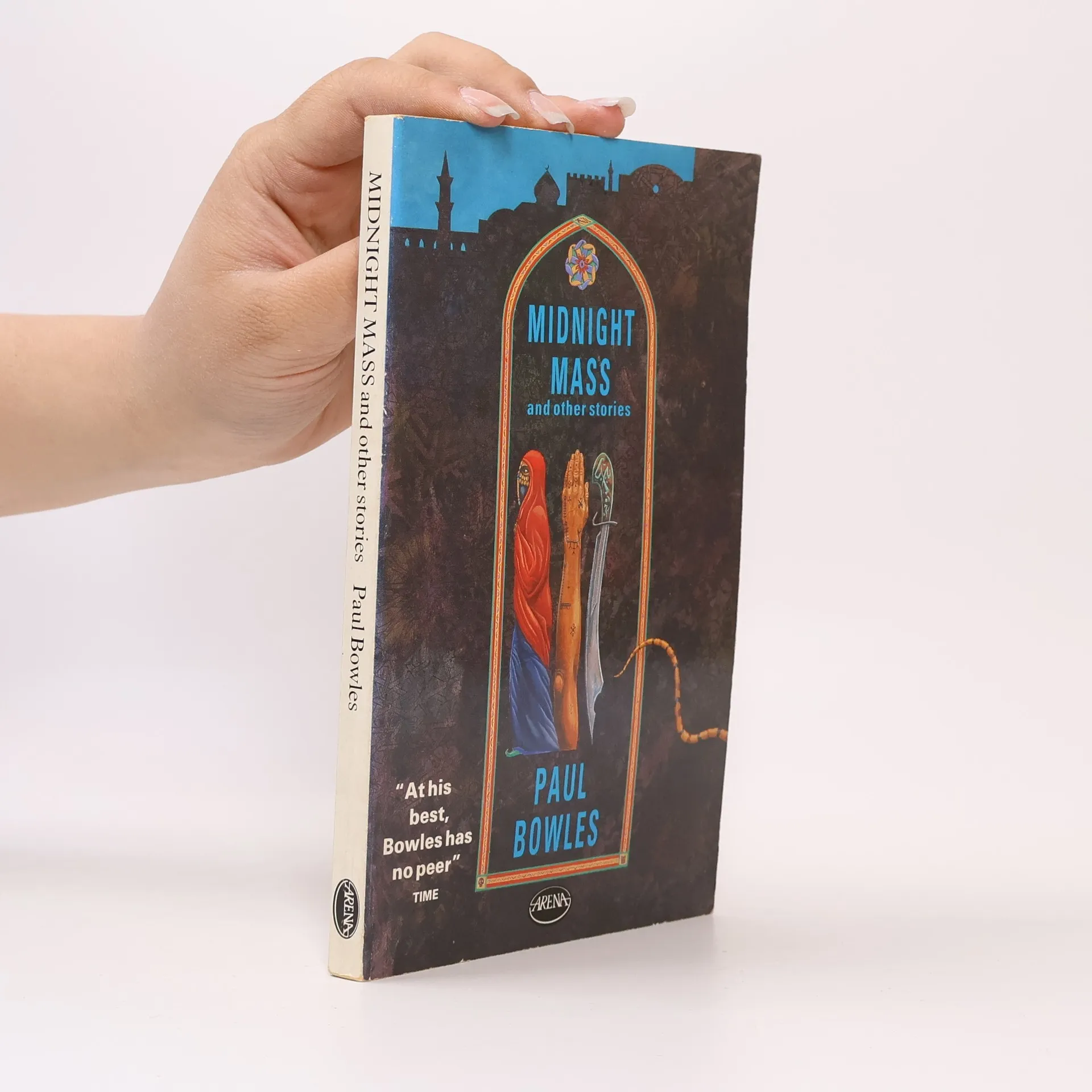
Thirteen stories written in the five years between 1976 and 1981, "Midnight Mass" picks up where Bowles' Collected Stories left off, and includes the novella-length "Here to Learn", concerning a young Moroccan woman 'adopted' by various affluent Europeans.
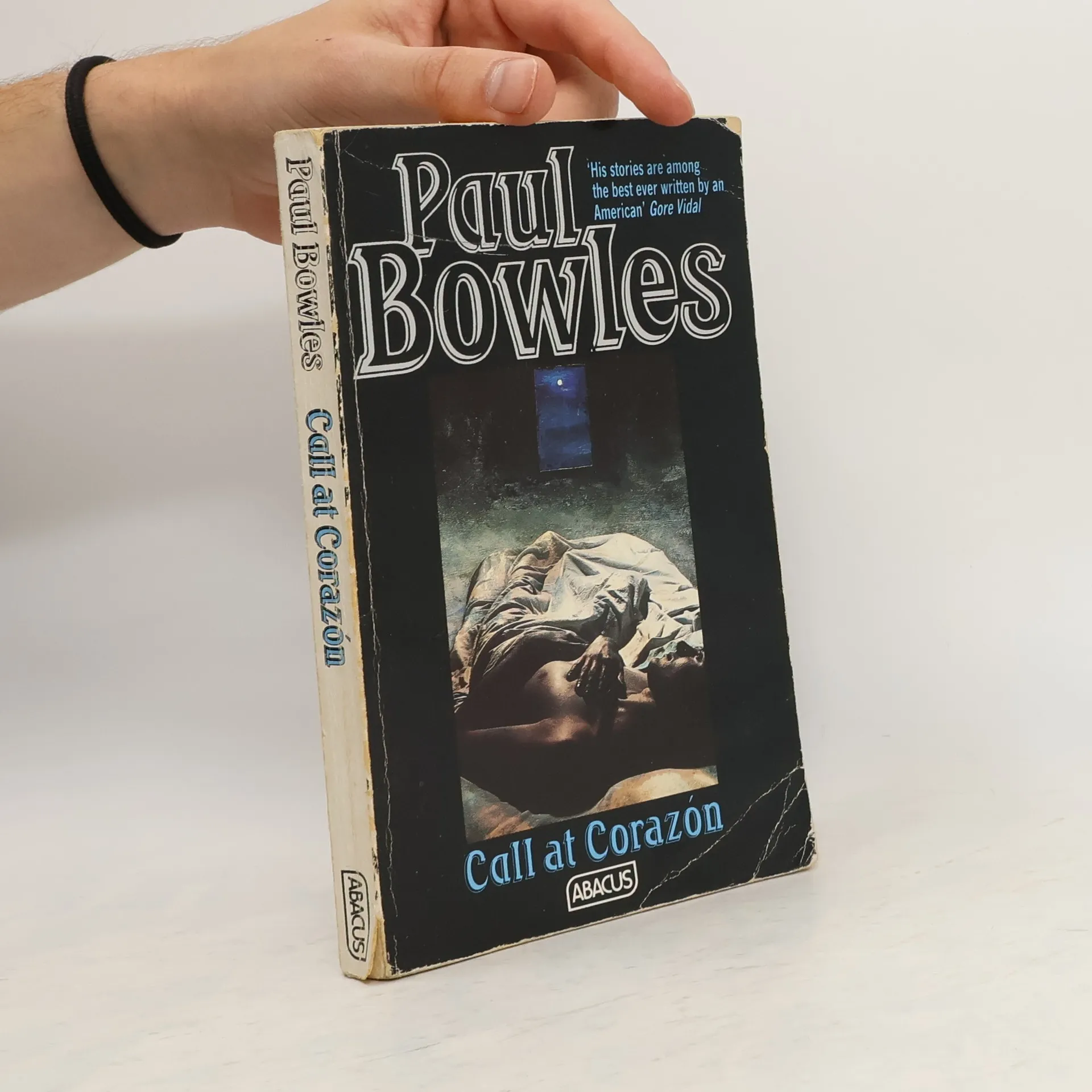
In these hauntingly beautiful stories of abandonment and vengeance, extreme situations lead to disturbing conclusions. A missionary is sent to a place so distant he finds his God has no power there; a husband abandons his wife as they honeymoon in the South American jungle; a splash of water triggers an explosion of violence; and a boy's drug-induced transformation leads to cruelty enjoyed and suffered. Masterfully written, these are chilling tales from sun-drenched and brutal climes.
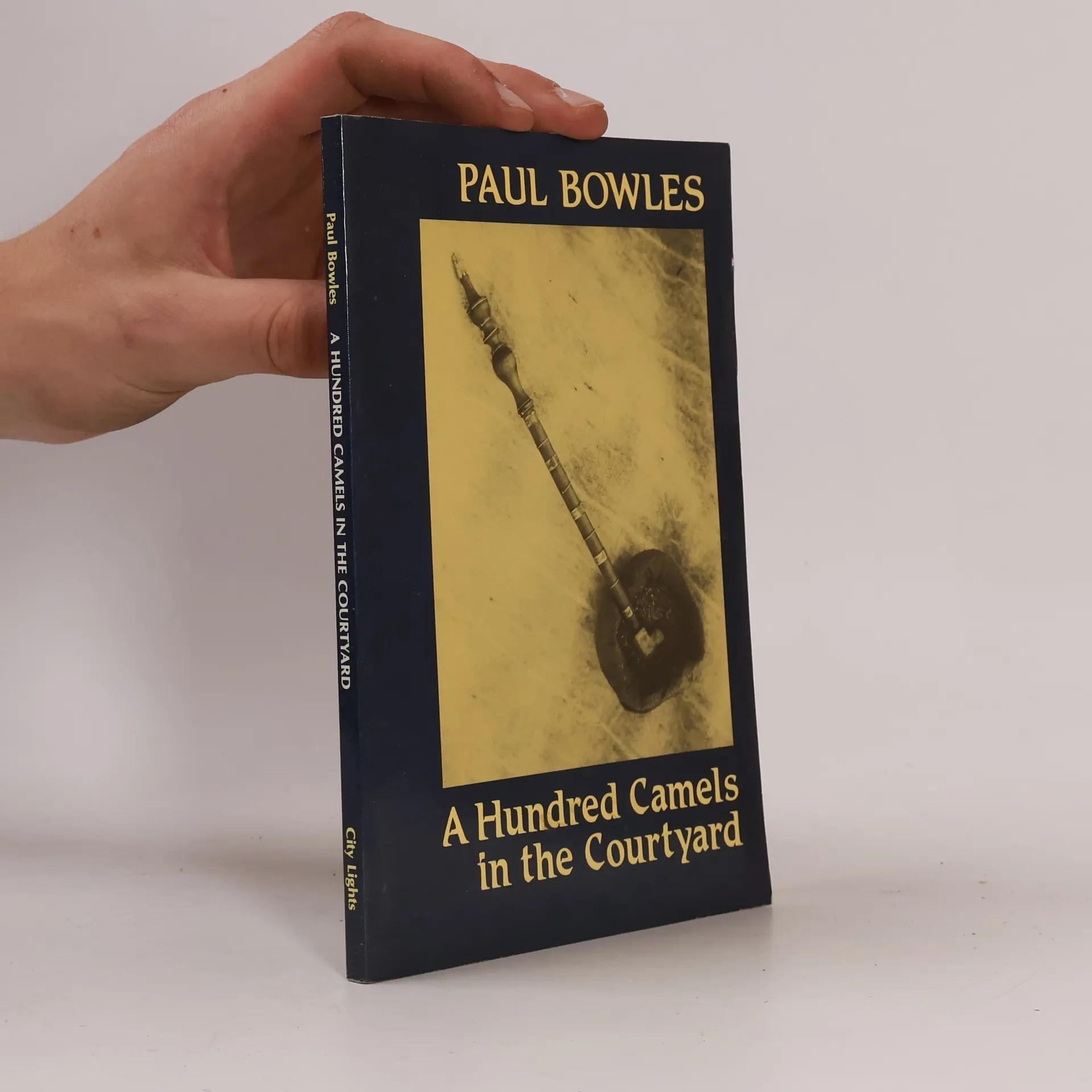
These are four tales of contemporary life in a land where cannabis, rather than alcohol, customarily provides a way out of the phenomenological world. Thus, of the men in these stories, Salam uses suggestions supplied by smoking kif to rid himself of a possible enemy. He of the Assembly catches himself up in the mesh of his own kif-dream and begins to act it out in reality; Idir's victory over Lahcen is the classical story of the kif-smoker's ability to outwit the drinker. Driss the soldier, with aid of kif, proves the existence of magic to his enlightened superior officer. For all of them the kif-pipe is the means to attaining a state of communication not only with others but above all with themselves."His work is art. At his best Paul Bowles has no peer." —Time"[W]riters and artists such as Williams, Jack Kerouac, Francis Bacon, Christopher Isherwood, Truman Capote, William S. Burroughs and Allen Ginsberg to Tangier. . .sought Bowles as an oracle, a writer whose work demonstrated its author as an original who saw farther, deeper, and clearer, and who refused to flinch."--The AustralianPaul Bowles (1910-1999) was an expatriate composer, author, and translator. His other famous literary works include The Sheltering Sky, Travels: Collected Writings 1950-1993, and Without Stopping
Tells the story of Dyar, a New York bank clerk who throws up his secure, humdrum job to find a reality abroad with which to identify himself, and his macabre experiences in the inferno of Tangiers as he gives in to his darkest impulses.
Een groot roman, doordrenkt van Afrika, van de onvergetelijke auteur van Il té nel deserto. Het onoplosbare dilemma van het zijn van een buitenlander in een samenleving die sterk verschilt van de eigen, en de moeilijkheid om elkaar te begrijpen tussen verschillende culturen, zijn terugkerende thema's in het werk van Paul Bowles. Deze thema's worden met brutale eerlijkheid belicht in dit verhaal dat zich afspeelt in Fez, Marokko, tijdens de nationalistische onrusten die het land in 1954 teisterden. Het boek is nog steeds actueel, vooral gezien de brandende situatie in het hedendaagse Midden-Oosten, en wordt van binnenuit tot leven gebracht door een krachtig opgeroepen setting en een onvergetelijke cast van personages. La casa del ragno is wellicht het meest geslaagde, subtiele en doordringende werk van Paul Bowles.