Robert Marshall Utley is een vooraanstaand historicus wiens werk zich voornamelijk richt op het Amerikaanse Westen. Zijn uitgebreide bibliografie, bestaande uit zestien boeken, duikt diep in de geschiedenis van deze iconische grens. Collega-historici erkennen Utley als de belangrijkste autoriteit op het gebied van de 19e-eeuwse Amerikaanse grens, waarbij ze zijn diepgaande inzichten en zorgvuldige wetenschap prijzen. Zijn bijdragen blijven ons begrip van dit cruciale tijdperk vormgeven.
This book answers the question: What happened after the landing of the Mayflower that caused the conflicts between the white man and the red man, which spread across the continent and increased in savagery?
The book offers a personal narrative from Robert M. Utley, a prominent western historian, reflecting on his career and experiences within the National Park Service during several presidential administrations. He shares insights into the establishment of the Western History Association and the challenges of historic preservation, particularly surrounding the Little Bighorn Battlefield. Utley traces his journey from a young enthusiast of Custer to a mature scholar who navigates the complexities of Western history, blending popular appeal with academic rigor.
This book is hailed as the most significant work on the Battle of the Little Bighorn, showcasing a rigorous analysis that surpasses previous historical accounts. The author's detailed time-motion study of the participants' movements is mind-boggling and sets a new standard for future scholarship on the battle. By challenging long-held beliefs, the author emphasizes the importance of Indian witnesses, particularly the young scout Curley, whose testimony has often been dismissed due to perceived contradictions. The author convincingly argues that these inconsistencies stem from the assumptions of the questioners rather than Curley's account. This work restates the fundamental elements that continue to captivate interest in the Little Bighorn. The analysis is impressively logical and offers a reconstruction that is likely to endure in the field of Custer and Indian wars literature. The author, John S. Gray, was a distinguished historian known for his acclaimed works, including "Centennial: The Sioux War of 1876." His contributions have earned him notable awards, including the Western Writers of America Spur Award and the Little Bighorn Associates John M. Carroll Literary Award.
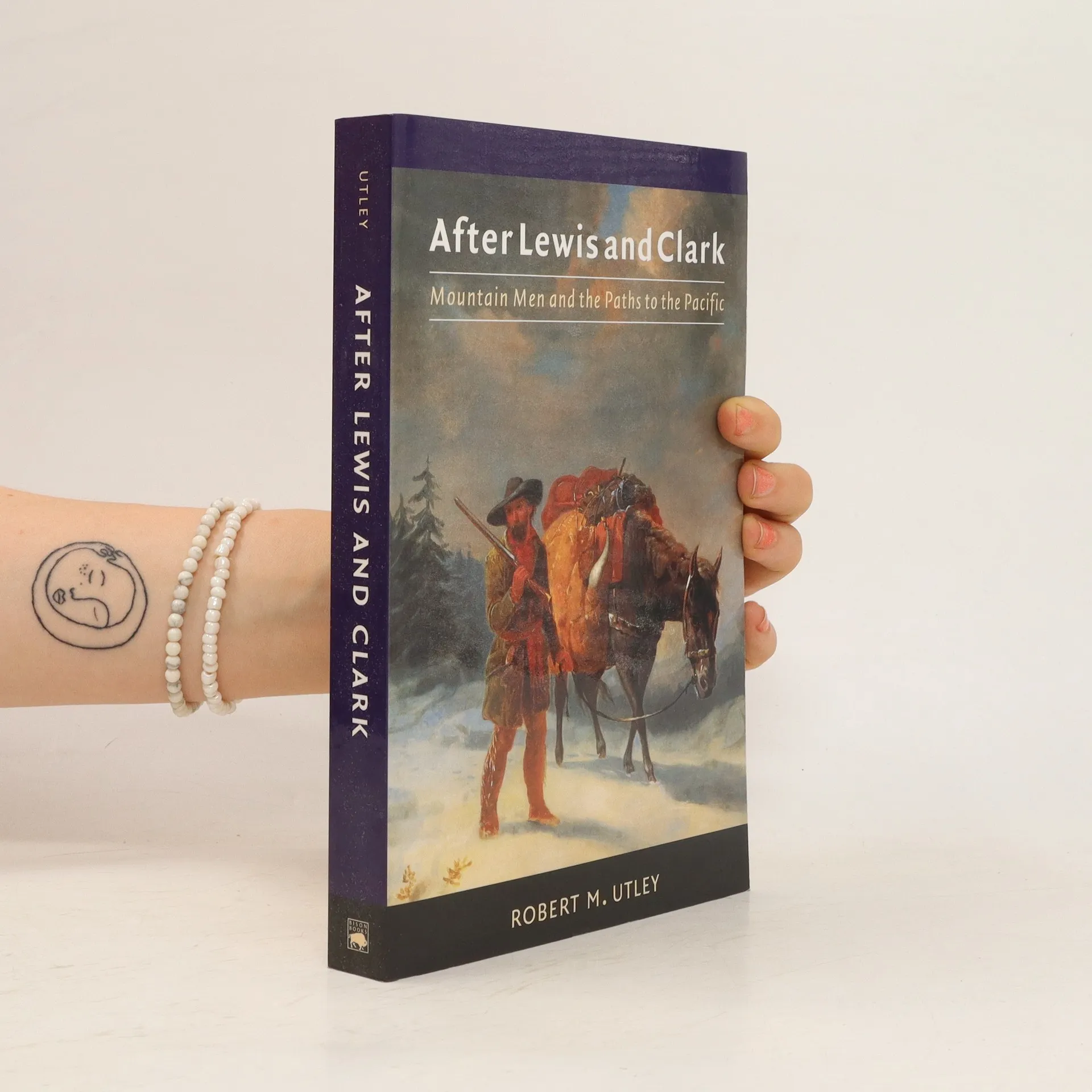
In 1807, a year after Lewis and Clark returned from the shores of the Pacific, groups of trappers and hunters began to drift West to tap the rich stocks of beaver and to trade with the Native nations. Colorful and eccentric, bold and adventurous, mountain men such as John Colter, George Drouillard, Hugh Glass, Andrew Henry, and Kit Carson found individual freedom and financial reward in pursuit of pelts. Their knowledge of the country and its inhabitants served the first mapmakers, the army, and the streams of emigrants moving West in ever-greater numbers. The mountain men laid the foundations for their own displacement, as they led the nation on a westward course that ultimately spread the American lands from sea to sea.
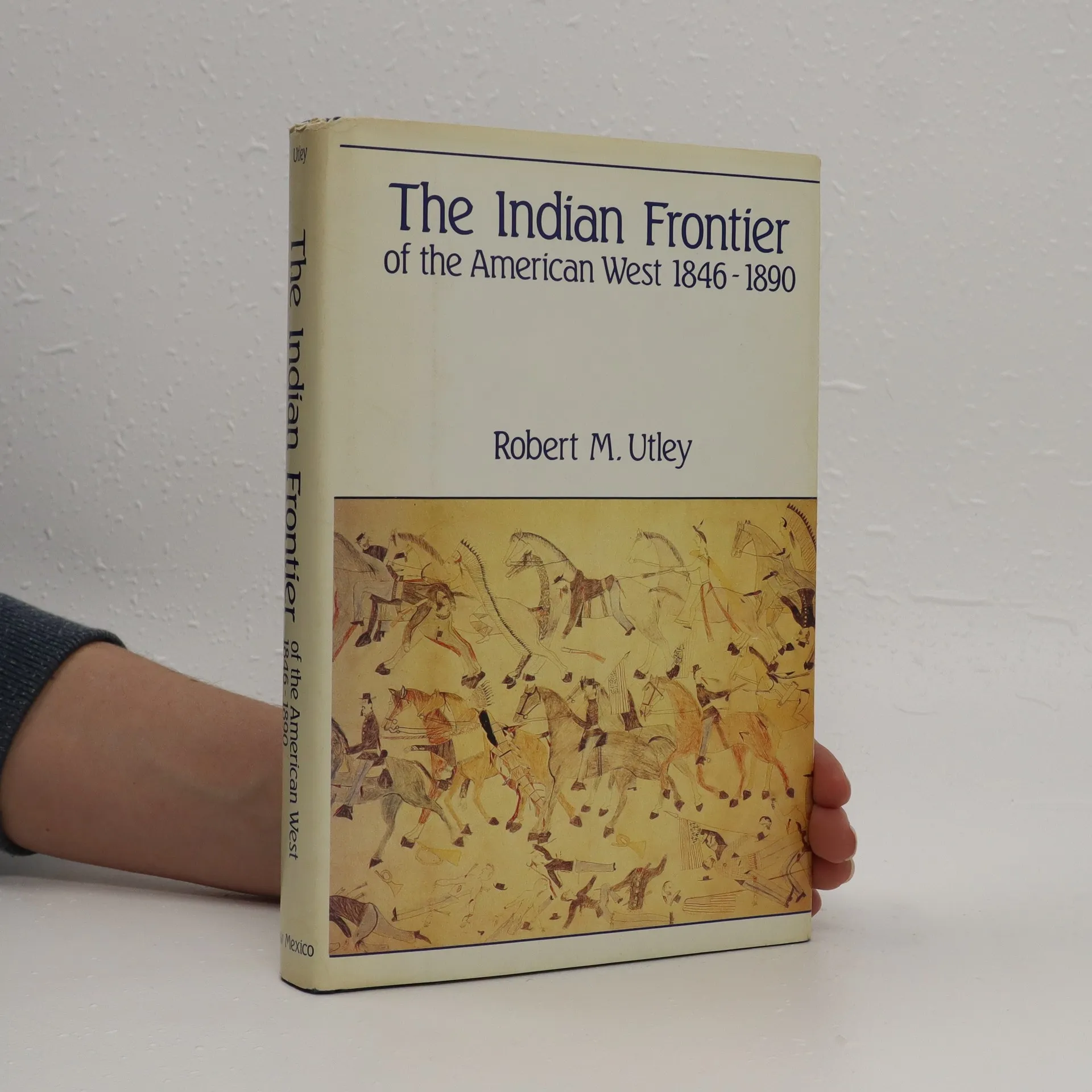
The dramatic events of the final half-century of conflict between Indians and whites in the American West are presented here as a history of two peoples seemingly destined never to understand each other. Utley interprets this conflict from a dual perspective: re-creating events from the Indian viewpoint while also providing an objective appraisal of why the nineteenth-century white man acted as he did. This even-handed approach to a tragic period of American history results in a memorable study of impressive scope and penetrating insight.
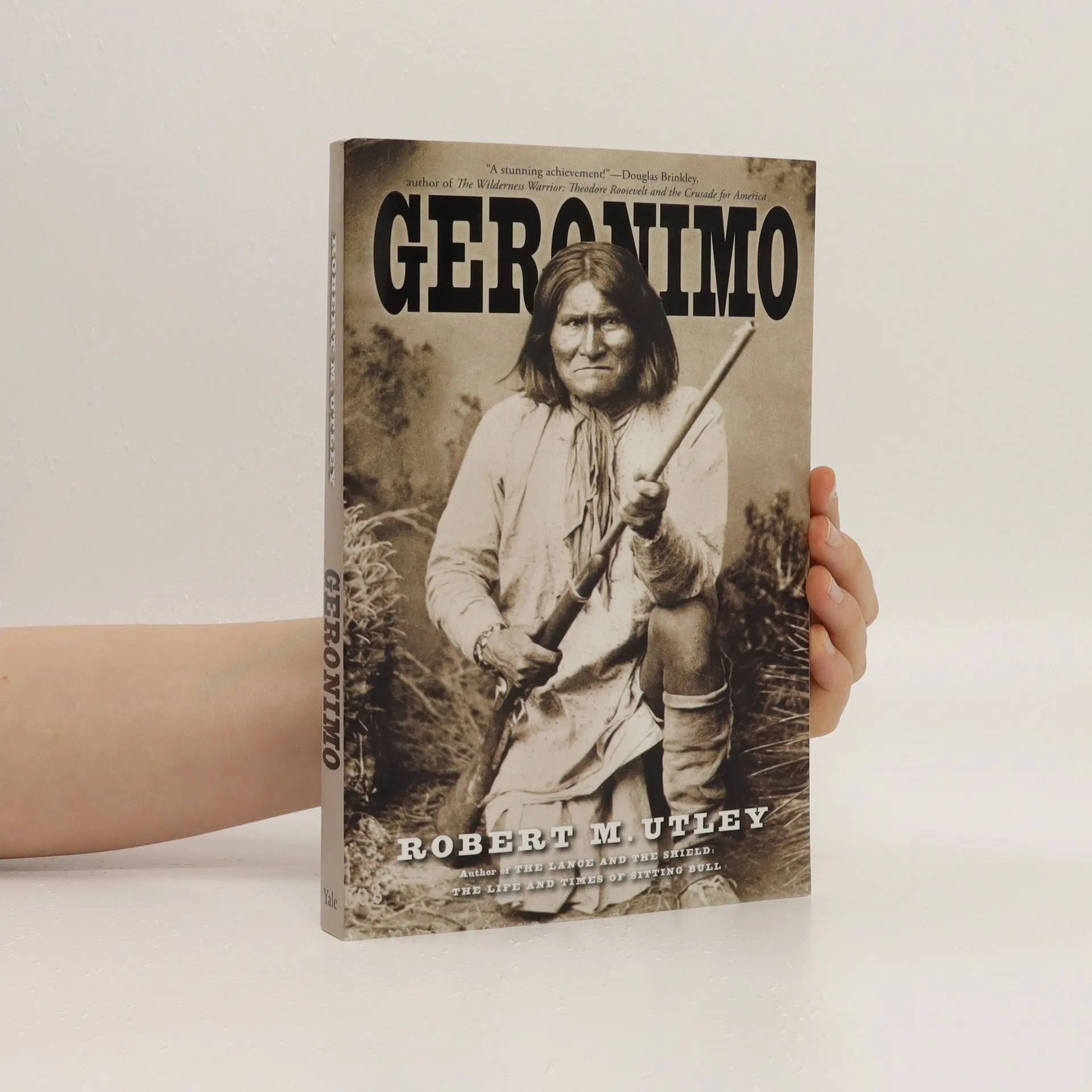
Renowned for ferocity in battle, legendary for an uncanny ability to elude capture, feared for the violence of his vengeful raids, the Apache warrior Geronimo captured the public imagination in his own time and remains a figure of mythical proportion today. This thoroughly researched biography by a renowned historian of the American West strips away the myths and rumors that have long obscured the real Geronimo and presents an authentic portrait of a man with unique strengths and weaknesses and a destiny that swept him into the fierce storms of history. Historian Robert Utley draws on an array of new sources and his own lifelong research on the Mountain West and white-Indian conflicts of the late nineteenth century to create an updated, accurate, and highly exciting narrative of Geronimo's life. Utley unfolds the story through the alternating perspectives of whites and Apaches, and he arrives at a more nuanced understanding of Geronimo's character and motivation than ever before. What it was like to be a warrior-in-training, why Indians as well as whites feared Geronimo, how Geronimo maintained his freedom, and why he finally surrendered--the answers to these questions and many more fill the pages of this irresistable volume.
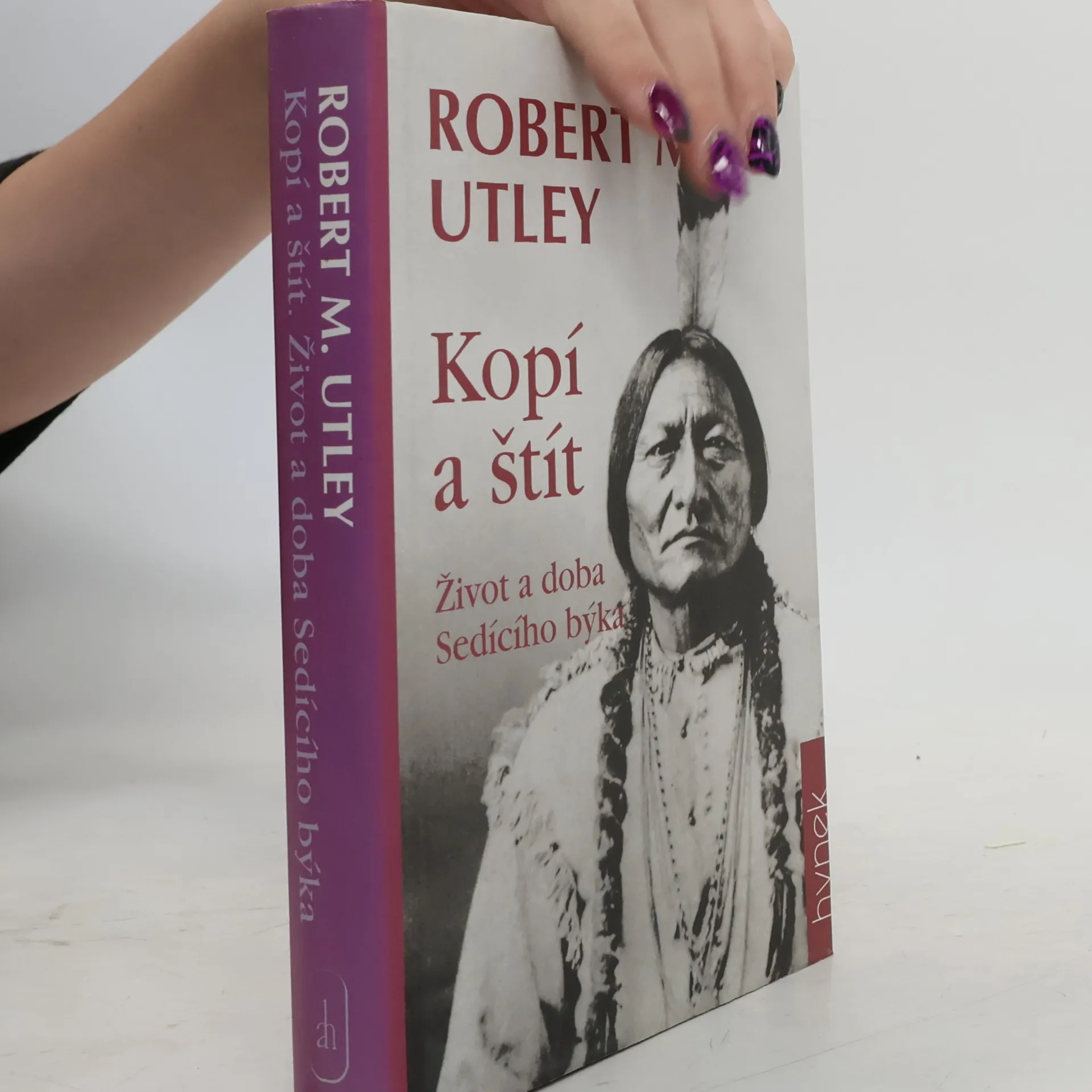
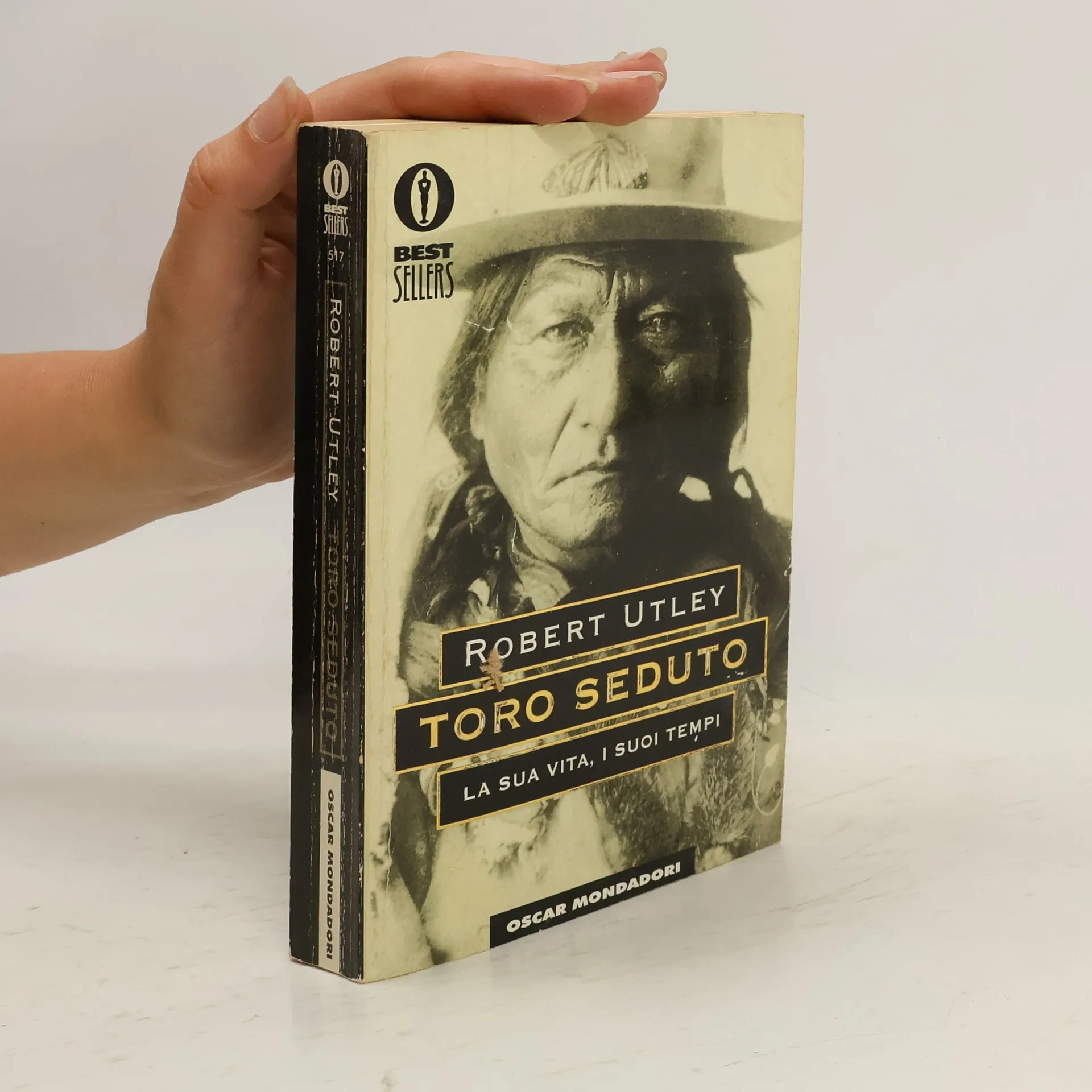
Sedící býk patří mezi nejznámější představitele původního obyvatelstva Severní Ameriky. Významně zasáhl do vztahů s bílými osadníky. Portrét indiánského náčelníka Siouxů (Lakotů) se proto neobejde bez podrobného rozboru situace na americkém západě v 19. století. Publikace je doplněna bohatým seznamem použité literatury a nechybí ani rejstřík....
La biografia definitiva e premiata del leggendario capo e del suo drammatico ruolo nella storia dell'espansione verso ovest. Disprezzato dal governo degli Stati Uniti come un disturbatore e un vigliacco, venerato dal suo popolo come un grande capo guerriero, Sitting Bull è stato a lungo una delle figure più affascinanti e fraintese della storia americana. Lo storico Robert M. Utley ha creato un ritratto coinvolgente di Sitting Bull, presentando per la prima volta la prospettiva Lakota e offrendo il ritratto più imparziale, storicamente accurato e vivido dell'uomo fino ad oggi. Il Sitting Bull che emerge in questa narrazione incalzante è una figura complessa e imponente: un grande guerriero la cui abilità e coraggio in battaglia erano senza pari; il leader spirituale del suo popolo; un difensore dignitoso ma tragicamente testardo delle tradizioni contro l'invasione costante e indesiderata dell'uomo bianco.