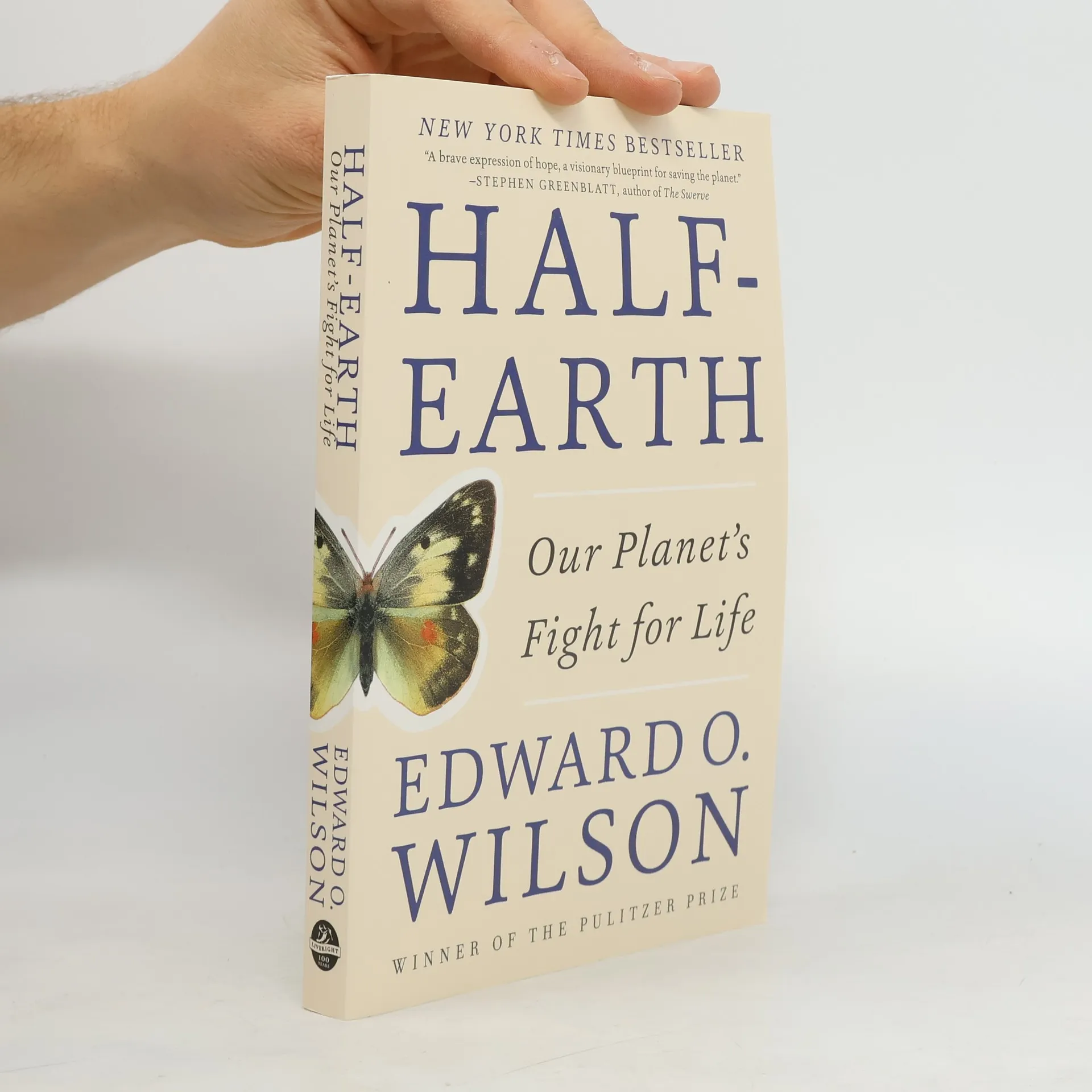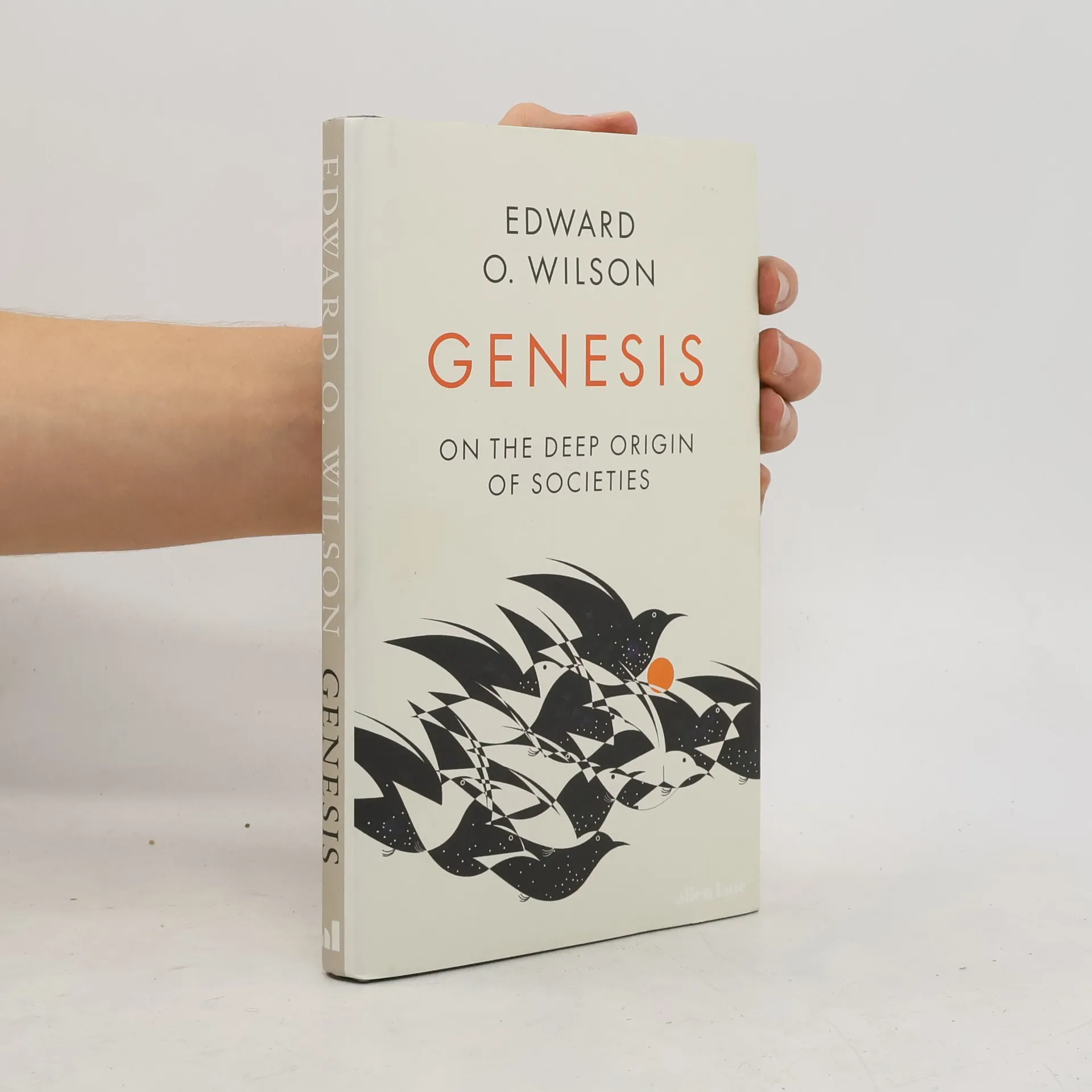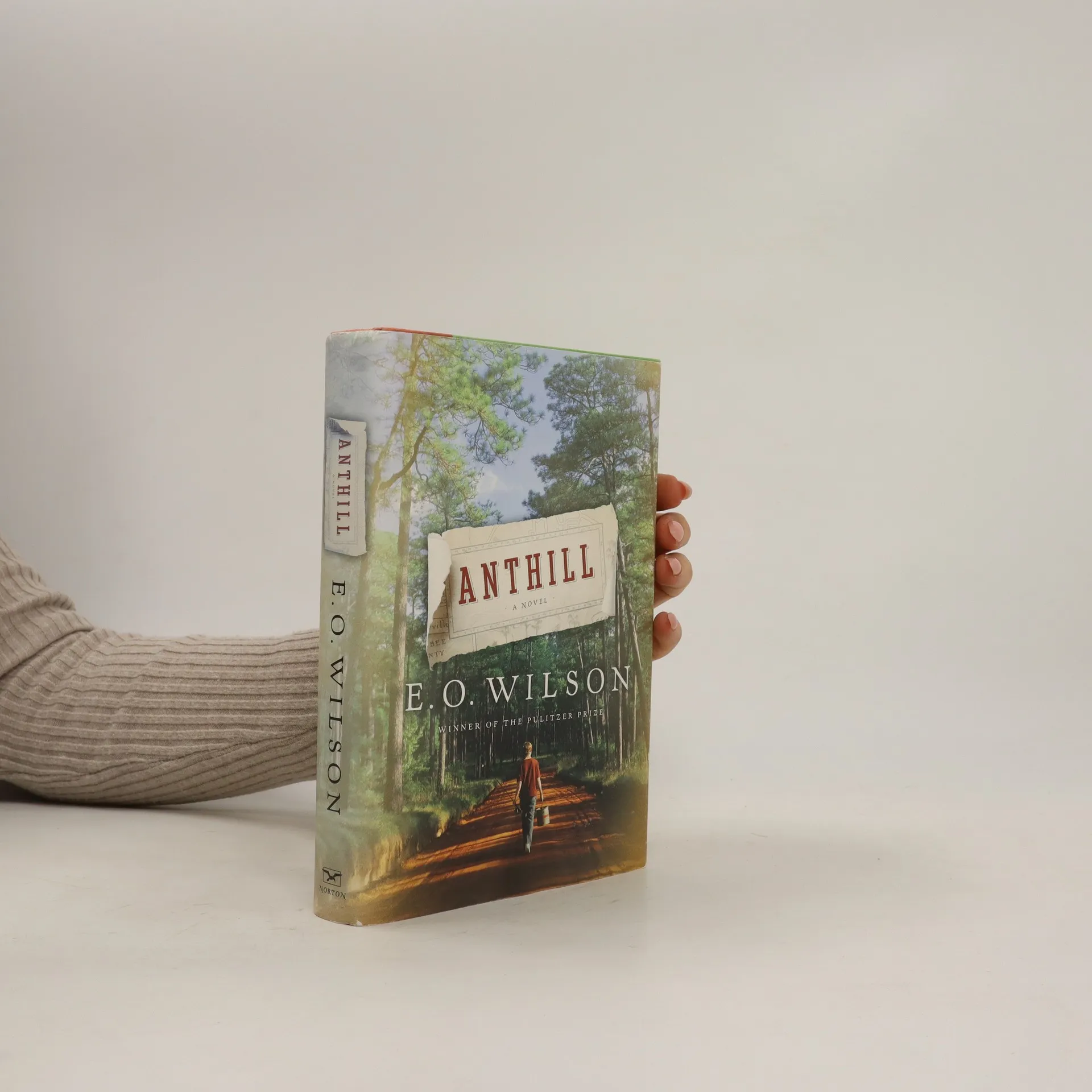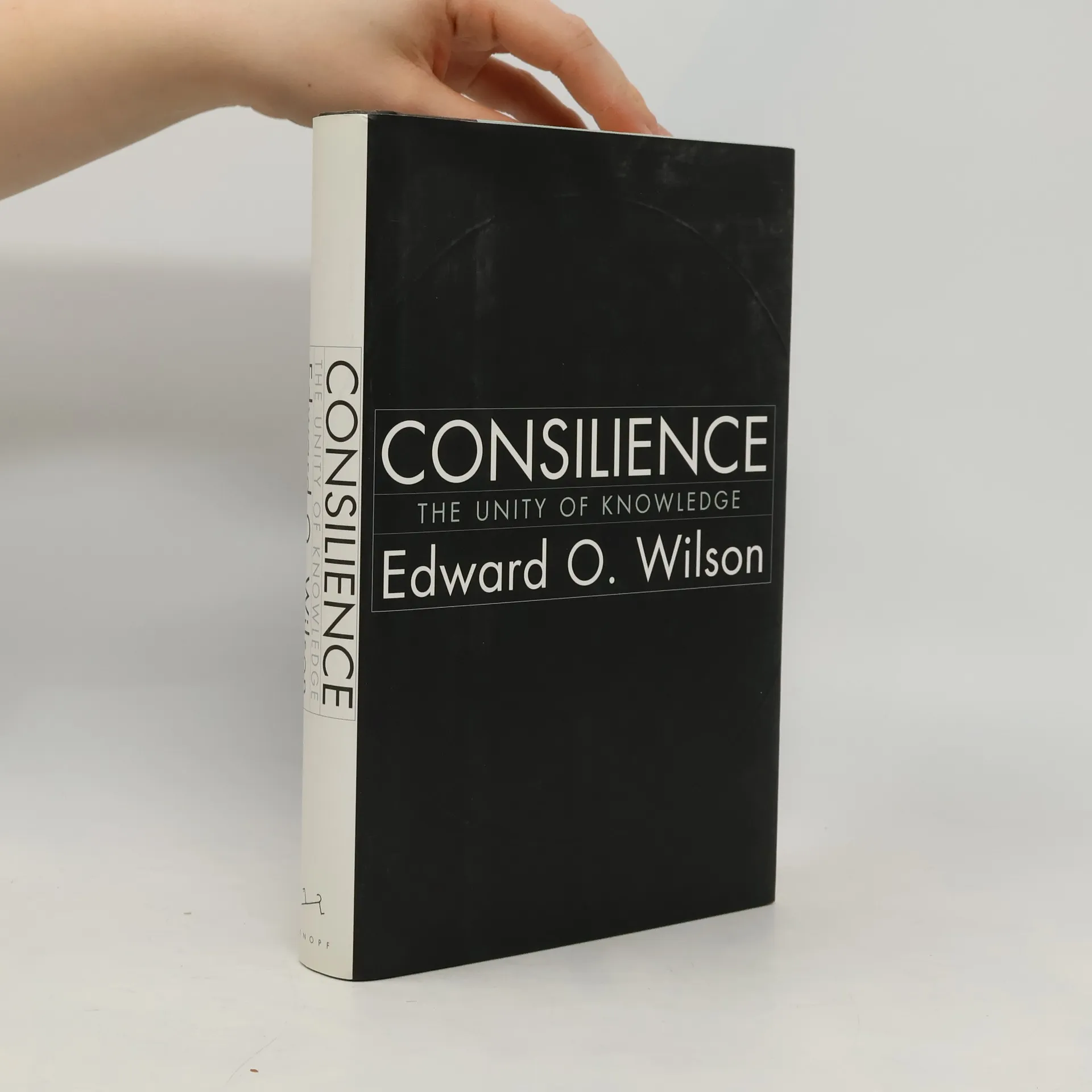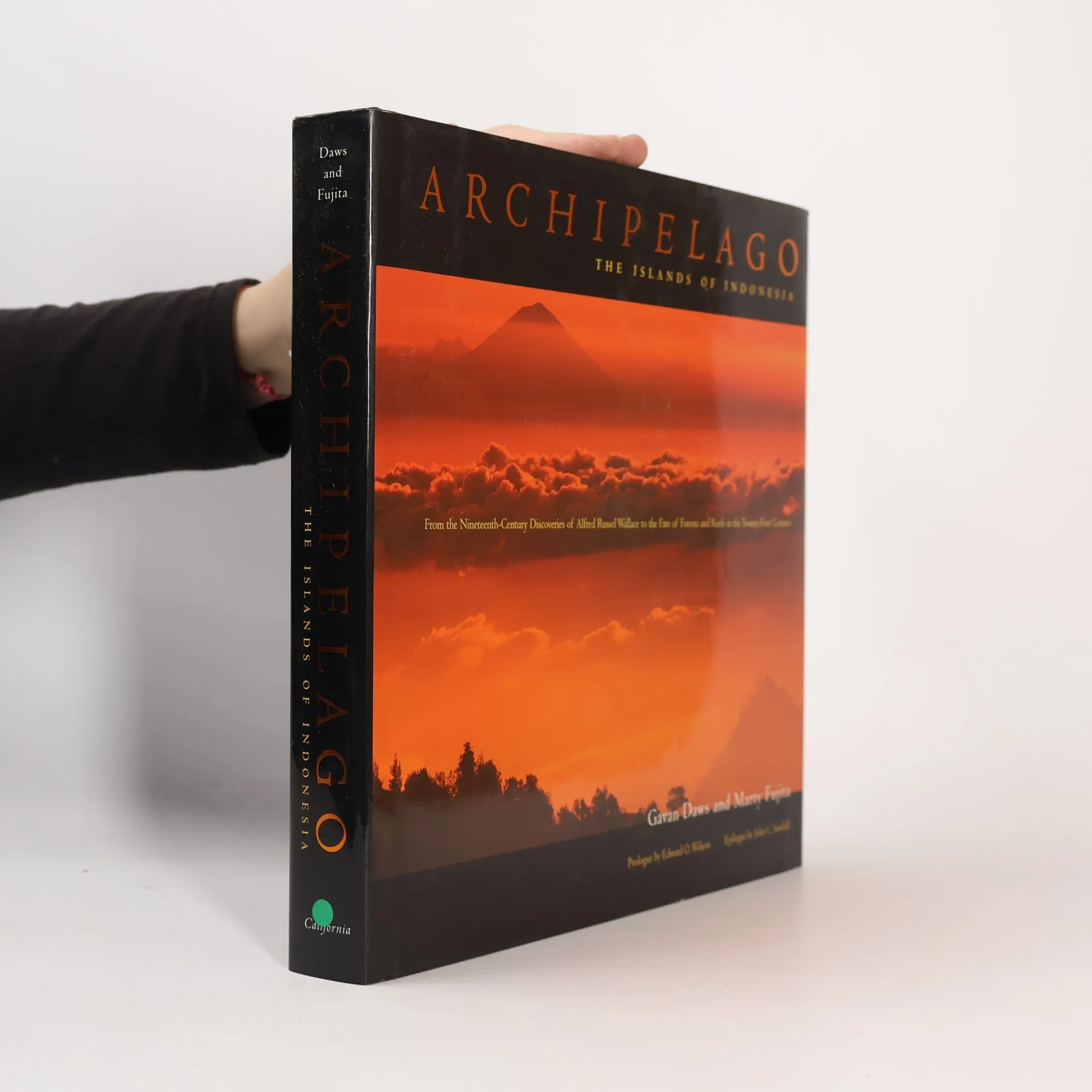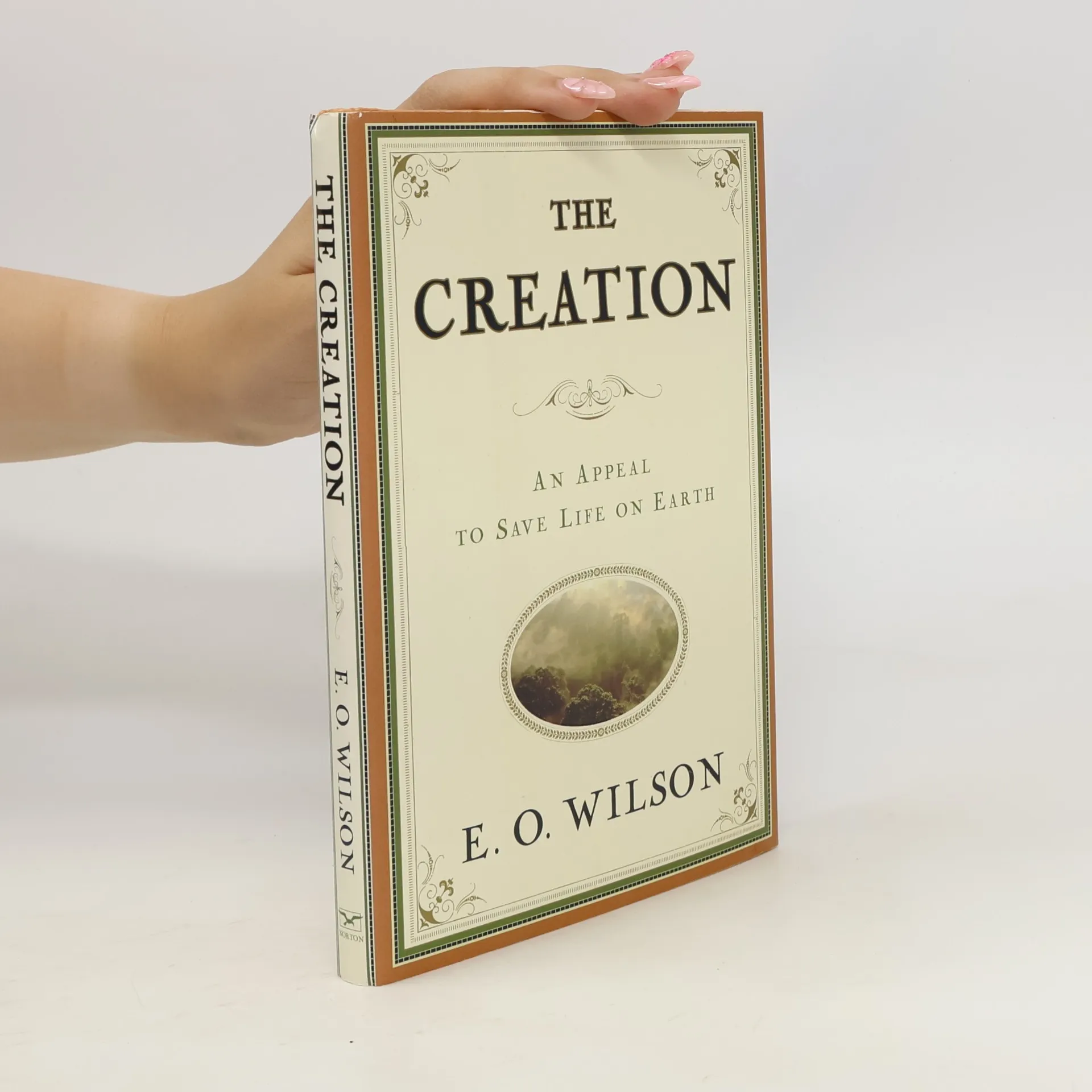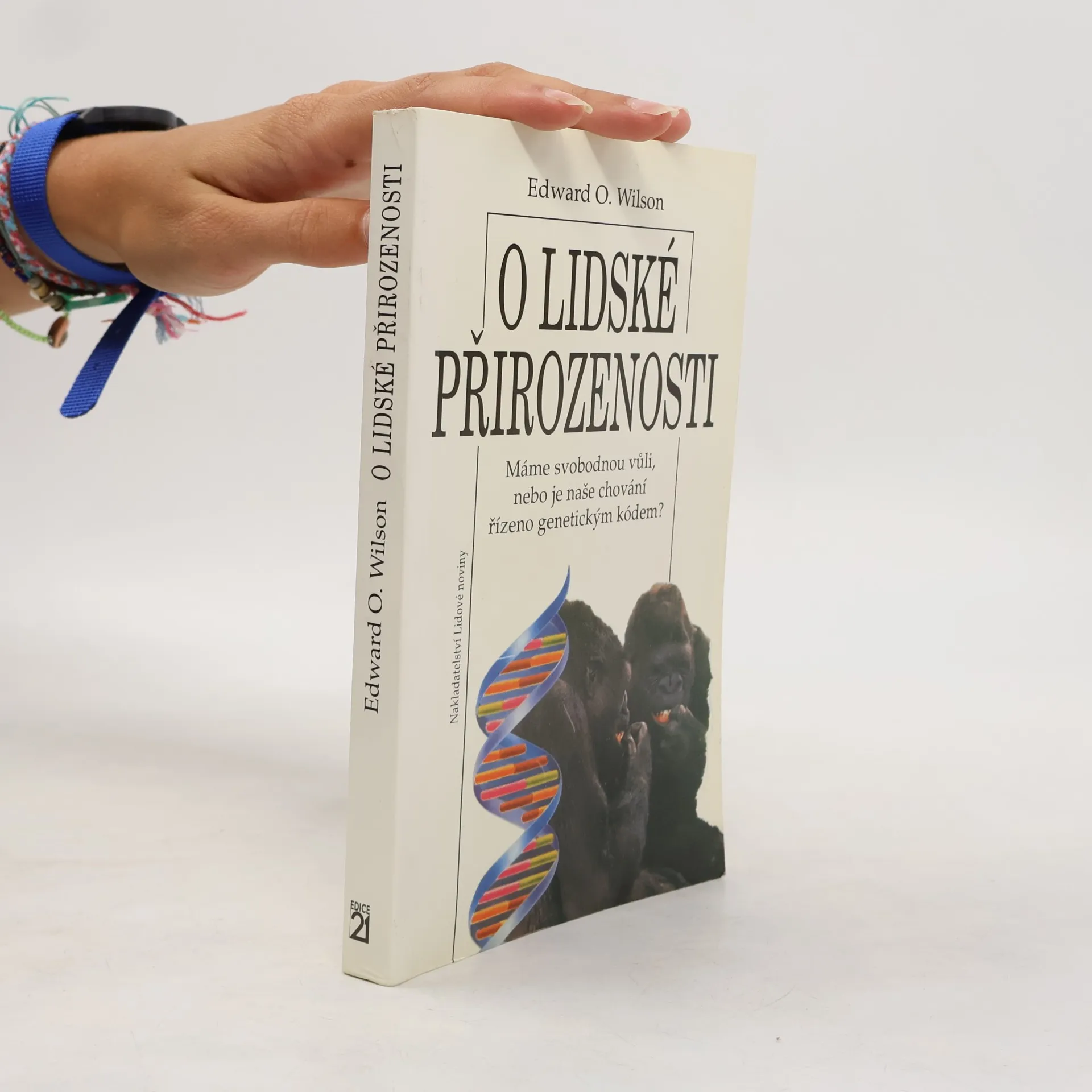
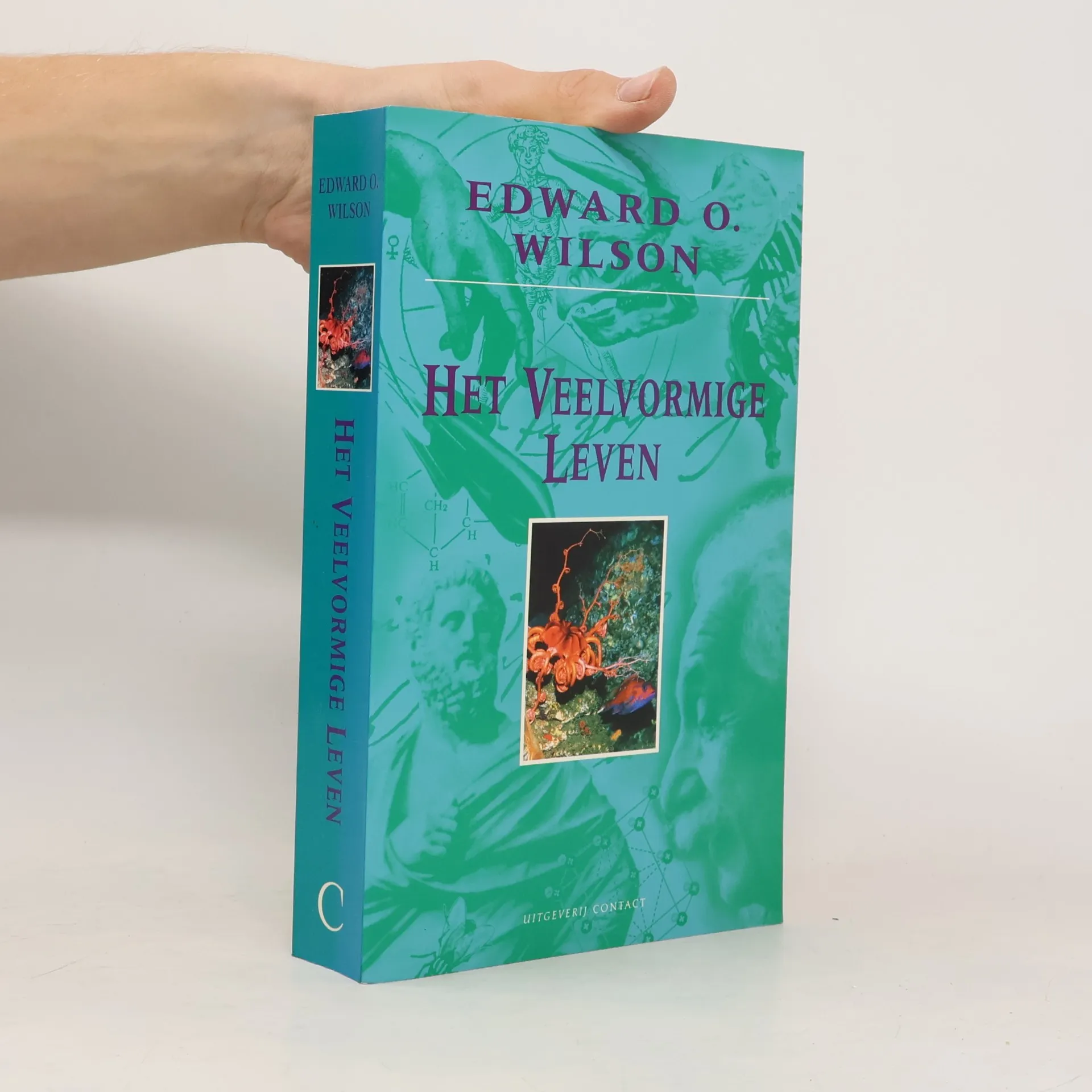
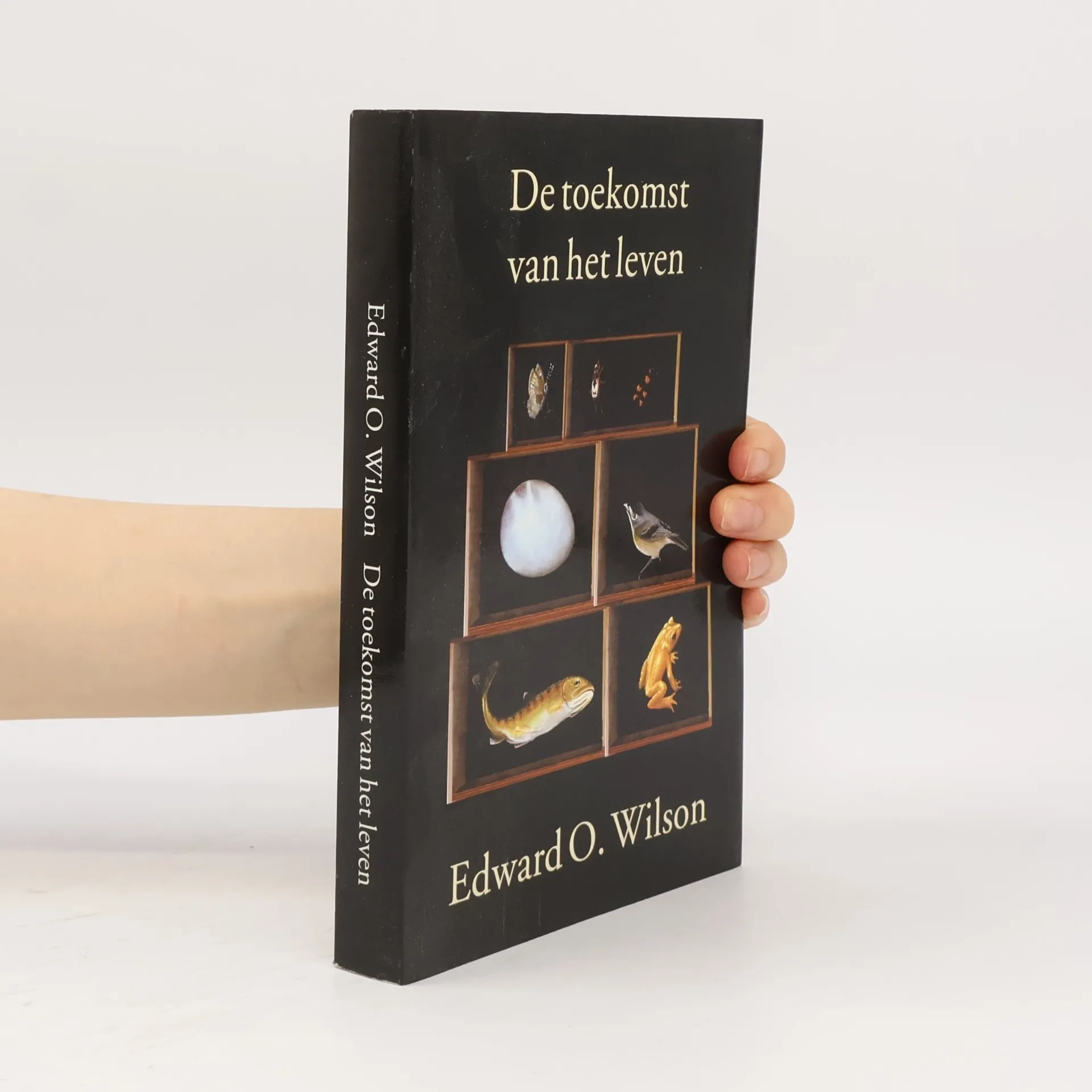
Edward Osborne Wilson was een Amerikaanse bioloog en theoreticus wiens werk zich concentreerde op de myrmecologie, de studie van mieren. Hij won tweemaal de Pulitzerprijs voor non-fictie. Wilson staat bekend om zijn wetenschappelijke bijdragen, zijn pleidooi voor milieubescherming en zijn seculier-humanistische opvattingen over religieuze en ethische kwesties. Zijn schrijven onderzoekt vaak de onderlinge verbondenheid van biologie, ethiek en de plaats van de mensheid in de natuurlijke wereld.
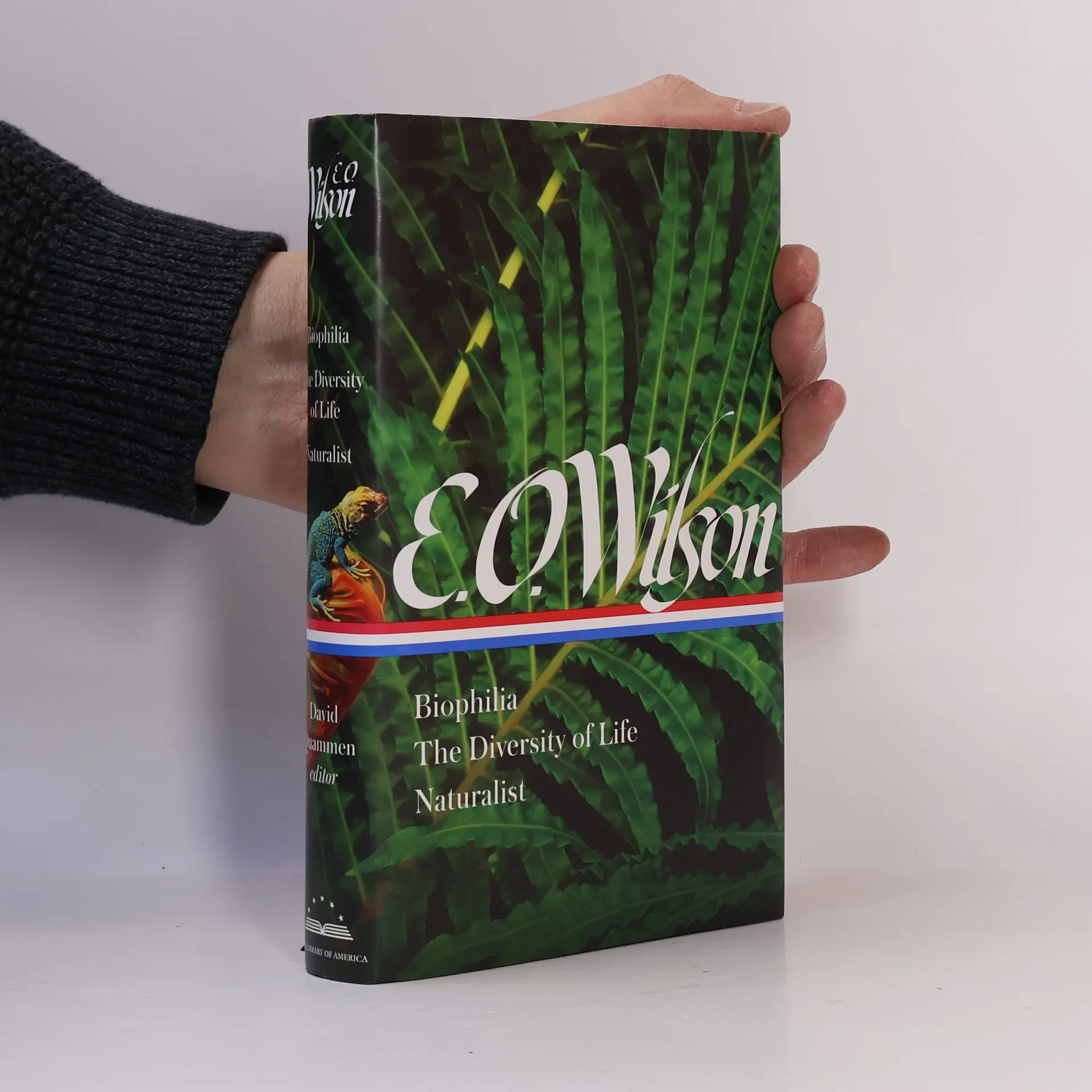
This collected edition features the works of a Pulitzer Prize-winning author and esteemed biologist, showcasing the wonders of biodiversity amidst the urgent challenges of climate change and mass extinction. It offers profound insights into the intricate relationships within ecosystems and emphasizes the importance of preserving the planet's diverse life forms.
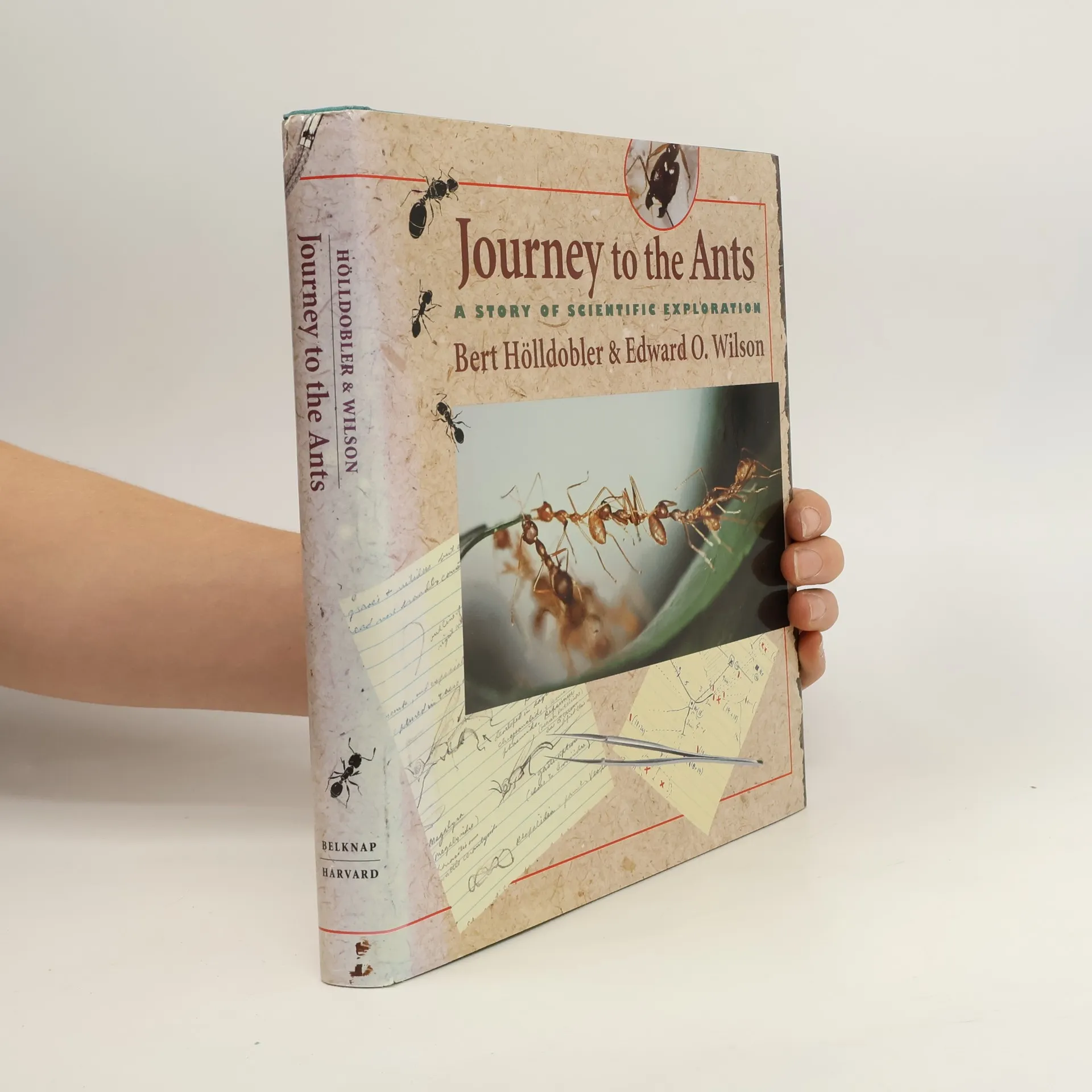
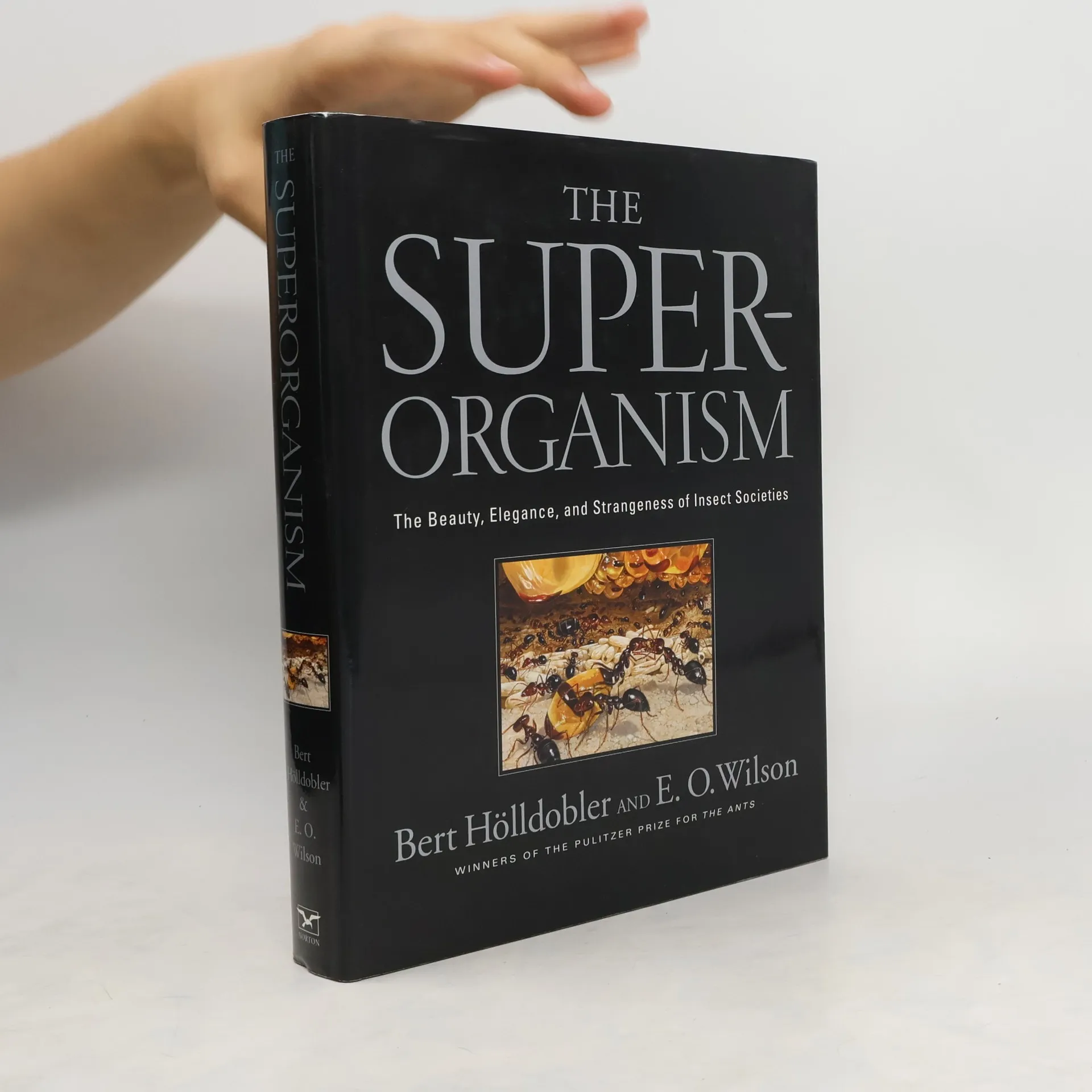
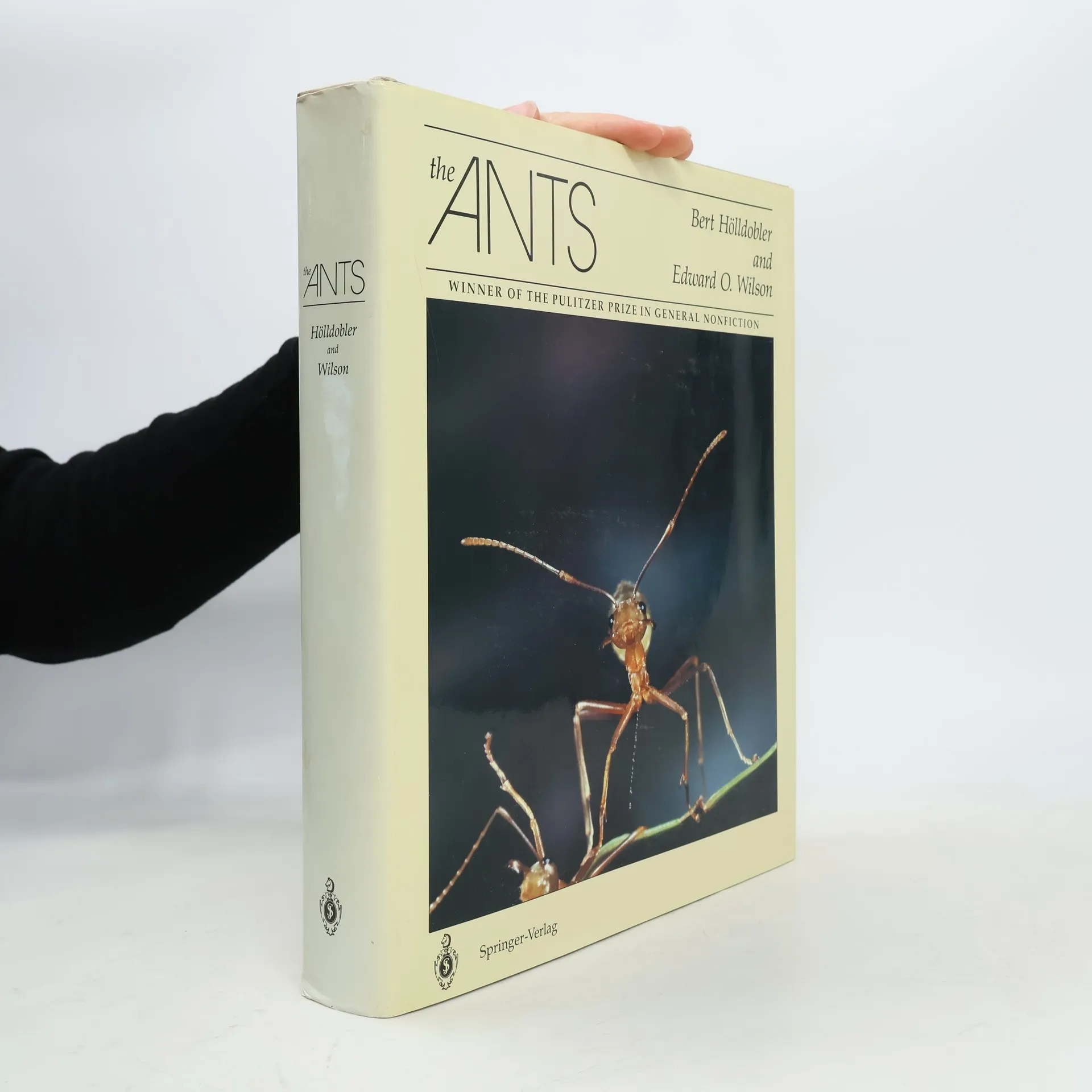
Hailed as "a masterpiece" by Scientific American and as "the greatest of all entomology books" by Science, Bert Holldobler and Edward O. Wilson's monumental treatise The Ants also was praised in the popular press and won a Pulitzer Prize. This overwhelming success attests to a fact long known and deeply felt by the authors: the infinite fascination of their tiny subjects. This fascination finds its full expression in Journey to the Ants, an overview of myrmecology that is also an eloquent tale of the authors' pursuit of these astonishing insects
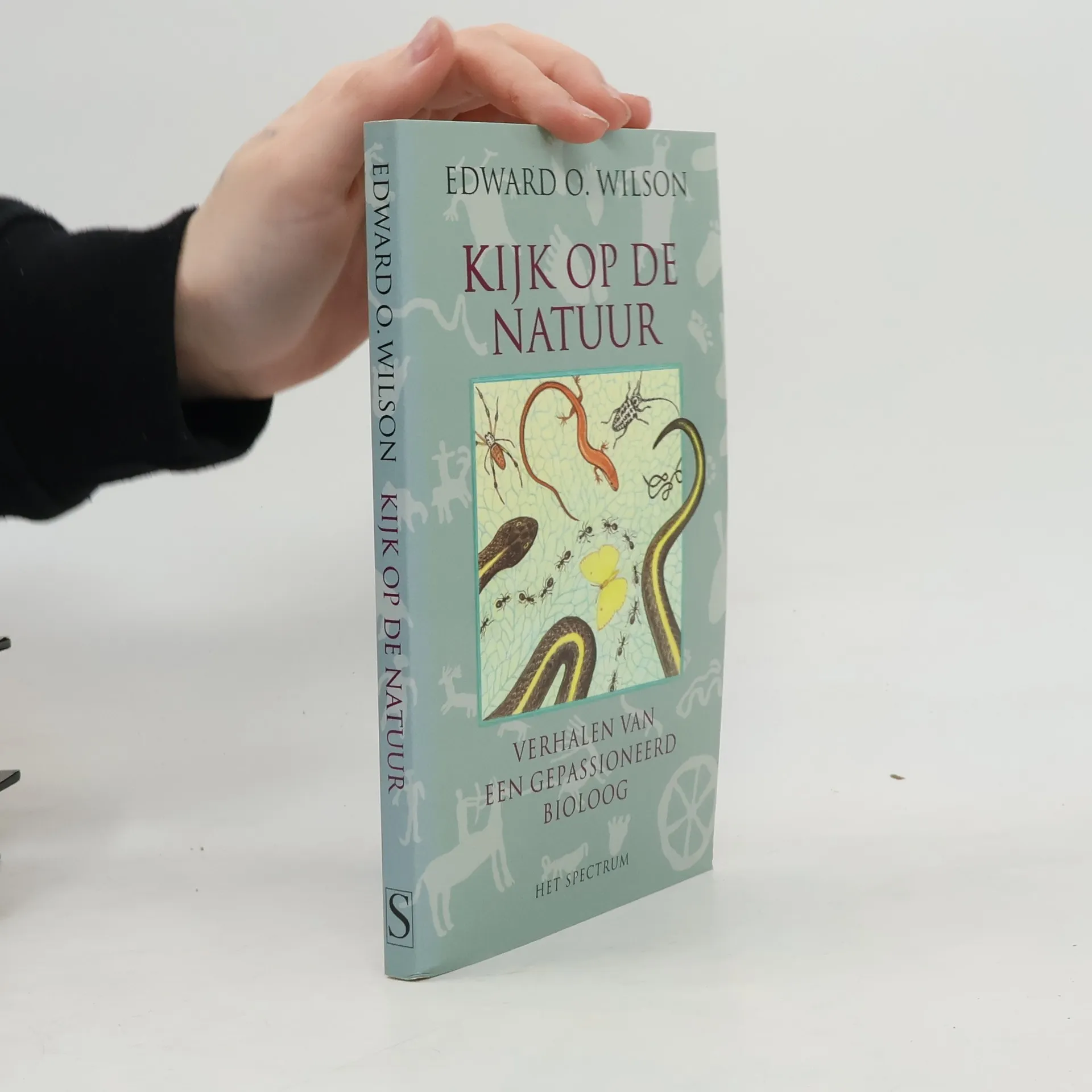
The eminent biologist reflects on his own response to nature and the aesthetic
aspects of his exploration of natural systems in an intensely personal essay
that examines the essential links between mankind and the rest of the living
world.
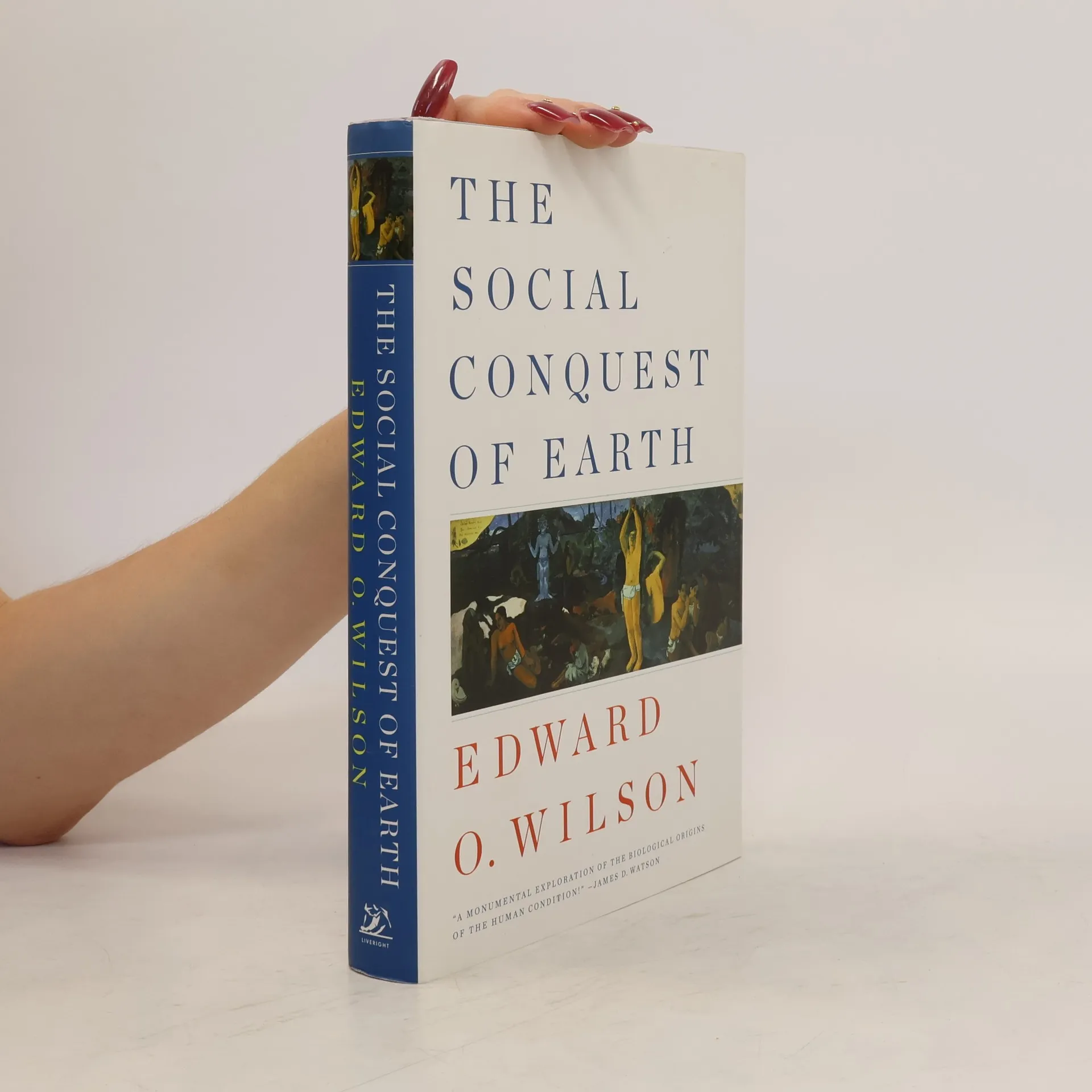
When this work was first published it started a tumultuous round in the age-old nature versus nurture debate. It shows how research in human genetics and neuroscience has strengthened the case for biological understanding of human nature.
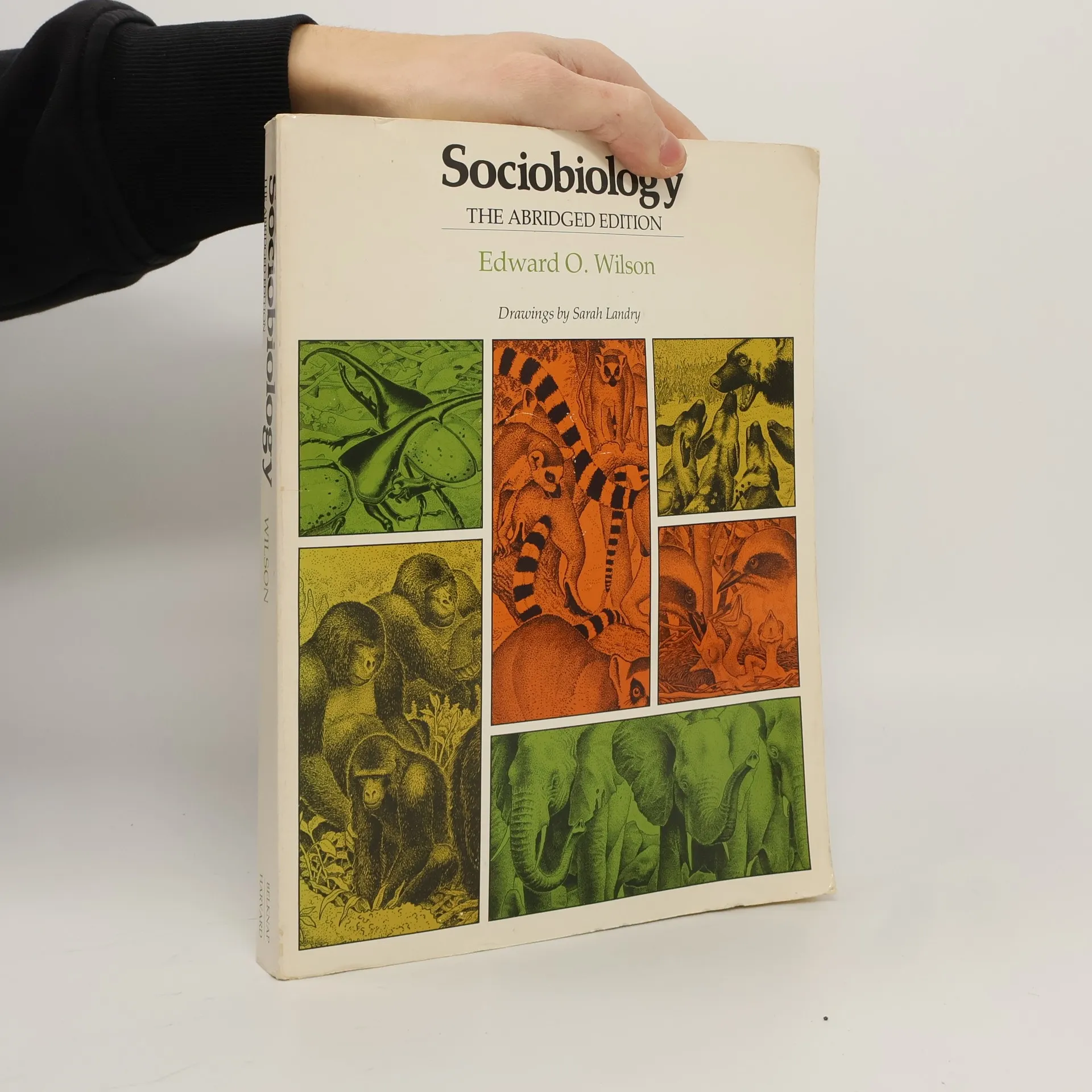
View a collection of videos on Professor Wilson entitled "On the Relation of Science and the Humanities" In his new preface E. O. Wilson reflects on how he came to write this book: how "The Insect Societies" led him to write "Sociobiology," and how the political and religious uproar that engulfed that book persuaded him to write another book that would better explain the relevance of biology to the understanding of human behavior.
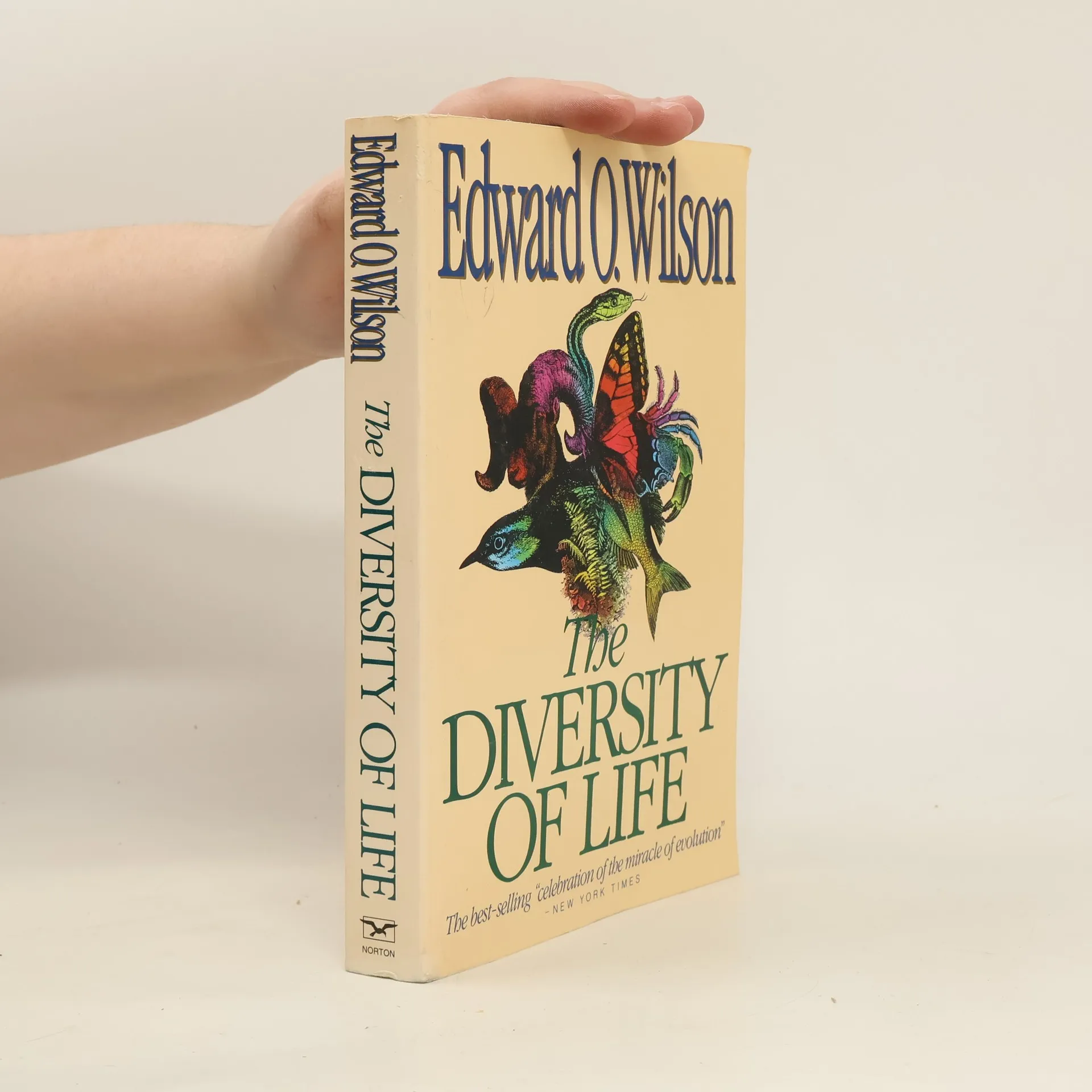
Traces the processes that produce new species, explains the importance of biodiversity, and recommends steps to help preserve diversity and improve the general quality of life.
Our world is far richer than previously conceived, yet so ravaged by human activity that half its species could be gone by the end of the present century. These two contrasting themes--unexpected magnificence and underestimated peril--have originated during the past two decades of research. In this timely and important new book, one of our greatest living scientists describes exactly what treasures of the natural world we are about to lose forever and what we can do right now to save them. Destruction of natural habitats, the rampant spread of invasive species, pollution, uncontrolled population growth and overharvesting are the main threats to our natural world. Wilson explains how each of these elements works to undo the web of life that supports us, and why it is in our best interests to stop it. THE FUTURE OF LIFE is a magisterial accomplishment - both a moving description of the world's astonishing animals and plants and a guidebook for the protection of all its species, including our own.