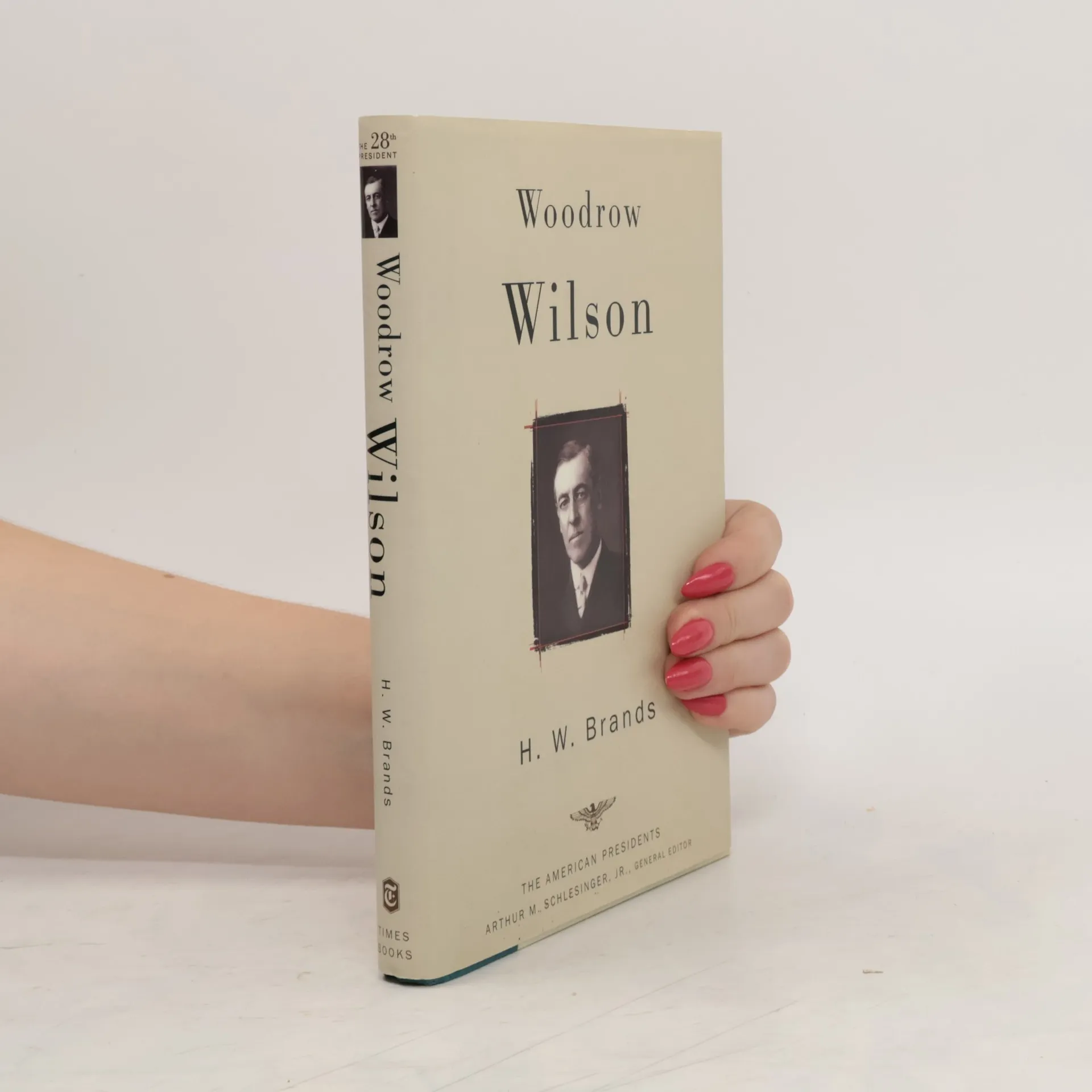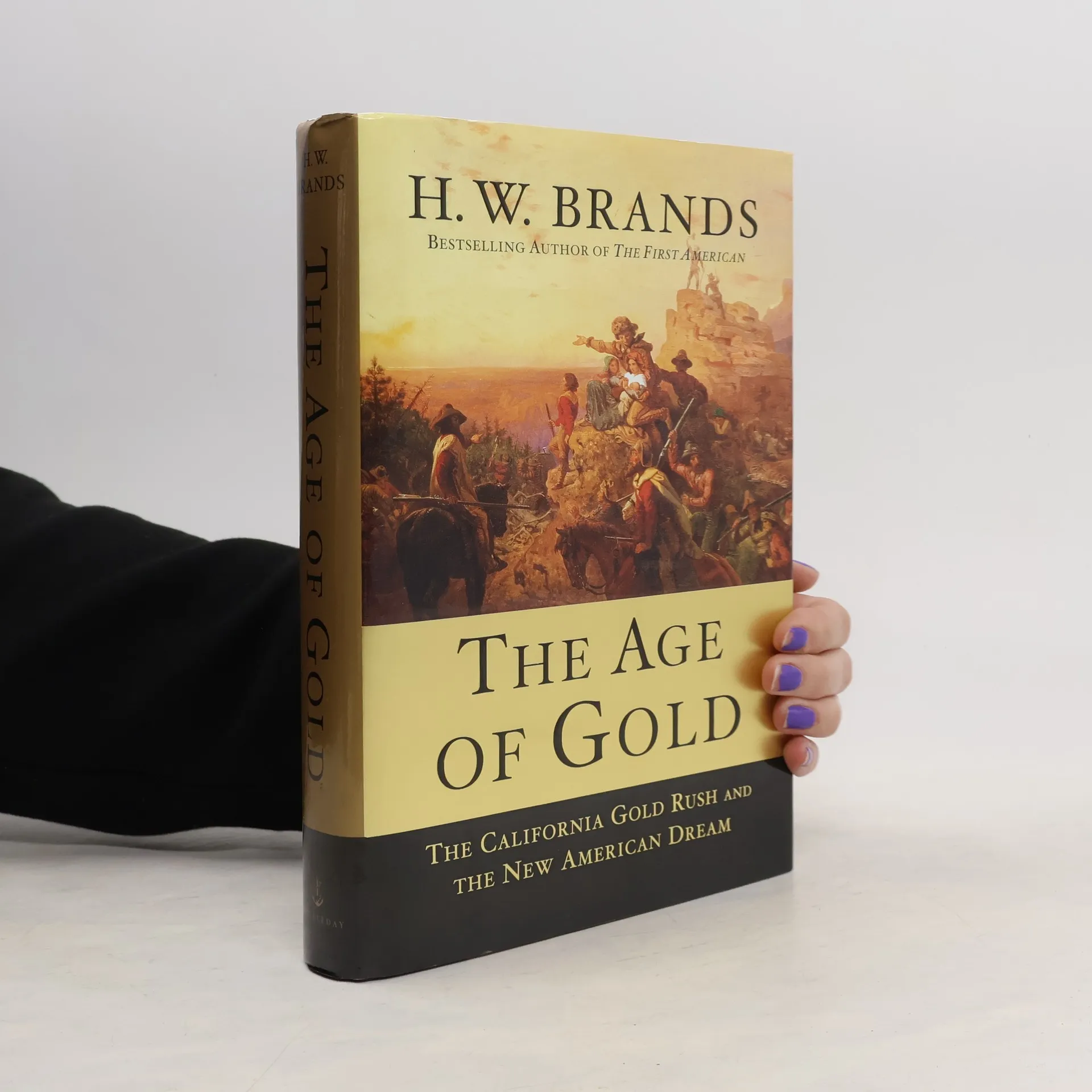
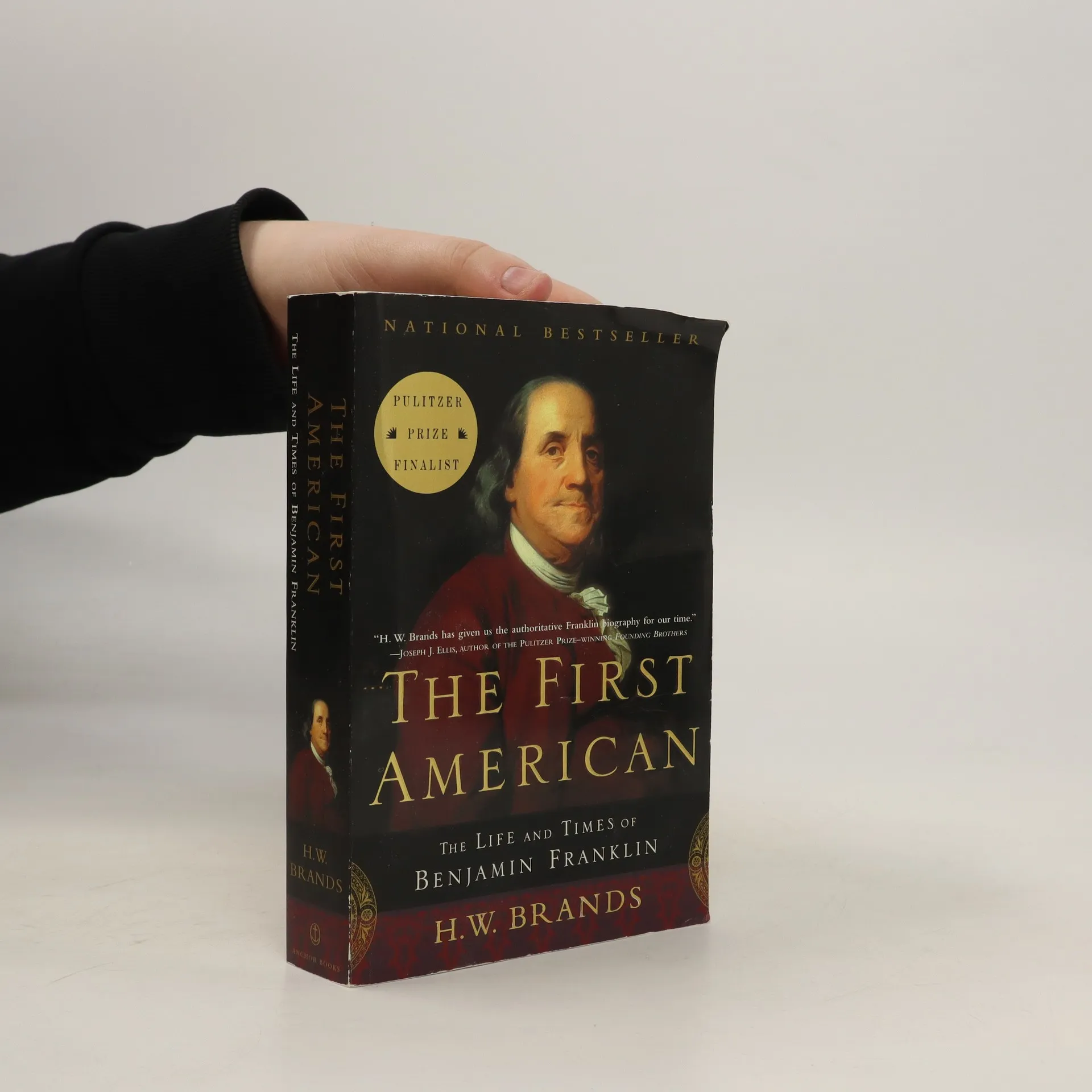
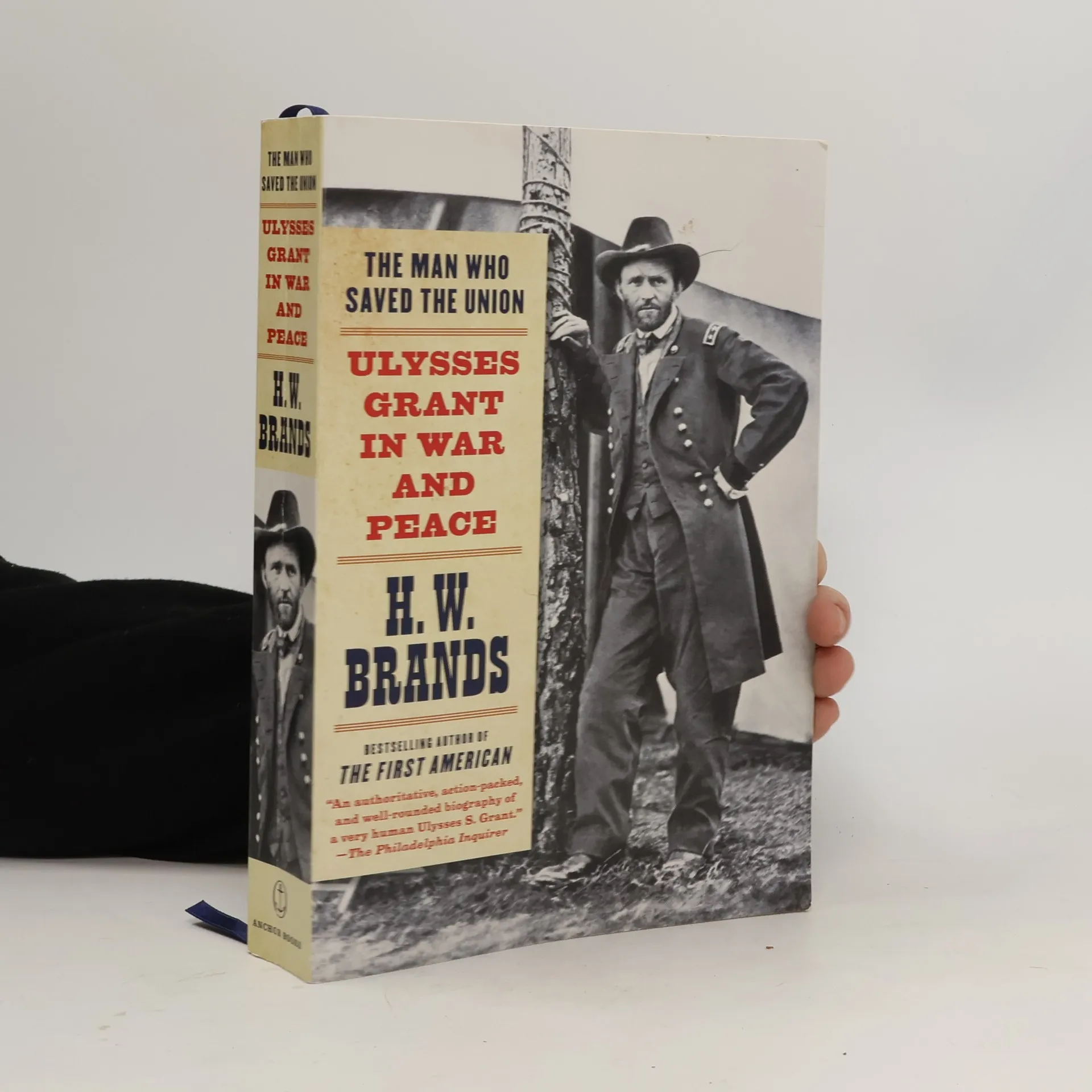
"Bestselling historian and Pulitzer Prize finalist H. W. Brands follows the lives of General William Tecumseh Sherman and Apache war leader Geronimo to tell the story of the Indian Wars and the final fight for control of the American continent. William Tecumseh Sherman and Geronimo were keen strategists and bold soldiers, ruthless with their enemies. Over the course of the 1870s and 1880s these two war chiefs would confront each other in the final battle for what the American West would be- a sparsely settled, wild home where Indian tribes could thrive, or a more densely populated extension of the America to the east of the Mississippi. Sherman was a well-connected son of Ohio who attended West Point and rose to prominence through his scorched-earth campaigns in the Civil War. Geronimo grew up among the Apache people, hunting wild game for sustenance and roaming freely on the land. After the brutal killing of his wife, children and mother by Mexican soldiers, he became a relentless avenger, raiding Mexican settlements across the American border. When Sherman rose to commanding general of the Army, he was tasked with bringing Geronimo and his followers onto a reservation where they would live as farmers and ranchers and roam no more. But Geronimo preferred to fight. The Last Campaign is a powerful retelling of a turning point in the making of our nation and a searing elegy for a way of life that is gone"--
H.W. Brands Volgorde van de boeken
Henry William Brands is een vooraanstaand historicus wiens productieve werk de diepten van de Amerikaanse geschiedenis en politiek verkent. Hij bezit een opmerkelijk talent om complexe historische gebeurtenissen en figuren te verlichten door middel van nauwgezet onderzoek en meeslepende vertellingen. Brands navigeert meesterlijk door cruciale momenten in de Amerikaanse ontwikkeling en ontleedt de diepgaande sociale en politieke krachten die de natie hebben gevormd. Zijn geschriften worden geprezen om hun intellectuele strengheid, helderheid en hun vermogen om het verleden met het heden te verbinden.


- 2023
- 2023
From bestselling historian and Pulitzer Prize finalist H. W. Brands, this revelatory history explores the emergence of political division at the birth of the United States. It narrates the early years of the republic, highlighting how the Founding Fathers clashed over competing visions for the nation. To the framers of the Constitution, political parties posed an existential threat to republican virtues, as they had witnessed the consequences of partisan politics in Britain before the American Revolution. Despite their intentions, parties emerged even before the Constitution was ratified and took firmer root in the following decade. The Federalists, led by Alexander Hamilton, sought to reform the Articles of Confederation, while Thomas Jefferson and the Antifederalists, the precursor to the Republicans, organized in opposition. As George Washington attempted to remain neutral, John Adams, the second president, actively engaged as a Federalist. The nation’s formative years were marked by contentious elections and constitutional violations, yet peaceful transfers of power persisted. This narrative serves as a powerful reminder that fierce partisanship is an enduring challenge, one that the republic has faced and overcome repeatedly.
- 2022
Our First Civil War: Patriots and Loyalists in the American Revolution
- 848bladzijden
- 30 uur lezen
The book provides a gripping narrative of the military and political events surrounding the Declaration of Independence and the subsequent war. It highlights the complexities of the founding of the nation, emphasizing that division played a crucial role alongside unity. Through detailed accounts, the author sheds light on the turbulent times that shaped America's history, offering readers a deeper understanding of the struggles and conflicts that defined the nation's birth.
- 2022
Bestselling historian and Pulitzer-prize finalist H. W. Brands follows the lives and battles of General William Tecumseh Sherman and Apache warrior Geronimo to tell the story of the Indian Wars and the final fight for control of the American continent.William Tecumseh Sherman and Geronimo were keen strategists and bold soldiers, ruthless with their enemies. Over the course of the 1870s and 1880s these two war chiefs would confront each other in the final battle for what the American West would be: a sparsely settled, wild home where Indian tribes could thrive, or a densely populated extension of the America to the east of the Mississippi. Sherman was a privileged son of Ohio who attended West Point and rose to prominence through his scorched earth campaigns in the Civil War. Geronimo grew up in the Apache tribe, hunting wild game for survival and roaming freely on the land. After the brutal killing of his wife, children, and mother, however, he became a relentless avenger, raiding Mexican settlements across the American border. When Sherman rose to General of the U.S. Army, he was tasked with bringing Geronimo and his tribe into an agreement with the U.S. government pledging that the Apache would live as farmers and ranchers and roam no more. But Geronimo preferred to fight. The Last Campaign is a powerful retelling of a turning point in the making of our nation and a searing elegy for a way of life that is gone.
- 2021
Our First Civil War
- 512bladzijden
- 18 uur lezen
What drives individuals to turn against their own country and take up arms? Conversely, what compels their neighbors, often similar in status and success, to defend that very country? H. W. Brands explores these questions in a compelling history of the American Revolution. Figures like George Washington and Benjamin Franklin were unexpected rebels; Washington was at the pinnacle of Virginia society, while Franklin achieved global recognition from humble beginnings. John Adams, known for his contentious nature, might seem a more fitting rebel, yet he held the law in high regard. Despite their shared backgrounds, these three men chose rebellion against the British Empire that had enabled their success. Others, like William Franklin, opted for loyalty to Britain, as did royal governor Thomas Hutchinson and early Crown challenger Joseph Galloway, who faced accusations of treachery for not betraying their homeland. The conflict also forced Native Americans and the enslaved to pick sides amid the civil war. After the Revolution, Patriots were celebrated as heroes, while Loyalists were largely forgotten. This narrative reminds us that before America could secure its independence from Britain, it first had to navigate a painful civil war among family, friends, and neighbors.
- 2020
Dreams of El Dorado
- 496bladzijden
- 18 uur lezen
A two-time Pulitzer Prize finalist and New York Times-bestselling author sets a new standard for histories of the American West
- 2020
Haiku History
- 148bladzijden
- 6 uur lezen
For the past nine years, acclaimed historian H. W. Brands has been tweeting the history of the United States. But this has been no ordinary version of the American tale. Instead, Brands gives his 5,000-plus followers a regular dose of history and poetry combined: his tweets are in the form of haikus. Haiku History presents a selection of these smart, shrewd, and always informative short poems. “Shivers and specters / Flit over hearts in Salem / And so nineteen hang” describes the Salem Witch Trials, and “In angry war paint / Men board the British tea ships / And toss the cargo” depicts the Boston Tea Party. “Then an anarchist / Makes one of the war heroes / The next president” recalls the assassination of William McKinley and the ascension of Teddy Roosevelt to the presidency, while “Second invasion: / Iraq, where Saddam is still / In troubling control” returns us to the invasion of Iraq in 2003. As he travels from the thirteen colonies to the 2016 election, Brands brings to life the wars, economic crises, social policies, and other events that have shaped our nation. A history book like no other, Haiku History injects both fun and poetry into the story of America—three lines at a time.
- 2020
The Zealot and the Emancipator
- 480bladzijden
- 17 uur lezen
What do moral people do when democracy allows evil? This question emerged in mid-nineteenth-century America during the slavery struggle. John Brown's response was violence, which some later labeled terrorism. A deeply religious man, he believed he was commanded by God to eradicate slavery. When Congress opened Kansas to slavery, Brown rallied followers to wage war against it. One night, his men brutally killed proslavery settlers as a grim warning. Three years later, Brown and his group attacked the federal arsenal at Harpers Ferry, aiming to arm slaves for a race war to eliminate slavery. In contrast, Abraham Lincoln advocated for political solutions. An ambitious lawyer, he read the Bible not for moral guidance but as a writer's tool. Although he opposed slavery, he deemed it unworthy of bloodshed. Distancing himself from Brown, Lincoln joined the moderate antislavery Republican party and cautiously plotted his political ascent. However, he couldn't escape the violence unleashed by Brown. After being arrested and executed, Brown was hailed as a martyr in the North, while Southerners viewed him as a terrorist. Lincoln's attempts at moderation failed as seven Southern states seceded. His resistance led to the Civil War, which evolved from a fight for the Union into the war against slavery that Brown had sought to ignite. Ultimately, slavery was abolished, but Lincoln's belief in democracy's ability to resolve moral crises peac
- 2017
H. W. Brands rozmnožil řadu životopisů amerických prezidentů o důležitou položku: svou rozsáhlou práci zasvětil životu a působení Ronalda Reagana. Reaganova osobnost měla velký význam pro všechny země sovětského bloku, protože za jeho působení došlo ke zhroucení komunismu ve střední a východní Evropě. Autor se pochopitelně věnuje i vnitřní politice a proměně politického stylu, kterou Reagan ztělesňoval.
- 2003
The book provides an in-depth exploration of the influential figure who significantly shaped American foreign policy, detailing their ascent to prominence and subsequent decline. It examines key events, decisions, and the broader historical context that defined their impact on international relations, offering insights into the complexities of political power and the dynamics of foreign diplomacy. Through this narrative, readers gain a nuanced understanding of the challenges and transformations within American foreign policy over time.