Koop 10 boeken voor 10 € hier!
Bookbot

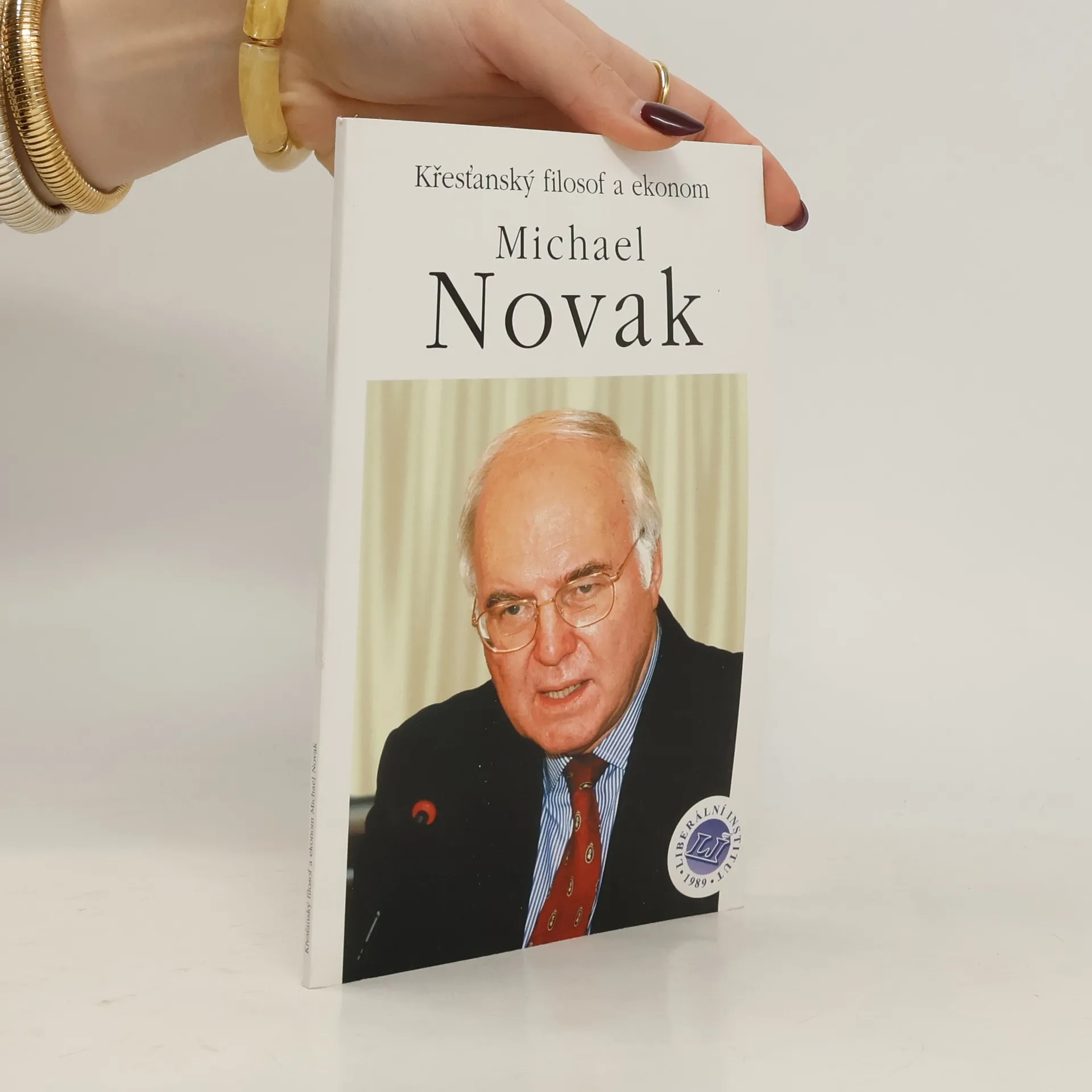
Michael Novak

    9 september 1933 – 17 februari 2017

    Michael Novak was een Amerikaanse katholieke filosoof en journalist wiens werk vaak de kruising van religie, filosofie en openbaar beleid onderzocht. Zijn schrijven verdedigde het idee van vrijheid, puttend uit zijn katholieke perspectief om hedendaagse kwesties aan te pakken. Novak was een belangrijke stem in intellectuele en diplomatieke kringen, waar hij opkwam voor zijn overtuigingen over vrijheid en godsdienstvrijheid.

    Michael Novak
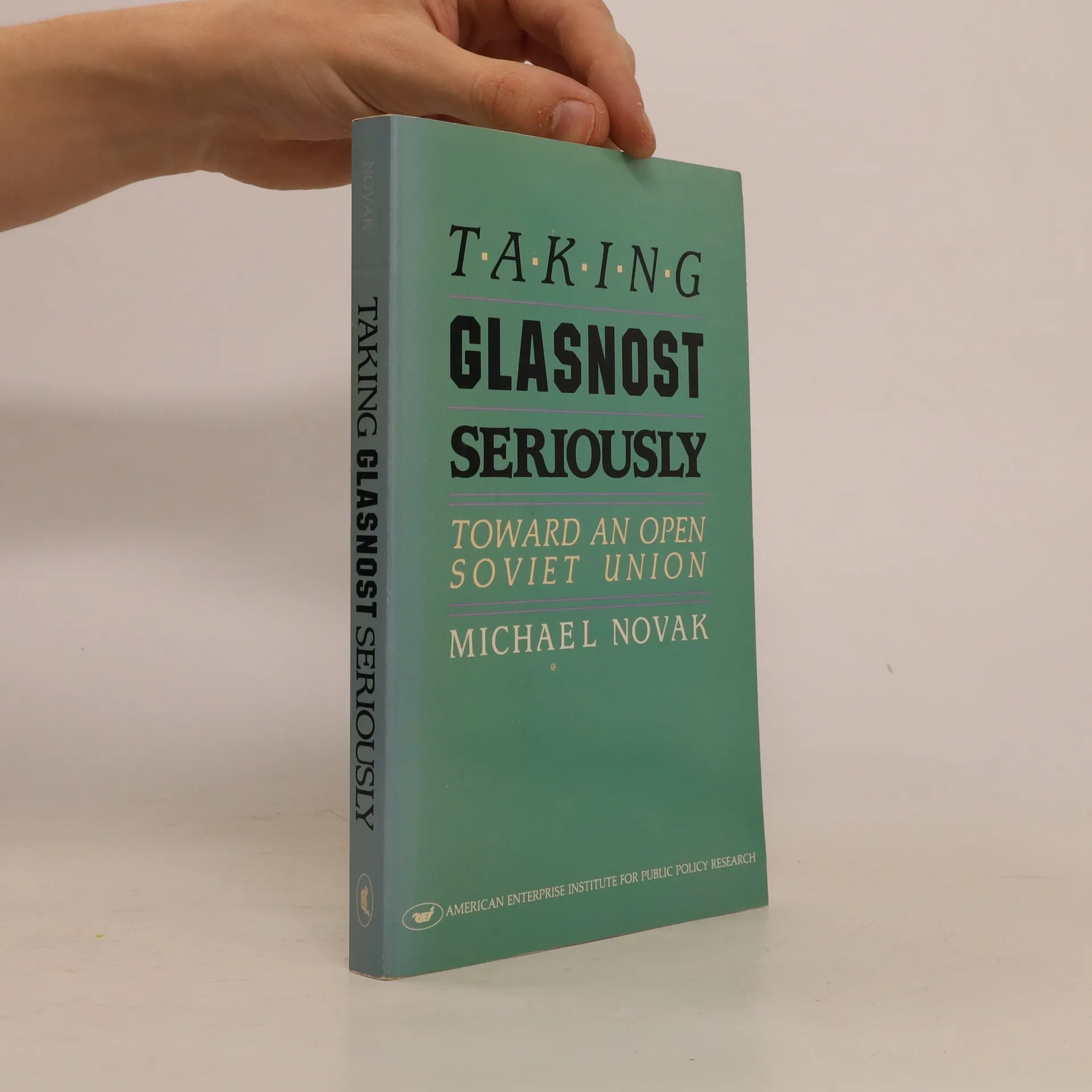
    Taking Glasnost Seriously
    Ascent of the Mountain, Flight of the Dove
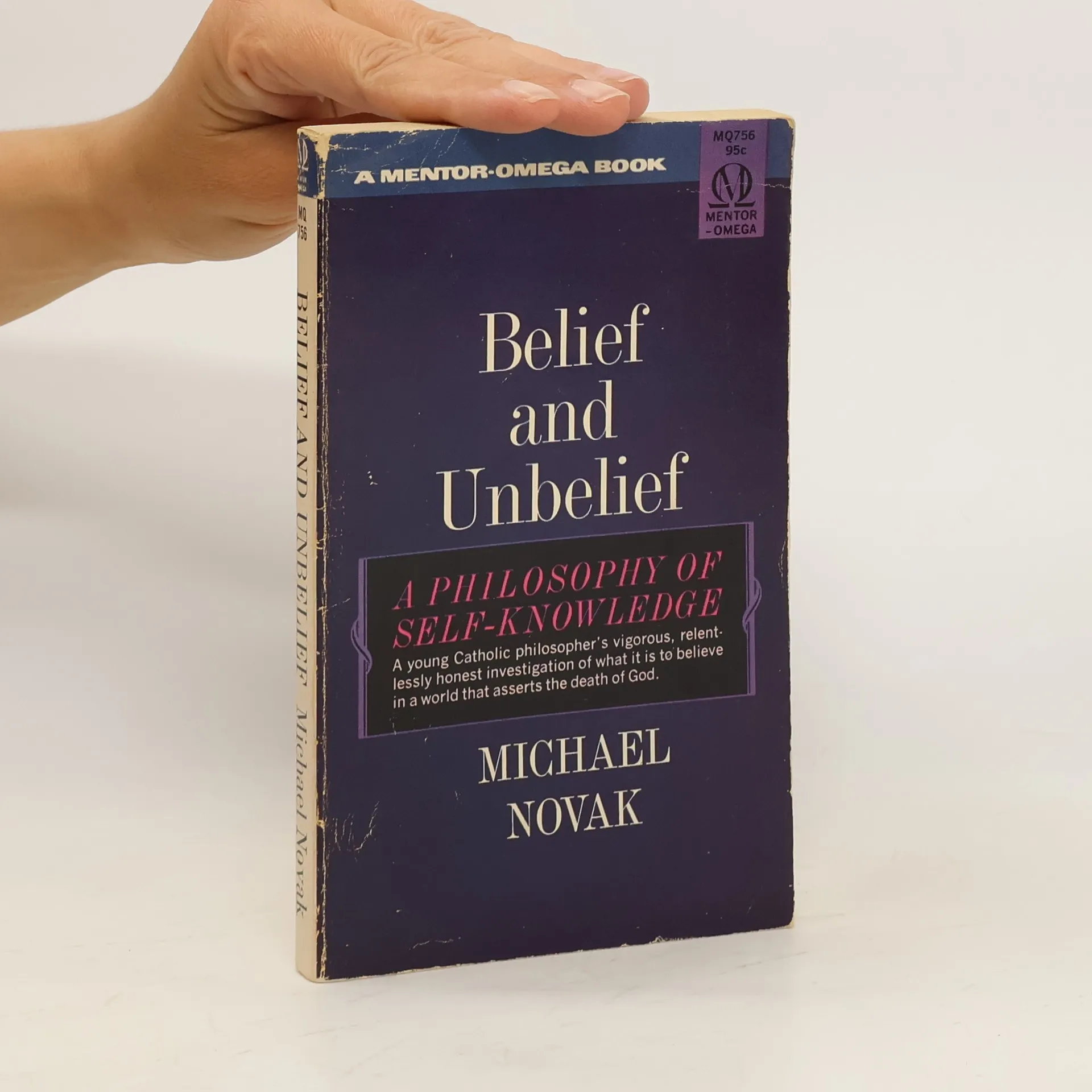
    Belief und Unbelief
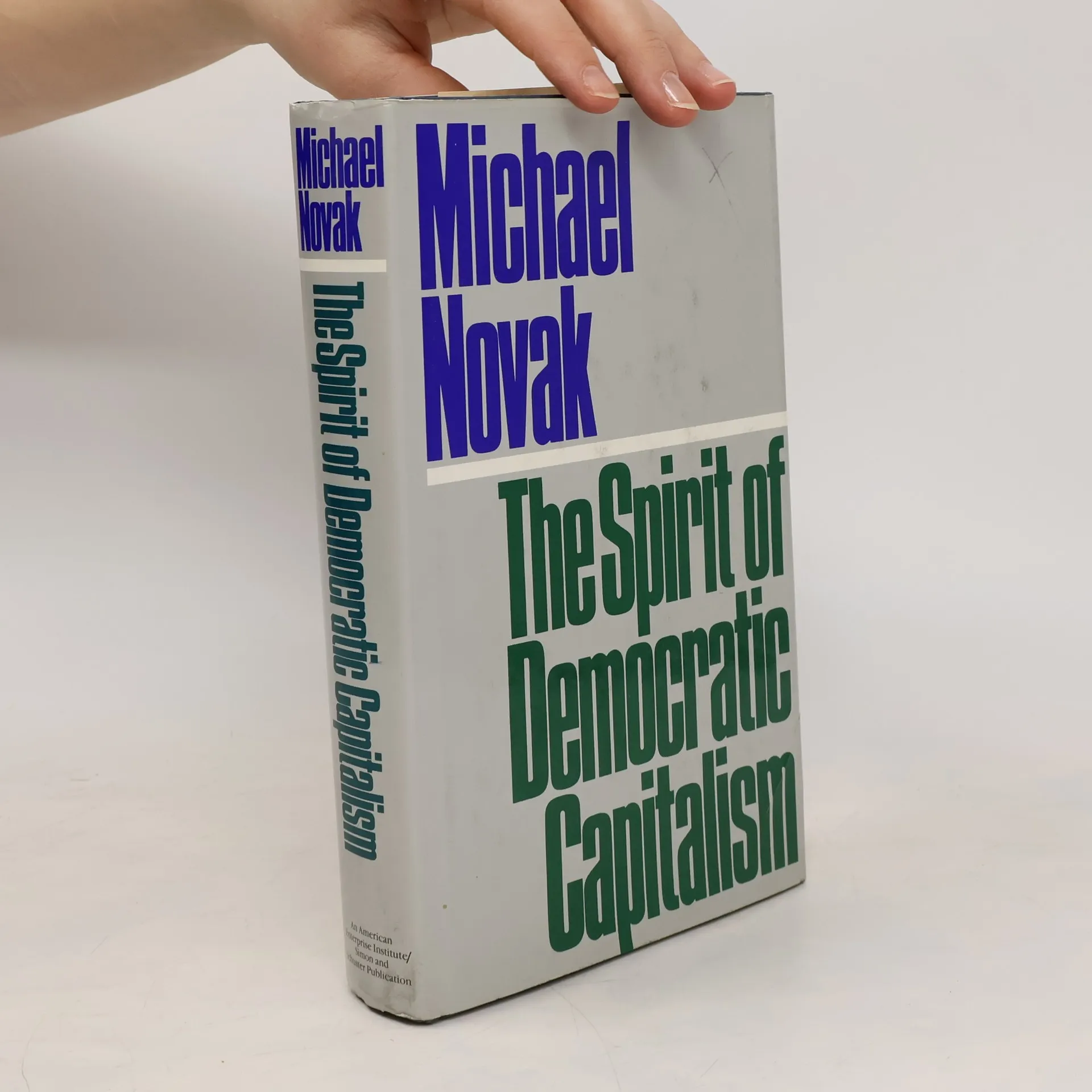
    The Spirit of Democratic Capitalism
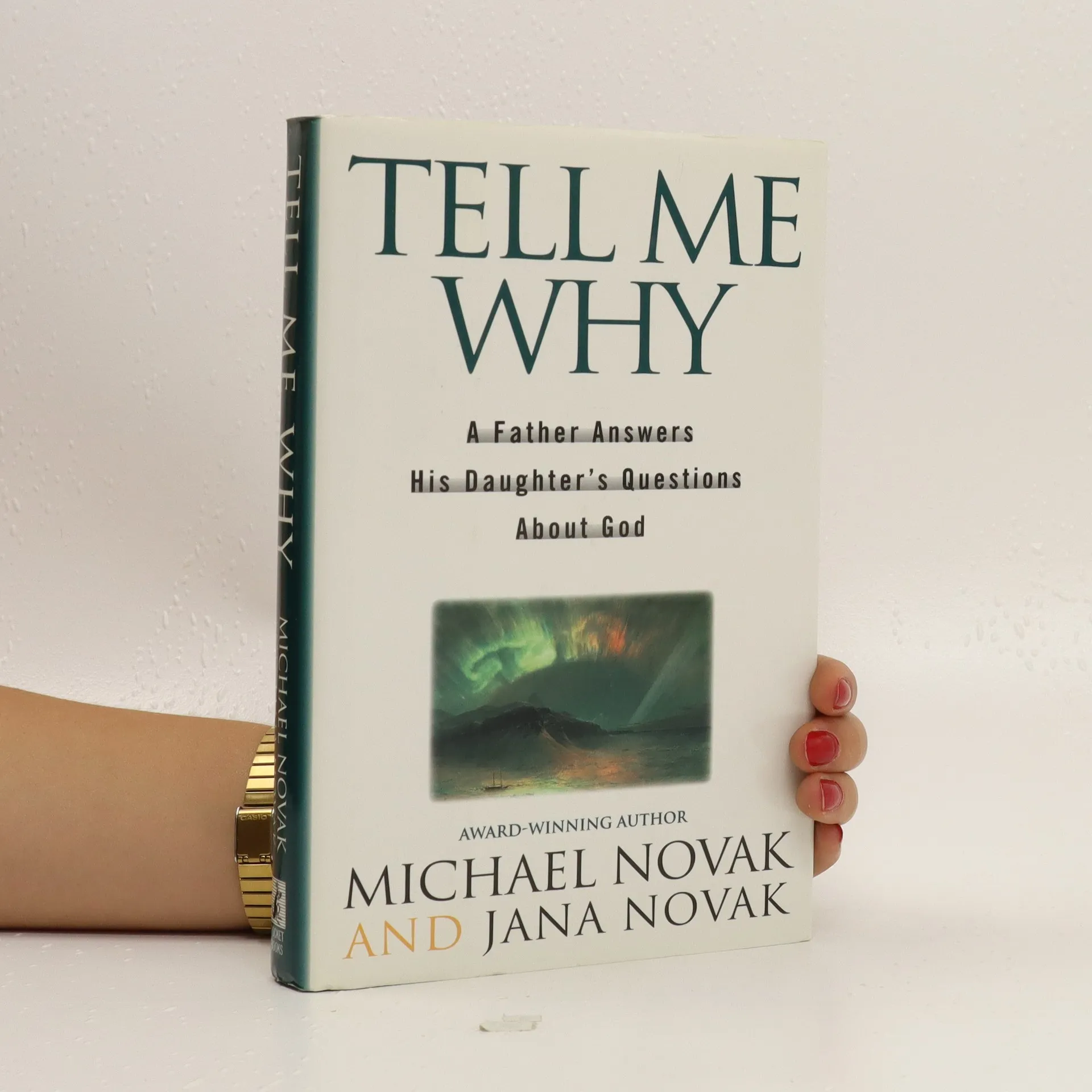
    Tell Me why
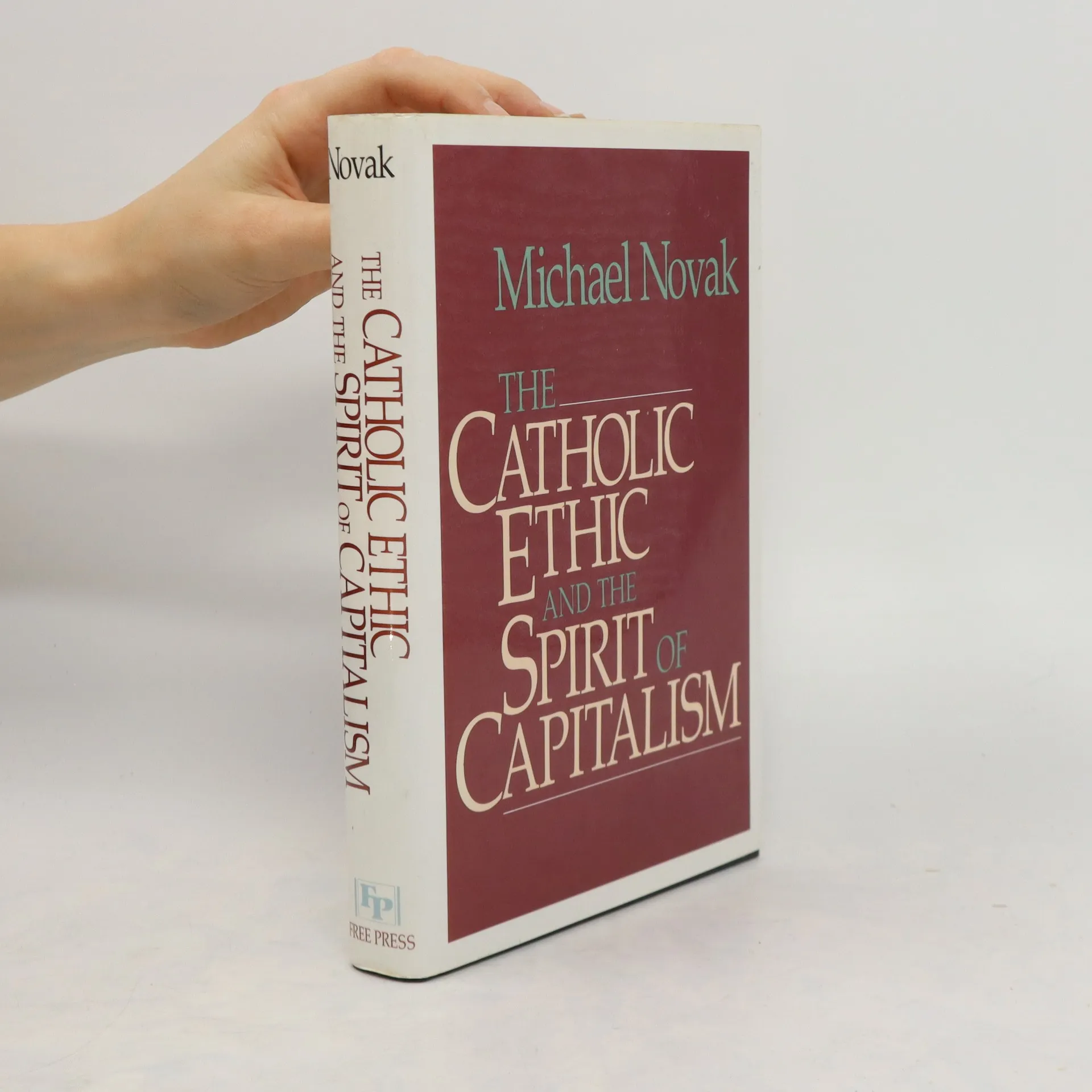
    The Catholic ethic and the spirit of capitalism
    • The Catholic Church has, for generations, been reluctant to come to terms with capitalism. Novak argues that a 100-year debate within the Catholic Church has yielded a richer and more humane vision of capitalism than that described in Weber's "Protestant Ethic".

      The Catholic ethic and the spirit of capitalism
    • A Catholic theologian and his skeptical young daughter record their attempts to reach a shared understanding of God, faith, the Catholic Church, and morality.

      Tell Me why
    • Examines the relationship between capitalism, socialism, and religion, and argues that the benefits of capitalism need not be bought at the price of spiritual values.

      The Spirit of Democratic Capitalism
    • This book examines the Soviet Union and the gradual process of liberalization in its press and government.

      Taking Glasnost Seriously
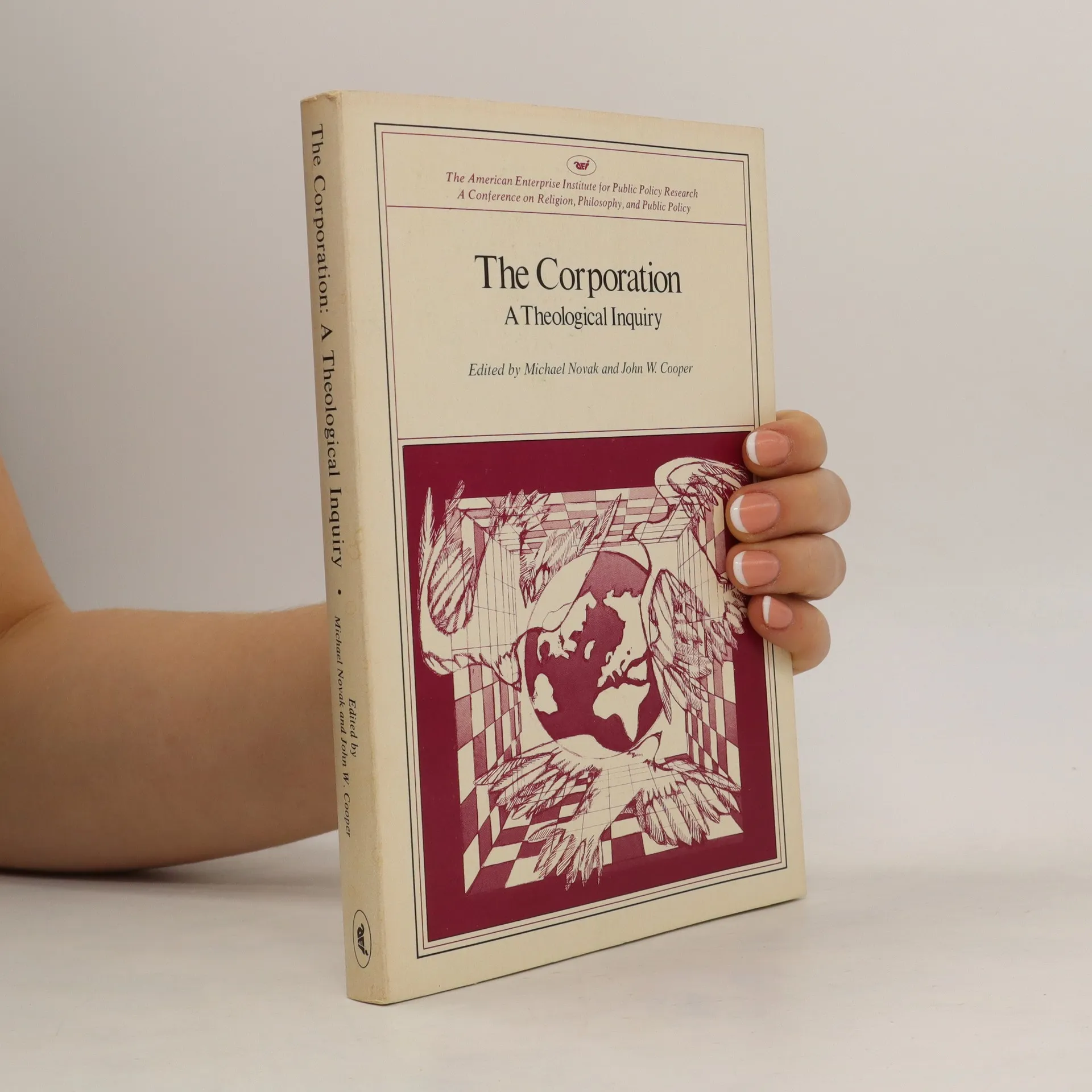
    • The Corporation

      • 234bladzijden
      • 9 uur lezen

      This book discusses how theology and the American corporation as an institution are intertwined.

      The Corporation
    • Solzhenitsyn at Harvard

      The Address, Twelve Early Responses, Six Later Reflections

      • 143bladzijden
      • 6 uur lezen

      When Aleksandr Solzhenitsyn gave the commencement address at Harvard University in 1978, many Americans expected to hear their country praised by this celebrated refugee from a totalitarian state. Instead they heard some sharply critical views of their legal system, their press, their popular culture, and even their national will. The forthright and controversial speech makes up Part One of this book. A sampling of the avalanche of comment that followed it is included in Part Two. In Part Three, six thoughtful scholars reflect on the ideas and judgments expressed by the great Russian writer.
      Solzhenitsyn at Harvard