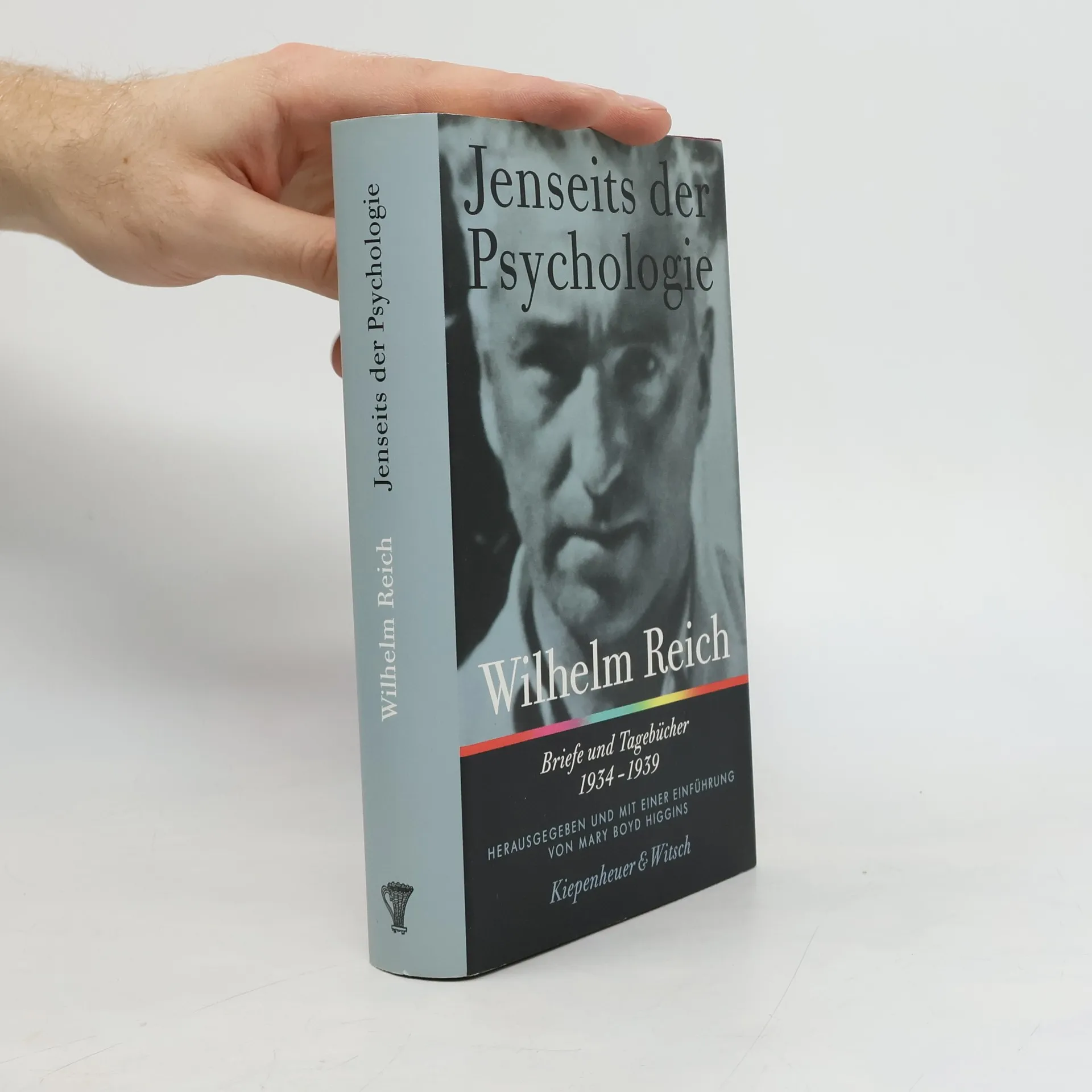
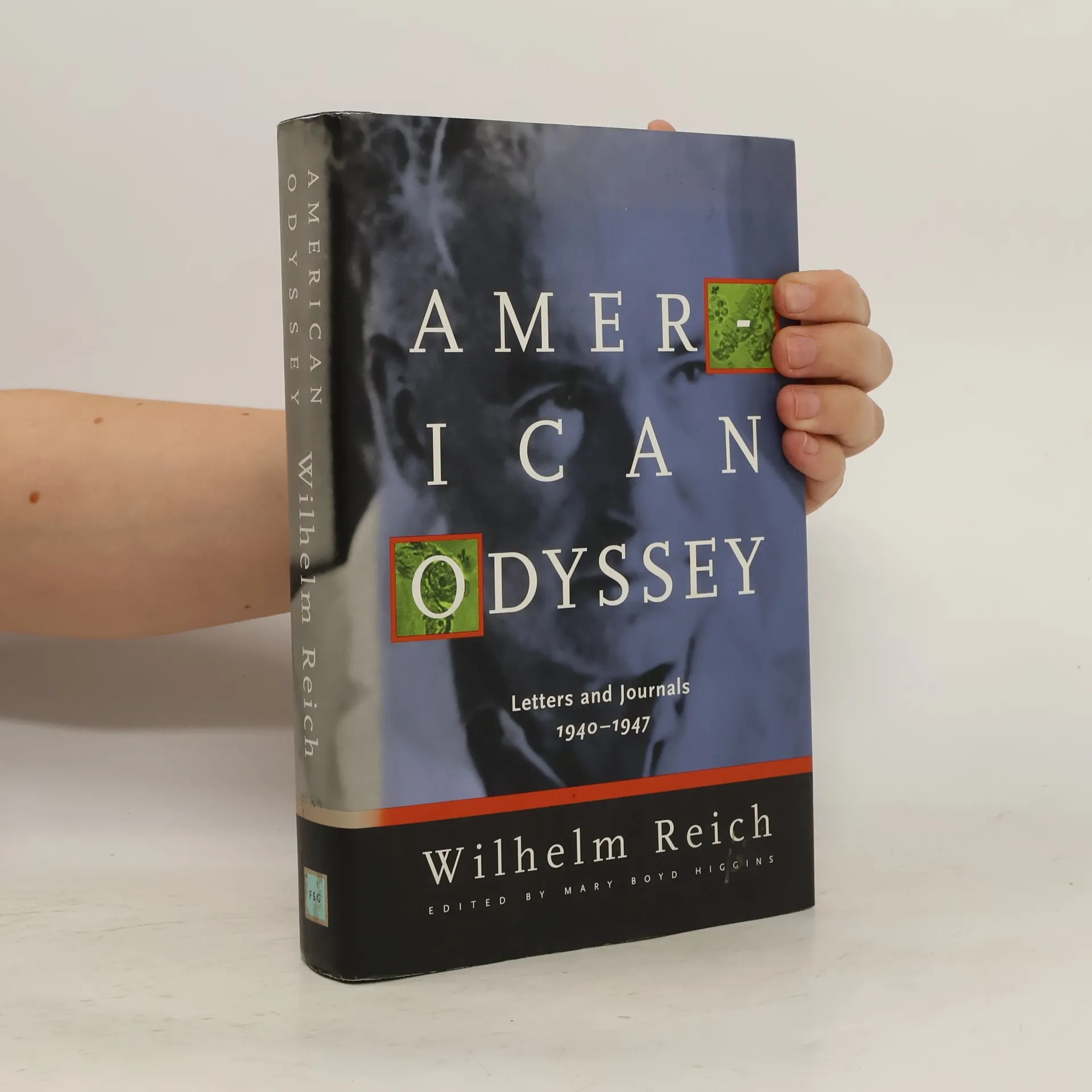
American Odyssey describes more than a period in the life of an embattled scientist. It illuminates the social and intellectual life of a country in a tumultuous time in history.
Wilhelm Reich Boeken
24 maart 1897 – 3 november 1957
Deze auteur onderzocht het verband tussen seksualiteit en neurose, waarbij hij "orgastische potentie" benadrukte als het voornaamste criterium voor psychofysieke gezondheid. Zijn werk, hoewel geworteld in de psychoanalyse, synthetiseerde inzichten uit de culturele antropologie, economie en sociologie. Gedurende zijn carrière was hij een controversieel figuur, met name vanwege zijn theorieën over "orgon"-energie en zijn "orgon-accumulatoren", wat leidde tot een aanzienlijke breuk met het psychoanalytische establishment. Ondanks de controverse beïnvloedden zijn geschriften talloze denkers en nodigen ze nog steeds uit tot reflectie over de complexe relatie tussen lichaam en geest.



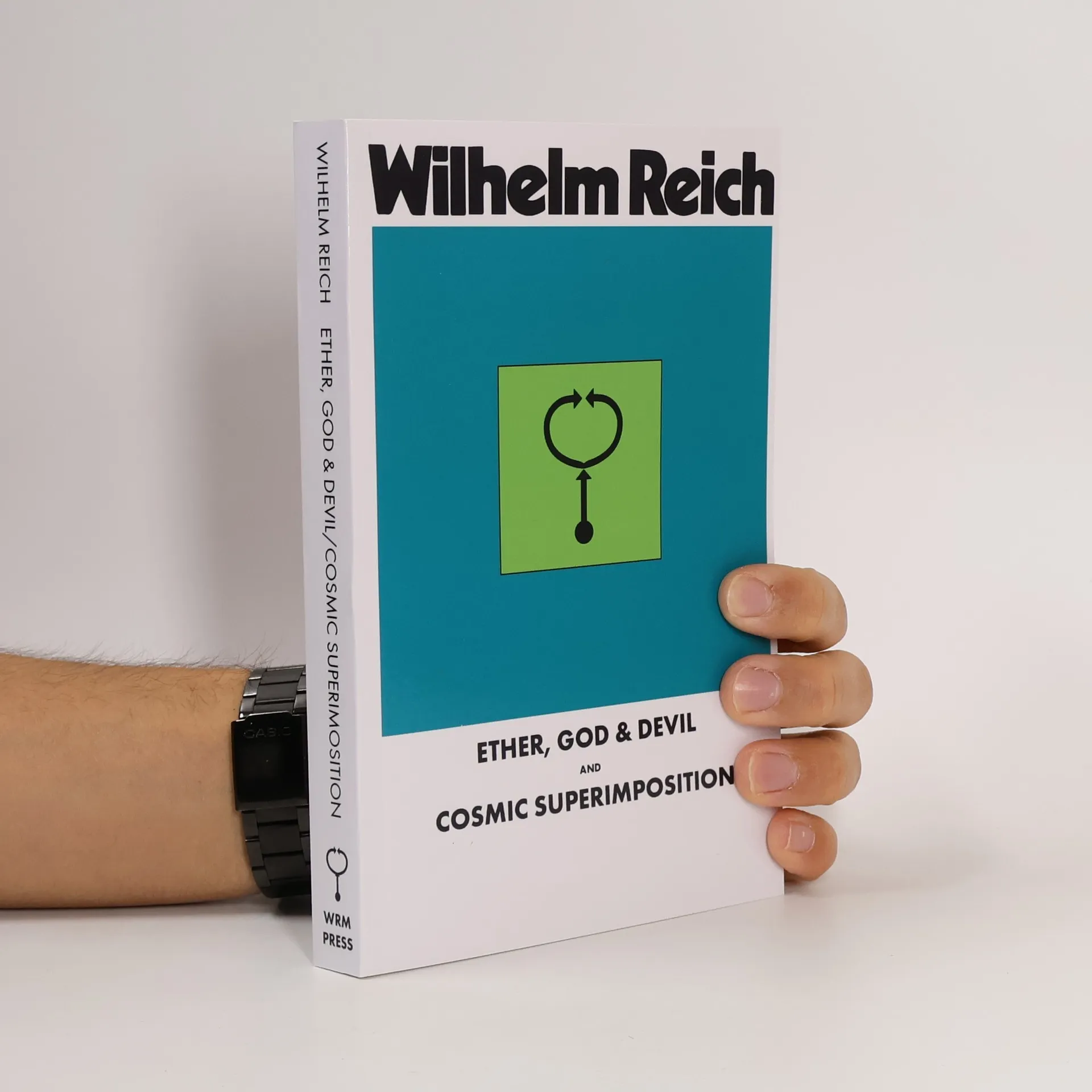
Ether, God & Devil & Cosmic Superimposition
- 320bladzijden
- 12 uur lezen
Wilhelm Reich’s influential works explore a transformative shift in humanity's understanding of the universe. In "Ether, God and Devil," he introduces orgonomic functionalism, leading to his discovery of cosmic orgone energy. "Cosmic Superimposition" challenges traditional mechanistic views, revealing a profound connection between man and nature through the interaction of orgone energy streams. Reich contemplates humanity's unique capacity for thought and understanding, presenting a new perspective on our role in the cosmos and the interconnectedness of all existence.
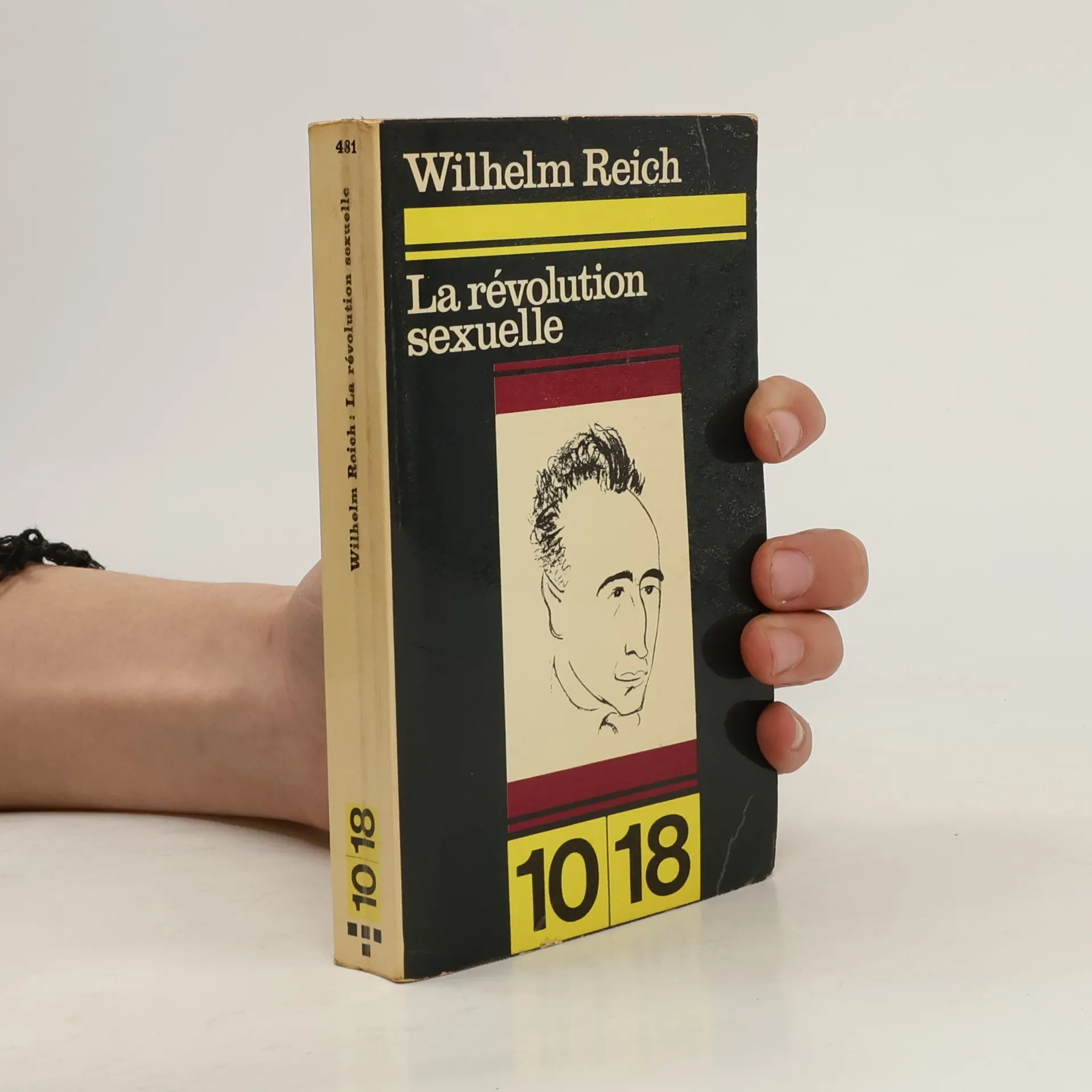
The Sexual Revolution
Toward a Self-Governing Character Structure
In this book, Wilhelm Reich summarizes the criticism of the prevailing sexual conditions and conflicts as it resulted from his sex-economic medical experiences over a period of years.
Character Analysis
- 576bladzijden
- 21 uur lezen
Focusing on the interplay between mind and body, this seminal work presents Wilhelm Reich's innovative character analysis technique, which evolved from traditional psychoanalysis. Reich explores how individuals develop specific character attitudes as defenses against emotional experiences, likening these to an "armor" that manifests in chronic muscular tension. His approach not only addresses psychological resistance but also lays the groundwork for a biophysical understanding of disease and its prevention, merging psychological treatment with physical health.
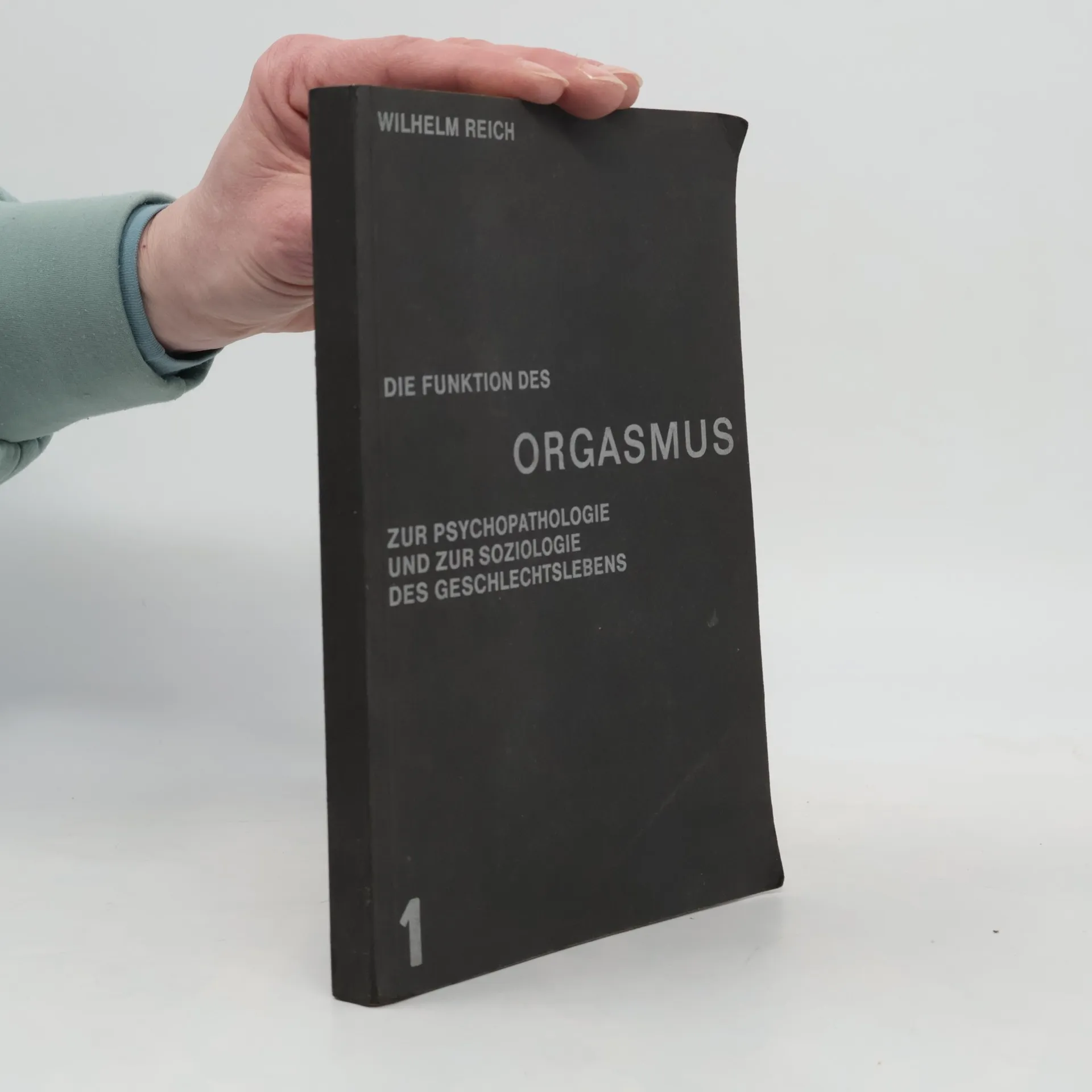
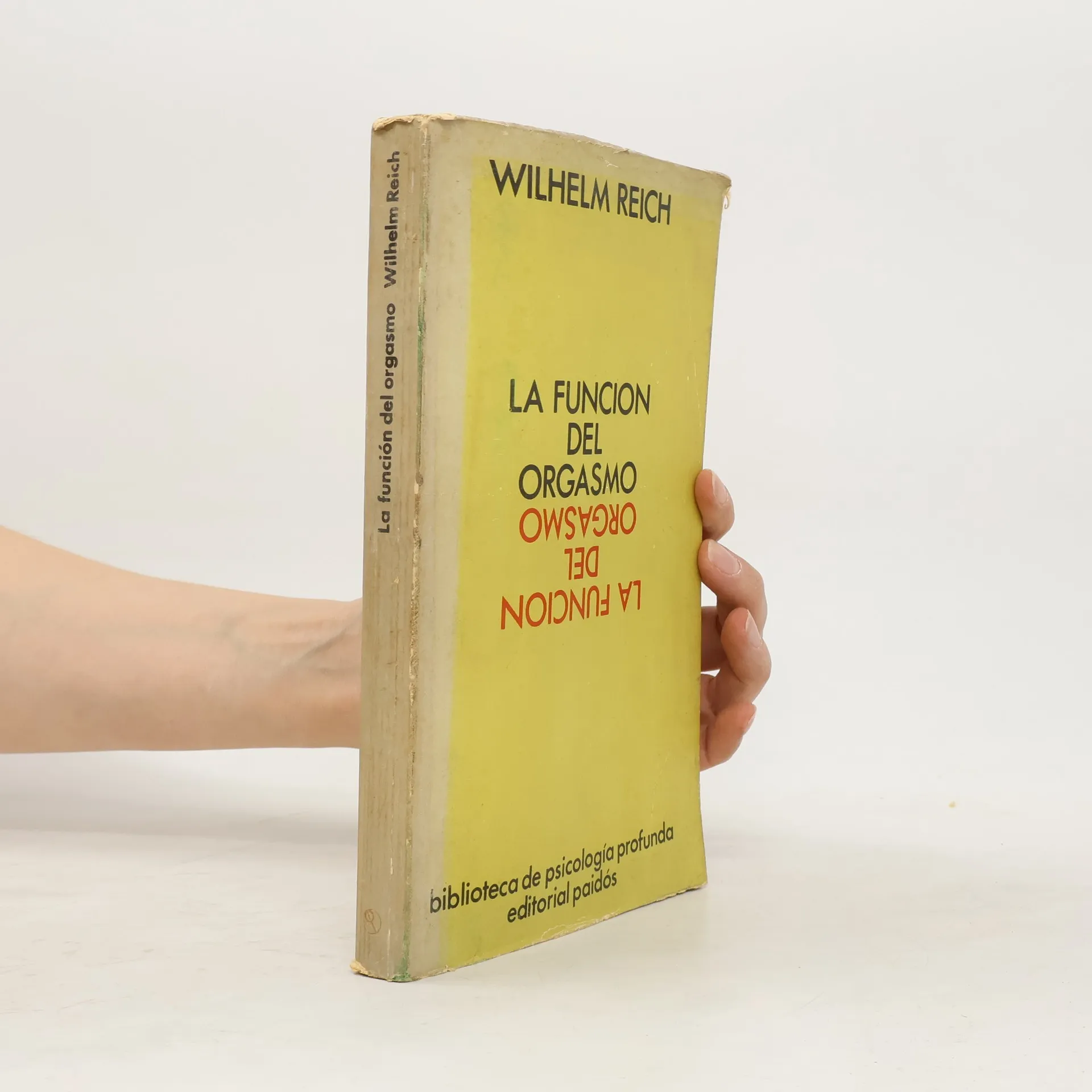
The Function of the Orgasm
- 416bladzijden
- 15 uur lezen
Focusing on the evolution of Wilhelm Reich's theories, the book explores his journey from a prominent psychoanalyst in Freud's circle to a pioneer in understanding the connection between emotional and physical health through the concept of orgone energy. It delves into his innovative ideas about the psyche-soma relationship and the significance of orgasm in achieving emotional and physical balance. The narrative serves as a scientific autobiography, chronicling his formative experiences and intellectual developments over two transformative decades.
The Murder of Christ
- 244bladzijden
- 9 uur lezen
Volume One of The Emotional Plague of MankindIntroductionThe TrapThe Kingdom of Heaven on EarthThe Genital EmbraceSeduction into LeadershipThe Mystification of ChristThe Great Gap-Man's SittingThe March on JerusalemJudas IscariotPaul of TarsusProtecting the Murderers of ChristMocenigoToward GolgothaThe Disciples SleepGethsemaneThe Scourging'You Say It'The Silent GlowCrucifixion & ResurrectionAppendixBibliography
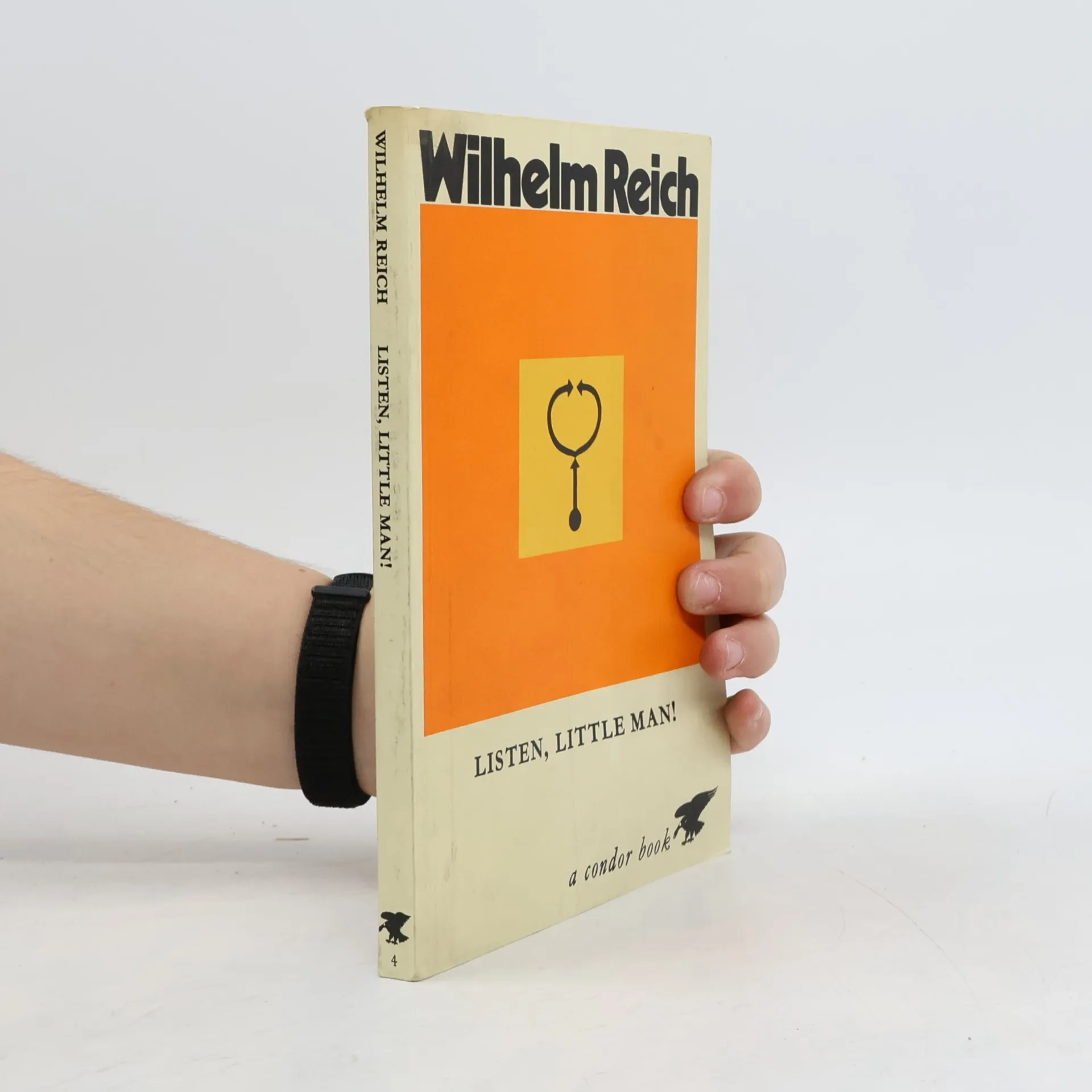
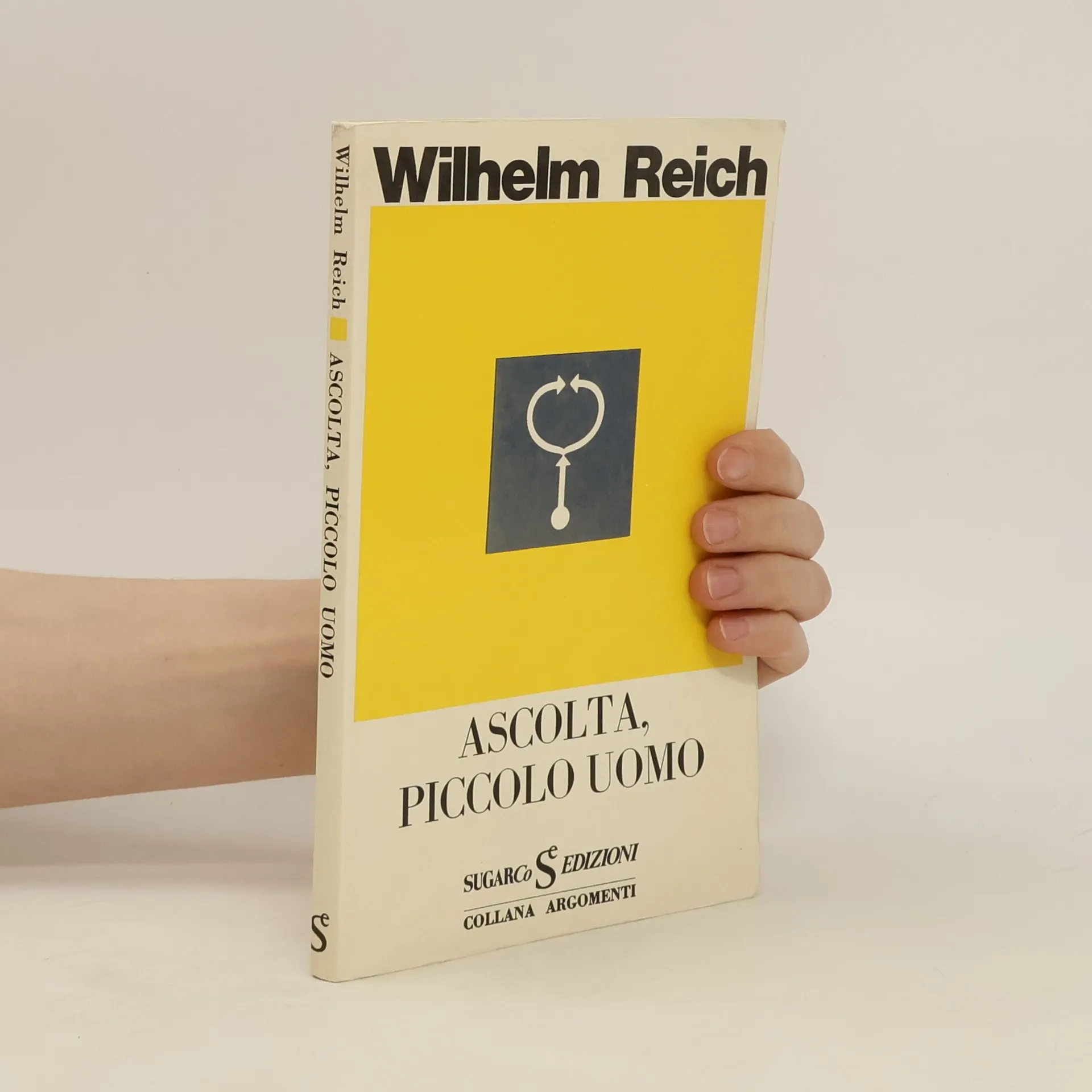
Listen, Little Man! is a great physician's quiet talk to each one of us, the average human being, the Little Man. Written in 1946 in answer to the gossip and defamation that plagued his remarkable career, it tells how Reich watched, at first naively, then with amazement, and finally with horror, at what the Little Man does to himself; how he suffers and rebels; how he esteems his enemies and murders his friends; how, wherever he gains power as a "representative of the people," he misuses this power and makes it crueler than the power it has supplanted. Reich has us to look honestly at ourselves and to assume responsibility for our lives and for the great untapped potential that lies in the depth of human nature.
The mass psychology of fascism
- 232bladzijden
- 9 uur lezen
Wilhelm Reich's classic study is a unique contribution to the under.standing of one of the crucial phenomena of our times - fascism. Reich firmly repudiates the concept that fascism is the ideology or action of a single individual or nationality, or of any ethnic or political group. He also denies a purely socio-economic explanation as advanced by Marxian ideologists. He understands fascism as the expression of irrational character structure of the average human being whose primary biological needs and impulses have been suppressed for thousands of years.The social function of this suppression and the crucial role played in it by the authoritarian family and the church are carefully analysed. Reich shows how every form of organised mysticism, including fascism, relies on the unsatisfied orgastic longing of the masses.
The Cancer Biopathy
- 492bladzijden
- 18 uur lezen
Cancer is traditionally viewed as an invasive tumor that emerges in a healthy body, leading to complex medical interventions aimed at eradication. However, these approaches have shown mixed results, highlighting the need for a deeper understanding of the disease beyond just treating the tumor and its complications.
Selected Writings
- 576bladzijden
- 21 uur lezen
Selected Writings - An Introduction to Orgonomy serves as an accessible entry point for readers new to Wilhelm Reich's work. It compiles key concepts and theories related to orgonomy, offering insights into Reich's innovative ideas on psychology and energy. First published in 1960, this collection is designed to introduce the fundamental principles of Reich's thought, making it an essential read for those interested in exploring his contributions to the fields of psychology and alternative medicine.
The Invasion of Compulsory Sex
- 215bladzijden
- 8 uur lezen
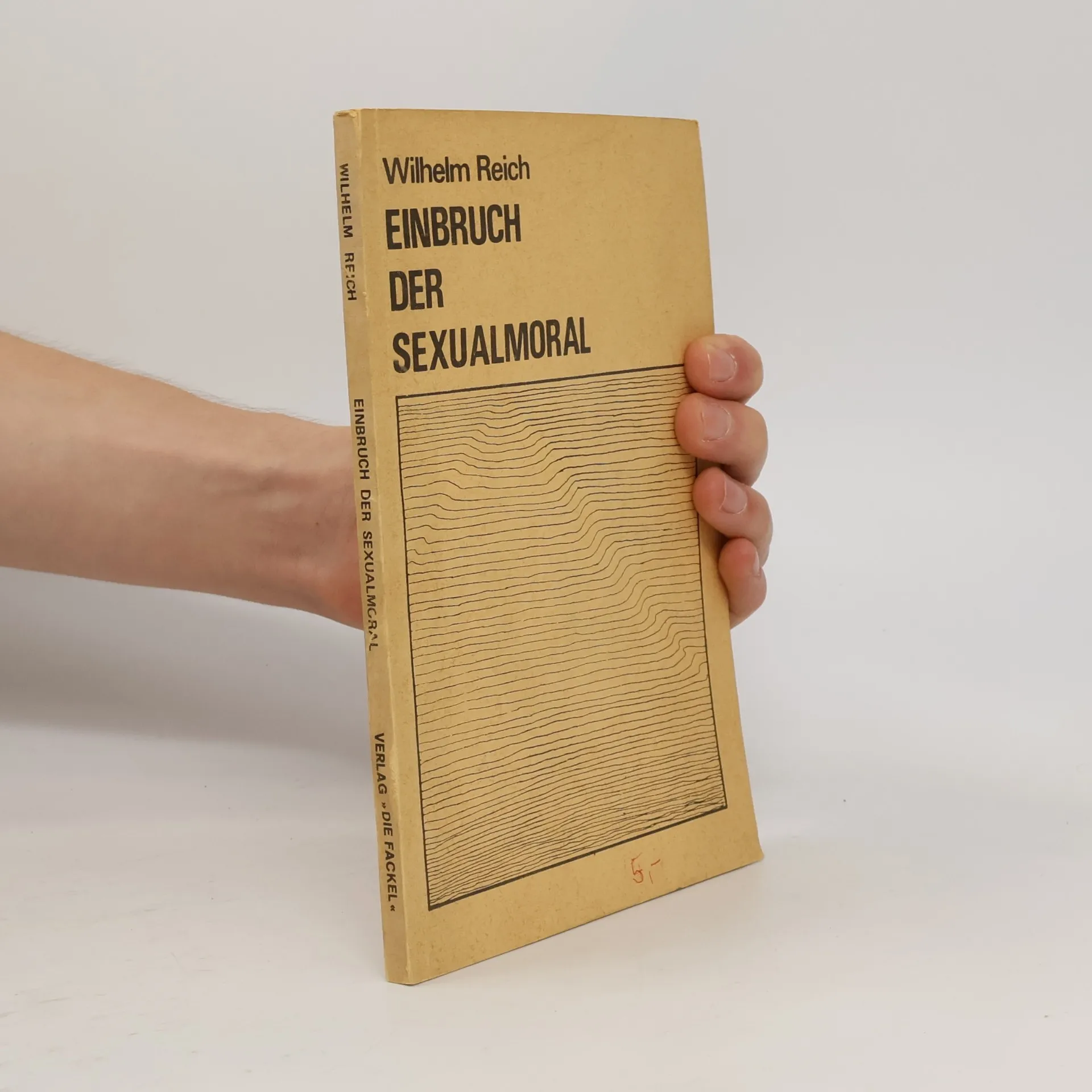
Exploring the historical roots of sexual suppression, this 1931 study delves into the emergence of compulsory sexual morality and its impact on human neuroses. Reich connects his clinical insights with ethnological research, particularly drawing from Bronislaw Malinowski's studies of Trobriand Islanders, to illuminate the origins of sexual disturbances. This work serves as a precursor to Reich's later influential writings on mass psychology and sexual revolution, positioning it as a critical examination of societal norms surrounding sexuality.
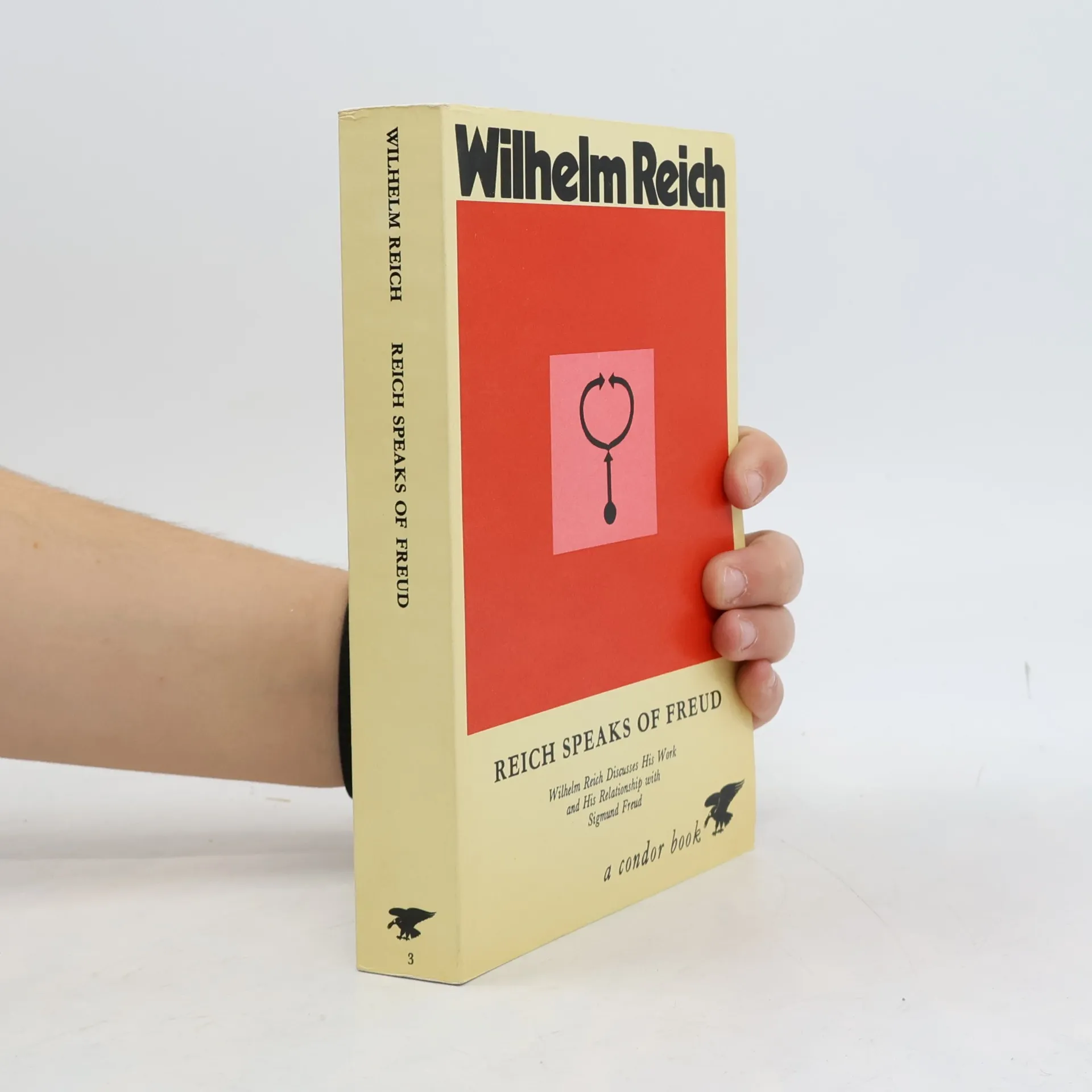
Condor Books - 3: Reich Speaks of Freud
Wilhelm Reich Discusses His Work and His Relationship with Sigmund Freud
- 296bladzijden
- 11 uur lezen
The core of this book is a tape-recorded interview of Wilhelm Reich, conducted by a representative of the Sigmund Freud Archives, Inc. Published here for the first time, it is a profoundly human and an unusually candid document that supplies a long-awaited clarification of the relationship between Reich and Freud. Reich discusses the personally tragic but scientifically vital implications of his relationship with Sigmund Freud in a manner both simple and concise, placing the reader in a position to determine for himself what was at issue. The book has an extensive documentary supplement containing pertinent extracts from Reich's writings as well as previously unpublished material from his archives, including letters to Freud, Adler, Ferenczi, and others involved in the early struggles within psychoanalysis. It also includes documents revealing the unrelenting hostility of the psychoanalysts toward Reich.
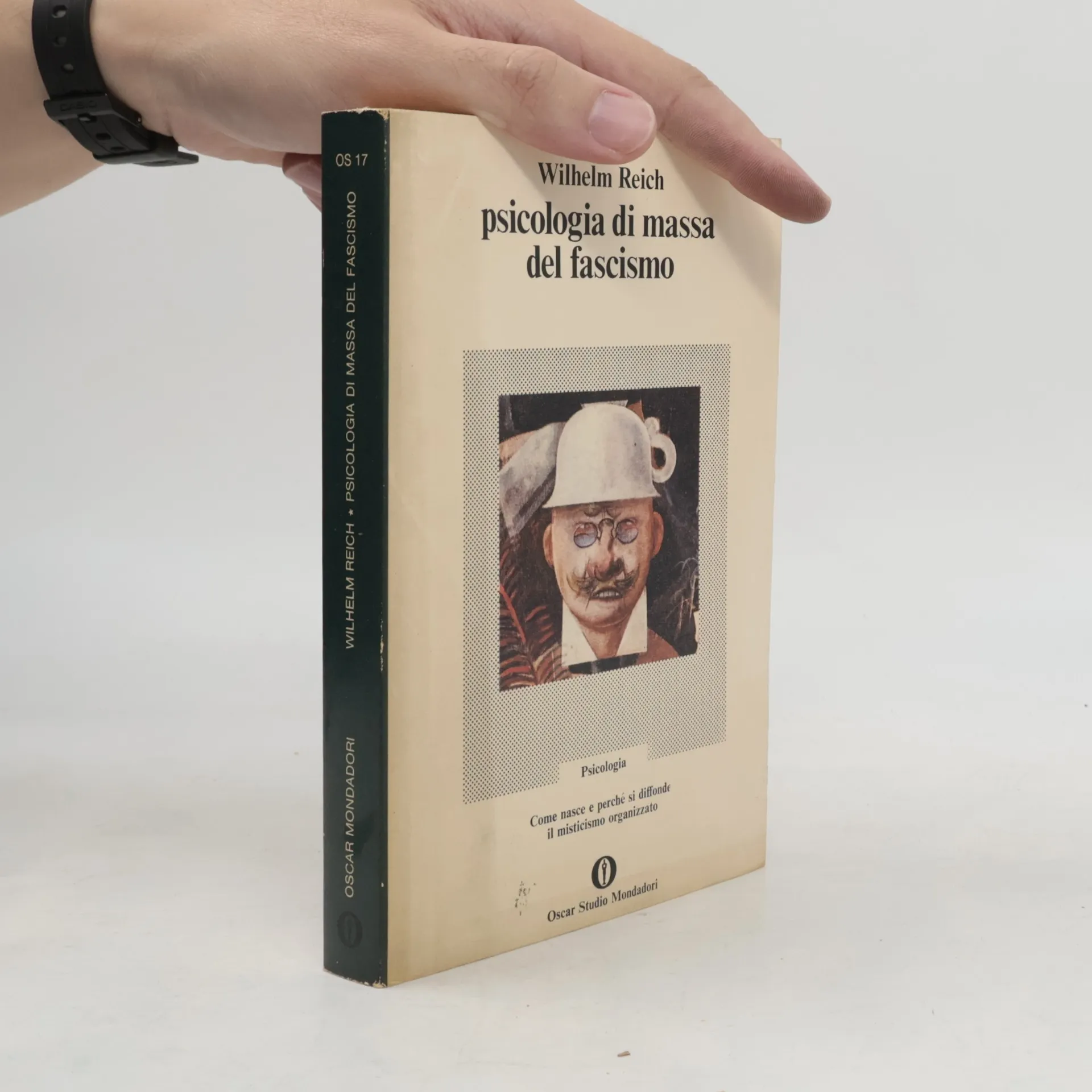
psicologia di massa del fascismo
Come nasce e perché si diffonde il misticismo organizzato
Funkce orgasmu : Sex-ekonomické problémy biologické energie 1
- 288bladzijden
- 11 uur lezen
Slovo úvodem 9 Předmluva k druhému vydání 11 Všeobecný přehled 13 I Biologie a sexuologie před Freudem 25 II Peer Gynt 37 III Mezery v psychologii a teorii sexuality 1 Slast a pud 2 Genitální negenitální sexualita 3 Založení vídeňského semináře psychoanalytického techniky 52 4 Úskalí psychologického a psychiatrického chápání duševních onemocnění 54 IV Vývoj teorie orgasmu 69 1 První zkušenosti 69 2 Doplnění Fredovy teorie úzkostné neurózy 72 3 Orgastická potence 76 4 Sexuální městnání energetický zdroj neuróz 86 V Vývoj charakteranalytické techniky 91 1 Těžkosti a rozpory 91 2 Sexuální ekonomie neurotických úzkostí 102 3 Pancíř charakteru a dynamické vrstvení obranných mechanismů 106 4 destrukce, agrese a sadismus 118 5 Genitální charakter a neurotický charakter (Princip sebe ukáznění) 129 VI Nepodařená biologická revoluce 145 1 Duševní hygiena a otázka kultury 145 (Emocionální mor) 2 Sociální původ sexuální suprese 170 3 Fašistický iracionalismus 174 VII Průlom do biologické domény 187 1 Řešení problému masochismu 188 2 Funkce živého měchýřku 192 3 Funkční antagonismus sexuality a úzkosti 196 4 Co je to bio-psychologická energie 200 5 Formulace orgasmu: Tenze-náboj-výboj-relaxace 203 6 Slast(expanze) a úzkost (kontrakce: primární antagonismus vegetativního života 213 VIII Orgastický reflex a technika charakteranaltické vegetoterapie 223 1 Svalový postoj a výraz těla 223 2 Břišní napětí 223 3 Orgastický reflex-kasuistika 227 4
Vražda Krista
- 280bladzijden
- 10 uur lezen
Vražda Krista obohacuje Reichovy psychosexuální analýzy o rozměr literární a historický. Napříč dějinami tu sledujeme chronickou tragédii lidstva – instinktivní eliminaci osobností, snažících se zacelit “propast mezi snem o životě a schopností tento život žít”. Ježíš Kristus je v tomto textu symbolem svobodně prožívaného života, vřelosti bez patologických a neurotických blokací. Spontánním, celistvým člověkem, který zůstává v kontaktu s vlastními emocemi i širokým kosmem. Právě pro tyto vlastnosti musel být zavražděn. Kristovský princip v sobě nesou všechny novorozené děti, které během vývoje mrzačí výchovné metody společnosti postižené “emočním morem”. Tak je Kristus znovu vražděn v každém dítěti, kterému je systematicky bráněno v tom, aby dosáhlo plné potence života a lásky.
Individuo e stato
- 307bladzijden
- 11 uur lezen
Quest'opera è l'autobiografia con cui Reich descrive lo sviluppo del suo pensiero sociologico nel periodo 1927-1937. Egli riporta le esperienze personali vissute sullo sfondo di idee e avvenimenti socio-politici nuovi e spiega come queste esperienze gradualmente lo condussero alla coscienza del profondo significato che riveste la struttura del carattere nell'essenza e nella fenomenologia dei processi sociali.
Christusmord
- 398bladzijden
- 14 uur lezen
Cristo erscheint hier als ein junger, starker Mann, der keine Keuschheit oder Askese predigt, sondern Worte der Liebe verkündet. Er wird somit zum Symbol, zur beispielhaften Inkarnation der Sinnlichkeit, zum vollständigsten Ausdruck des genitalen Charakters. Diese Merkmale erklären einerseits seine Strahlkraft und den Zauber, den er auf die Massen ausübte, sind andererseits jedoch die entscheidenden Ursachen seines tragischen Schicksals.
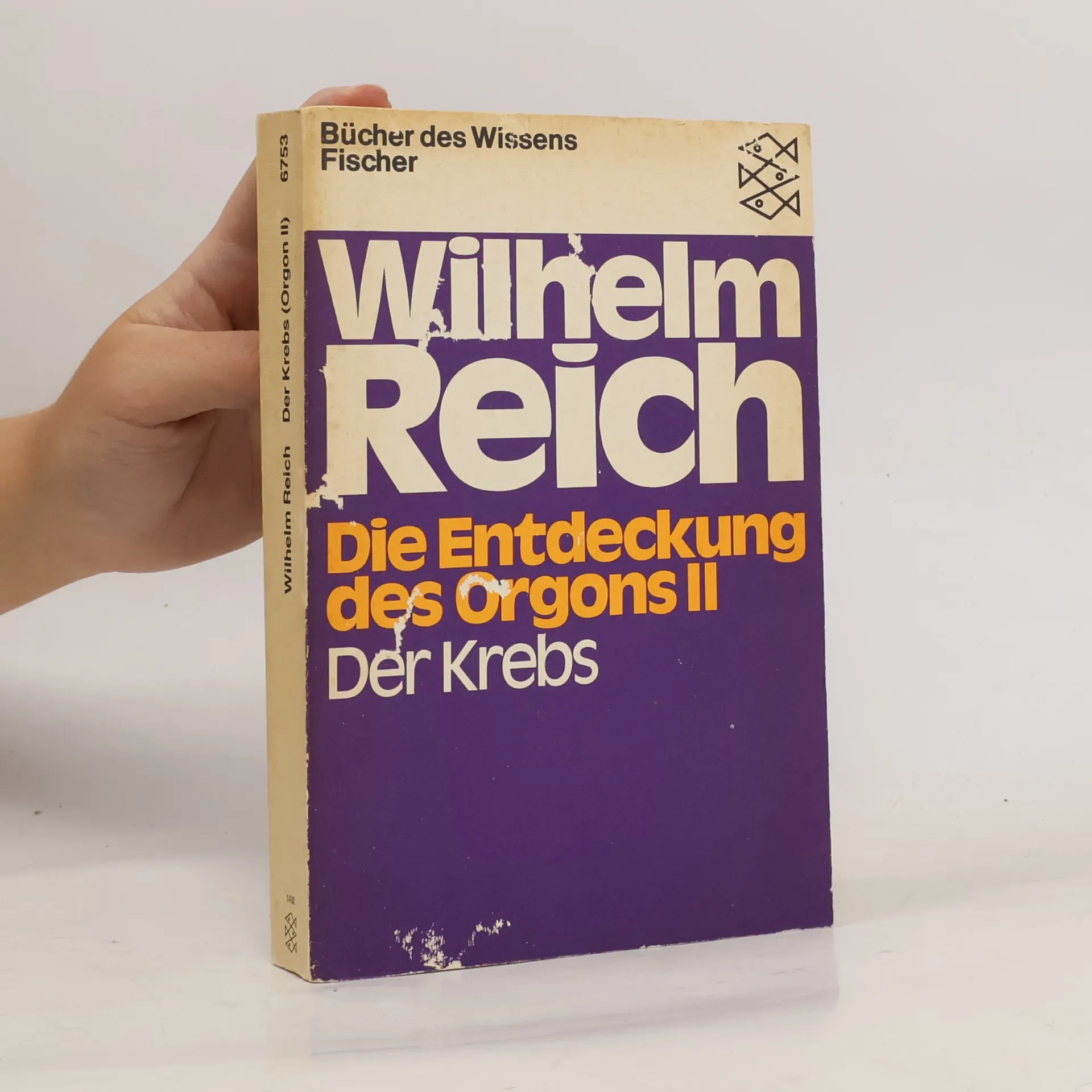
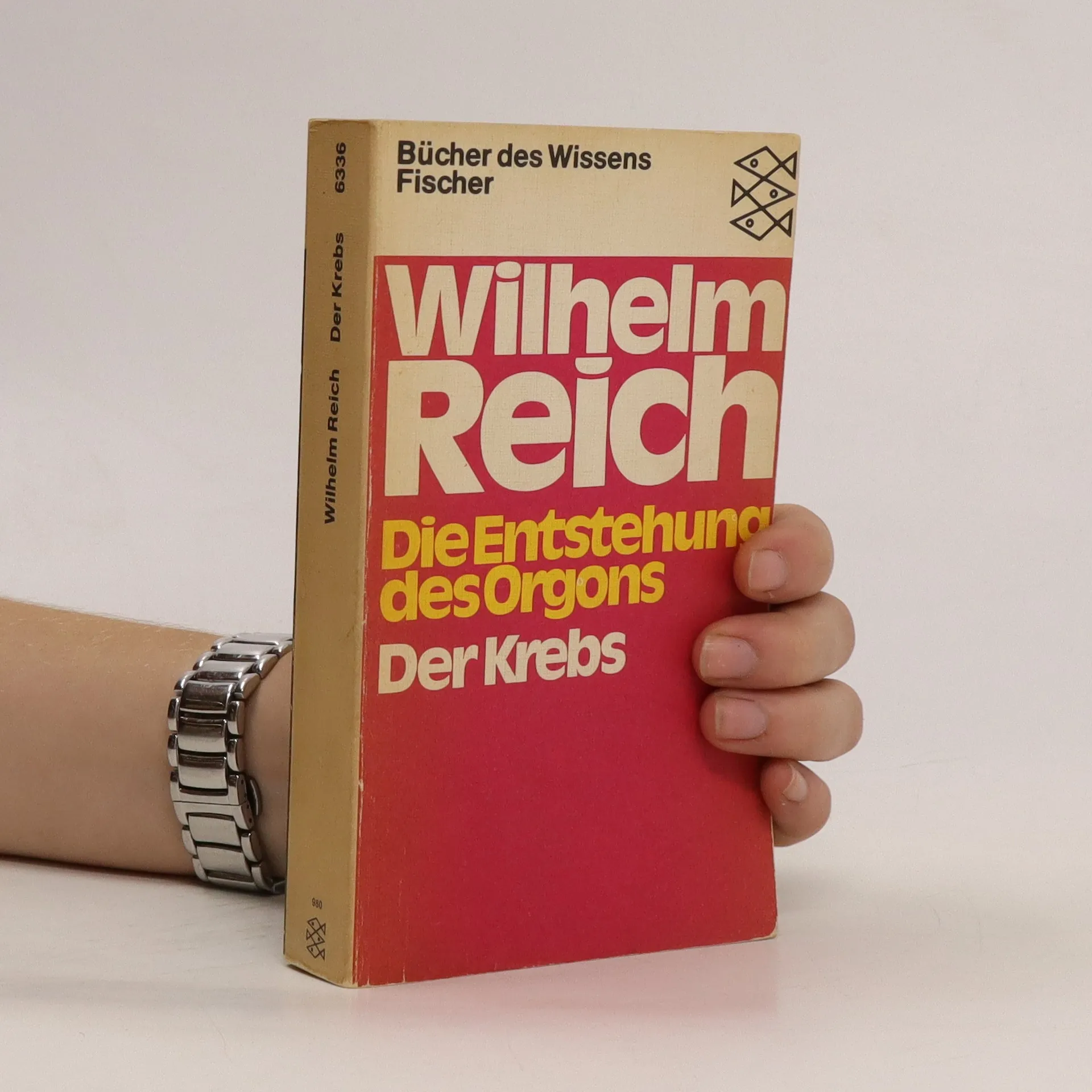
Der Krebs
- 432bladzijden
- 16 uur lezen
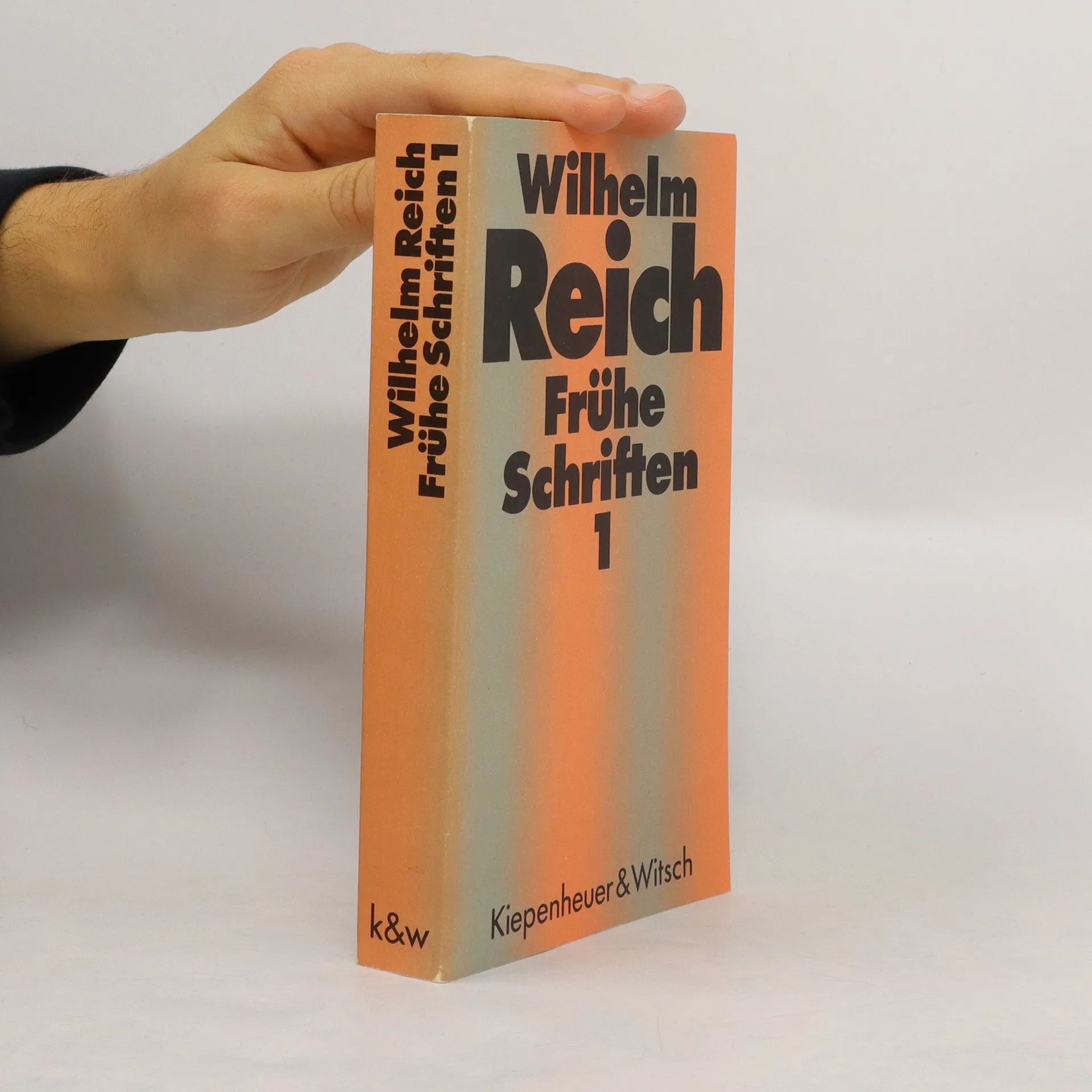
Frühe Schriften
- 344bladzijden
- 13 uur lezen
Dieser Band markiert den Beginn der Veröffentlichung von Reichs frühen Schriften. Band Eins und die folgenden Sammlungen werden seine wissenschaftliche Entwicklung von der psychoanalytischen Studie von Ibsens Peer Gynt, die 1920 zur Mitgliedschaft in der Wiener Psychoanalytischen Gesellschaft präsentiert wurde, bis zur entscheidenden Entdeckung des Bions (1938) nachzeichnen, die seine Arbeit in der Orgone-Biophysik einleitete und zur Entdeckung der kosmischen Orgonenergie führte. Reichs frühe Schriften sind ein integraler Bestandteil der Entwicklung, die zur Entdeckung der Orgonenergie führte.
Frühe Schriften 2
- 240bladzijden
- 9 uur lezen
Zeugnisse einer Freundschaft
- 599bladzijden
- 21 uur lezen
Nachdruck der Originalausgabe von 1936. Wilhelm Reich beschreibt in seinem Werk die Bedeutung der Sexualität bei den sozialistischen Versuchen zur Schaffung eines neuen Menschen.
Ausgewählte Schriften
- 584bladzijden
- 21 uur lezen
Der Einbruch der sexuellen Zwangsmoral
- 175bladzijden
- 7 uur lezen
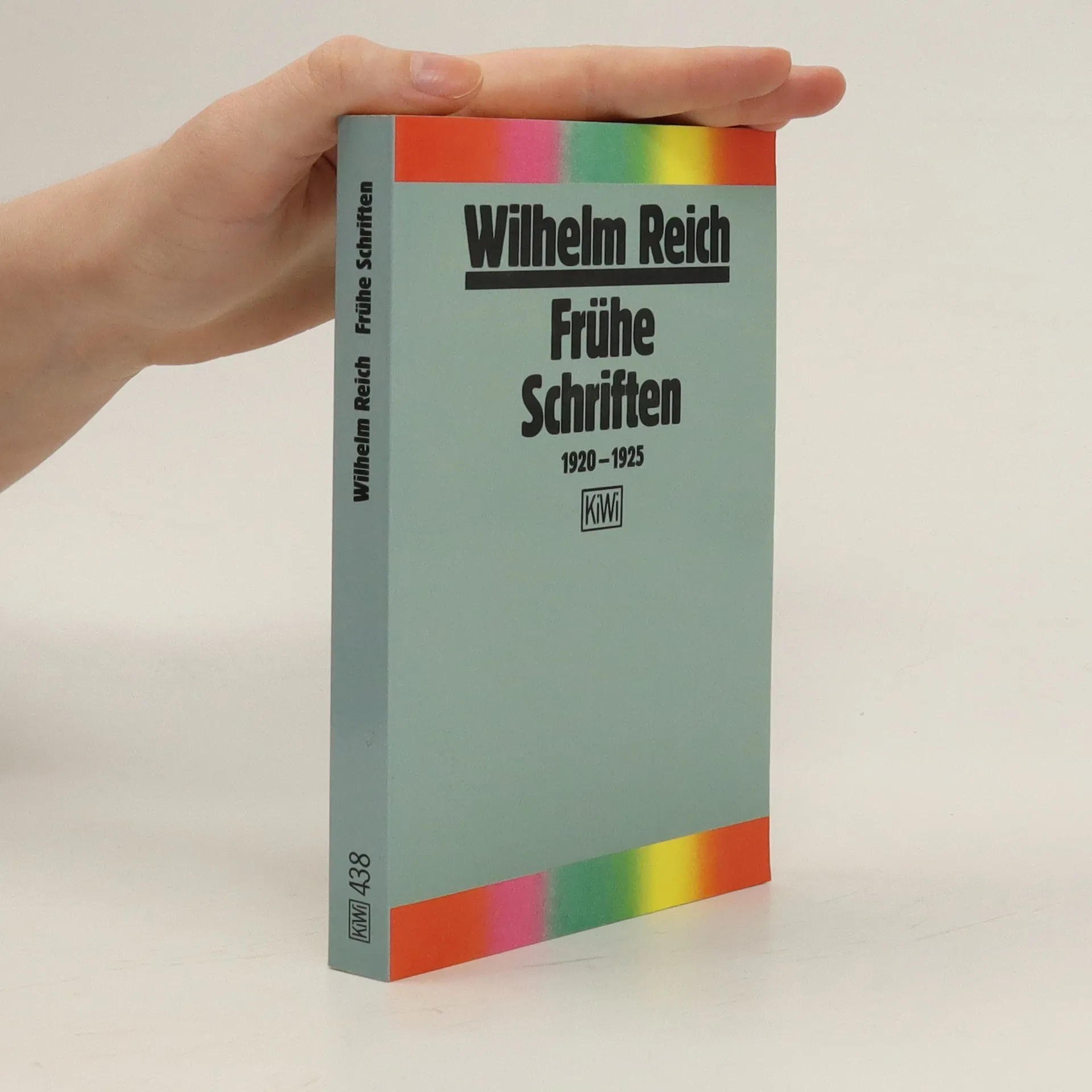
Frühe Schriften 1920-1925
- 339bladzijden
- 12 uur lezen
Leidenschaft der Jugend - Eine Autobiographie 1897-1922
- 212bladzijden
- 8 uur lezen
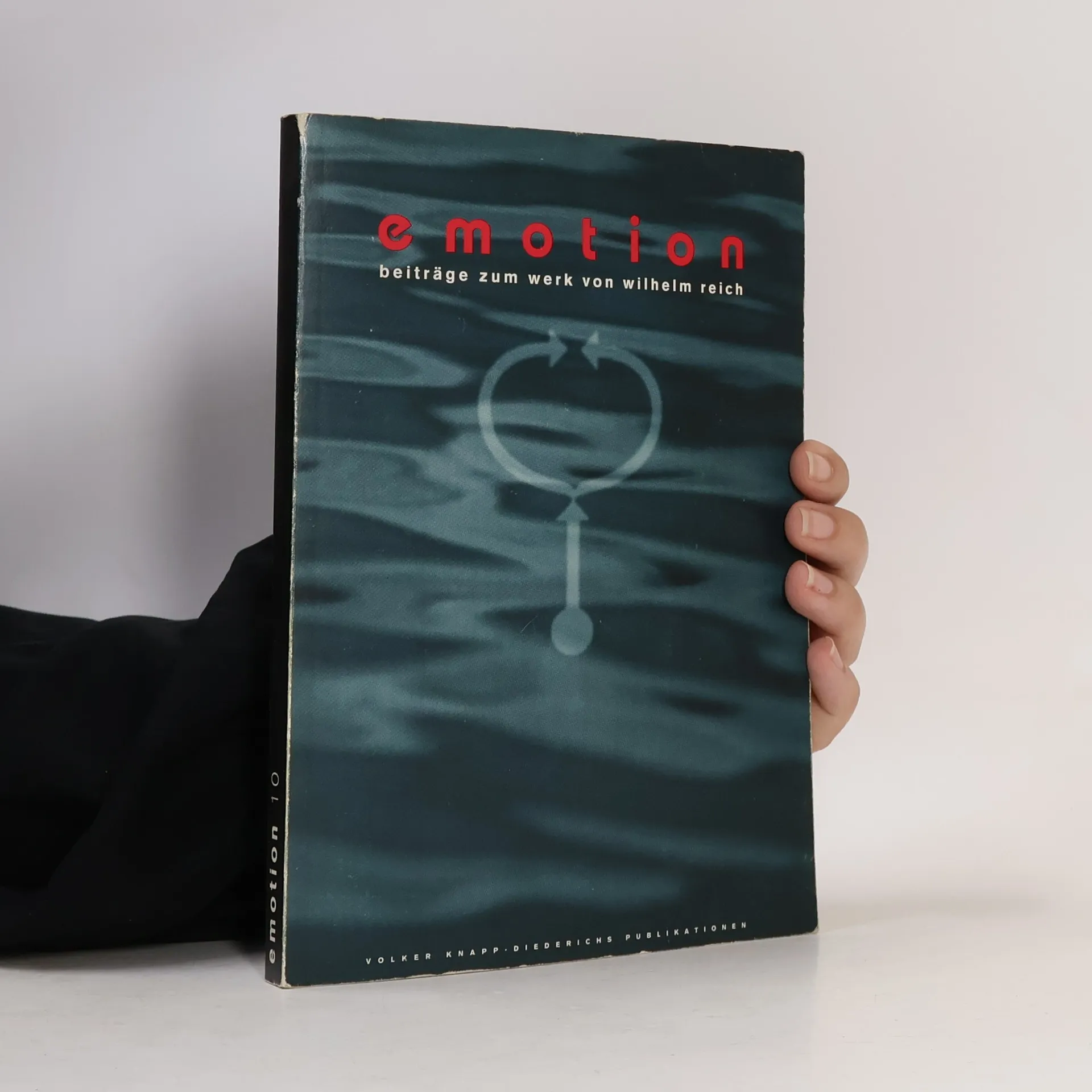
Emotion. Nr. 8
Wilhelm-Reich-Zeitschrift
La révolution sexuelle
Pour une autonomie caractérielle de l'homme