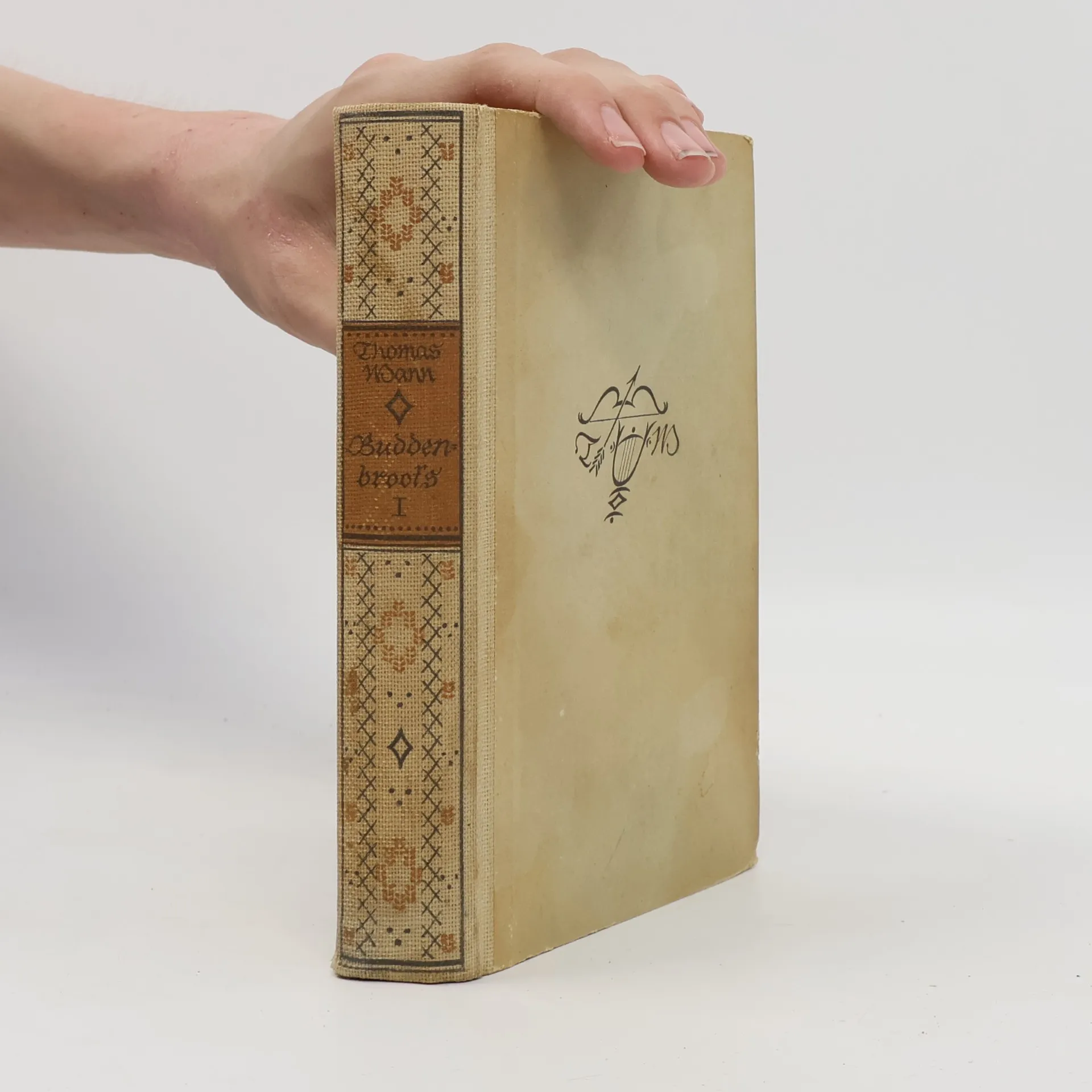
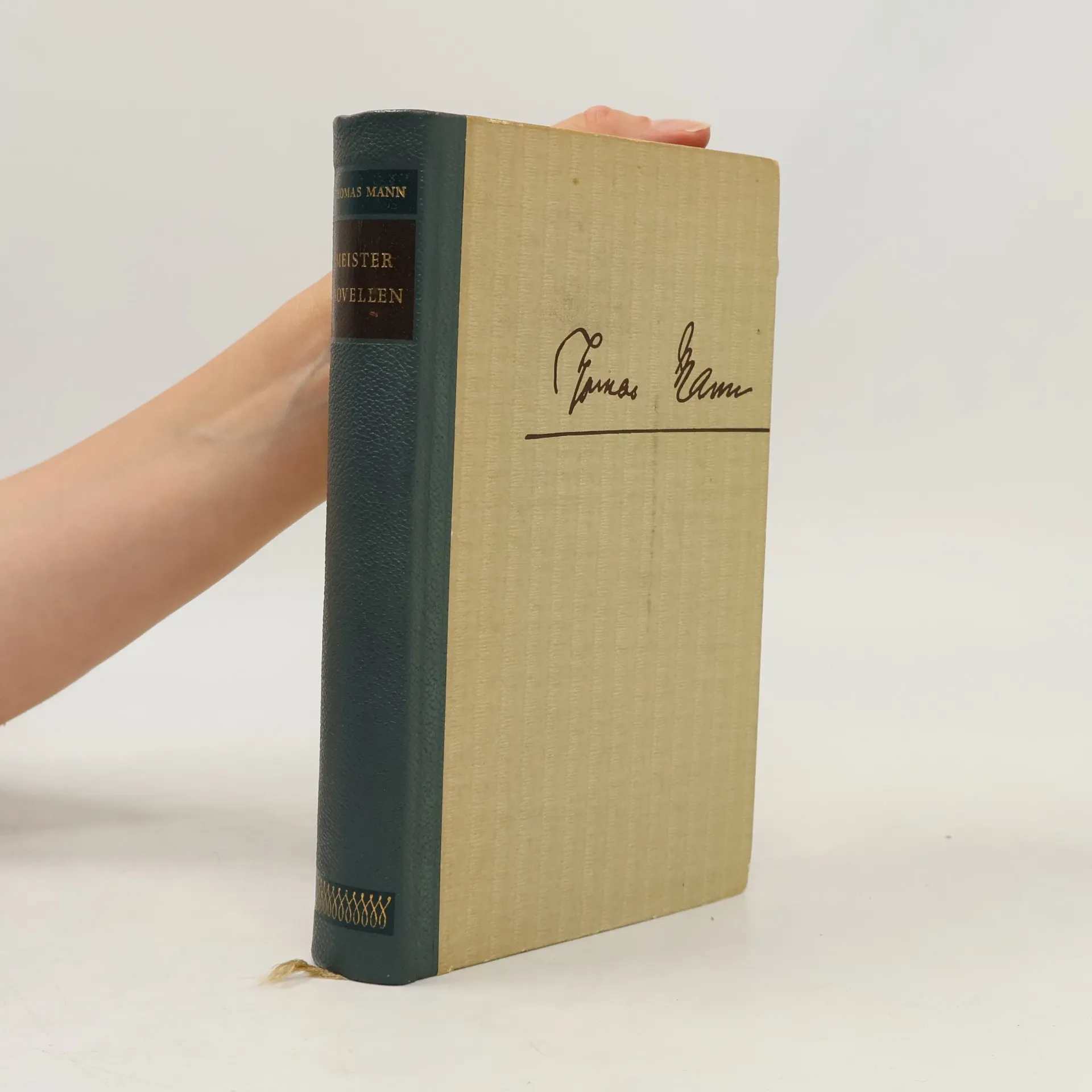
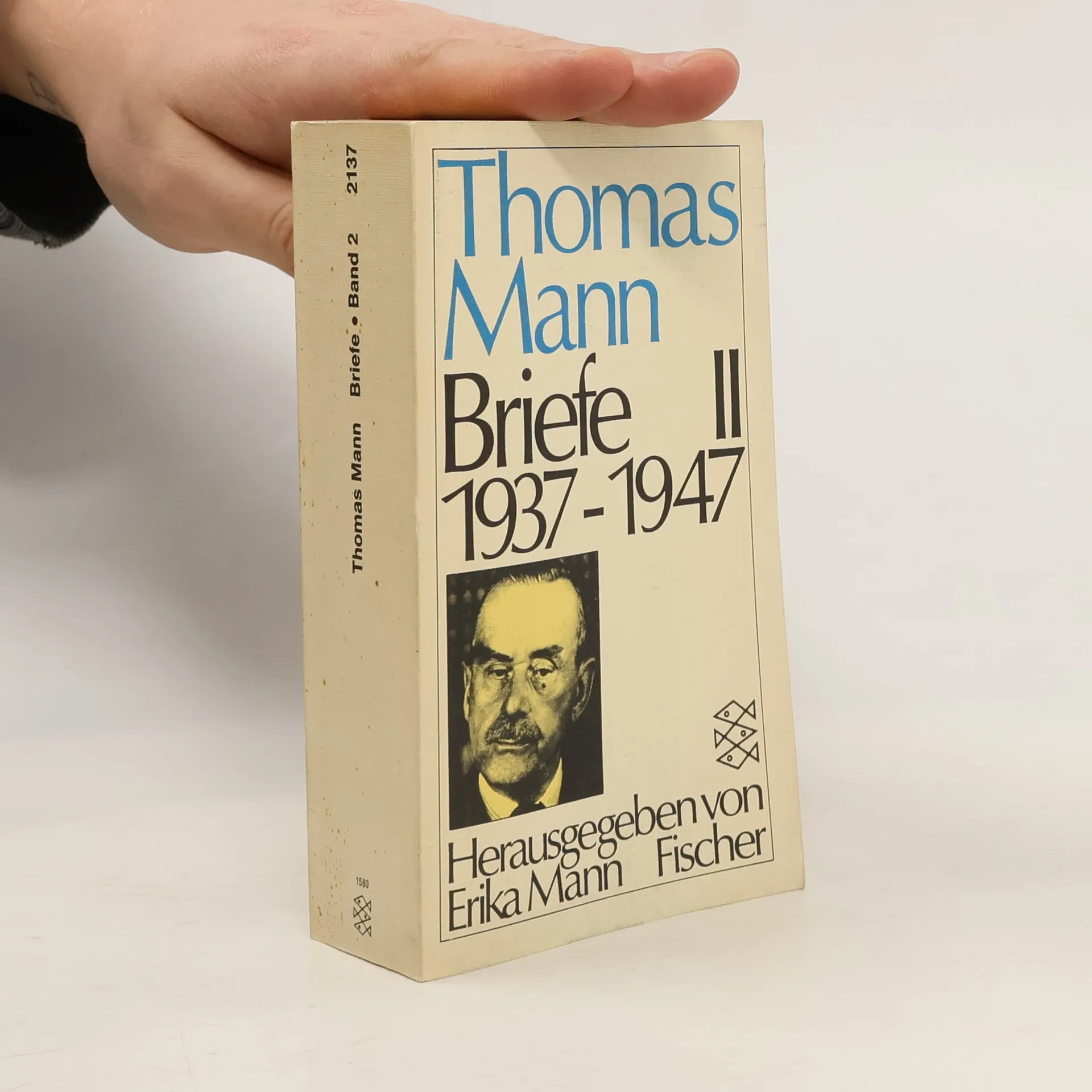
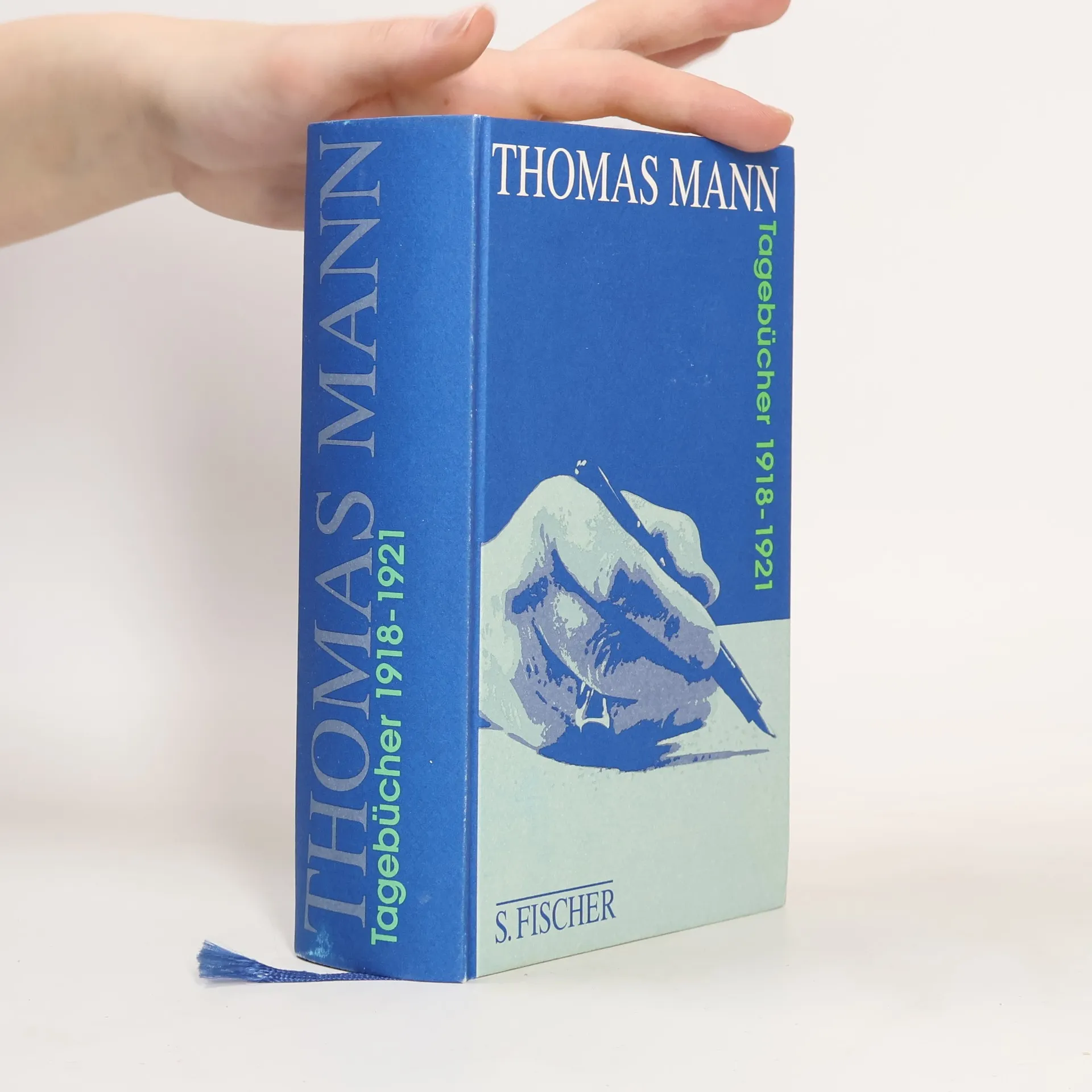
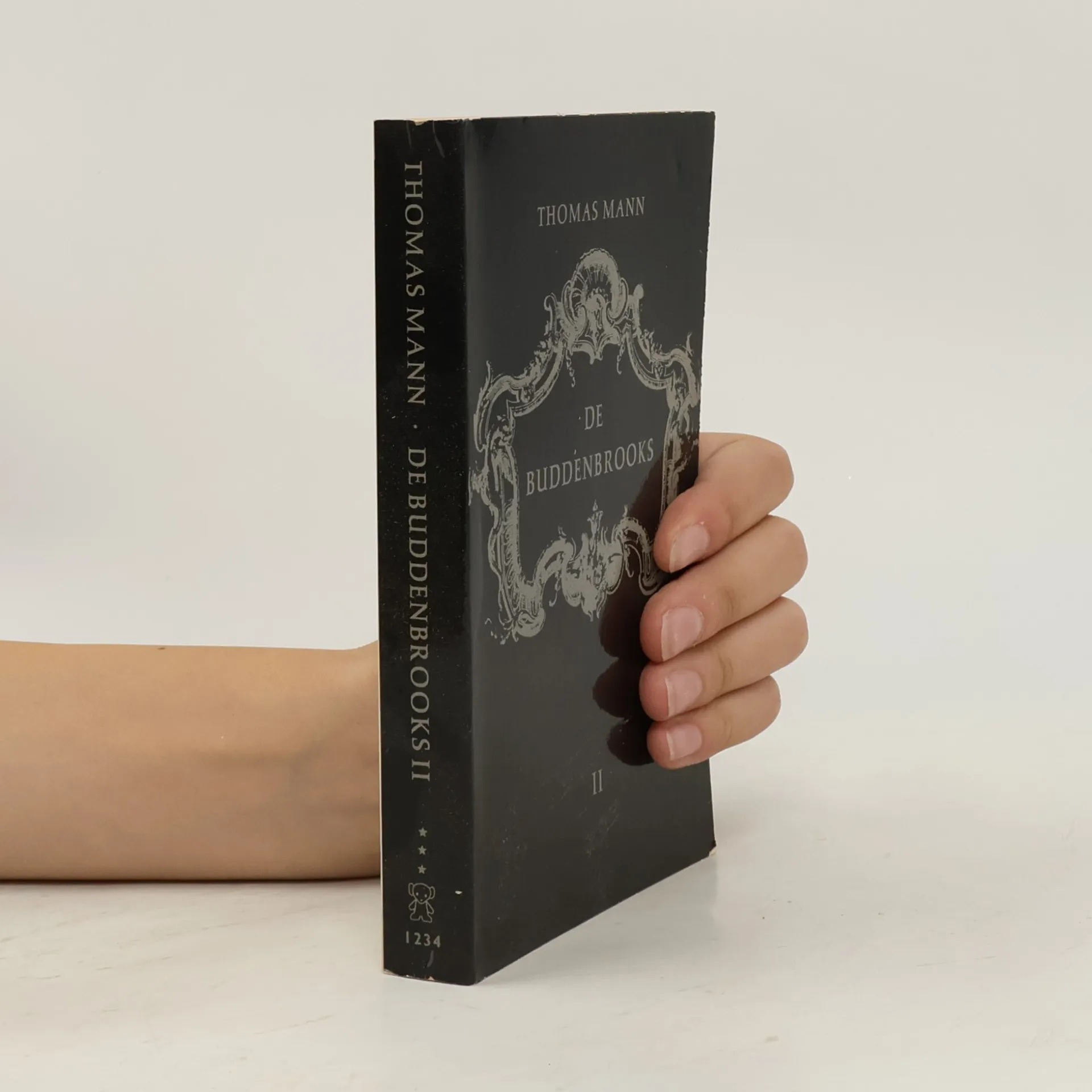
In De Buddenbrooks beschrijft Thomas Mann het verval van een familie en hoe psychologisch-culturele verfijning, die leidt tot fin-de-siècle decadentie, de kracht en levenswil van een welvarend koopmansgeslacht ondermijnt. De rechtschapen, plichtsgetrouwe notabele verdwijnt in twee à drie generaties, vervangen door de door Weltschmerz verteerde bonvivant en overgevoelige kunstenaarsziel. Aanvankelijk wordt de glans en het succes van een nobele Noordduitse familie warm beschreven, maar ironie en kritische noten krijgen steeds meer de overhand. De revolutionaire geest van de twintigste eeuw botst met de ooit onaantastbare normen van de negentiende-eeuwse bourgeoisie. De kunstenaarsziel worstelt om zich te ontworstelen aan de lege soliditeit van het geslacht dat haar heeft voortgebracht. Mann's naturalistische beschrijving van de familie vertoont sterke overeenkomsten met zijn eigen achtergrond. De familie Mann, gevestigd in Lübeck, was een aanzienlijk koopmansgeslacht en bracht in de twintigste eeuw bekende schrijvers voort, waaronder Heinrich en Klaus Mann. De Buddenbrooks, Mann's eerste roman uit 1901, werd meteen een groot succes en vestigde zijn reputatie, waardoor hij in één adem werd genoemd met Marcel Proust en James Joyce. In 1929 ontving hij de Nobelprijs voor literatuur.
Thomas Mann Boeken


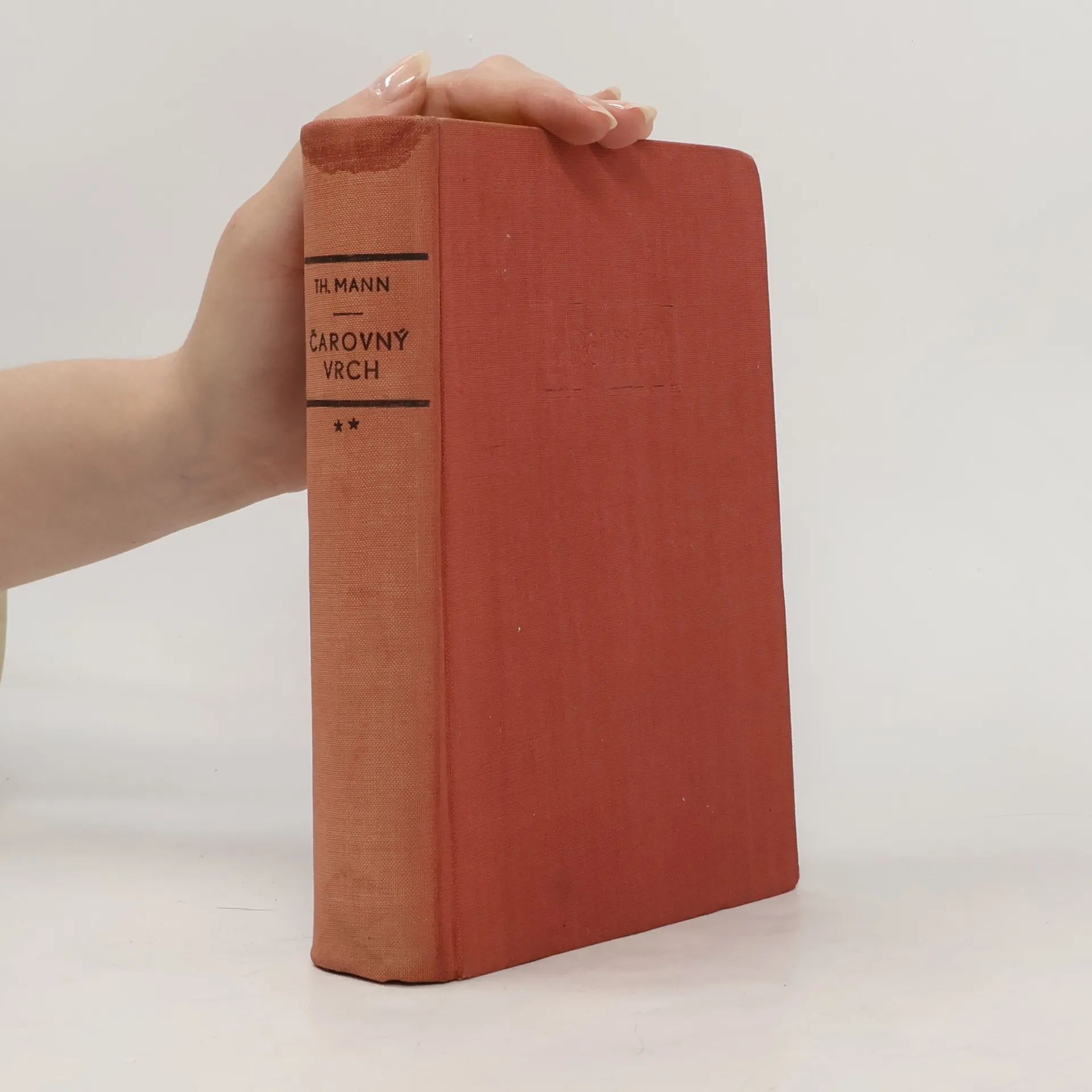
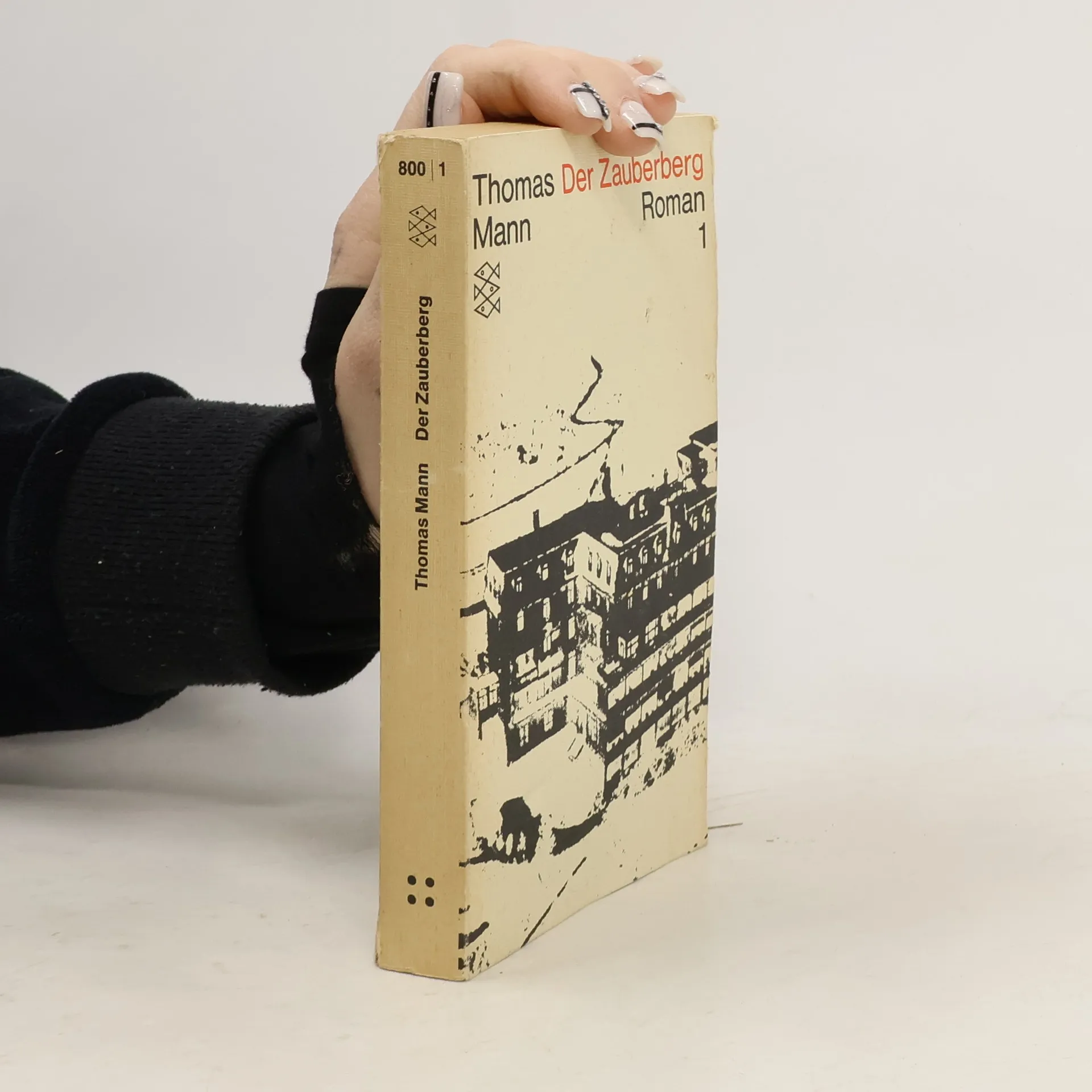
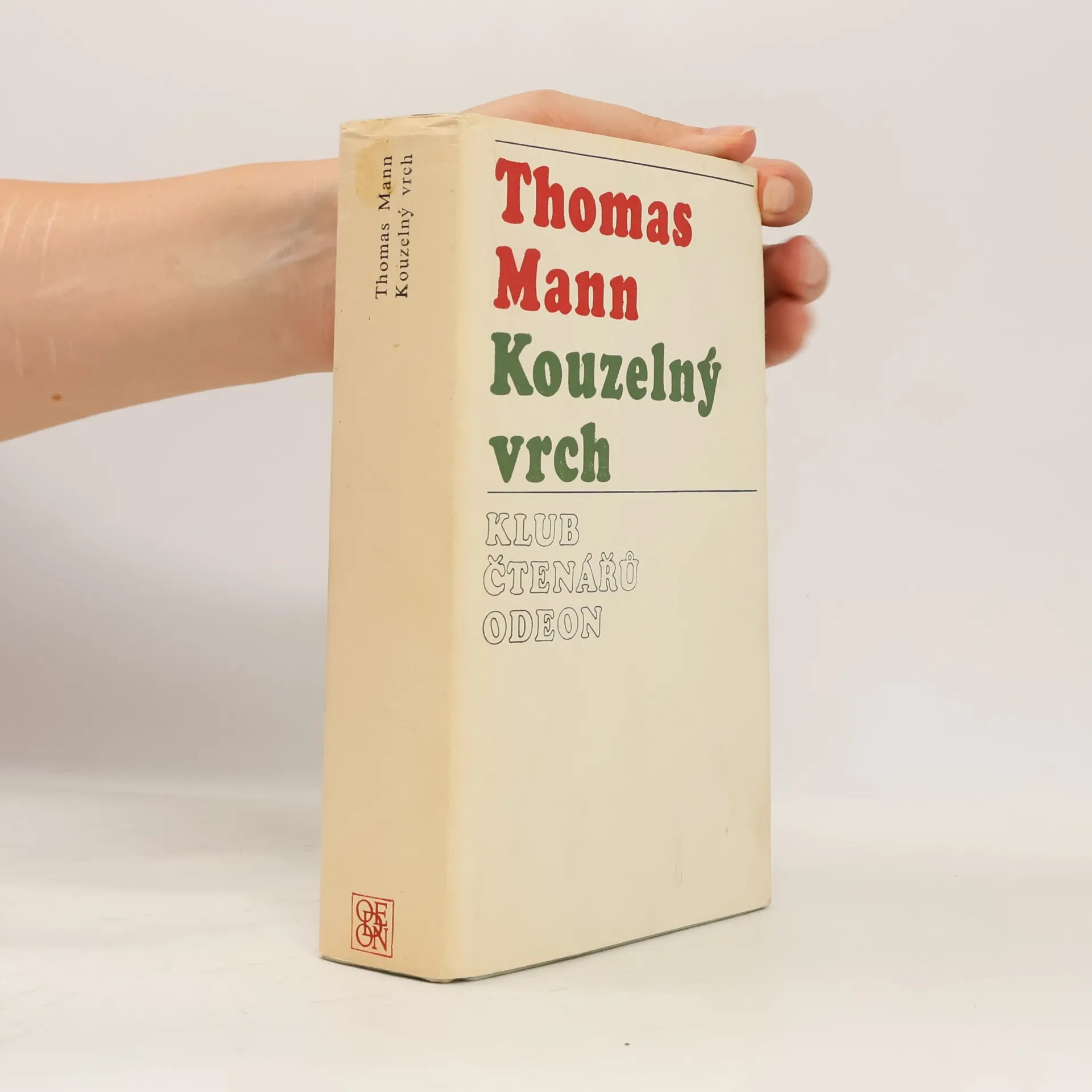
De Toverberg
- 928bladzijden
- 33 uur lezen
In this dizzyingly rich novel of ideas, Mann uses a sanatorium in the Swiss Alps, a community devoted exclusively to sickness, as a microcosm for Europe, which in the years before 1914 was already exhibiting the first symptoms of its own terminal irrationality. The Magic Mountain is a monumental work of erudition and irony, sexual tension and intellectual ferment, a book that pulses with life in the midst of death.
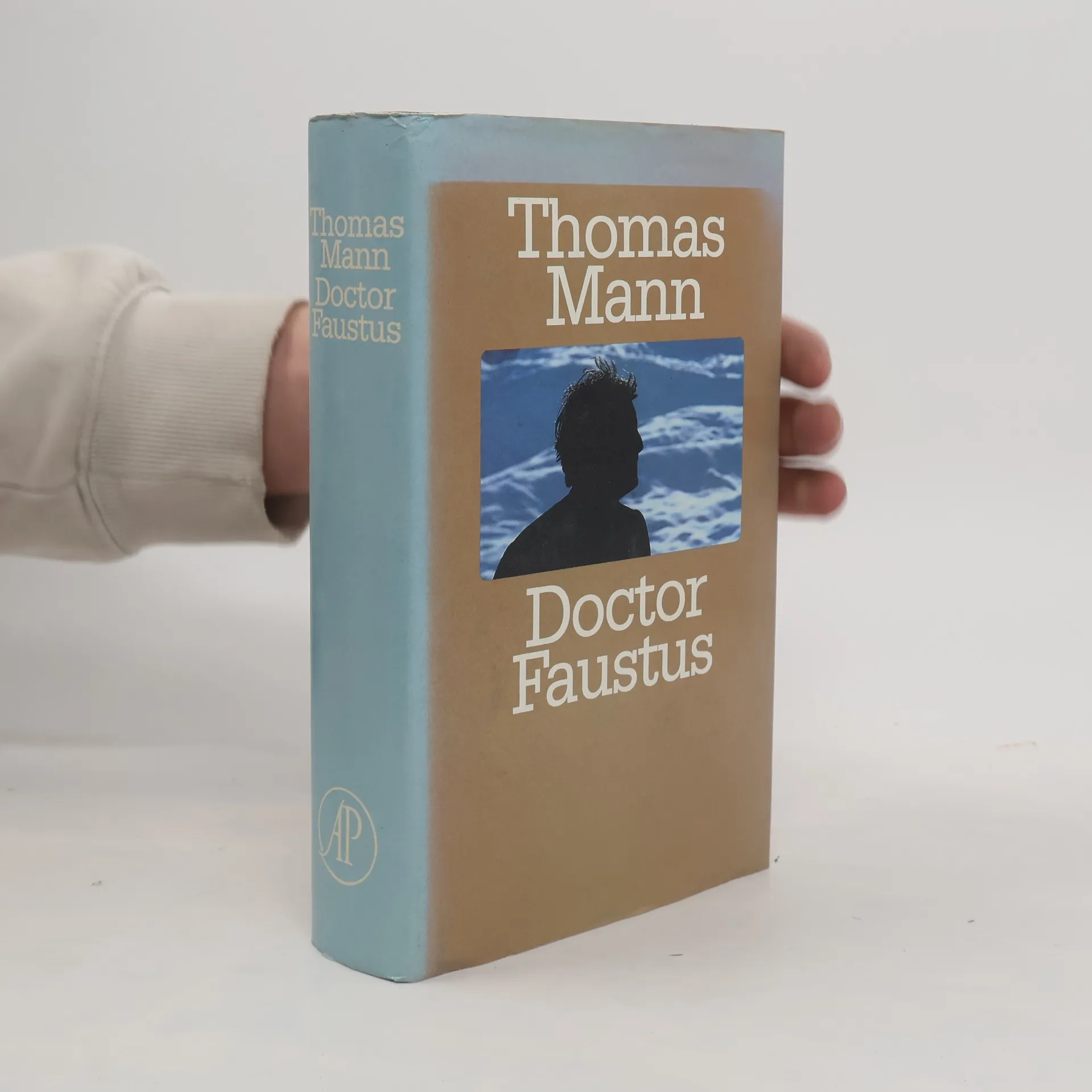
Doctor Faustus
- 579bladzijden
- 21 uur lezen
Gefingeerde biografie van een naar Schönberg gemodelleerde componist wiens genialiteit zich vanwege een pakt met de duivel uiteindelijk tegen hem keert.
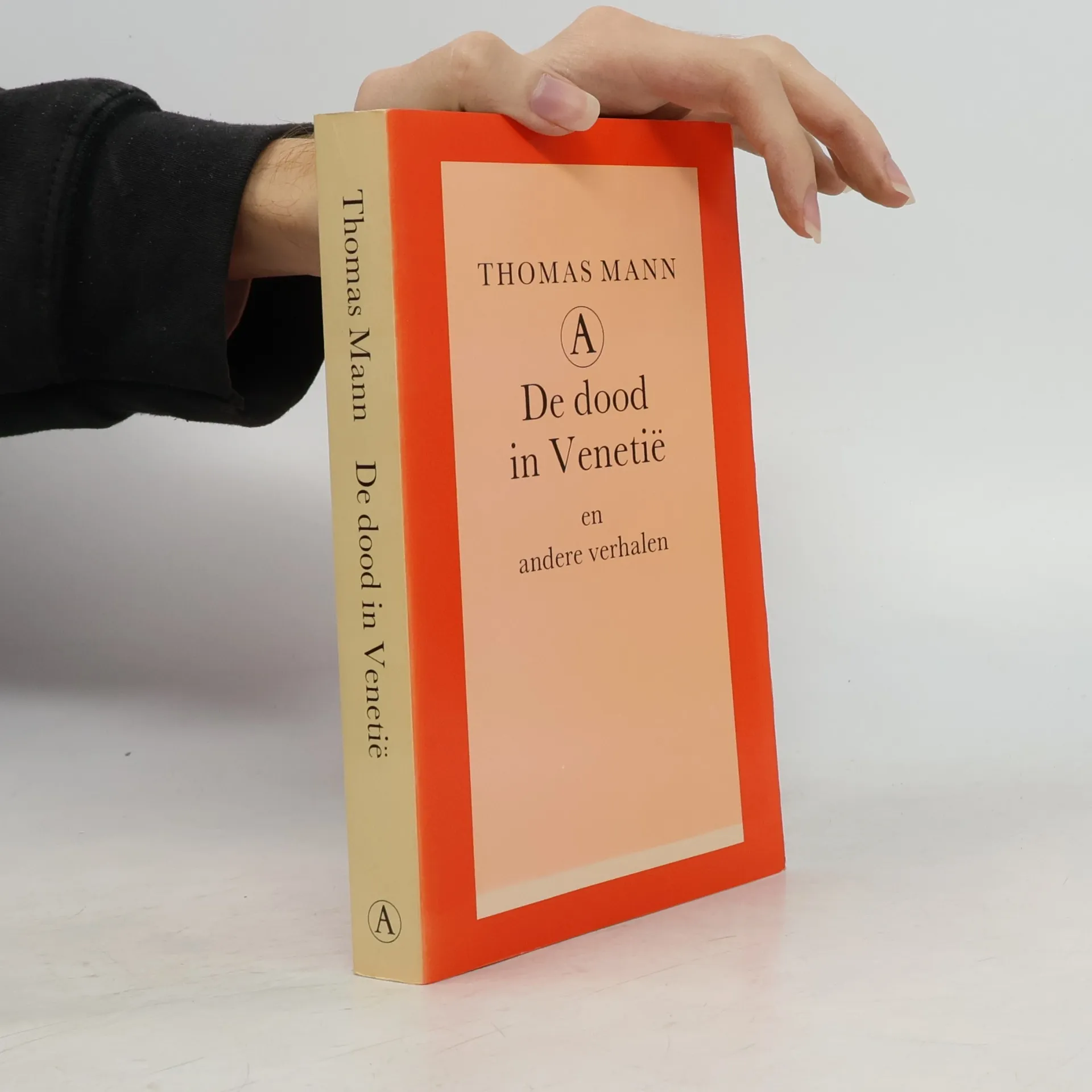
De dood in Venetië
- 110bladzijden
- 4 uur lezen
Een wat oudere schrijver raakt tijdens een verblijf in Venetië in de ban van de schoonheid van een 14-jarige Poolse jongen.
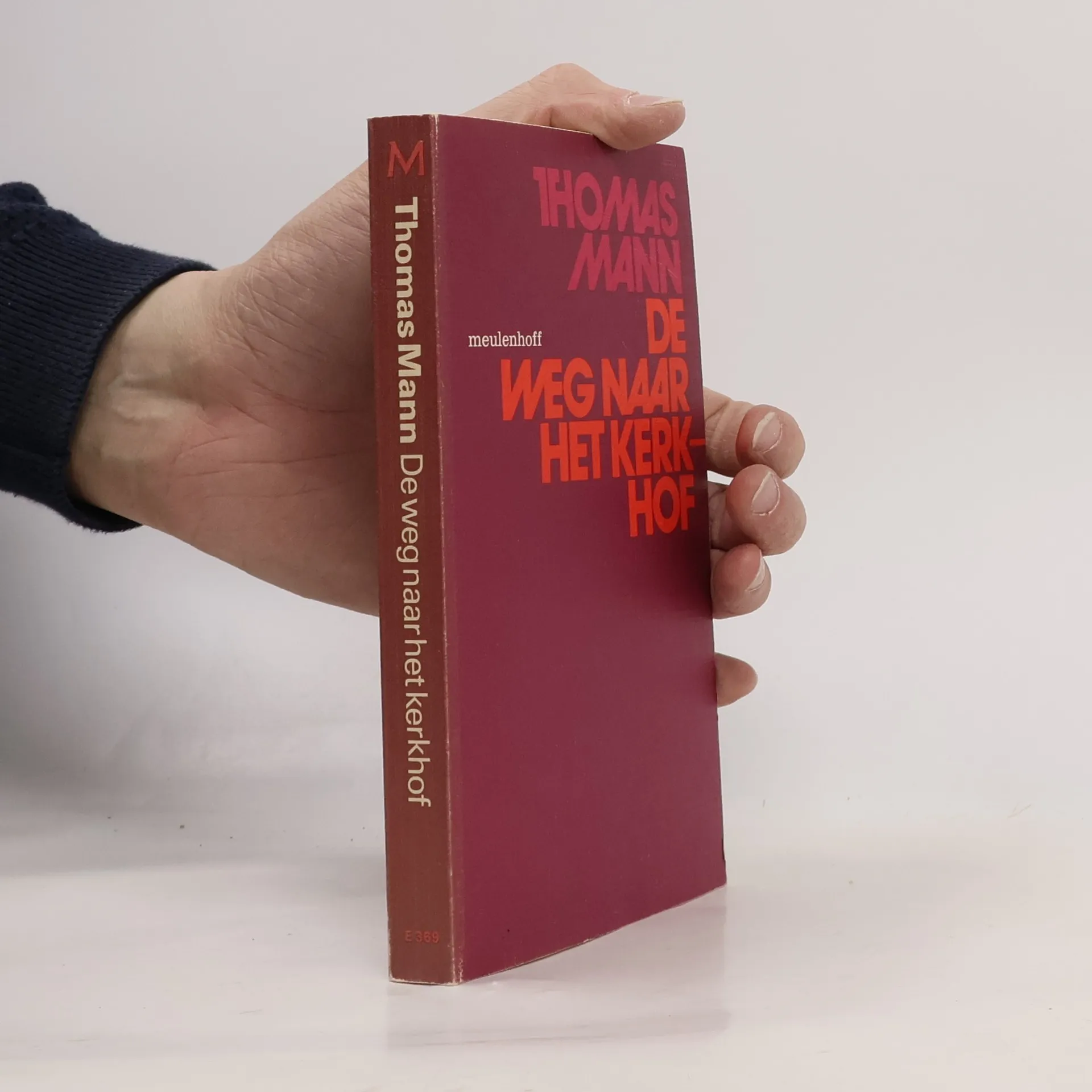
De weg naar het kerkhof
- 158bladzijden
- 6 uur lezen
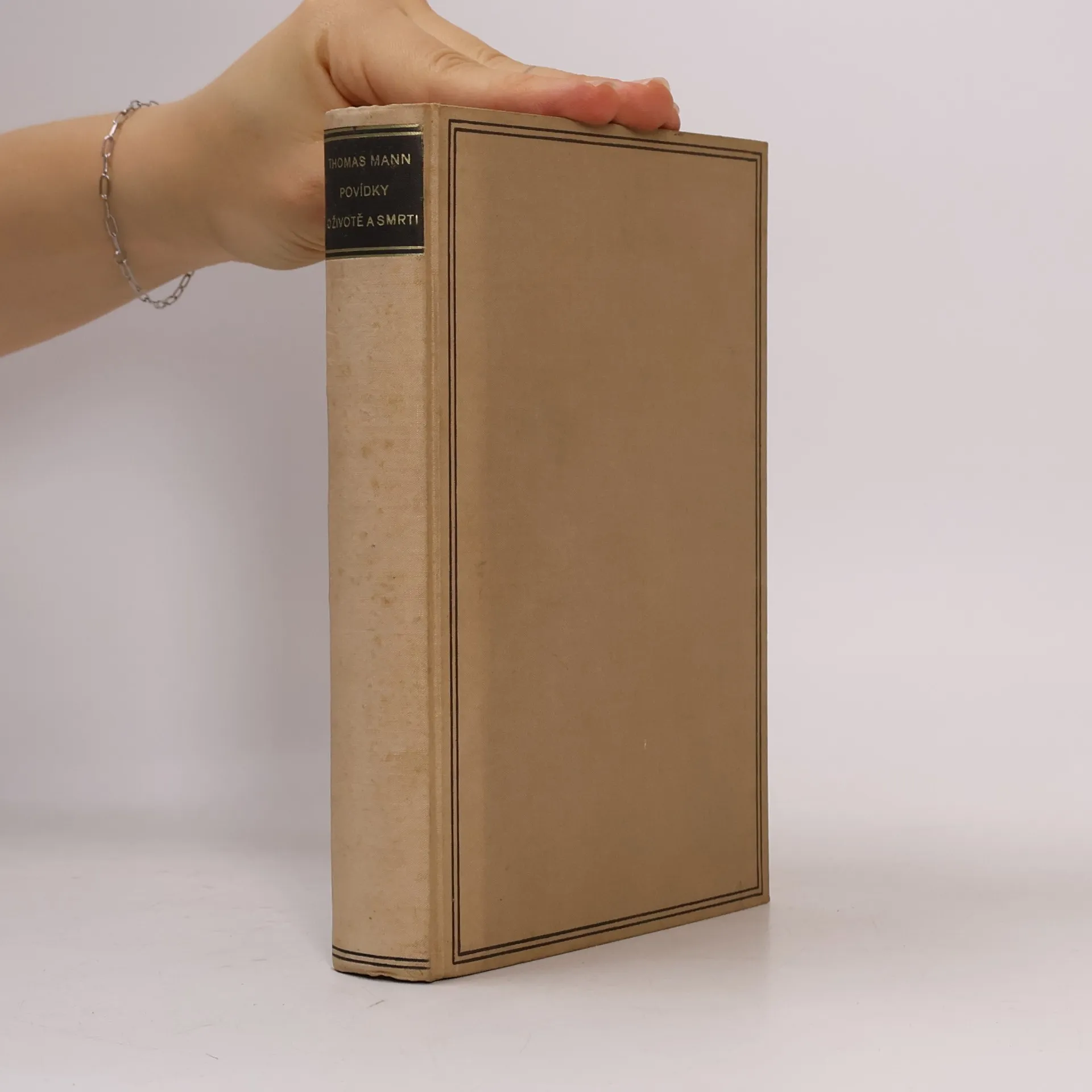
Deze verhalen van Thomas Mann zijn oorspronkelijk verspreid over vier bundels verschenen. Ze bevatten vaak buitengewoon knappe psychologische analyses, van Lübecker burgers, van kunstenaars, van dilettanten : mensen die zo door zichzelf in beslag genomen worden, dat ze tot handelen niet meer in staat zijn. De scala van tonen en stemmingen, van lichtvoetig tot doodernstig, van satirisch tot dramatisch, maakt deze verhalenbundel zo boeiend.
De verschijning van De Buddenbrooks in 1901 was een van de belangrijkste gebeurtenissen uit het leven van Thomas Mann. Het was het eerst in de geschiedenis van de Duitse literatuur dat een alom geprezen literair meesterwerk een groot lezerspubliek bereikte. Later zou ook in Duitsland het begrip 'Buddenbrooks' ingeburgerd raken, wat de leden van het vooraanstaande geslacht Buddenbrook stellig met afkeer zouden hebben bezien. De nostalgie naar het oude Europa en zijn nog vaststaande en eeuwig durende waarden - à la Forsyte Sage! - zal veel lezers naar dit nieuwe meesterwerk doen grijpen.
Grote bellettrie serie: De dood in Venetië en andere verhalen
- 307bladzijden
- 11 uur lezen
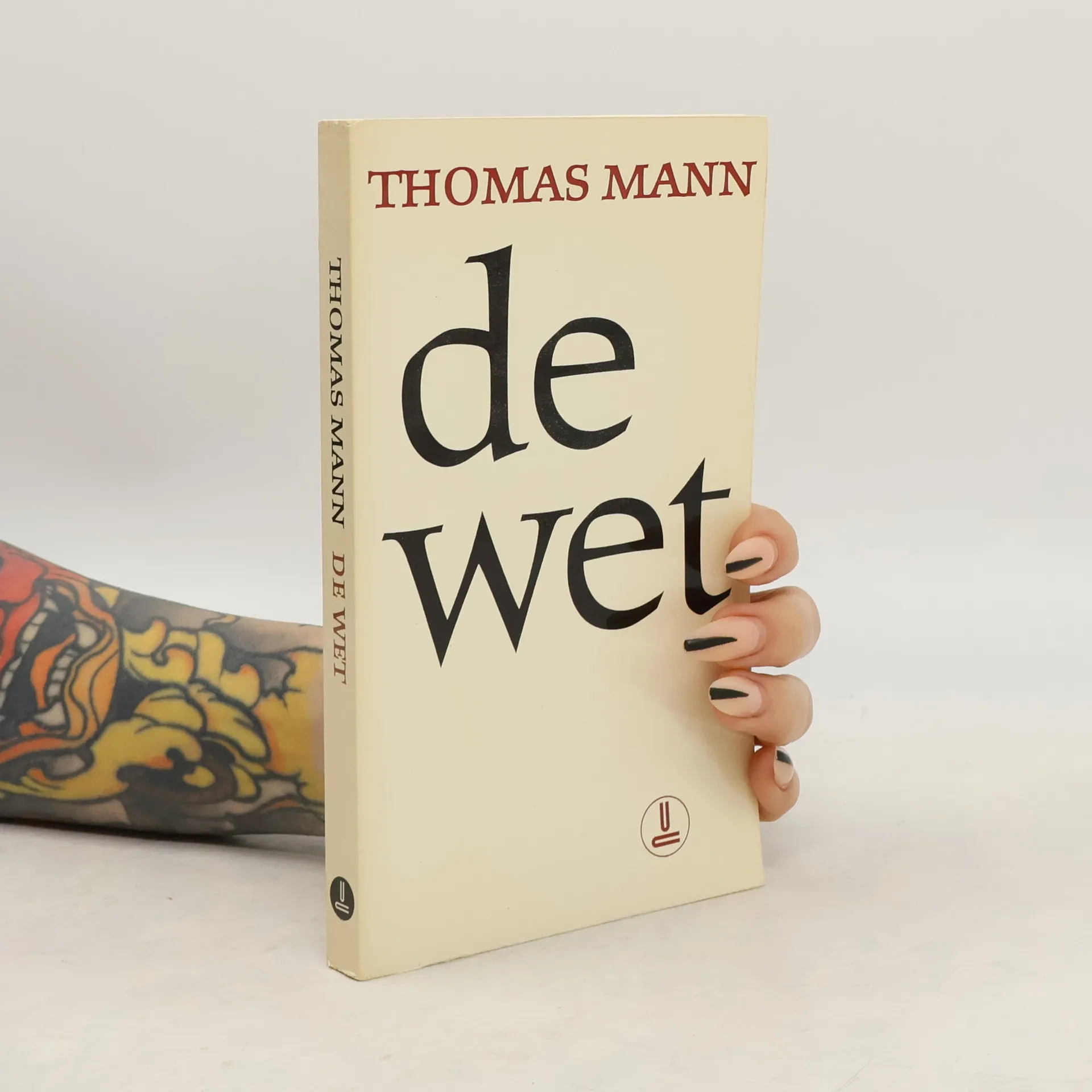
Mini-Kaderreeks: De Wet
- 132bladzijden
- 5 uur lezen
Joseph And His Brothers
- 1536bladzijden
- 54 uur lezen
Thomas Mann regarded his monumental retelling of the biblical story of Joseph as his magnum opus. He conceived of the four parts-The Stories of Jacob, Young Joseph, Joseph in Egypt, and Joseph the Provider-as a unified narrative, a mythological novel of Joseph's fall into slavery and his rise to be lord over Egypt.
Thomas Mann: New Selected Stories
- 256bladzijden
- 9 uur lezen
Sparkling new translations illuminate the humor and poignancy of Mann's best stories, including his masterpiece, newly translated into English for the first time in nearly a century. Often seen as a dry and forbidding writer, Mann's fiction is actually lively, humane, and sometimes hilarious. Award-winning translator Damion Searls sheds light on this underappreciated aspect of Mann's genius through fresh renderings of his short works. The centerpiece, "Chaotic World and Childhood Sorrow," is a subtle masterpiece that reveals the emotional significance of everyday life, portraying the bourgeois Cornelius family as they navigate straitened circumstances in hyperinflationary Weimar Germany. The volume also features an excerpt from Mann's first novel, Buddenbrooks, which was a sensation upon its release. While "Death in Venice" is Mann's most famous story, it was originally intended to be paired with a comedic tale, included here as "Confessions of a Con Artist, by Felix Krull." Additionally, "Louisey," a story of sexual humiliation, offers insight into Mann's lifelong ambivalence about the power of art. This collection is both revelatory and transformative, showcasing the depth and range of Mann's literary brilliance.
Collected Stories
- 890bladzijden
- 32 uur lezen
Famous for his novels, Thomas Mann is more accessible through the shorter fictions which span his entire career. The most famous of these stories is one of the earliest. Death in Venice was made into the celebrated Visconti film, but all his mature preoccupations are present in this story: the need for a sense of meaning in existence, the relationship between life and art, the central role of sexual energy and the strange forms it can take, the place of death and disease, the importance of work, the individual's complex relations with his society and the dominant culture. These themes are developed in a series of brilliant stories, may of them very short and displaying the author's talent for macabre comedy. Dr Faustus and Buddenbrooks are already available in Everyman
The Tables of the Law
- 130bladzijden
- 5 uur lezen
This classic novella, writer by Thomas Mann in exile during the Second World War, recounts the early life of Moses. In Mann's ironic and telling style, this most dramatic and significant story in the Hebrew Bible takes on a new (and at times witty) life and meaning. It represents Mann's art at its best.
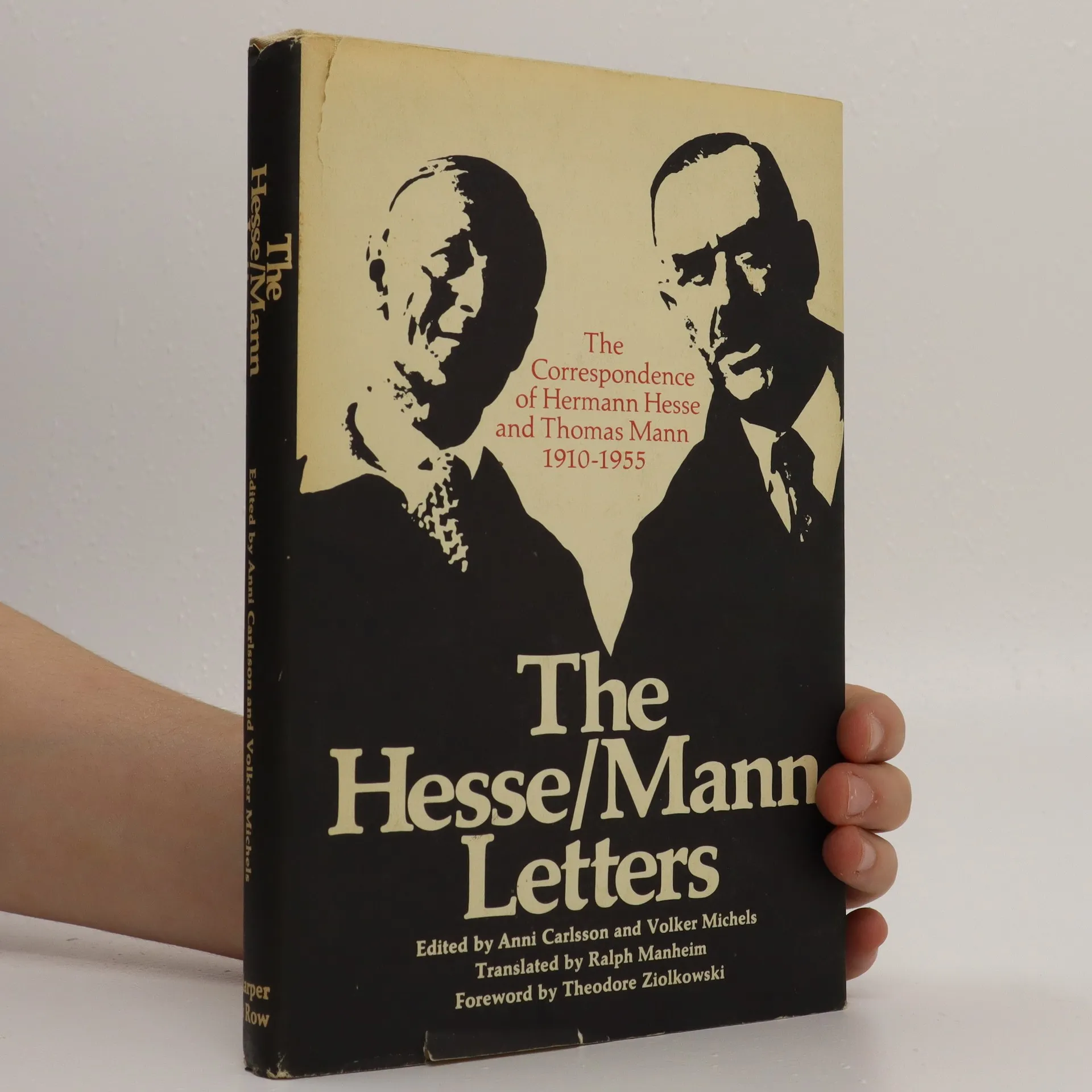
The Hesse-Mann Letters
- 196bladzijden
- 7 uur lezen
s/t: The correspondence of Hermann Hesse and Thomas Mann 1910-55 The letters present two great XX century Nobel Prize writers grieving for the ruined world. In the 1930s and 1940s, they rail against the stupidity of war and the cowardice of diplomats, against the social savagery of the Nazis, against the blind forces of abstraction and nationalism. They brood about the fate of Germany and of Europe after the last shots have been fired. They have lived through a time of extraordinary horror and yet they have not surrendered to despair or nihilism. Reading the letters, the reader will feel like some privileged guest in a special room, sitting off to the side somewhere, listening while these men talk.
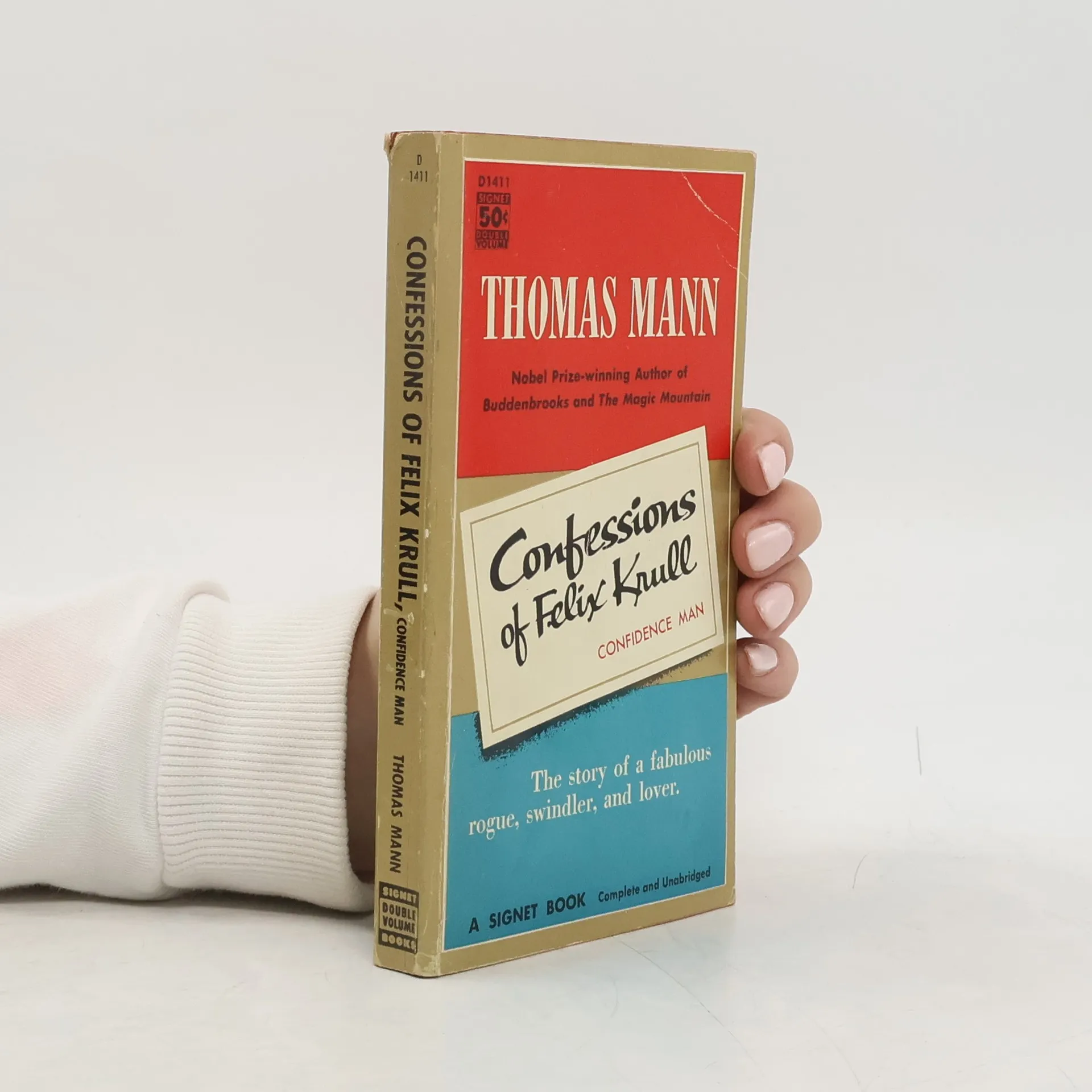
Recounts the enchanted career of the con man extraordinaire Felix Krull--a man unhampered by the moral precepts that govern the conduct of ordinary people.
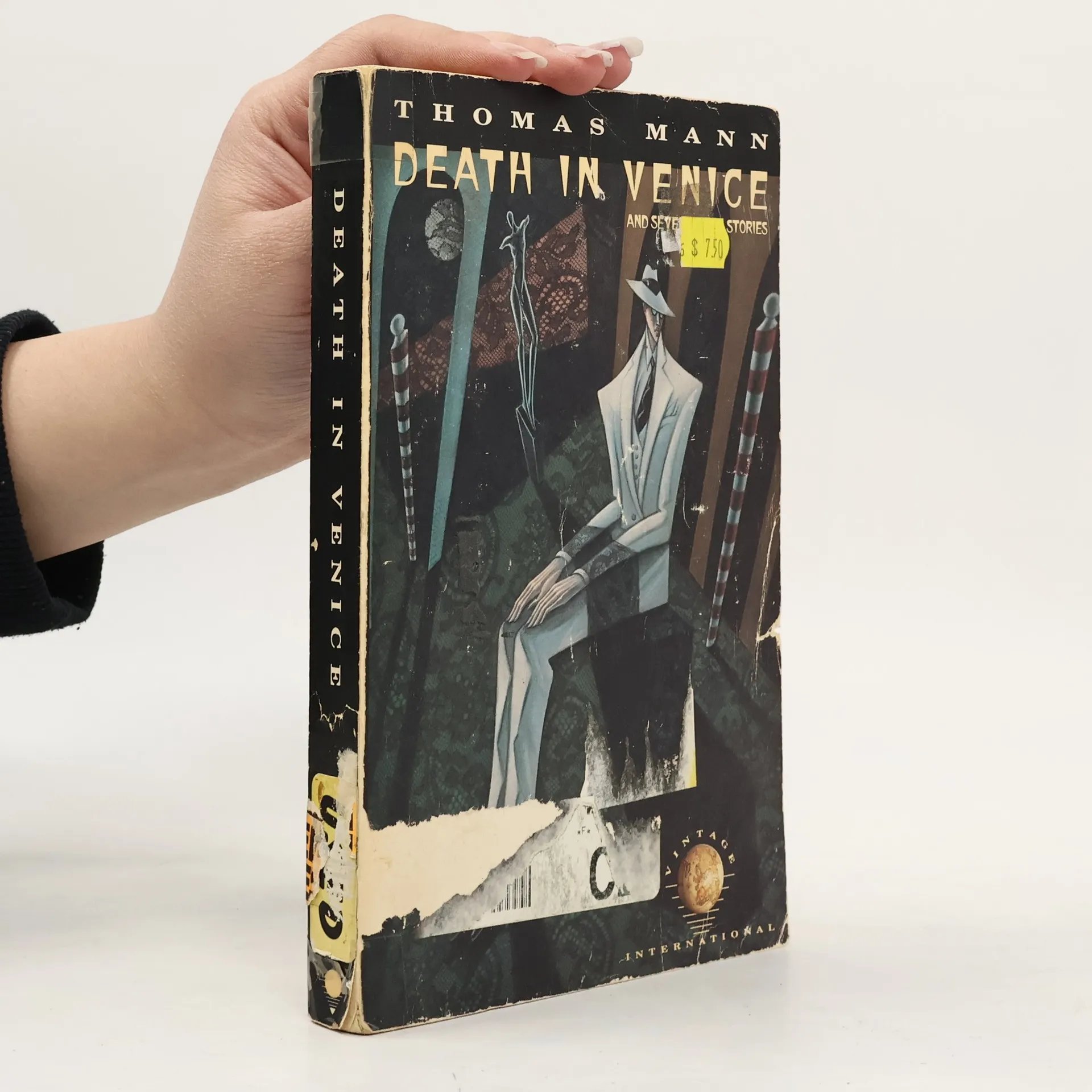
Vintage International: Death in Venice and Seven Other Stories
- 402bladzijden
- 15 uur lezen
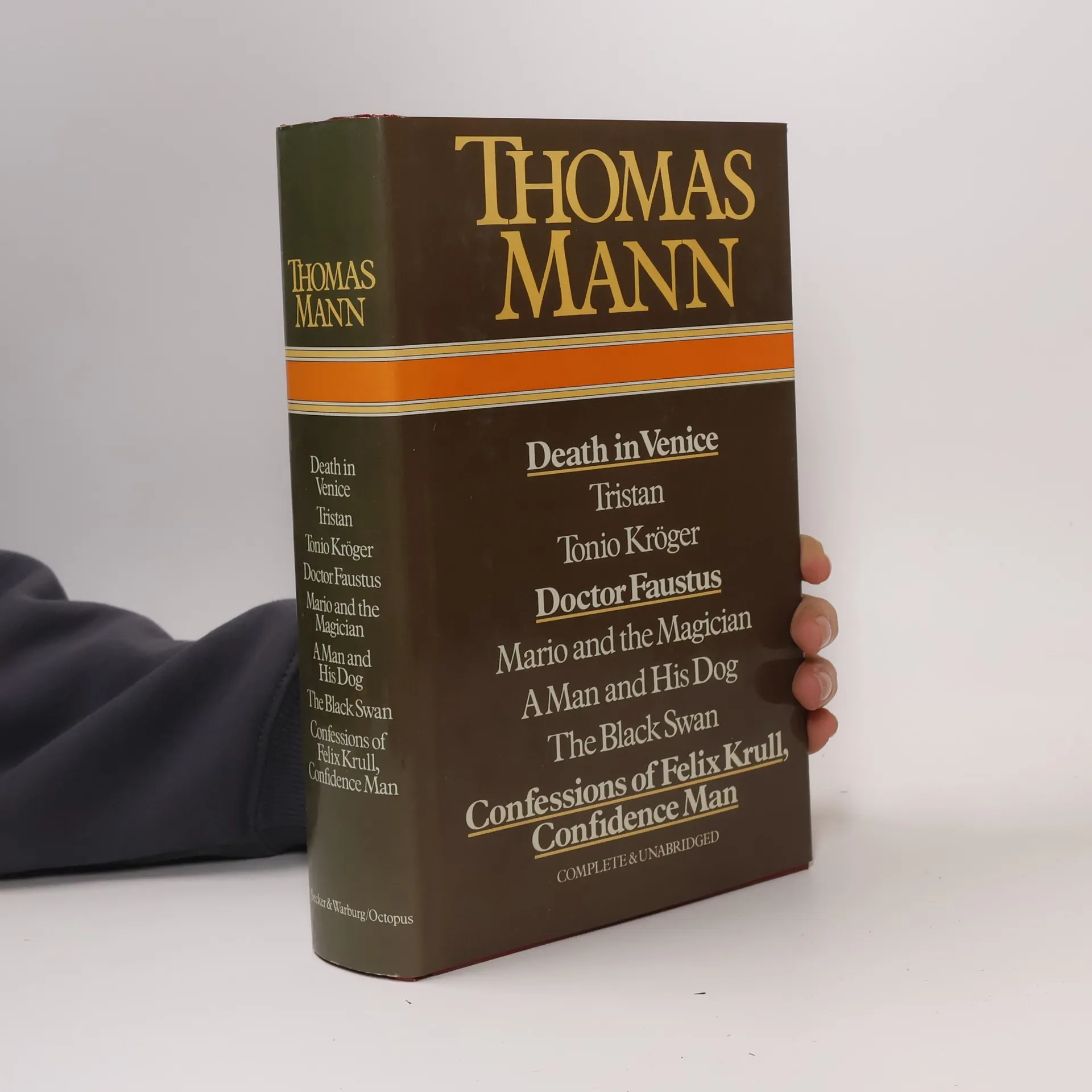
In addition to Death in Venice , this volume includes "Mario and the Magician," "Disorder and Early Sorrow," "A Man and His Dog," "Felix Krull," "The Blood of the Walsungs," "Tristan," and "Tonio Kröger." These stories, as direct as Thomas Mann's novels are complex, are perfect illustrations of their author's belief that "a story must tell itself." Varying in theme, in style, in tone, each is in its own way characteristic of Mann's prodigious talents. From the high art of the famous title novella ("A story," Mann said, "of death...of the voluptuousness of doom"), to the irony of "Felix Krull," the early story on which he later based his comic novel The Confessions of Felix Krull , they are stunning testimony to the mastery and virtuosity of a literary giant. Translated from the German by H.T. Lowe-Porter.
Selected Works
- 816bladzijden
- 29 uur lezen
Death in Venice and other stories
- 266bladzijden
- 10 uur lezen
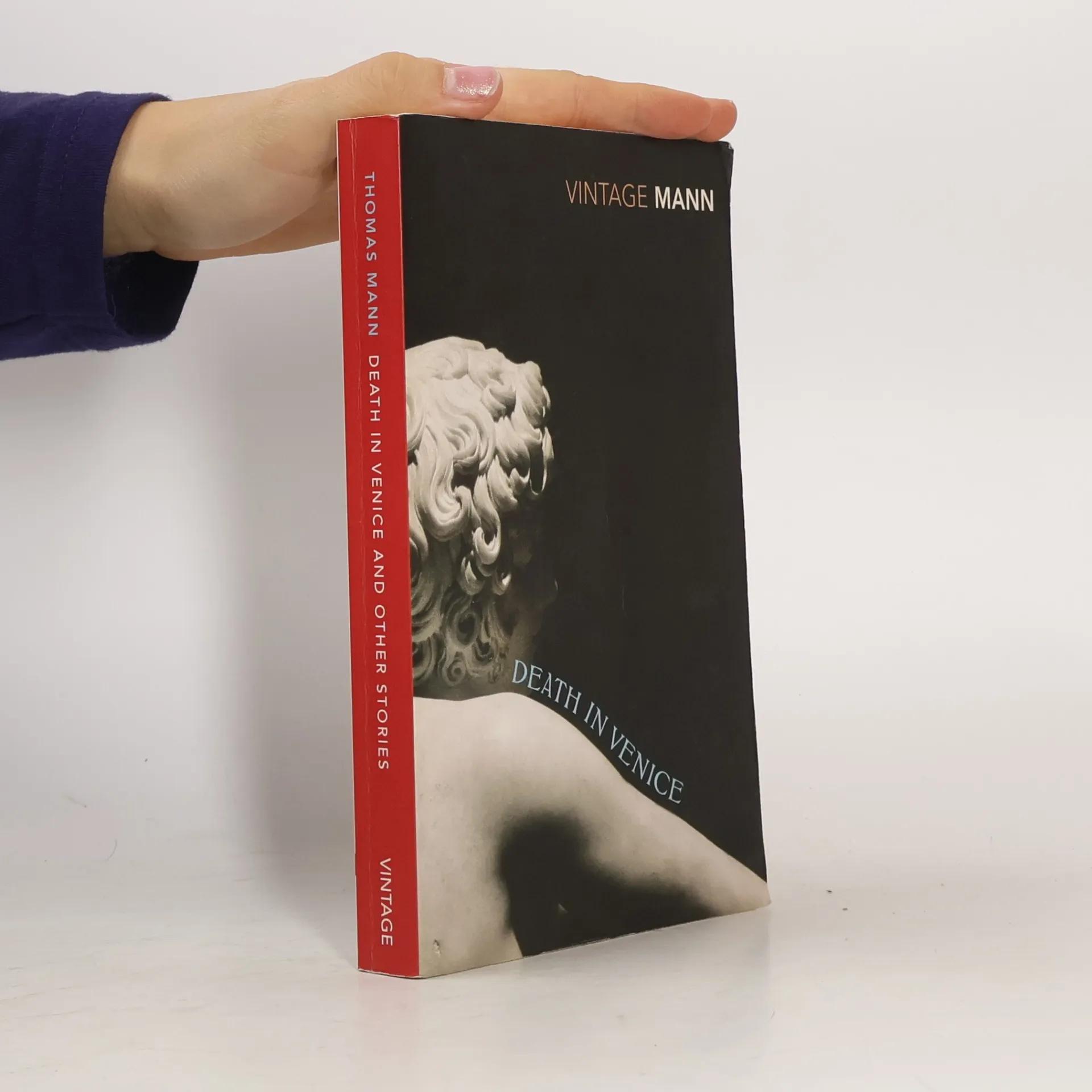
Death in Venice is a story of obsession. Gustave von Aschenbach is a successful but aging writer who travels to Venice for a holiday. One day, at dinner, Aschenbach notices an exceptionally beautiful young boy who is staying with his family in the same hotel. Soon his days begin to revolve around seeing this boy and he is too distracted to pay attention to the ominous rumors that have begun to circulate about disease spreading through the city. Available exclusively from Vintage Classics.
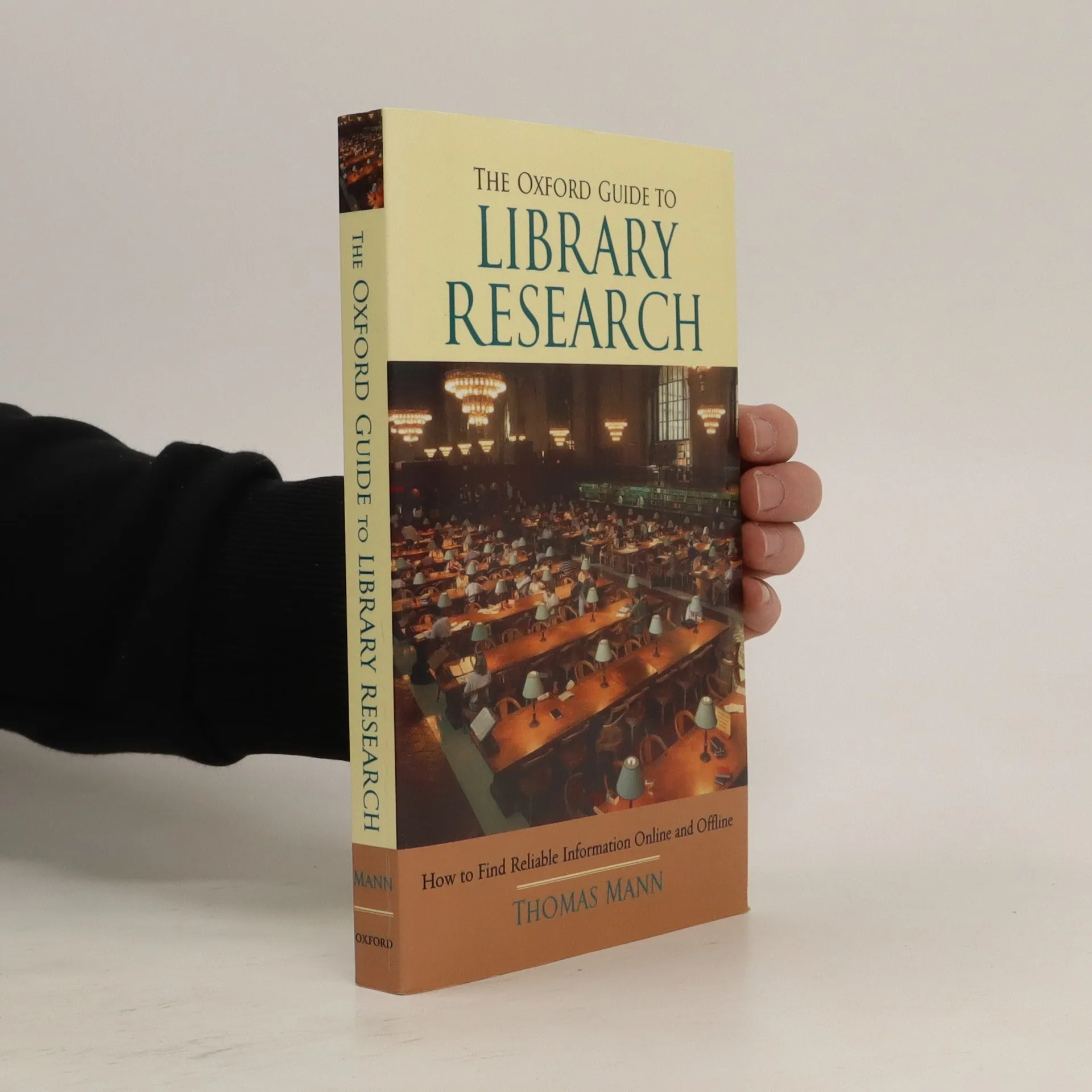
Outlines several resources and search strategies for researchers, including encyclopedias, subject headings, library catalogs, browsing, keyword searches, citation searches, and published bibliographies.
Reflections of a Nonpolitical Man
- 468bladzijden
- 17 uur lezen
"When World War I broke out the author of "Buddenbrooks" was almost 40 but not yet in the public view one of the giants of European literature. In his native Germany it was thought that Gerhart Hauptmann and probably a few of his elder contemporaries were towering above him. But he already had a reputation as one of the most interesting writers in Europe and as a moralist from whom his many readers expected a message in a time of great trials. His first decision was that of a man of action, not a man of letters, and he volunteered for the Landsturm, the reserve army. The physician who examined him happened to know his work and reached the sensible conclusion that the writer Thomas Mann would make a greater contribution to the war effort than the soldier. Mann's despair was within manageable limits; he wrote to a friend that his nerves were bad and his heart, head and stomach would fail him. The doctor had probably saved him from disgrace"-- Provided by publisher
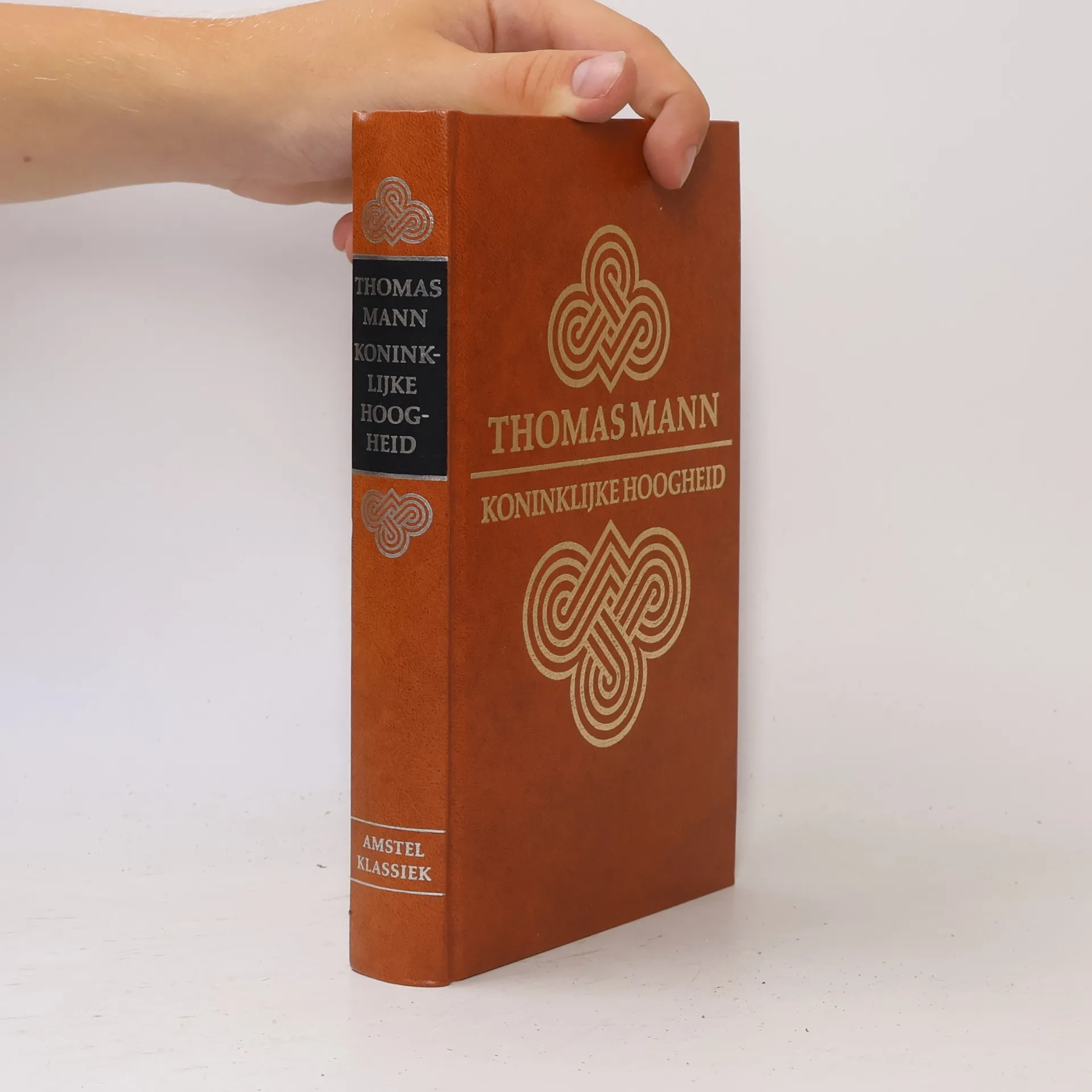
Royal Highness
- 250bladzijden
- 9 uur lezen
This classical work is significant in the realms of Germanic, Scandinavian, and Icelandic literatures. Recognizing its historical importance, Alpha Editions has republished it in a modern format, ensuring clarity and readability through reformatting and redesign. The effort aims to preserve the book for current and future generations, making it accessible without relying on scanned copies of the original text.
Thomas Mann's meditation on the power of literary representation and the tyranny of the writer's imagination, published in Vintage Classics for the first time.
Mann's short stories explore his abiding interest in the split nature of humanity and the discordance of the world it inhabits. And in `Mario and the Magician' a young family on holiday in Italy encounters a creepy entertainer: Cipolla, a hypnotist with a fascist-like will to control his audience.
Thomas Mann's bold and disturbing novella is the feminine counterpart to his masterpiece Death in Venice. Written from the perspective of a woman in a life crisis.
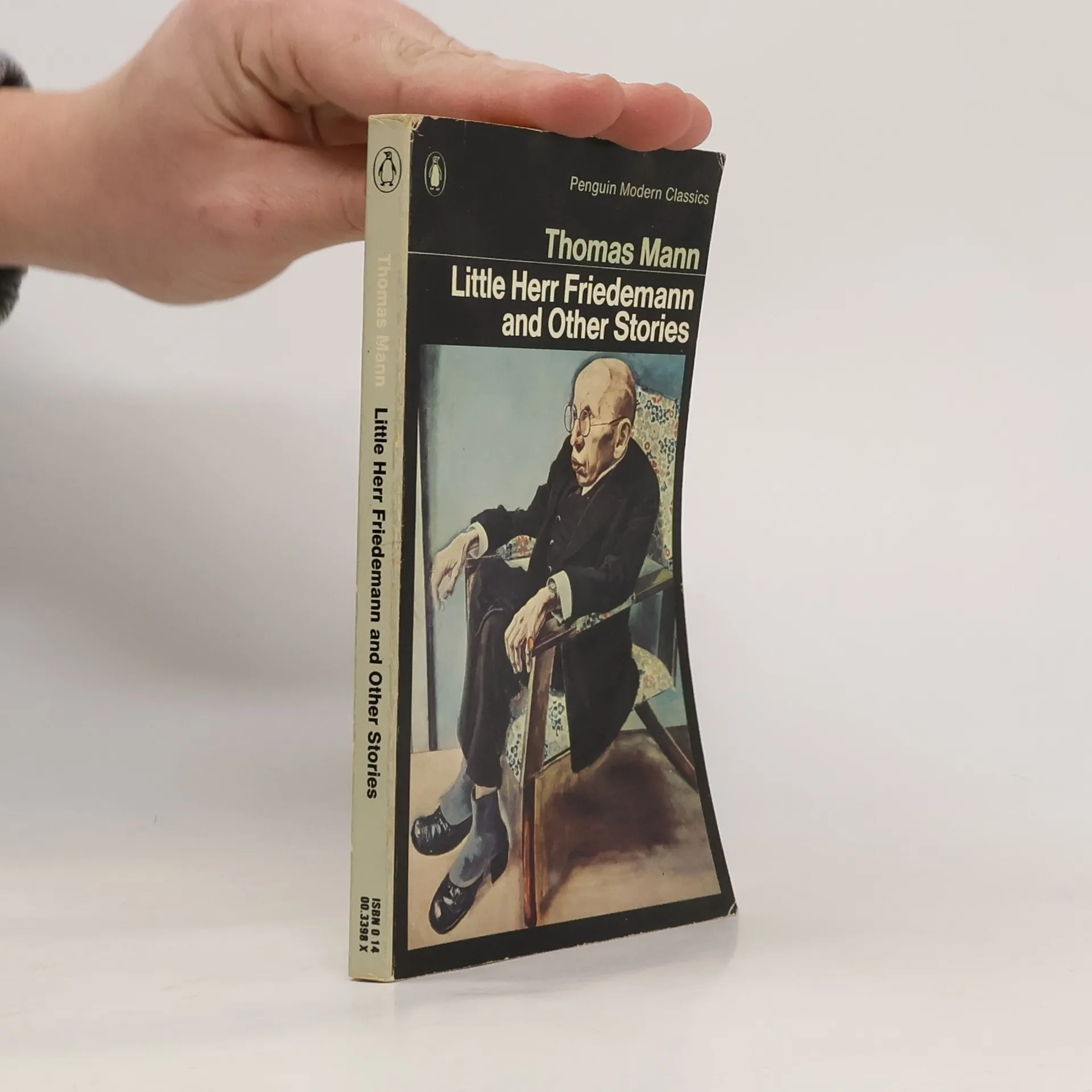
Little Herr Friedemann And Other Stories
- 208bladzijden
- 8 uur lezen
A selection of work by one of the greatest writers of the 20th Century. In elegant prose, Mann explores such eternal themes as individuals forced into the extremes of their existence, isolation and the artist's tentative position in the harsh world, the realization of one's true nature.
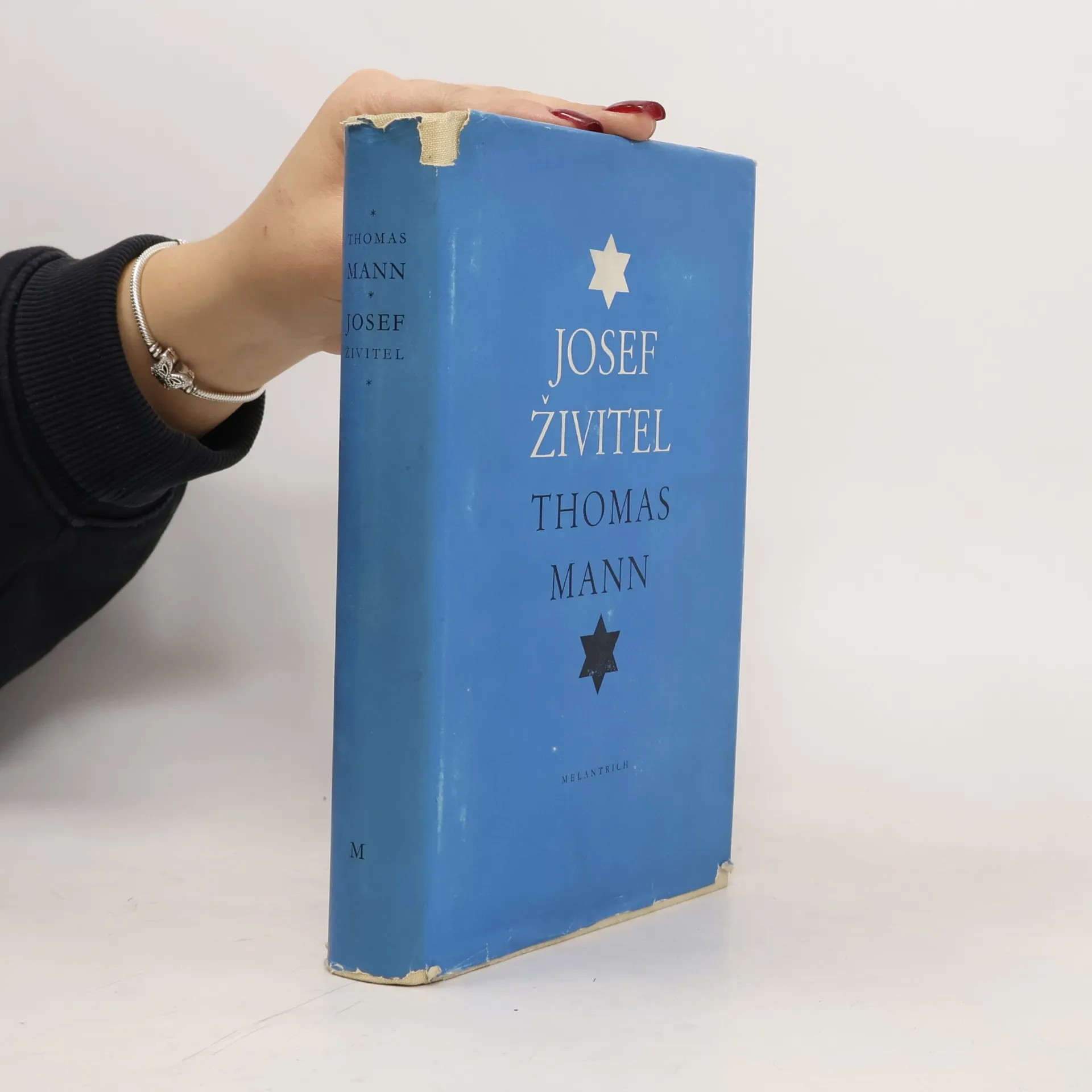
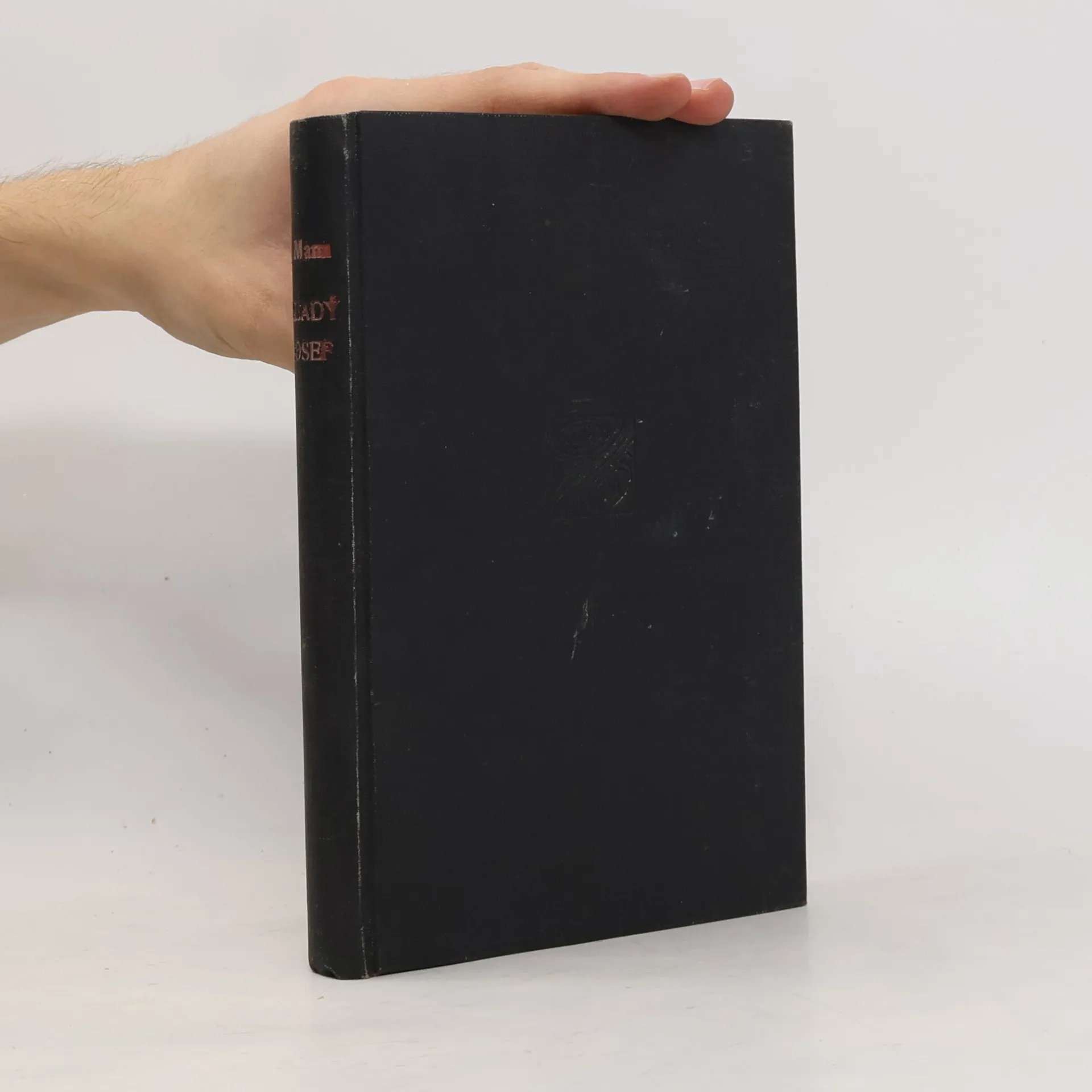
Obsahově samostatná závěrečná část tetralogie, Josef a bratří jeho (Příběhy Jákobovy, Mladý Josef, Josef v Egyptě). Jádrem je biblický příběh, jak jej podává Genesis, první kniha Mojžíšova, k němuž Thomas Mann přibral děje a „příběhy“ Josefových předků, počínaje Abrahamem. Rozhojnil je motivy ze staré legendární literatury židovské a biblický mýtus spjal s mytickými motivy předoasijskými, především s egyptskými, aby tak Josefův příběh vyrostl z rámce kmenového na příměrový příběh všelidského dosahu. Hlavní pozornost věnuje Josefovu přerodu, kterým se v péči o egyptský stát stává z výjimečného a společensky neodpovědného snílka dobrodincem, živitelem bratří, kmene, velké cizí říše a téměř celého tehdejšího okrsku zemského. Tetralogií, dokončenou roku 1943, chtěl autor proti lži-mýtu rasistické lůzy postavit mýtus pravý, mýtus humanizovaný, mýtus o sebe-umravňovacím pochodu a zápasu člověka, lidstva.
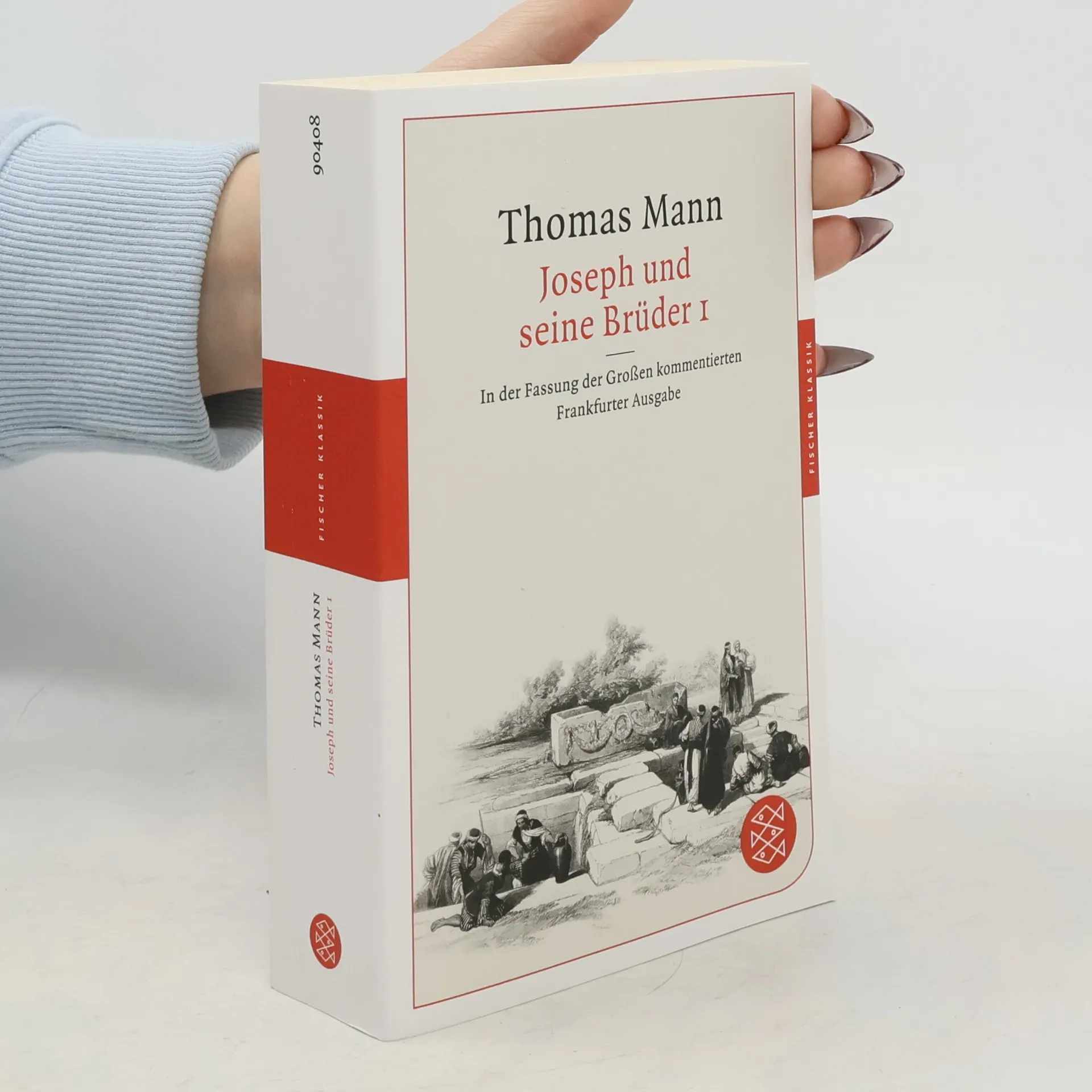
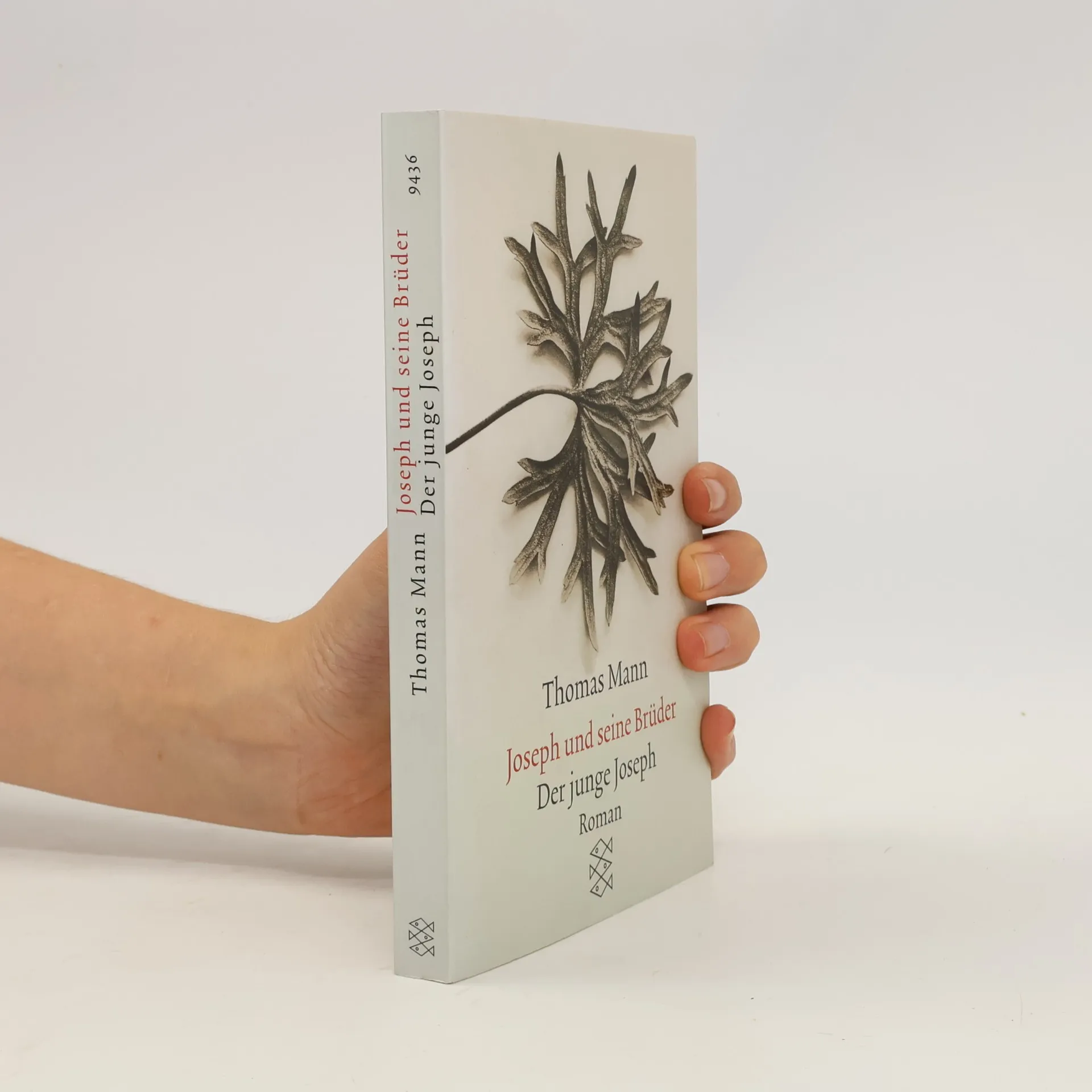
Die Geschichte Jaakobs Der junge Joseph
Joseph und seine Brüder I
In der Fassung der Großen kommentierten Frankfurter Ausgabe
Thomas Manns vierbändiger Josephsroman ist ein Gipfelwerk des 20. Jahrhunderts. Zwischen 1933 und 1943 erschienen, stand diese große biblische Erzählung von Anfang an konträr zur Nazi-Ideologie, sie eröffnet Perspektiven auf die Menschheitsgeschichte und gilt heute als großes Monument des Exils und der Humanität. Voller Schönheit und Erotik, humorvoll, subtil und detailreich erzählt Thomas Mann von Josephs Fall und vom Verrat durch die Brüder, von Gefangenschaft und Aufstieg in Ägypten. Die zweibändige Taschenbuchausgabe enthält die textkritisch edierte Fassung des Textes aus der »Großen kommentierten Frankfurter Ausgabe«. Band I beinhaltet die Romane »Die Geschichten Jaakobs« und »Der junge Joseph«.
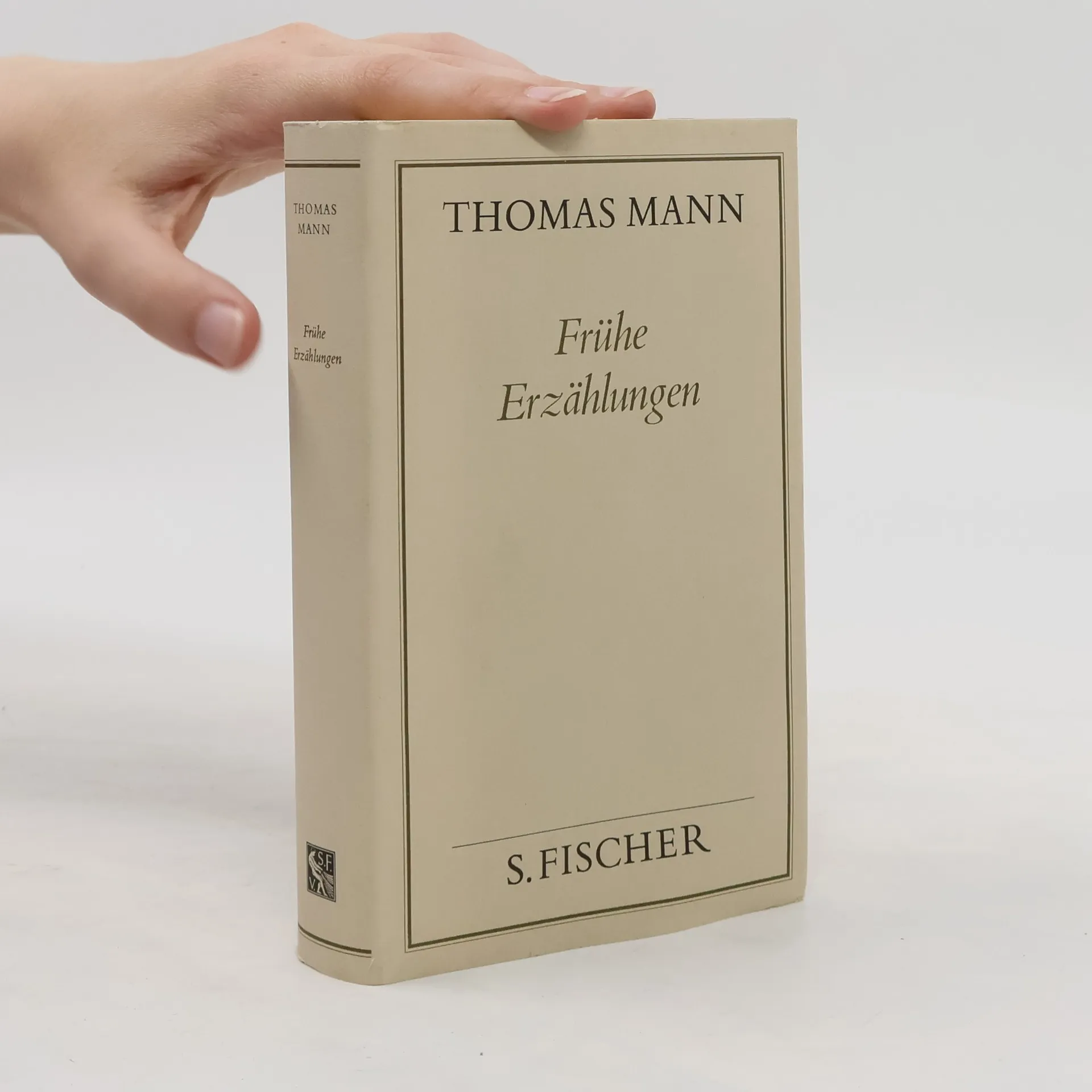
Frühe Erzählungen
- 714bladzijden
- 25 uur lezen
Mnohovrstevnatý príbeh sa odohráva na začiatku 20. storočia v luxusnom sanatóriu pre chorých na tuberkulózu v blízkosti Davosa. Do uzavretej spoločnosti ľudí trpiacich tuberkulózou prichádza na návštevu za svojím bratrancom mladý inžinier Hans Castorp. Choroba čoskoro prepukne aj u neho, a taksa aj Hansovi uzavrie normálny, zdravý svet. Castorp začína ako ostatní žiť vo svete čakania, ako s ním zhubná choroba naloží. V sanatóriu ho zaujmú dvaja spolupacienti - humanista a cynický jezuita. Castorp s nimi vedie diskusie o láske, živote, smrti, náboženstve, politických systémoch i spravodlivosti. V slovných súbojoch týchto troch protagonistov románu sa tak uskutočňuje svetonázorová diskusia o zániku starej spoločnosti a súčasne prebieha aj morálna a duchovná príprava na lepšiu budúcnosť.
Druhý díl Mannovy tetralogie Josef a bratří jeho.
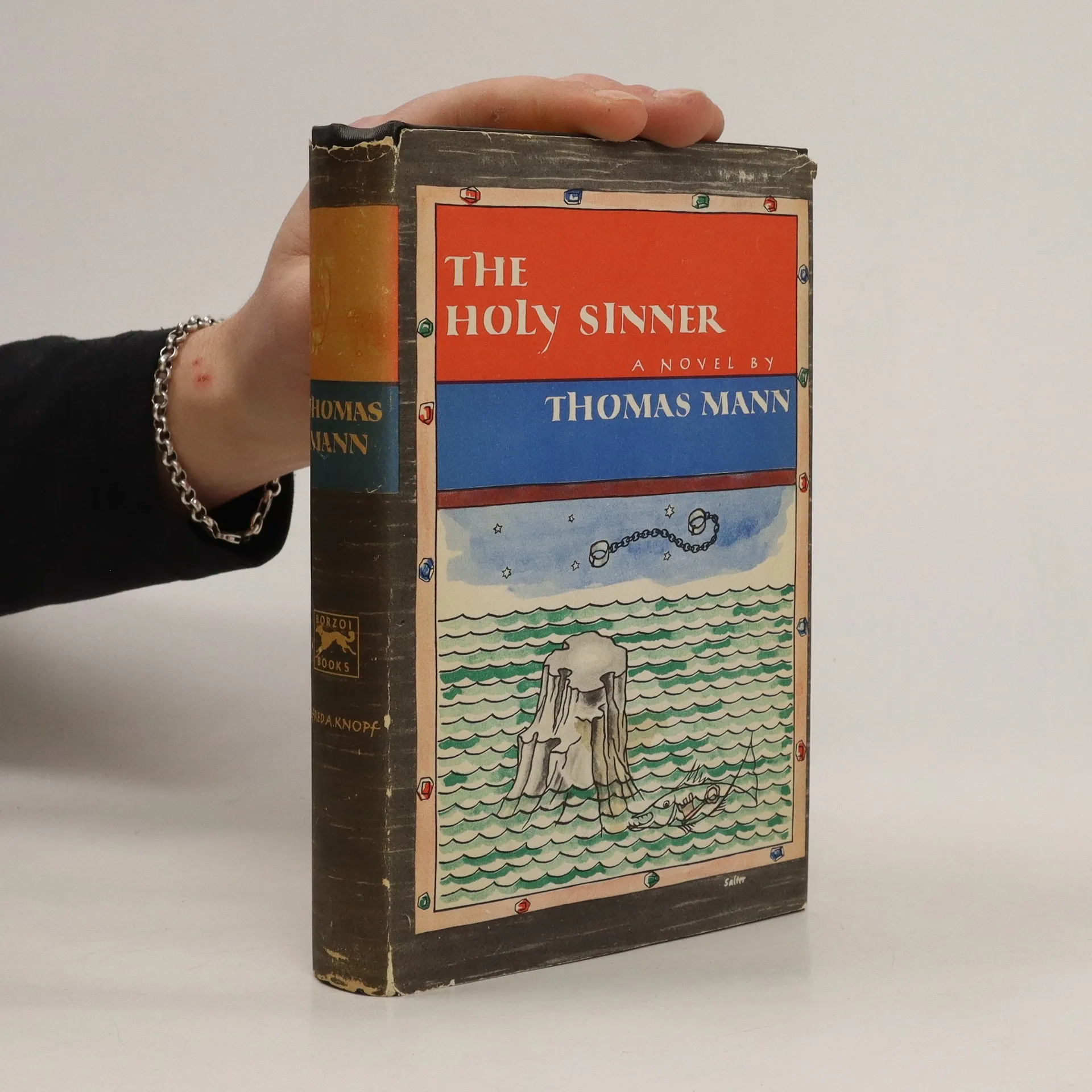
Der Erwählte
Text und Kommentar in einer Kassette
Thomas Manns Roman »Der Erwählte« ist eine meisterhafte Neuerzählung der Gregorius-Legende, in der Gregorius 17 Jahre Buße leistet, bevor er zum Papst erhoben wird. Die kommentierte Ausgabe bietet umfassende Einblicke in die Entstehungsgeschichte, Quellenstudium und Rezeption des Werks, ergänzt durch detaillierte Erläuterungen.
Die Geschichten Jaakobs
- 417bladzijden
- 15 uur lezen
Thomas Mann: Gesammelte Werke in Einzelbänden, Band 9. Frankfurter Ausgabe: Joseph und seine Brüder, 4 Bände. Band 1: Die Geschichten Jaakobs.
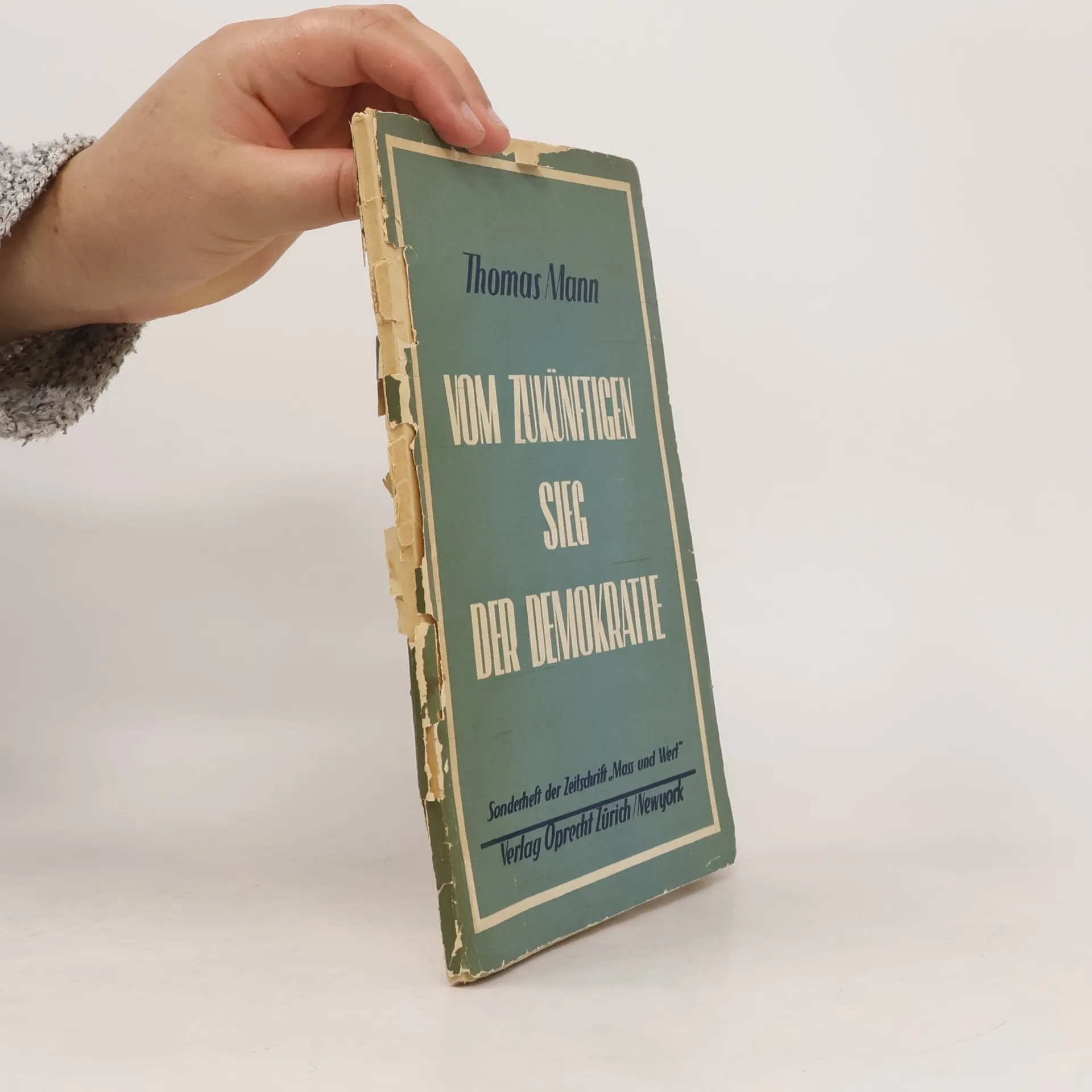
Vom zukünftigen Sieg der Demokratie
Sonderheft der Zeitschrift „Mass und Wert“ 1938
Diese leicht erweiterte Form eines Vortrags, den Thomas Mann im Frühjahr 1938 in 15 Städten der USA hielt, ist von geradezu prophetischer Kraft und inspirierender Aktualität. Denn heute erleben wir, dass die Grundwerte der Demokratie wieder infrage gestellt werden, dass Populismus und Nationalismus unsere demokratische Gesellschaft massiv unter Druck setzen. Schon früh erkannte Mann die Zeichen der Zeit und entwickelte sich zu einem wirkmächtigen Gegner der Nationalsozialisten. »Es handelt sich um die Lebensbedingungen unserer Kinder. Daß wir Fünfzigjährigen das Europa noch sehen werden, in dem unsere Kinder wohnen sollen, wohnen wollen, ist kaum wahrscheinlich. Aber wir können […] wirken helfen, daß es werde«, schrieb er bereits im Jahr 1926.
Joseph in Ägypten Joseph, der Ernährer
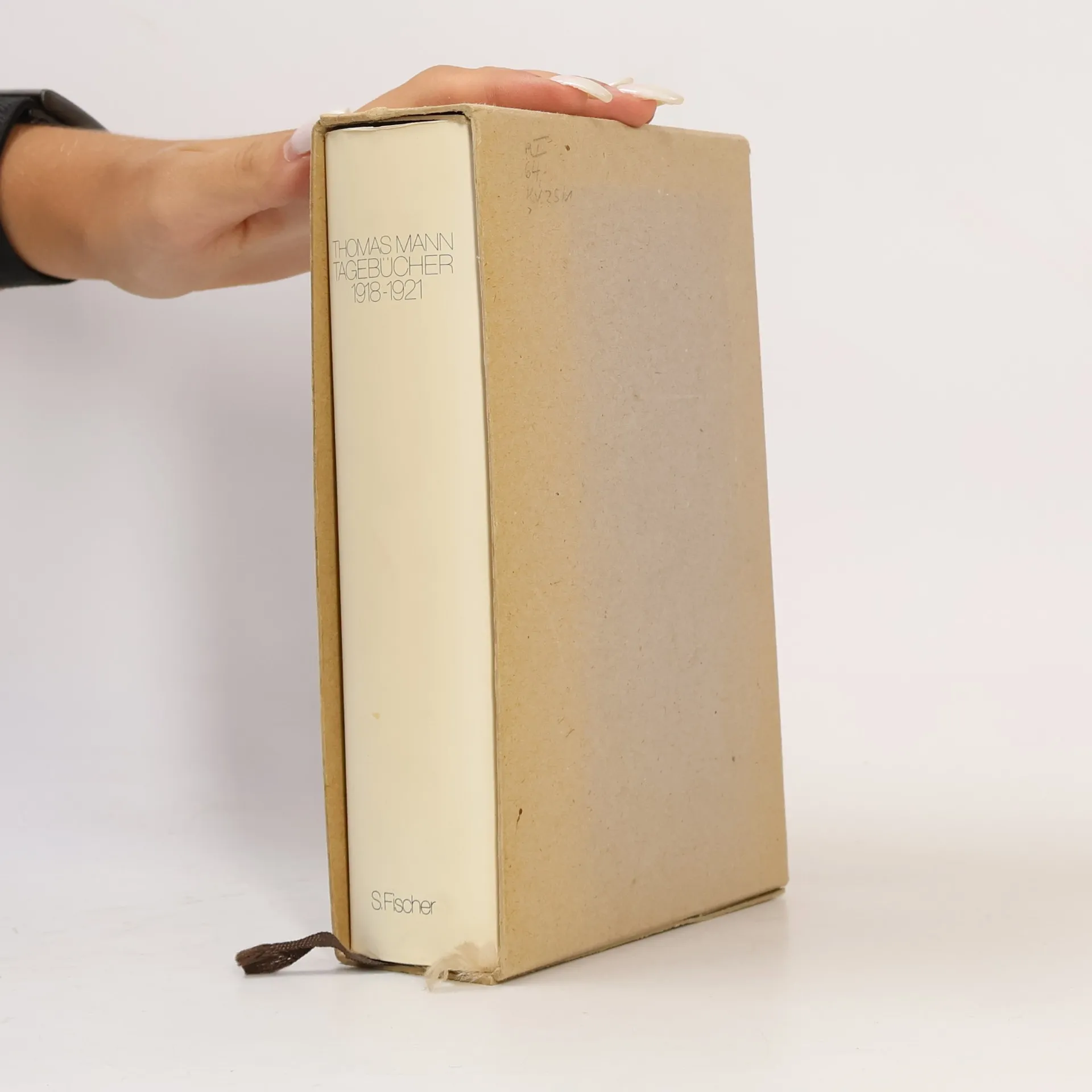
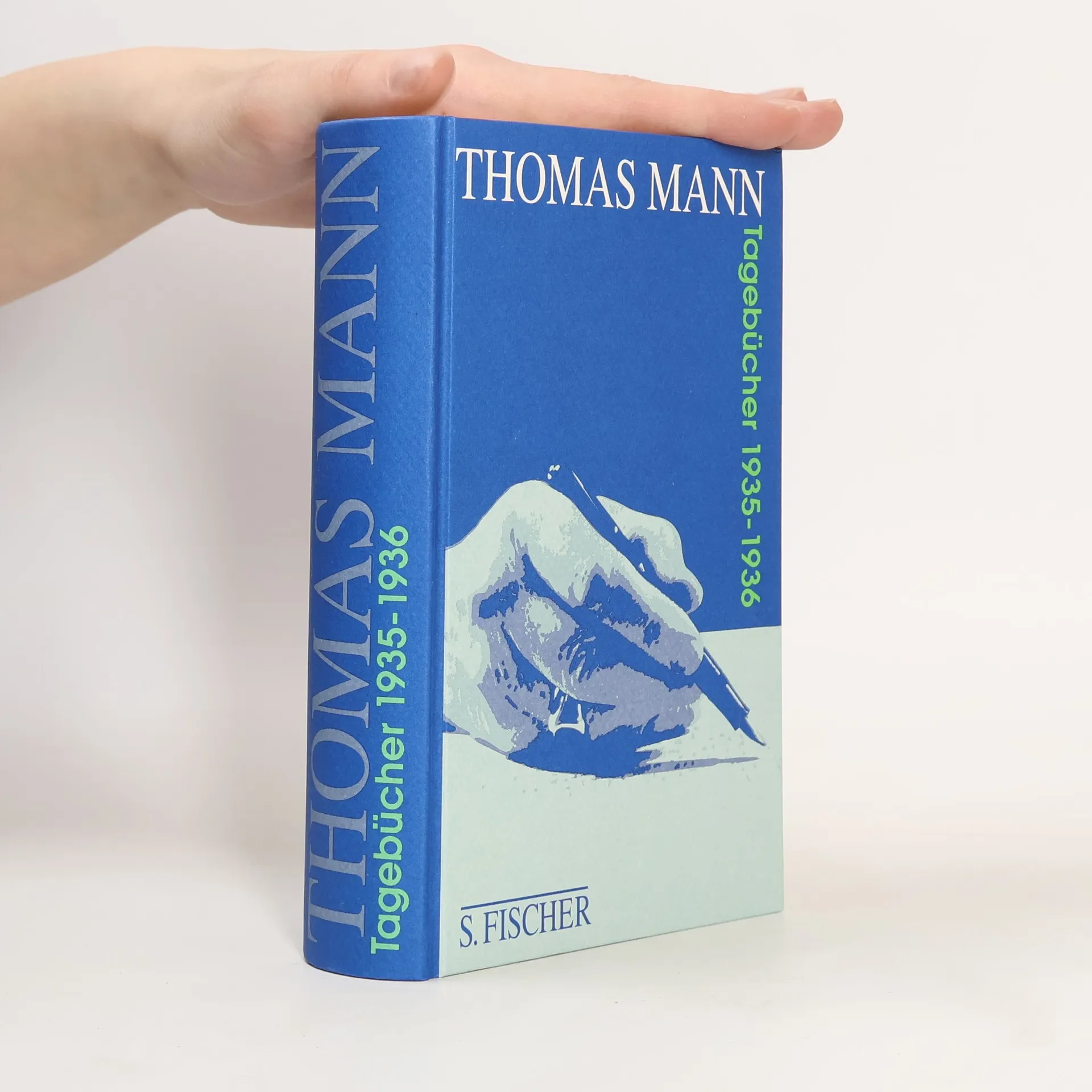
Mit dem Erscheinen von Thomas Manns Tagebüchern hat sich unser Bild des Autors und unser Verständnis seines Werks nachhaltig verändert. In den erhaltenen Journalen von 1918-1921 und ab 1933 bis zum Tod 1955 verbindet Thomas Mann alltägliche Beobachtungen mit dem Weltgeschehen und schreibt so „den Roman eines Lebens“: es ist „der umfassendste, welthaltigste, rührendste, aberwitzigste Roman“, den der Autor je geschrieben hat - „und wie wunderbar geschrieben!“ (Volker Hage)
Sämtliche Erzählungen 2
- 468bladzijden
- 17 uur lezen
Von Herr und Hund bis Die Betrogene vereinigt dieser zweite Band die nach dem Ersten Weltkrieg veröffentlichten Erzählungen Thomas Manns, ferner Fiorenza und den Gesang vom Kindchen.Die FAZ schrieb: »Die Scheu, die man hat, Thomas Mann einen Dichter zu nennen (weil er zu gescheit ist), verliert man am ehesten beim Lesen seiner Novellen. Da hängt man an seinem Munde nicht anders wie beim urtümlichen Geschichtenerfinder des Orients.«Dabei waren auch für einen so formbewussten Autor wie Thomas Mann die literarischen Gattungen nicht streng gesondert; wiederholt konzipierte er große Romane als kleine Novellen. Diese zwei Bände enthalten daher neben Novellen und Erzählungen auch Skizzen und andere Prosaformen.Inhalt:- Herr und Hund- Unordnung und frühes Leid- Mario und der Zauberer- Der Knabe Henoch (Fragment)- Die vertauschten Köpfe- Das Gesetz- Die Betrogene- Fiorenza- Gesang vom Kindchen
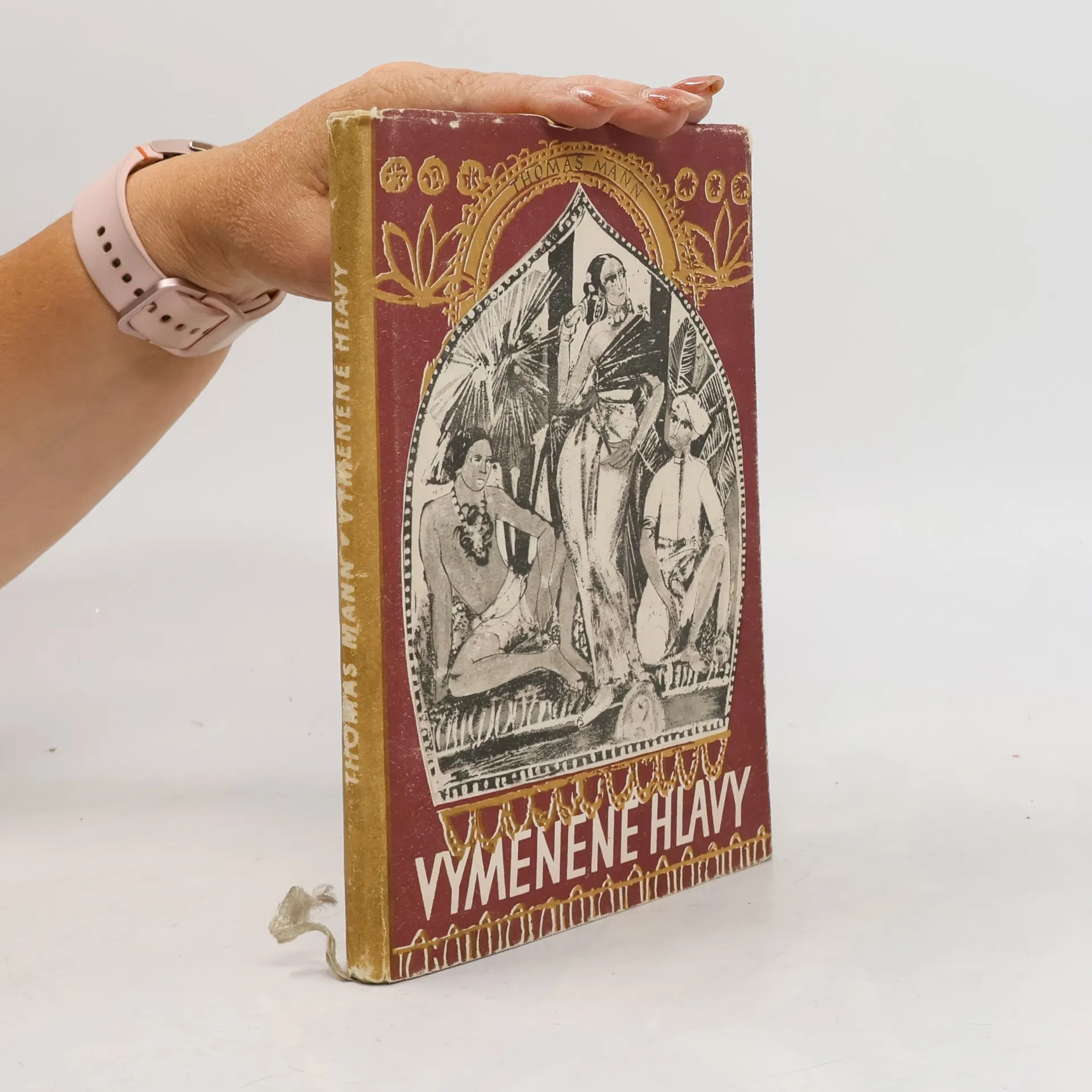
Rozprávka námetom siaha do čias, keď Indovia hľadali pravdu o živote vo Védach a v pokynoch učených brahmanov. Jadro príbehu spočíva v zázračnom vzkriesení dvoch mužov „peknobokej Sity“, pri ktorom došlo k zámene hláv. Vynorila sa otázka, čo tvorí podstatu človeka — hlava, či telo. Spisovateľ v diele ukazuje nevyhnutnú závislost človeka od podmienok a spôsobu života, čím sa postupne vytvára jednota tela i ducha. A láska ženy k duši jedného a k telu druhého nie je nadlho možná. Mannova fantastická rozprávka očarí zvláštnym kúzlom indického spôsobu myslenia, plastickými opismi exotického prostredia a čistým, vybrúseným básnickým slovom.
Joseph und seine Brüder. Der junge Joseph
- 269bladzijden
- 10 uur lezen
Im zweiten Band der Tetralogie wird Joseph zur Hauptfigur. Der siebzehnjähirge Held besticht durch seine jugendliche Schönheit und durch seinen Verstand. Dieser Spätgeborene ist der Liebling Jaakobs, und diese Liebe weckt den Neid der älteren Brüder, führt zu Zwist in der Sippe. Schließlich wird Joseph von seinen Brüdern gedemütigt und an fremde Händler verkauft. Dem Vater erzählen sie, sein Jüngster sei von einem wilden Tier getötet worden. 'Der junge Joseph' erschien 1934 bei S. Fischer in Berlin.
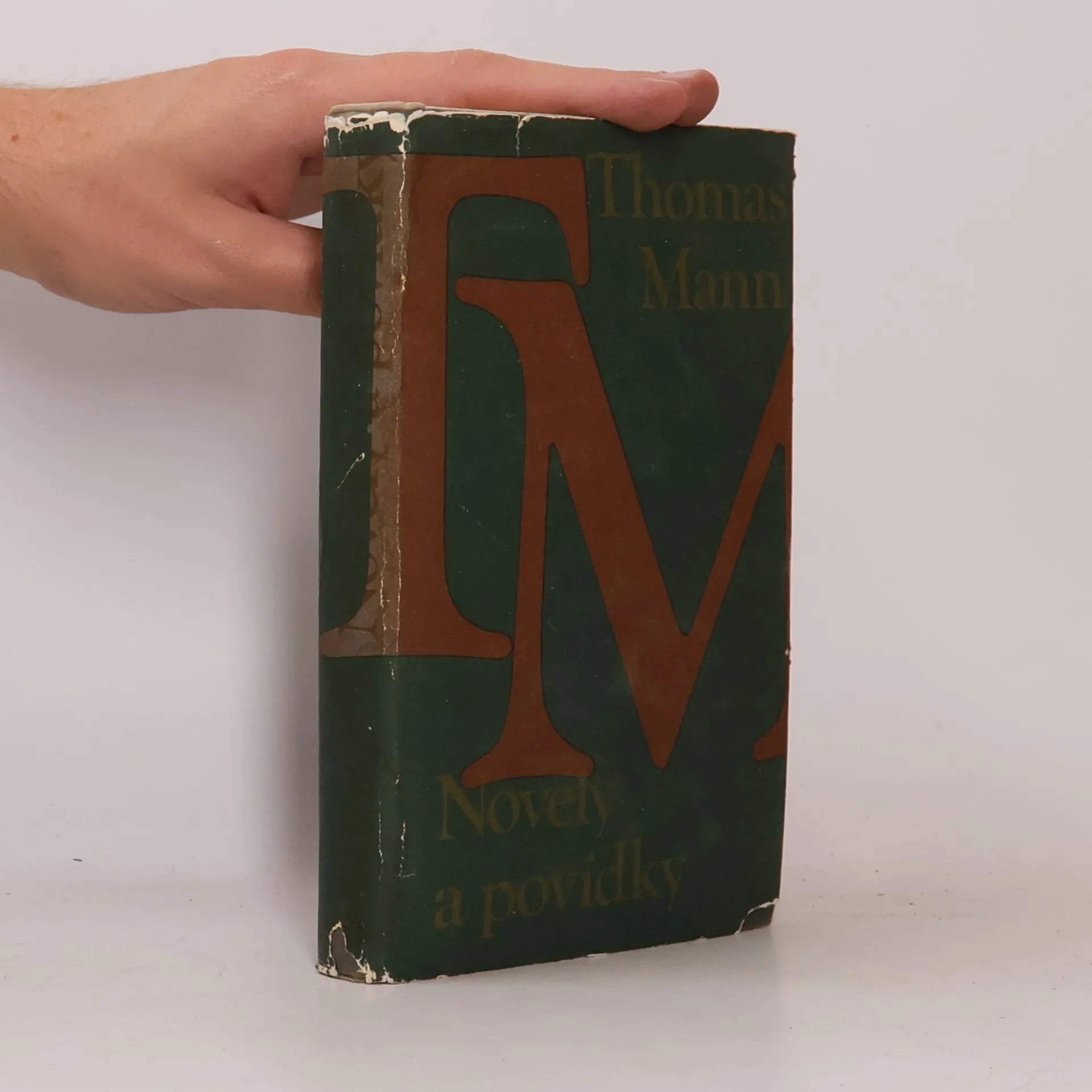
Výbor třinácti novel a/nebo povídek napříč celou tvorbou Thomase Manna. Doslov napsal Antonín Pešek.
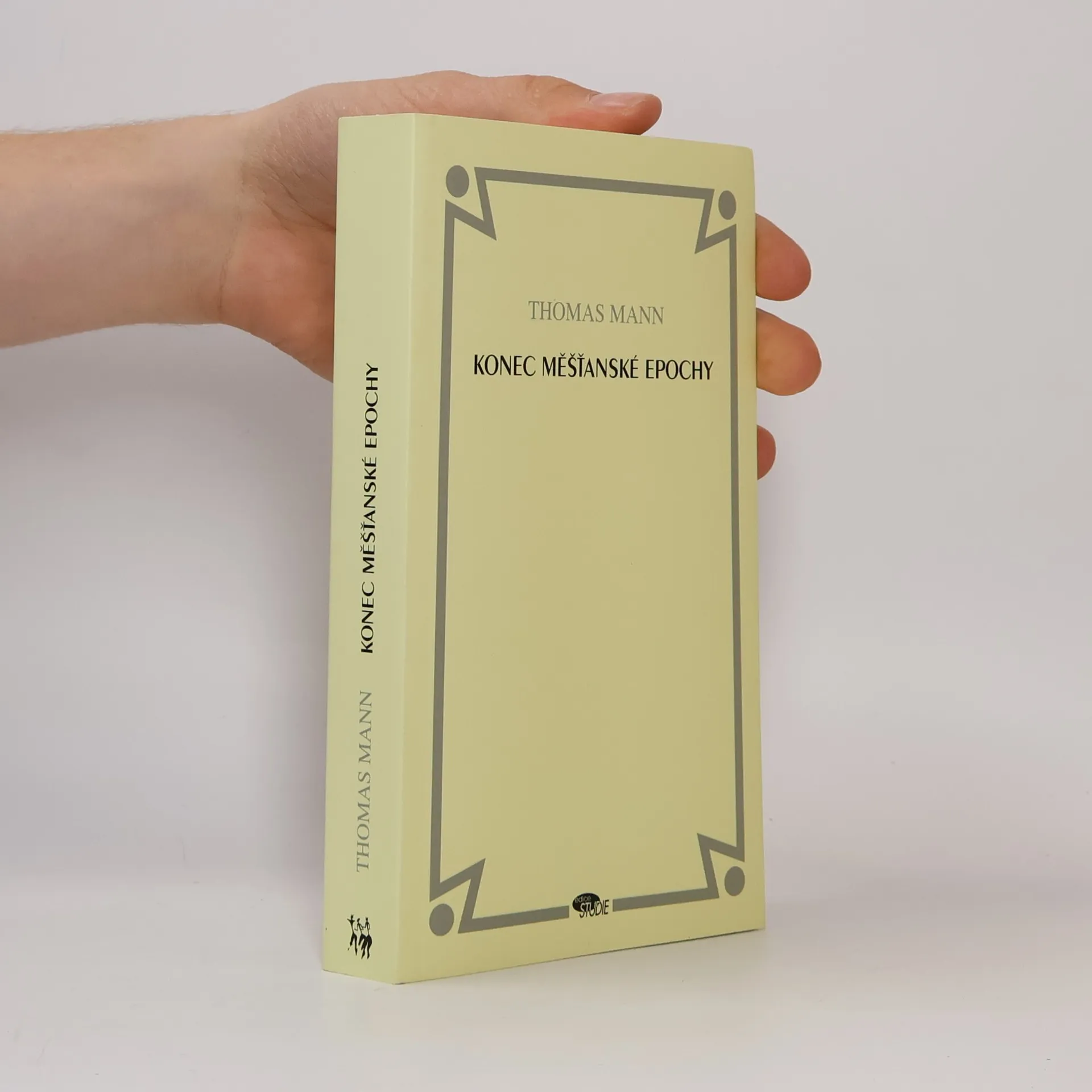
Výbor z Mannovy rozsáhlé esejistiky o literatuře, filozofii a hudbě je koncipován tak, aby reprezentoval pokud možno nejdůležitější estetická a ideová východiska autorovy celoživotní tvorby. Obsahuje jednak eseje o měšťanství a románu jakožto kulturně-historických fenoménech, jednak eseje věnované jednotlivým autorům, kteří měli na Manna zásadní vliv (Wagner, Nietzsche, Dostojevskij, Schiller). Velká část textů tohoto výboru je do češtiny přeložena vůbec poprvé.
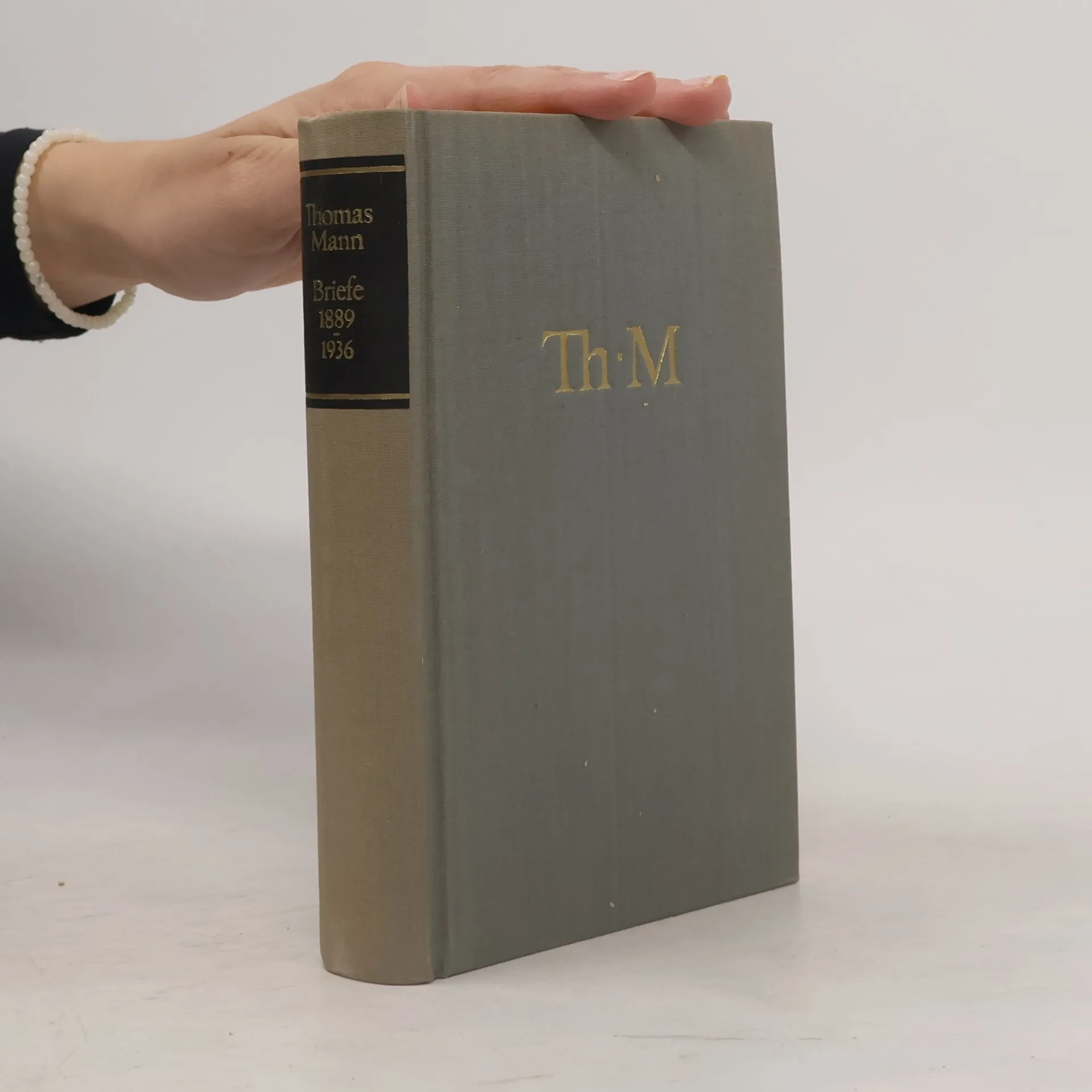
Briefe
1889-1936
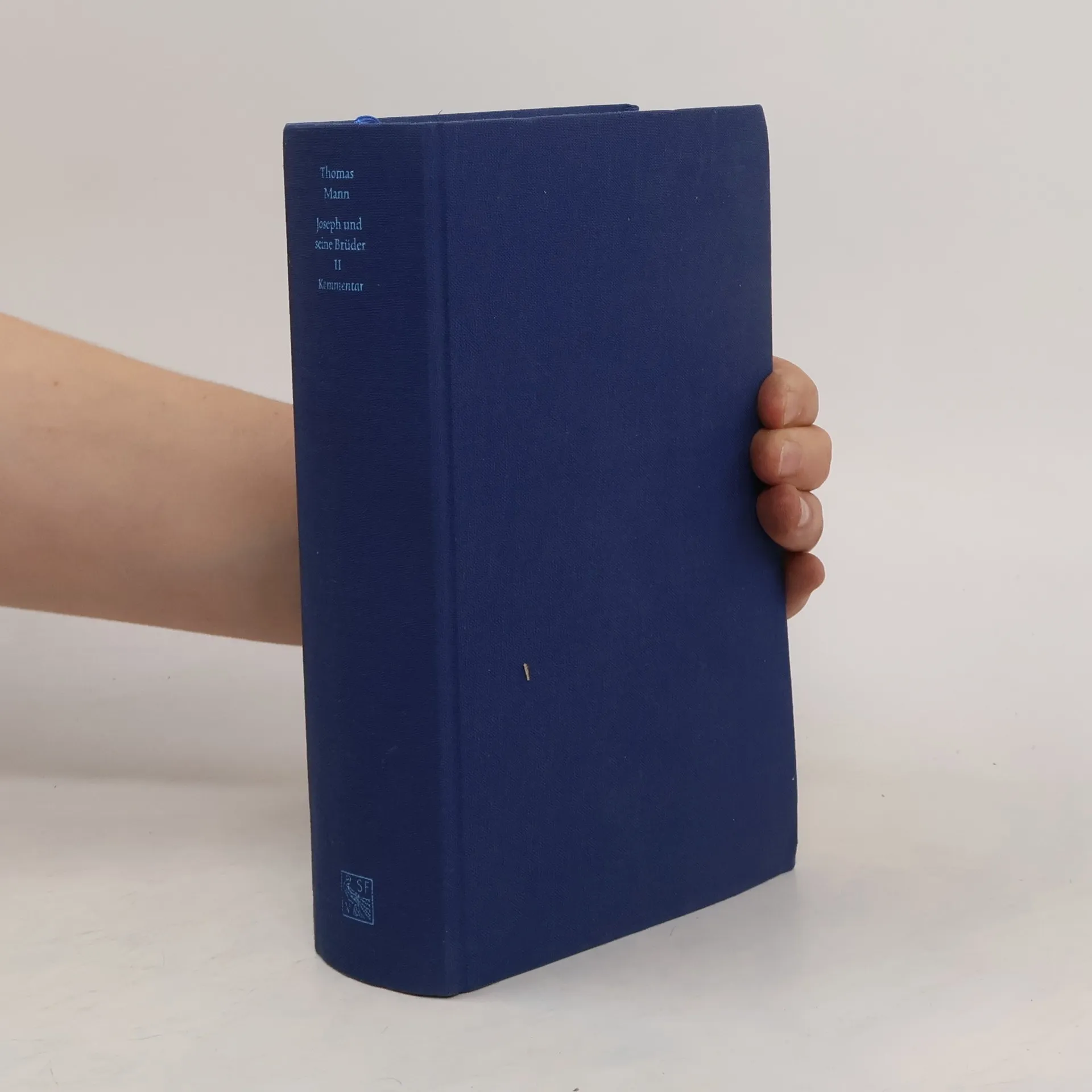
Joseph und seine Brüder II
Joseph in Ägypten. Joseph der Ernährer. Große kommentierte Frankfurter Ausgabe. Werke, Briefe, Tagebücher
- 1100bladzijden
- 39 uur lezen
Der vierbändige Josephroman von Thomas Mann stellt ein bedeutendes literarisches Werk des 20. Jahrhunderts dar, das zwischen 1933 und 1943 veröffentlicht wurde. Die biblische Erzählung widersetzt sich von Beginn an der Nazi-Ideologie und reflektiert die Erfahrungen des Exils. Mann schafft mit dieser Erzählung ein eindrucksvolles Monument, das sowohl historische als auch kulturelle Themen behandelt und tiefgehende Einblicke in die menschliche Existenz bietet.
Mit Thomas Mann durch das Jahr
- 432bladzijden
- 16 uur lezen
Felix Lindner präsentiert in diesem humorvollen Buch 365 Kurzzitate aus den Tagebüchern von Thomas Mann, die seinen Alltag und die Herausforderungen des Schreibens zeigen. Trotz seines Rufes als disziplinierter Arbeiter kämpfte Mann mit Müdigkeit, Zweifeln und Ablenkungen, während er versuchte, sein Schreib-Pensum zu bewältigen.
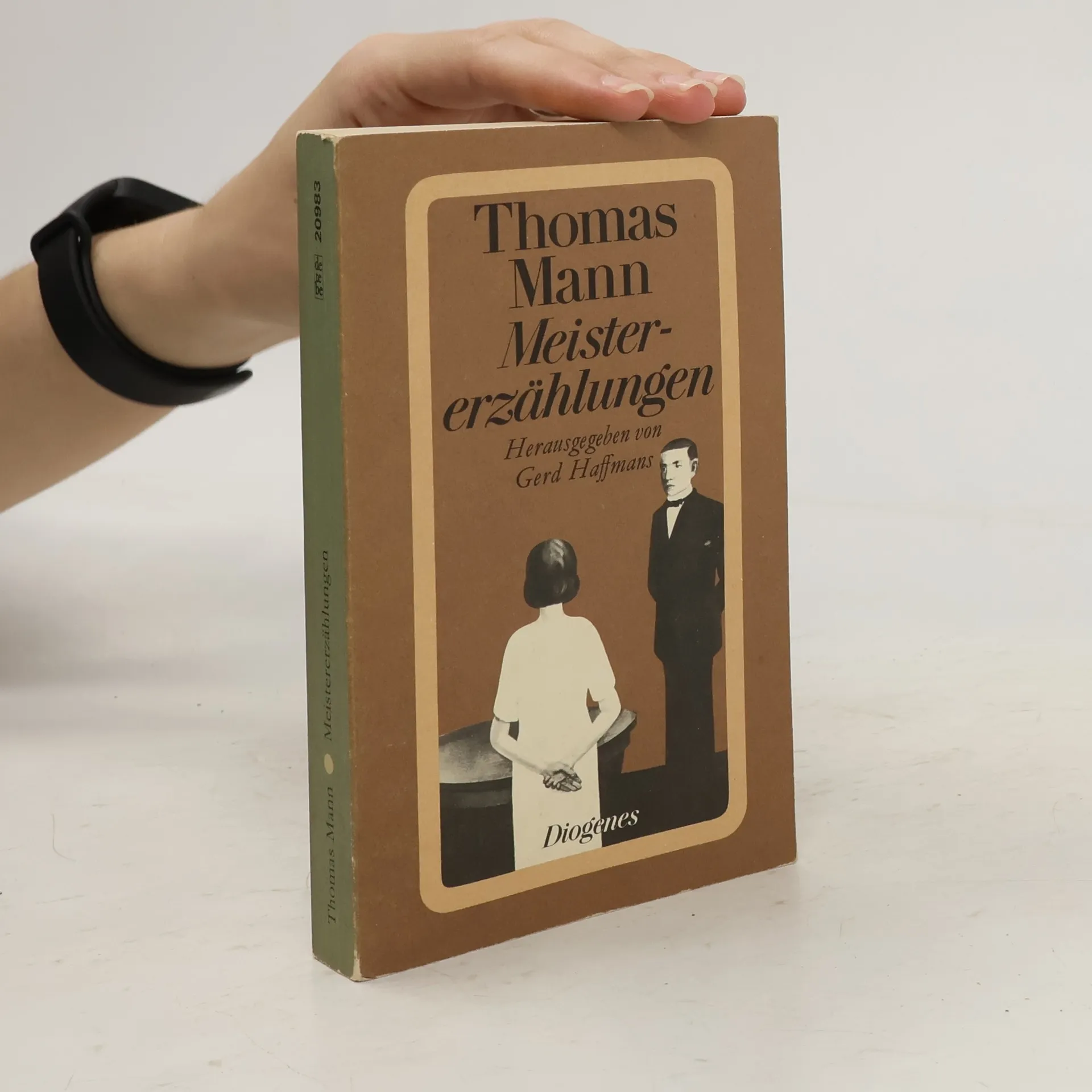
Meistererzählungen
- 335bladzijden
- 12 uur lezen
Ausgewählt von Gerd Haffmans Inhalt: Der Büchersack Fußspuren im Dschungel Die Tür des Schicksals Neil Mac Adam Der Brief Vor der Party Jane Der rote Ted Tugend Die Dschungel-Residenz P & O Das runde Dutzend
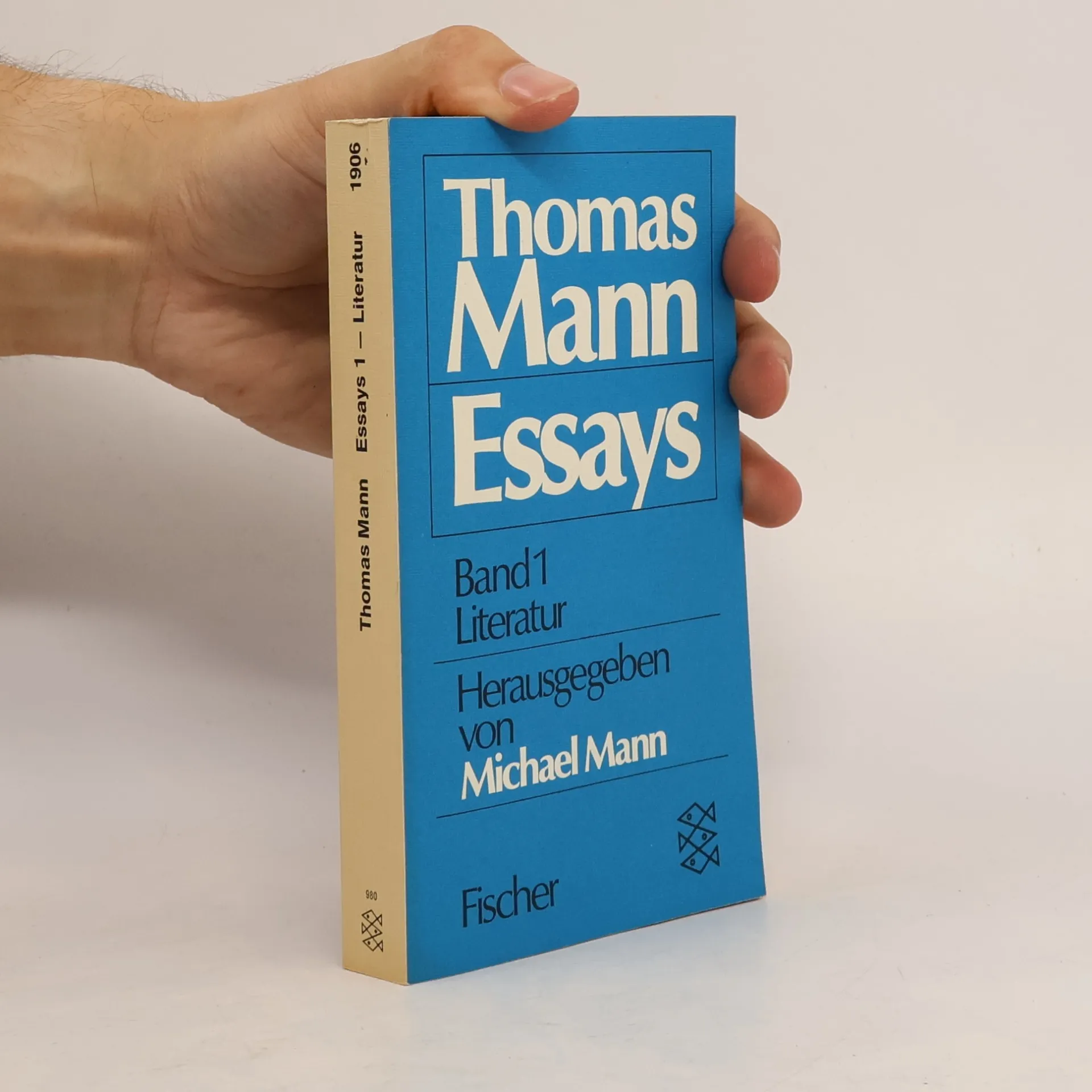
Die Forderung des Tages
Abhandlungen und kleine Aufsätze über Literatur und Kunst
- 410bladzijden
- 15 uur lezen
Thomas Mann betrachtete seine monumentale Nacherzählung der biblischen Geschichte von Joseph als sein Hauptwerk. Er konzipierte die vier Teile – Die Geschichten von Jakob, Der junge Joseph, Joseph in Ägypten und Joseph der Versorger – als eine einheitliche Erzählung, einen „mythologischen Roman“ von Josephs Fall in die Sklaverei und seinem Aufstieg zum Herrn über Ägypten. Mit üppigen, überzeugenden Details beschwört Mann die Welt der Patriarchen und Pharaonen, die antiken Zivilisationen Ägyptens, Mesopotamiens und Palästinas sowie die universelle Kraft der menschlichen Liebe in all ihrer Schönheit, Verzweiflung, Absurdität und Schmerz. Das Ergebnis ist eine brillante Mischung aus Humor, Emotion, psychologischer Einsicht und epischer Größe.
Mit dem Erscheinen von Thomas Manns Tagebüchern hat sich unser Bild des Autors und unser Verständnis seines Werks nachhaltig verändert. In den erhaltenen Journalen von 1918-1921 und ab 1933 bis zum Tod 1955 verbindet Thomas Mann alltägliche Beobachtungen mit dem Weltgeschehen und schreibt so „den Roman eines Lebens“: es ist „der umfassendste, welthaltigste, rührendste, aberwitzigste Roman“, den der Autor je geschrieben hat - „und wie wunderbar geschrieben!“ (Volker Hage)
Mit dem Erscheinen von Thomas Manns Tagebüchern hat sich unser Bild des Autors und unser Verständnis seines Werks nachhaltig verändert. In den erhaltenen Journalen von 1918-1921 und ab 1933 bis zum Tod 1955 verbindet Thomas Mann alltägliche Beobachtungen mit dem Weltgeschehen und schreibt so „den Roman eines Lebens“: es ist „der umfassendste, welthaltigste, rührendste, aberwitzigste Roman“, den der Autor je geschrieben hat - „und wie wunderbar geschrieben!“ (Volker Hage)
Der Büyülü Dağ, der als zeitgenössischer Klassiker der Weltliteratur gilt, ist ein wahrhaftiger Roman der Zeit. Der junge Hamburger Schiffbauingenieur Hans Castorp besucht für drei Wochen seinen Cousin in einem Schweizer Sanatorium und erfährt, dass auch er einer Behandlung bedarf, weshalb er sieben Jahre bleibt. In dieser Zeit lernt er die Welt der Ärzte und Patienten, die beiden Pole der westlichen Philosophie und die berauschende Erfahrung einer platonischen Liebesgeschichte kennen. Während seines Aufenthalts im Sanatorium durchläuft Castorps einfacher Geist eine Veränderung, während er über die Erfahrungen von Krankheit und Tod hinaus das Wunder des Lebens begreift. Thomas Mann behandelt in diesem Werk, das mit allen Feinheiten der Romankunst und in ironischem Stil geschaffen wurde, universelle Themen wie Zeit, gegensätzliche Kulturen, Liebe, Krankheit und Tod. Der Büyülü Dağ untersucht die Weltprobleme seiner Zeit vor dem Ersten Weltkrieg und kritisiert in teils scharfer, ironischer Weise die bürgerliche Tradition und Moral und fungiert als Spiegel seiner Epoche.
Der Büyülü Dağ, ein zeitgenössischer Klassiker der Weltliteratur, ist ein vollendeter Roman der Zeit. Der junge Hamburger Schiffbauingenieur Hans Castorp besucht für drei Wochen seinen Vetter in einem Schweizer Sanatorium, wo er erfährt, dass auch er einer Behandlung bedarf, und bleibt sieben Jahre. In dieser Zeit lernt er die Welt der Ärzte und Patienten, die beiden Pole der westlichen Philosophie und die berauschenden Erfahrungen einer platonischen Liebesgeschichte kennen. Während seines Aufenthalts im Sanatorium durchläuft Castorps reiner Geist eine Veränderung, als er über Krankheit und Tod hinaus das Wunder des Lebens begreift. Thomas Mann behandelt in diesem Werk, das mit allen Feinheiten der Romankunst und in ironischem Stil gestaltet ist, universelle Themen wie Zeit, gegensätzliche Kulturen, Liebe, Krankheit und Tod. Der Büyülü Dağ untersucht die Weltprobleme der Zeit vor dem Ersten Weltkrieg und kritisiert mitunter scharf und ironisch die bürgerliche Tradition und Moral, und fungiert als Spiegel der Epoche.
Thomas Mann Brevier
- 307bladzijden
- 11 uur lezen
Dieses Lesebuch enthält vielfältige Informationen über Thomas Mann und präsentiert kurze sowie ausführliche Zitate und Textausschnitte, die einen weniger bekannten Blick auf den weltberühmten Autor bieten.
Josef a bratří jeho 1
- 533bladzijden
- 19 uur lezen
První díl tetralogie, v níž Mann vylíčil starohebrejský mýtus o Josefovi z doby před 3500 let a podle vlastních slov jej "až do nejzazších koutů jazyka humanizoval". Úvodní svazek jedná o Jákobovi, jeho dlouhém čekání na Ráchel, o mládí jeho nejmilejšího syna Josefa a nevraživosti jeho starších bratří, kteří ho nakonec prodají do otroctví.
Román z roku 1924 odehrávající se ve švýcarském plicním sanatoriu, v němž se v slovních soubojích protagonistů uskutečňuje světonázorová diskuse o zániku staré společnosti a současně probíhá i morální a duchovní příprava na lepší budoucnost.
Eseje
- 286bladzijden
- 11 uur lezen
Výber z bohatého esejistického diela nositeľa Nobelovej ceny za literatúru Thomasa Manna zahŕňa práce venované najpálčivejším otázkam doby i nadčasovým témam umenia a estetiky, či reflexie vlastnej spisovateľskej profesie, takpovediac nazretia za „oponu“, ktorá zakrýva prípravu veľkého literárneho diela. Štylisticky vybrúsené úvahy jednej z najväčších svetových literárnych osobností dávajú šancu nazrieť do jej nevšedného myšlienkového sveta i do spektra záujmov, ktorým sa venovala.
Bergtagen
- 976bladzijden
- 35 uur lezen
Hans Castorp tänker sig tre vilsamma semesterveckor på det luxuösa sanatoriet Berghof i Davos - men de tre veckorna blir sju år. När han insjuknar är han glad över att få stanna kvar och uppvakta den attraktiva Claudia Chauchat och diskutera livets gåtor med Herr Settembrini. I den instängda och känsloladdade miljön möter Hans de dominerande tankeströmningarna på 1920-talet och sanatoriet blir en bild för det sjuka Europa.Med det majestätiska alplandskapet som effektfull bakgrund utvecklas han från en ung man till en vuxen människa. Han återvänder inte hem förrän han måste dra ut i Första världskriget.Thomas Mann (1875-1955) fick nobelpriset 1929 och räknas till en av Tysklands största författare. En kritikerröst: "Han har bevisat att det fortfarande är möjligt att skriv stora, fundamentalt originella och relevanta romaner"Delfinserien har i mer än trettio år stått för kvalitativ pocketutgivning. Idag består serien av moderna klassiker av internationellt snitt.[Bokinfo].