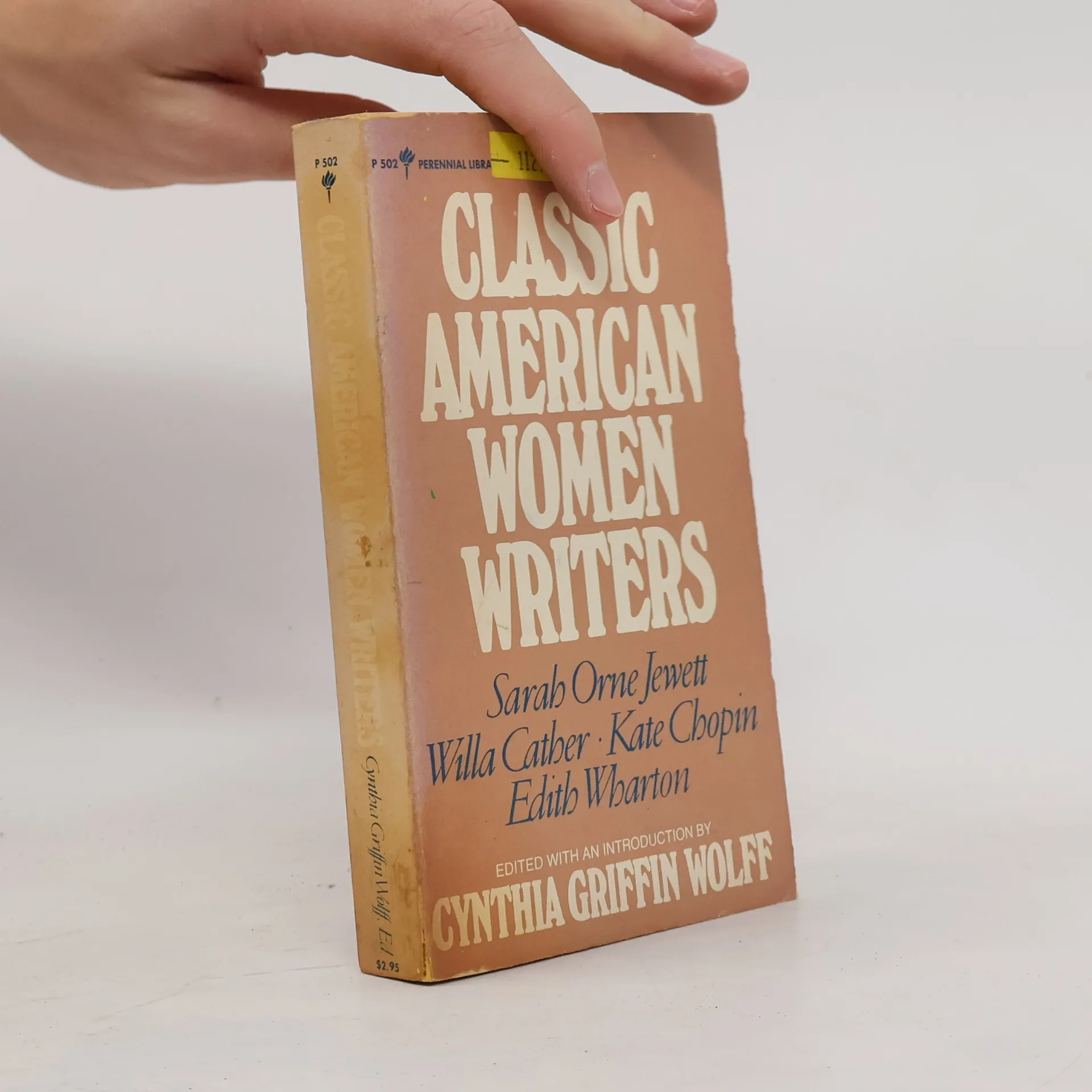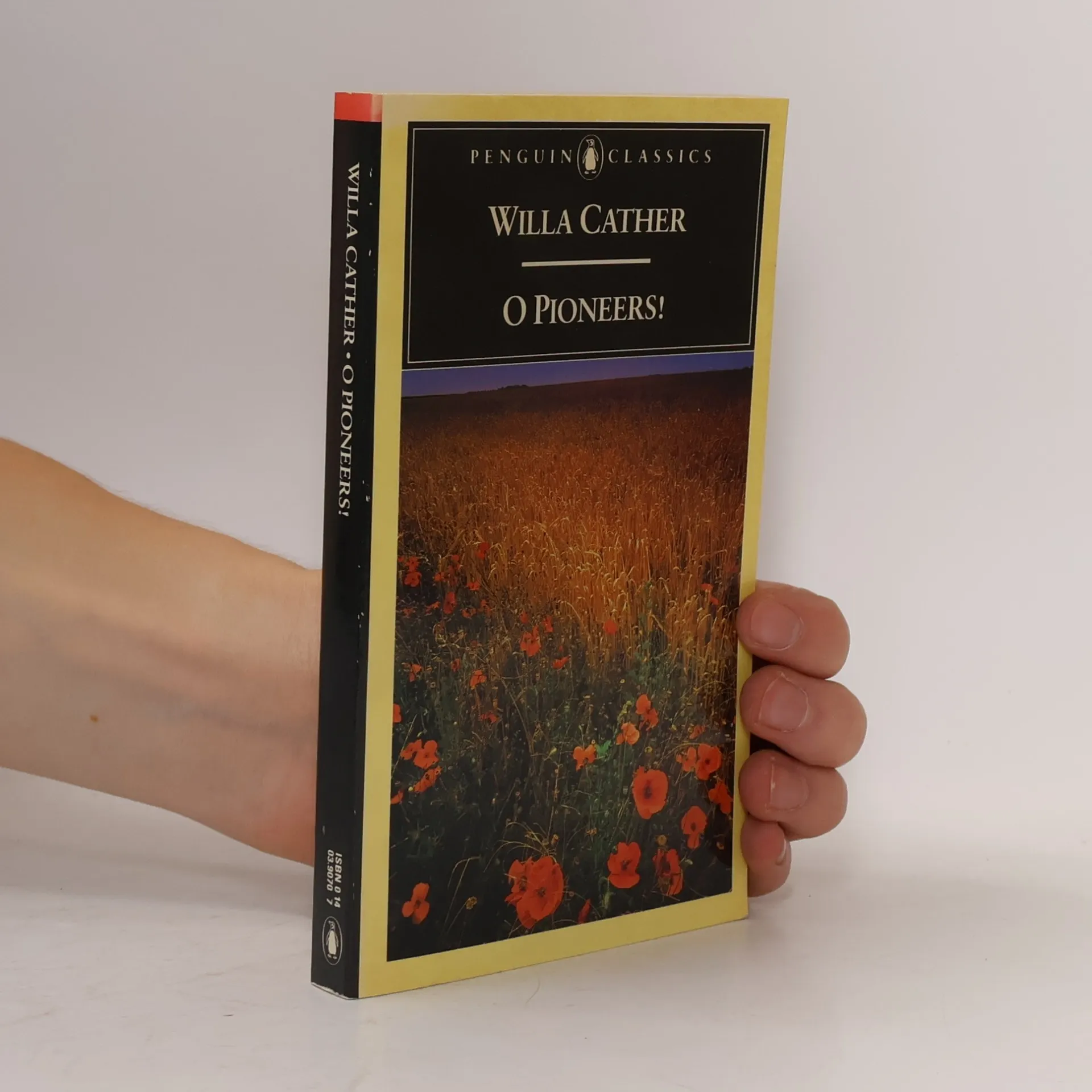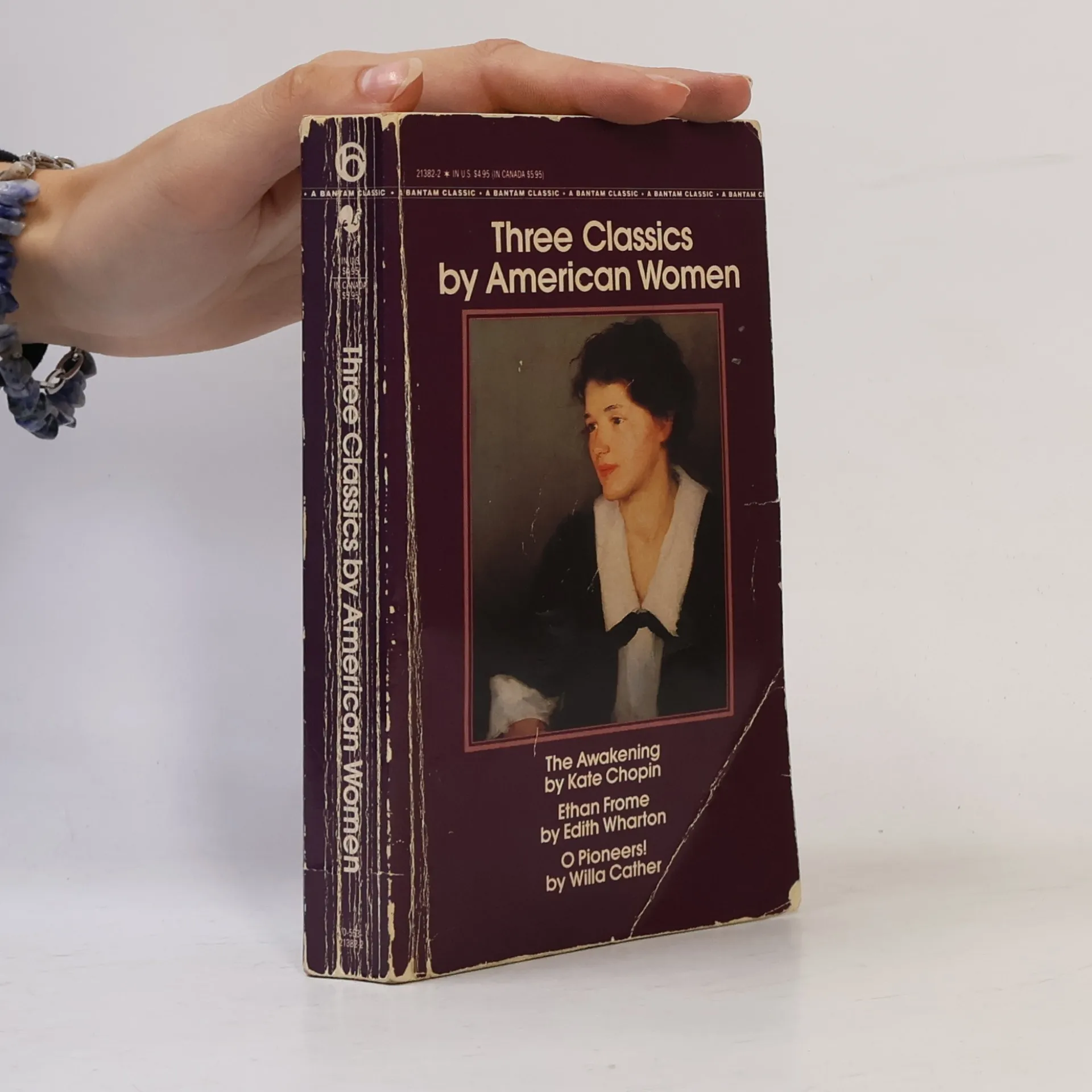


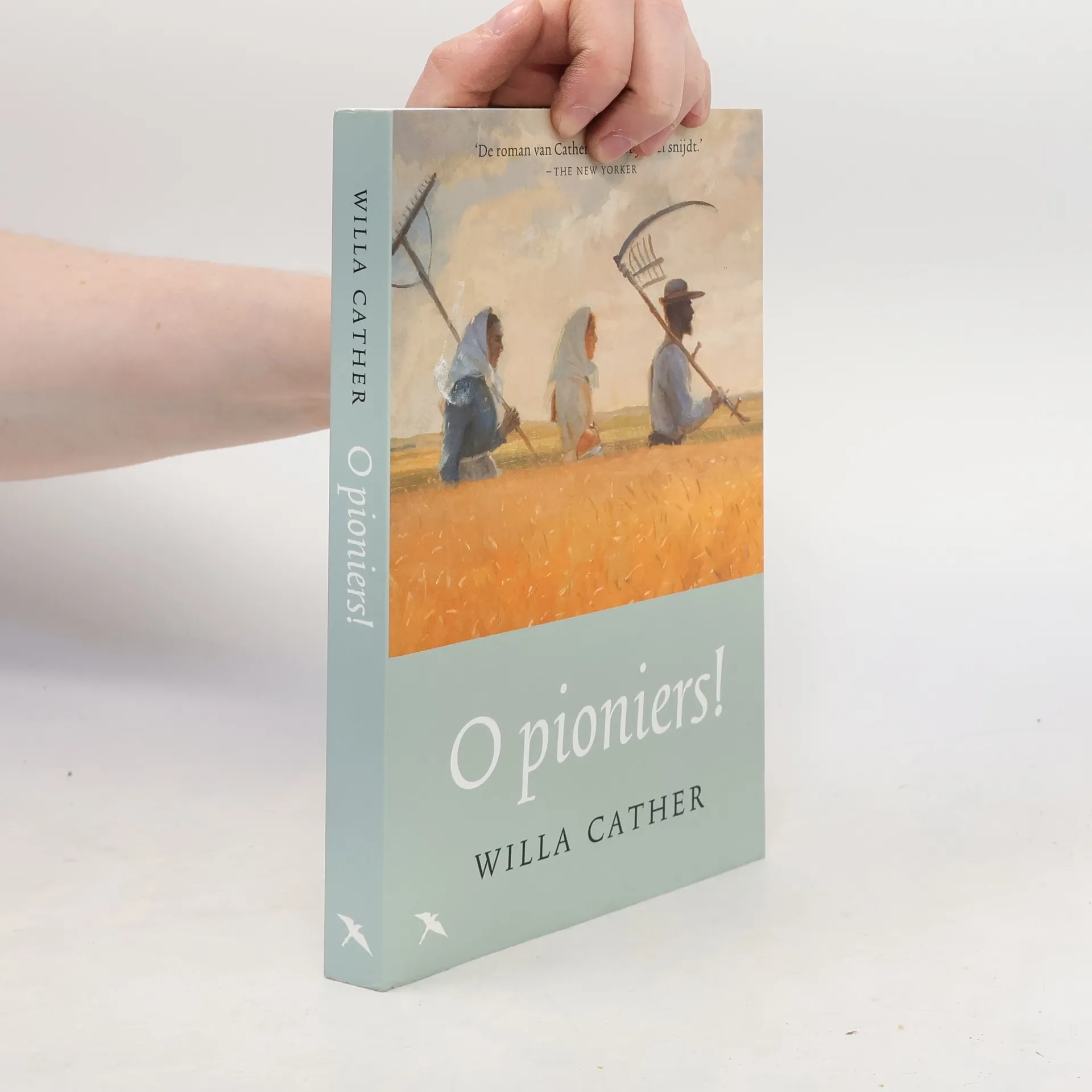
Willa Cather staat bekend om haar levendige romans die het grensleven weergeven en de ontembare geest van individuen die betekenis zoeken in een veranderende wereld. Ze gebruikt meesterlijk een lyrische prozastijl om thema's als identiteit, verbondenheid en de diepe band tussen mensen en het land te verkennen. Cather was bijzonder bedreven in het creëren van veerkrachtige vrouwelijke protagonisten die tegenspoed met stille kracht en introspectie overwinnen. Haar werk blijft significant vanwege haar scherpe psychologische inzichten en haar tijdloze weergave van de Amerikaanse ervaring.
Interconnected short stories capture the essence of life on the American frontier, showcasing the struggles and triumphs of its inhabitants. Willa Cather's vivid prose brings to life the unique experiences of her characters, offering insights into their destinies and the challenges they face in a changing world. This collection, published in 1932, highlights the resilience and spirit of those who lived in this rugged landscape.
In this haunting novel, the Pulitzer Prize-winning author of My Ántonia and Death Comes for the Archbishop performs a series of crystalline variations on the themes that preoccupy her greatest fiction: the impermanence of innocence, the opposition between prairie and city, provincial American values and world culture, and the grandeur, elation, and heartache that await a gifted young woman who leaves her small Nebraska town to pursue a life in art. At the age of eighteen, Lucy Gayheart heads for Chicago to study music. She is beautiful and impressionable and ardent, and these qualities attract the attention of Clement Sebastian, an aging but charismatic singer who exercises all the tragic, sinister fascination of a man who has renounced life only to turn back to seize it one last time. Out of their doomed love affair-and Lucy's fatal estrangement from her origins-Willa Cather creates a novel that is as achingly lovely as a Schubert sonata.
My Mortal Enemy is the eighth novel by American author Willa Cather. It was first published in1926. Willa Cather's protagonist in My Mortal Enemy is Myra Henshawe, who as a young woman gave up a fortune to marry for love-a boldly romantic gesture that became a legend in her family. But this worldly, sarcastic, and perhaps even wicked woman may have been made for something greater than love.
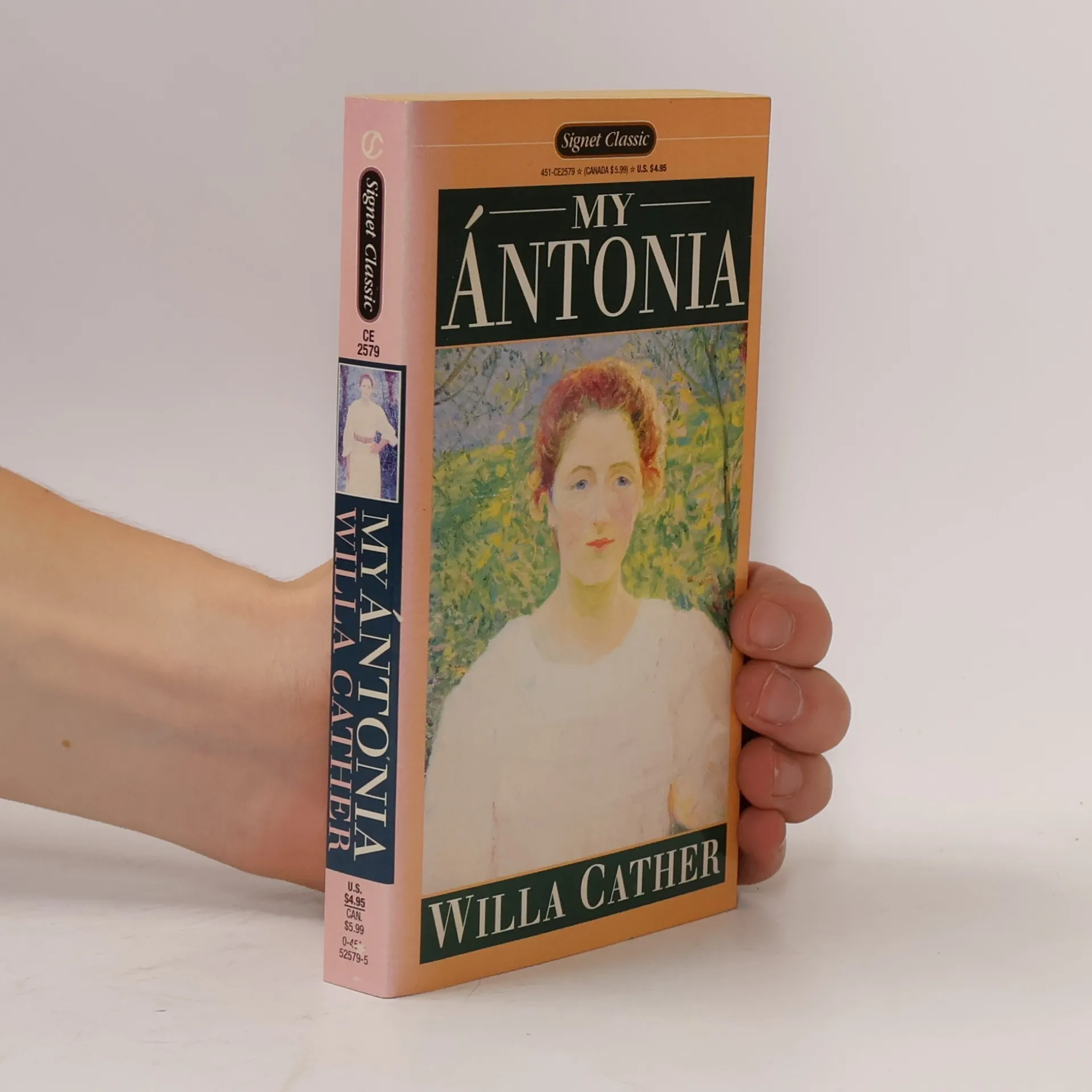
In the late nineteenth century, a fourteen-year-old immigrant girl from Bohemia and a ten-year-old orphan boy arrive in Black Hawk, Nebraska, and in teaching each other form a friendship that will last a lifetime.
The novel follows a year in the lives of Cecile Auclair and her father Euclide, French colonists in Quebec, beginning in 1697. Euclide, a physician and apothecary, reflects on the last ship returning to France while managing the household after his wife's death, with Cecile taking on domestic duties. The story unfolds through character-driven narratives rather than a central plot.
As winter approaches, Euclide attends to Reverend Mother Juschereau, while Cecile shows kindness to Jacques, the son of a troubled woman, by seeking shoes for him from Governor Frontenac. The young Bishop Saint-Vallier visits the Auclair shop, and Euclide expresses his disapproval of the bishop's extravagant lifestyle and decisions.
In June, fur-trader Pierre Charron shares tales with the Auclairs and accompanies Cecile on a visit to friends. When five ships arrive from France, a celebration ensues, and Cecile receives gifts from her aunts. Although scheduled to return to France, she hesitates, worried about Jacques's well-being.
Meanwhile, the Count, realizing he won't be recalled to France, frees Euclide from service, but Euclide opts to stay. The Count, on his deathbed, gifts a bowl of glass fruit to Cecile, and after his passing, the two bishops reconcile their differences.
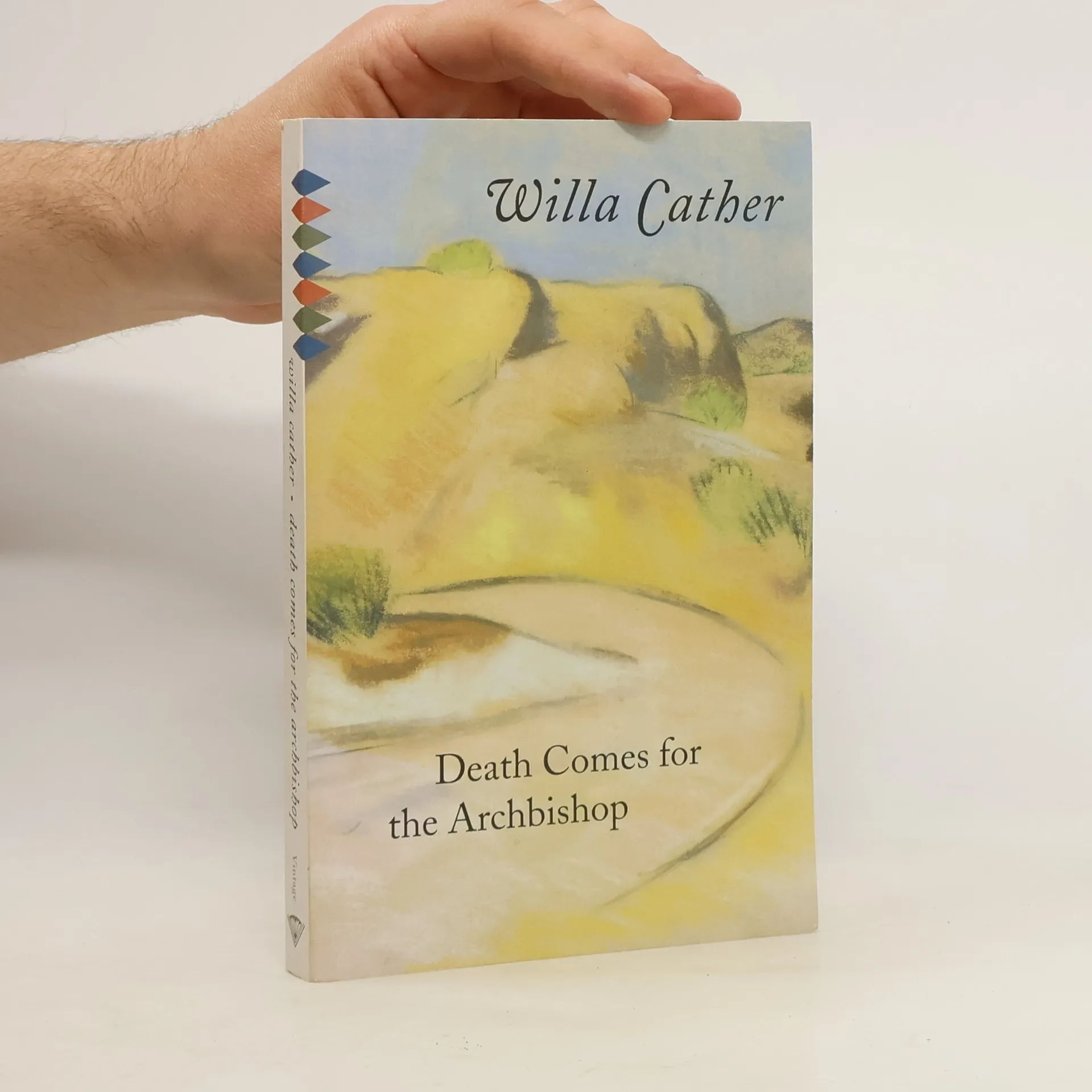
In 1851 Father Jean Marie Latour becomes Apostolic Vicar to New Mexico, and over the next forty years he faces the lawlessness and loneliness of the frontier as he tries to spread his faith.
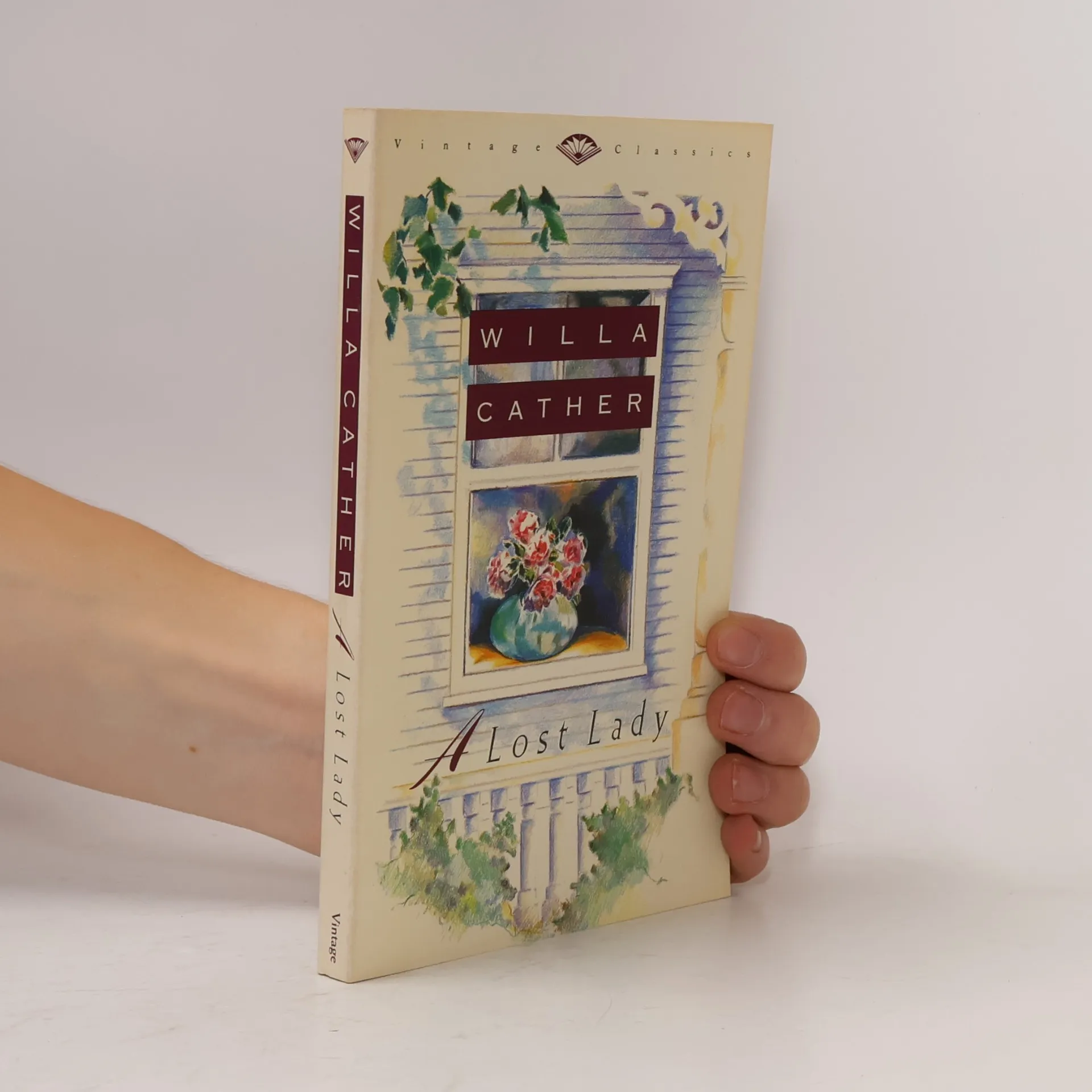
A portrait of a woman who reflects the conventions of her age even as she defies them and whose transformations embody the decline and coarsening of the American frontier.
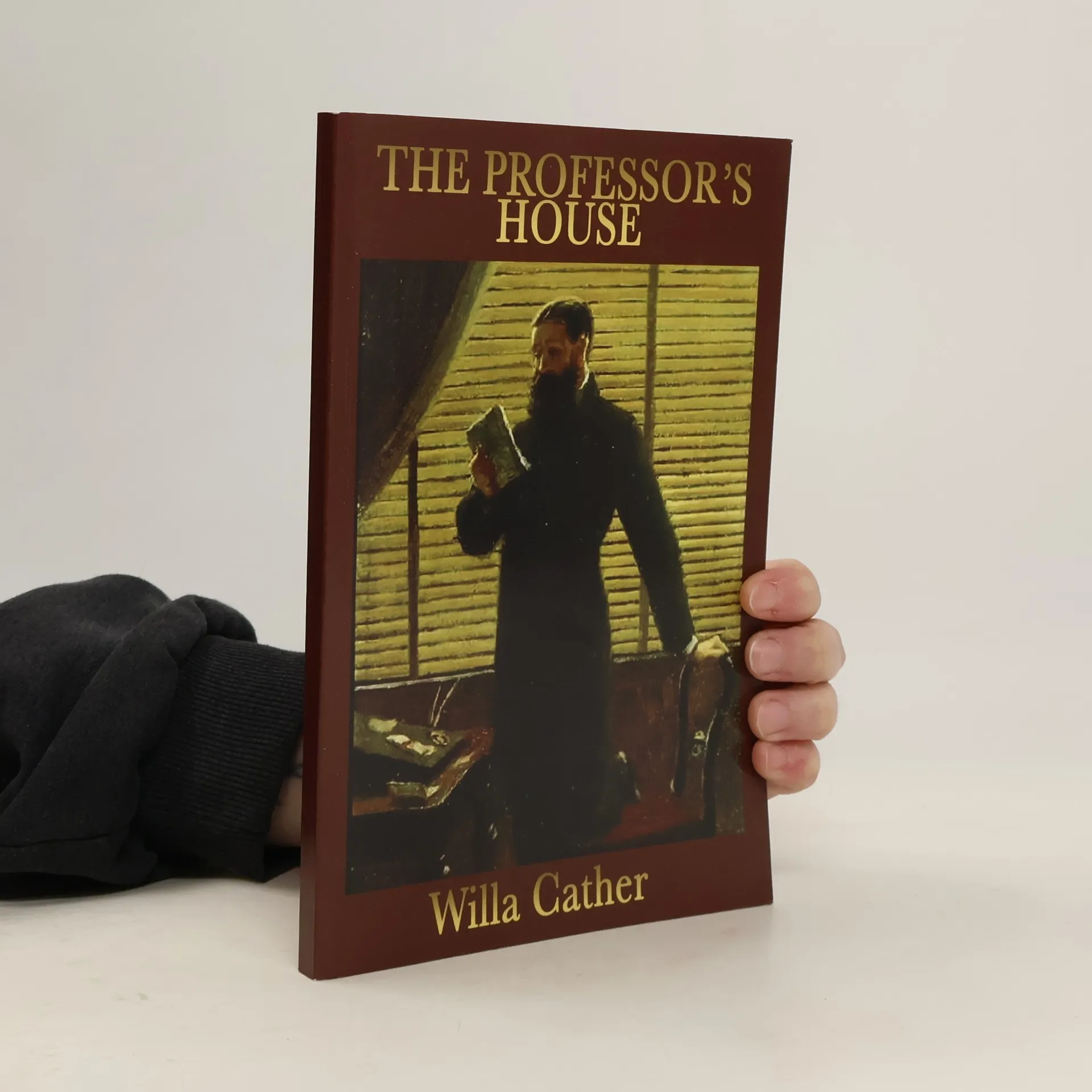
The story explores Professor Godfrey St. Peter's struggle with change and nostalgia as he grapples with his dissatisfaction in life. Reluctantly moving to a new house, he clings to his past by maintaining his old study. A near-death experience from a gas leak serves as a catalyst for self-reflection, prompting him to confront his fears and seek a healthier way to cope with his evolving reality. The narrative delves into themes of identity, loss, and the challenges of embracing change.
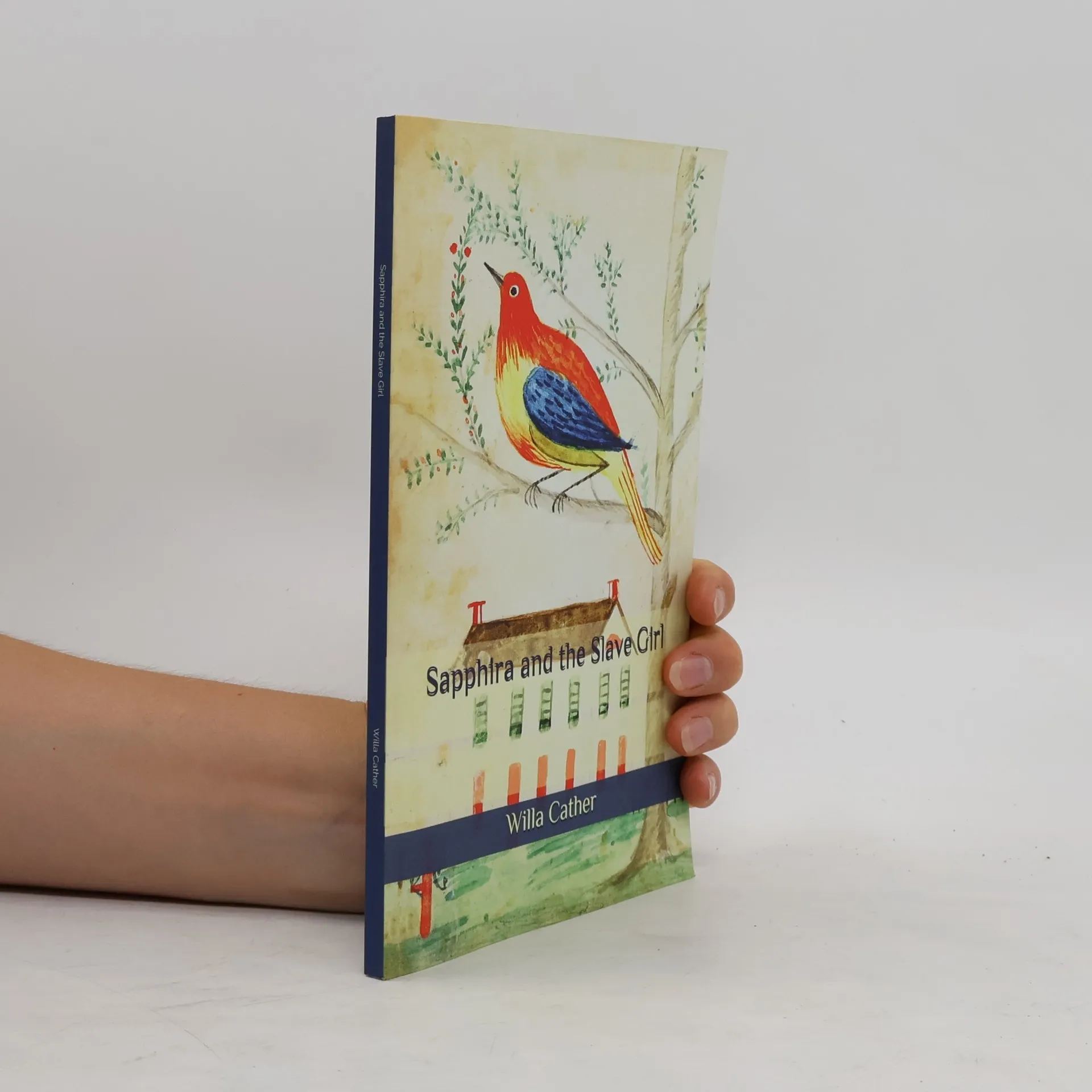
Sapphira Dodderidge, a Virginia lady of the 19th century, marries beneath her and becomes irrationally jealous of Nancy, a beautiful slave. One of Cather's later works.
The Burglar’s Christmas was originally published near the beginning of Willa Cather’s writing career in 1896 under the pseudonym of Elizabeth L. Seymour. The story follows William Crawford on the cold streets of Chicago as he contemplates the multiple failures plaguing his life, including his time at college and careers in journalism, real estate, and performing. Distraught, he tries one more role: thief. Attempting to burgle a residence and caught in the act by the lady of the house, William must come to terms with the choices that led him to that moment. Cather provides a heartwarming short story of redemption and love at Christmas, a timely reminder that kindness is in everyone, just waiting to be uncovered.